-
Morgan Weistling, born in 1964, is recognized as one of the top contemporary painters in the United States. His father is an artist. He was influenced by his father and grew up in an artistic family.
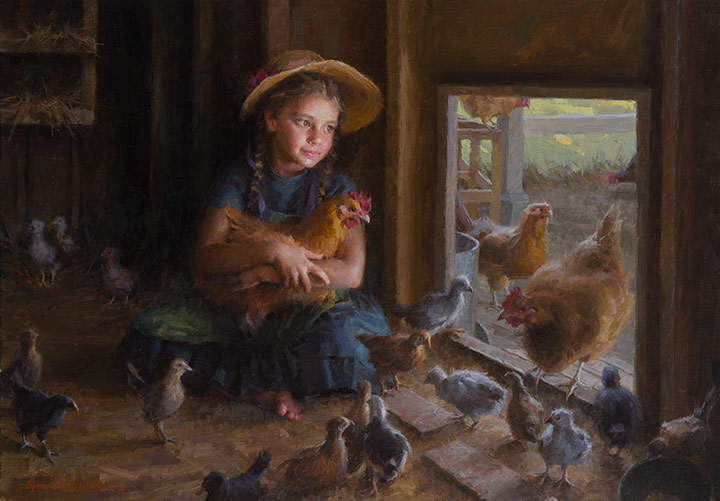
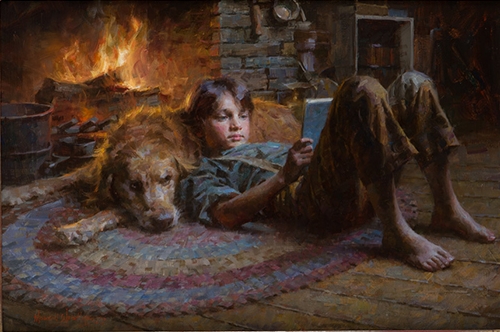
His works are ubiquitous in pursuit of the discovery of beauty. Whether it is oil painting or sketching, character or natural painting, they are all refined, rigorous, soft and illusory, giving people a refreshing and elegant enjoyment of beauty. Using the pen boldly, the shape and color are well combined, the color is rich and transparent, his paintings are expressive and appealing, and very penetrating in the details.
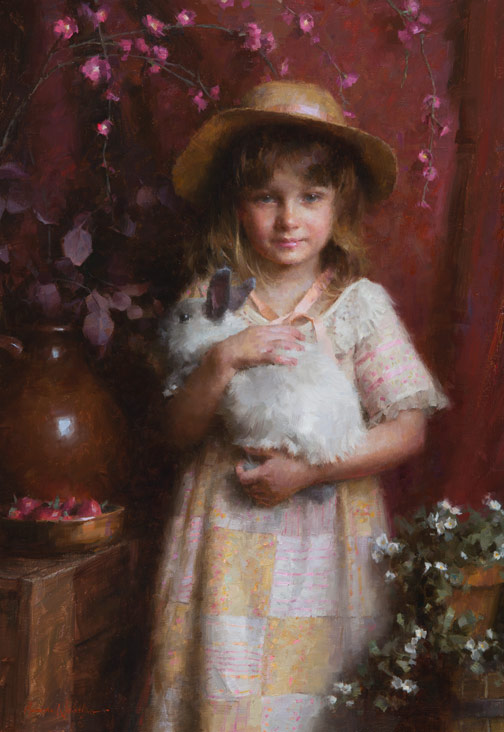
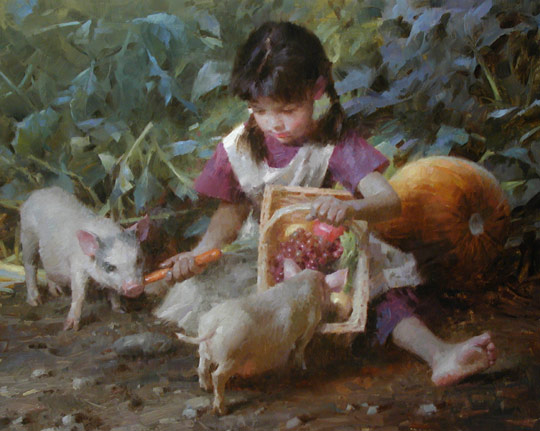
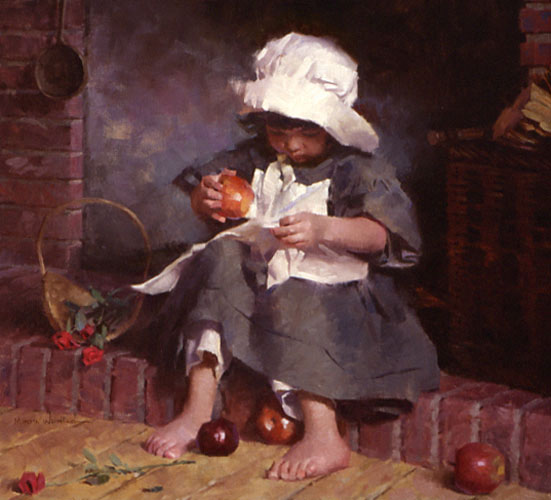
As a successful illustrator in the Hollywood film industry for 14 years, Morgan made a change to the art world in 1998. In a small sense, the change was rapid. His earliest influence came from his father. When he was 19 months old, Morgan sketched on his father's lap. At the age of 15, he began professional art training at the Brandes art Institute in Los Angeles.
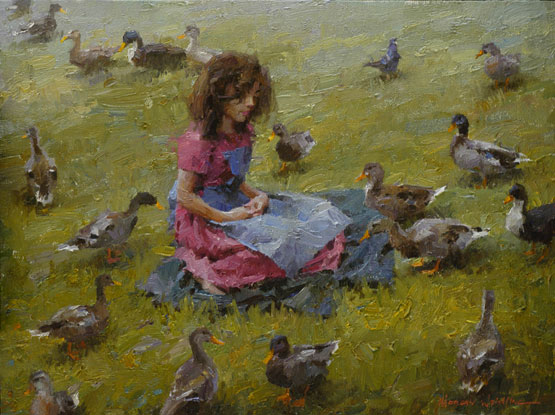
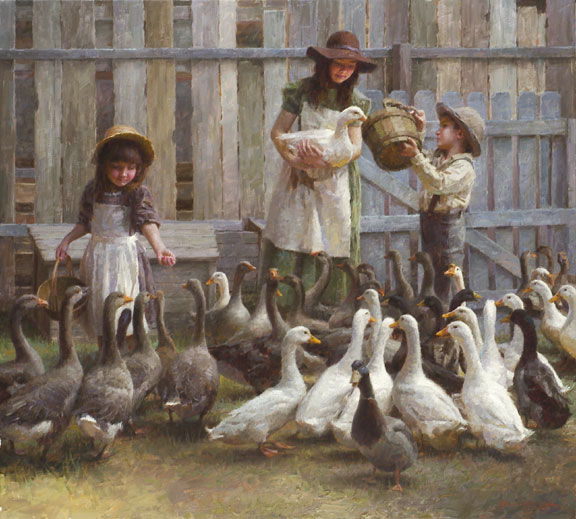
At the age of 19, Morgan graduated from art school and was hired by Bacon Reneric Design, Hollywood's top advertising company. For 14 years, he worked with every major studio in the entertainment industry to make movie posters. Morgan thrived in the challenges faced by the highly stressed poster industry, but he was also looking forward to greater development in art.
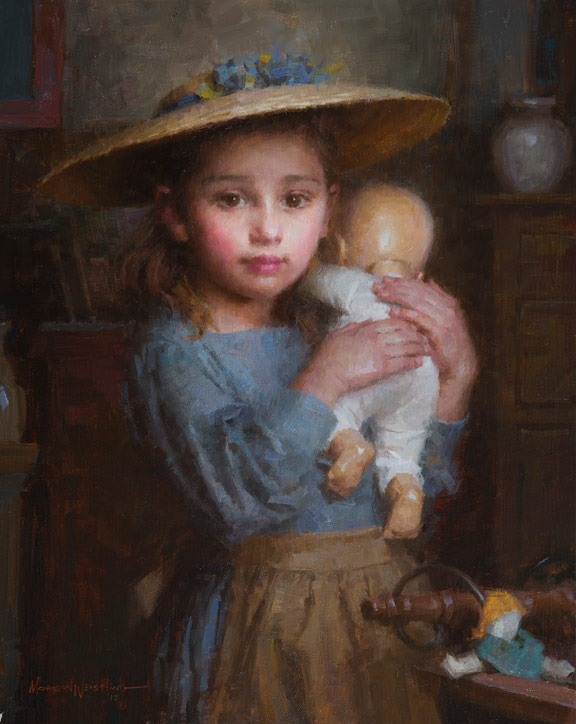
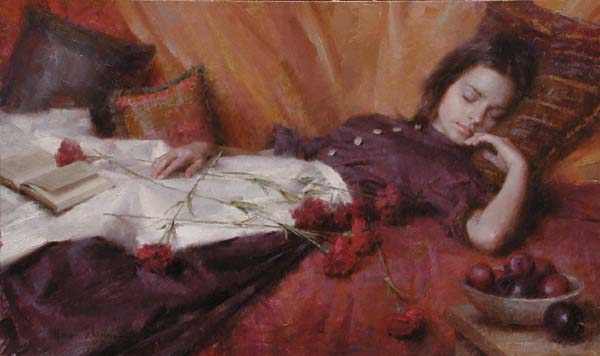
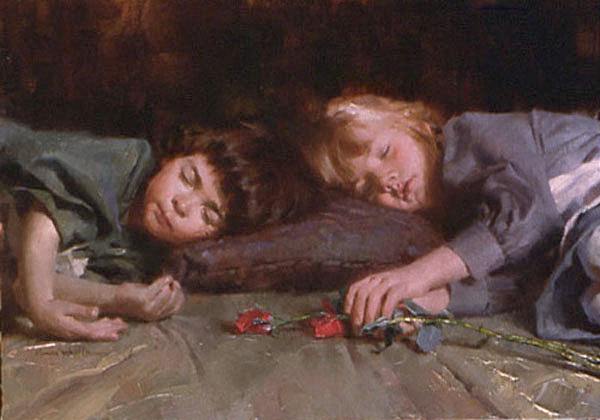
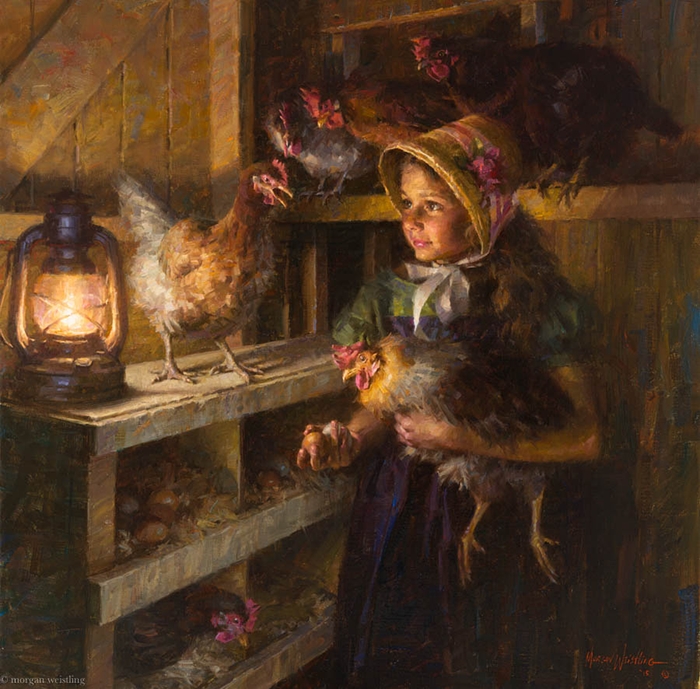
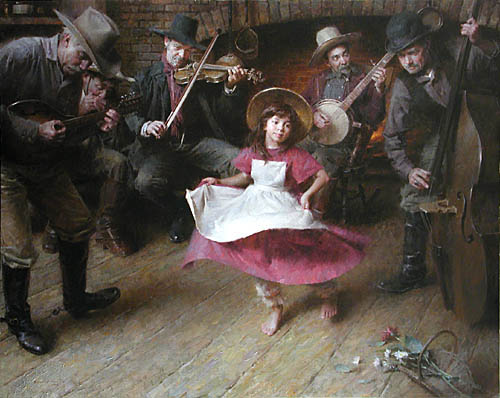
After leaving the illustration, Morgan quickly became famous throughout the country for his superb oil paintings. These oil paintings show his time-honed painting ability and his masterful control of value, edges and light. He can use his years of illustrator experience to create superb works with multiple characters and single character settings. In most cases, his works are works of the times, evoking a more gentle and elegant era. He grasped the mood and atmosphere of the past, and his attention to the historical aspects of the subject matter came from his depiction of the truth, goodness and beauty of American pioneering spirit.
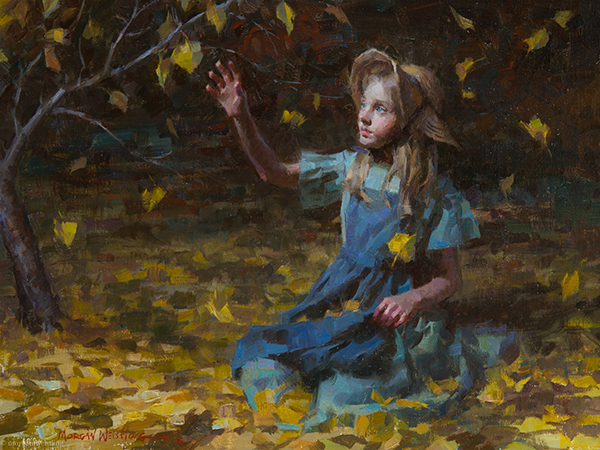
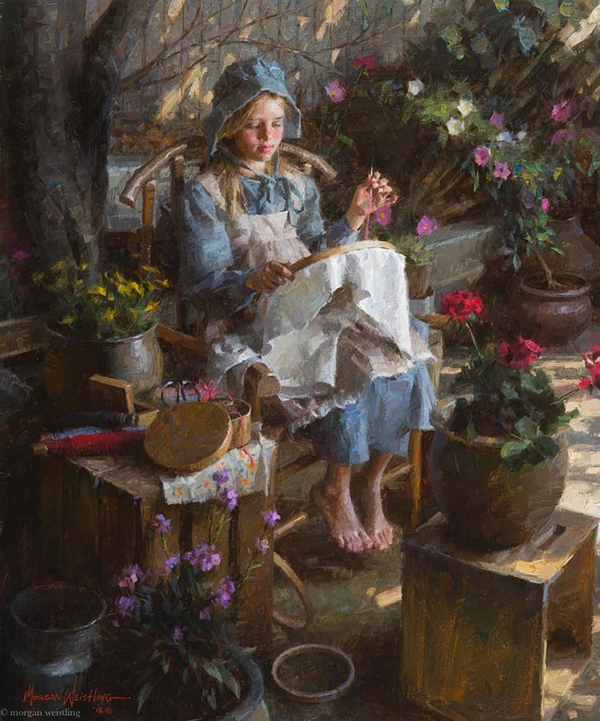
His canvas is full of stories that transcend themes. Like a skilled film director, he manipulates the focus of interest through suggestions and impressions of almost impossible forms, allowing the audience's imagination to fill in the details. Morgan added: "There is a story behind my painting. I didn't hide the process of how I painted it. You can see these layers and count the strokes to get there.
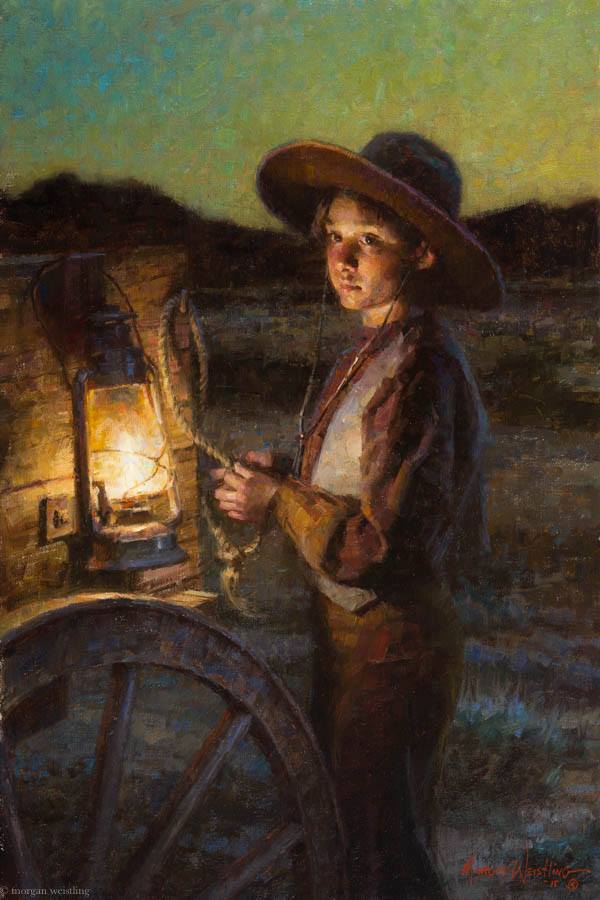
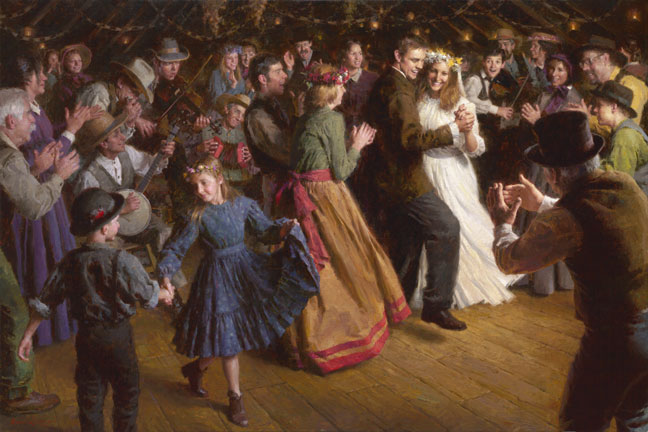
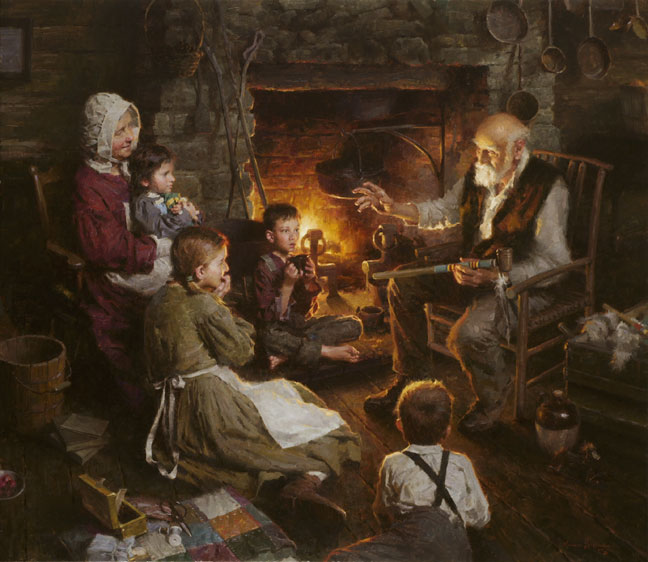
Although collectors' demand for his original paintings has soared, few paintings have left his studio. Morgan admitted that I am not the most prolific painter in the world! I decided early on that unless I feel good, I would not take a painting out of the studio. Sometimes this means living with a painting for several months to get a good understanding of what is useful and what is not.
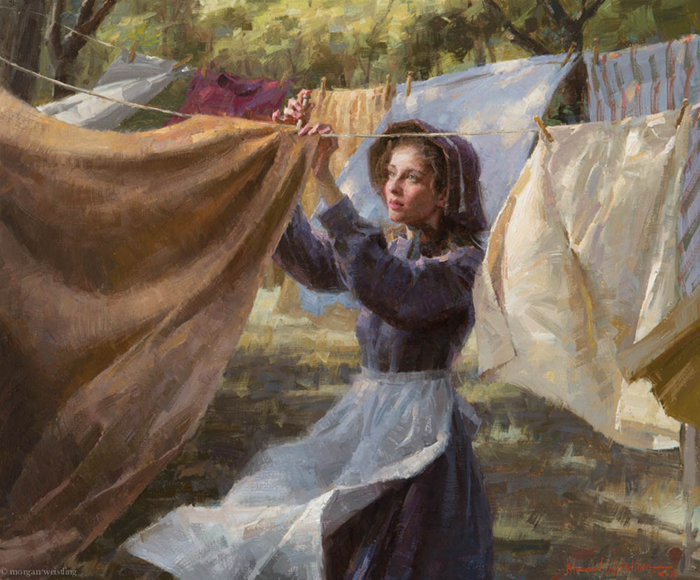
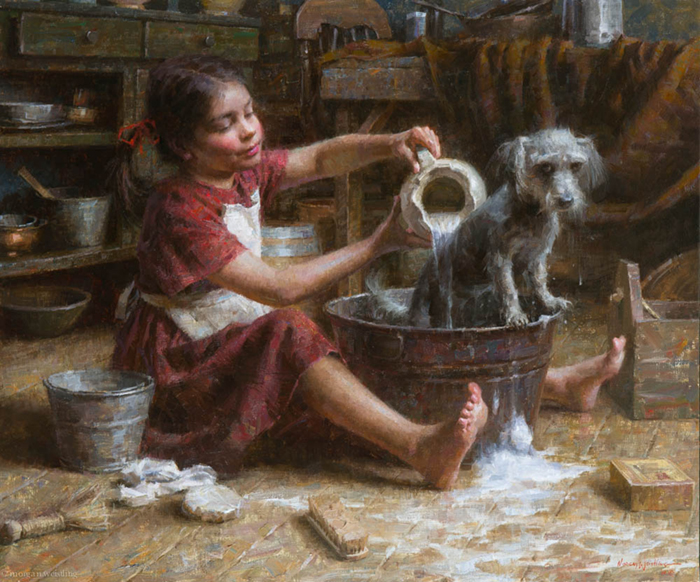
I think that as artists, we will turn a blind eye to our own mistakes. That's why I rely on my wife JoAnn and other artist friends to comment on each work before I send it out. I think it is very valuable for an artist to have people around him willing to give him an honest opinion.
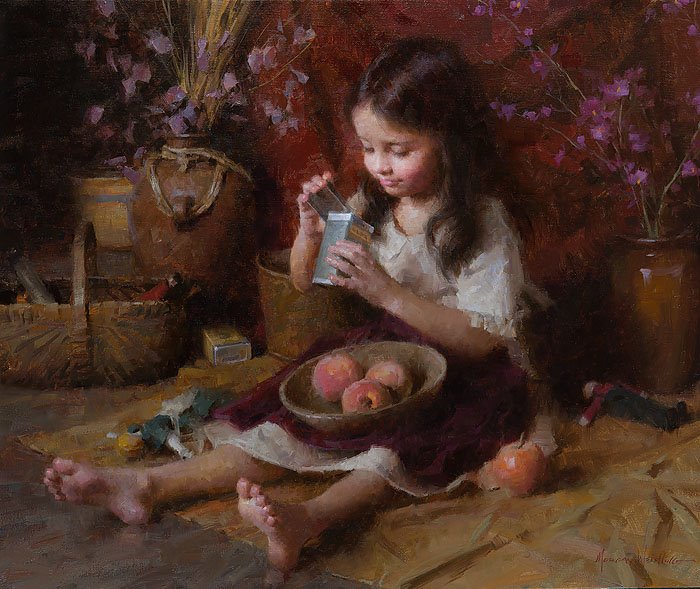
Morgan's paintings have won multiple awards and are in the permanent collections of major museums. He is still the youngest recipient of the Oklahoma City National Cowboy and Western Heritage Museum. He also won the award for the second time in 2008.
-
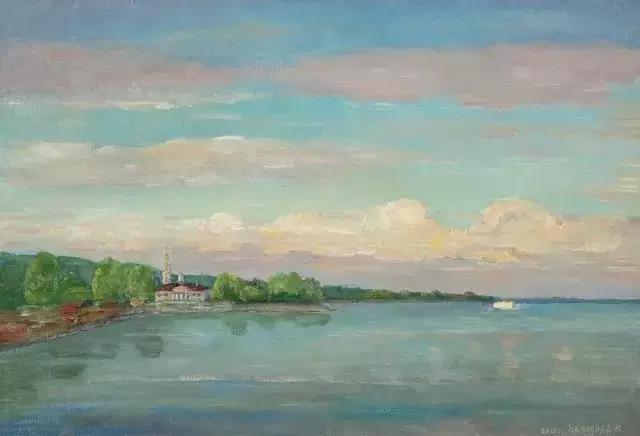
When it comes to oil painting, some people's first reaction is expensive! Why is oil painting so expensive? How much time and energy does a painter spend on drawing a sketch painting? You'll see from below.
1. The beauty of color in oil painting
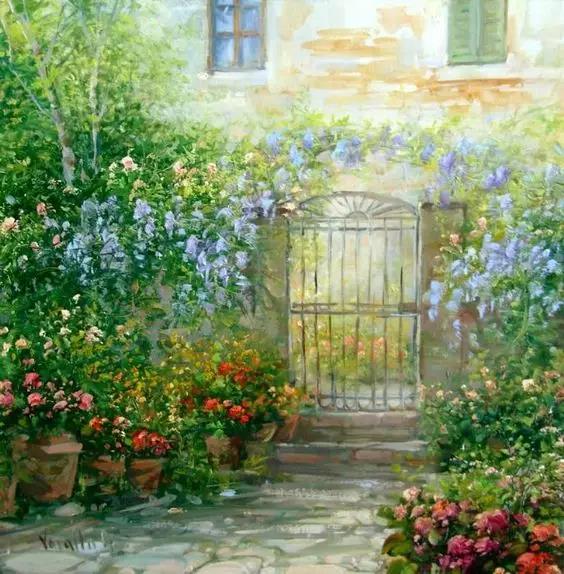
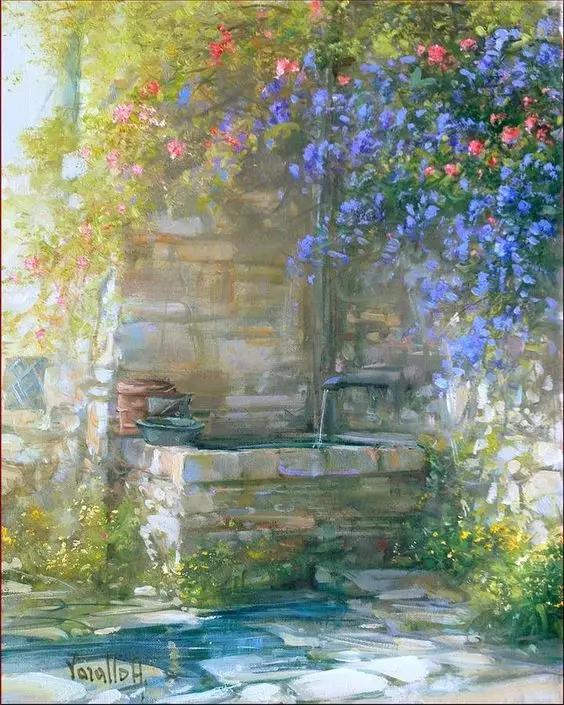
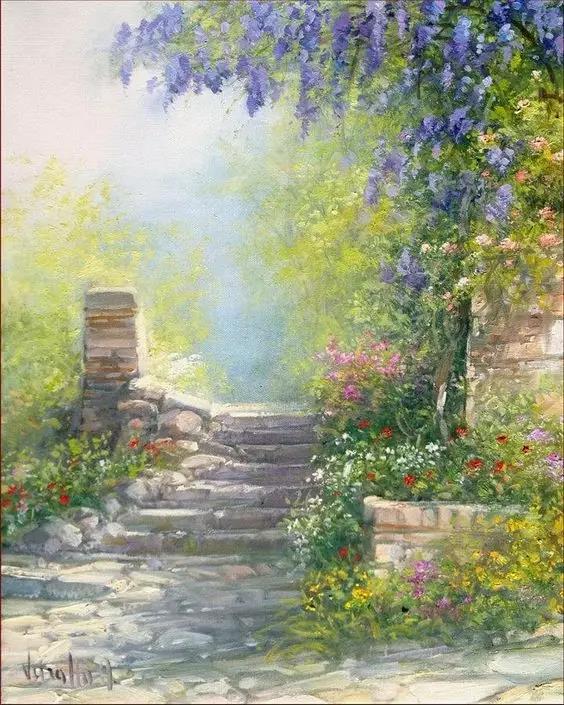
To appreciate oil paintings, you must appreciate the colors. The oil paintings before Impressionism mostly accepted realistic painting methods, detailed descriptions, and rigorous and meticulous look from far and near, but lost a lot of space, atmosphere and subtle color feelings. Countless color masters devoted themselves to the study of color science so that oil painting could have irreplaceable color beauty.
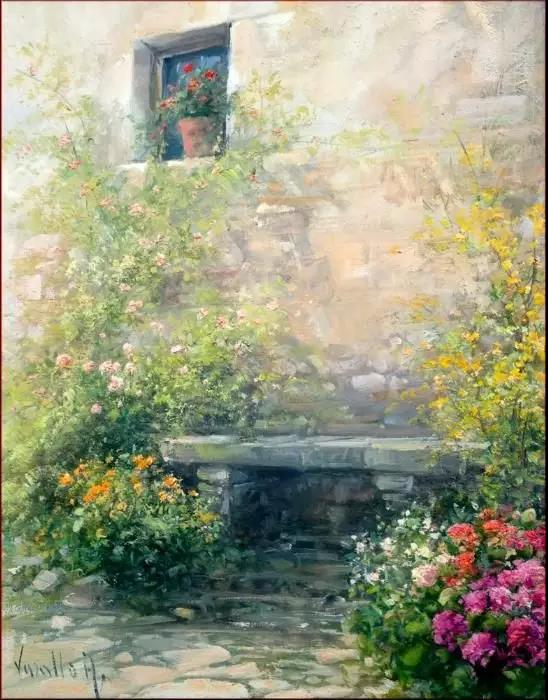
In order to complete a painting, many painters go to far away to sketch, go deep into nature, and feel the beauty of nature firsthand. It takes a lot of effort in the process. Do you know how much it costs to complete a painting?
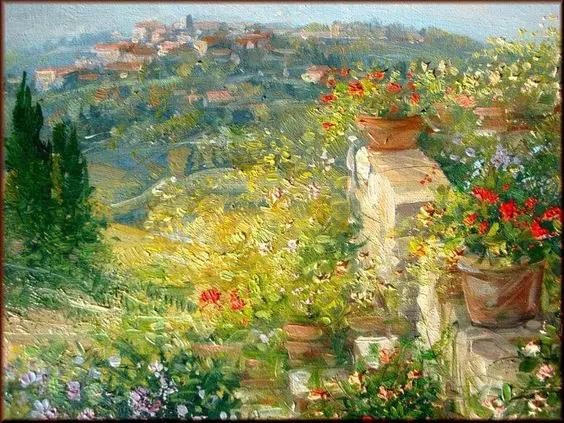
2. Ever-changing brushstrokes
If we only want to record the beauty of nature, why do we still need to draw oil paintings with cameras?Obviously, we need unique beauty. The unique brushstrokes are like the unique DNA of the artist, making their work unique. We can easily distinguish Van Gogh, Monet, and Seurat through brushstrokes. Either meticulous or bold, the flexibility and rhythm in the brushstrokes make the still picture of oil painting have infinite language.
Painting oil painting is time-consuming and labor-intensive. But it is time and effort that makes oil painting thick and formal. An oil painting may take several months or a year, several years or even more. In the process of painting, the painter needs to invest his emotions all the time. The resulting painting seems to tell his mood at the time. They painstakingly study and paint over and over again, and they not only paint for the sake of painting, but more importantly, they give the painting soul and make it "live".
3. The art of light and shadow is fascinating
In the same landscape, the painter distinguishes morning and evening with hues. Some oil paintings are not realistic, but the unique light and shadow can always move people.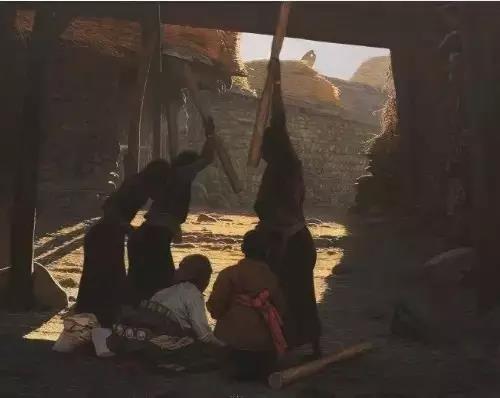
4. The scene of oil painting is beautiful
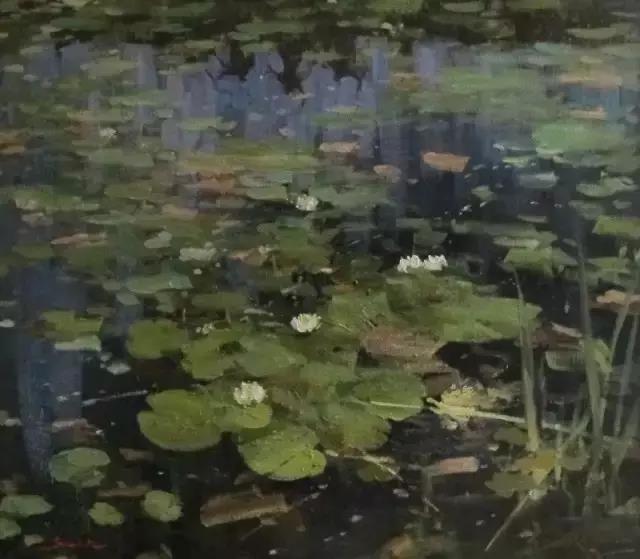
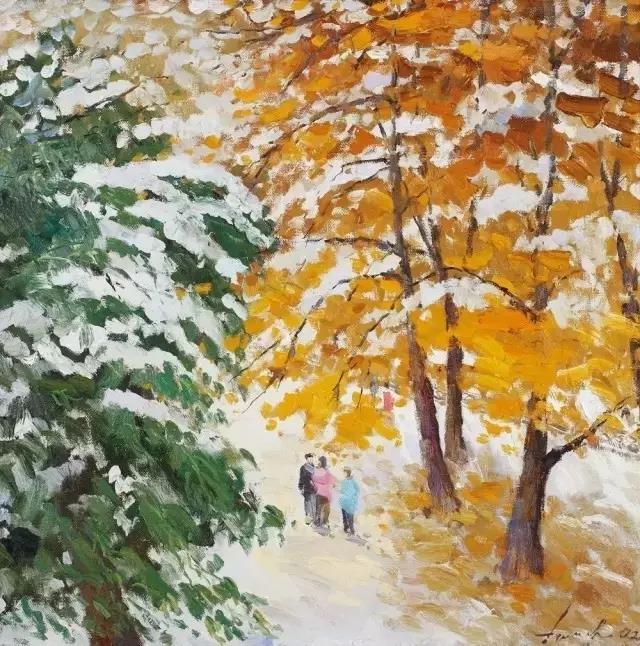
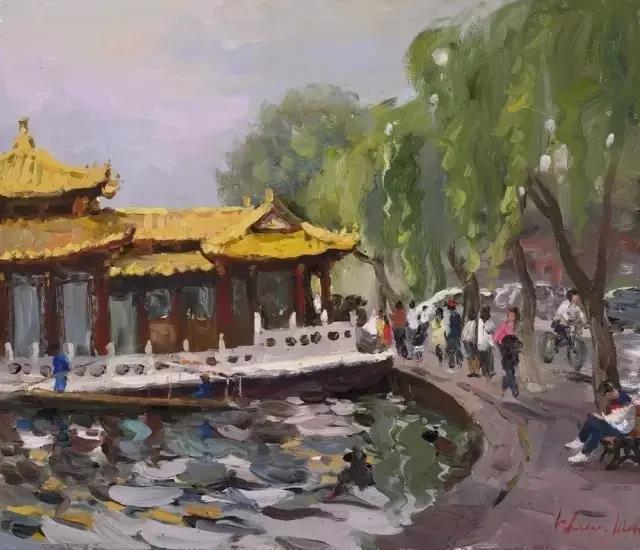
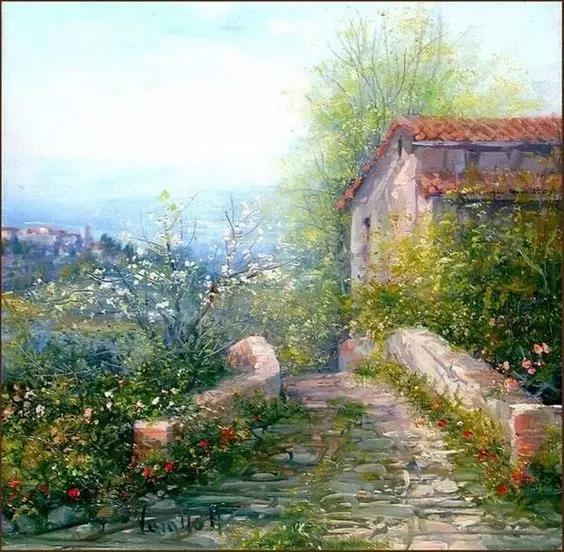
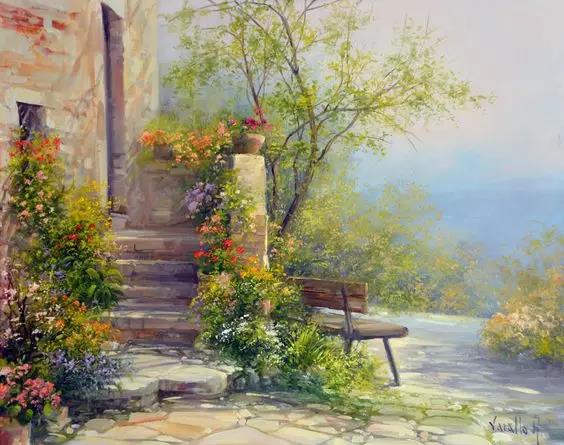
Why do painters like to go to places with beautiful scenery to sketch from life? There are not only beautiful scenery in the oil painting, but also the author's own feelings. The painter does not copy the scenery mechanically, but also originates from life, higher than life, casting beauty with his years of precipitation!The superb skills and profound knowledge gained through many years of time, money and energy. The artist would rather save money for meals or other pockets to buy books and painting materials. With hard-earned money to buy knowledge, we should understand and support it.
5. Oil painting is the carrier of art history
When mentioning culture, what comes to your mind? Classical oil paintings of the Renaissance? The masterpieces of Impressionism? Or the classic works of contemporary painters? Oil painting is a very important carrier in the history of art. An oil painting is also a cultural integration of its time.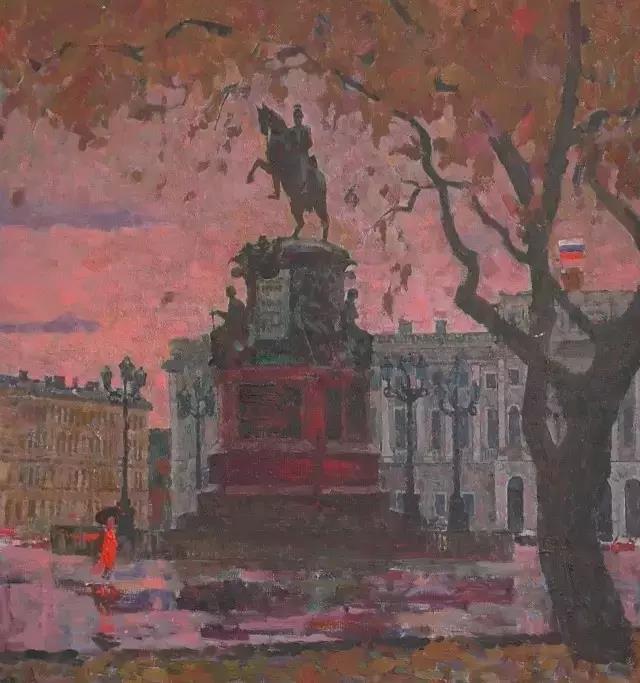
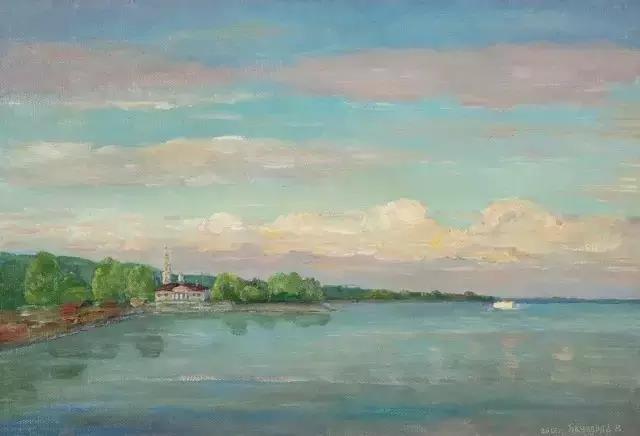
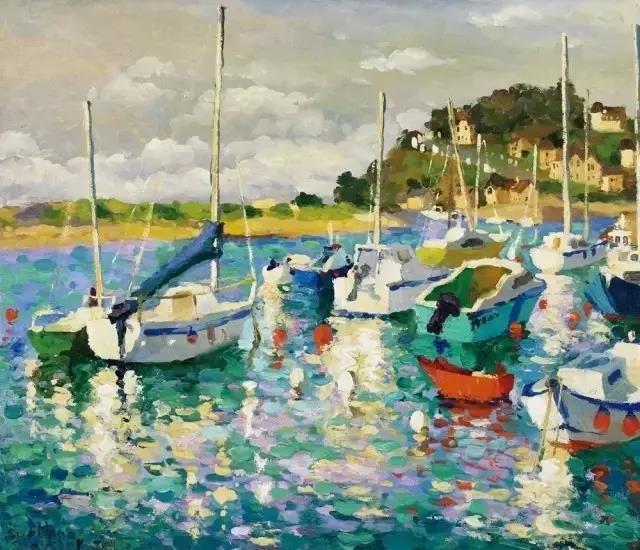
This is why an oil painting is very expensive, but there are still countless people who like to buy and collect it. Appreciation of oil painting can bring us spiritual comfort and unlimited enjoyment of beauty.
-
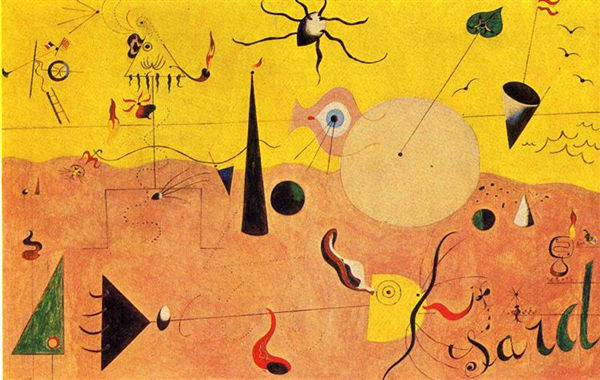
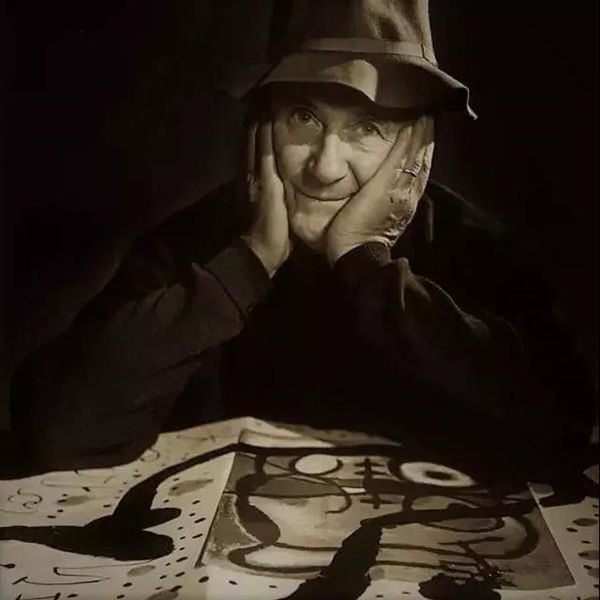
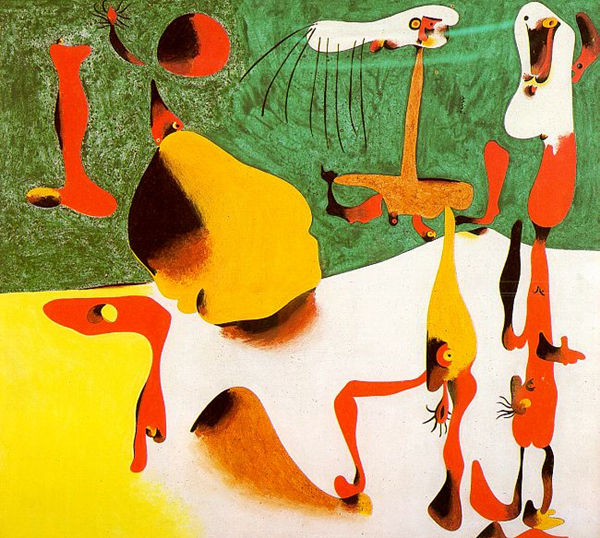
Juan Miro is a 20th-century surrealist painter who is as famous as Picasso and Dali. He is also an artist with the most children's perspective. He likes to draw random lines and shapes on brightly colored backgrounds. Although the characters, scenery, and animals in the paintings are abstract, they are vivid and full of childishness.
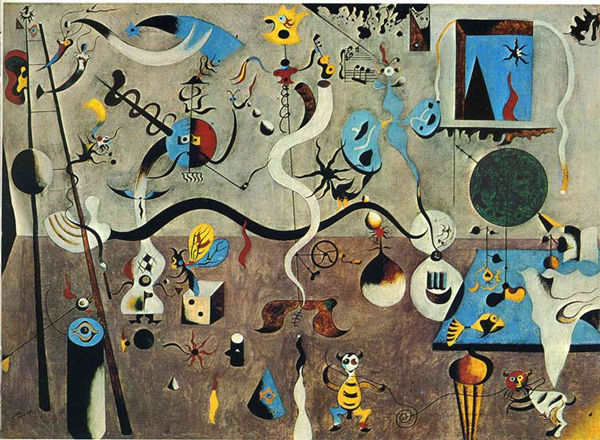
Harlequin's Carnival, Joan Miro,1925
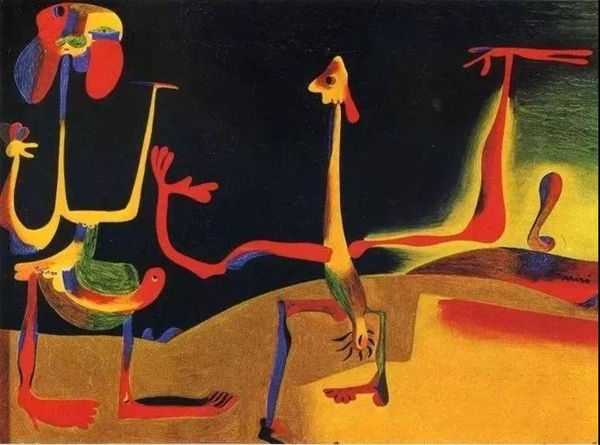
Juan Miro was born in Barcelona, Spain in 1893. He entered the Barcelona School of Fine Arts at the age of 14. He was regarded as "a rare foolishness" by the teachers because of his introversion and reluctance.
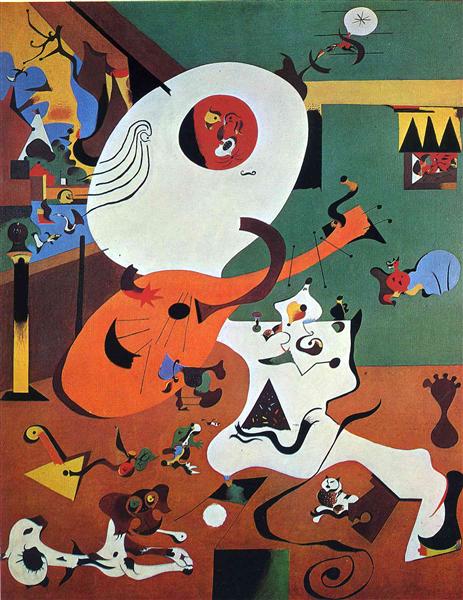
At the age of 17, Miro became a business clerk. Because of depression and overwork all day long, he broke down in less than a year, so his parents had to send him to the countryside for recuperation. After recovering from his illness, Miro chose to stick to his dream and enter another art school in Barcelona.
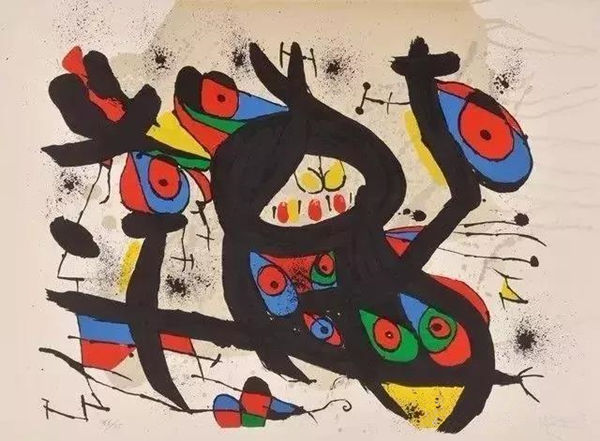
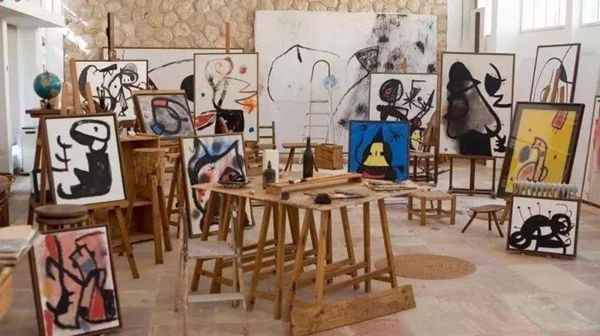
In 1919, Miro left his hometown and came to Paris, the art capital of the world. During this period, Paris was full of famous artists, art galleries and museum treasures. But no one cares about Miro's paintings. He starves almost every day in Paris. Fortunately, thanks to the blessing of fortune, he met many friends in the art circle, especially Picasso from his motherland. Picasso bought a self-portrait of him and kept it forever.
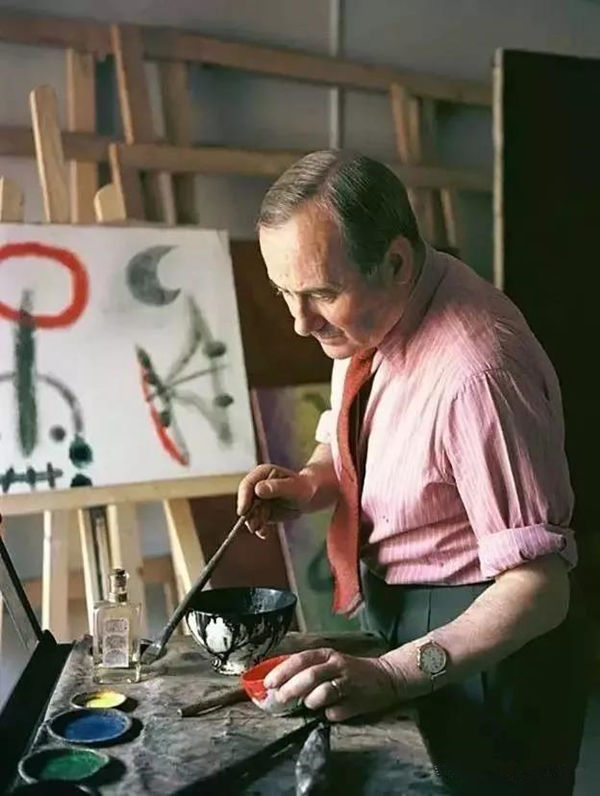
In 1925, Miro participated in the first surrealist exhibition held at the Pierre Art Museum and completed the first truly "surrealist painting-"Harlequin's Carnival". Since then, his works have been called dream paintings.
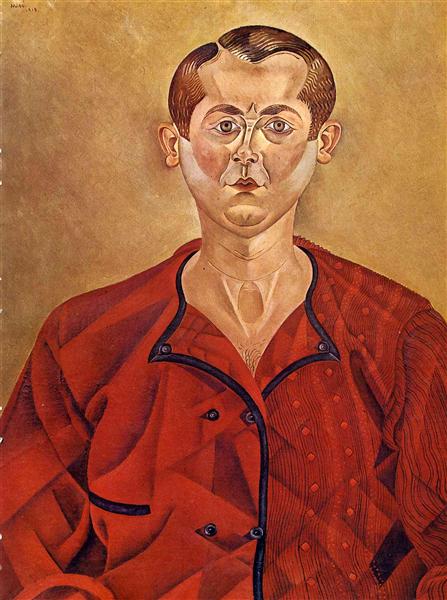
Self-portrait
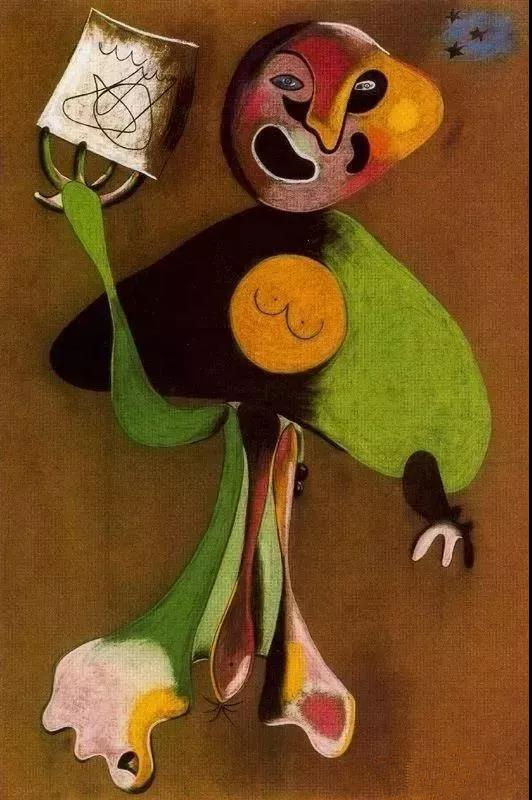
Since 1930, Miro's works have been regularly displayed in New York and other cities. As a leader of surrealism, he has a great influence in the painting world, and his reputation is second only to Picasso.
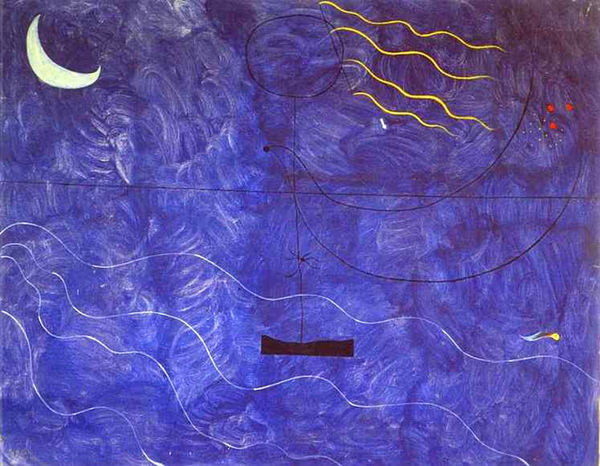
There is no specific image in Miro's works, just like children's graffiti, full of childishness. He uses various colors to paint color blocks. In his paintings, whether it's people, scenery or animals, although they are abstract and lively, they seem relaxed and free, but even abstract paintings do not prevent us from using our brains to imagine and restore according to our life experience.
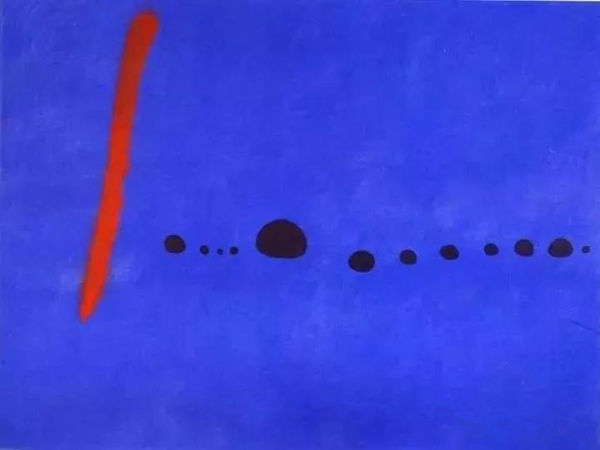
Blue II, Joan Miro, 1961
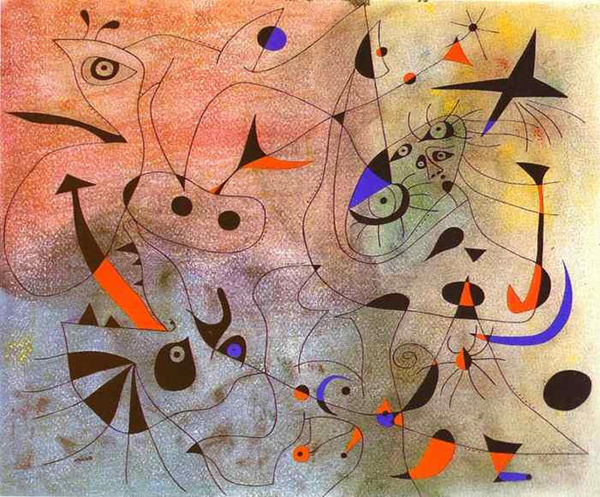
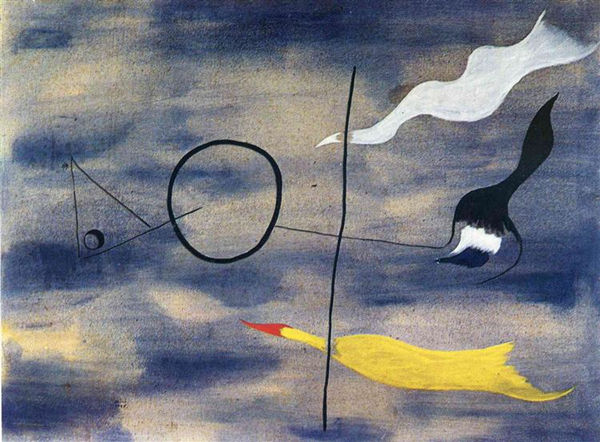
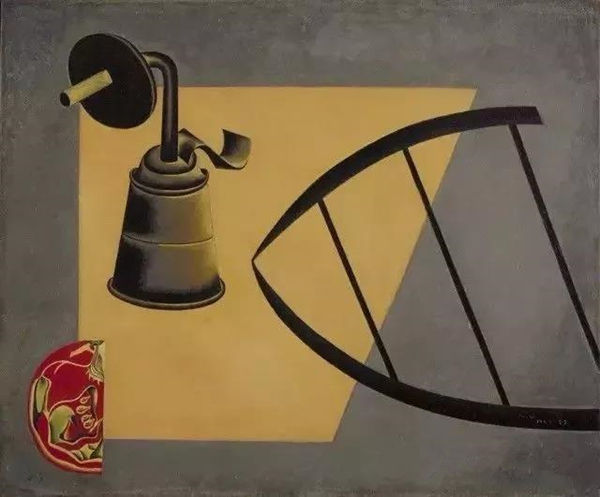
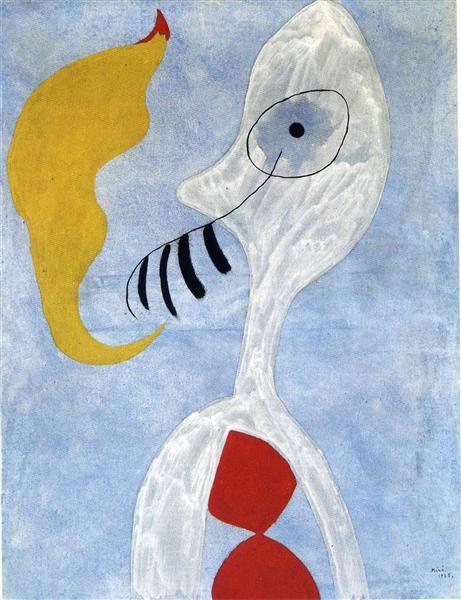
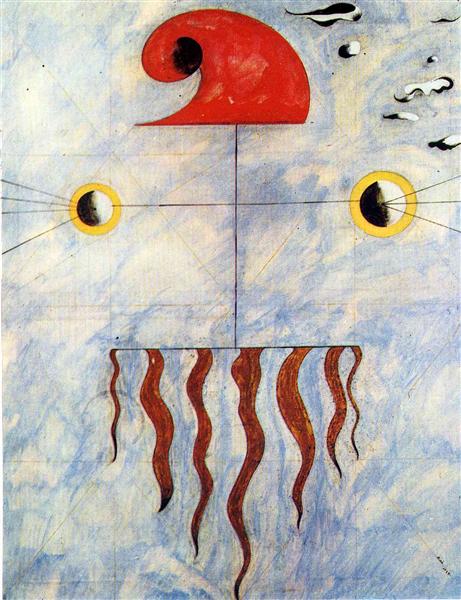
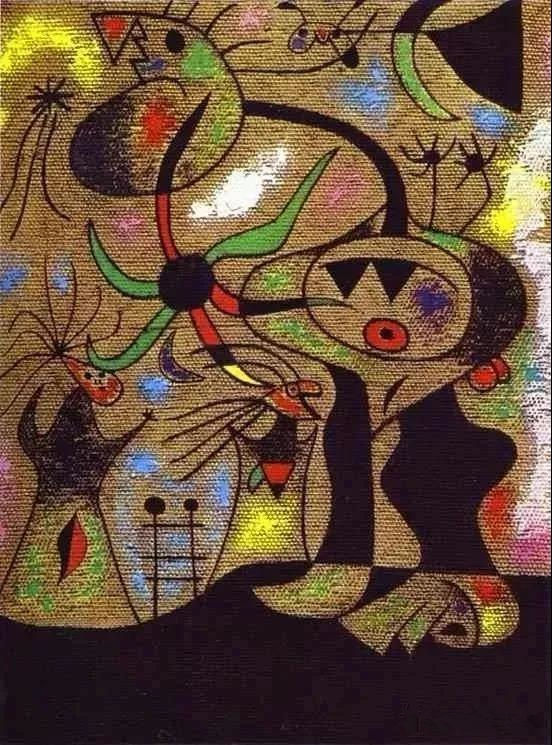
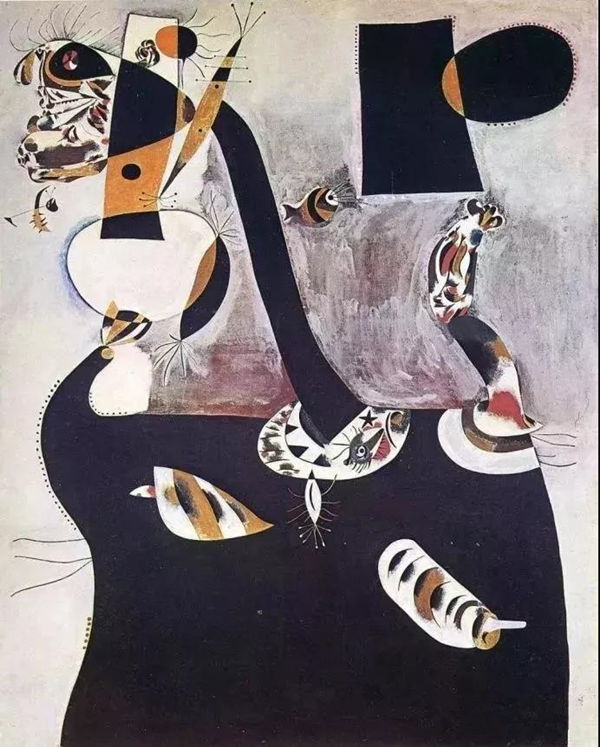
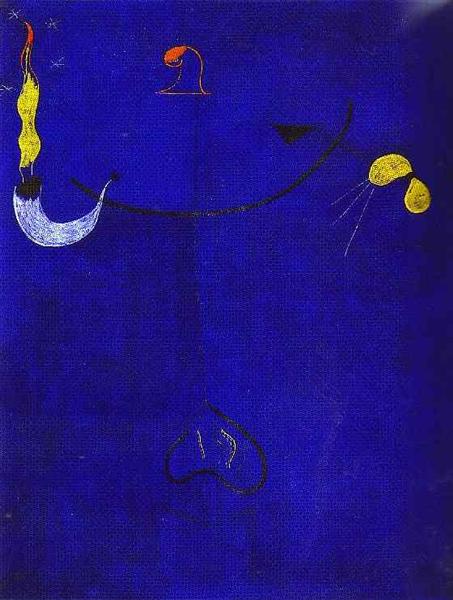
-
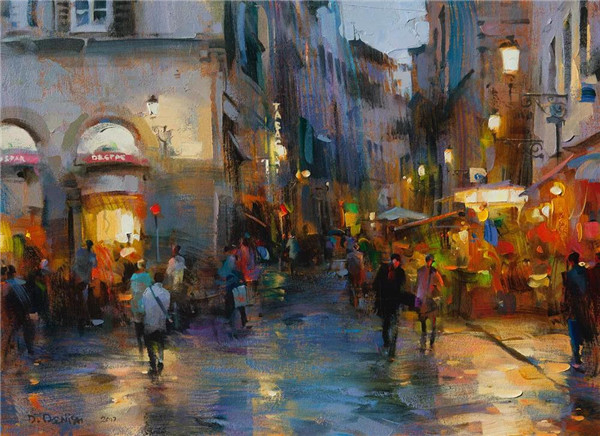
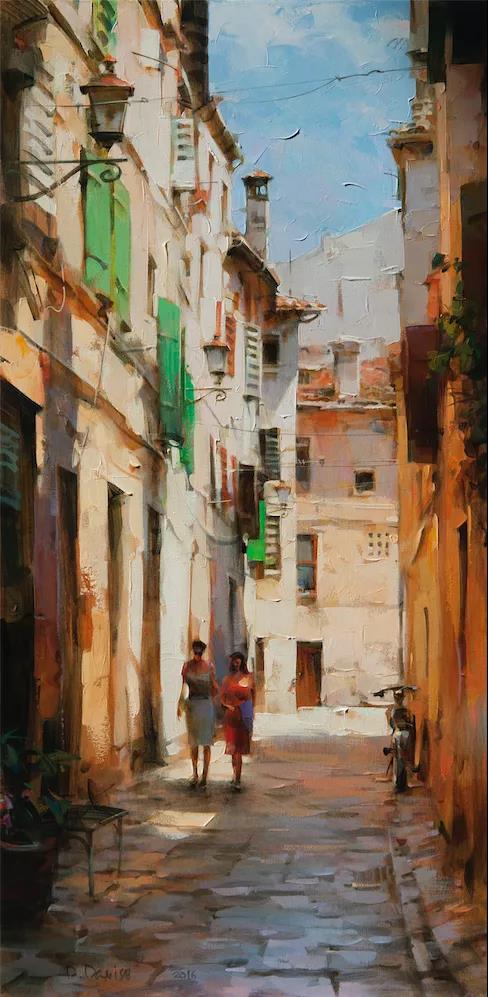
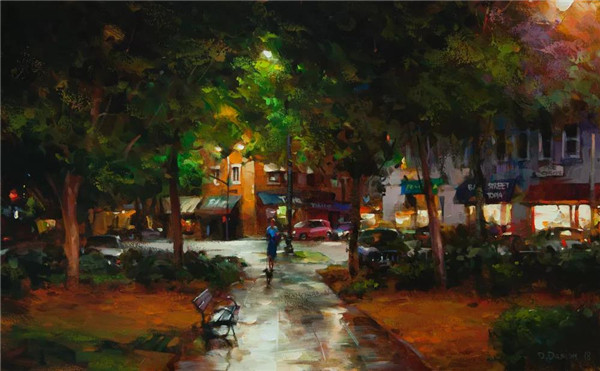
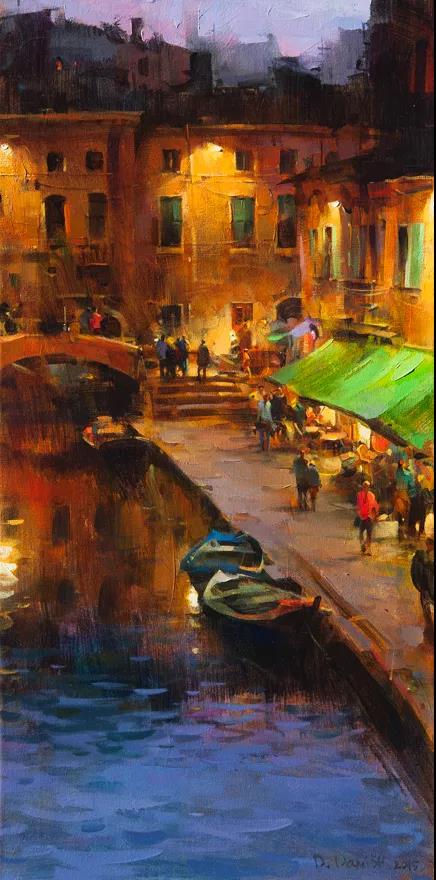
Dmitri Danish, a Ukrainian painter, was born in Kharkiv, Ukraine in 1966. He was a born artist from the beginning, holding his first pencil when he first learned to walk but could not speak. His mother was also an artist and the first to discover Dmitry's talent.
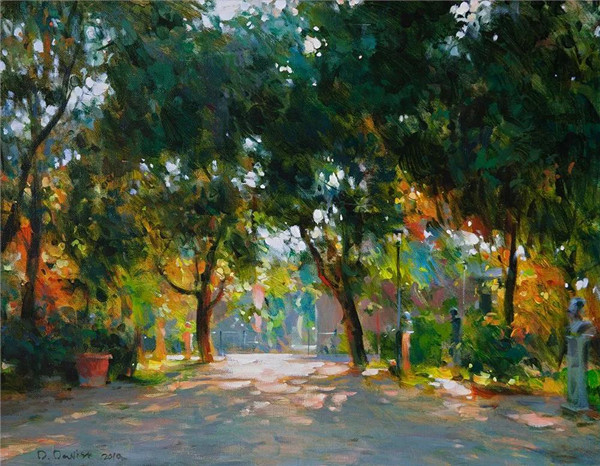
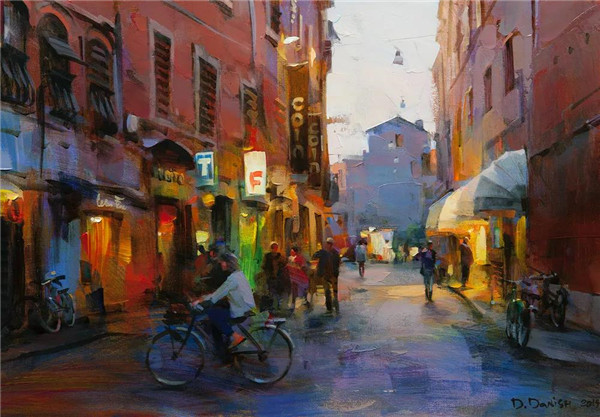
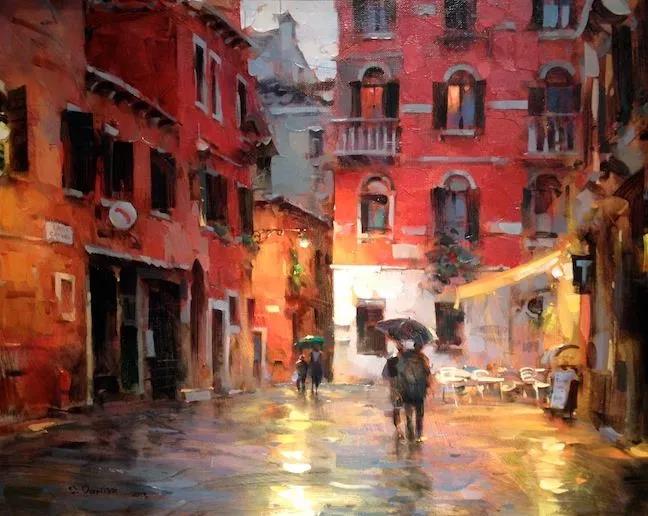
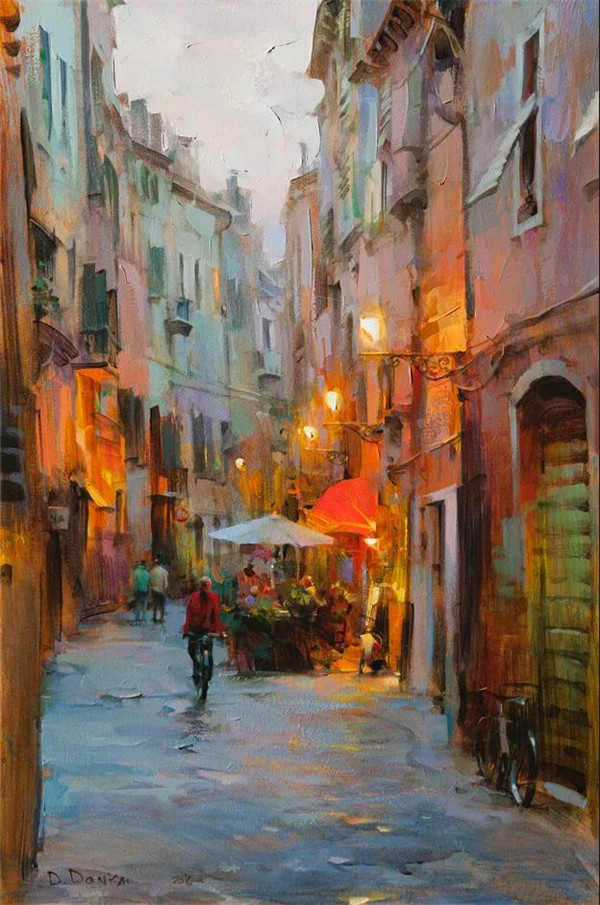
She saw her child express his thoughts, feelings and desires through his creation, so she began to communicate with her son through colors and shapes. For Danes, painting is as natural as breathing, eating or sleeping. By the age of 5, Dmitri began to take his first professional painting course; he was able to paint high-quality landscape, portraits, still life and abstract paintings. At the age of 13, he was admitted to a gifted children's art school in Kharkiv. At the age of 15, he entered the Kharkiv State Academy of Arts.
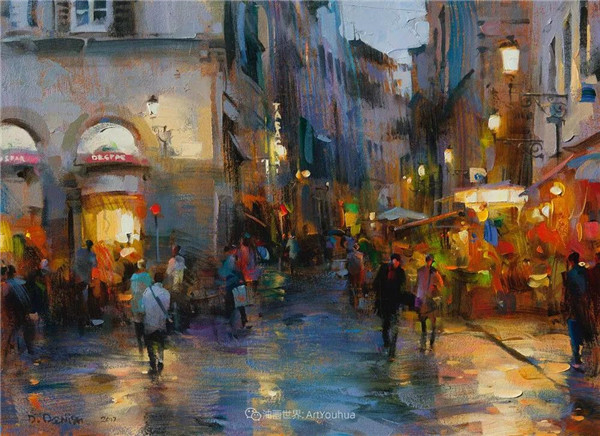
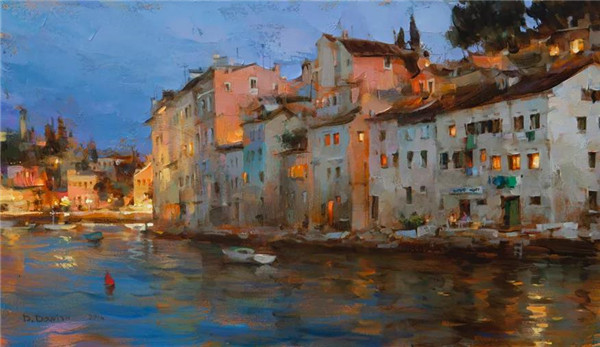
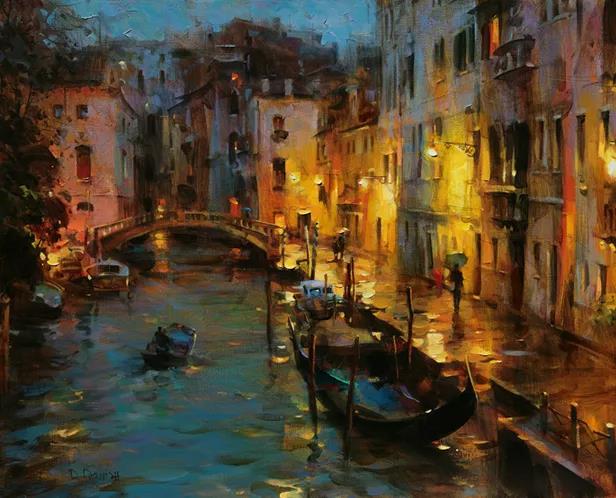
Dmitri's favorite genre is the urban landscape. He drew the cities he read in books, the cities he heard on the radio or in people's conversations, and the cities he saw on stamps. He created new countries in his mind and painted their cities, streets, canals, doors and windows. Dmitri likes painting doors and windows most because of their symbolic appeal. They let him see and enter the unknown world, which he can't do in reality. His imagination can take him to the unusual and magical world he saw in his dreams.
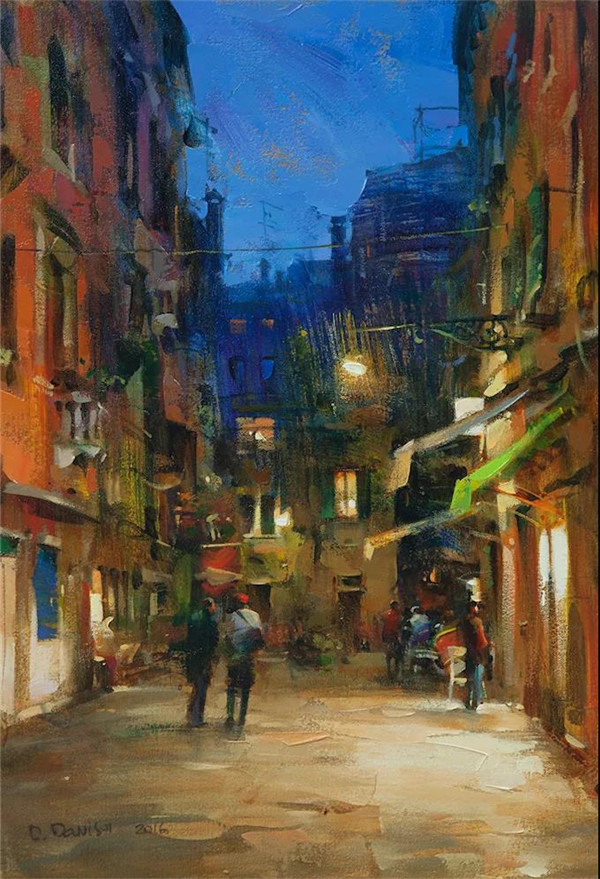
In college, Dmitri was fascinated by the city of Kharkiv, where he was born and grew up. He painted all kinds of buildings, wooden houses and walls, small cafes under huge old trees, and doors and windows of his southern city. His paintings depict Kharkiv as a warm and comfortable place to live.
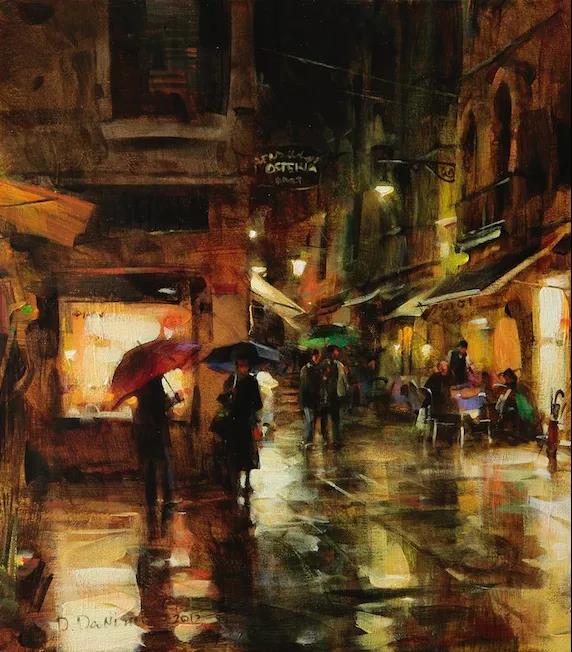
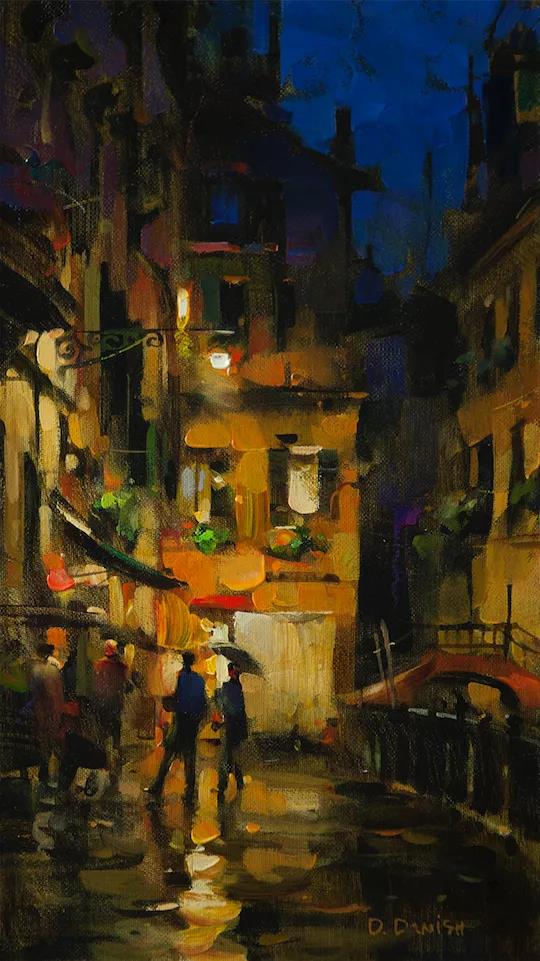
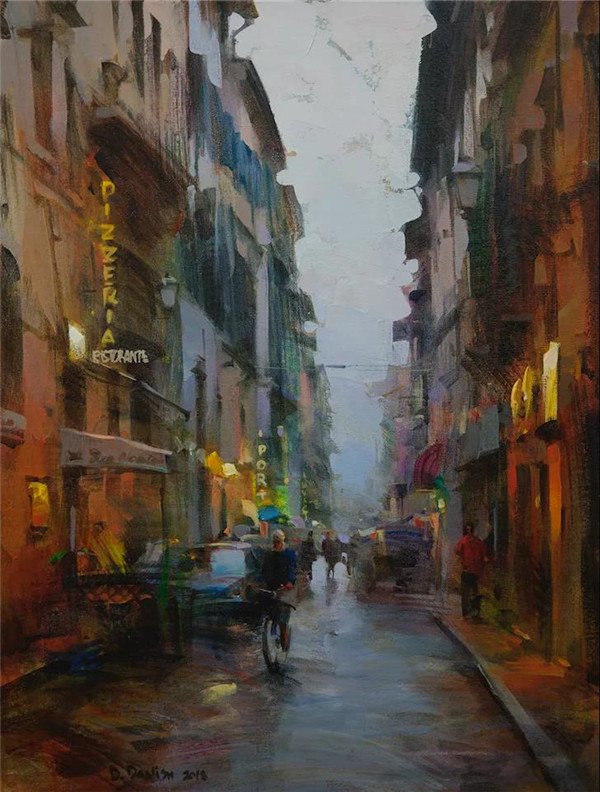
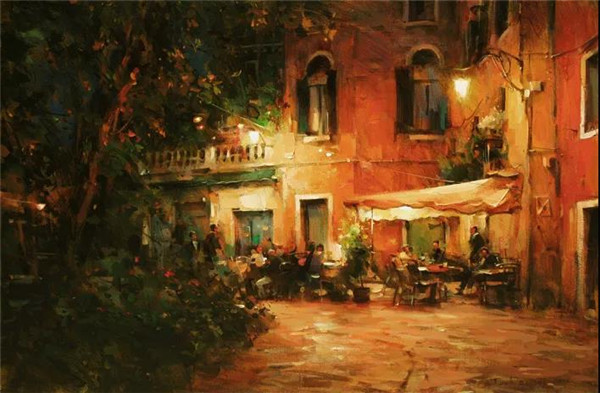
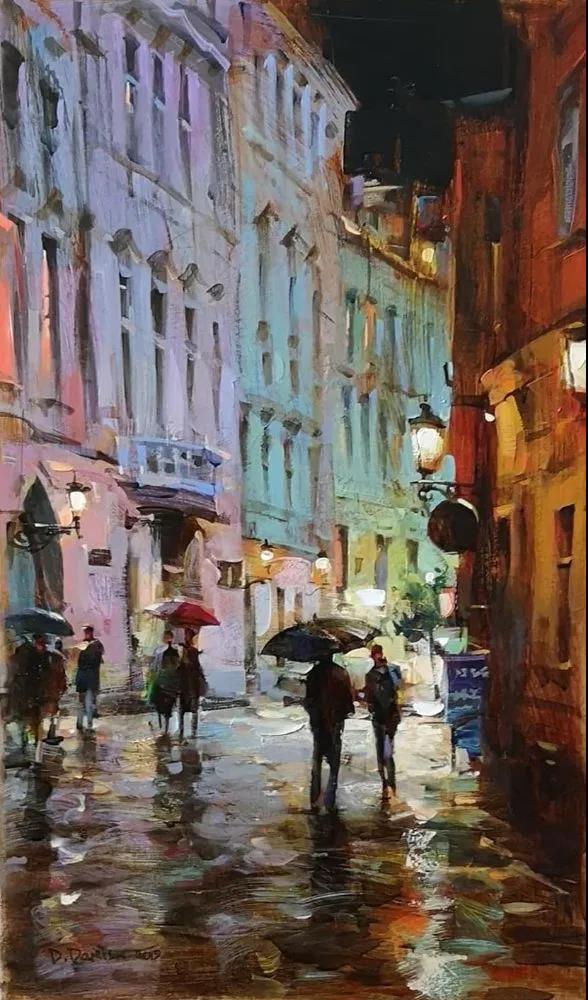
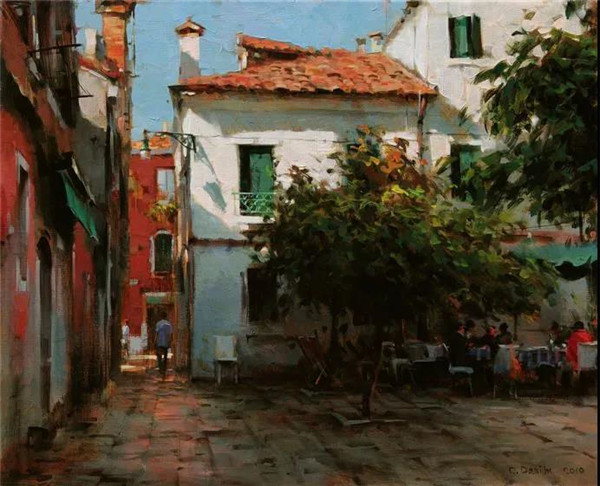
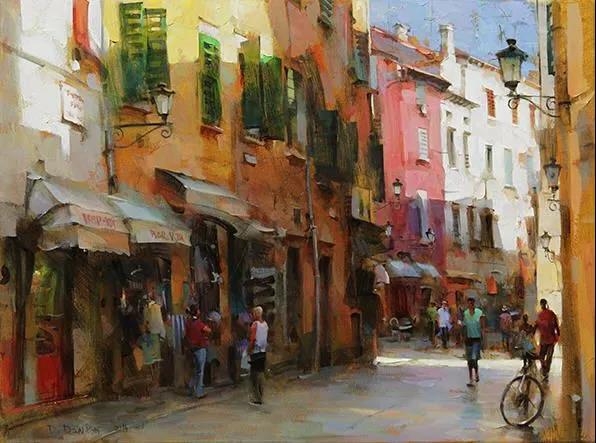
-
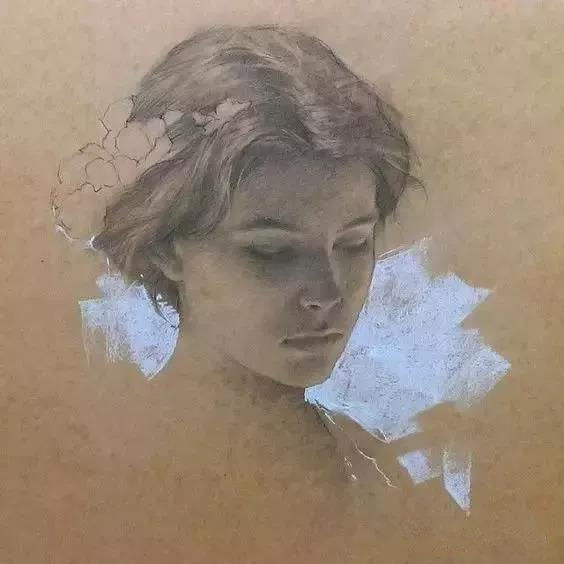
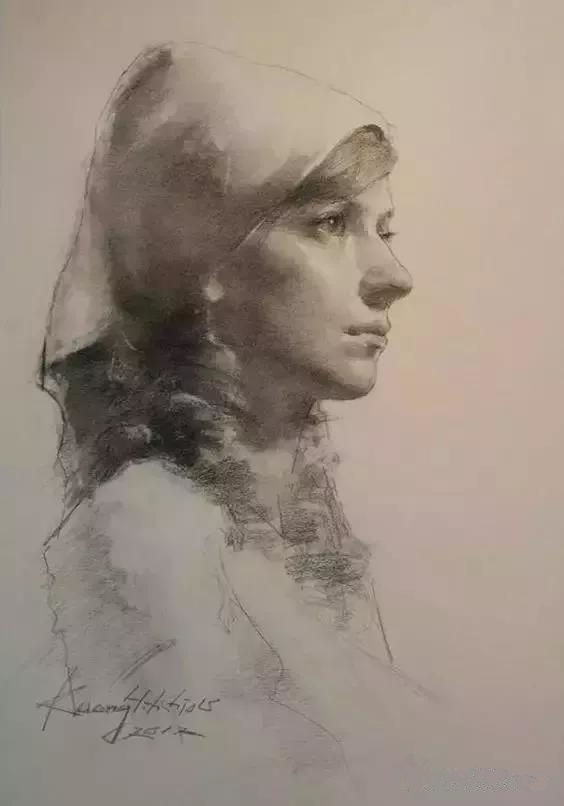
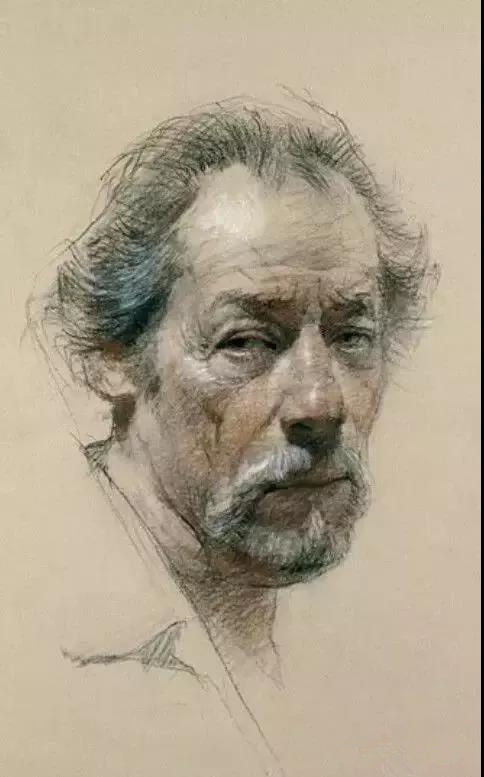
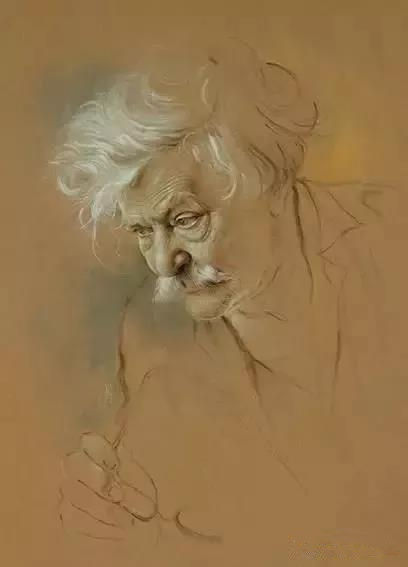
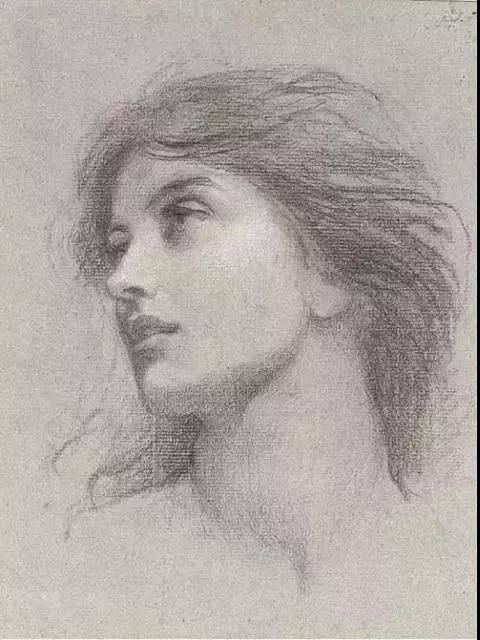
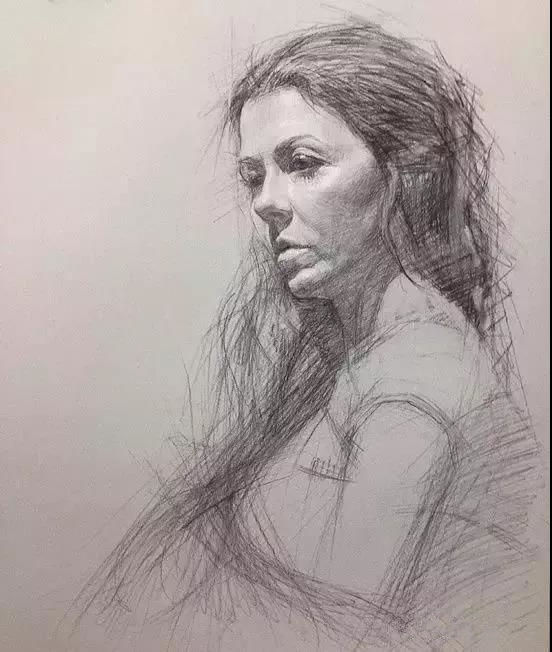
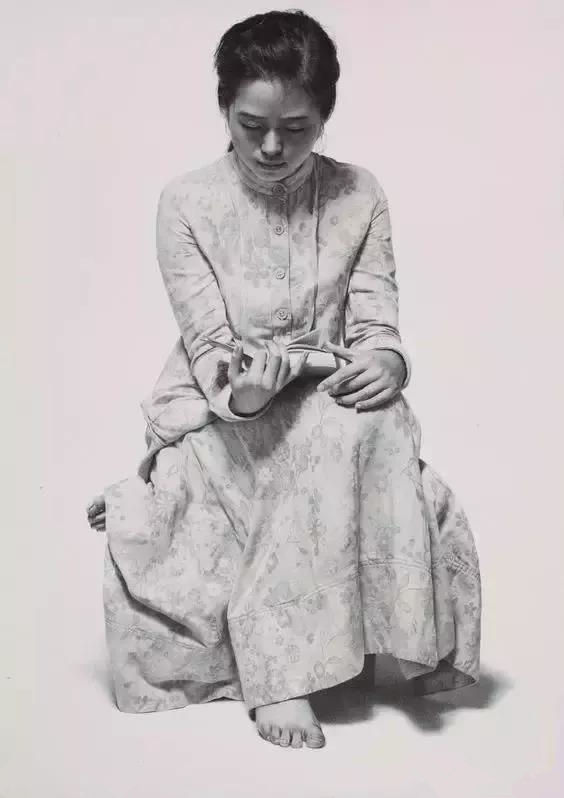
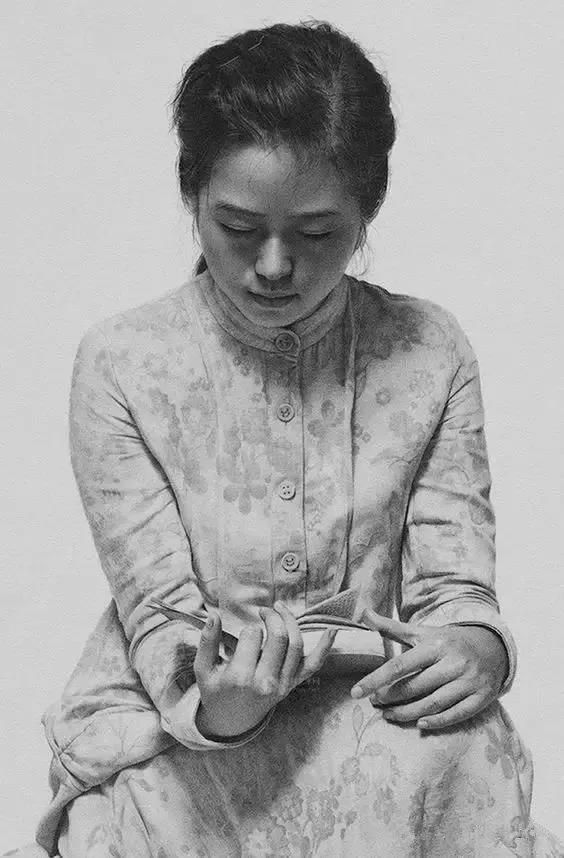
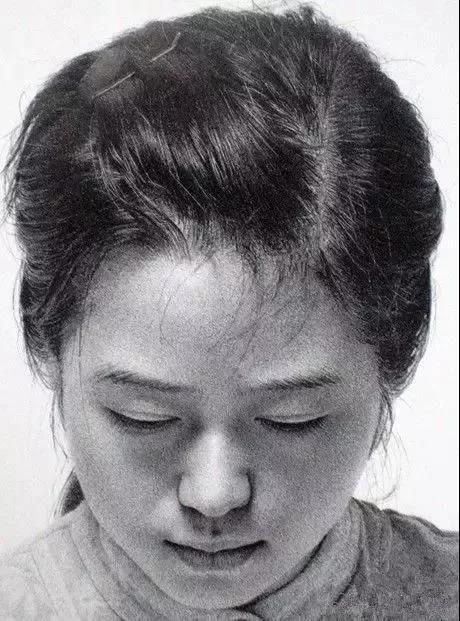
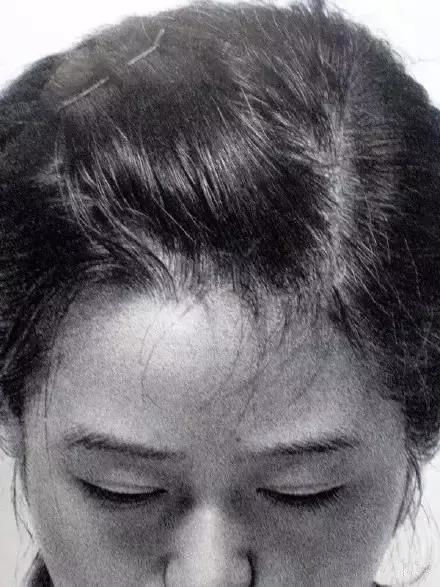
Sketch, a classic between white and black. A good sketch is not just a sketch, it is a work of art!
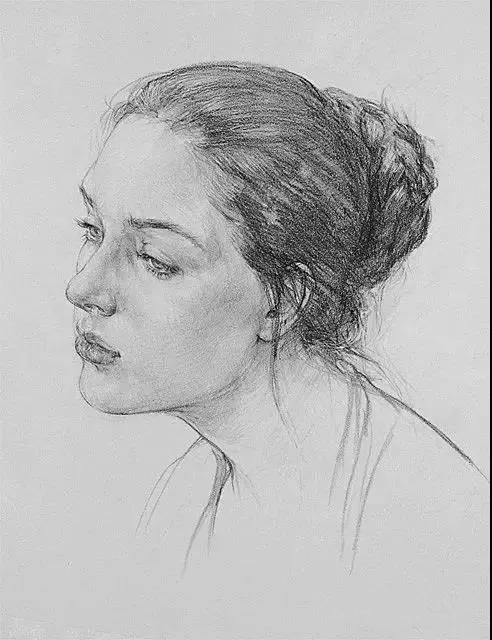
The origin of sketch generally begins with the Renaissance. In fact, Greek vase painting and sculpture have a good sketch foundation. In the early stage, sketch was regarded as the draft of painting. For example, to make murals, we should first have the draft of conception, then the draft of sketch, and at the same time, we should also have the precise sketch of hands and faces. It's a habit not to look at the model's sketching in mural painting, but to rely on the preparation in advance and the memory of the painter. Modern sketch has been separated from the original status of manuscript and composition, and can be appreciated as a work of art. The attitude of drawing sketch not only cultivates the ability of description, but also cultivates the ability of modeling. Finally, only sketching can be regarded as a work to appreciate. On the contrary, you can know the author's accomplishments in sketching only by looking at the oil paintings. Therefore, sketching is not only the basis of painting, but also the skeleton of painting. People who are new to painting must learn to sketch first. Strictly speaking, sketches consist of only monochrome black and white, but if you add light paints or colors, they can still be regarded as sketches.
Writers express themselves in the form of abstract ideas. But the painter uses sketch and color to embody his feeling and perception. --Cezanne
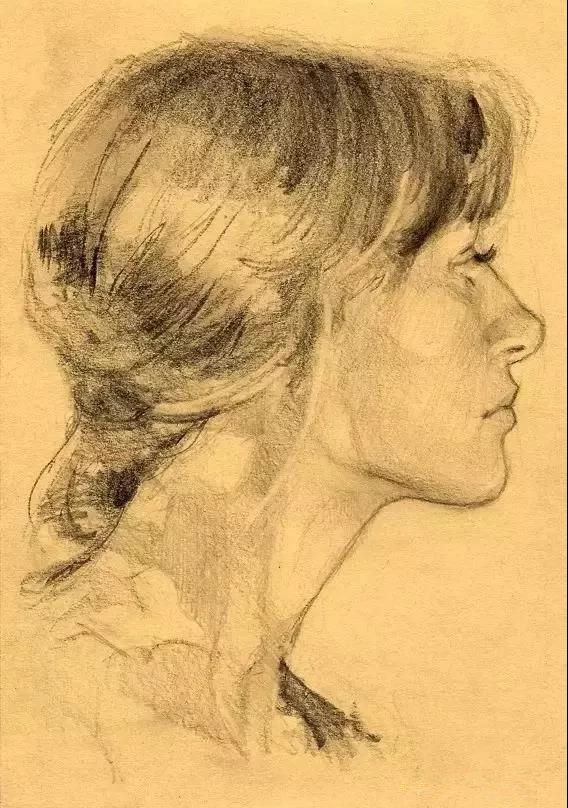
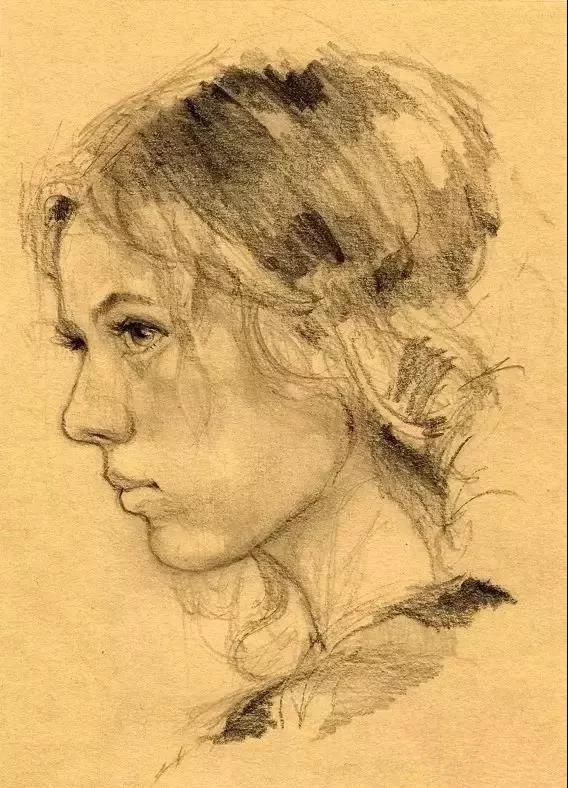
I want to draw touching sketches. What I want to express through characters or landscapes is not sentimental melancholy, but sincere sadness. --Van Gogh
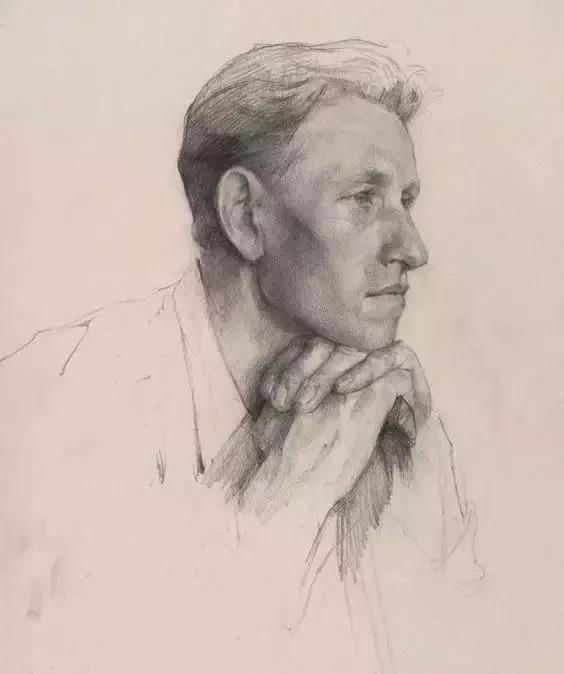
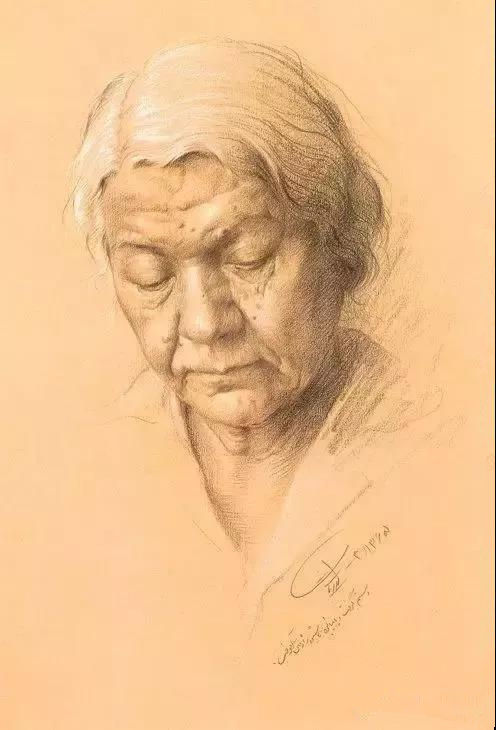
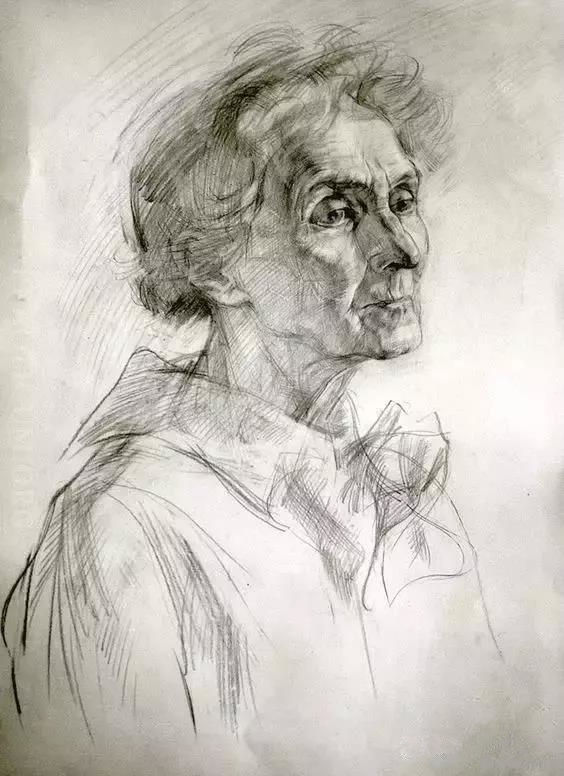
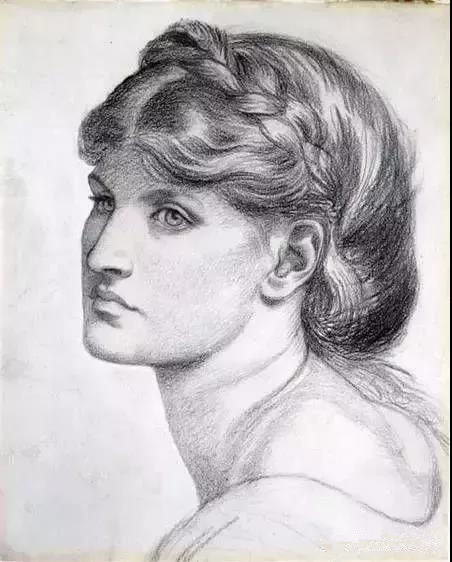
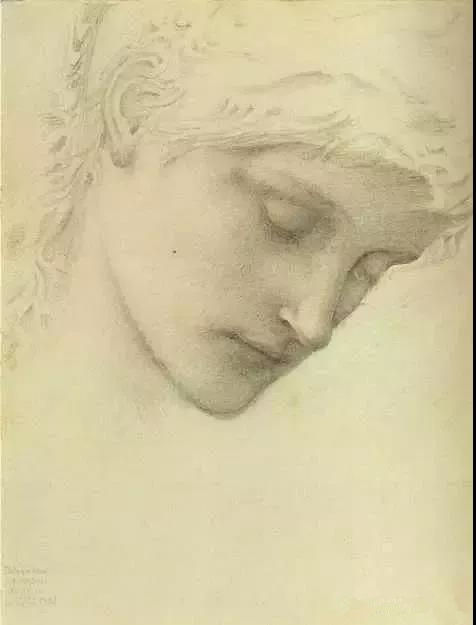
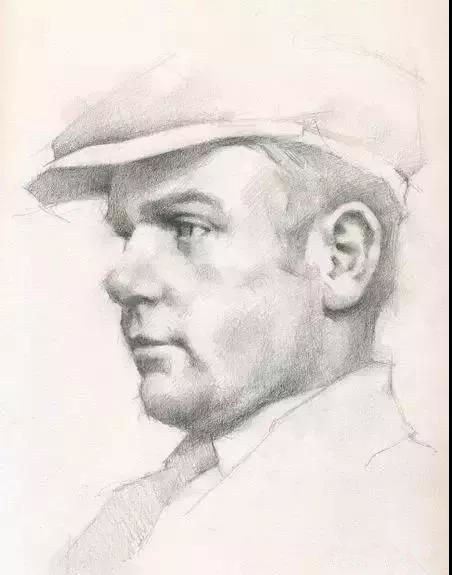
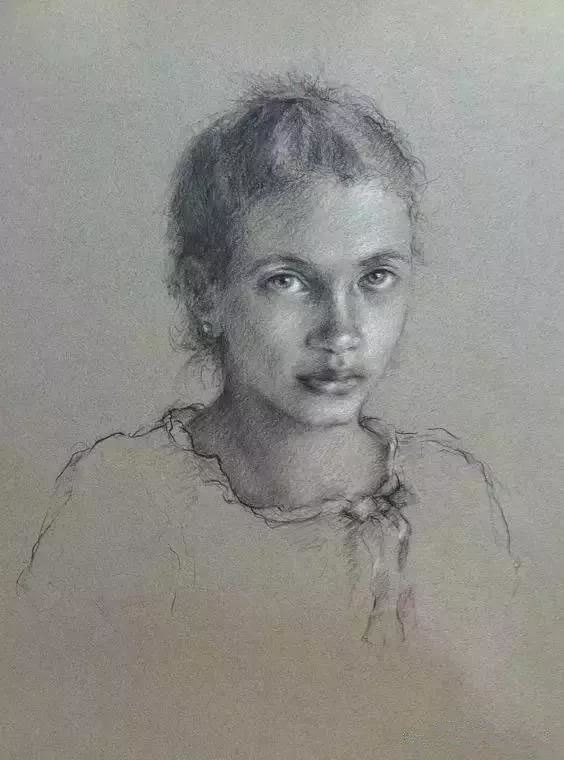
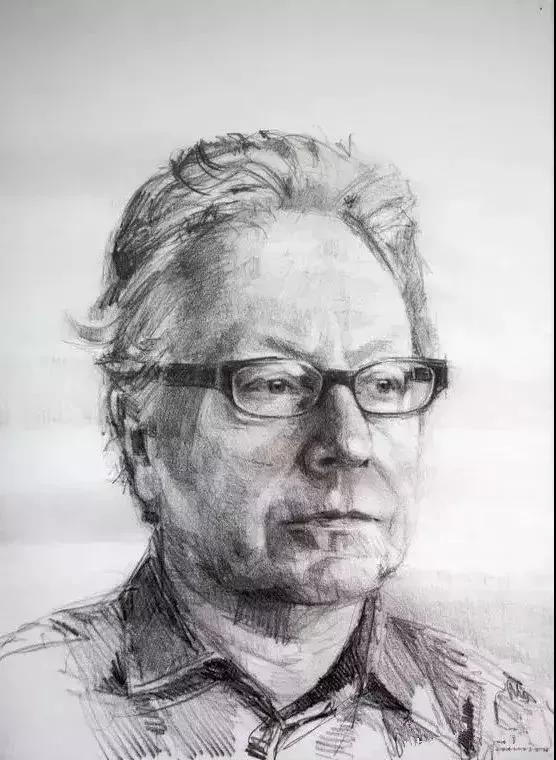
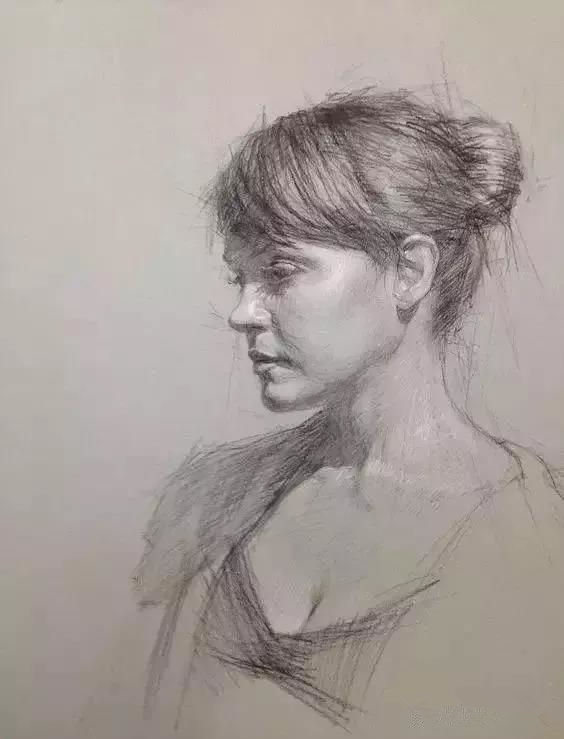
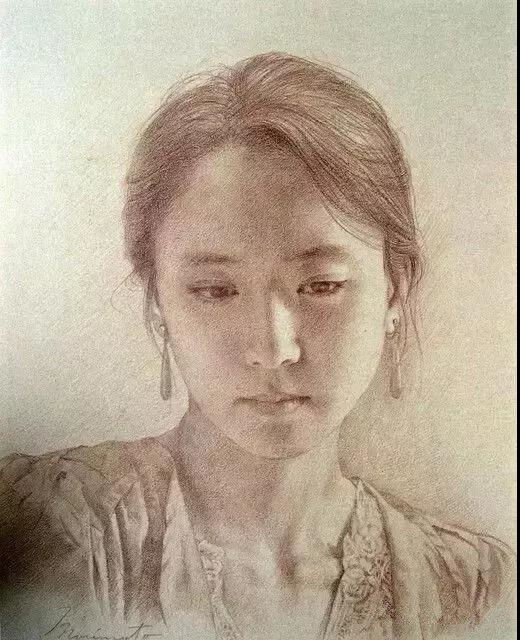
-
The arrival of the Winter Solstice Festival signifies the official beginning of the severe cold weather, entering the coldest days of the year. At all times and all over the world, artists have painted a large number of winter ice and snow-themed works. Today, 16 famous paintings of Chinese and foreign painting masters are selected for readers.
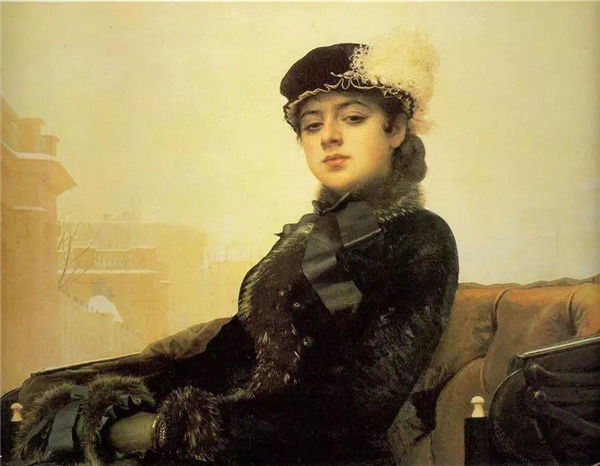
"The Unknown Woman" by the Russian painter Ivan Kramskoi is collected in Moscow's Trechakov Art Museum. This is a portrait of a character with great aesthetic value. The artist expresses the spiritual temperament of the subject with superb skills. The unknown woman in the painting is arrogant and self-respecting. She is dressed in luxurious Russian upper-class costumes and sits on a sumptuous cabriolet. The background is the famous Alexander Theater in St. Petersburg. Who is the "unknown woman" is still a mystery. The painter created a new style of expression in the portrait painting, that is, depicting portraits with thematic plots, showing a resolute, decisive, thoughtful, and youthful Russian intellectual female image.
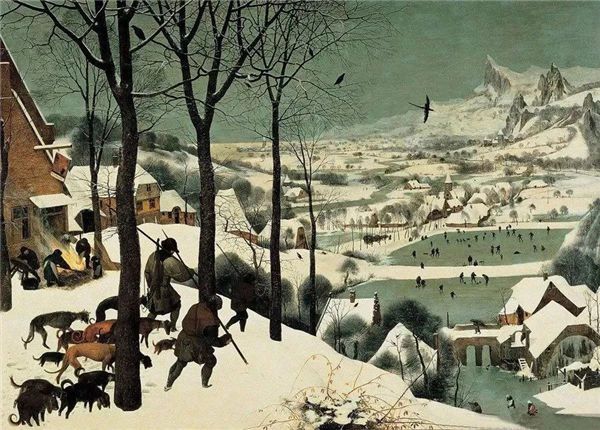
"The Hunters in the Snow" was created by Peter Bruegel the Elder (1525-1569). In a snowy scene wrapped in silver, dark black trees stand on the left side of the picture, and they form a vertical line with the edge of the painting. The trees follow the direction of the hunter's advancement, and follow the "shortening method" of perspective. Guided by the vision, the viewer walked to the ice in the valley, and the villagers frolicking on it. A black magpie flying over their heads just connects the nearby trees with the mountain in the future. The viewer will be immersed in this world of ice and snow and will never forget to return.
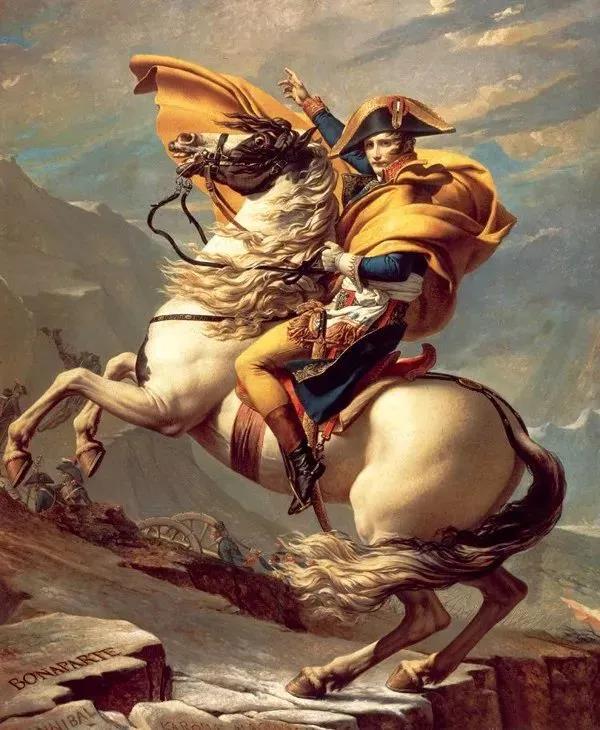
"Napoleon Crossing the Alps" was ordered by King Charles IV of Spain from David. David arranges the character in the picture on the snow-covered steep slopes of the Saint Bernard Pass. The gloomy sky and the dangerous terrain strengthen the heroism of the work, and the red cloak makes the picture brilliant and exciting. During the Second Anti-French Alliance War from 1799 to 1802, Napoleon led an army of 40,000 to climb the steep Alps and take a short cut across the Saint Bernard Pass to enter Italy in order to gain time.
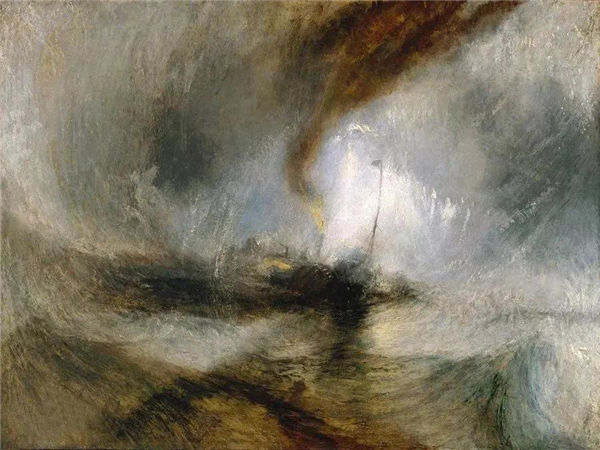
This painting was created by British romantic master William Turner. The steamboat sailing on the rough sea, the storm and fog that filled the sea, formed a whirlpool in the sky...The blizzard seemed to destroy the ship. This painting that seems to involve the viewer is the masterpiece "Snow Storm - Steam-Boat off a Harbour’s Mouth" completed by Turner, risking his life. The work is restless and novel, and the name it takes adds another layer of meaning to the mystery in the painting, which has been a mystery to his early audience. His public statement depicts what can actually be observed: a steamboat, in potential danger, trapped in a vortex of wind, waves and snow. The white light shining behind the mast came from a flash of light, which was an alarm to others that the ship was in trouble. The big wave surging on the left is frightening. It surpasses the horizon and breaks any possible sense of security. Nevertheless, the title of this painting still implies that security is coming.
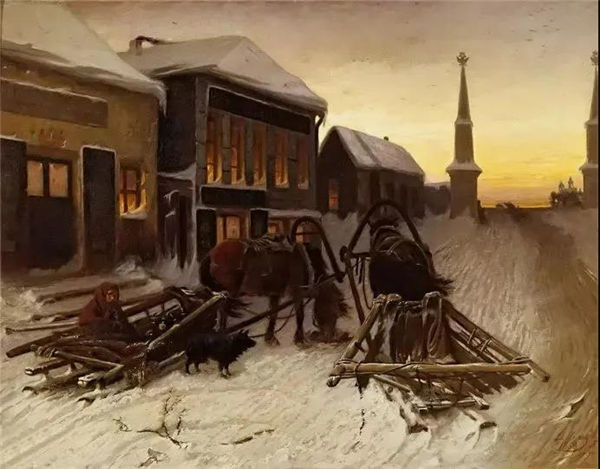
"The Last Tavern at the City Gates" by Vasily Perov, the mainstay of the Peredvizhniki, is a masterpiece of Russian art. In the dim light of a cold winter night, the window of the tavern shines turbid light, where the farmers squander the meager income of the day. In a gust of wind, a poor figure wrapped in a turban, shivering on the sled. This is a female farmer waiting for her foster family to drink and have fun. The dark colors and brown tones are like sad chords, and through expressive brush strokes, the feeling of sadness and despair is enhanced. In the mature works of the painter Perov, the theme of deep pity for those who sacrificed as a cruel and unfair society becomes very obvious.
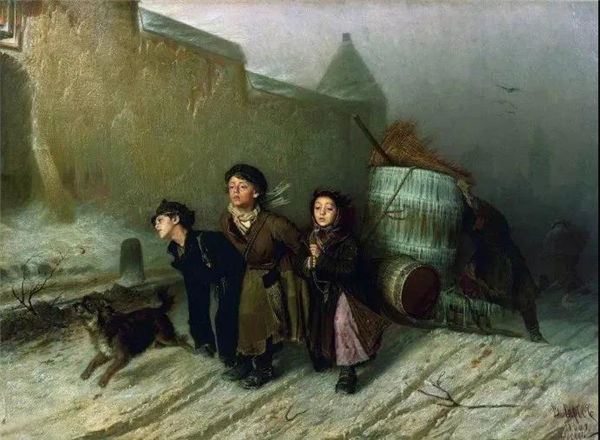
Vasily Perov's "Troika" is one of the masterpieces on the subject of children. The painter's delicate brushwork with care and love depicts the scene of three children struggling to transport water in the cold winter. The painter emphasized the extreme fatigue and sleepiness of children, which aroused people's sympathy and love for poor children.
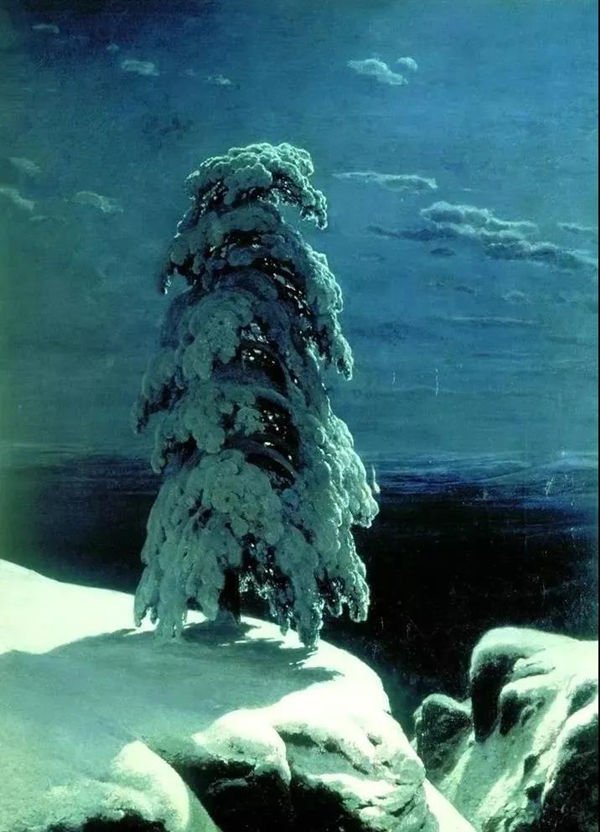
This painting is an illustration by Ivan Shishkin for Lermontov's poem "Northland in the Wilderness". The land is covered with snow and ice, and under the night, it looks deeper and wider. On the snow-covered rock, a small pine tree is wrapped in silver clothes, like a glamorous beauty, standing proudly. The whole picture is full of rich poetry. In fact, Shishkin's landscape paintings have always contained a poetic mood. "In the Wild North" is based on the light and shadow characteristics of moonlight, and the composition is simple, neat and magnificent to highlight its poetic mood. This is an immortal masterpiece in the history of Russian landscape painting.
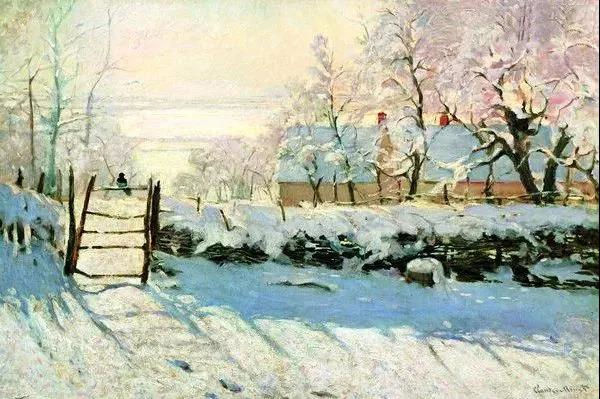
Impressionist Monet's "The Magpie" was completed in 1869. It is the first snow scene painting and the largest winter painting created by Monet. It depicts a lonely black magpie perching on a fence, the sun shining on the blue shadow of fresh snow. This painting is the first example of Monet's use of colored shadows, and later became one of the characteristics of impressionist works. The painting was held privately until the Orsay Museum acquired it in 1984, and it is considered one of the most popular works in its permanent collection.
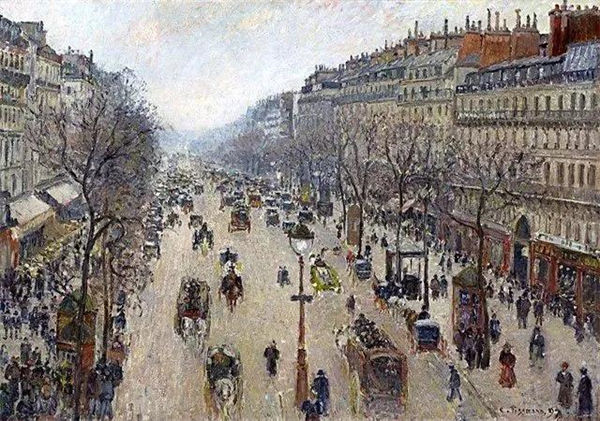
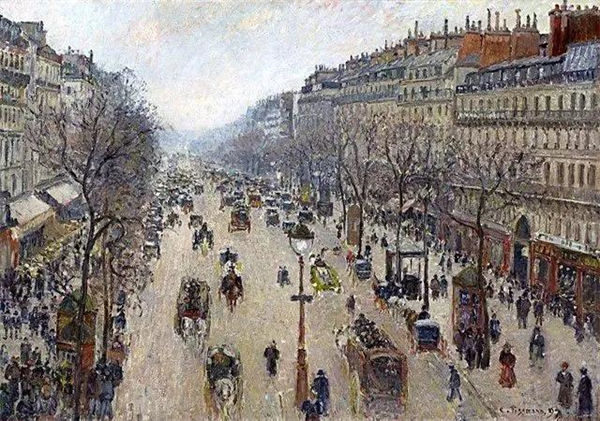
"Boulevard Montmartre, morning, cloudy weather" is the representative oil painting of the French impressionist Camille Pissarro in his later years. The pictures on both sides of the street are full of scenes, crowds are flowing, and there are many cars and horses. Because of the wide angle of view, the buildings are lined, the cars, horses and crowds are very small, it can only be drawn with thick brushes based on feeling, but it is very vivid, and the perspective is accurate. Moving in the painting, it depicts the busy and lively scenes of modern cities. It foreshadows the scene that futuristic painters in the 20th century are keen to depict-the rapid movement rhythm of modern cities.
In this painting, the composition is magnificent, the street scene is solemn and grand; the colors are rich and soft, in the contrast of cold and warm colors, full of the transition of midtones, forming a detailed and varied gray tone, but it is very bright. It shows the full light, the brushstrokes are even without losing the lively changes, the roughness and the meticulousness are integrated, showing the unique artistic style of Pissarro.
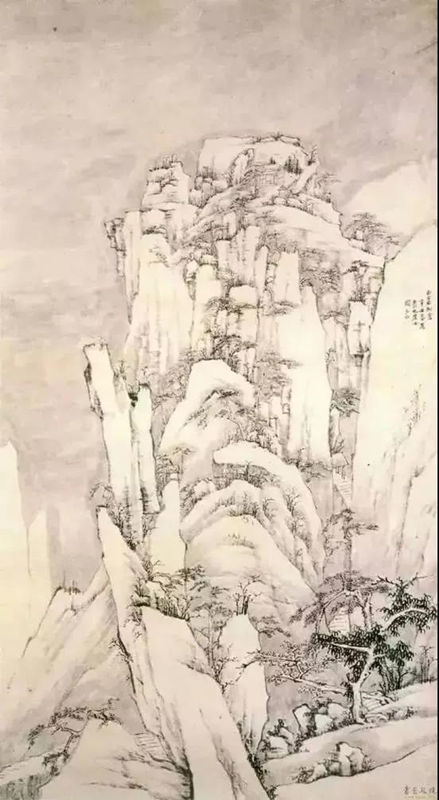
Snow on Pines at the Western Peak by Hong Ren (Qing Dynasty)
The picture is a partial close-up of the majestic mountain peaks, with outlines as the main theme. The snow scene "borrowed to be white" is painted slightly, with the rocks on the sunny side being left blank, the shaded side with ink, and the trees with thicker ink. The composition is complex, the brushwork is pure and healthy, and the artistic conception is ancient. The painting deliberately depicts pine trees and white snow that symbolize nobility and purity. The image is concise. It is the shadow of the author's highly purified spirit, giving people a majestic, quiet, holy, and spotless beauty.
-
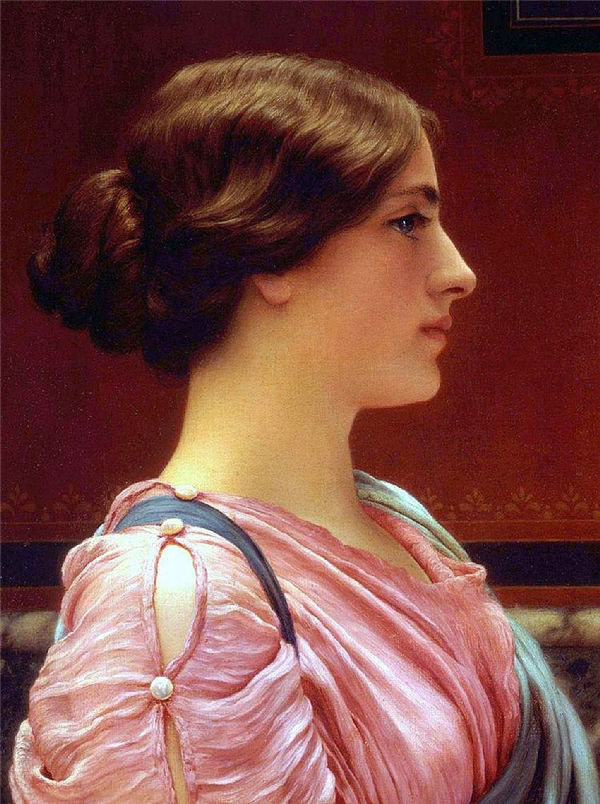
Classical oil painting originated in the Renaissance, focusing on the use of color and light to maximize the realism of painting objects. With the development of classical oil paintings, different styles of oil paintings use different techniques and expressive force. The hyper-realistic oil painting is based on the current advanced photography skills, focusing on the extreme depiction of details. Both painting techniques pay great attention to the application of color and light, but the artistic concepts behind them are completely different. This article introduces the classical oil painting technique and the super realistic oil painting technique in detail by comparing and analyzing.
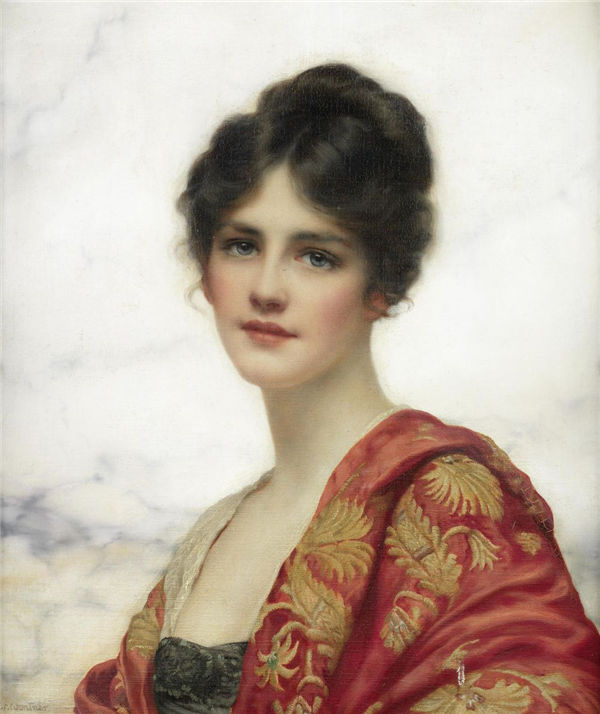
During the Renaissance, most of the oil paintings were custom-made, and they were carried out by religions or dignitaries for various purposes. Classical oil painting focuses on being as realistic as possible, using light and color reasonably, and striving to show the truest side of the painting objects. Hyper-realistic oil painting was born in an era when the current photographic environment and techniques are very mature. Some people think that the birth of photography ended the life of oil painting art, and that super-realistic oil painting is the struggle of painting artists against the death of painting. They pay attention to the extreme depiction of the details of the painting objects, showing the beauty of details that the photography technique can't express.
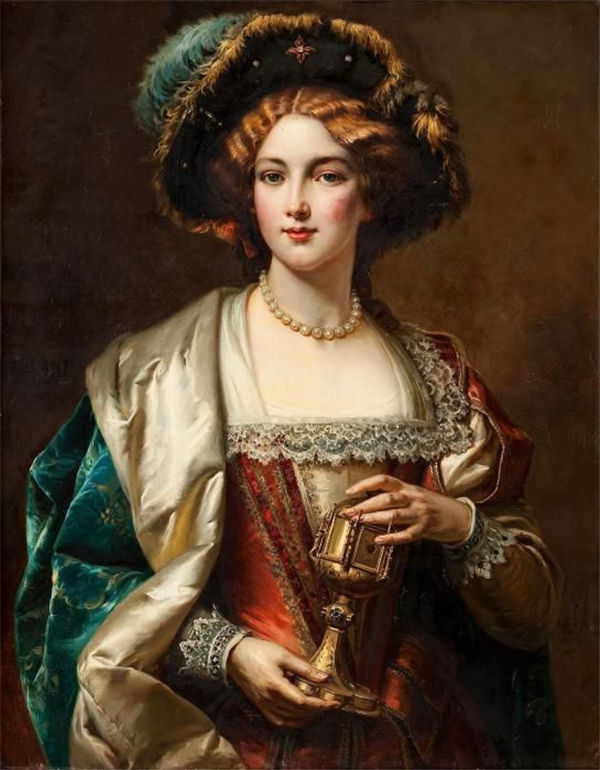
1. For the painting techniques of classical oil painting, the overall tone and composition are very calm and implicit, without much contrast, and it attaches great importance to the coordinated changes of color saturation and transparency, as well as the application of light and shadow, shape and color. Classical oil painting attaches great importance to painting techniques, which directly affects the presentation of the entire picture.
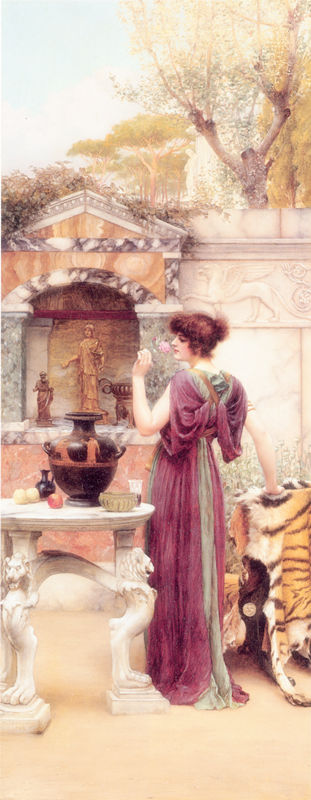
2. For the painting technique of hyper-realistic oil painting, the techniques are very strict in the production of canvas, brush, medium base, red base material, and the kinds of varnish and paint. In the process of painting, if there is no good medium, the brushstrokes will be very jerky, and the whole picture will show a feeling of unevenness, which will affect the visual experience of the whole picture. But after adding the medium base, the picture will become very flat, and there is no accumulation place on the surface of the color layer. After adding the varnish, the picture will be more flat. In the process of painting, it is necessary to properly use varnish cover dyeing. Not all places can be covered with varnish after oil absorption, because it will make the whole picture yellow. Instead, use one part medium and two parts of turpentine to dilute and paint the oil-absorbing surface, but you need to wait until the screen is dry before brushing. When painting, you can brush the part you want to paint and deal with the problem of oil absorption in the picture bit by bit.
Although both classical oil paintings and hyper-realistic oil paintings are realistic style of artistic creation, they are very different in the form of expression, painting techniques and artistic meanings. These differences come from the different backgrounds of the two times. Classical oil painting emerged during the Italian Renaissance. At that time, people didn't have photography skills. To retain an image, they could only rely on painting. Most of the early classical oil paintings were based on character depiction and religious stories. Although they also paid attention to the processing of local details, they placed more emphasis on the composition, sense of picture and color saturation of the oil painting as a whole. There is still a certain difference between the painted objects and the actual existence, which reserves a certain space of artistic creation for painters.
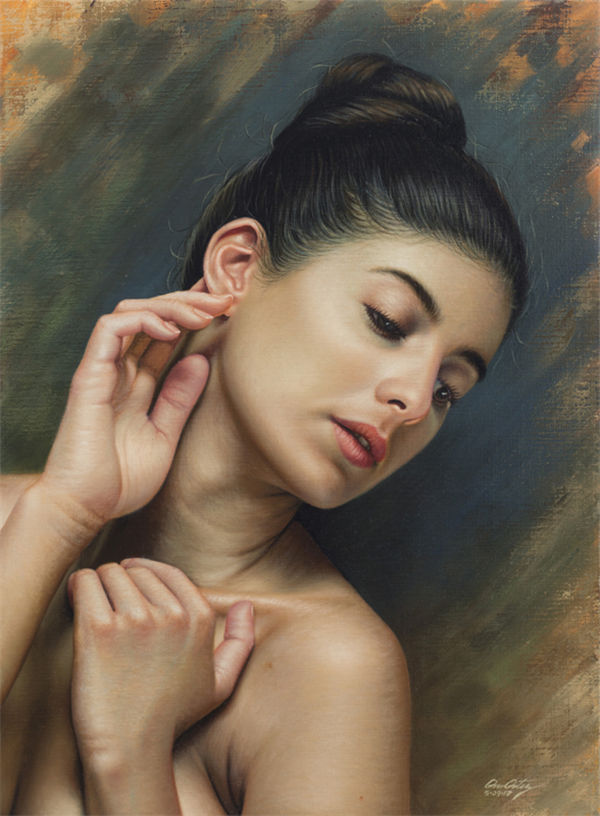
The hyper-realistic oil painting was born in the modern era where both photography and photographic technology are very advanced. People no longer need to use painting to retain the memories or images they want to retain. Photos or photography have been able to truly reproduce the desired picture. Someone once said that this is a time when painting is dead. In such an era, realistic style of painting does not have enough significance. However, due to pixel, camera angle, technique and other issues in photos or photography, it is impossible to present the details of pictures perfectly. The super-realistic oil painting is to grasp these details, and to describe them to the extreme. Even if the portrait is magnified dozens of times, it still has good texture and color saturation. Therefore, some people call the creator of super-realistic oil painting "anti painting death" school painter.
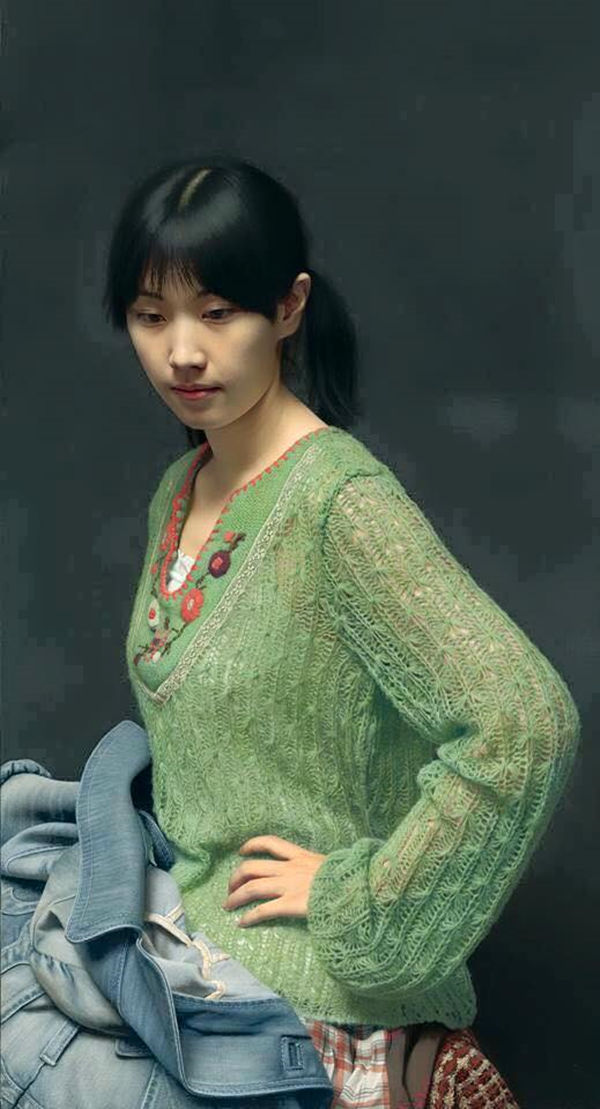
Different themes, different contents, so the techniques used will be different, but not so big.
1. The main idea is whether you paint for others or for yourself. One is a captive artist, the other is a freelance artist. This directly determines your painting route.
2. Expression is whether you want to express a pure record of nature or history, or an idea or thought, or even a concept, or nothing.
Most of the classical paintings have the purpose of recording and are very functional. Modern oil paintings are less constrained because there are cameras, so they can express more of their own things.
3. There are also changes in the use of techniques and materials. The most typical one is the difference between direct painting and cover dyeing, which can also be said to be the difference between interior painting and Impressionism.
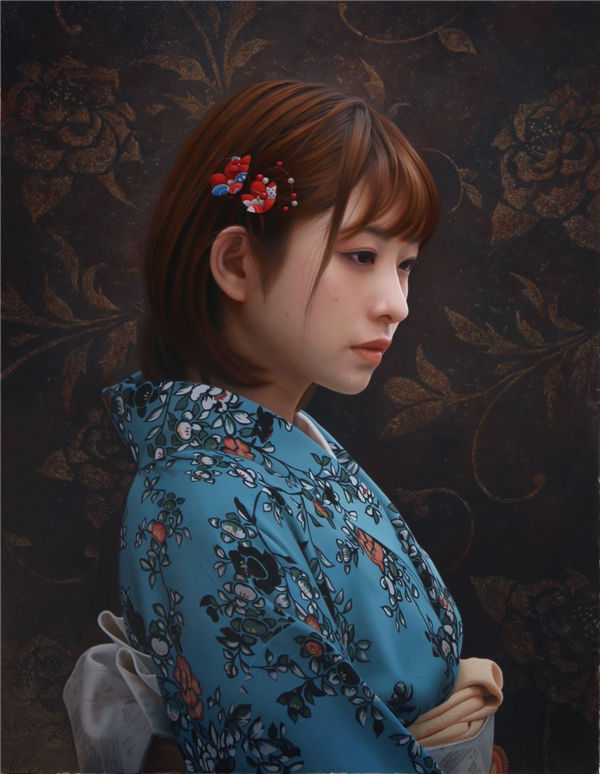
In fact, it is feasible for people who want to do classical painting today. It is nothing more than imitating the whole process, and the content and form can also be imitated. However, it is questionable whether there is pleasure in doing so.
-
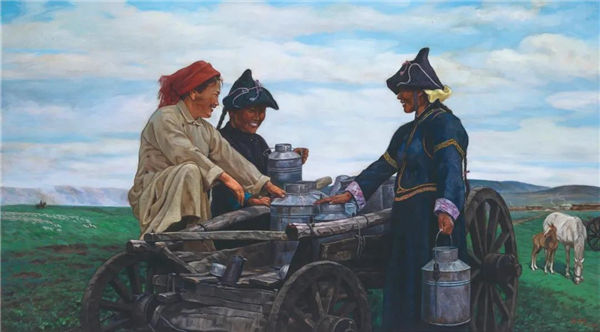
Since Dafen Oil Painting Village was awarded the "National Cultural Industry Demonstration Base" by the Ministry of Culture in 2004, it has been supported by various policies from the municipal and district governments and departments at all levels, and has gathered more and more artists who advocate creativity and are dedicated to art. The completion of the Dafen Art Museum in 2007 has set up a platform for the exchange and display of original art for Dafen painters. From here, they gradually move to the art stage of the whole country and even the world.
In recent years, lots of talented and explorative local artists have emerged in Dafen Oil painting village. More than 100 of their artworks have been selected into national and provincial art exhibitions, and have been exhibited in influential national heavyweight exhibitions such as "Beijing International Art Biennale", "Shenzhen Dafen International Oil Painting Biennial", "National (Dafen) Young and Middle-aged Oil Painting Exhibition". They use their heart and affection into their creation, and use their unique painting techniques and keen creative tentacles to portray works of art of different types and styles including neoclassical realistic styles and contemporary expressionist forms. In the process of communication, new ideas and new changes will be created, so as to create artistic works with attitude and belief and reflecting the style and features of the times. "Dafen Local Artists Promotion Project" sponsored by Shenzhen Dafen Art Museum has received extensive attention from all walks of life since it was launched in 2017. In a sense, the holding of Li Jiyong's artworks exhibition is also a presentation and summary of the artist's painting experience.
The artworks displayed here are the only remaining paintings of Mr. Li Jiyong, an old man who is nearly 80 years old. These works truly record the footprints of the author in different periods and different regions, for example, from the snow-covered Chaozu thatched cottage by Jingbo lake to the thatched cottage in Lizhai at the foot of Wuzhi Mountain, the famous Hakka earth building in eastern Guangdong and Western Fujian, and the stilted building of Miao family in Guizhou. As he has been engaged in the teaching of basic painting courses for many years, he has preserved some works in still life, landscape and figure painting. He said that these works are the portrayal of his artistic practice throughout his life. As for the merits and demerits of his works, he left them to the audience for comment.
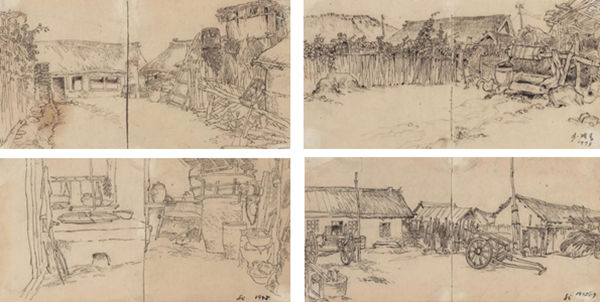
Rural Sketches, sketch, 1975
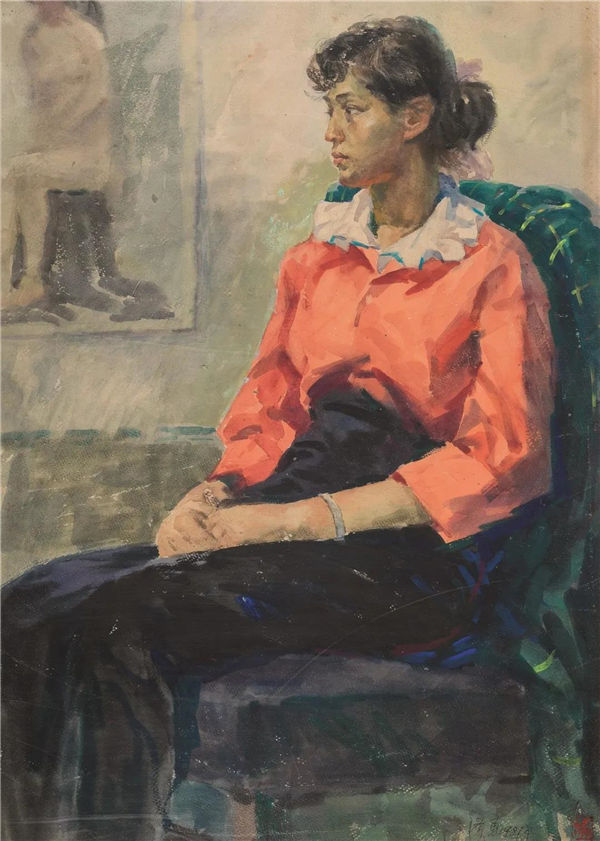
The Woman in Red, watercolor, 1981
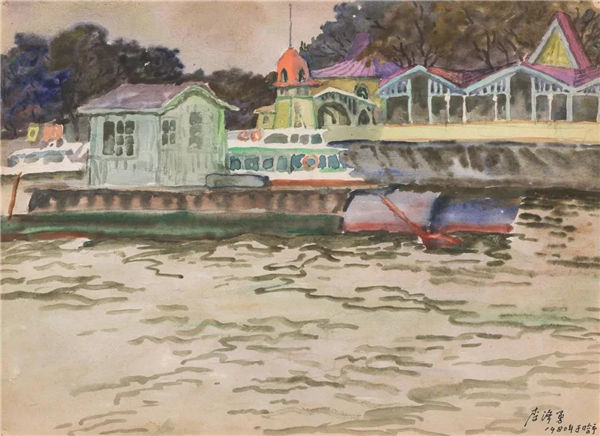
Harbin in the Rain, watercolor, 1980
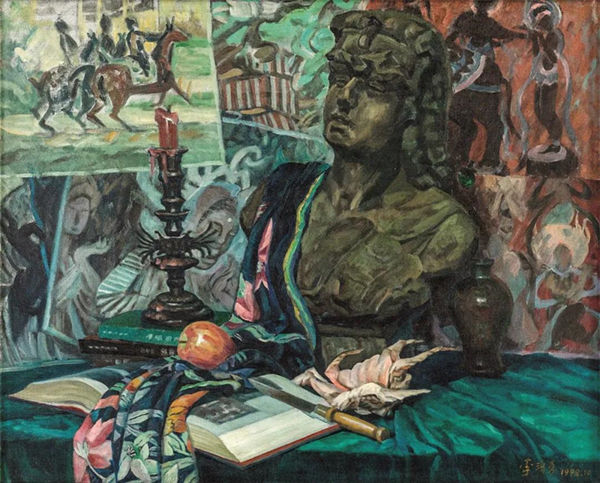
Still Life II, oil on canvas, 1998
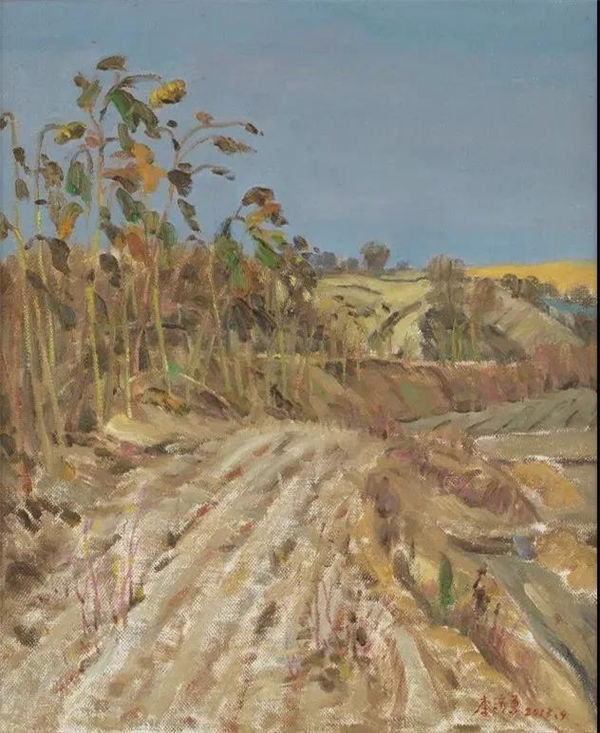
After the Autumn Harvest, oil on canvas, 2012
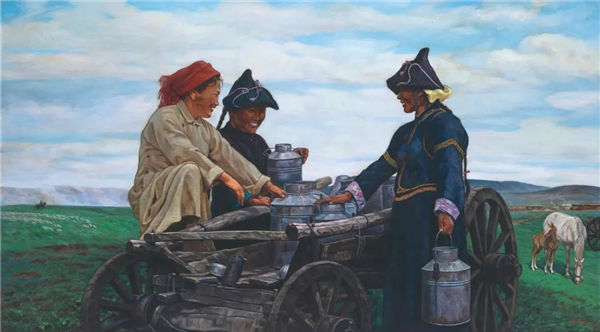
Morning Song Over the Grassland, oil on canvas, 2008
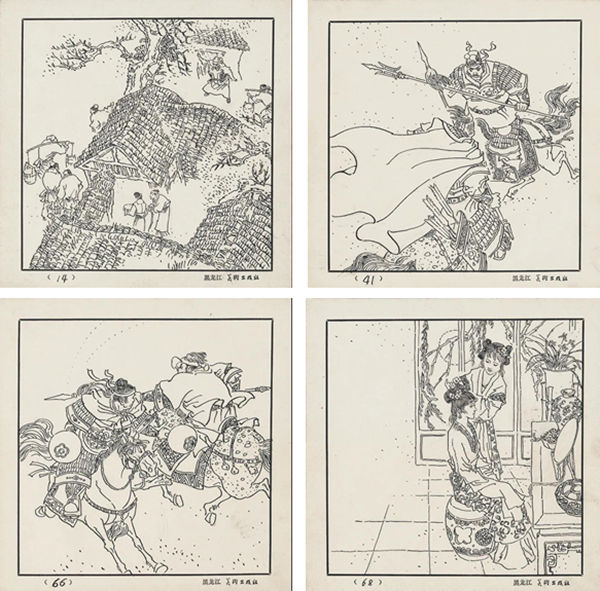
Comic Strip (Part), 1976
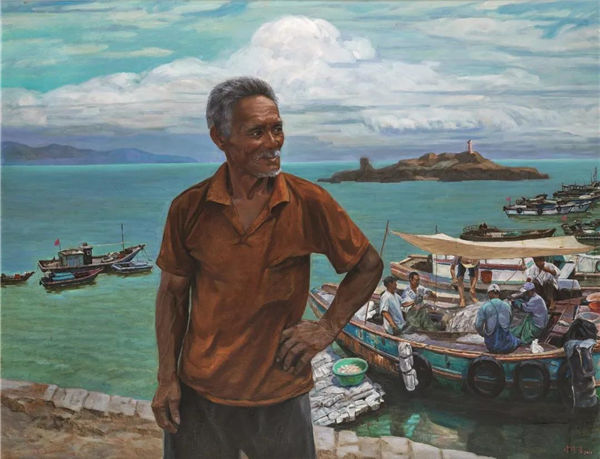
Return from Fishing, oil on canvas, 2010
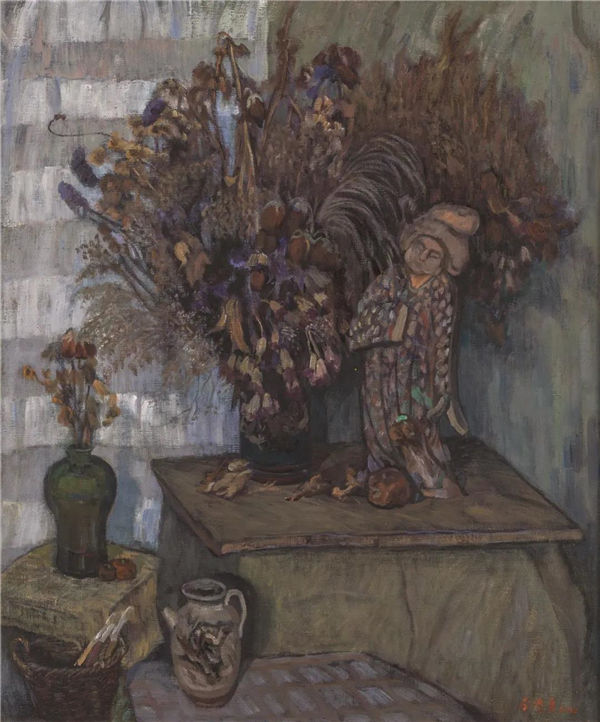
Still Attractive (Dried Flowers Series II), oil on canvas, 2010
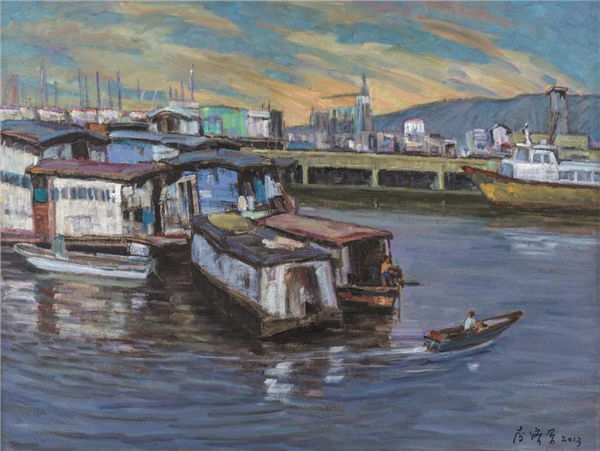
Morning Fog in a Fishing Harbor, oil on canvas, 2013
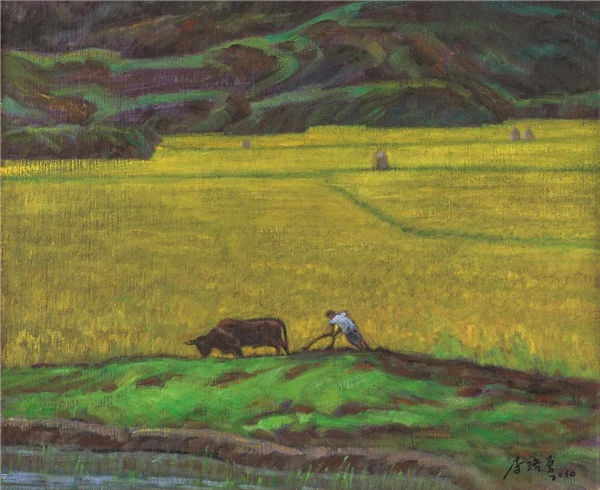
Spring Comes Early in Jinggang Mountain, oil on canvas, 2010
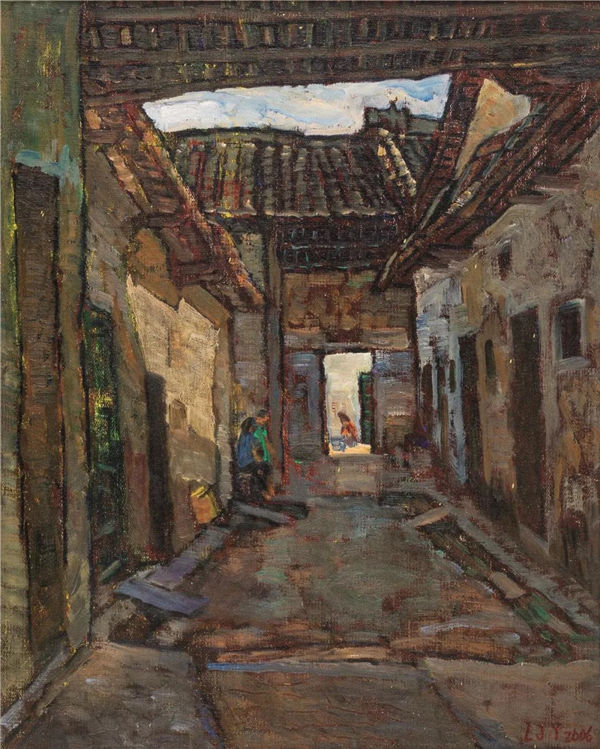
Hakkas Round House in Longgang District, oil on canvas, 2006
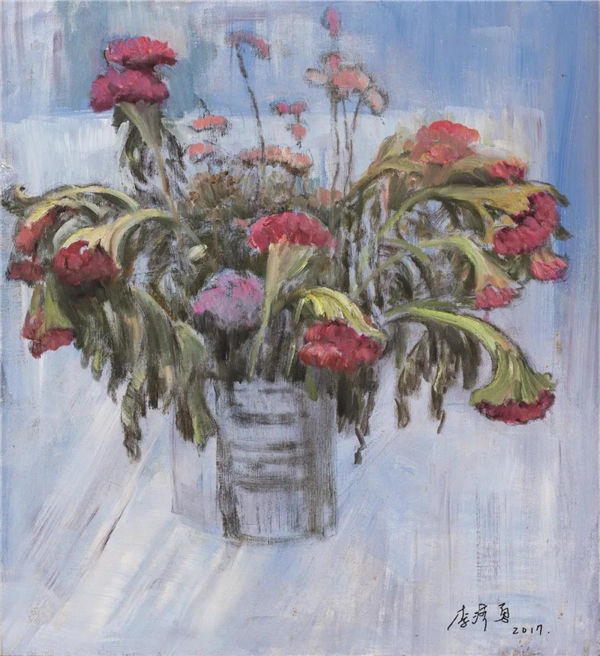
The Cockscomb after Autumn, oil on canvas, 2017
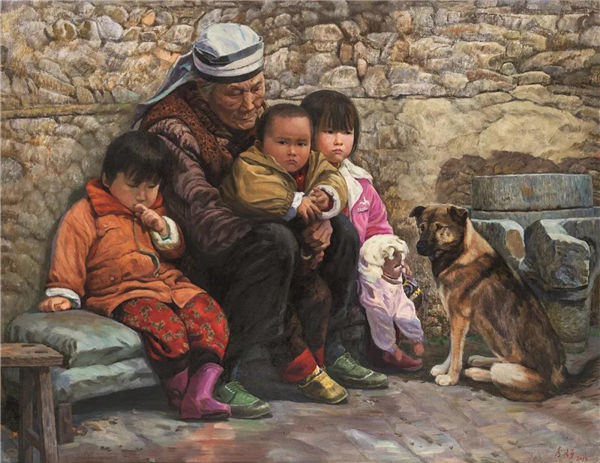
Protect Our Homeland, oil on canvas, 2010
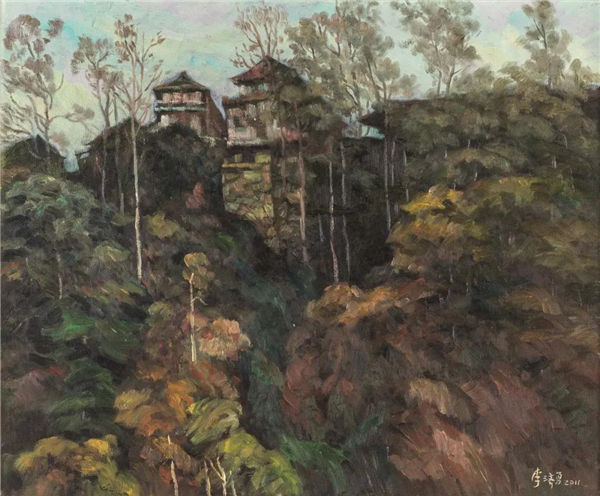
Guizhou Miao Village, Huaxi Village, oil on canvas, 2011
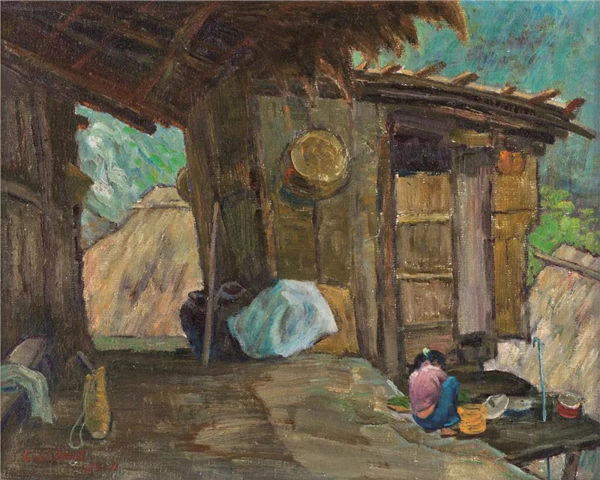
Li Village under Wuzhishan, oil on canvas, 2005
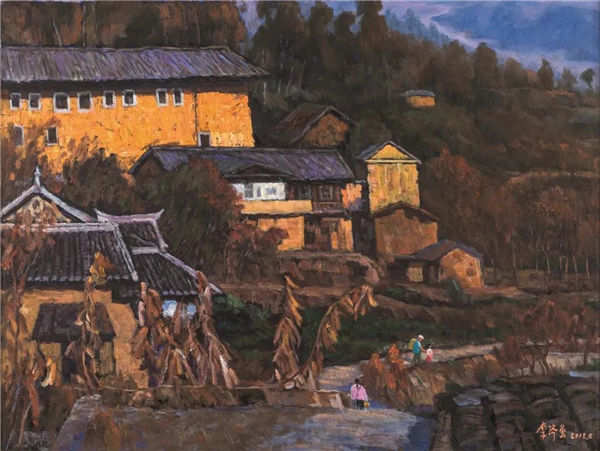
Sunset (Hakka Tulou I), oil on canvas, 2018
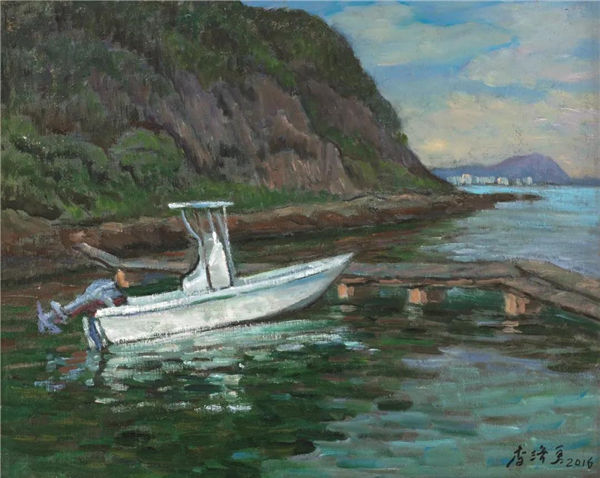
Sketch in Xiao Guiwan, oil on canvas, 2016
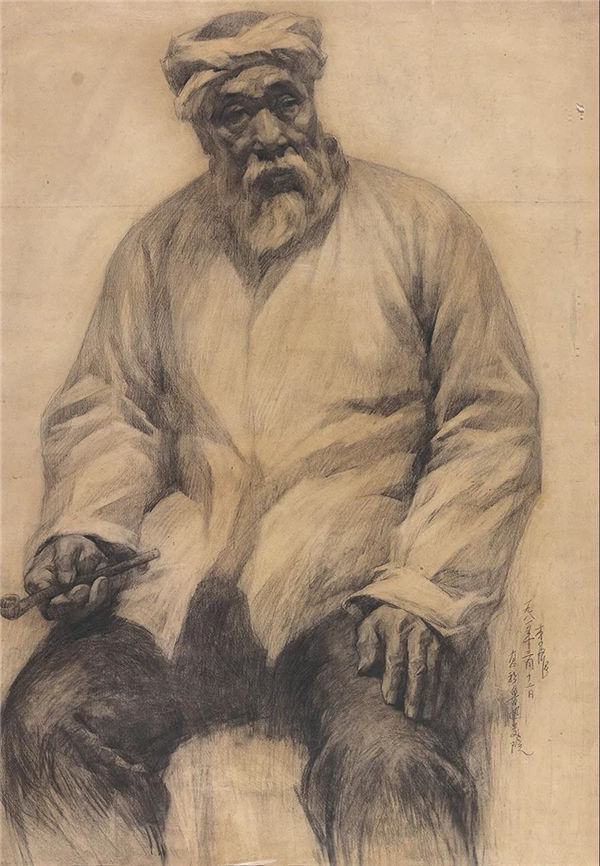
The Old Man, sketch, 1981
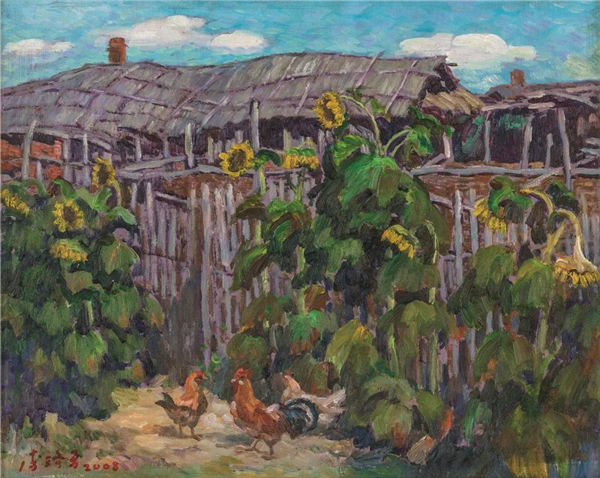
Sketching besides Heilongjiang, oil on canvas, 2008
-
In 2018, at the historical node of the 40th anniversary of China's reform and opening up, in Shenzhen Luohu, the city harbor where the "Chinese Dream" set sail, co-sponsored by the Chinese Artists Association, Shenzhen Municipal Literary and Art Federation and Shenzhen Luohu District People's Government, "The First Shenzhen International Watercolor Biennale" launched a cultural brand with international influence and wide international reputation that reflects the right of Chinese cultural discourse. It is a comprehensive display of the development process and creative achievements of China's watercolor in the 40 years of reform and opening up.
In 2020, at the important moment of the 40th anniversary of the establishment of the Shenzhen Special Economic Zone, the Chinese Artists Association, Shenzhen Municipal Literary and Art Federation and Shenzhen Luohu District People's Government will once again jointly host the "Second Shenzhen International Watercolor Biennale". Throughout the many works exhibited this year, the subjects are wide-ranging, the content is rich, the quality is high, and the forms are diverse, which fully demonstrate the vigorous development of contemporary watercolor. Among them, there are some excellent works that really make an impression.They make proper use of modern language and give play to the characteristics of watercolor painting. Chinese and foreign artists emphasize the contemporary development of individual expression and technical materials, presenting the academic height and innovative strength of contemporary global watercolor in three dimensions. Through the exploration of new themes and new techniques, and the integration of multiple forms, they show a strong sense of innovation in expression angle and language style.
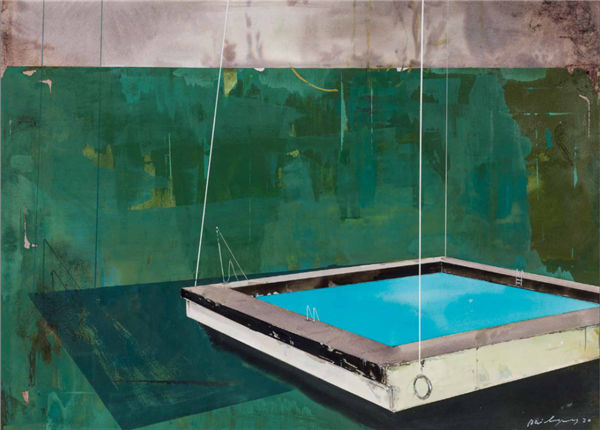
Always Be There 10 by Bai Luyang
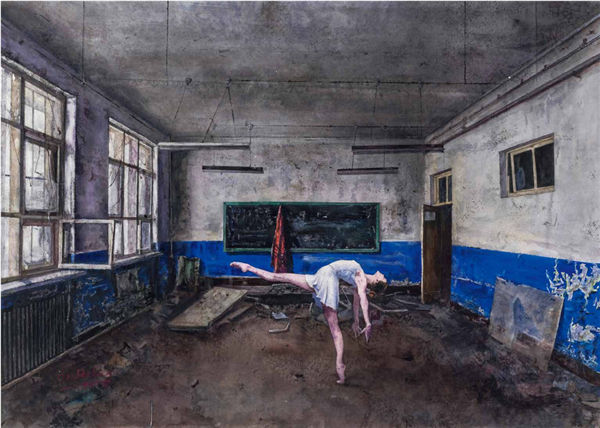
Old Dream in Old City by Chen Dezheng
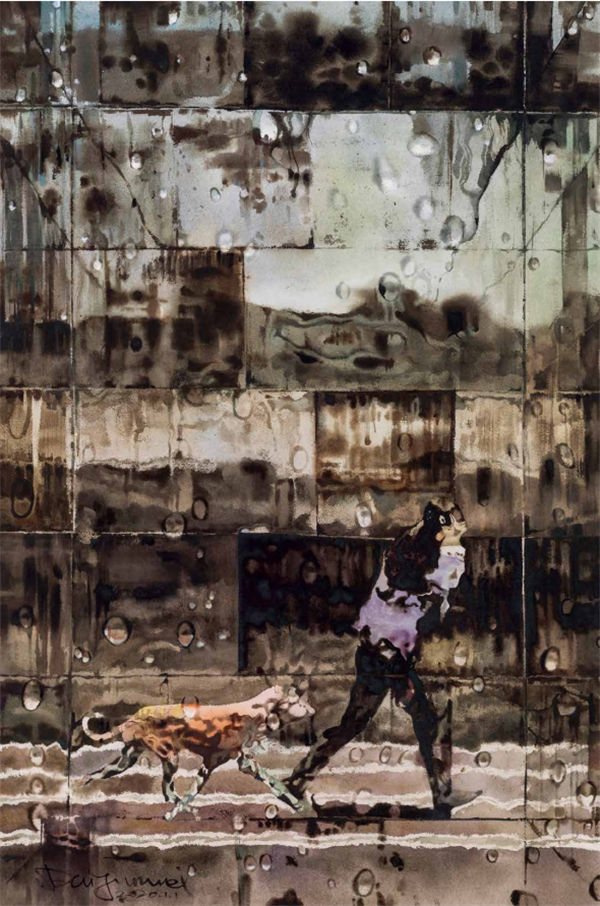
Rainy Day by Dai Junwei
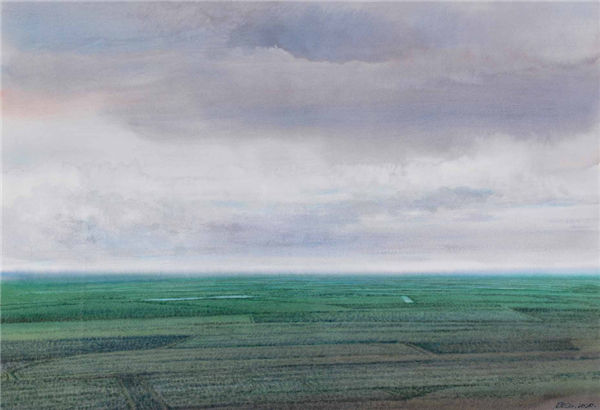
Early Spring by Fang Xiaolong
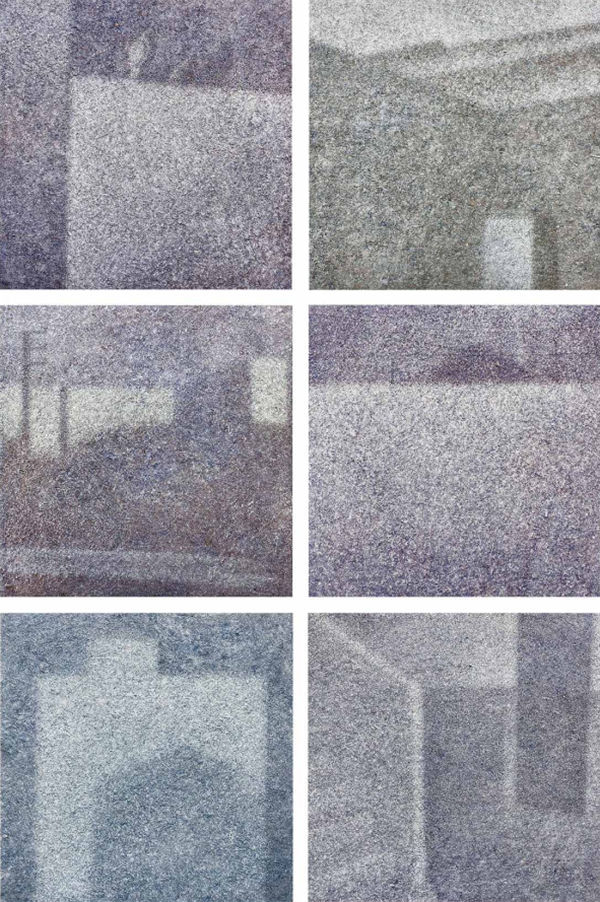
Dream by Guan Huisheng
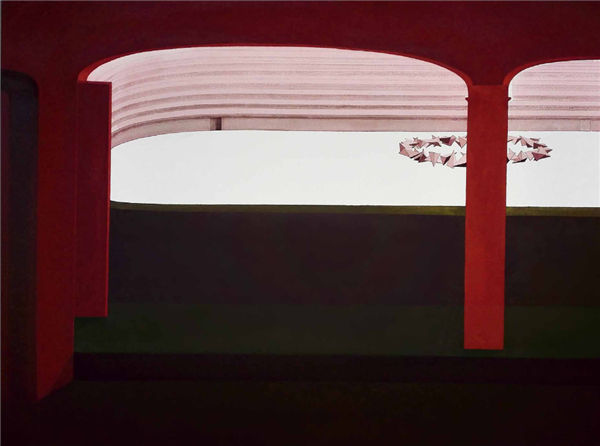
Visible and Invisible Space No.5 by Hu Yongqi
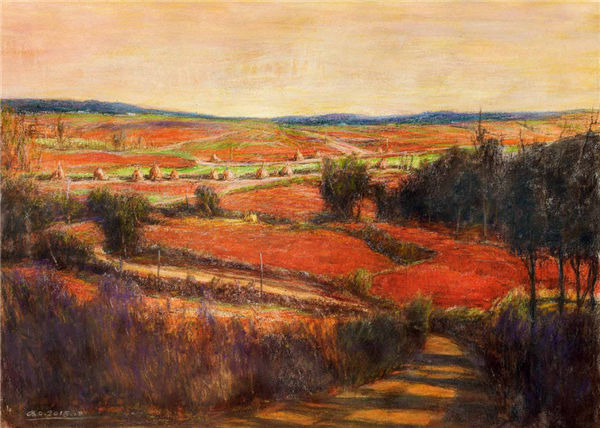
Red Land by Huang Jianbo
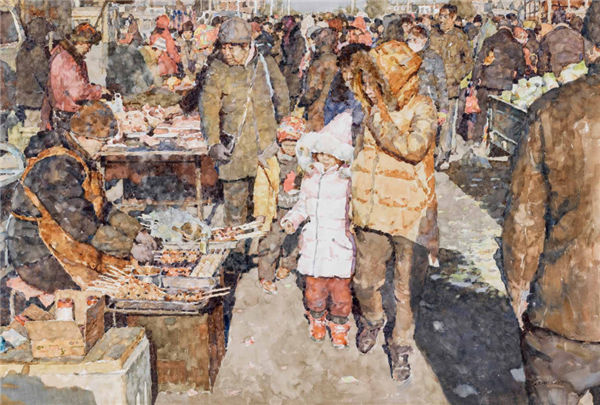
Going to Market by Huang Zhigang
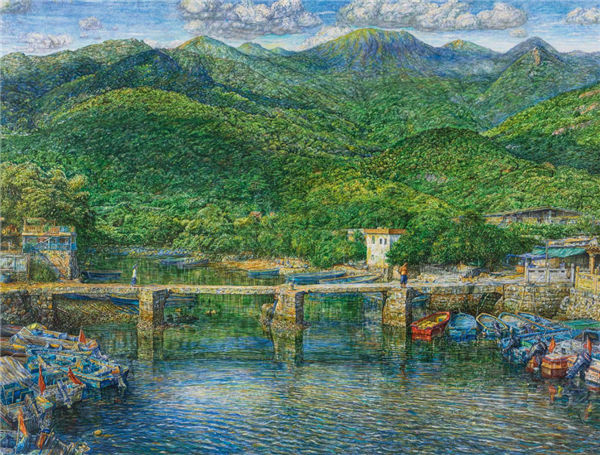
Impression - Yangmeikeng by Liu Bing
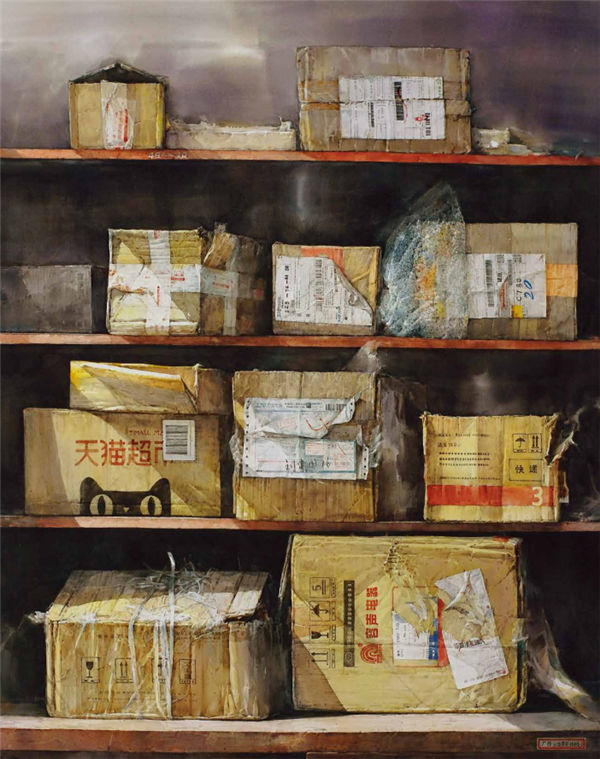
Logistics Times by Liu Yuping
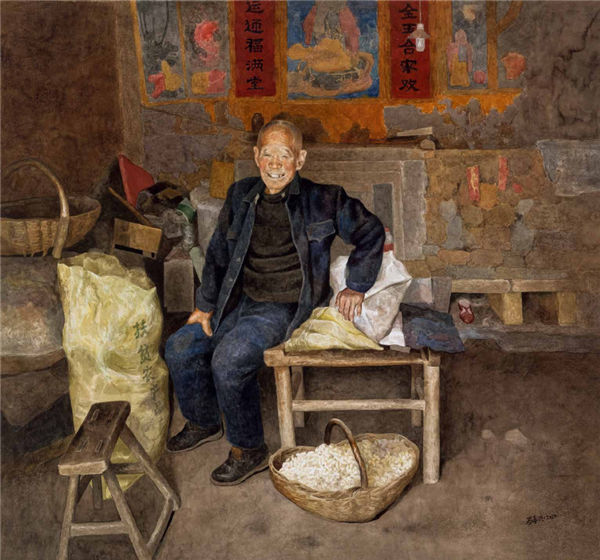
Spring After Winter by Ma Chunxing
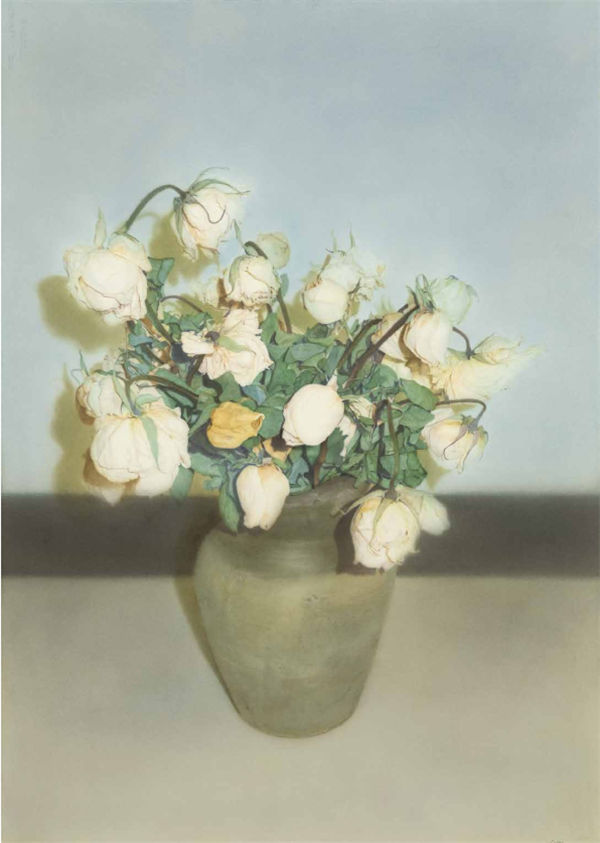
THE FLOWER 10 by Tan Qiuju
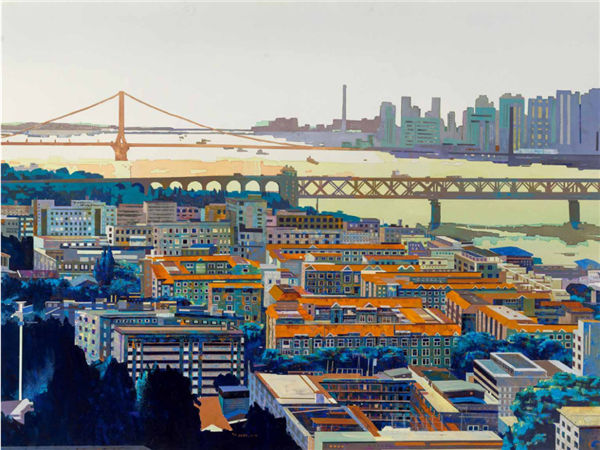
New Chapter by Tu Yonghong
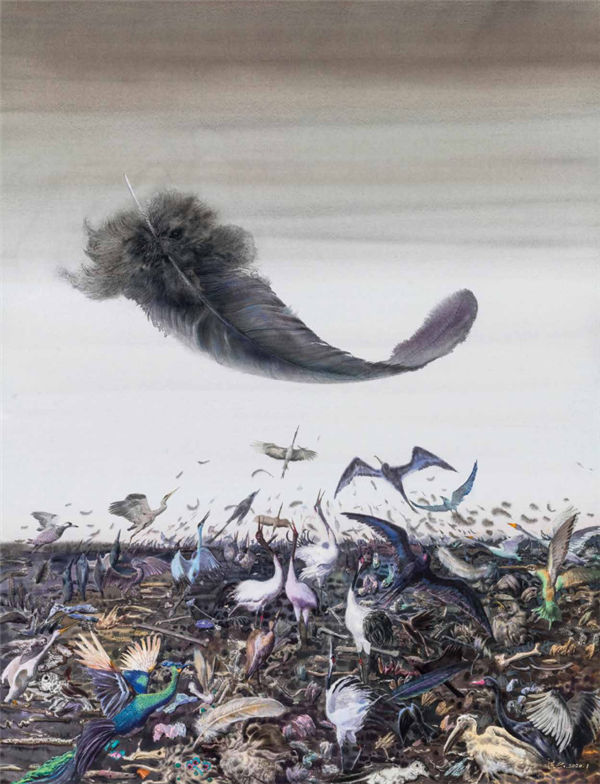
Upward World - Mission from Heaven by Wang Hongyun
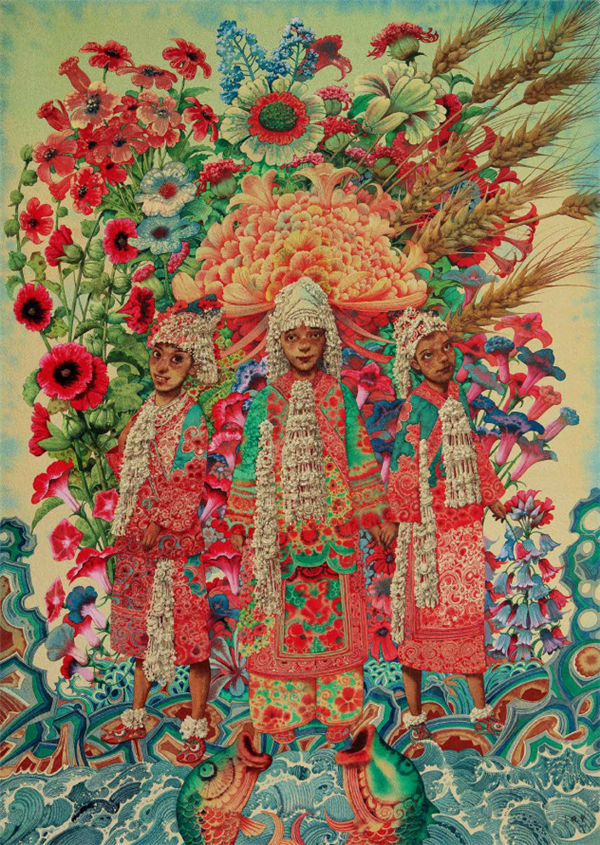
Minority Girls by Wang Xiaoyun
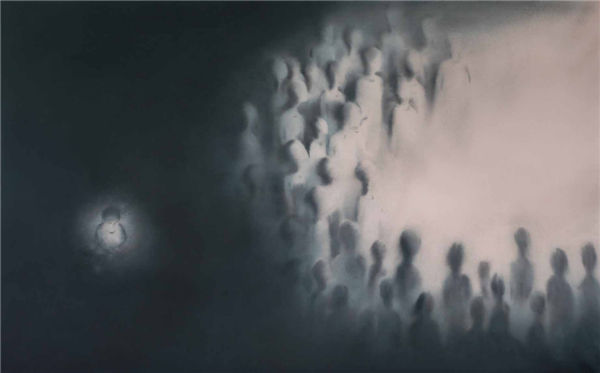
0.01% by Wang Yili
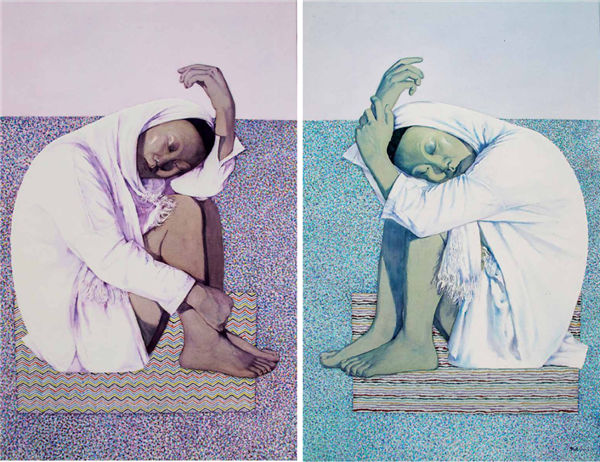
Looking in the Glass by Xiong Yan
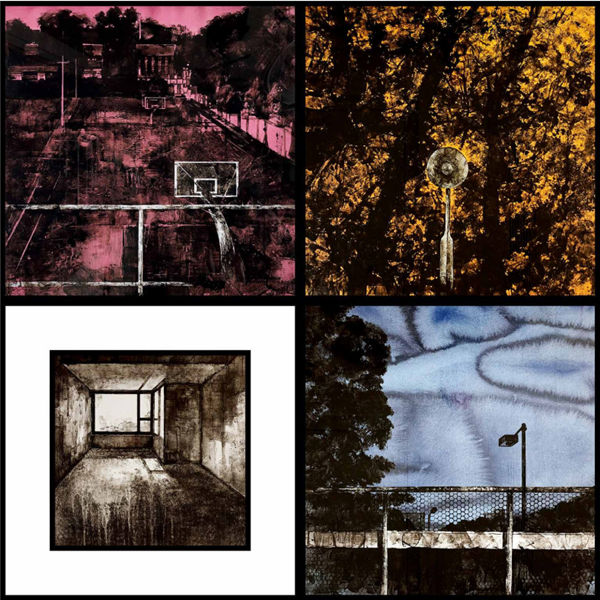
Goodbye, the Three Primary Colors of Youth by Xu Weibin
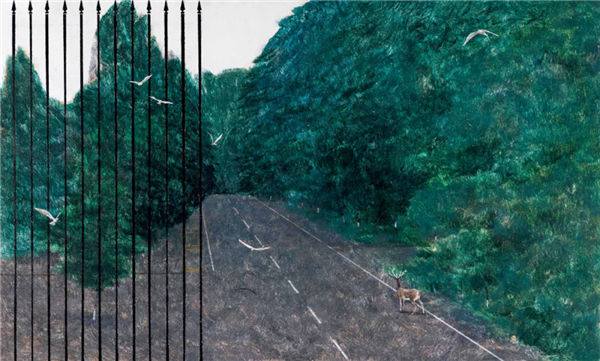
Where are We Longing for by Yang Wenhui
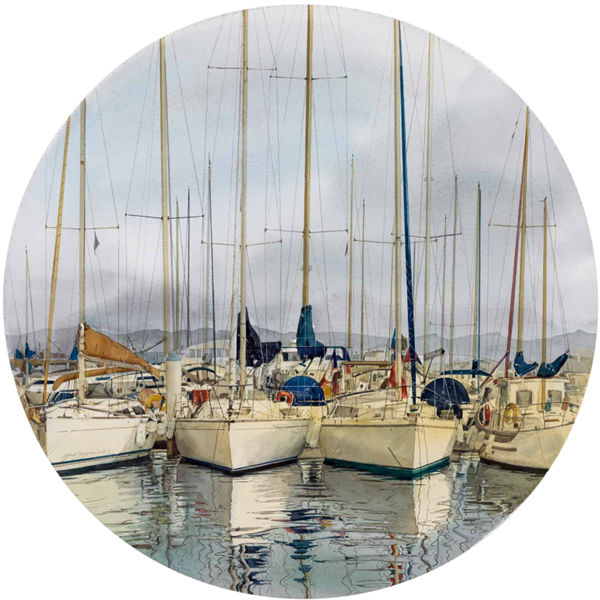
Series of Parking Boats (No.26) by Yao Fanghua
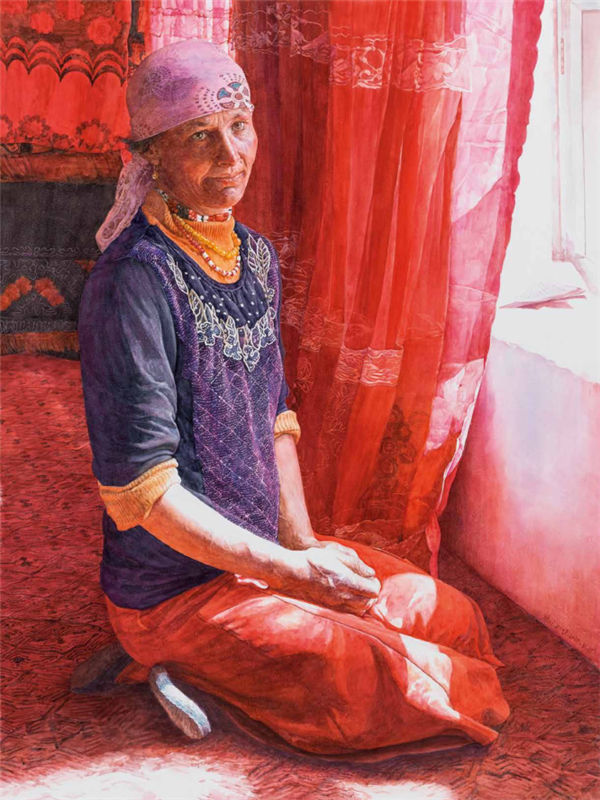
Gulan Danmu by Zhai Yong & Tian Fangzhou
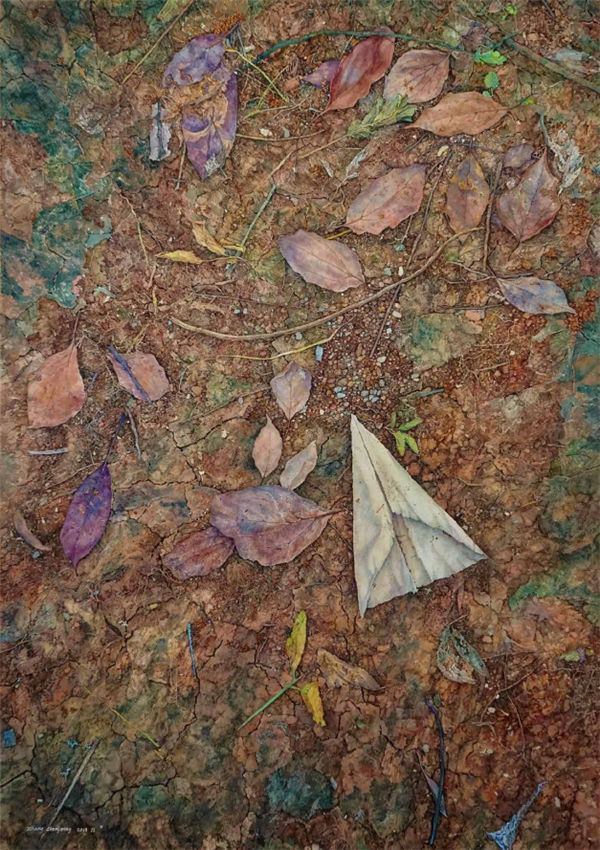
Picking up Dream by Zhang Chengming
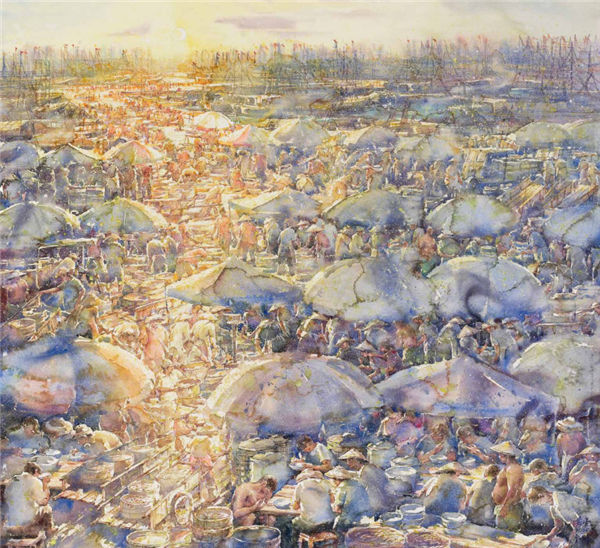
Fishing Port in the Morning by Zhang Hongliang
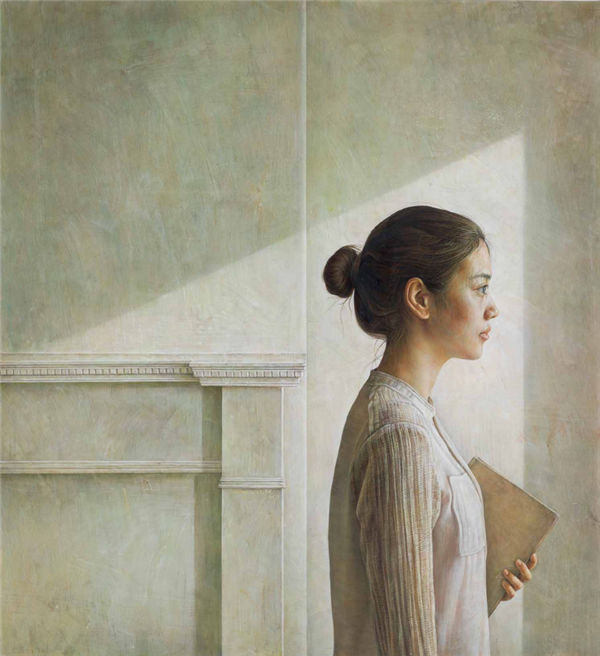
Afternoon Light No.2 by Zhang Hui
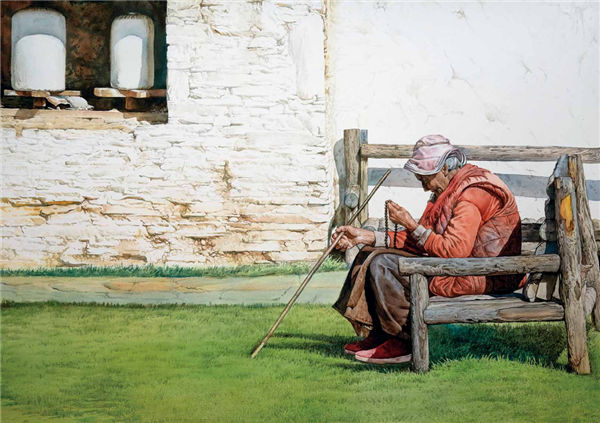
Sunny Day by Zhou You
-
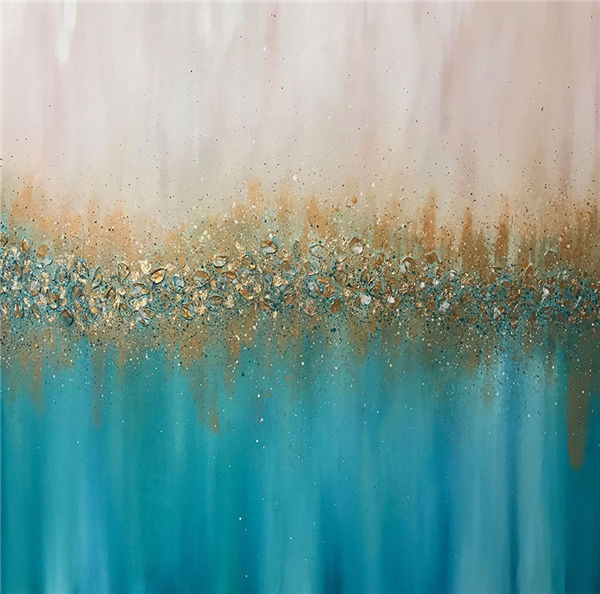
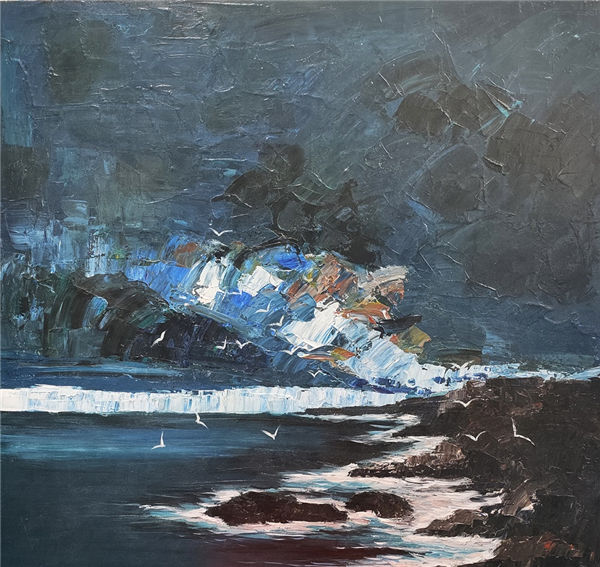
Acrylic paint was first used in the 1940s and has been popular among modern painters for its quick-drying and permanent qualities. Although oil paint is still the main medium for painting, its slow-drying and lack of permanence (museum curators believe that the oil painting will not completely dry for more than 50 years) may make many artists feel less than satisfactory.
In addition to its quick-drying advantage, acrylic paint also has multiple uses. For example, it can be used for a variety of fine art painting styles. And, like watercolor, it can be applied to the thinnest glaze, or like oil, it can be applied more thickly in layers, or even impasto directly from the tube. Moreover, improvements to the quality and range of available acrylic pigments have greatly increased the richness and hue that can be obtained. Finally, unlike oil paint, it will not crack, and unlike watercolor, it will not fade.
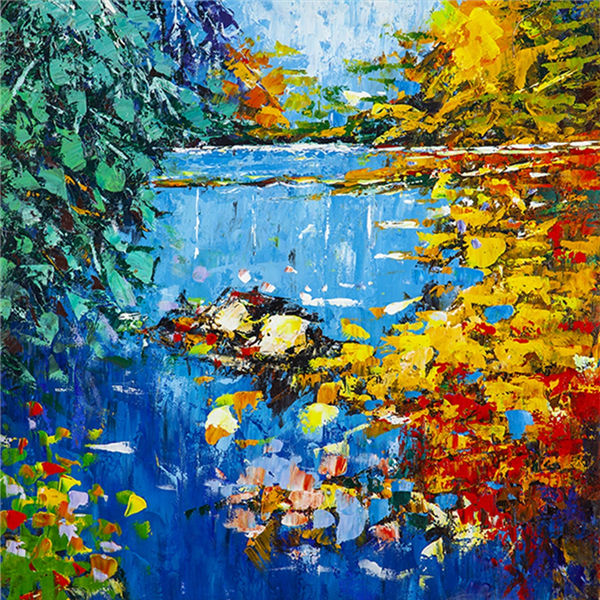
Abstract Acrylic Painting No.1
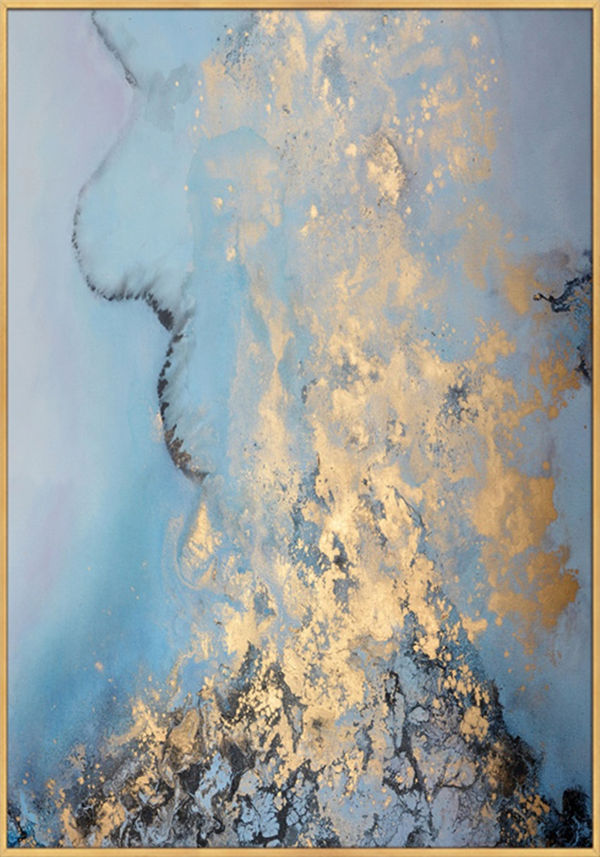
Abstract Acrylic Painting No.2
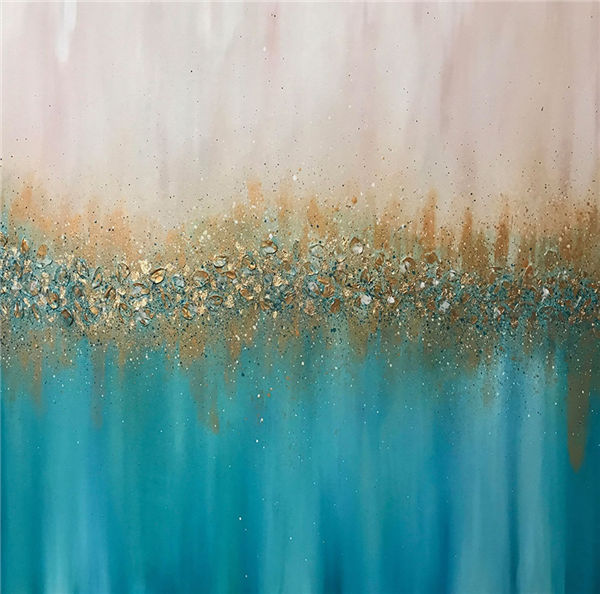
Gold Foil Abstract Acrylic Painting
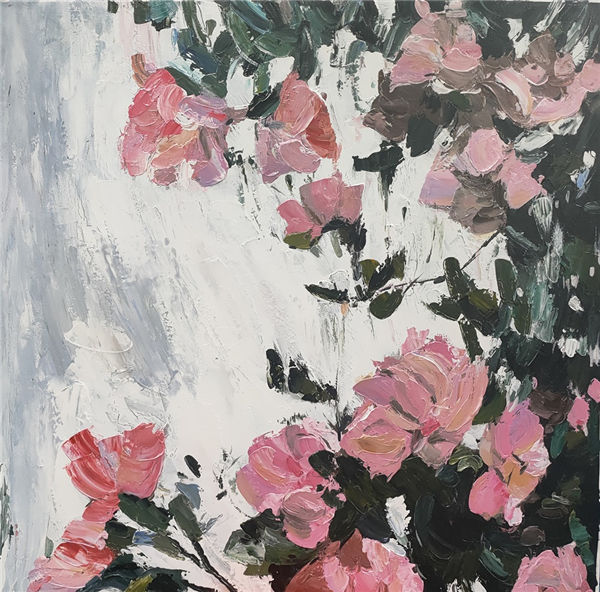
Mixed Media Abstract Acrylic Painting
Pink Flower Acrylic Painting
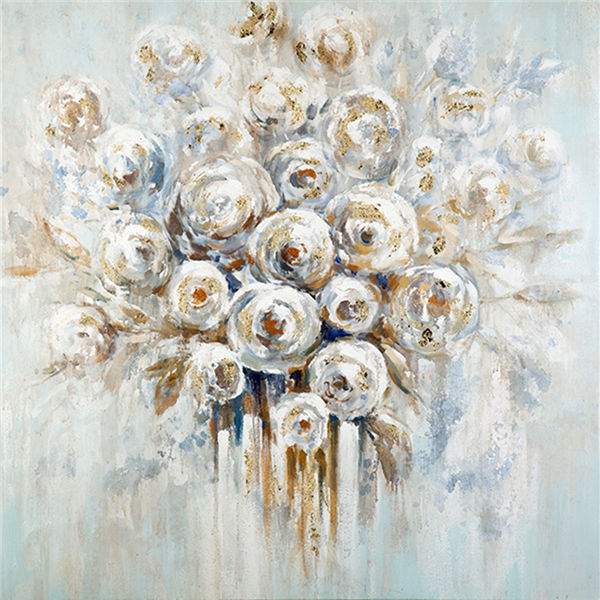
White Flower Acrylic Painting
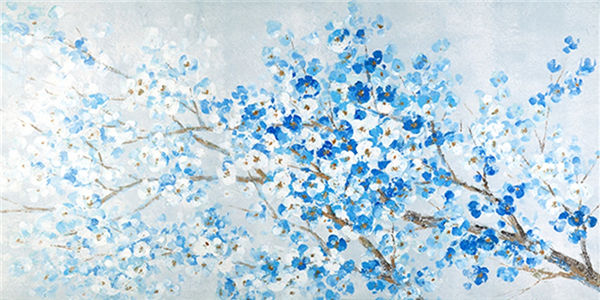
Blue Flower Acrylic Painting
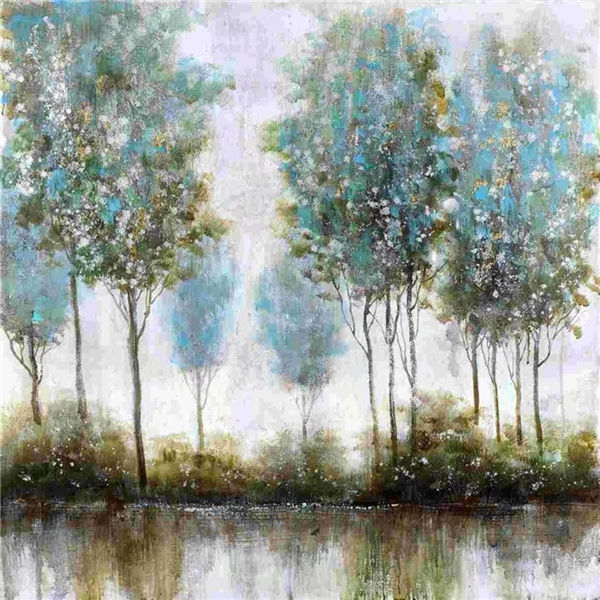
The Trees Acrylic Painting
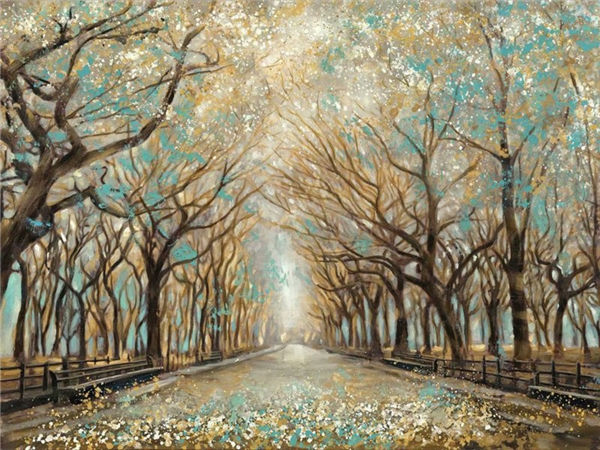
Trees on Both Sides of the Road Acrylic Painting
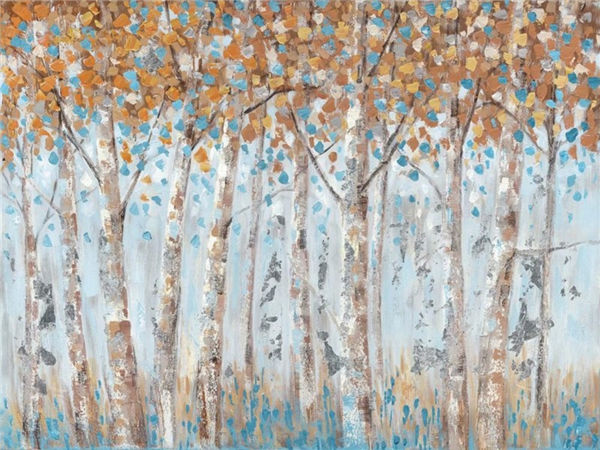
Trees in Autumn Acrylic Painting
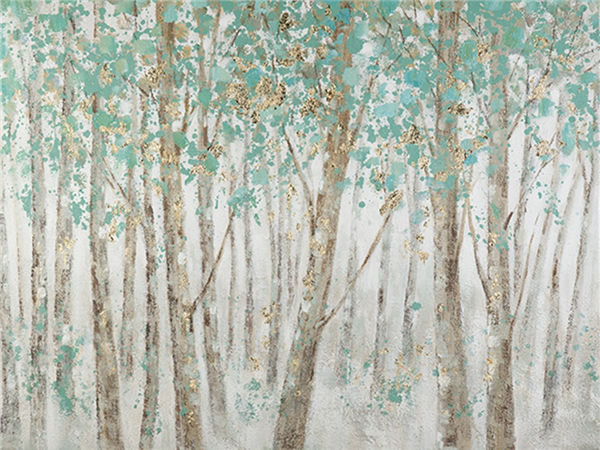
Gold Foil Trees Acrylic Painting
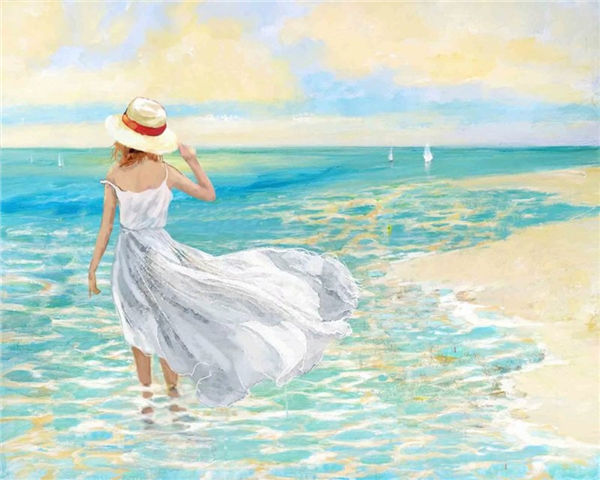
A Girl on the Beach Acrylic Painting
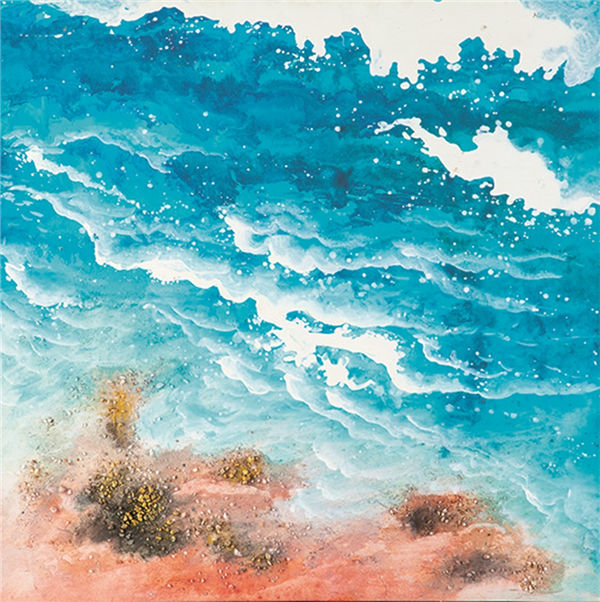
Seascape Acrylic Painting No.1
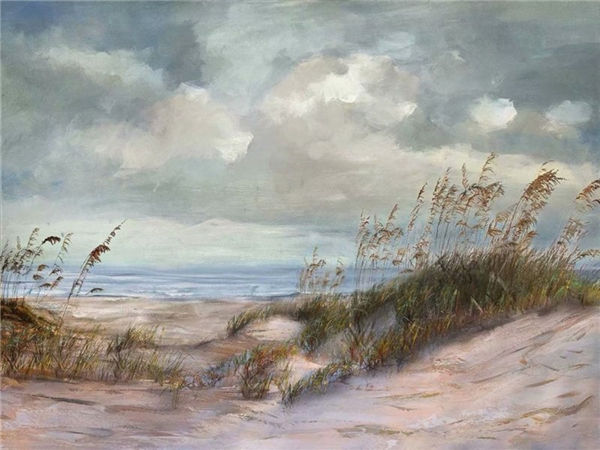
Seashore Dunes Acrylic Painting
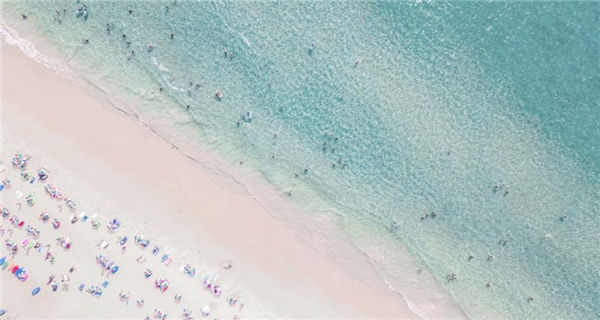
Seascape Acrylic Painting No.2
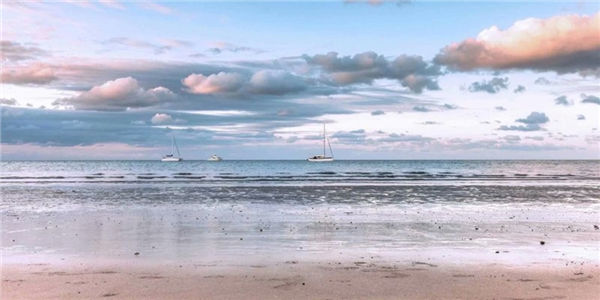
Seascape Acrylic Painting No.3
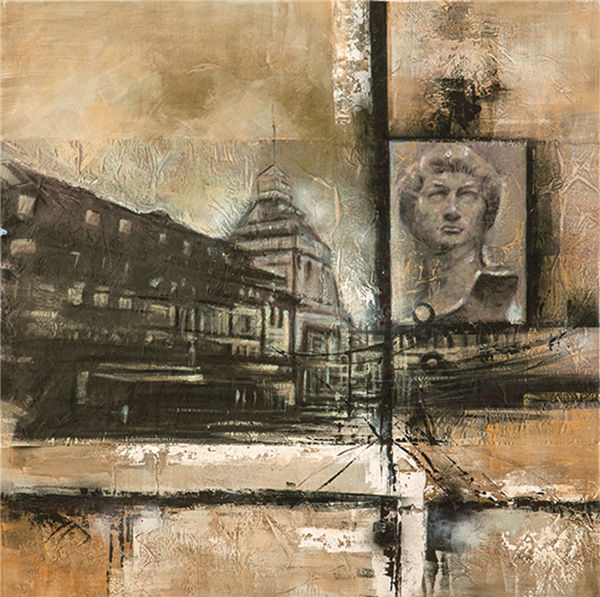
Cityscape & Streetscape Acrylic Painting No.1
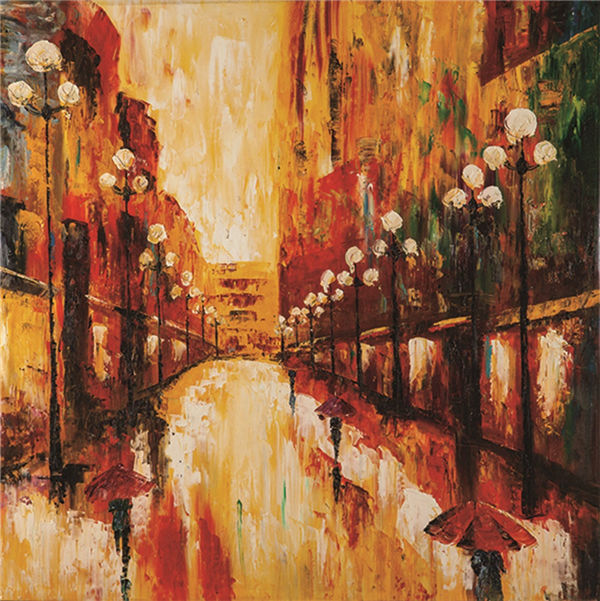
Cityscape & Streetscape Acrylic Painting No.2
Toggle Nav