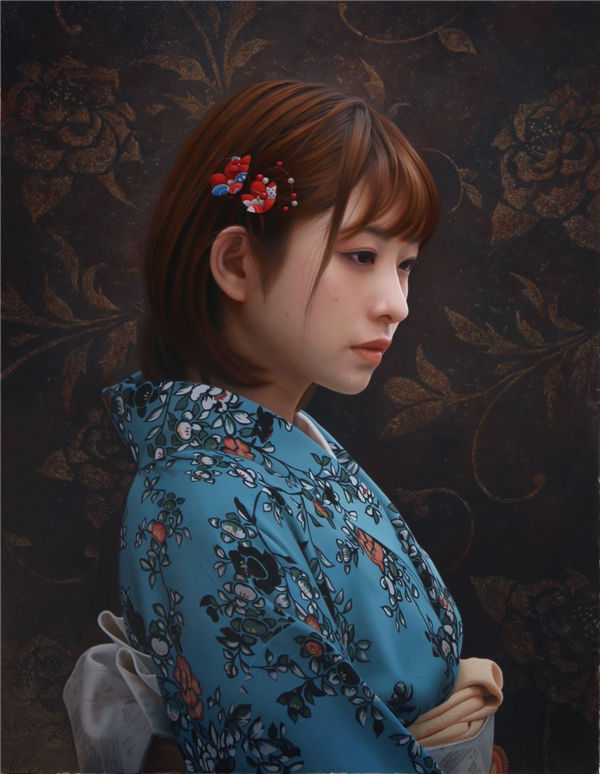
Comparative Analysis of Classical Oil Painting and Hyper-realistic Oil Painting

Classical oil painting originated in the Renaissance, focusing on the use of color and light to maximize the realism of painting objects. With the development of classical oil paintings, different styles of oil paintings use different techniques and expressive force. The hyper-realistic oil painting is based on the current advanced photography skills, focusing on the extreme depiction of details. Both painting techniques pay great attention to the application of color and light, but the artistic concepts behind them are completely different. This article introduces the classical oil painting technique and the super realistic oil painting technique in detail by comparing and analyzing.
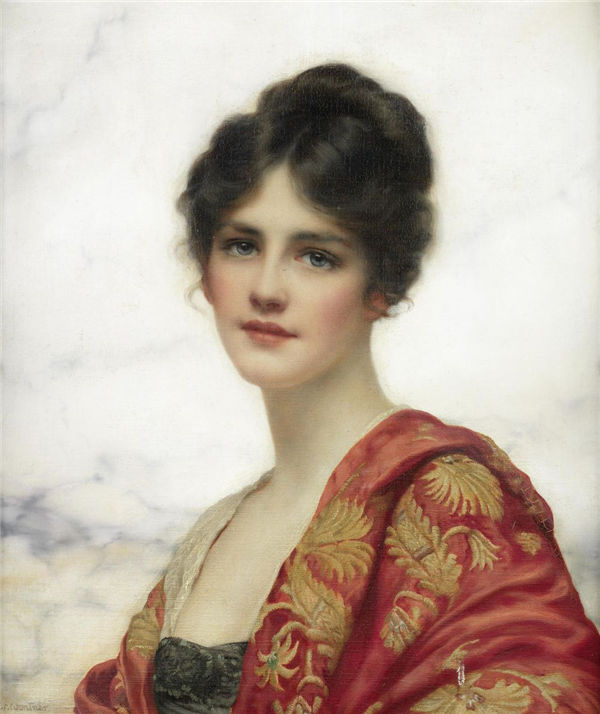
During the Renaissance, most of the oil paintings were custom-made, and they were carried out by religions or dignitaries for various purposes. Classical oil painting focuses on being as realistic as possible, using light and color reasonably, and striving to show the truest side of the painting objects. Hyper-realistic oil painting was born in an era when the current photographic environment and techniques are very mature. Some people think that the birth of photography ended the life of oil painting art, and that super-realistic oil painting is the struggle of painting artists against the death of painting. They pay attention to the extreme depiction of the details of the painting objects, showing the beauty of details that the photography technique can't express.
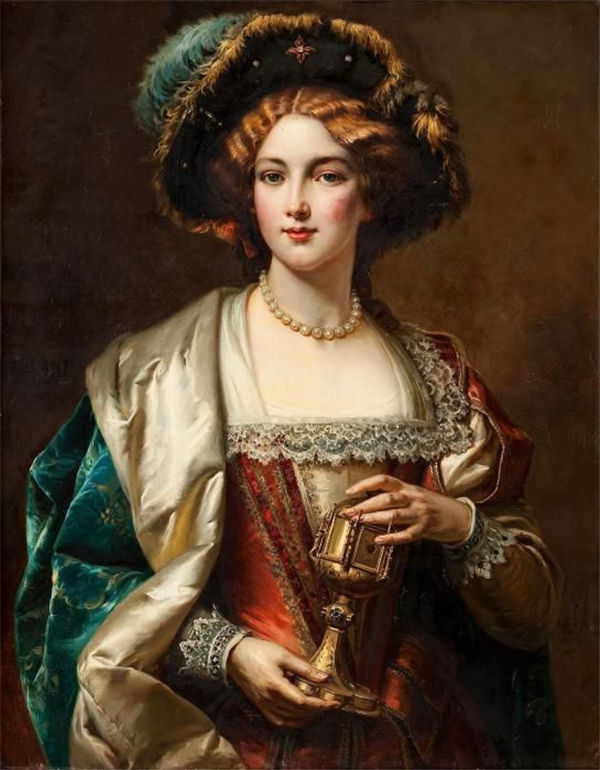
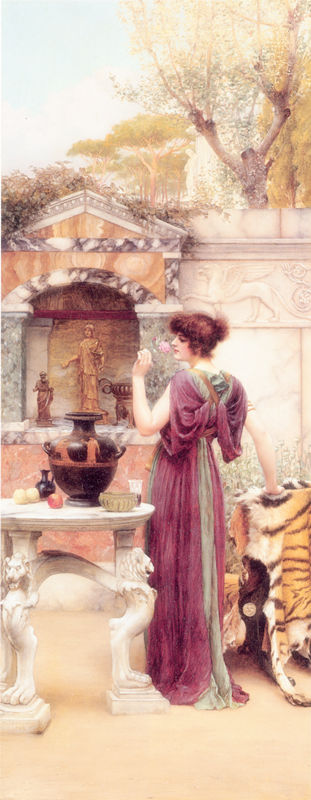
1. For the painting techniques of classical oil painting, the overall tone and composition are very calm and implicit, without much contrast, and it attaches great importance to the coordinated changes of color saturation and transparency, as well as the application of light and shadow, shape and color. Classical oil painting attaches great importance to painting techniques, which directly affects the presentation of the entire picture.
2. For the painting technique of hyper-realistic oil painting, the techniques are very strict in the production of canvas, brush, medium base, red base material, and the kinds of varnish and paint. In the process of painting, if there is no good medium, the brushstrokes will be very jerky, and the whole picture will show a feeling of unevenness, which will affect the visual experience of the whole picture. But after adding the medium base, the picture will become very flat, and there is no accumulation place on the surface of the color layer. After adding the varnish, the picture will be more flat. In the process of painting, it is necessary to properly use varnish cover dyeing. Not all places can be covered with varnish after oil absorption, because it will make the whole picture yellow. Instead, use one part medium and two parts of turpentine to dilute and paint the oil-absorbing surface, but you need to wait until the screen is dry before brushing. When painting, you can brush the part you want to paint and deal with the problem of oil absorption in the picture bit by bit.
Although both classical oil paintings and hyper-realistic oil paintings are realistic style of artistic creation, they are very different in the form of expression, painting techniques and artistic meanings. These differences come from the different backgrounds of the two times. Classical oil painting emerged during the Italian Renaissance. At that time, people didn't have photography skills. To retain an image, they could only rely on painting. Most of the early classical oil paintings were based on character depiction and religious stories. Although they also paid attention to the processing of local details, they placed more emphasis on the composition, sense of picture and color saturation of the oil painting as a whole. There is still a certain difference between the painted objects and the actual existence, which reserves a certain space of artistic creation for painters.
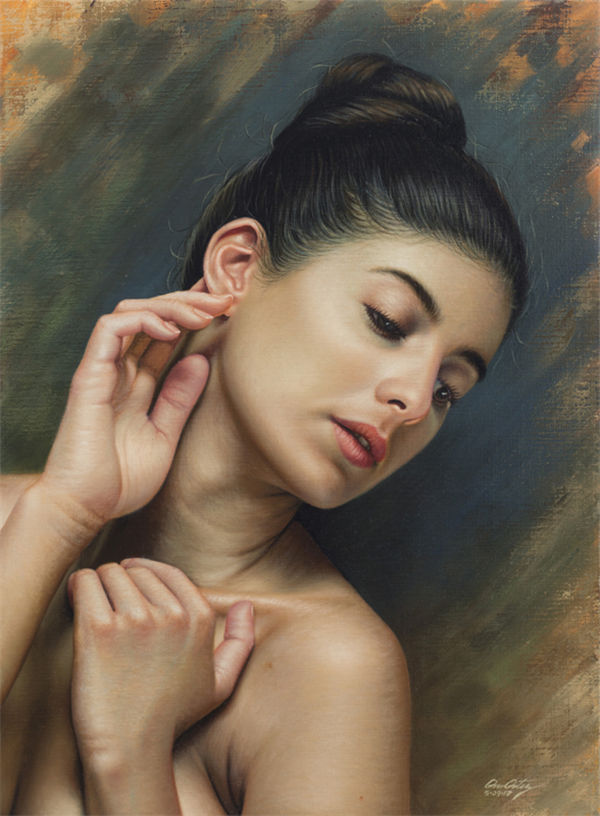
The hyper-realistic oil painting was born in the modern era where both photography and photographic technology are very advanced. People no longer need to use painting to retain the memories or images they want to retain. Photos or photography have been able to truly reproduce the desired picture. Someone once said that this is a time when painting is dead. In such an era, realistic style of painting does not have enough significance. However, due to pixel, camera angle, technique and other issues in photos or photography, it is impossible to present the details of pictures perfectly. The super-realistic oil painting is to grasp these details, and to describe them to the extreme. Even if the portrait is magnified dozens of times, it still has good texture and color saturation. Therefore, some people call the creator of super-realistic oil painting "anti painting death" school painter.
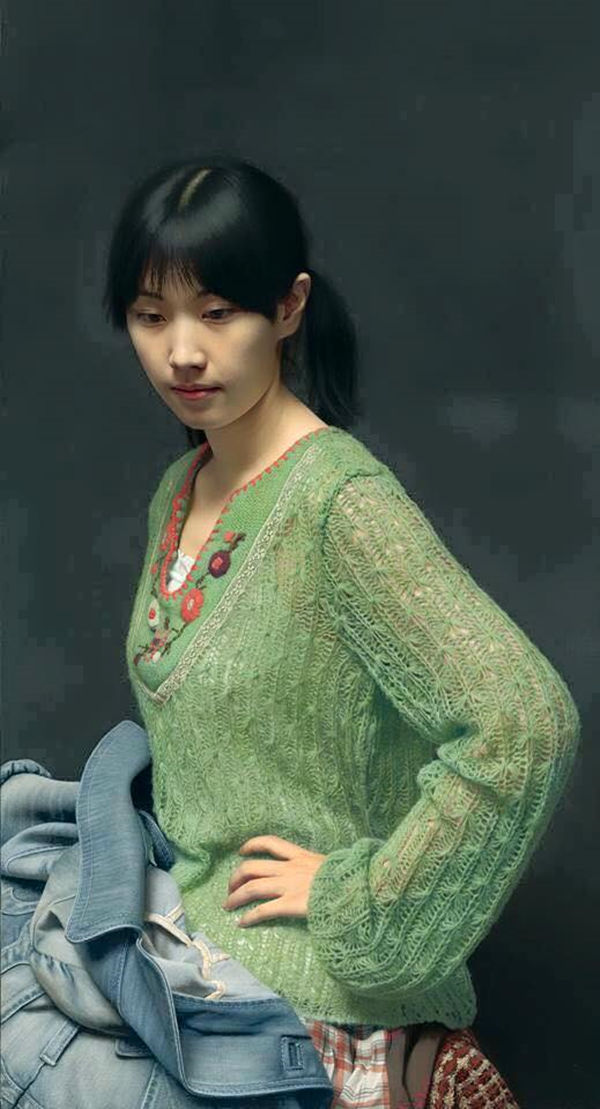
Different themes, different contents, so the techniques used will be different, but not so big.
1. The main idea is whether you paint for others or for yourself. One is a captive artist, the other is a freelance artist. This directly determines your painting route.
2. Expression is whether you want to express a pure record of nature or history, or an idea or thought, or even a concept, or nothing.
Most of the classical paintings have the purpose of recording and are very functional. Modern oil paintings are less constrained because there are cameras, so they can express more of their own things.
3. There are also changes in the use of techniques and materials. The most typical one is the difference between direct painting and cover dyeing, which can also be said to be the difference between interior painting and Impressionism.
In fact, it is feasible for people who want to do classical painting today. It is nothing more than imitating the whole process, and the content and form can also be imitated. However, it is questionable whether there is pleasure in doing so.