
Appreciation of Winter Ice and Snow-themed Paintings

The arrival of the Winter Solstice Festival signifies the official beginning of the severe cold weather, entering the coldest days of the year. At all times and all over the world, artists have painted a large number of winter ice and snow-themed works. Today, 16 famous paintings of Chinese and foreign painting masters are selected for readers.
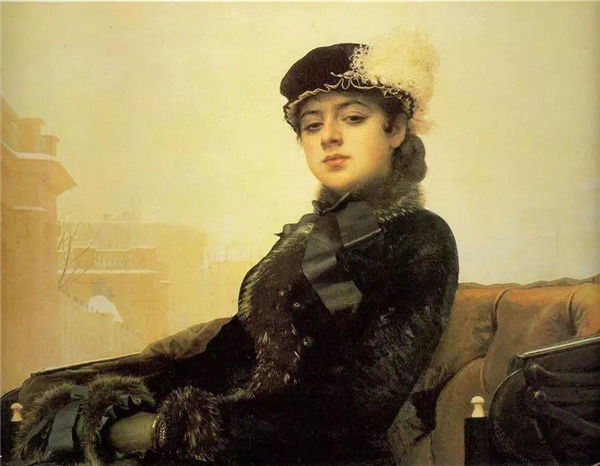
"The Unknown Woman" by the Russian painter Ivan Kramskoi is collected in Moscow's Trechakov Art Museum. This is a portrait of a character with great aesthetic value. The artist expresses the spiritual temperament of the subject with superb skills. The unknown woman in the painting is arrogant and self-respecting. She is dressed in luxurious Russian upper-class costumes and sits on a sumptuous cabriolet. The background is the famous Alexander Theater in St. Petersburg. Who is the "unknown woman" is still a mystery. The painter created a new style of expression in the portrait painting, that is, depicting portraits with thematic plots, showing a resolute, decisive, thoughtful, and youthful Russian intellectual female image.
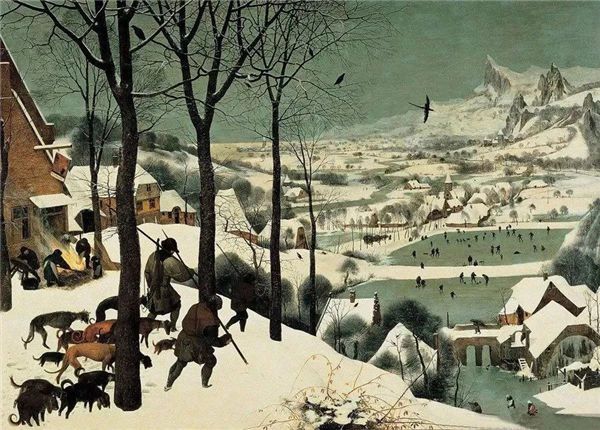
"The Hunters in the Snow" was created by Peter Bruegel the Elder (1525-1569). In a snowy scene wrapped in silver, dark black trees stand on the left side of the picture, and they form a vertical line with the edge of the painting. The trees follow the direction of the hunter's advancement, and follow the "shortening method" of perspective. Guided by the vision, the viewer walked to the ice in the valley, and the villagers frolicking on it. A black magpie flying over their heads just connects the nearby trees with the mountain in the future. The viewer will be immersed in this world of ice and snow and will never forget to return.
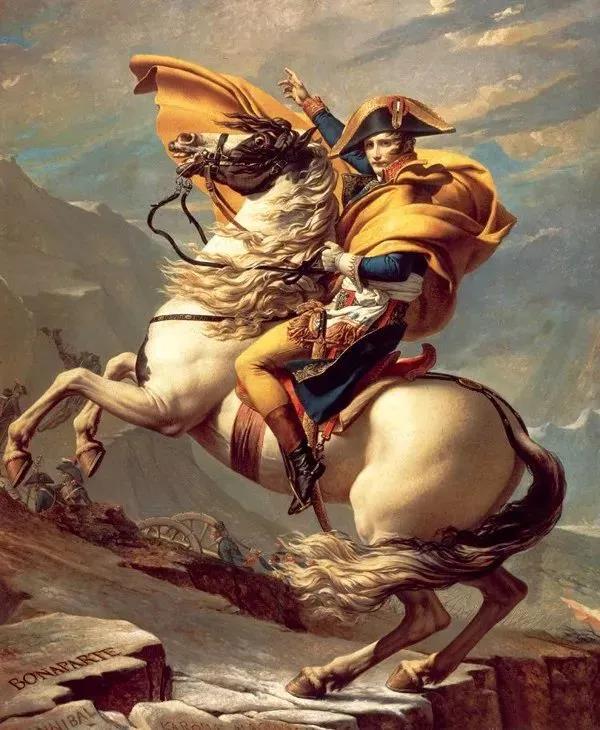
"Napoleon Crossing the Alps" was ordered by King Charles IV of Spain from David. David arranges the character in the picture on the snow-covered steep slopes of the Saint Bernard Pass. The gloomy sky and the dangerous terrain strengthen the heroism of the work, and the red cloak makes the picture brilliant and exciting. During the Second Anti-French Alliance War from 1799 to 1802, Napoleon led an army of 40,000 to climb the steep Alps and take a short cut across the Saint Bernard Pass to enter Italy in order to gain time.
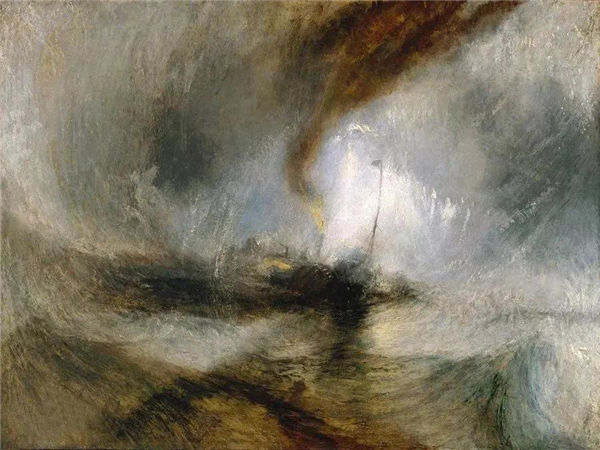
This painting was created by British romantic master William Turner. The steamboat sailing on the rough sea, the storm and fog that filled the sea, formed a whirlpool in the sky...The blizzard seemed to destroy the ship. This painting that seems to involve the viewer is the masterpiece "Snow Storm - Steam-Boat off a Harbour’s Mouth" completed by Turner, risking his life. The work is restless and novel, and the name it takes adds another layer of meaning to the mystery in the painting, which has been a mystery to his early audience. His public statement depicts what can actually be observed: a steamboat, in potential danger, trapped in a vortex of wind, waves and snow. The white light shining behind the mast came from a flash of light, which was an alarm to others that the ship was in trouble. The big wave surging on the left is frightening. It surpasses the horizon and breaks any possible sense of security. Nevertheless, the title of this painting still implies that security is coming.
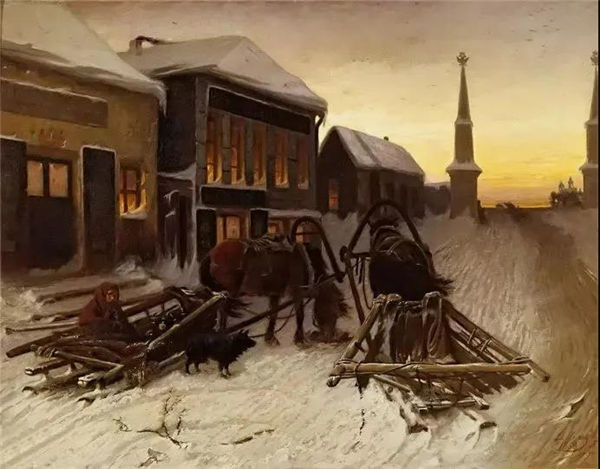
"The Last Tavern at the City Gates" by Vasily Perov, the mainstay of the Peredvizhniki, is a masterpiece of Russian art. In the dim light of a cold winter night, the window of the tavern shines turbid light, where the farmers squander the meager income of the day. In a gust of wind, a poor figure wrapped in a turban, shivering on the sled. This is a female farmer waiting for her foster family to drink and have fun. The dark colors and brown tones are like sad chords, and through expressive brush strokes, the feeling of sadness and despair is enhanced. In the mature works of the painter Perov, the theme of deep pity for those who sacrificed as a cruel and unfair society becomes very obvious.
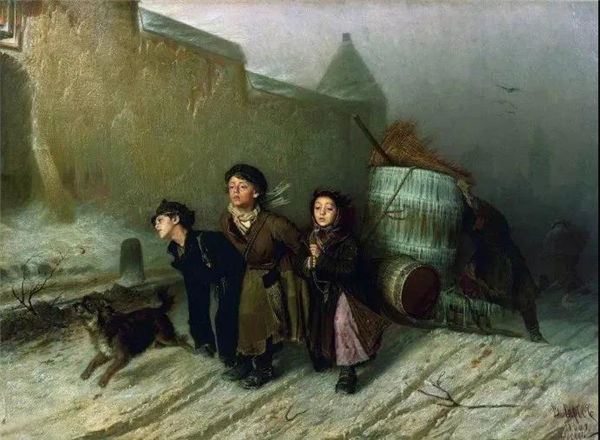
Vasily Perov's "Troika" is one of the masterpieces on the subject of children. The painter's delicate brushwork with care and love depicts the scene of three children struggling to transport water in the cold winter. The painter emphasized the extreme fatigue and sleepiness of children, which aroused people's sympathy and love for poor children.
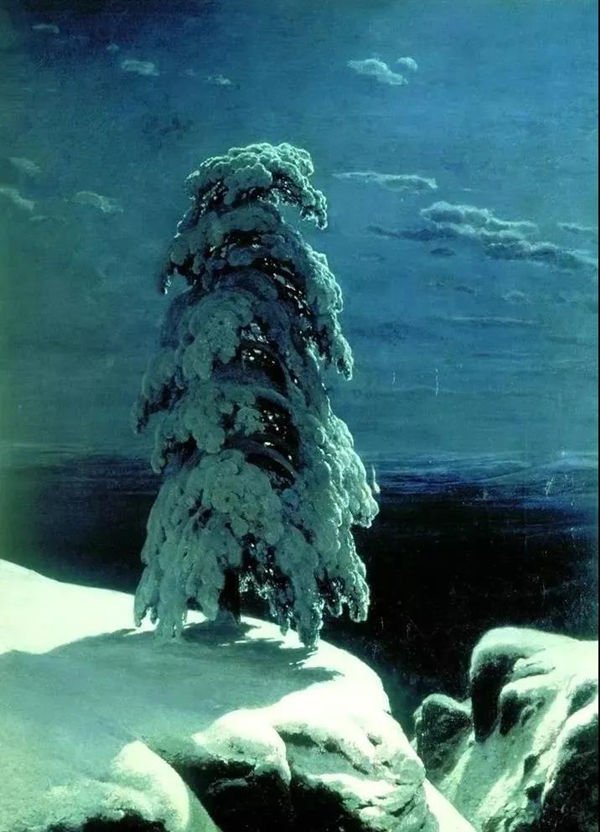
This painting is an illustration by Ivan Shishkin for Lermontov's poem "Northland in the Wilderness". The land is covered with snow and ice, and under the night, it looks deeper and wider. On the snow-covered rock, a small pine tree is wrapped in silver clothes, like a glamorous beauty, standing proudly. The whole picture is full of rich poetry. In fact, Shishkin's landscape paintings have always contained a poetic mood. "In the Wild North" is based on the light and shadow characteristics of moonlight, and the composition is simple, neat and magnificent to highlight its poetic mood. This is an immortal masterpiece in the history of Russian landscape painting.
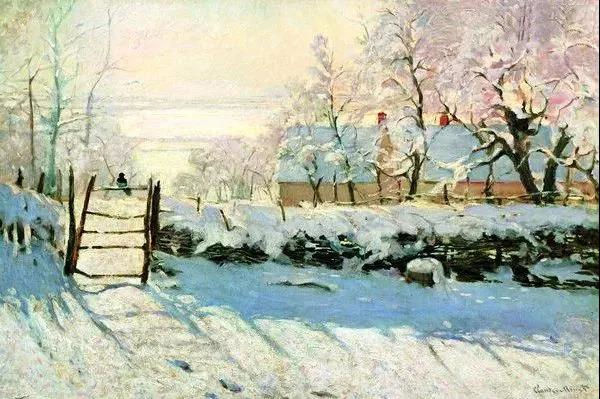
Impressionist Monet's "The Magpie" was completed in 1869. It is the first snow scene painting and the largest winter painting created by Monet. It depicts a lonely black magpie perching on a fence, the sun shining on the blue shadow of fresh snow. This painting is the first example of Monet's use of colored shadows, and later became one of the characteristics of impressionist works. The painting was held privately until the Orsay Museum acquired it in 1984, and it is considered one of the most popular works in its permanent collection.
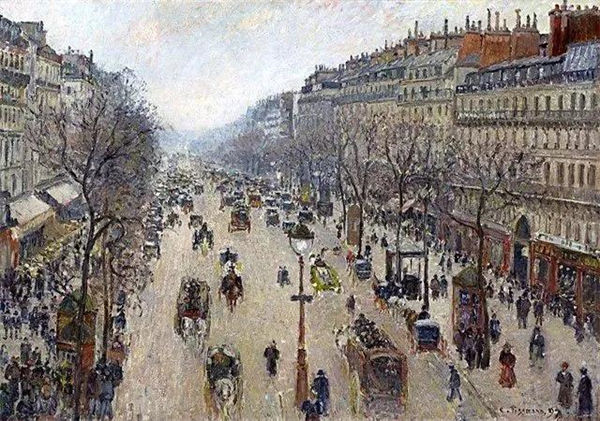
"Boulevard Montmartre, morning, cloudy weather" is the representative oil painting of the French impressionist Camille Pissarro in his later years. The pictures on both sides of the street are full of scenes, crowds are flowing, and there are many cars and horses. Because of the wide angle of view, the buildings are lined, the cars, horses and crowds are very small, it can only be drawn with thick brushes based on feeling, but it is very vivid, and the perspective is accurate. Moving in the painting, it depicts the busy and lively scenes of modern cities. It foreshadows the scene that futuristic painters in the 20th century are keen to depict-the rapid movement rhythm of modern cities.
In this painting, the composition is magnificent, the street scene is solemn and grand; the colors are rich and soft, in the contrast of cold and warm colors, full of the transition of midtones, forming a detailed and varied gray tone, but it is very bright. It shows the full light, the brushstrokes are even without losing the lively changes, the roughness and the meticulousness are integrated, showing the unique artistic style of Pissarro.
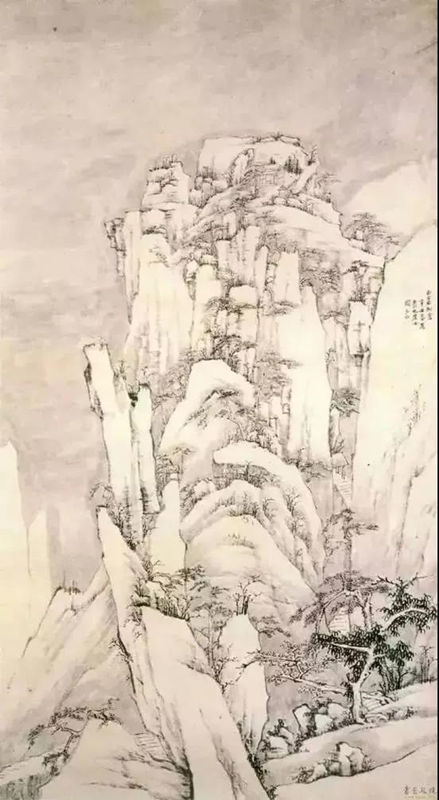
Snow on Pines at the Western Peak by Hong Ren (Qing Dynasty)
The picture is a partial close-up of the majestic mountain peaks, with outlines as the main theme. The snow scene "borrowed to be white" is painted slightly, with the rocks on the sunny side being left blank, the shaded side with ink, and the trees with thicker ink. The composition is complex, the brushwork is pure and healthy, and the artistic conception is ancient. The painting deliberately depicts pine trees and white snow that symbolize nobility and purity. The image is concise. It is the shadow of the author's highly purified spirit, giving people a majestic, quiet, holy, and spotless beauty.