-
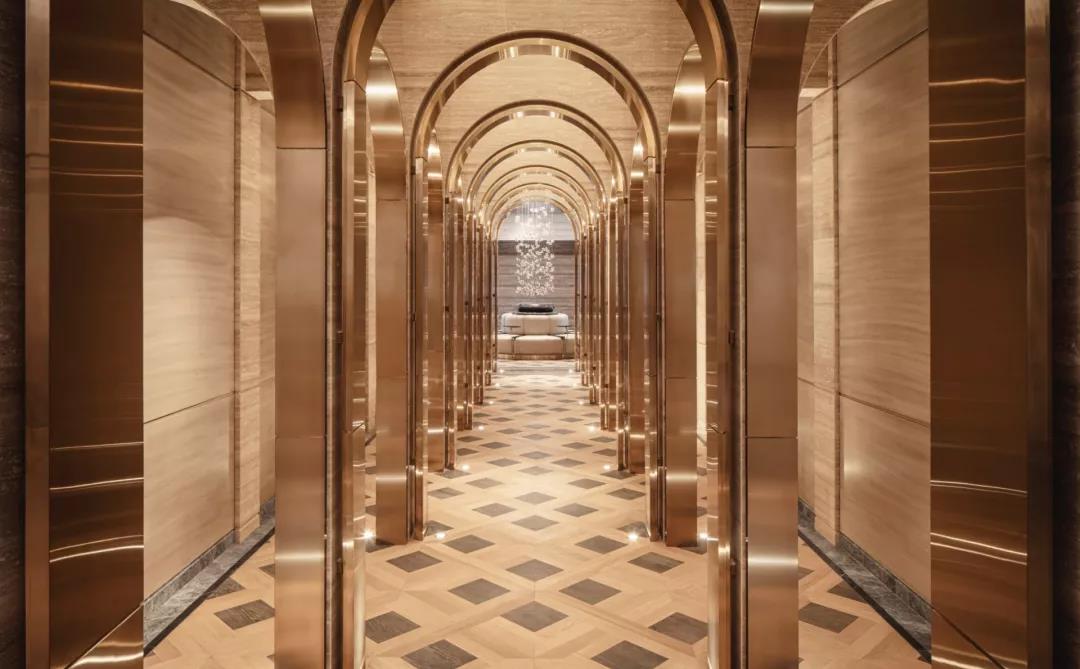
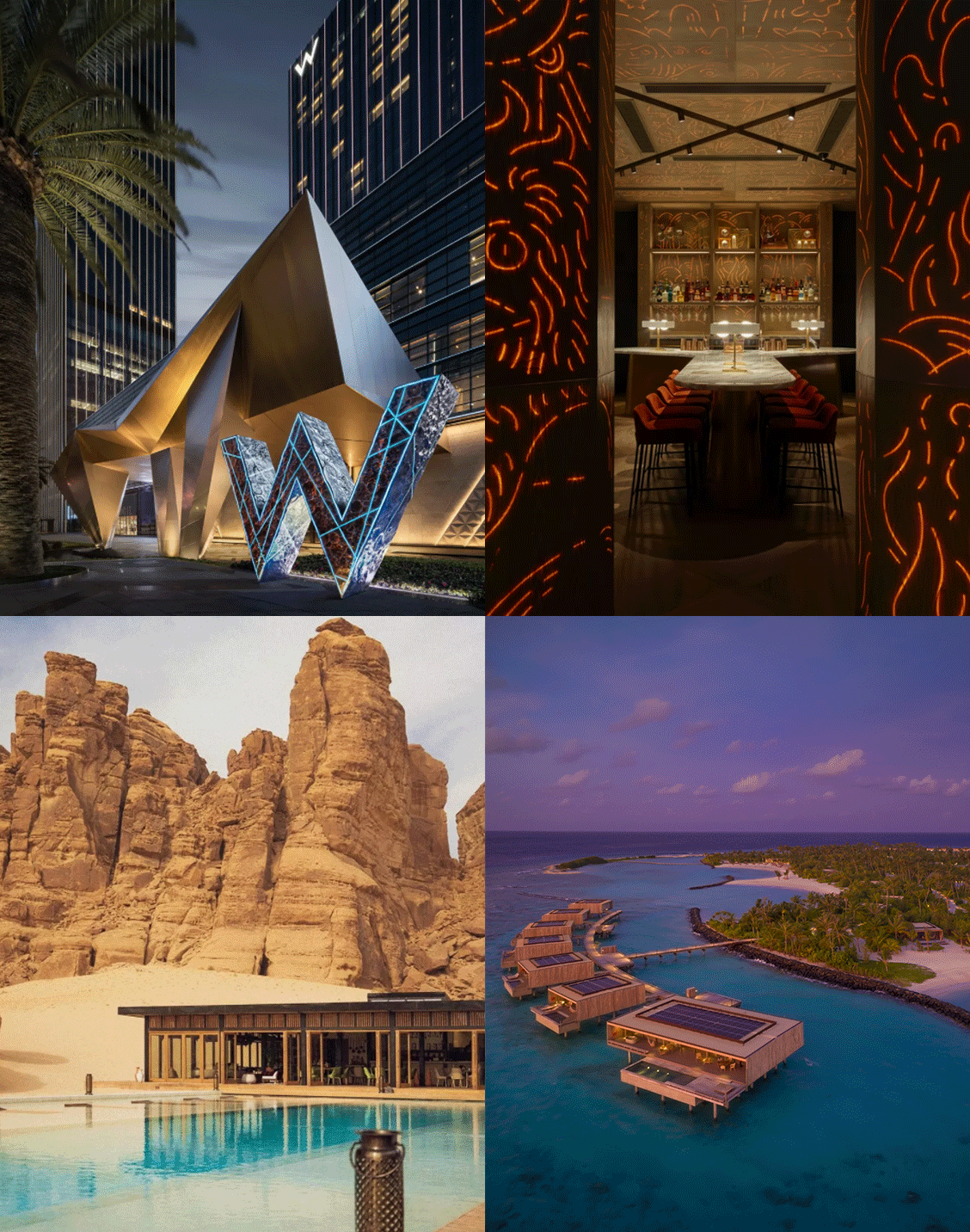
The year 2021 of Hot List of the best-designed hotels worldwide is a story of resilience. Despite enormous hardship in the travel industry, exceptional properties have continued to open across the globe.
Last time, we have talk about 3 types of hotels and resorts. Next, we are going to show you the rest of 3 types, including Resort Hotel, Homestay Hotel, Restaurant Design.
FOUR
Resort Hotel
***
01ONE&ONLY Portonovi
Best Vacation Hotel
HBA
Montenegro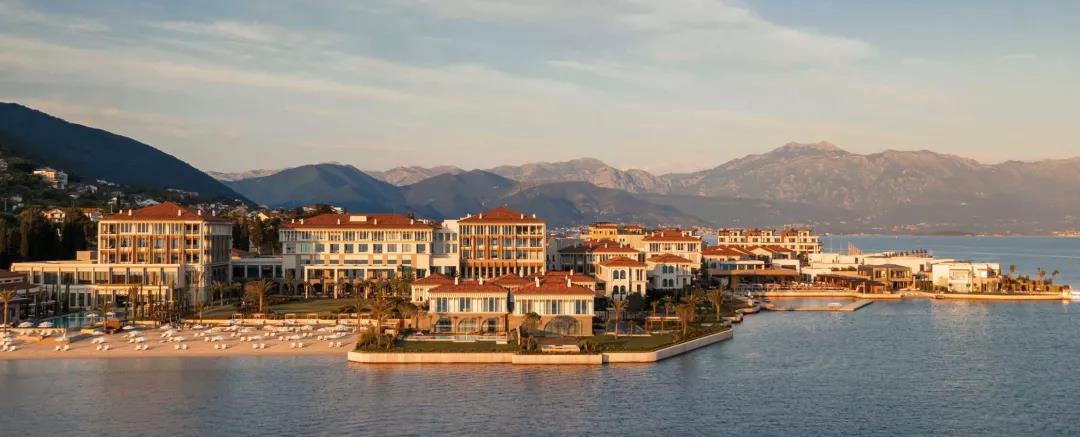
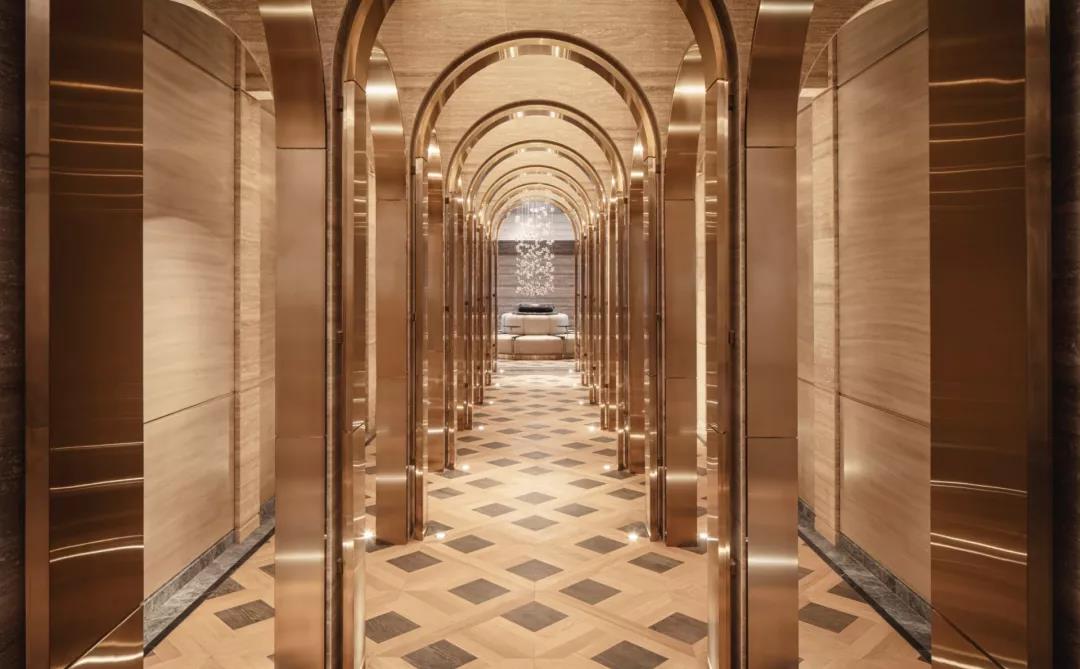
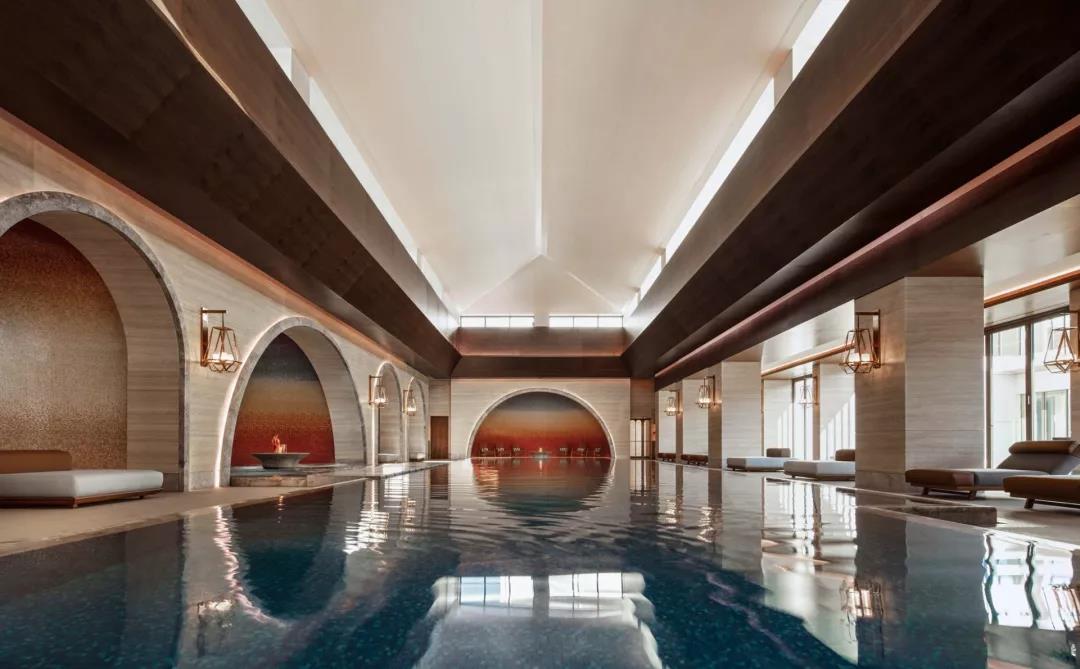
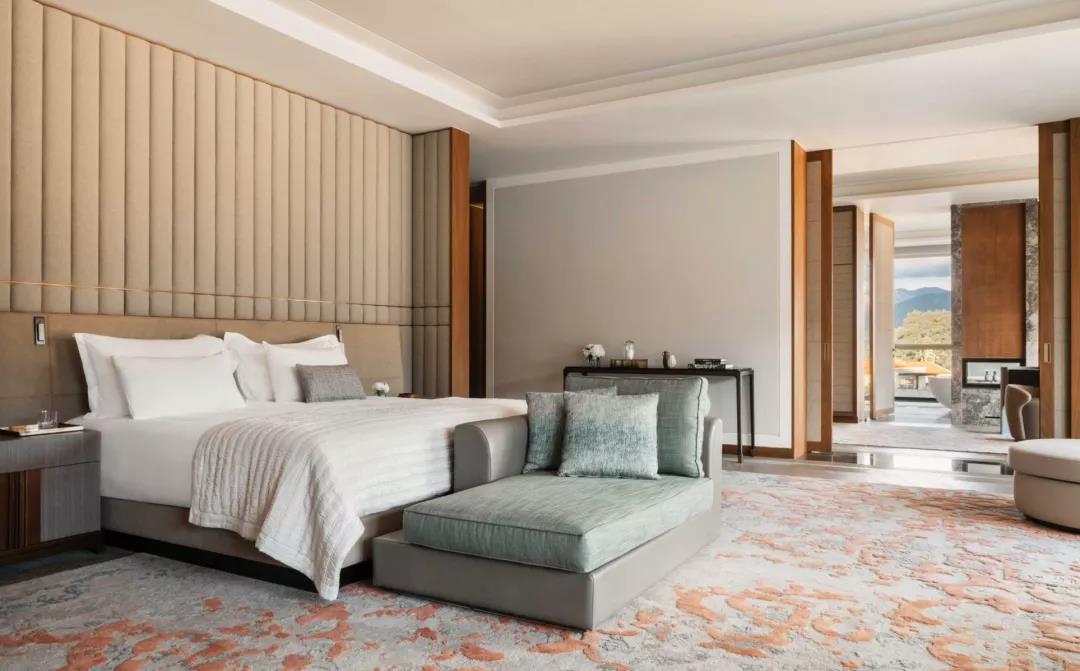
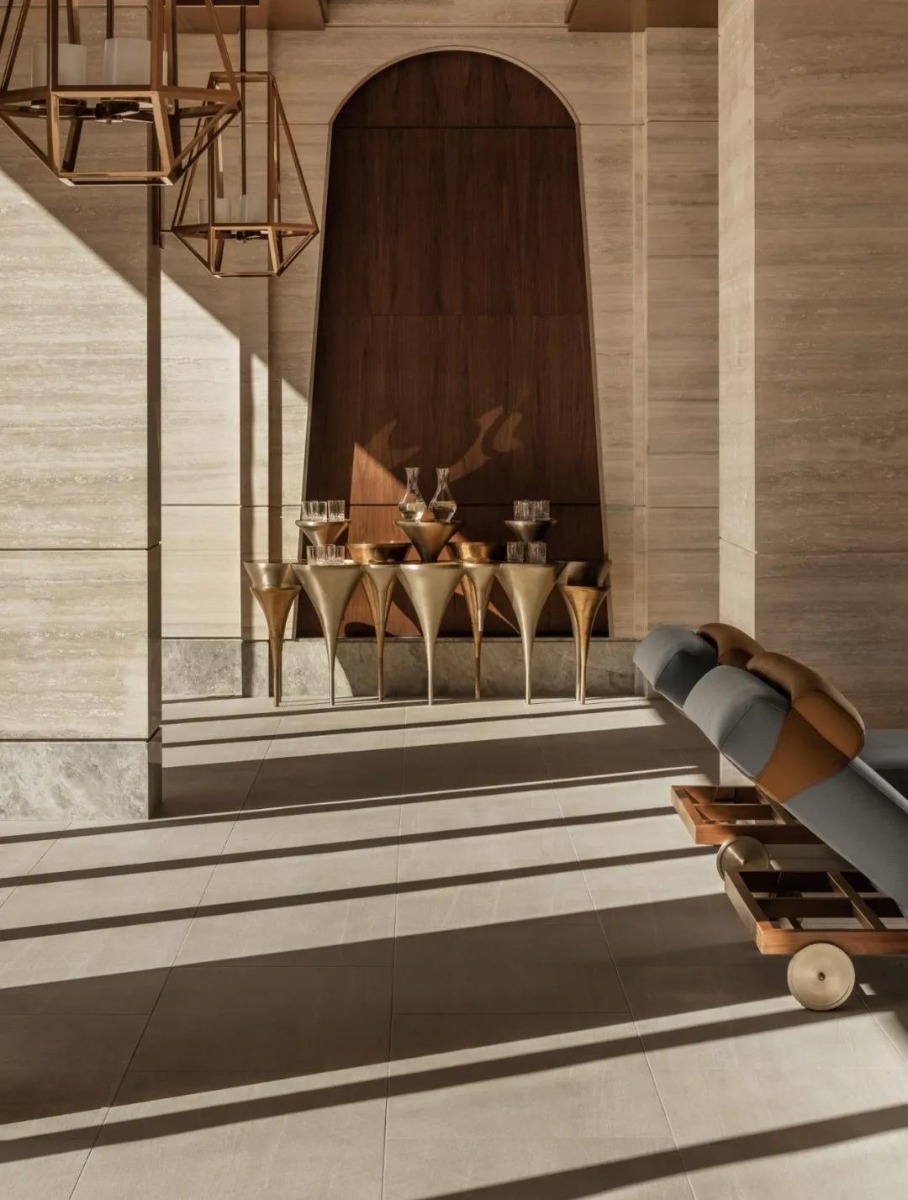
HBA has completed the interior design for Europe’s first One&Only resort, located in Montenegro, in the Balkans, near the coast of Portonovi.
Inspired by the charming nature of the local and the traditional monastery architecture, HBA created a low-key and modern design for the resort around the panoramic view of the Boca Bay fjord, the hotel’s core attraction.
The exterior is a typical Venetian-style hotel building, with a creamy white painted facade, elaborately carved windows, and ground-floor corridors that give a firm handshake to the local city streets, yet with contemporary sophistication.
02Six Senses Ibiza
Best Waterfront Resort
Jonathan Leitersdorf
Ibiza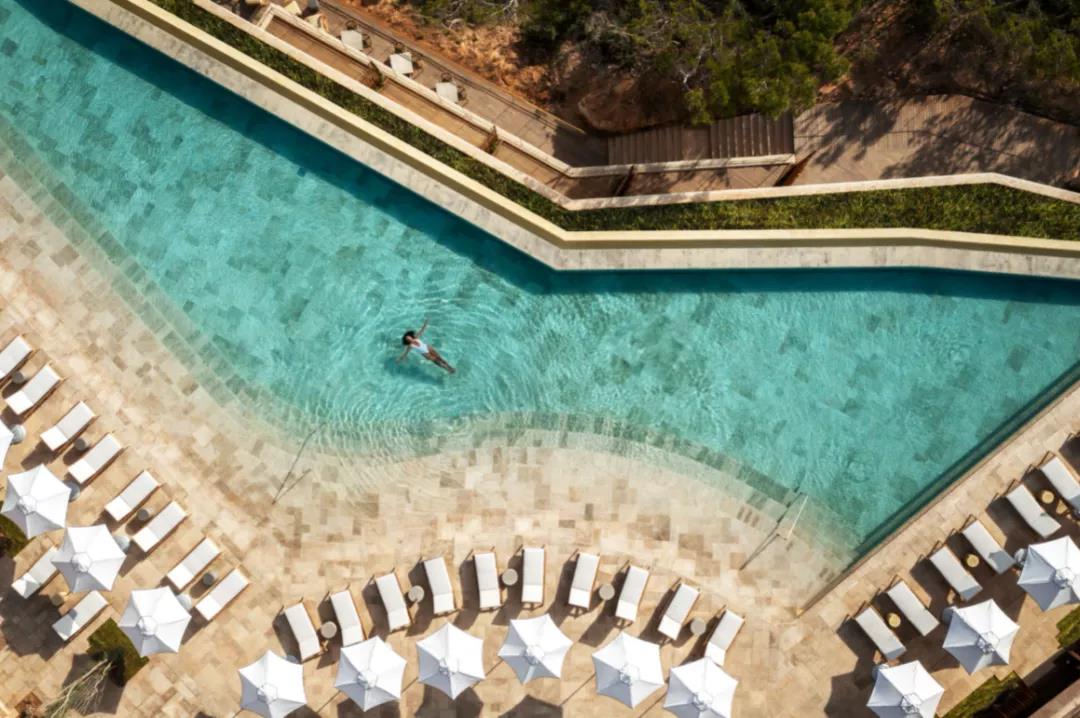
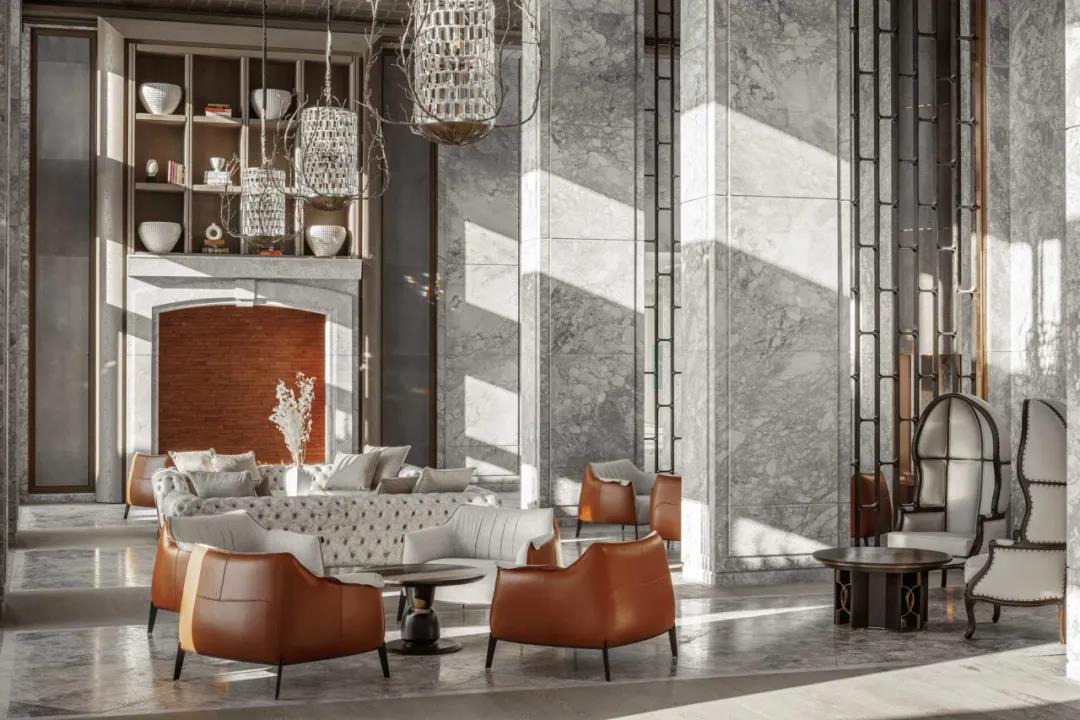
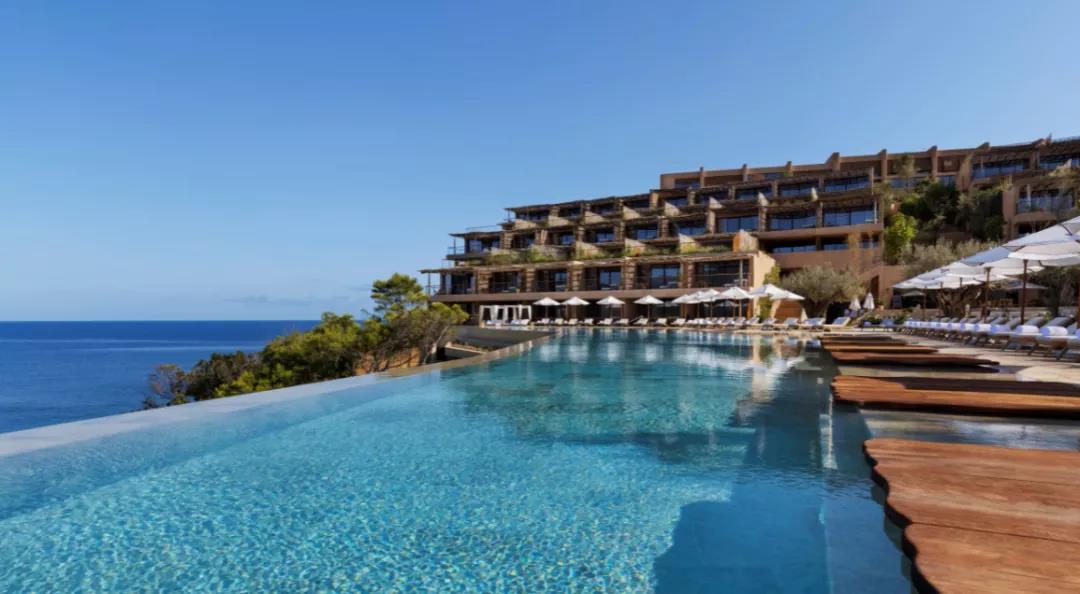
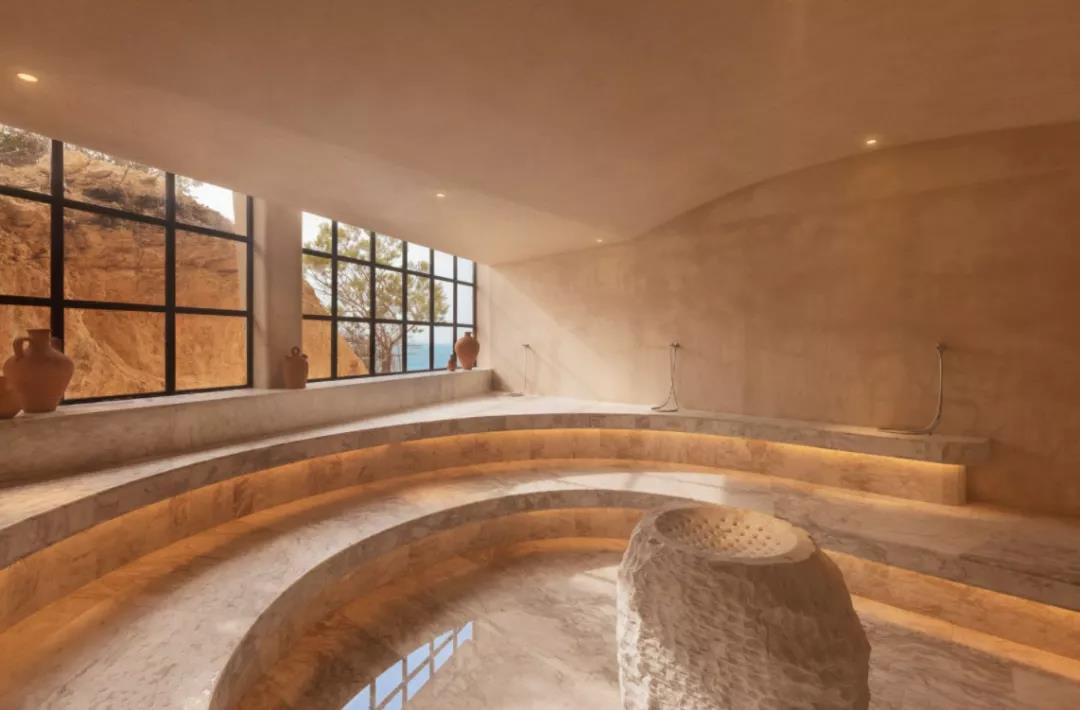
The Six Good Hotel Ibiza sits on a rugged cliff overlooking Cala Xarraca Bay on the island’s northern side.
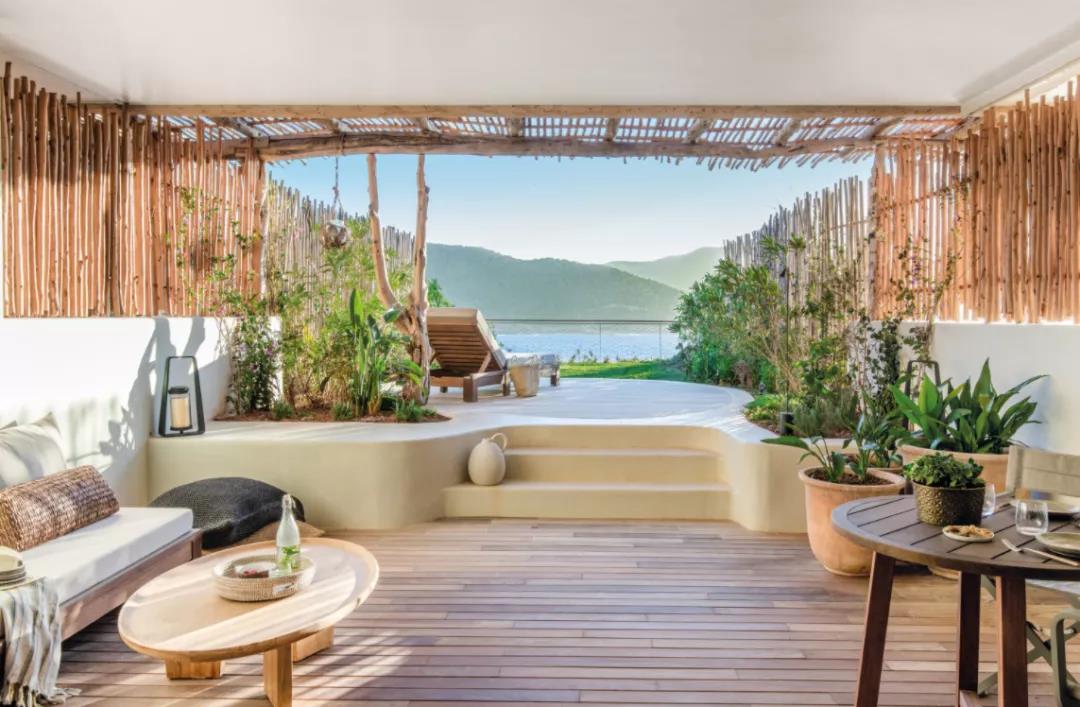
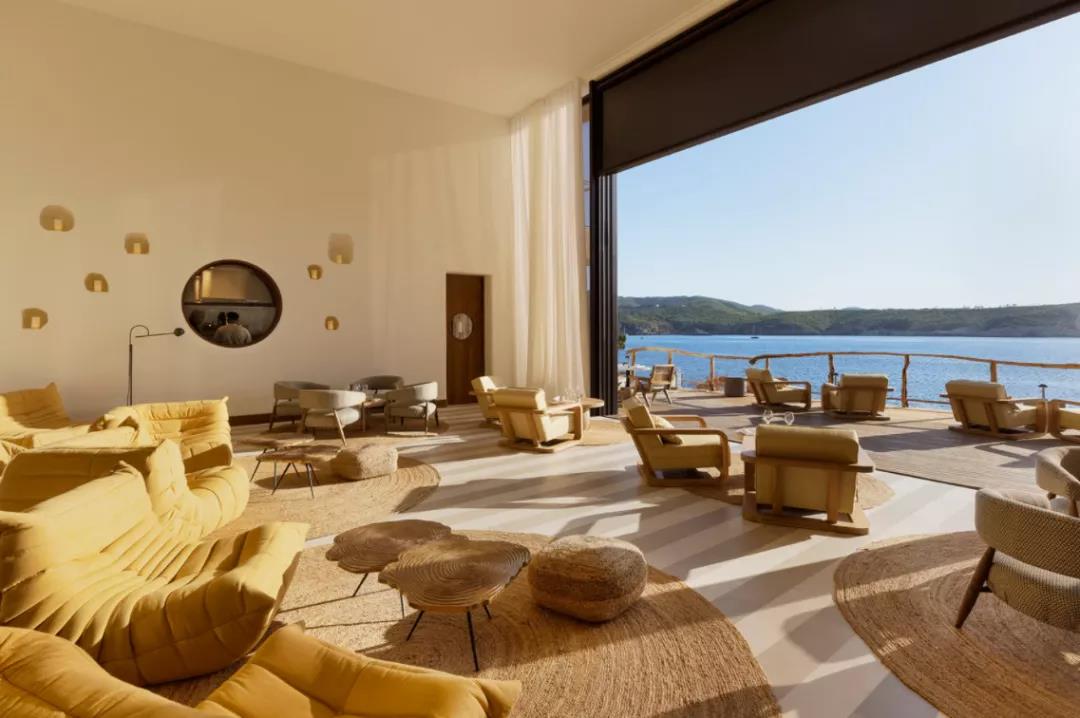
The hotel’s interior design is primarily inspired by the local landscape and traditional Ibiza crafts. Stone and earthy tones dominate, while natural materials such as rattan, wood, and woven fibers abound.
03
The Ritz-Carlton Nikko
Best SPA Hotel
NIKKEN SPACE DESIGN LTD.
Nikko, Japan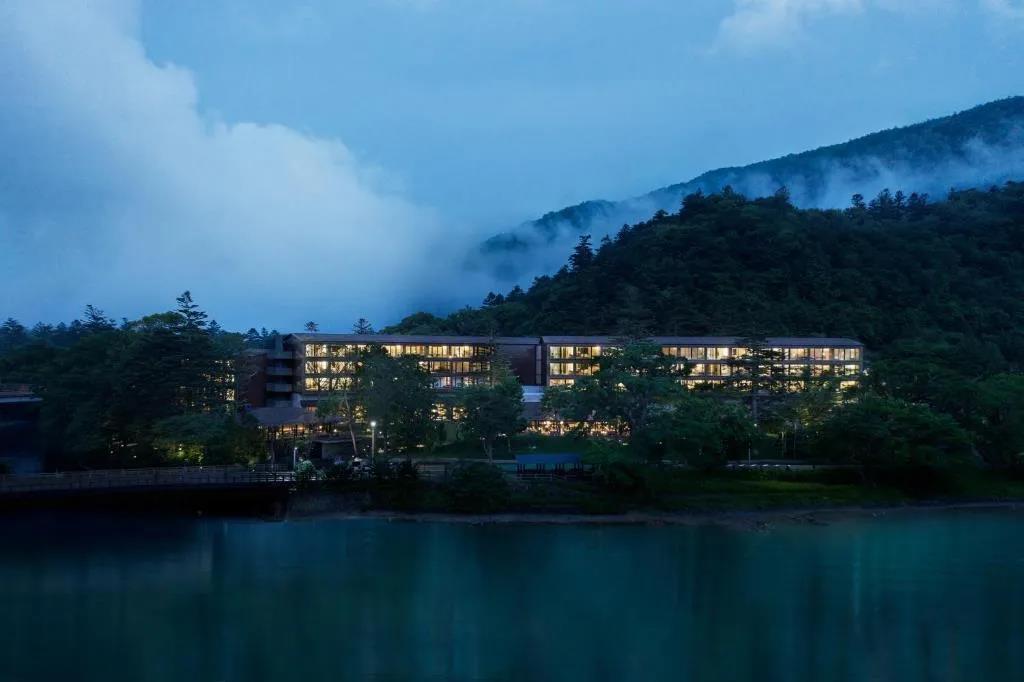
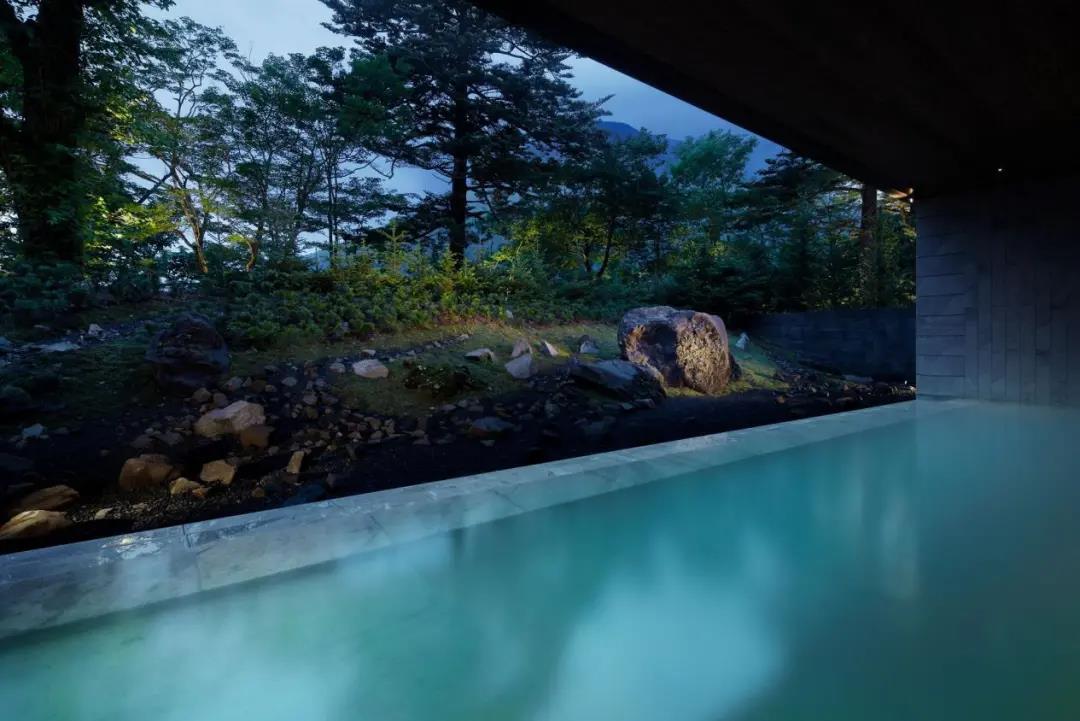
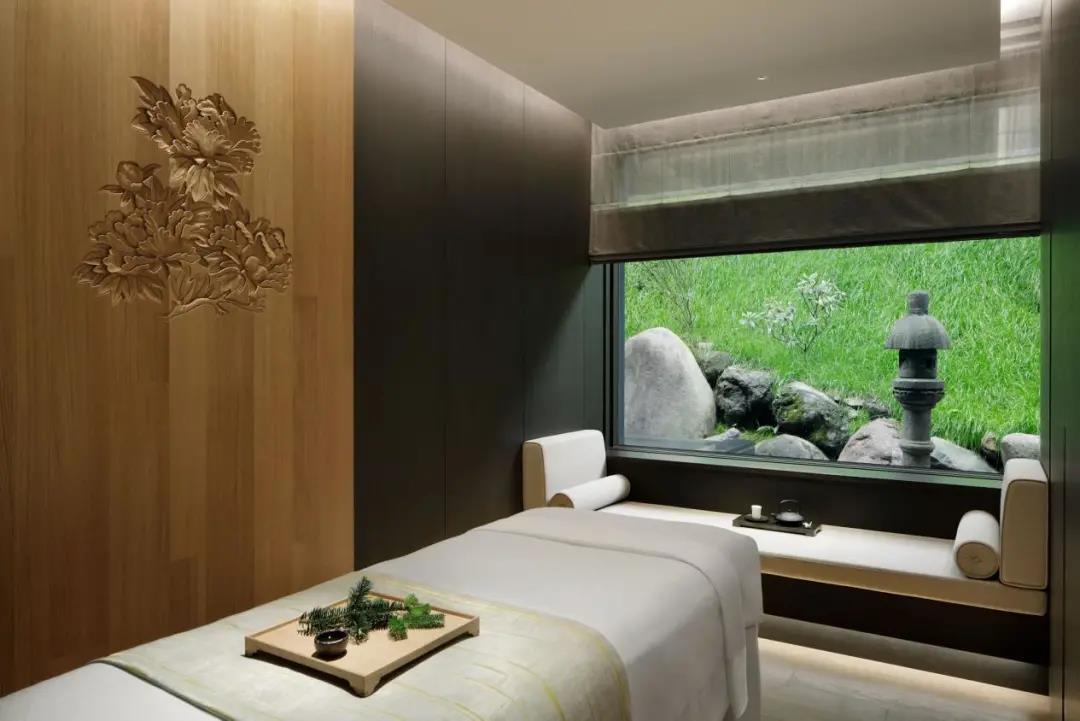
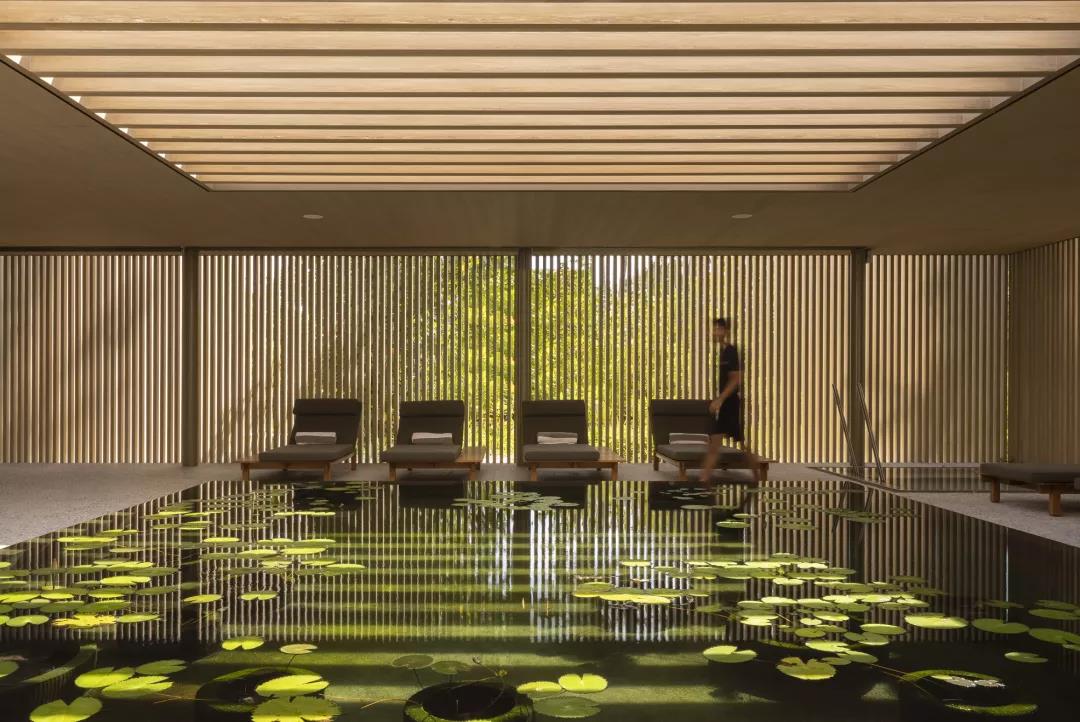
The hotel is the only hot spring hotel in Nikko. The building was designed by Nikko Construction Co., and the spa center was completed by NIKKEN SPACE DESIGN LTD. Blending with the landscape, the design offers a unique spa experience for hotel guests.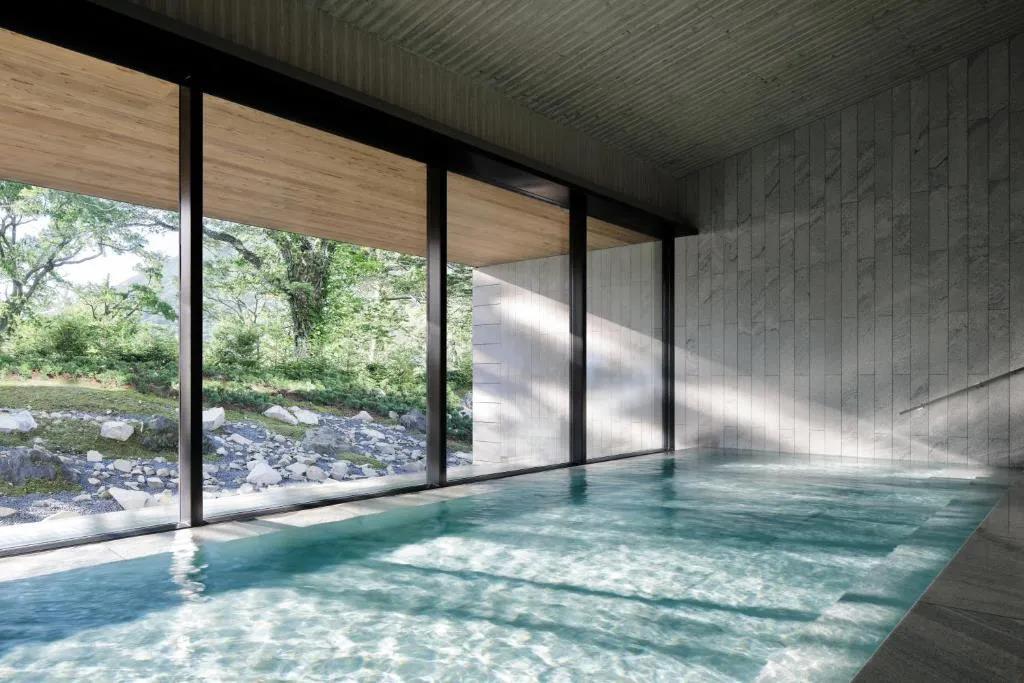
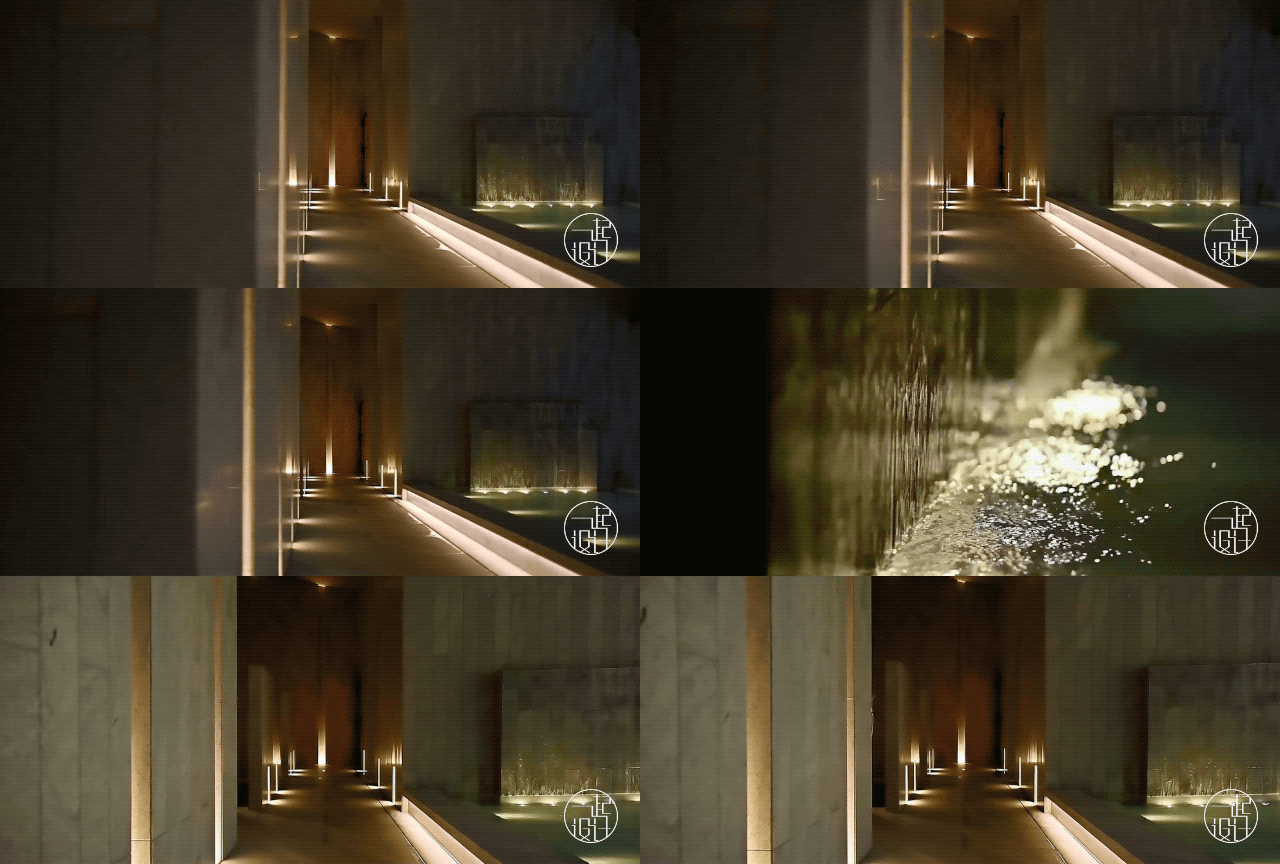
The spa pool is gradually integrated with the rectangular outdoor green mountains, and the poetic intersection of light and shadow between indoor and outdoor further enriches the customer’s sensory experience.
Natural stacked stones outside the window fill the gap in the landscape design.
04
Patina Hotels
Best Seascape Villa
Studio MK27
Maldives
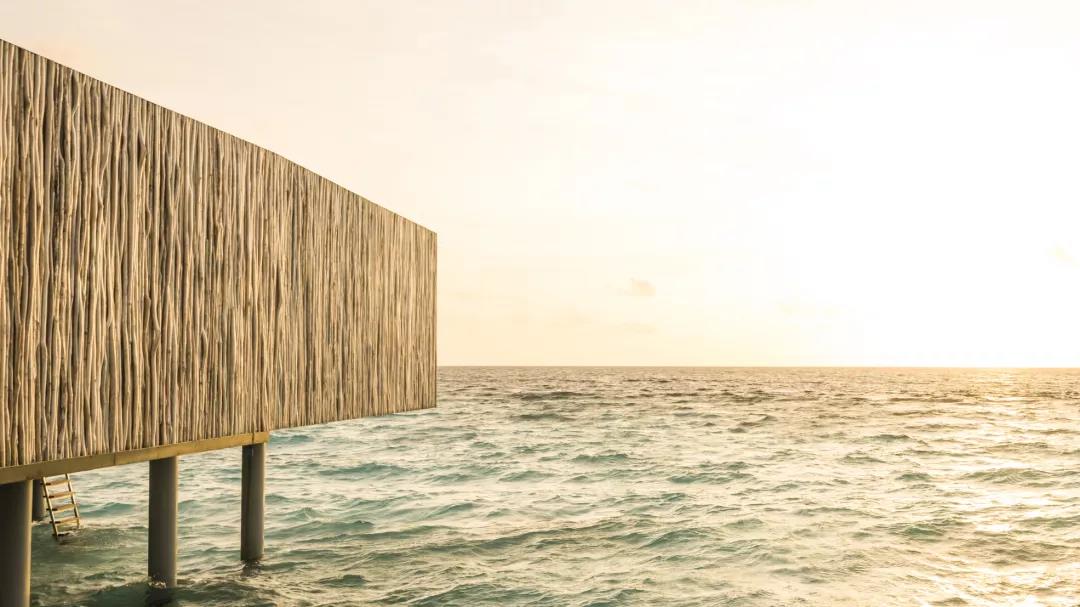
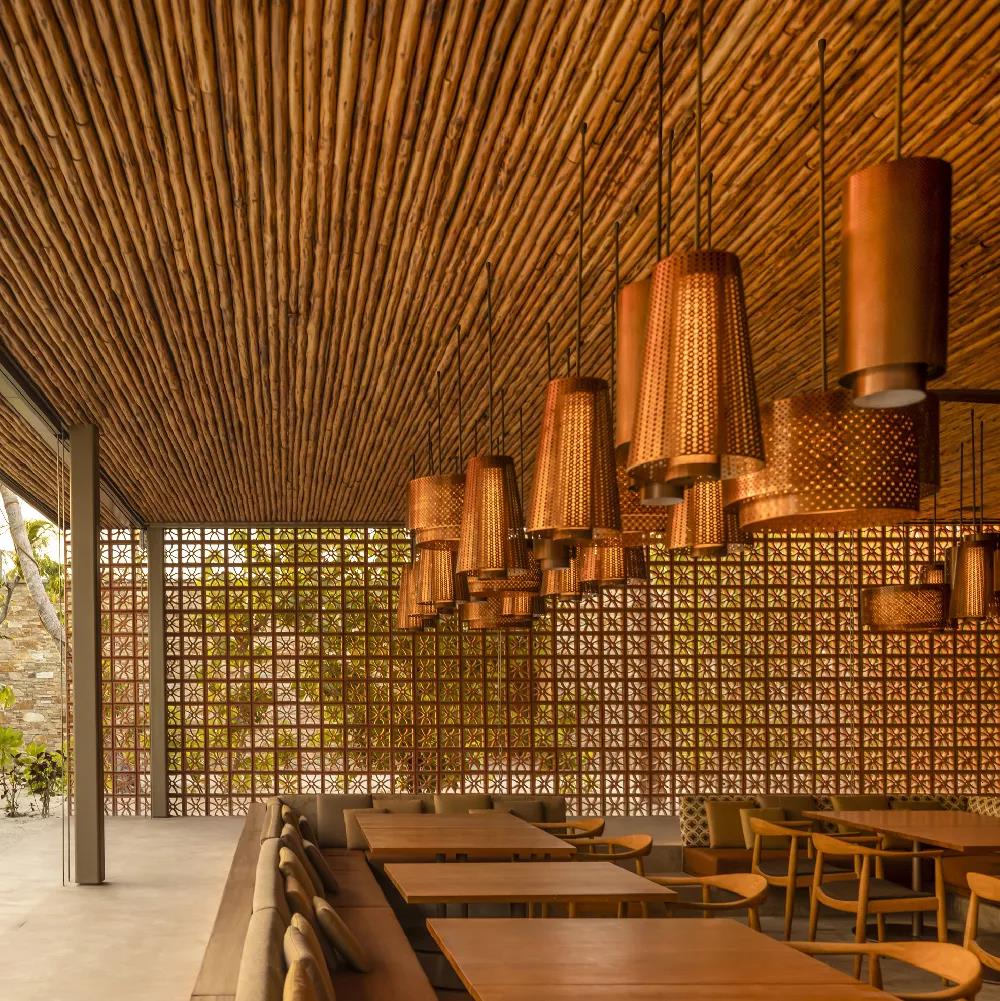
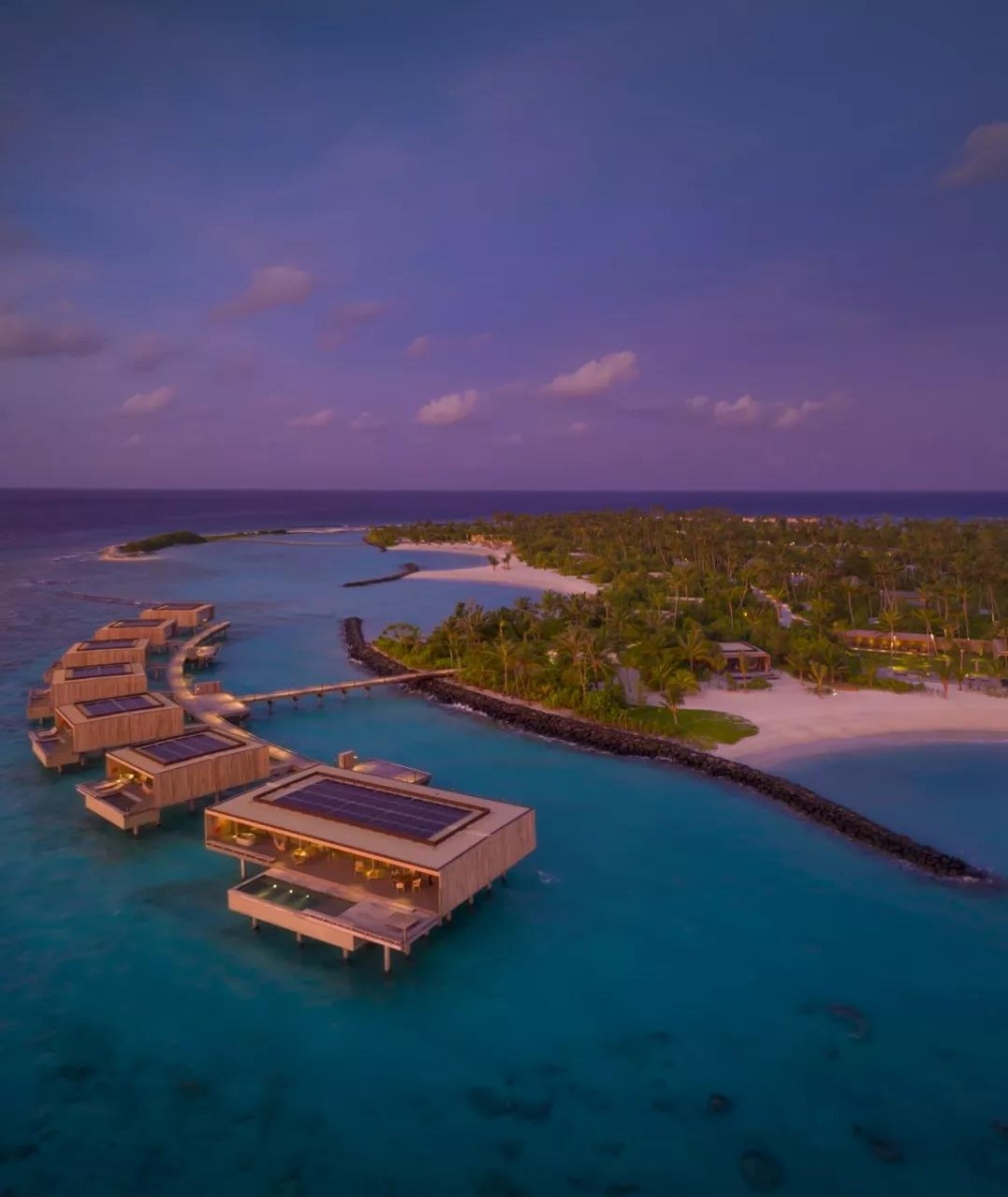
Patina Hotels is its new resort series, offering unexpected, refined, and fresh stay experiences in an extraordinary natural setting. The project design of Patina Maldives resort follows the concept of the coexistence of nature and architecture to create a secluded and authentic paradise for guests.
Located in the North Faris Islands of the Maldives, the project, designed by Brazilian Studio MK27, features 90 exquisite beachfront villas.
05The Ritz-Carlton Maldives
Best Offshore Rooms
Kerry Hill
Costa Rica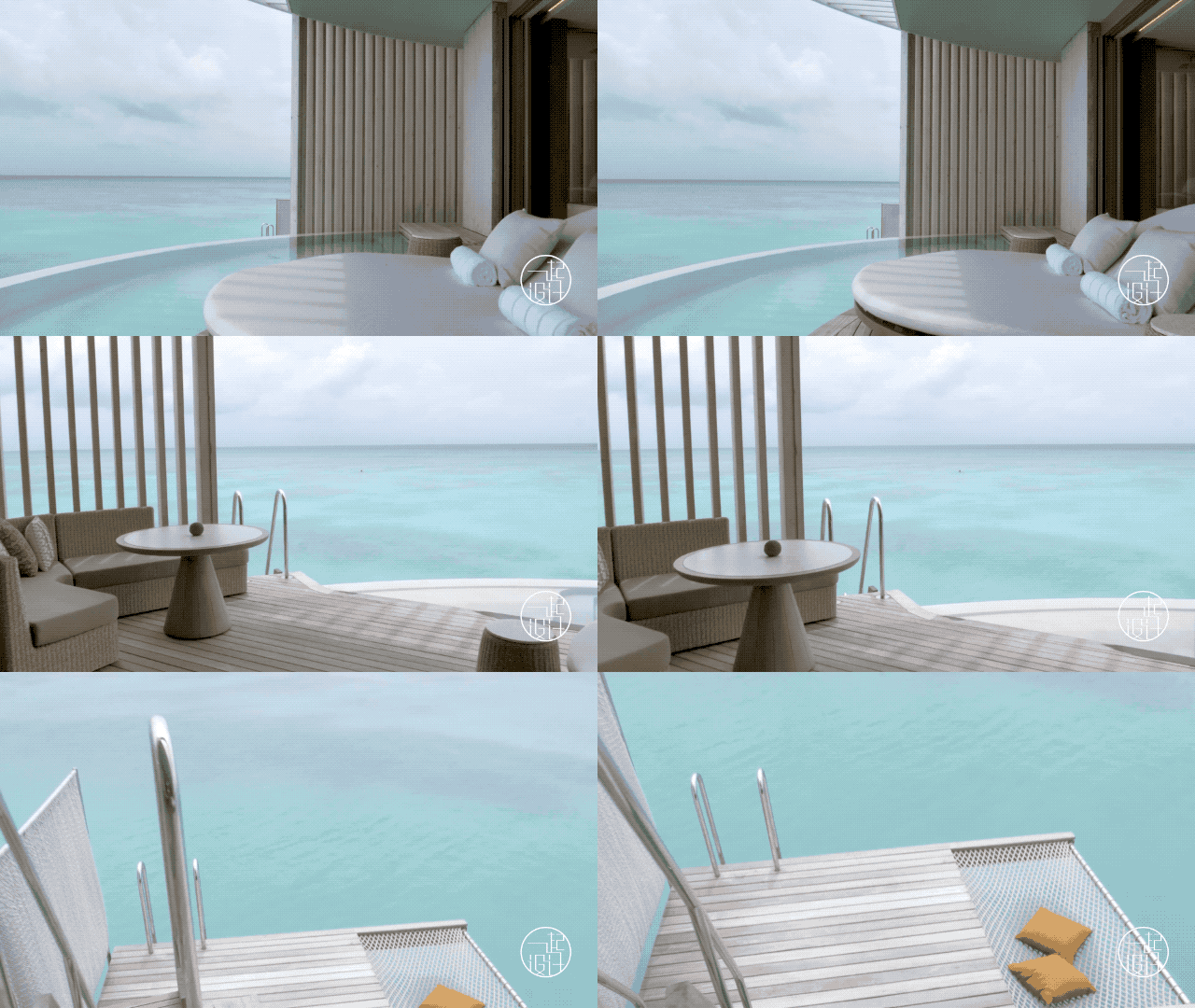
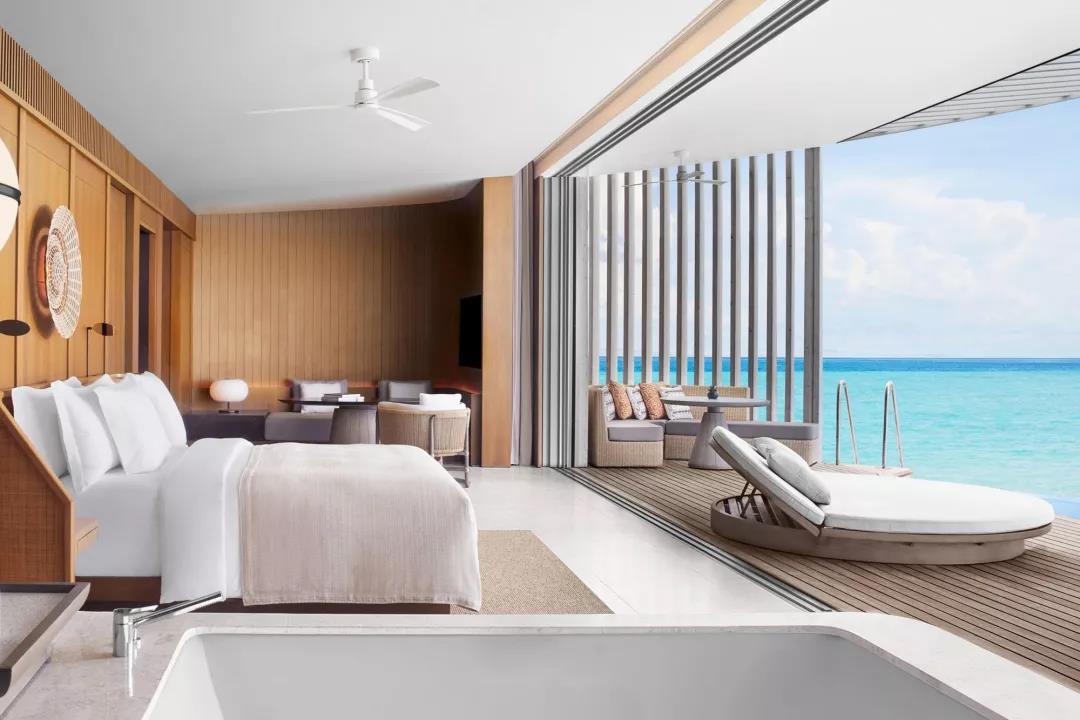
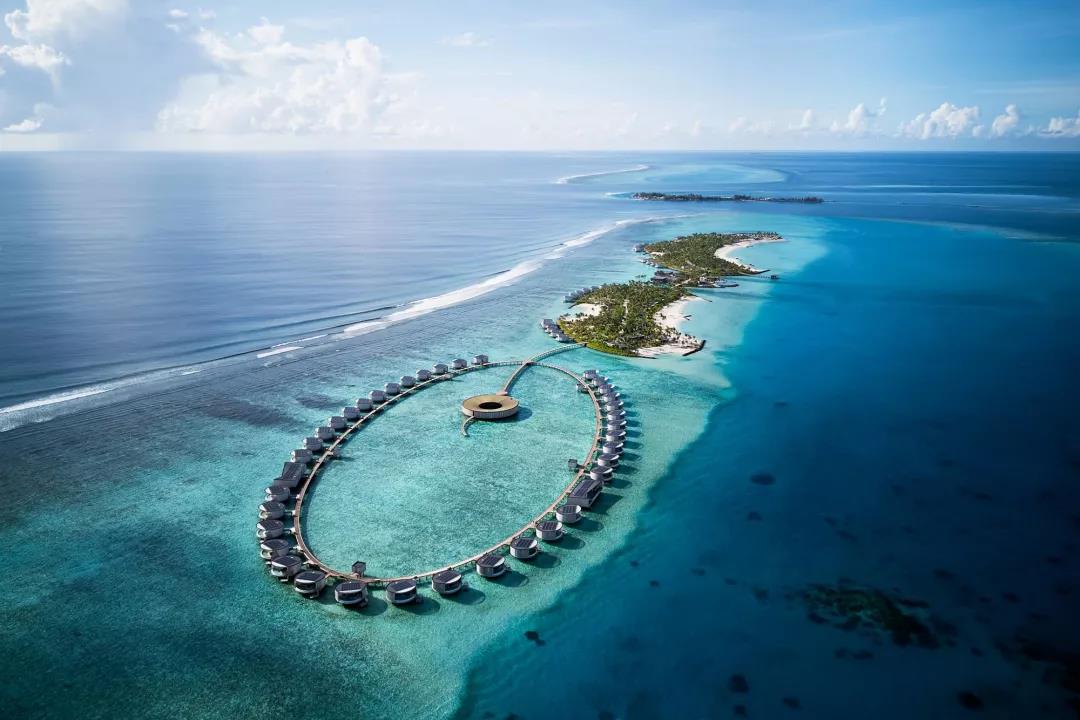
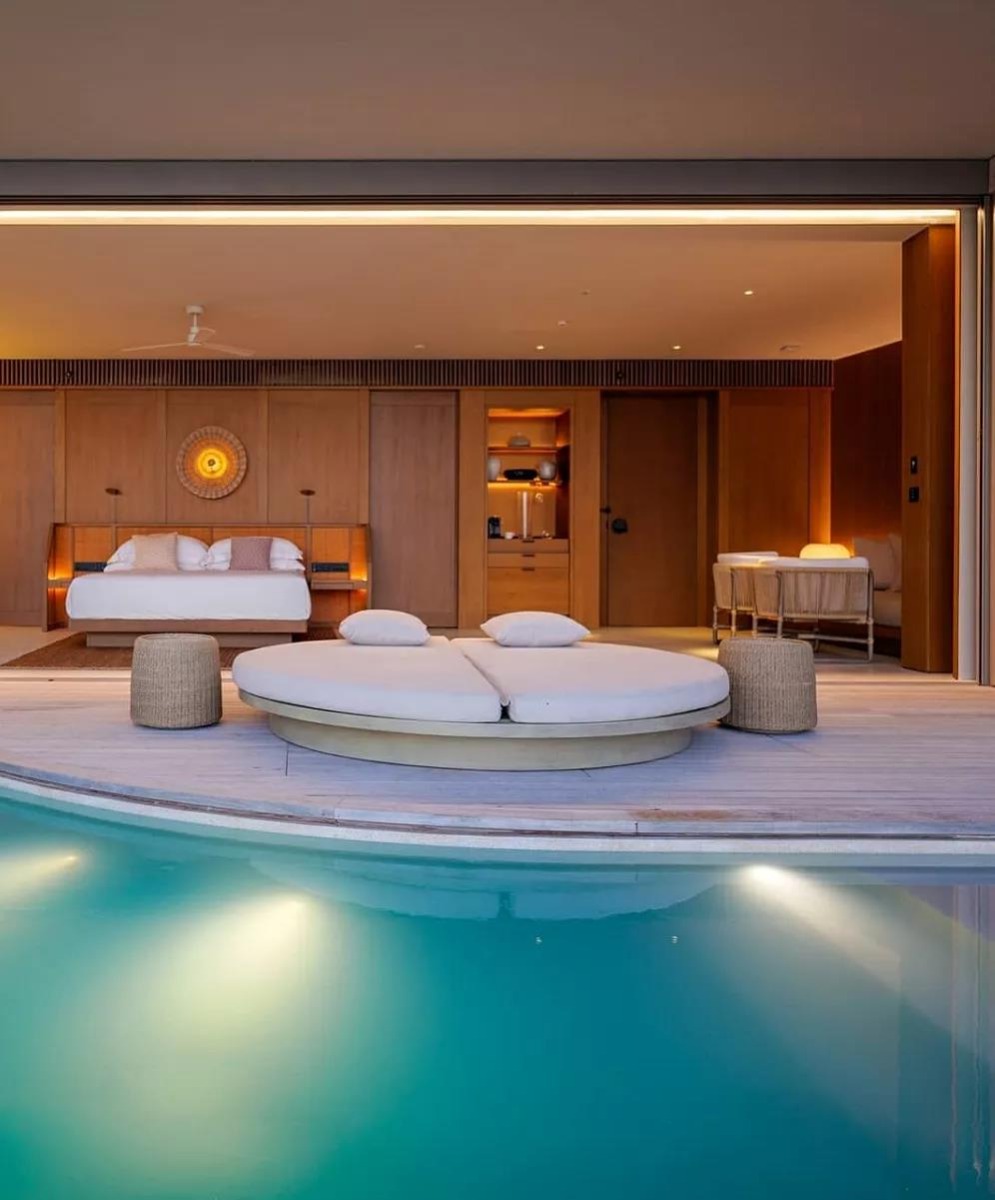
The Ritz-Carlton Maldives, located in The Fari Islands, is an archipelago of 3 luxury resorts, including Capella and Patina, in addition to the newly opened Ritz-Carlton.
The Ritz-Carlton, designed by the late Kerry Hill, was inspired by natural elements, such as ocean, wind, waves, and seashells. Maritime Guestroom and dining room is its most prominent characteristic.
06CERVO MOUNTAIN RESORT
Best Outdoor Theme
Dreimeta GmbH & Co. KG
Switzerland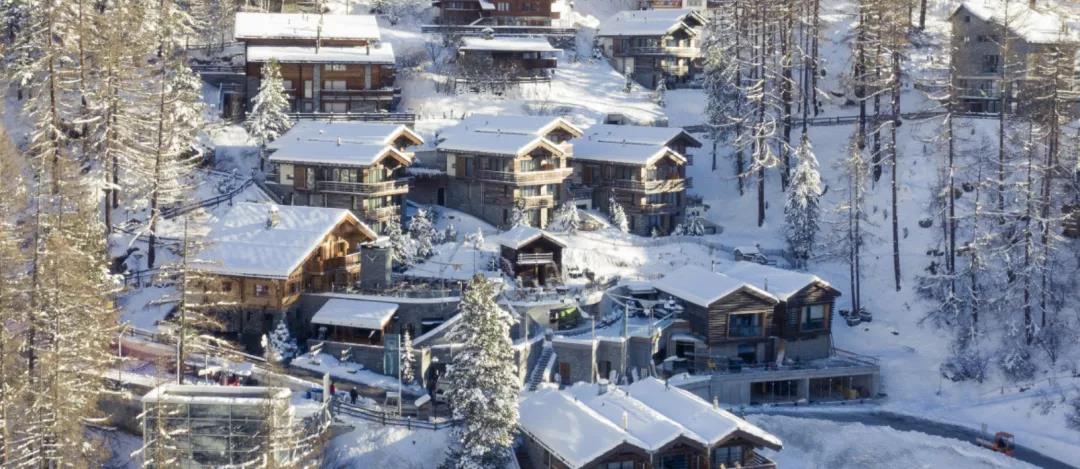
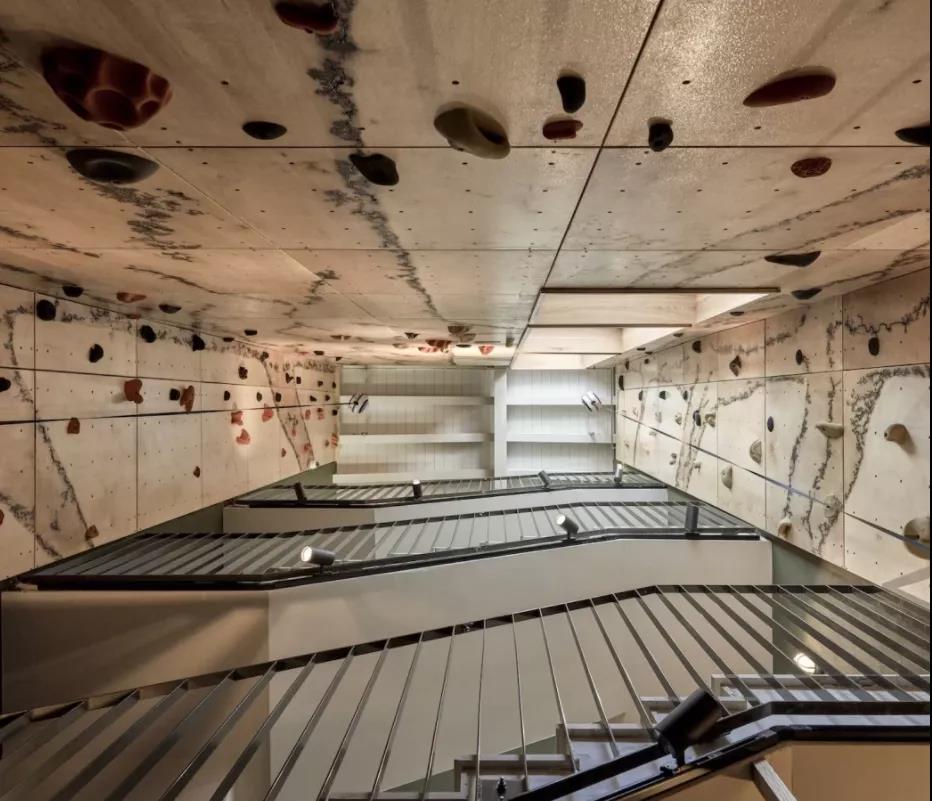
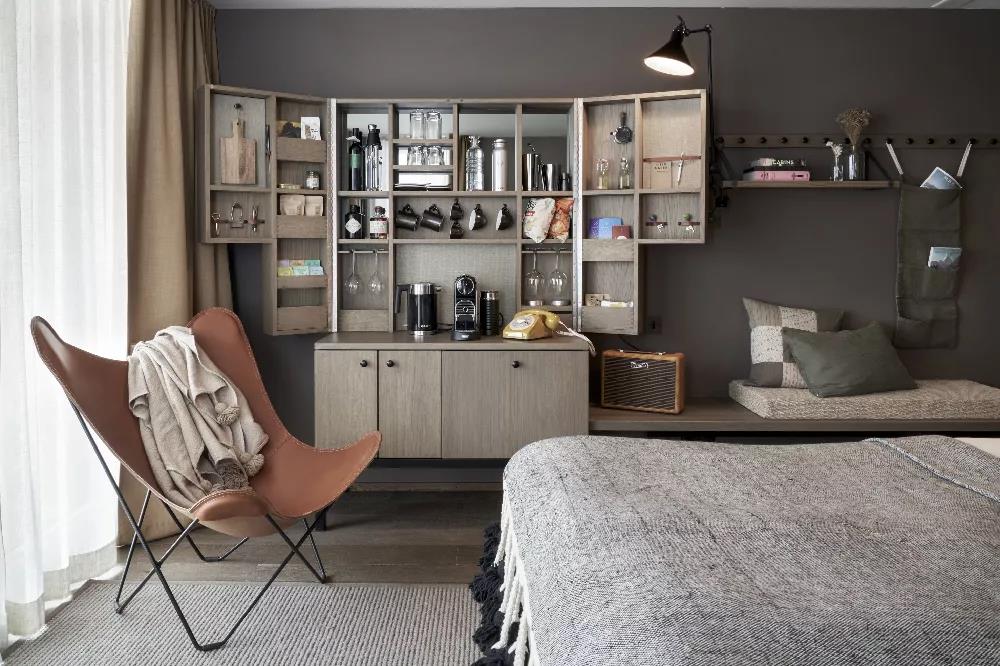
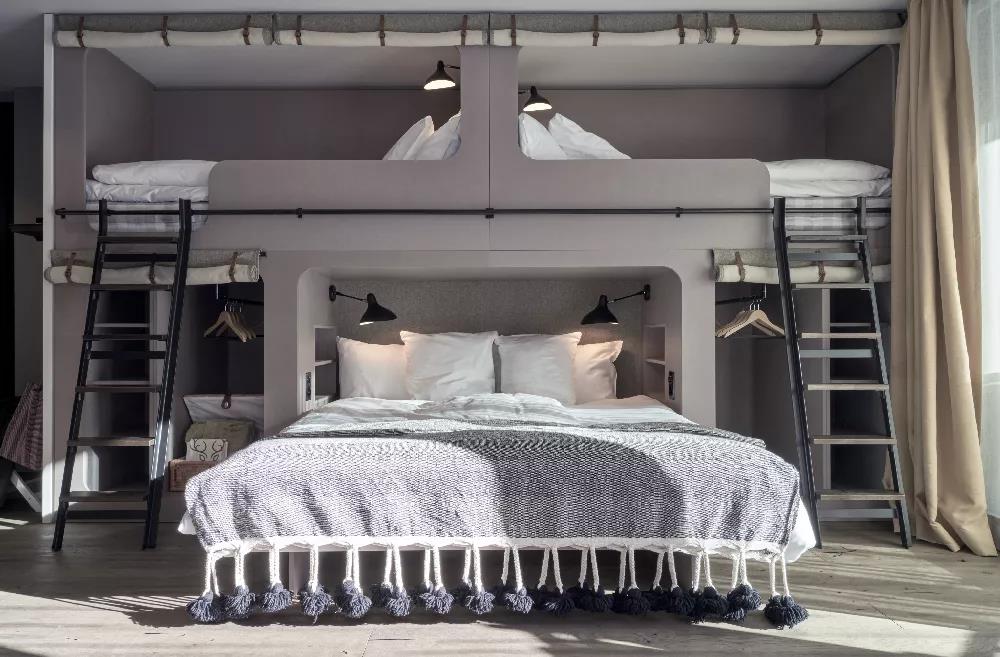
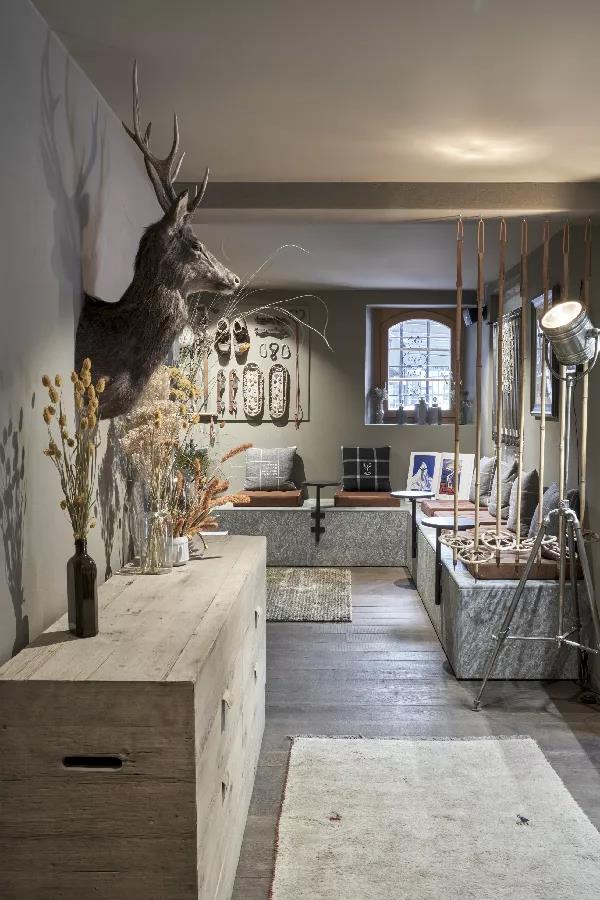
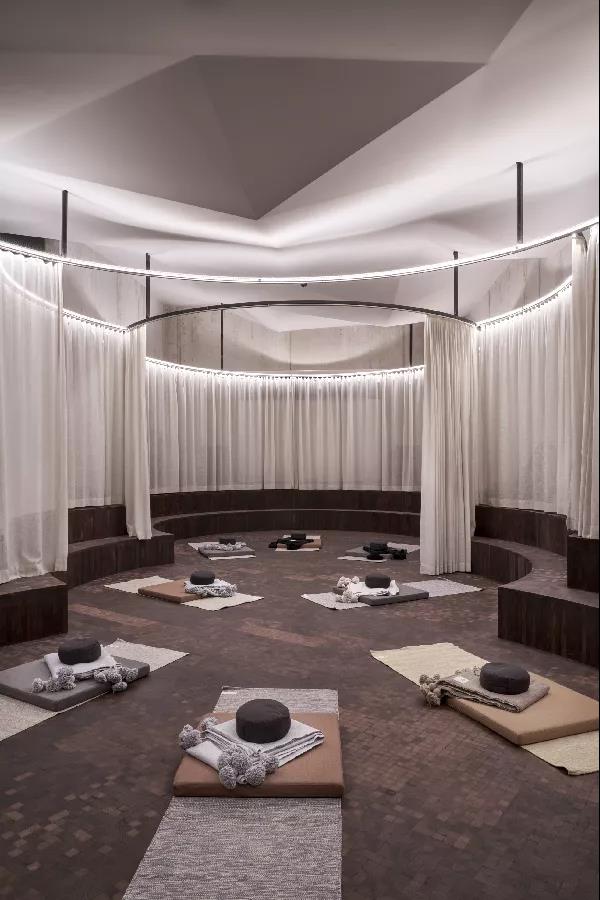
Zermatt, Switzerland, is the Rolls-Royce among ski resorts, and the various hotels vied for stand out there. But among the select distinct is the Cervo Mountain Resort, a classic of Swiss chalets.
Various traditional materials, such as cozy wood and plaid, build a warm and stylish vibe. Each cabin has its own health area and a lounge with an open fireplace. All rooms can be arranged for various outdoor activities: skiing, rock climbing, mountaineering.
07
Sabora Tented Camp
Best Wild Luxury Hotel
Singita
Tanzania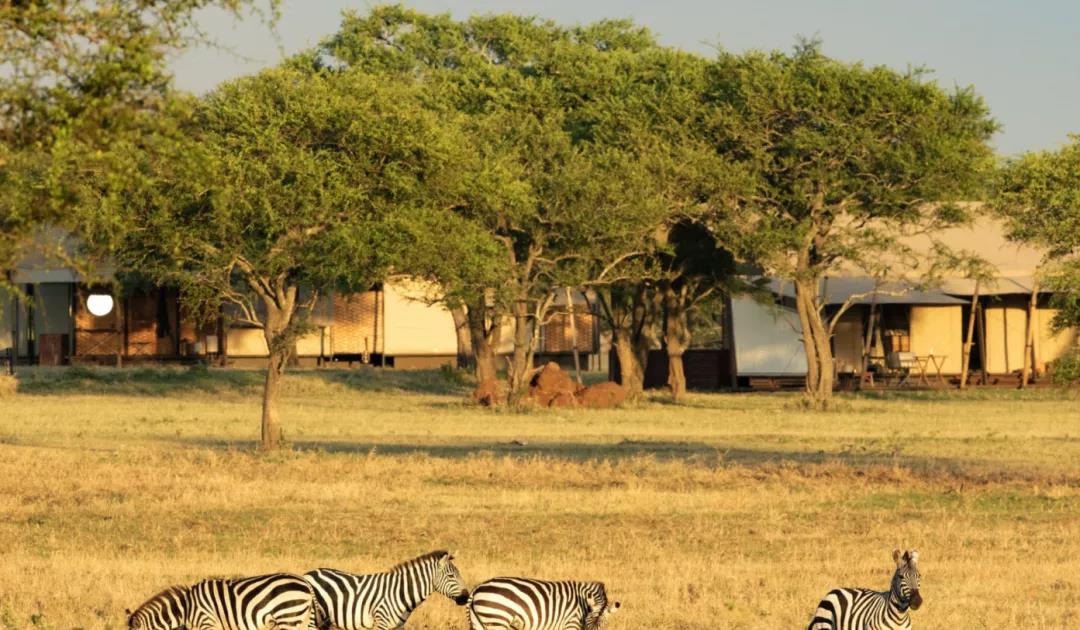
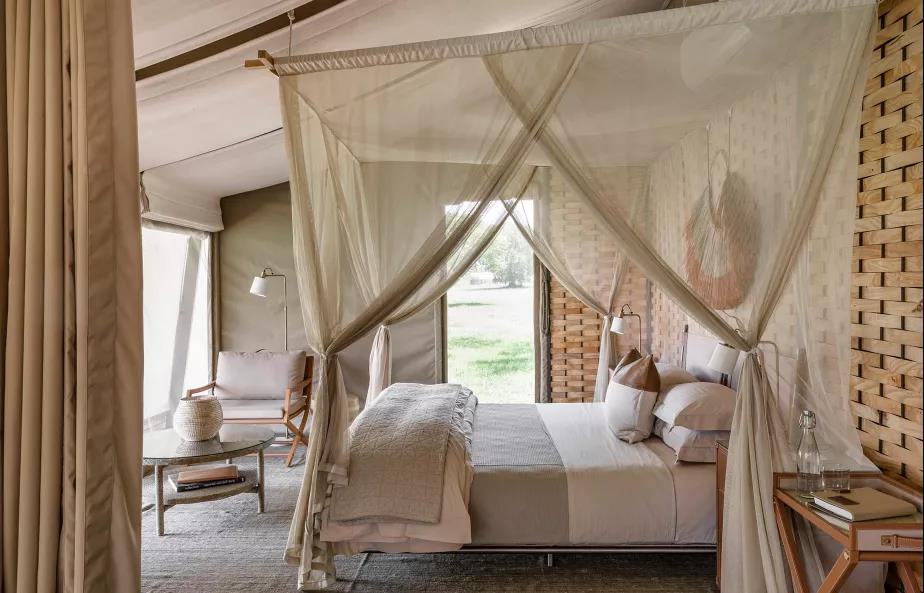
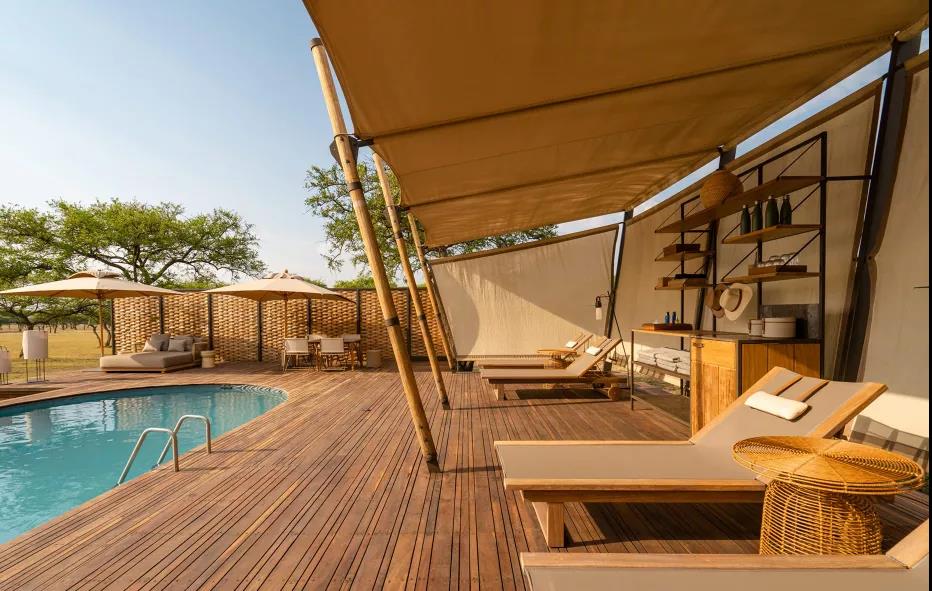
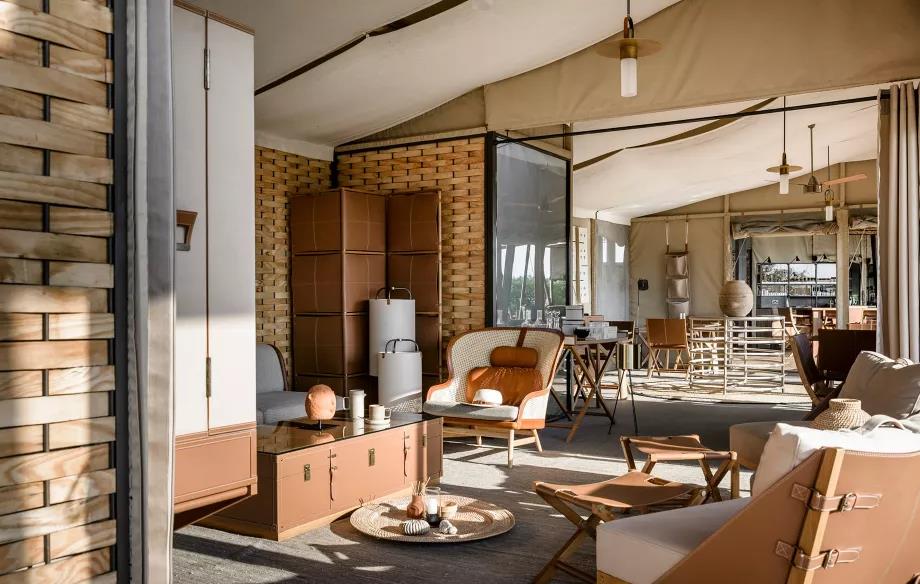
Having honored the global wild luxury hotel monomial ranking top three titles, Singita, a century-old hotel brand, has 15 stores in four countries, distributed in small countries in South America.
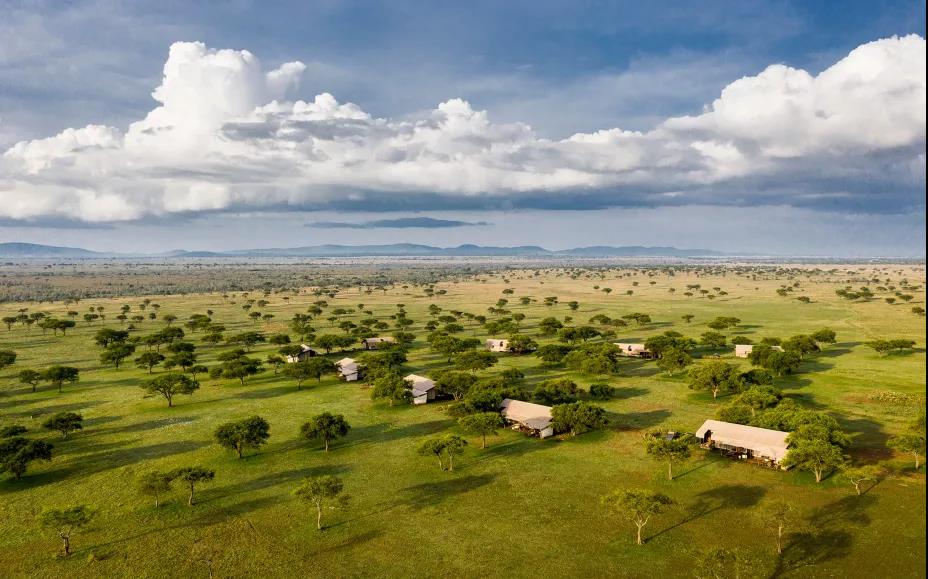
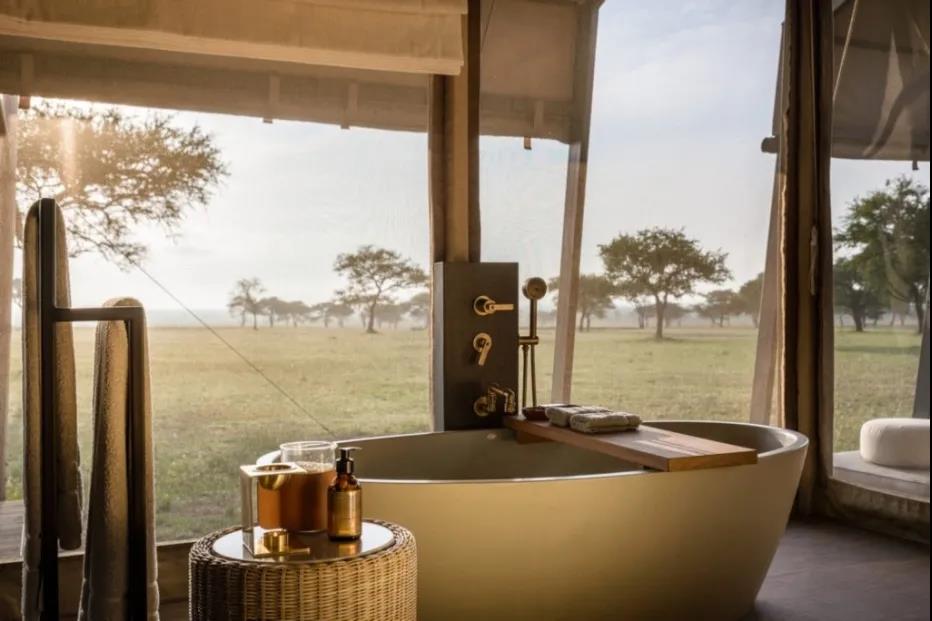
After the COVID-19, the tent-themed Sabora Tented Camp was officially opened in 2021. Relying on the surrounding natural wildlife reserve, the hotel has only 9 tent suites, but it has over 2 million mu of private vast plain!
08Amangiri
Best Tent Room
Aman
Utah, US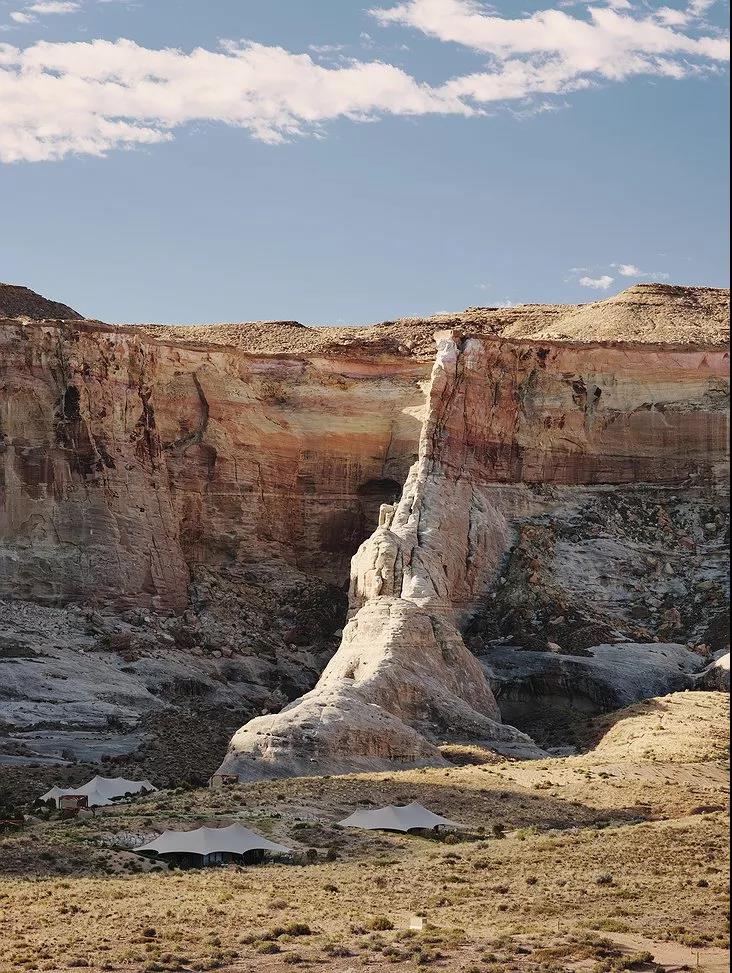
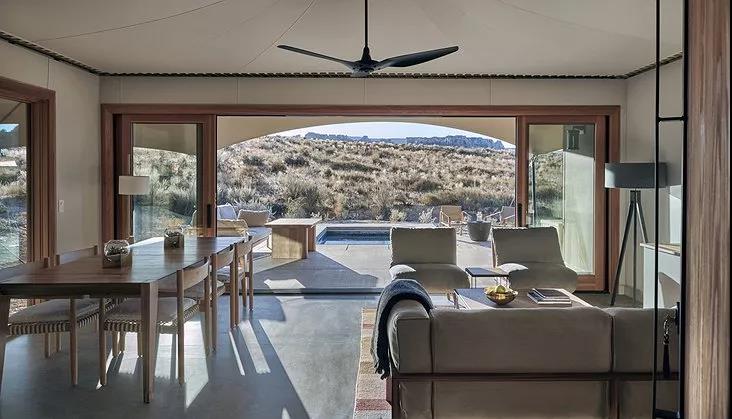
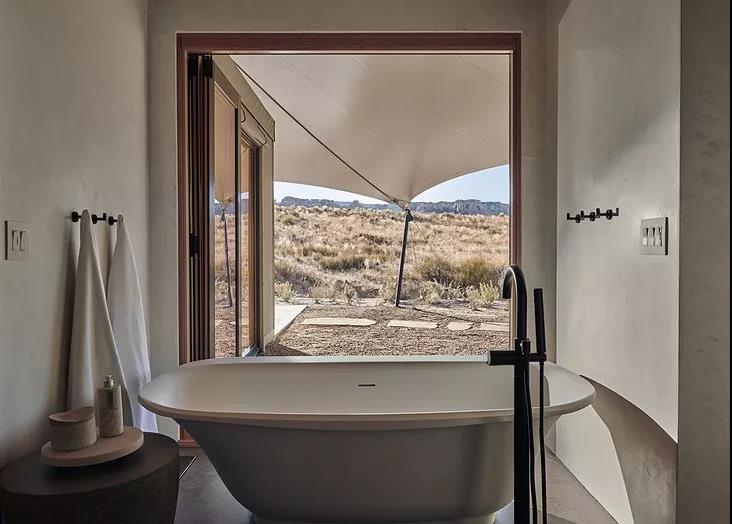
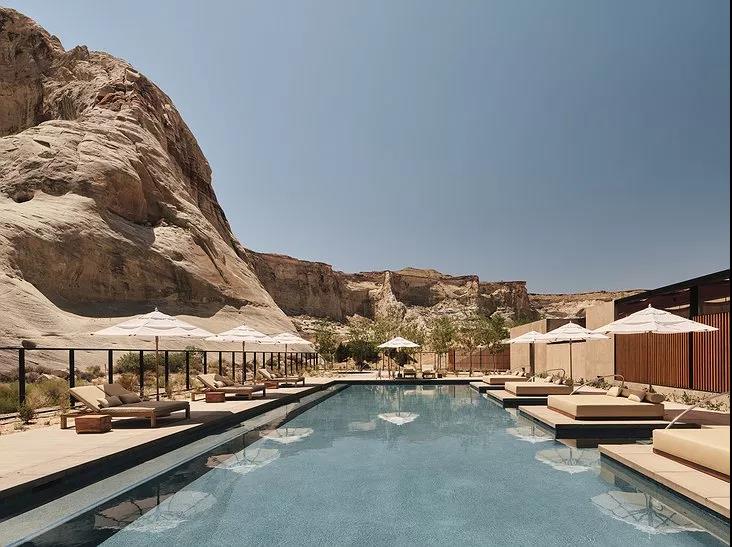
Amangiri, the resort brand of Aman, the luxury hotel group, has opened its latest camp, Sarika, which consists of just 10 tented rooms nestled in the pristine wilderness of the Utah desert.
The beauty of these buildings blends seamlessly with the natural environment and is positioned to create an accommodation experience that offers a high degree of privacy and a sense of total seclusion between the tent and rocky surroundings.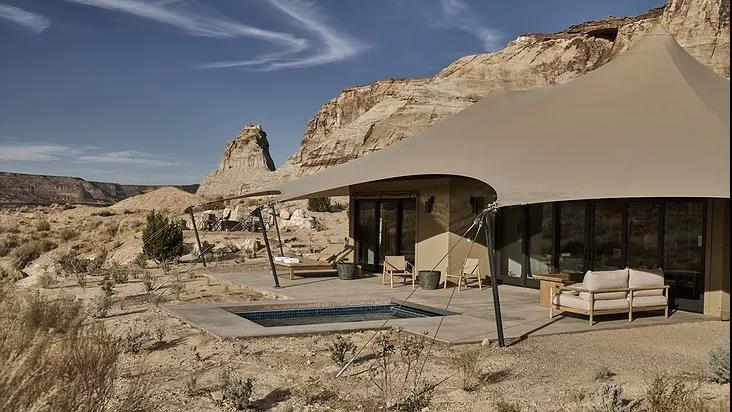
09ALULA
Best Desert Hotel
HABITAS
Saudi Arabia
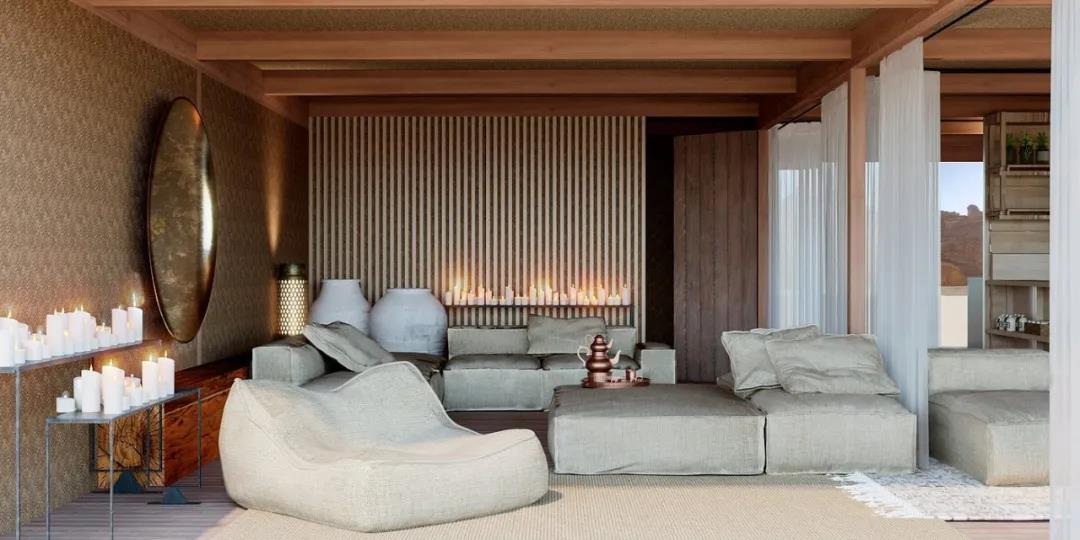
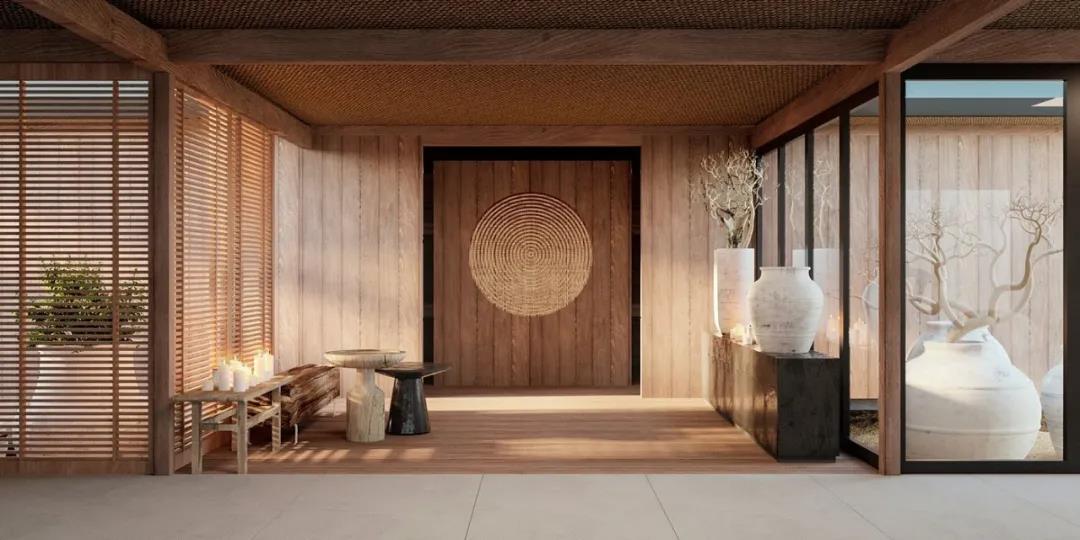
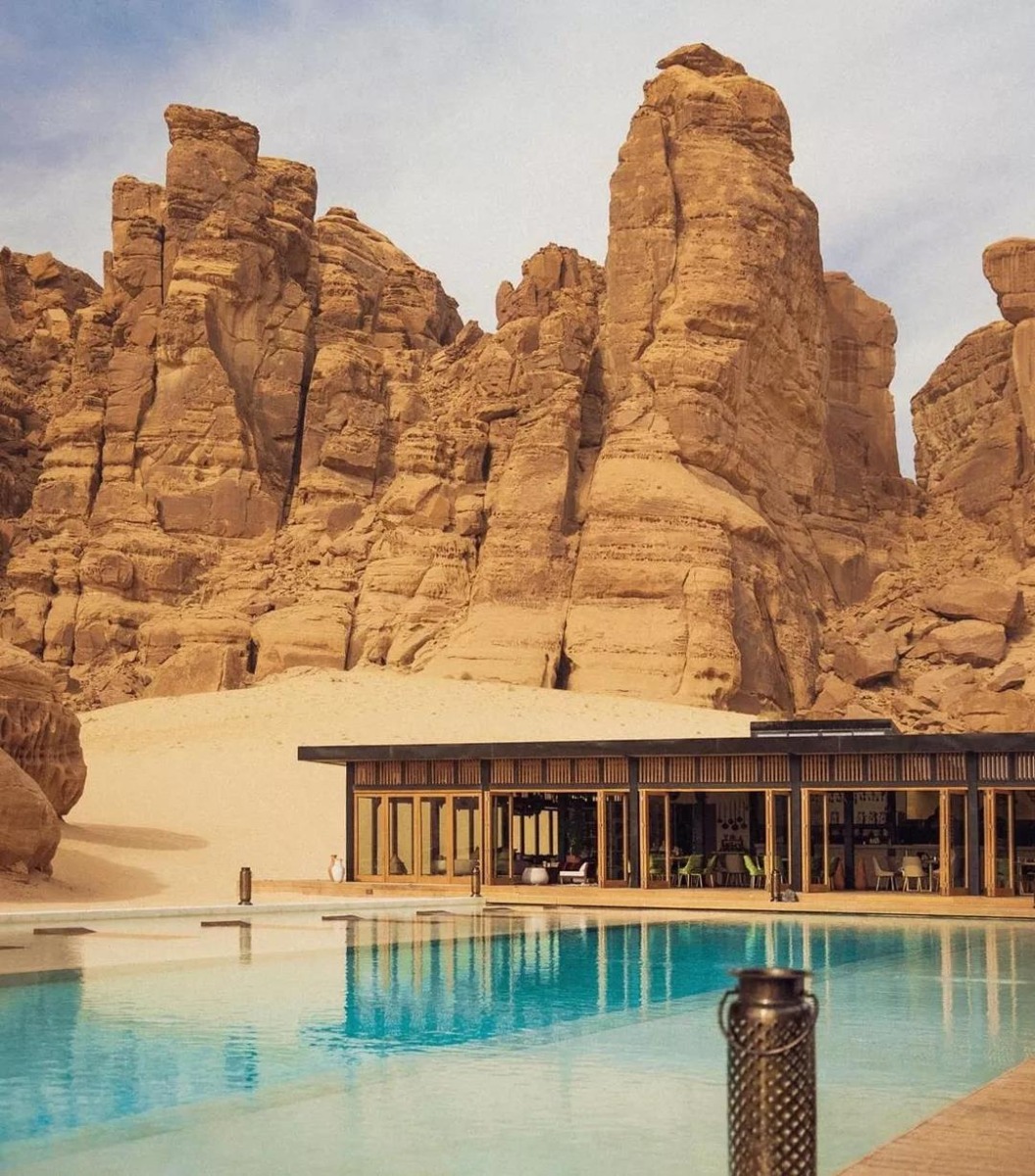
The newly ALULA hotel, which opened in November 2021, is located in the desert in northwest Saudi Arabia, surrounded by spectacular sandstone cliffs and palm groves.
HABITAS is good at combining sustainable philosophy with local materials to build a seamless luxury resort in the wilderness with contemporary architectural concepts.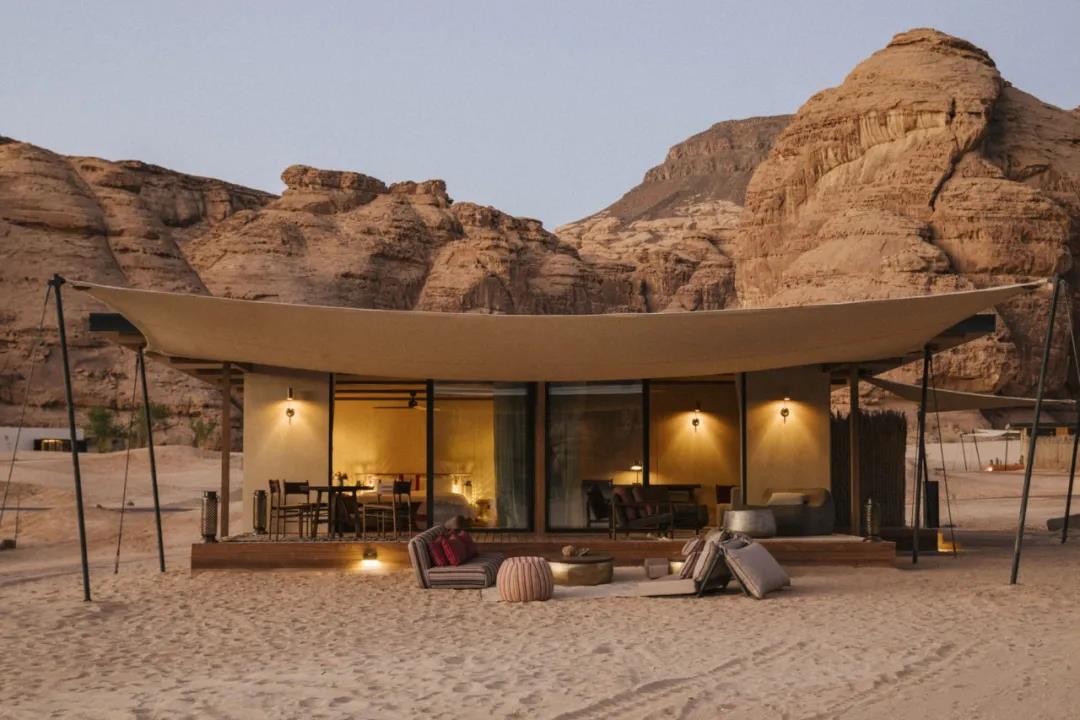
FIVE
Homestay Hotel***
01Hylla Vintage Hotel
Best Design in Place
Hangzhou Guantang
Lijiang, Yunnan Province, China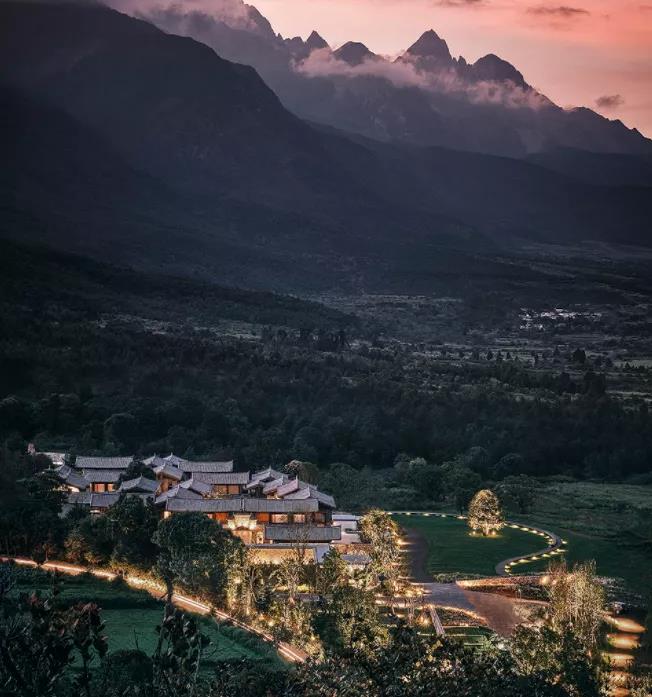
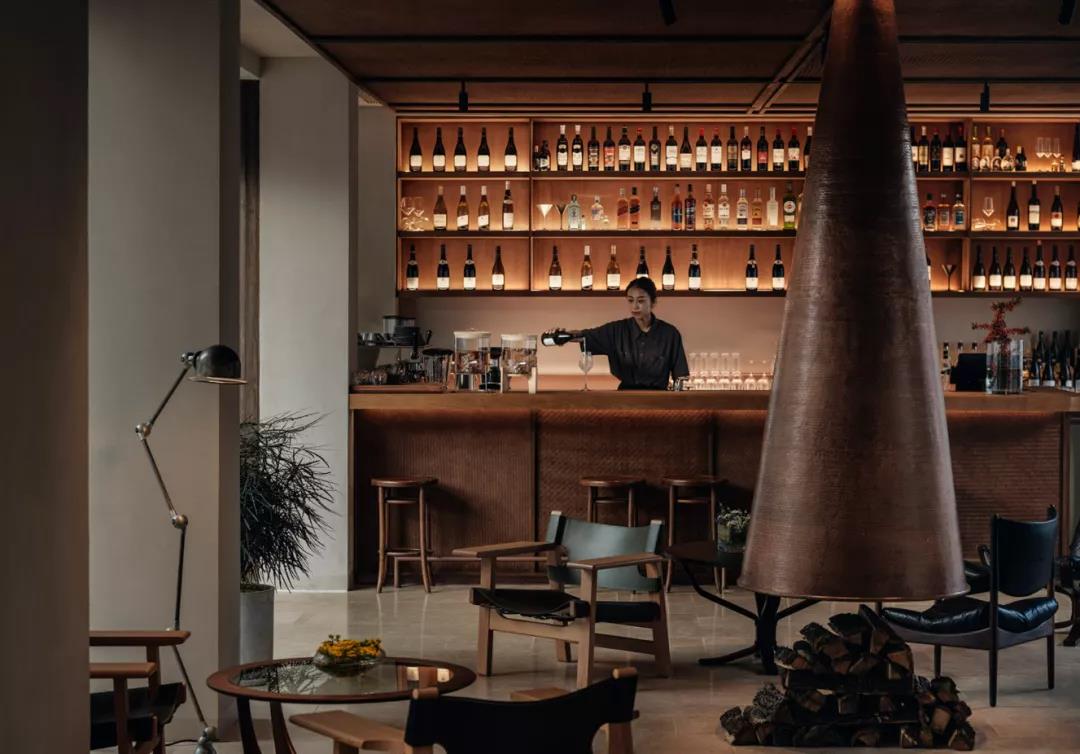
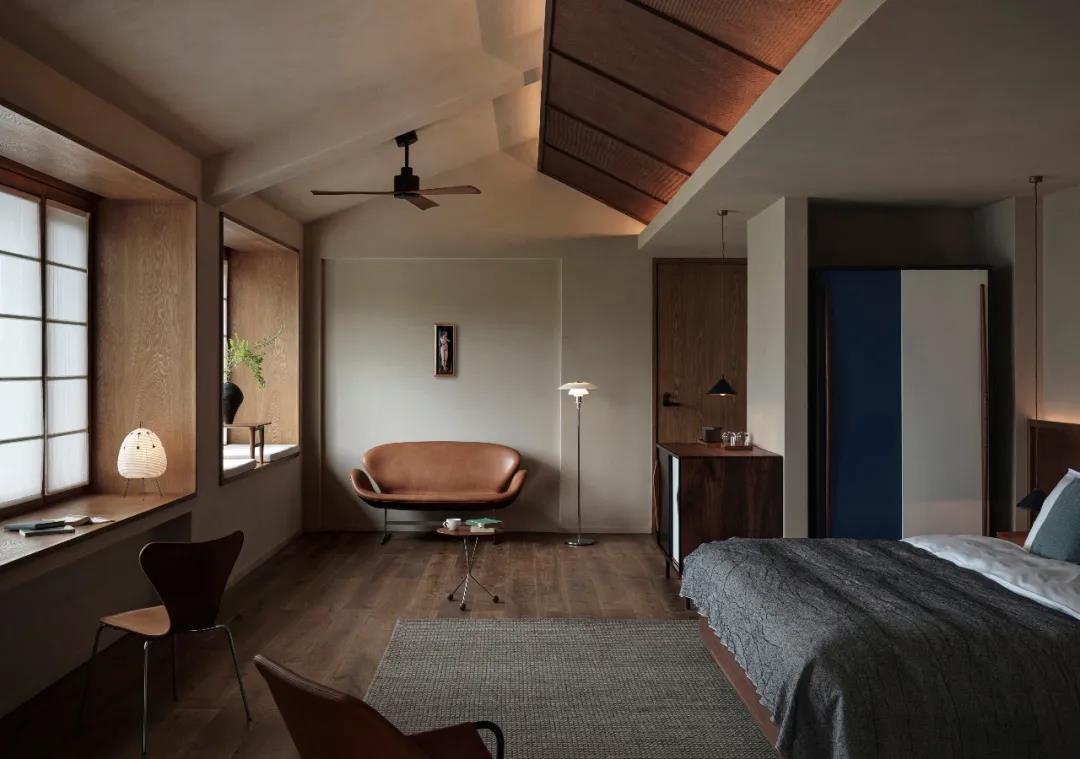
This is a piece of Nakhi ancient architectural complex that has been suspended at half-done of construction. The designers made extensive use of locally recycled wood and Guifeng red stone for the renovation, which echoes the natural retro spirit of Glamping and uses local materials to present a thoroughly modern space.
The newly designed water features complement the original building and restore the natural landscape.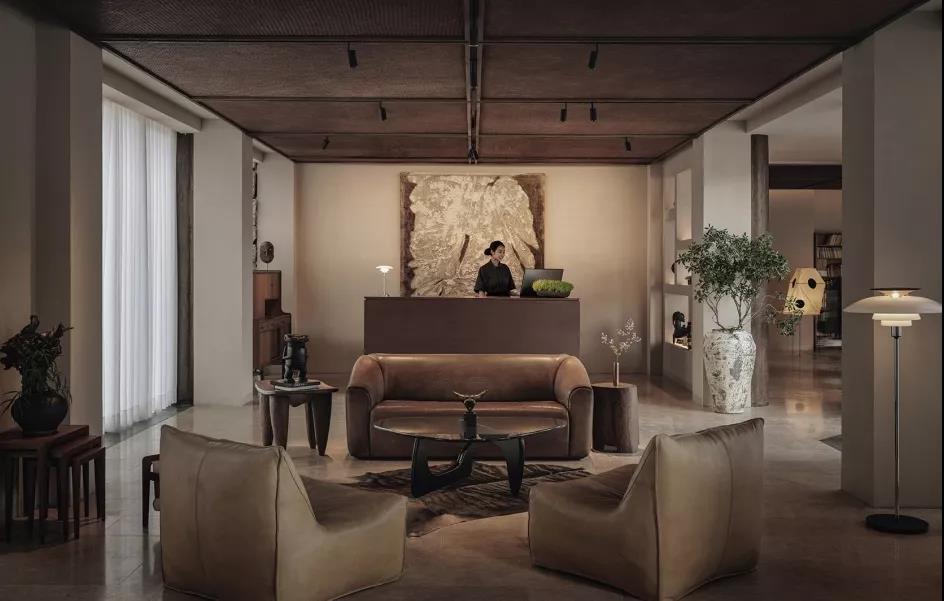
02Sussurro
Best Sustainable Design
Sarah Birkett
Mozambique, Africa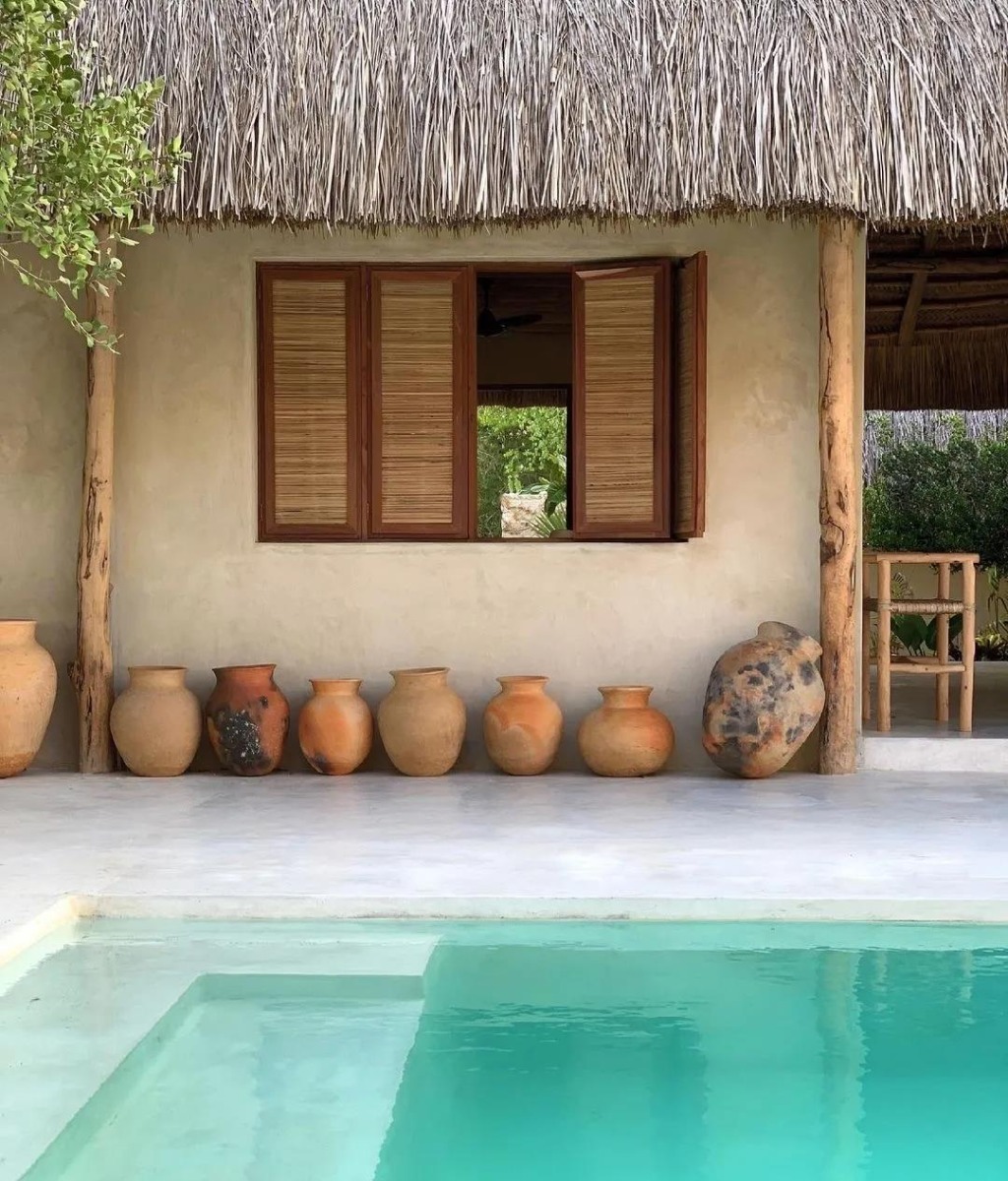
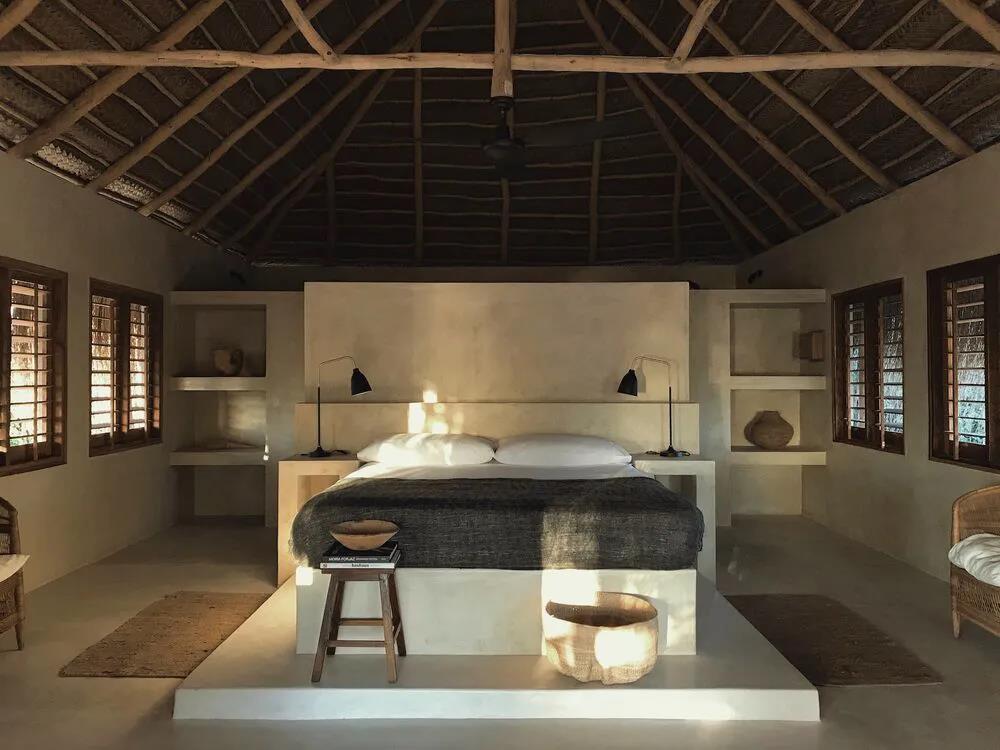
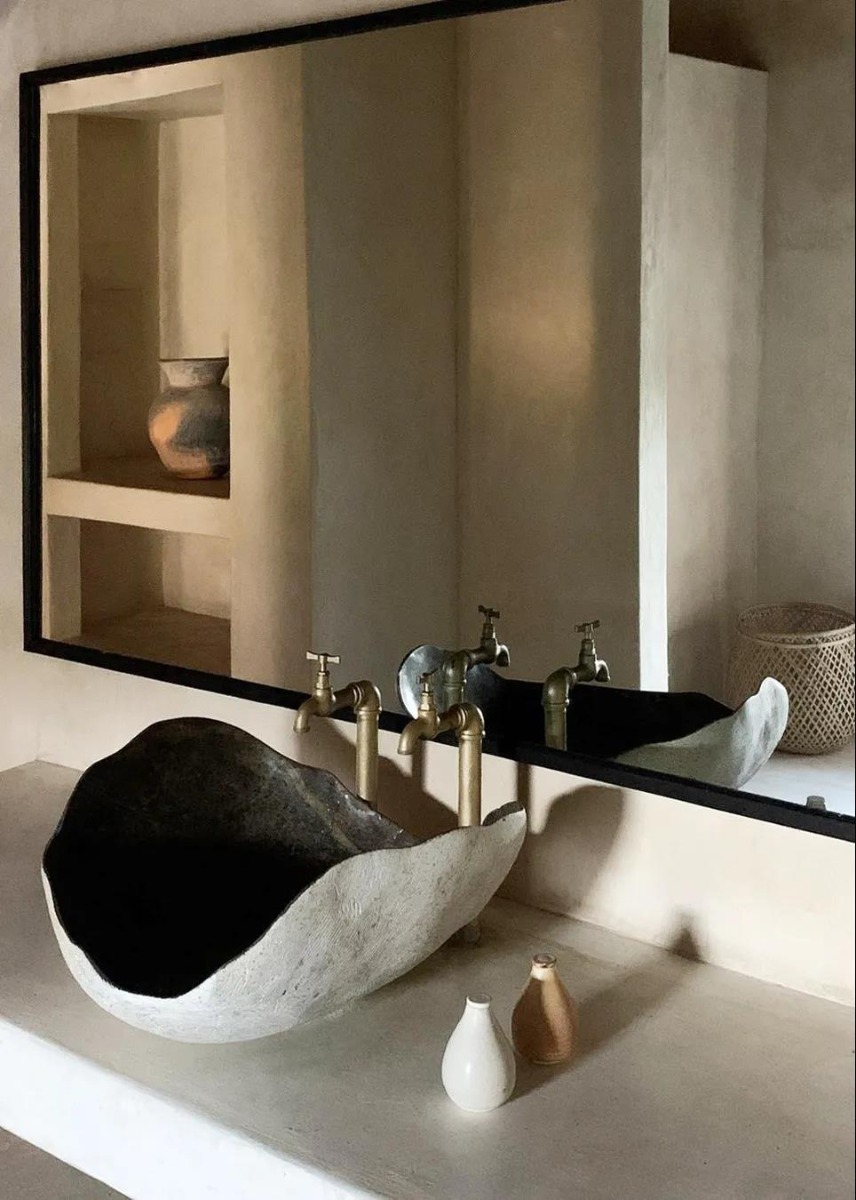
Sussurro opened in January 2021 on a secluded peninsula known as Nhamabue in Mozambique, Africa. Hosts Sarah Birkett and Adam Humphreys tailored the building to their environment and committed to using 100% African sourcing and manufacturing. The hotel is built and serviced by the local community.
He embraced local architecture and craftsmanship with minimalism, turning what might have been considered rustic works into works of art.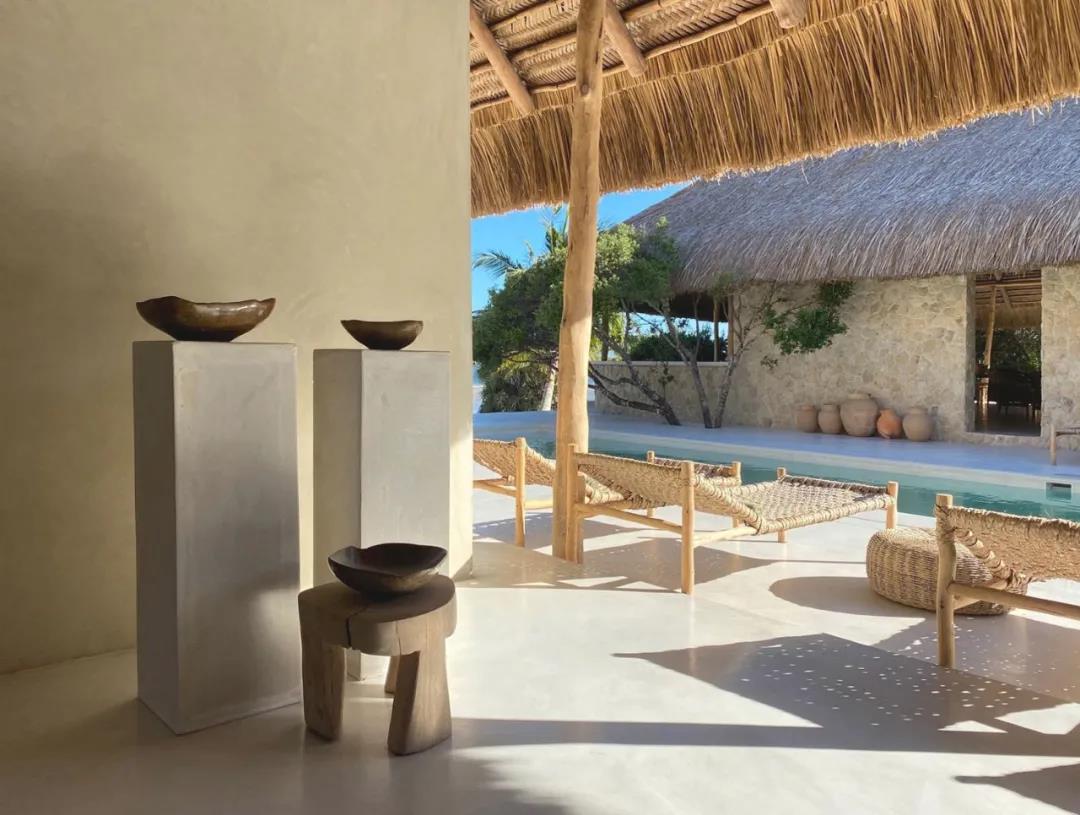
03
Casona Sforza
Best Structural Design
TAX | Taller de arquitectura X
Mexico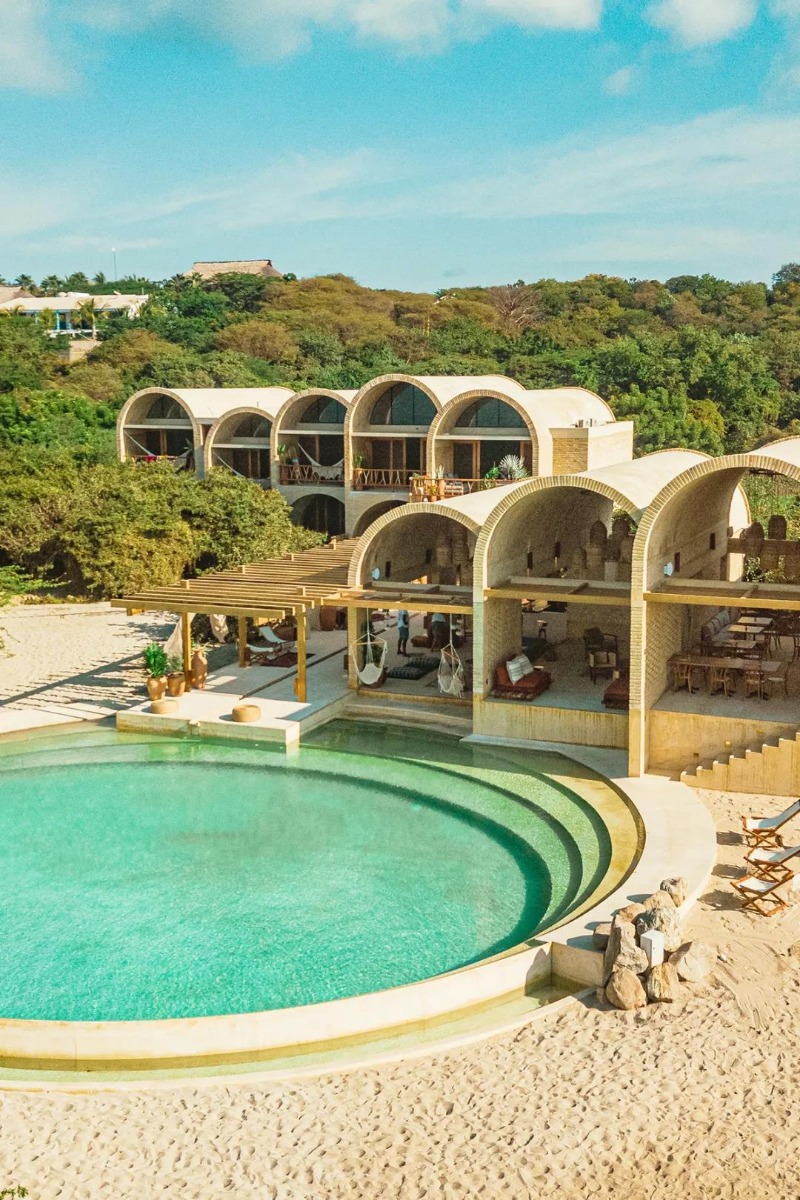
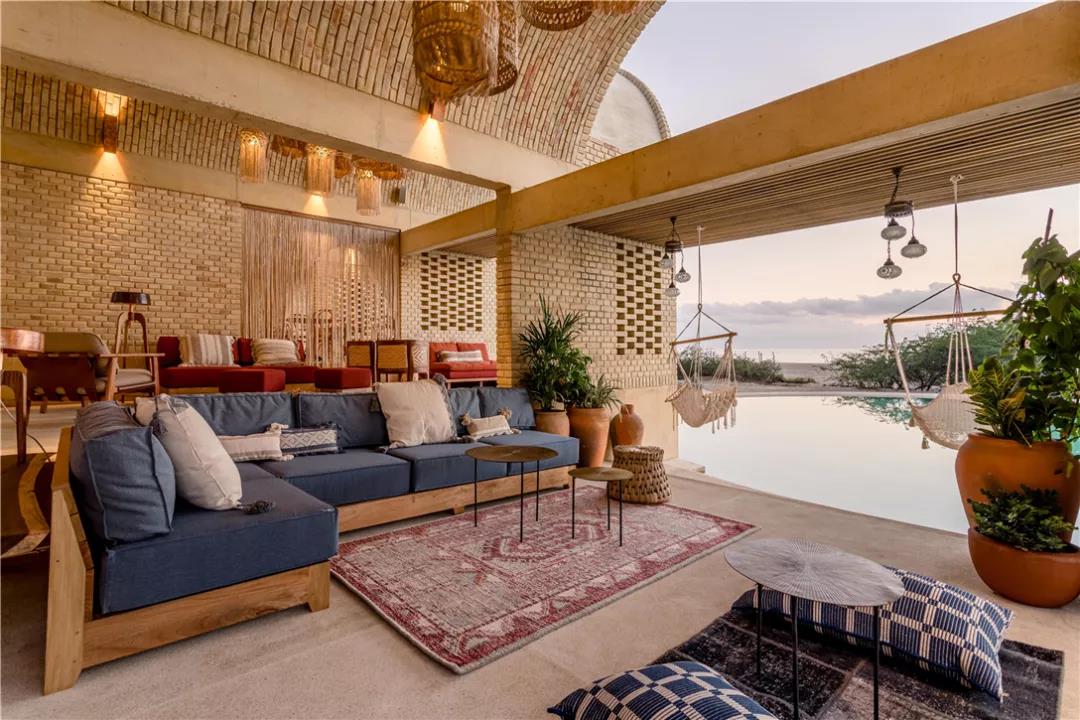
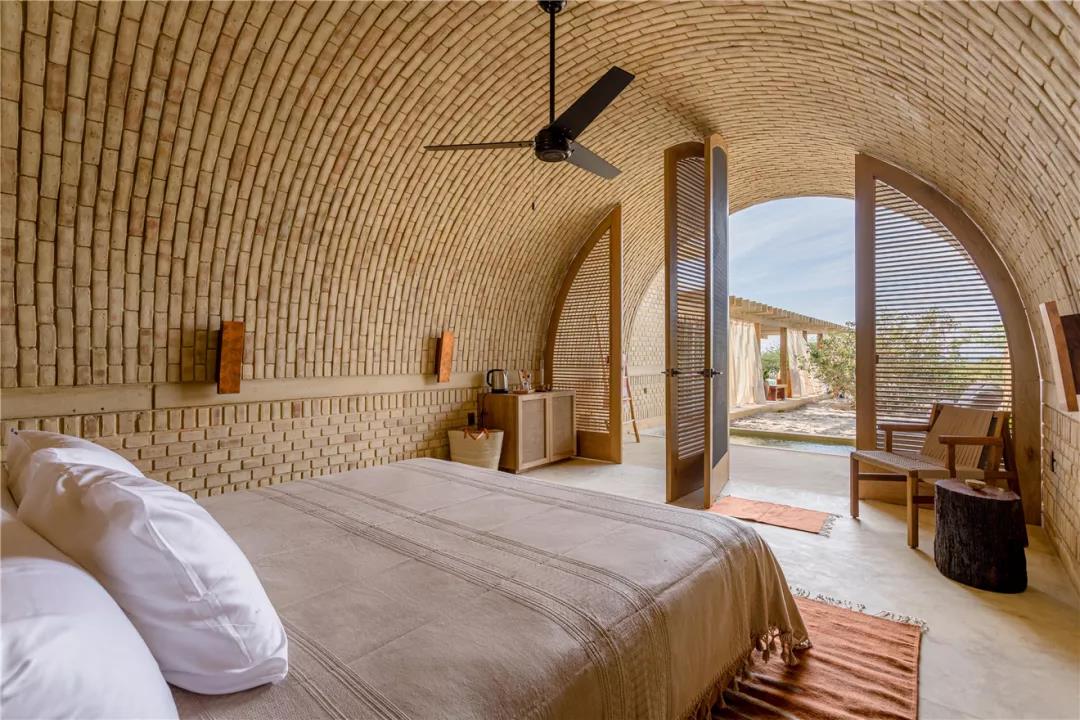
Casona Sforza is located in Mexico Escondido port (Puerto Escondido), local design office TAX | Taller DE Arquitectura X swept from the integral design of the building to the interior.
The unique arched architecture is enlighted by indigenous traditions and maintains a sustainable accommodation experience.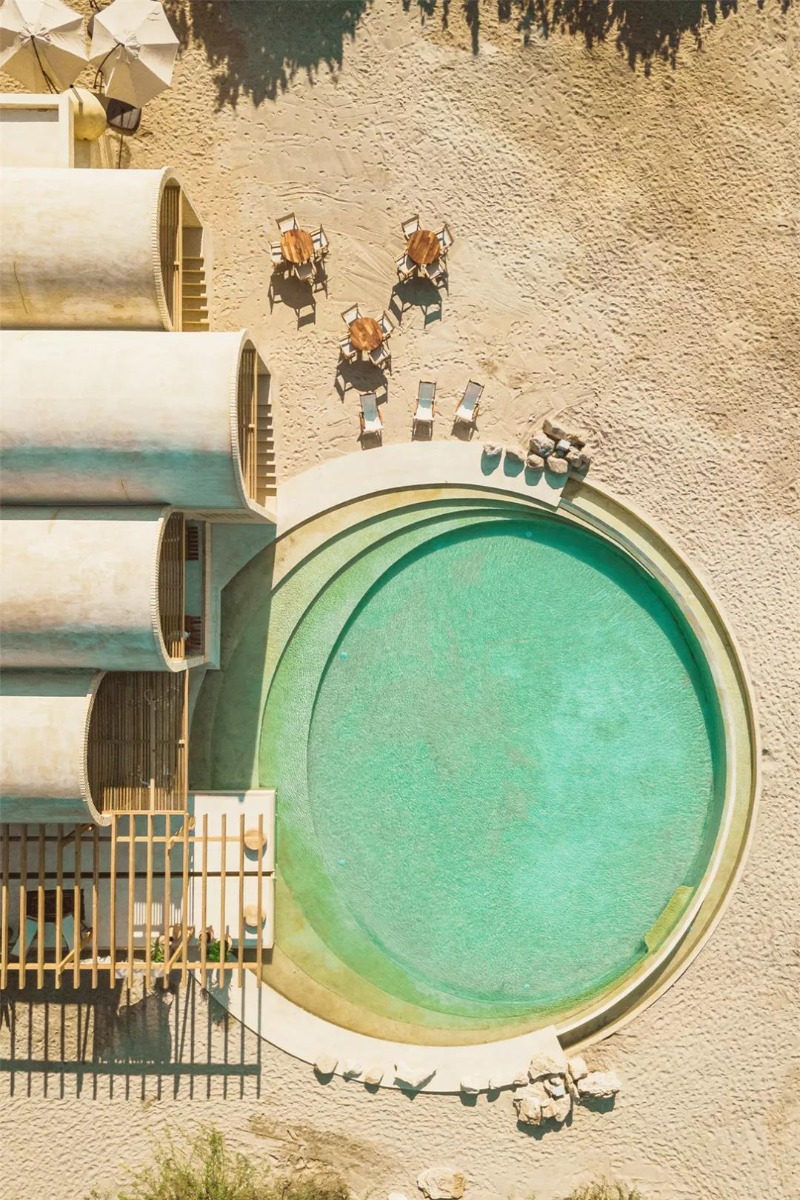
SIX
Restaurant Design
***
01Sézanne
Best Western Restaurant
André Fu
Tokyo, Japan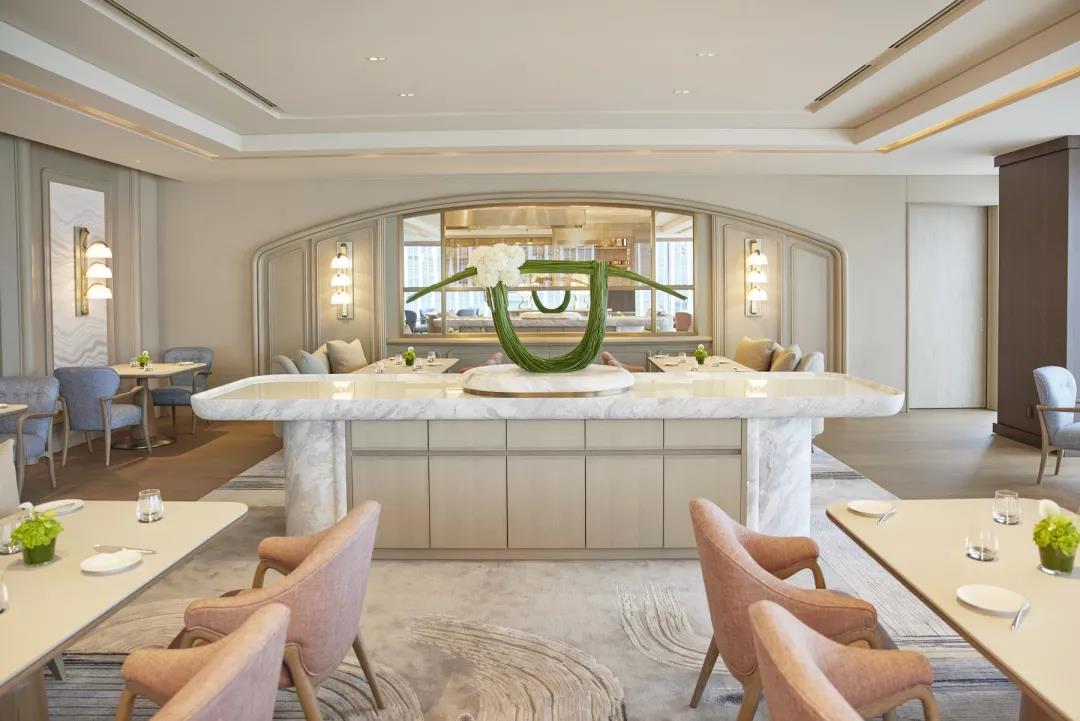
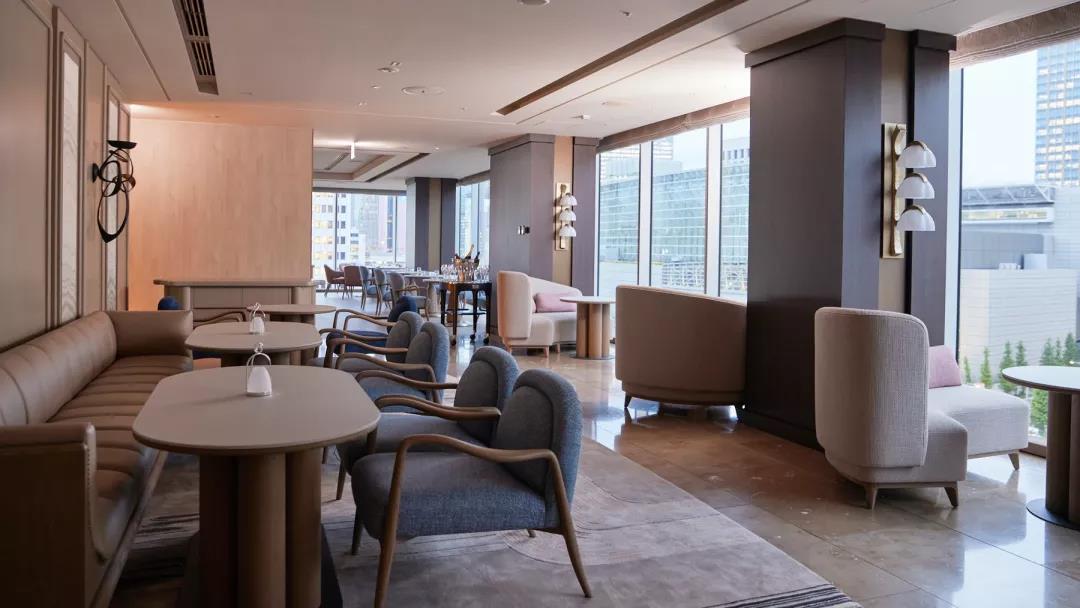
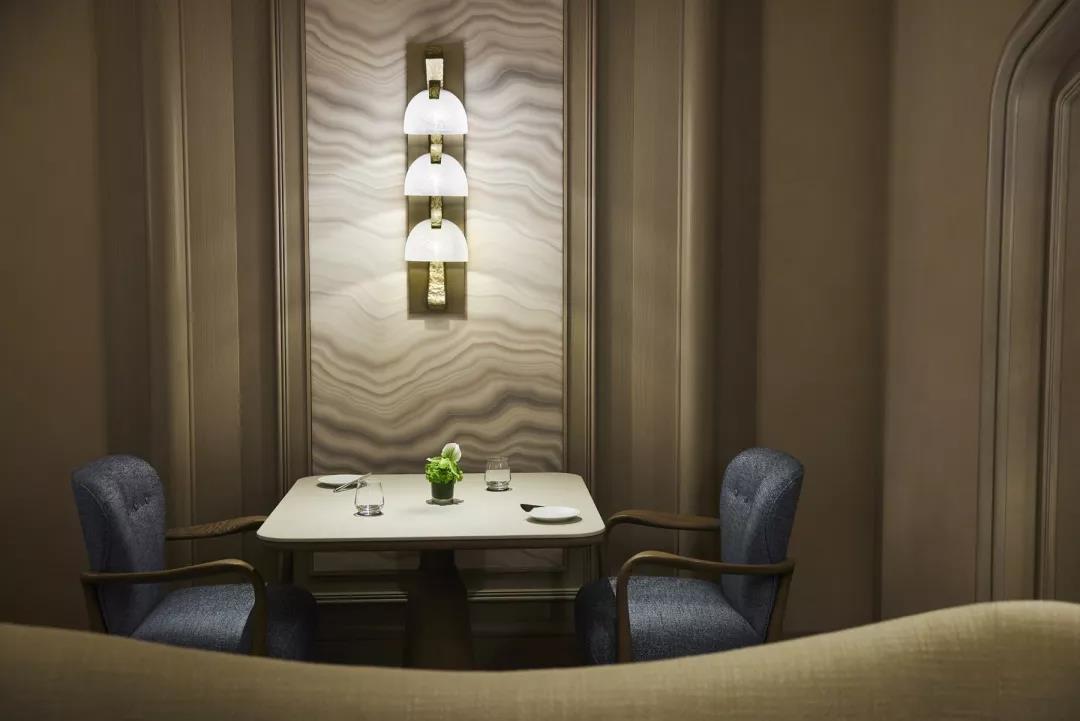
Sézanne, a new French dining concept at The Four Seasons Marunouchi Hotel in Tokyo, Japan, was designed by Andre Fu, his latest creation this year, in collaboration with award-winning British chef Daniel Calvert.
The designers didn’t expect the restaurant to be “a predictable, formal French dining environment.” Instead, the space needs to be “genuine, warm and comfortable to match the resonance aroused by fine cuisine.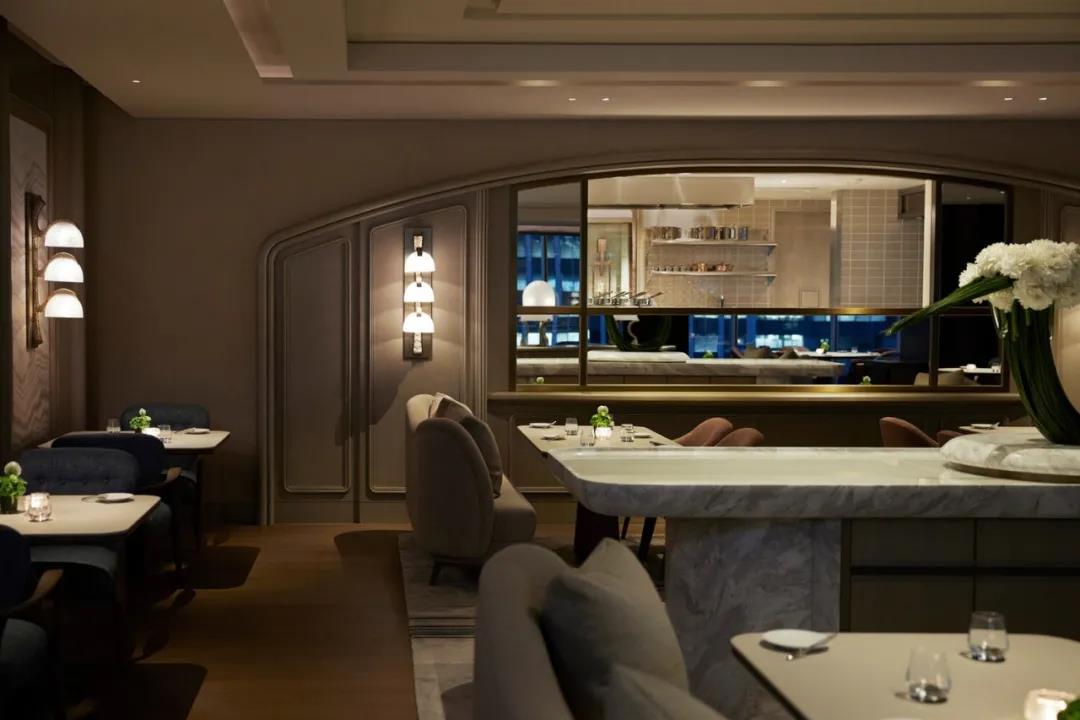
02
Whitcomb’s
Best All-day Restaurant
Yabu Pushelberg
London, UK
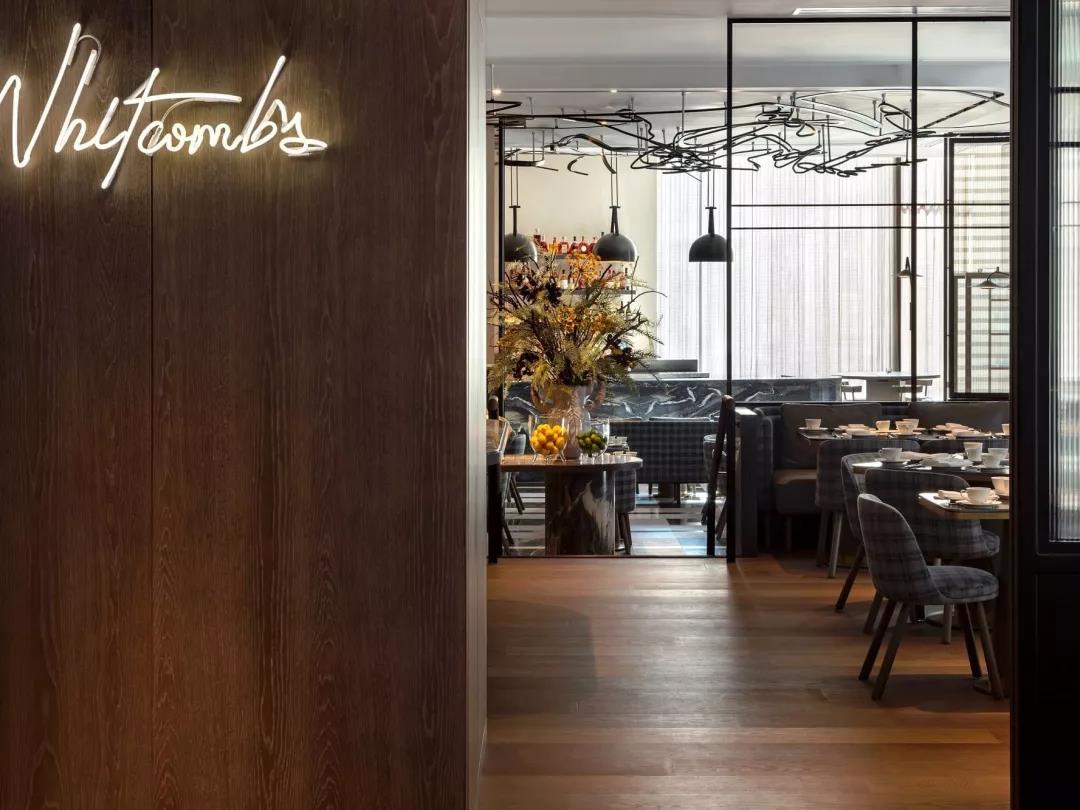
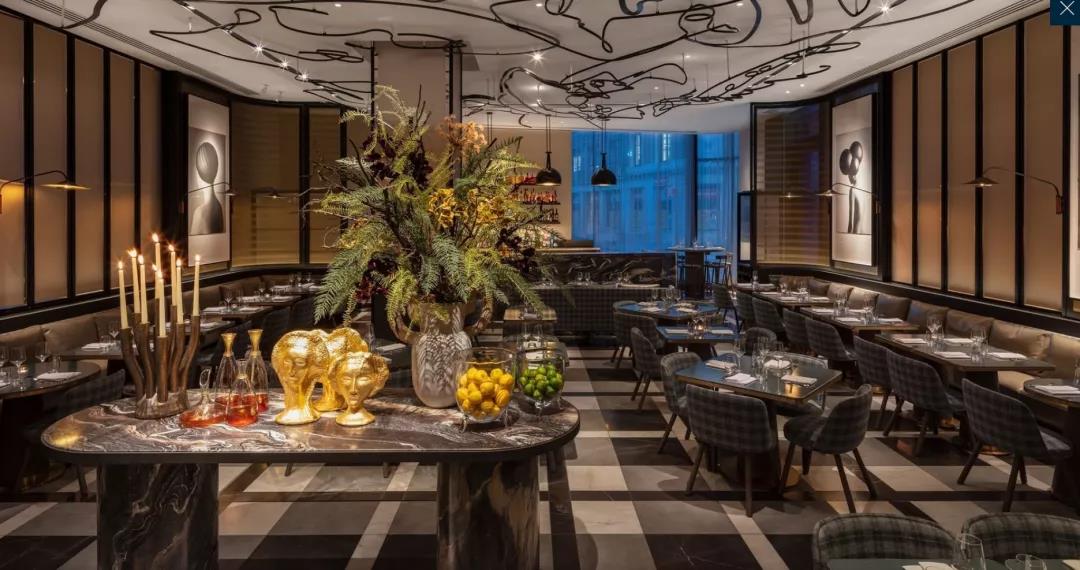
Whitcomb’s -- The Londoner’s all-day restaurant, Yabu Pushelberg’s interior is centered on “drama,” a spatial theme of “dialogue, characters and storylines” with minimal lines and decorations.
Grand black and white portraits line the walls, while silhouettes from the ceiling reveal striking wire structures, like a loosely painted sketch.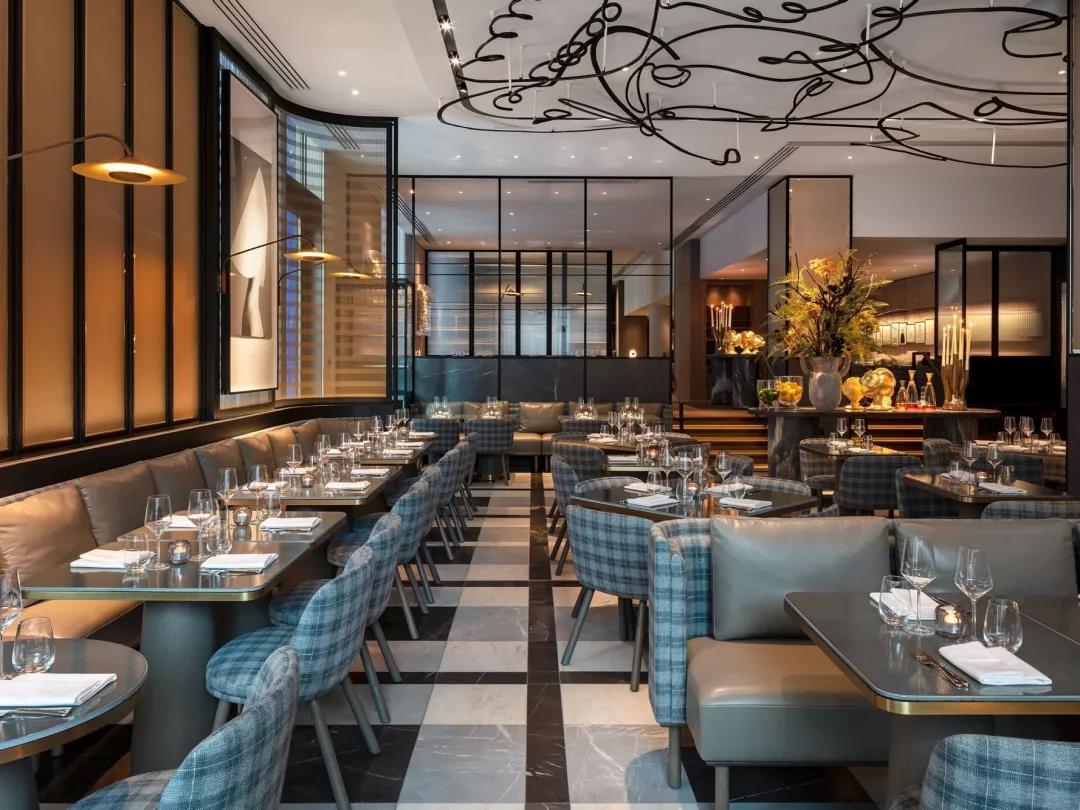
03Argo, Bar, Four Seasons Hotel Hong Kong
Best Cocktail Bar
AB Concept
Hongkong, China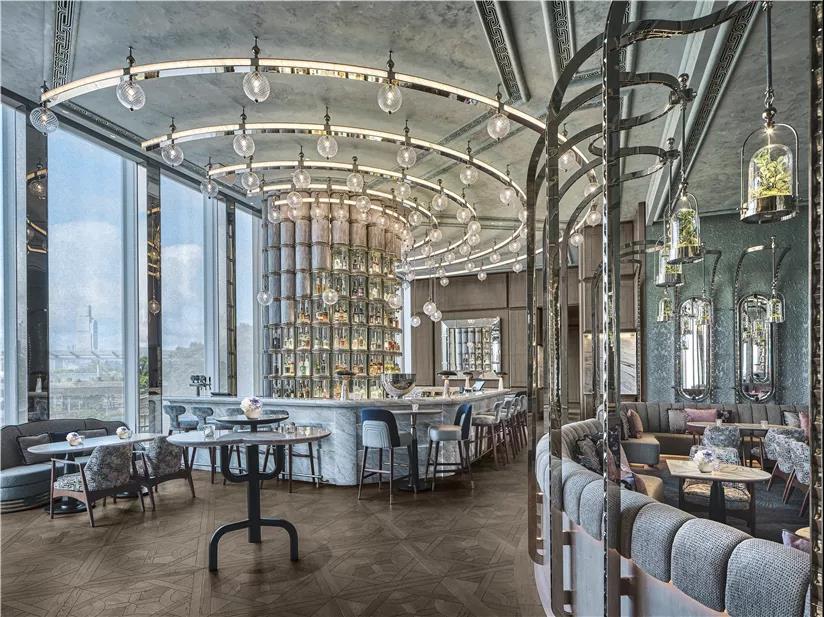
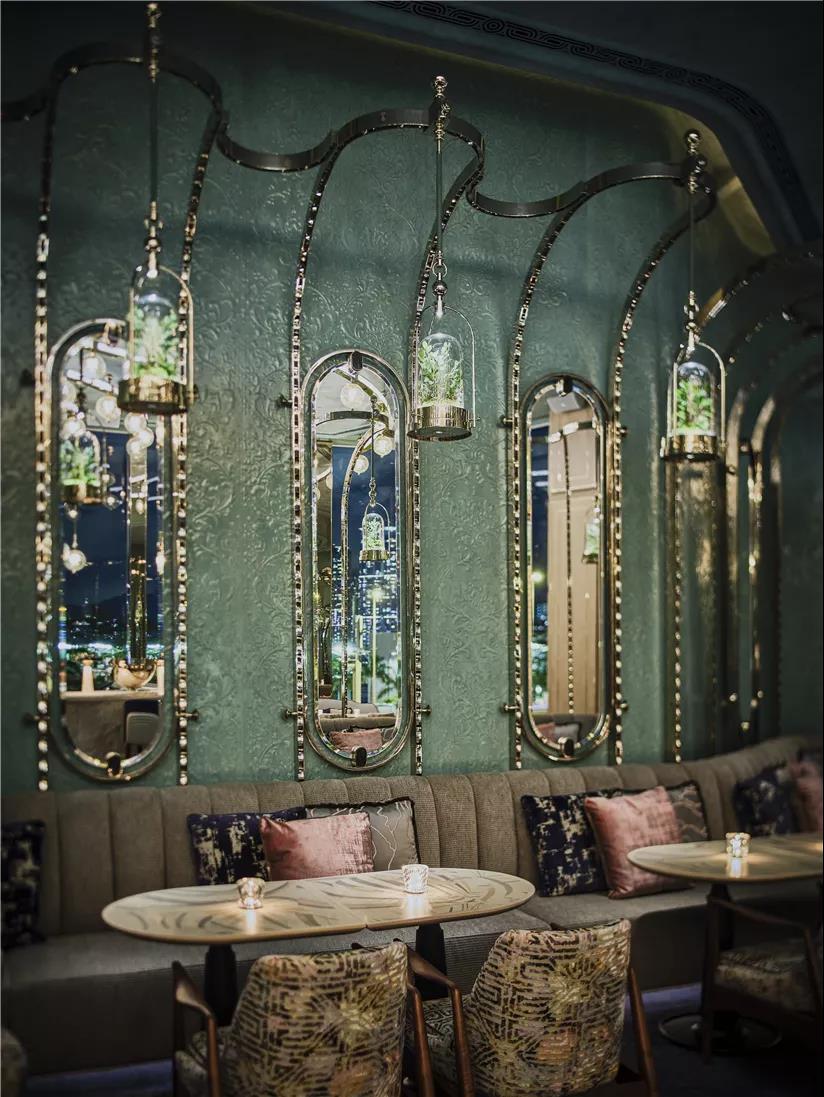
AB Concept designed a new ARGO cocktail Bar for The Four Seasons Hotel Hong Kong to replace the original Blue Bar. The cylindrical bar in the middle has a collection of more than 50 spirits, which are displayed in columns that can be freely combined with switches.
The main seating area of the bar is semi-enclosed to create a sense of intimacy; Open partitions made of polished nickel delineate the boundaries of the space while avoiding impeding guests from enjoying the stunning views.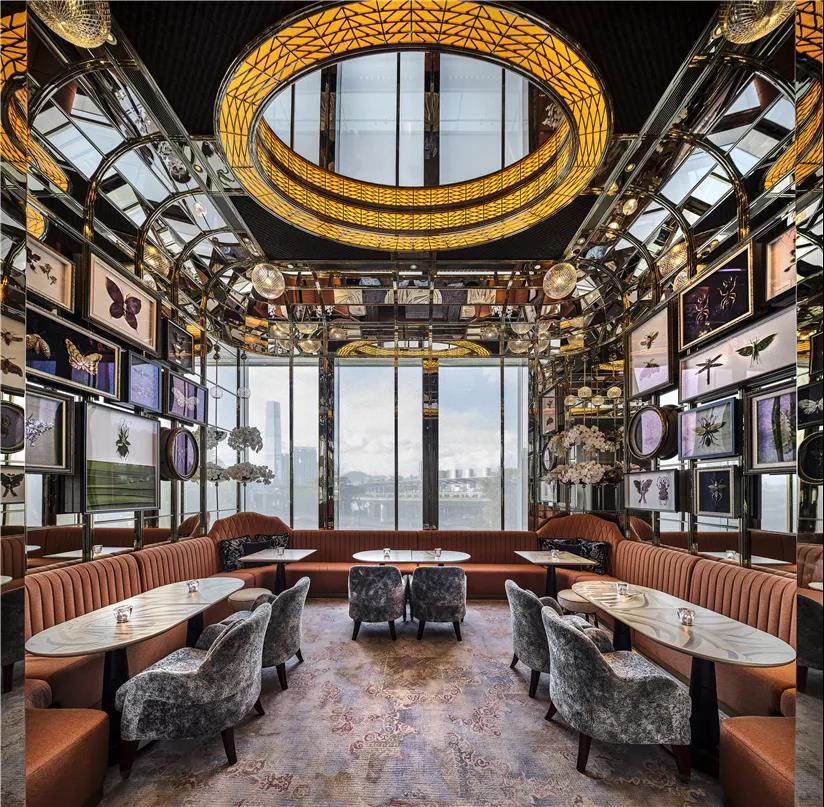
The above is our special pick for the 2021 annual cultural travel project. What do you think to rate this hotel project? Browsing so many gorgeous hotels, B&B, wild luxury resorts, which is your favorite? Feel free to leave your opinion in the comments on which design you picked the most and which you liked the most.All images via Google & Design Together
Related article:
***********************************
SOA Arts, an art consultancy & artwork factory that served many interior designers and art dealers, has accumulated a wealth of experience in the art decor industry.
For the interior designer, whether you are looking for ready-made artworks or customized artworks, we can meet all your needs. Moreover, we can also offer professional art solutions according to your project.
For the hotel, we recommend different areas match with different artworks; for example, lobby with stunning and eye-catching artworks, room with warm and relaxing artworks.
All in all, whatever your project is, we can provide corresponding art solutions.-End-
-
PREAMBLE
2021 has ended, 2022 is coming. With the pace of winter, it seems that the design industry is also approaching cold winter, but fortunately, there are still many excellent design projects in our vision to bring us the power and courage to move forward.
Today's theme, "Best Hotel, B&B, Resort Design of 2021", was carefully selected for you. Mainly talk about their interior design, art deco, hope you can get some inspiration from it. We will divide the list into 6 parts, which is too long. We will split it into part 1 and part 2. The following part will be updated soon. Take a look!
ONE
City Hotel***
01
The Londoner
Best Boutique Hotel
Yabu Pushelberg
London, UK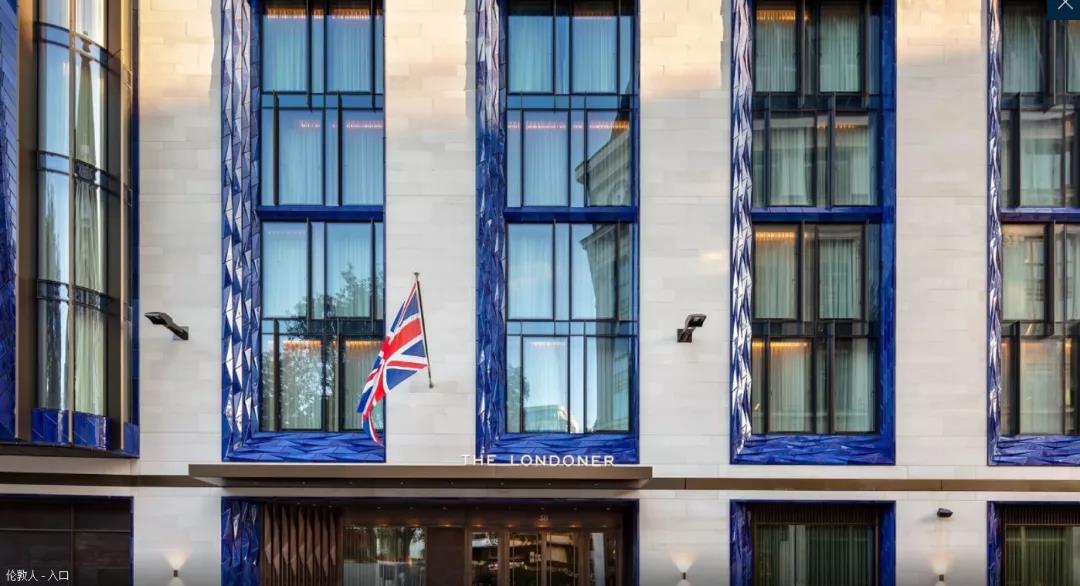
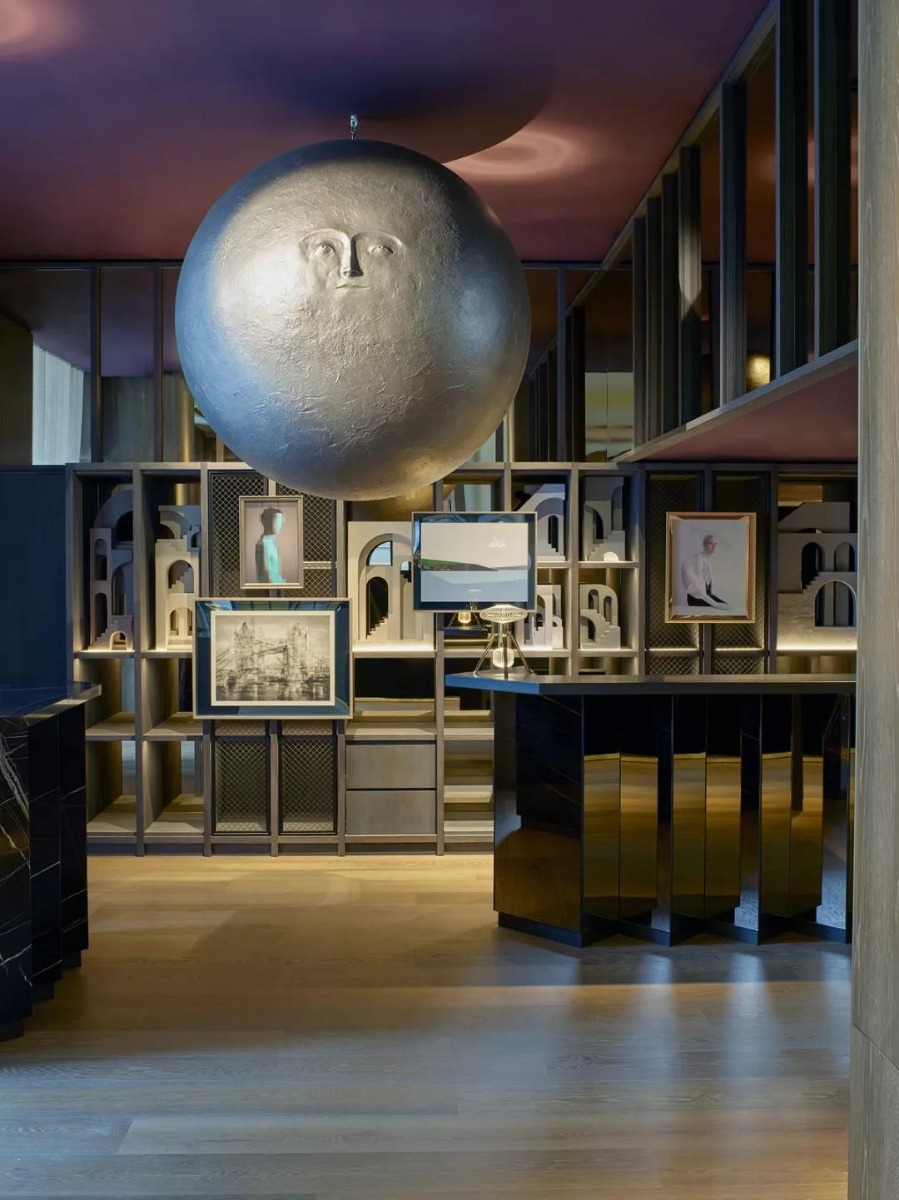
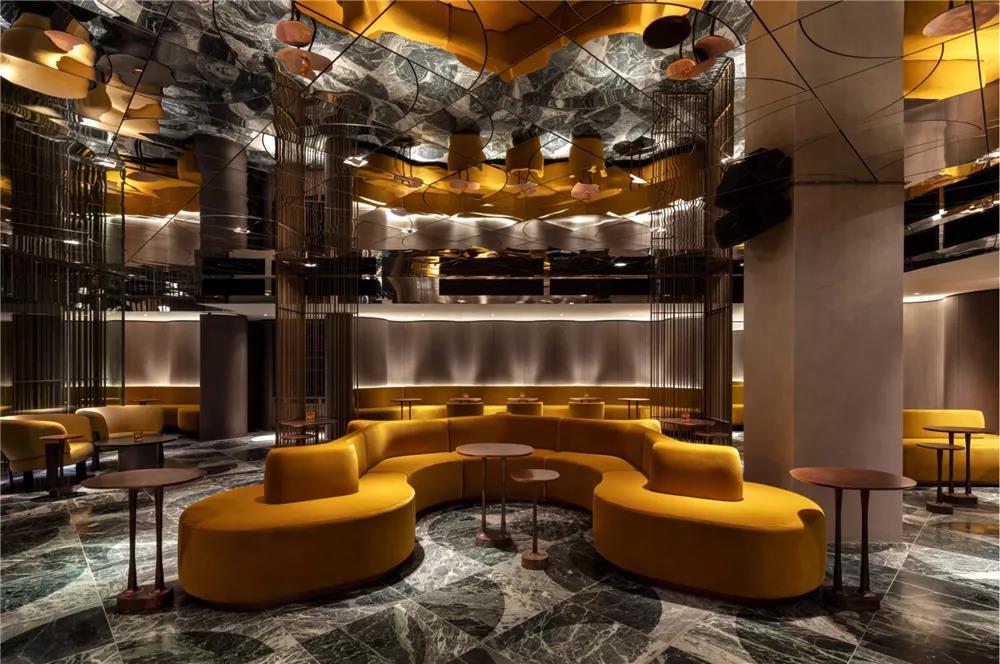
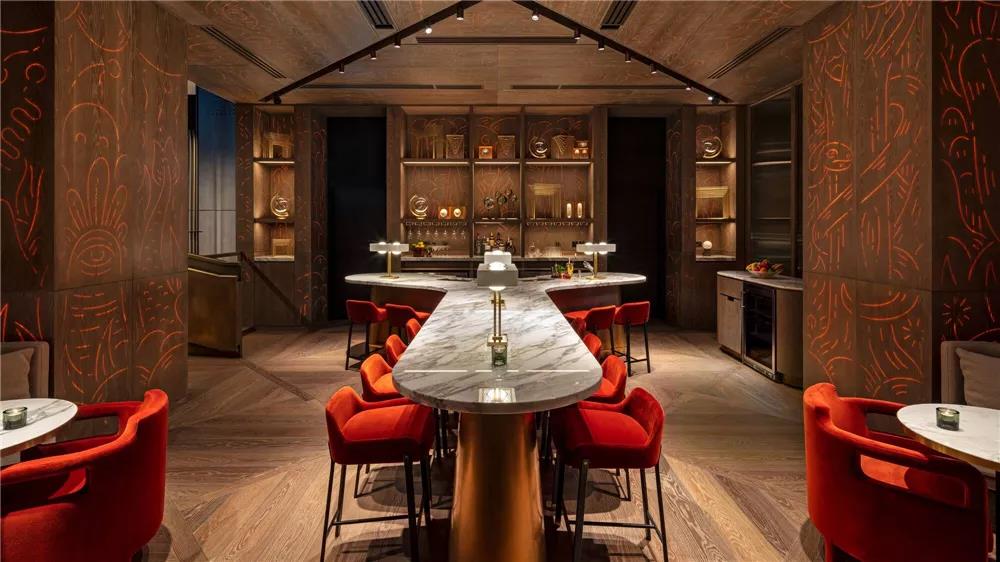
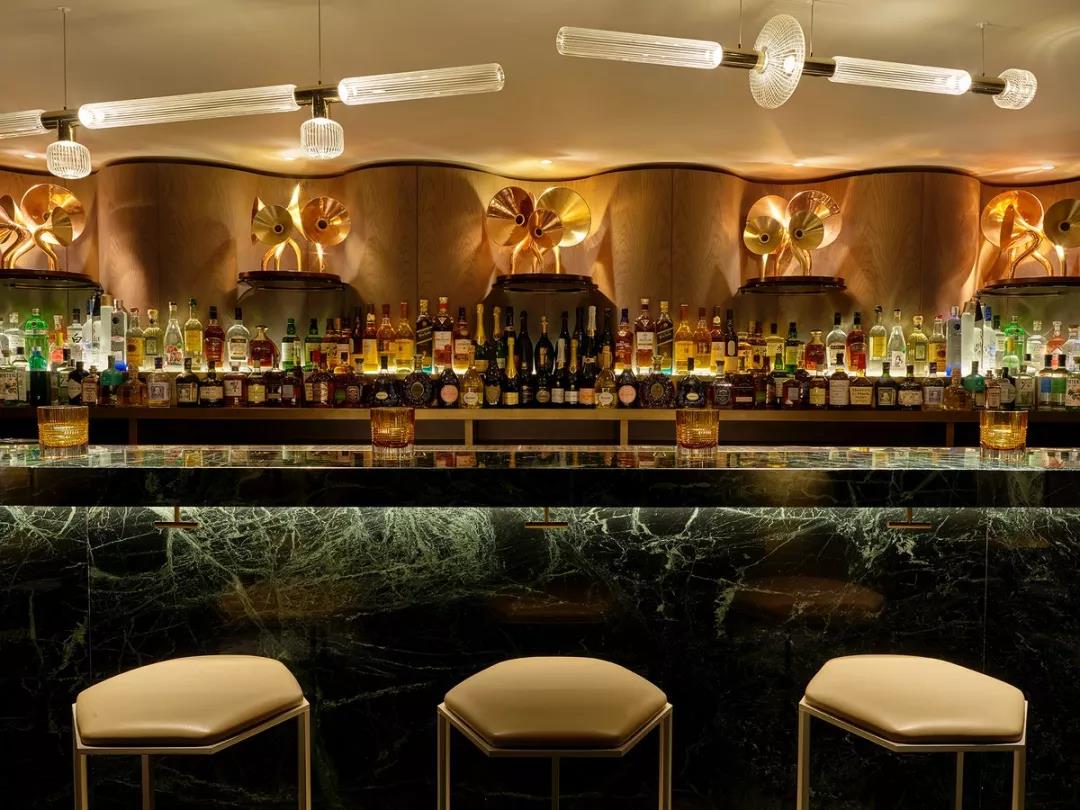
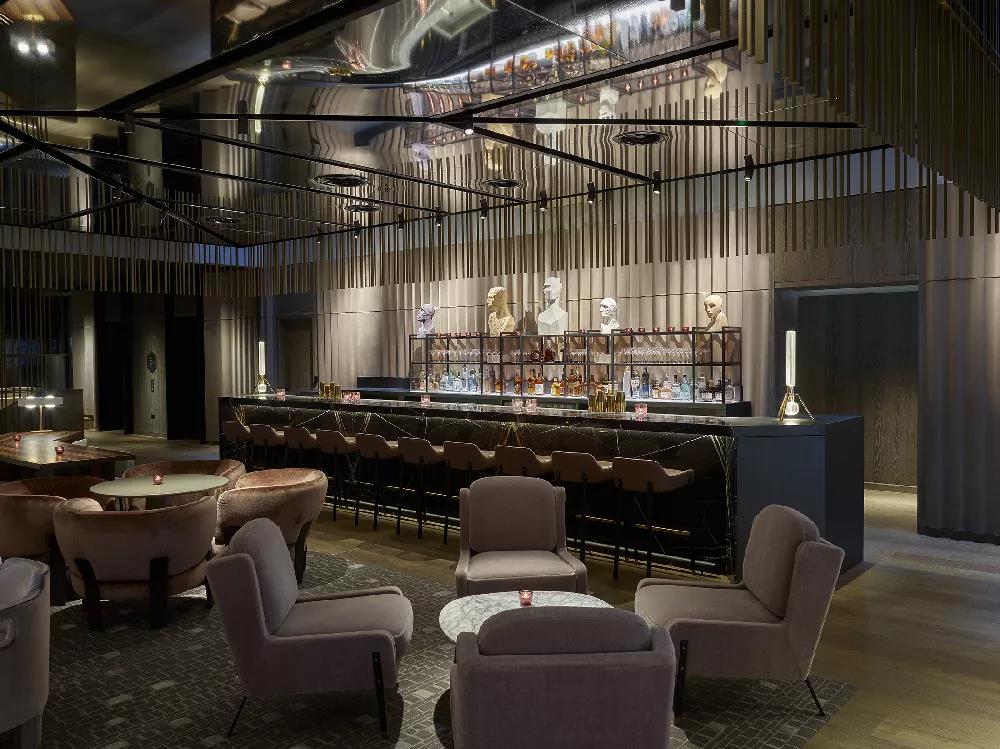
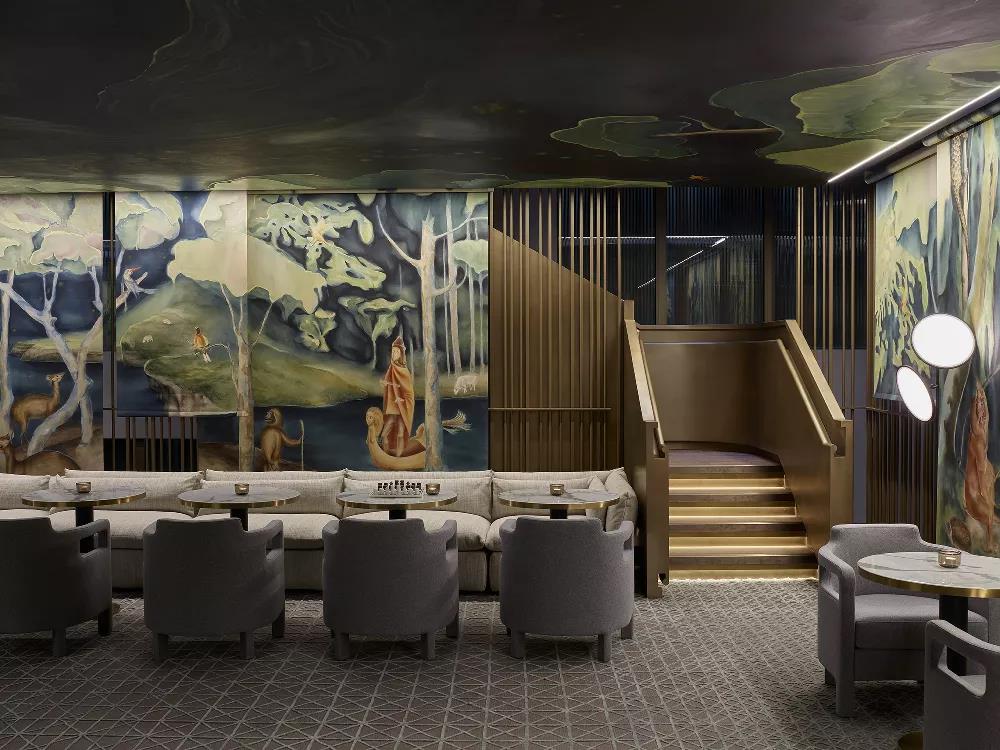
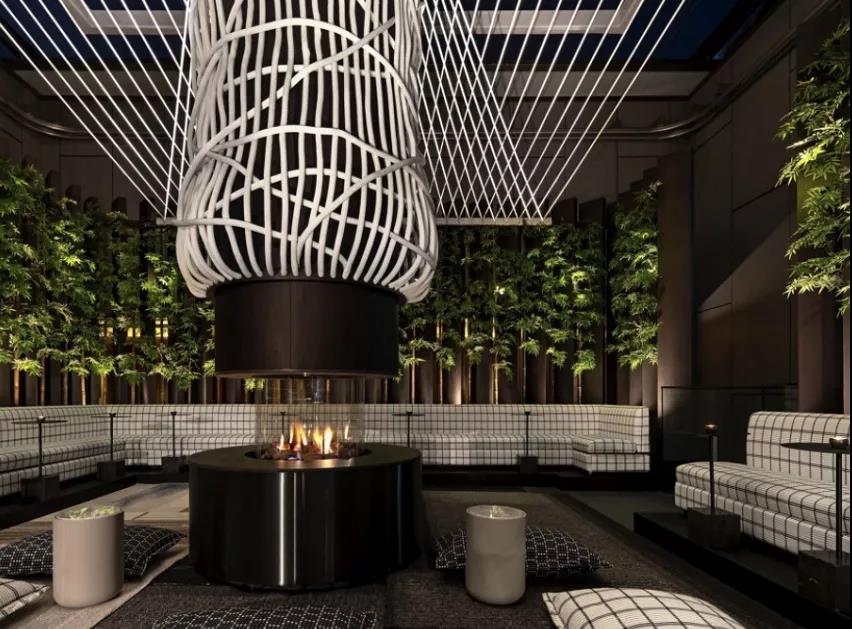
The Londoner is located in the world-renowned Leicester Square, the center of The West End of London, and Leicester Square is also a place with a rich drama atmosphere. Luxury hotel professional Yabu Pushelberg has set the tone of "stage experience" for interior design, shaping this city boutique hotel.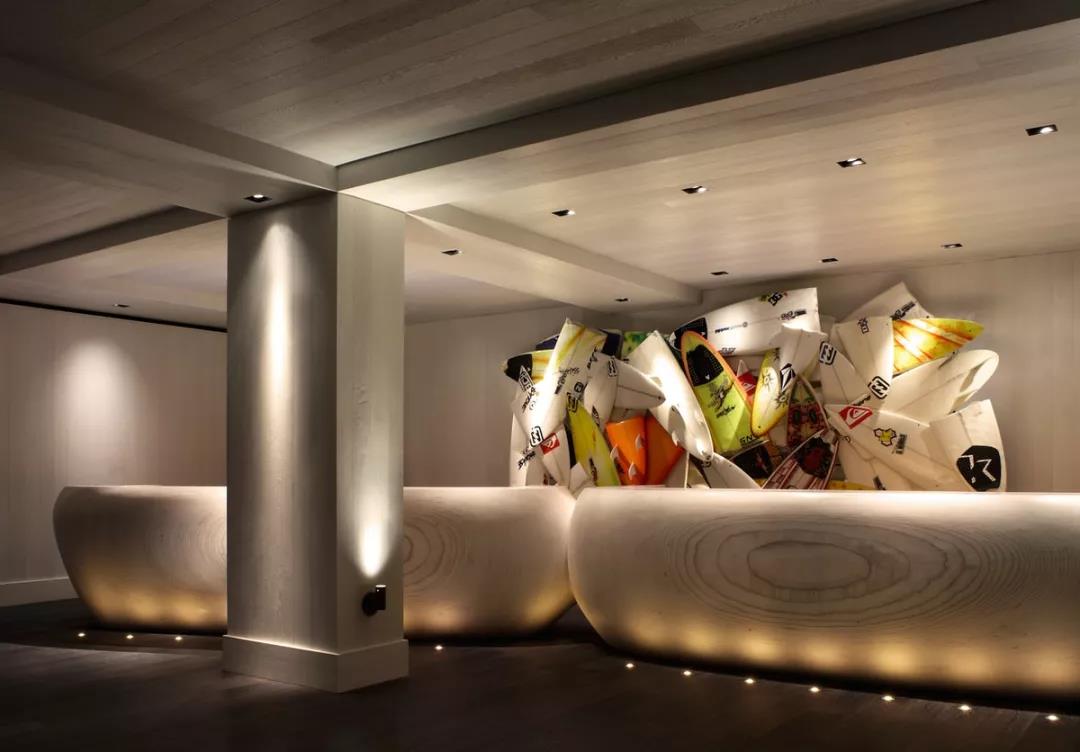
02Cheval Blanc Paris
Best Luxury Hotel
Édouard François + Peter Marino
Paris, France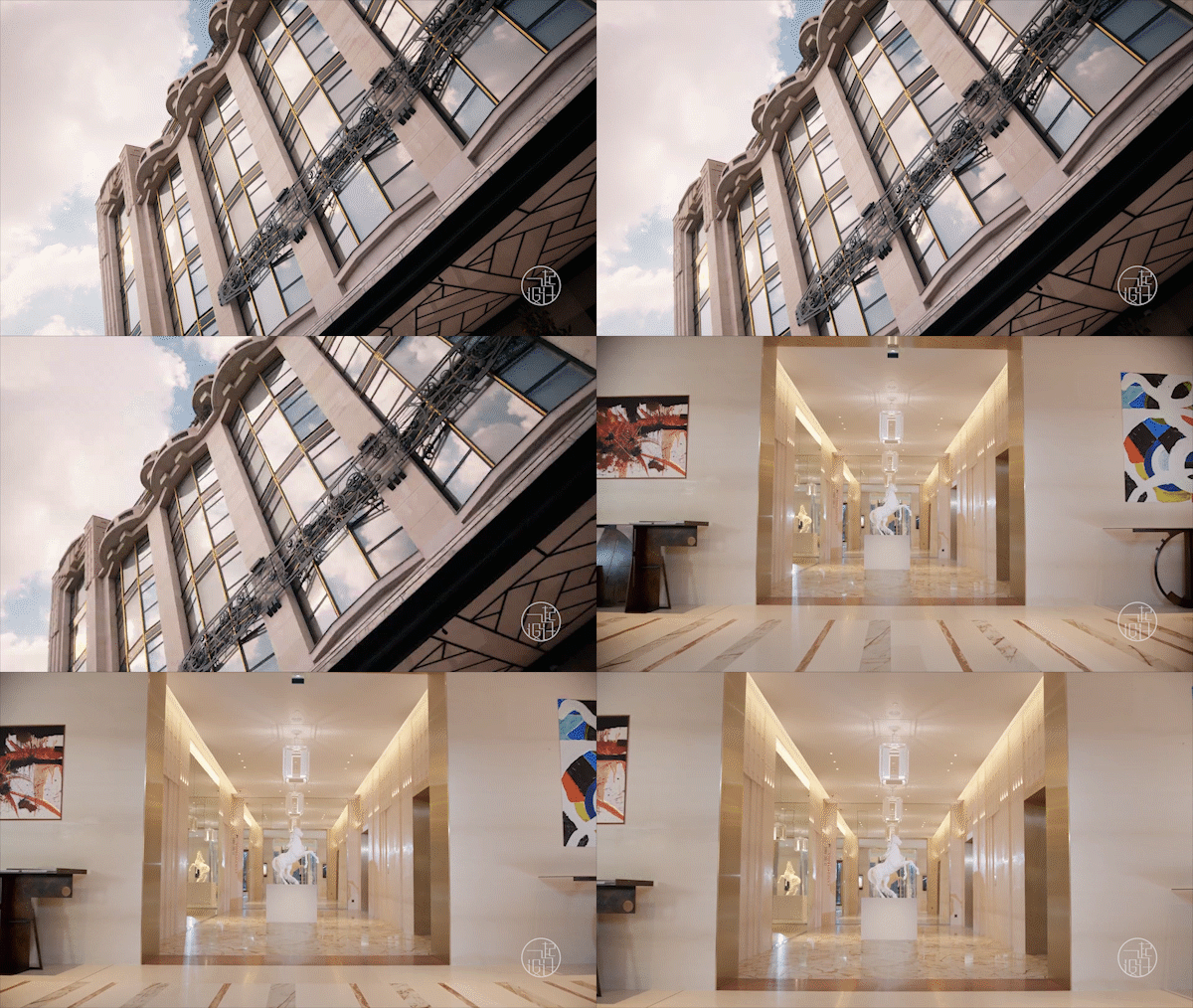
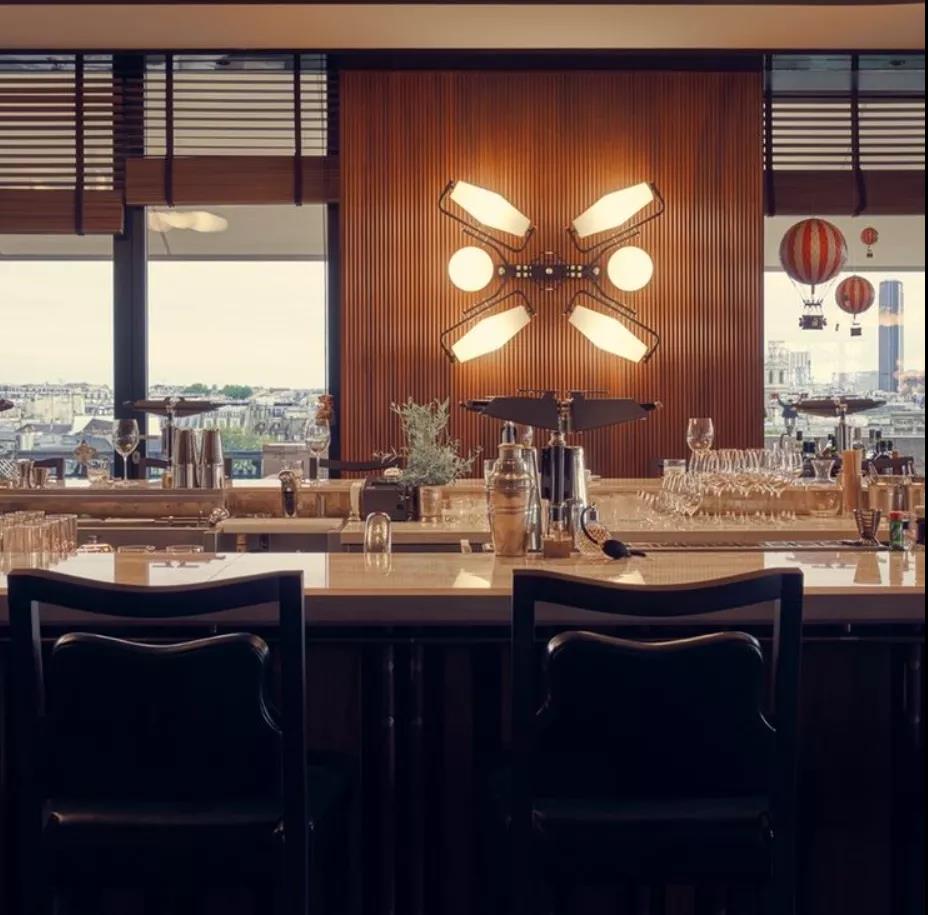
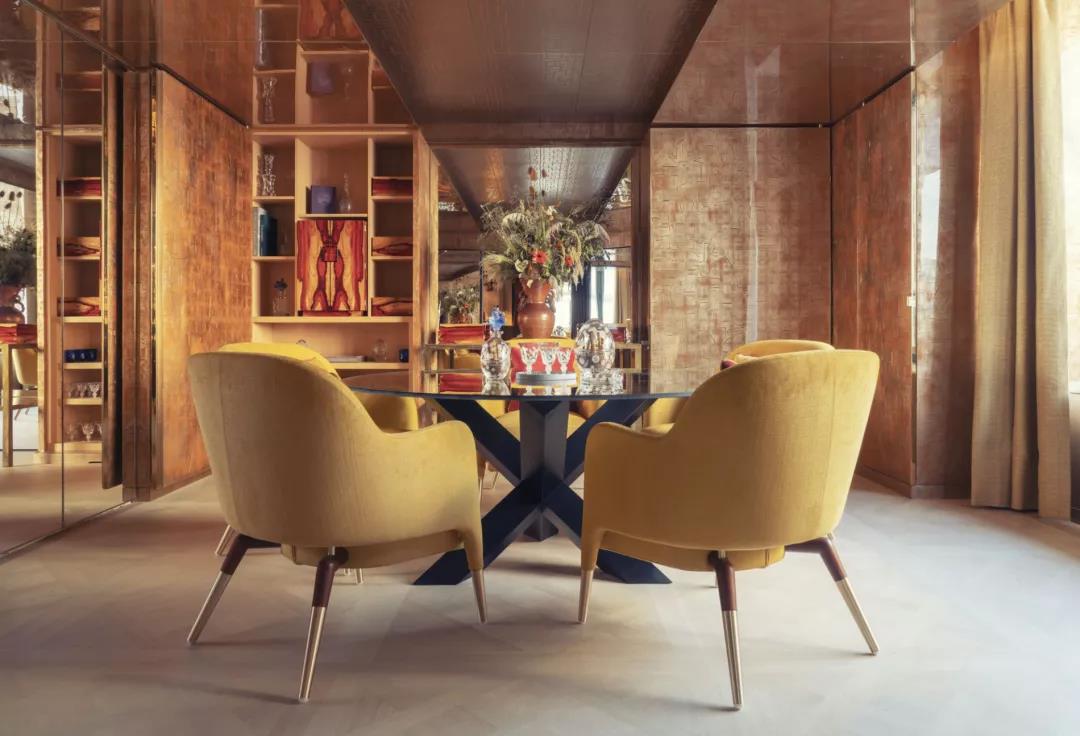
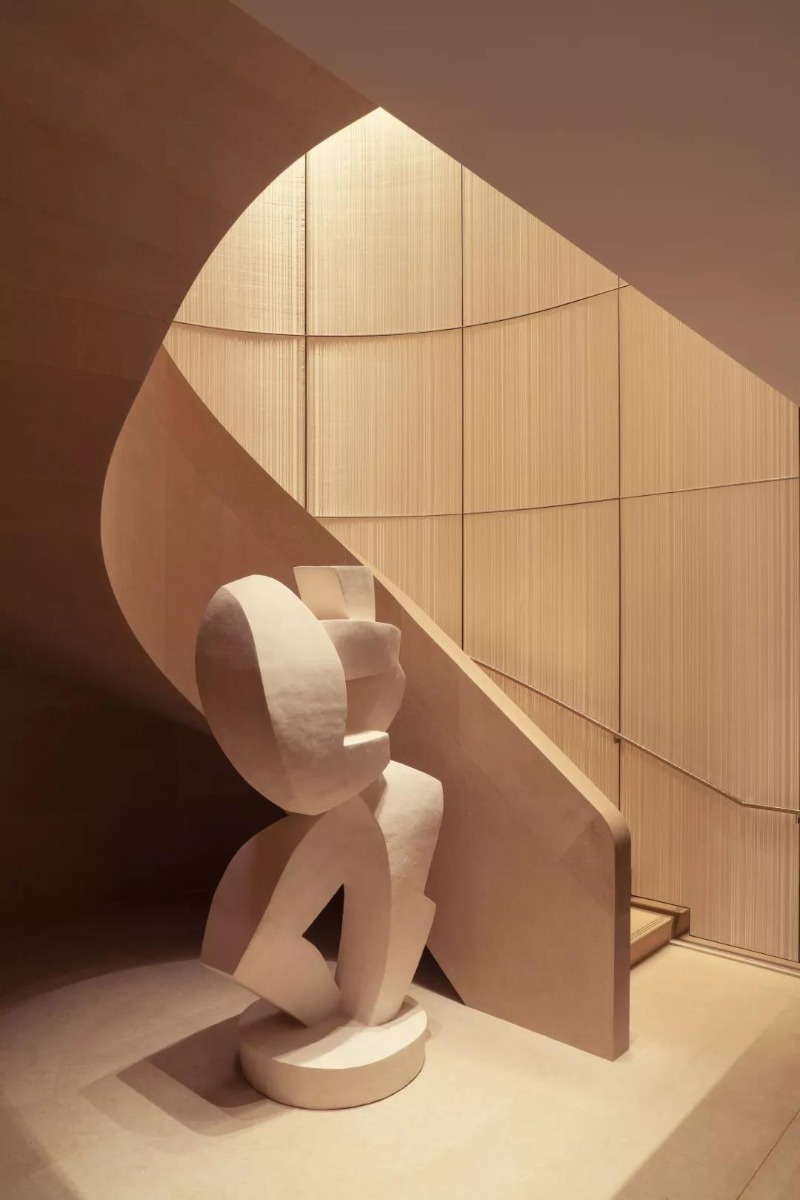
A night at Cheval Blanc Paris, LVMH's first luxury hotel in the city, starts at about 8,000 renminbi. It is next to La Samaritaine, a shopping mall that went viral this year, and is part of a large urban complex built by LVMH.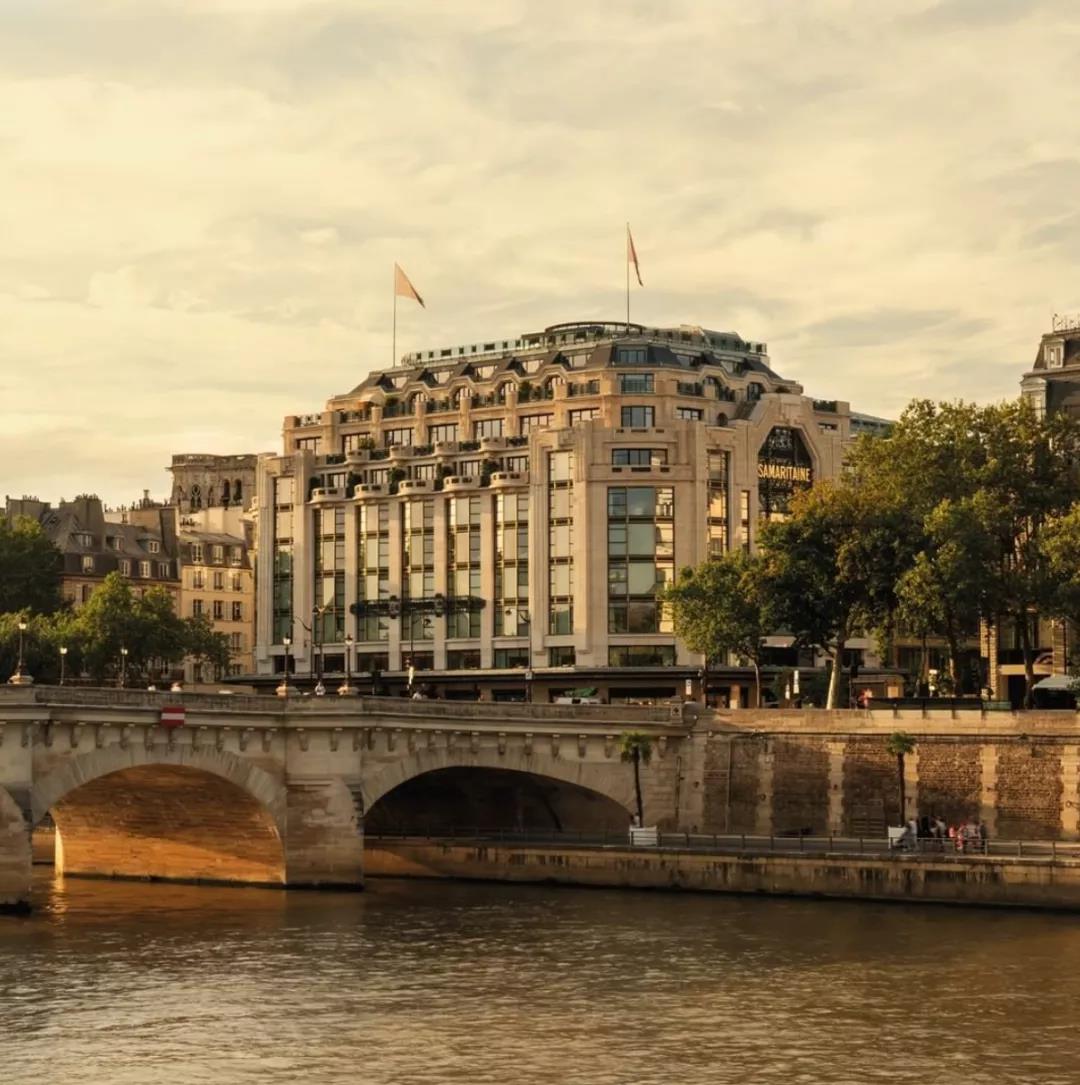
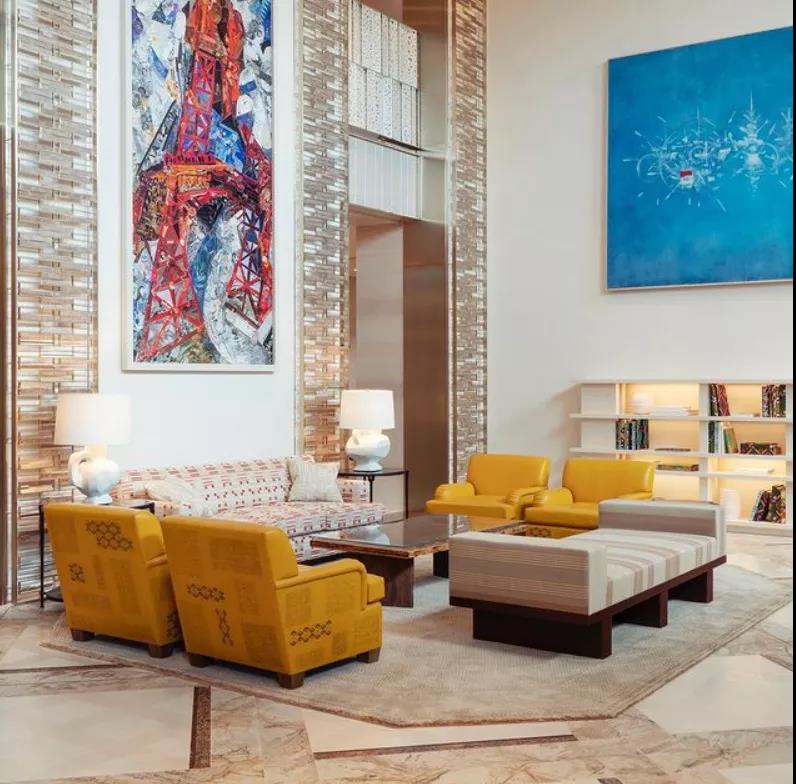
Restored by architect Edouard Francois and designed by Peter Marino, the hotel's superb craftsmanship and luxurious interiors are beyond doubt. The goal, naturally, is to attract high-net-worth individuals and up luxury hotels to new levels.
03W Hotel Changsha
Best Brand Chain
CCD Hong Kong Zhengzhong Design Office
Changsha, China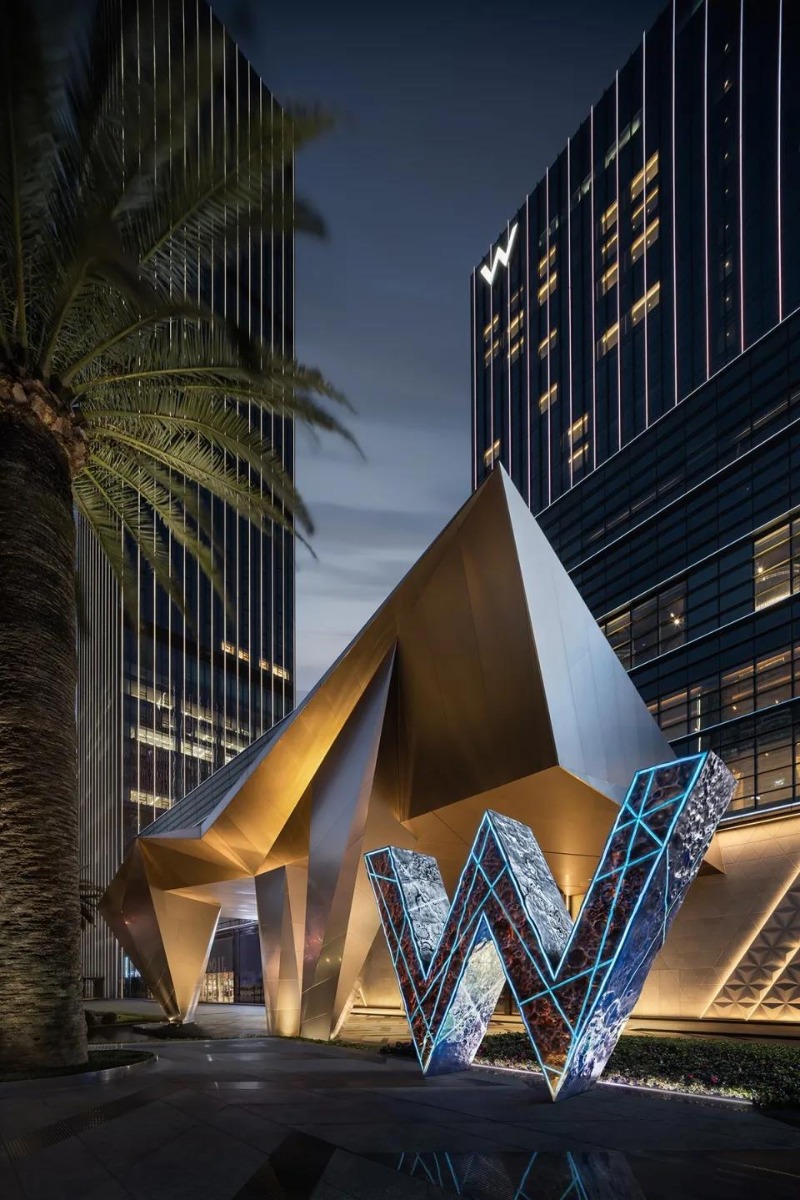
Hotel exterior appearance © king hall | CCDW is a modern luxury lifestyle brand owned by Marriott International with top traffic. Inspired, trend-creating and bold innovation, W hotel has a clear target of guests who are the creators of those fashion trends.
With the genes of Changsha city and W brand, CCD integrates industrial style and creates a cosmic adventure of W in design, art, and technology.
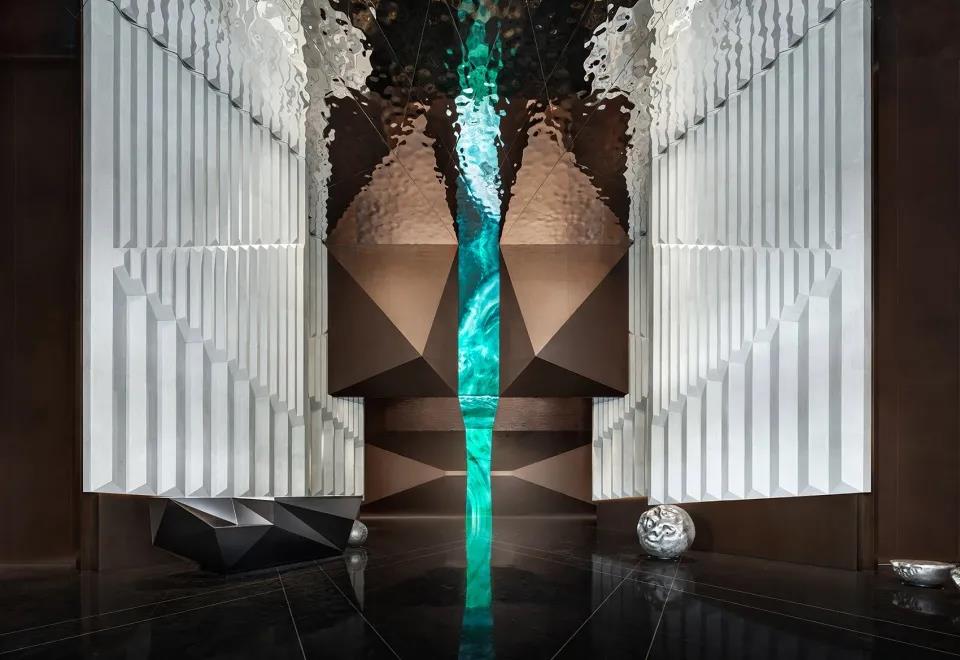
Arrived at the lobby © king hall | CCD
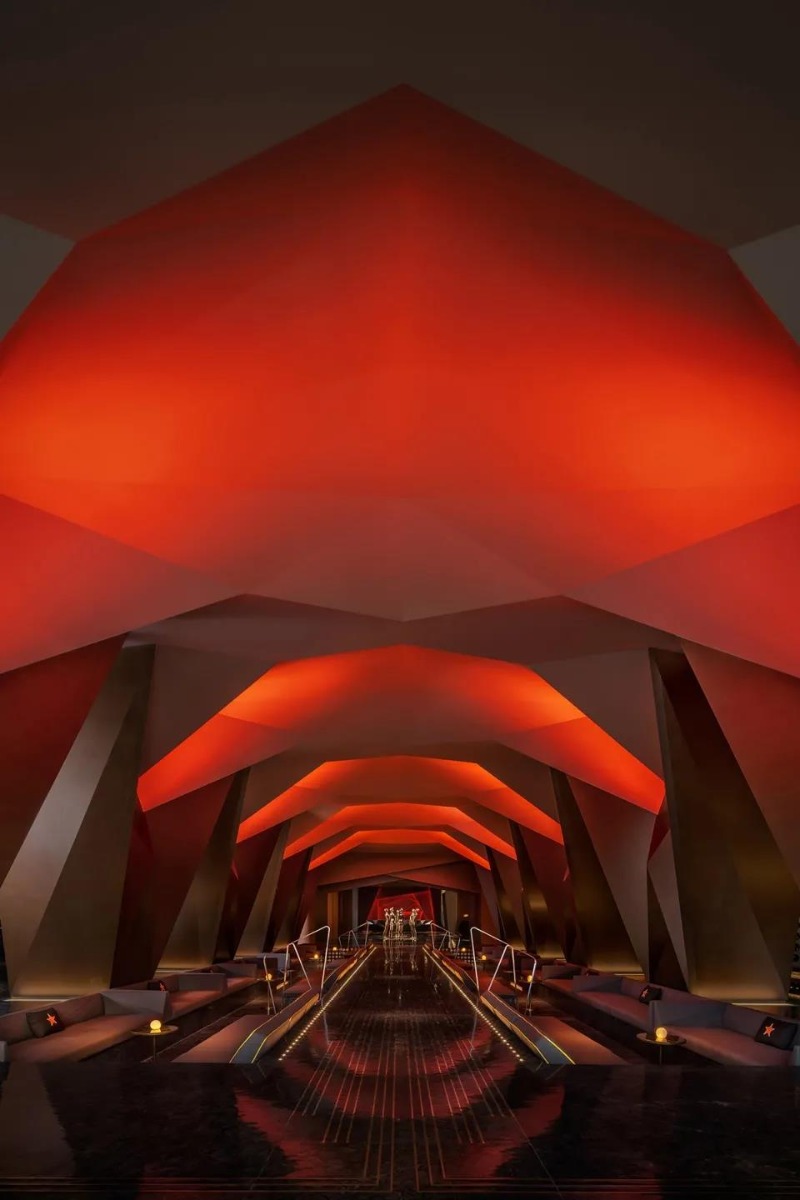
Lobby bar © king hall | CCD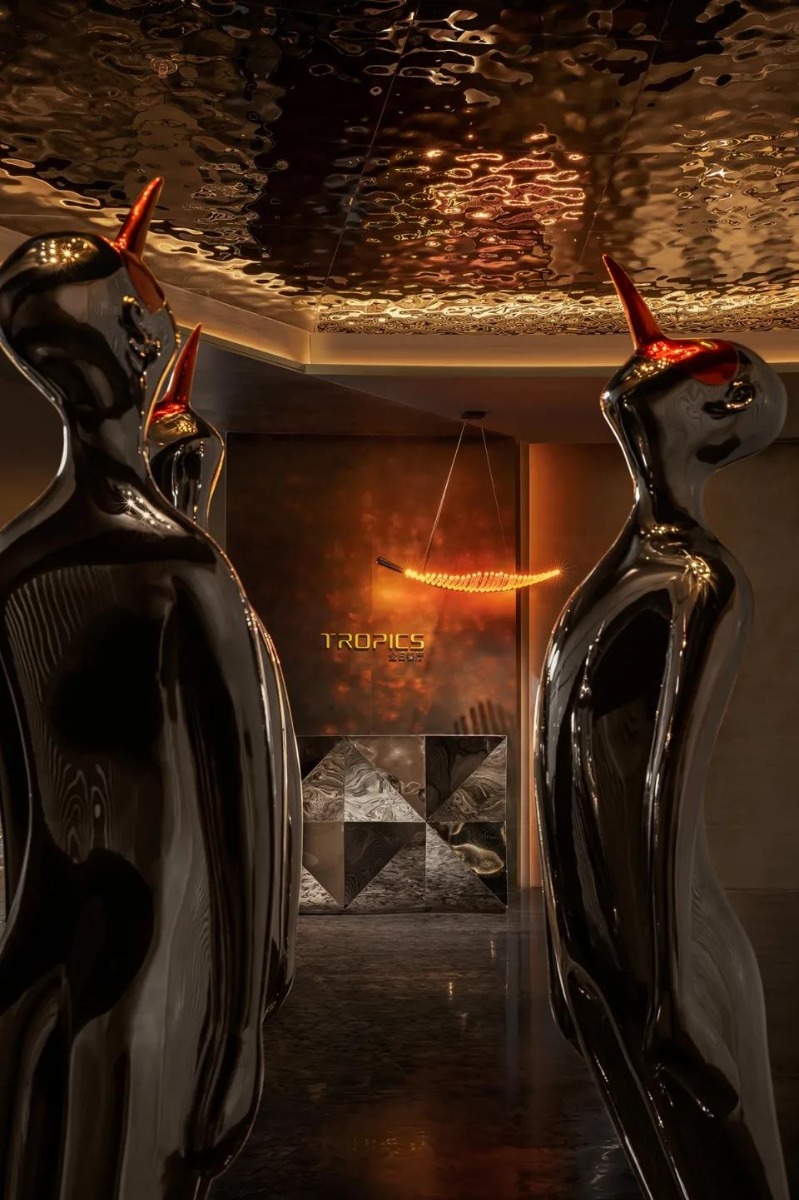
All-day restaurant entrance © king hall | CCD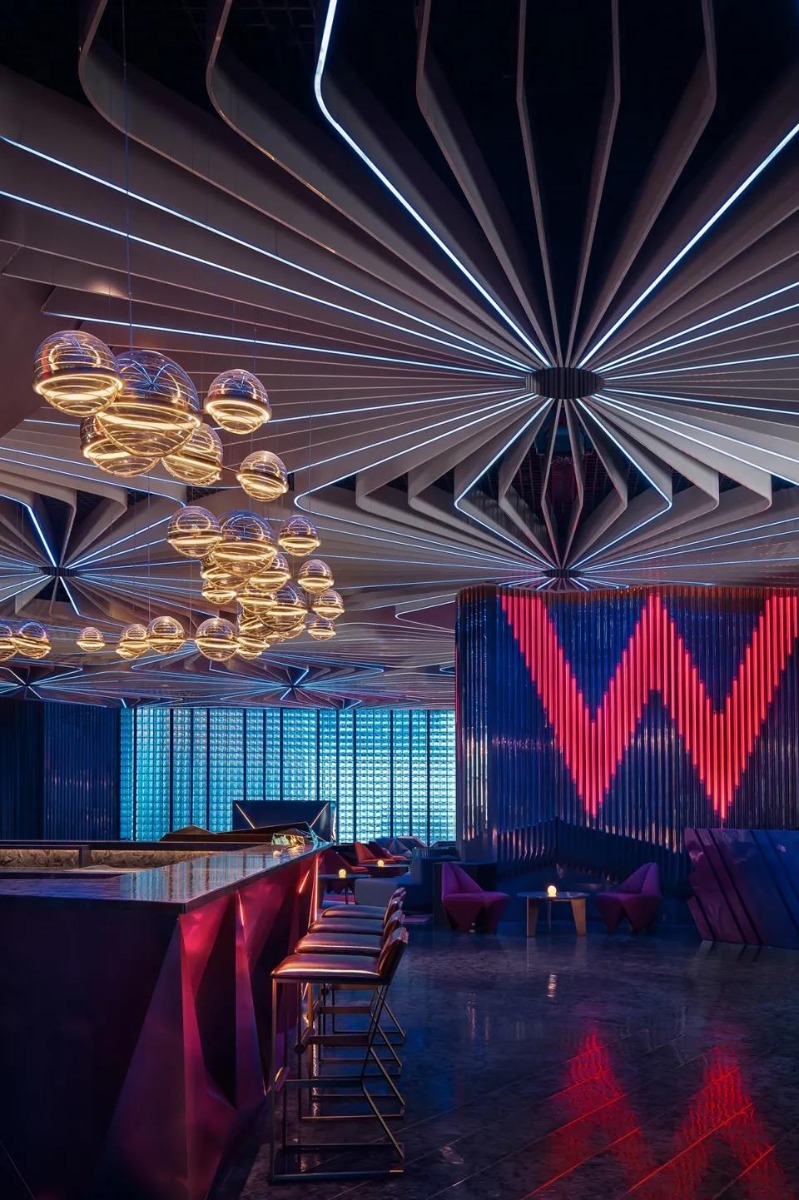
Star House © king hall | CCD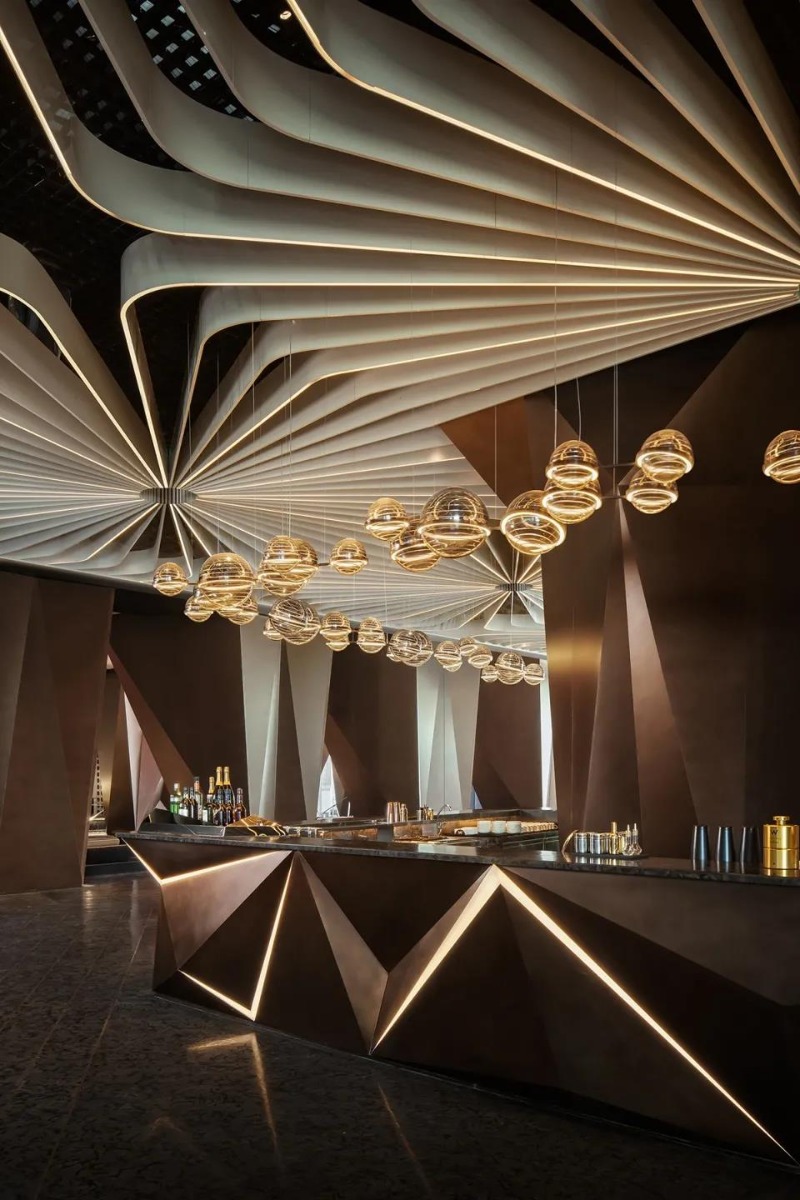
Pub © king hall | CCD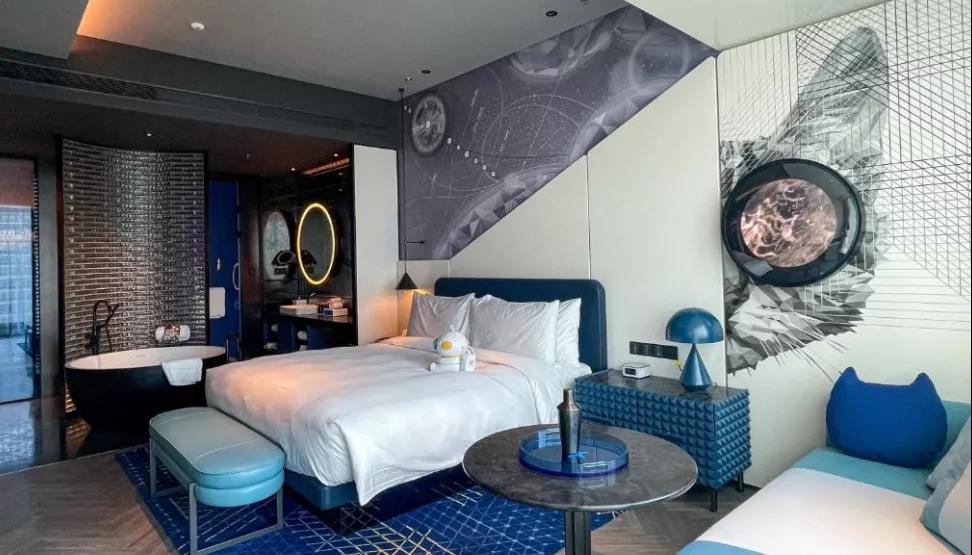
Guestroom04
Azumi Setoda
Best Emerging Brand
Shiro Miura
Seto-Naikai, Japan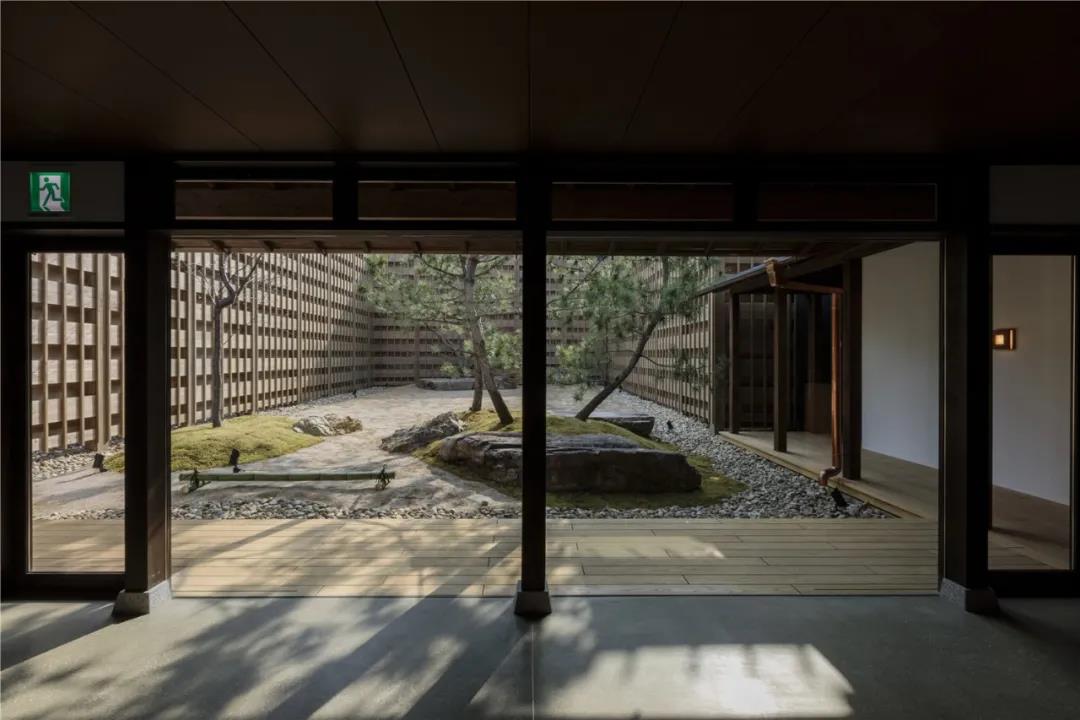
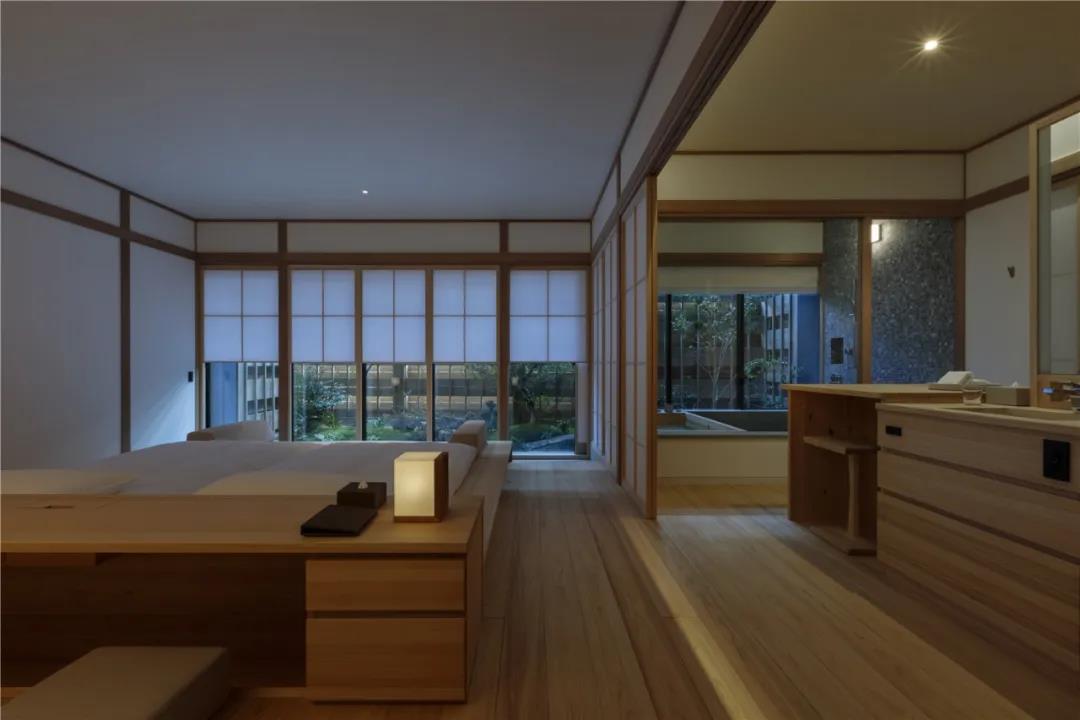
The first Azumi hotel, "Azumi Setoda", a joint venture between Aman hotel founder Adrian Zecha and Japanese hotel group Naru Developments, has opened on the Seto Naikai in Japan. Each Azumi hotel will serve as a vehicle for conveying local culture, outlining Japan's diverse traditional cultural roots.Saying goodbye to the impression of "modern and luxurious", Azumi takes the traditional Japanese style hotel as the base to bring guests a warm experience at home.
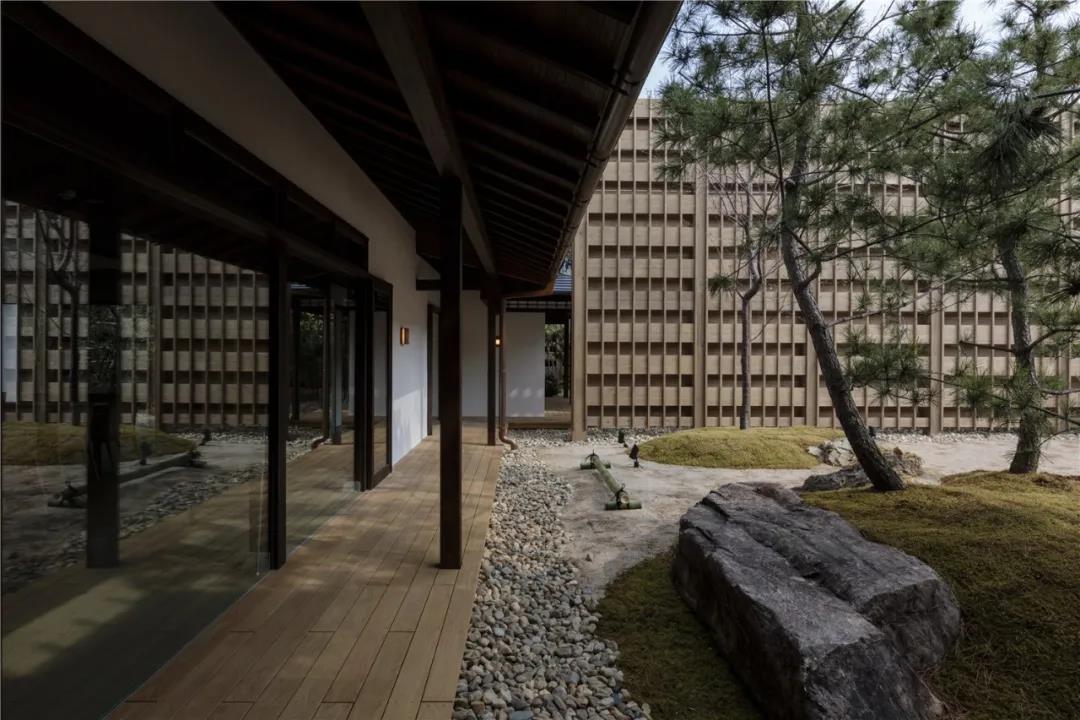
Japanese style public courtyard ©Tomohiro Sakashita
©Tomohiro Sakashita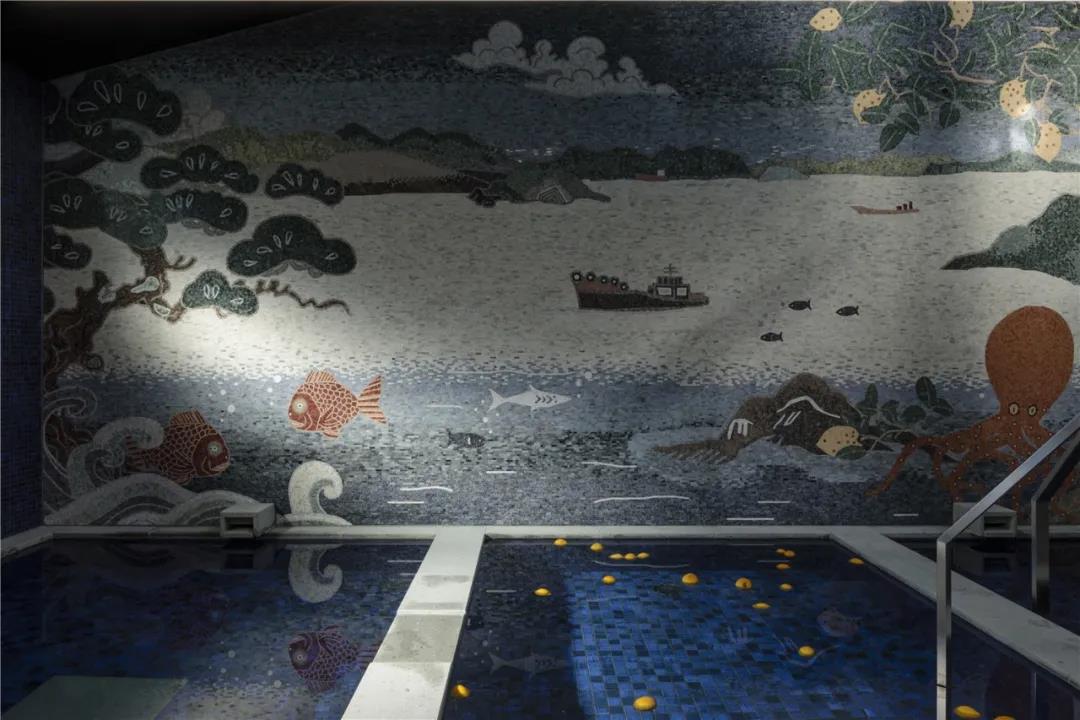
©Tomohiro Sakashita05
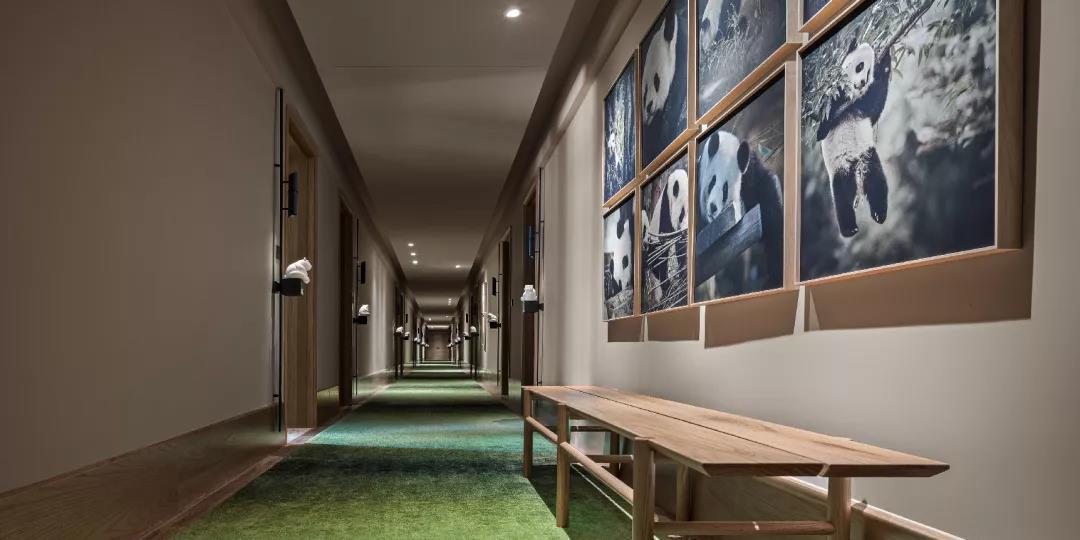
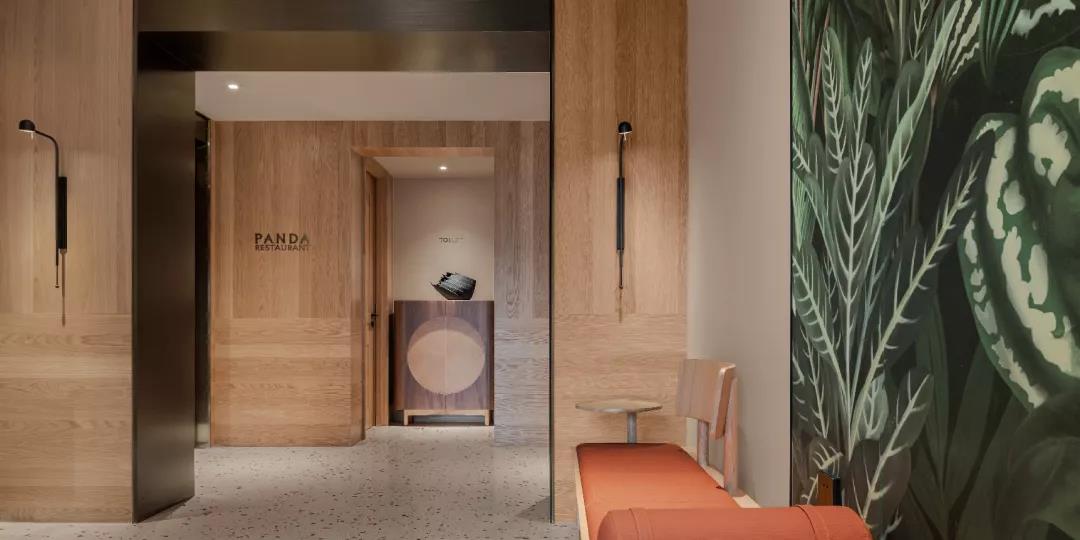
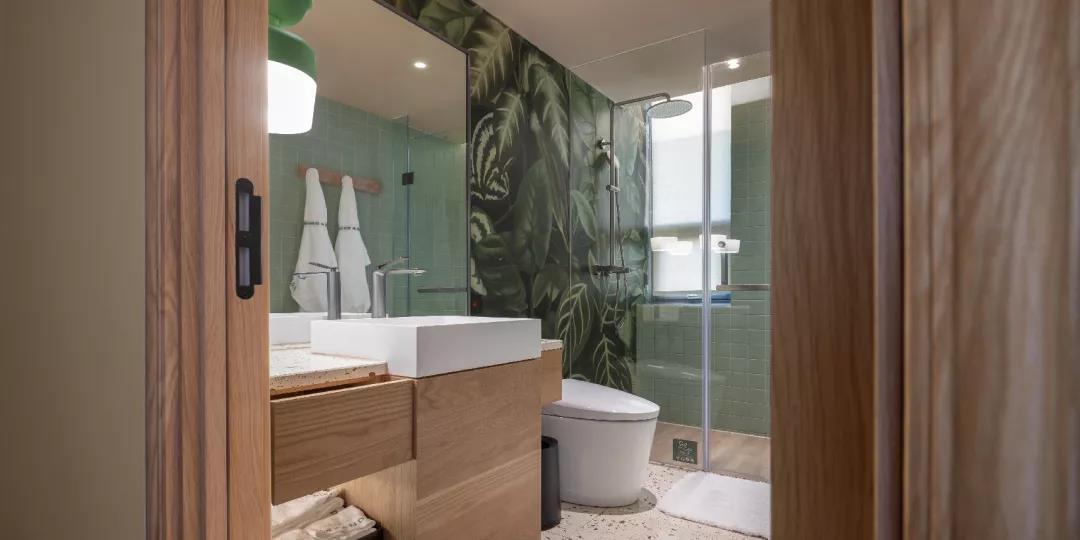
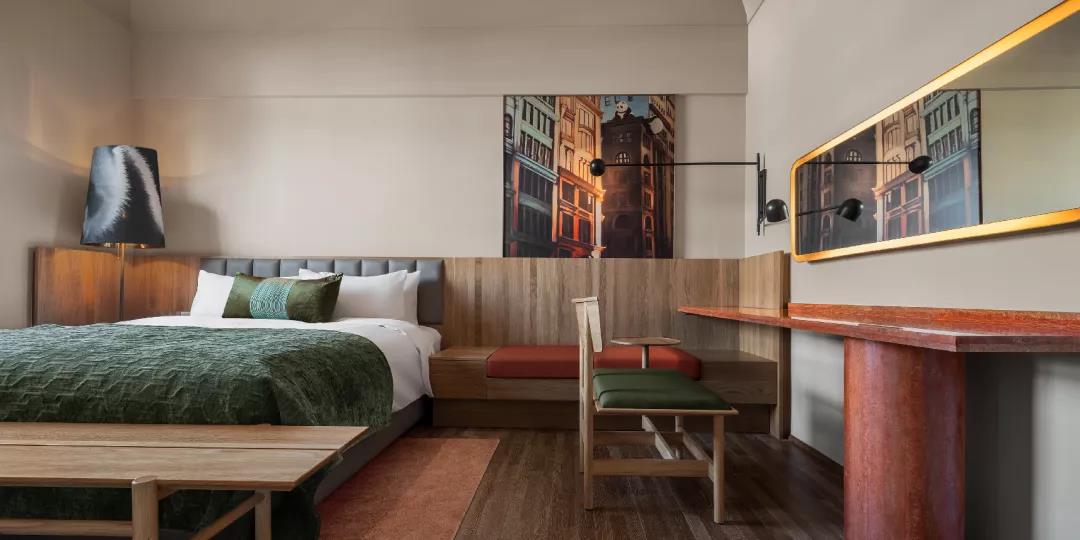
Sleepy Panda
Best City Hotel
Xu-Dong Lai
Chengdu, Sichuan province, China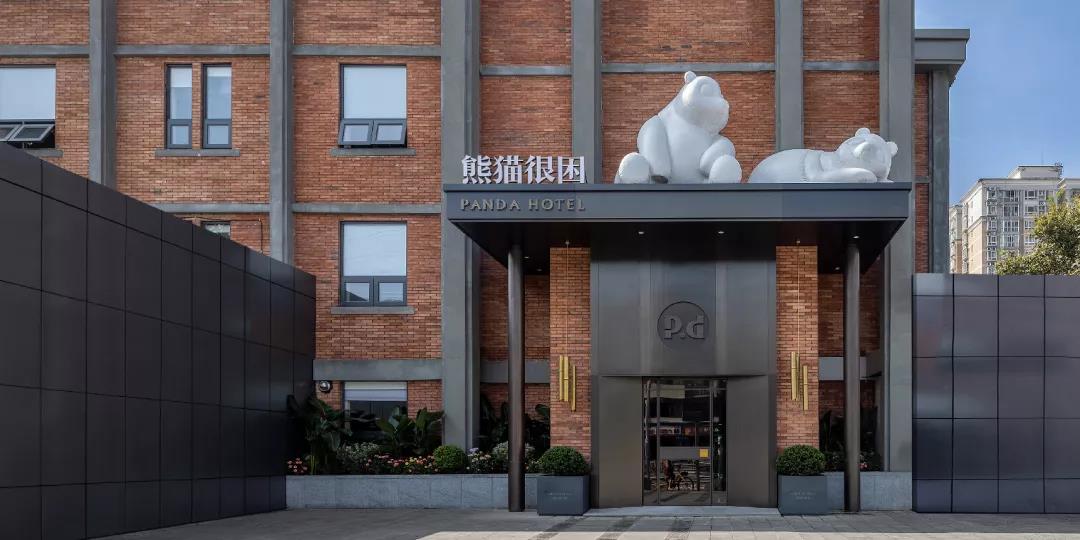
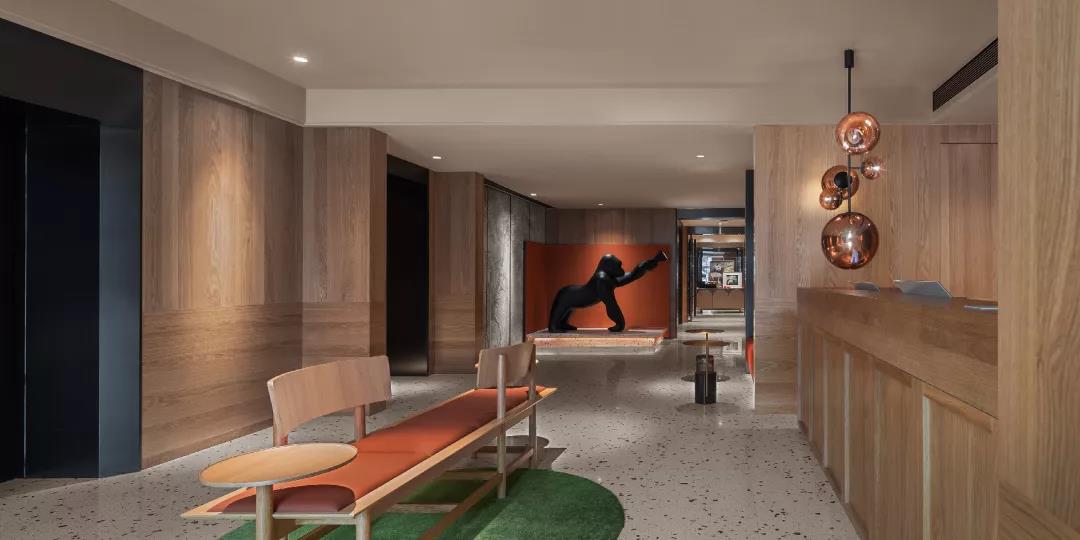
The project is located in Shuiyanhe Street, Chengdu city, Sichuan Province. It was initially an office building built in the 1980s in the family area of Panzhihua Iron and Steel Enterprise. Limited to the original building's complete brick-concrete structure, it cannot be rebuilt. The project is two kilometers away from Taikoo Li. It adds a visually contrasting color and a trendy style like ancient Chinese, destined to be the haunt of young consumer groups.
Above the canopy, there are several modes of white eye panda designed by the commissioned sculptors, charmingly naive, and enlarge the difference with each street black and white panda, more conducive to the place clock-in and clever metaphor: good sleep goodbye to dark circles at hotel.
TWO
Before&after Hotel
***
01Raffles London
Best architectural Heritage
EPR Architects Thierry Despont
London, UK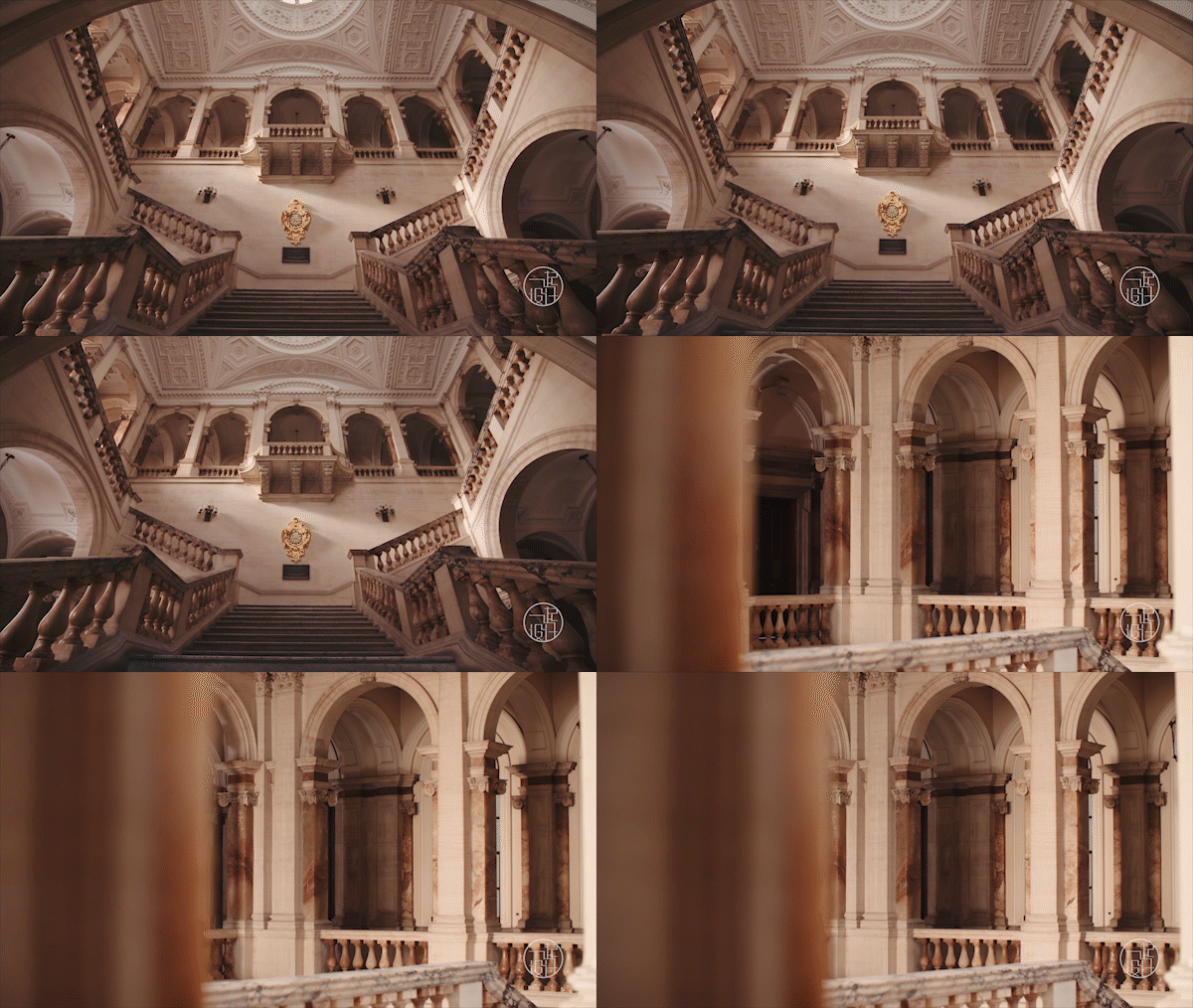
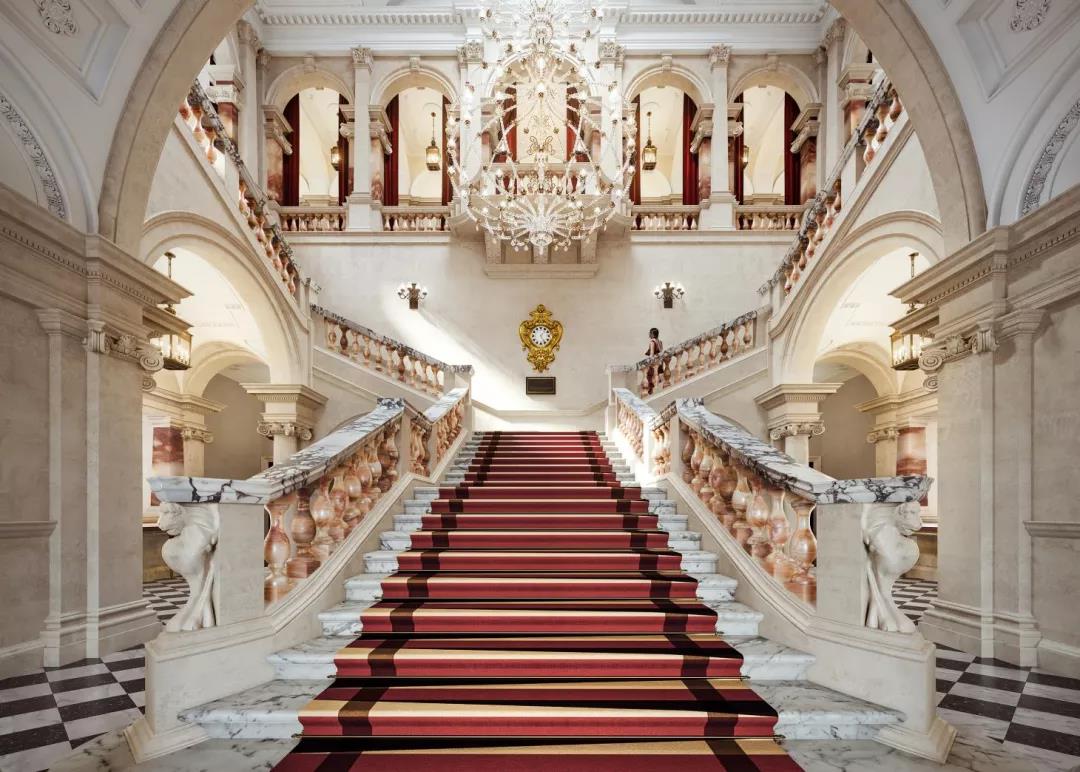
Raffles London, the first of its kind to open this year, is one of London's iconic buildings, built from The OWO office where Winston Churchill once worked. It dated back to 1906 and was initially designed by William Young.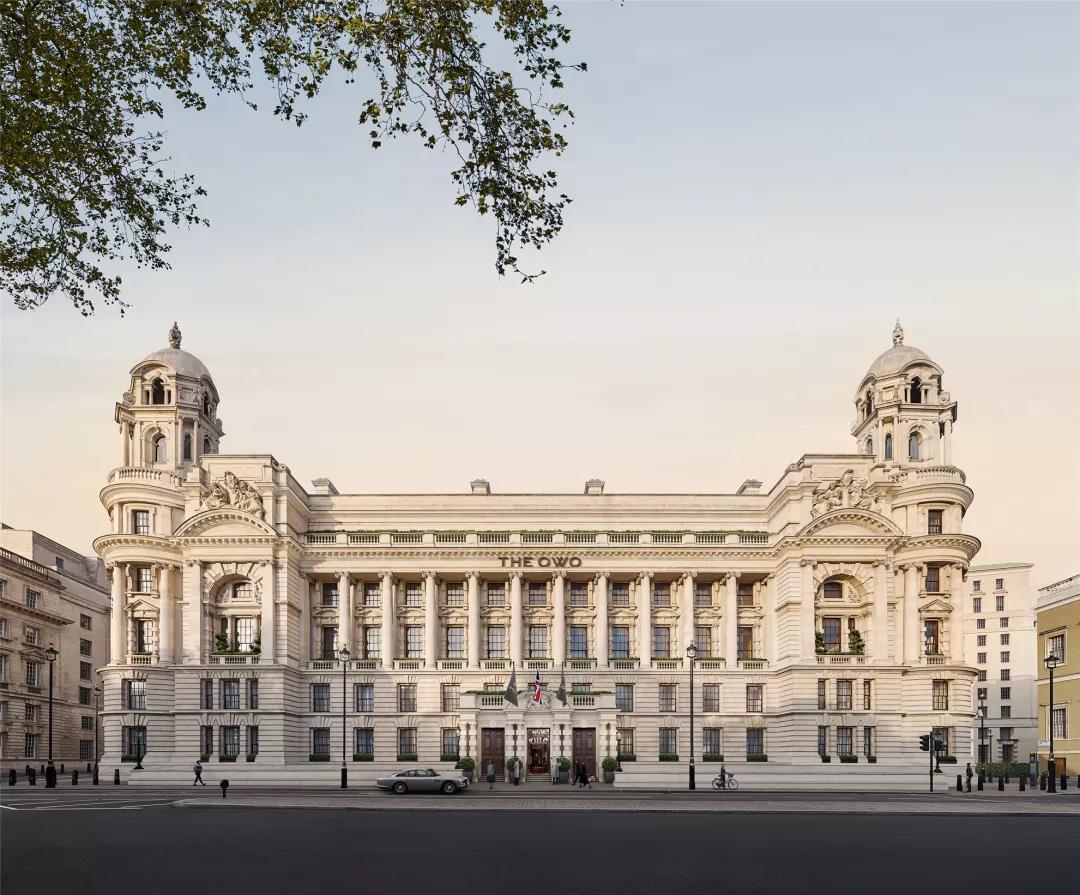
The exterior of the restored building
British firm EPR Architects was commissioned to renovate the building, and New York-based designer Thierry Despont designed the hotel's interior. The joint transformation from the old war office to the serviced apartment is a continuation of the legend in the way of urban renewal.
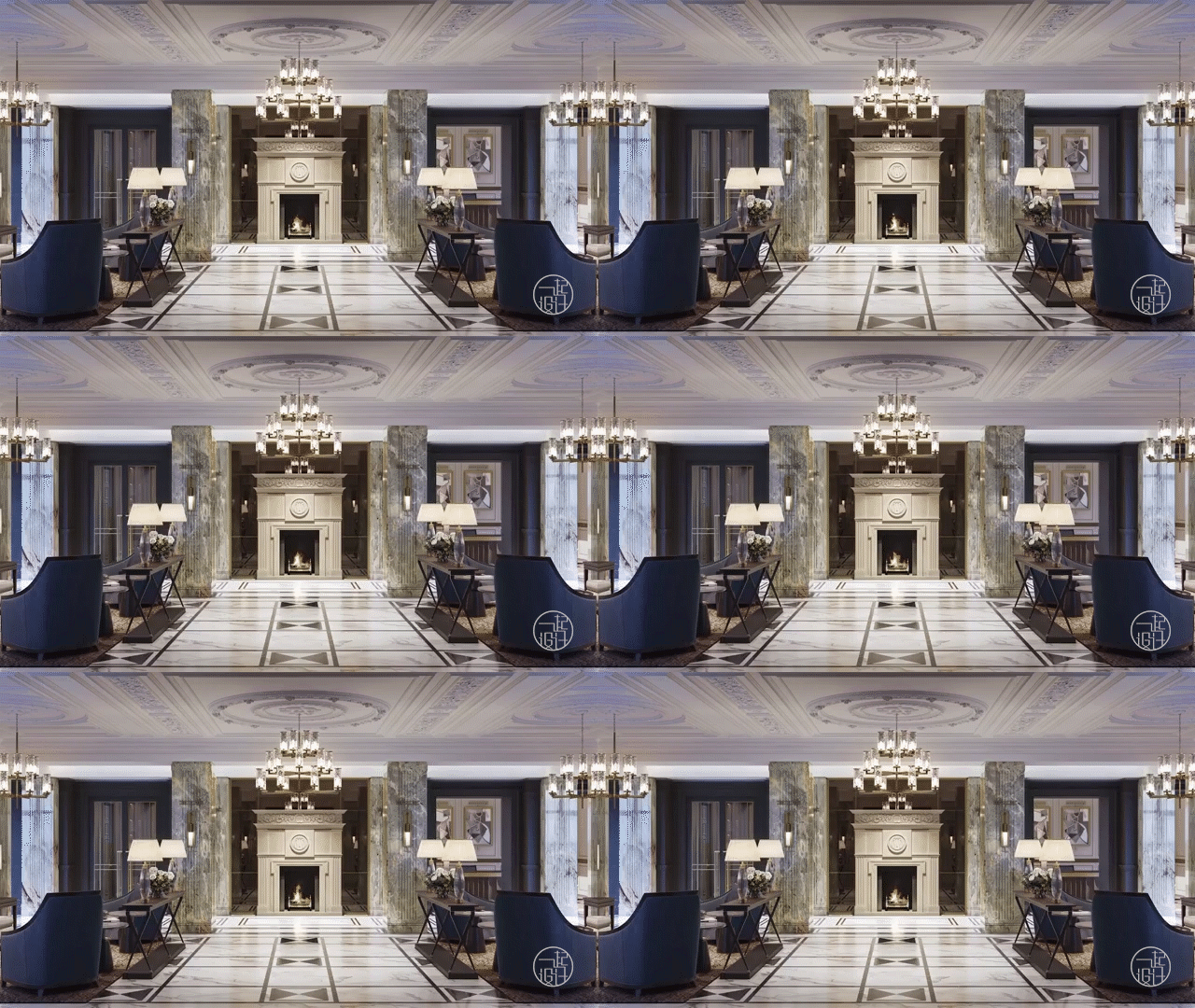
Restored restaurant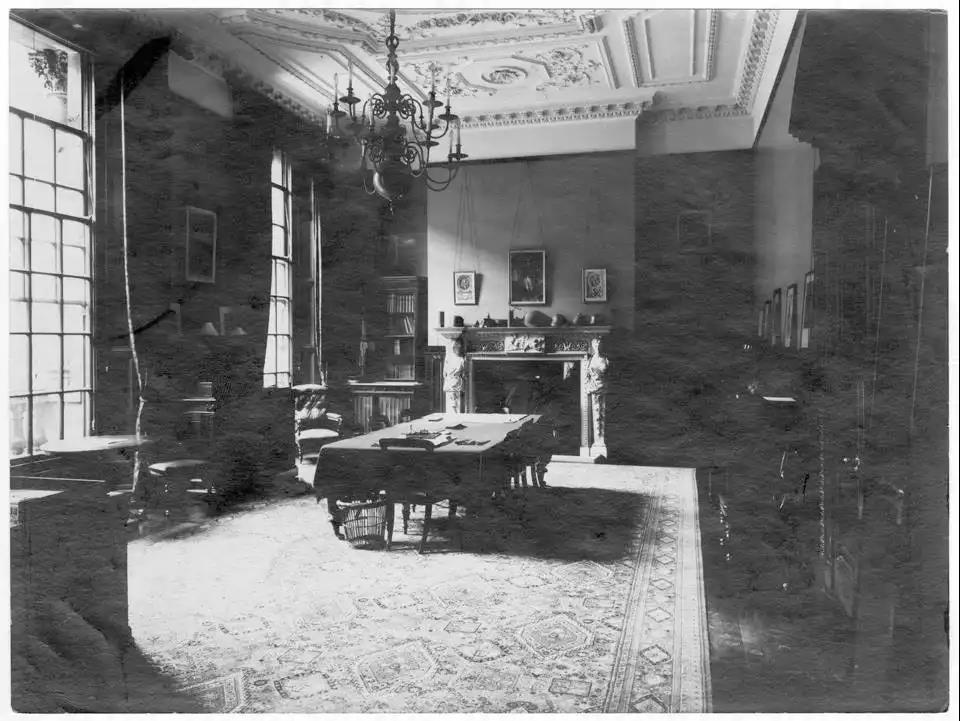
The war room of the old war office
02
NoMad London
Best Remodeled Hotel
Sydell Group
London, UK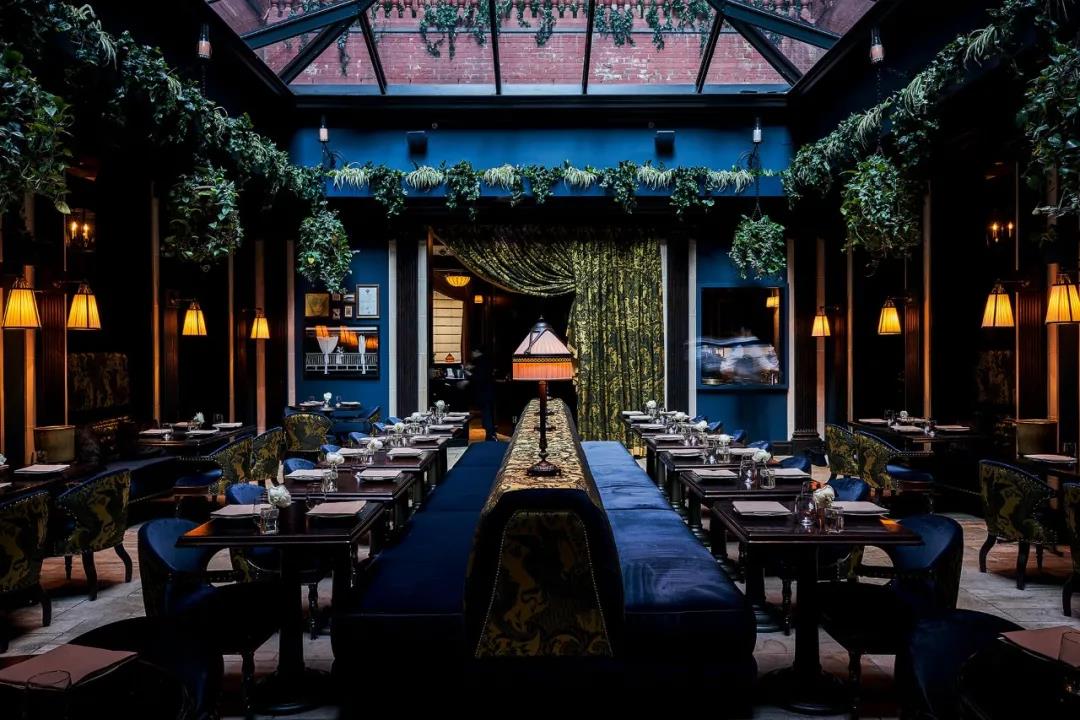
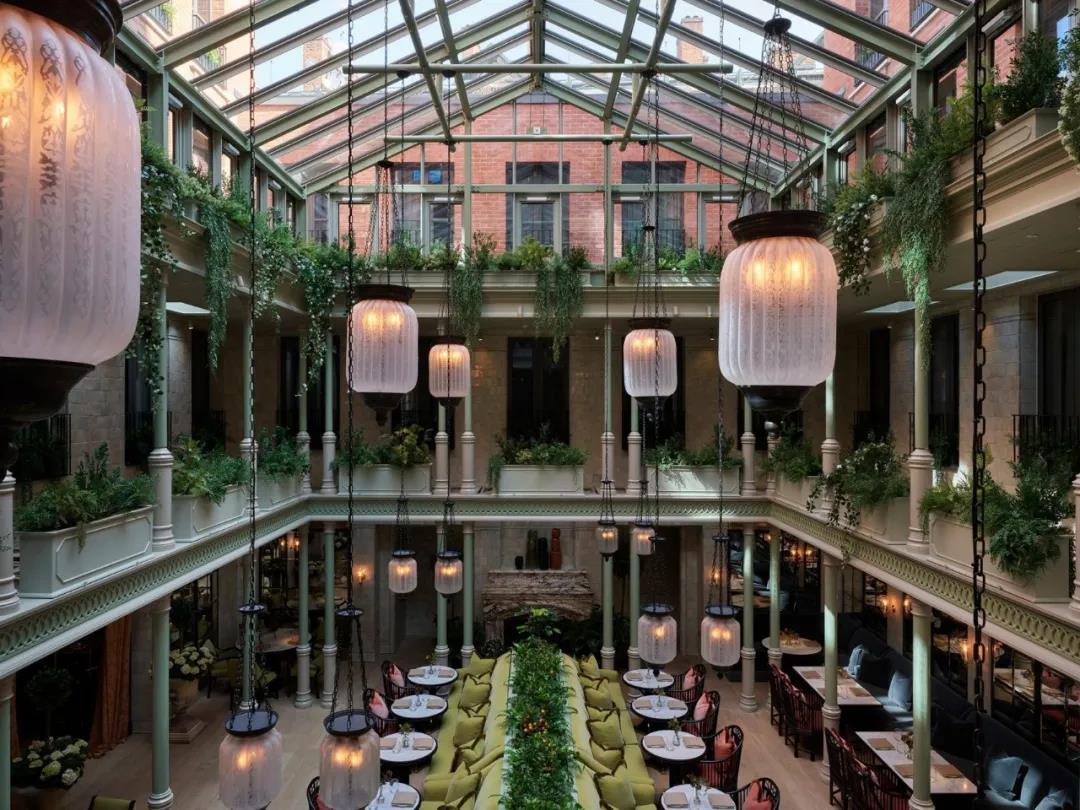
NoMad London, on the site of a former police station and prison on Bow Street, Covent Garden, has seen the 266-year-old Grade II listed building completely repurposed.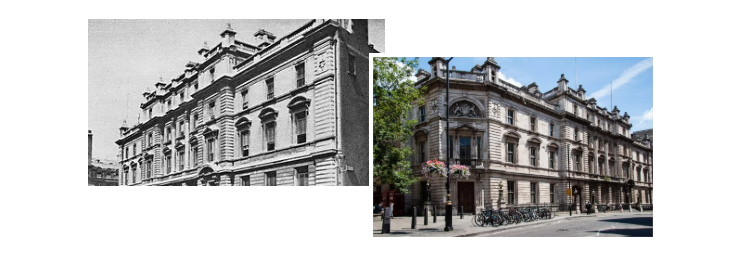
Old photos of the police station & the current appearance of the hotel
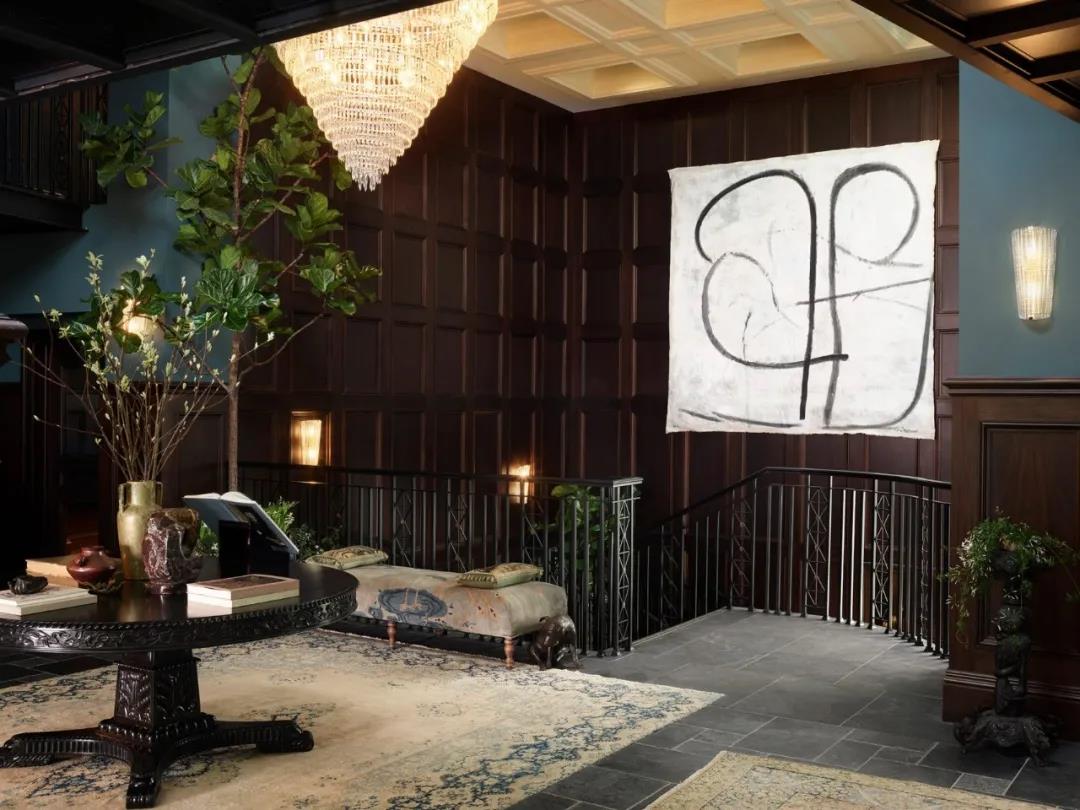
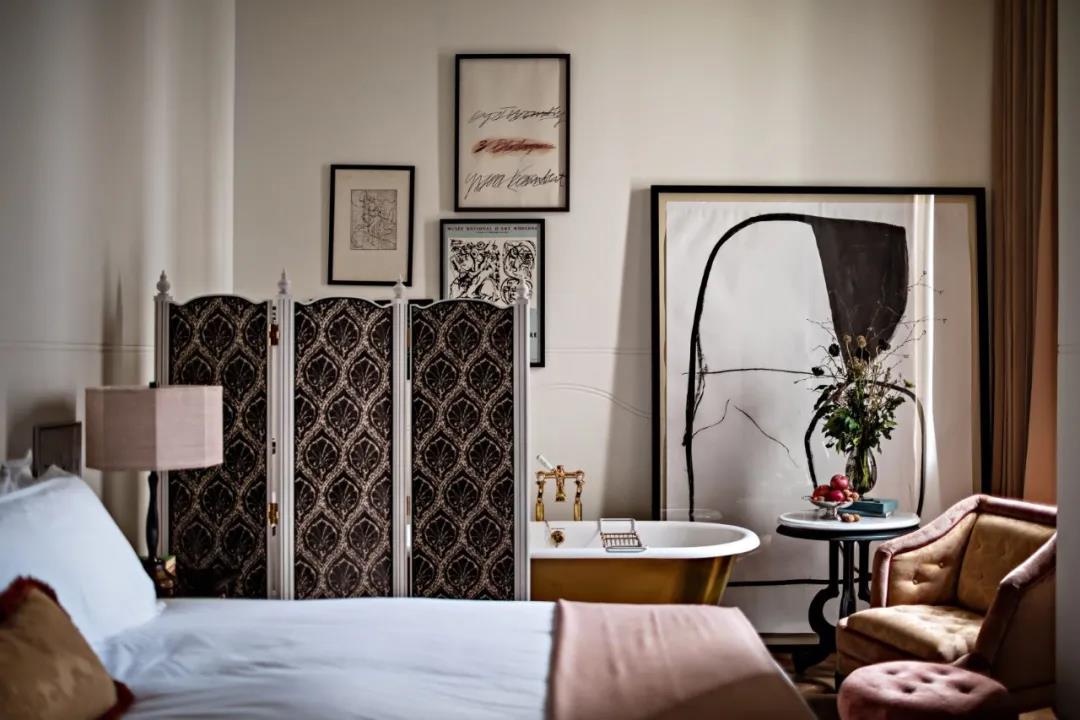
Drawing inspiration from its history and location while preserving its exterior, the interior was defined as Victorian and referencing the New York deco style of the 1920s. Also, use contemporary minimalist art and modern avant-garde life as a connection.
03Monastero Arx Vivendi
The Best Heritage Preservation HotelNoa*
Arque, Italy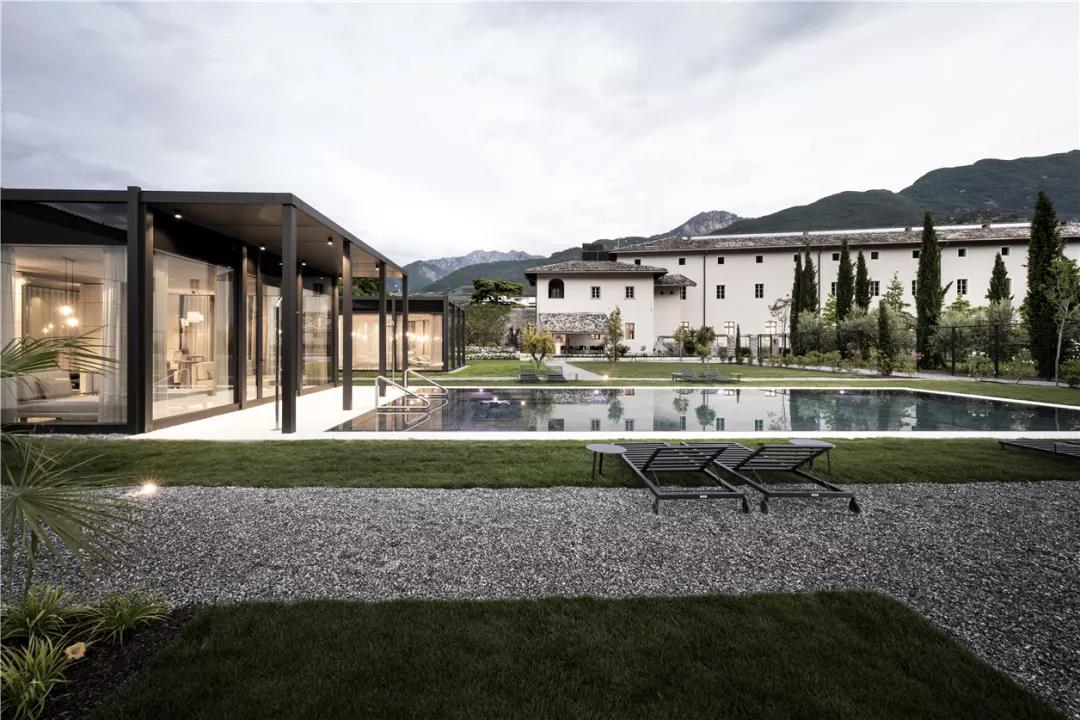
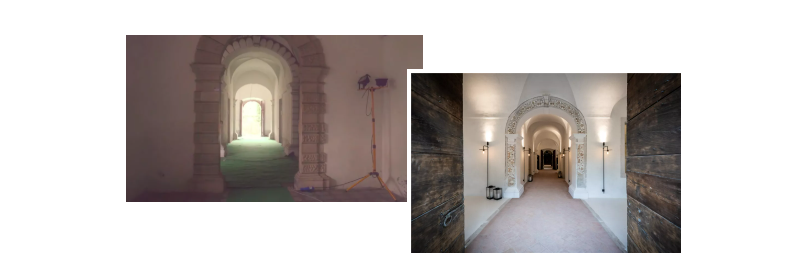
Noa * has transformed an abandoned 17th-century monastery into a stylish spa hotel called Monastero Arx Vivendi. While replacing the overall function of the building, the project maintains its inherent historical charm and leisure vacation atmosphere.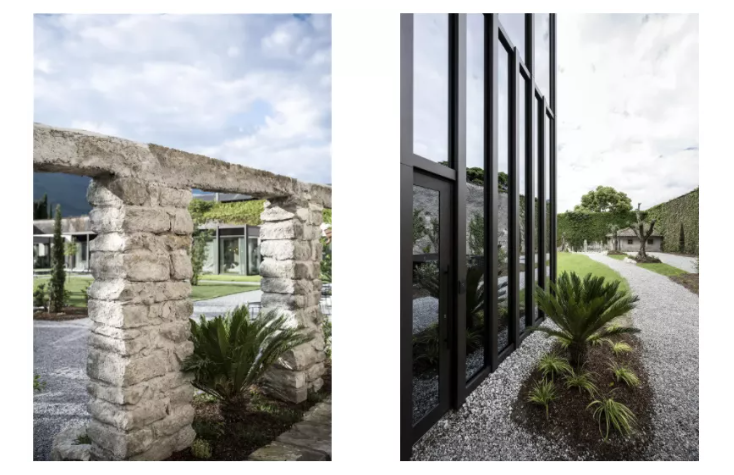
Historical elements echo modern design
Old stone walls, disused grinding mills and water wheels are all traces of life worth preserving.
The original Wells in the corridor have been retained as a display installation.
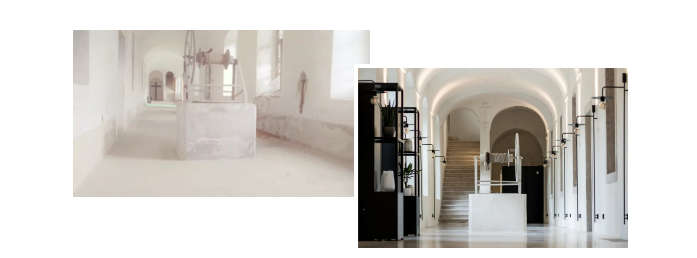
Before and after corridor renovation
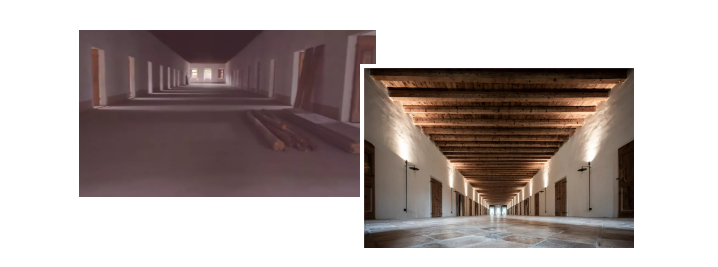
Second-floor corridor before and after renovation
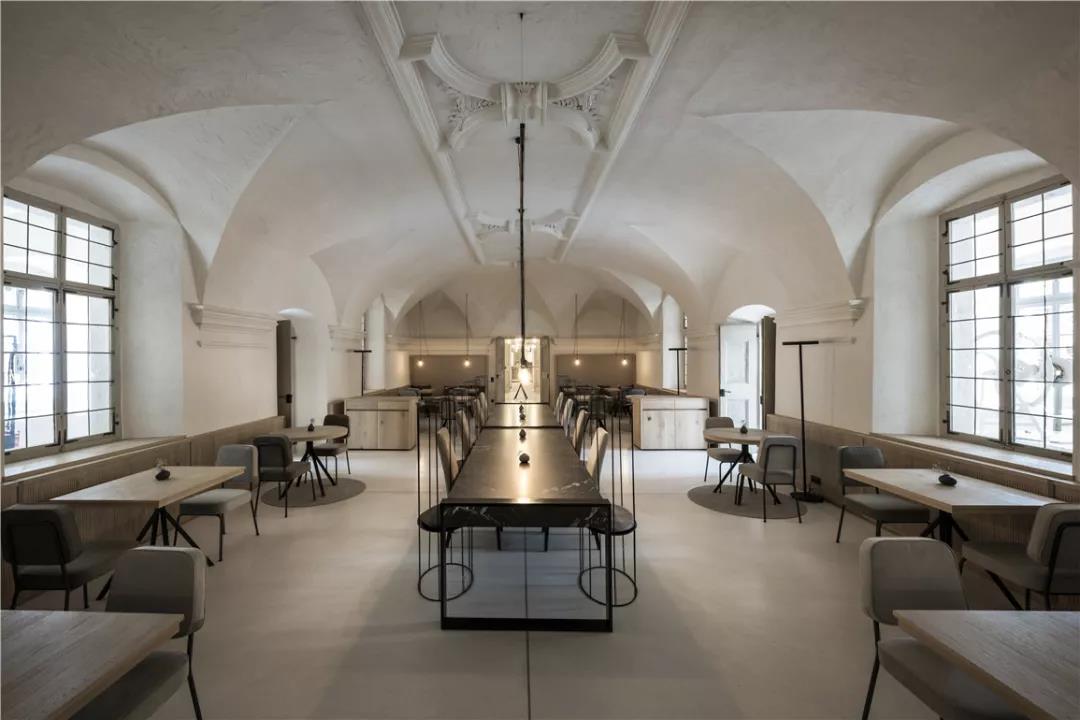
THREEHotel Functions
***
01
W HOTEL OSAKA
Best Theme Room
Concrete Architectural Associates
Osaka, Japan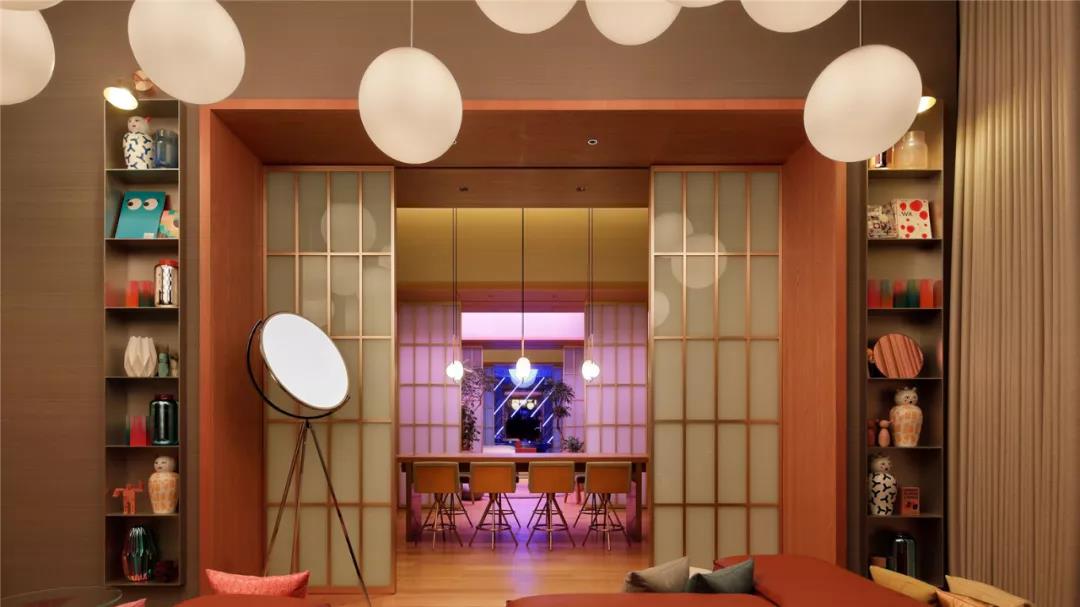
The hotel has 337 guest rooms in 7 types, including Cozy, Wonderful, Spectacular, Fantastic, Marvelous, WOW and Extreme WOW on the top floor. All feature bright colors and simple lines and carry out W's fashion style.
One of the hotel's most expensive suites costs 1 million yen (about 60,000 yuan) a night.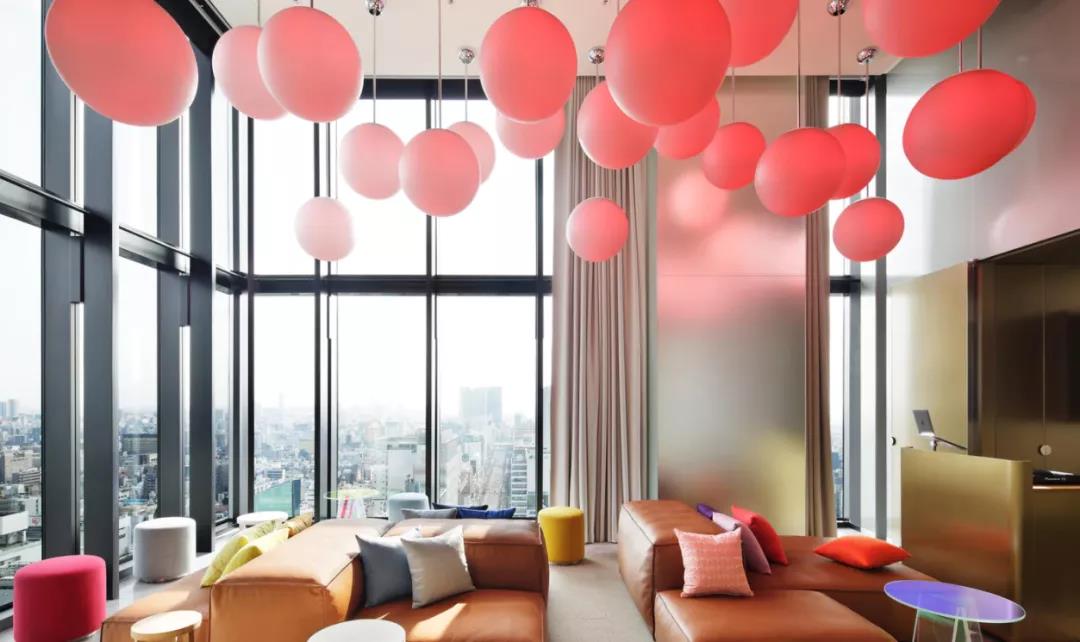
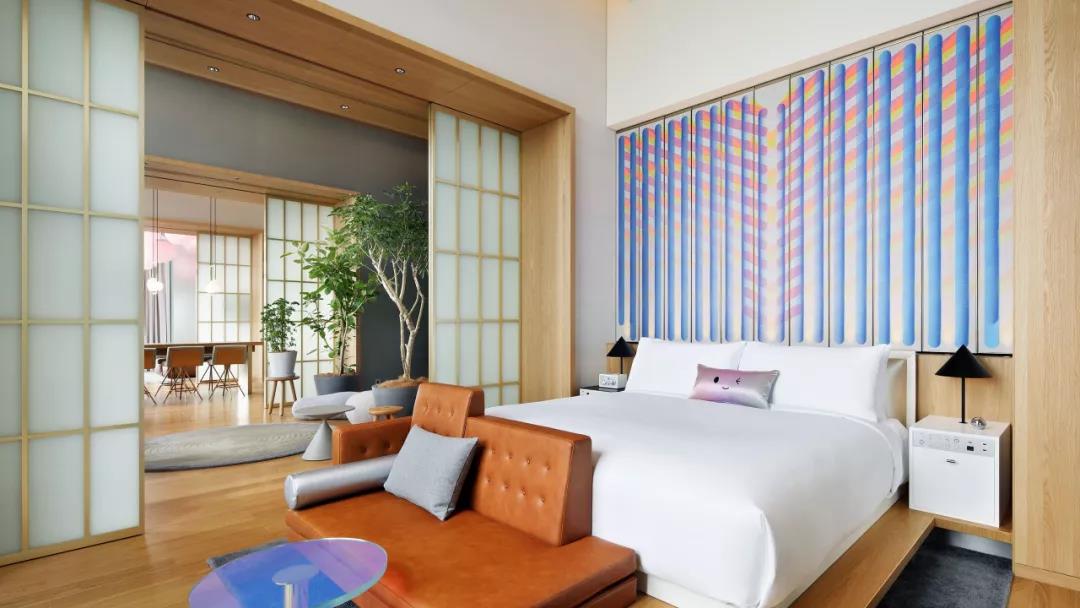
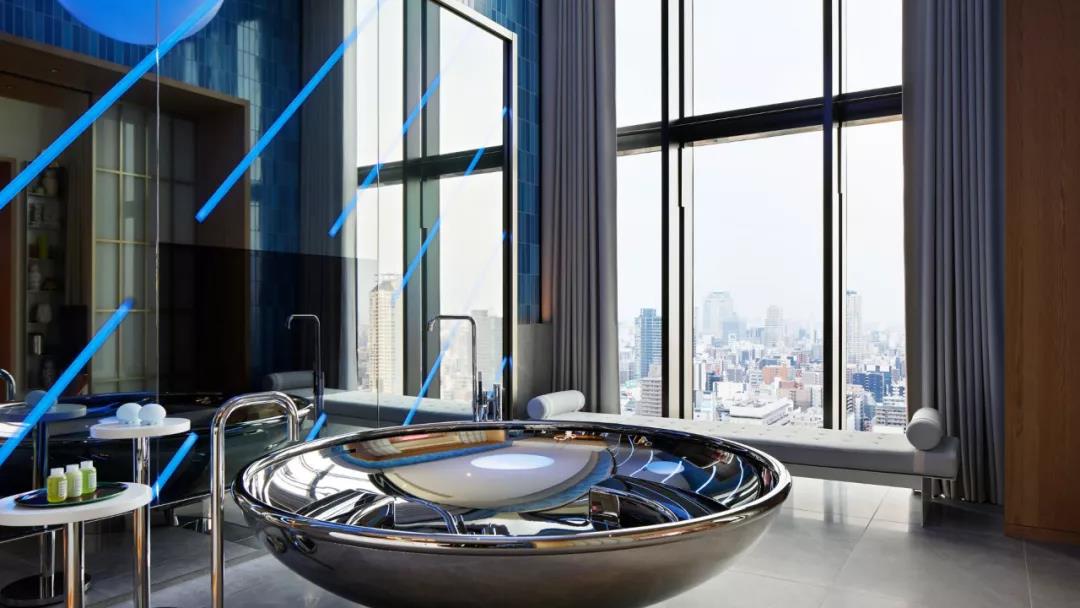
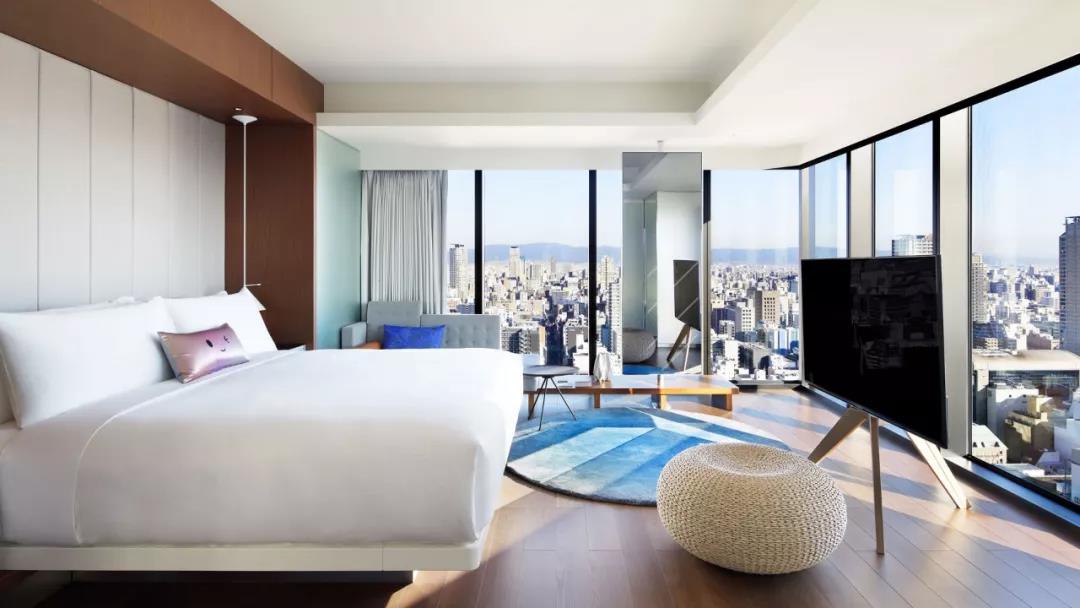
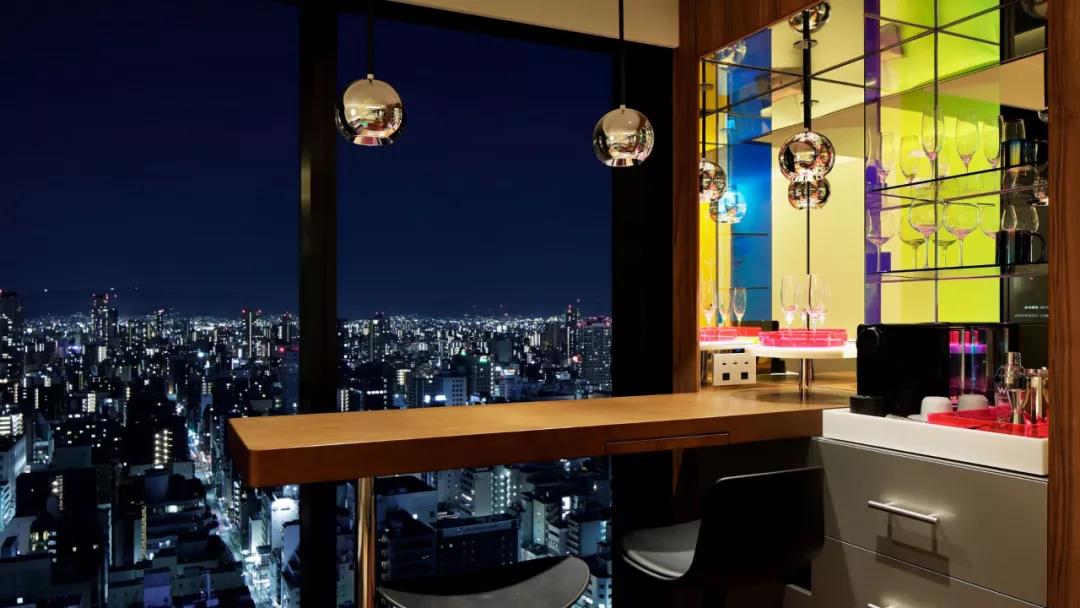
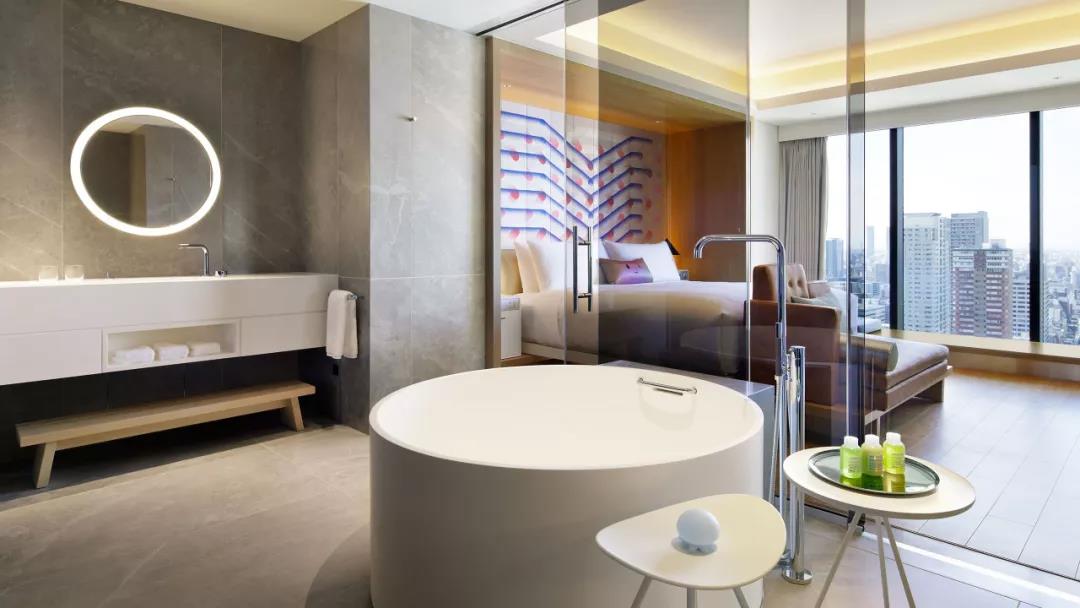
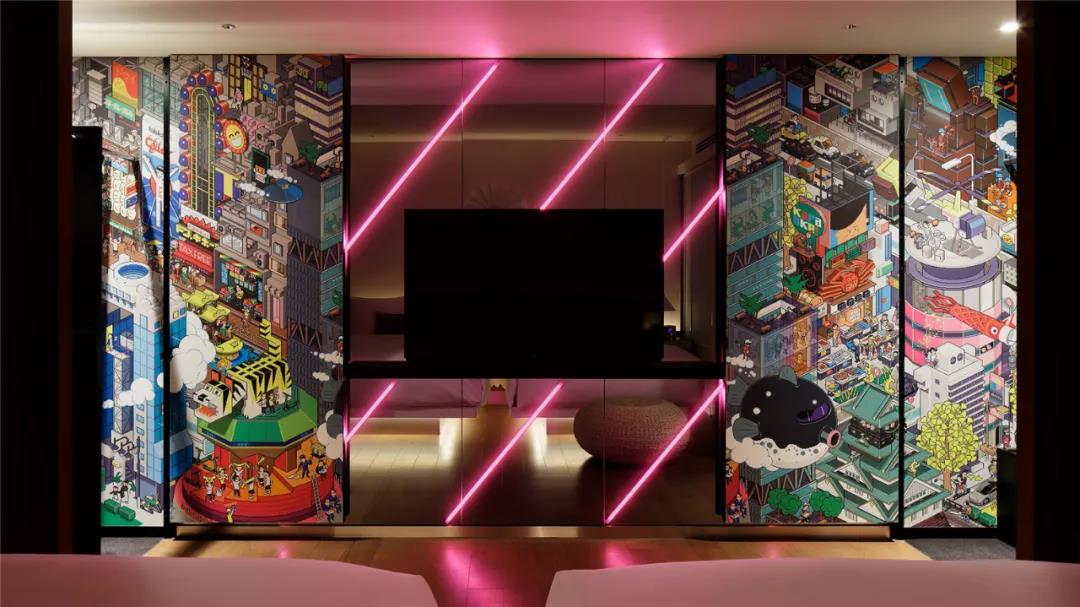
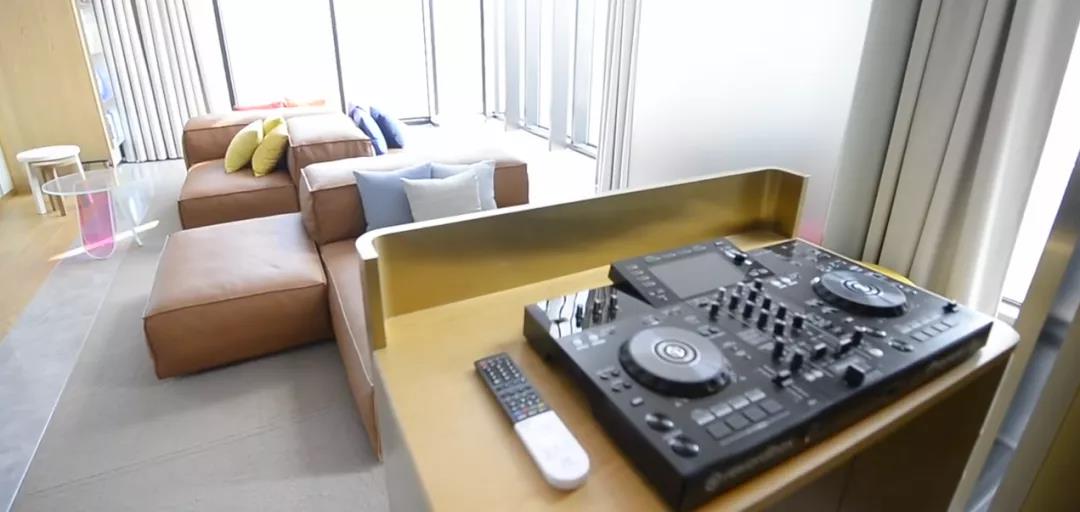
The room also features a DJ booth, the first hotel room in Japan with such a facility, perfect for hipsters!
02The Ritz-Carlton Nikko
Best Suites
NIKKEN SPACE DESIGN LTD
Nikko, Japan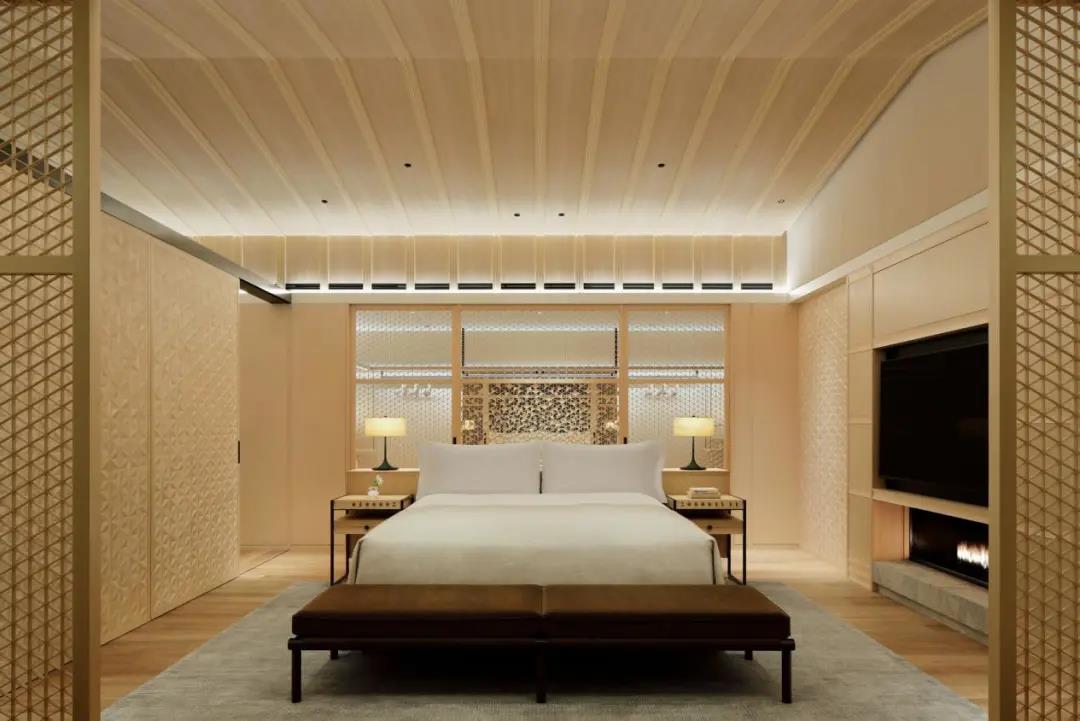
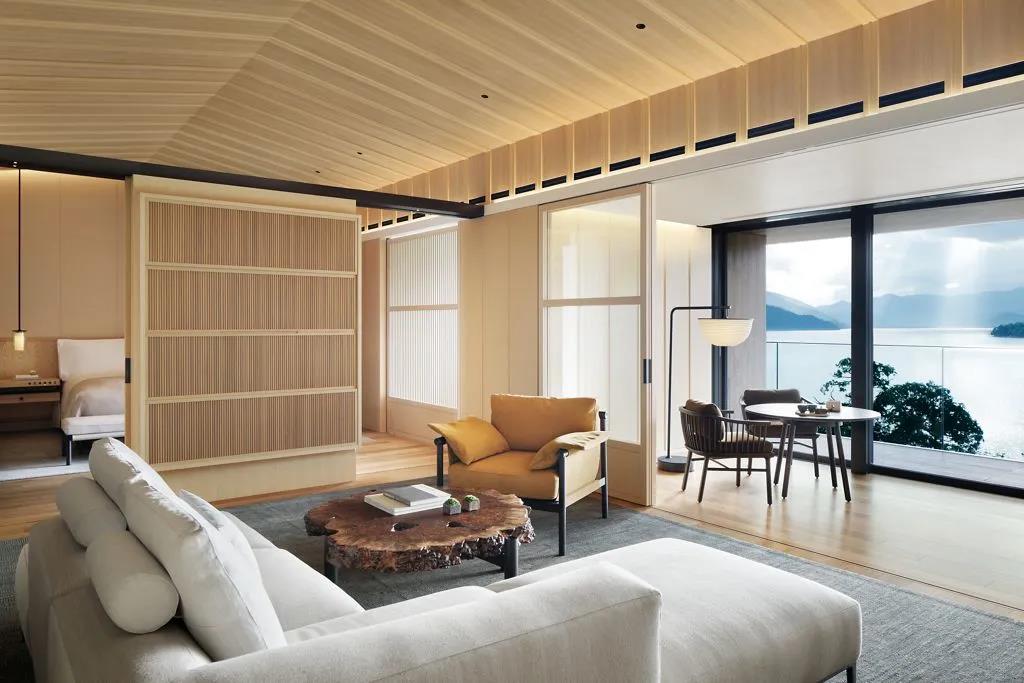
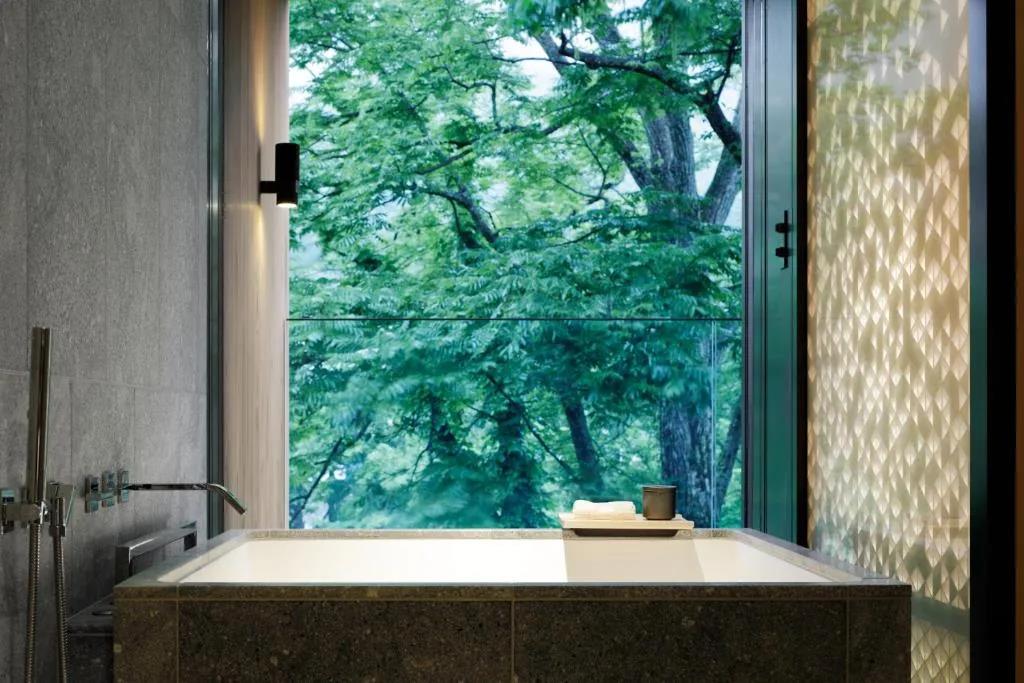
The Ritz-Carlton Nikko has 94 hotel rooms and suites with room rates ranging from 4000 to 10000 per night.
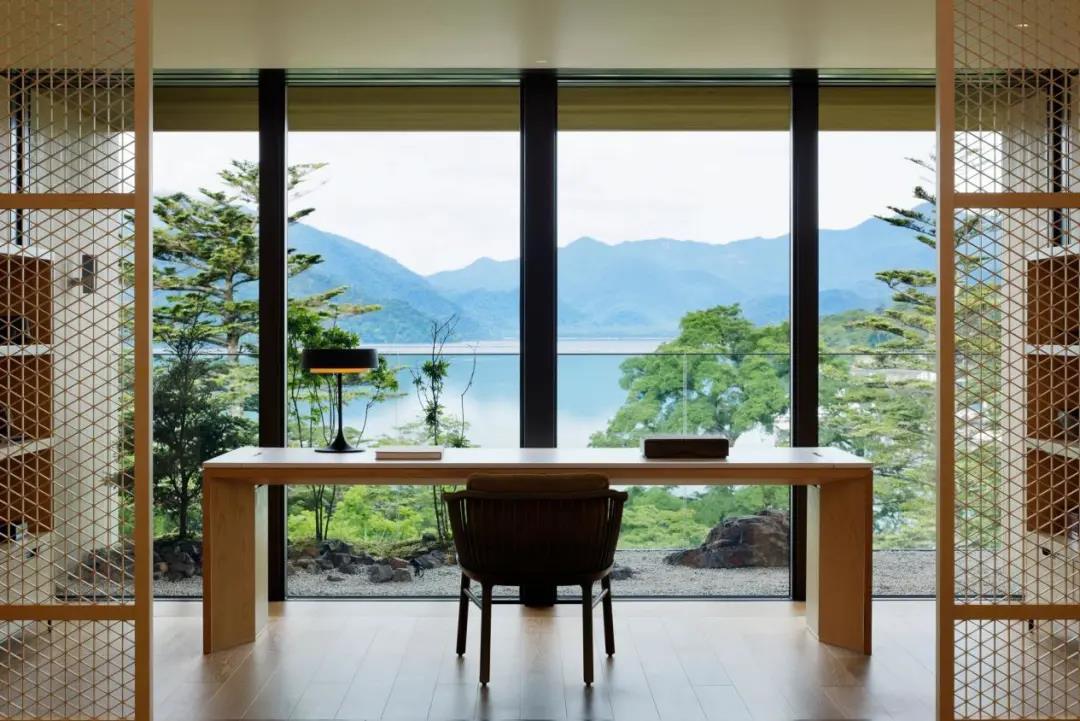
In the suite, wood veneer is used to complete the ceiling decoration, creating the effect of light washing the wall through the irradiation of light. Private balconies and large floor-to-ceiling lifts bring beautiful lake views and provide more space for guests to relax.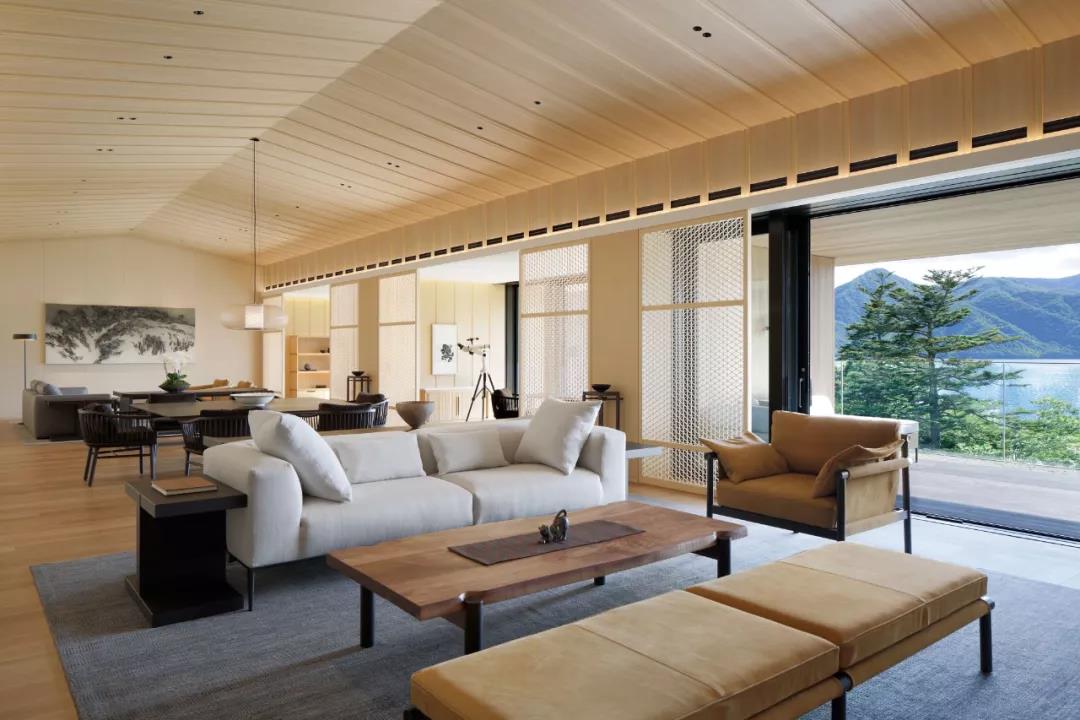
03BNA_WALL NIHONBASHI
Best Creative Room
BnA Creative Collective
Tokyo, Japan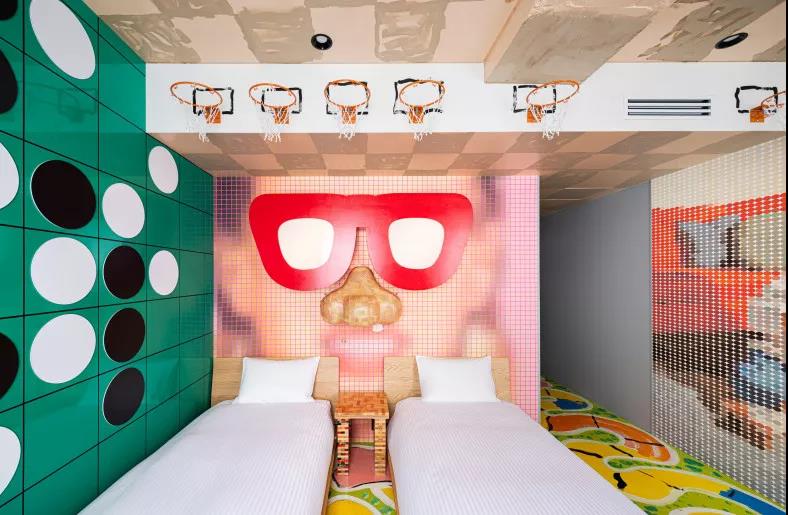
BnA_WALL is the BnA team's fourth hotel as an ongoing cultural, economic experiment, looking for alternative ways to create sustainable and thriving arts communities. Opened in April 2021, BnA_WALL is Tokyo's newest creative hub, featuring 26 one-of-a-kind art rooms designed by 14 local artists, each a permanent art installation.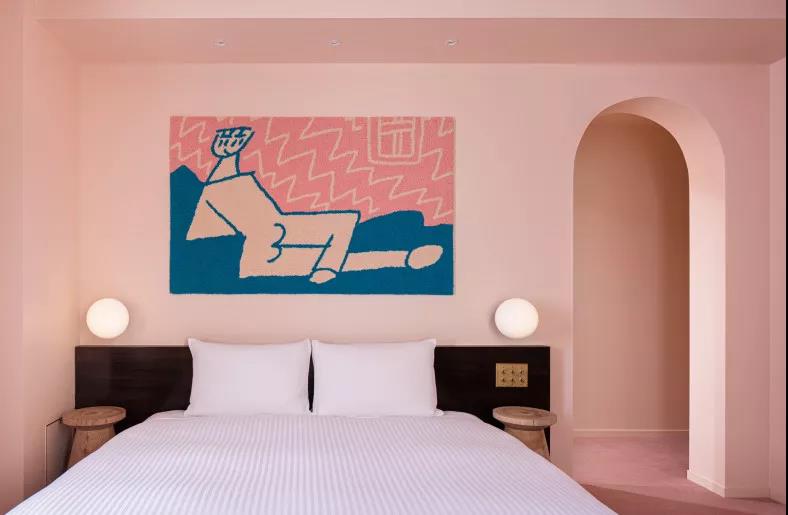
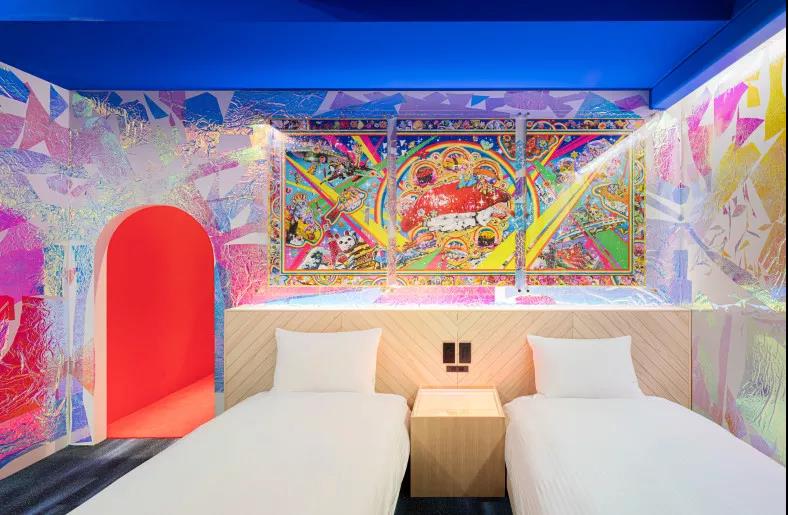
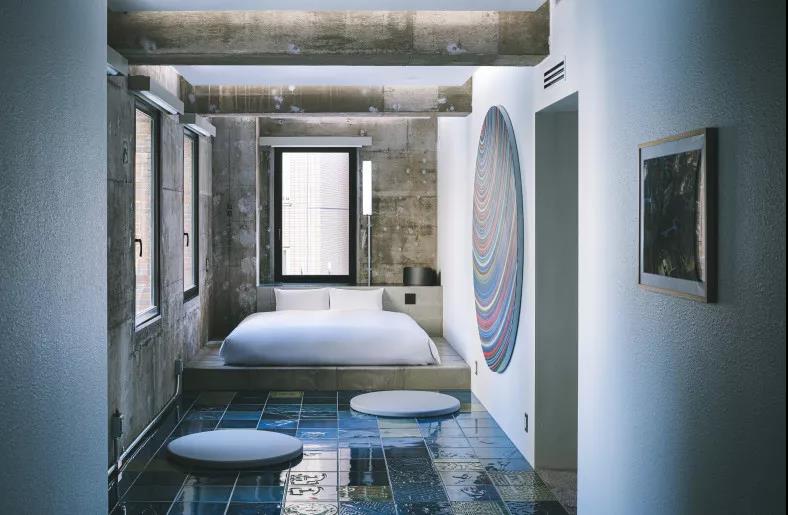
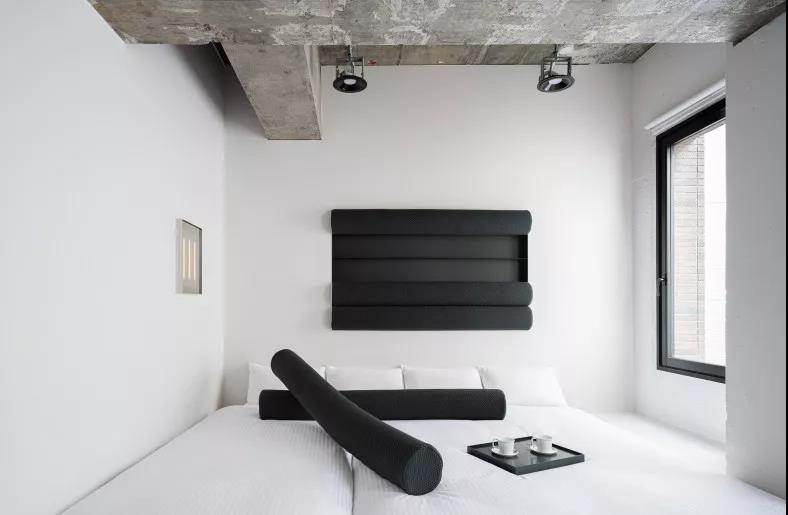
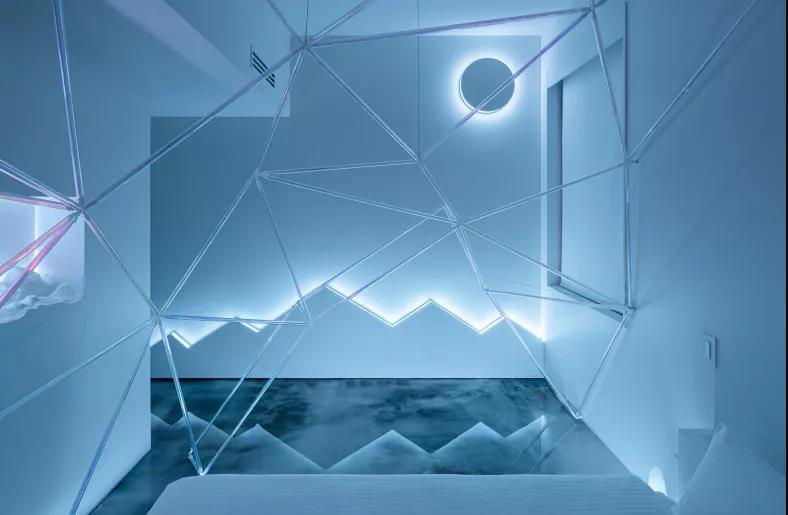
04W HOTEL OSAKA
Best Arriving Entry
Tadao Ando Concrete Architectural Associates
Osaka, Japan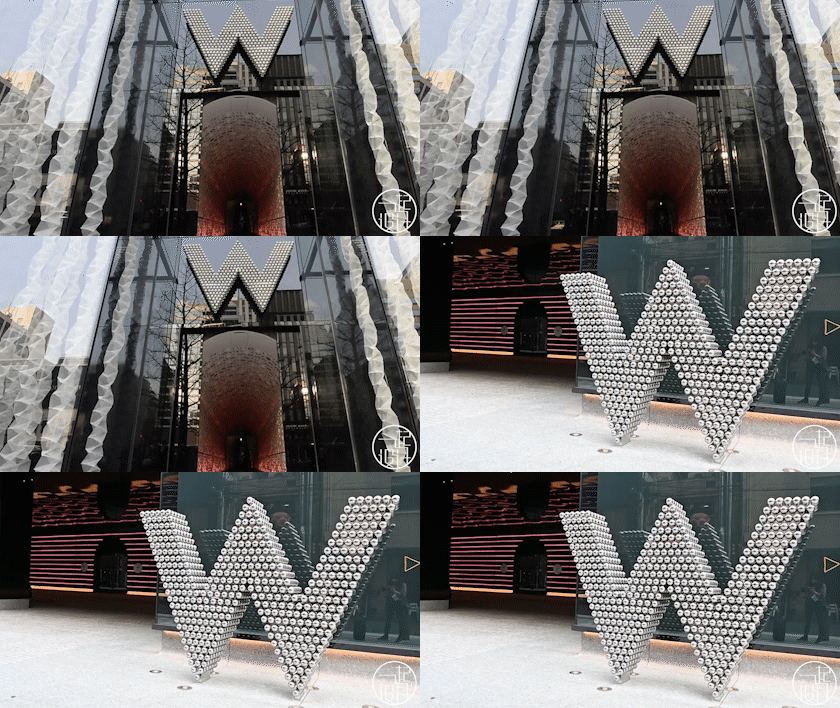
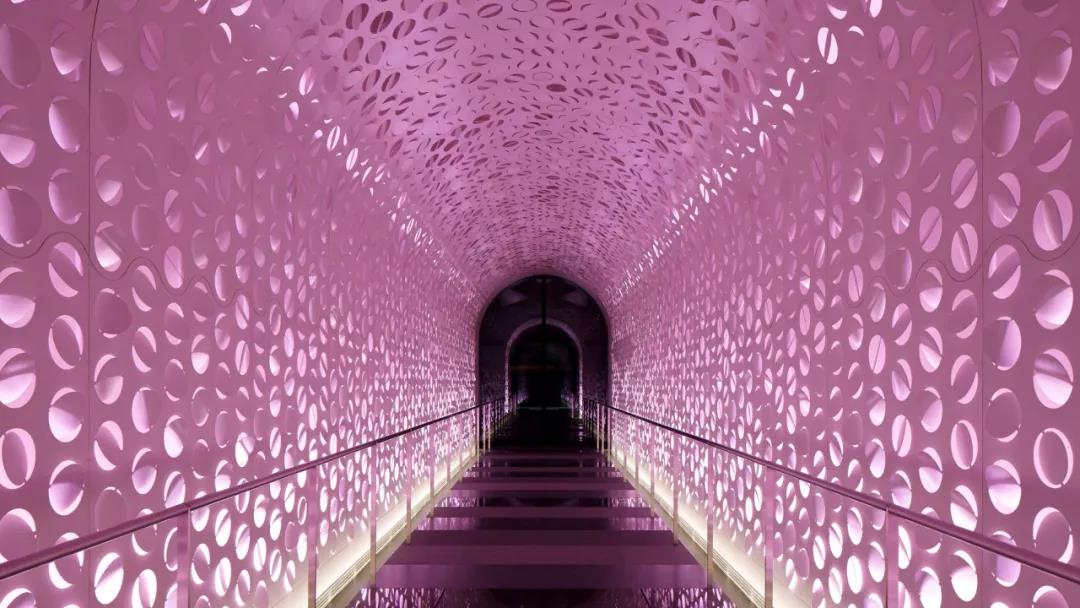
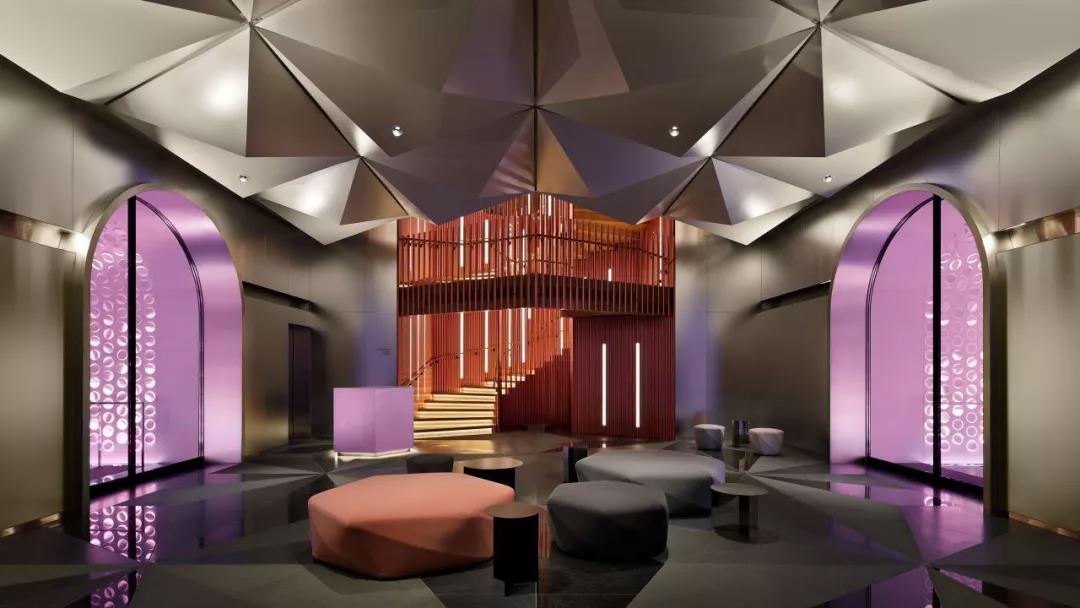
Designed by Japanese architect Tadao Ando, the HOTEL's exterior boasts concise style and multi-dimensional, with Concrete Architectural Associates, a Dutch studio that has worked with W HOTEL on several projects. Using glass curtain walls, long passageways and light and shadow installations to create a bright and playful interior space, reflecting Osaka's neon night to bring a strong visual impact.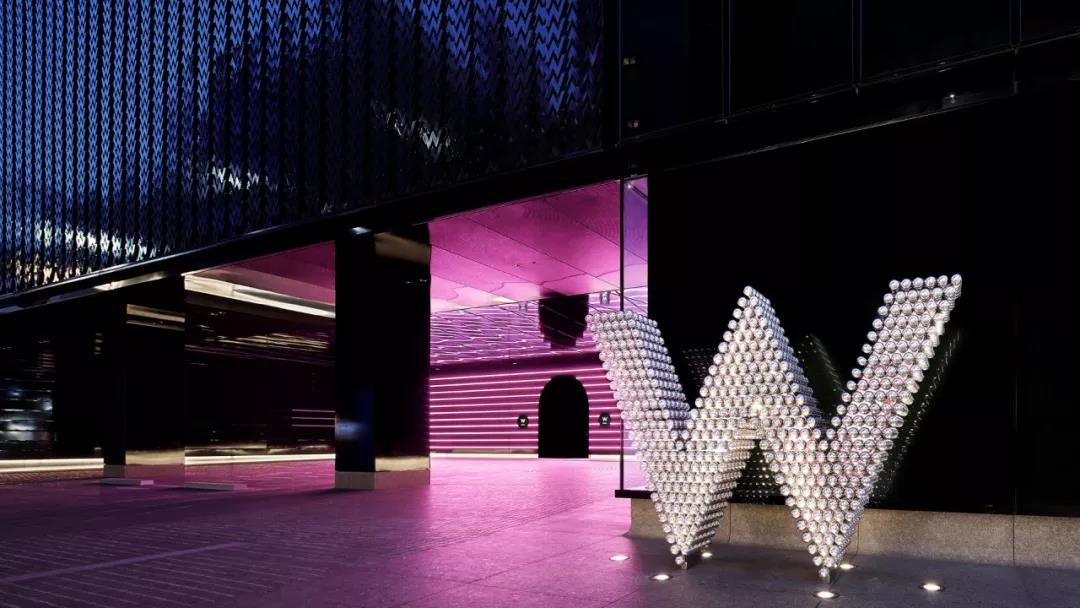
05NoMad London
Best Banquet Hall
Sydell Group
London, UK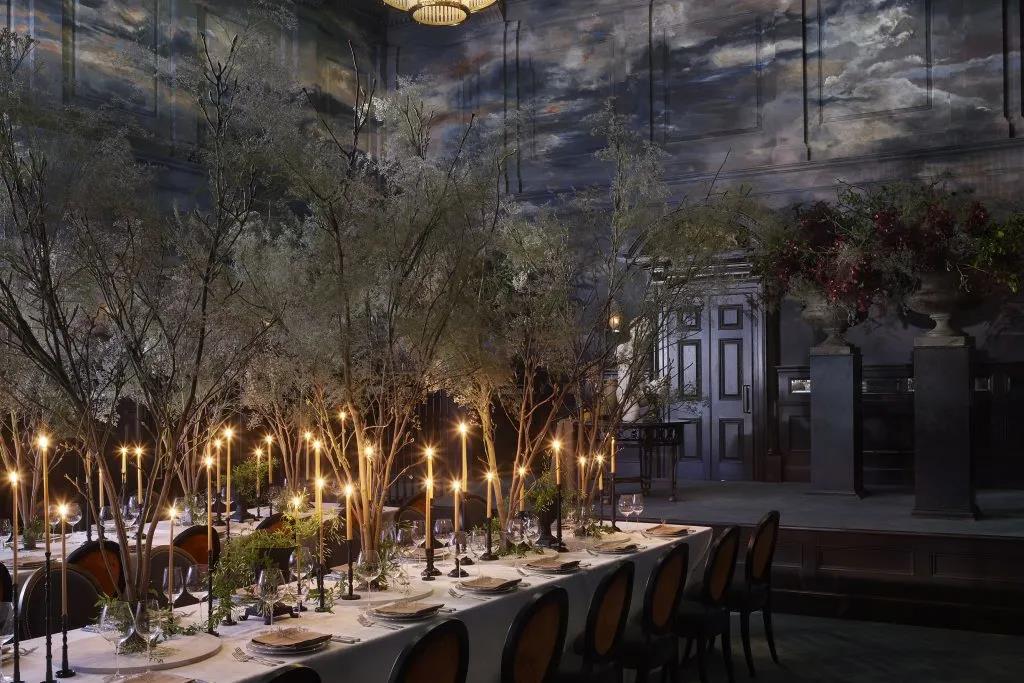
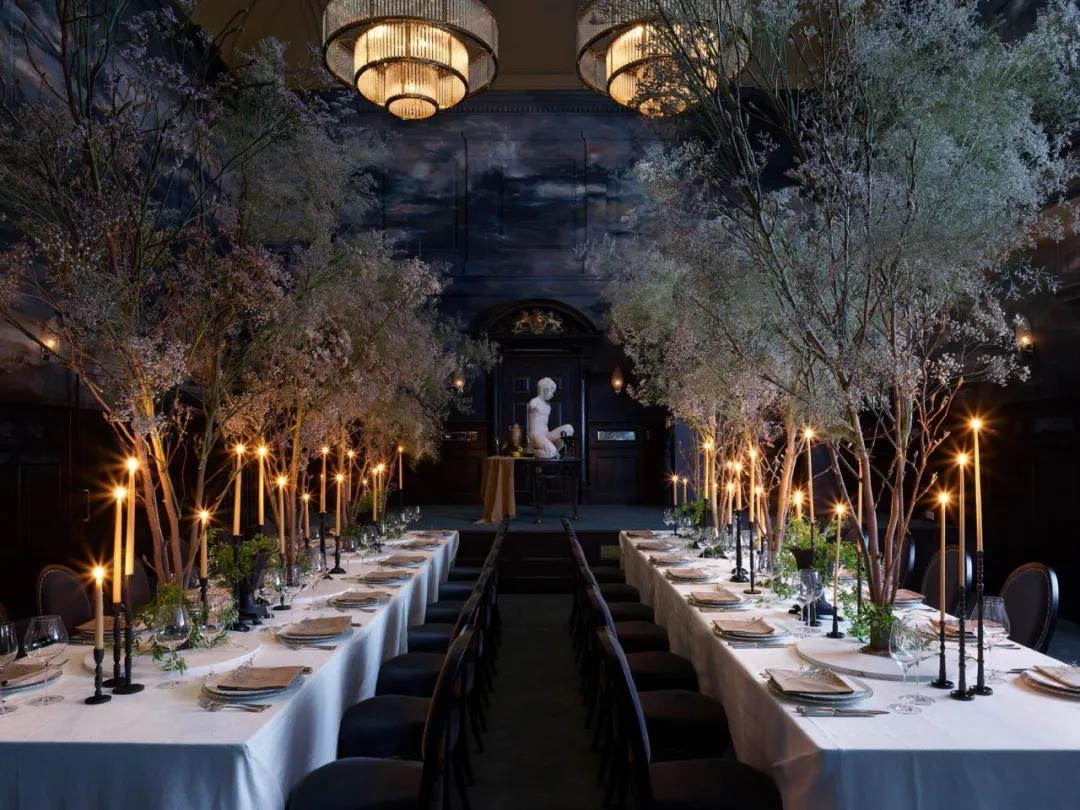
Magistrates Banquet Hall/bar
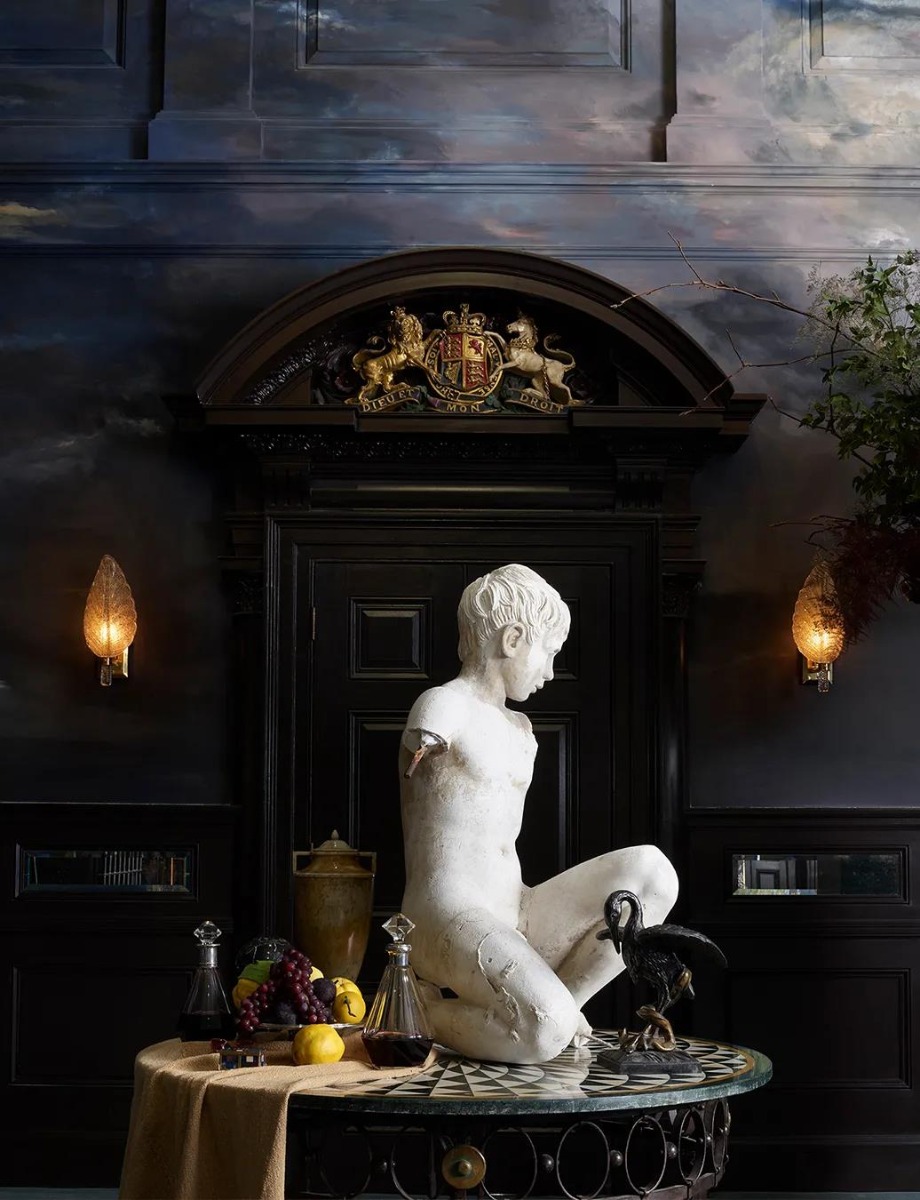
The original courtroom part of the NoMad London was redesigned as a private Ballroom and retained the court's original name, dubbed the Magistrates' Ballroom.
If the atrium looks like a jungle, this is certainly more like a forest at night. The royal arms, representing Queen Elizabeth II and the Court, are preserved above the arch.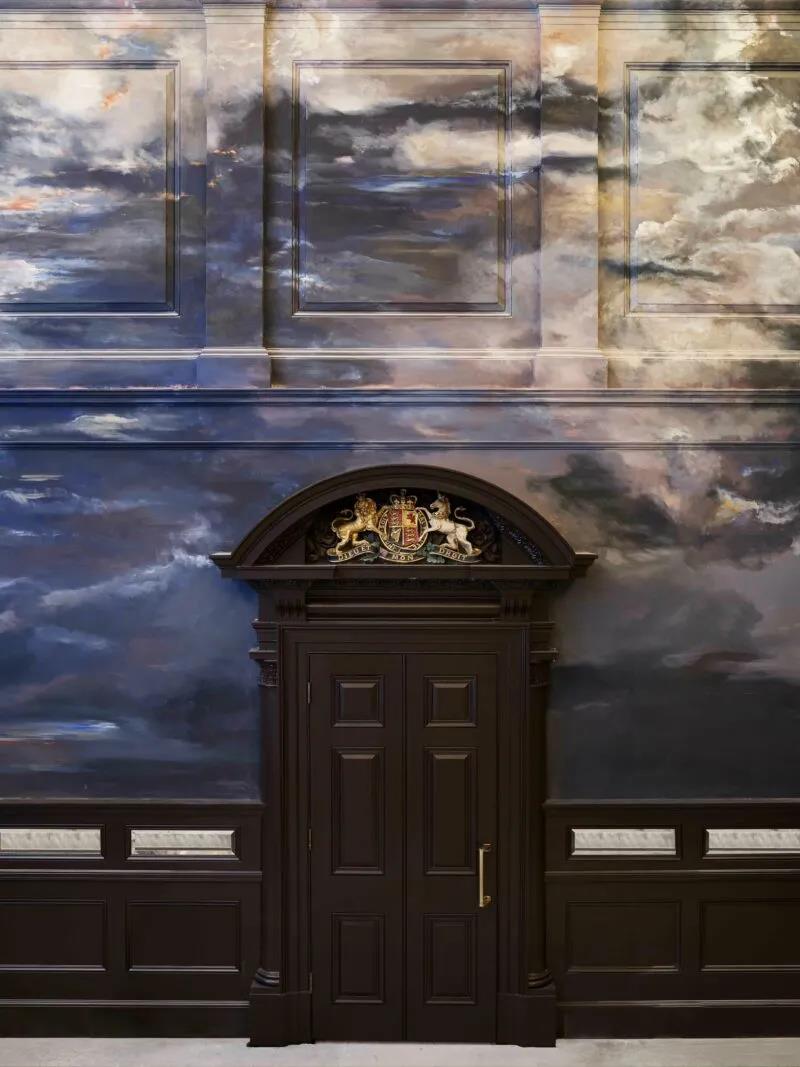
06
Parkroyal Collection
Best modified atrium
Parkroyal Collection
Singapore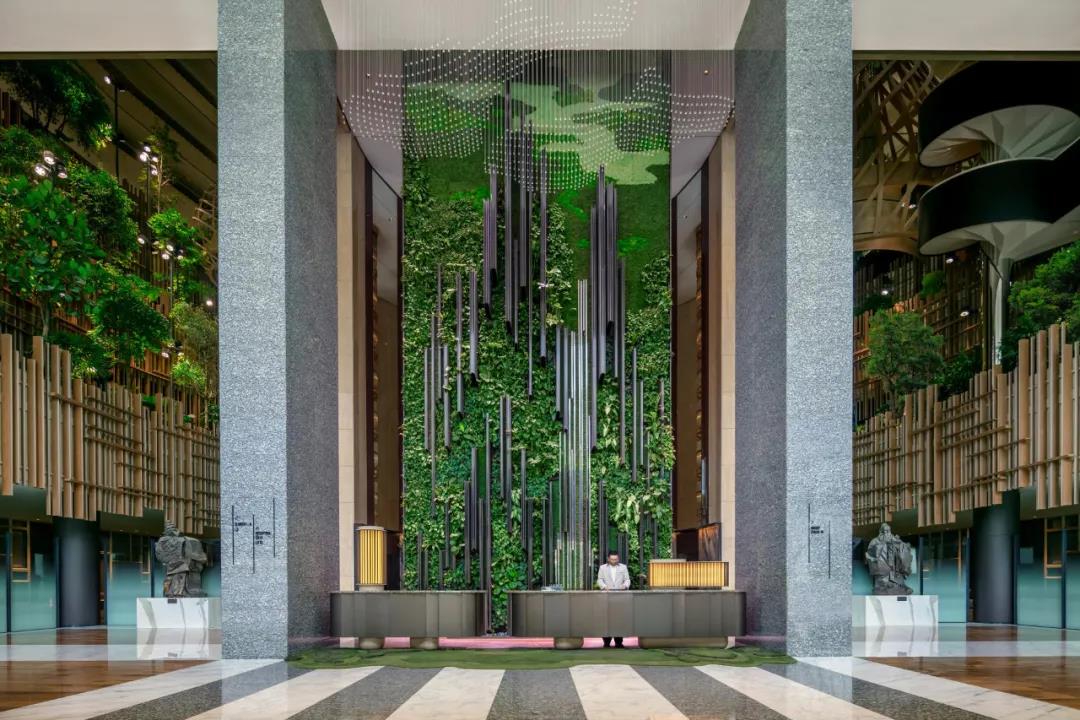
Initially designed by the late John Portman, an American architect known as the father of the atrium, the Parkroyal Collection has spent 45 million Singapore dollars on a renovation, with more than 2,400 different plants planted throughout, adding a timber frame pavilion.
Entering the hotel, in sight of the lobby background wall changed into a 13-meter-high giant plant wall, which is undoubtedly the most eye-catching bright spot here.
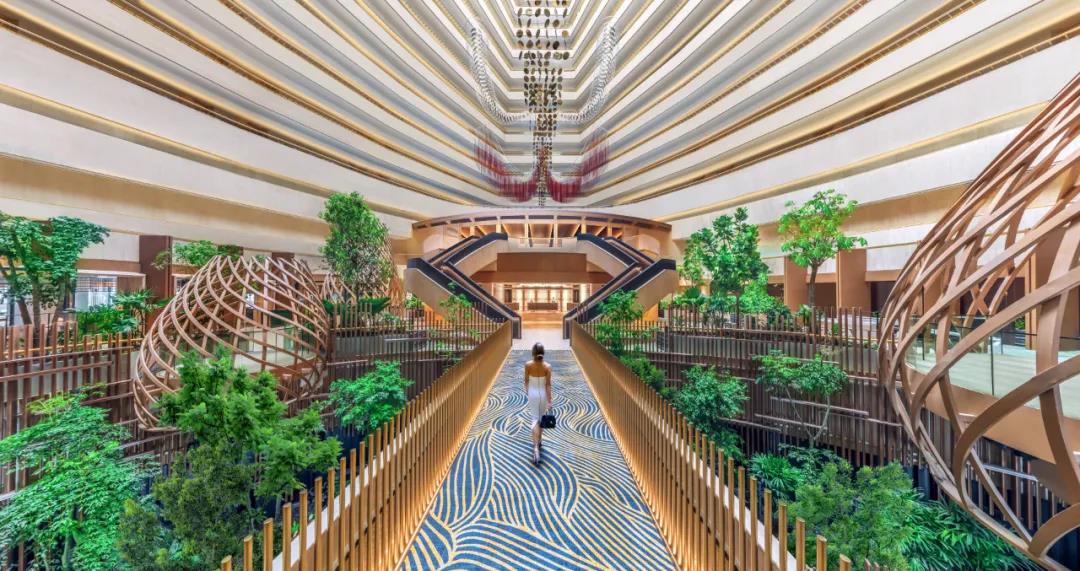
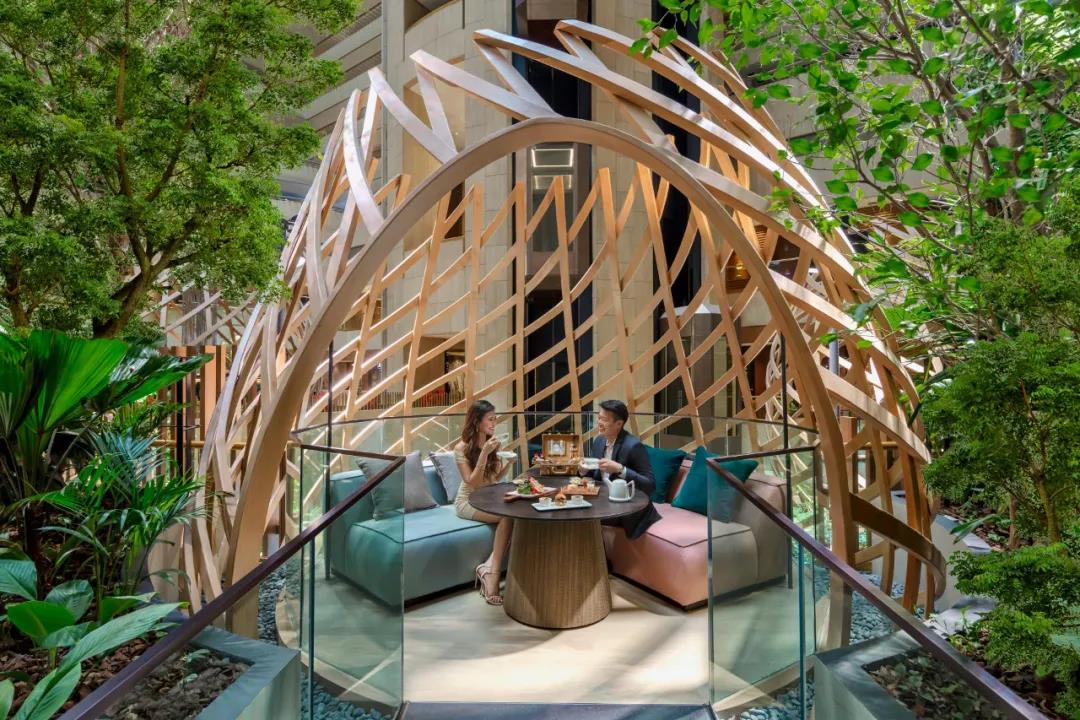
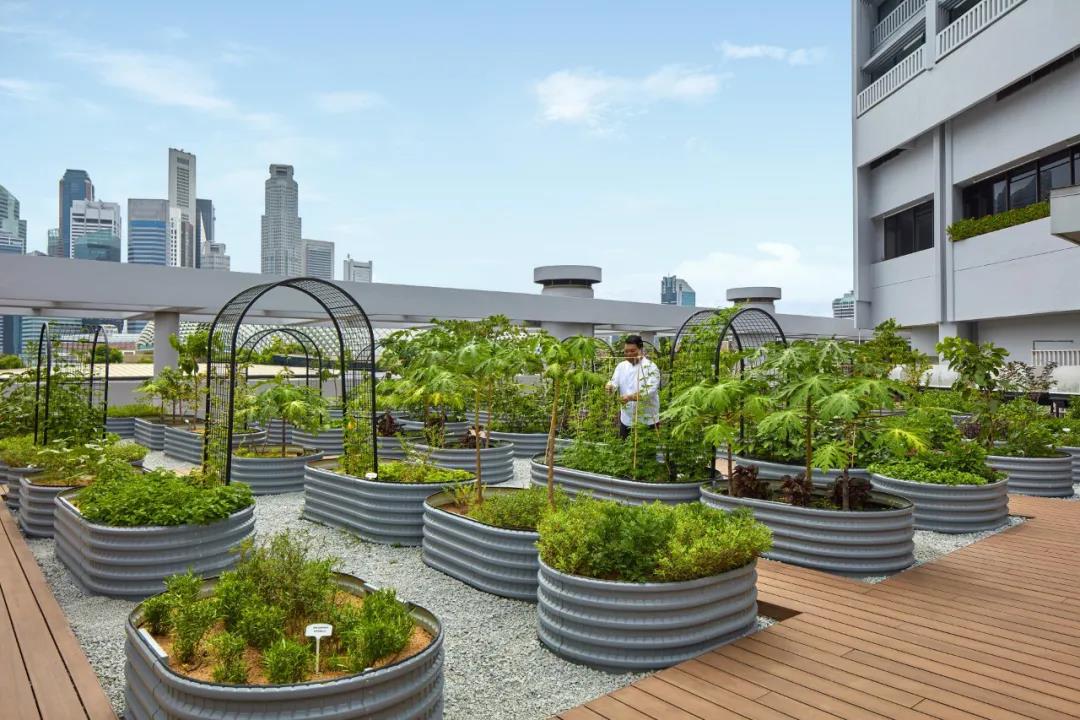
On the hotel's roof, the team designs a small farm on a terrace that provides herbs and vegetables for one of the restaurants.
07
The Goodtime Hotel
Best Pool and Outdoor Area
Ken Fulk
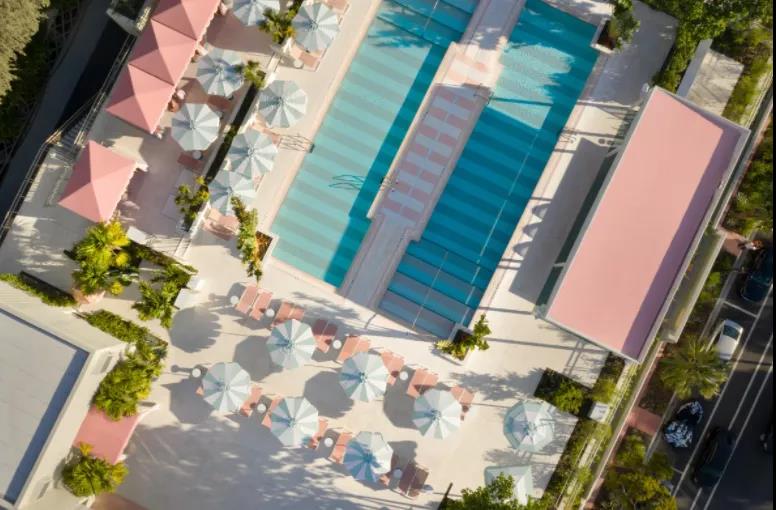
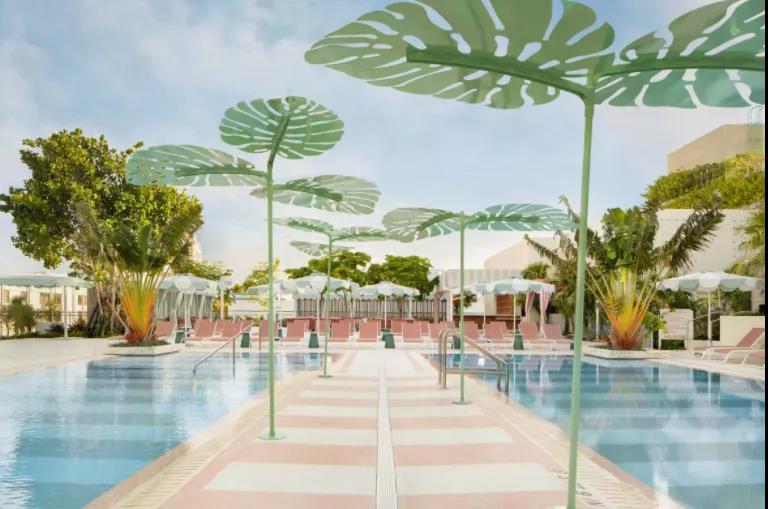
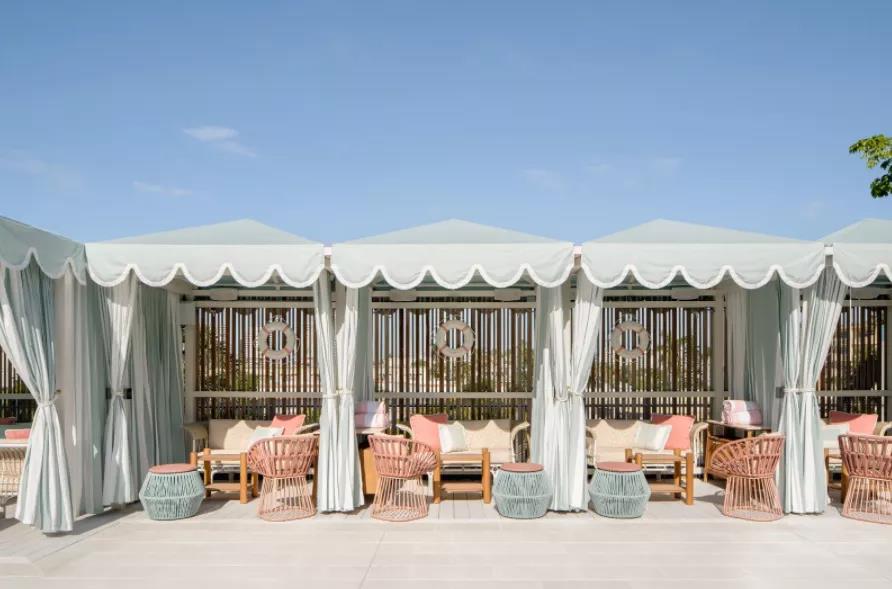
Washington, DC, USA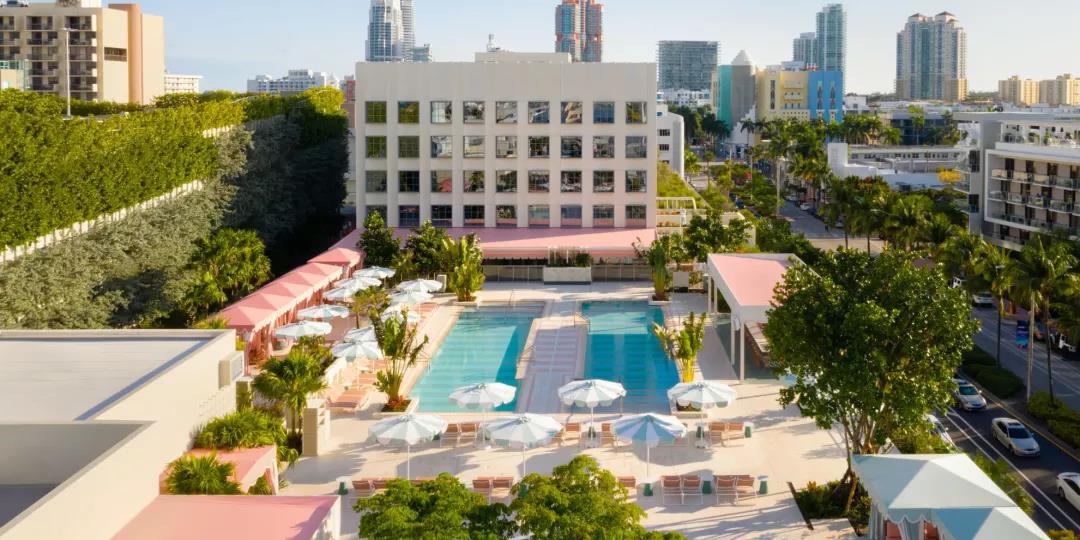
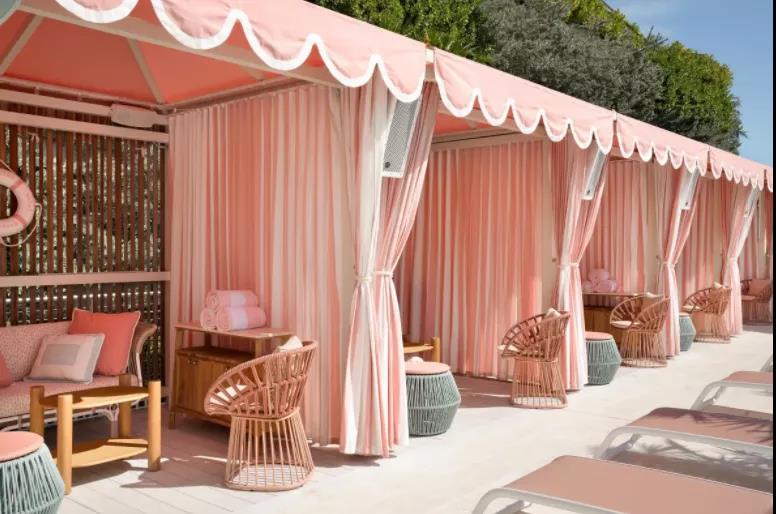
Goodtime Hotel is a 266-room boutique hotel with an oversized pool. The color scheme of the bright space borrows from the lively art deco style of the local area. The soothing colors, thoughtful design, and retro feel make it the perfect choice for young people to take photos and clock in.
All images via Google & Design Together
Related Article:
See you next time~
-End-
-
There’s been a recent boom in the art world of people creating and selling work that doesn’t exist in the physical world. Referred to as “non-fungible tokens” or “NFTs,” for short, these pieces are made entirely online using new technologies.
While some people might dismiss NFT artwork as nothing more than a fad, a few artists have proven that there’s a ton of money to be made in them.
Here are 5 millennial artists who have made millions on their NFT artwork.
Murat Pak - “The Merge”
Price Tag: $91.8 million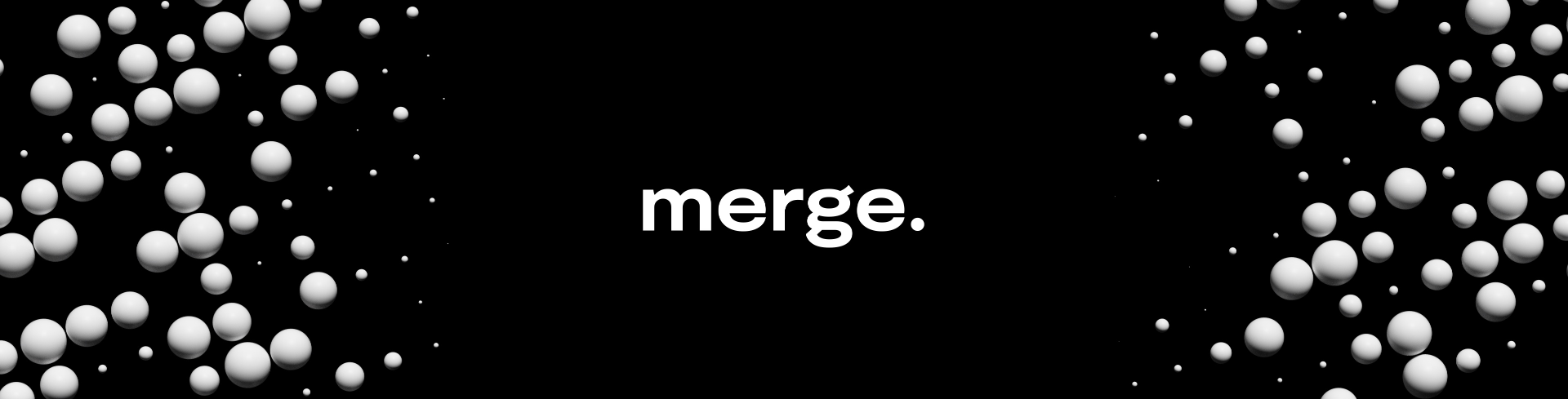
On December 2, 2021, Murat Pak became the most expensive living digital artist after the leading NFT marketplace Nifty Gateway held an unusual auction that involved his creation, titled “The Merge.” The sale saw more than 28,000 collectors spending a whopping $91,806,519 to snap up 312,686 total units of mass, or what is most commonly referred to as a non-fungible token (NFT).
“This is an incredible moment for NFTs, with one of the top digital artists setting this record at Art Basel,” said Duncan Cock Foster, co-founder of Nifty Gateway. “This is further validation for NFTs as a medium of art and innovation that could only be integrated through blockchain technology.”
An artist and graphic designer from Turkey, Pak has spent the last two decades making waves in the crypto media world. He’s best known for creating “Archillect,” a digital curator that uses artificial intelligence to discover and share visual media.
Beeple - “Everydays: The First 5,000 Days”Price Tag: $69.3 million
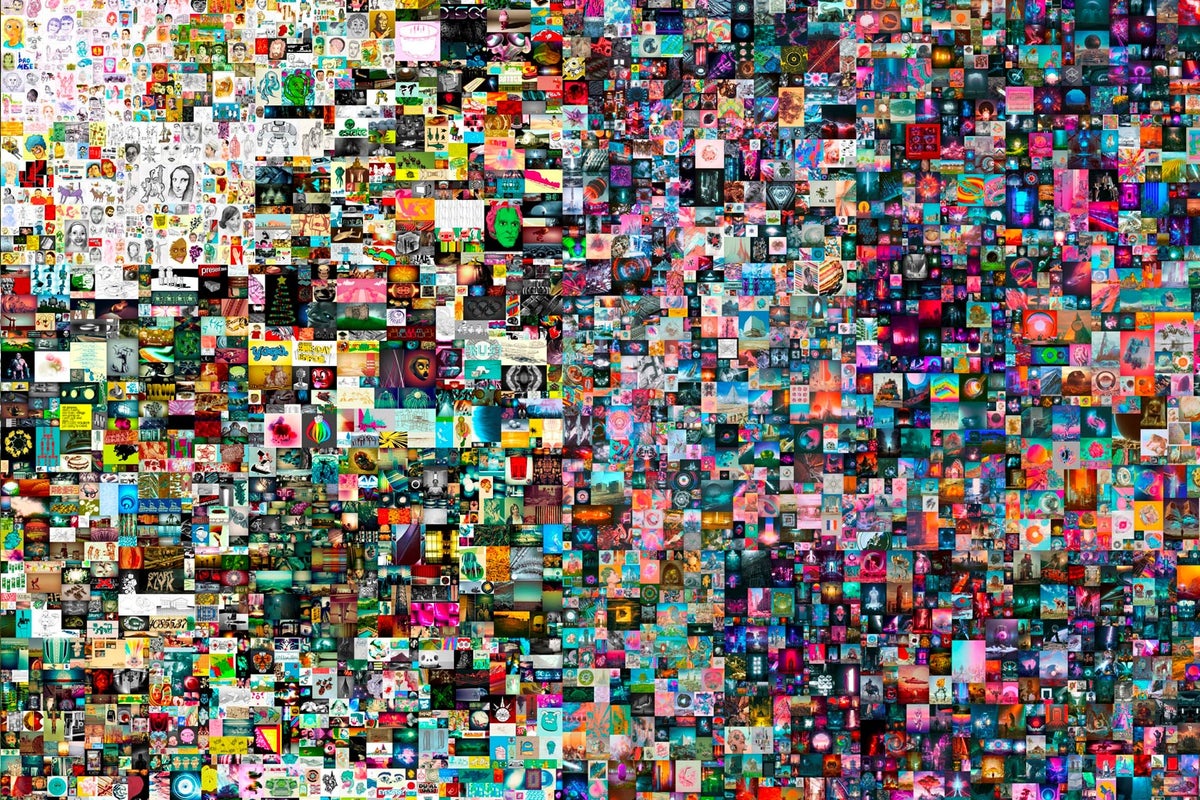
In March 2021, Mike Winkelmann – the digital artist known as “Beeple” – smashed records when an NFT of his piece “Everydays: The First 5,000 Days” was sold by Christie’s auction house for $69 million. It was made using images of his art that he had posted online every day for the past five thousand days, which was part of a project that he had started in 2007.
“Artists have been using hardware and software to create artwork and distribute it on the Internet for the last twenty-plus years, but there was never a real way to truly own and collect it,” said Beeple in a statement. “I believe we are witnessing the beginning of the next chapter in art history, digital art.”
The record-breaking sale came after other highly valuable auctions. The year before, a pair of Beeple’s NFTs fetched more than $66 million each, while a collector bought a series of his works for a total of $3.5 million.
Larva Labs - “CryptoPunk #4156”
Price Tag: $10.2 million
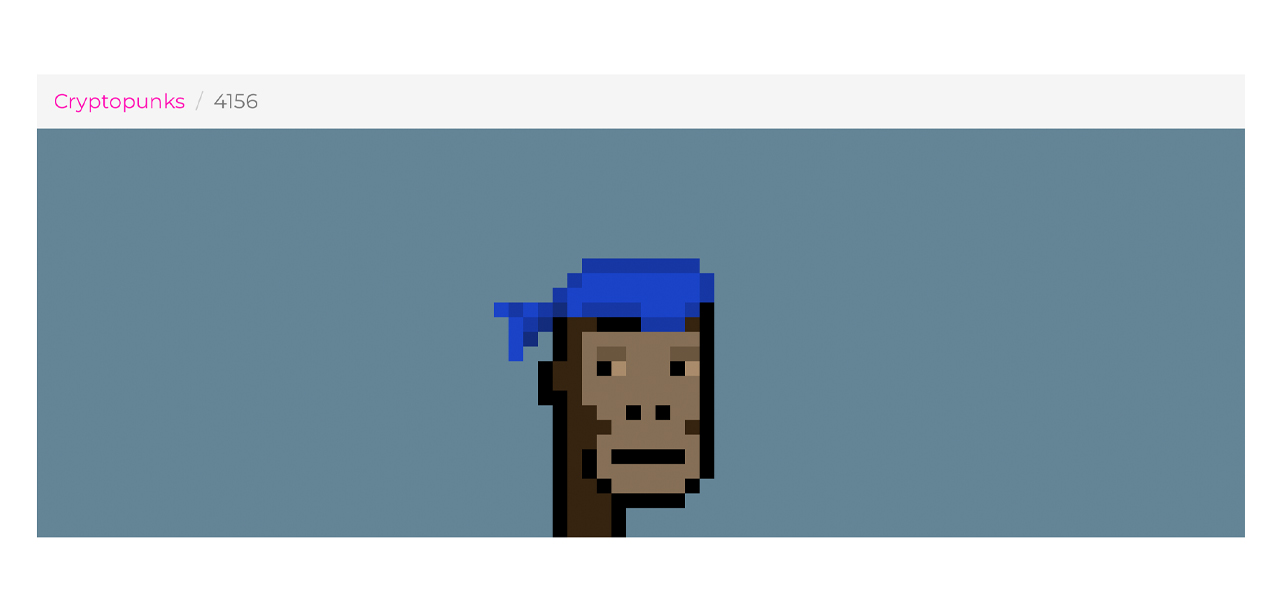
The art world was rocked in December 2021 when an anonymous collector dropped 2,500 ETH – the equivalent of $10.2 million – on “CryptoPunk #4156,” a rare Ape Punk that’s one of 24 in a collection of 10,000 items.
Created by the collective “Larva Labs,” CryptoPunks are uniquely generated characters featuring different attributes, which determines their value. For instance, Punks wearing ordinary items, such as beanies and hoodies, are usually sold for anywhere between $350,000 and $500,000. Meanwhile, one that depicted an alien species (CryptoPunk #7523) was purchased for $11.7 million.
“Looking back now, the CryptoPunks ended up being the first of its kind on the Ethereum blockchain,” said Matt Hall, co-founder of Larva Labs. “Non-fungible tokens are one of the more exciting use cases for the blockchain and there are [venture capitalists] investing in lots of companies working on related projects. That’s pretty amazing to see, I can’t wait to see where all of this ends up.”
“Overall, we’ve been lucky enough to be early on several big technologies,” Hall added. “I think we’re getting pretty good at zeroing in on what’s really interesting about new technology. We were both early users of the Internet before it went mainstream, and were already writing smartphone apps full-time back in 2006.”
Mad Dog Jones - “REPLICATOR”
Price Tag: $4.1 million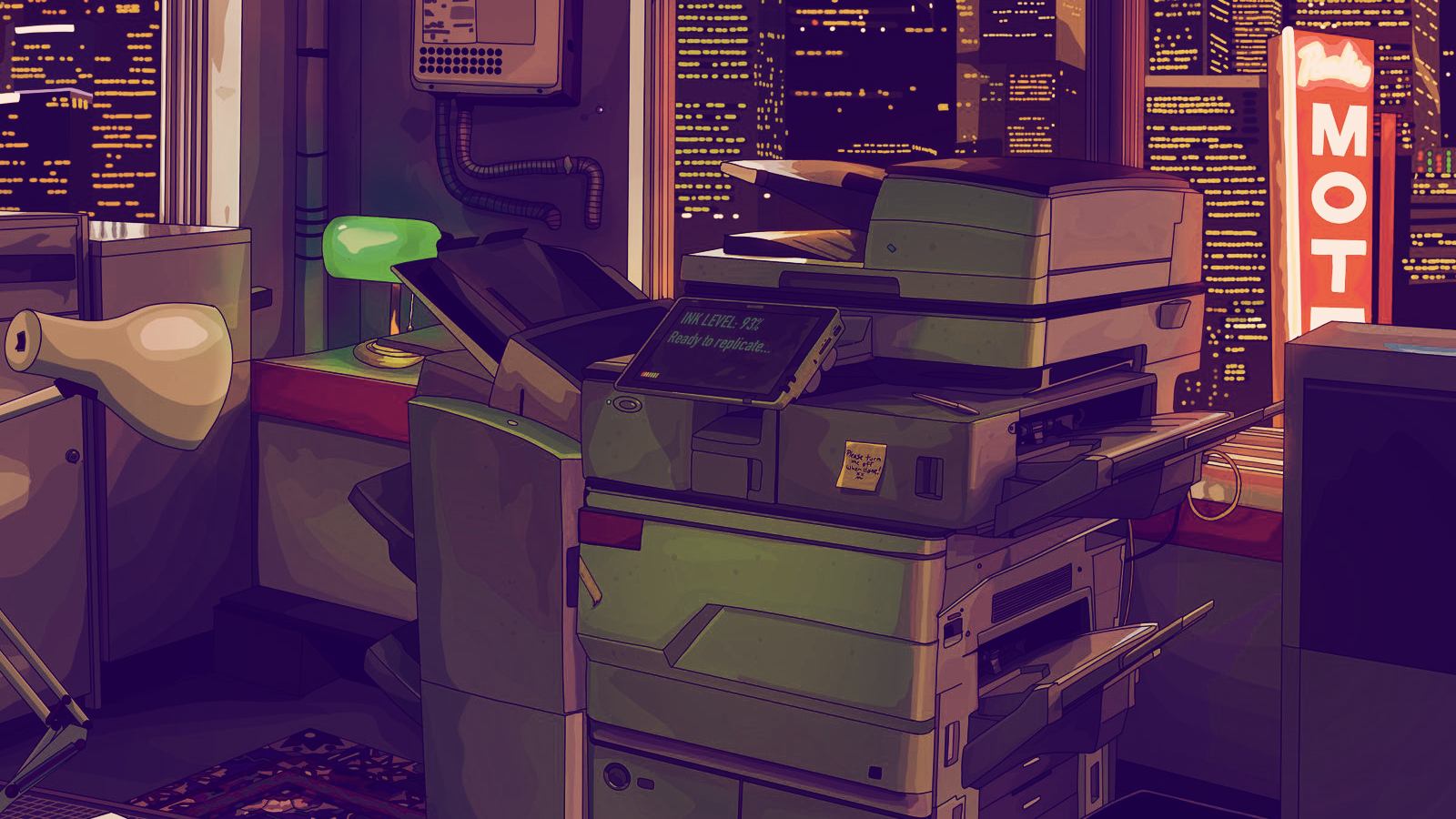
In April 2021, Micah Dowbak, or “Mad Dog Jones” became the most expensive living Canadian artist when his “REPLICATOR” sold for a staggering $4.1 million through the Phillips’ auction house. Unlike most other digital pieces, this is a copy machine backed by a unique smart contract programmed to automatically spit out a new generation of NFTs every 28 days. All these can be either kept or sold, depending on what its owner wants to do.
“I think that there’s a lot of misunderstanding and confusion floating around the traditional art collecting community about what NFTs are exactly and how people should go about acquiring these works and supporting these artists,” explained Mad Dog Jones. “By having a traditional auction house sell the artworks, it really opens up the door to a much larger community that is not fully immersed in the crypto space.”
He added, “The idea of NFTs is so new and the themes around REPLICATOR are reflecting on past innovation. It felt right to house this new artwork in an institution so firmly grounded in the past.”
Trever Jones - “The Bitcoin Angel”
Price Tag: $3.2 million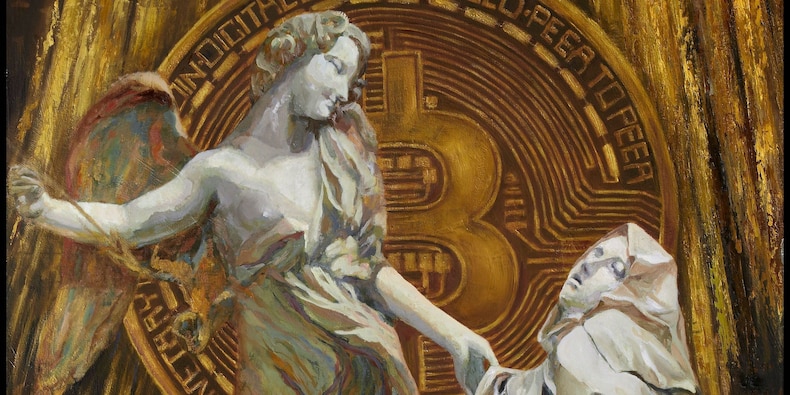
Renowned Scottish-Canadian visual artist Trever Jones shattered records when he launched an open edition drop on the NFT marketplace Nifty Gateway. Titled “The Bitcoin Angel,” it sold 4,167 NFTs, which translates to over $3.3 million in sales. He also encouraged them to hold on to their piece until Bitcoin reaches a total value of $77,777, further promising that if they do, they’d be entered into a draw to have their portrait drawn by him personally.
“In the early days, there really were only a handful of [crypto] artists,” said Jones. “We all spoke to each other daily and got excited about who’s doing what. In the last six or so months, it’s really blown up. It mirrors the art world in general, with money, egos, and personalities, and everybody wanting a piece of the pie.”
Since dipping his toes into crypto art in 2018, Jones has broken multiple records. For instance, “The Bitcoin Angel” became the most expensive open-edition NFT artwork ever sold. His pieces have also fetched extremely high bids on marketplaces dedicated to non-fungible tokens, including on Nifty Gateway, SuperRare, and MarkersPlace.
* * * * *
With these high prices, it’s clear that non-fungible tokens (NFTs) are increasingly becoming accepted by artists and art collectors from across the globe.
All images via niftygateway.com
-End-
-
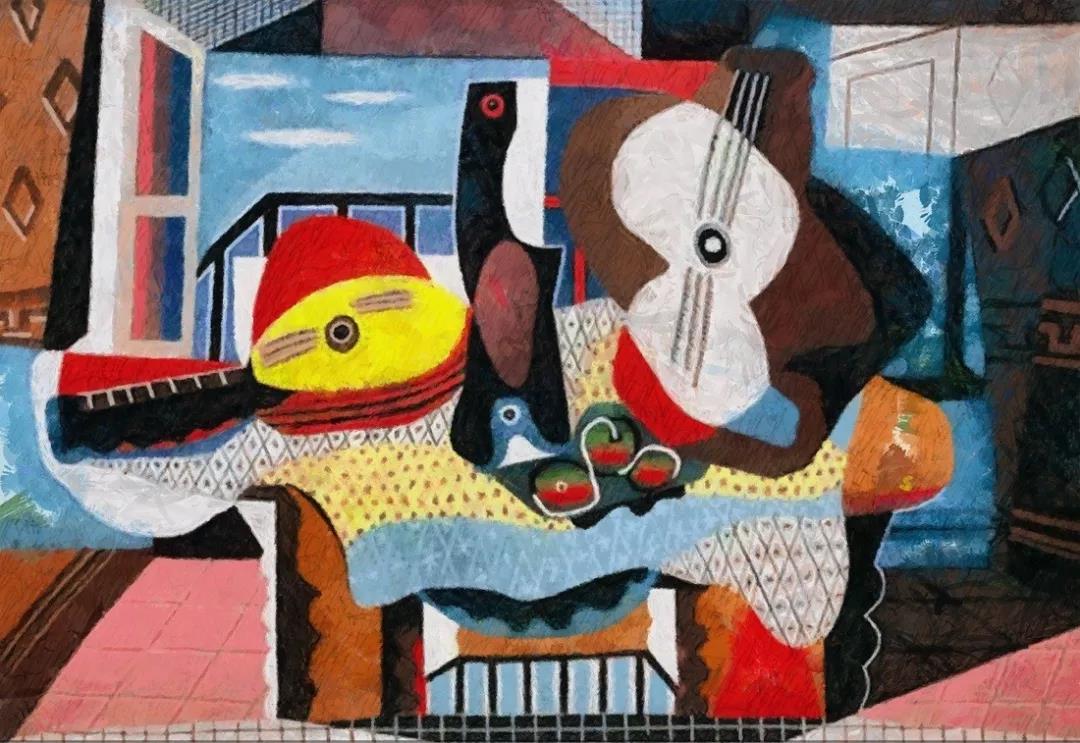
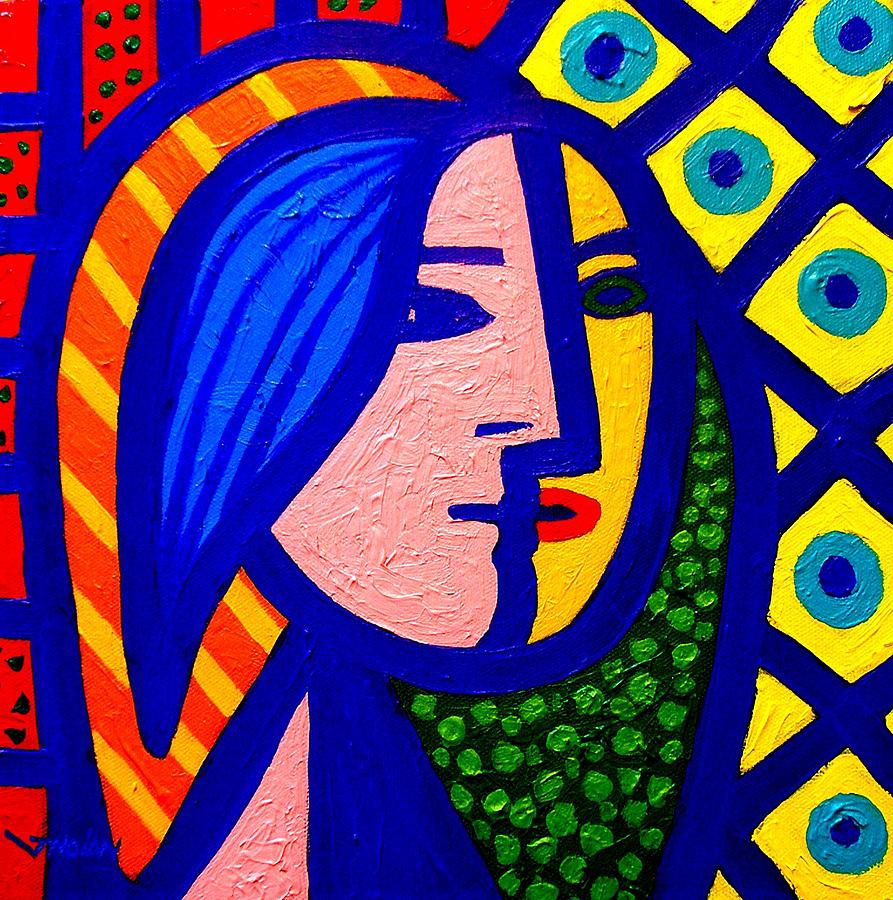 Homage To Pablo Picasso Painting by John Nolan
The era of modern art was significant in new features, experimenting, and new styles. It allowed artists to fully express themselves and what they felt. Like every human being, artists also have different opinions and methods of showing their world to us. Every artist uses unique lines, colors, and shapes, which represent what they want to say the best. Sometimes even the most simple painting has a hidden story from the artist's life. Keep reading, and you'll find six surprising stories of modern artists.
Paul Gauguin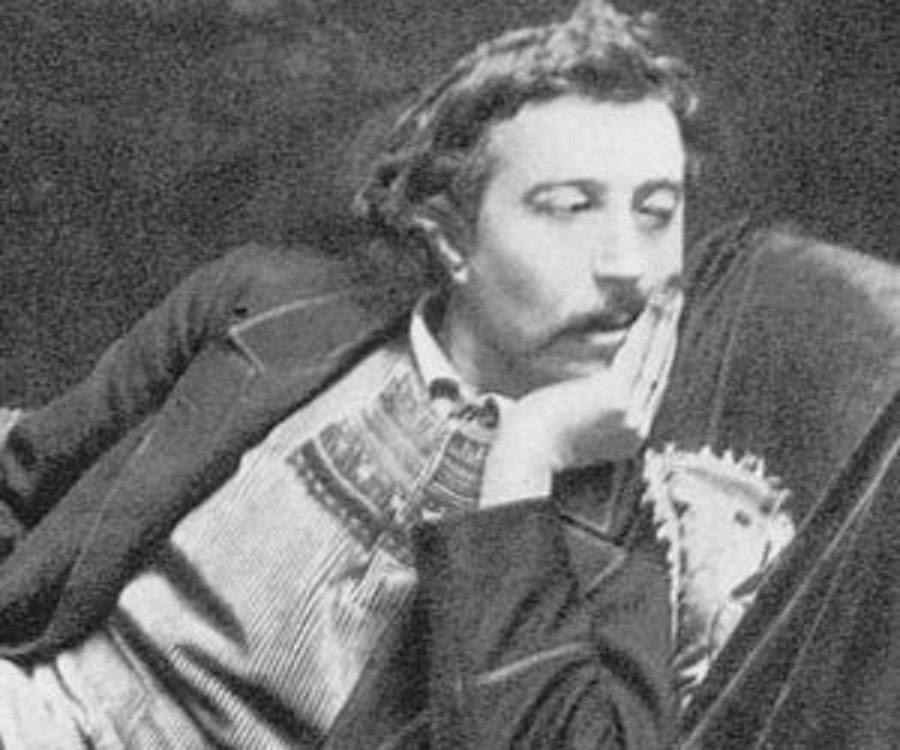
Paul Gauguin was one of the most influential figures in French art. He was active in the early 1900s, and his work represented the Post-Impressionism art movement. When he was only two years old, his father decided to move the Gauguin's to Peru. (1850) Since then, Paul Gauguin has traveled to many places that impacted his life and art. Who knows? Maybe this start of his childhood in Peru made him want to see as many places as possible. Paul Gauguin loved escaping from french society and sought inspiration in exotic destinations.
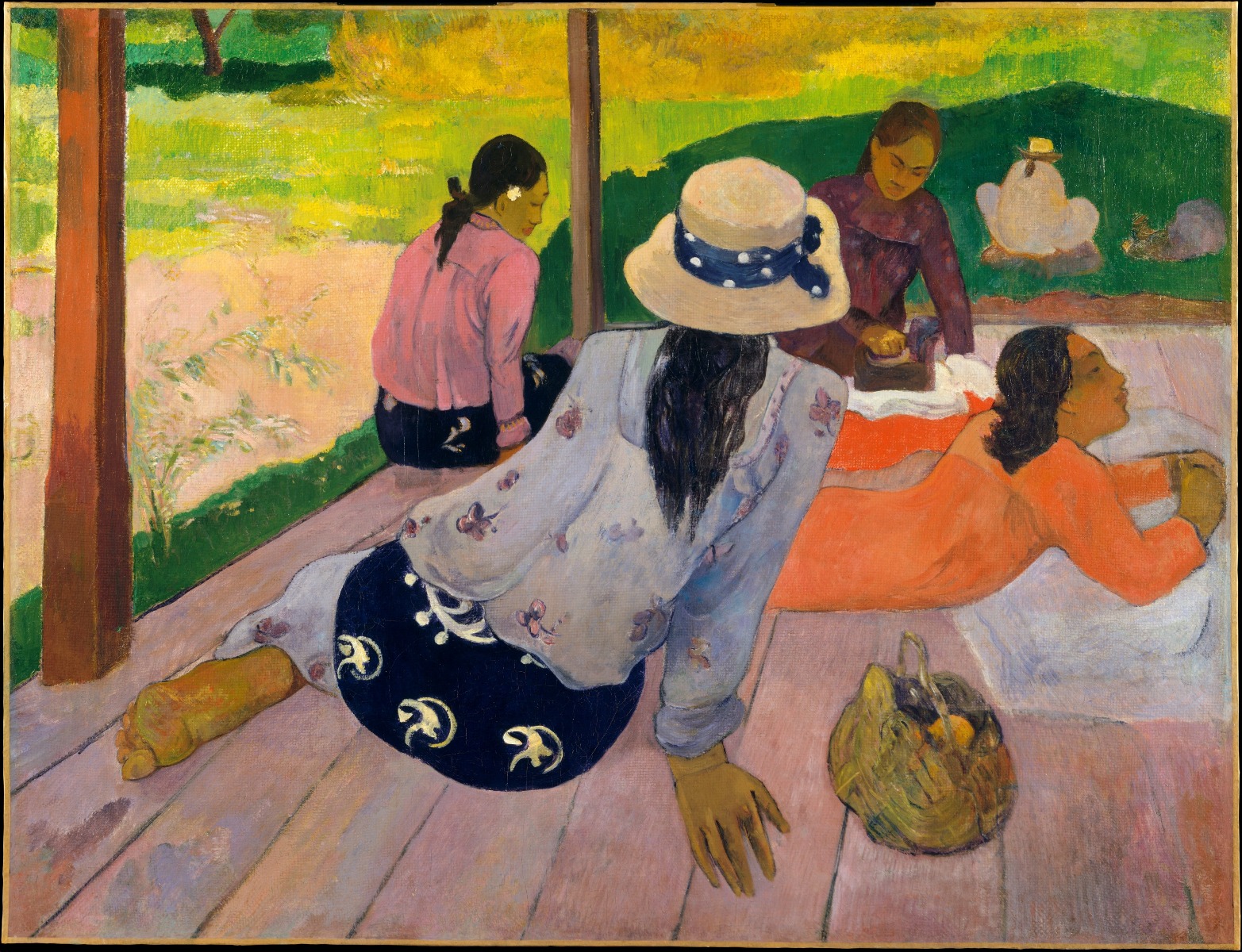
Paul Gauguin, The Siesta,
One of his favorites was Tahiti. Although his wife and her family weren't big fans of his career choice, he promised them to become rich men when he left in 1891 as a 43-year-old. And it's safe to say that Gauguin fell in love with this place. After all, his most famous work represents the Tahitian culture. We can picture the colorful world of azure oceans and exotic faces through his art. No surprise Gauguin was enchanted, such as his story is enchanting to many others now.
Pablo Picasso
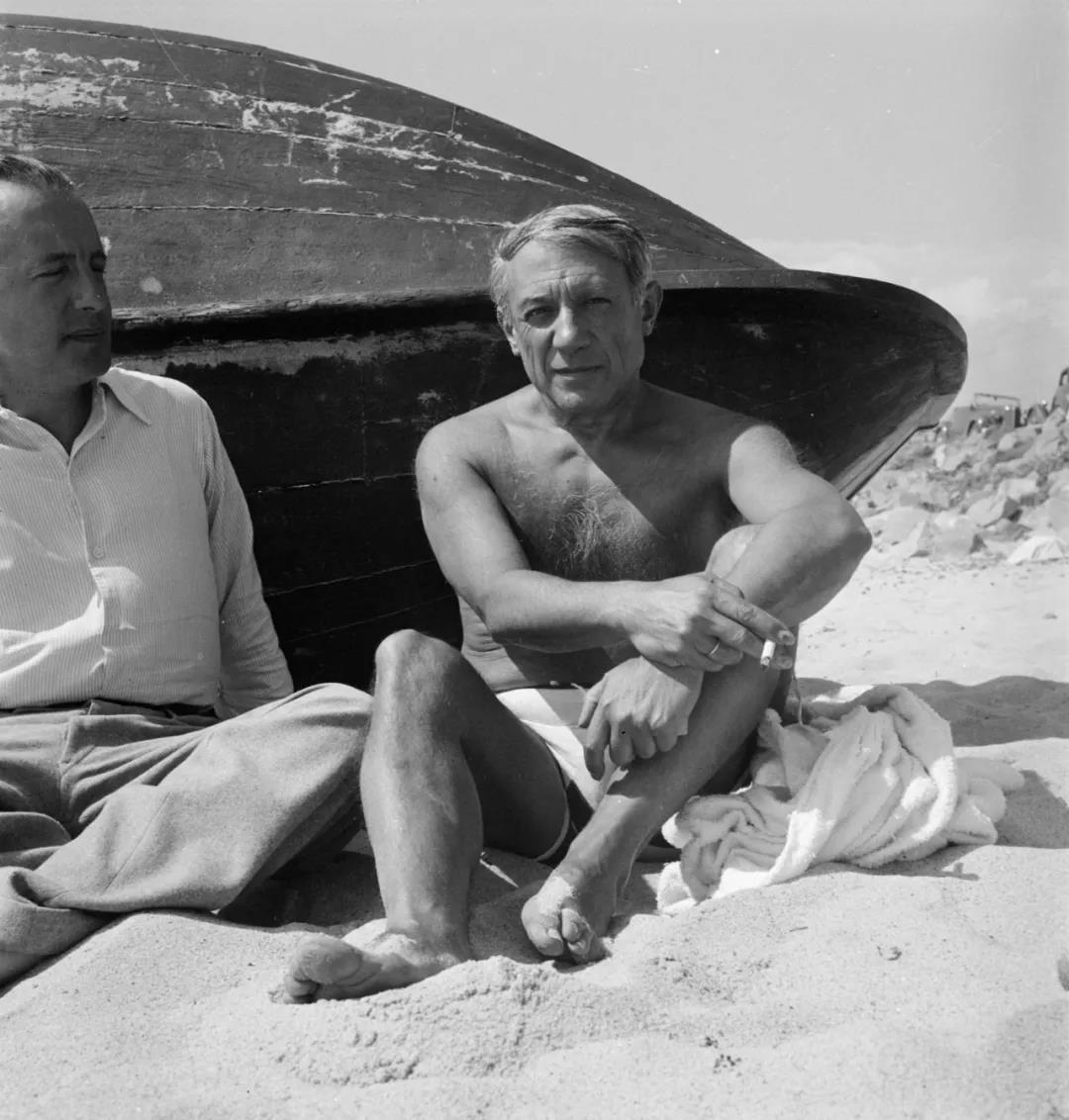
What kind of post about modern artists would this be if we didn't include probably the most famous painter of all time, Pablo Picasso. He was the first-born of a Spanish couple in Malaga, even though he later spent most of his life living in France. Since his father was also an artist, he was taught to express his feeling through art from a young age. And that's precisely what we can see in his paintings. When we look at his artwork from the blue period, for example, The Old Guitarist, we can see that there isn't much color, which evokes sadness or depression. He used exclusively blue color to express his sorrow from a loss of a friend to suicide. Other motives from this period are blindness or poverty.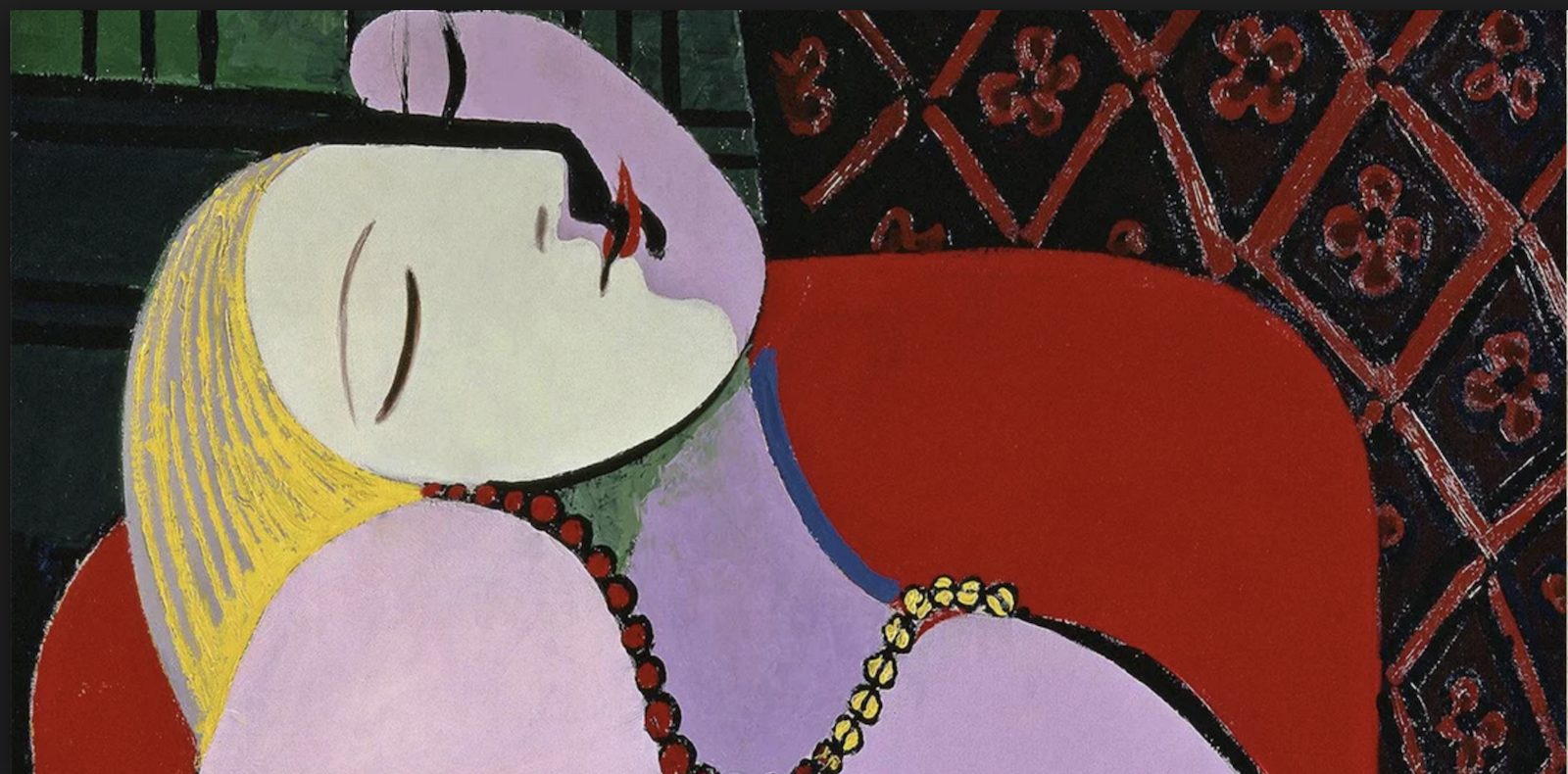
Pablo Picasso, The Dream, 1932, private collection. Pinterest.
But as his life went on, he also experienced some beautiful moments, like falling in love. And he did that many times. But every time he devoted his heart to a woman, he made her the center of his world, meaning she was the center of his art. Just like we can see Fernande Olivier in the Head of a Woman or Eva Gouel in Woman with a guitar. Over the years, Picasso found his muse in women, but after his last wife Jacqueline Rogue died, he had lost his creative spark.
In his 92-year long life, Pablo Picasso had better and worse periods in his life, but he always managed to pour his emotions into his art. And we can be happy he did so.Frida Kahlo
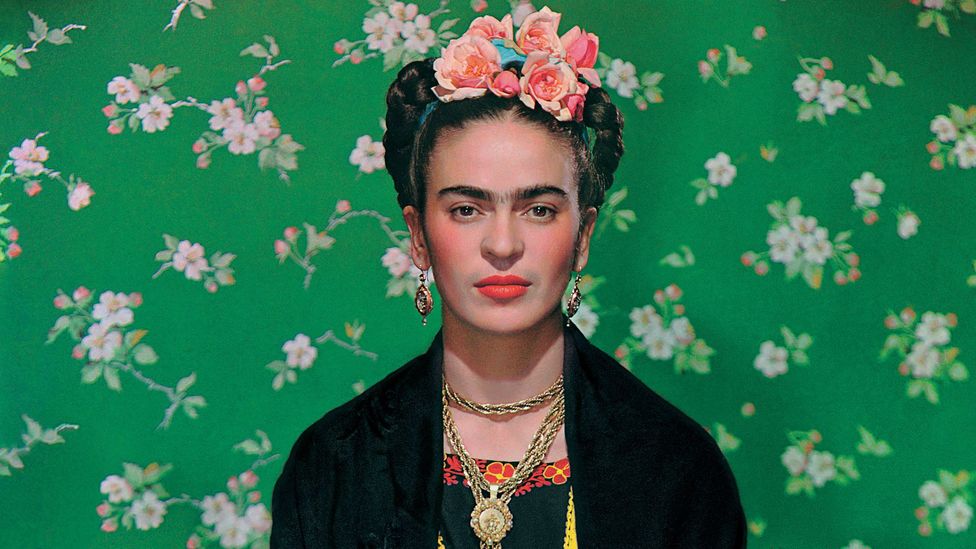
Frida Kahlo's life was never easy. She struggled mentally and physically, which we can see and feel through her art. But even though she couldn't see it then, it had made her stronger, making her now a feminist icon. Her journey with art began when in 1925. When she was 18 years old, she was in a bus accident in which she was impaled by a steel handrail. That resulted in numerous surgeries and a whole body cast for 3 months. During this time, her family encouraged her to paint and brought her the That's when she first expressed her struggles in a painting called A broken column.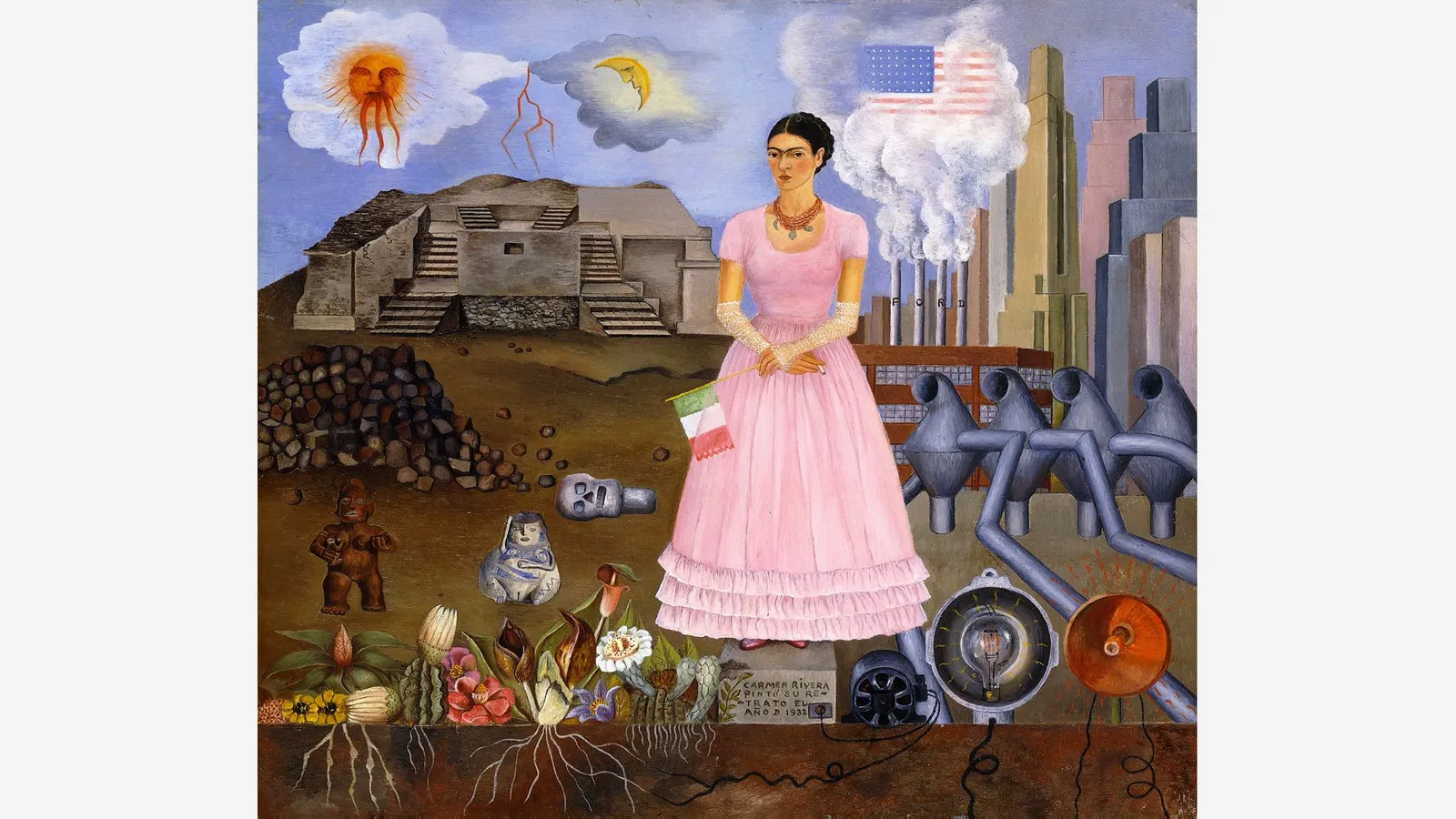
Objects are on display alongside paintings, including Self-Portrait on the Border Between Mexico and the United States of America
(Credit: Modern Art International Foundation)
Her life then brought her in the way of a Mexican muralist, Diego Rivera, whom she was married to. As her marriage seemed idyllic at first, it turned into a nightmare for Frida because of her struggle to conceive a child. She portrayed her pain in a painting called Henry Ford Hospital. This particular work shows how she felt during her second miscarriage. Frida's and Rivera's relationship was also troubled by her husband's affairs, including one with her sister. The couple eventually split up several times, leaving Frida with all the emotions. No surprise, she turned to her lifetime love – art and painted The two Fridas. This work represents her loved and unloved versions.
Vincent Van Gogh
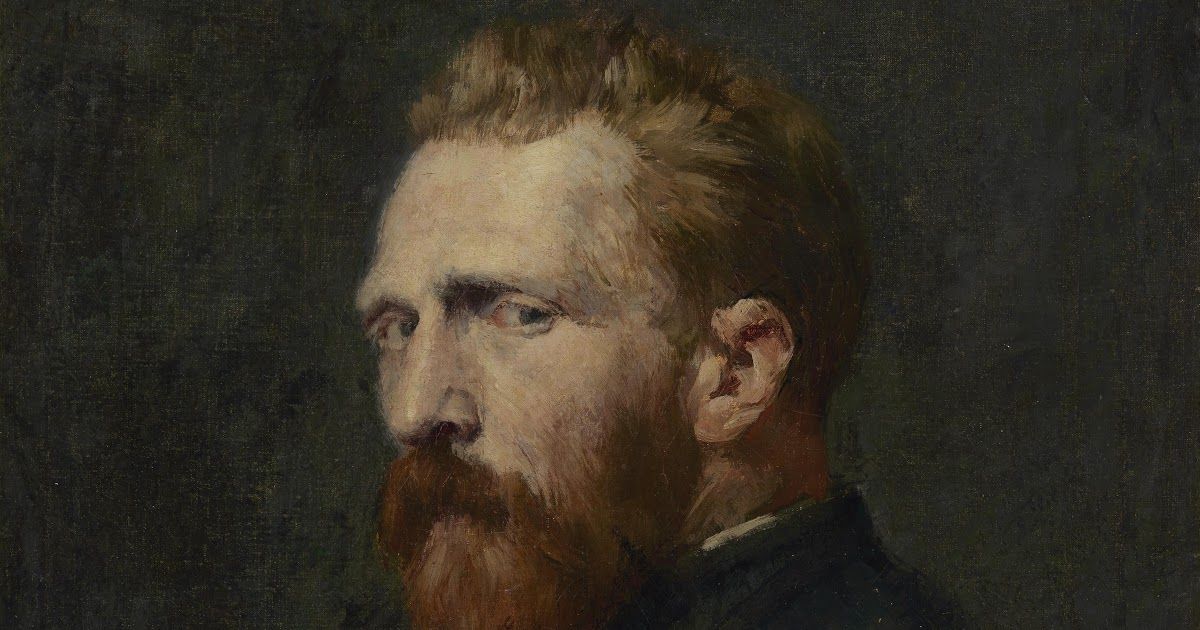
Vincent Van Gogh, also known as the tortured artist, was born in Holland in 1853, and even though his career was short, he had a vast impact on art. At first, he tried many different professions until he found his true passion for painting, and since then, he hasn't looked back. He painted almost 900 pieces that showed his problems with mental health. He was utterly captivated by the brushstroke and emotional colors that his finest works were produced within a three-year period. This makes him one of the most remarkable artists of all time.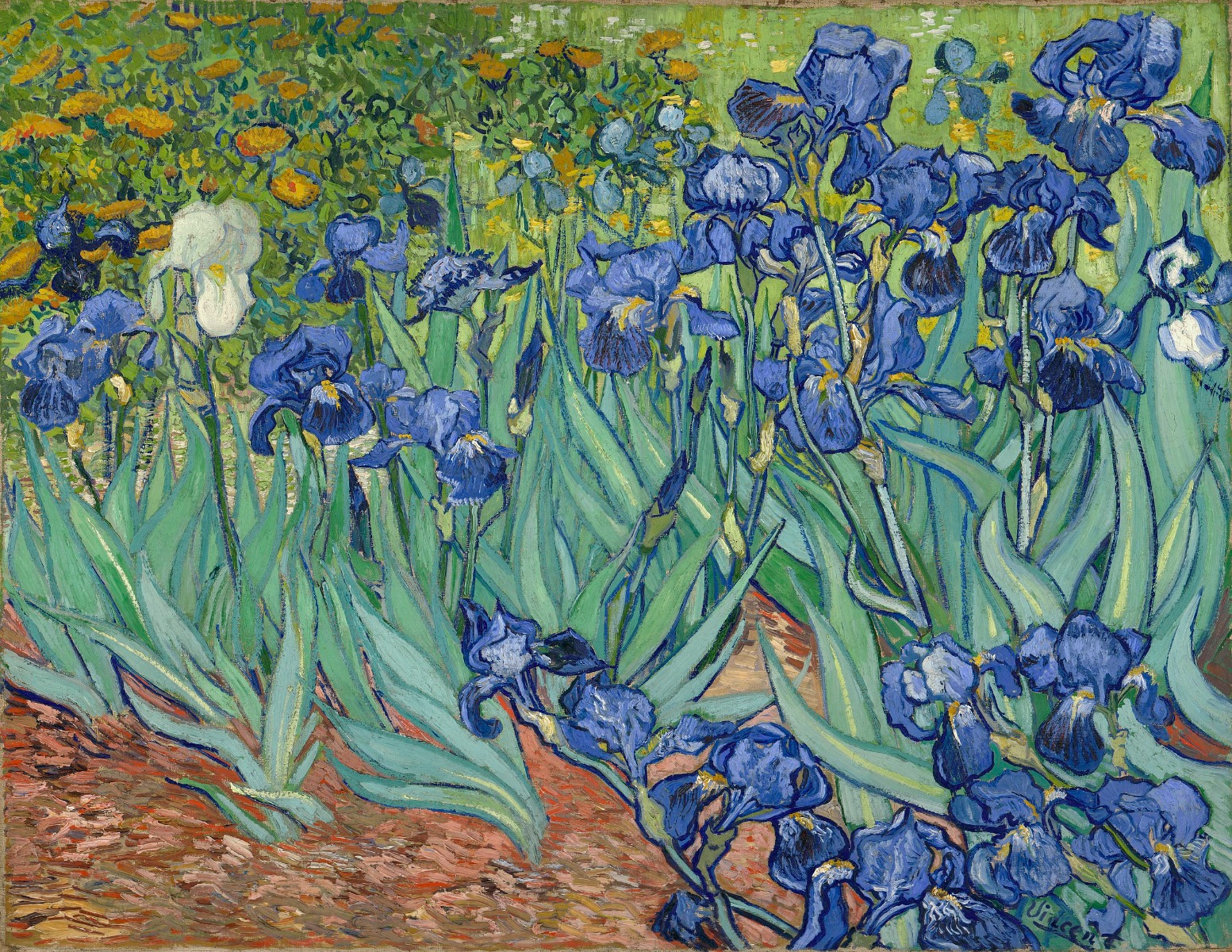
Vincent van Gogh - Irises (1889)
Even though he fought a lot of battles with his own head – which resulted in the cutting of his won ear- his most famous work, The starry night, represented the last hope he had. He painted the town that sleeps during the day when he looked out the window in the asylum. This painting is full of emotions that Van Gogh couldn't express through words and help to understand what he had been going through at that time.
Gustav Klimt
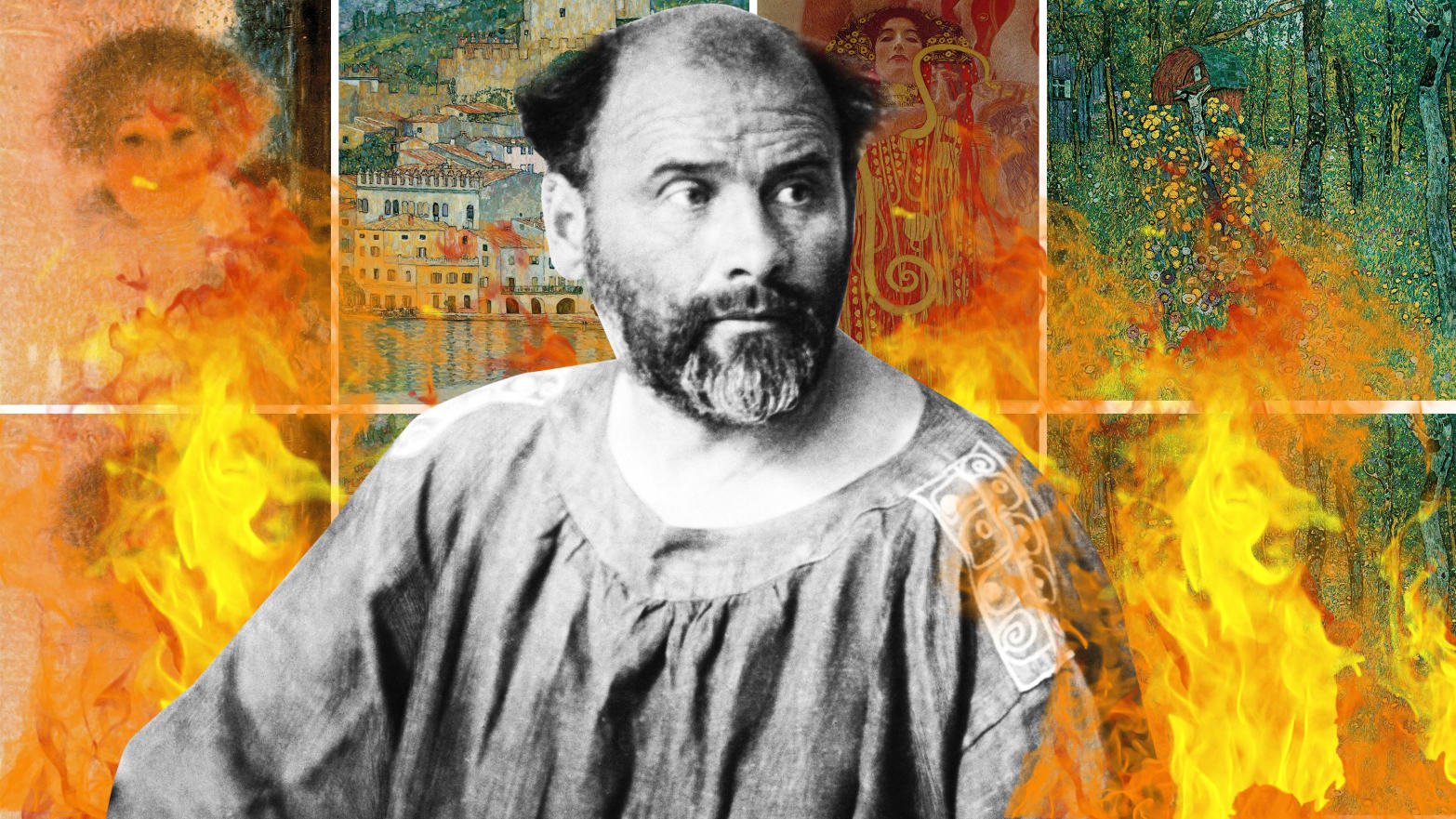
A Viennese artist Gustav Klimt was born as second of seven children in 1862. But after a few years, there was only him, his mother, two sisters, and his brother's widow. The deaths of his family members affected him, but they did not affect his work. He stayed true to his women and cats. The sketches of these animals revealed his soul as a cat-lady, so he kept them a secret. But he didn't hide his love for women. There are many speculations on how many affairs he had because almost all of his works have a woman in the center.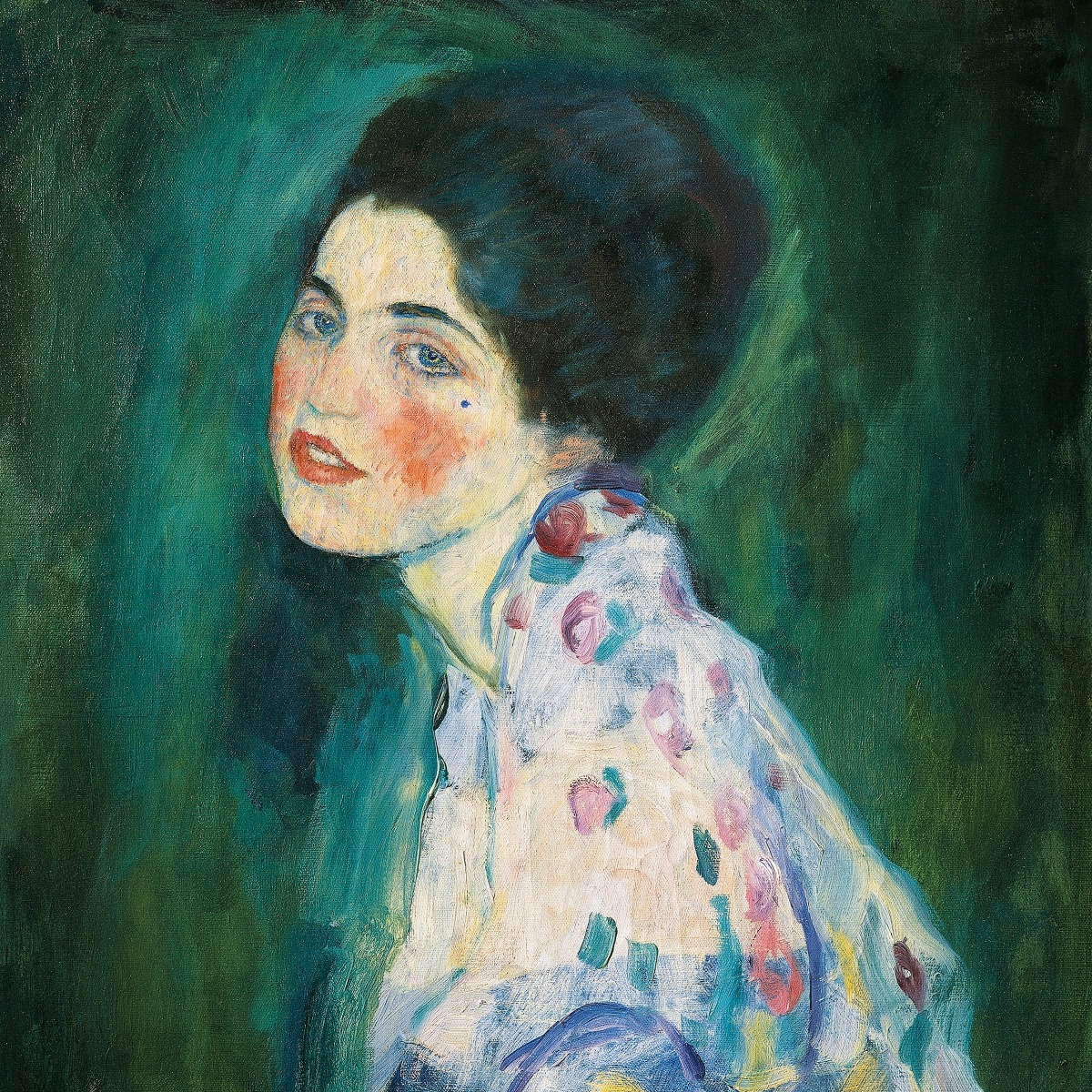
Portrait of a Lady, by Gustav Klimt (1862-1918), 60x55 cm.
Photo by DEA / A. DAGLI ORTI. Image courtesy of Getty Images.
However, one woman inspired his work and provided the basis for his most famous portrait, Emilie Floge. She was the sister of his brother's widow, and it is known they had an intimate friendship, but they never got married. Klimt's unique style and combination of subtle colors didn't leave a significant impact on other creators as we would expect since he didn't travel much. But just like every artist, Klimt also needed a place to go on vacation and unwind to be able to bring more art into the world. And that particular spot was Lake Attersee, where he painted more than 45 landscapes. The sad thing is that he didn't paint one self-portrait, ever. But judging from his paintings, Klimt wasn't afraid to bring revolution into the world of art and society. Just take a look at The Friends, where he portrayed a lesbian couple.
All images via Google.
-End-
-
Aix-en-Provence, a small exotic city in the south of France, is also a heavenly place, with beautiful scenery, and boasts an art city.
Textile designer Morgane Baroghel Crucq is a native daughter of Aix-en, graduated from ENSCI, then returned to her hometown to establish an independent studio and embark on her own textile design and art career. Her plans that by traditional textiles, in the pursuit of beauty to integrate aesthetics of light, and thinking about the connection between processing and science into her creation.
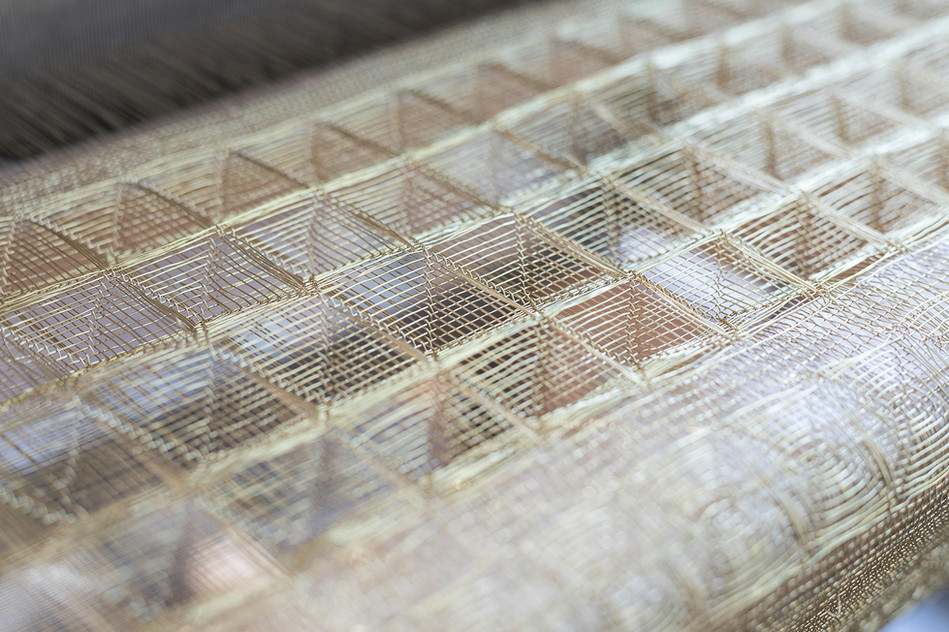
Stroll in the exquisite and familiar environment, unload the burden, Morgane from scratch to consider and choose her own artistic concept. First, she summarizes the past experimental creation, then begins to explore the combination of processing and material innovation to form a unique personal style with a unique and innovative in the form at the same time, and realization of both aesthetic and practical.
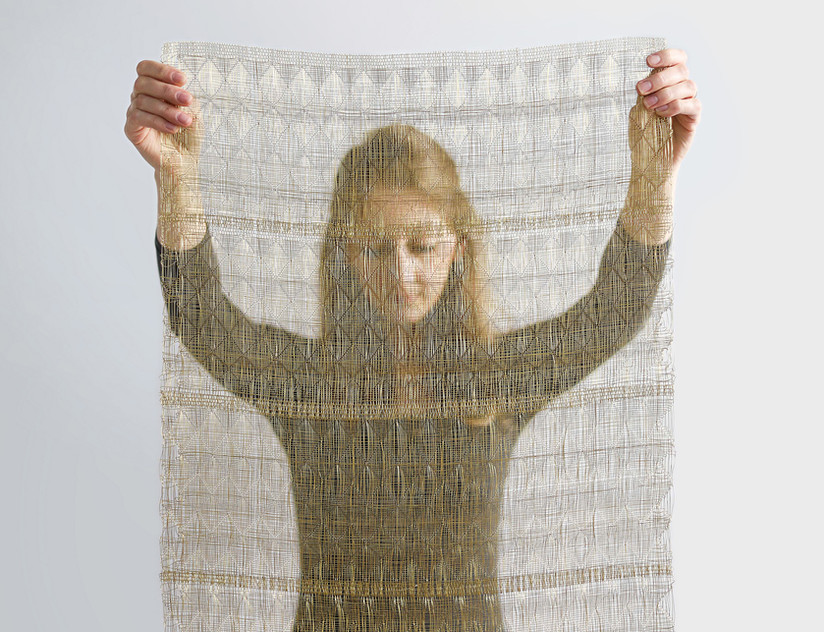
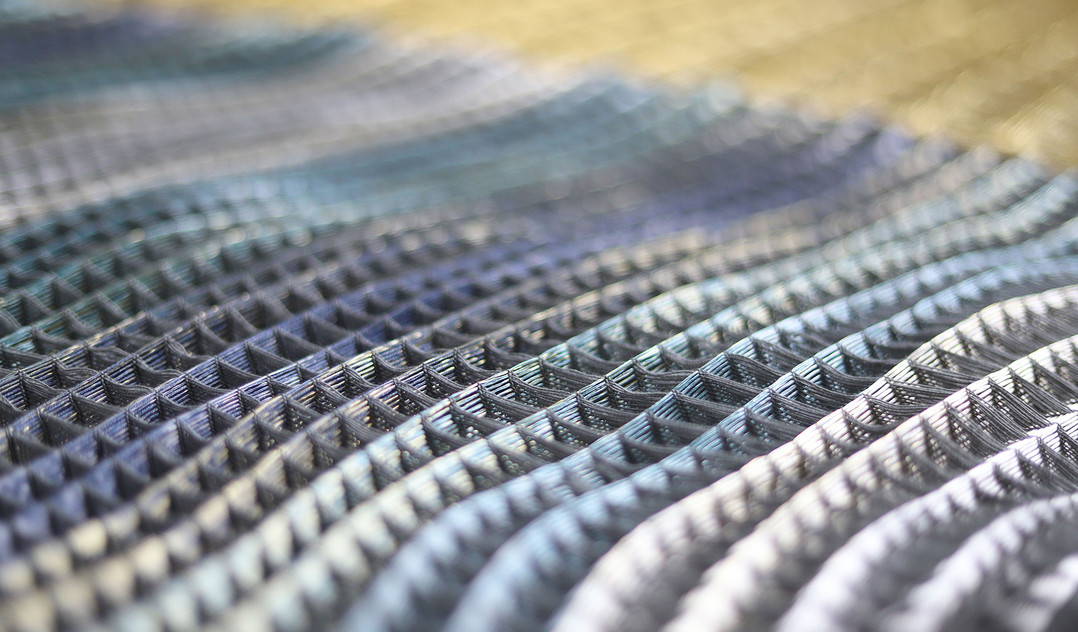
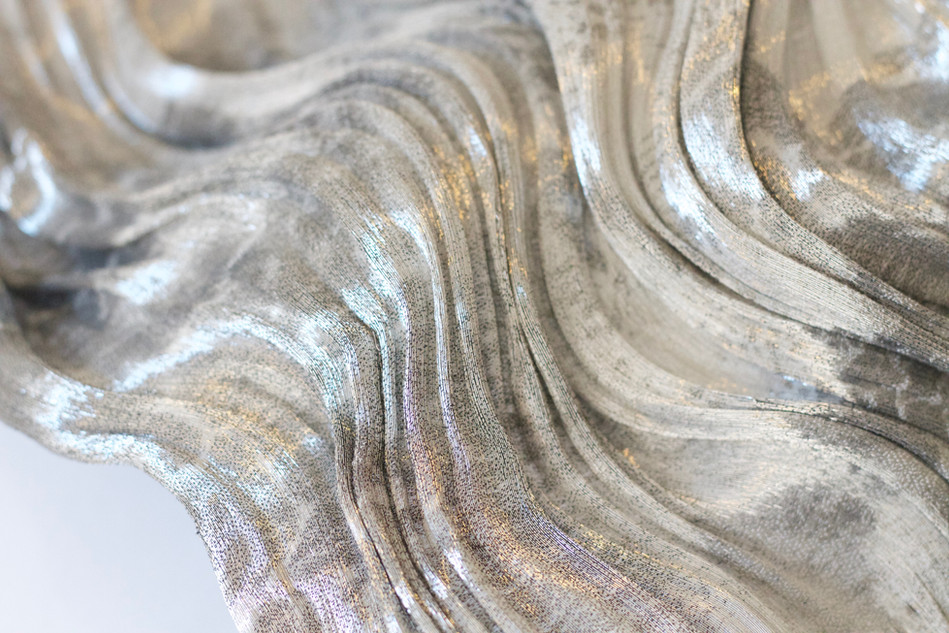
Soon, Morgane chose metal wire as a breakthrough because the metal wire is pure, cold and shiny. Its luster will vary with oxidation. Moreover, it has another merit of maintaining the shape of the design almost forever. Importantly, it can perfectly match textiles, which have contrast but complementary.
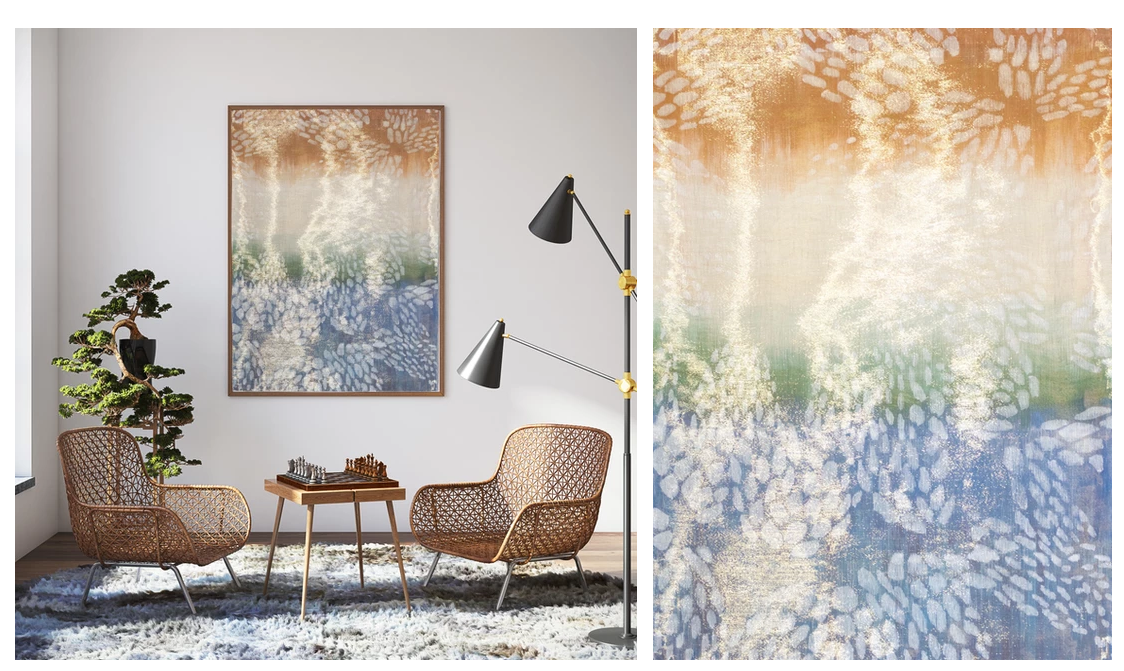
Defroting Dunes
Brass, silk
85x120 cm
2020
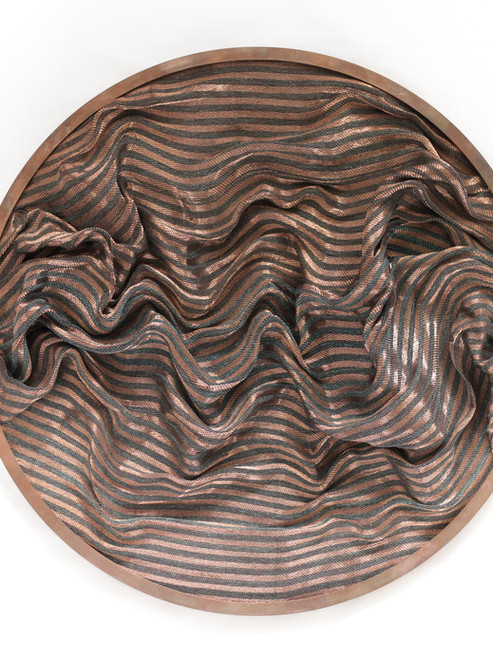
Morgane added golden metal wire to the traditional textile process, which seemingly simply changed but turned the textile art into 3D three-dimensional, from flat fabric to 3D three-dimensional relief textile art. Although it sacrificed some practicality, it could freely shape the form and make the textile more three-dimensional, colorful and enchanting.
Sand
Hand painted silk, brass
85x65 cm
2019
Not only has the artistic, good creative or innovation also need to be used in everyday life and business, only make it more practical, art will be more close touch for people. While Morgane's 3 d embossed textile, not just be used in the clothing design but can be used in home decoration, lighting fixtures, and other fields, the perfect balance of aesthetic and practical.
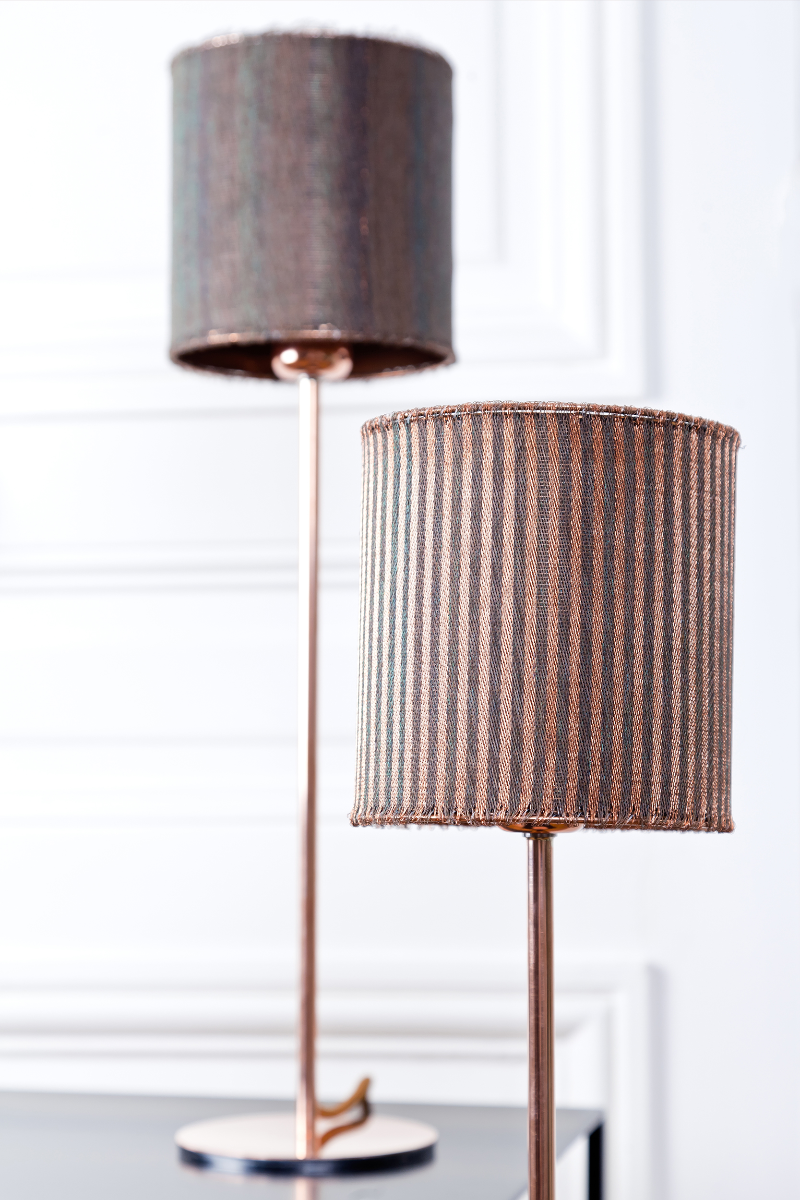
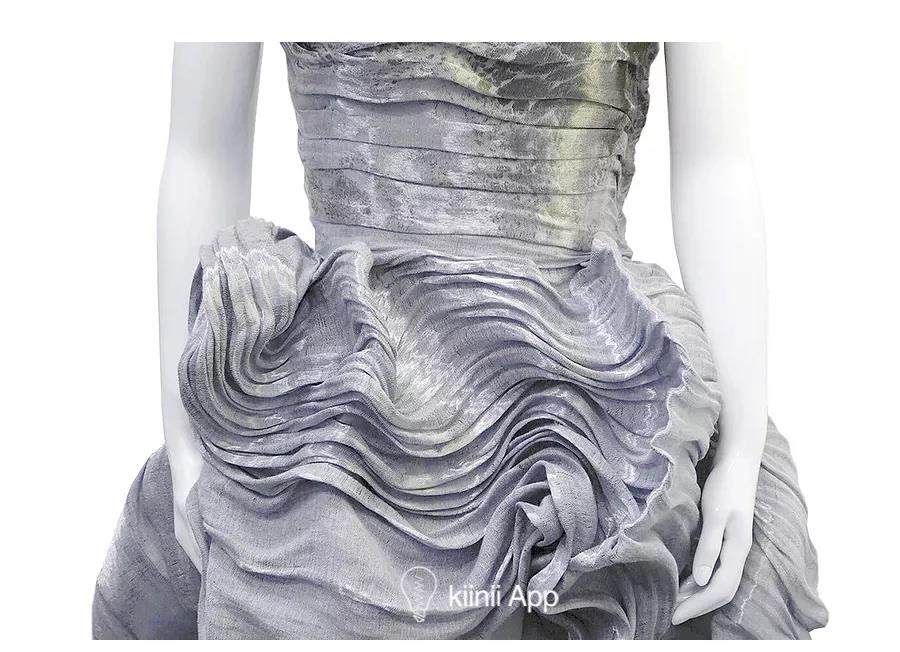
It seems that artistic creation is always like this. A bit of proper change often opens a new door for art. Behind the change is the reflection and summary after the experimental artistic creation process, which is the thinking mode of the artist to break the boundary and frame.
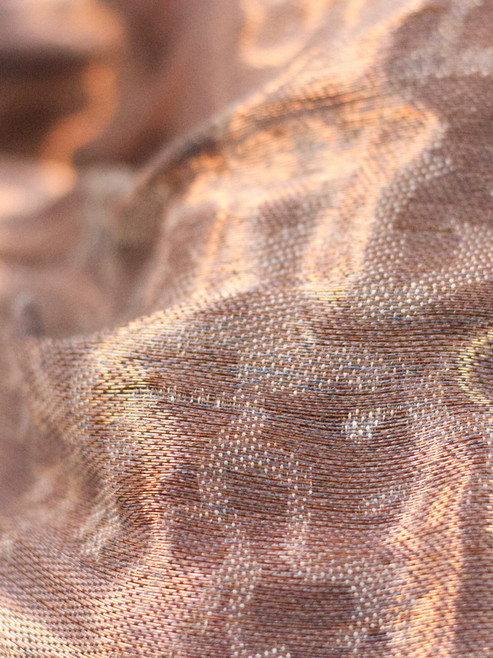
As a talented rising star with unique creativity, Morgane soon showed her talents. She was an award-winner that related craft many times, and won the support of the Foundation of The People's Bank of France in 2016, and partnered with many brands, including Hermes. In 2019, she won the back of the Foundation of Hermes Enterprise. Leads her promising future on the unique artistic cause.
Enjoy More Morgane Baroghel Crucq's Works
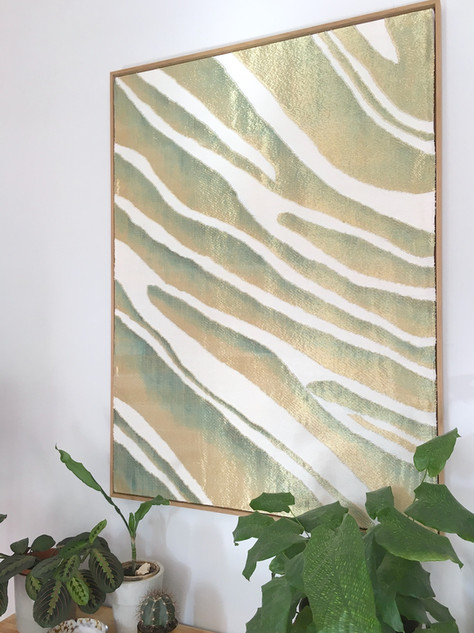
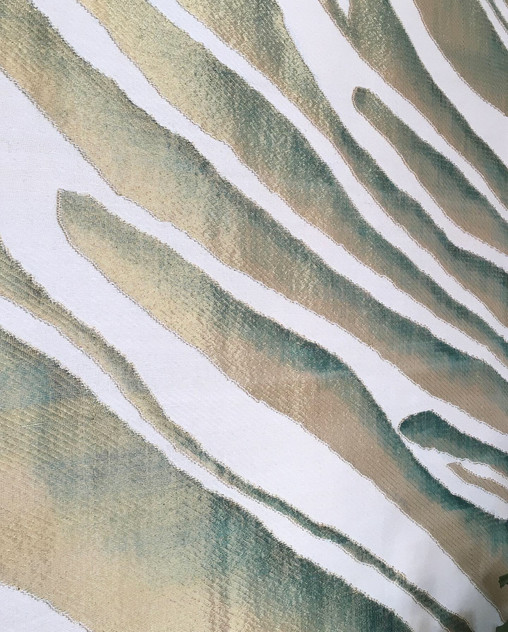
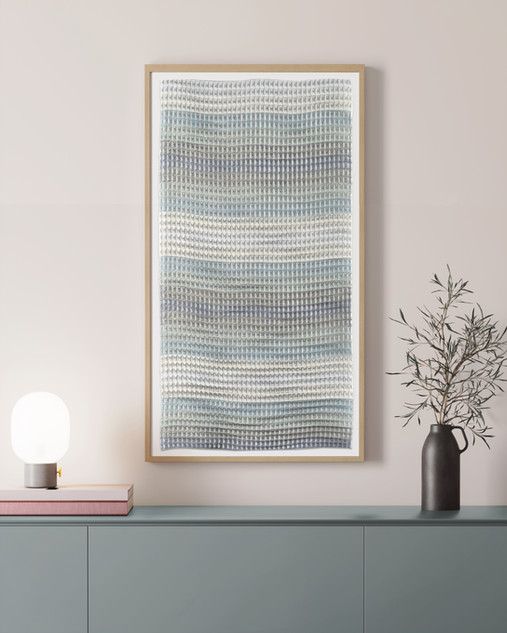
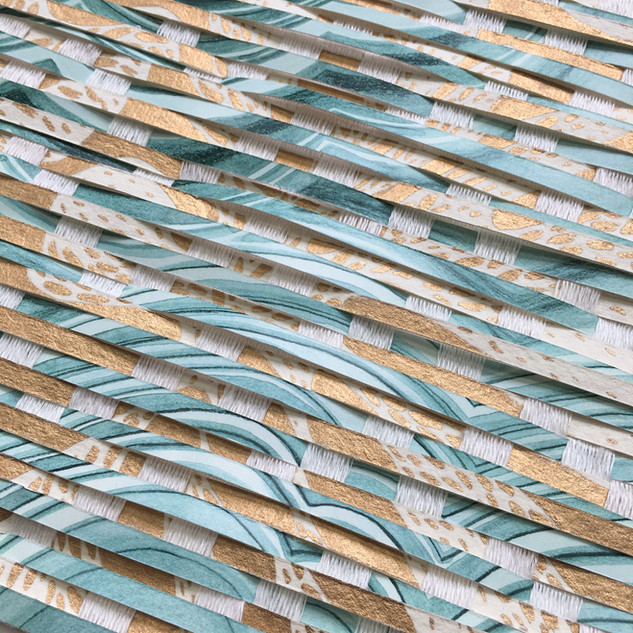
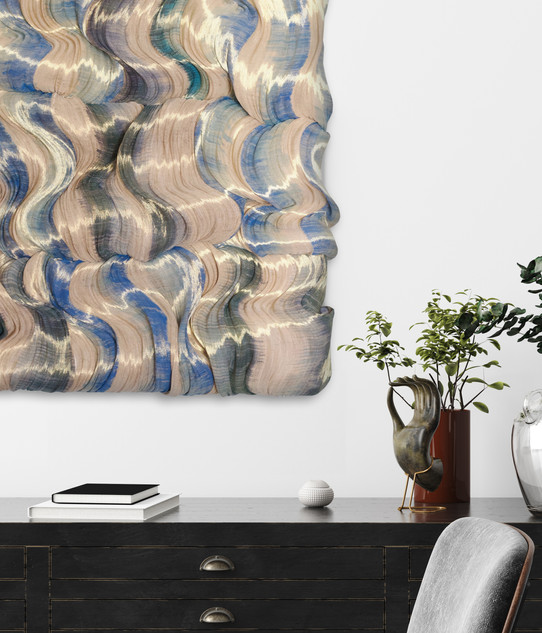
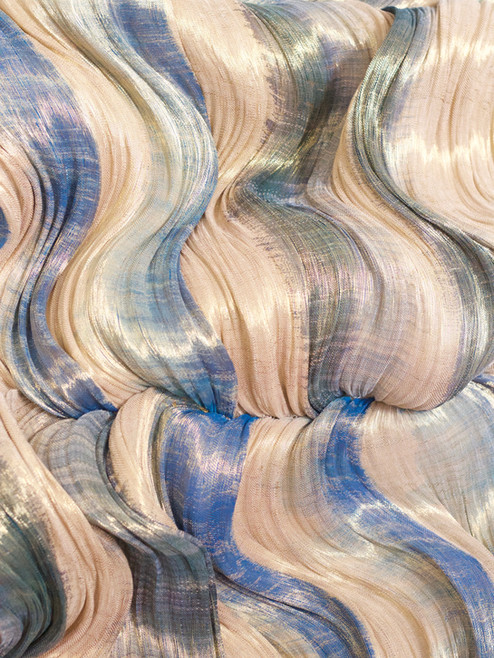
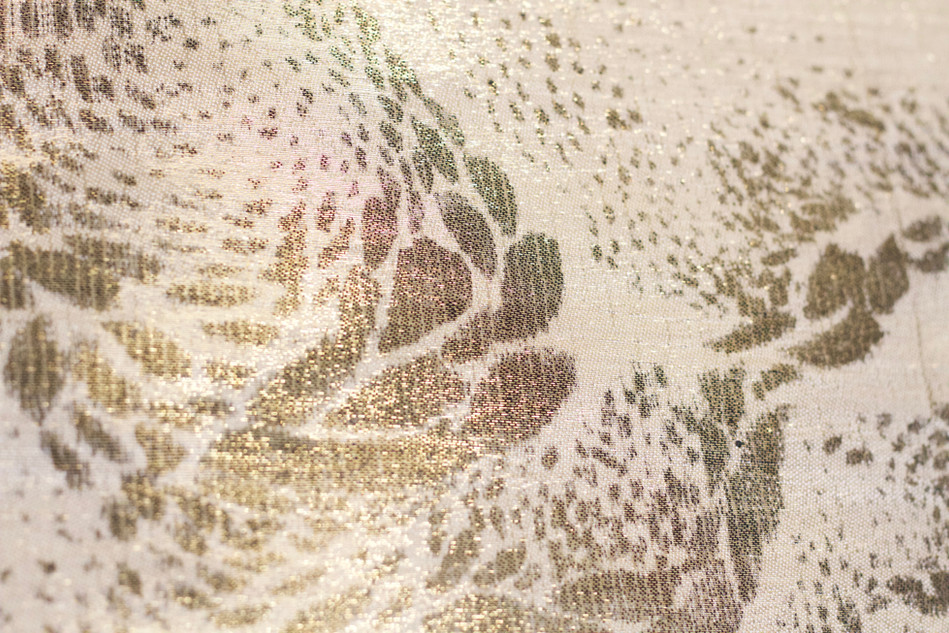
All images credited to Morgane Baroghel Crucq
Did you enjoy this article or feel like you have anything else to add? Feel free to leave me a comment below!
If you like this post, please share it, so others may like it too!-End-
-

Alain de Botton
What is the link between modern architecture and human happiness?
In 2005, the British author Alain de Botton of "The Architecture of Happiness" said, "The world is so alien that we need a shelter to support our state of mind." He also launched a non-profit rental project called Living Architecture, which commissions leading architects to build tiny single-family rented houses across the UK.
Living Architecture's "rentals" are scattered across the UK. De Botton argues that while there are many modern buildings in Britain, they tend to be public spaces, and the few existing contemporary houses are almost all privately owned, with little opportunity for an intimate experience. Living Architecture wants to give more people the chance to truly live in modern buildings.
01
A House for Essex
Grayson Perry、FAT Architecture
Essex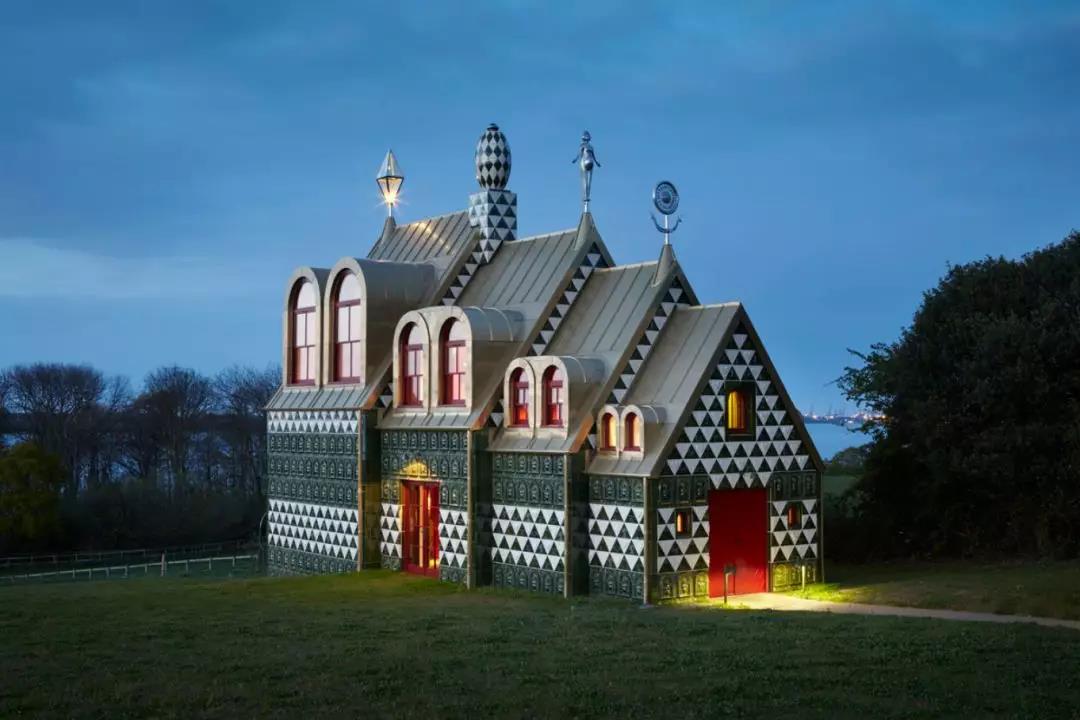
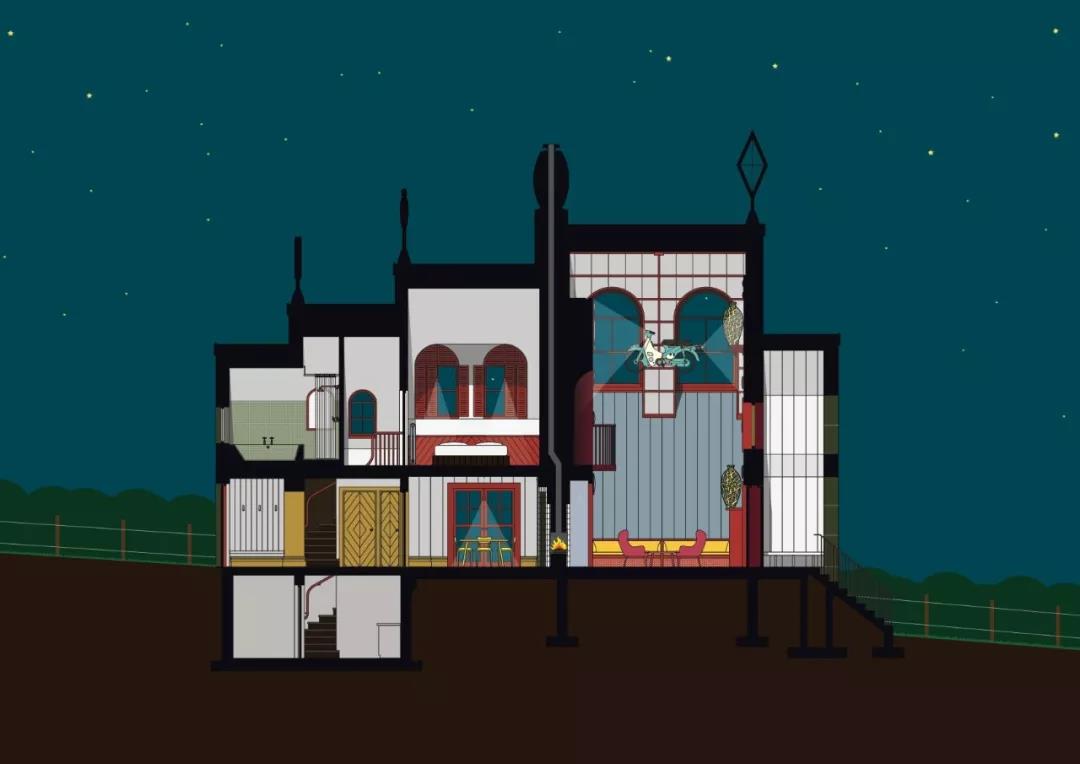
An hour's train ride from London, Essex House is Living Architecture's most resplendent building. It took five years to complete the fairy-tale cabin by Grayson Perry (Turner Prize-winning artist) and Charles Holland (FAT Architecture architect). Perry dubs it "the Taj Mahal on the Stowe" -- a monument dedicated to a woman.
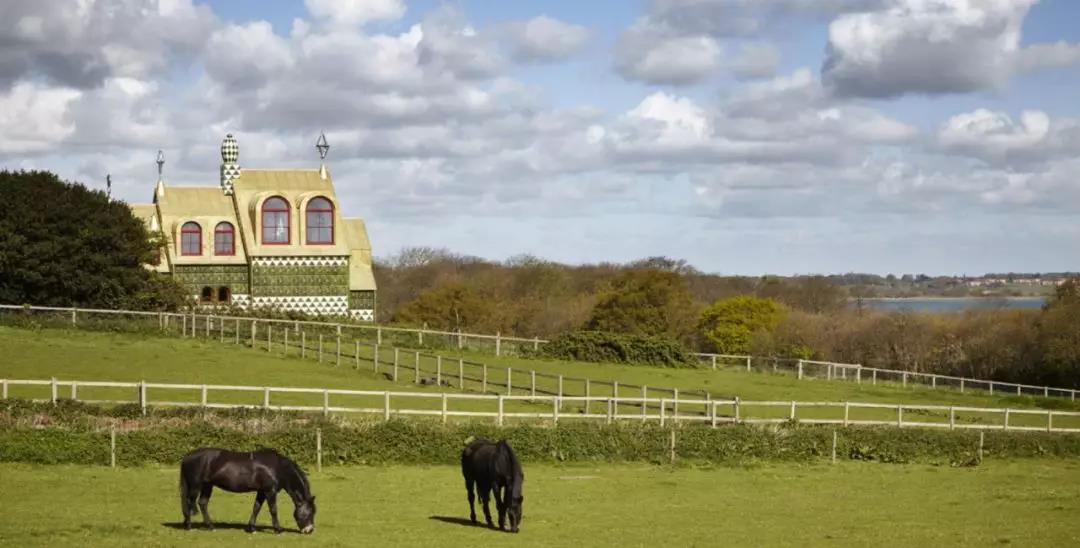
This uncompromising house stands out in the continuous Essex landscape. The soaring roof and long facades are decorated with about 2,000 handmade ceramic tiles and sculptures designed and made by Mr. Perry.
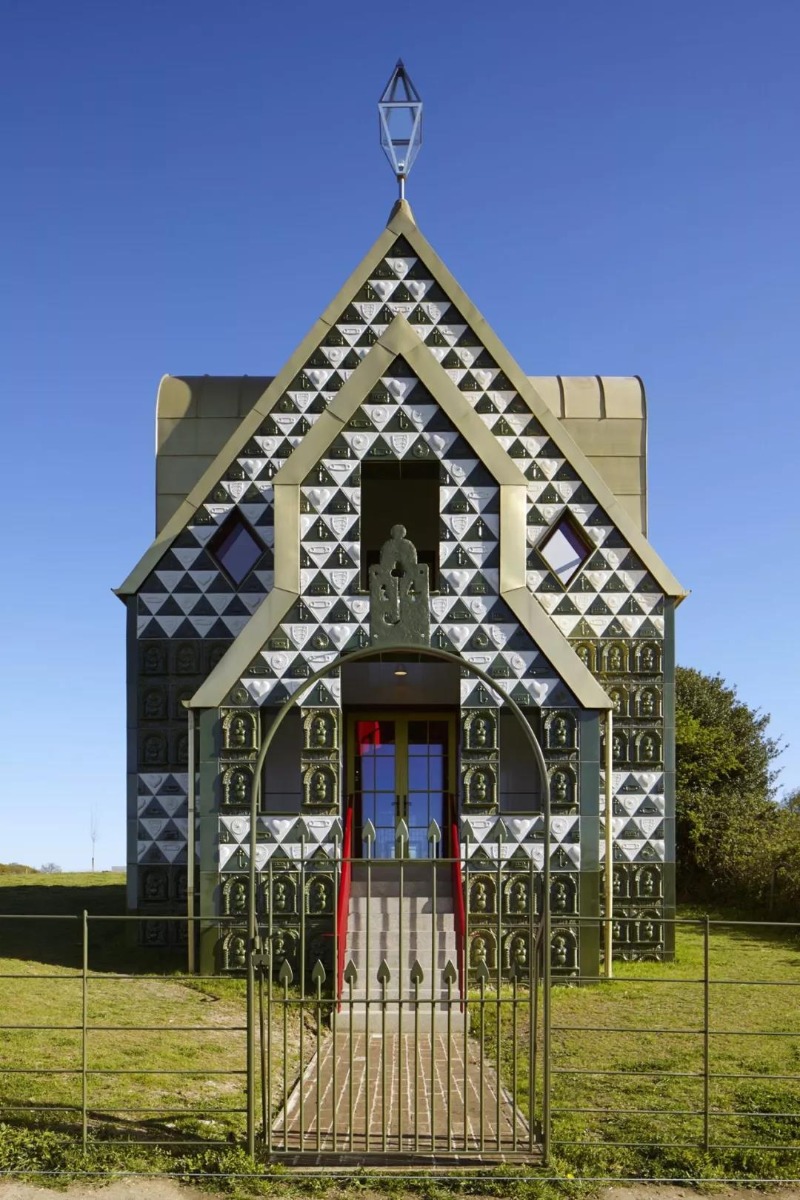
Perry and Holland are both native sons of Essex, and it was here that Perry fulfilled his long-held desire to build a chapel in his native Essex that would "commemorate" details of the Essex life of his fictional "plain Essex woman"-Julie Cope.
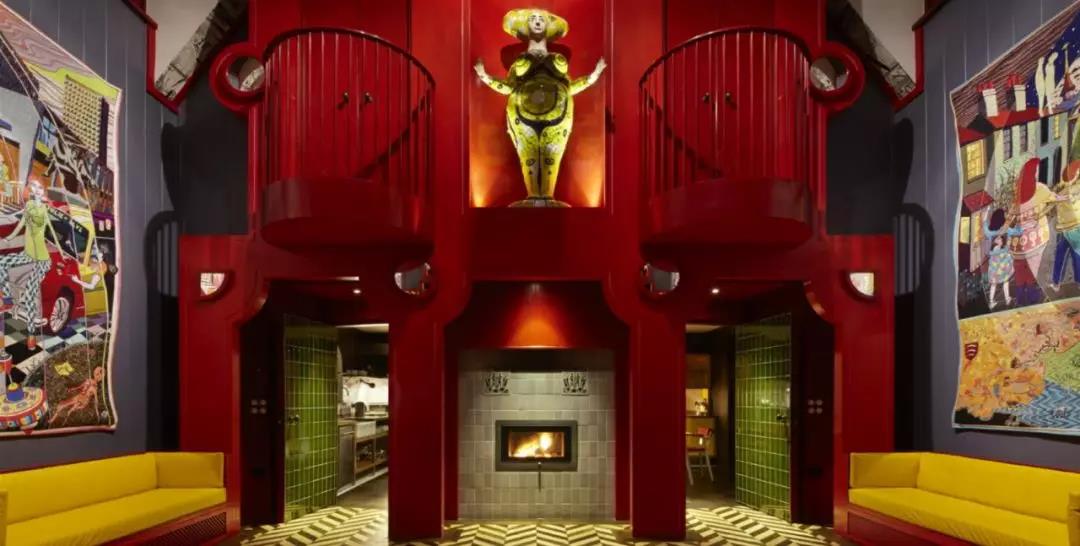
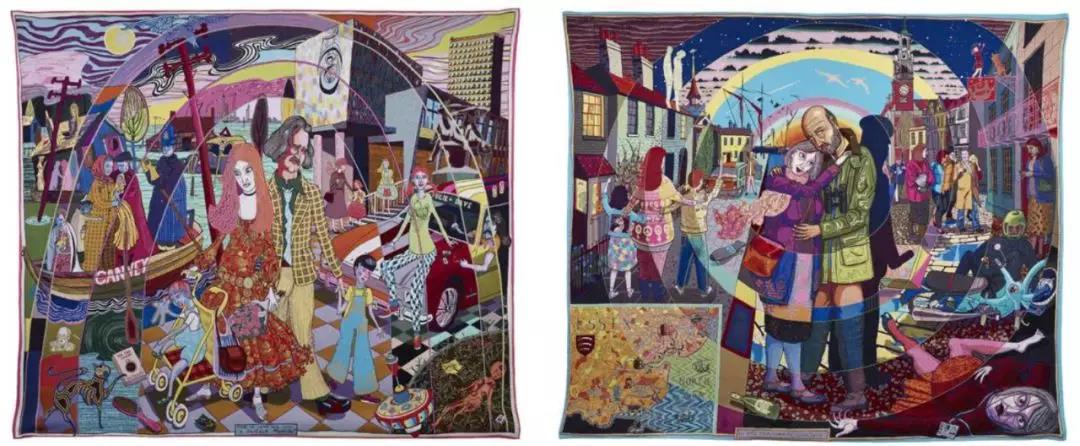
The living room is lined with decorative wood paneling, a statue of The Goddess and tapestries made by Mr. Perry. There are also other specially commissioned artworks, including furniture, jars and Mosaic floors, that tell the story of Julie Cope's life.
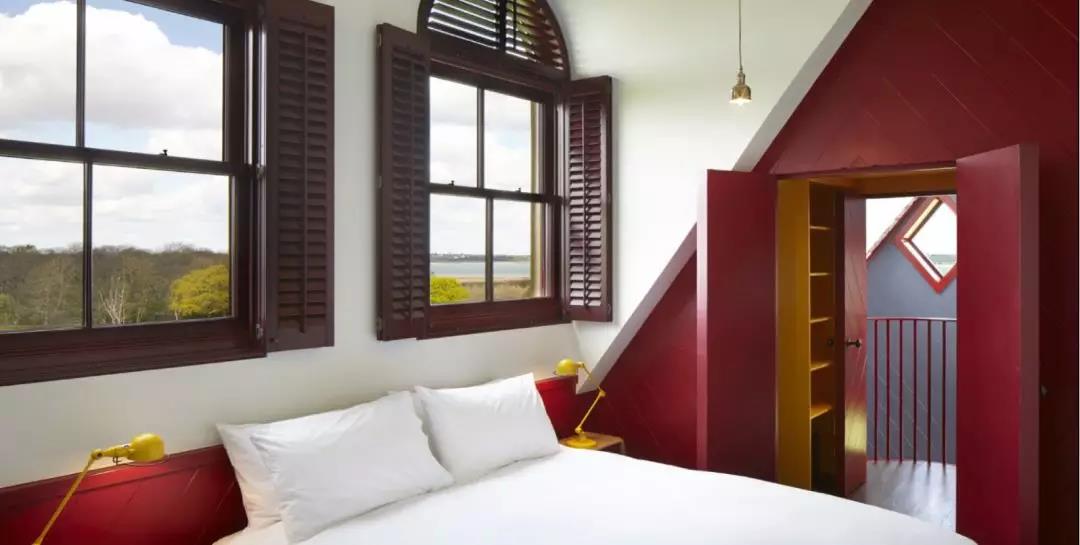
Do you think the house has a church-like style? Yeah, Holland and Perry referenced the old church form. Many fascinating and quirky details are hidden in the building, such as a hidden staircase leading to the balcony. Habiting in this two-bedroom house can feel like entering a fairy tale.
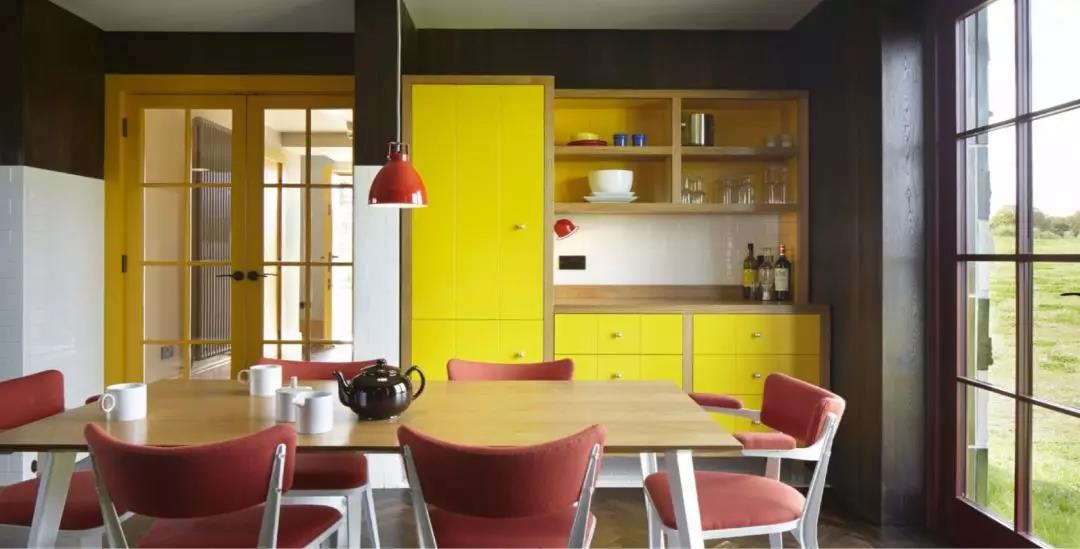
It's also a great living experience. A clean, bright kitchen and a bathtub covered in Mosaic tiles are enough to enjoy life in an idyllic setting.
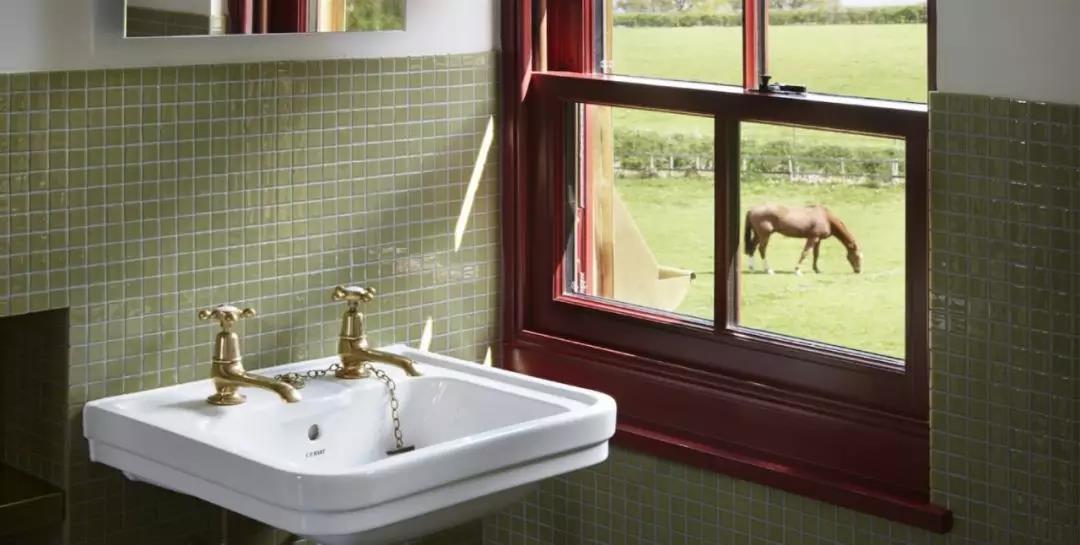
Perry hopes Essex House will make people feel that art and architecture can lift people's spirits and experience the world, whether it's reality or fiction, through the eyes of others.
02
Secular Retreat
Peter Zumthor
South Devon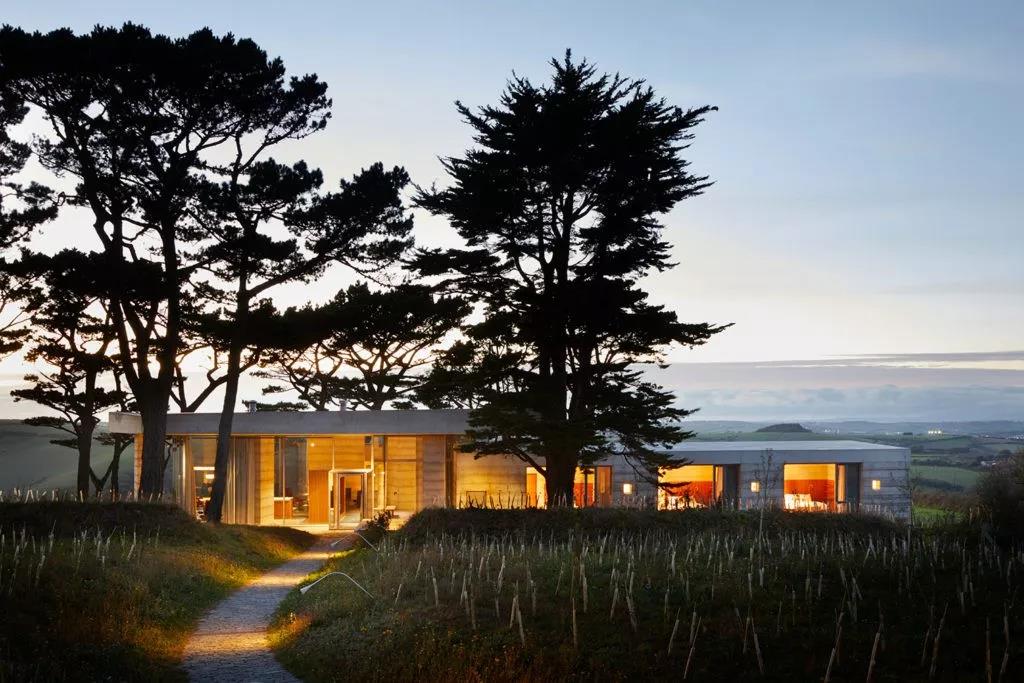
Secular Retreat is the final building in the Living Architecture project, and one of the world's greatest architects, Peter Zumthor, was invited to design the detached home, the first permanent building he has built in the UK, on the hilltop plot de Botton bought 10 years ago.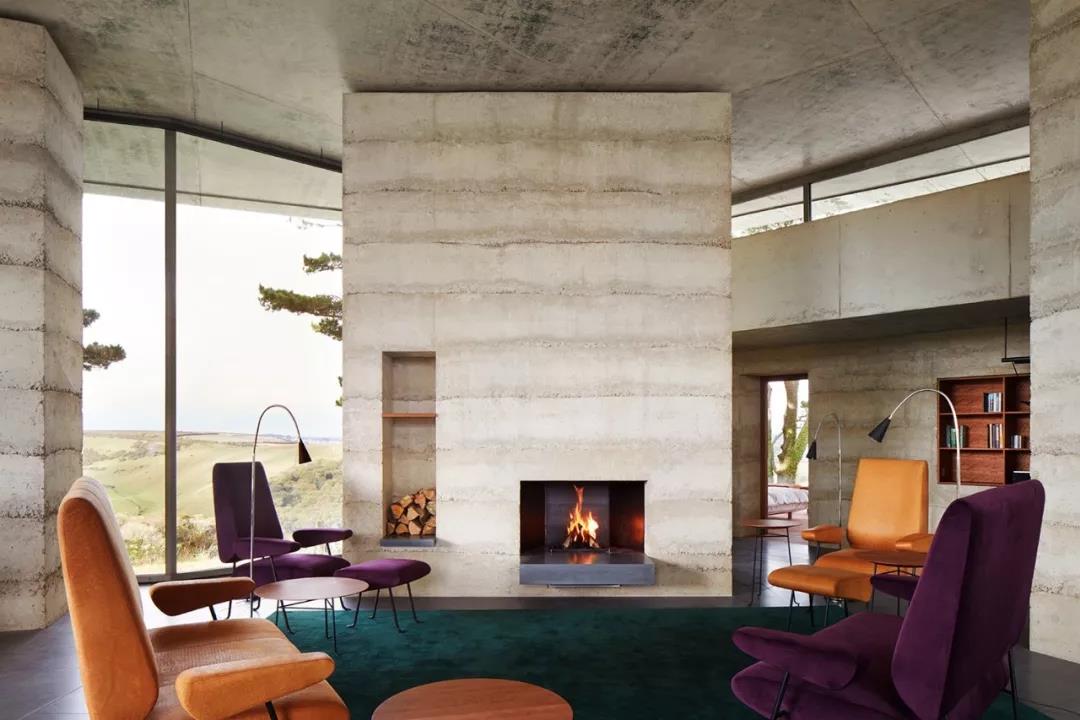
"It has become a cherish thing to sit in a house and look out over a beautiful view without any trace of other architecture interfering with the rolling mountains," Mr. Zumthor wrote, "I badly want to build this house."
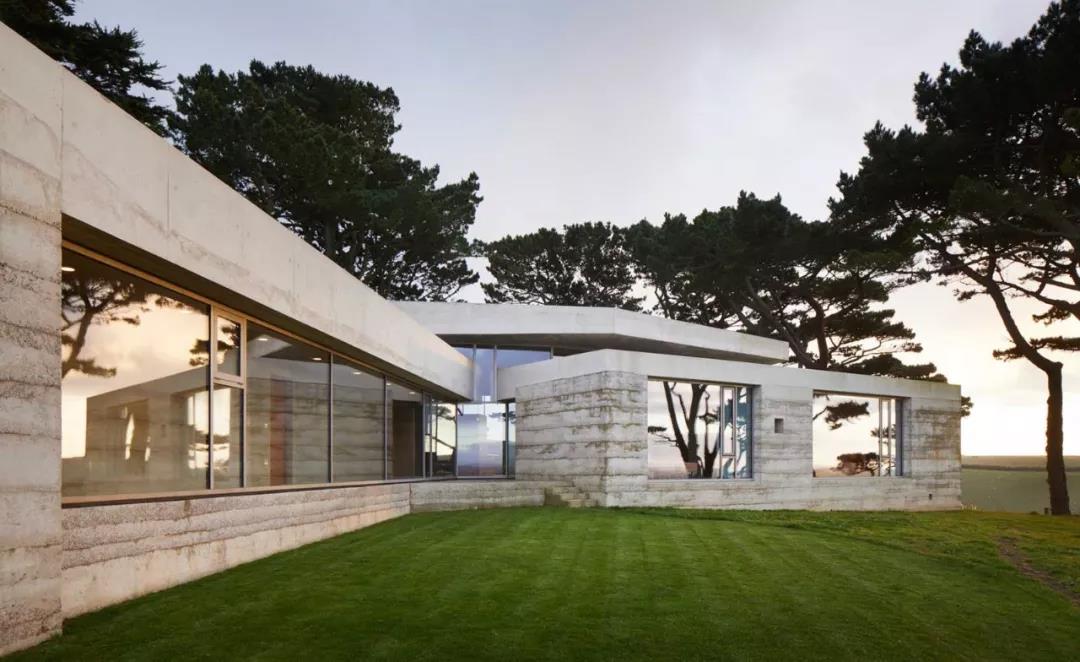
So Zumthor took the Devon landscape a priority: floor-to-ceiling glass windows dominate the walls, natural light in every room, and views of sheep-dotted farms and wooded hills. You can stroll through the Monterey pine forest surrounding the house.
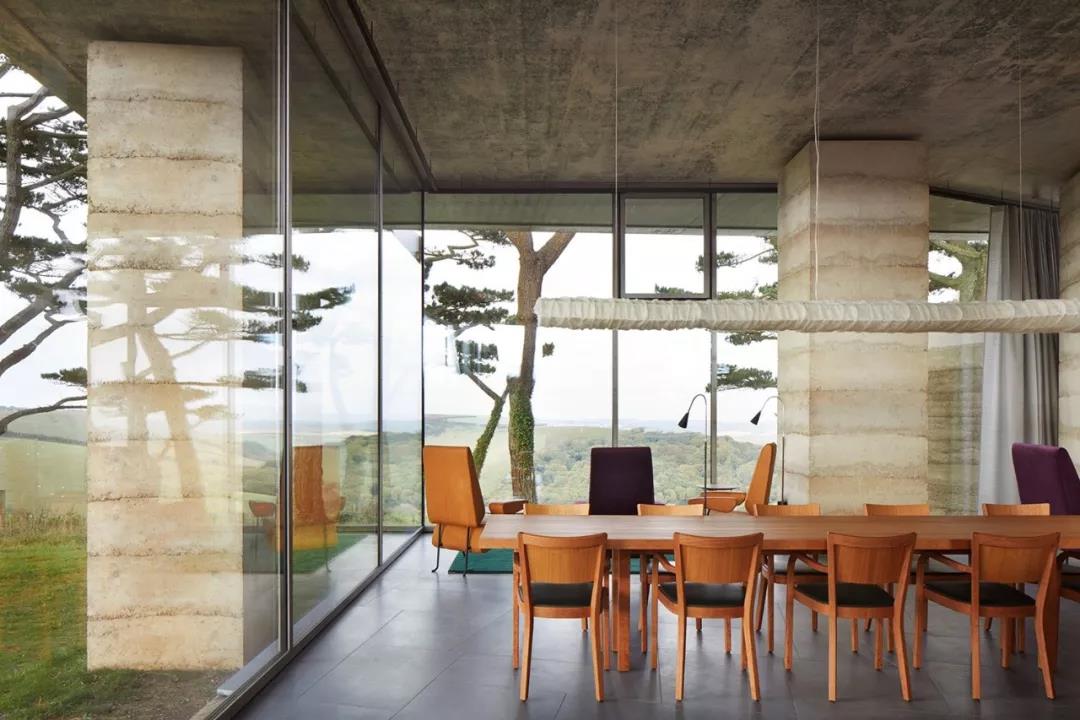
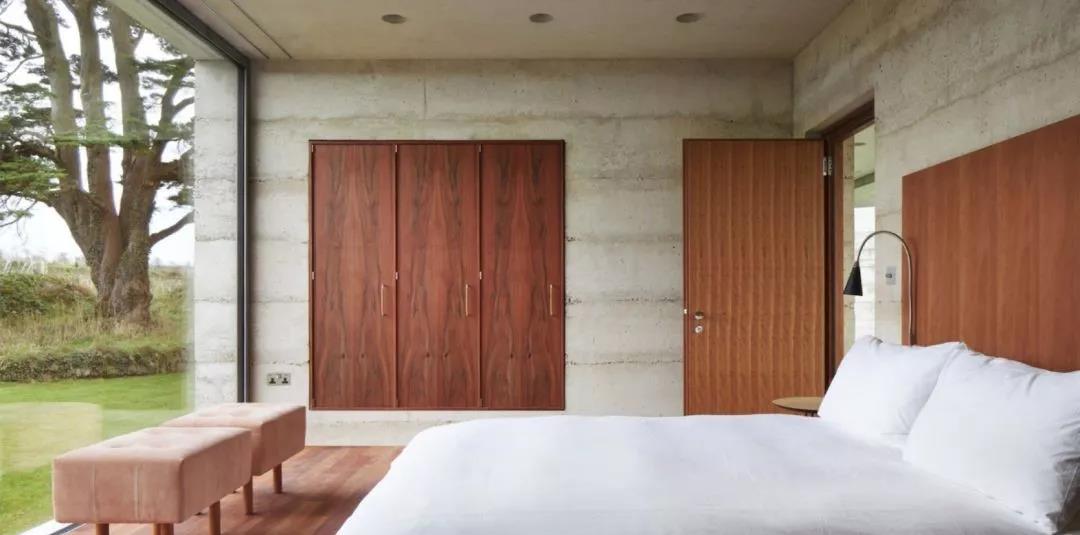
Zumthor's furniture and light fixtures bring more warmth to the pristine space: Orange furniture and velvet-textured seats soften the straight-edges space. Getting a place in the Retreat isn't easy, and bookings for 2019 are said to be fully booked.
03
Balancing Barn
MVRDV
Suffolk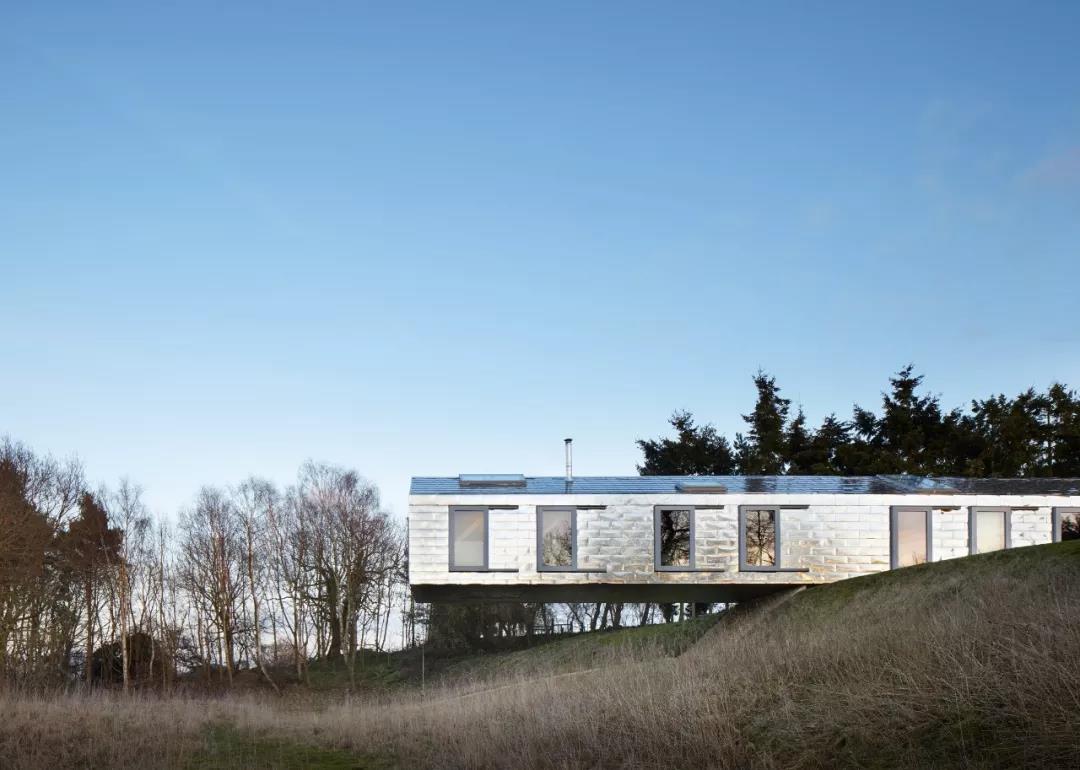
This striking cantilevered house was designed by Dutch architecture firm MVRDV. A few miles off the Suffolk coast, it used to be a farm owned by the Suffolk Wildlife Trust.
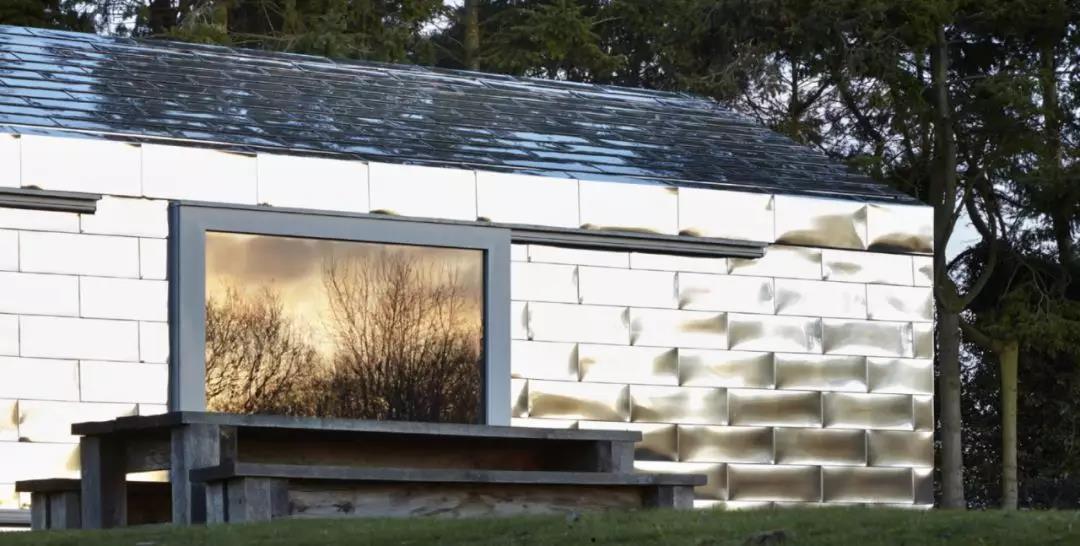
MVRDV designed the project with particular respect for the site's history and native flora by wrapping the main body of the building in reflective steel shingles, reminiscent of the local metal-clad barns, and perfectly blending the plant colors against the building's surface into the rural landscape.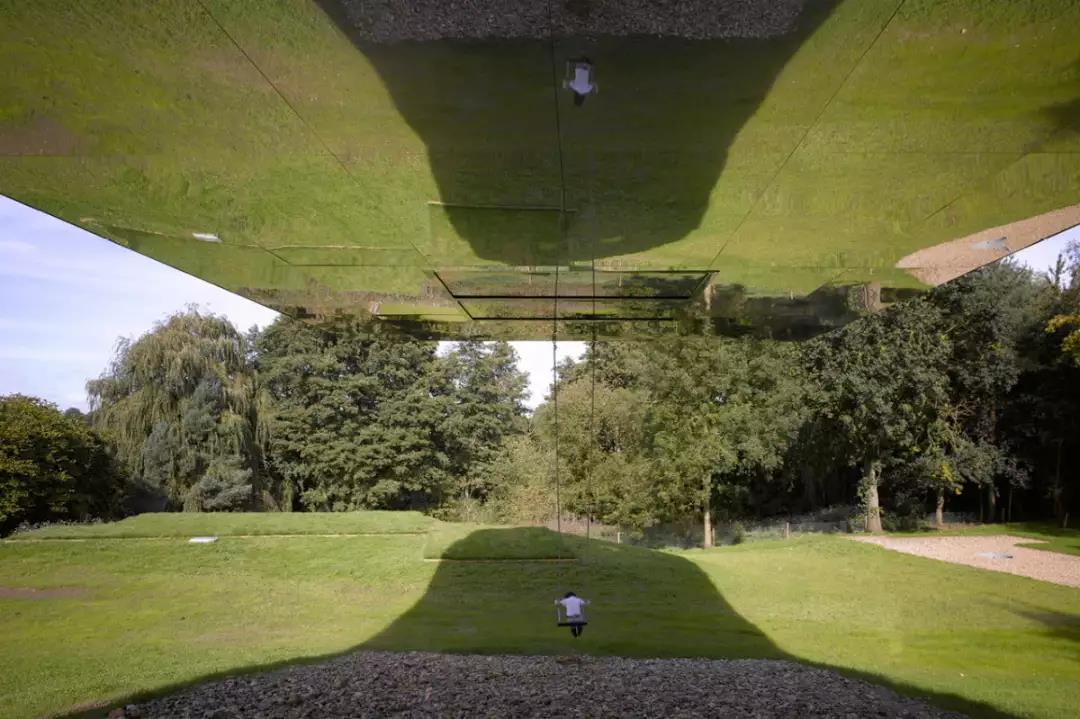
In addition to "planting" their famous balancing game in the 30-meter-long house, you can relive childhood memories by hanging on a swing at the end of a 15-meter-long cantilever.
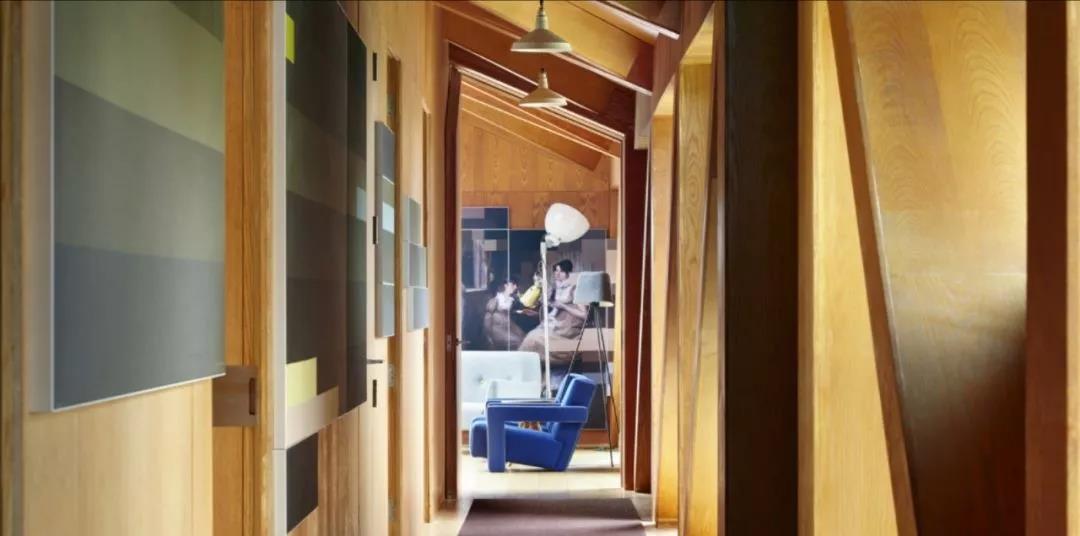
Canvases and rugs covering on the walls and floors are the works of local painters John Constable and Thomas Gainsborough. These abstract works bring a wealth of color and depth to the space.
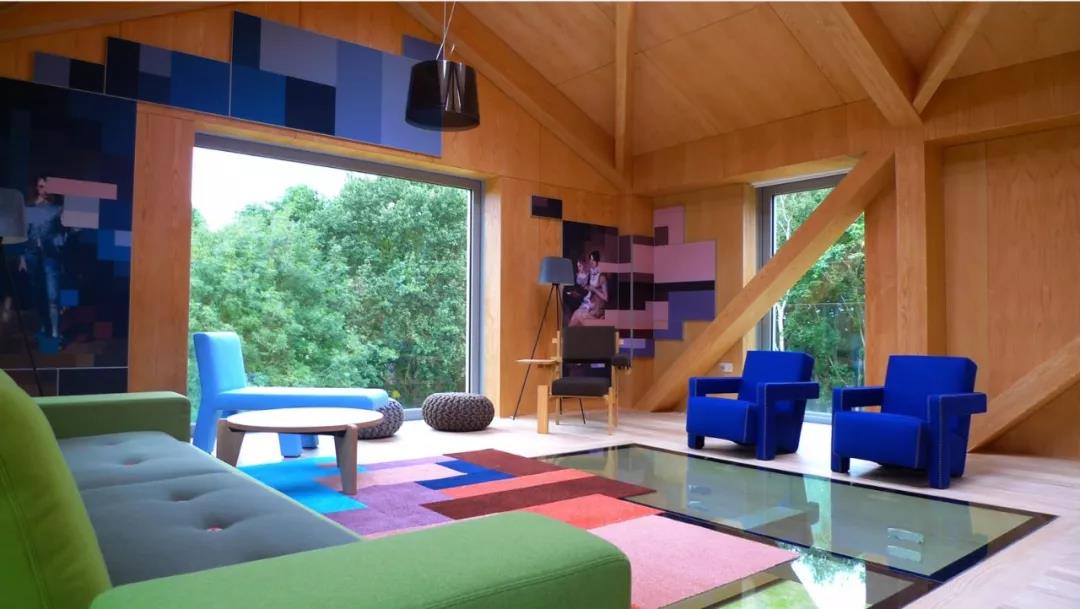
A transparent window inlaid on the sitting room floor makes you feel real modern family life in the air.
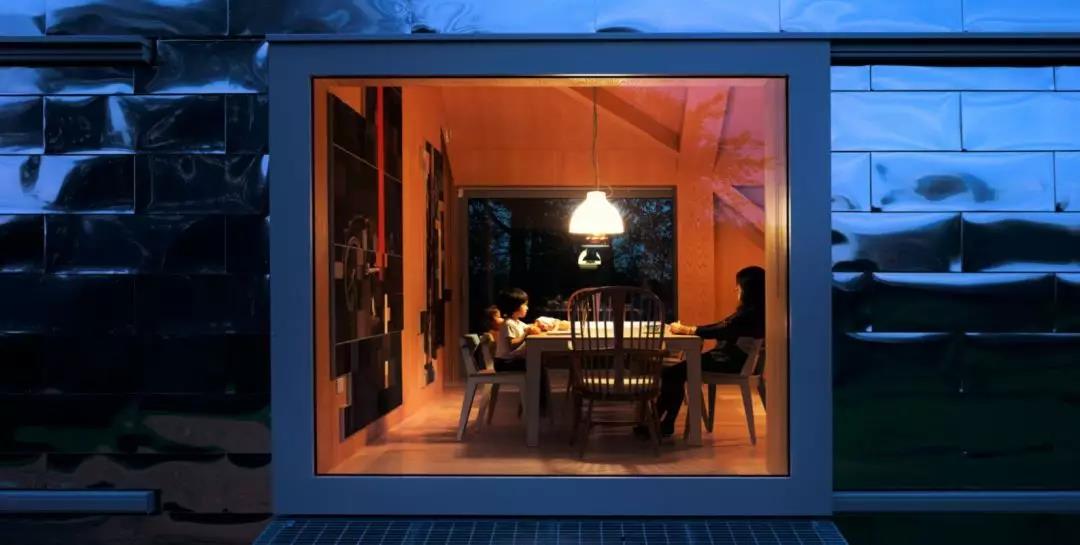
Furniture and light fixtures designed specifically for the house embody the best Dutch design. It also gives the balanced house in the countryside a livable modern feel.
04
Long House
Hopkins Architects
Norfolk County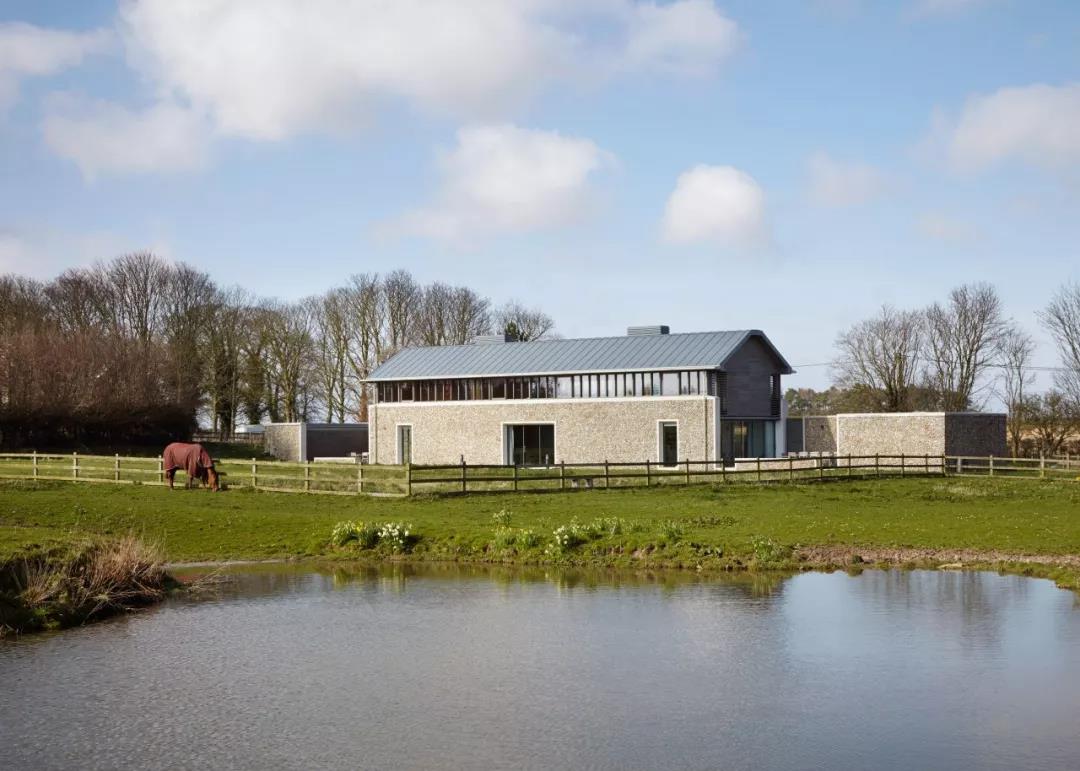
The Long House stands on the site of a house designed by Sir Michael and Mrs. Patty Hopkins. Along with east Anglia's architectural history, the long-lost estate inspired Hopkins Architects to build a contemporary home there.
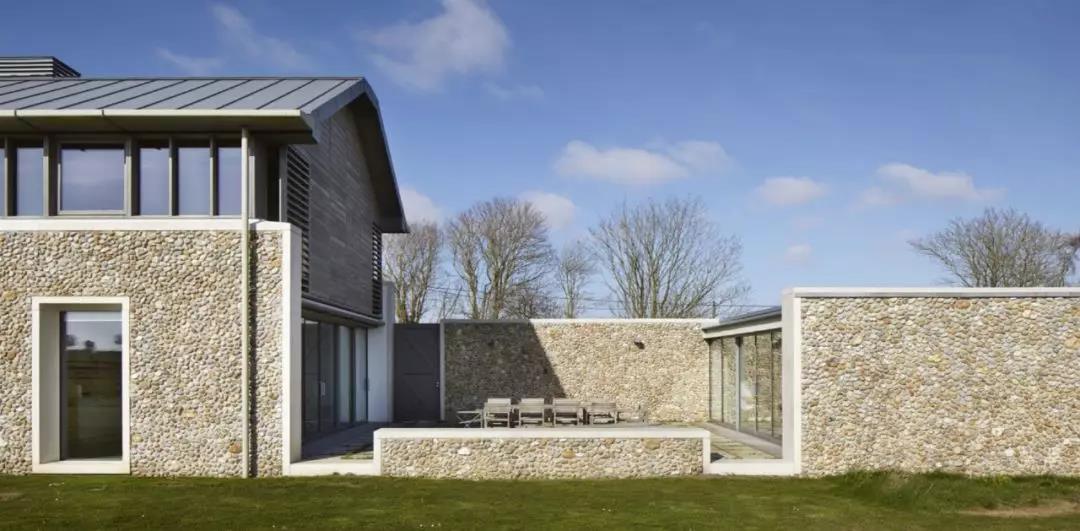
Local material traditions and modern architectural concepts are fused here: the lower half of the exterior wall is covered with a layer of stone sourced from a local quarry. Outwards are huge flint-like walls. Inside, the entire glass facade brings abundant sunlight to the interior. Two semi-enclosed courtyards are located at the east and west ends of the house.
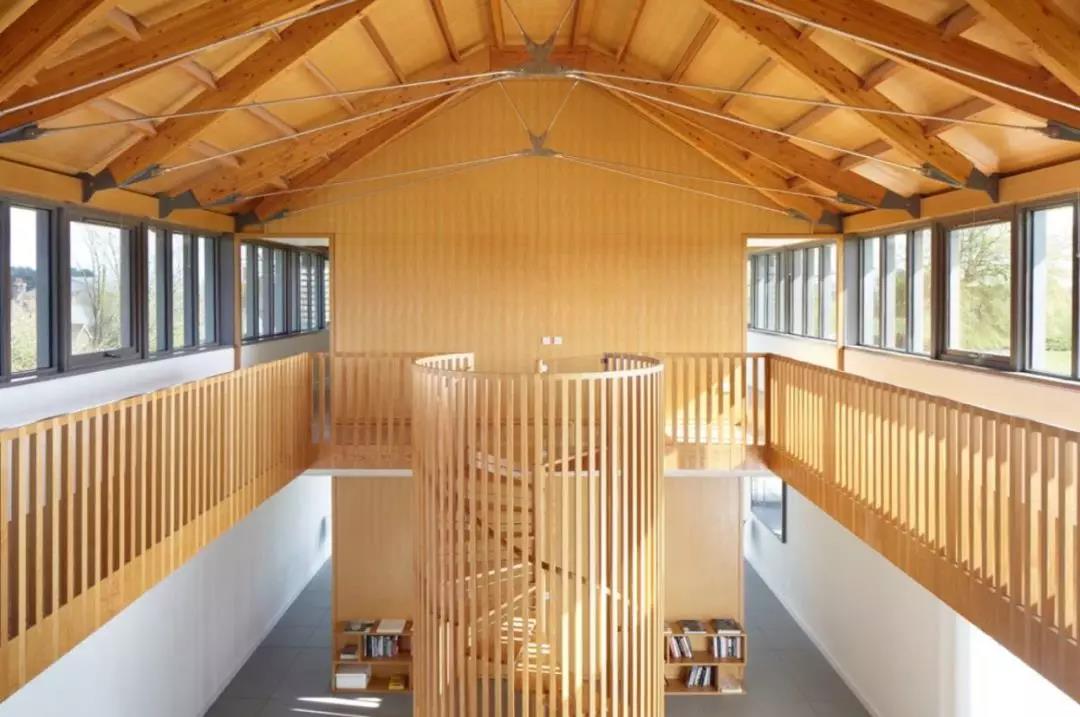
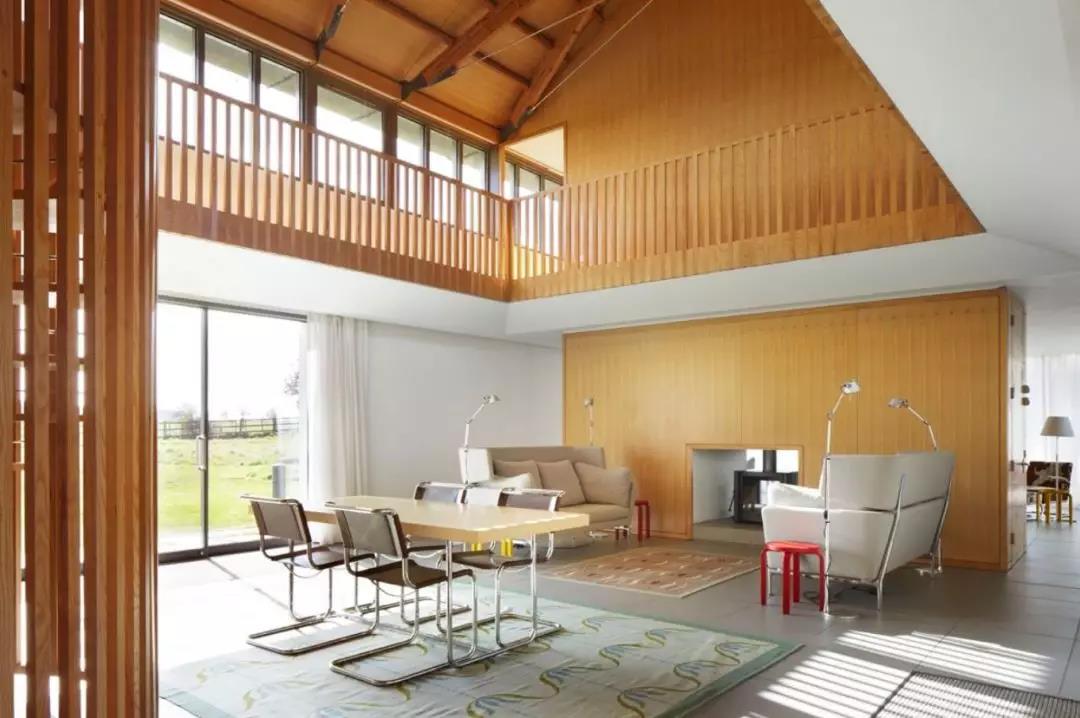
Common areas in the middle of the building include a gallery, library, living room, dining room, and a wooden spiral staircase leading to bedrooms and balconies on the second floor. This openness has been common in the projects of Hopkins Architects over the past 40 years.
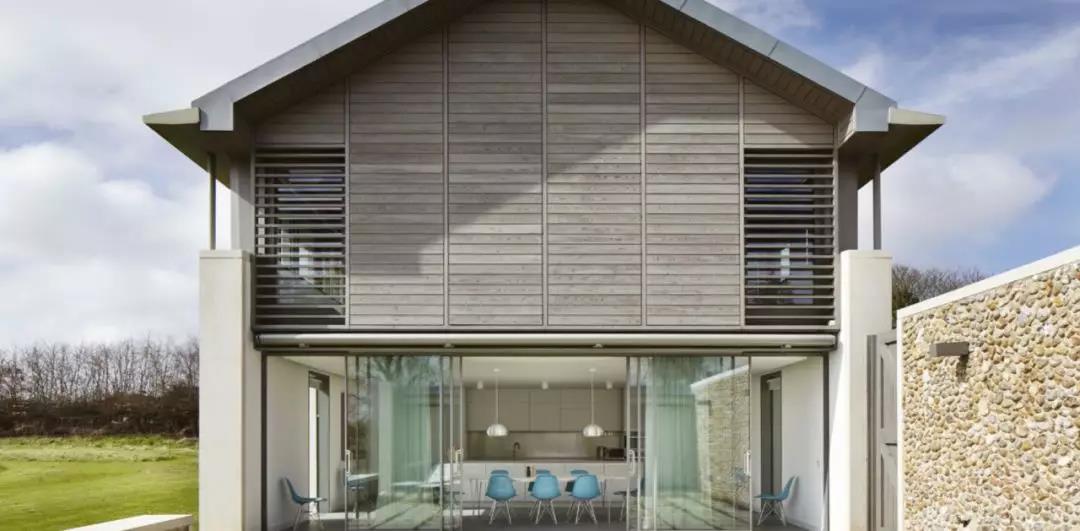
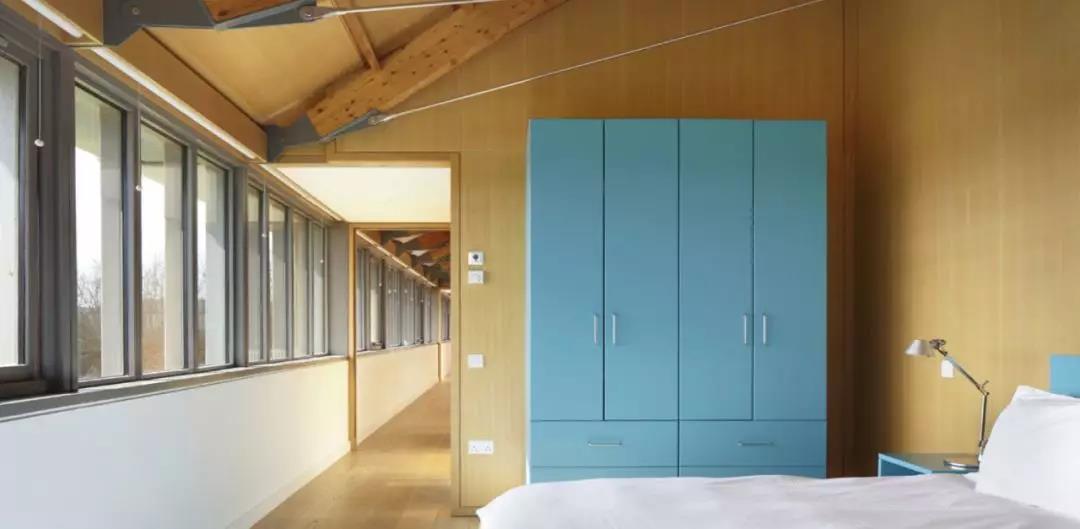
The dining room and bedroom are embellished with turquoise furniture and silver light fixtures. The moment you enter, there is a real feeling at home.
05
Shingle House
NORDKent County
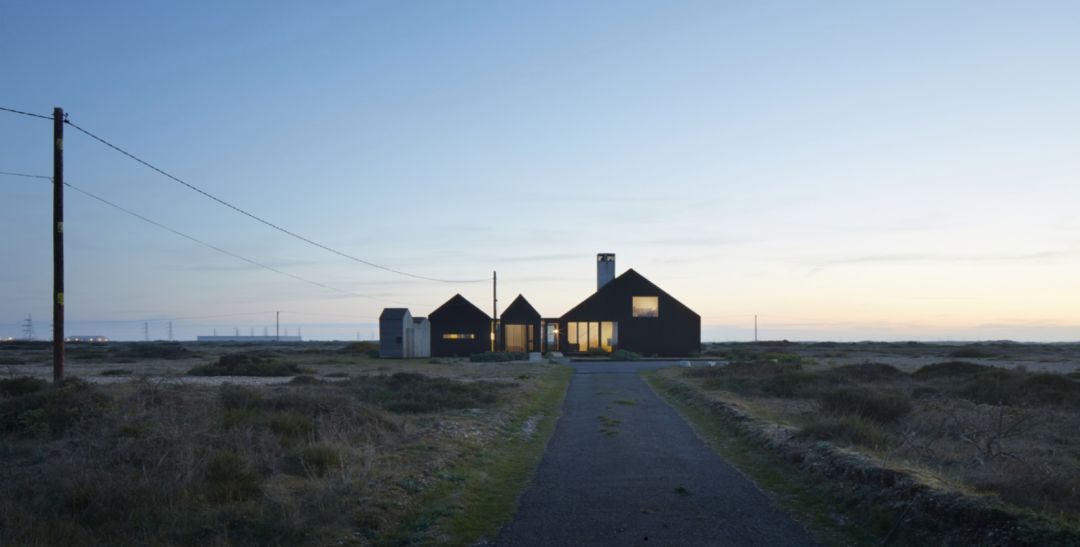
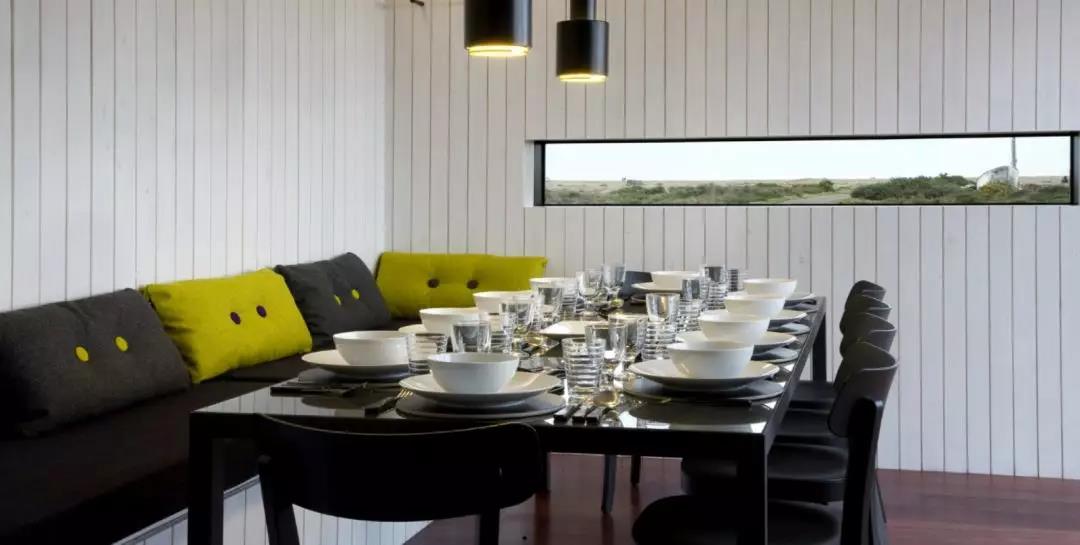
Shingle House is the first house to be completed in the Living Architecture project. Dungeness Point, where it is located, is a nature reserve because it boasts rich rare plants and animals. Scottish architecture firm NORD's preference was for the building to blend in with its surroundings. Therefore, Shingle House references the old tarmac huts of local fishermen scattered along the shoreline.
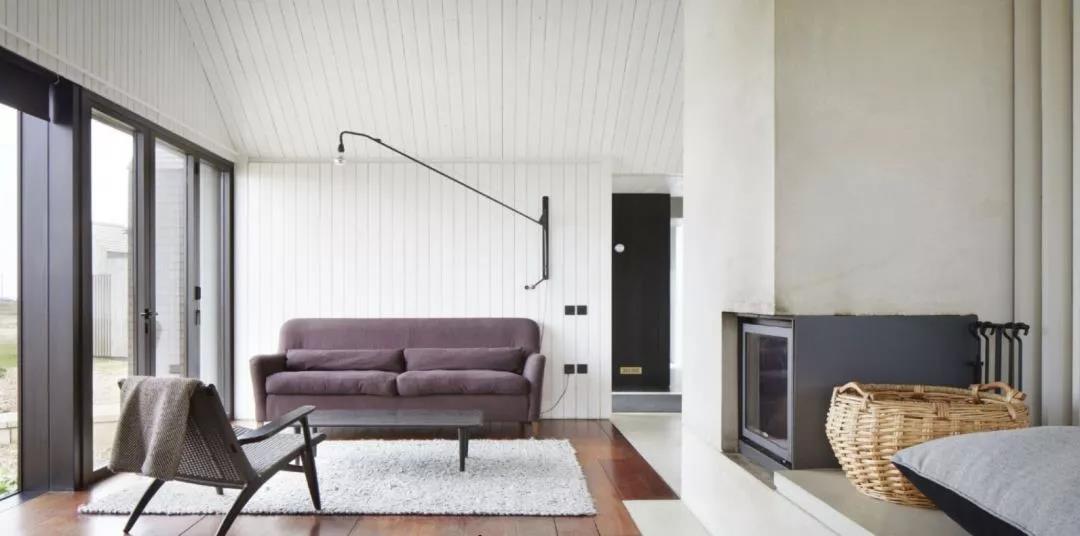
The black wood of the facades, the white wood and the toned concrete of the home's interior contrast with the warmth of the rich deep purple wood floors.
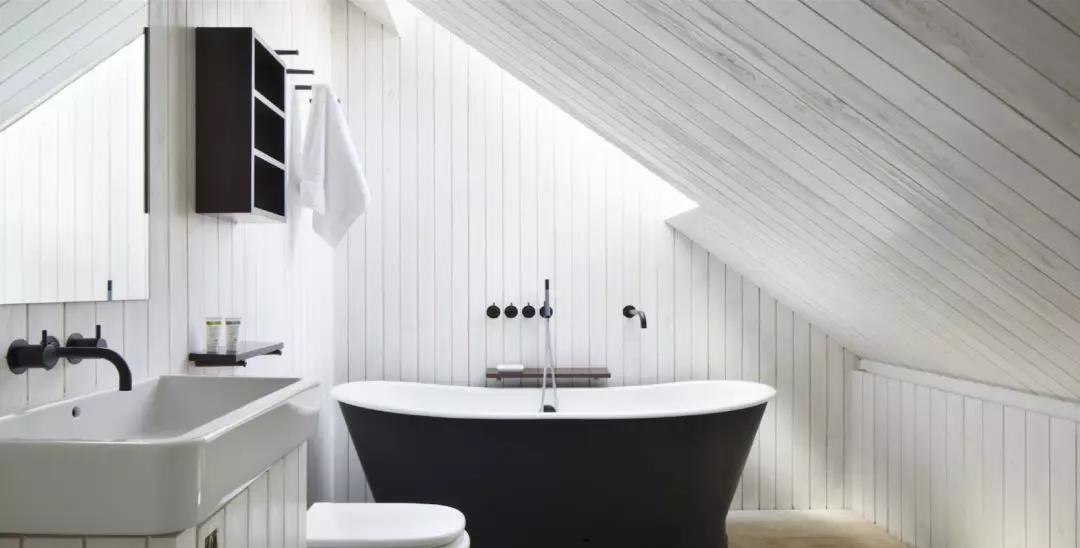
The interior of the Shingle House is comfortable and compact, with three bedrooms and two bathrooms.
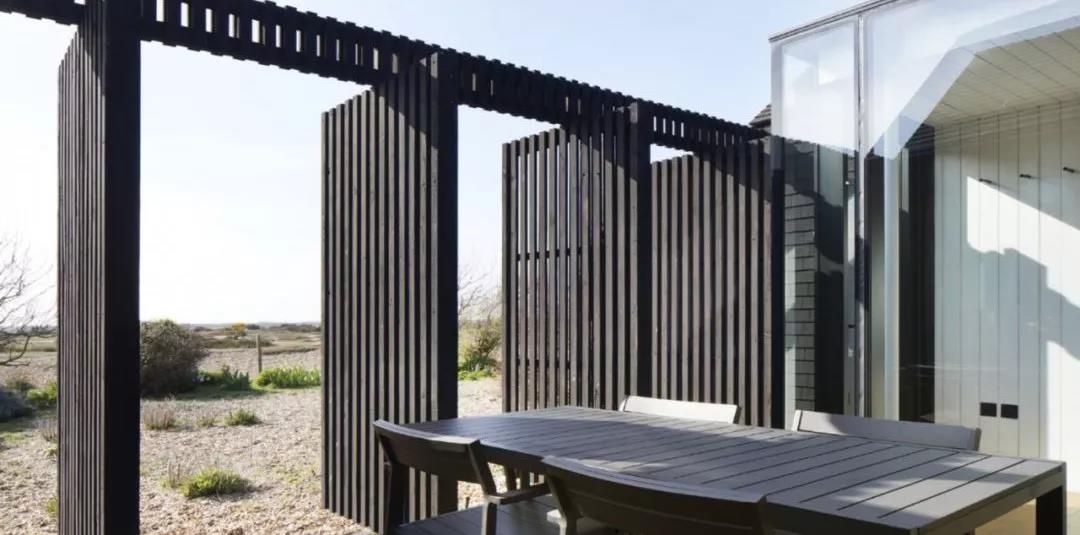
The open-air dining room faces the pebbly beach.
Particular wood floor color was inspired by the Viper's Bugloss flowers that bloom in the summer at Dungeness Beach in Kent.
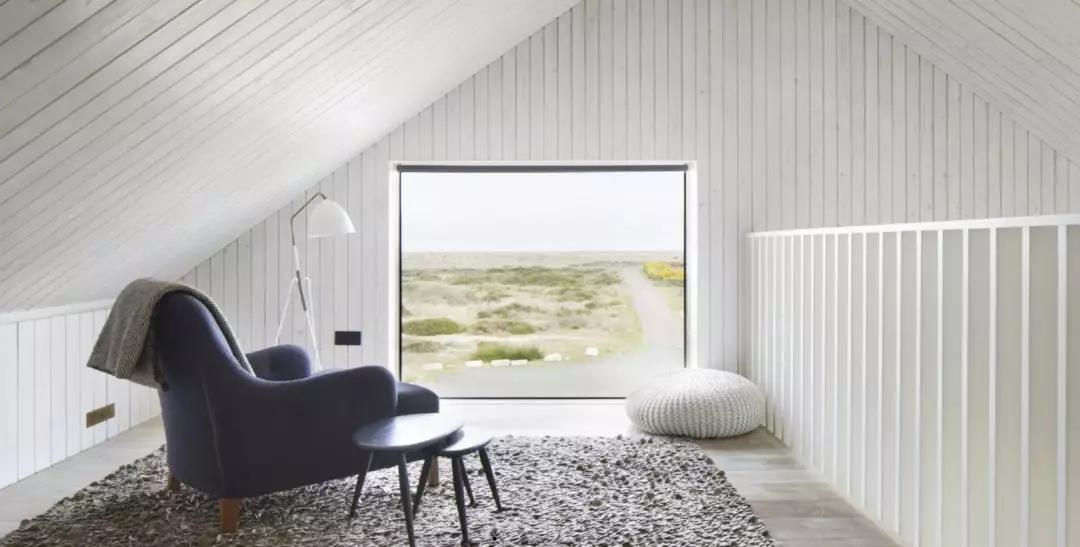
On top of that, the house is off the road and has no neighbors, making it a place for a truly detached poetic Walden life.06
Life House
John Pawson
Wales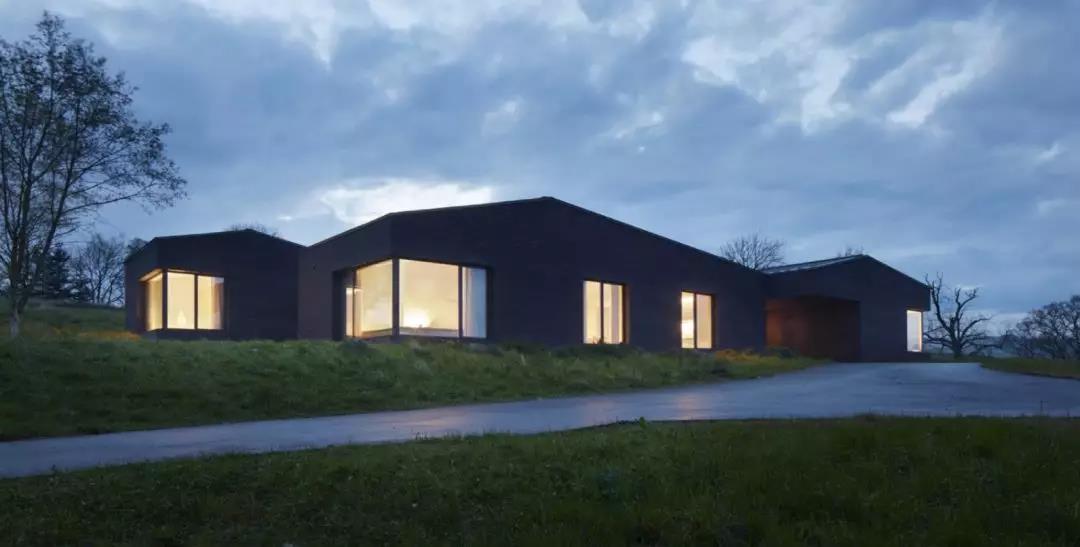
Built from hand-crafted Danish brick, black on the outside and white on the inside, the Life House is the fruition of a five-year collaboration between architects John Pawson and Alain de Botton that they hope will minimize the risk that "we forget to spare time for ourselves and forget to understand our own ideas."
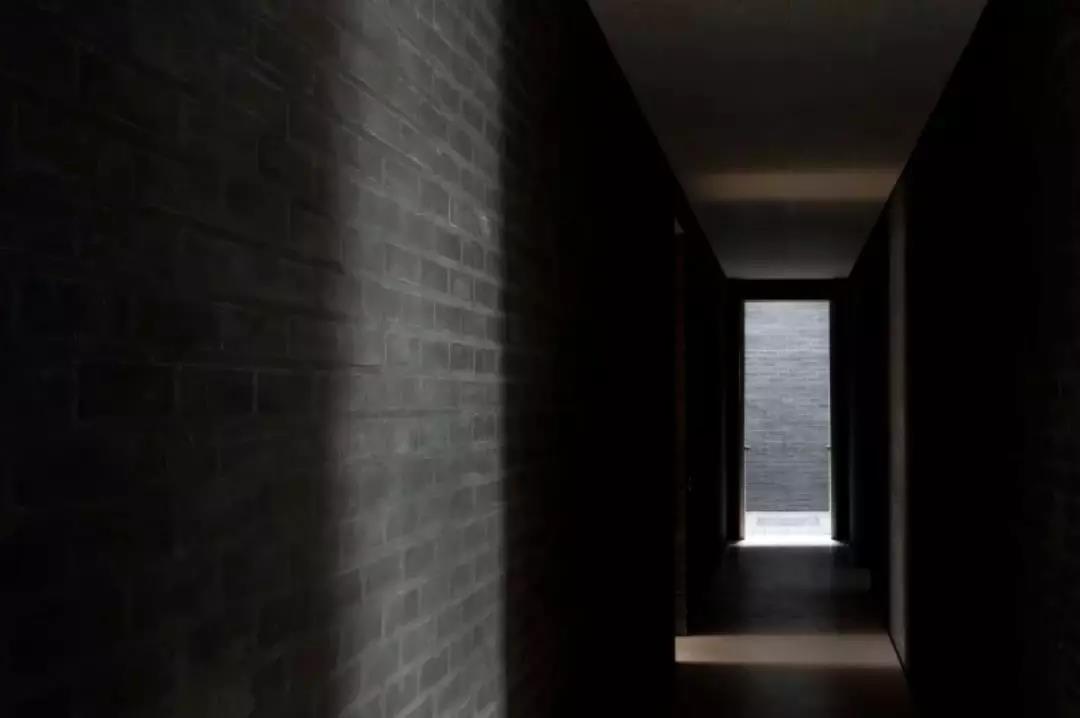
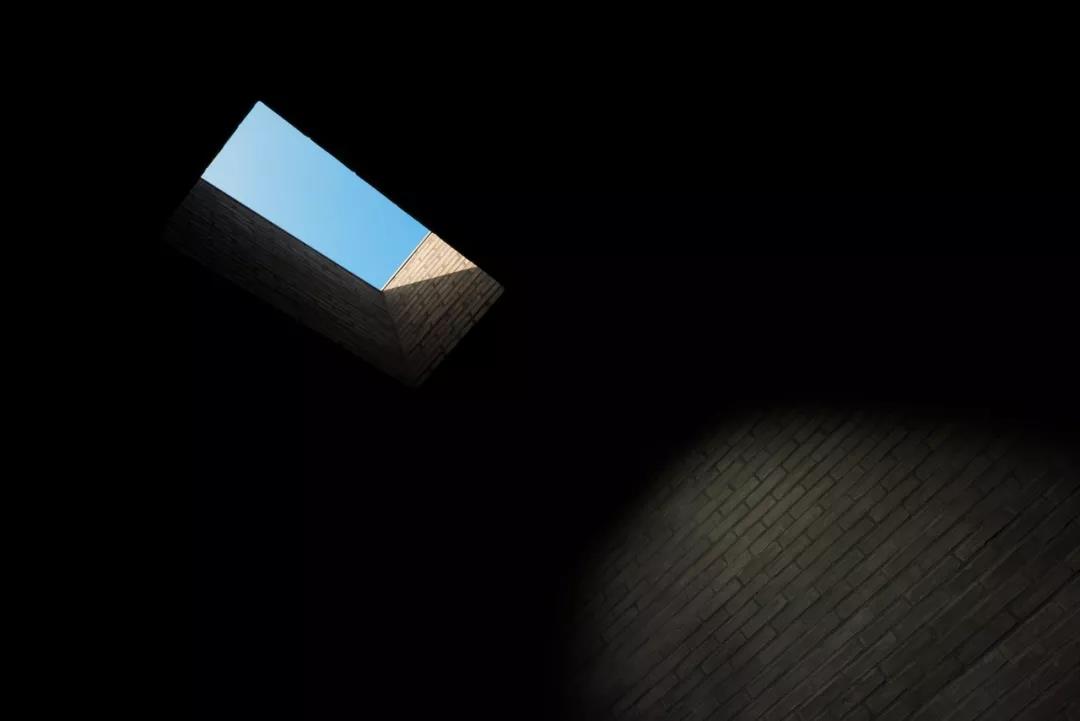
John Posen was deeply influenced by Japanese design and benedictine architecture, with brick, wood and terrazzo bringing warmth and intimacy. The emergence of a black-brick corridor in a predominantly white brick interior is both surprising and intriguing.
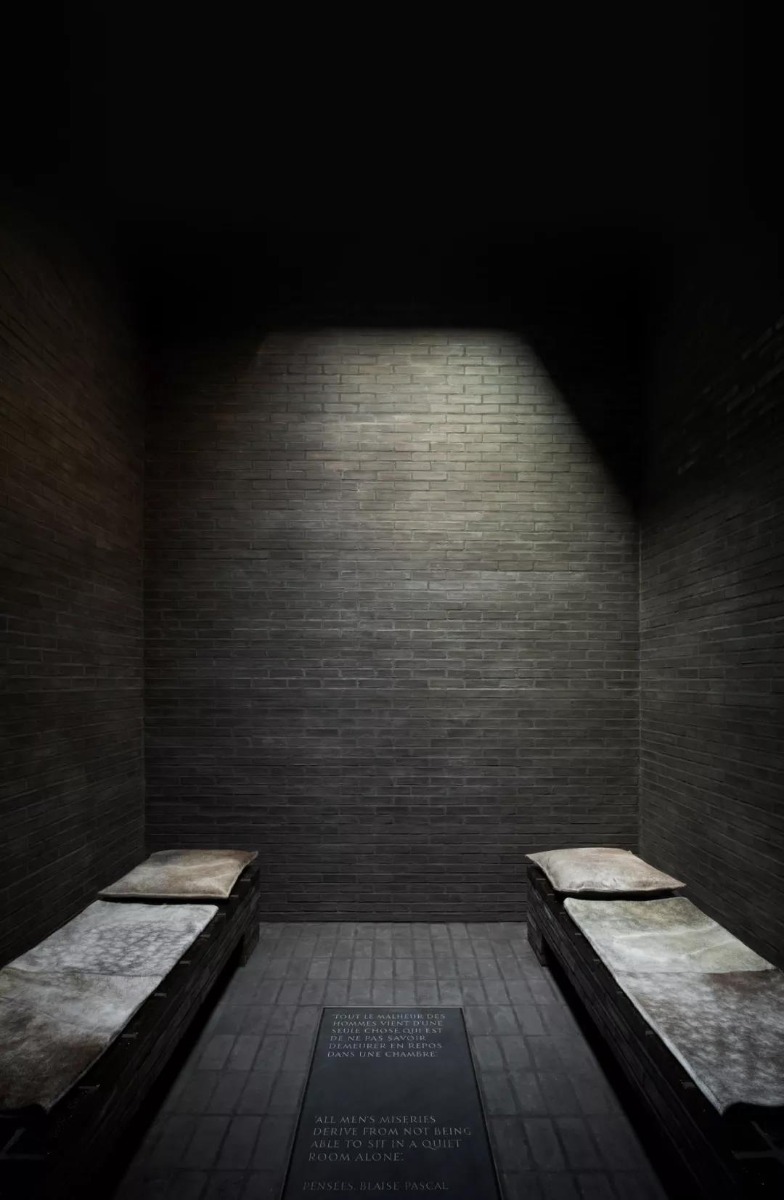
This variation of pace and perception prepares guests to discover a hidden room not normally associated with a family home: a place of pure, undisturbed contemplation. On a large slab of granite in the ground is a quote from PASCAL: "All men's miseries derive from not being able to sit in a quiet room alone."
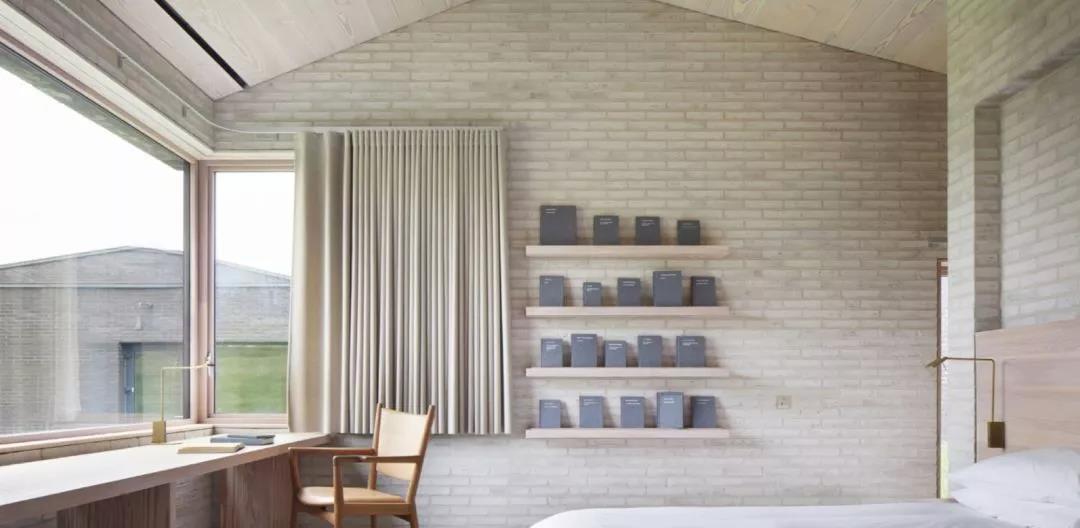
Three separate bedrooms offer guests the opportunity to experience different forms of meditation: The library bedrooms are lined with therapeutic works from eastern and western literature.
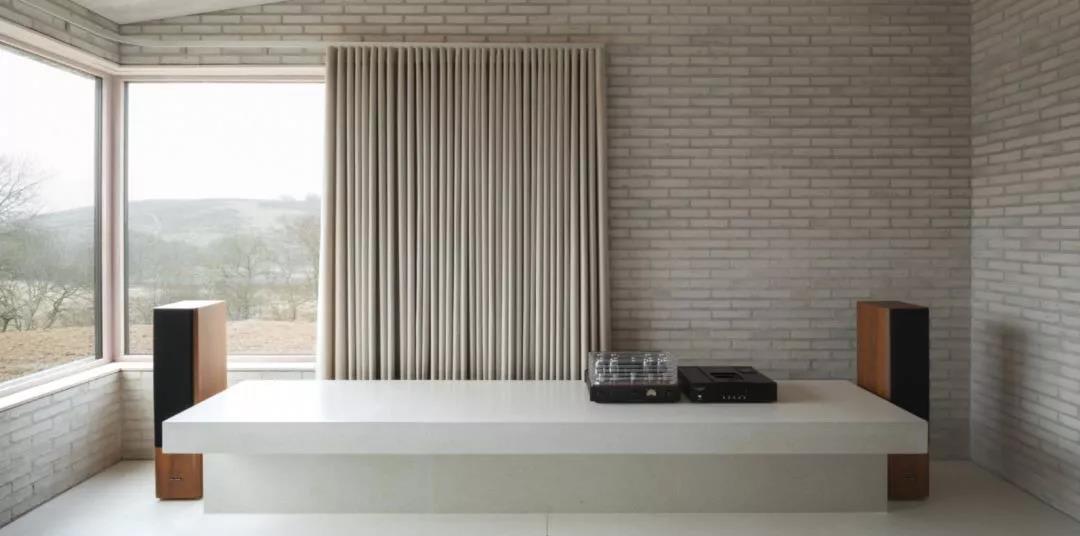
The music bedroom possesses an excellent sound system and a carefully selected CD.
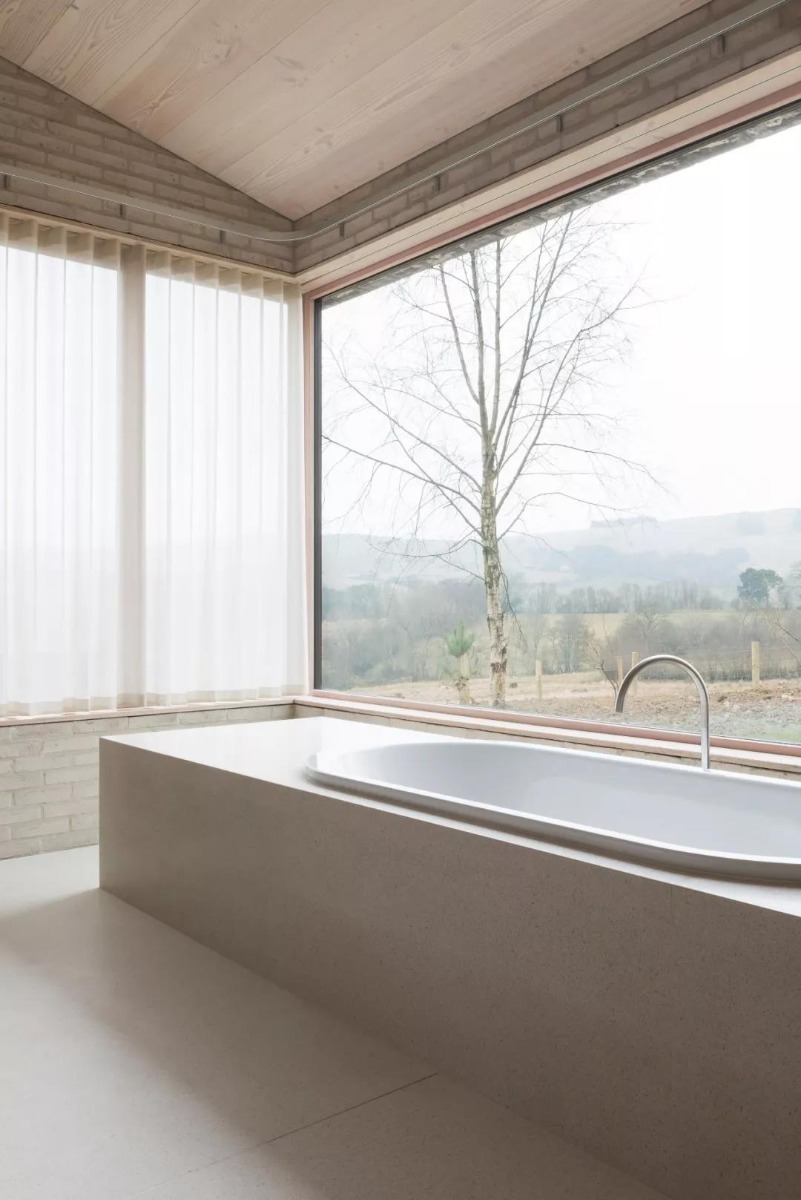
In the bathroom bedroom, you can reassess your presence with views of the Welsh valleys.
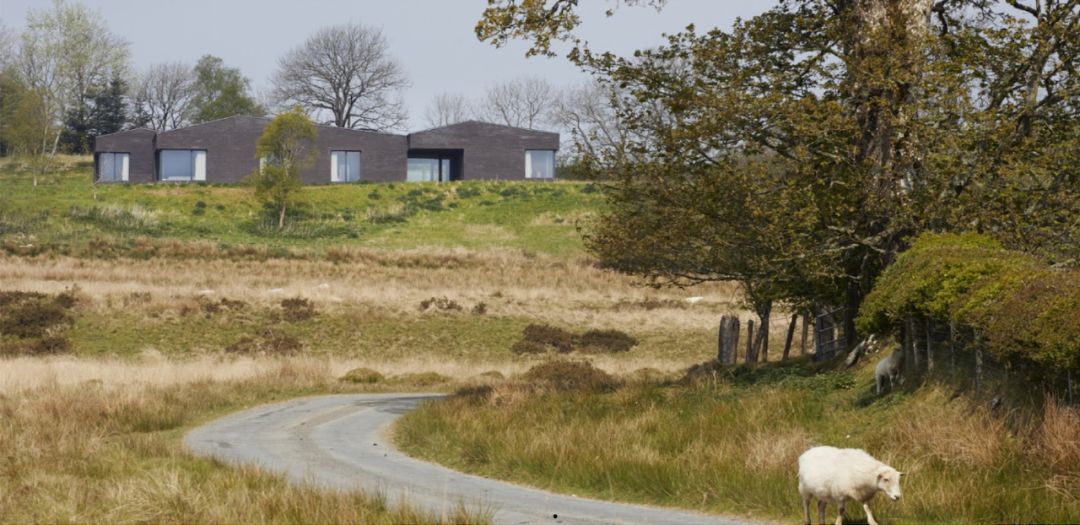
In addition, Life House is located on a walking route curated by British walking artist Hamish Fulton. Since 1972, he has created works based solely on the experience of walking, believing that "walking is an art form in itself". At Life House, strolling freely on the path Hamish Fulton and ponder the nature of art and life, which is a unique life experience.
07
A ROOM FOR LONDON
David Kohn Architecture
London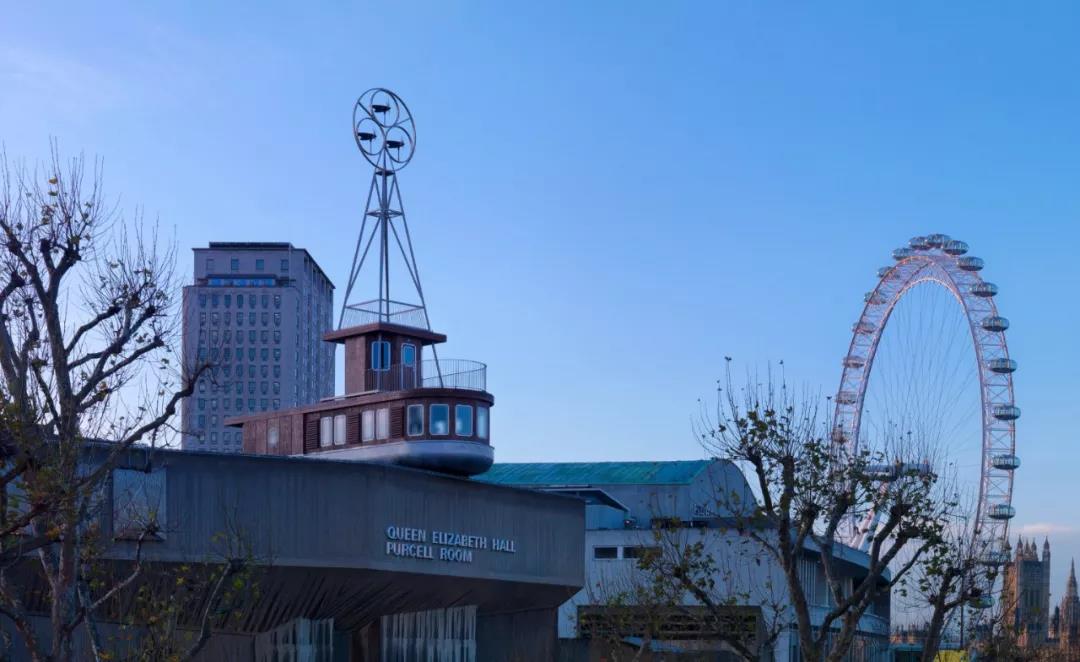
In early 2010, Living Architecture partnered with architect David Kohn to design a small space for London -- a unique building overlooking the River Thames. And so came a boat stranded on a roof: inspired by a ship that the novelist Joseph Conrad took as a captain in the Congo in 1890, a journey that echoes his most famous work, "Heart of Darkness."
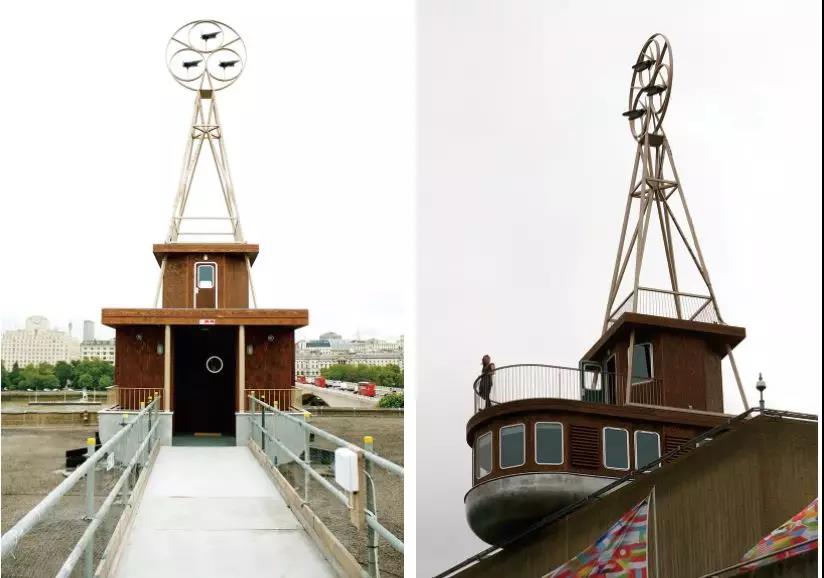
With the support of the Southbank Centre and the London 2012 Festival, the one-bedroom room was installed on the roof of the Queen Elizabeth Hall for the London 2012 Olympic Games.
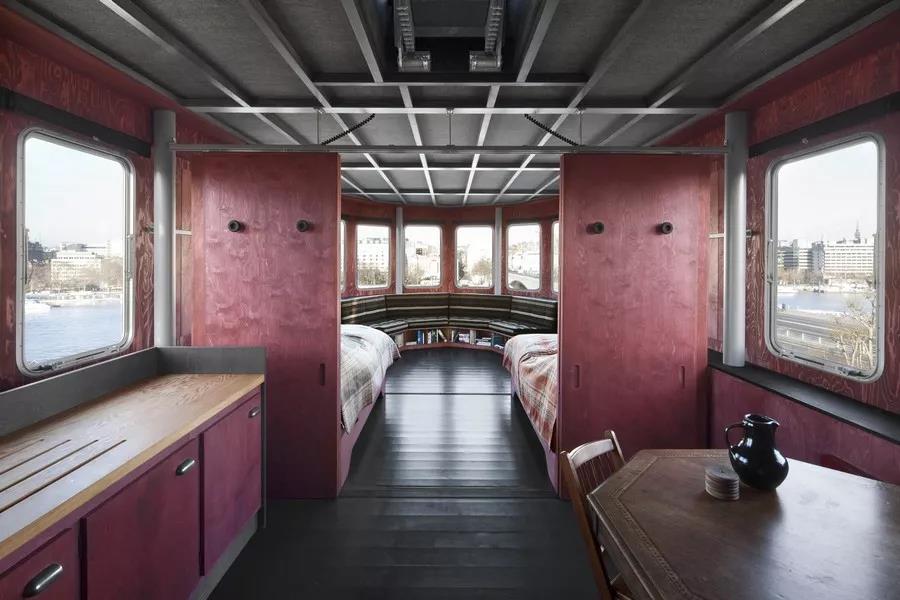
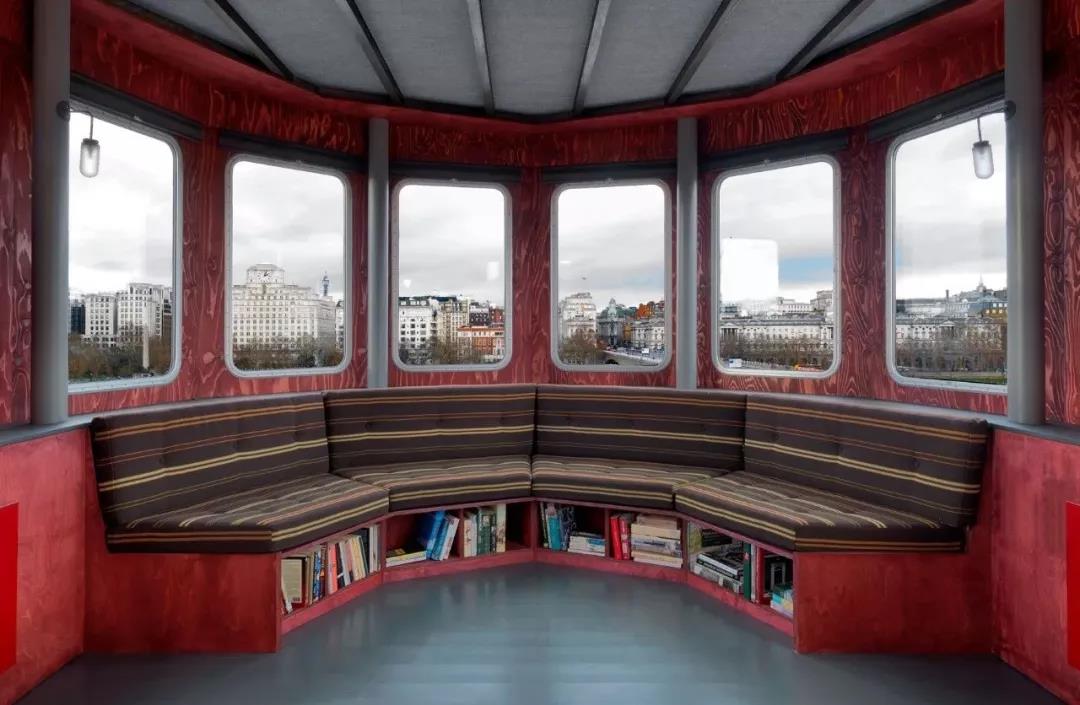
This one-bedroom gadget provides a retreat. Two people can spend a unique evening in a typical architectural landmark.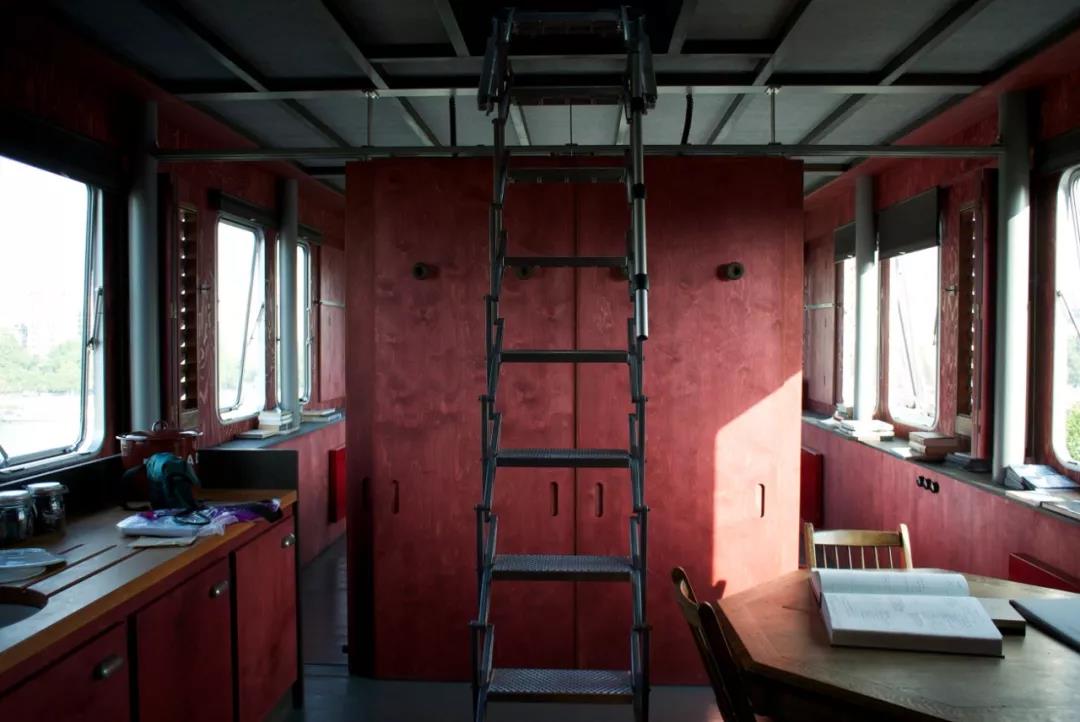
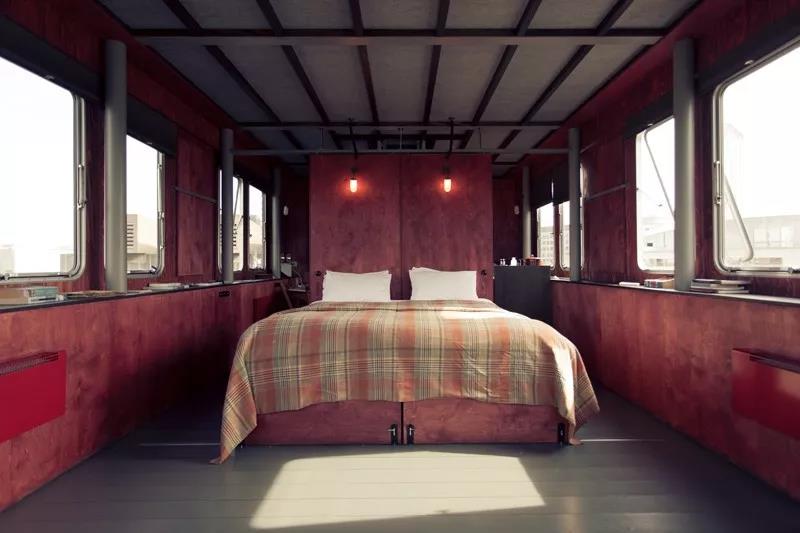
The interior theme of "Stranded Ship" is distinct and offers the creature comforts of a good hotel. Sadly, in mid-2016, A Room for London went out of business.
08
Dune House
Jarmund/Vigsnæs Architects
Suffolk County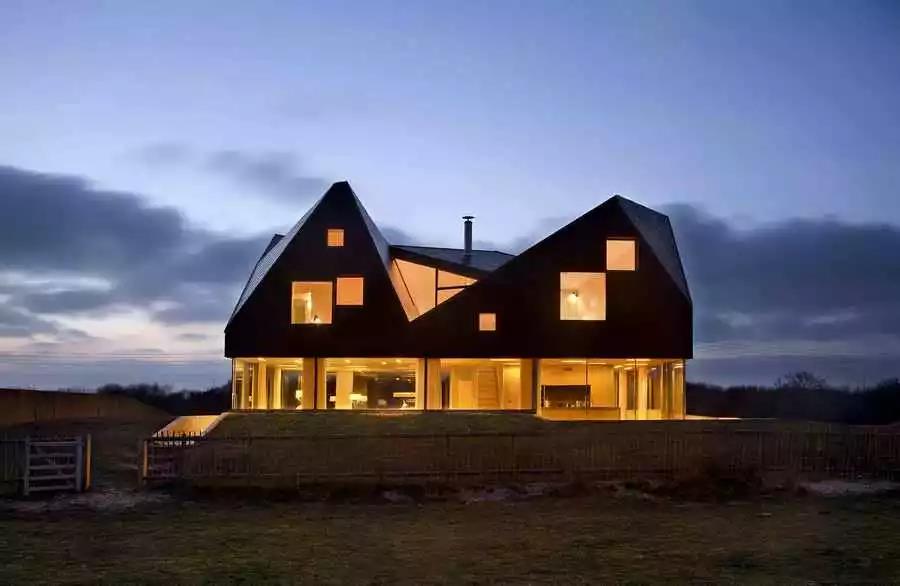
Jarmund/Vigsnæs Architects is known for beautifully designed buildings in Norway. Dune house, just meters from the sea. The complex geometry on the roof is inspired by the various pitched roofs that line Suffolk's beaches, adding a Nordic vibe to the coast.
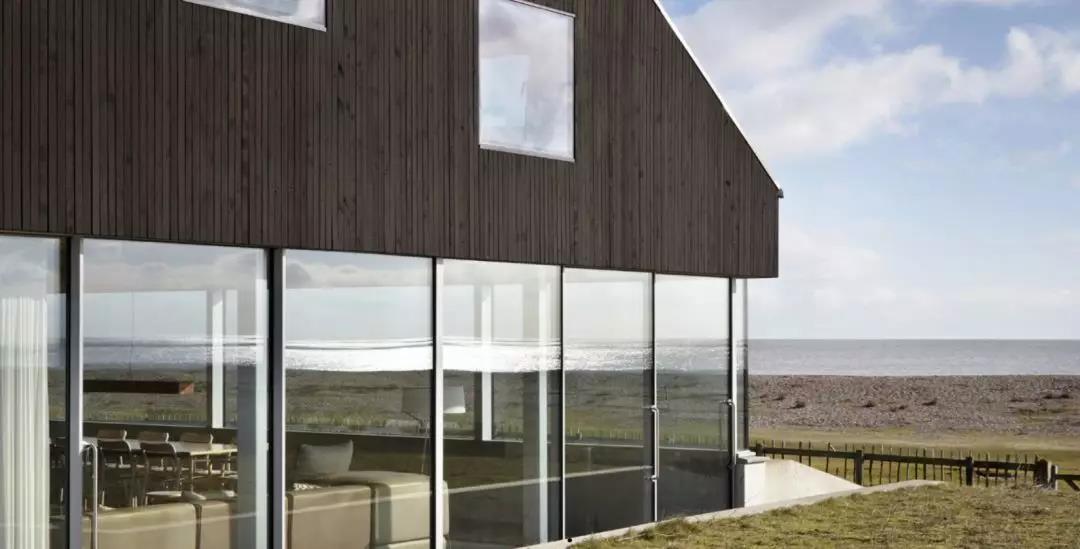
The four sides of the glass facade allow the house to almost connect with the beach. A small hidden room behind the kitchen ensures privacy on the ground floor, serving as either a separate guest room or a lazy nap.
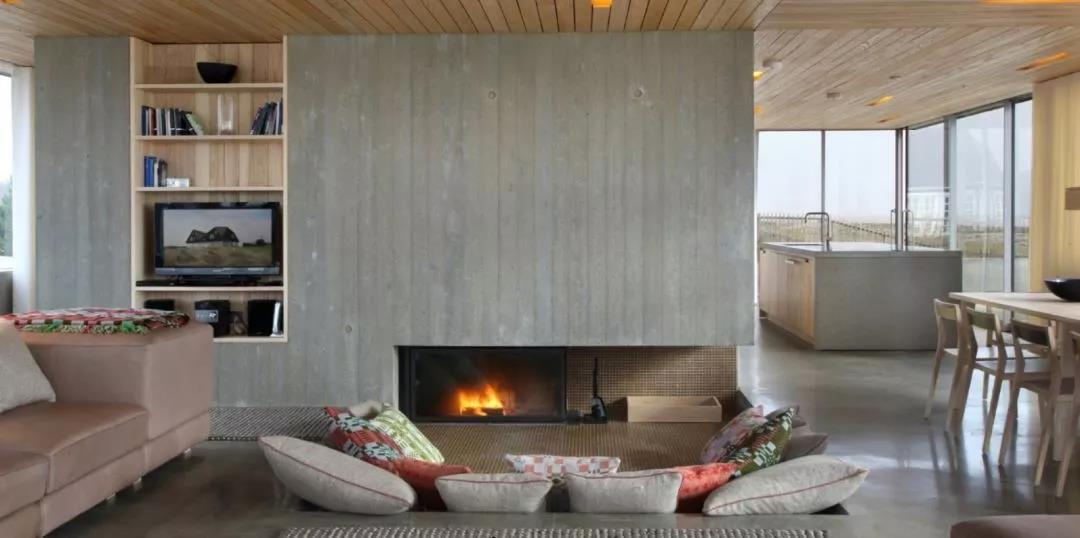
Many of the furnishings were designed by the architect specifically for the house. To provide a friendly and peaceful experience.
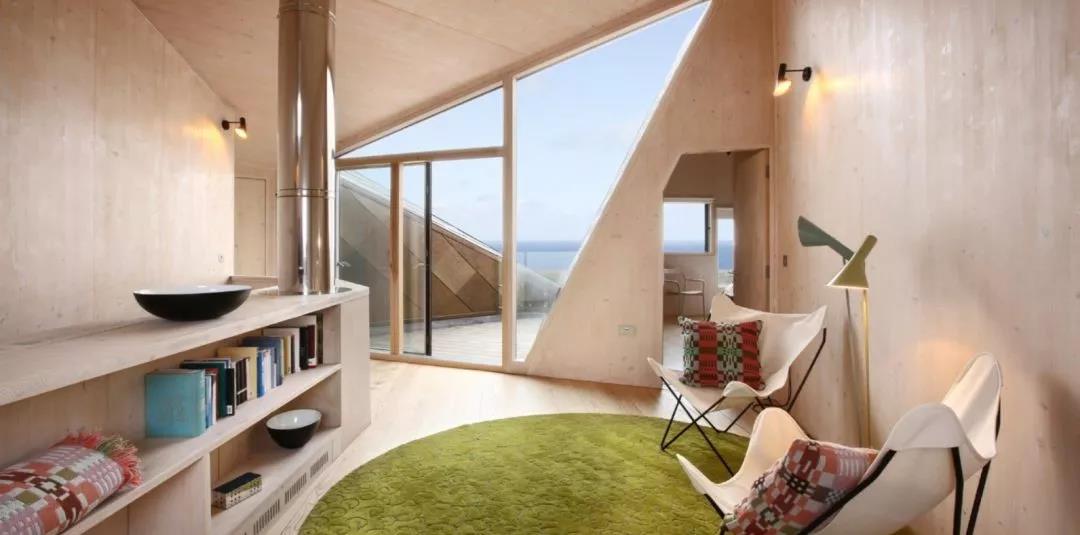
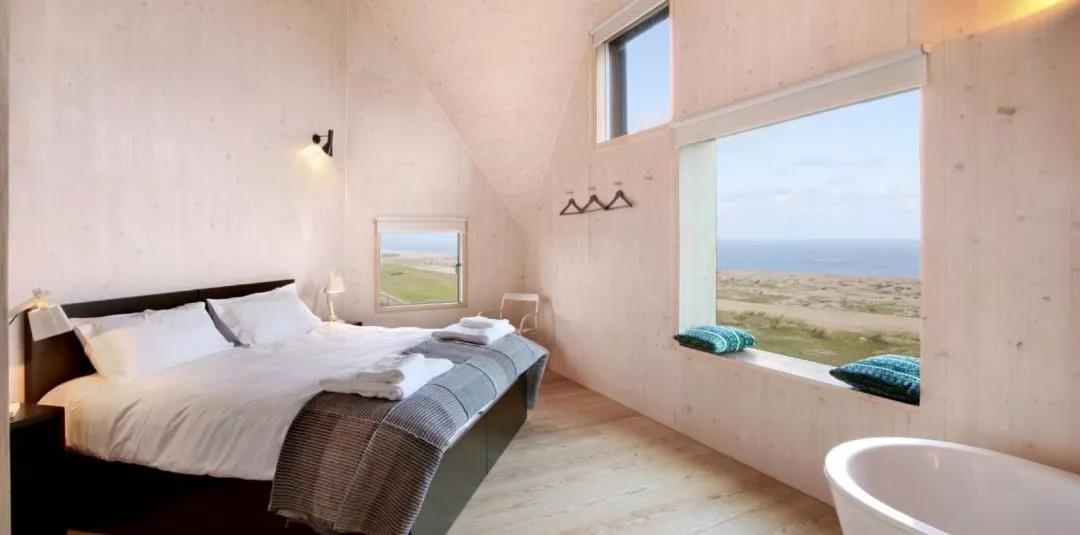
The library on the second floor leads to the platform. Each bedroom has a bathtub to soak in the water like a sea creature and gaze at the rolling waves.
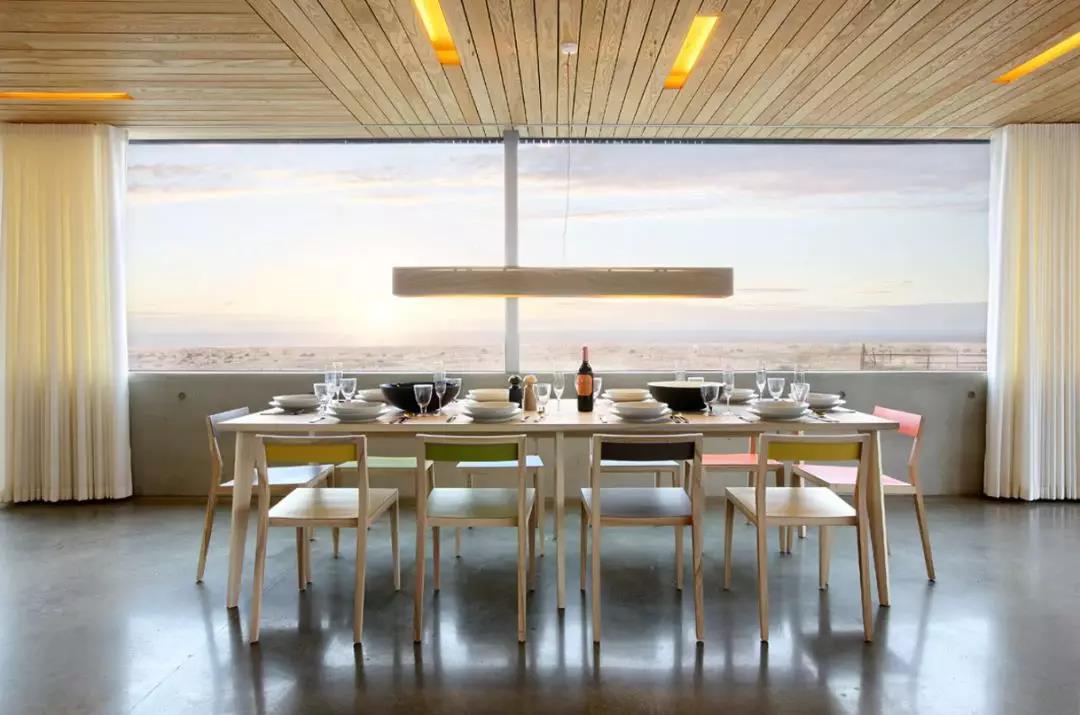
Dune House offers real fun seaside life: watch the sunrise over the sea from the comfort of your bed and walk along the shore to buy fresh fish for dinner. If you don't feel like cooking, famous local bars and restaurants are not far away.
All images via Google.
-End-
-
 31 Dec
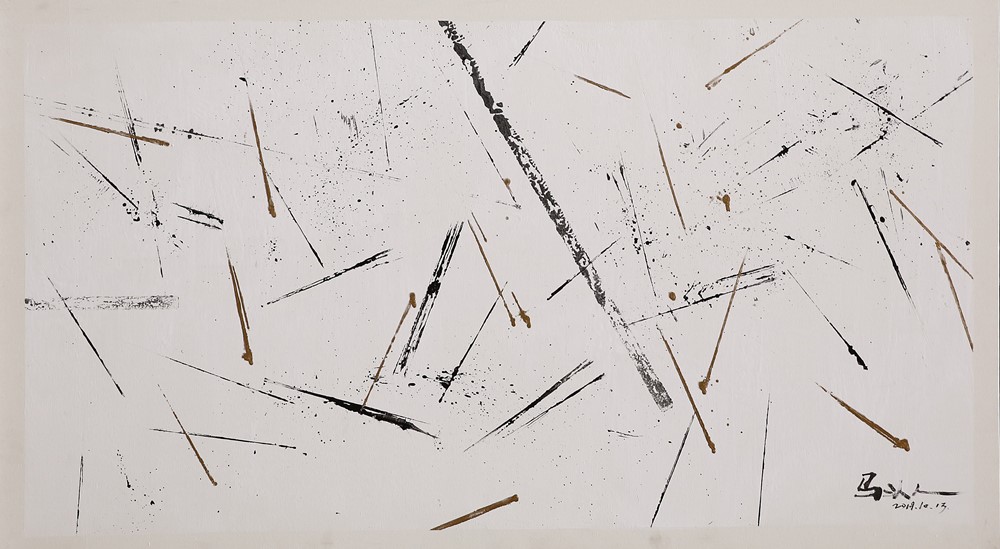
"Texture in painting refers to the look and feel of the canvas. It is based on the paint, and its application, or the addition of materials such as ribbon, metal, wood, lace, leather and sand. The concept of "painterliness" also has bearing on texture. The texture stimulates two different senses: sight and touch." --Wikipedia
Texture gives people a variety of feelings and can enhance the role of the image and appeal. People's perception of texture is generally based on touch, but due to people's long-term experience of tactile objects, they will feel the difference in texture visually without touching them. We call it sight texture. Sight texture is a texture felt by the eyes, such as stripes, patterns, and bumps displayed on the screen, but they are two-dimensional plane textures. Touch texture is generally obtained by pressing, die-cutting, engraving and other processing methods. It is a three-dimensional texture, which can be felt by hand.
Now, I would like to share some thick texture abstract painting and their materials below. Take a look!
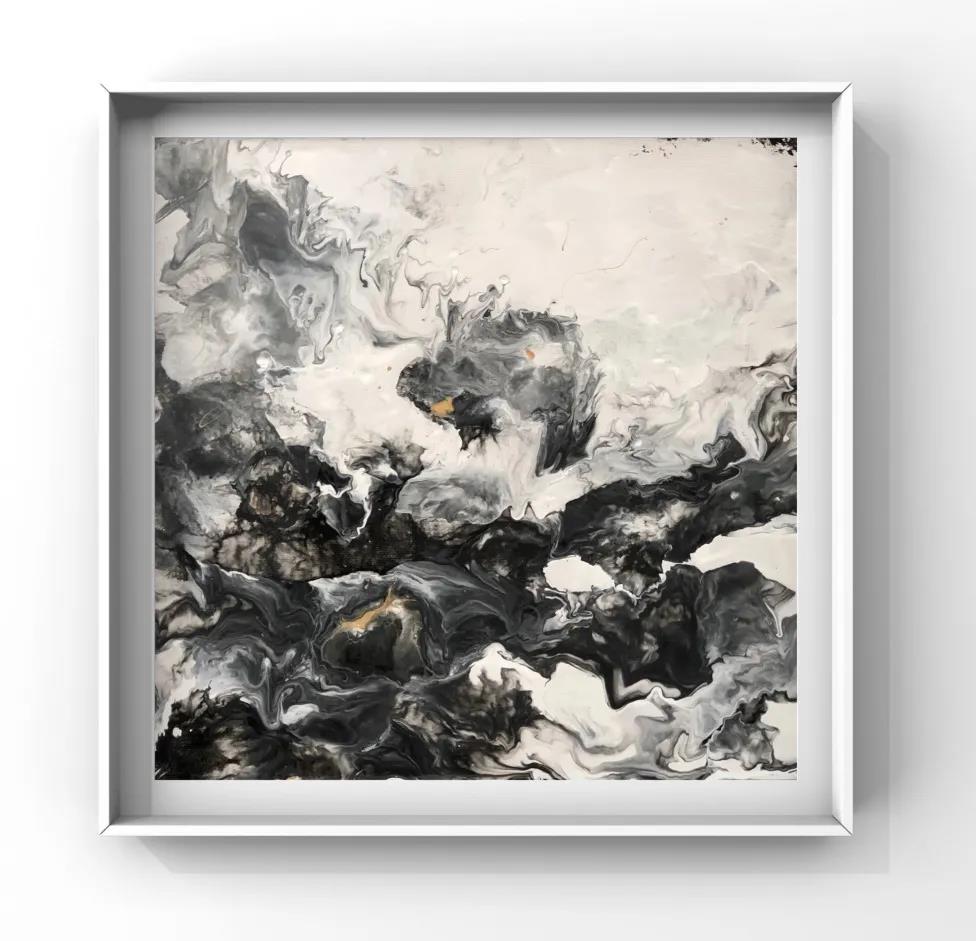
Surging
Creation inspiration:the idea of this work comes from the texture of marble. The painting uses the blowing technique of fluid pigment to show an abstract ink texture painting. Through the blend of black and white, virtual and real, the picture is harmonious and unified, complicated with simplicity, full of charm, vivid and fairy in deep and serene. The painting is intriguing, profound artistic conception, giving people endless reverie...
Texture:
sight texture
Tools and materials:
acrylic paint, acrylic thinner, water, cup
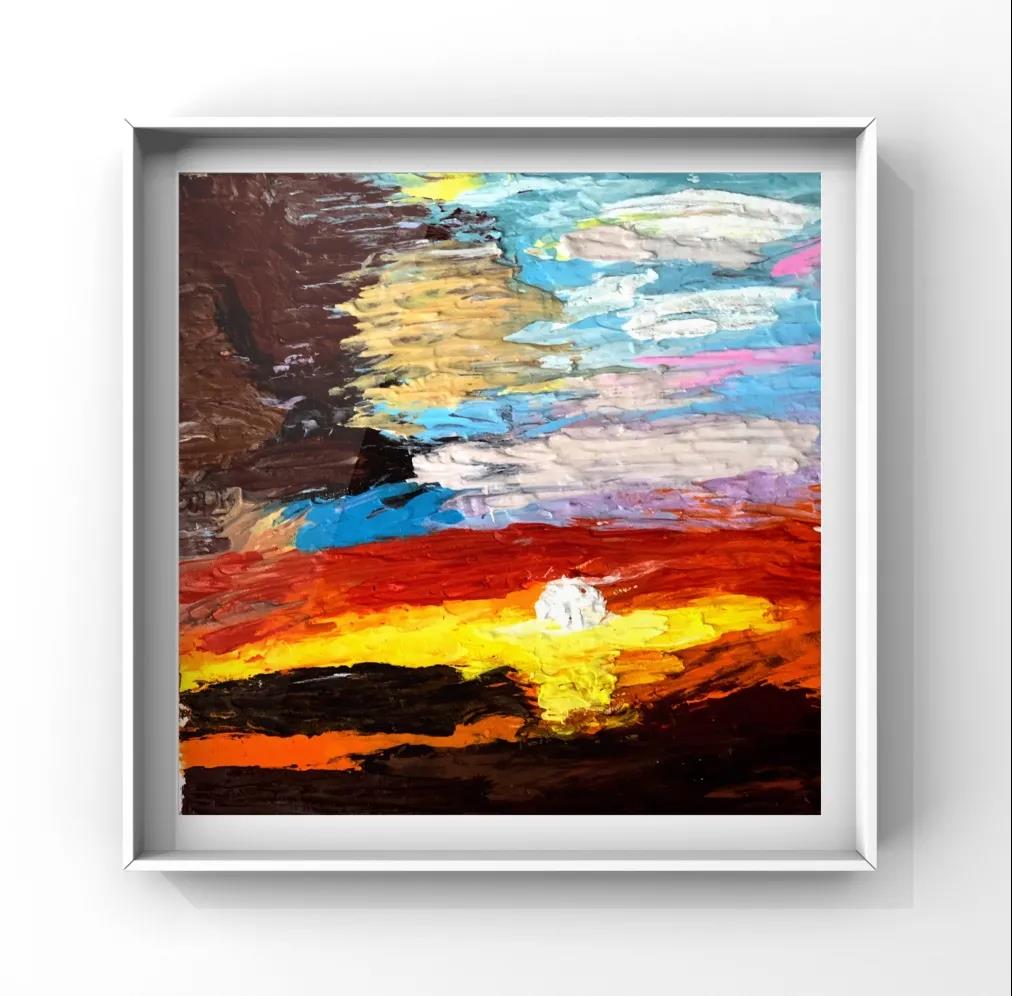
Sunset in Four Seasons
Creation inspiration:
the idea of this work mainly comes from the sunset. Spring, summer, autumn and winter have unique and attractive sunset scenery. The sight of the gorgeous sunset can make people relaxed and happy every time. It is hoped that busy people can stop to enjoy different views and discover different life in Sunset in Four Seasons, which was created by pilling up pigments.
Texture:
touch texture
Tools and materials:
talc, white latex, pigment
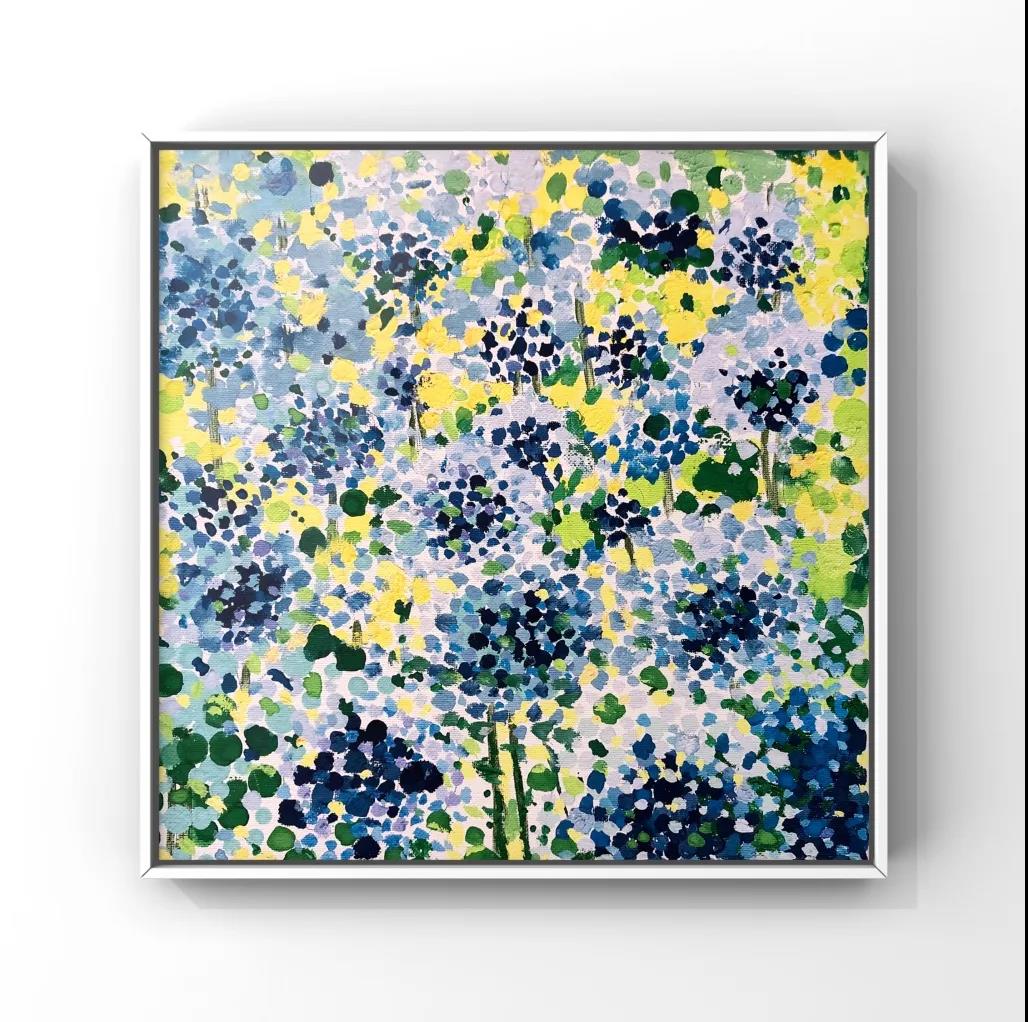
Summer Flowers
Creation inspiration:the idea of this work comes from flowers in summer. Using circular tools forms subtle picture layers and a three-dimensional sense. Although flowers symbolize hope and beauty, they should bloom their life and light in the golden sunshine. It hopes to convey a positive and optimistic attitude towards life.
Texture:
sight texture
Tools and materials:
gouache pigment, glass rod, straw, etc
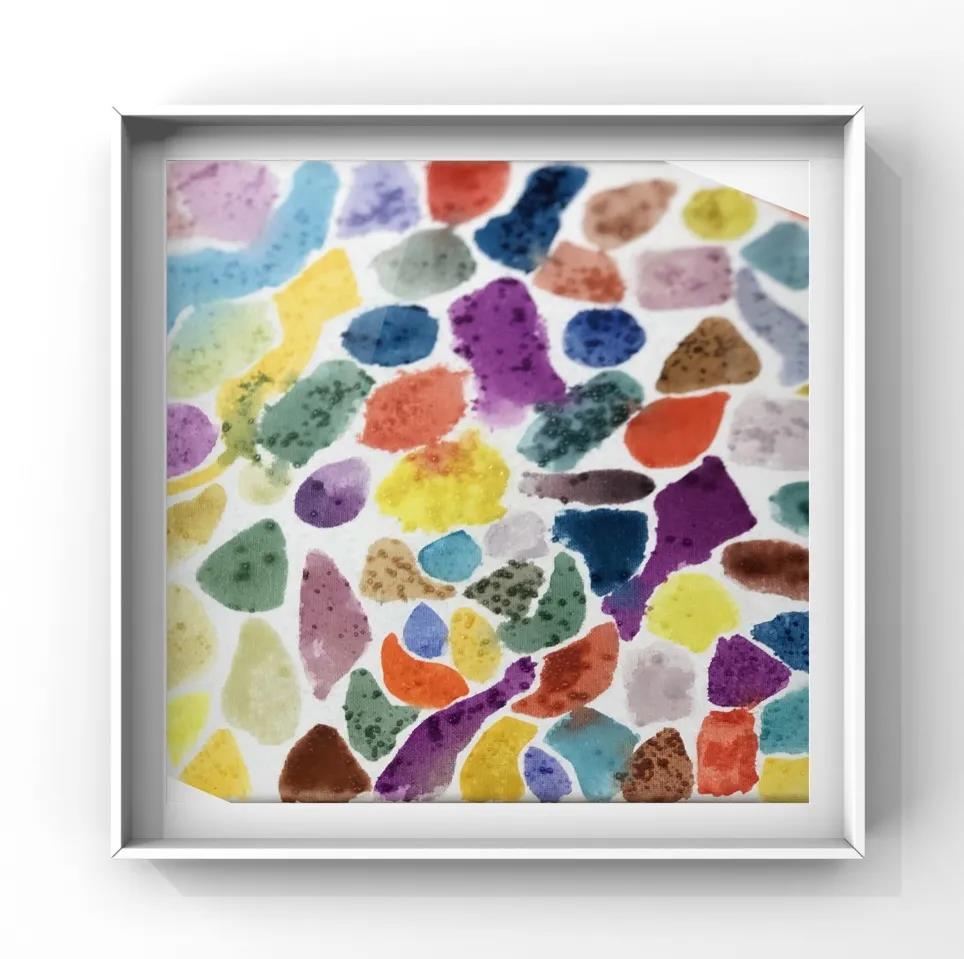
A Colorful World
Creation inspiration:the idea of this work comes from our life. Art comes from life. We can feel the colorful world through these colors.
Texture:
sight texture
Tools and materials:
gouache pigment, alcohol, edible salt
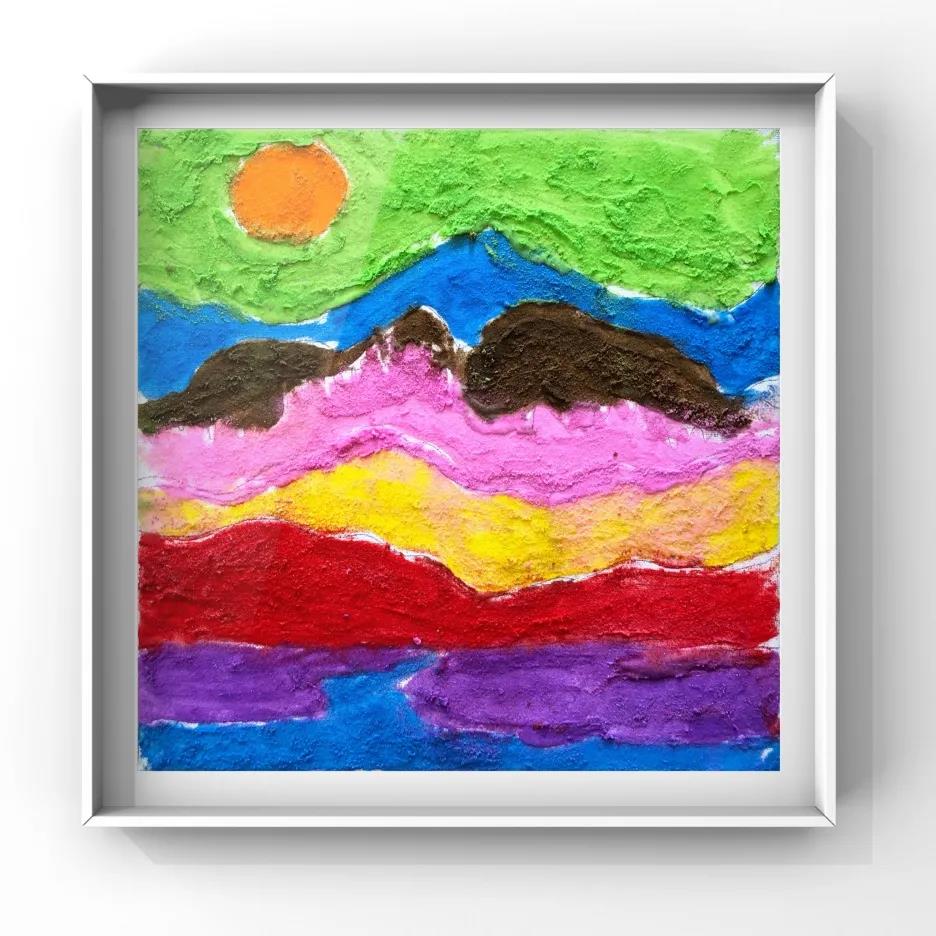
Colorful Hills
Creation inspiration:
the idea of this work comes from mountains of different shapes. The hills are endowed with multi-colors through colorful sand materials, giving the picture a rich layer and three-dimensional sense. It is expected that people can feel beautiful things in nature and the world with their souls in the complex and changeable social life.
Texture:
touch texture
Tools and materials:
colored sand, brush, white latex
Enjoy more thick texture abstract paintings
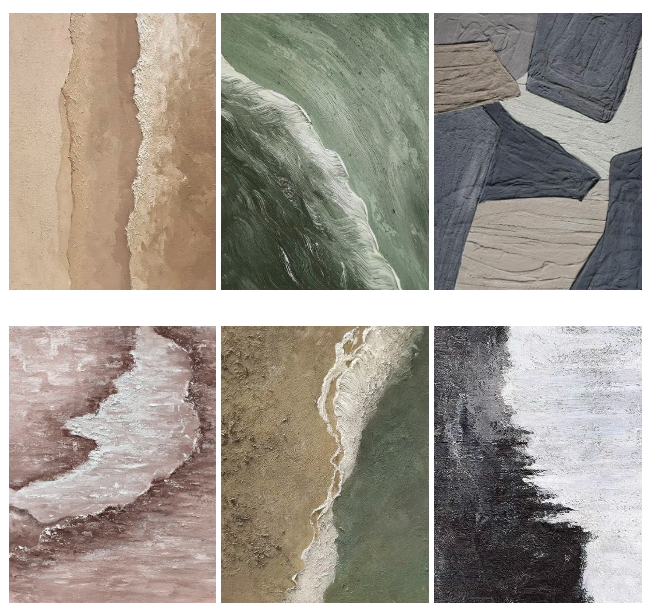
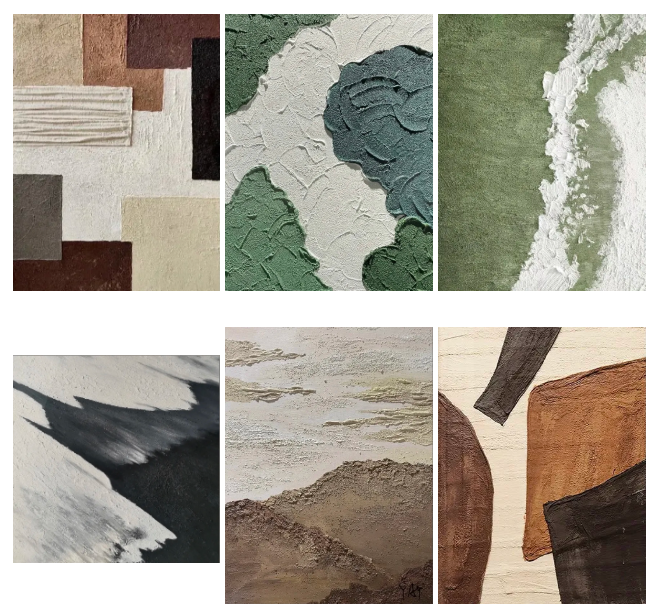
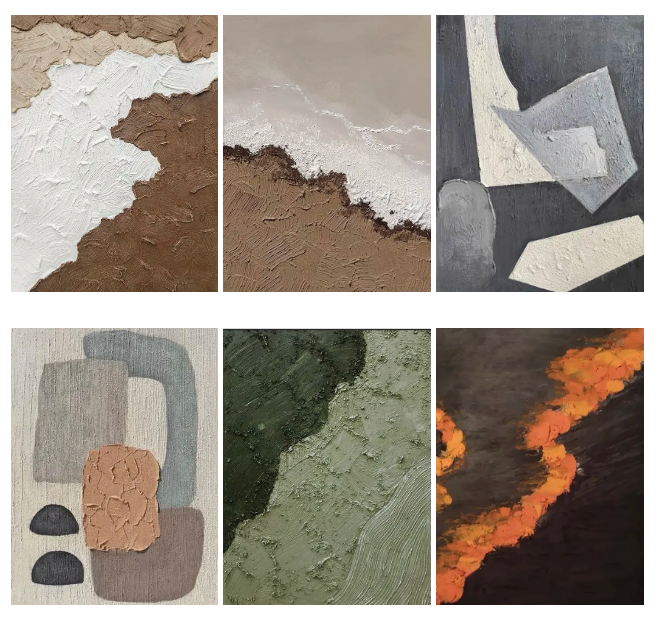

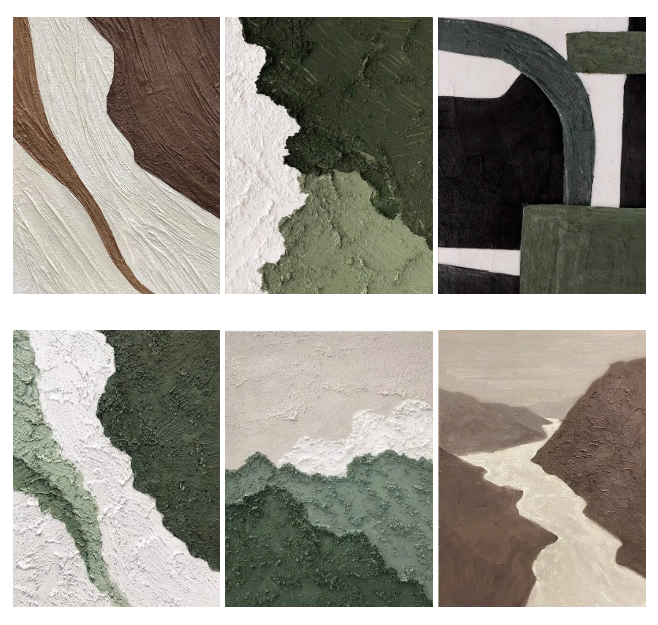
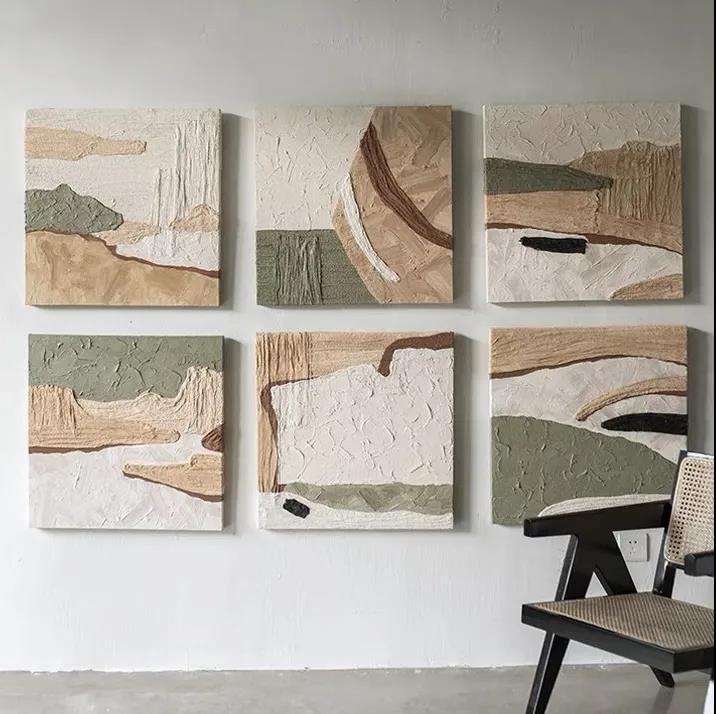
Can you tell which is sight texture and touch texture painting above?
Click here to explore more SOA Arts Abstract Paintings.
-End-
-
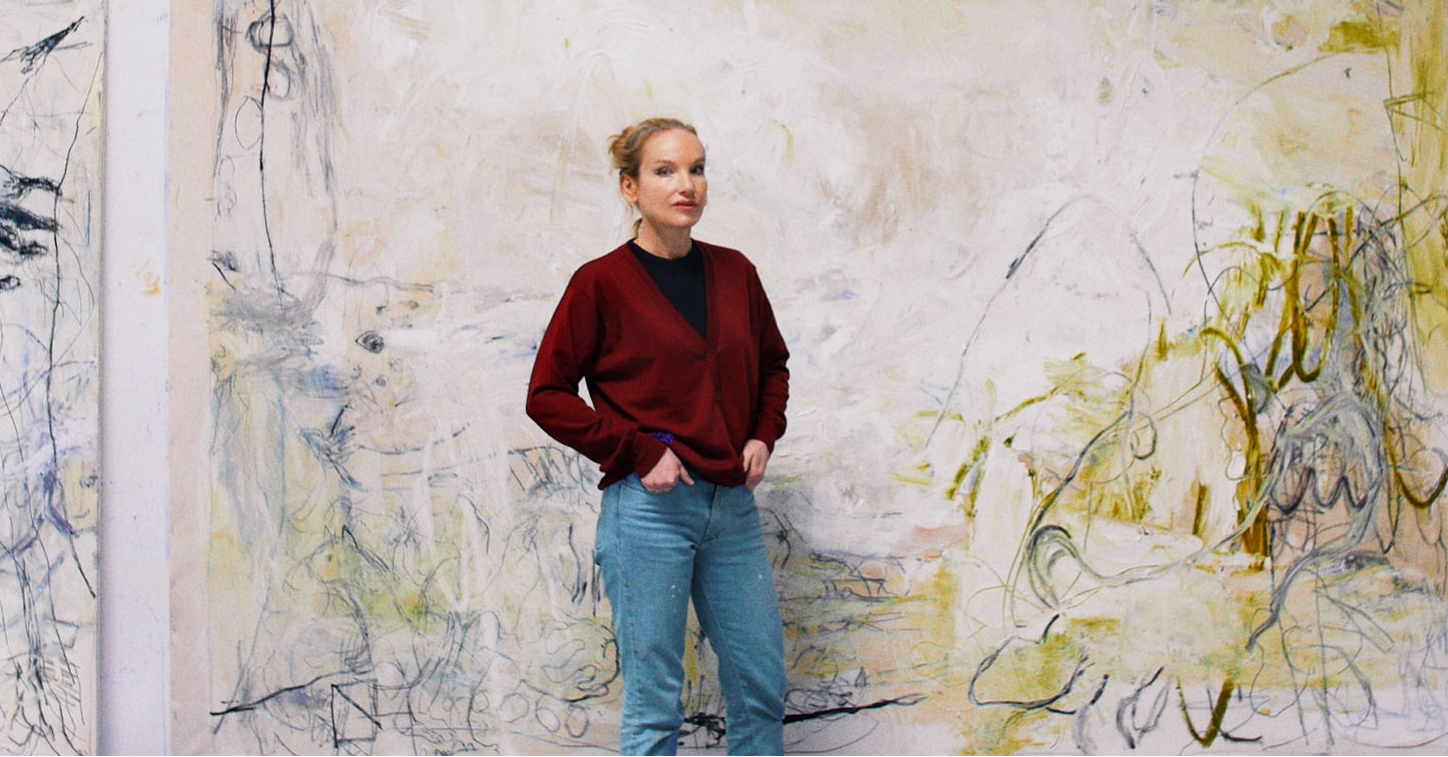

Rita Ackermann, image via Hauser & Wirth
From November 30 to December 4, art collectors and enthusiasts from across the globe flew to South Florida for the annual Art Basel Miami Beach, a fair wherein leading galleries exhibit masterpieces created by both modern and contemporary art masters alike, as well as by emerging artists. Despite strict pandemic restrictions, this year’s affair drew hundreds of attendees, many of whom were more than willing to open their wallets and take home a few pieces.
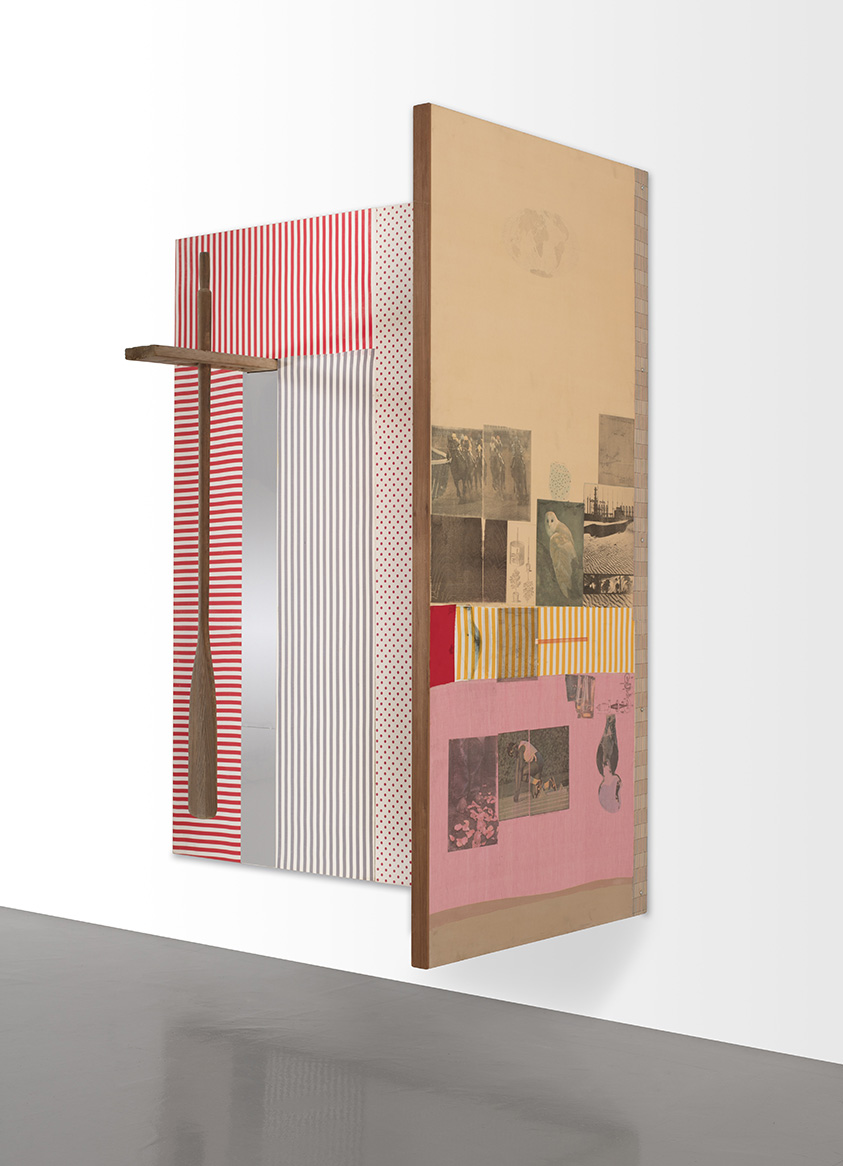
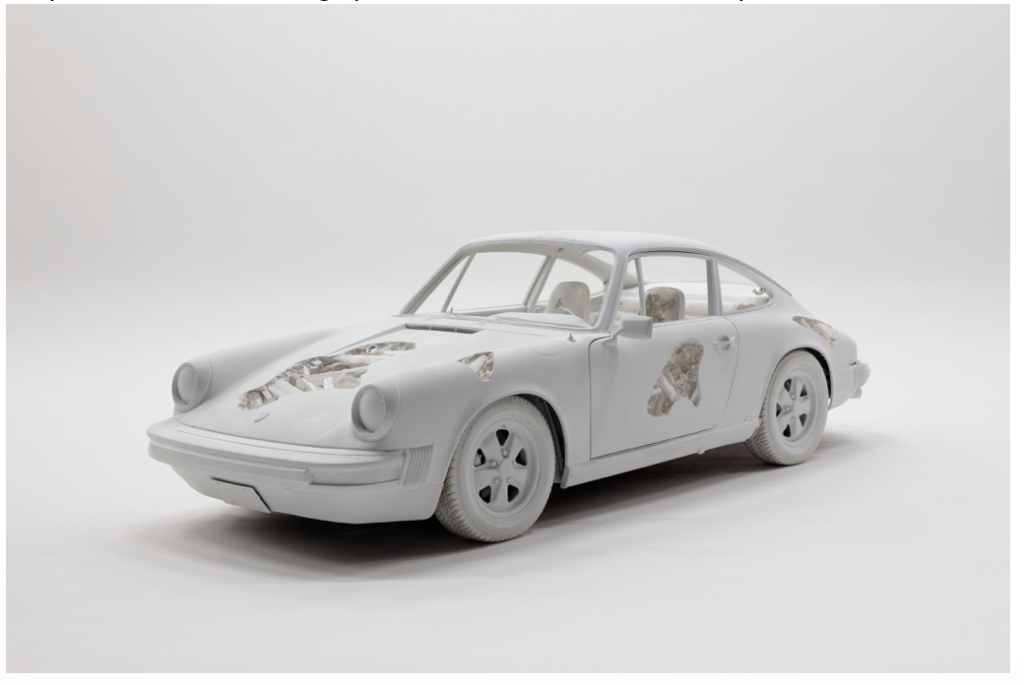
For instance, “Sky Marshal (Spread)” by the American painter Robert Rauschenberg was sold for $1.5 million, while “Eroded Porsche 911” by Daniel Arsham was purchased by a local collector for a little over $500,000. This particular piece is a white-toned replica of a vintage car covered with a layer of epoxy resin and polymer to make it appear fossilized.
Among those that were sold at Art Basel Miami Beach was “Mama, Good Samaritan,” a canvas painting created by the renowned Hungarian-American artist Rita Ackermann. The piece was exhibited by the international fine art gallery Hauser & Wirth and purchased by an undisclosed buyer for a whopping $475,000.
“Mama, Good Samaritan” is part of Ackermann’s ongoing “Mama” series, which is currently exhbíbited at the Monaco branch of Hauser & Wirth. Launched in 2019, its other pieces include “Mama, Masked and Anonymous,” “Mama, Under the Brutal Hand of a Child,” and “Mama, the Knight of the Cave.”
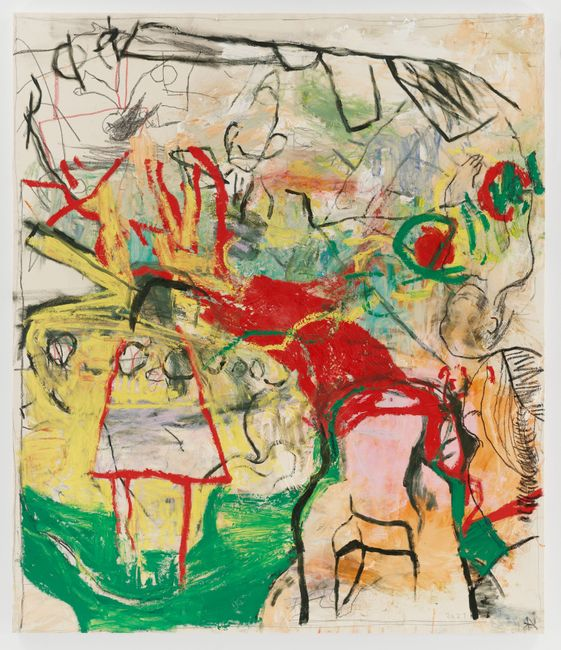
Rita Ackermann
Mama, Good Samaritan, 2021
Acrylic, oil and china marker on canvas
195.6 x 167.6 cm
Rita Ackermann. Courtesy the artist and Hauser & Wirth. Photo: Thomas Barratt.“The exhibition consists of paintings on canvas, which reveal her persisting interrogation of line, color, and form,” reads the Hauser & Wirth website. “In Ackermann’s new suite of ‘Mama’ paintings, repeated imagery is often combined with vivid swathes of color, giving her work an enigmatic visual component that oscillates between abstraction and figuration.”
“Works in the exhibition, including ‘Mama, Monte Carlo’ (2021) and ‘Mama, How Can You See Someone’s Soul?’ (2021) depict figures and motifs that rise to the surface of the canvas, only to dissolve and reappear elsewhere again,” the website further adds. “Lying beneath layers of oil paint are drawings in china marker or ink that are left obscured. Thick layers of impasto and oil are also vigorously applied and scraped in such works, culminating in a layering effect that is often created by chance instances and combinations of accidental gestures.”
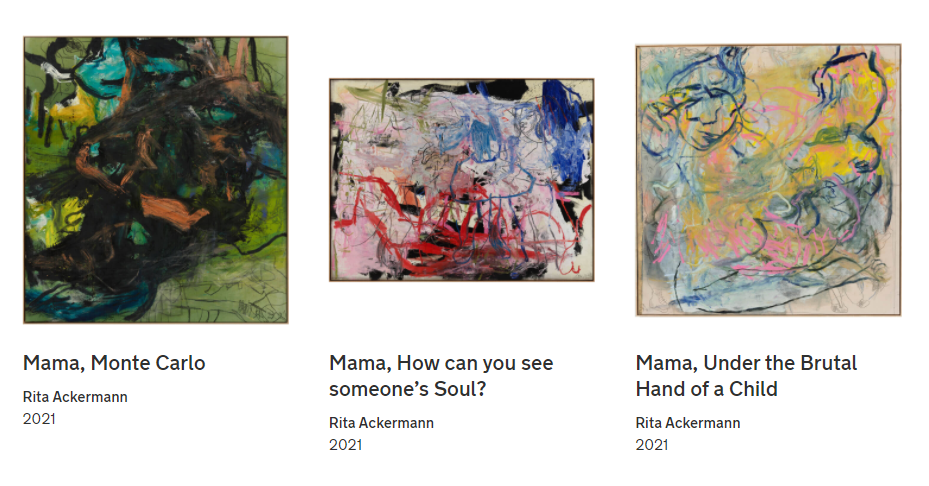
Screenshot via Hauser & Wirth
Born in 1968, Rita Ackermann studied at the Academy of Fine Arts in Budapest, Hungary before moving to the United States, where she continued her education at the New York Studio School of Painting, Drawing, and Sculpture. Many consider her to be one of the leading artists of her generation, thanks to her ability to create “opposing impulses of creation and destruction” that “occupy a space between the figurative and the abstract.”
Besides Hauser & Wirth, Ackermann’s work has also been featured in other art galleries – in 2018, her painting “Michael Jackson, On the Wall” was included in an exhibit in London’s National Portrait Gallery. The following year, her piece titled “American Dreams: Classic Cars and Postwar Paintings” was showcased by the McNay Art Museum in San Antonio, Texas.
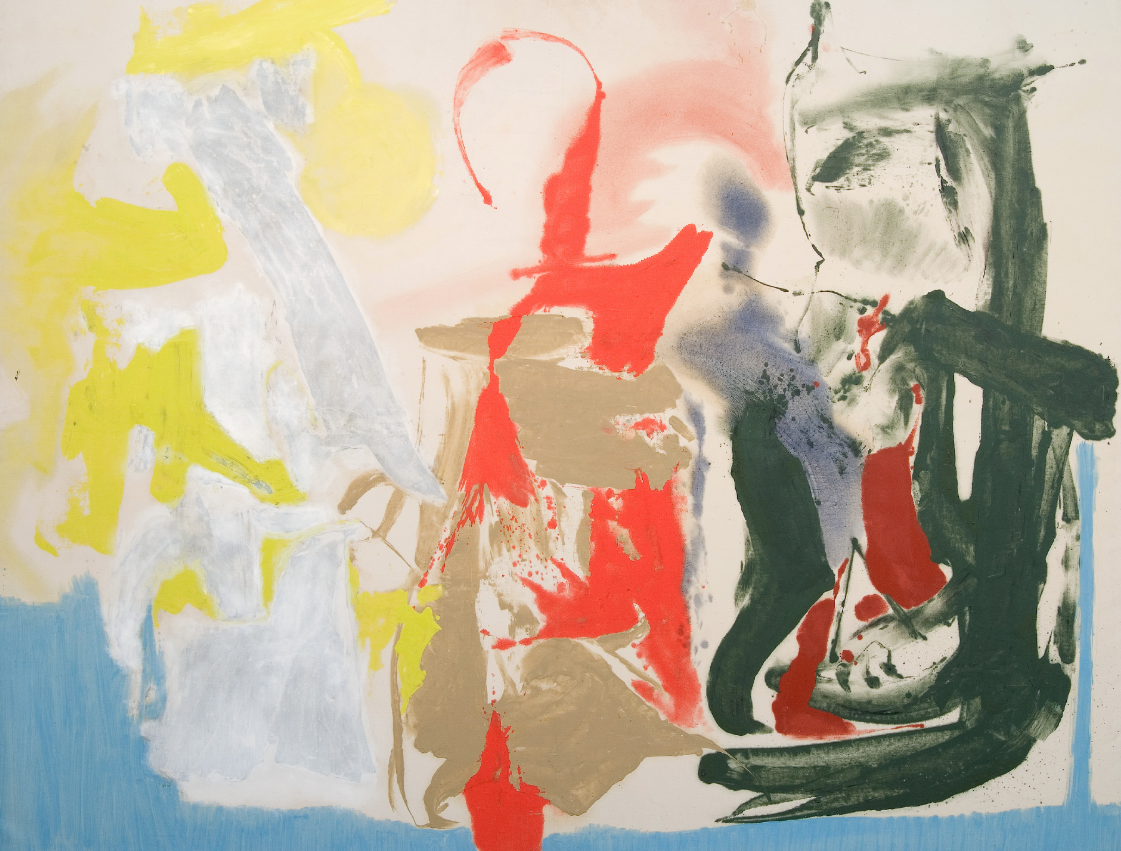
American Dreams: Classic Cars and Postwar Paintings, image via mcnayart.org
Her work has also been part of group shows held at Kunsthalle Basel in Switzerland and The Museum of Modern Art in New York City.
Ackermann may have been one of the few lucky artists whose pieces fetched hefty price tags at Art Basel Miami Beach; however, this wasn’t the first time that her work was highly sought-after. At the 2019 Foire Internationale d’Art Contemporain in Paris, her canvas painting “Mama Nagyika” sold for $165,000.
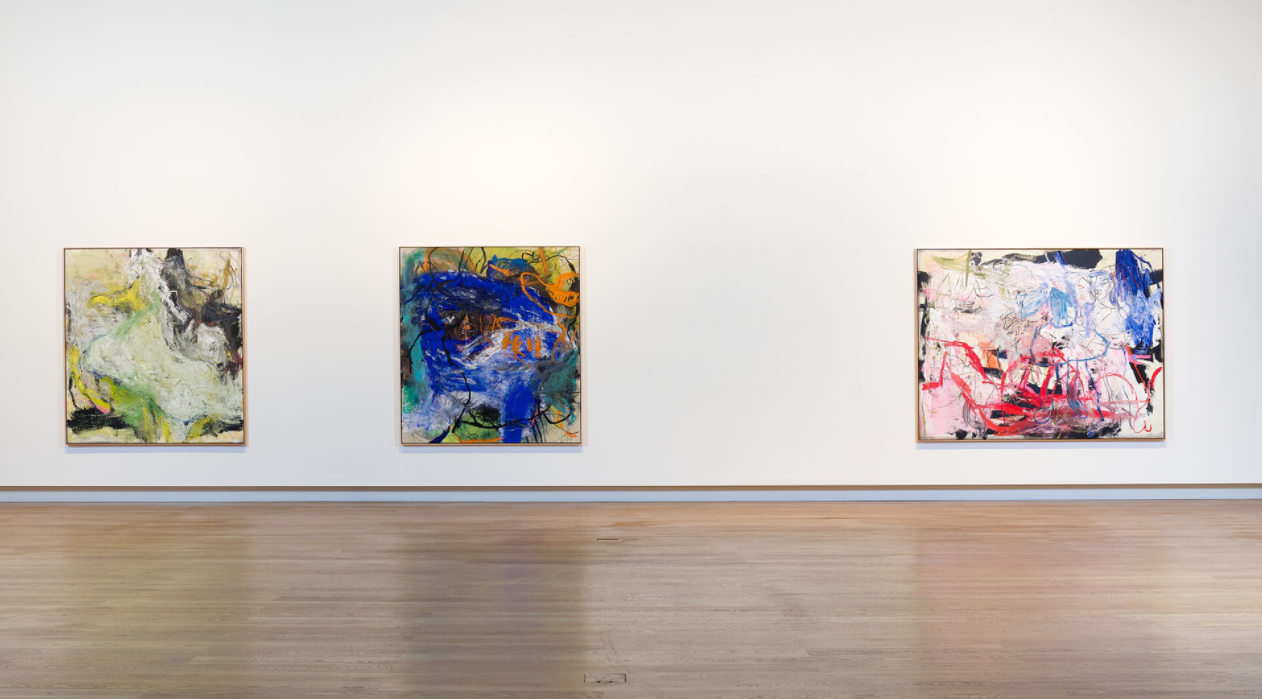
Image via Hauser & Wirth
Other artworks sold by Hauser & Wirth during the fair included a large mixed-media piece titled “I Want To Be Sure You Love Me!!” Created by the French-American artist Louise Bourgeois in 2008, it was purchased by a European collector for a staggering $1.8 million.
In addition to her one-of-a-kind pieces and the high price tags that they come with, Ackermann is also known for her unique perspective on the art world.
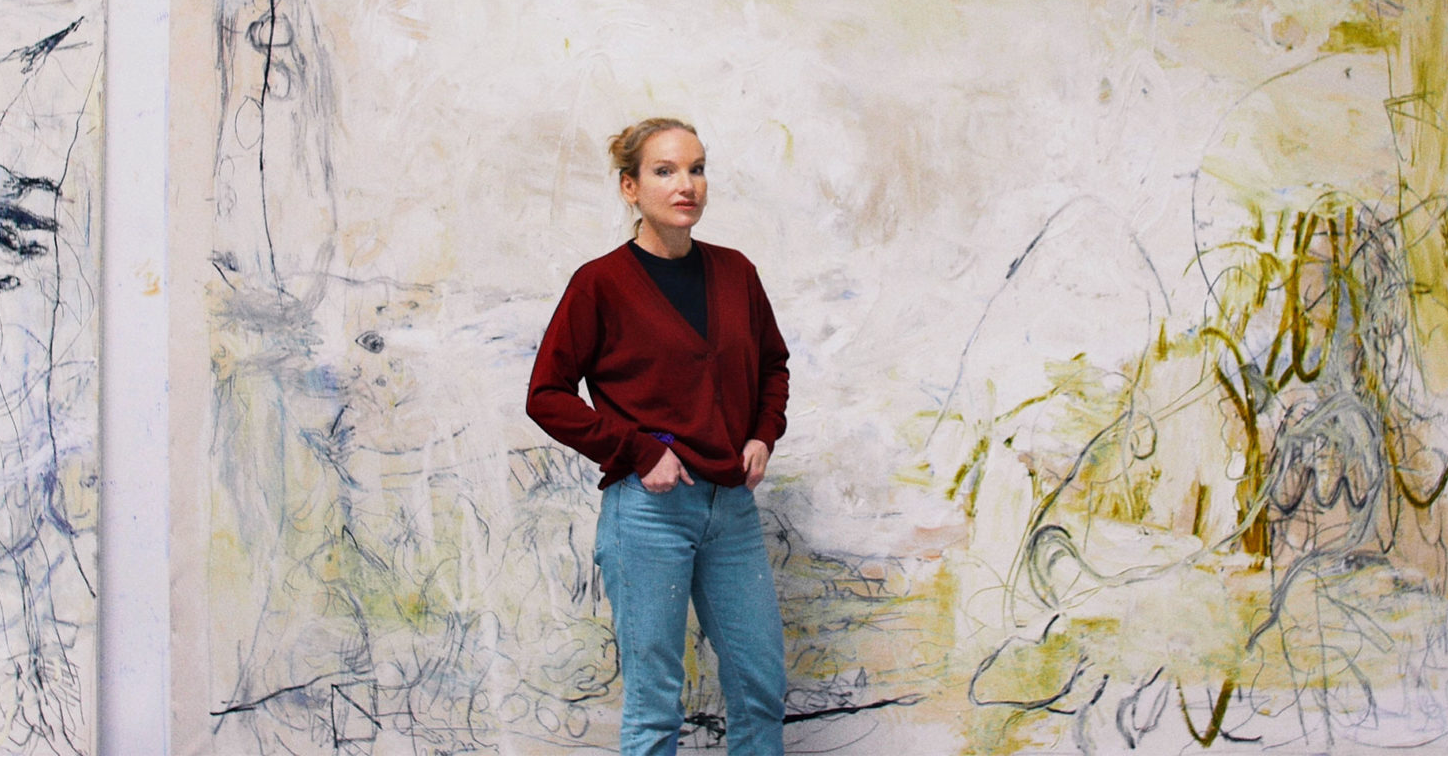
Rita Ackermann, Photo by Tanya & Zhenya Posternak
“I don’t have a persona,” she once told an interviewer. “I believe it is the artist’s core that holds together an oeuvre. The core of the artist is like a vessel, and I’m not possessive of what my paintings deliver. For me, painting is not about egomania. That’s why I get disturbingly critical of myself when I hear my voice explaining or tracking down the process of my work in front of people.”
She added, “When I paint, I’m not thinking – only occasionally do I have a grasp of that state of ‘not thinking’ and I try to write it down. Writing is more exact for something so elusive to describe. For me, it is difficult to speak about the paintings at all. I don’t like to describe what I paint because I cannot; if I could, I wouldn’t paint it.”
With her creativity and remarkable viewpoints, it’s clear that Rita Ackermann is well on her way to becoming one of the art world’s finest painters.
-End-
-
Modern artists of the 20th century have made immeasurable contributions to the rich, thriving world of exploratory art that we enjoy today. Their bold questions, experiments, and thought-provoking pieces continue to inspire future generations across the globe.
This post is written as an ode to two of the best modern artists that graced the 20th century – Georges Vantongerloo and Max Bill. While these two figures had distinct, occasionally contrasting styles, their friendship remains touching and worth talking about, even in 2022!
At SOA Arts, it’s in our best interests to stay as informed as possible about the art world and its most prominent characters. We’re proud to offer our art and interior design expertise to satisfied customers across the globe!
Modern Artists of the 20th Century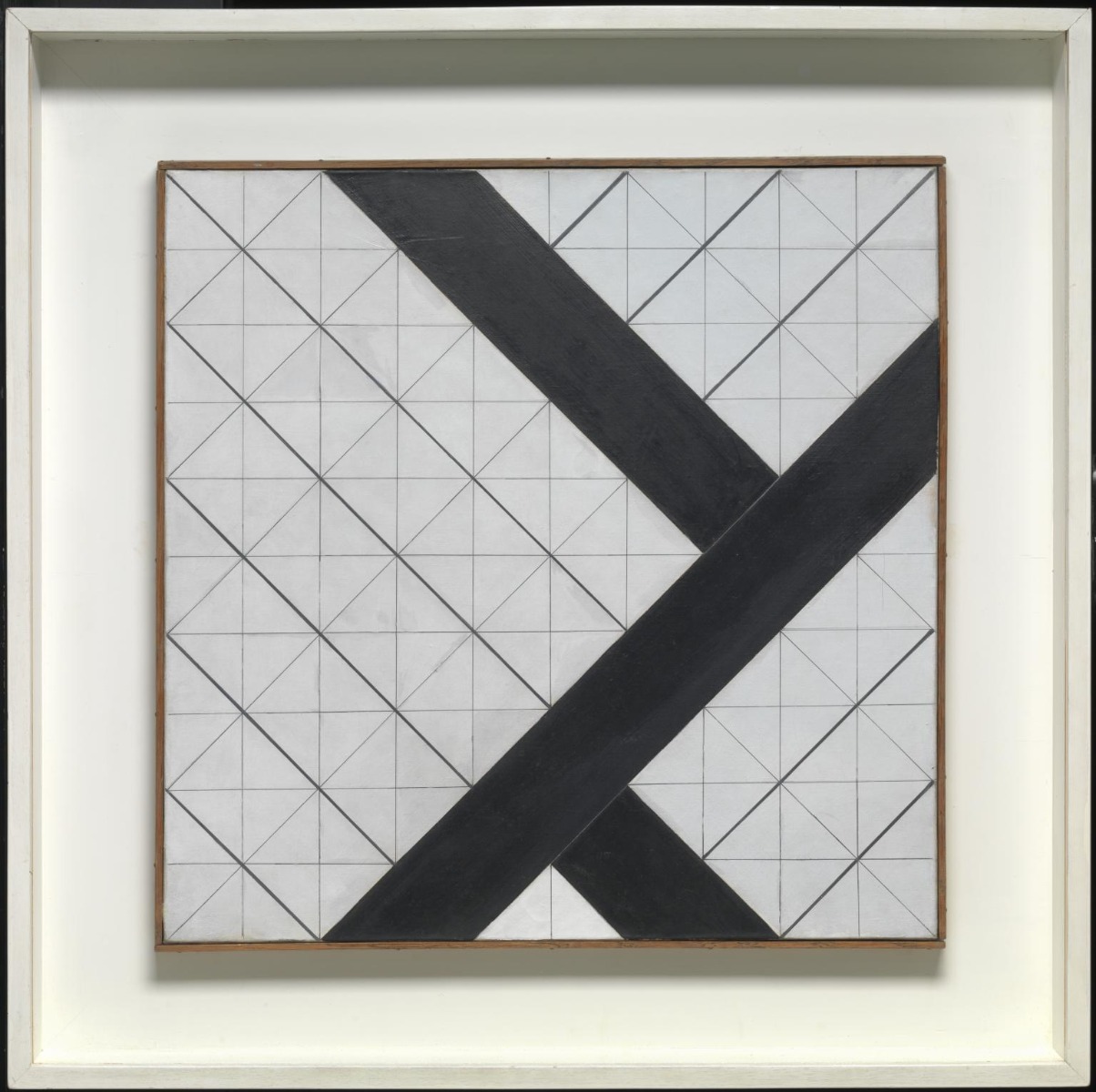
Theo van Doesburg
Counter-Composition VI 1925
Tate
Before we discuss Bill and Vantongerloo in detail, it’s worth touching on the context in which their work flourished. The modern art movement generally refers to the decades in the early 20th century where artists sought to produce art that better represented the hopes and dreams of an industrialized, modern society.The work was bold, experimental, and often contrarian in its aesthetic and conceptual choices. The Tate Modern (UK) explores the era in a fantastic write-up that can be read here.
The Work of Max Bill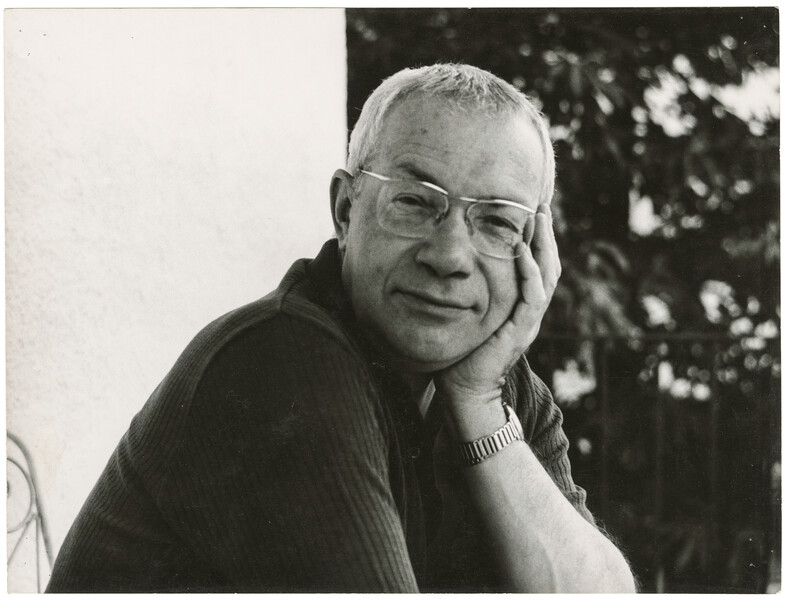
Max Bill in Montagnola, 1974 © Angela Thomas Schmid / 2019, ProLitteris, Zurich. Photo: Angela Thomas
The Swiss artist, ‘polymath’, and designer, Max Bill, is often referred to as the founder of the concrete art movement after hosting the first exhibition of its kind in 1944. The movement sought to bring previously unimagined forms into existence and to represent concepts and objects in a way that was both tangible and ‘sensuous’ in nature.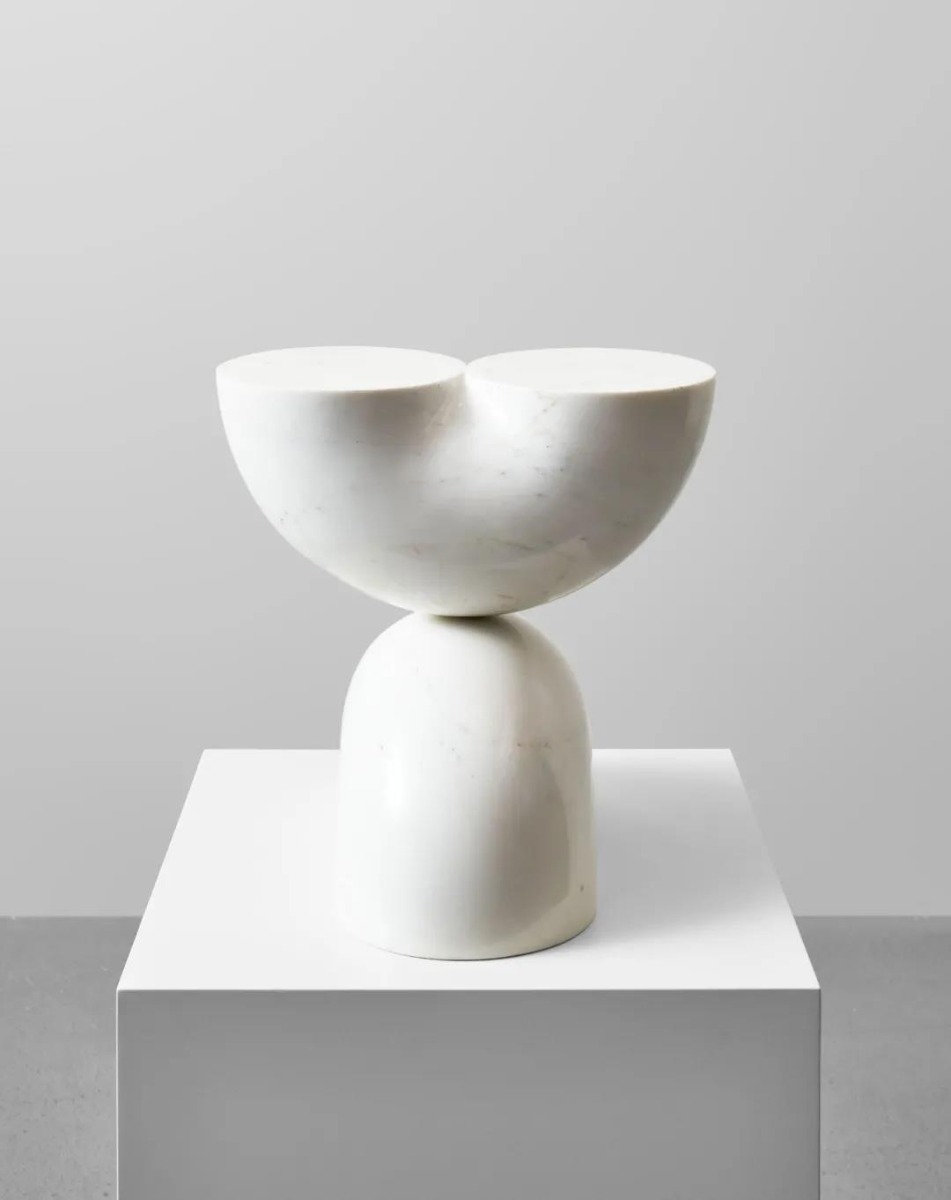
Max Bill, Ring-based Structures, 1942, White Marble, 39.2 x 39.9 x 39.9 cm / 15 3/8 x 15 3/4 x 15 3/4 inch,
© 2021ProLitteris,Zurich, Image: Max Beale and George Vandengrew Foundation, Hauser & Wirth.
Space-time Continuity
Exhibition Date:
December 16, 2021 -- January 22, 2022
Exhibition Venue:
Bahnhofstrasse 1 8001 Zürich Strongly influenced by his training at the Bauhaus and his background in mathematics, Bill produced countless paintings and sculptures that incorporated geometric and mathematical concepts with an unrivaled flair for experimentation.
His work can still be enjoyed today in galleries around the world.
The Work of Georges Vantongerloo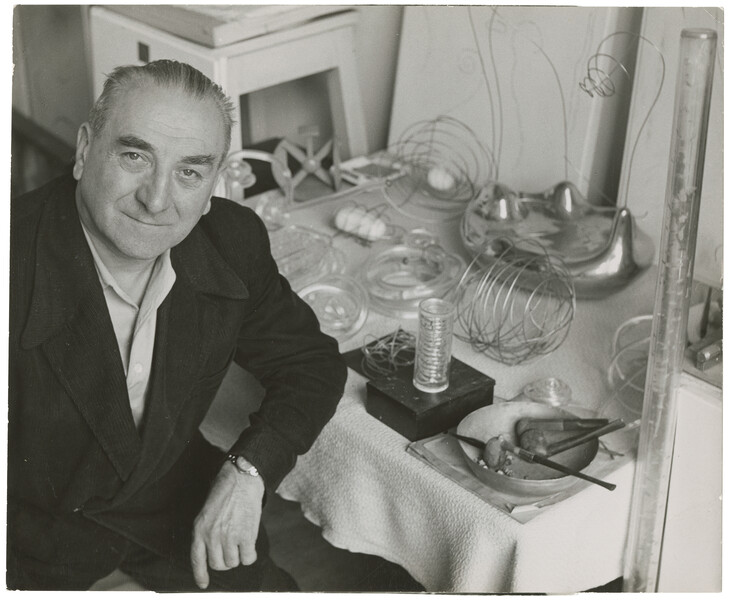
Georges Vantongerloo in his studio, Paris, 1951 © Angela Thomas Schmid / 2019, ProLitteris, Zurich. Photo: Reinhart Wolf
Georges Vantongerloo was a sensational painter and sculptor from Antwerp, Belgium. He was seriously injured by a gas attack in the first world war, which meant he was discharged in 1914. His experience during the war, as well as his training and encounters across Europe, contributed to a rich artistic practice that deserves to be memorialized for future generations.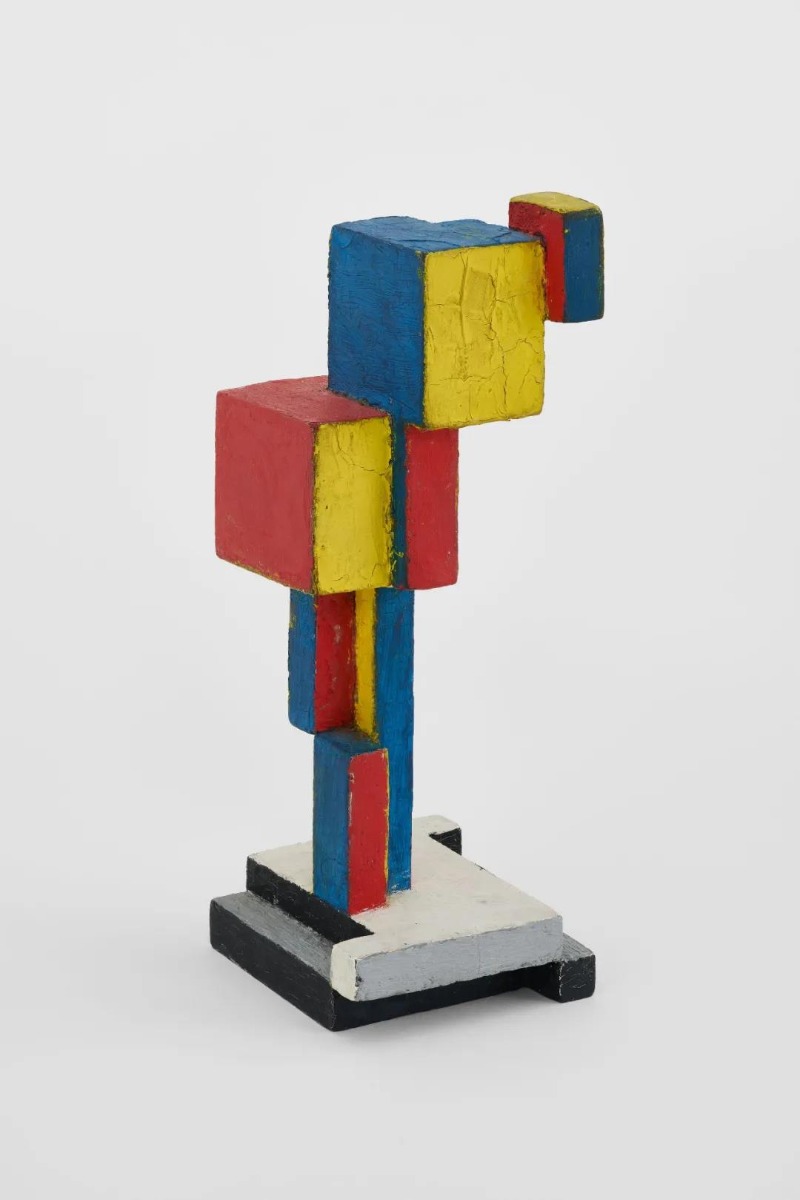
Georges Vantongerloo, Composition émanante de l’ovoïde (Composition from the Ovoid), 1917, Painted mahogany, 16.5 x 6.5 x 6.5 cm / 6 1/2 x 2 1/2 x 2 1/2 inch
© 2021, ProLitteris, Zurich. Photo: Jon Etter
Vantongerloo’s work focused on abstraction achieved largely through striking paintings and era-defining sculptures. The shapes and linework used by this artist are particularly noteworthy. He also designed bridges, airports, and similar projects that celebrated his love of geometric shapes and experimental concepts.
Their Iconic Friendship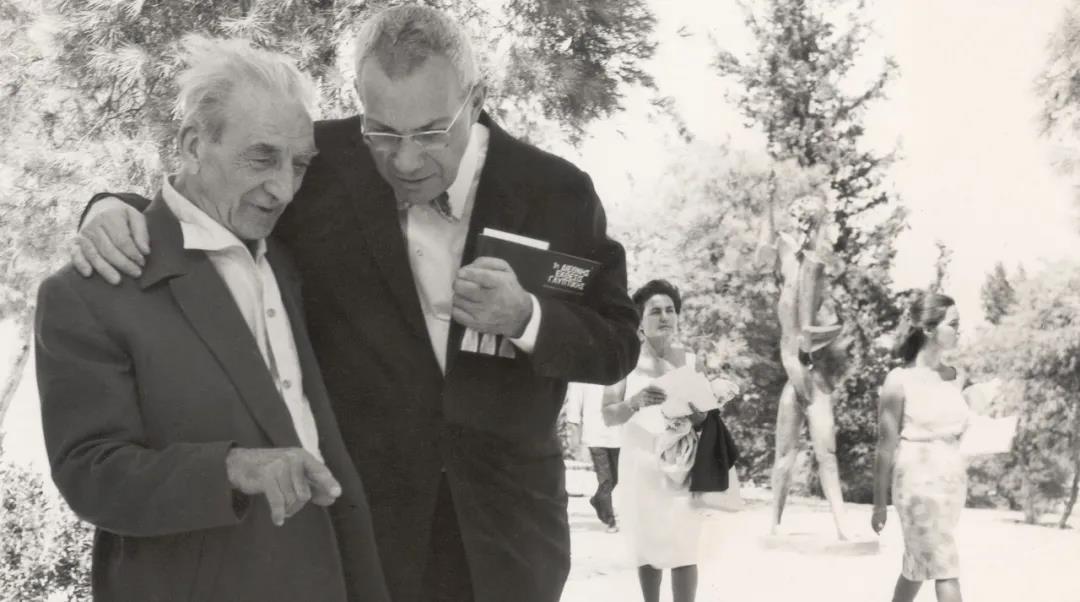
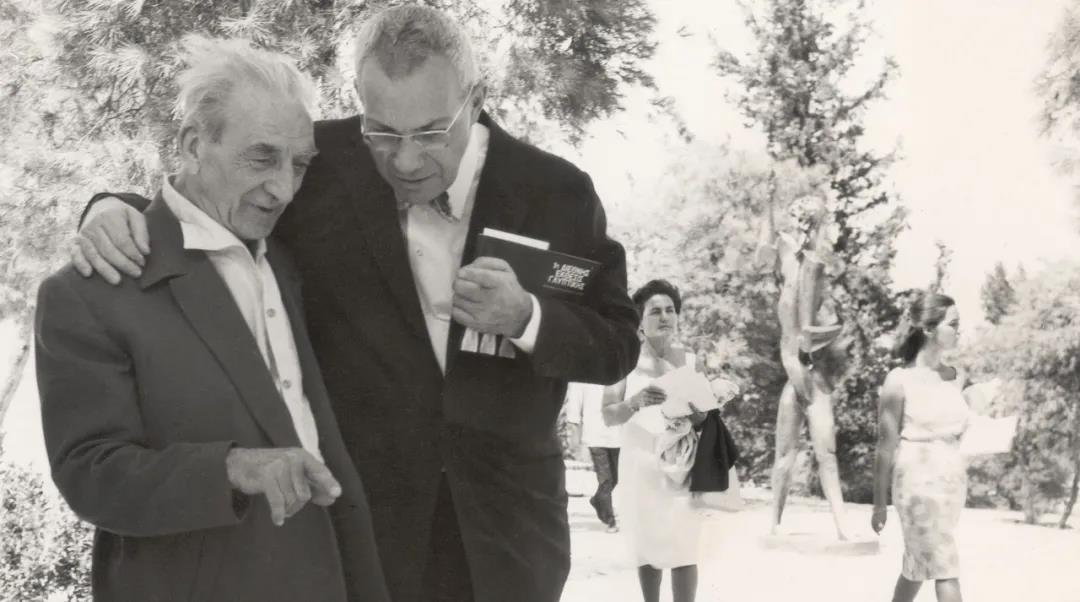
Georges Vantongerloo and Max Bill at the first Athens Sculpture Biennial, September 18, 1965.
Georges Vantongerloo Documents, Bill's House, Chumicon.
Image: Max Bill and Georges Vantongerloo Foundation and Hauser & Wirth.
Photo: Carmen Martinez
Max Bill and Georges Vantongerloo first met in France in 1918, where they forged a lifelong connection fueled by their mutual love for artistic abstraction and its endless potentialities. Their art made contributions that are still felt to this day.
Max Bill helped to organize countless exhibitions that featured Vantongerloo’s work and continued to vouch for him after his death. This dedication to his friend’s art helped to maintain his reputation and share his experiments with a broader audience.
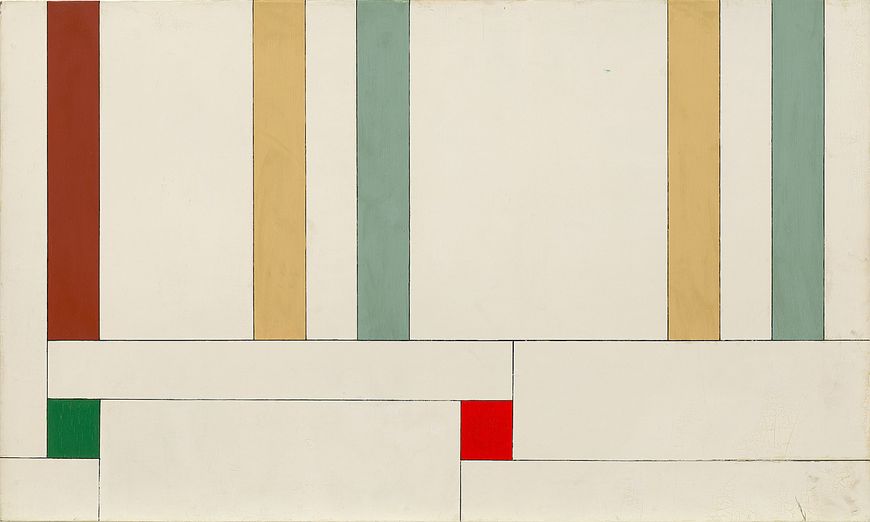
Georges Vantongerloo
Composition 13478 / 15
A rich correspondence between the two artists reveals the details and nature of their friendship. More information can be found in this great write-up from Hauser & Wirth.
Latest Art Exhibition
Max Bill & George Vantongerloo: Crossover
Exhibition Date:
From January 27 to March 26, 2022
Exhibition Venue:
Hauser Wirth New York 69th Street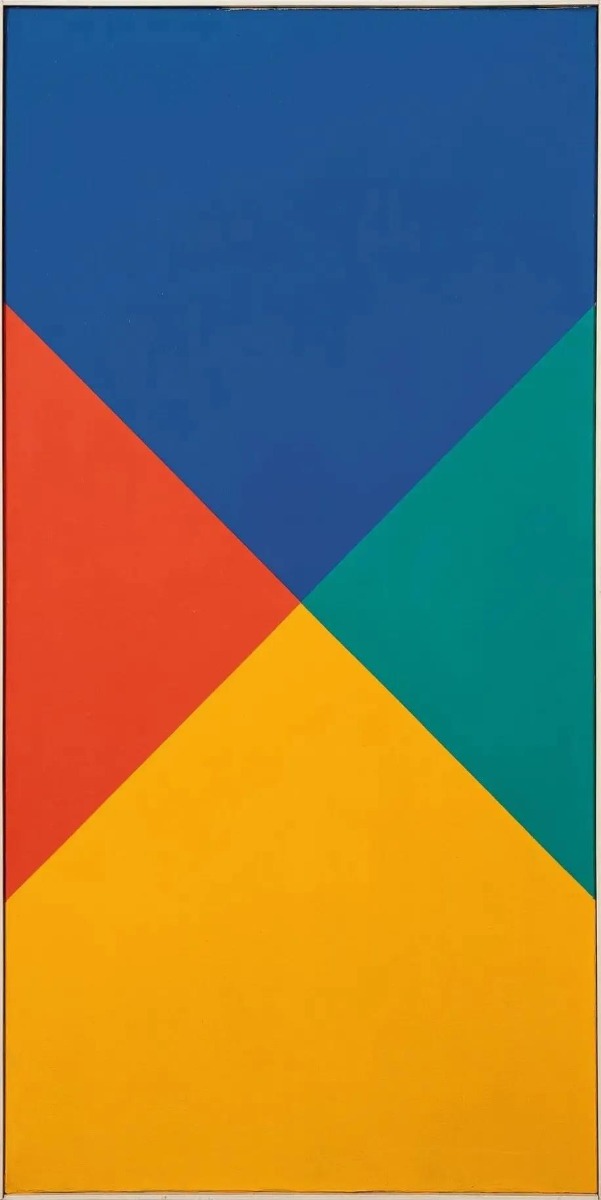
Max Bill, Red and Green Emerging from Blue and Yellow, 1970, oil canvas, 120 x 60.5 cm / 47 1/4 x 23 7/8 in.
© 2021, ProLitteris, Zurich. Angela Thomas collection, Chumicon.
Photo: Max Bill and George Vantongerloo Foundation and Hauser & Wirth
Swiss artist Max Bill and Belgian artist Georges Vantongerloo formed a lifelong friendship and corresponded for many years. This allowed them to link their solo independent artistic creations with insights, pushing the boundaries of their work into new aesthetic realms. From January 27, 2022, Hauser Wirth 69th Street in New York will feature “Crossover”, a tribute to these two artists’ artistic achievements and inspirations.
George Vantongerloo, along with Piet Mondrian, was a central figure in the Dutch De Stijl movement; Max Bill was a student of Bauhaus and was closely linked to the Abstraction-Creation art group founded in Paris in 1933. A selection of 60 paintings and sculptures, and the exhibition highlights the duo’s influential artistic achievements.
SOA Arts
We’re proud to be one of the best contemporary art factories globally. We work from Guangdong, China, and help business owners and collectors worldwide realize their interior design dreams.Need wholesale art prints? Specially commissioned or curated collections? Something else entirely? Get in touch today, and we’ll be happy to help.
-End-
-
 25 Dec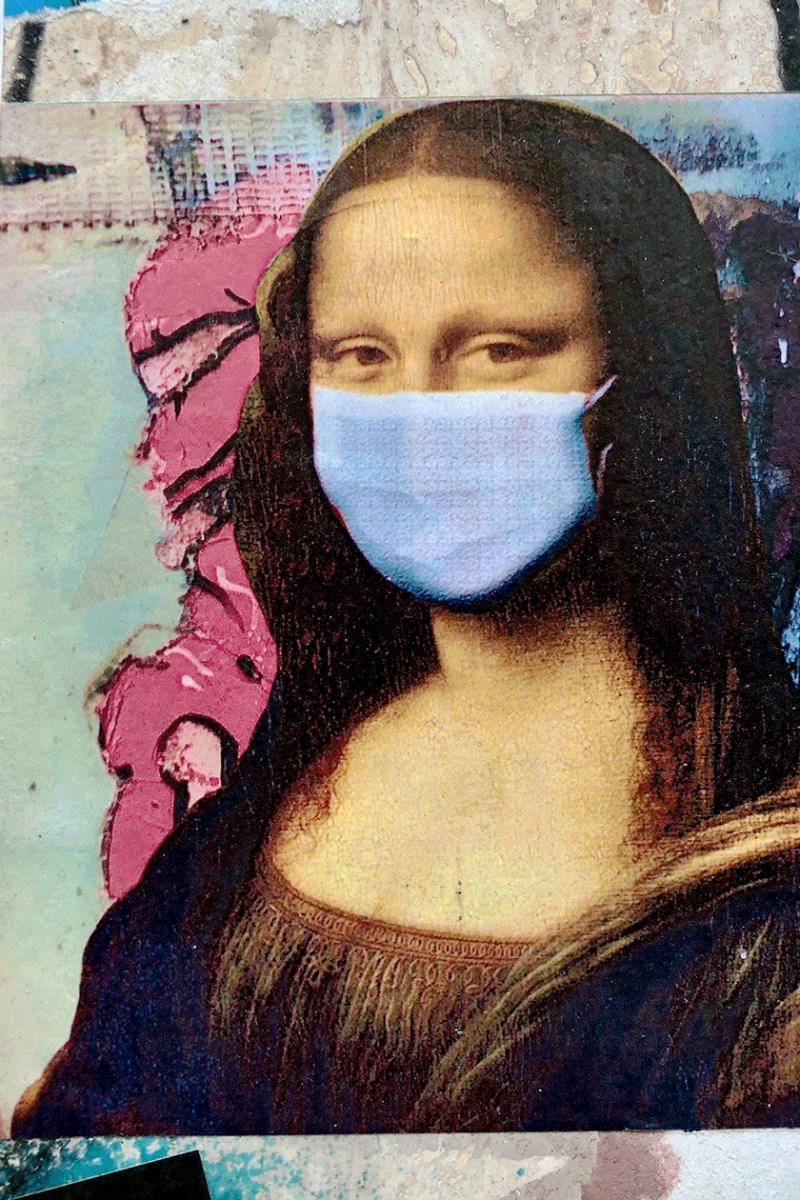
In the past two years, the trajectory of human life has faced significant challenges, and the same is true in the field of art. After museums and offline exhibitions almost suspend, artists move into larger spaces, using public installations to interact face-to-face with numerous strangers. The Covid-19 pandemic has changed everything, but love and art will not die, and we can still find some warmth in the corner of the city to work through the crisis and heal the grief together.
1
Urban Sun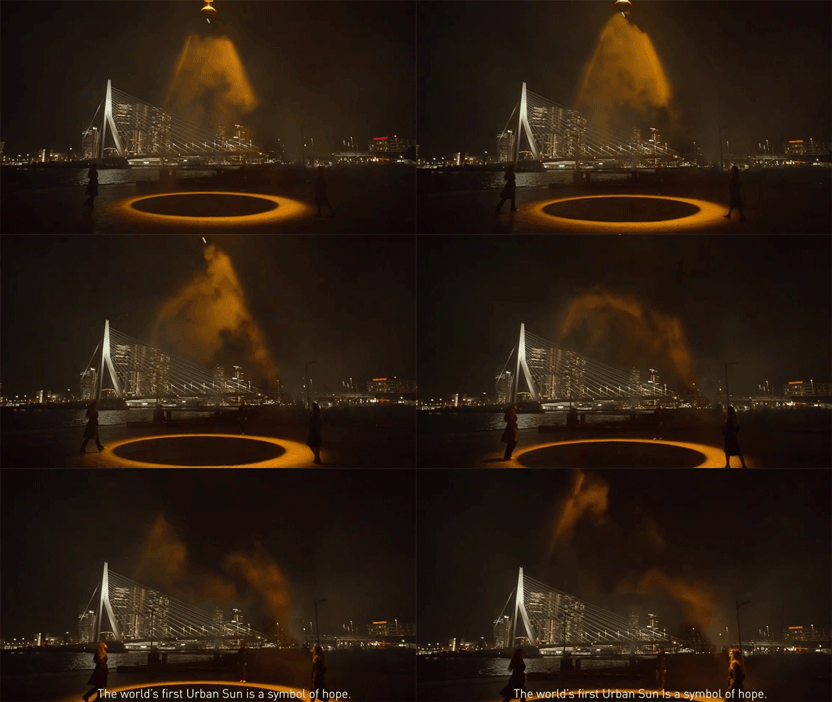
Dutch artist Daan Roosegaarde, best known for his lighting and large-scale immersive art installations. He recently got a lot of attention with Urban Sun, which uses special lighting that has been scientifically proven to eliminate up to 99.9 percent of viruses in public places, making it safer for the human body. The installation, which resembles an artificial sun and fills an alien atmosphere, now stands above Rotterdam's Famous Erasmus Bridge.
Amid epidemics continue to occur and people are tired of restricted movements, societies now more rely on new solutions to restore social connections and intimacy. This is the core proposition of City Sun's lighting project.
"This is an inspiring project, and people are tired of COVID-19. We need the courage to find new solutions, to be able to safely reach out and rekindle intimacy, and that's what Urban Sun is doing."
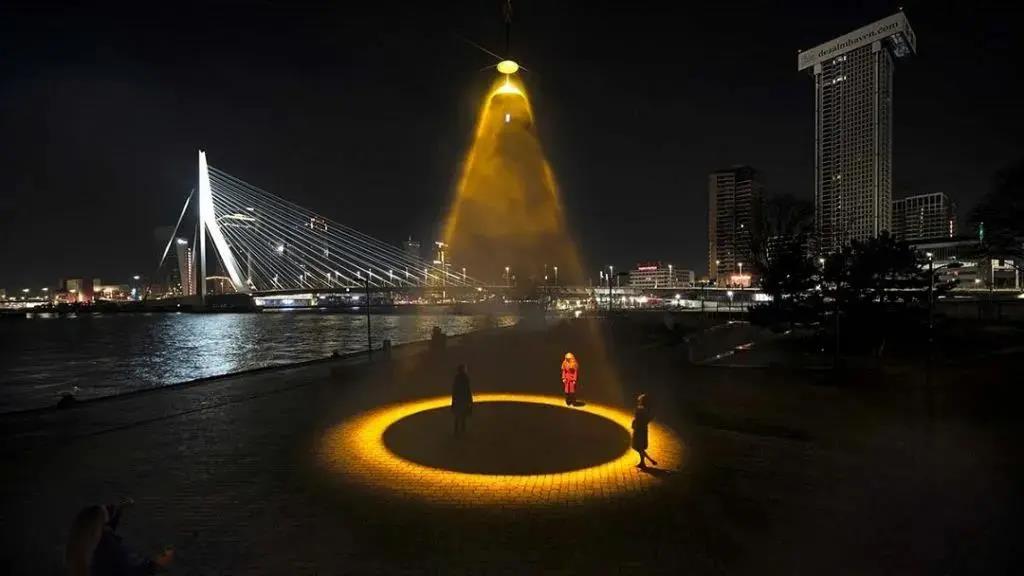
Design: Studio Roosegaarde
Art Installation: Urban Sun
2
As Long As the Sun Last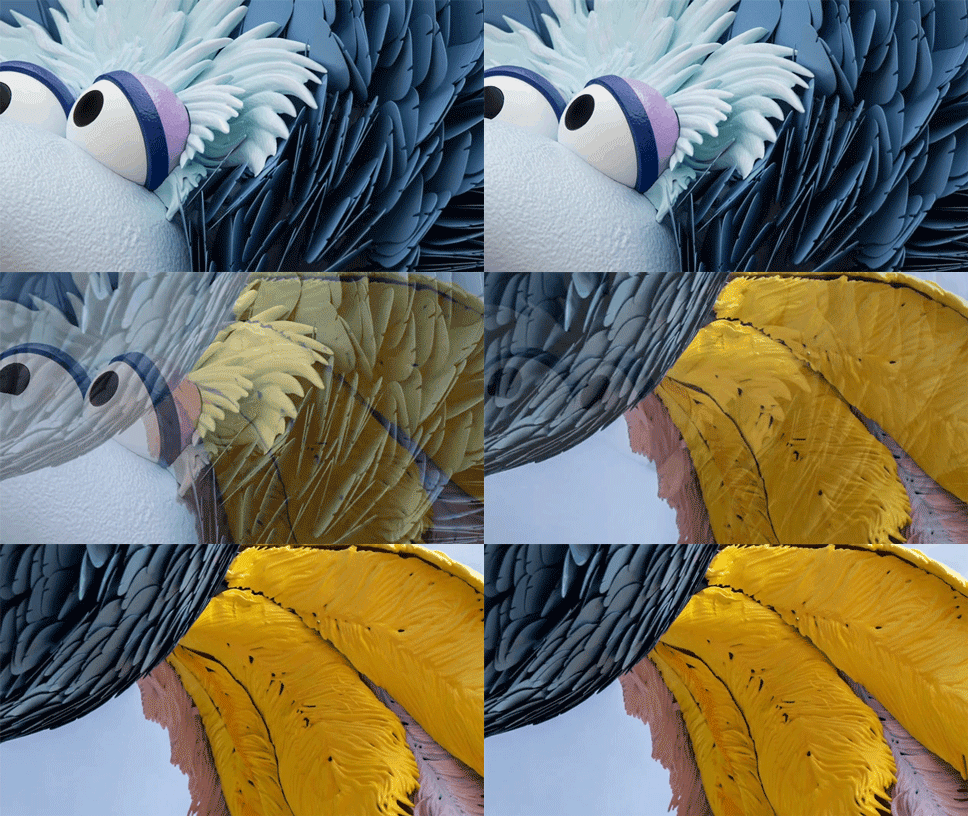
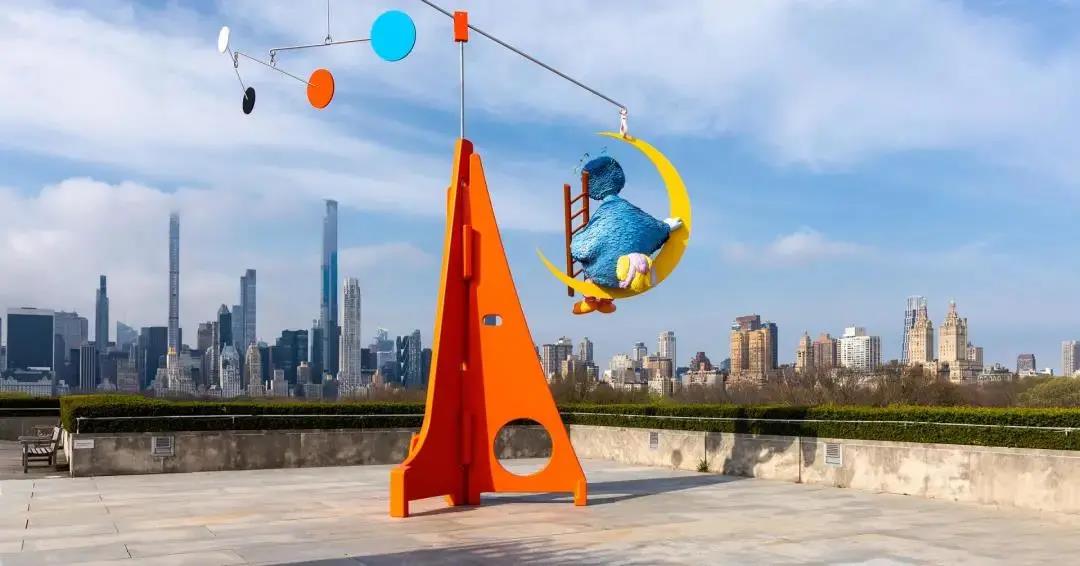
"As Long As the Sun Last" by American conceptual artist Alex Da Corte is on the roof of the Metropolitan Museum of Art in New York. The bluebird sitting on a crescent moon with a ladder is from Sesame Street and is covered in aluminum feathers that move in the wind as it passes by in a cleverly balanced structure.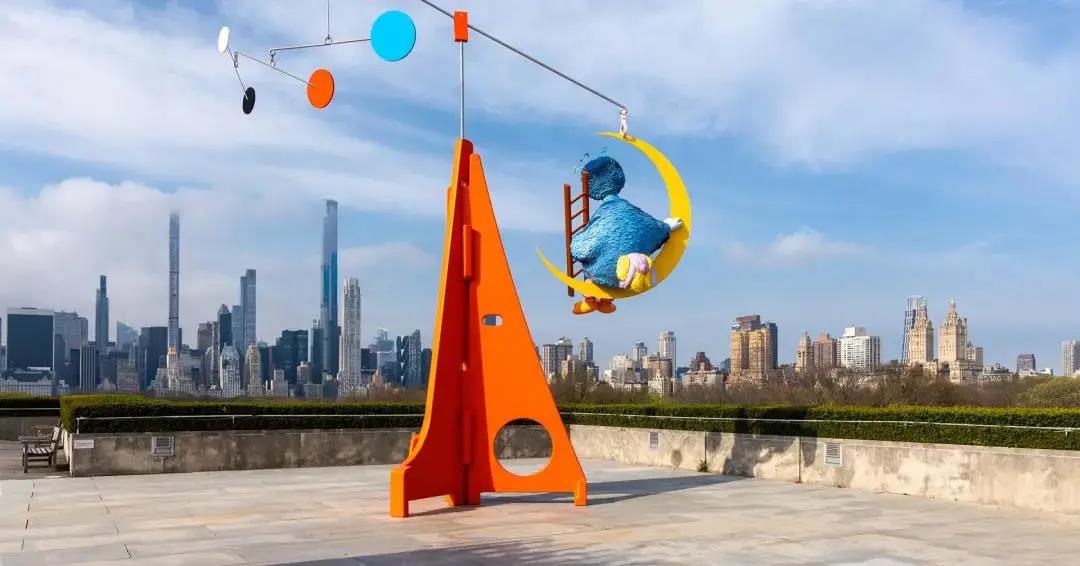
Looking at the city, the playful language shows that people are constantly swinging between joy and hesitation under the epidemic. Moving and rotating with the wind also makes people feel their mood is not calm, but the final delicate balance may also indicate that we will keep faith in hope in the ups and downs. Don't sigh! How about just looking at the big cute bird and smiling.

Design: Alex Da Corte
Art Installation: As long as the sun last3
Suimei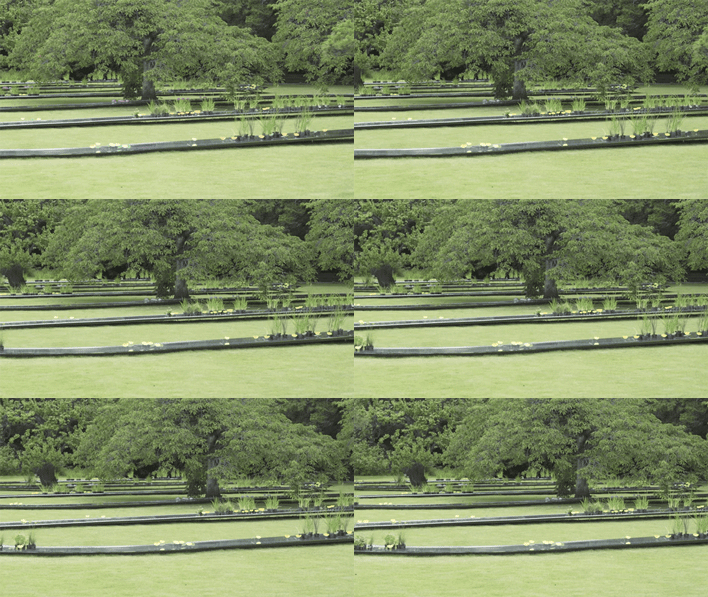
"I wanted to present the landscape described by Ya Changming in the preface to The Abbot: 'The river is flowing and changing. The foam never stops gathering and dispersing. The same is true of people and their homes. "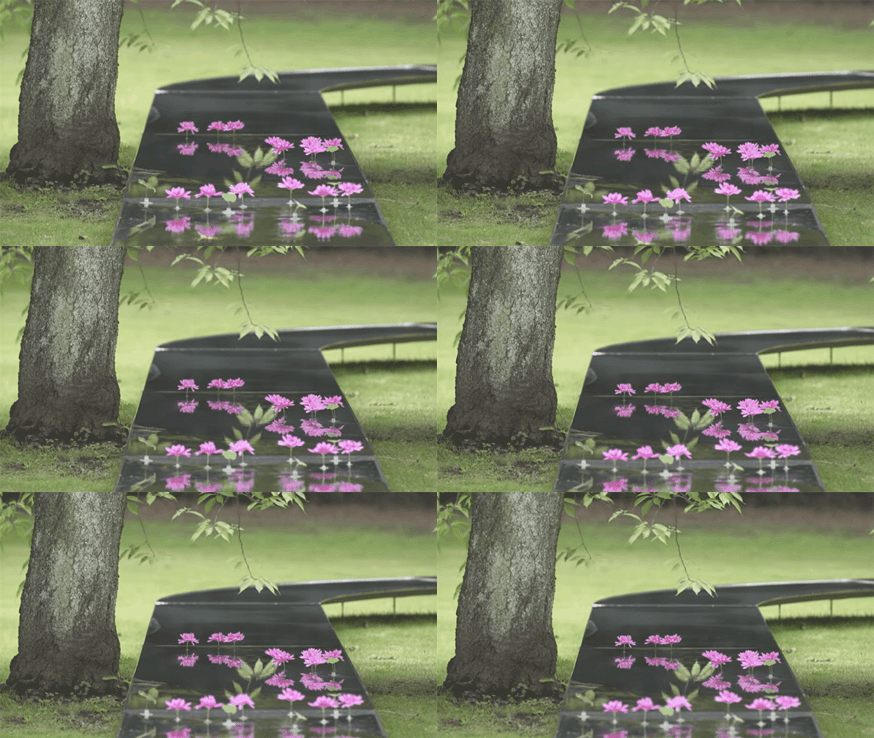
As part of the Pavilion Tokyo 2021 project, Suimei is a "water Pavilion" that winds its way through Tokyo's Hamori Palace Garden. Suimei describes how beautiful clear water is in the moonlight and the slow water flow represents the connection between past, present and future. Calm waterway, look like a mirror from a distance, reflecting the sky and street scene. Go near, you can carefully observe the gentle flow of water, gazing at the slight waves, forget time, feel peaceful in mind.
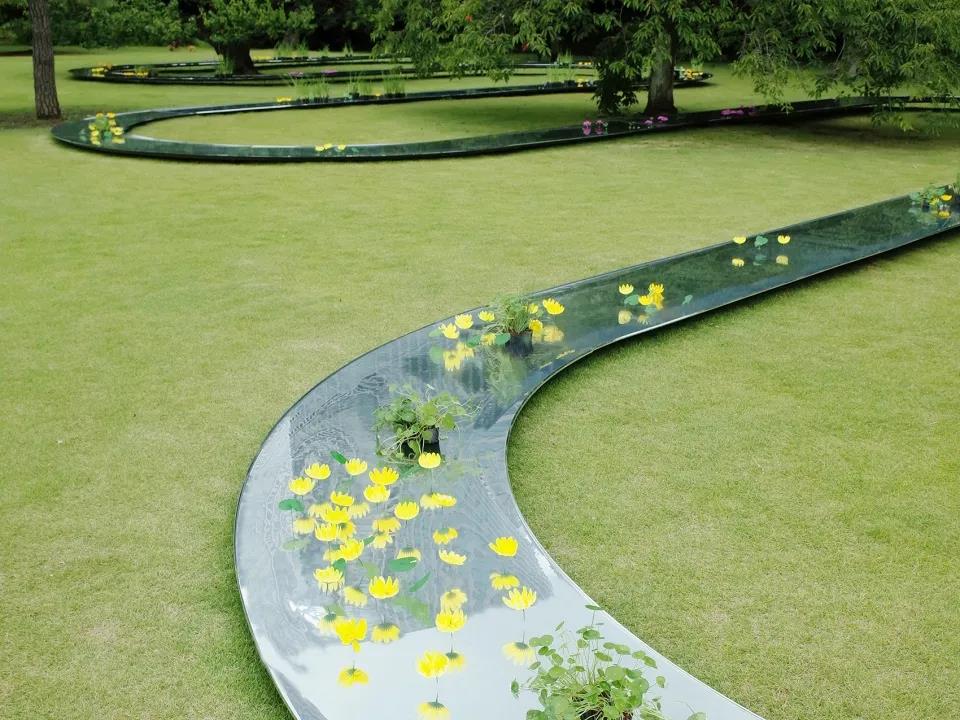
Design: Kazuyo Sejima
Art Installation: Suimei4
A New Now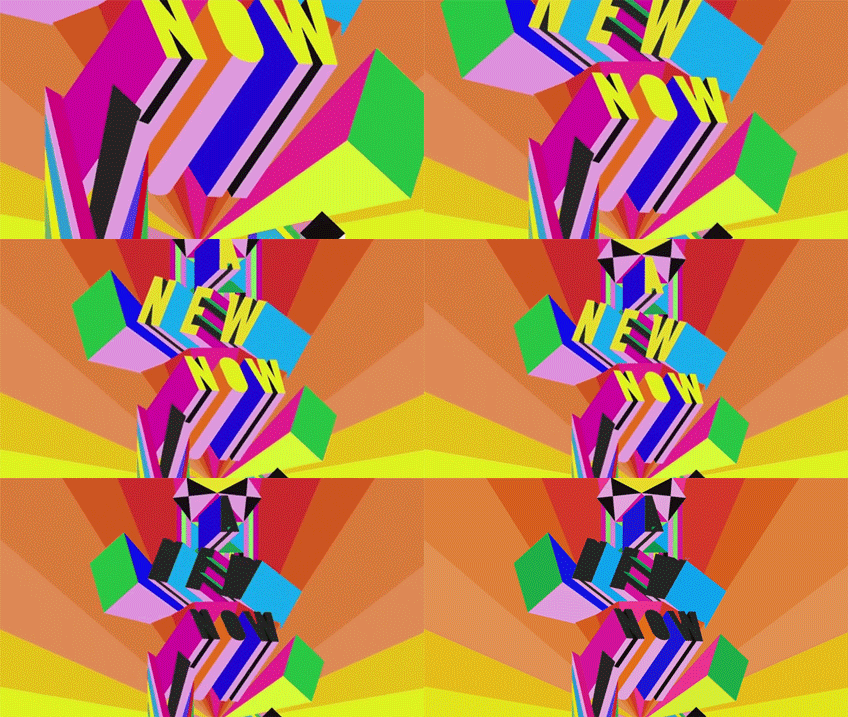
The clean lines, playful colors and slogan characters make every passer-by quickly lock the focus of their eyes in a piece of cement brick wall, hitting by color, knocking off the gloom and dullness in their brain.London-based artist Morag Myerscough has created A New Now in her usual bright style, an urban installation on the Pompidou Square in central Paris. This brightly colored geometric shape is not graffiti on a wall but an eight-meter-tall sculpture. "A New Now" sends a constant call to people to pass on that positive attitude to their surroundings.
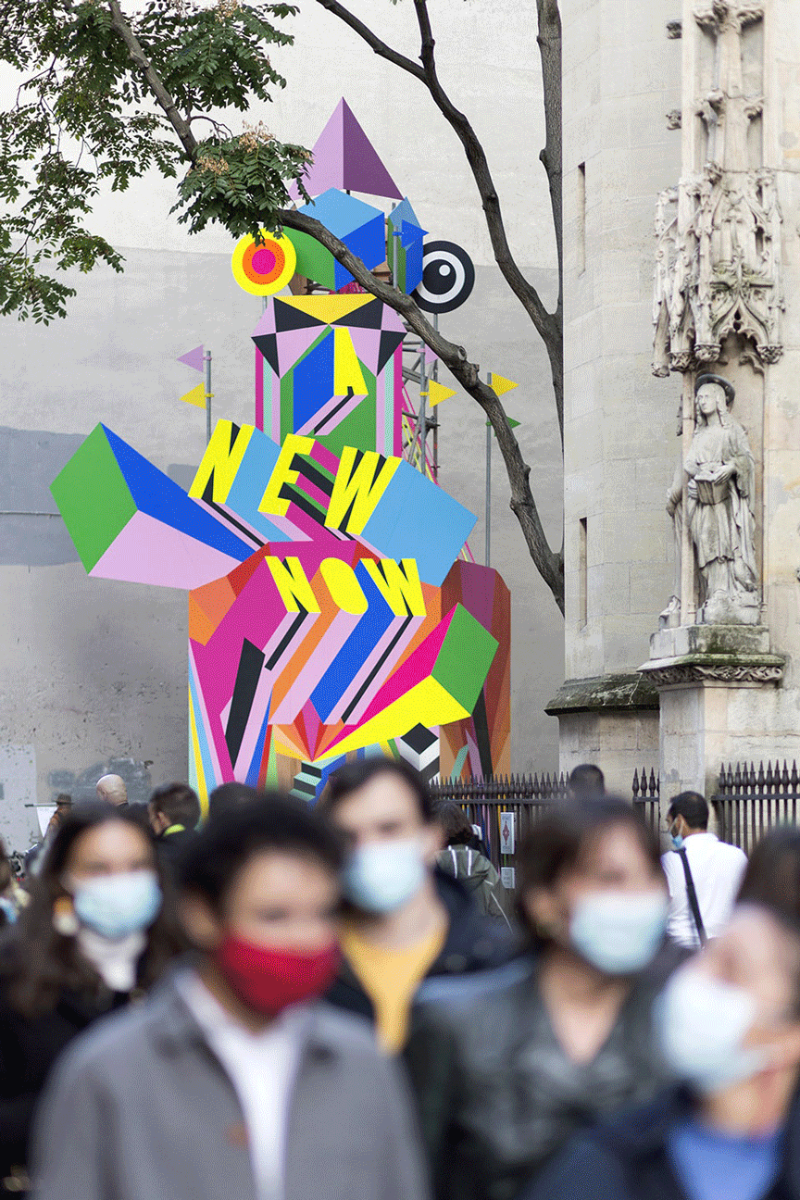
Design: Morag Myerscough
Art Installation: A New Now
In the face of the pandemic, designers worldwide are redefining the design of public spaces. They use different design languages to depict warmth, nature, hope, healing and power to resolve the negative impact caused by the epidemic, warm families, brighten lives, cheer for the fight against the COVID-19 and bless the world!All images via Google.
-End-
Toggle Nav