-
 04 Nov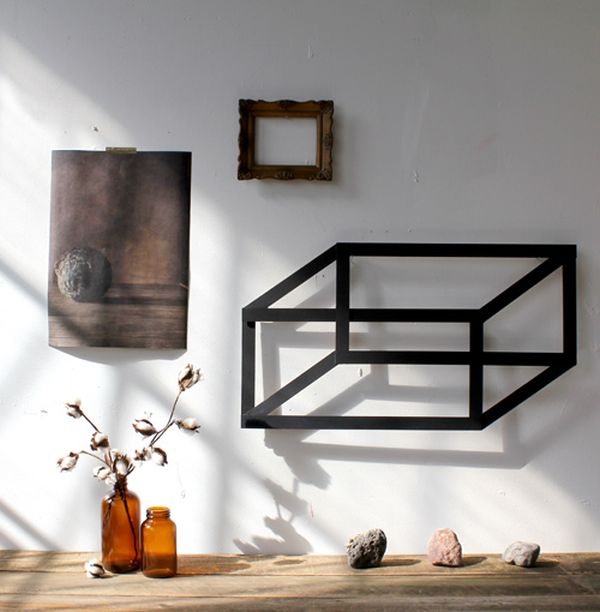
If you’re looking for a way to spice up your wall decorations, 3D wall art might just be your next consideration. It’s a modern look with various styles that can’t be ignored. Instead of a flat canvas, 3D wall art has a bunch of different textures. Here are the common types of 3D wall art that you can find.
What is 3D Wall Art?
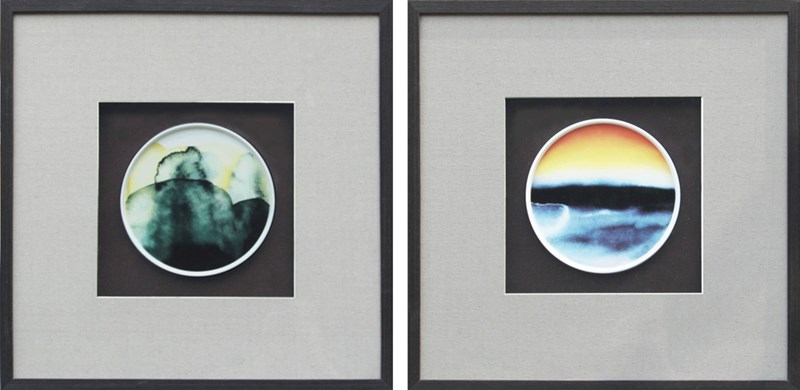
3D art may be used with special techniques that highlight light, colors, or shadows. When you combine these elements on your wall, they create unique illusions. The effects of 3D wall art pop right out of the wall, and it’s interactive for anybody viewing it. Unlike 2D wall art, 3D art incorporates more experimentation. It’s far from flat and looks like it’s jumping out of the wall. It could also be observed from multiple angles with the added effects. These are a few types of 3D wall art growing in popularity today.#1#
Contemporary 3D Installation Art
This type of art is flexible and inspired from digital works such as film. It’s different from 2D style art because you don’t see the contemporary installation from one point. Viewers can interact with the artwork and even move around it. It’s highly engaging and even appeals to the senses of anybody observing, including touch, sound, and smell. Rather than focusing on the finished product of 2D work, contemporary 3D installations narrow in on the attitude or idea. Presentation is a major objective, with wood and iron being the two main backgrounds.#2#
Immersive 3D Wall Murals
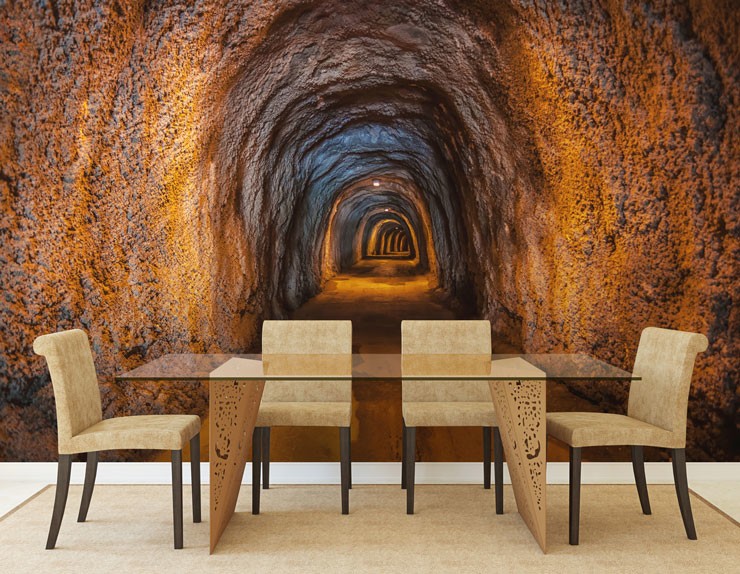
These are a fan signing way to make your walls a talking point. Wall murals cover a large portion of your wall. It’s so big that it could even create an optical illusion for the entire room. The illusion of a wall mural looks like you could walk right through the wall into a whole other room. Wall murals are also done with nature, cityscapes, or roads. For example, the illusion of a 3D wall mural is impressive enough to make an observer think they are walking down a road. In reality, it’s just a mural on your wall.#3#
3D Paper Wall Decor
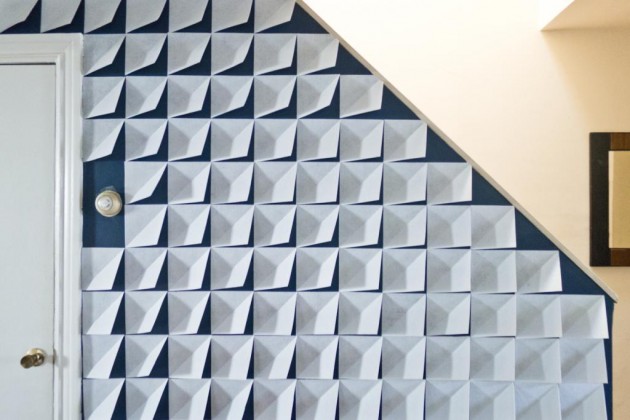
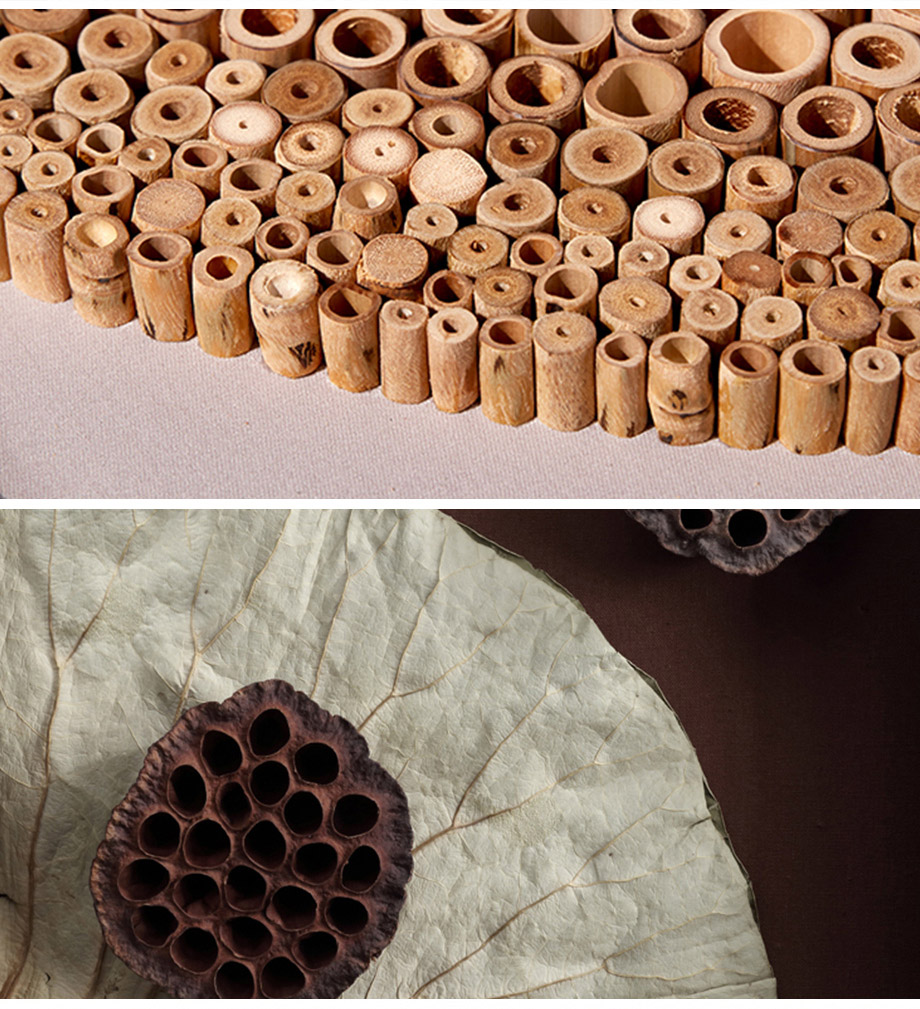
A more affordable option, paper wall decorations are still stunning enough to create a 3D environment. It’s not the most durable, but it’s a great opportunity to add texture. The 3D paper looks like origami with folded shapes, flowers, or even animals. The art looks abstract, and it uses multiple layers to make your wall pop out. There are also multiple size options for 3D paper wall decor too. It’s a cheap option that you should consider if you’re looking for your first 3D decoration.
#4#3D Wall Stickers
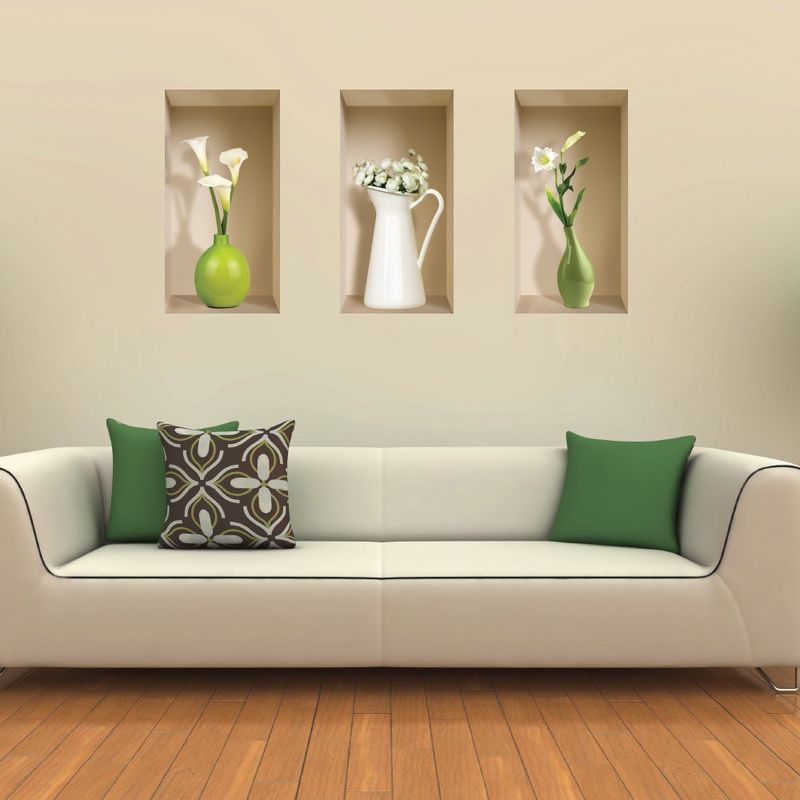
With both small and large options, wall stickers are an alternative way to get a 3D effect in your home. They have a similar effect to a wall mural, but it’s much easier to accomplish. Lots of 3D wall stickers use the illusion of a hole in the wall to create stunning visuals. Animals and flowers are popular choices for 3D wall stickers.
#5#3D Wall Sculptures
All images via Google.
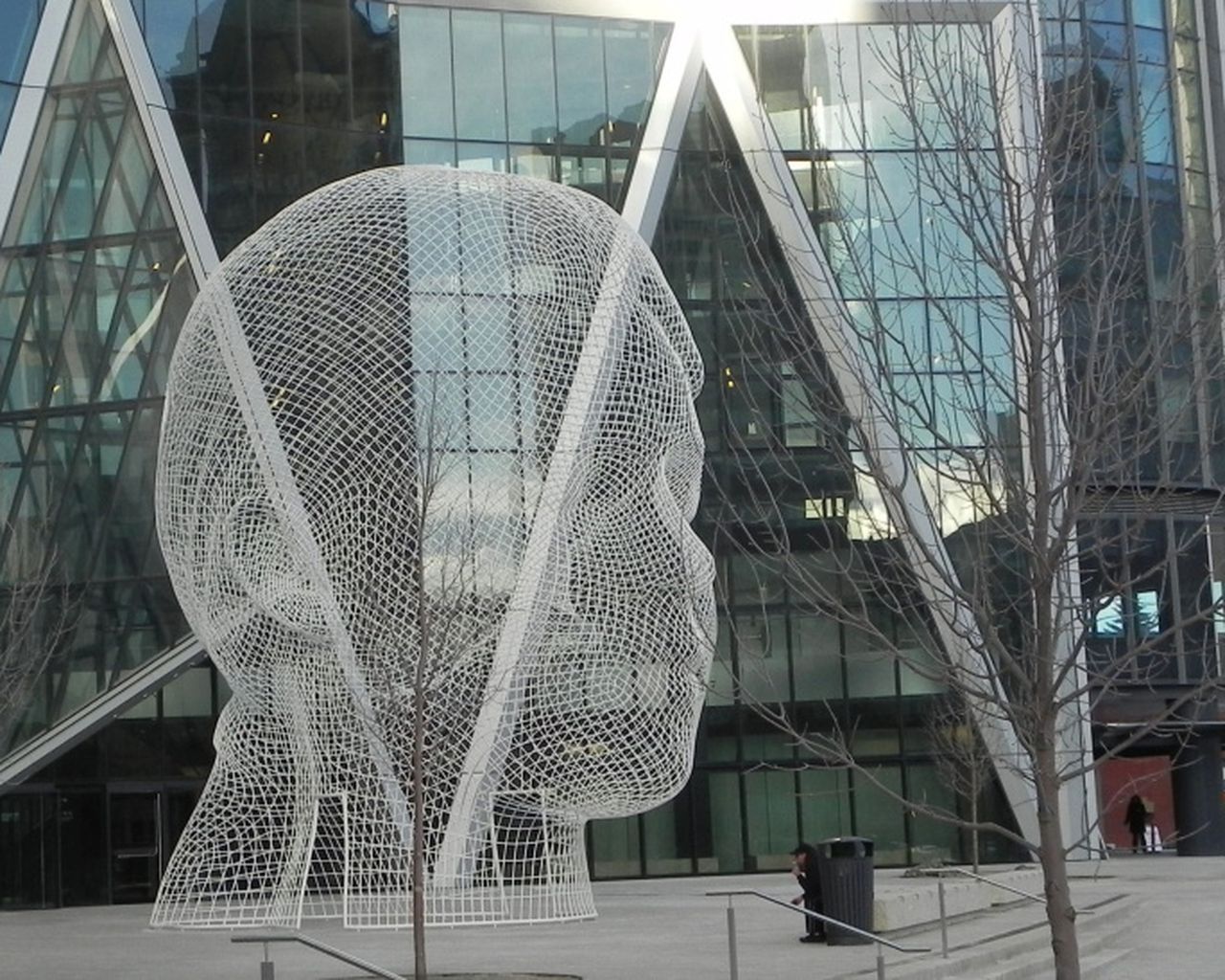
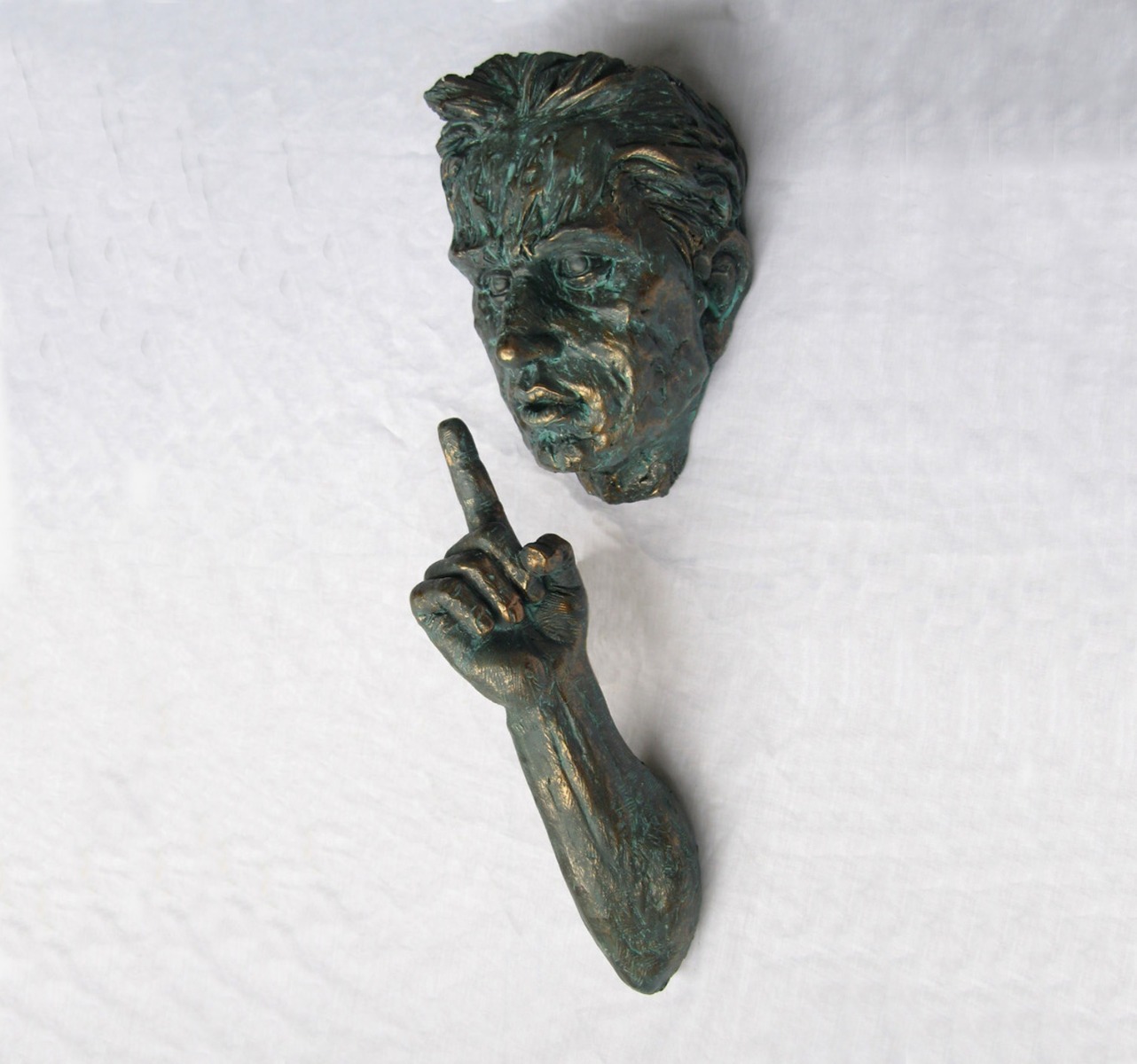
Looking for a way to add texture with all kinds of styles? A sculpture might be your best bet. A 3D wall sculpture is dynamic enough to come in metal, wood, and any size. They are realistic and come in all sorts of shapes. Some sculptures may even be used for hanging coats and other objects. Animals, sun/moons, and trees make for popular sculpture choices. You can also go abstract with wall sculptures if you want something to catch the eye. It’s a great option for any minimalist who wants to add something to the wall in a simple fashion.Click Here to Explore More Amazing 3D Wall Art Decors.
-End-
-
 03 Nov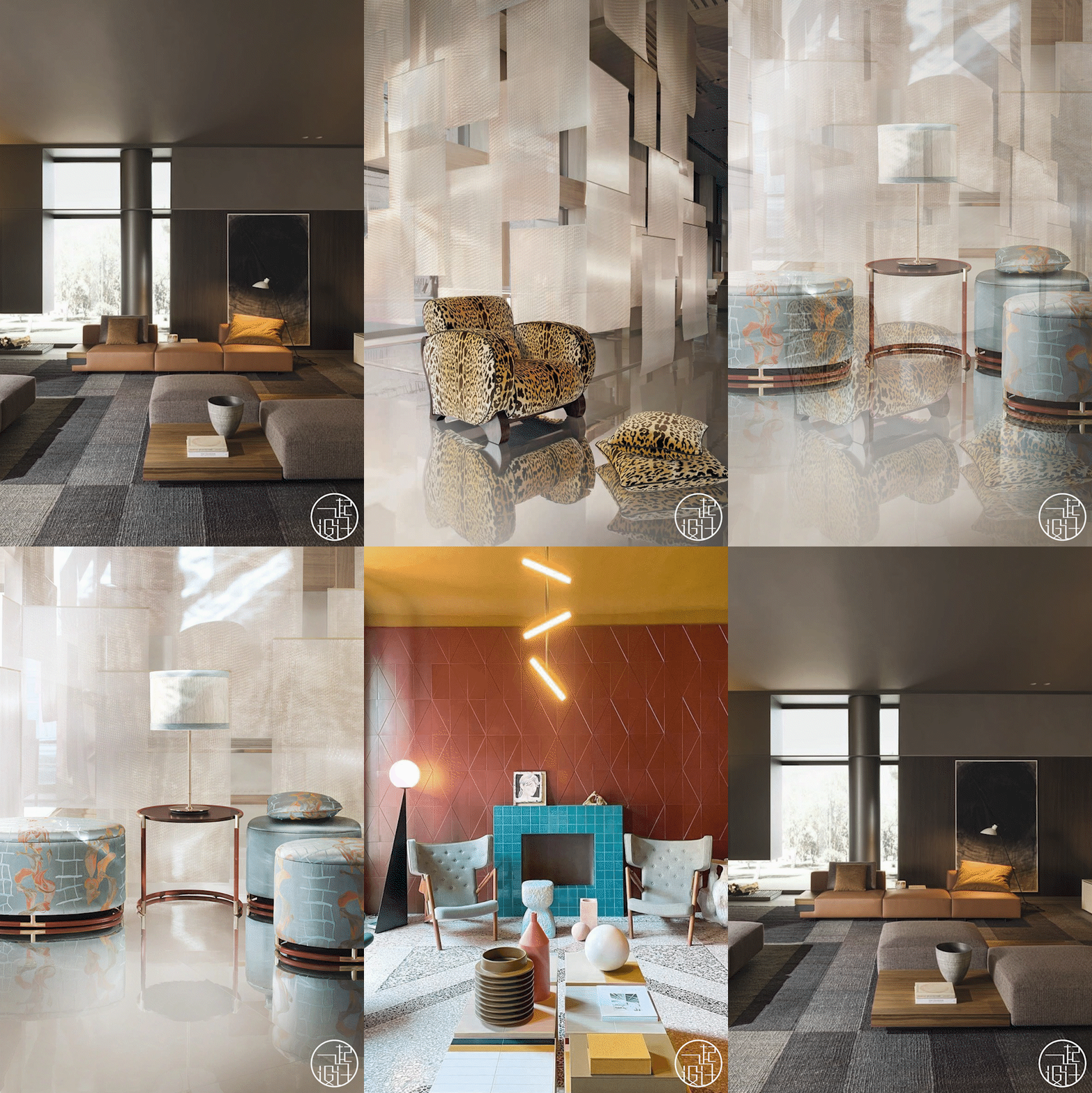
Via together-design
# PREAMBLE #
#Milan Design Week 2021#
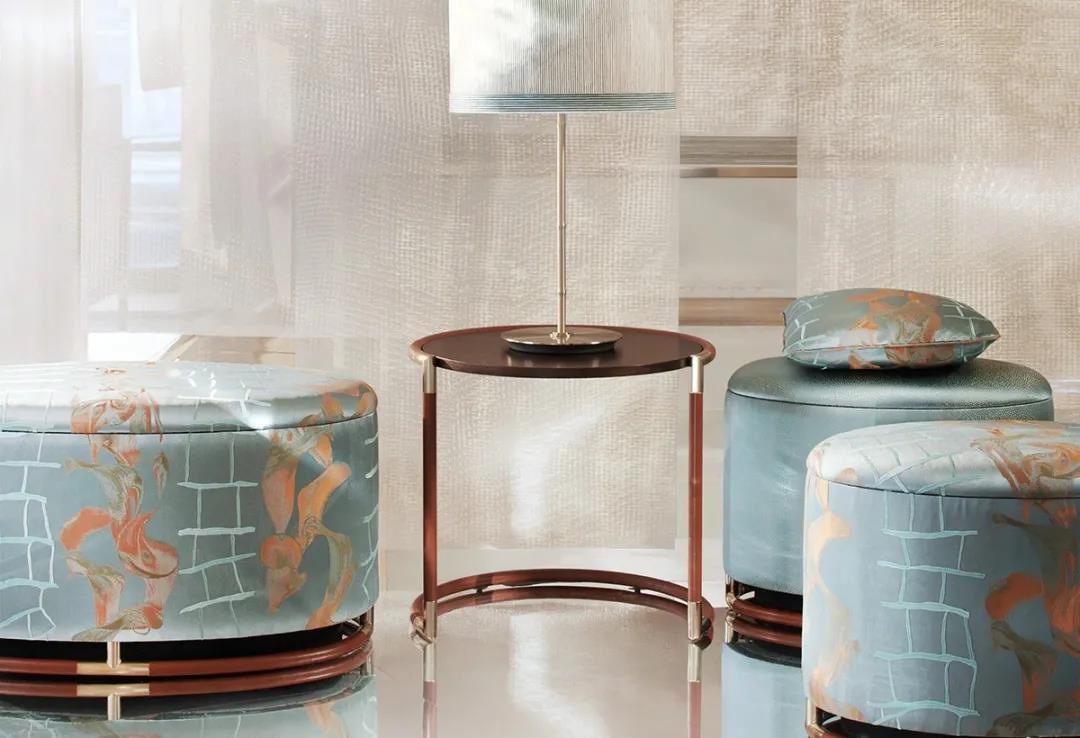
The 59th Milan Design Week 2021, which has been postponed for one and a half years due to the COVID-19 pandemic, officially started in September. As a top trendy feast for fashion home decor lovers around the world, the show a total of four big exhibition areas, separately from 22 different countries invited 170 home decor projects, gathered thousands of global household products, 400+ A-lister brands, and a number of master independent designers and related design institutes, within the exhibition hall that covers nearly 70000 square meters to offer wonderful masterpieces. Without further ado, let's enjoy it!
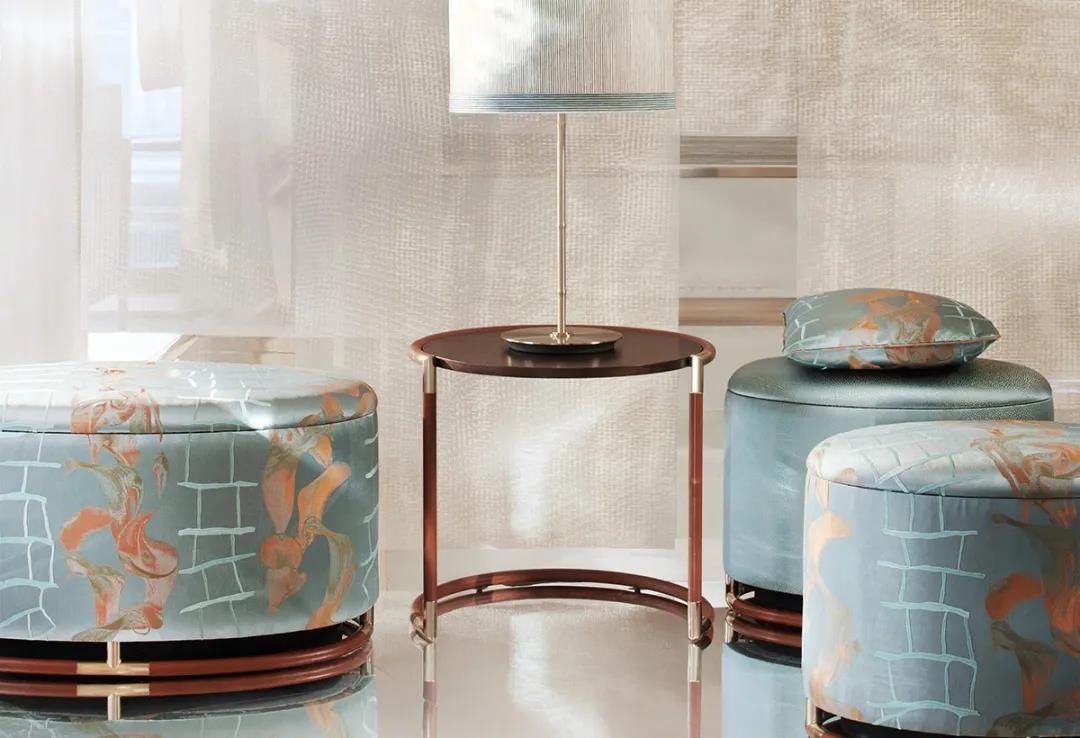
The exhibition is curated by Stefano Boeri, president of Milano Triennale Museum and renowned architect. With Salone Milano as the theme, it brings a fantastic event about creative design, environmental sustainability, and cultural innovation to the global audience.
01 BRANDS in Milan Design Week
A CHANGING WORLD
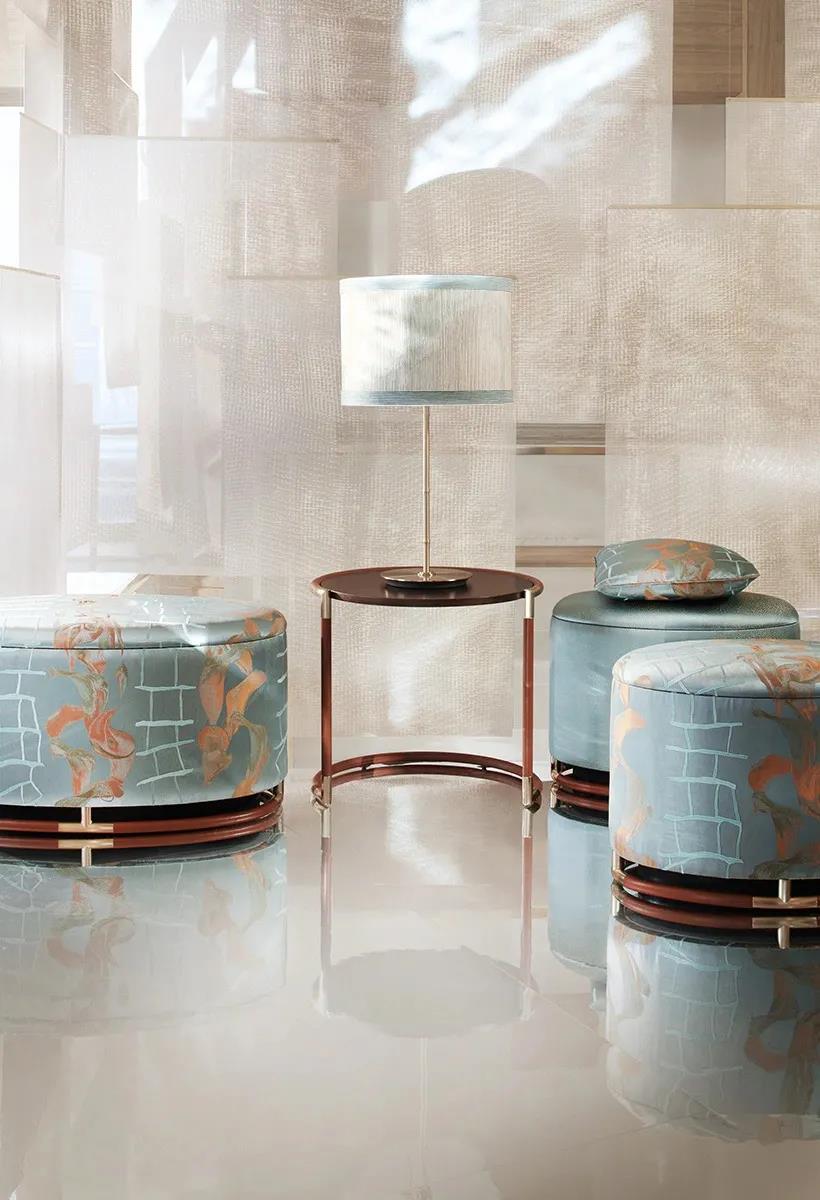
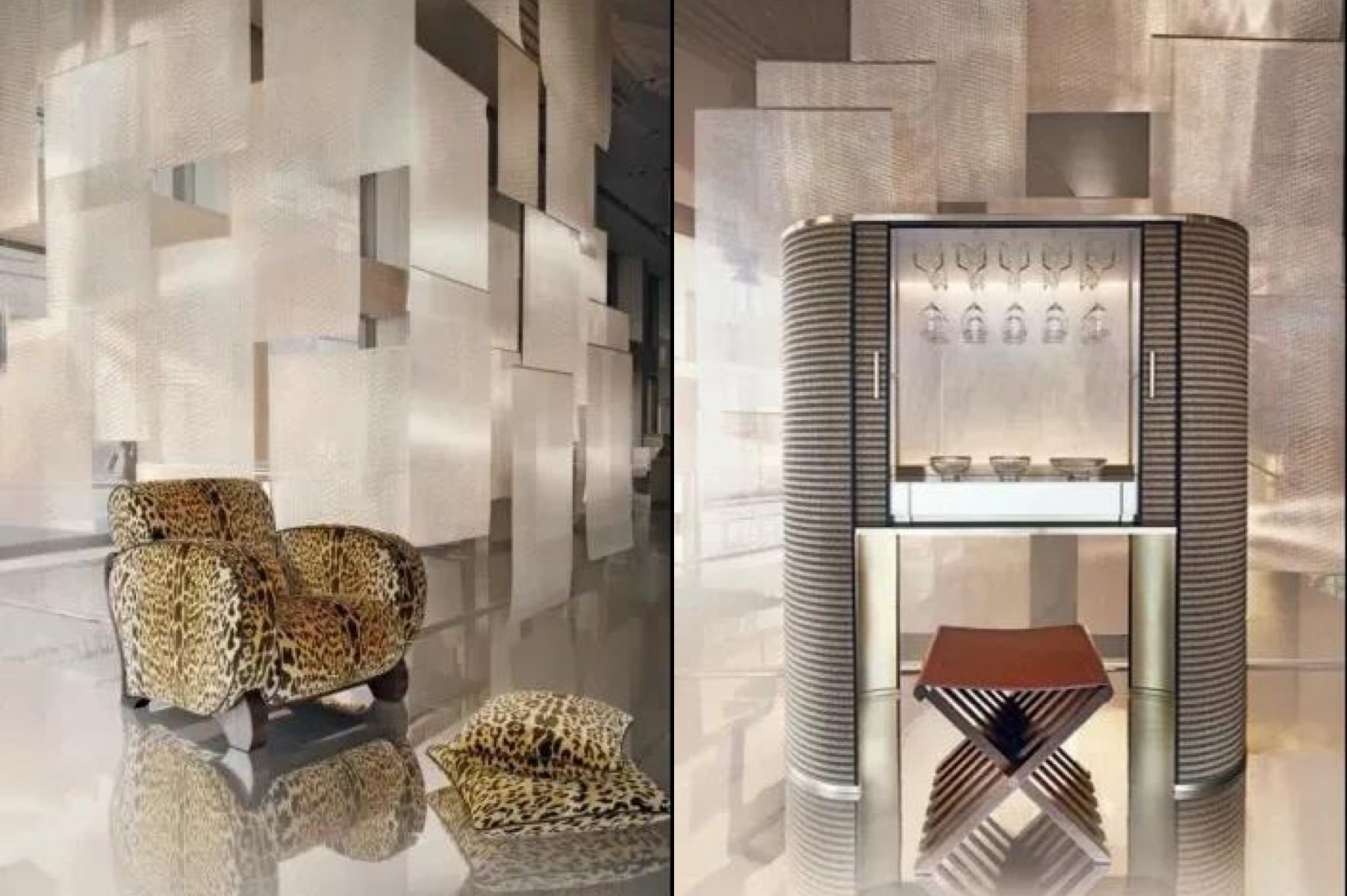
Armani draws inspiration from nature, expands imagination space, and integrates itself into interior design. New furniture is equipped with reasonable space composition based on individual, family and work needs.
METAMORPHOSIS
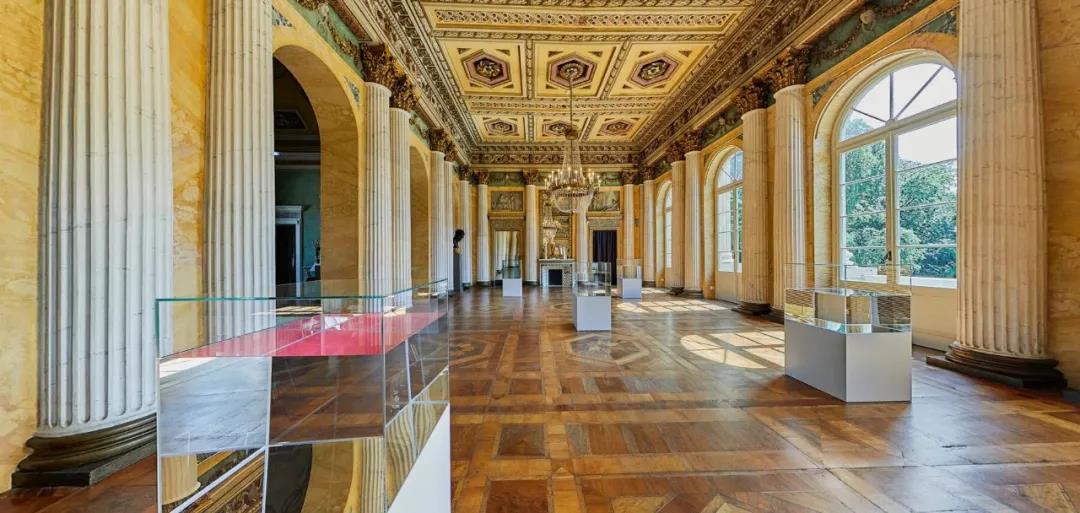
During Milan Design Week, Bulgari invited four international artists to present their innovative poetic exhibitions for the Bulgari brand at the Museum of Modern Art (GAM).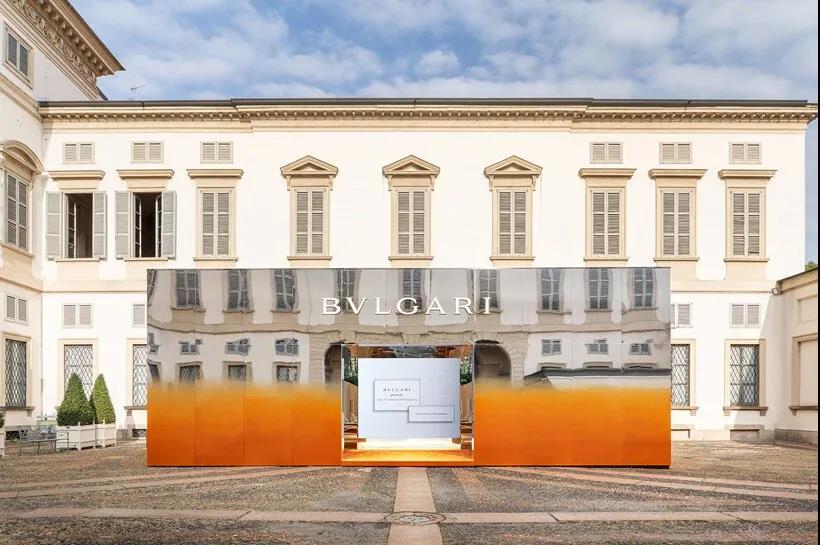
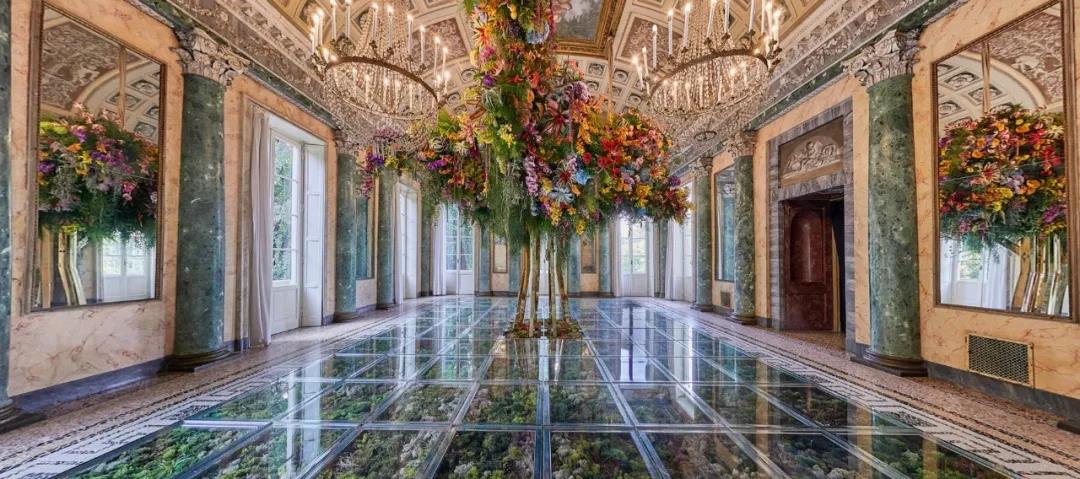
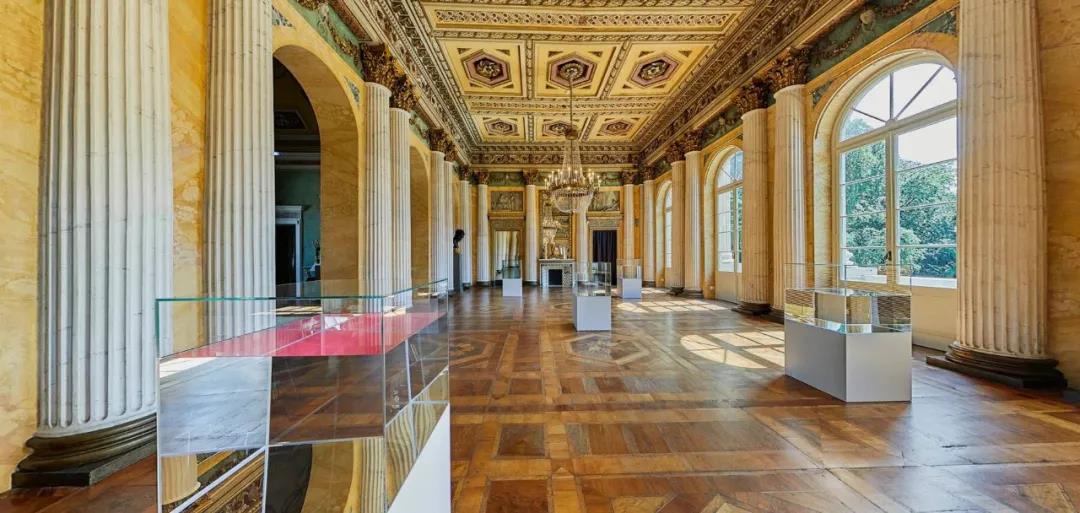
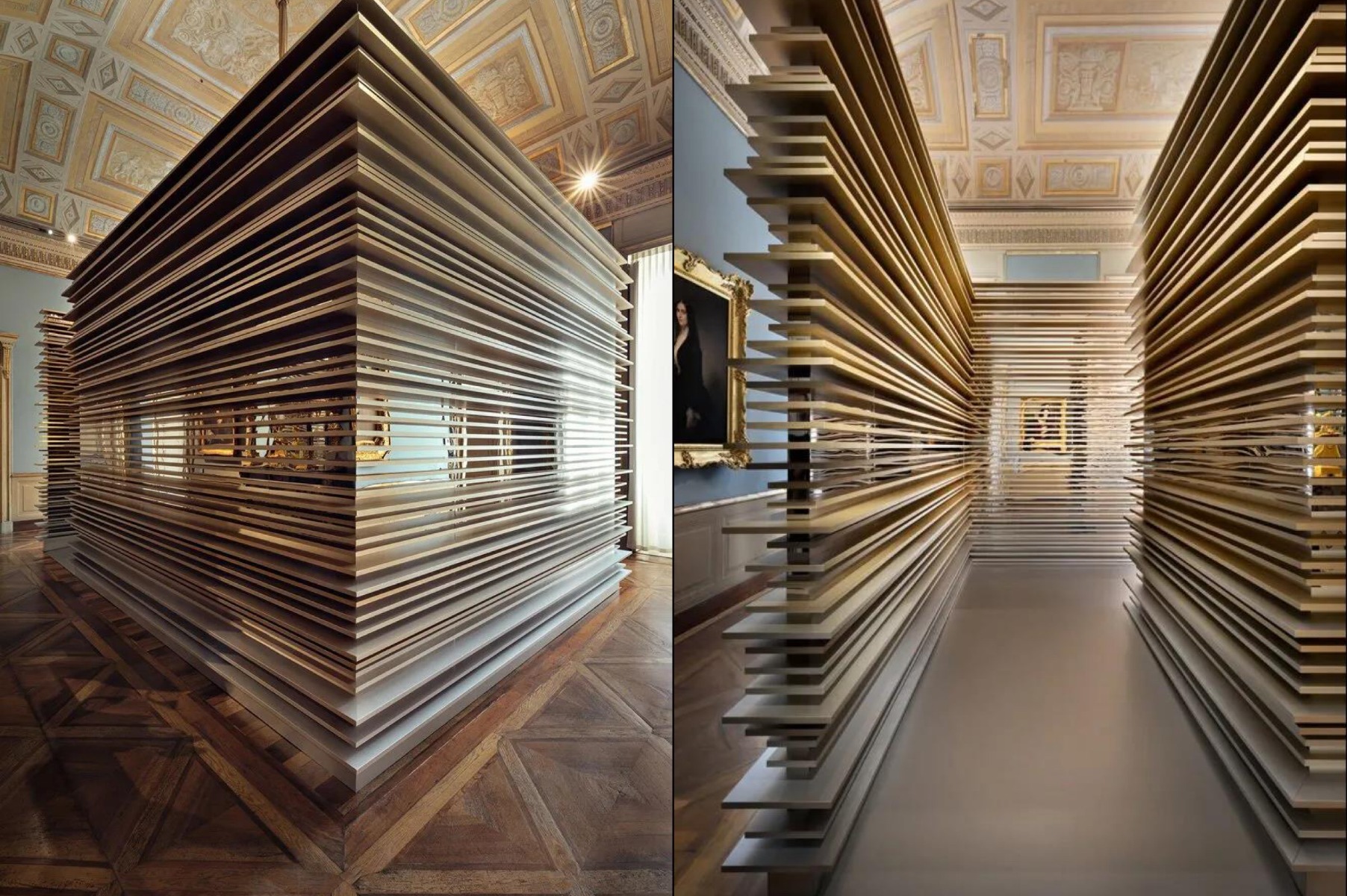
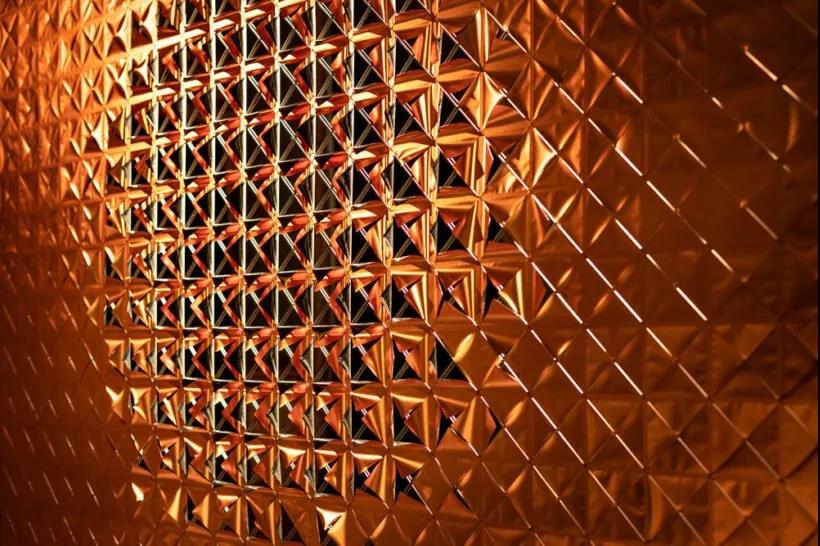
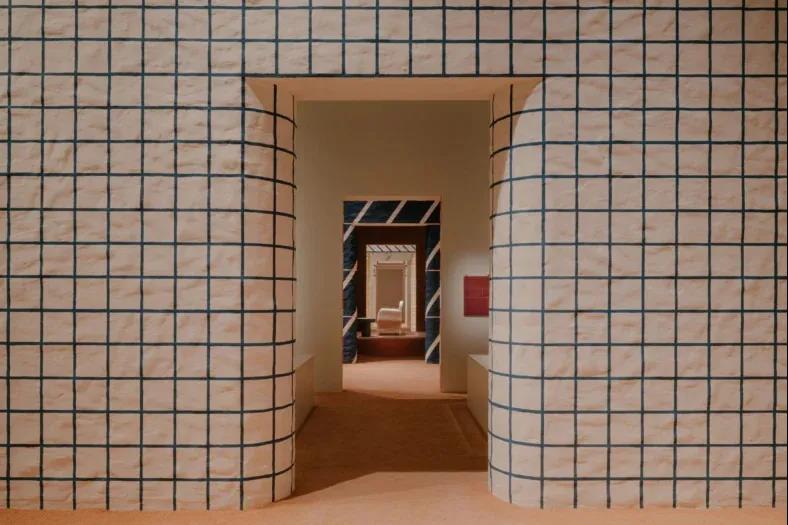
Alla Pelota
Perelman, who has worked with Hermes for eight years, arranged the exhibition space in the shape of five football fields.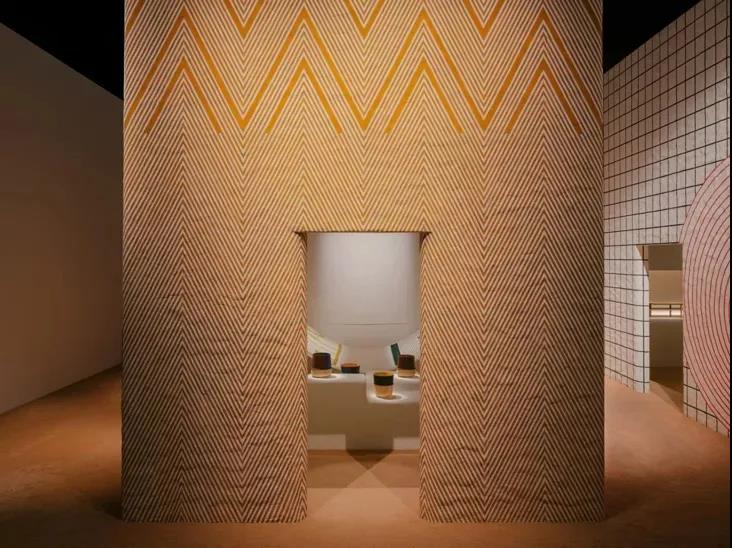
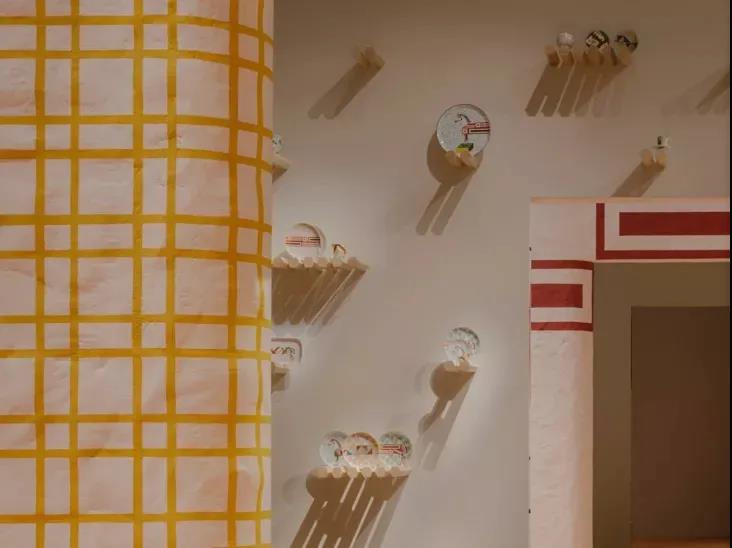
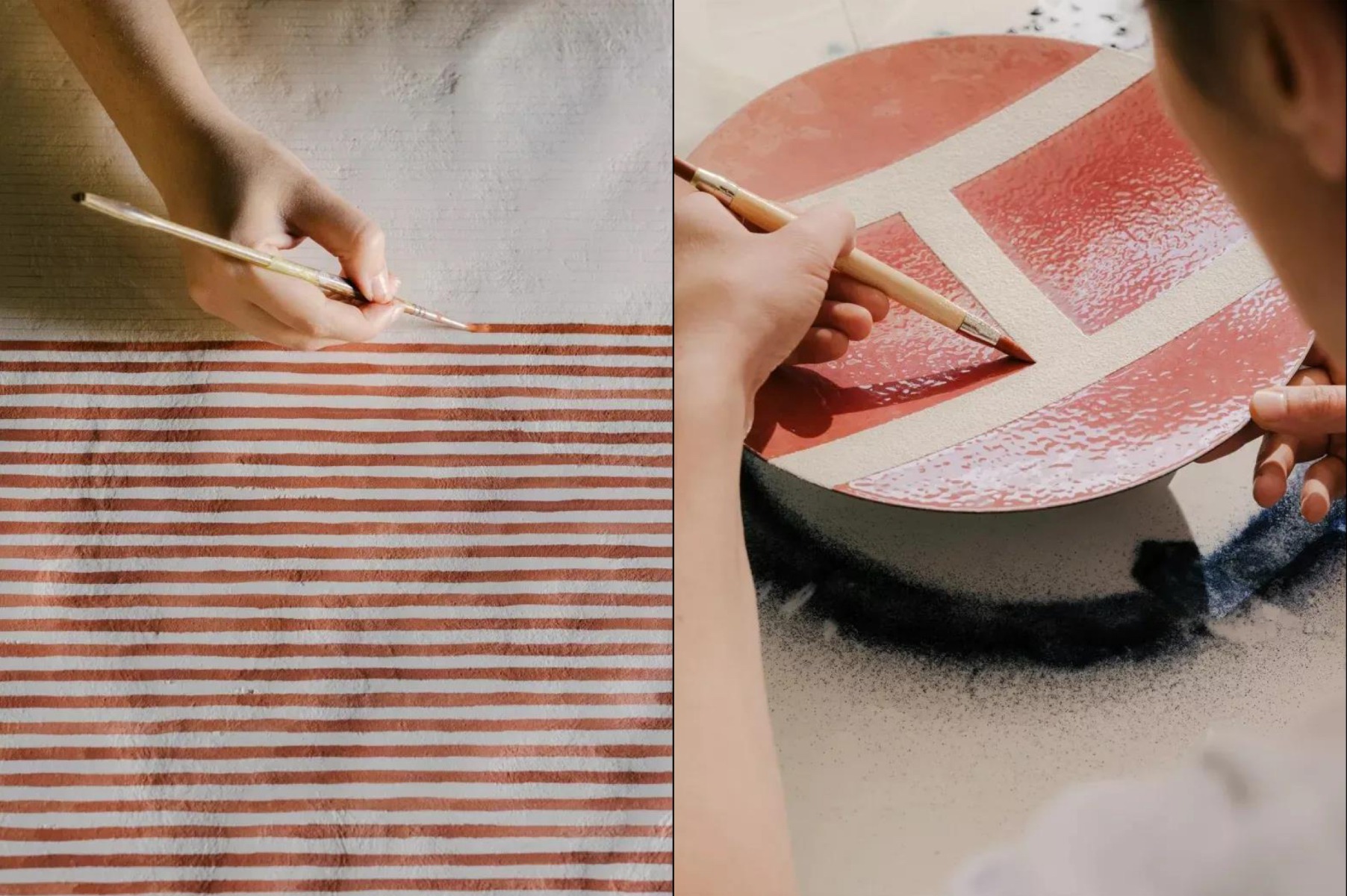
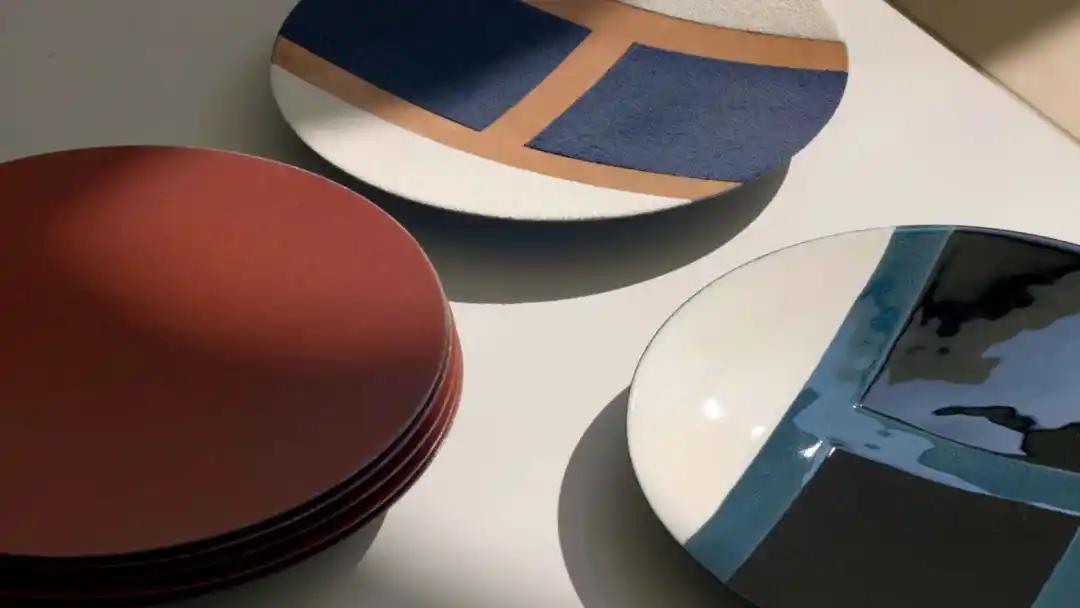
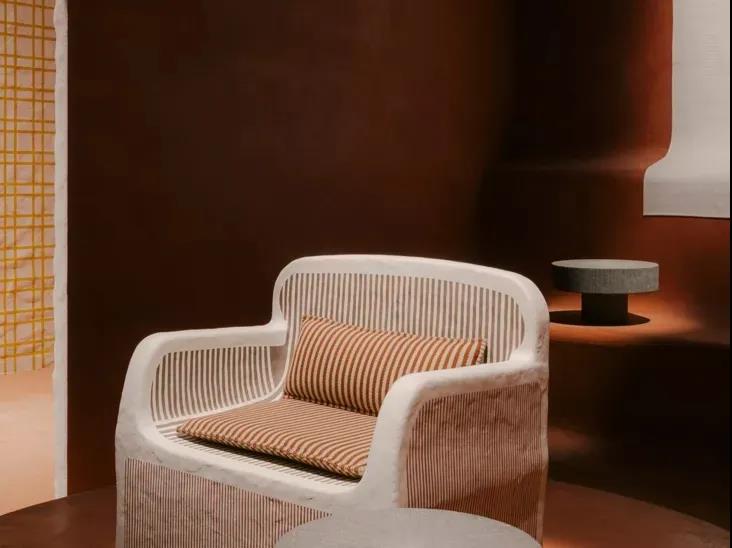
Home decors also include a variety of finished enamel ceramic cutlery and backrest sofas, which strike a subtle balance between blending multiple pigments and an object's primordial nature.

Louis XVI chair
Dior invited 17 designers for innovative cooperation for the "Medallion" chair exhibition.
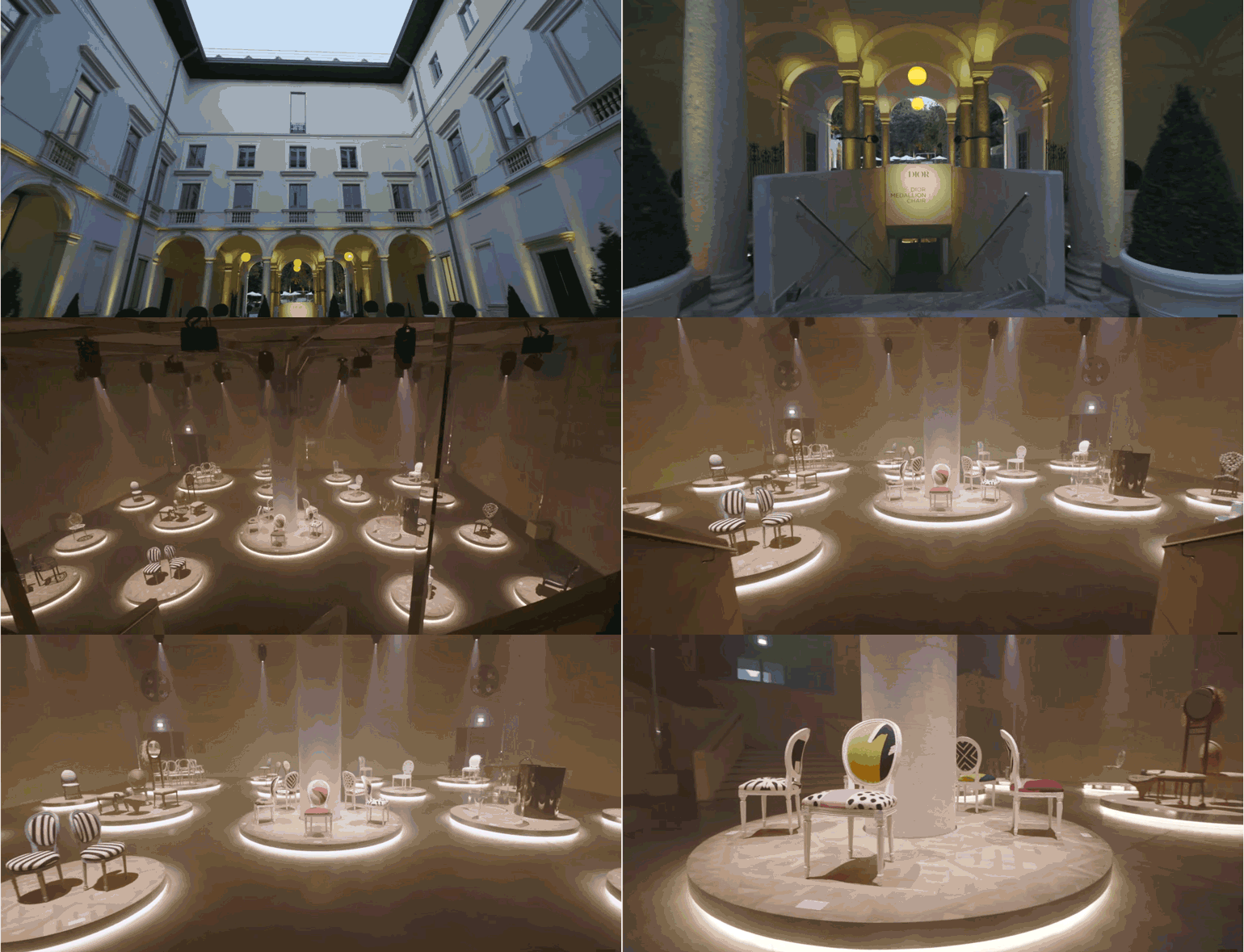
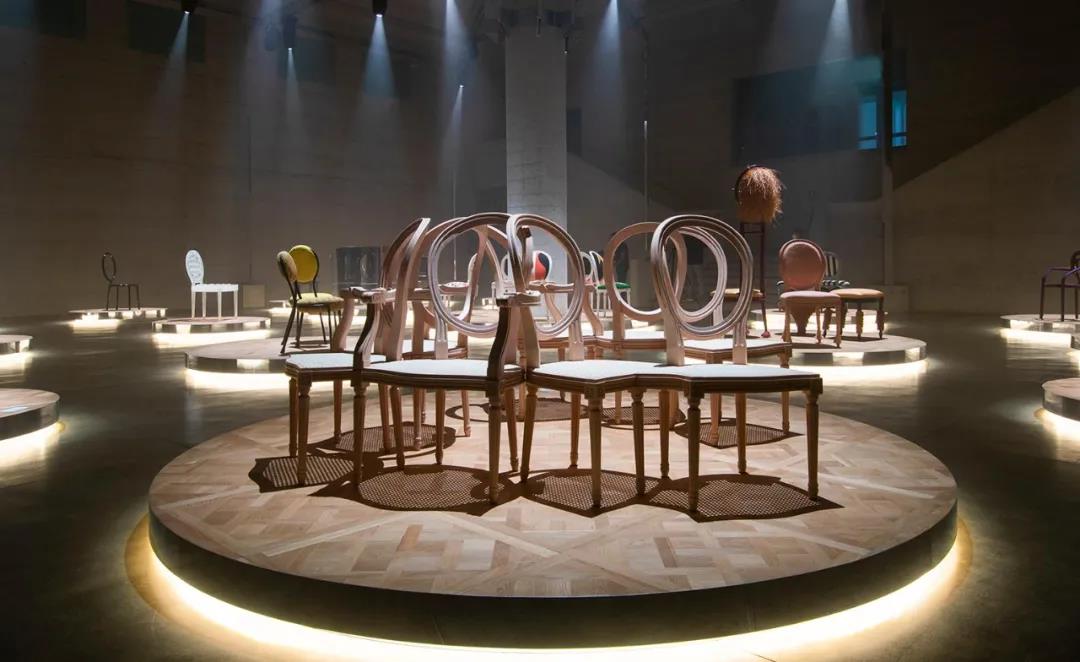
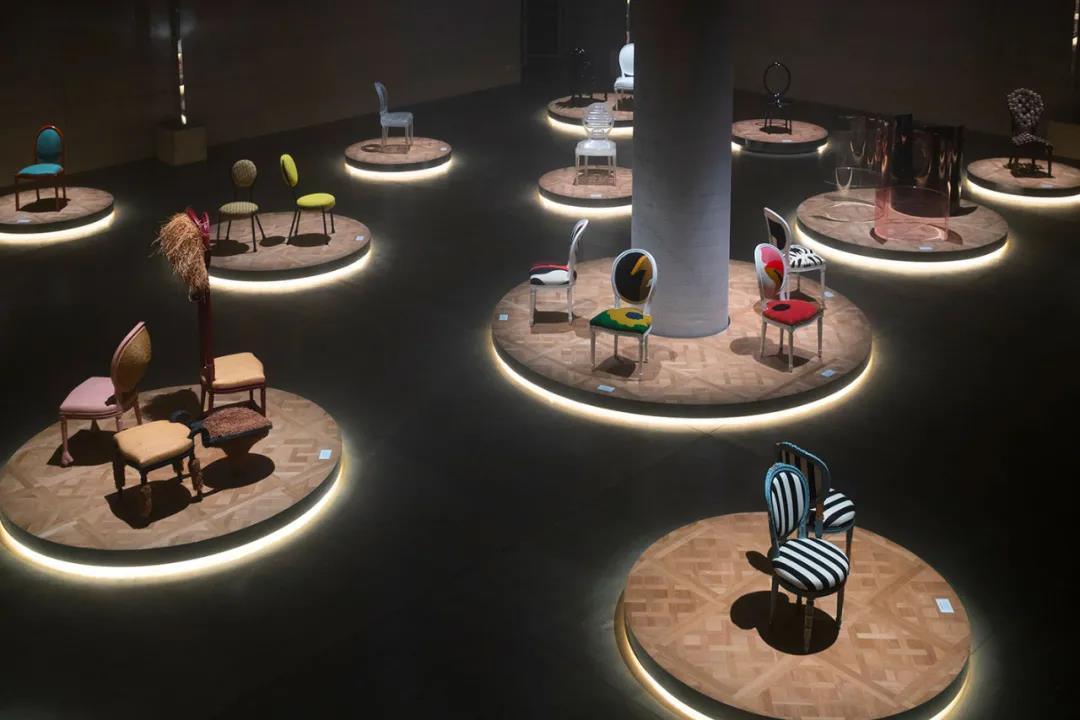
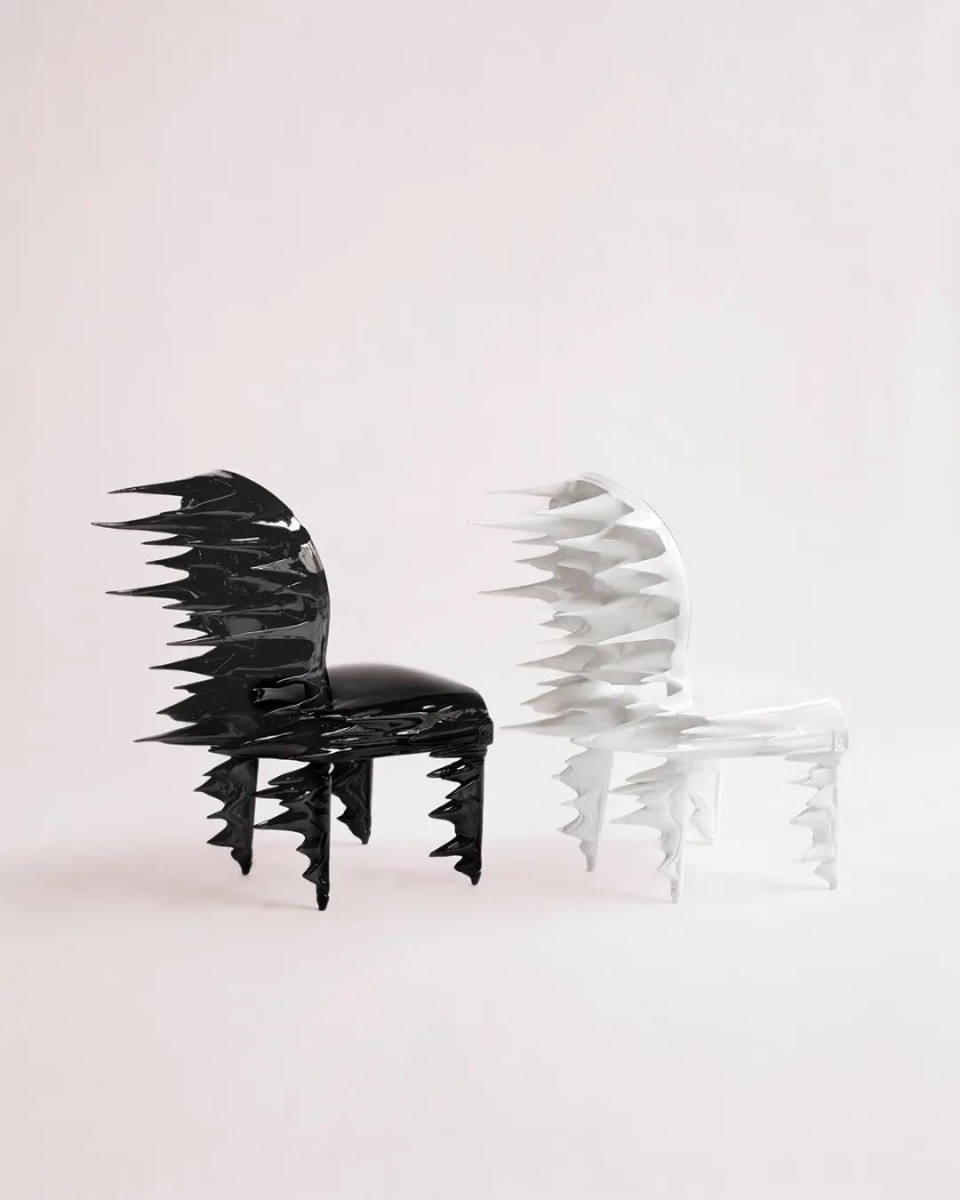
The MAD design team used monochrome 3D printing technology to reimagine the chair with the future technology style and then fused it. The barb shape was presented on the chair's back to achieve a strong visual impact of the future feeling of time traveling.
Gucci
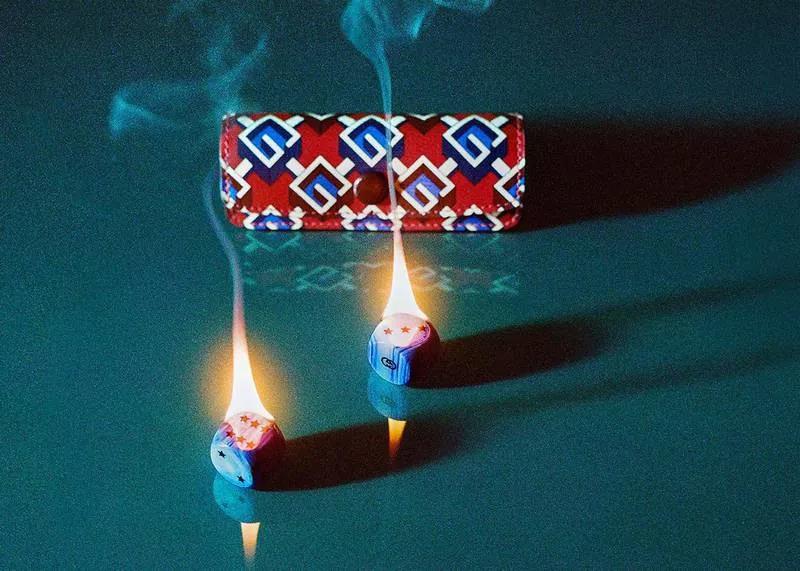
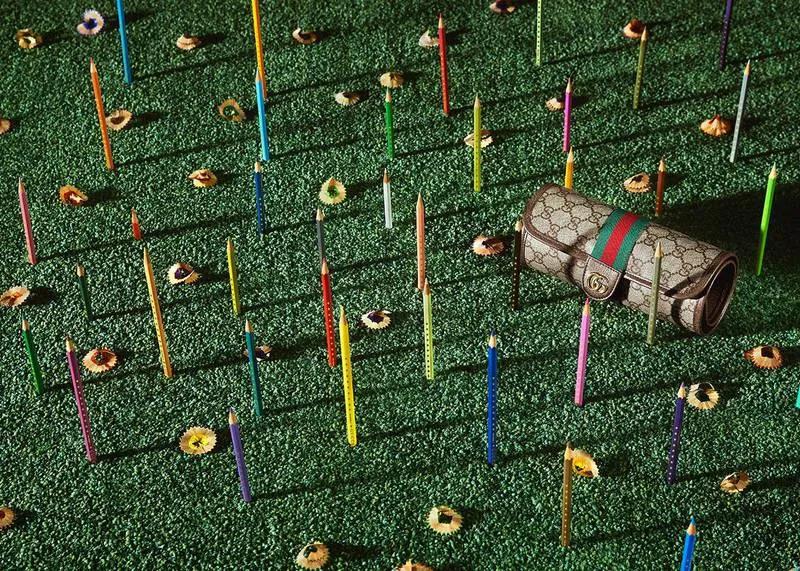
A pop-up stationery shop created by artist Michele for Gucci Cartoleria.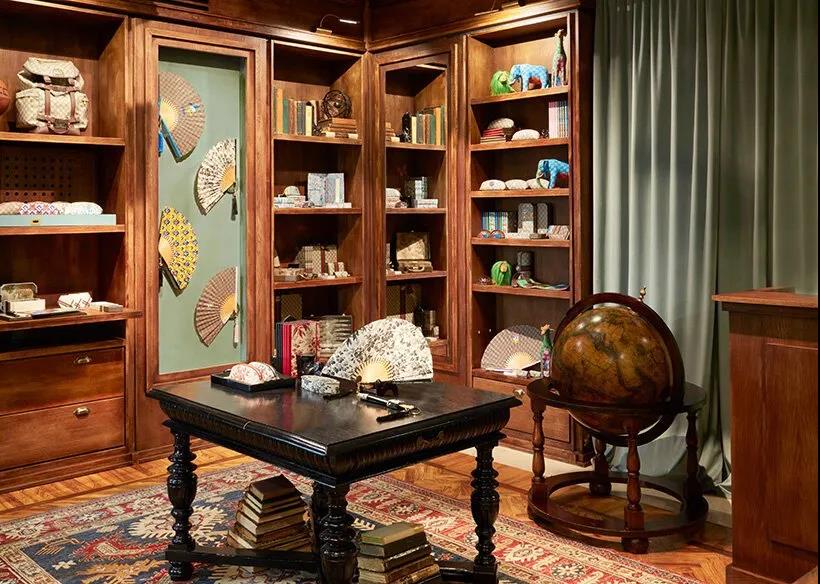
ARTEMIDE
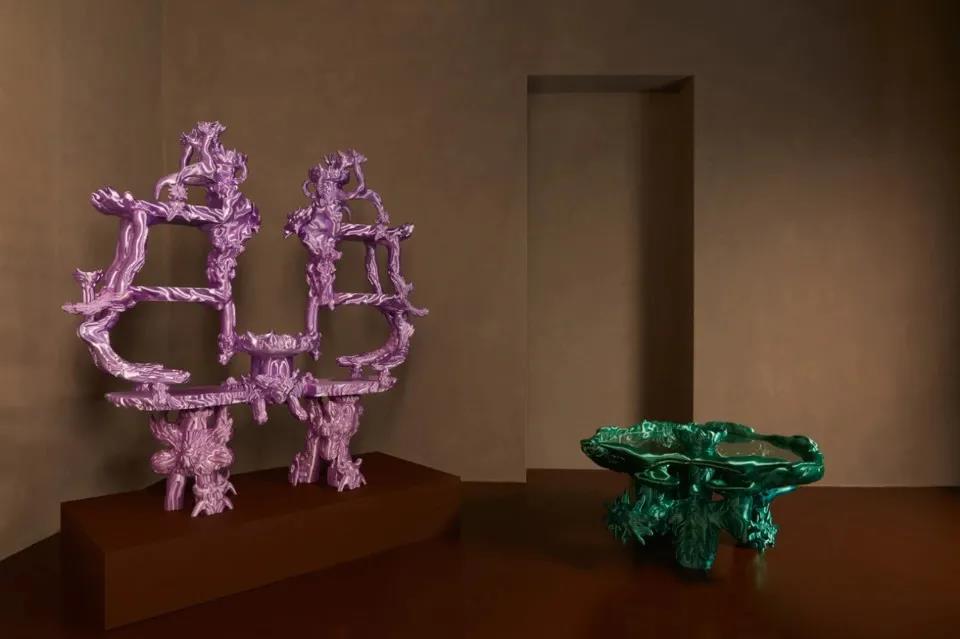
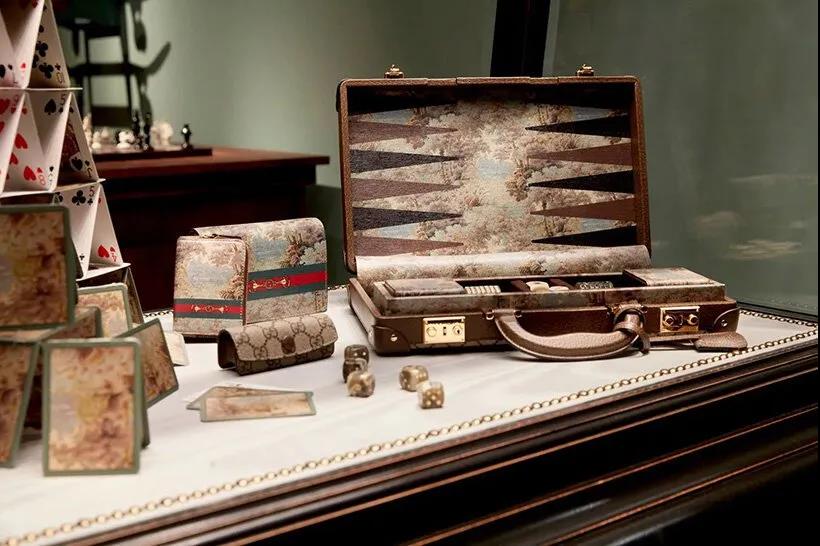
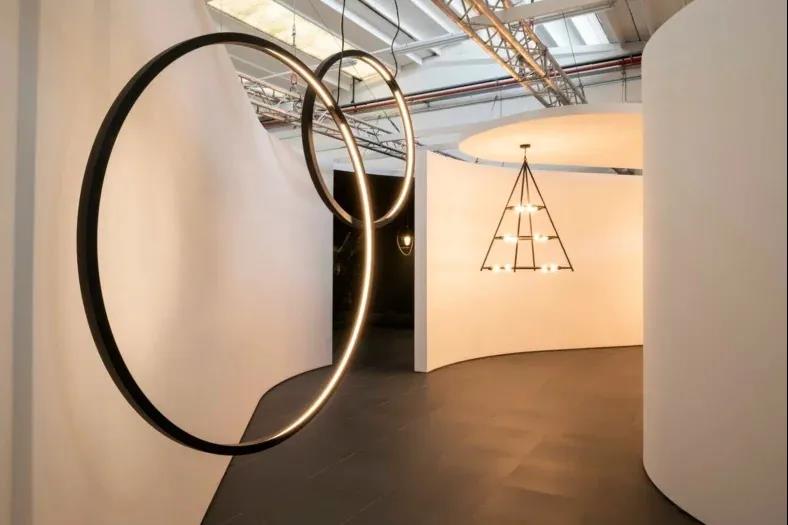
A space journey of light and shadow with the future style created by the famous Italian architect Mario Cucinella for Artemide.
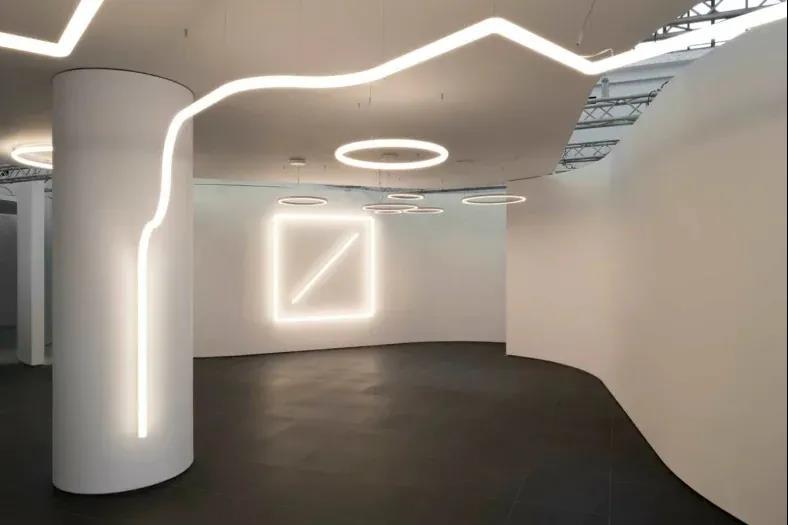
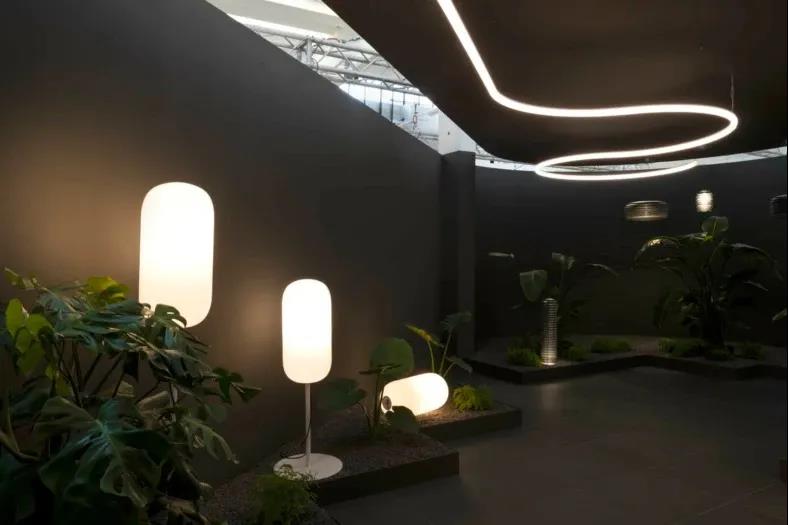
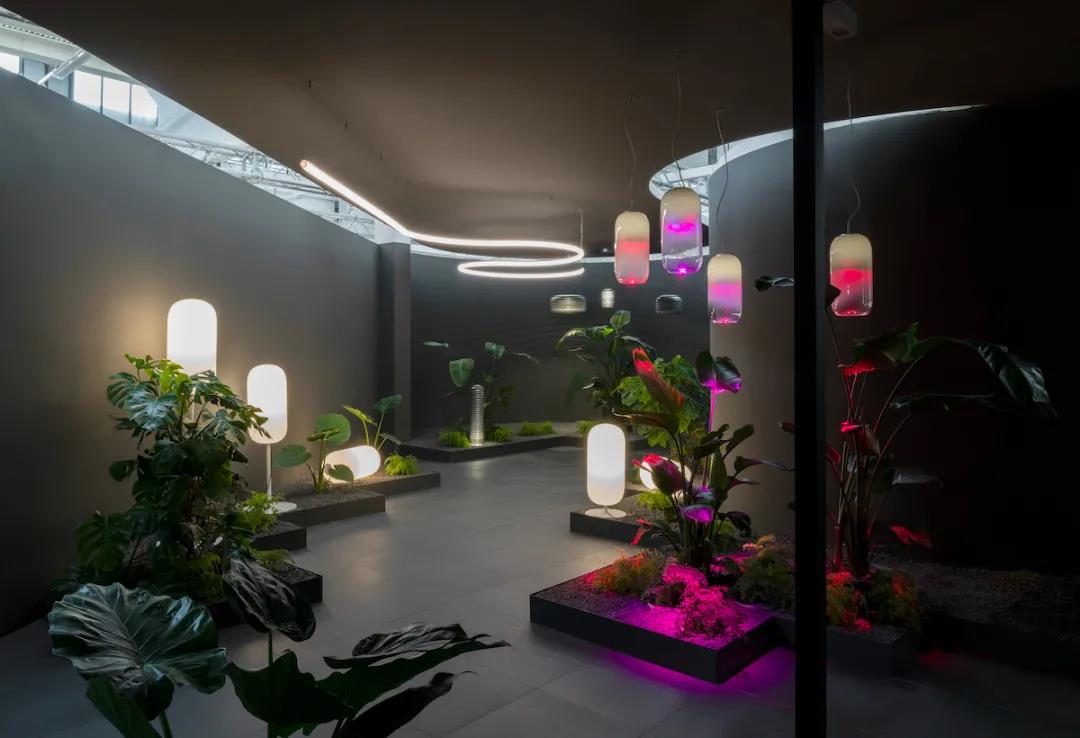
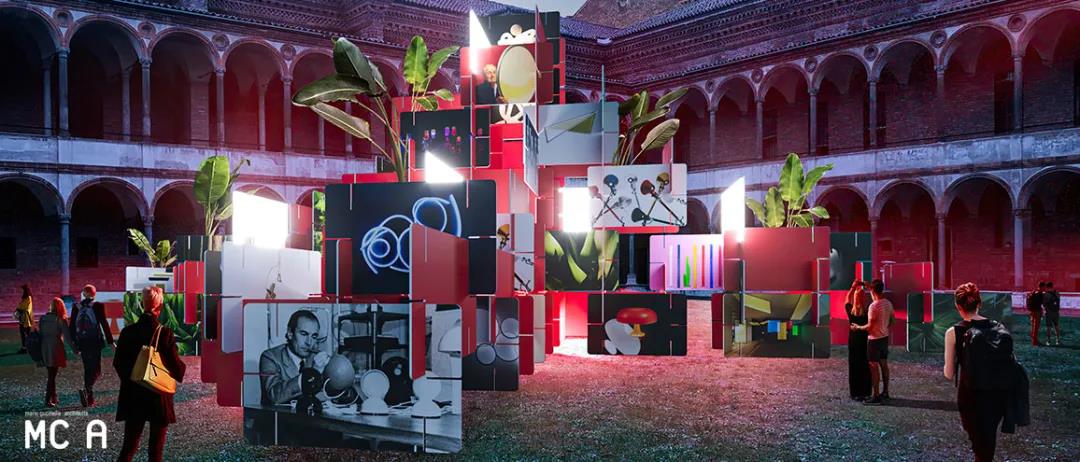
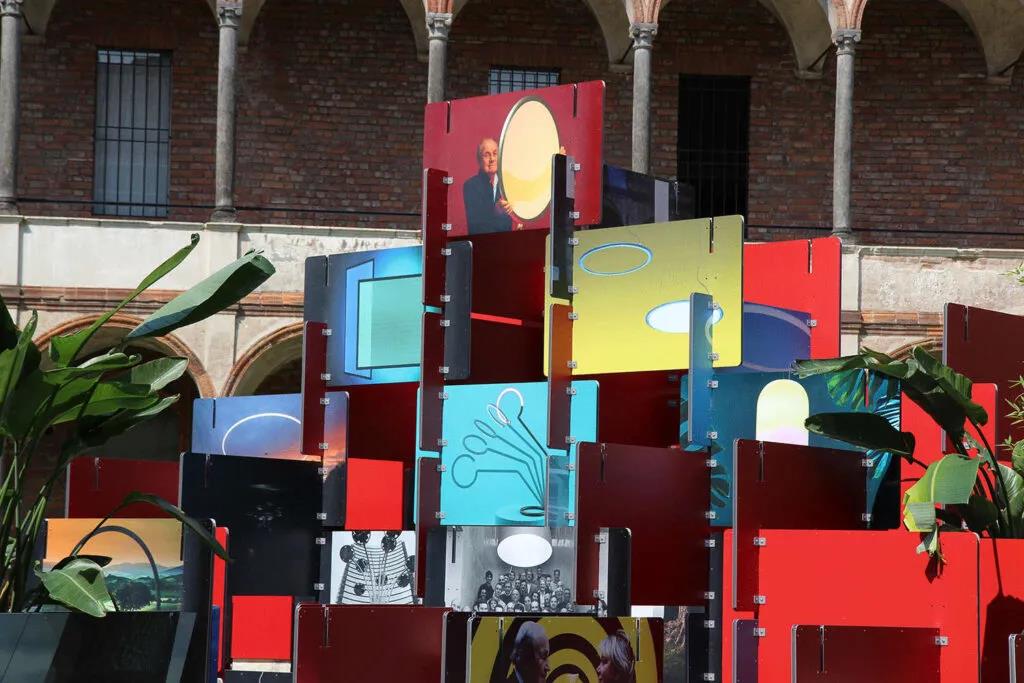
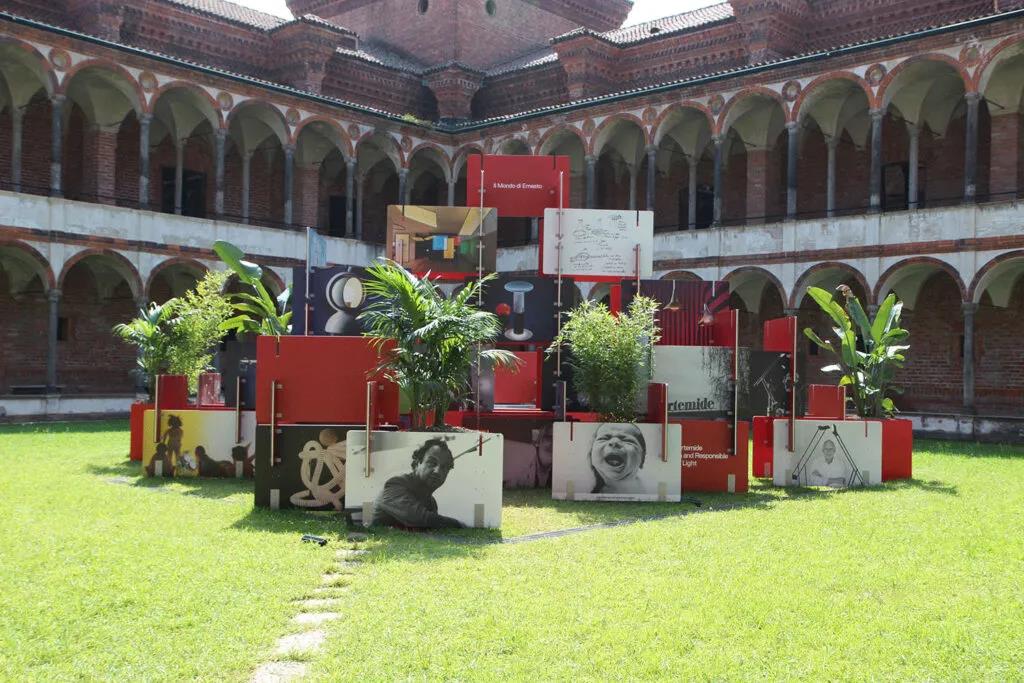
In outdoors, launching "IL Mondo di Ernesto," the main outdoor installation. It consists of 101 recyclable materials made into cards to form modular art installations, and tiles are added to cross them to create a giant tower art, hoping to interpret the role of light through this creativity.

BLACK LIGHTS
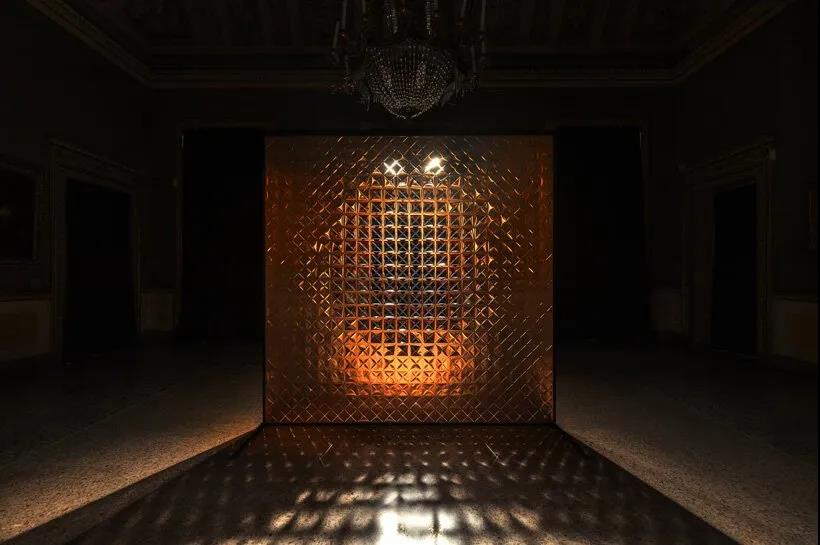
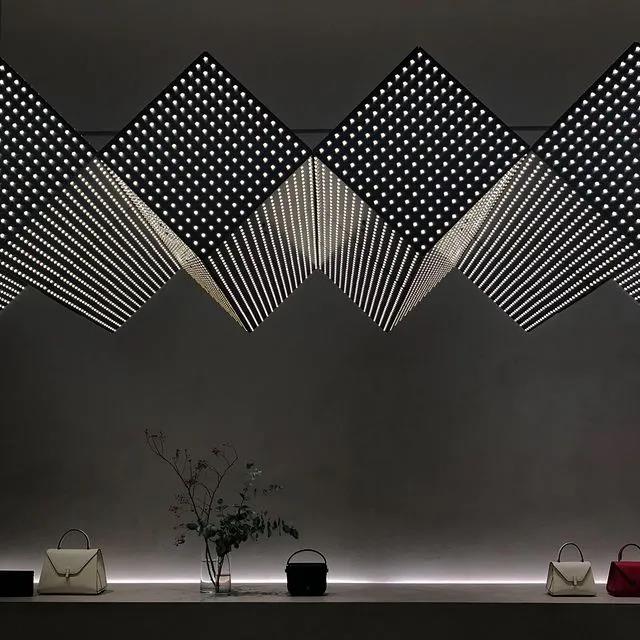
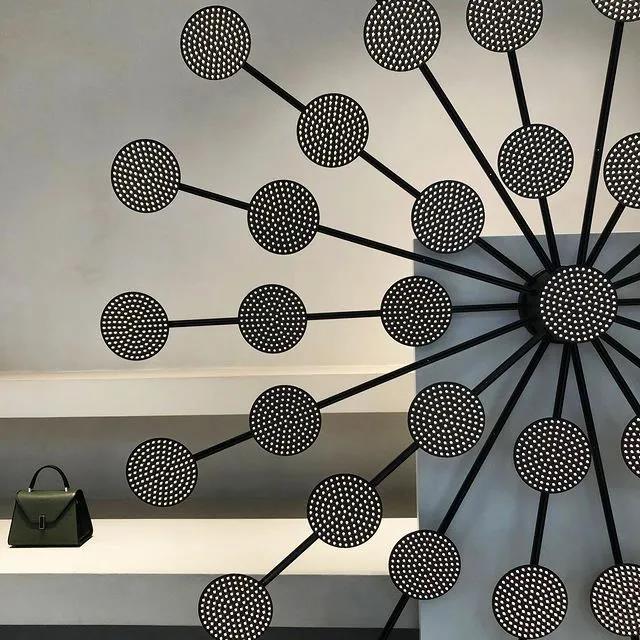
Valextra teamed up with renowned British designer Tom Dixon to create the Black Lights installation.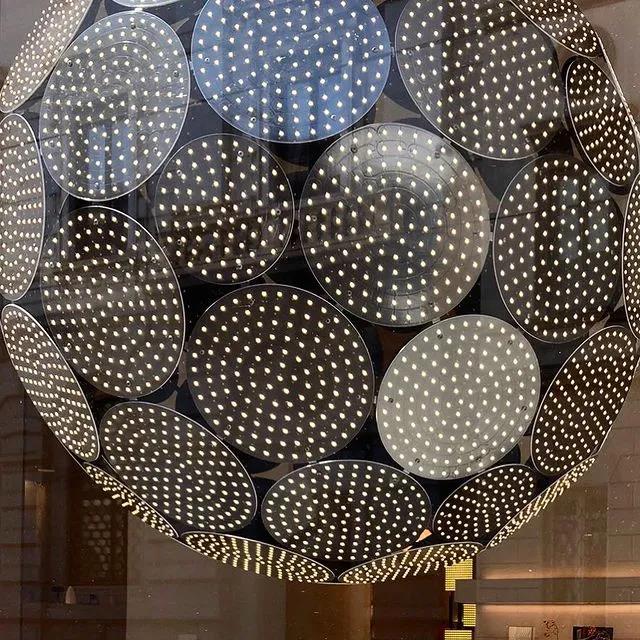
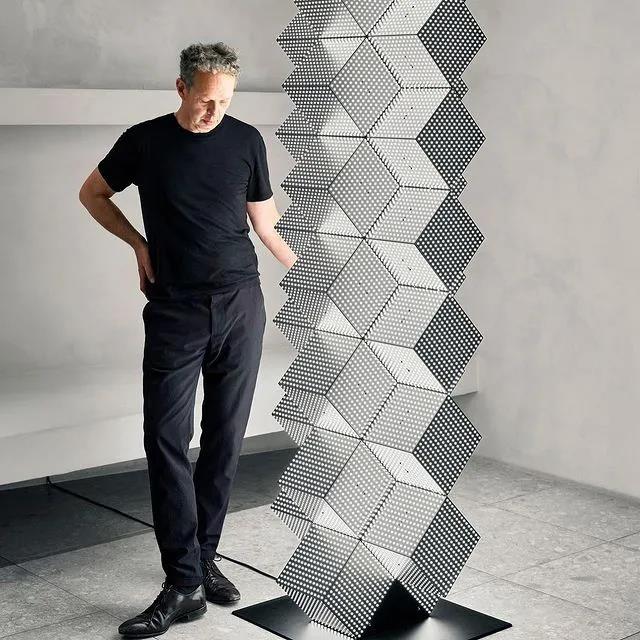
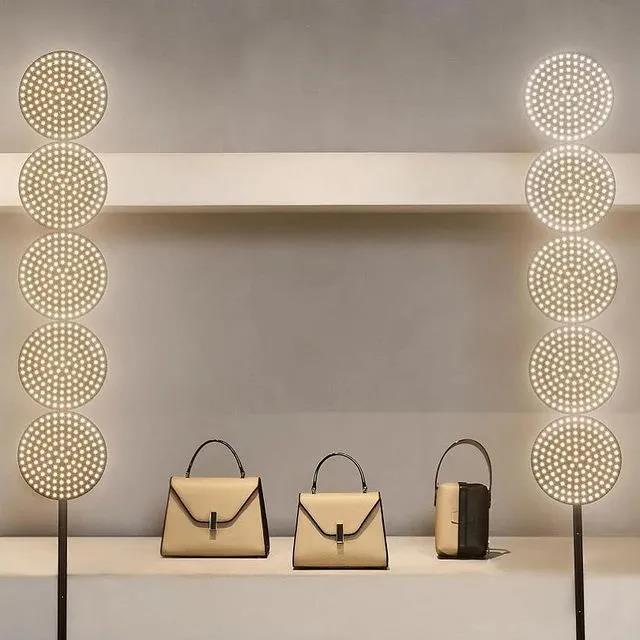
This avant-garde art installation is composed of 10 large LED lights. Through the visual experience of light and shadow spots, light and dark are strongly compared with traditional Italian painting techniques to present a three-dimensional light and shadow effect.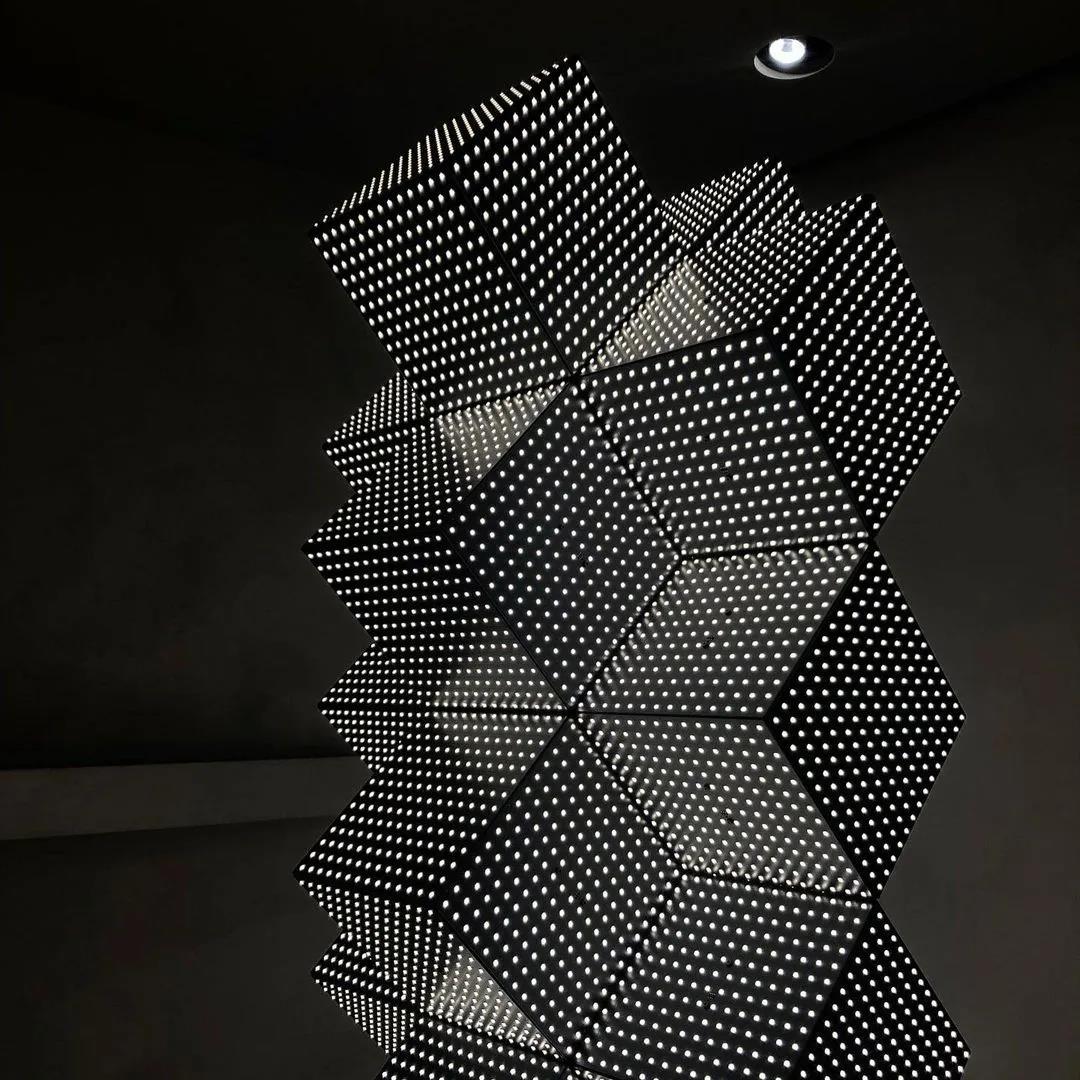

PROTOTYPE RESEARCH_SERIES5
The installation by KenTonioYamamoto and Nina Heydorn showcases Stone Island's unique hand-flocking process.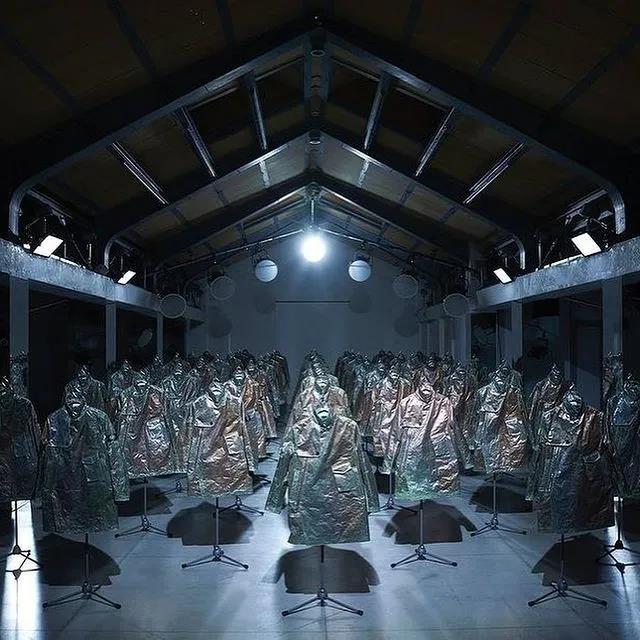



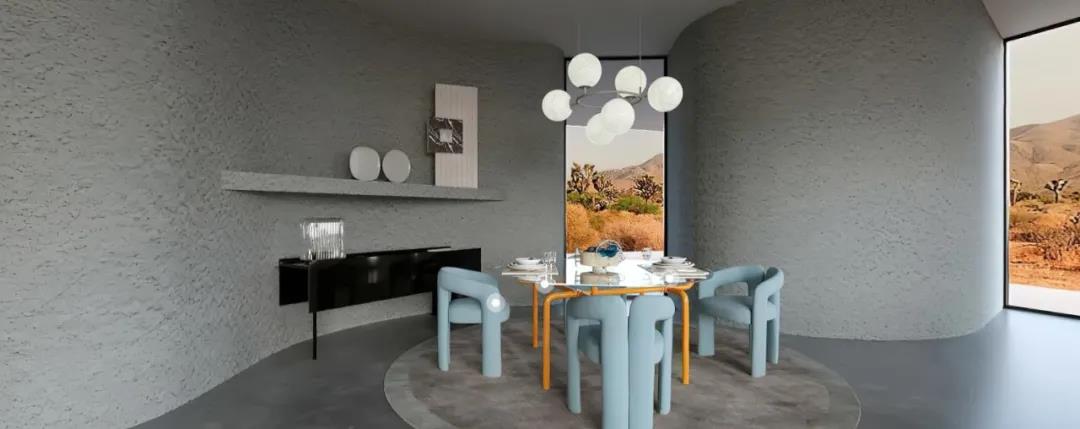
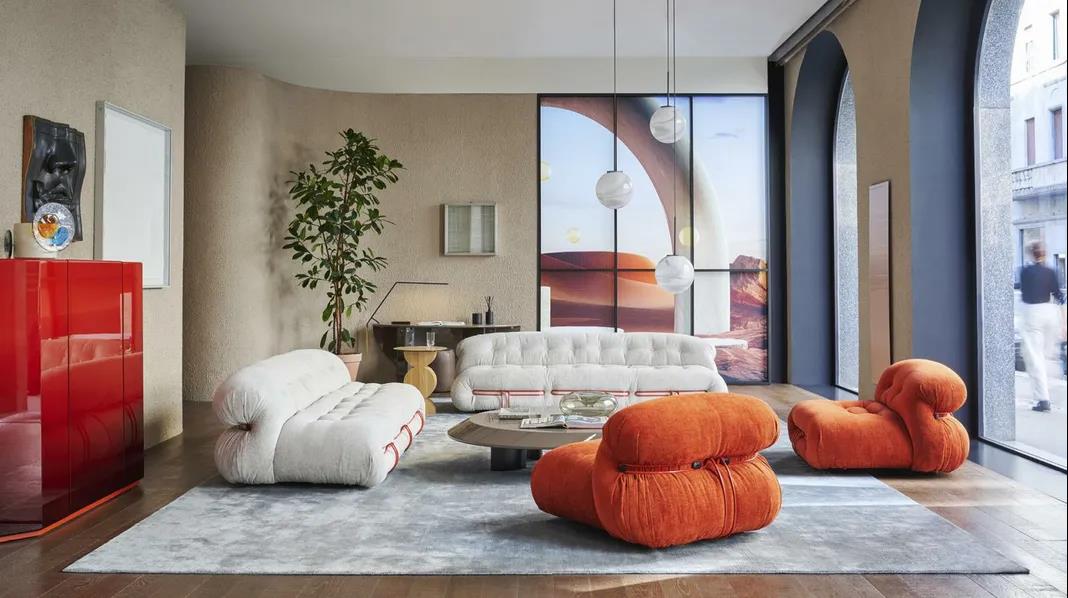
CASSINA
Cassina, an established furniture company, invited designer Urquiola to present the debut of its new Cassina Pro through three scenes: living room, bedroom and outdoor.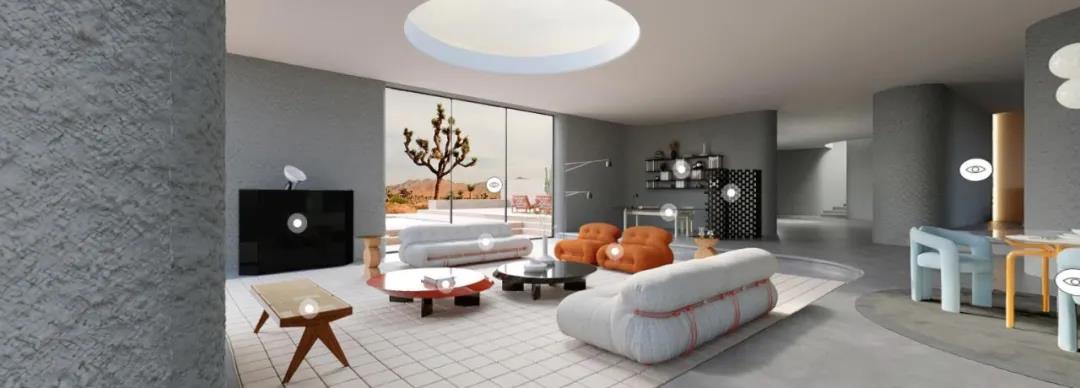
02 FURNITURE in Milan Design Week
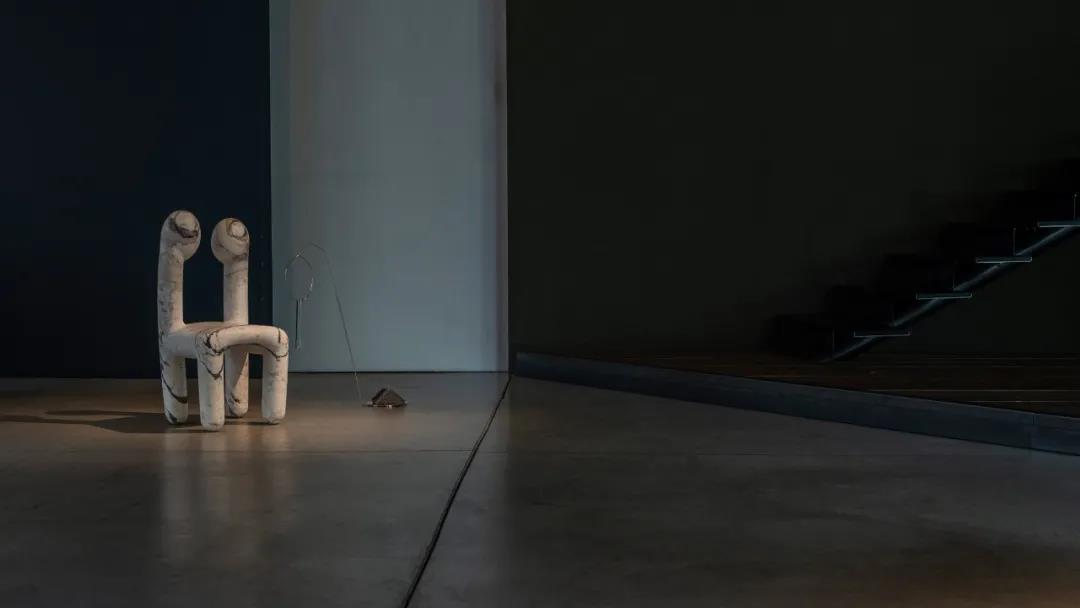
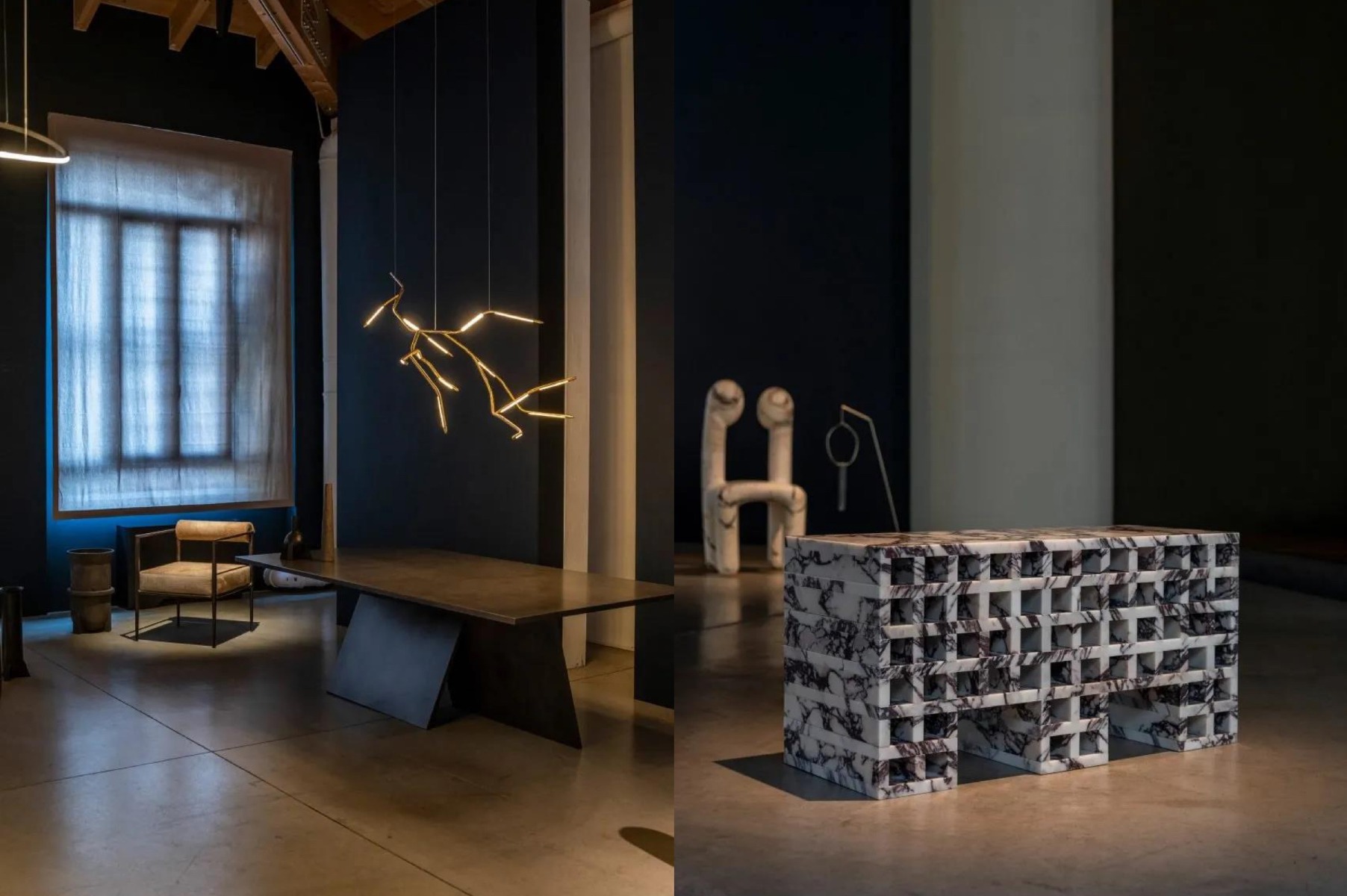
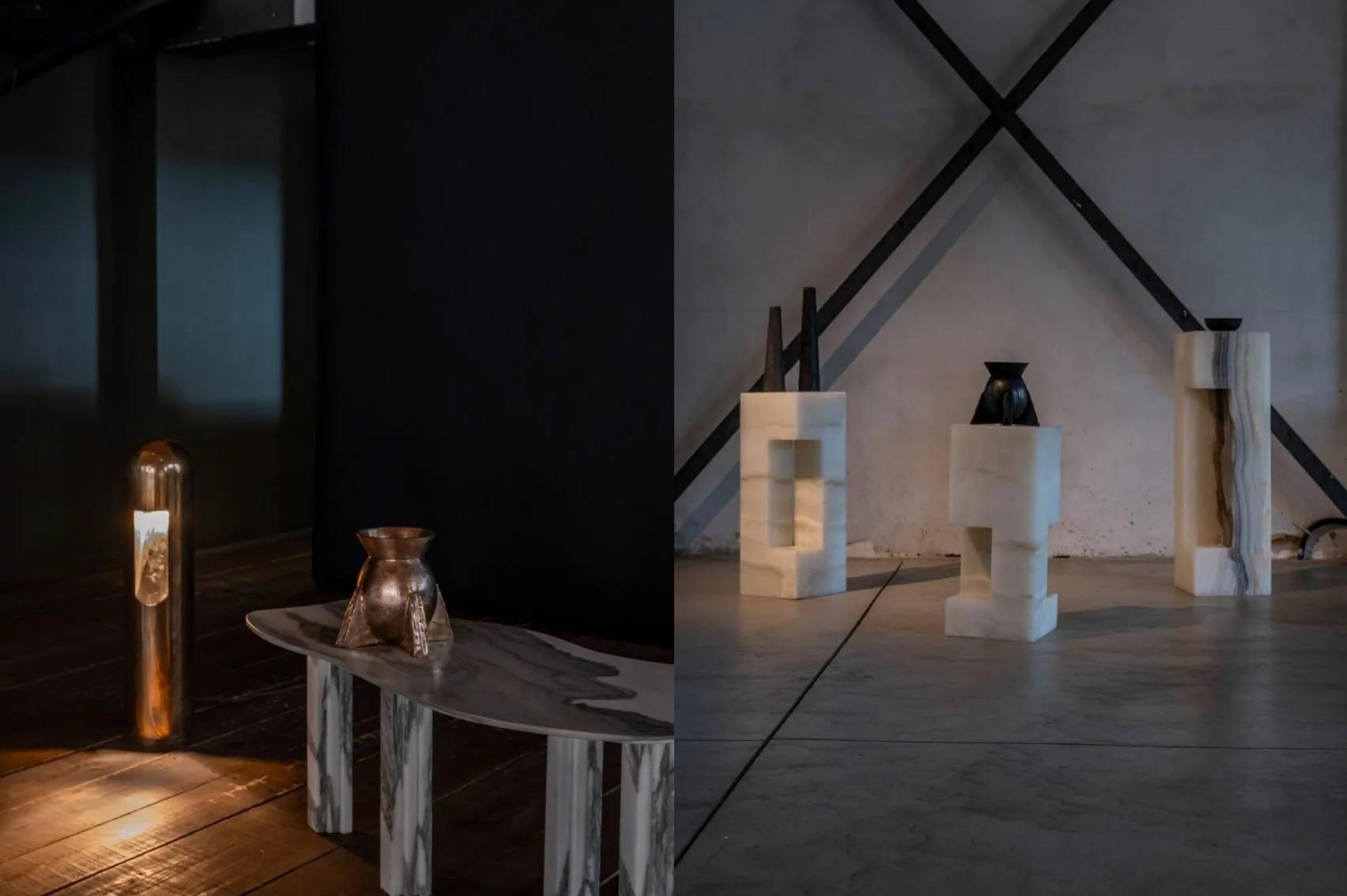
# Rick Owens #Rick Owens, curated by GaleriePhilia Gallery, is full of rough, clean, and simple Italian childishness. Most worthy of appreciation are the works of eight outstanding young designers on display.
# QUOBUS #
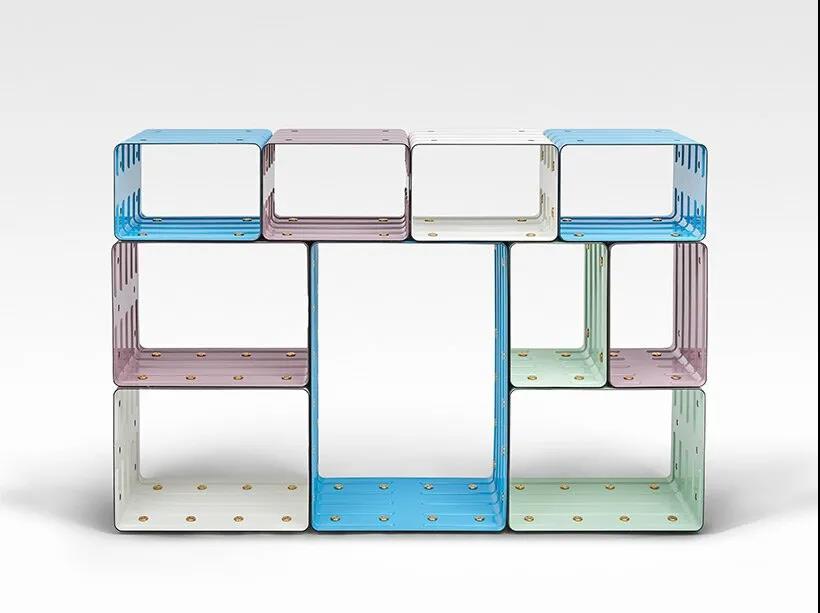
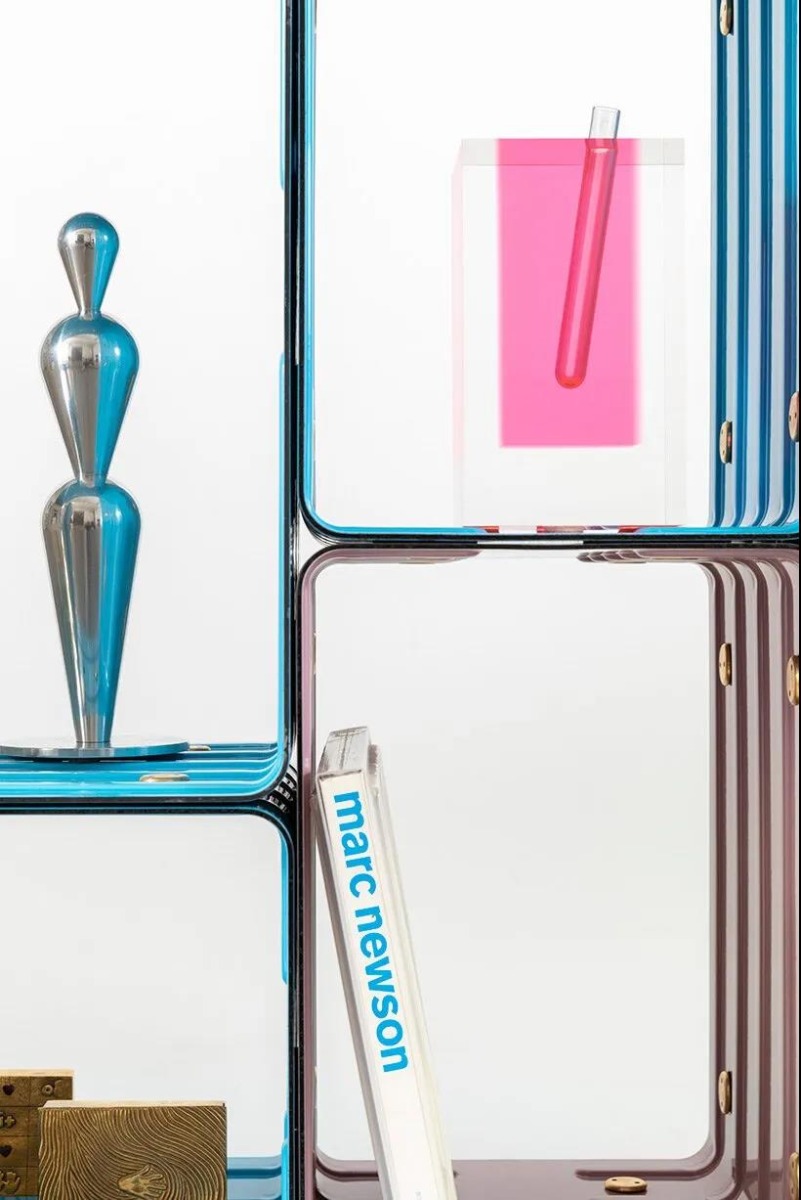
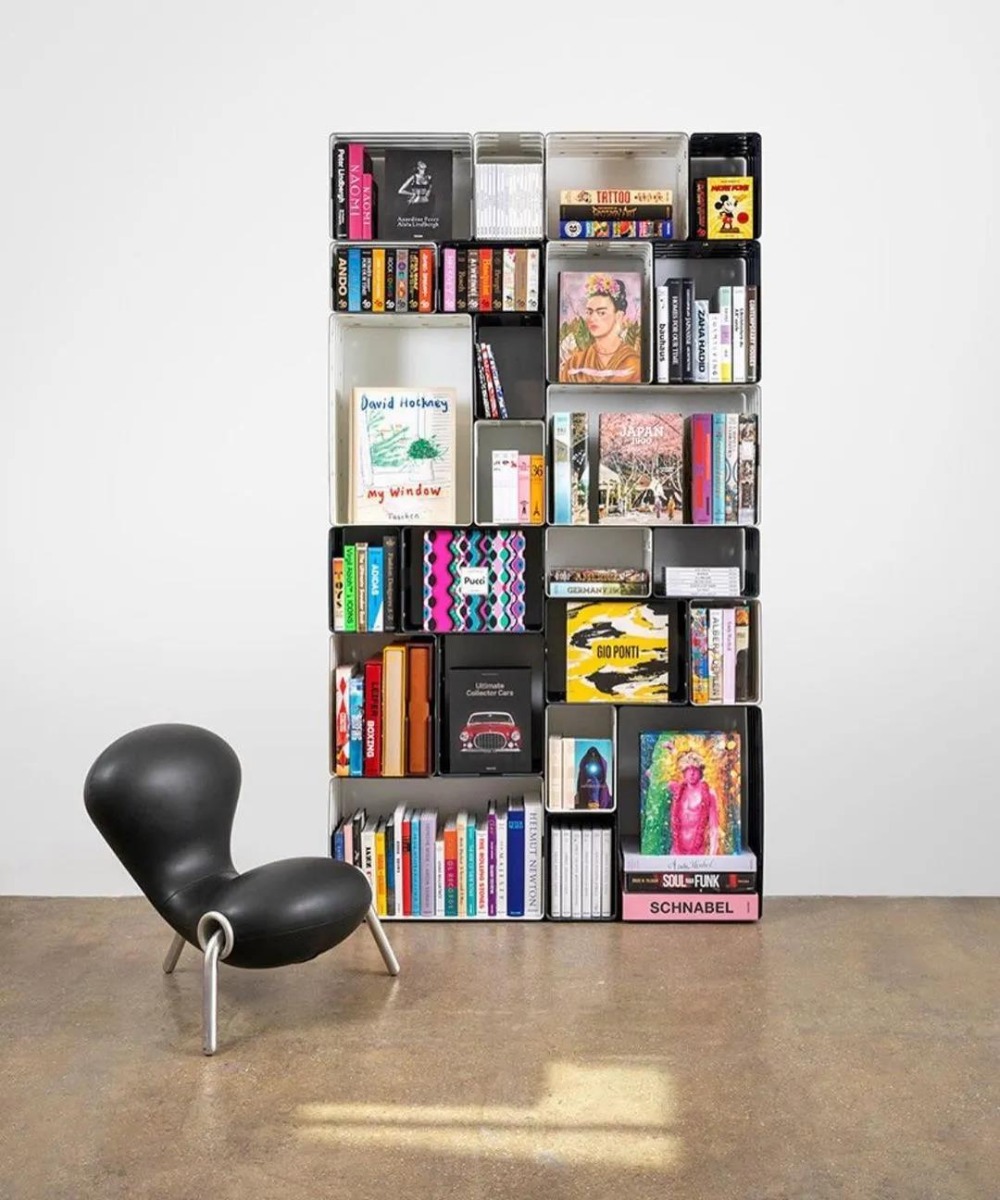
The modular boxes of different colors can be freely combined into different storage racks, curated by Marc Newson, a famous British industrial designer. The colored flexible steel plates are linked by brass screws, which are full of curiosity for DIY.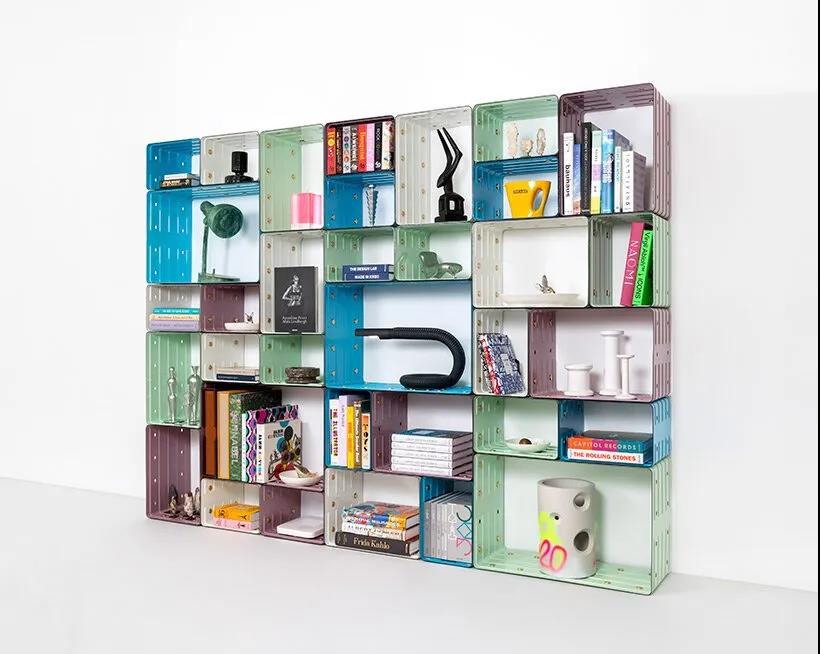
# Versace Home #
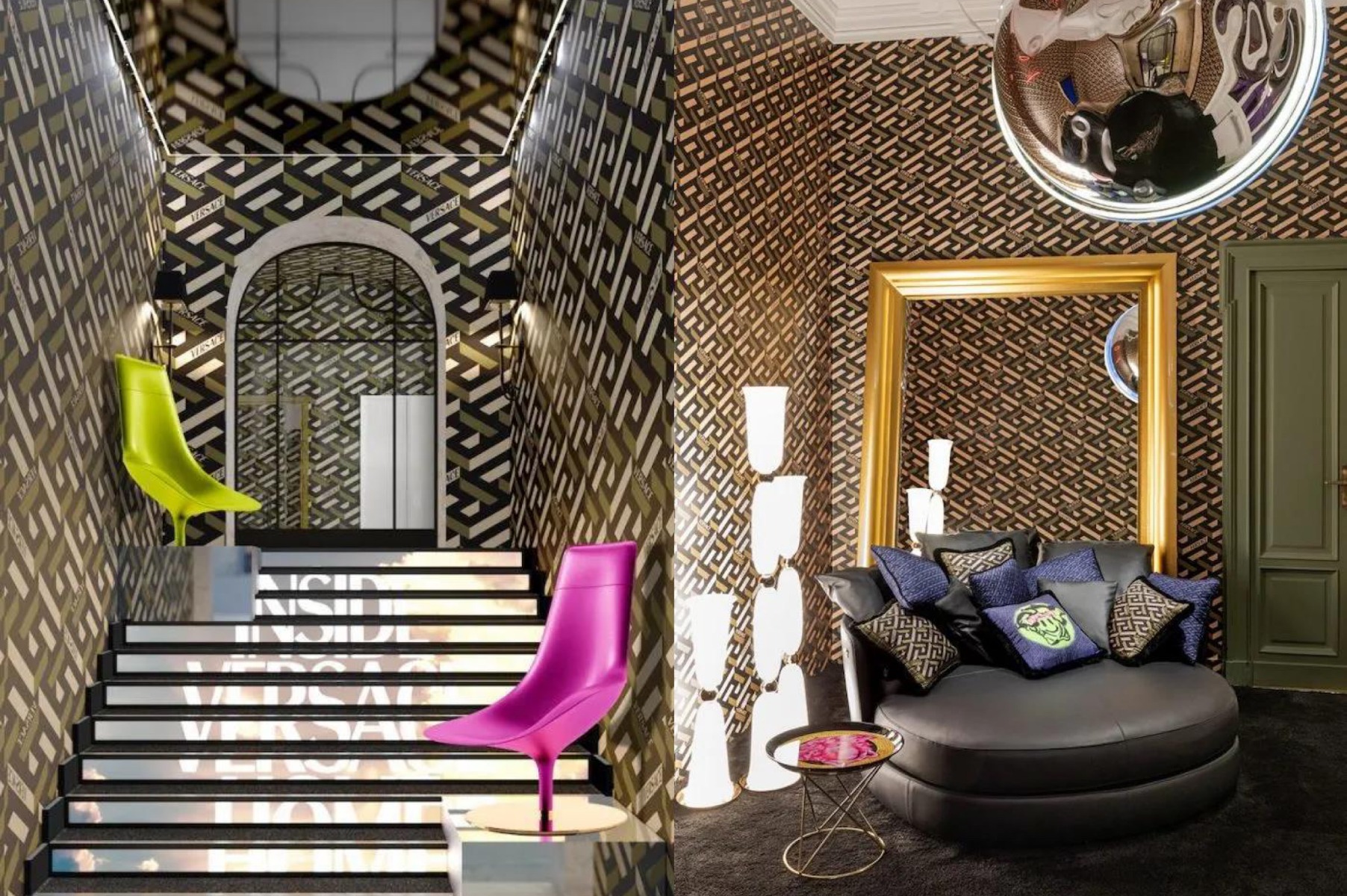
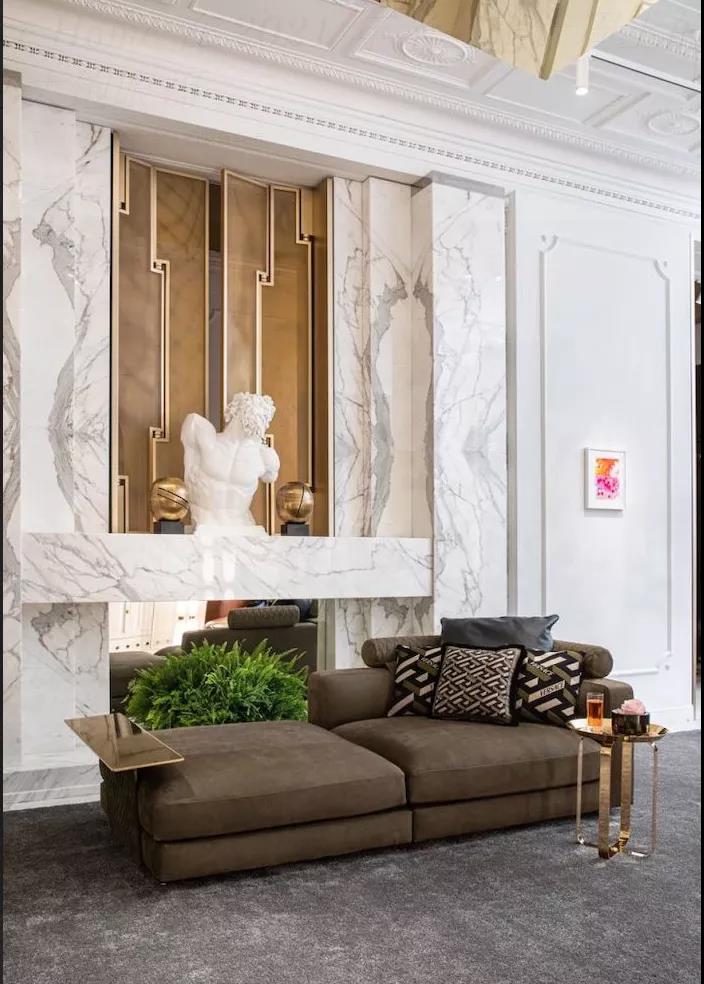
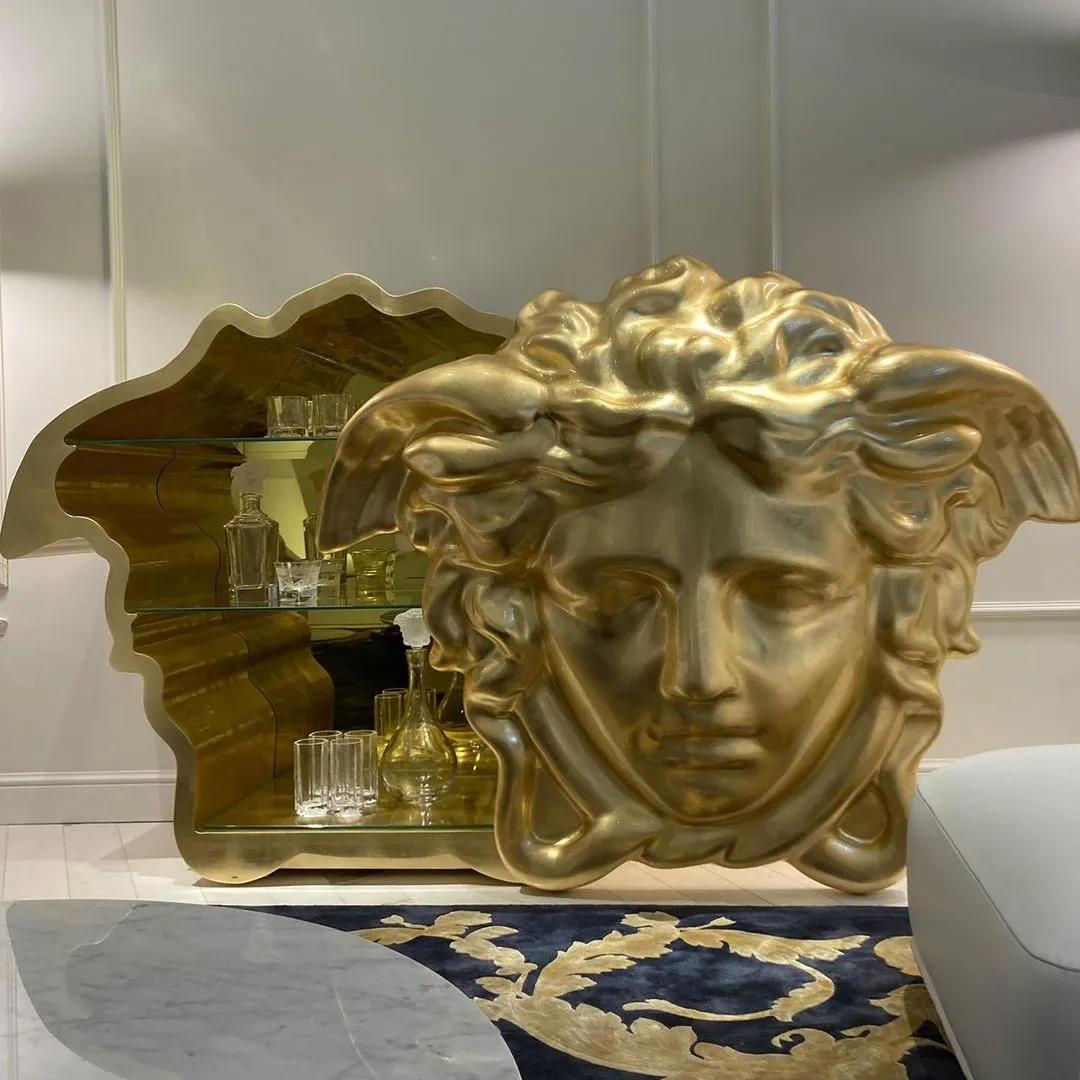
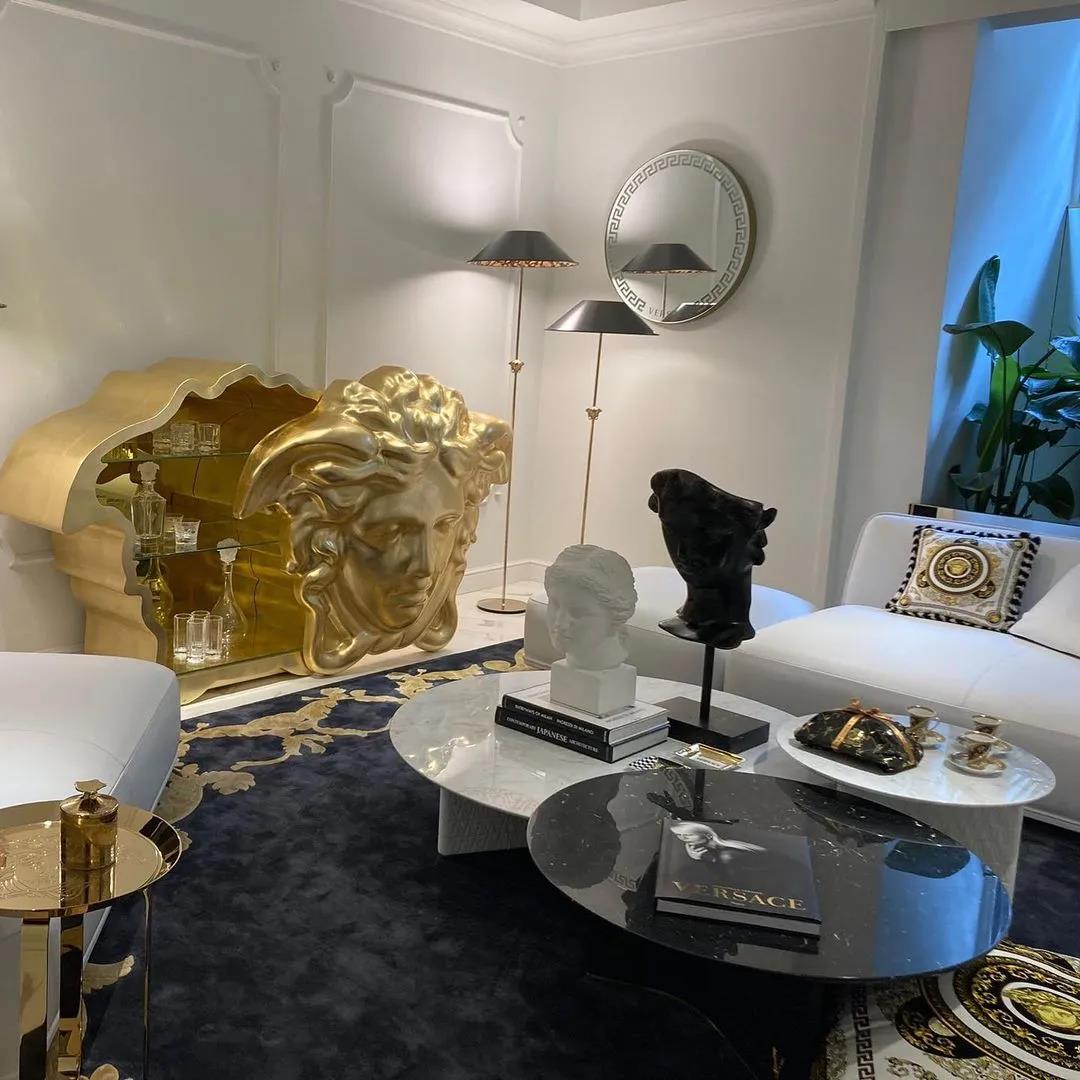
The creative collaboration between the award-winning architect and furniture designer duo Roberto Palomba and Ludovica Serafini at Versace. Donatella Versace, the new collection combines silk, metal, marble, and pure gem tones with Versace's signature motifs and patterns.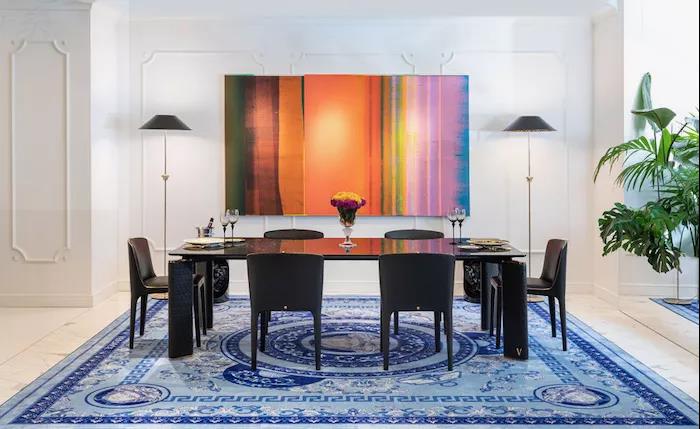
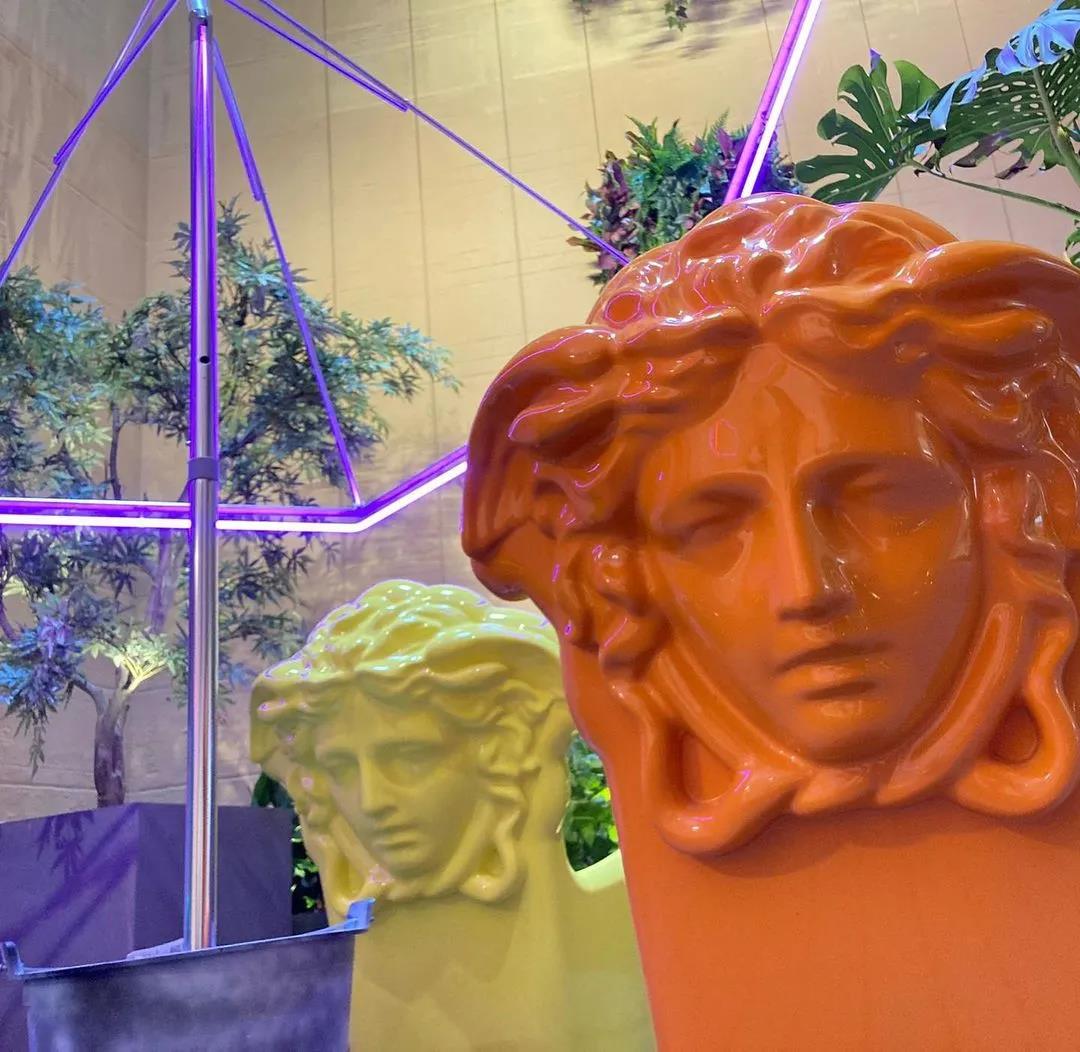
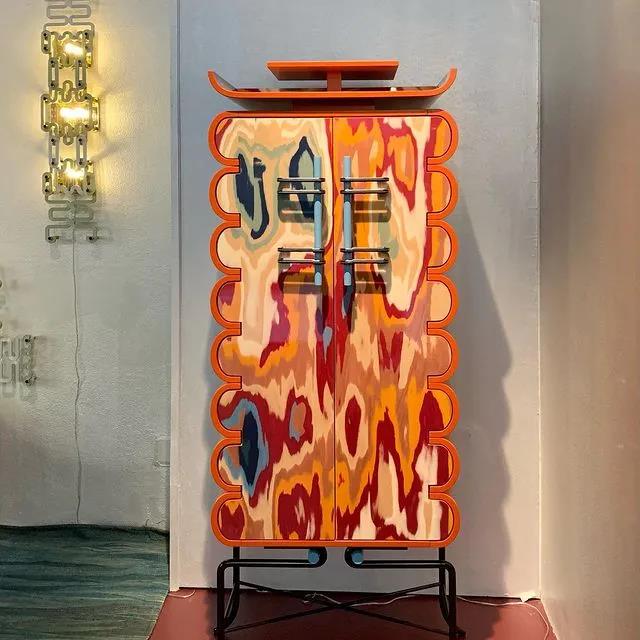
# Bethan Laura Wood#
A happy home decor created by the British London designer Bethan Laura Wood with a cheerful personality. She has always been interested in jewelry and insects, so you can see exaggerated and delicate elements in her works, as well.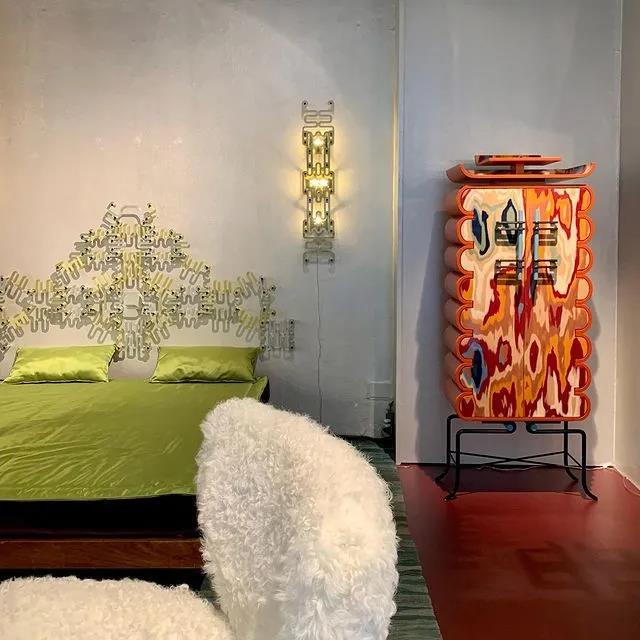
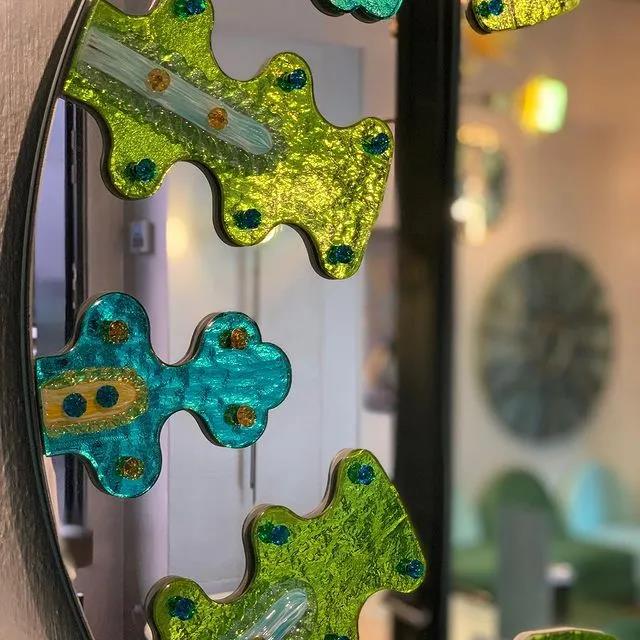
# I'll be your mirror #
H+O Via Solferino, designed by Roberta Savelli, considers the balance of materials, colors, and textures to present meaning in space and time, urging us to think and appreciate.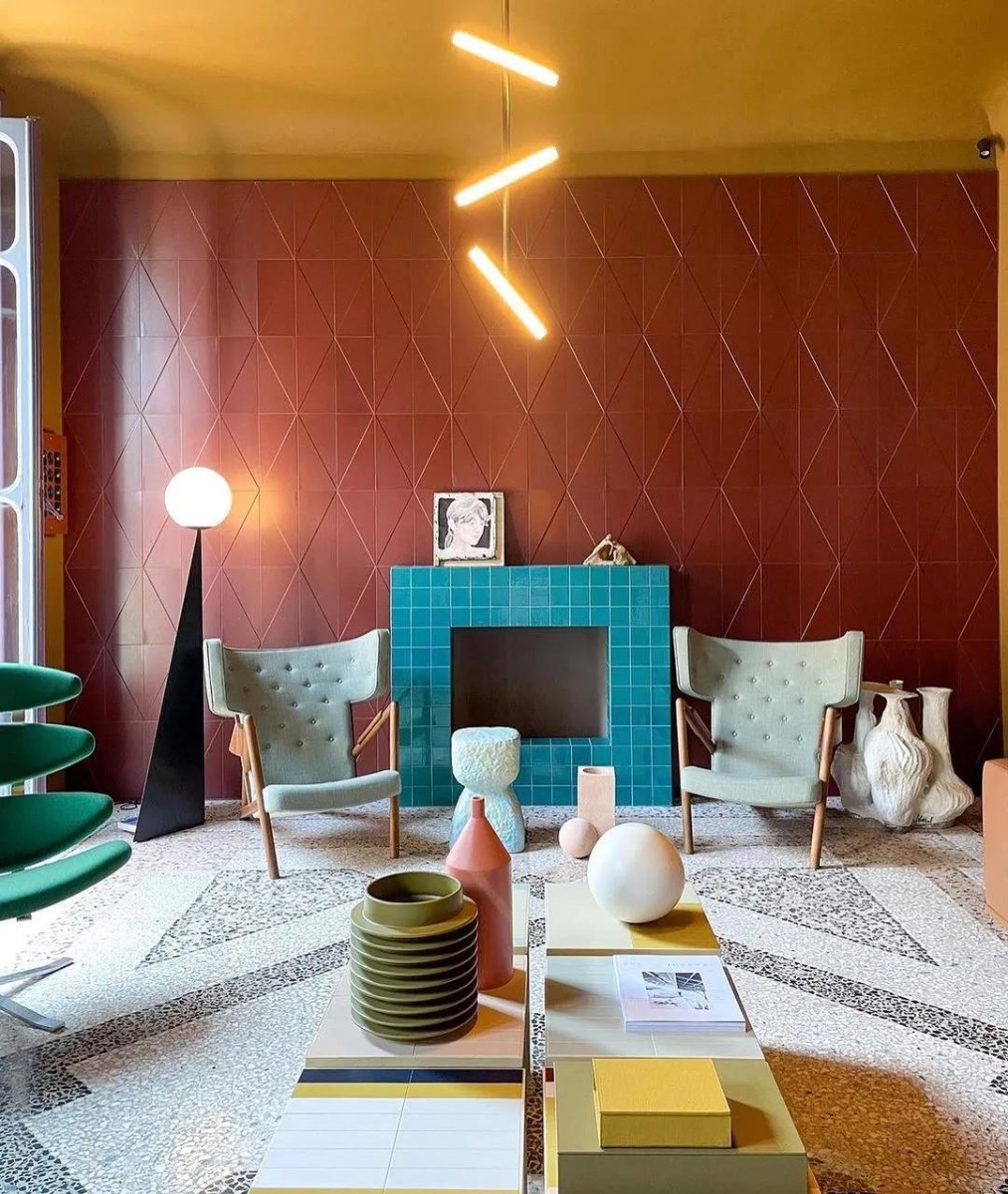
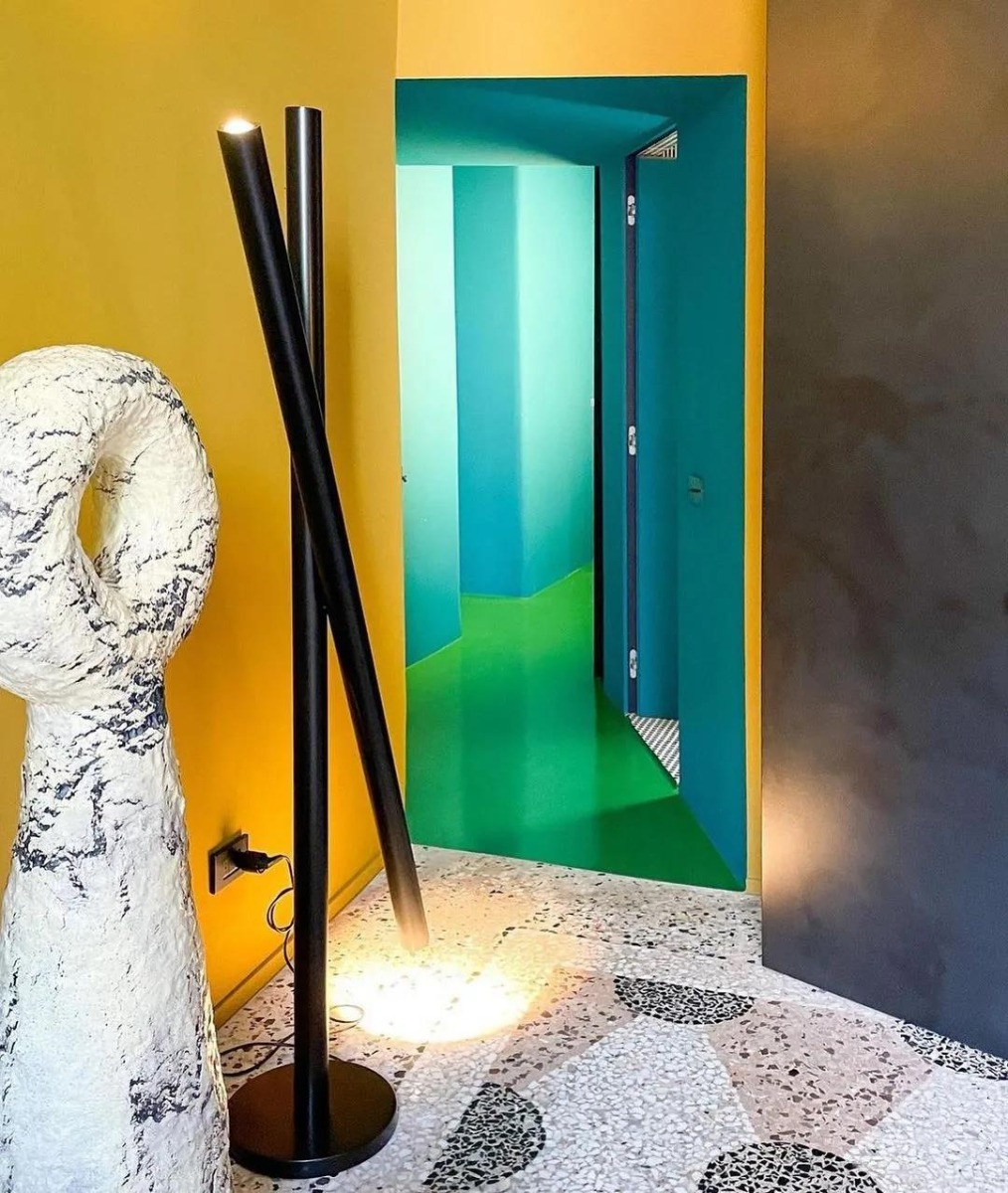
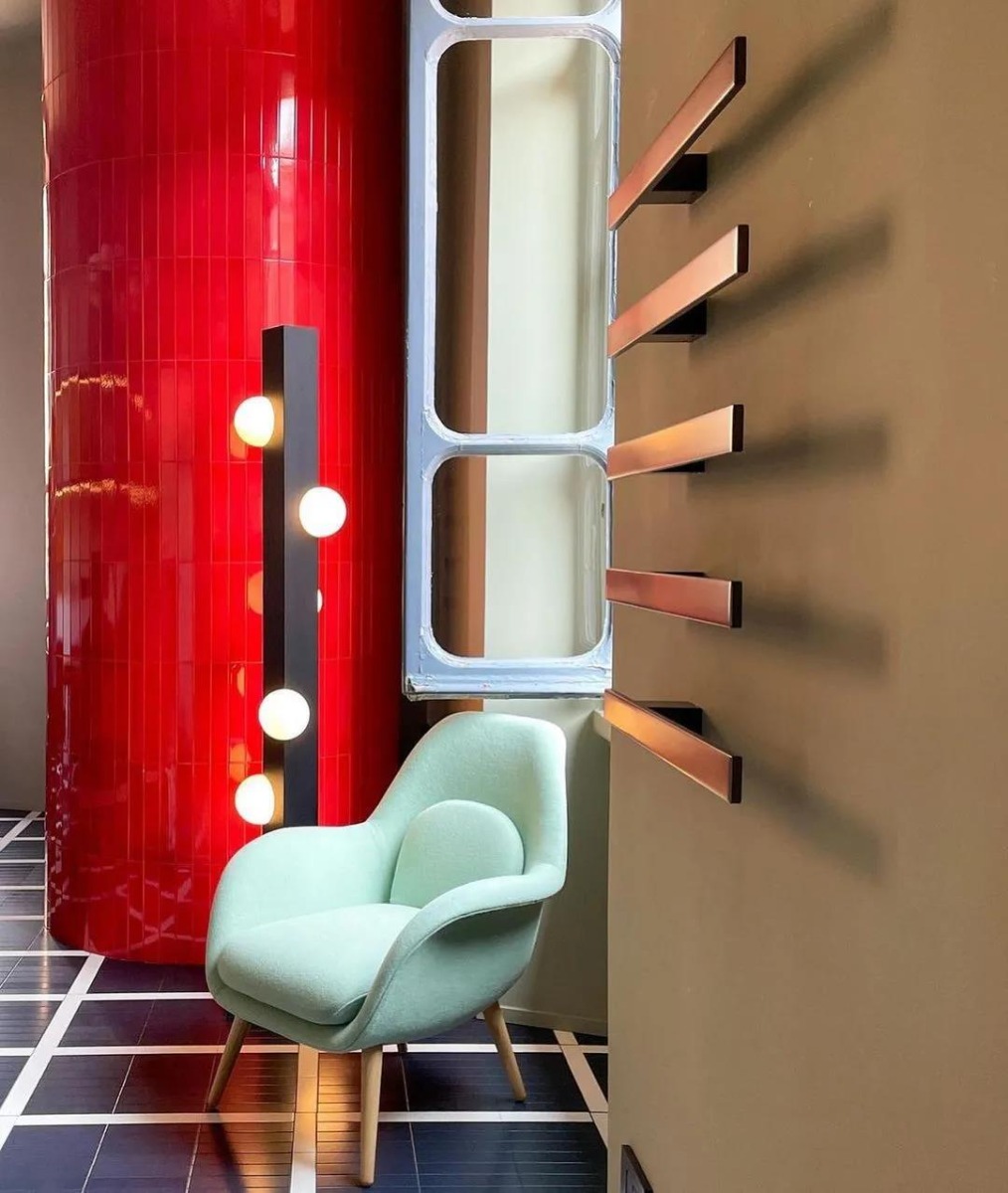
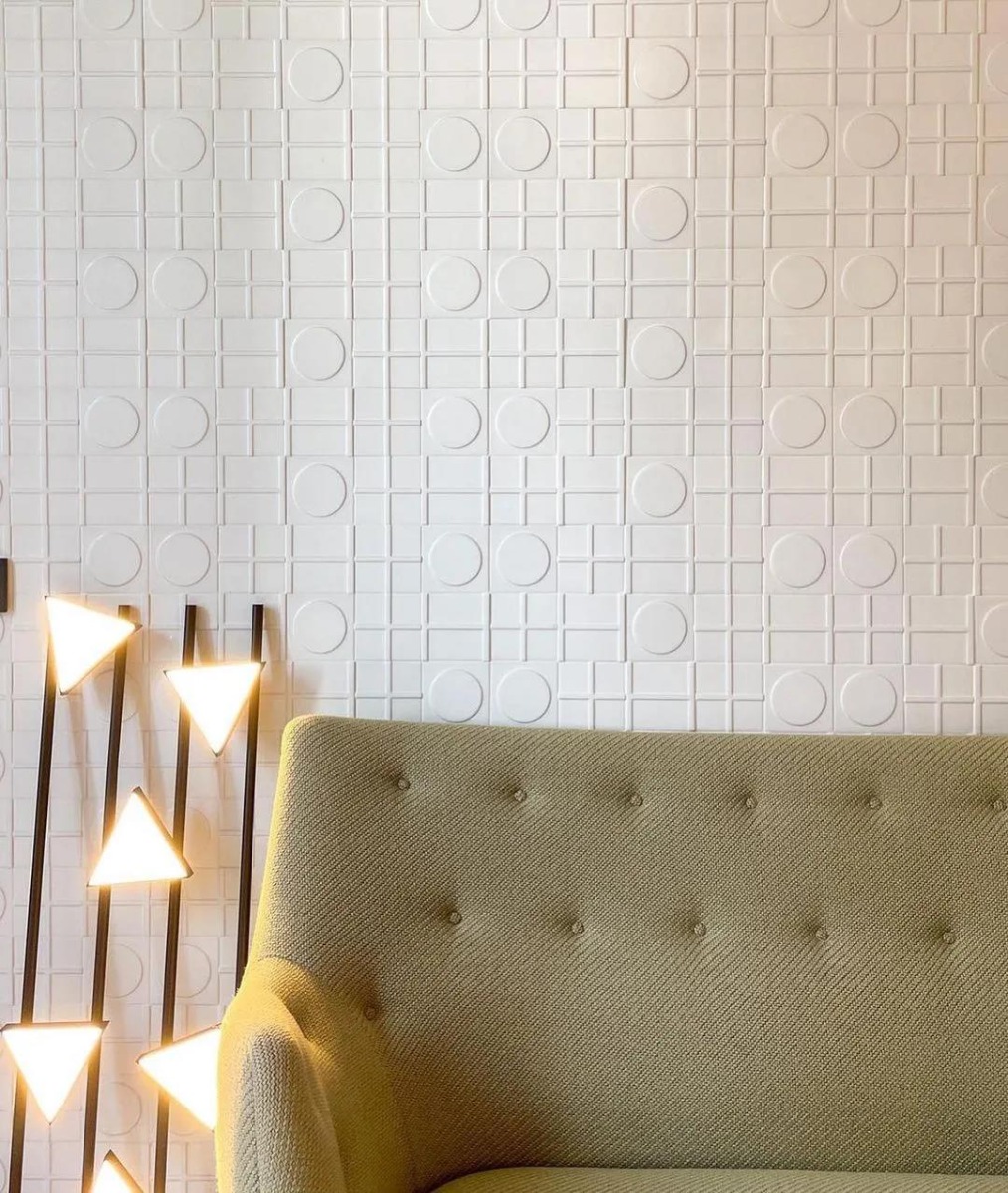
# Molteni&C |Dada #
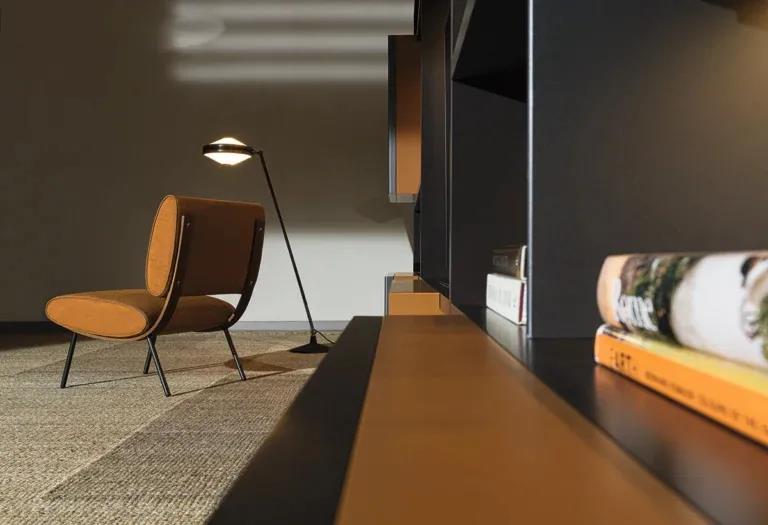
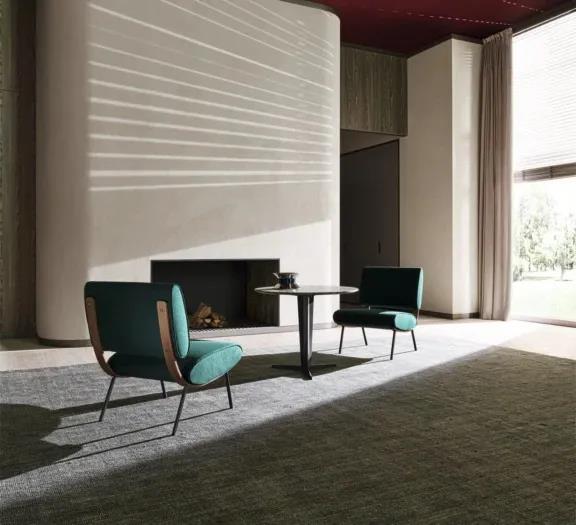
Designed by renowned architect Vincent Van Duysen, the design combines the shape of modern movement and rationality with a sophisticated environment and a soft and warm atmosphere. It pays tribute to Ignazio Gardella and Carlo Scarpa, two masters he admires most.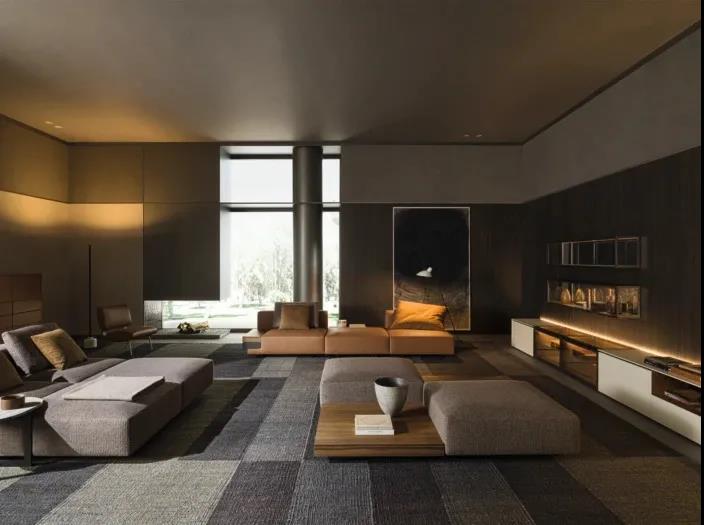
03 INDOOR in Milan Design Week
# A'mare #
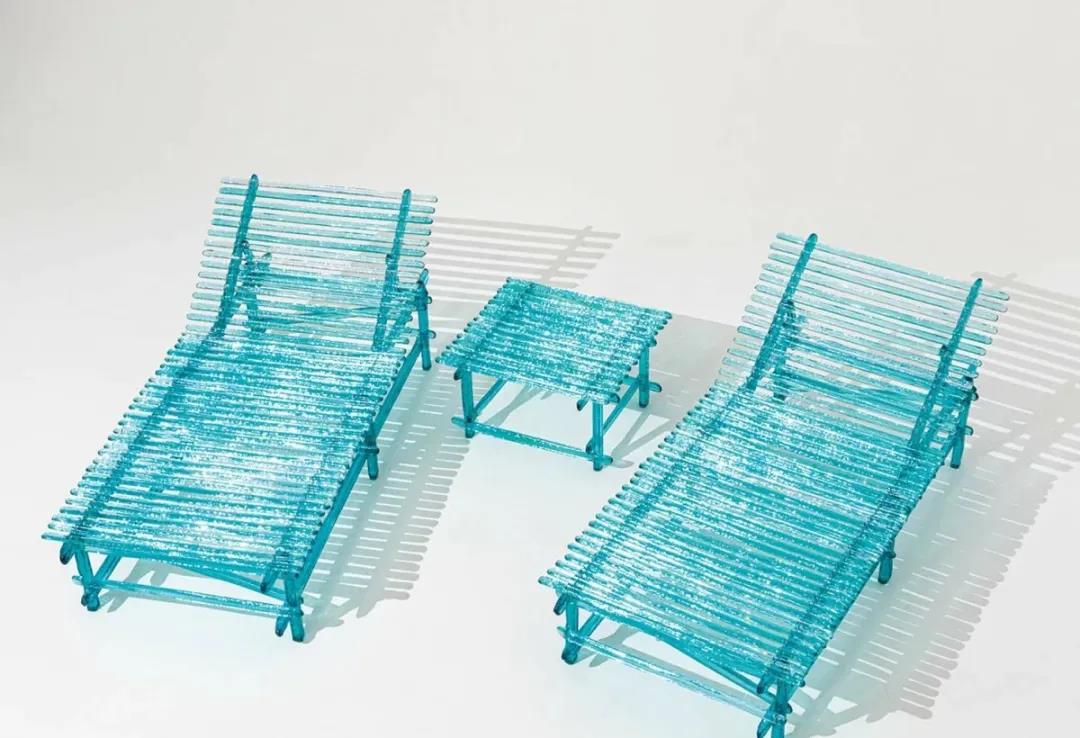
As a regular of Milan Exhibitions, Foggini has been active in Milan Exhibitions since 2005. In Milan Design Week, A'mare is still made of his best pure methacrylate material, a table chair with beautiful turquoise color. It's light and clear appearance as well as very strong, which is very attractive!

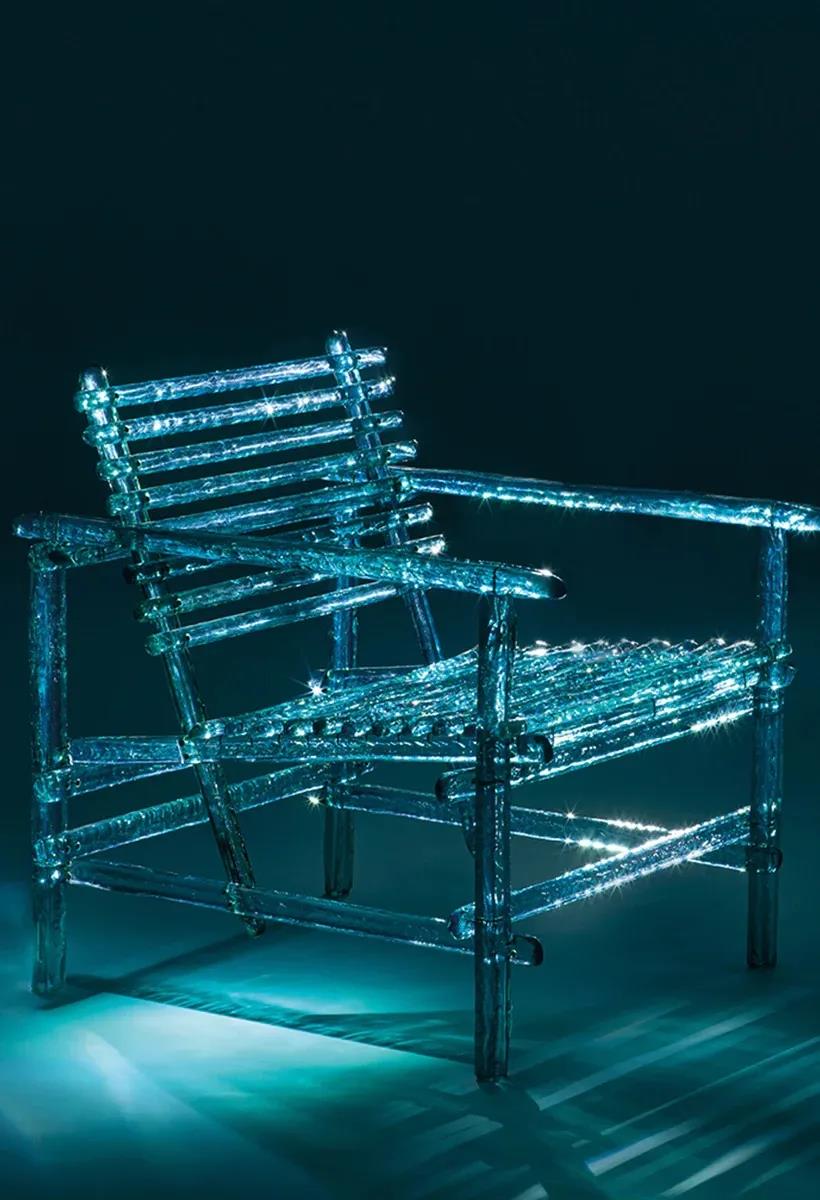
# Night Tales #
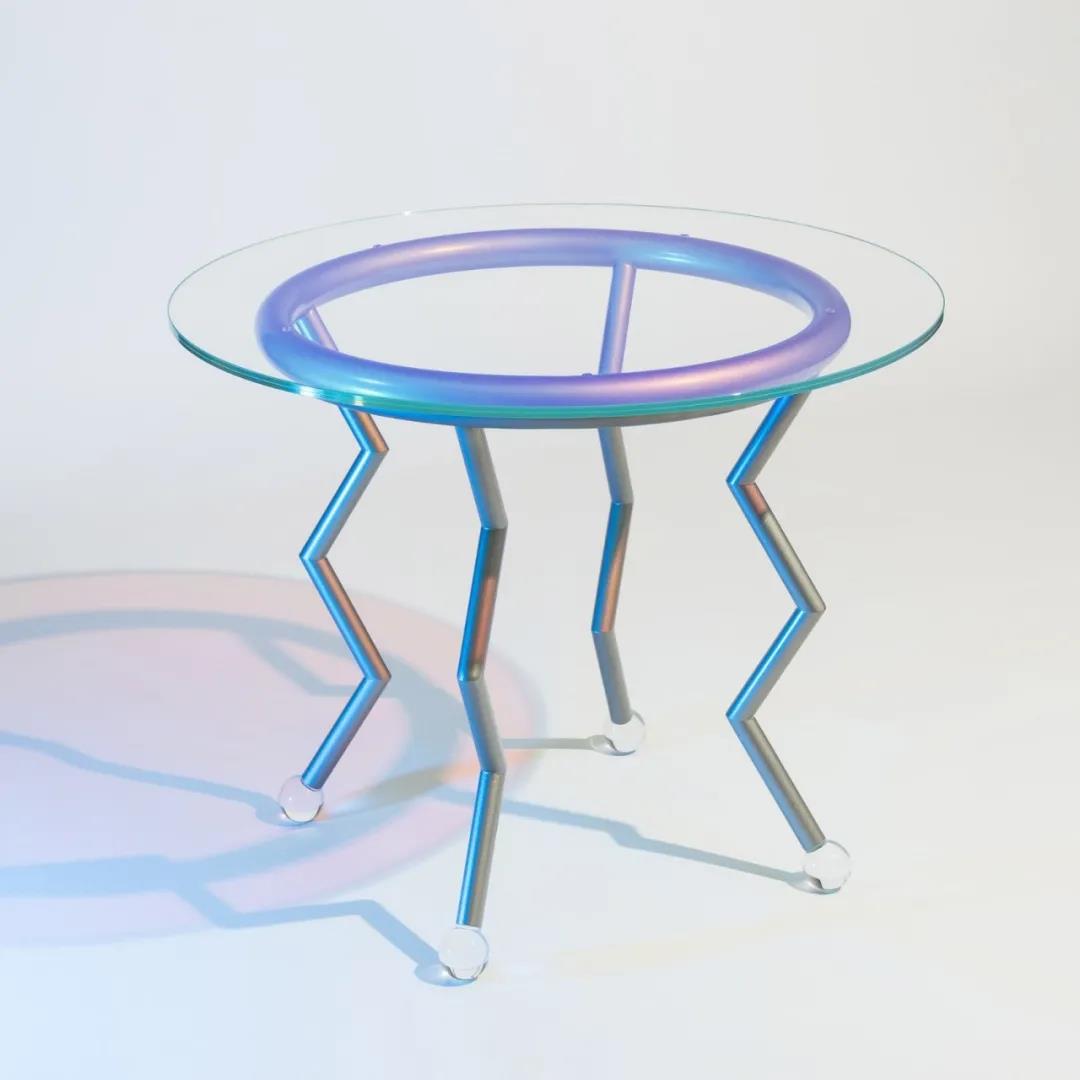
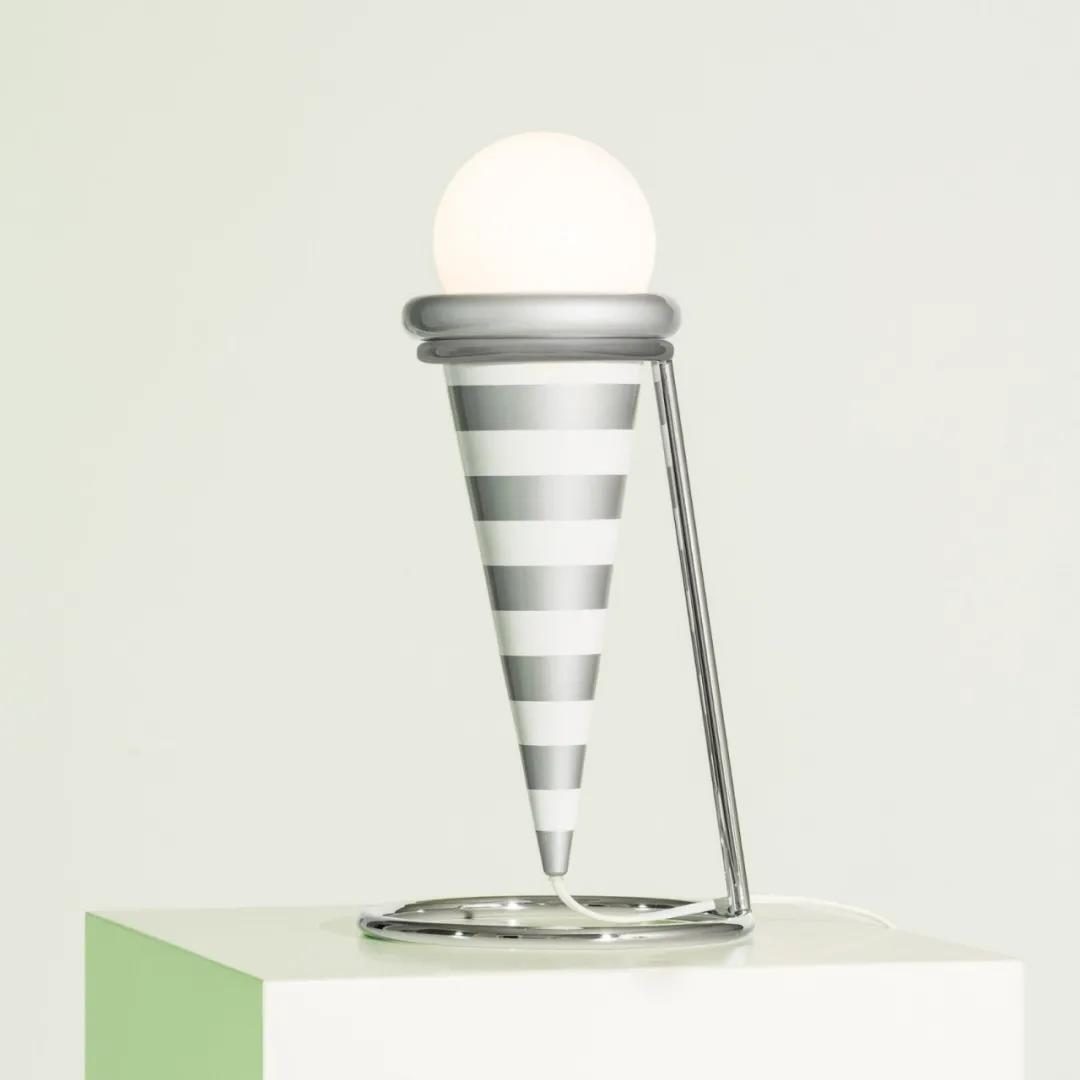
Black and white laminate and painted metal structure from Masanori Umeda, with Japanese tatami mat, colorful silk pillows and LED lamp belt lighting base, as well as Medusa table, ice cream lampshade combined with Japanese traditional aesthetics and Western taste perfect craft, bring eccentric beauty into full play!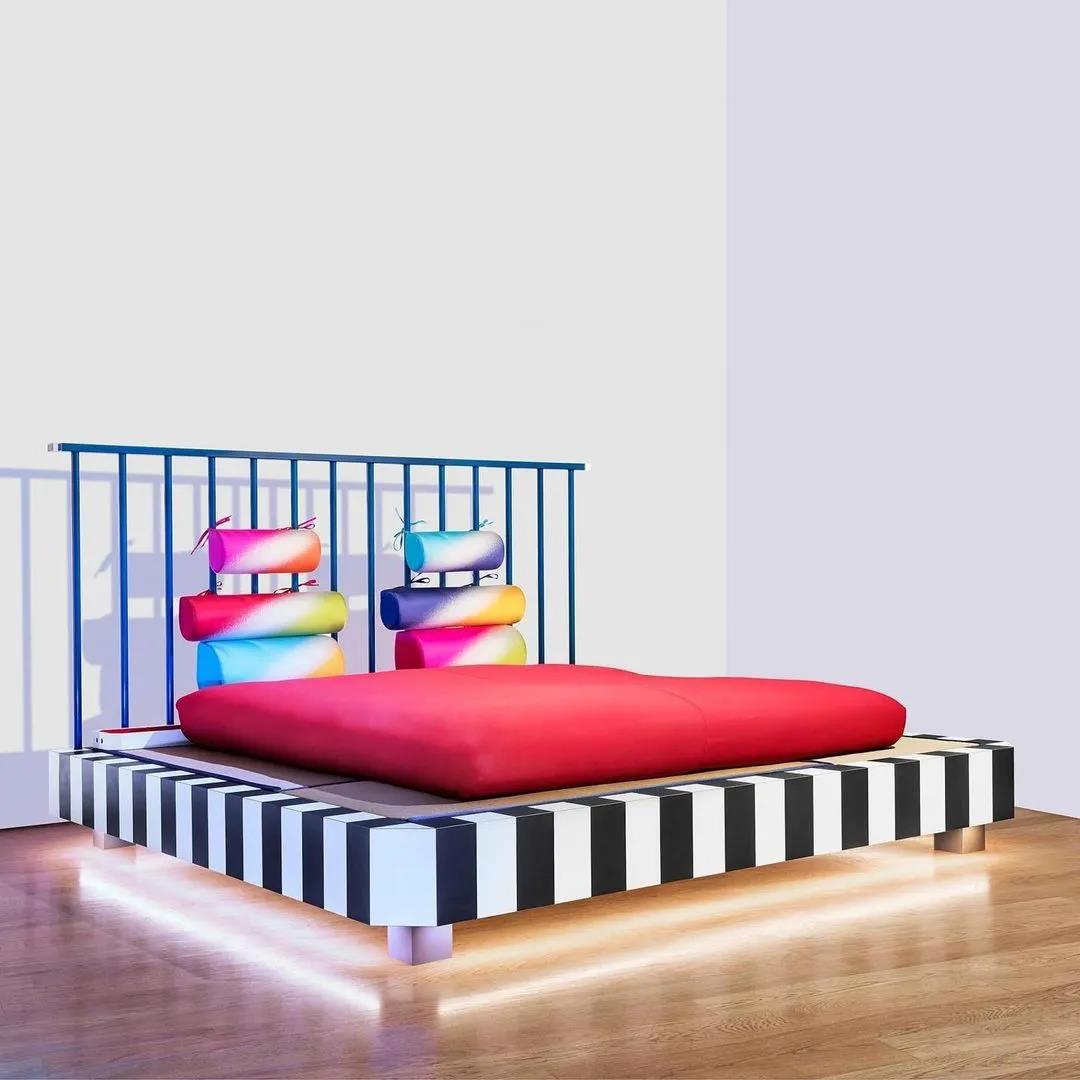
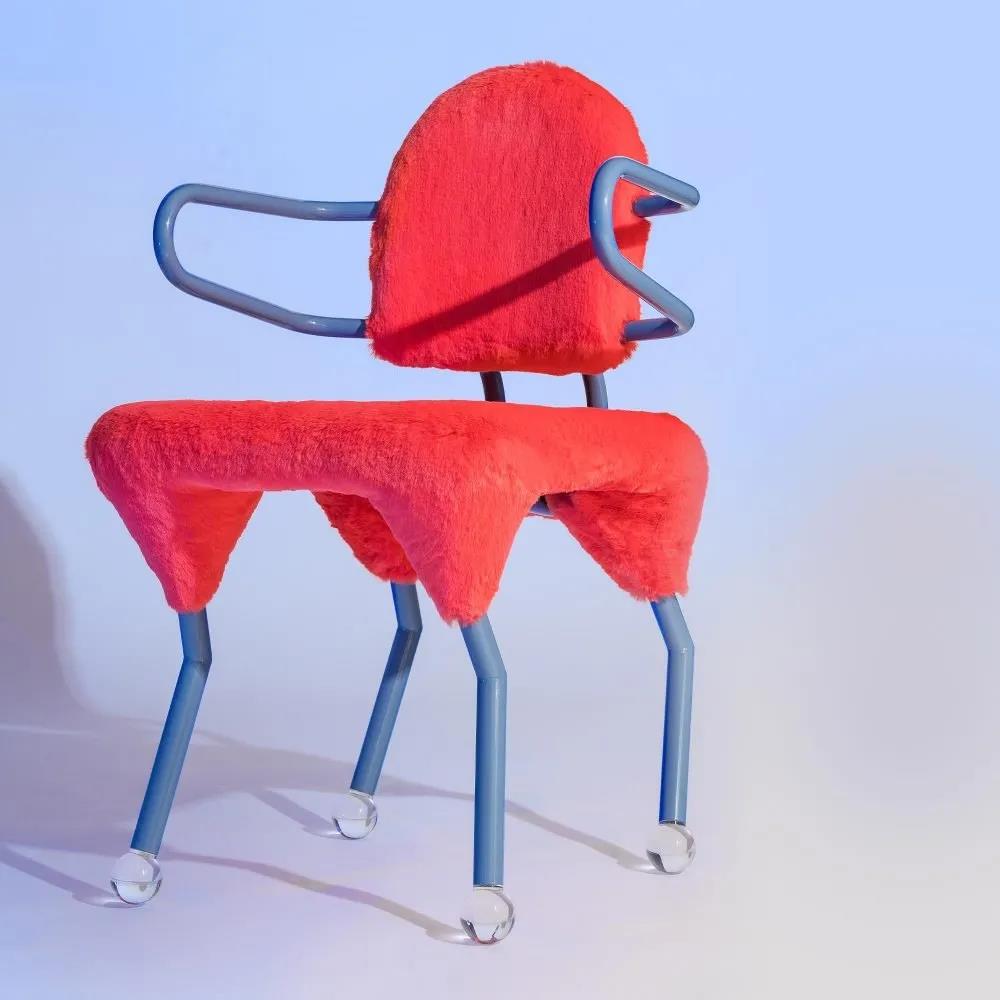
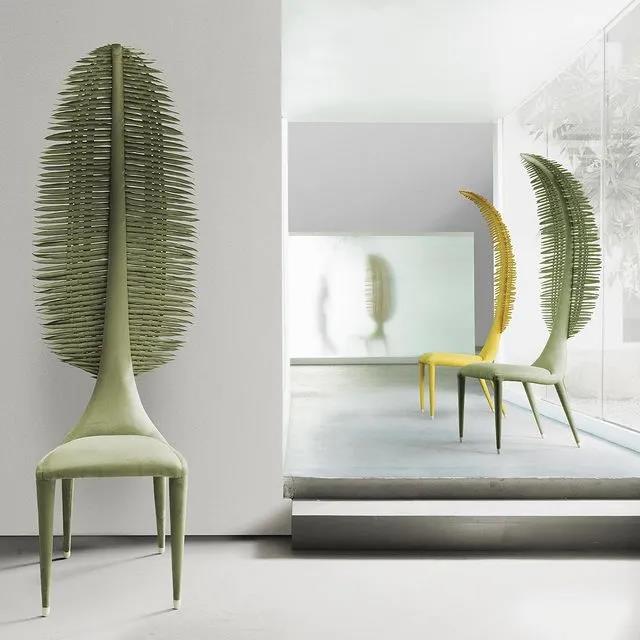
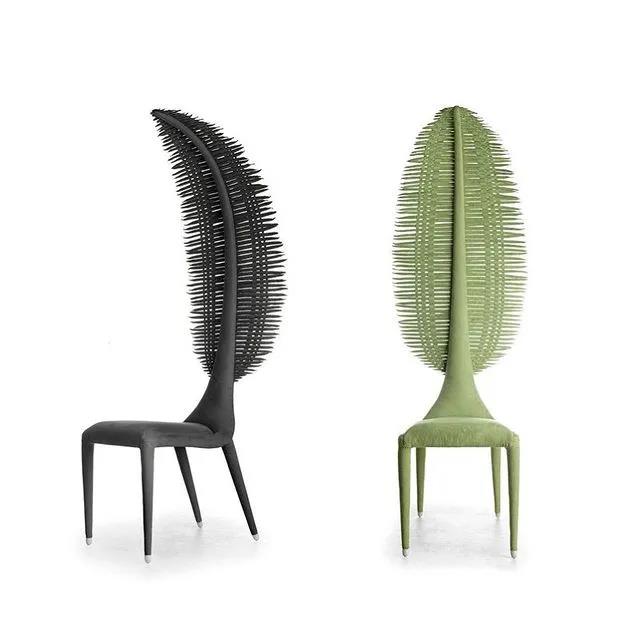
# Zaxa Chair#With its striking plumage and wide proportions, the Zaza is not your typical chair. Whimsical to nature, seemingly delicate leaves wrapped in microfibers not only provide soft and ample support but also provide a dramatic backdrop for any space.
# Babylon Rac #
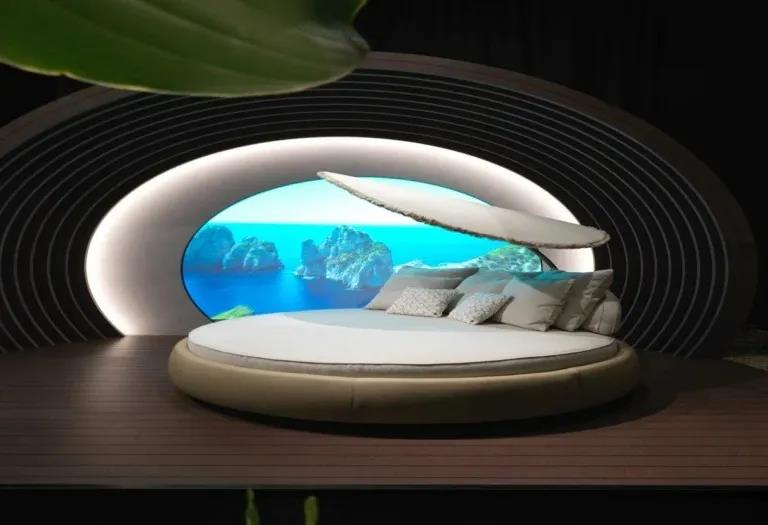
Italian designer Apada, in collaboration with Visionnaire, created a unique "Babylon Rac", which was upgraded and innovated from the traditional sofa, combined with the design of the reading lamp and coffee table, to enhance the vitality and functionality of the product. M2atelier's capsule collection, Caprice, can be on display outdoors. It is waterproof and environmentally friendly.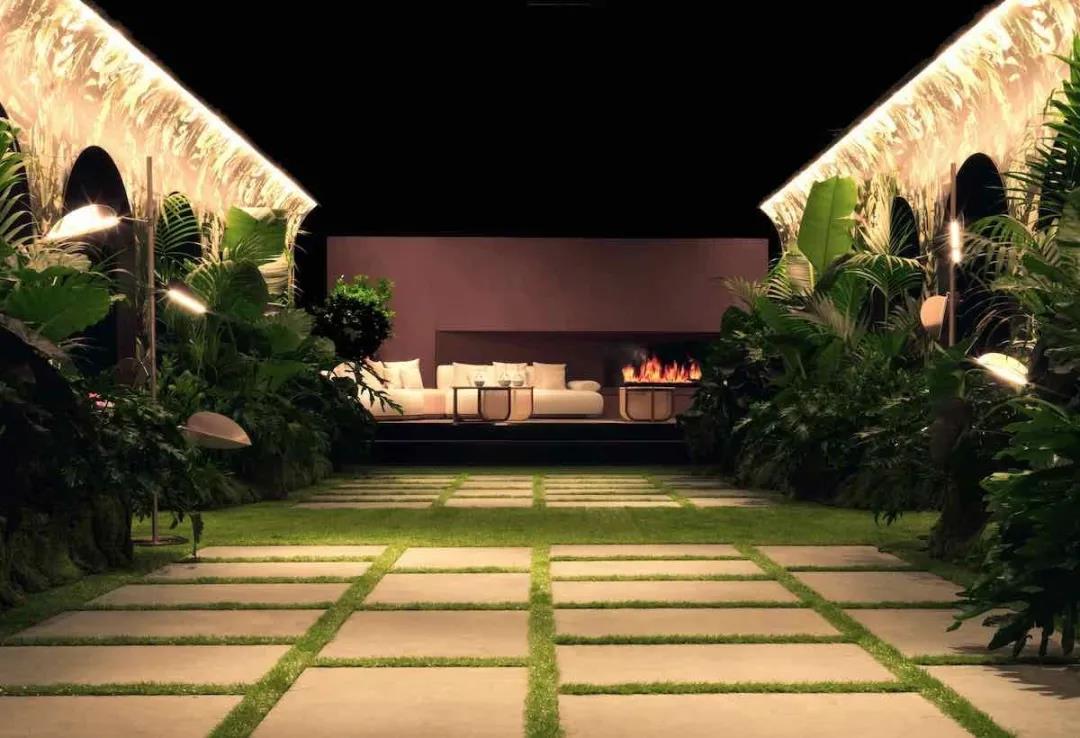
# Cappellini #
Inspired by Gianni Rodari: Axo doll, Elena Salis Aro designed the children's room. It told the story of a funny doll assembled with various Cappellini fabrics and acquired a new meaning, expressing the innocence and cuteness of childness.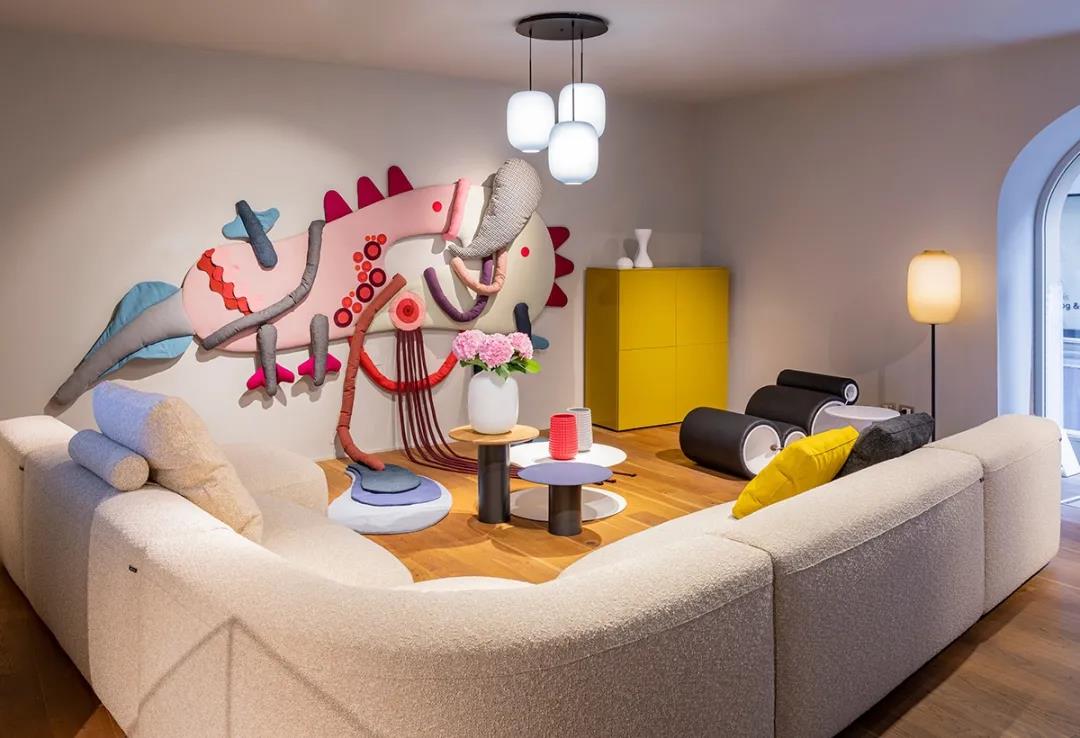
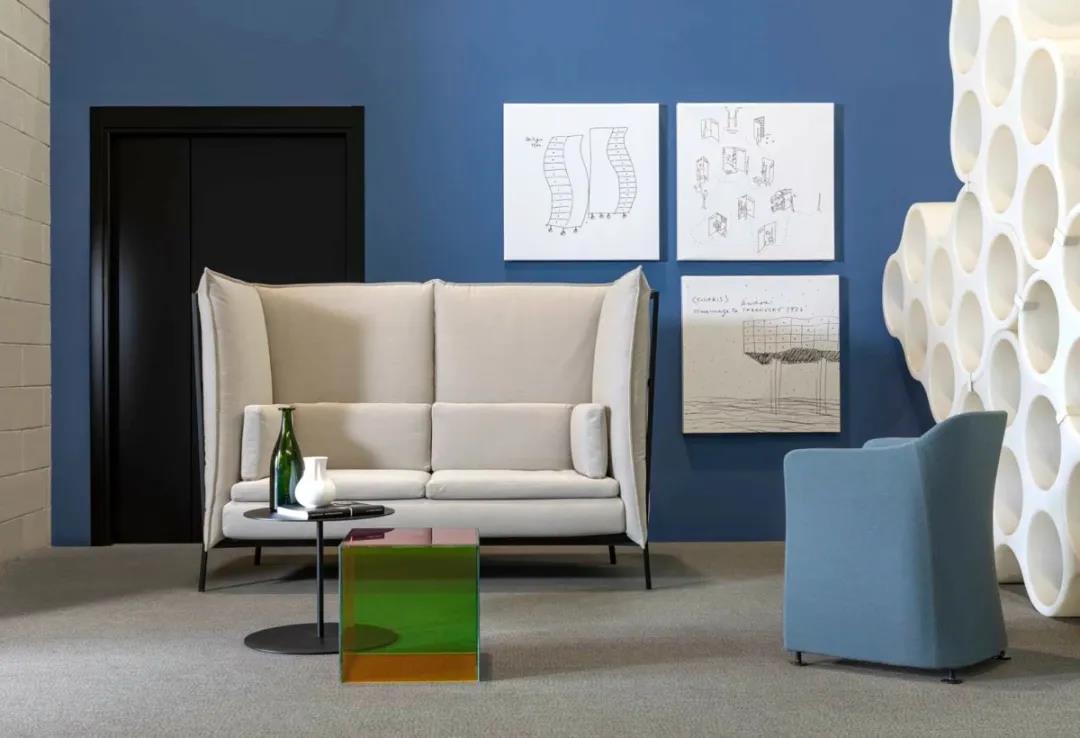
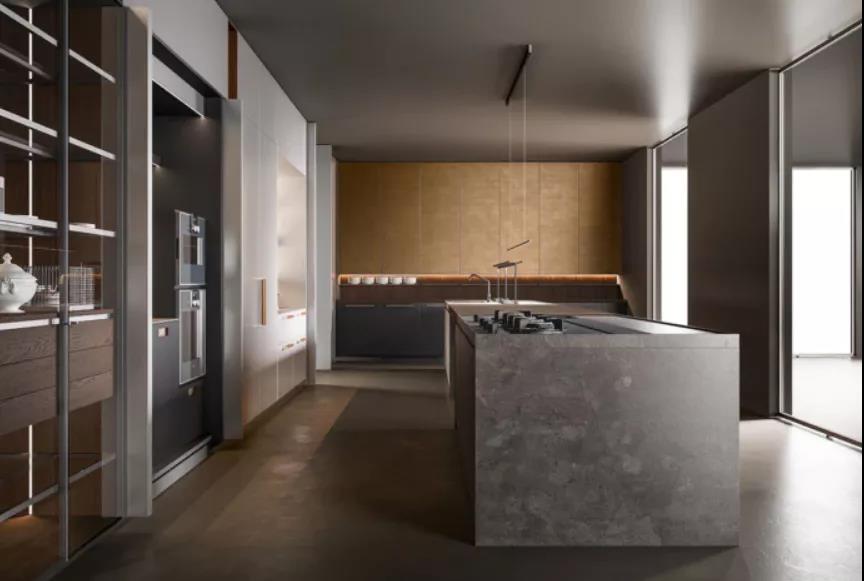
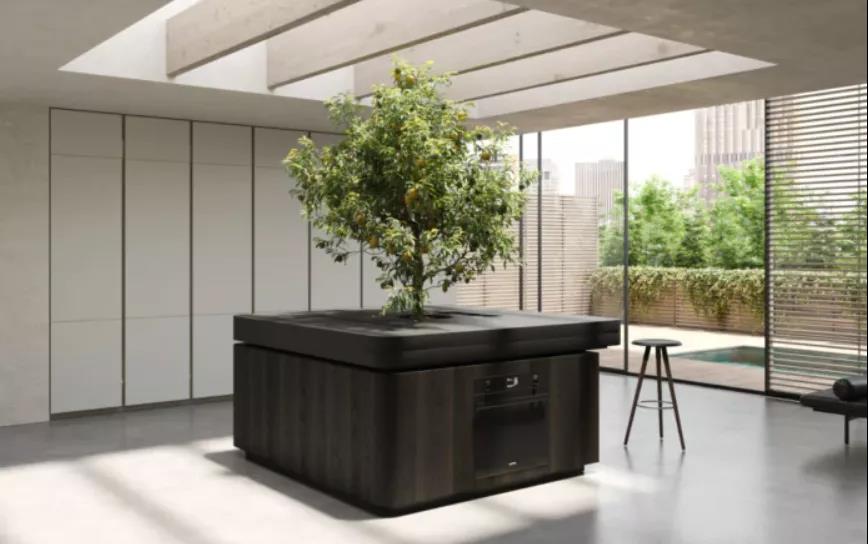
△ Boffi's Xila kitchen system
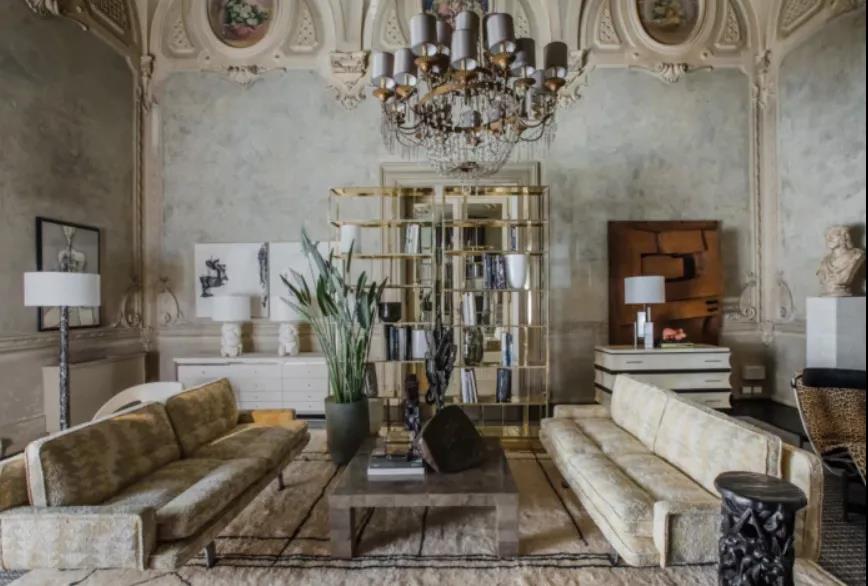
△ Oasi by Aran Cucine
△ Brutalist by Flair
04 ARTWORKS in Milan Design Week
# SUPER PRATONE #
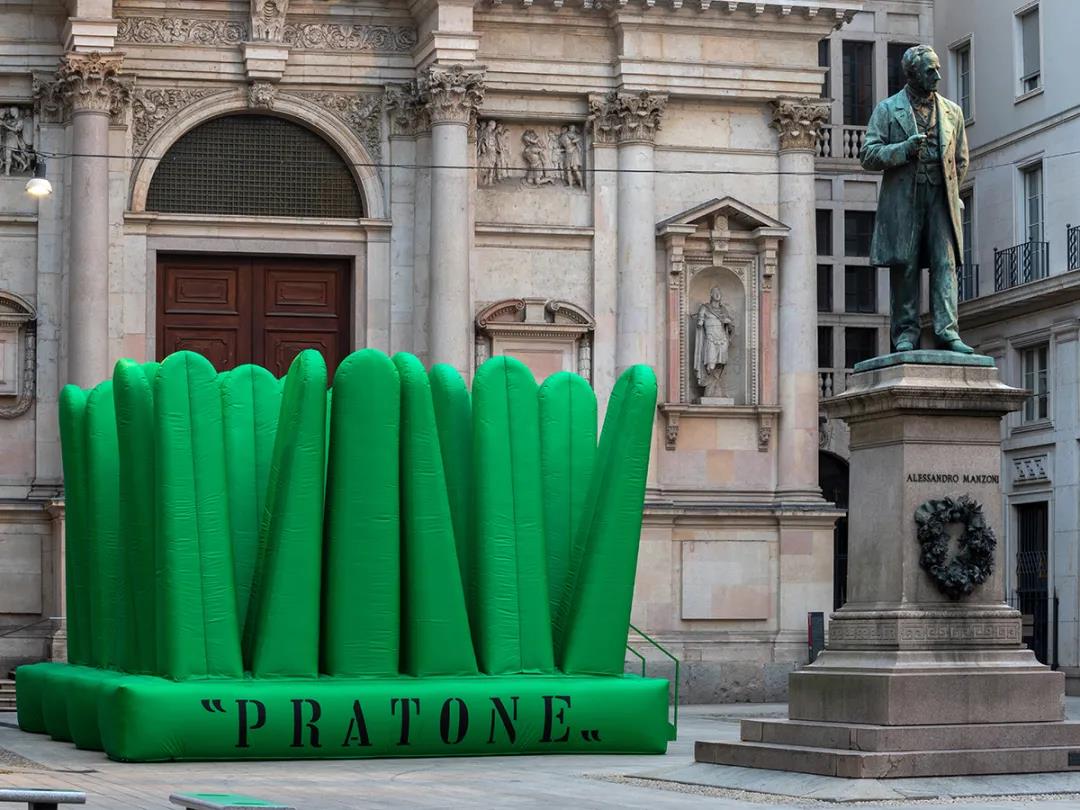
Located in the Plaza Galleria Vittorio Emanuele, the classic Super Pratone installation was created by Italian furniture company Gufram, which is exactly 50 years old since it was designed by Ceretti, Derossi and Rosso in 1971. It has been welcomed by people for years.
Super Pratone by Gufram, Piazza San Fedele.
# Autumn Blossom #
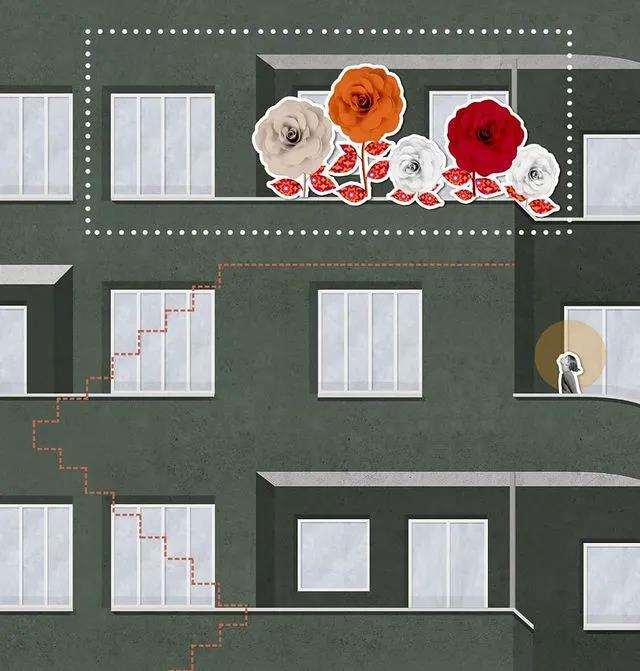
Designed by Post Home and created by paper artist Monica Dal Molin using Incartesimi eco-friendly paper, the giant blooming rose is a symbol of Post's indomitable spirit against The Times.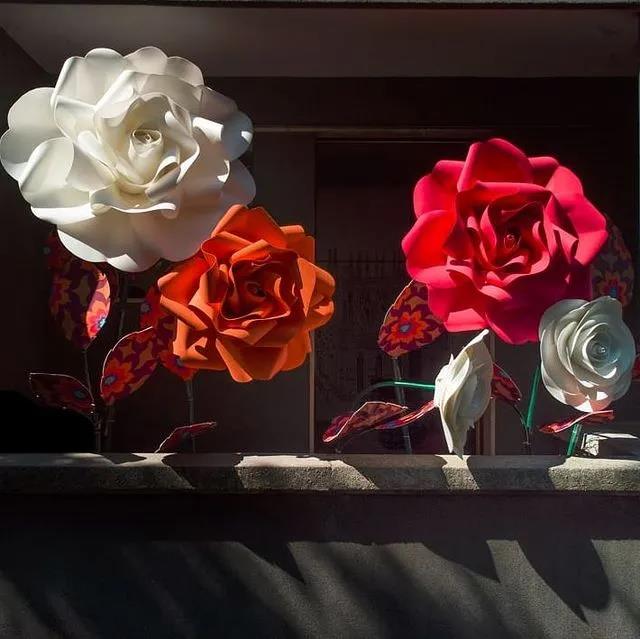
#Free seabirds#
The seabirds are made of metal profiles made by Eurostands and covered with LED strips provided by Ledvance that glow at night, symbolizing the power of dreams shining!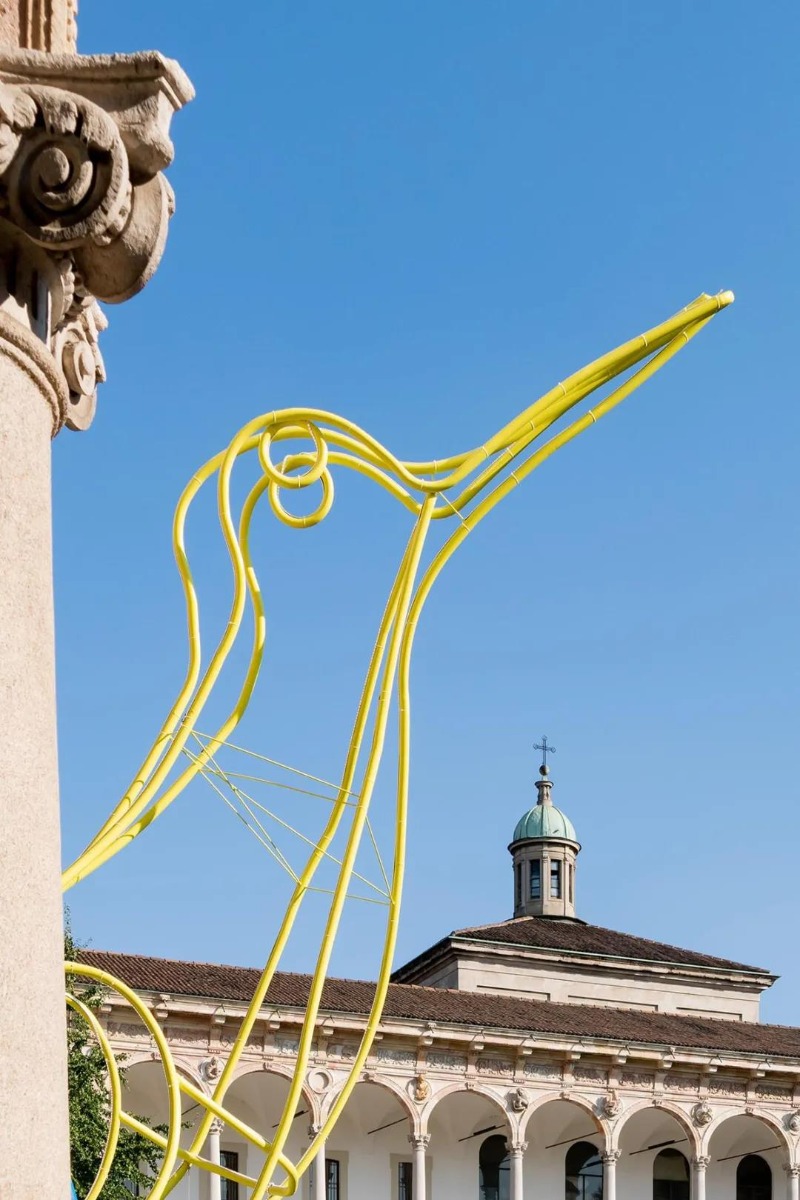
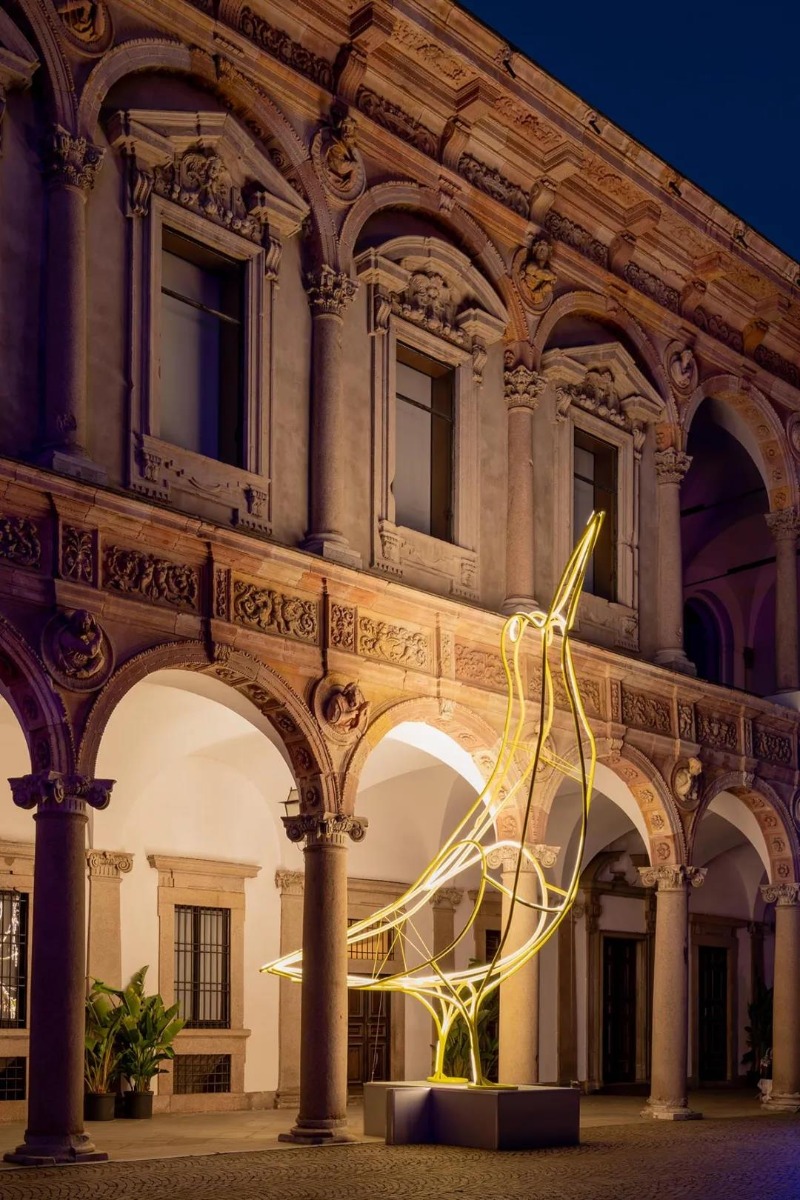
The art installation, located next to the building of the Museum of the University of Milano, is endearing and cute.
#Bamboo#
Renowned architect Kengo Kuma has teamed up with Chinese smart device manufacturer OPPO to create an art installation called Bamboo (竹) Ring, which is woven together with a ring made of Bamboo and carbon fiber. Overlapping ever-changing soundscapes that incorporate Japanese violinists and Musicity's musical compositions will turn the installation into a large speaker, creating a percussive effect within a bamboo forest. After the extension art is formed by using bamboo ring modeling, encouraging people to explore the relationship between man-made materials.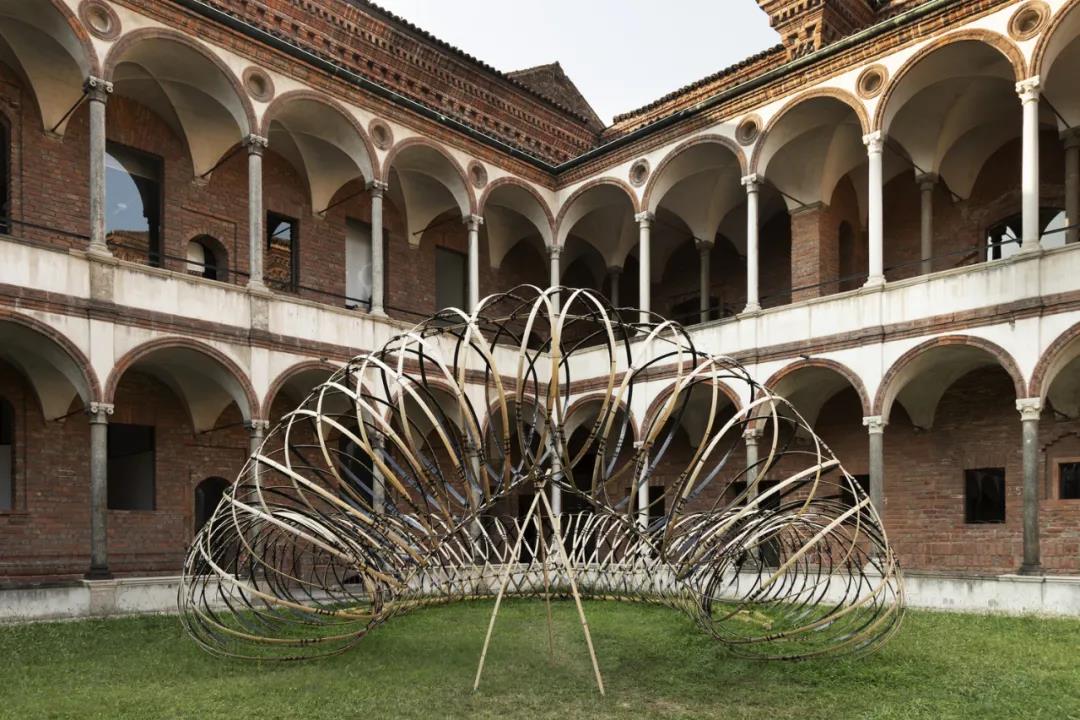
When I design architecture, I'm interested in designing the rhythm and the tone rather than the silhouette, and contemporary music gives us many lessons about how to create new rhythms and tones in architecture. This pavilion is one of the explorations into the new rhythms and tones in architecture combining visual and acoustic experiences of the visitors. – Kengo Kuma#Inganni #
There is also a piece by Gunilla Zamboni and De Rerum Natura for Visionnaire: the former military district of Inganni. Alluding to buildings invaded by the 1930s by the urban forest that hosted Alcova this year, a group exhibition curated by Joseph Grima and Valentina Ciuffi.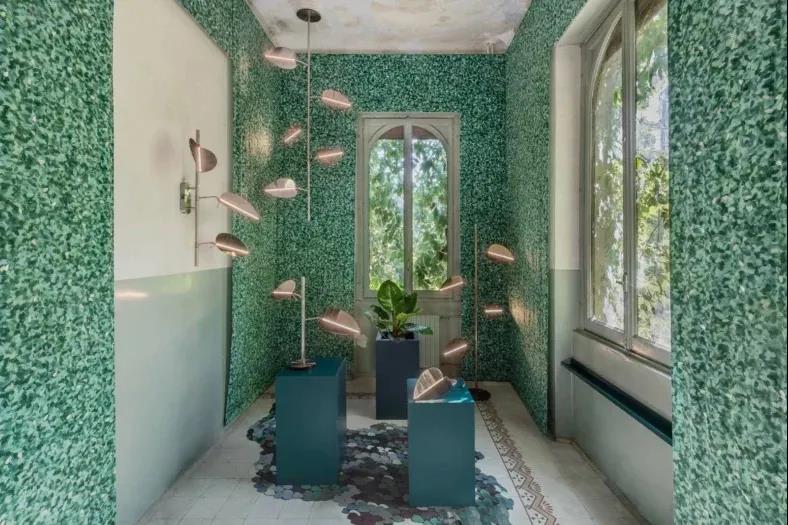
#Archivio UniFor #
A showroom from designer Ron Gilad for UniFor, referencing Parigi's armchairs, Cartesio's bookcases, the museum's chairs and other architectural furniture, combining surrealist prophecy with his architectural project installations, UniFor's bold creativity allows people to open the valves of old memories. This memory deserves to be remembered!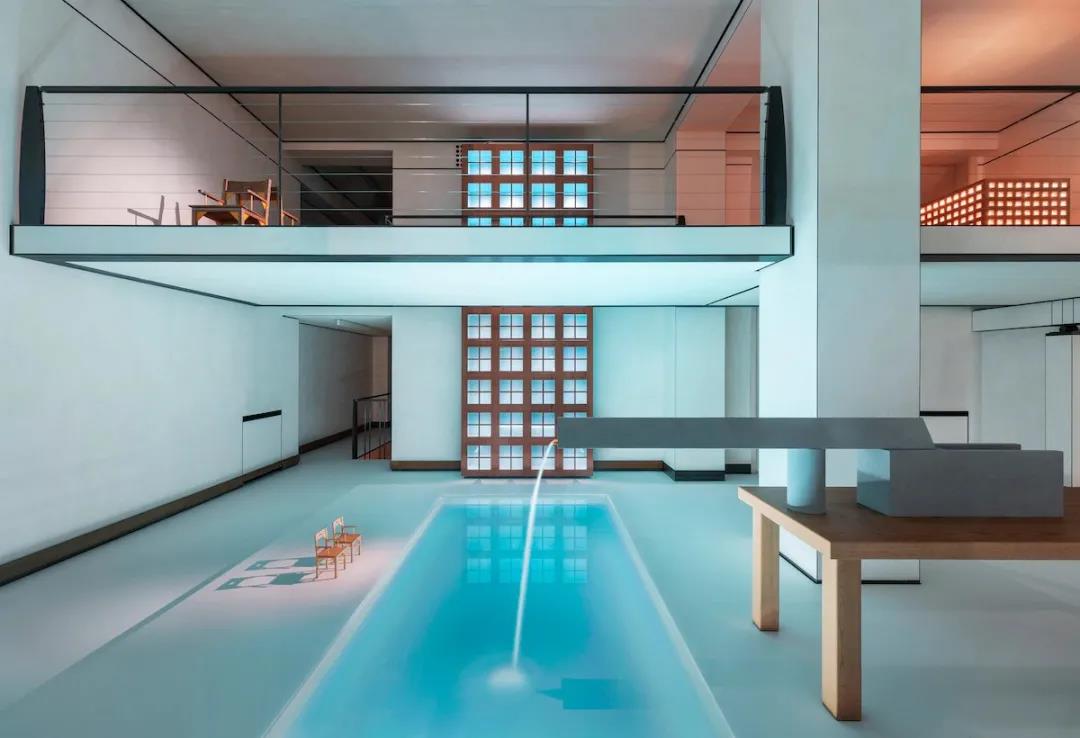
#Be Water #
Be Water Cozzi pool by Maurizio Cattelan and Pierpaolo Ferrari, founders of Toiletpaper, has a beautiful red-lipped face surrounded by Water. The color of the blue water and the color of the swimming pool form a clever echo, conveying the harmonious and friendly picture of human and nature.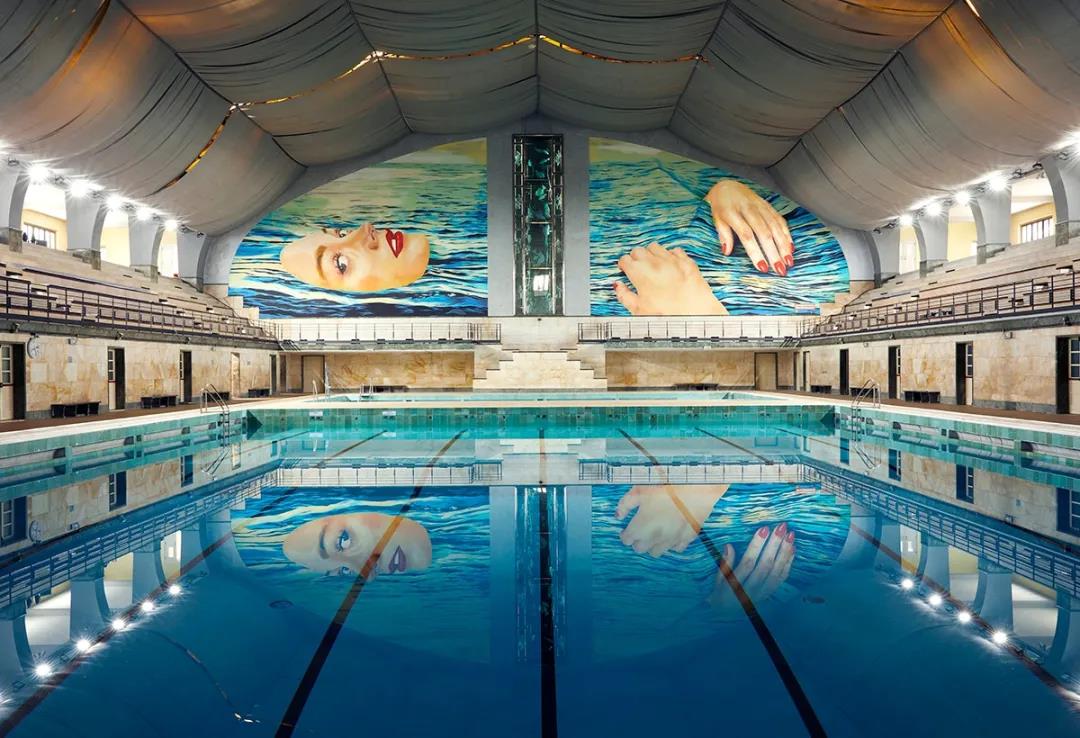
# Cartoframma Bianco #
Daniele Papuli is an artist who creates with paper. Titled Cartoframma Bianco, he made the installation using 42,000 strips of environmentally friendly paper recycled from the printing process.
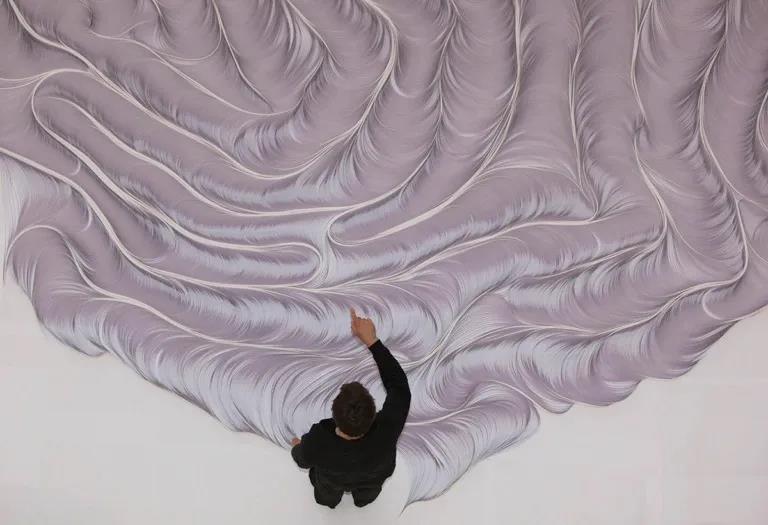
# Art Nouveau style of Marcin Rusak #Conceived by Polish artist Marcin Rusak, the new art aesthetic of "Unnatural Practice" from Ordet is based on a patchwork of metal and resin-covered plants that sprout new shoots out of the faded skin, symbolizing the cycle of biological growth.
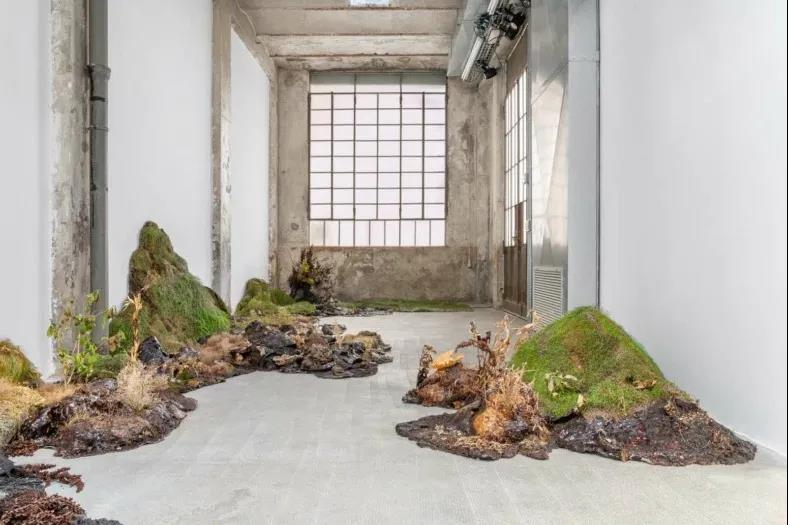
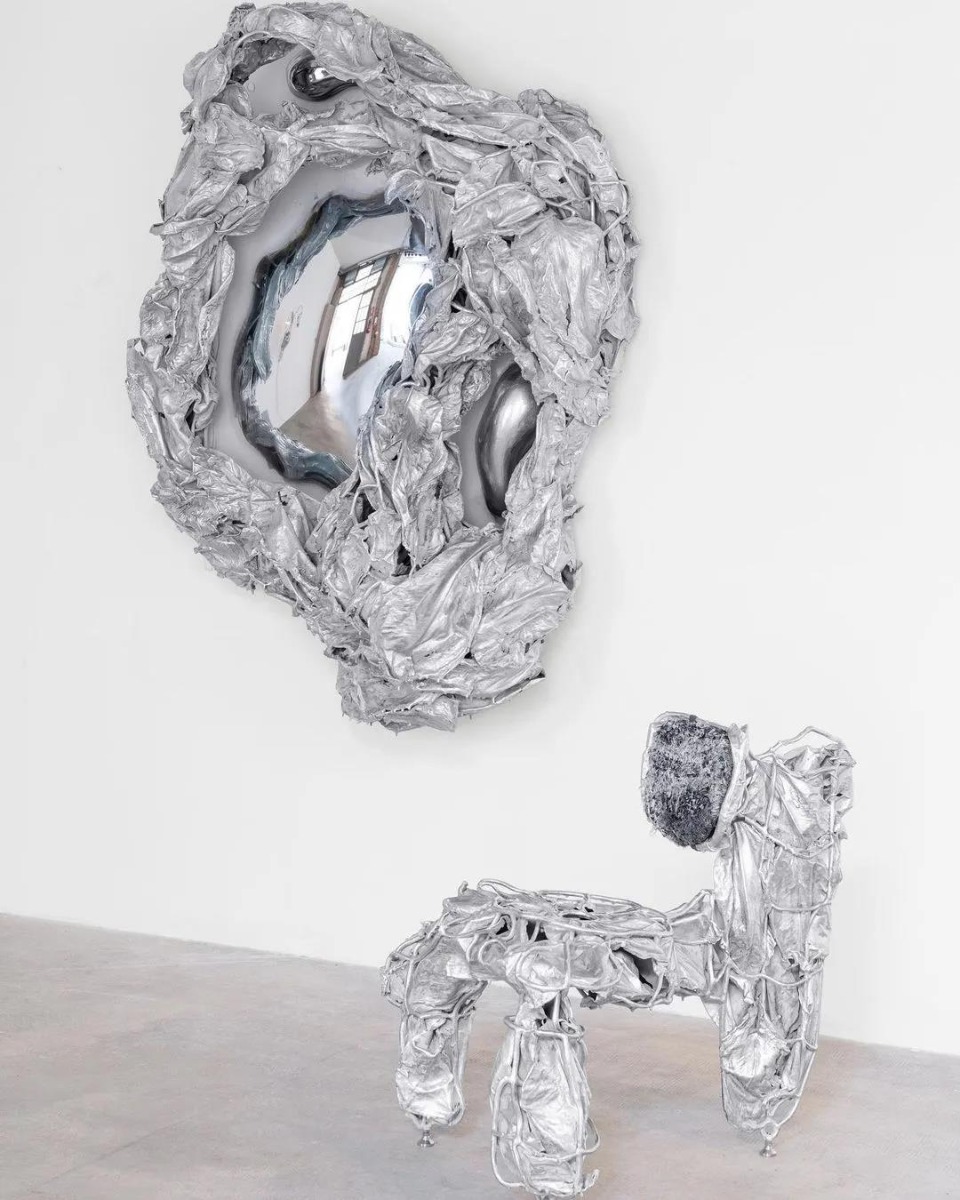
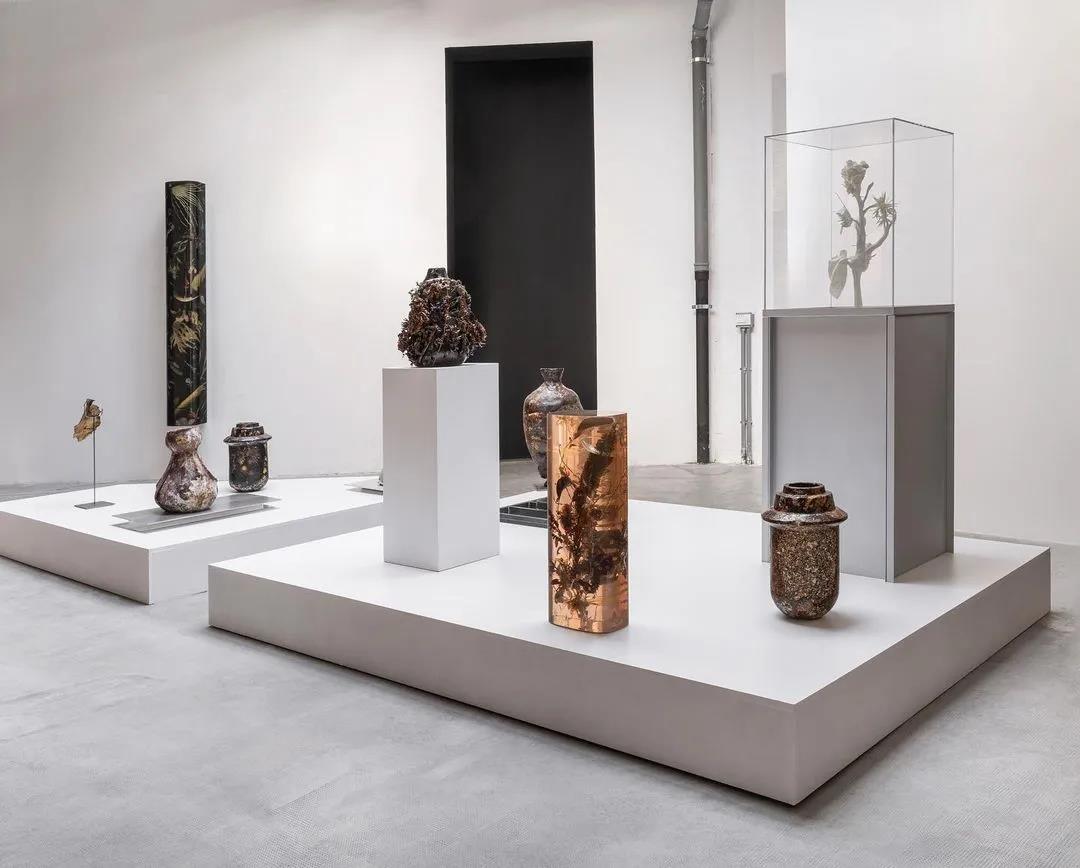
"When the world stops, the dynamic process of research and creation is transformed into a process of slow and controlled growth, a prosperous environment full of endless possibilities." - Marcin Rusak
# Transsensorial Gateway #
The supersensory Network designed by NOA * architects creates a light and sound retro landscape through light beams. LED unit lighting uses anti-glare technology, and 34 stainless steel crown mirrors amplify the entire space experience, combining the movement of light and sound to form a dialogue between people and space.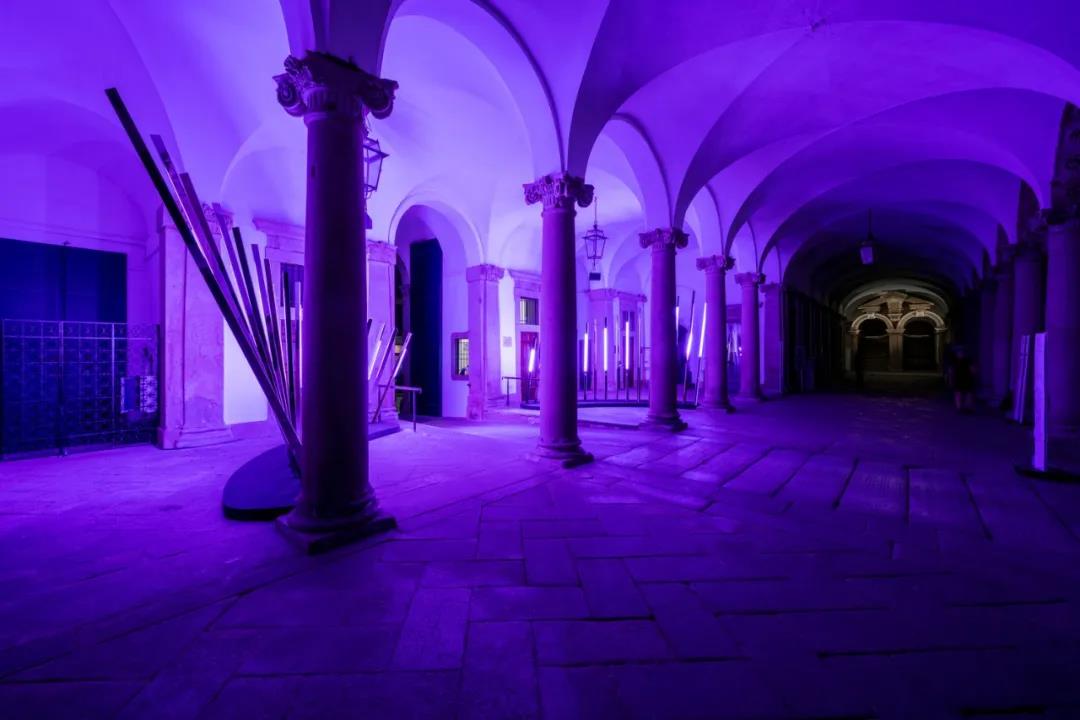
05 OUTDOOR in Milan Design Week
# Antlers lamp #
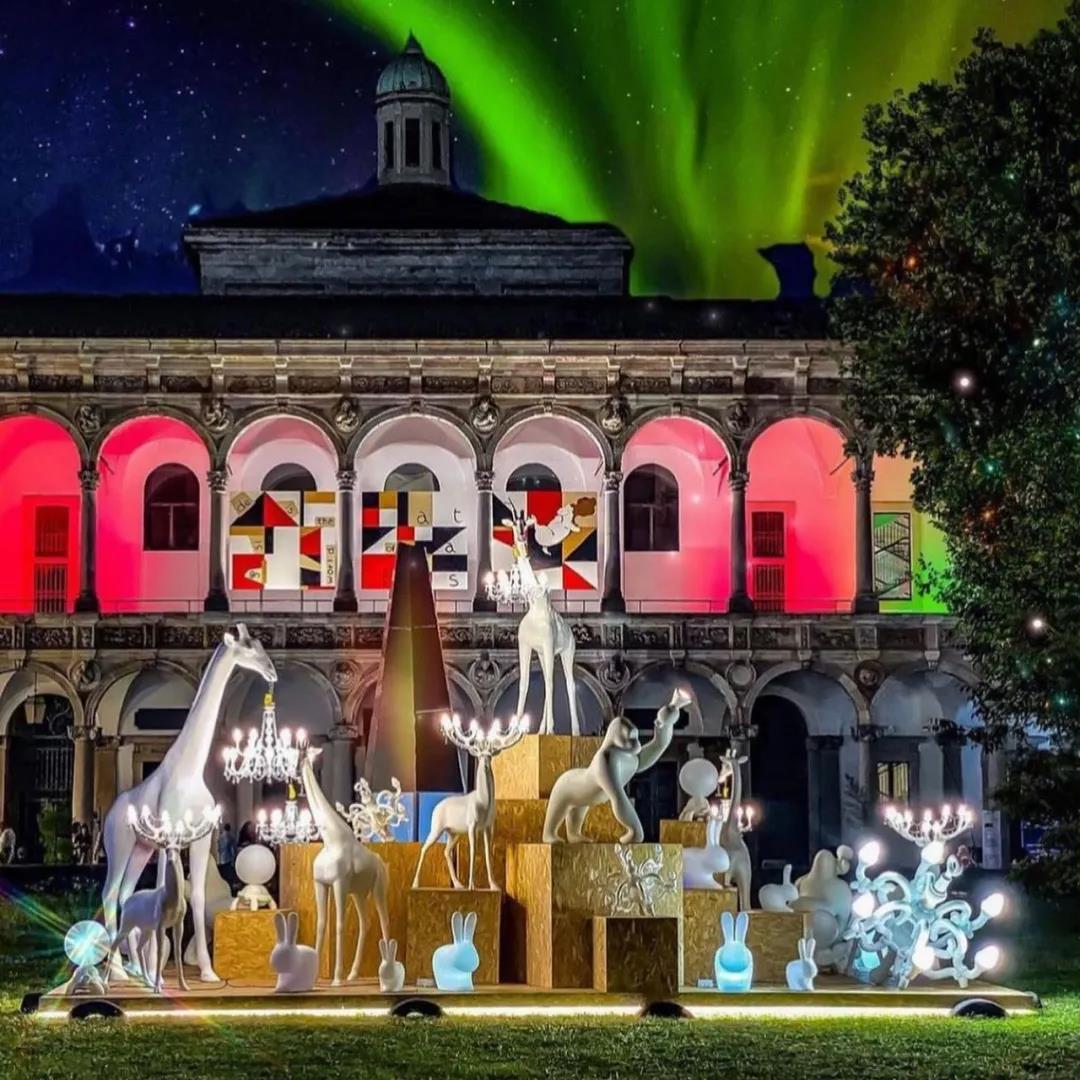
Table Deer designed by Sherwood, the antlers are made into chandeliers, accompanied by luxurious crystal beads and many similar shapes, perfect for outdoor settings.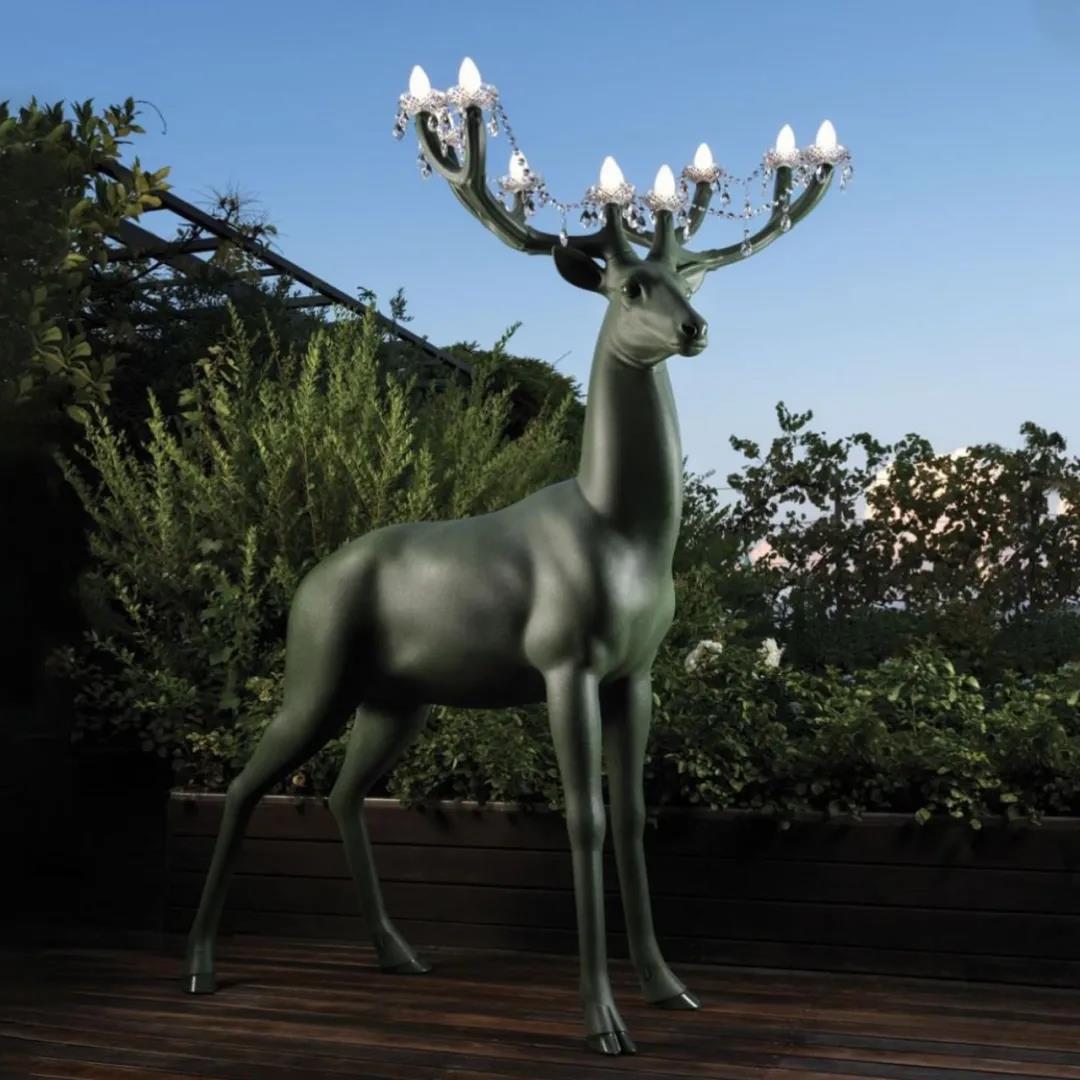
# Sparkler #
Milan-based Japanese designer Kensaku Oshiro has created a range of portable and rechargeable lanterns that come in a variety of shapes and sizes (including table, floor and standing), all with functional horseshoe-shaped handles that take you back in time to childhood memories of carrying a lantern.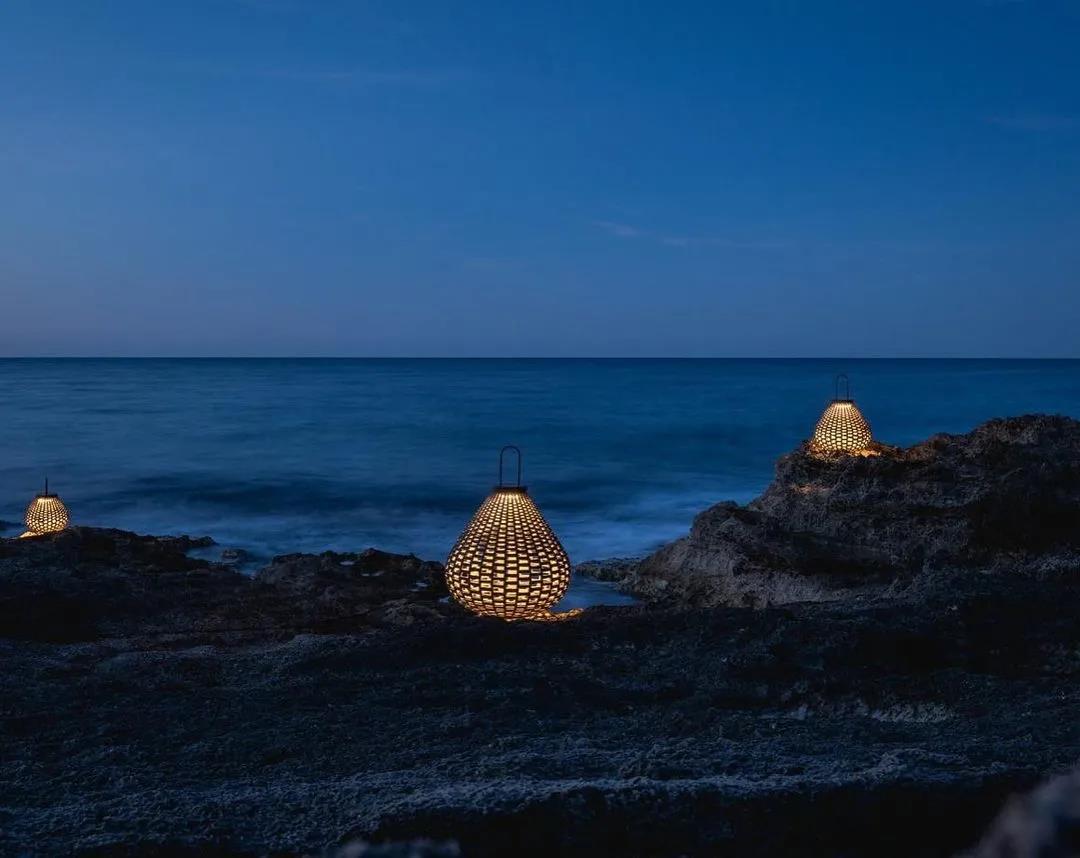
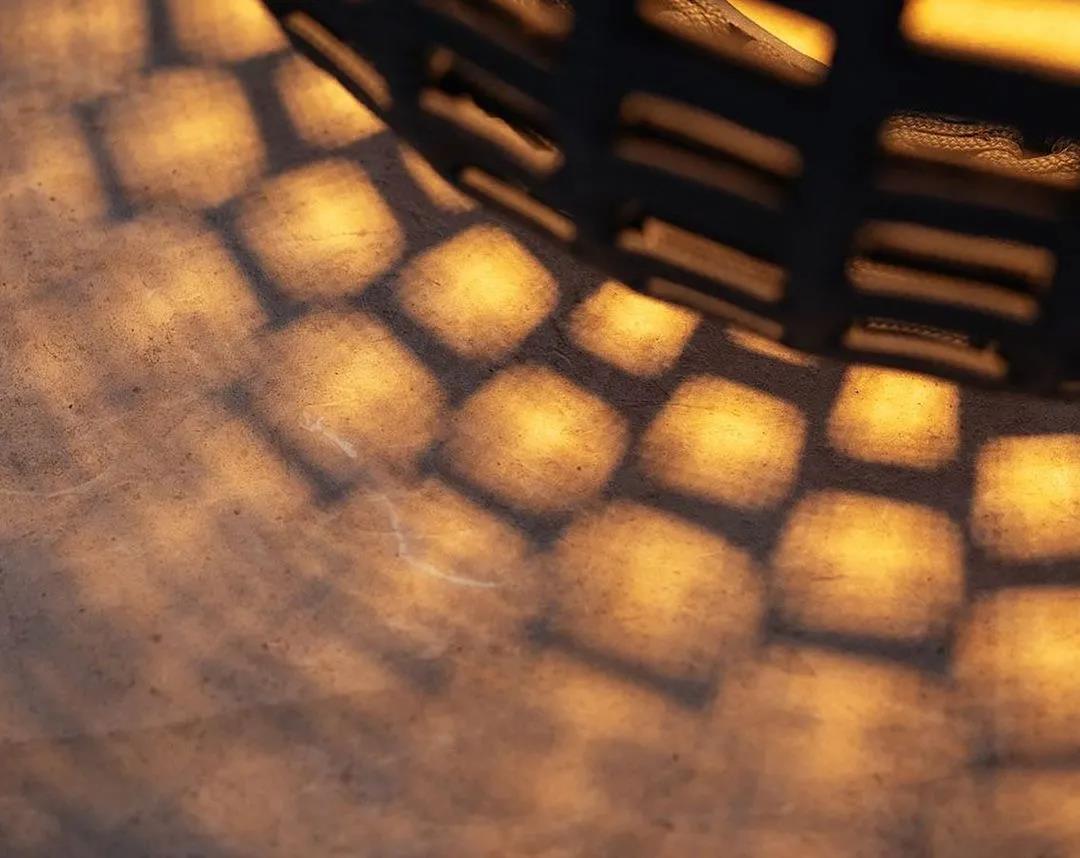
# Trampoline #
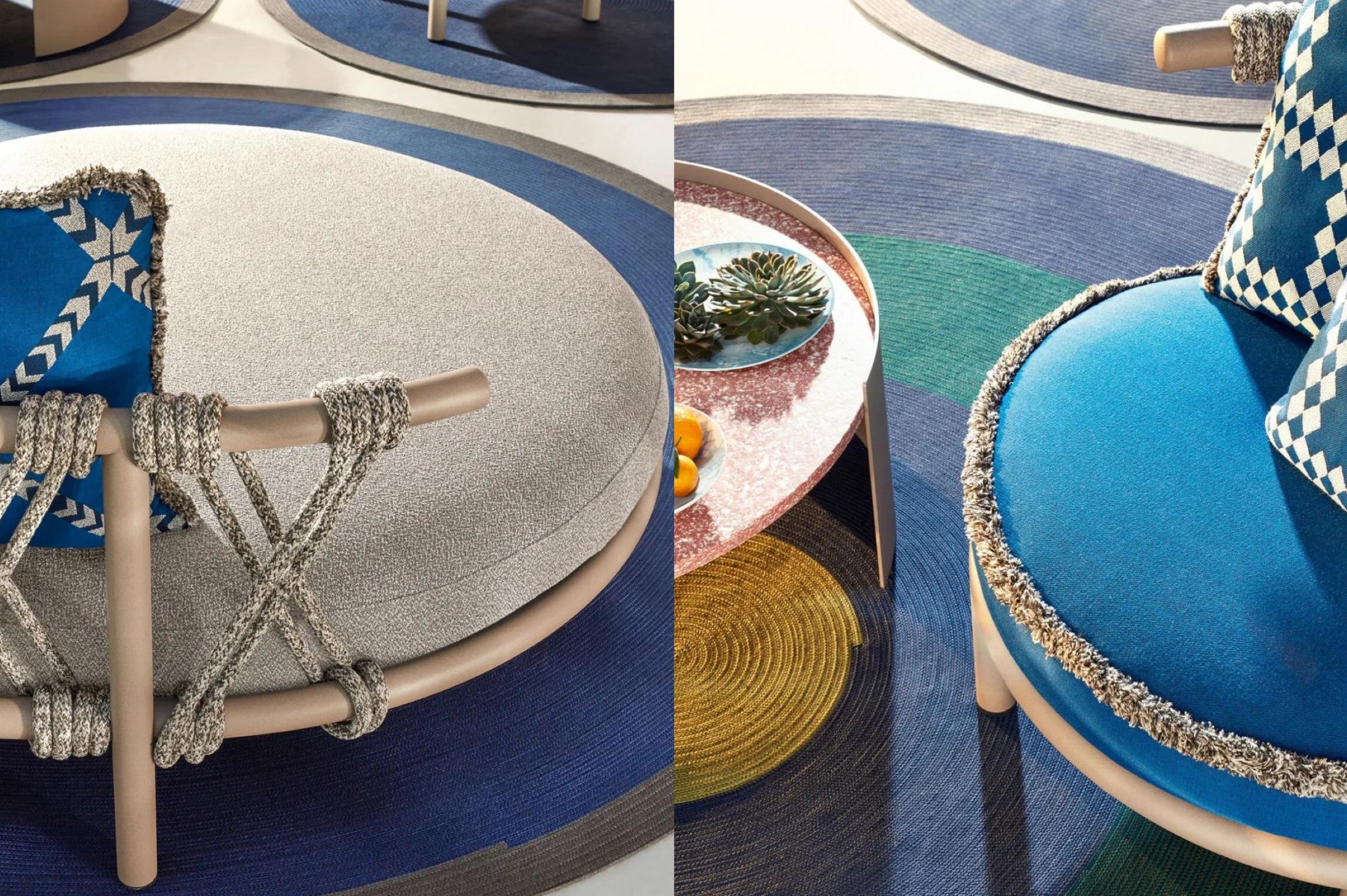
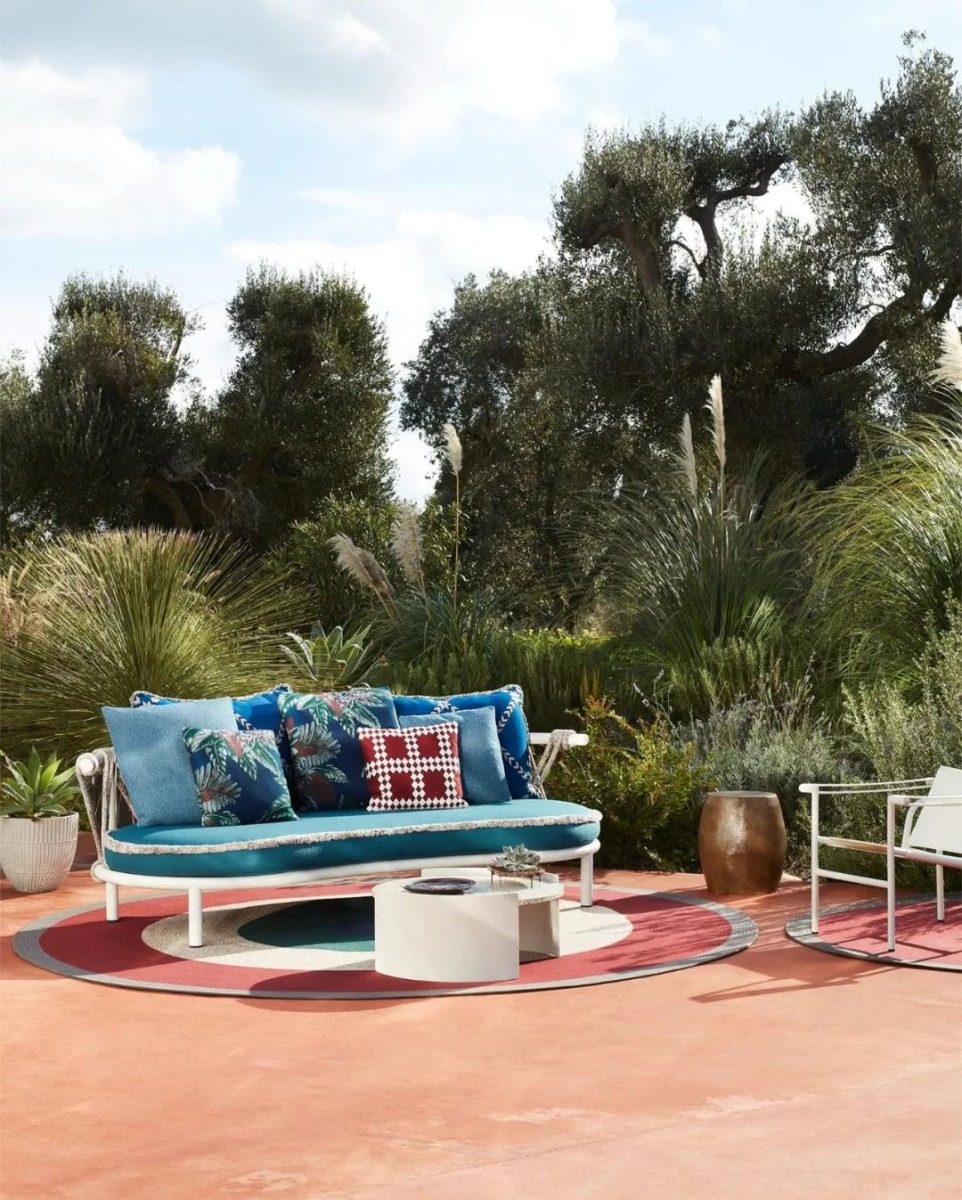
An outdoor furniture product from Cassina, the Trampoline collection by Patricia Urquiola blends geometric and floral cushion patterns to create an inviting outdoor atmosphere.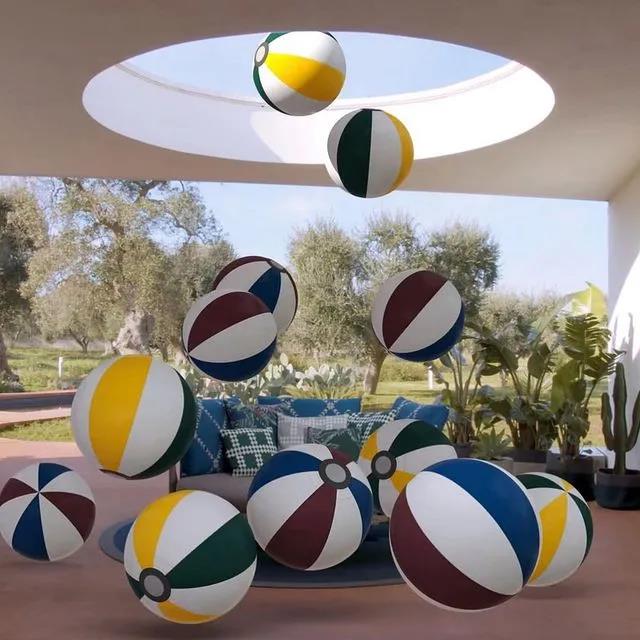
# Inno al sole #
A hymn to the sun organized by Giorgio Galotti and Carlo Pratis from Mandalaki, the large neon Spazio Amato opens and towers over the natural oasis, creating the same light as the sunset glow.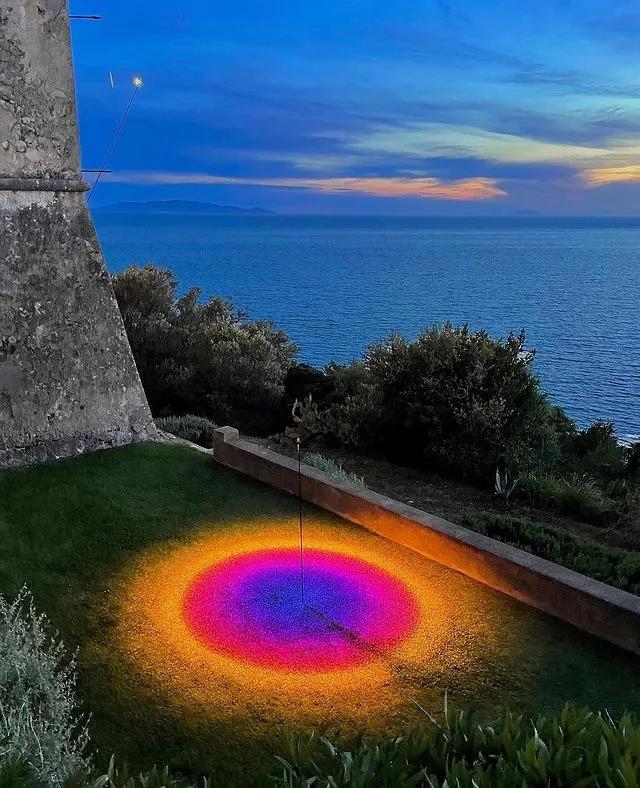
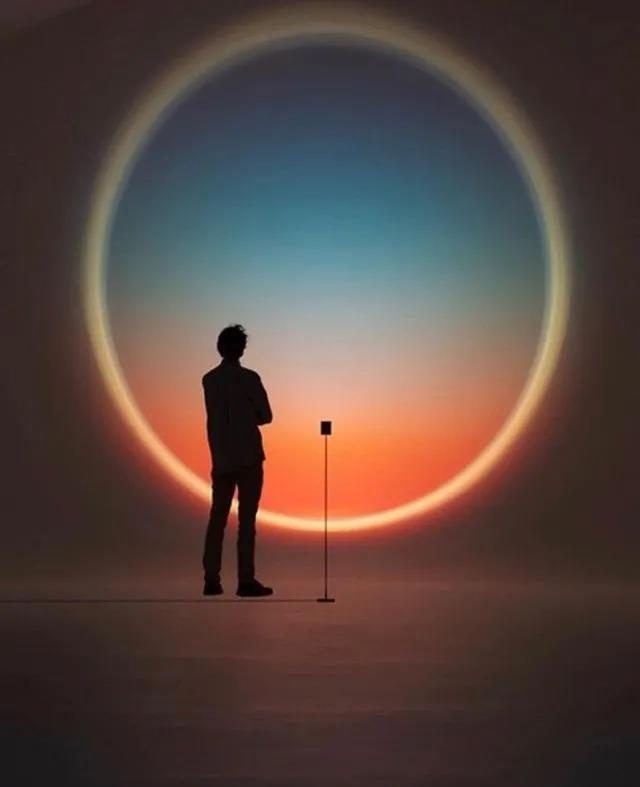
All images via Google
After the end of the design week, there will also be 14 small exhibitions around the exhibition that will continue to be held here, and you can continuous attention to the show.
-End-
-
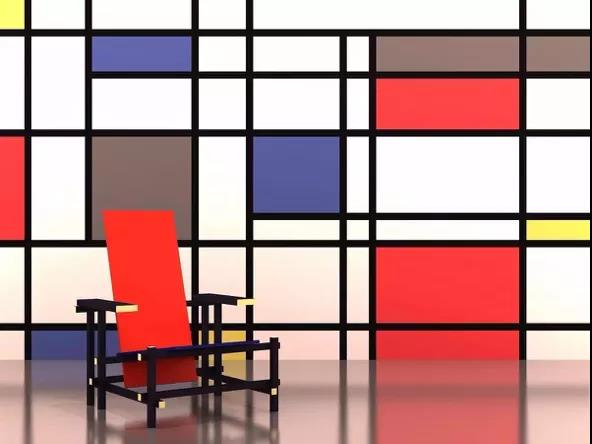
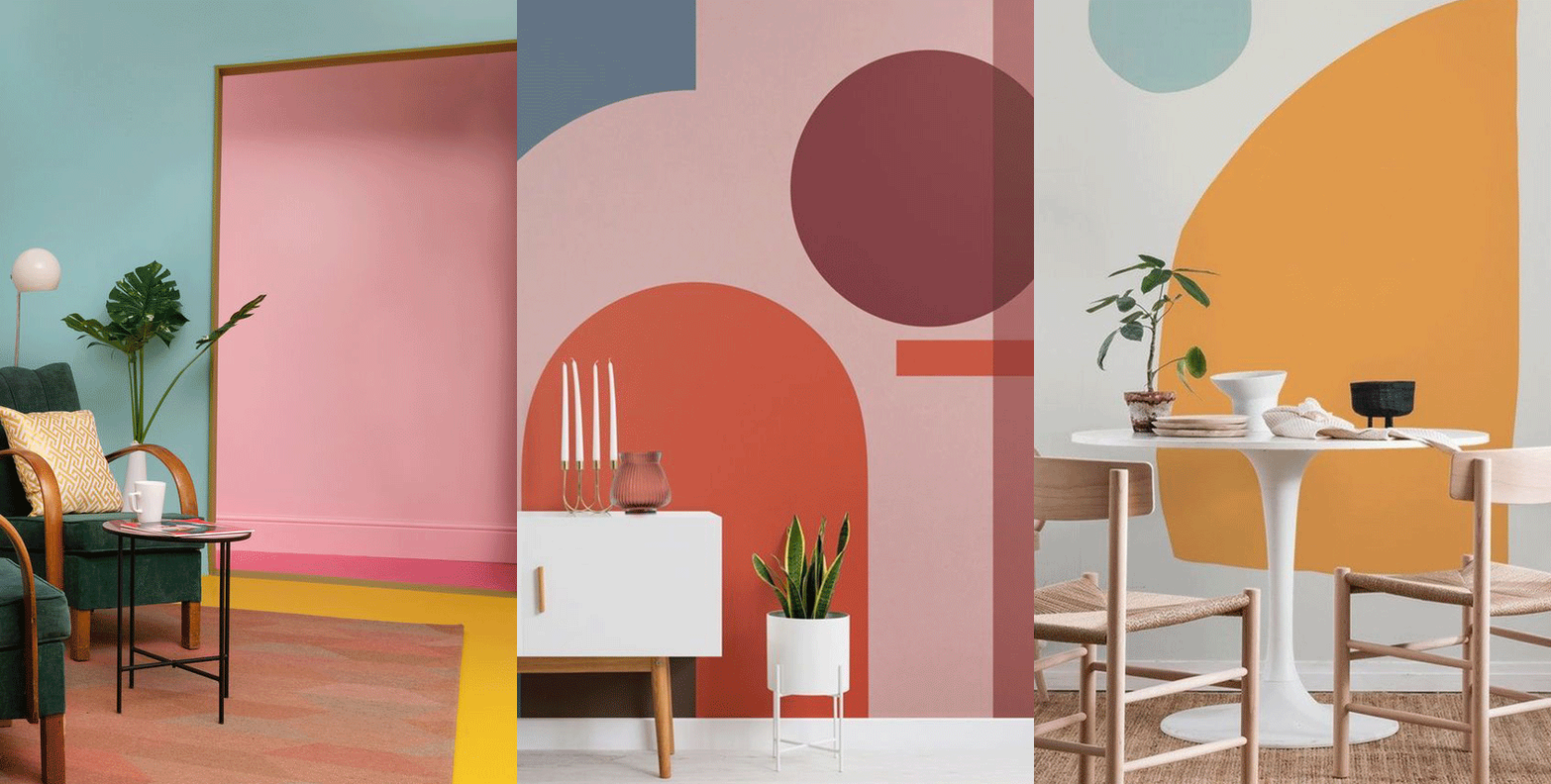
Color is a vital part of interior design but also the first feeling after people enter the space. Therefore, as a designer, it becomes a necessary ability to choose and match colors in interior design.
Color schemes are based on science, not feeling. Many of you in doing color matching for interior design and do not know why it should be matched like that, and just by your own feeling or copy from the website. It turns out to be indescribable for the result of the visual effect.
Therefore, to help you solve this problem, we will share 5 popular color matching in interior design.
ONE. Memphis Color Scheme
Why do we call Memphis color so advanced? The secret lies in using bright, lively, high contrast hues. The personality in overall color tone is more evident after using a variety of complex, colorful surface patterns.
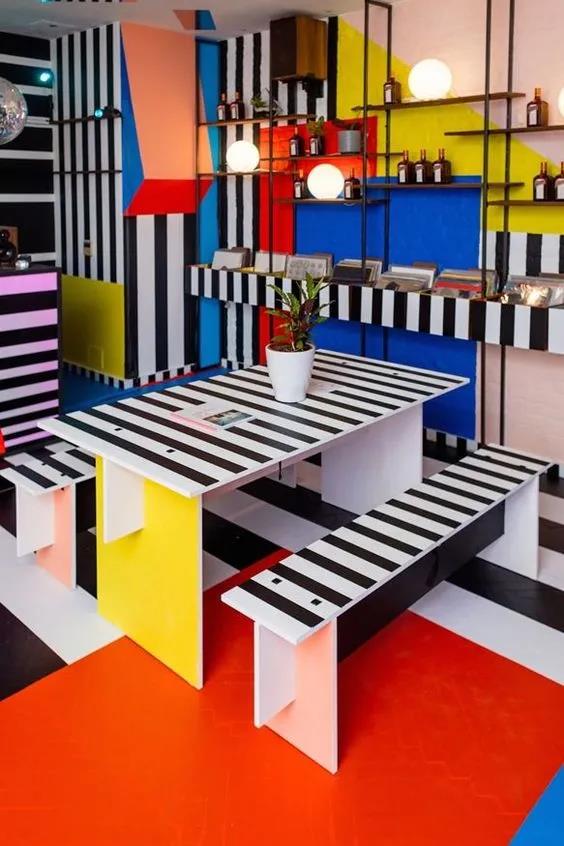
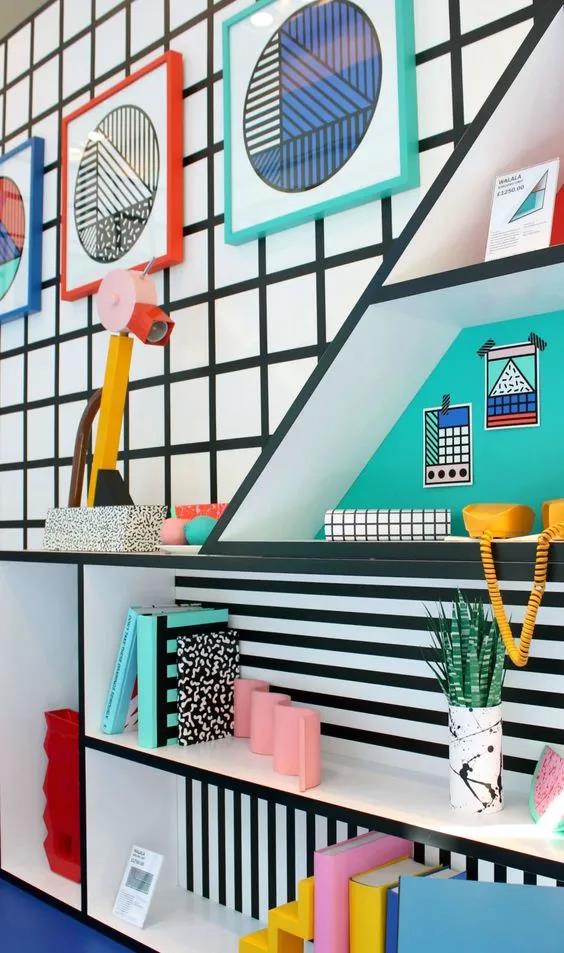
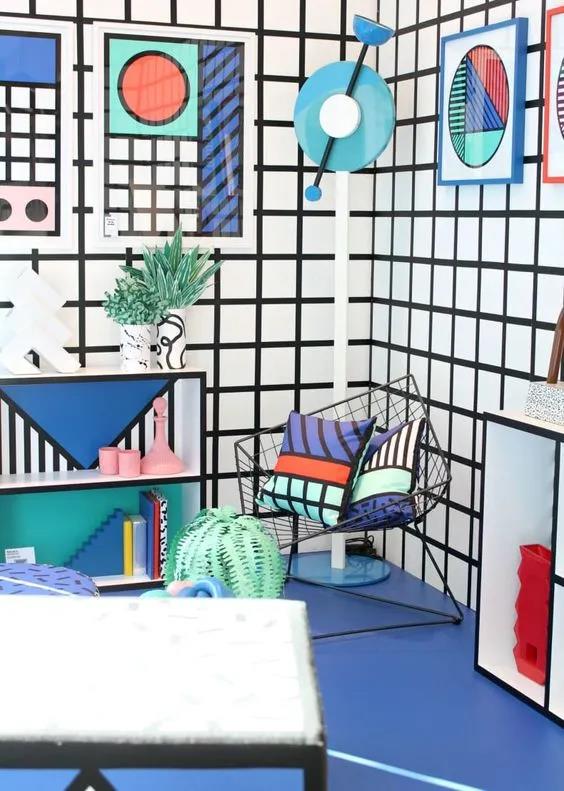
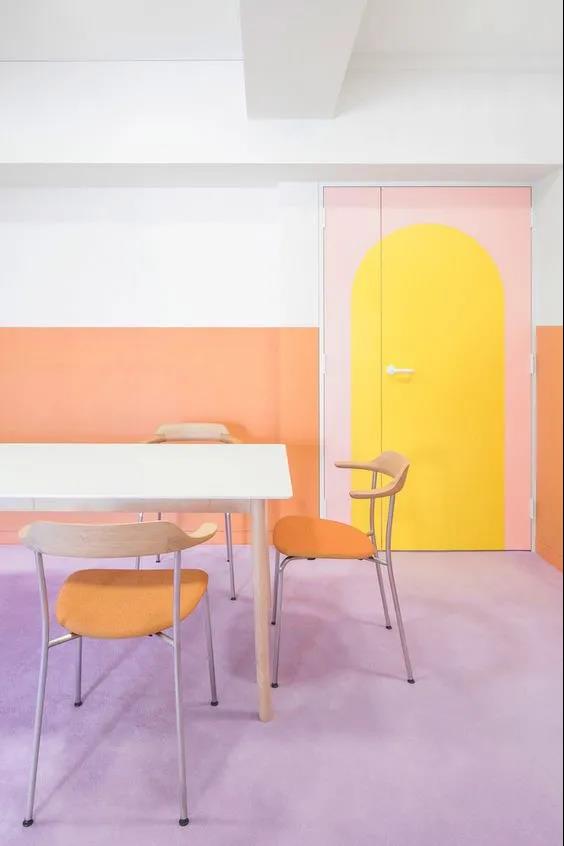
TWO. Macaron Color Scheme
As a dessert, the color of macaron can make us feel sweet, clean and dreamy. It also can be used in interior design to create a warm, girly, and fresh vibe.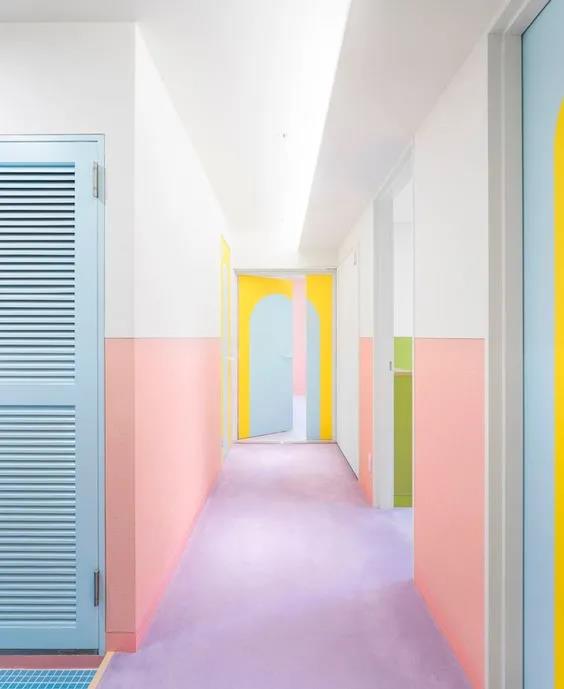
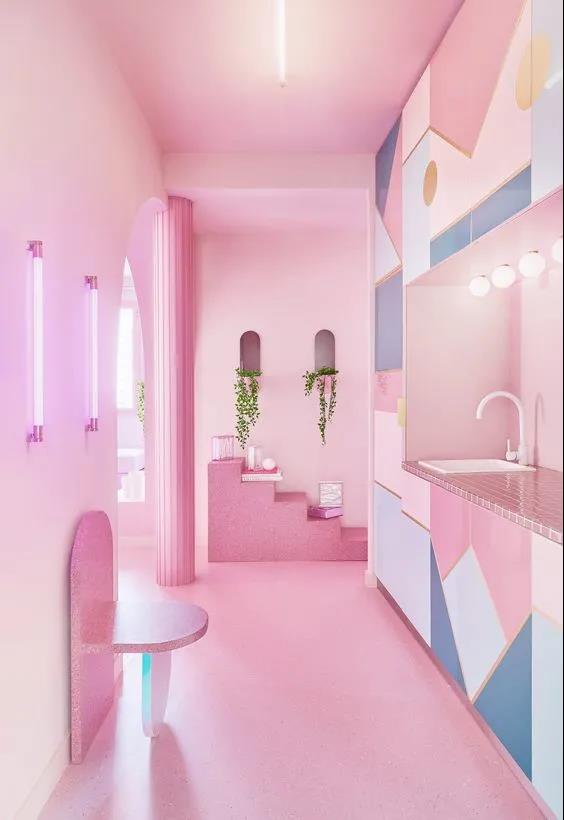
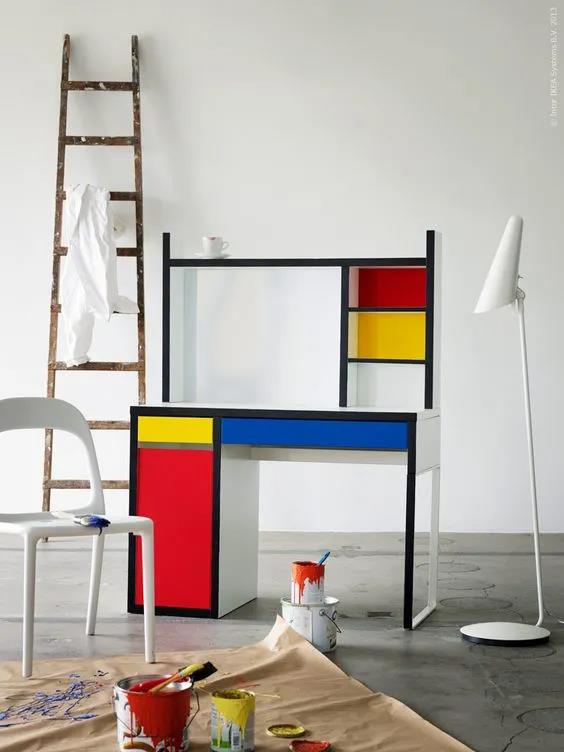
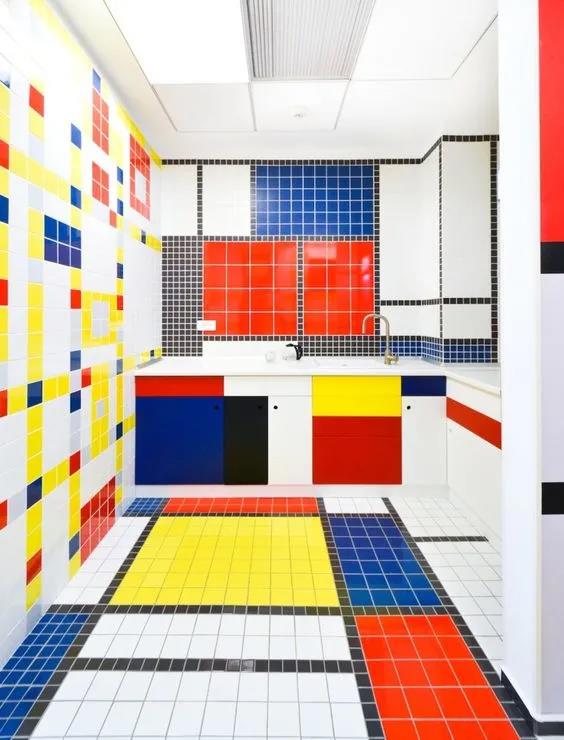
THREE. Mondrian's Color Scheme
The space is dominated by the highly saturated red, which has a relatively wide area and more vivid color, while the other colors with a little blue, yellow and white.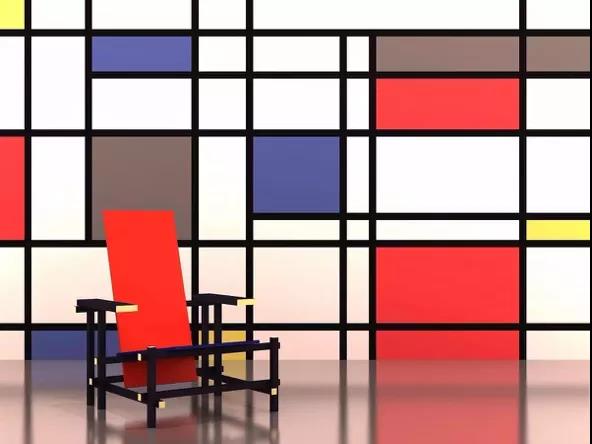
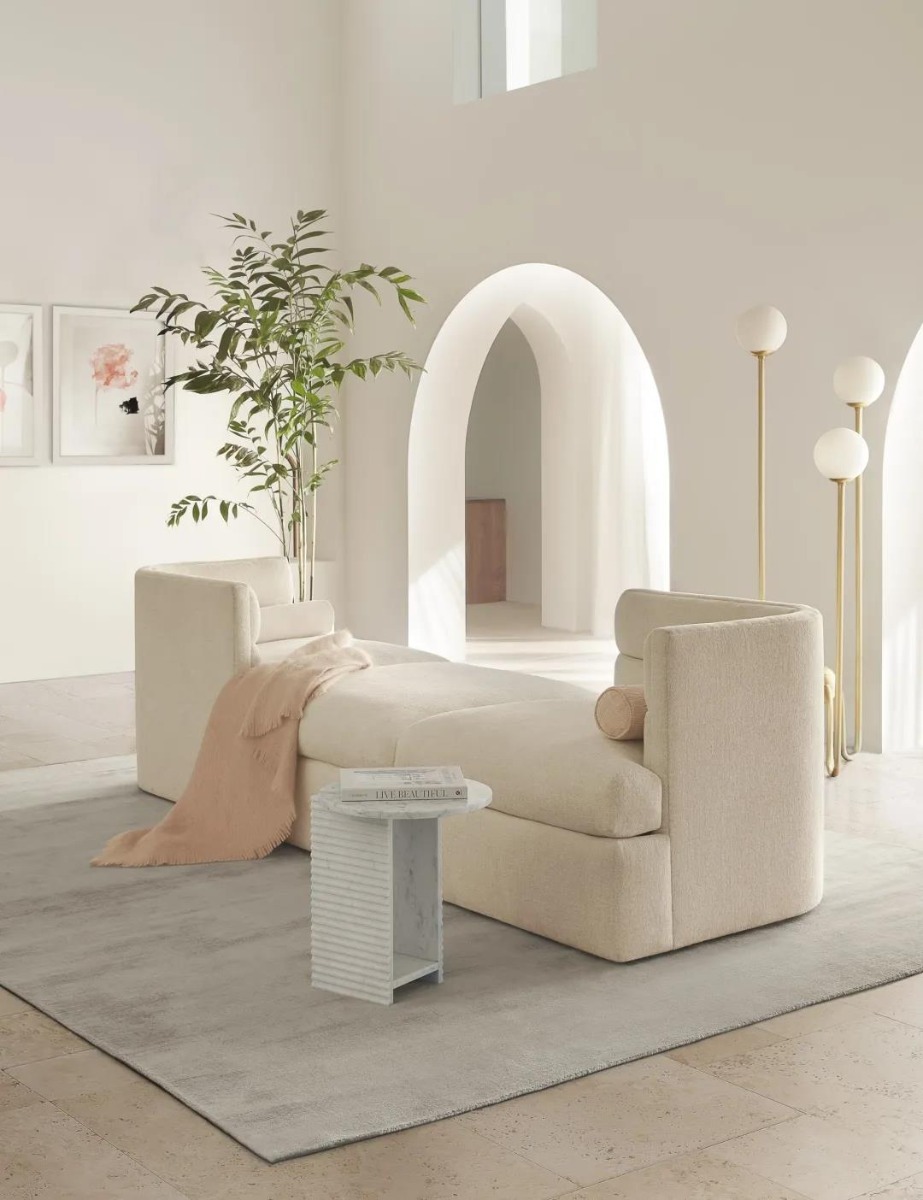
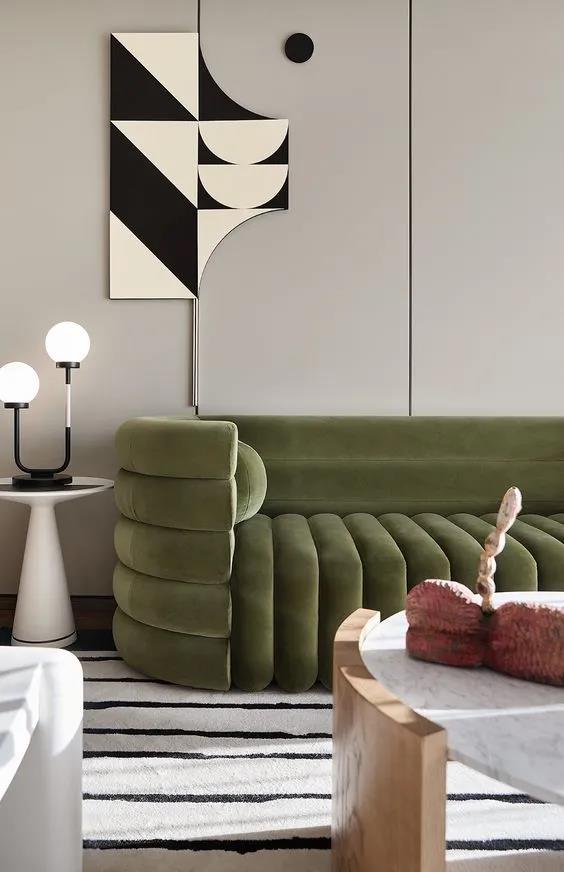
FOUR. Morandi Color Scheme
Morandi color is a low saturation color series, not as bright as other colors, as if covered with a layer of gray. But "gray" is not a simple color but the representative of a group of colors, so it will always be called "advanced gray".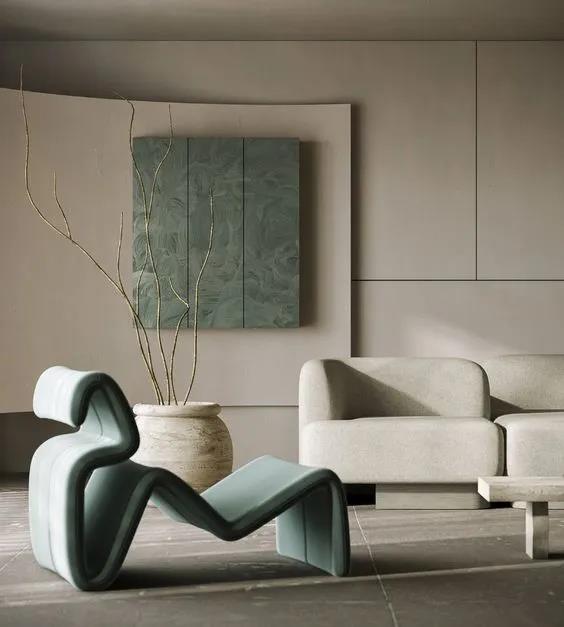
FIVE. Traditional Chinese Style Color Scheme
Speaking of color, Chinese people tend to have deep implicit feelings and vigorous waiting for release, not directly expressing the sense, but combining emotion with the scenery. The expression "depict three points, leave seven points" is Oriental unique amorous feelings.
Deep Black Color
It vividly conveyed Chinese architecture's exquisite tenon and mortise and restored the simple, quiet and neat beauty.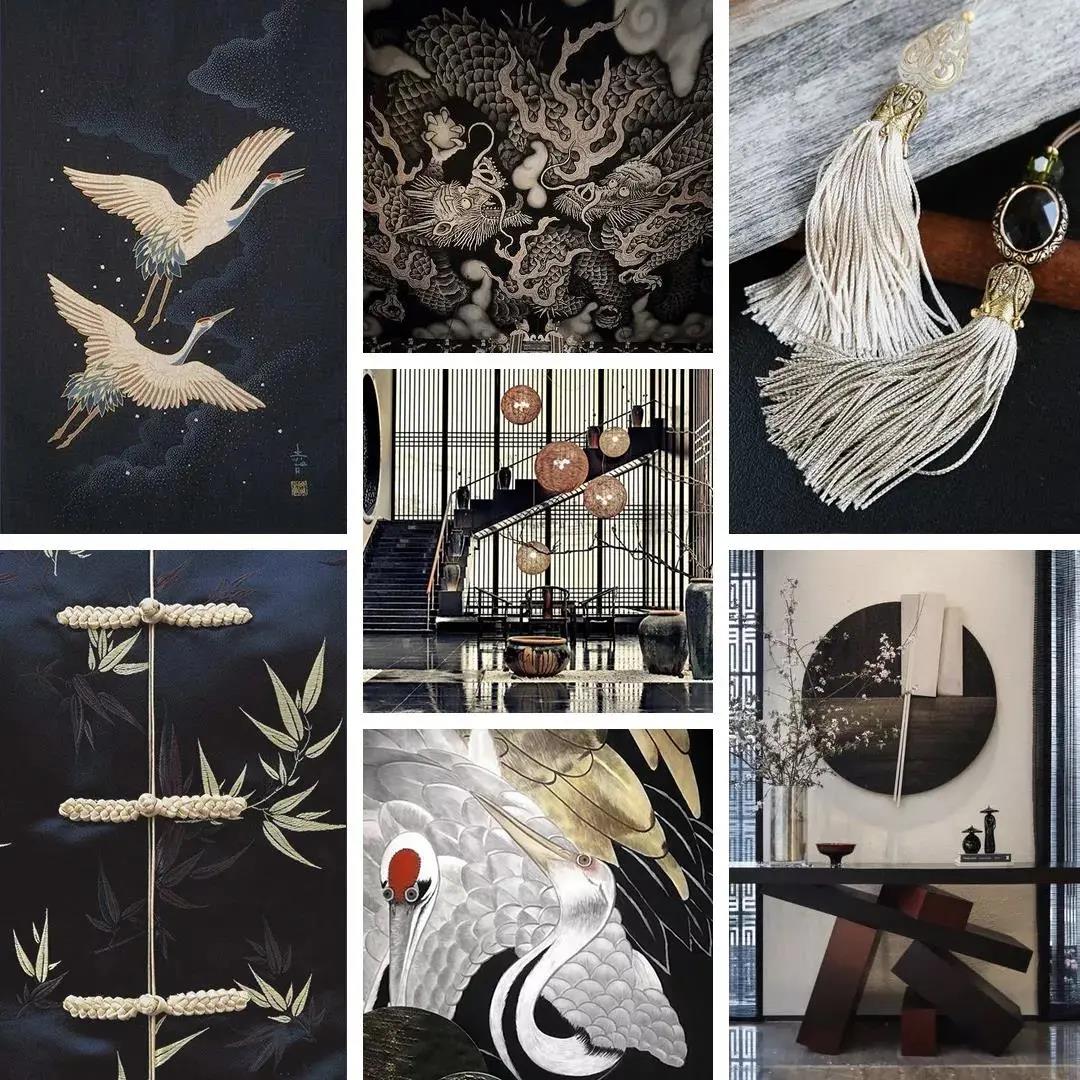

Color card: Bright white/Storm grey/Pure black/Honey
Chinese Red
Highlight cultural deposits have always been a good way for the Chinese style to output the world's most advanced taste performance with national characteristics. French romance adds more delicate elegance to Chinese red.
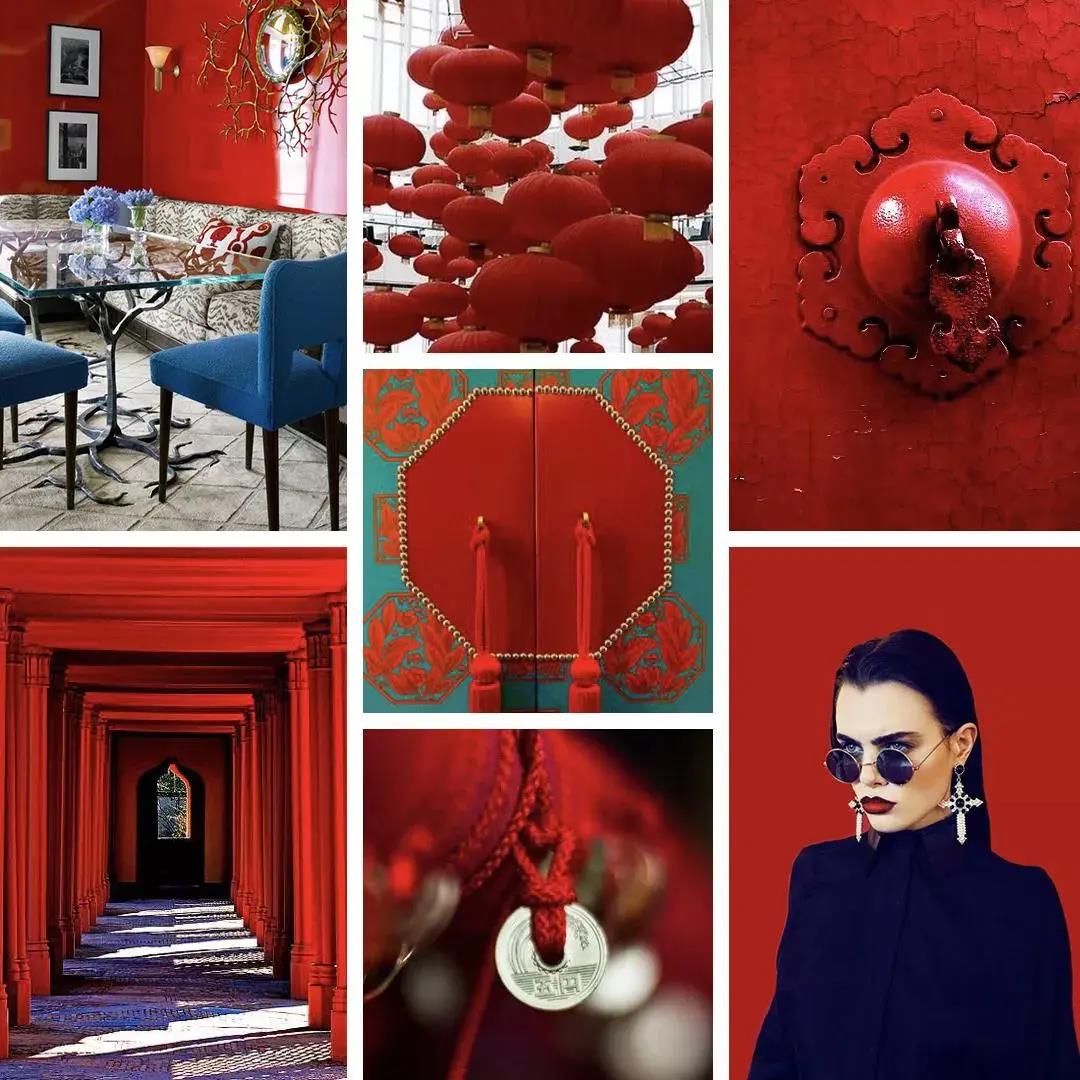

Color card: China red/Serenity blue/Victoria blue/Beige/Light turquoise
Songbird Green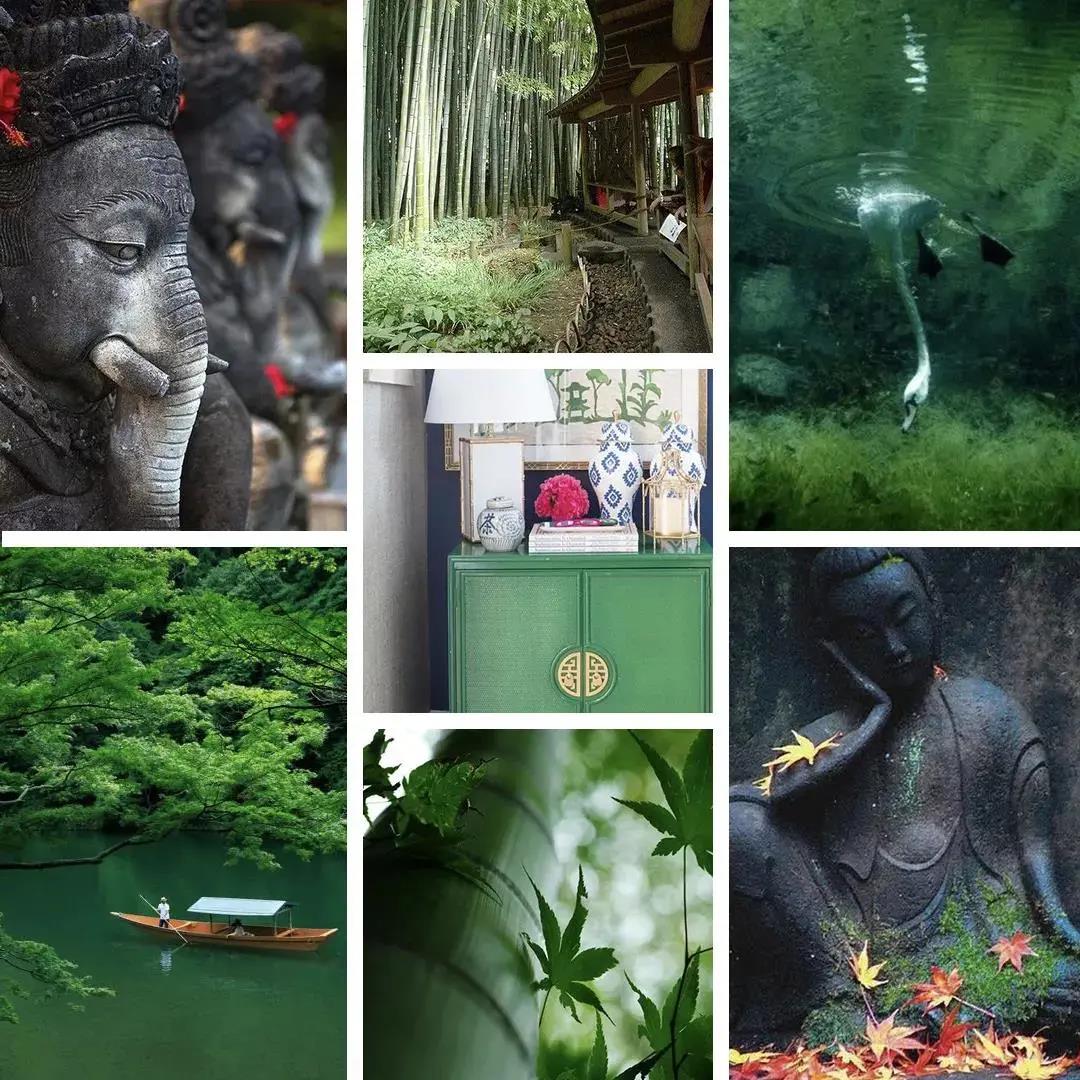

Color card: Dusk blue/Treetop green/Kelly green/Bluebird/Wheat
Coral
Bright and dynamic Hermes orange, gathering new Chinese style can also deduce the gorgeous color of Chinese style.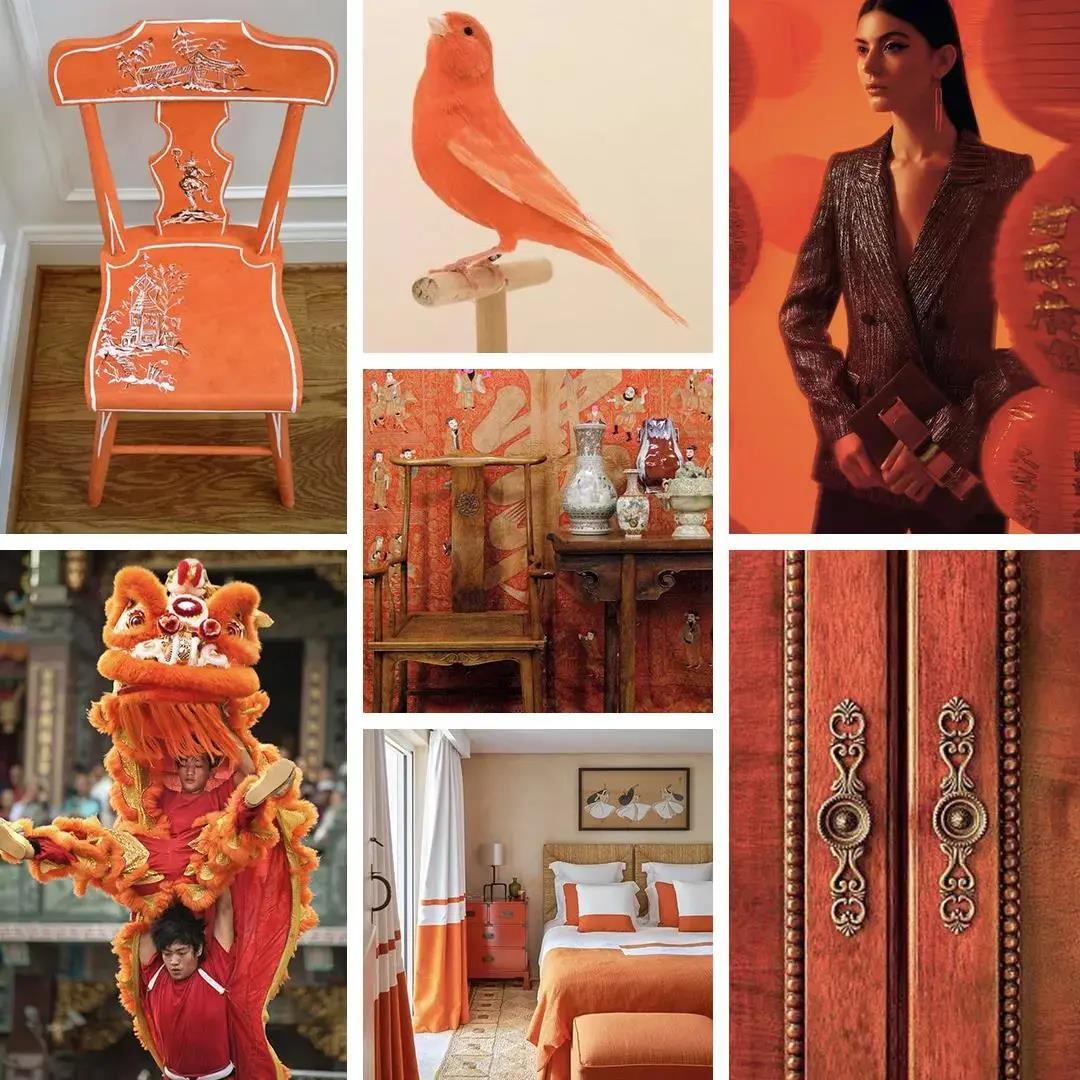

Color card: Hermes Orange/Sunshine/Delft blue/Sable/Pure black
MACLURA AURANTICA
The fashion collision between senior grey and imperial yellow makes the new Chinese style modern and full of western-style publicity and individuality.
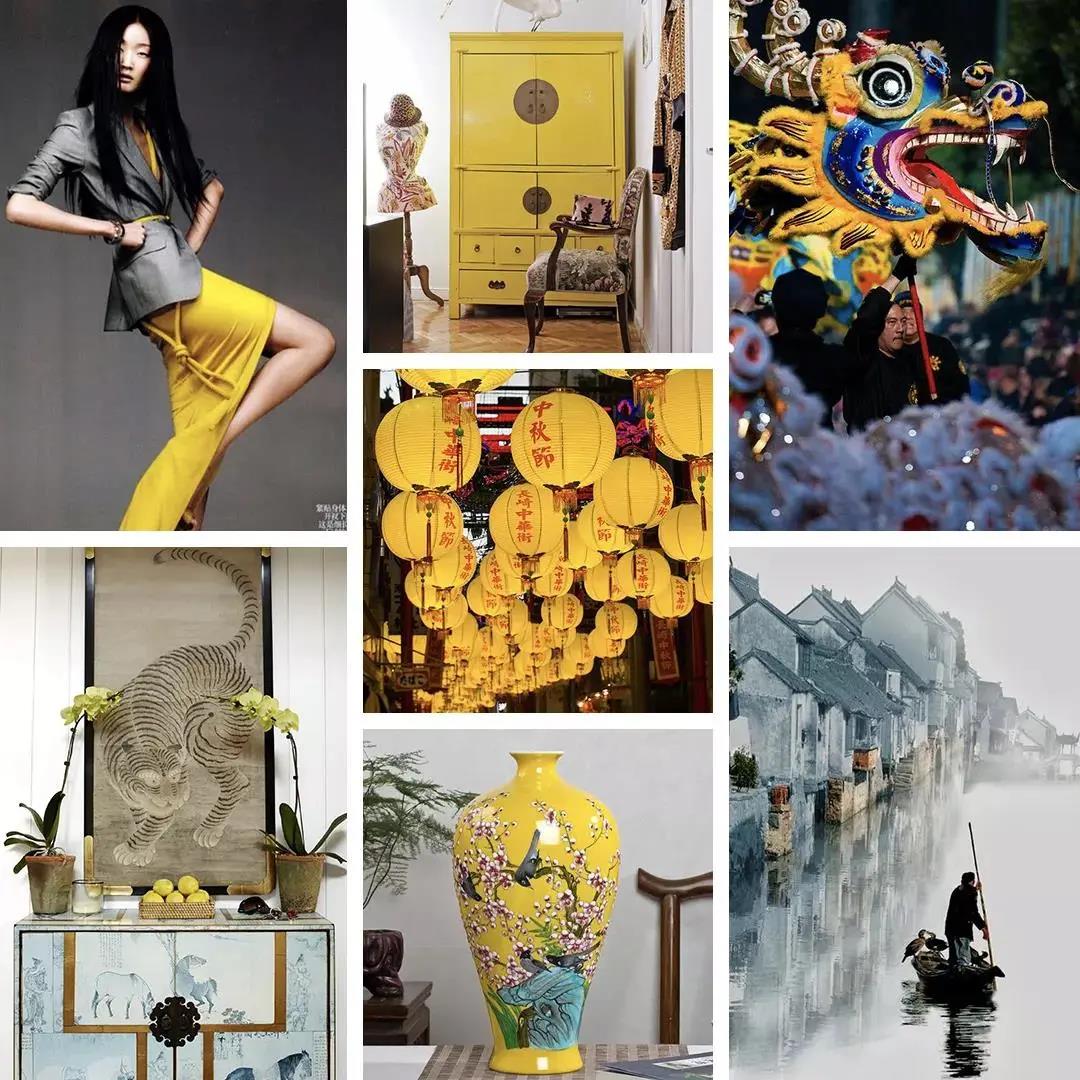

Color card: Bright white/Imperial yellow/Gold/Tortoiseshell/Phantom black
The above are 5 popular color schemes for interior design. If you have any questions about color matching and art recommendations for home, feel free to contact SOA Arts, and we will help you!
-
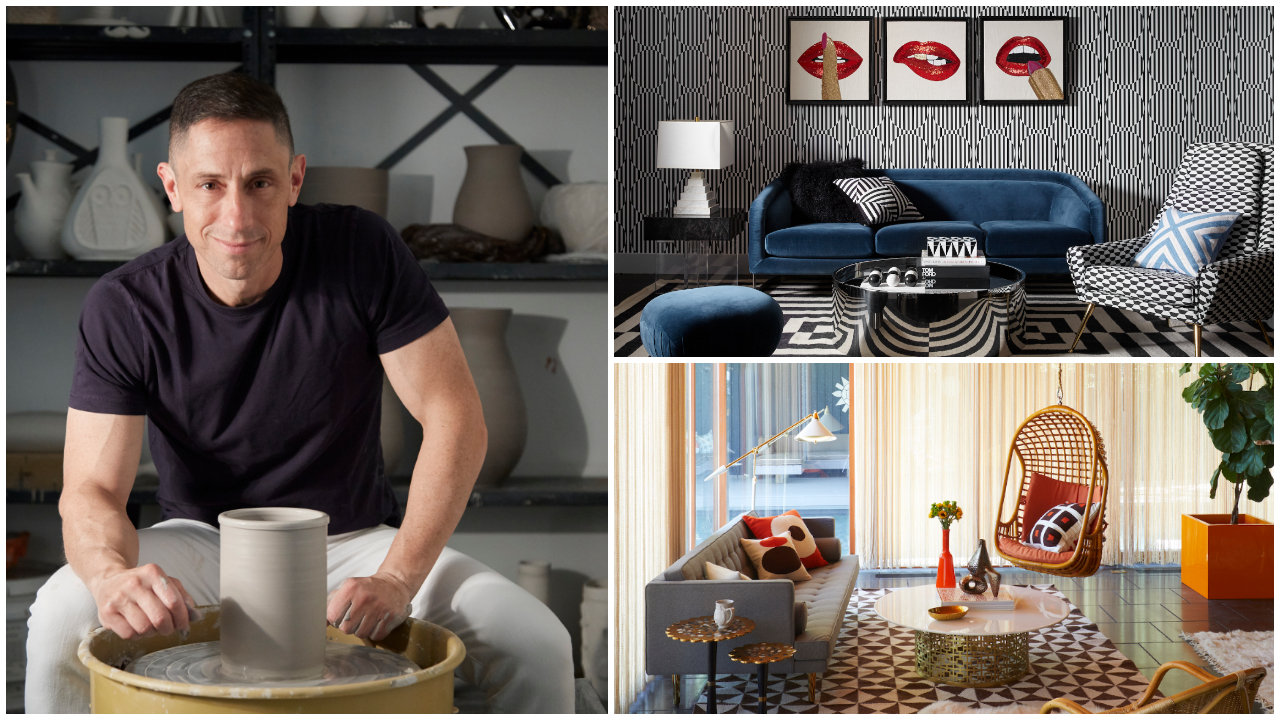 Mr. Adler with his design works: (from top) Adler's Bacharach sofa; Adler's Alexander T-Arm sofa and a vintage chair.COMPOSITE: JONATHAN ADLER
Image via mansionglobal.com
“Your home should make you feel like the most eccentric, glamorous version of yourself”, Jonathan Adler says. This interior designer has an interesting philosophy with creativity in the home. Adler is an American potter, author, and of course, interior decorator out of New York. After opening a pottery store in SoHo back in 2003, Adler went on to symbolize modern interior design.
Jonathan Adler hardly follows rules when it comes to interior design. He believes in fresh, yet chaotic projects that represent modern design. He uses the freedom that we have in America to express how he feels about his creations. Even his corporate office is glowing with freedom and creativity. It’s bright and sprinkled with his own items, including pottery and ceramics. As unorthodox as it sounds, employees are allowed to bring their pets if they wish!
If you’re looking for a way to add more personality and boldness to your home, Jonathan Adler may provide some inspiration. Here’s how you can craft your interior design the way Adler would do it!
Personality in Interior Design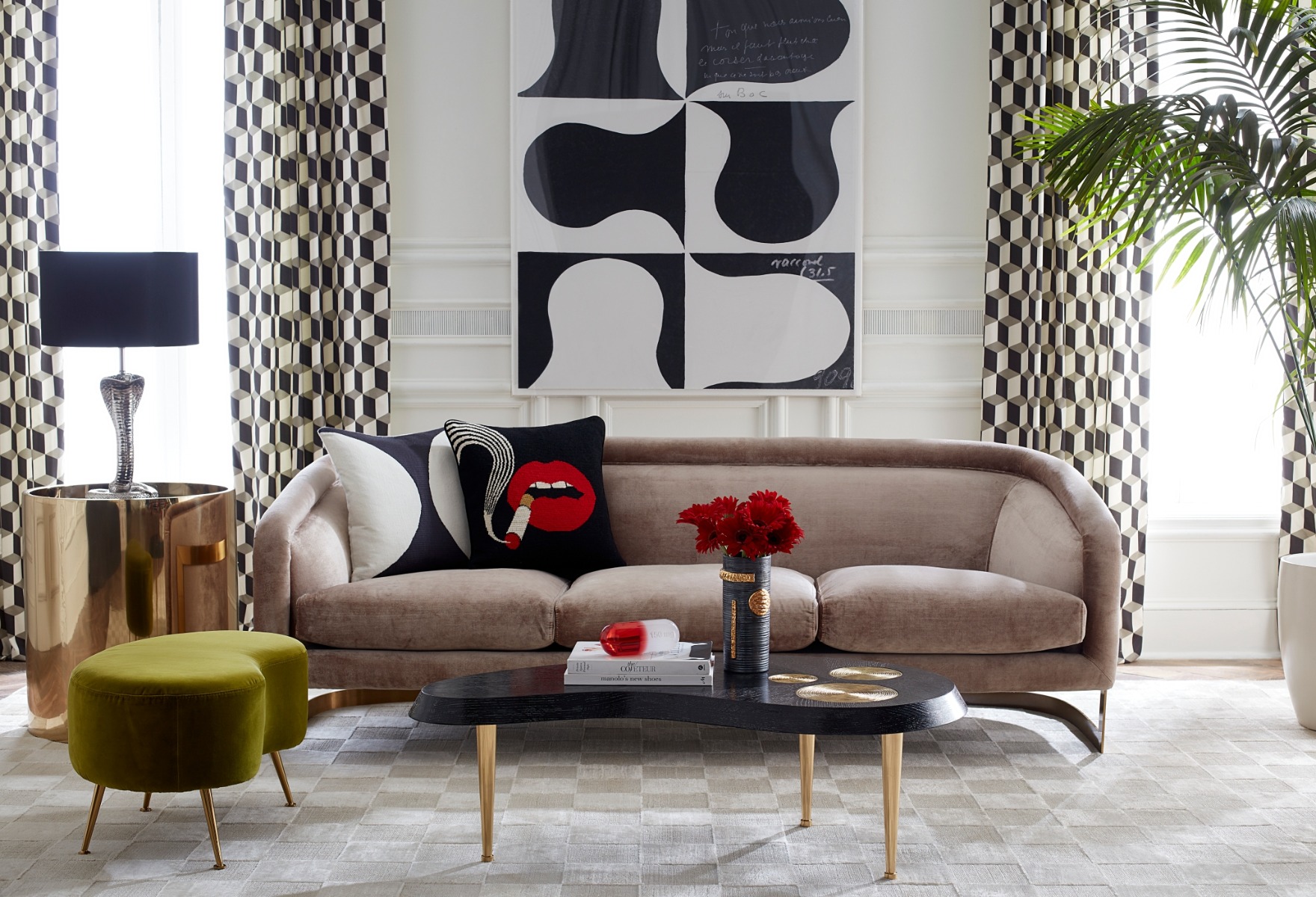
Adler’s work has a light and cheerful tone.
Image via wwd.com
One of the core themes with the interior design style of Adler is really making it a personal space. By traveling the world and seeking inspiration, he learned that it’s beneficial to create your own style. For instance, he found one of the best craftsmen in the world, a person who works with beads. After seeing the dimensions that beads alone add, he collaborated with him and sprinkled in his own personal touch with his artwork.Making your space personable is about finding your eccentric side and being bold with what you truly want. Whether it’s colors, objects, or unusual shapes, make your own rules where other people follow the trends.
Layers in Interior Design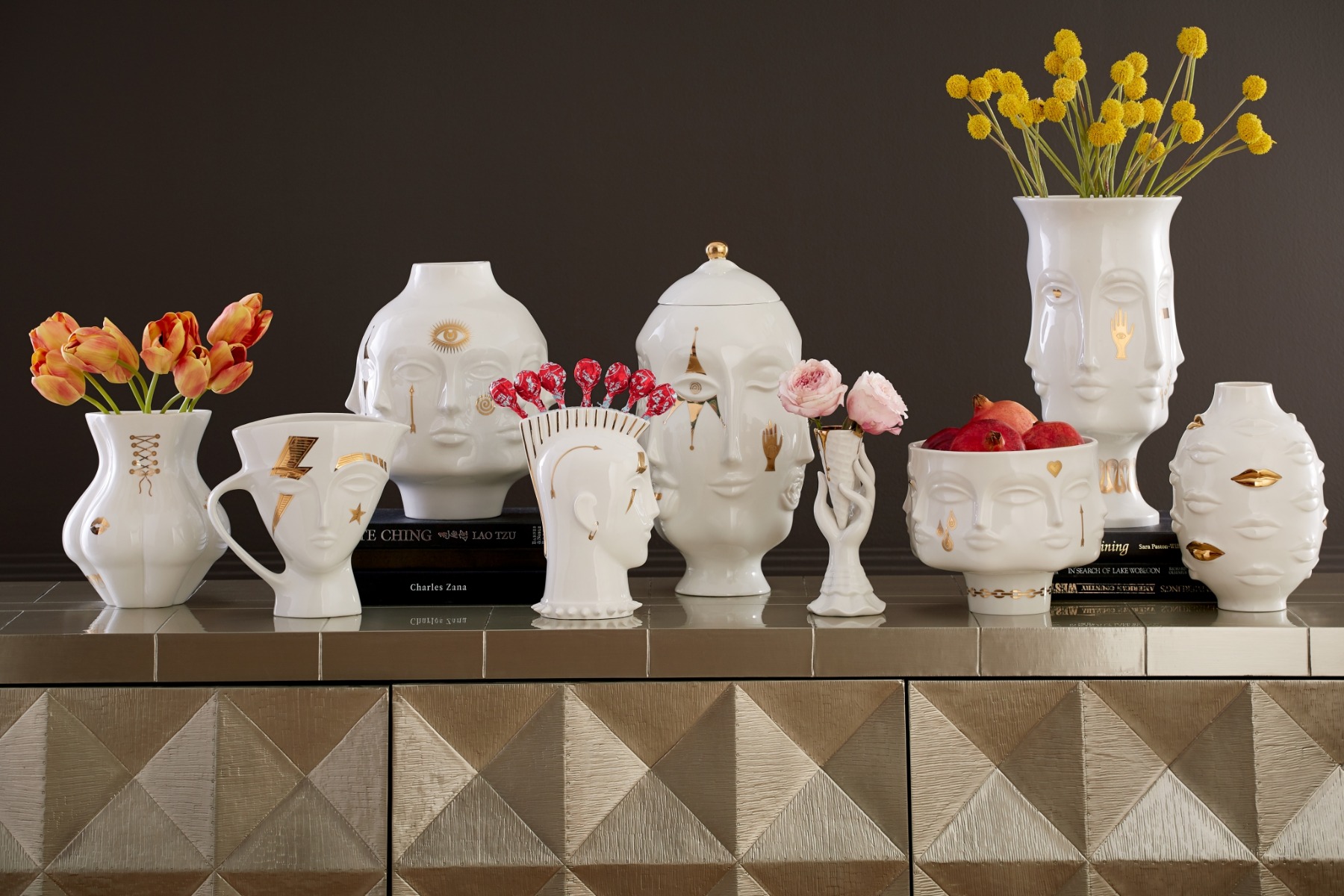
Pieces from the collection can be used for many purposes.
Image via wwd.com
Based on his pottery background, Adler knows how to bring even the simplest design elements to life. Starting with just clay, he turned his creations into world-class works of art. He reaches peak creativity by layering as much as possible. When it comes to layering your home, start with your base color. Don’t be afraid to use something other than just white. Any color works great from the start. However, if you have a plain color, consider using patterns on your walls and floors to really spice up your interior.You can bring depth into rooms by mixing patterns with related colors, while your base color ties the place together. When you decorate walls, add some intriguing artwork. Even mismatched frames create loads of character with your layers. Finally, use similar colors with rugs, curtains, and cushions. These extra layers create a combination of colors that play off your base color.
Not Being Afraid to Take Risk
His upbeat design aesthetic lifted spirits during the pandemic.
Image via wwd.com
Adler believes that, “not everything in your home needs to function.” What does this mean exactly? Whether you place objects in your room that isn’t meaningful or add contrasting colors. For example, adding a nice sculpture doesn’t have to have meaning, but it could certainly make a statement. It could even be a hanging decoration if you really want to add drama!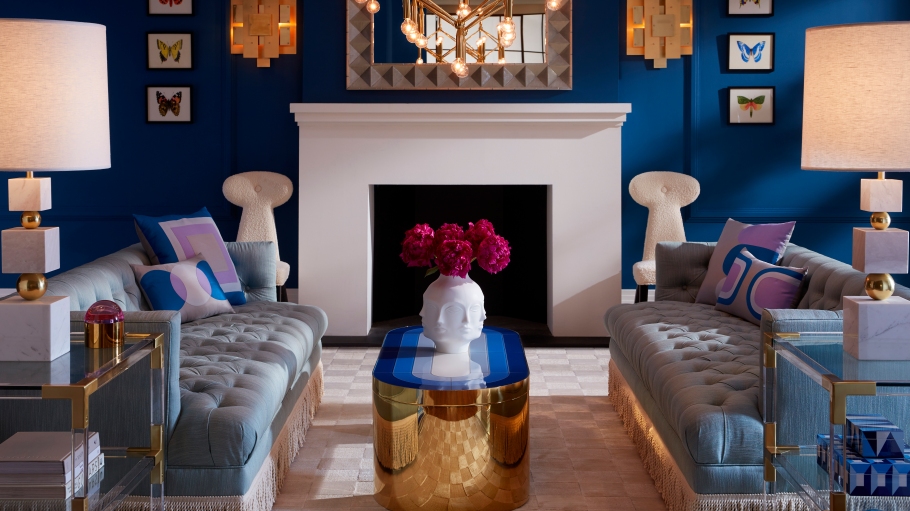
Jonathan Adler designs a variety of items for the home.
Image via wwd.com
When you’re choosing fabrics, being bold is about style first instead of material. You can mix silk and linen together, just like the way marble and tile may go together. It’s just like picking out your outfit. If you’re really looking for a statement, you could paint the ceilings. Not to mention, some bold designers paint the ceiling even darker than the paint on the walls. It’s all about being dynamic!
So the next time you’re thinking about giving your home a new look, find your inspiration. Jonathan Adler is a great place to start if you’re looking for boldness and more freedom. Your creativity is always limitless.
If you want to explore more art for interior design, SOA Arts is get ready.
-
 26 Oct
The Peebles Corporation.
Designed by David Adjaye of Adjaye Associates.
Image via robbreport
Known as one of the leading architects of his generation, Ghanaian-British architect Sir David Adjaye OBE has made a name for himself with a slew of community-driven projects that make ingenious use of unique materials. His work has garnered him a ton of awards, including the 2021 RIBA Royal Gold Medal, which is considered one of the highest honors in the industry.
In 2000, Adjaye founded Adjaye Associates, which now has studios in Accra, London, and New York. Its work spans the globe, from bespoke furniture collections to temporary pavilions, civic buildings, and breathtaking private houses. Among its biggest projects was the National Museum of African-American History and Culture in Washington, D.C., whose official opening in 2016 was named “Cultural Event of the Year” by The New York Times.
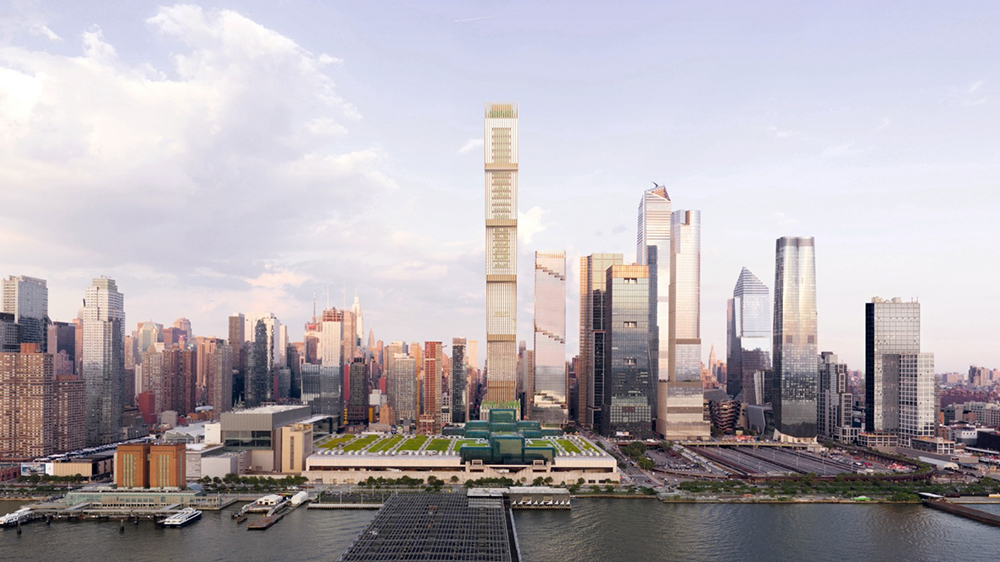
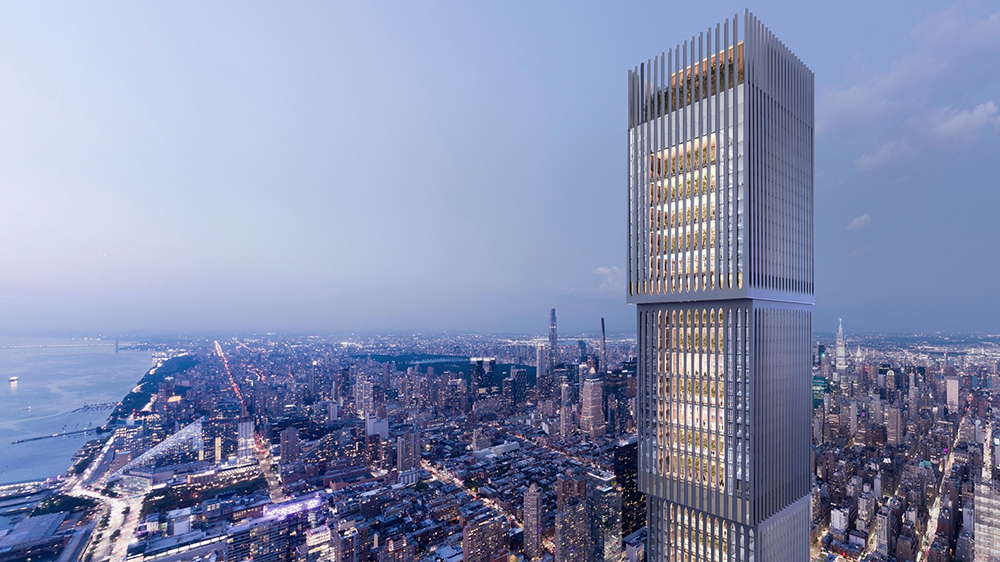
Just recently, Adjaye once again made headlines when he submitted a project proposal called “The Affirmation Tower,” a massive 1,633-feet-tall (498-meter) upside-down skyscraper that – he hopes – will soon be a feature of New York City’s skyline. It would be built on Site K, which lies only a few blocks away from Hudson Yards and the High Line.
The Peebles Corporation.
Designed by David Adjaye of Adjaye Associates.
Image via robbreport
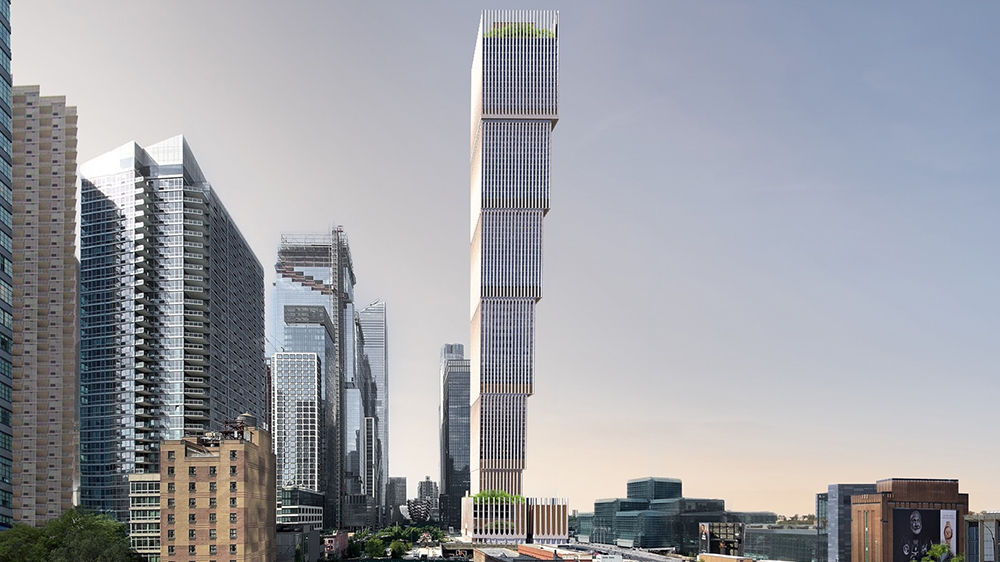
“The Affirmation Tower” consists of five different blocks, with each level bigger than the one below it. Many have noted that it looks like a stepped block tower, given that the smallest block is on the bottom while the largest is on top.
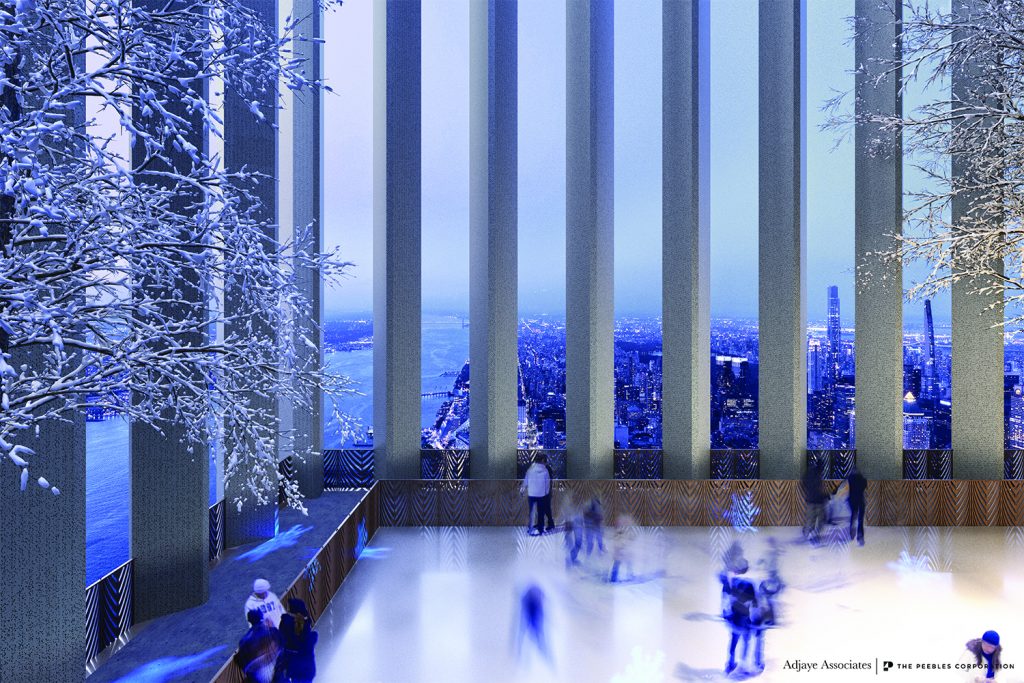
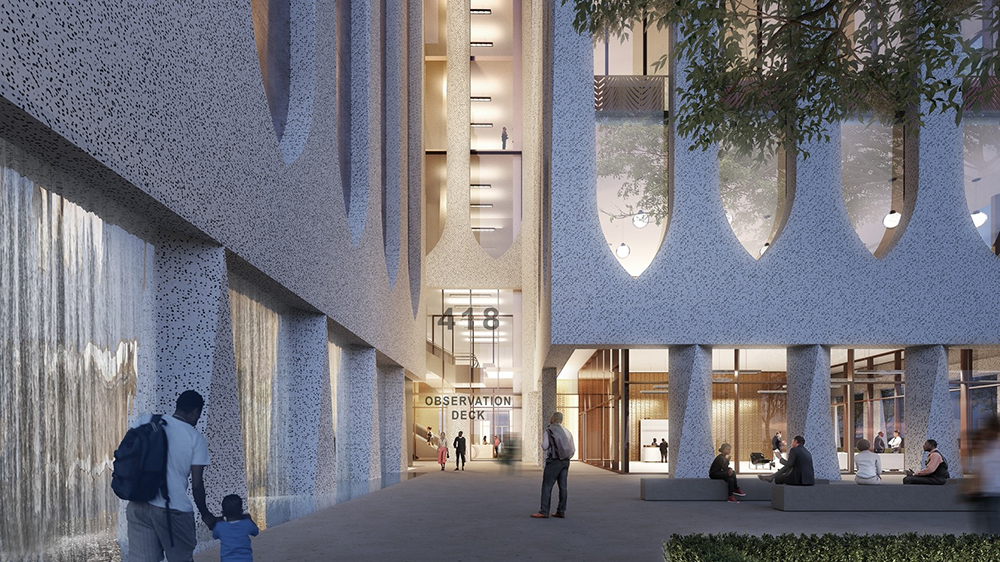
This unorthodox design is far from the only thing unique about “The Affirmation Tower,” though. At 1,633 feet or 498 meters tall, it’s set to become one of the tallest buildings in New York City, second only to the One World Trade Center. In addition to corporate offices, it would also house two hotels, an ice skating rink, and an observation deck. The Manhattan headquarters of the National Association for the Advancement of Colored People (NAACP) will be included, as well.
Submitted in response to a Request for Proposals opened by the state government, plans for “The Affirmation Tower” were drawn up by Adjaye, who worked alongside The Peebles Corporation, the McKissack Group, Exact Capital, and Steven Witkoff. This means that if their proposal is ultimately chosen, the building would be the first in New York City to be constructed by a team of only Black architects, developers, lenders, and builders.
The Peebles Corporation.
Designed by David Adjaye of Adjaye Associates.
Image via robbreport
Needless to say, the potential team is excited about this prospect.
“This project is emblematic of true equity in development,” said Don Peebles, the CEO of The Peebles Corporation. “A symbol for all who visit New York, cementing in brick and mortar that New York is serious about economic inclusion.”
Ordinary New Yorkers are also looking forward to seeing an all-Black team construct a permanent feature of the city.
“Unfortunately, for most of New York’s history, African-Americans and people of color have been rendered as mere economic tourists who gaze upward at one of the greatest skylines in the world with the intrinsic knowledge they will never be able to participate in what really makes New York unique,” explained Reverend Dr. Charles Curtis, the Head of the New York Interfaith Commission for Housing Equality. “The awarding of this project to this team will send a statement across the globe that architects, developers, engineers, and financial professionals of color are now full participants in this great miracle of global capitalism called New York City.”
418 11th Avenue.
Designed by David Adjaye of Adjaye Associates.
Image via newyorkyimby
Should “The Affirmation Tower” be chosen, the team has promised to commit at least 35% of its contracts to people of color. Given that these contracts will total more than a billion dollars, the project will definitely be a powerful economic engine for the city’s minorities.
“This project will provide $4.4 billion of new economic output per year, bringing thousands of jobs in the construction, design, and development, as well as millions of people across the globe who will be excited to see this iconic skyscraper,” said Peter Ward, the former President of New York’s Hotel and Motel Trades.
Ward’s predictions will likely come true since “The Affirmation Tower” will reportedly require more than 30,000 New Yorkers, who will work on it over the course of six years. The project will also bring in more than $5 billion in tax revenue for New York City over the next three decades, giving it a much-needed economic boost.
“The Affirmation Tower” isn’t Adjaye’s first Manhattan skyscraper, having built a residential tower at 130 William. However, it’s his tallest and most ambitious one, making it clear that he has no intention of repeating what his past projects have achieved.
The Peebles Corporation.
Designed by David Adjaye of Adjaye Associates.
Image via robbreport
Besides “The Affirmation Tower,” Adjaye is currently working on designing the Edo Museum of West African Art (EMOWAA), which will house some of the region’s greatest treasures, including the world-famous Benin bronzes.
In response to this incredible opportunity, Adjaye has said that the EMOWAA would be a “reteaching tool – a place for recalling lost collective memories of the past to instill an understanding of the magnitude and importance of these civilizations and cultures.”
With this year’s projects spanning from New York to Nigeria, it seems as if Sir David Adjaye will soon be making many more extraordinary contributions to the architectural field.
-
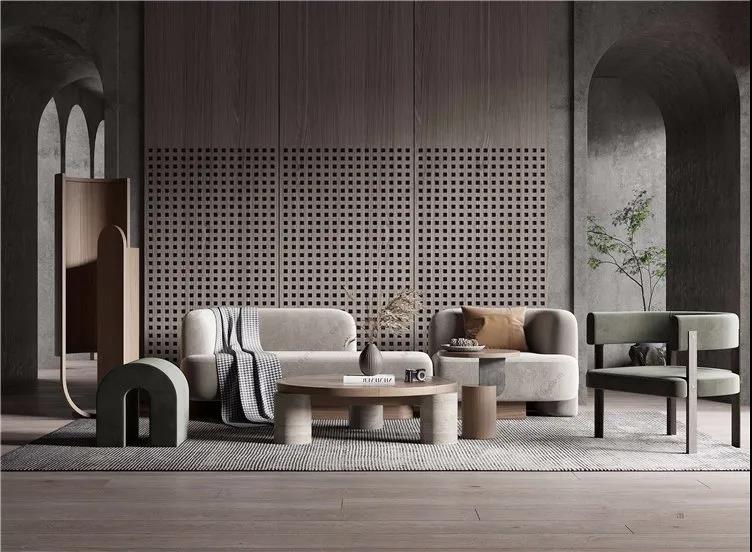
“In traditional Japanese aesthetics, wabi-sabi (わび さび/侘寂) is a world view centered on the acceptance of transience and imperfection. The aesthetic is sometimes described as one of appreciating beauty that is “imperfect, impermanent, and incomplete” in nature.” It become more prevalent in recent times.
If you are a big fan of simple, go on and get inspired.01
What is Wabi-Sabi?
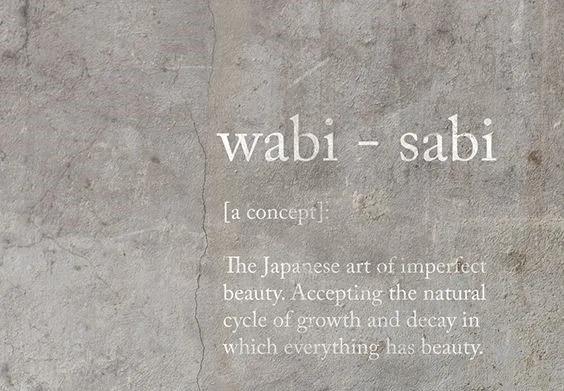
In Japanese, Wabi-sabi (わび さび) means to get rid of the unnecessary and to pursue the essence of nature. However, it doesn’t mean to change its origin, make it pure, and insert vitality.
It is the quintessential Japanese aesthetic, a beauty of things imperfect, impermanent, and incomplete. A beauty of things modest and humble. Accepting the natural cycle of growth and decay in which everything has beauty.Wabi(侘び)means simplicity, which is a low-key decoration and appearance. While Sabi(寂び) means “lonely” or “withering”, its reference to an old style.
In brief, wabi-sabi is an aesthetic idea: the appreciation and acceptance of imperfect beauty and the ability to create beauty from the plain.
02The Origin of Wabi-Sabi
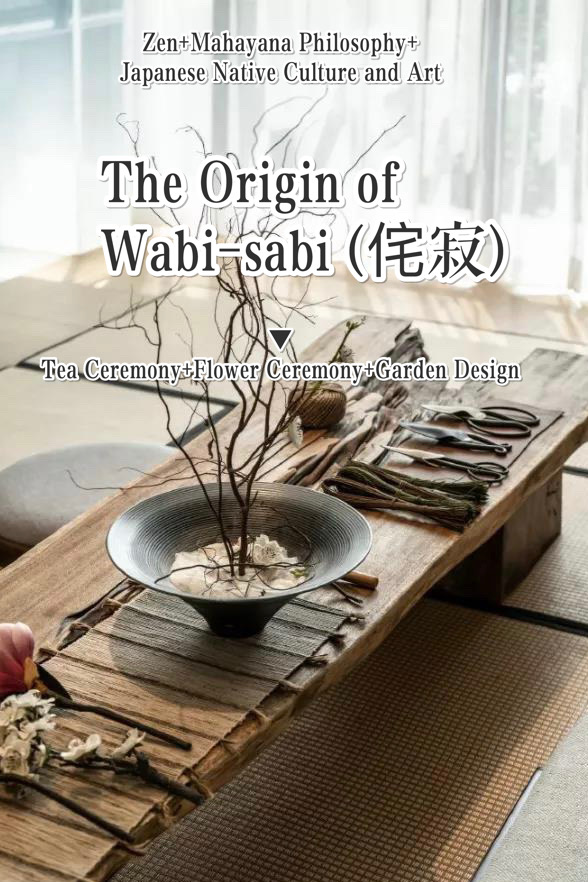
In 1191, a monk named Ming’ An, who brought Zen Buddhism from China, established Japan’s first zen temple, Seokfuji, and brought the tea ceremony of the Great Song Dynasty. Wabi-sabi was accepted and meditated by Zen and Mahayana Buddhism philosophy and, combined with Japanese art and culture, finally formed aesthetic philosophy thought of wabi-sabi. Later, this aesthetic was integrated into Japanese tea ceremonies, flower ceremonies, garden design, etc.
03The Conception of Wabi-Sabi
Asymmetry
Wabi-Sabi is one of the three Japanese aesthetics.
Unlike the ideal proportion of perfect symmetry in western aesthetics, wabi-sabi is the appreciation and affirmation of the beauty of imperfection, impermanence and incomplete things.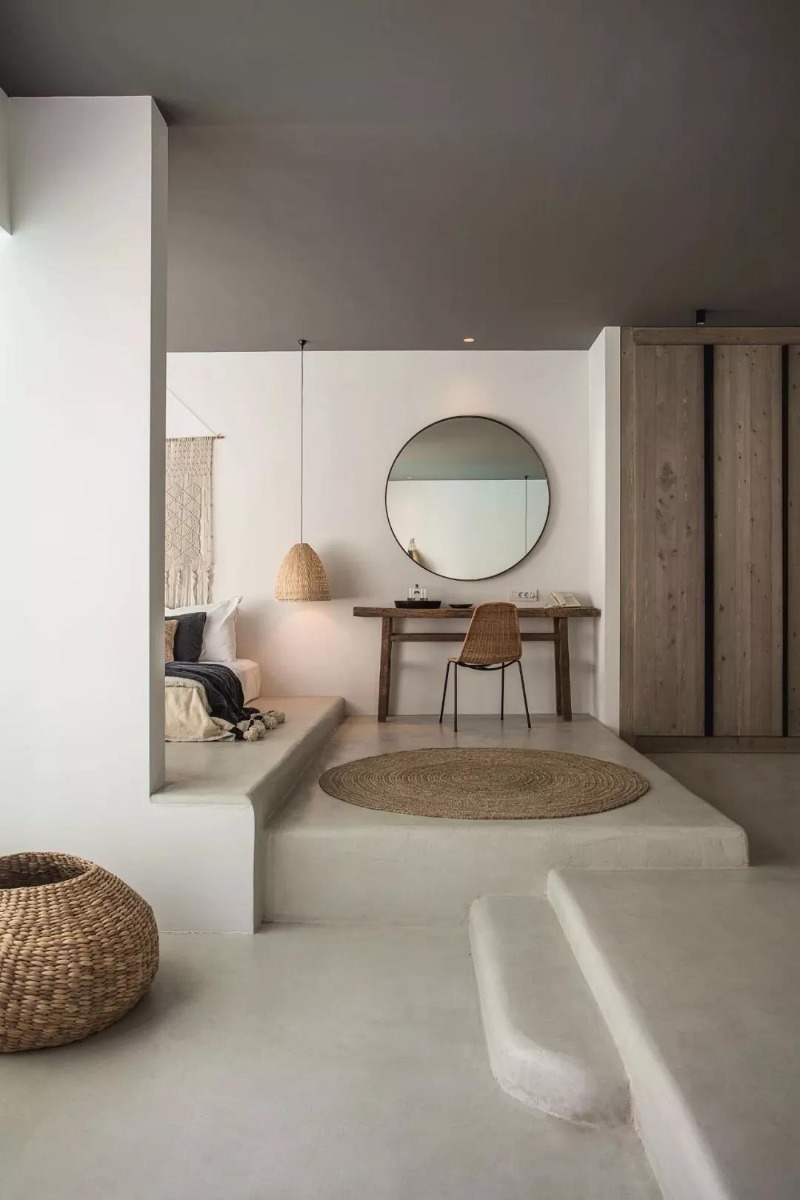
Incomplete/The pursuit of truth
Imperfection is the soul of wabi-sabi
All the elements are filled with a sense of incompleteness
The shape, the texture, the color, the luster of the object itself
Are absolutely imperfect, full of incompleteness
Blend in the simple and quiet beauty
Switch to your comfort zone.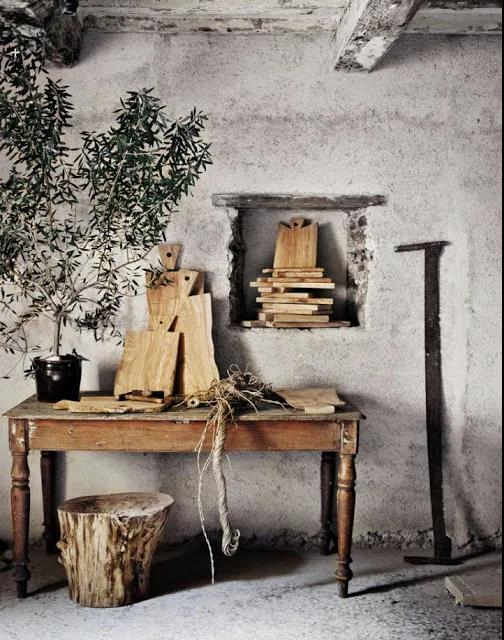
Old things/Time goes by
Wabi-sabi has been filled with years of vicissitudes
So everything in wabi-sabi was worn out
Like the nicks, the mottled marks on the walls
Or moss and so on
Old as it was, tattered as it was
But there is also a natural beauty that comes with age.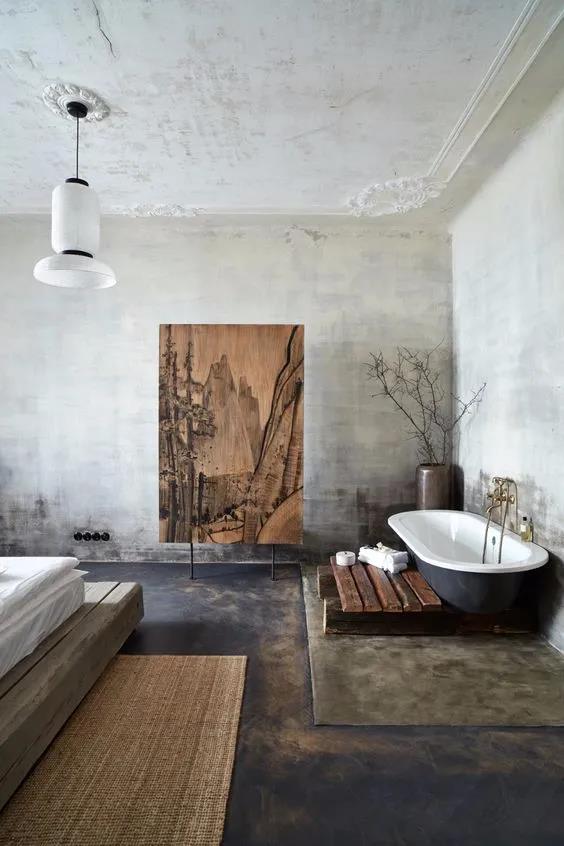
04
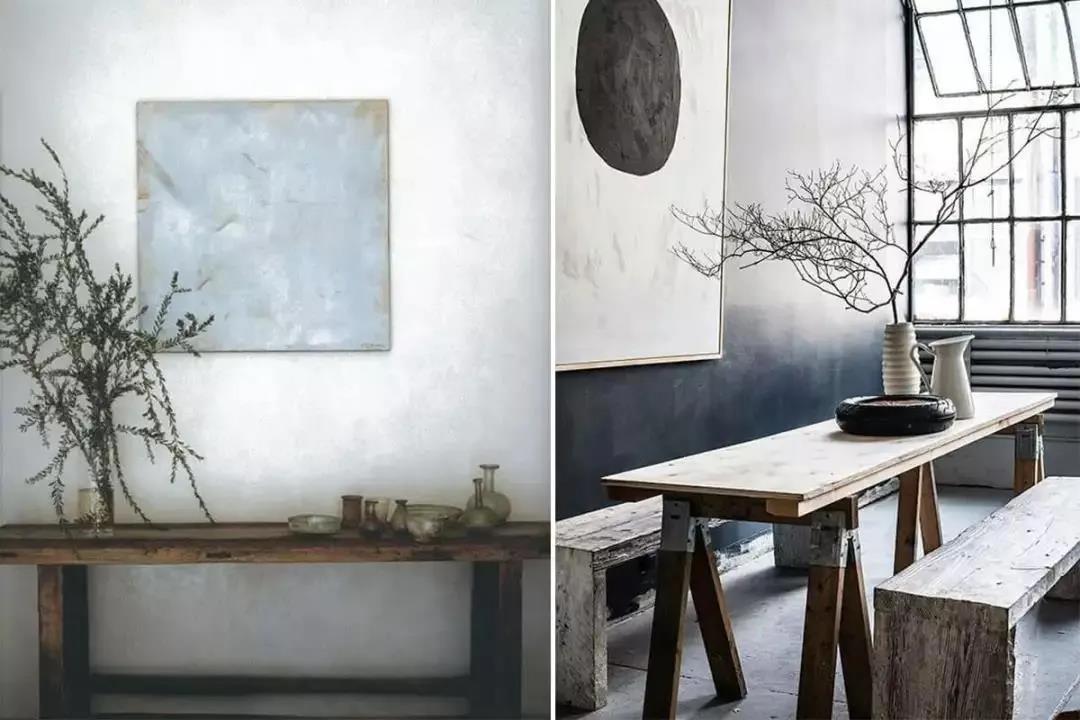
Design Elements Commonly Used in Wabi-SabiMottled Wall
The main characteristic of mottled metope
Is a very uneven surface texture
The walls are of different shades of color
Primitive natural, rough style
Give a person a kind of pure plain visual experience.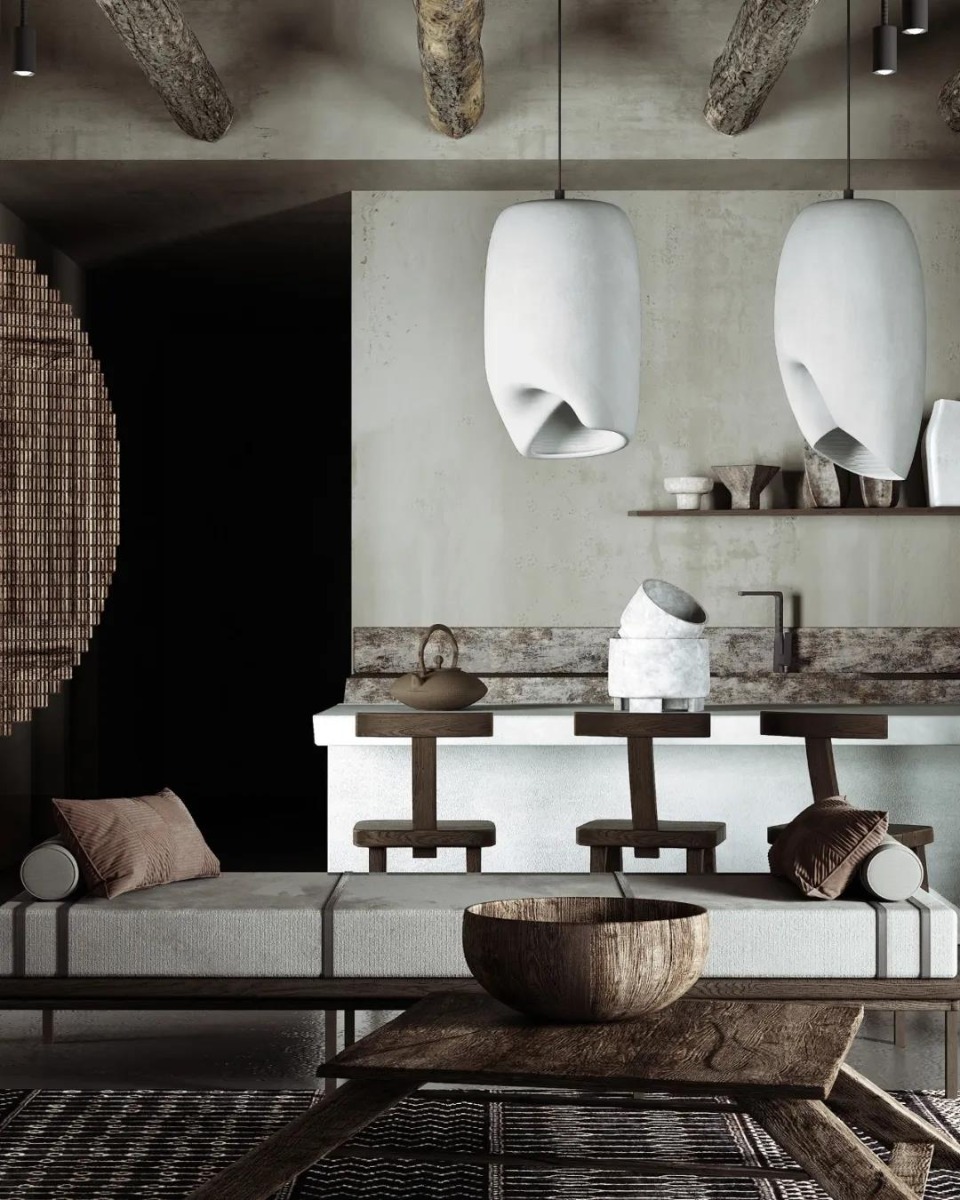
Handmade Products
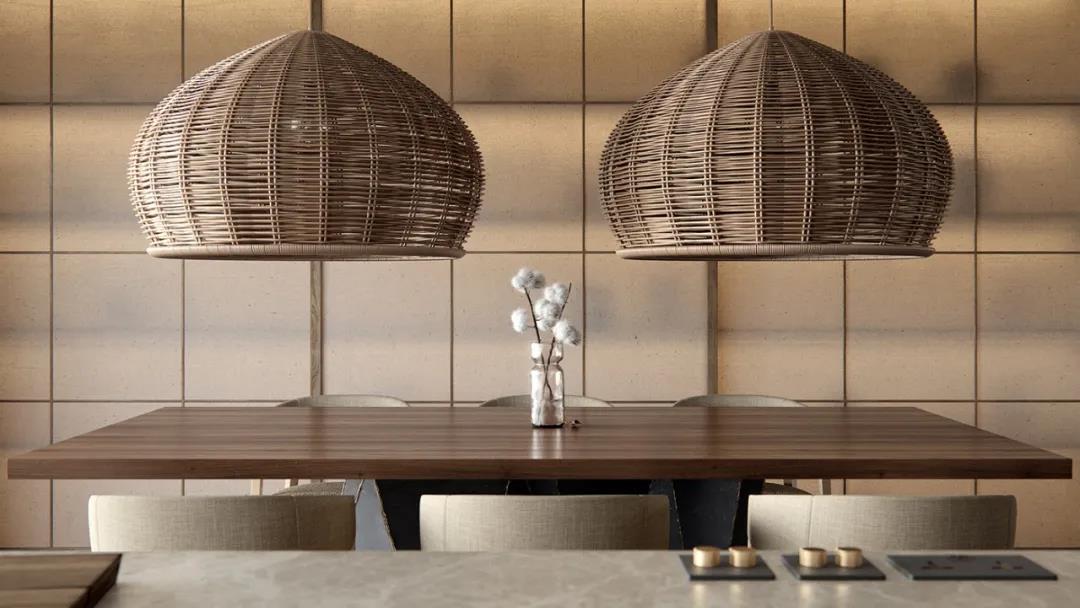
The key ornament of wabi-sabi is the handiwork, which is the element that can best express the local culture.
Like hand-woven fabrics, or ceramics, or Zen wood,
The finely textured handmade products are unique and delicate.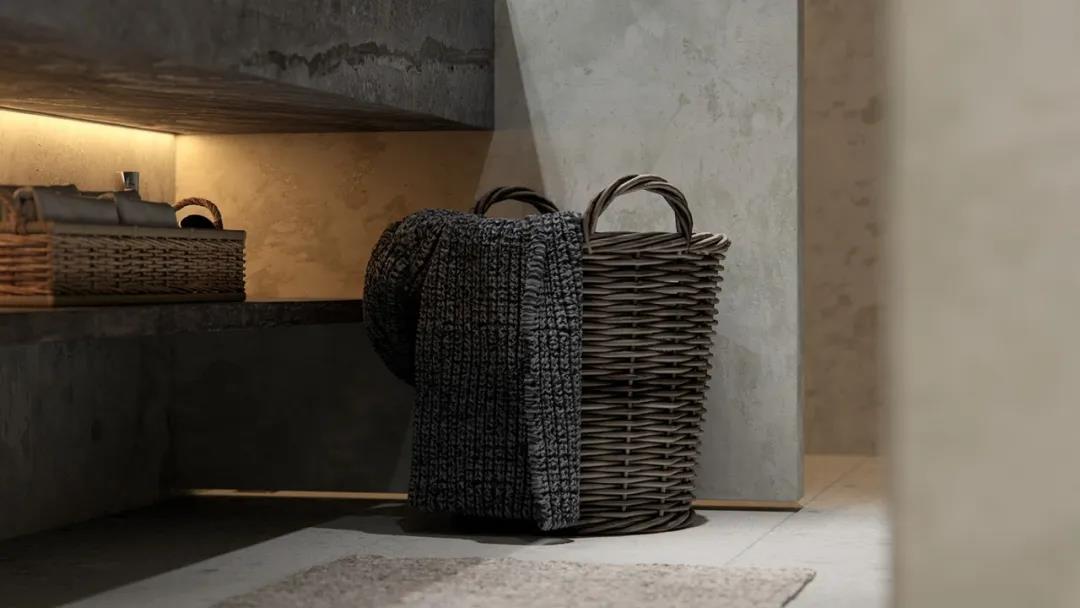
Original Wooden Furniture
Wabi-sabi itself is intended to express the original nature
So old wood has been tempered by nature
Despite rain and wind, the baptism of time
Already filled with the vicissitudes of texture
There is no need for secondary processing, adding too much decoration
Itself can be made into a unique texture, natural wood furniture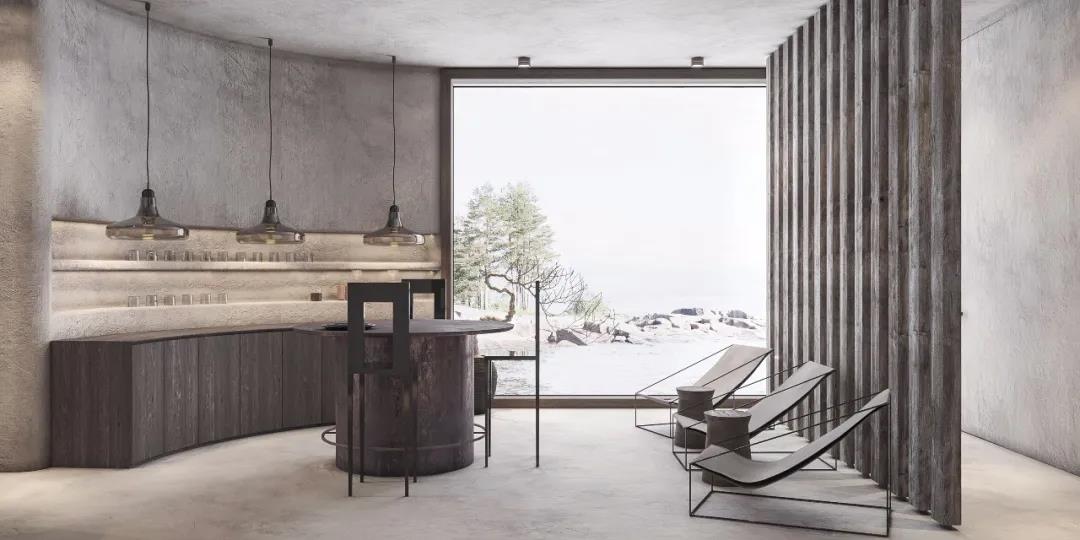
Simple and Elegant Flower Art
Wabi-sabi flower design, more can reflect wither, lonely visual experience
Simple but elegant, reserved, clear branches and grains
It has the deep charm of Oriental Zen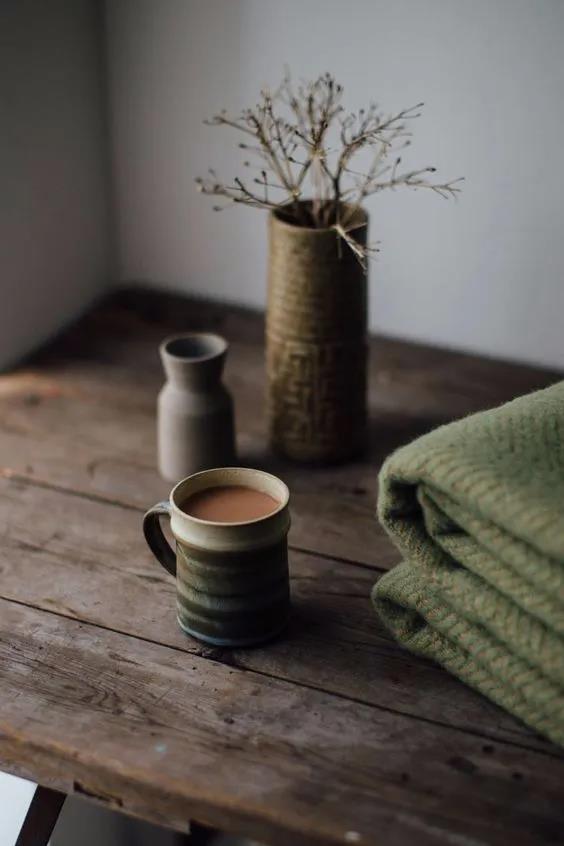
Plain Cement
Plain cement itself rugged, dry texture
It is in line with the tonality and atmosphere of wabi-sabi
Pure texture, extreme simplicity
It is also a key material element to create the atmosphere of wabi-sabi.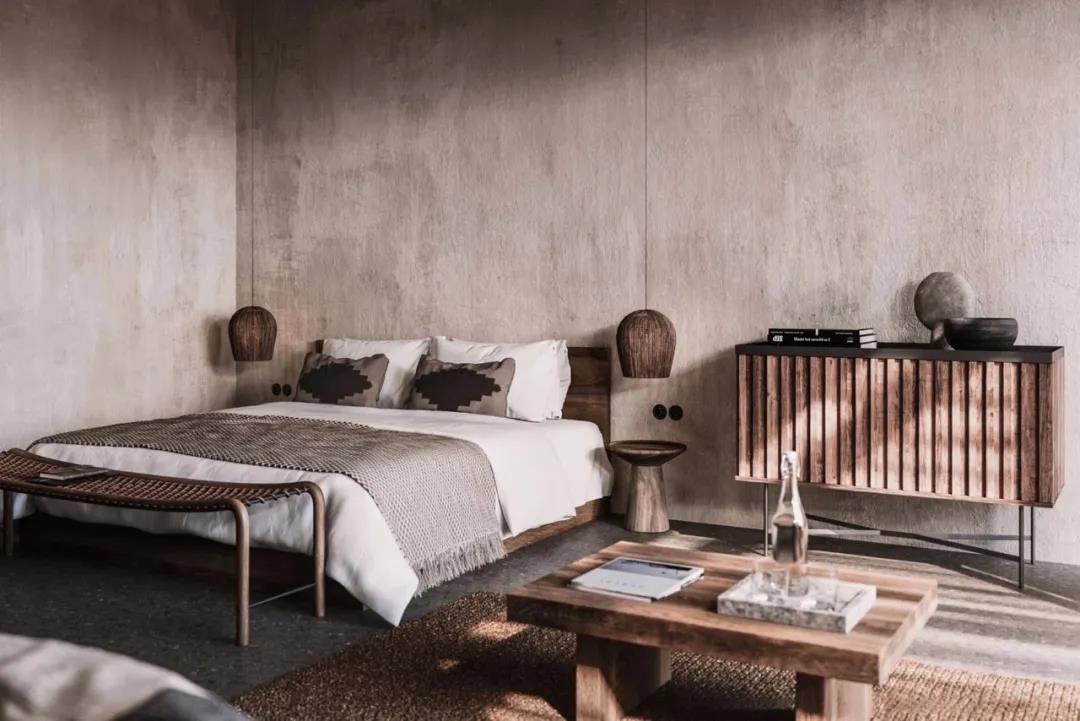
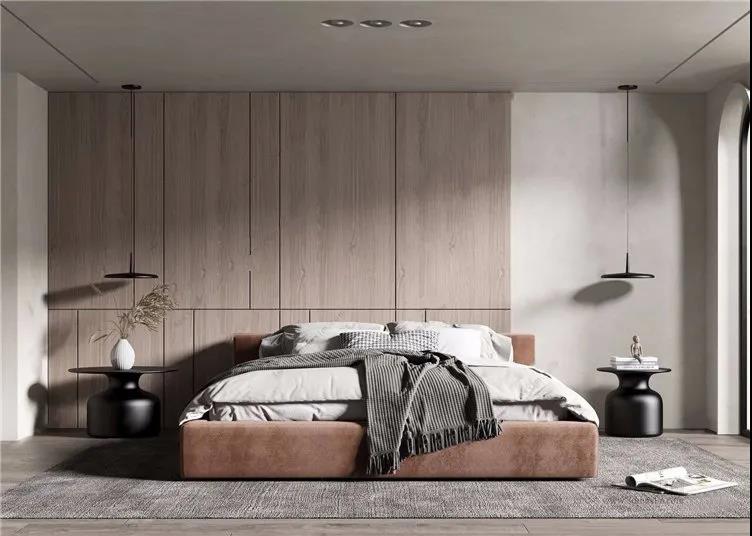
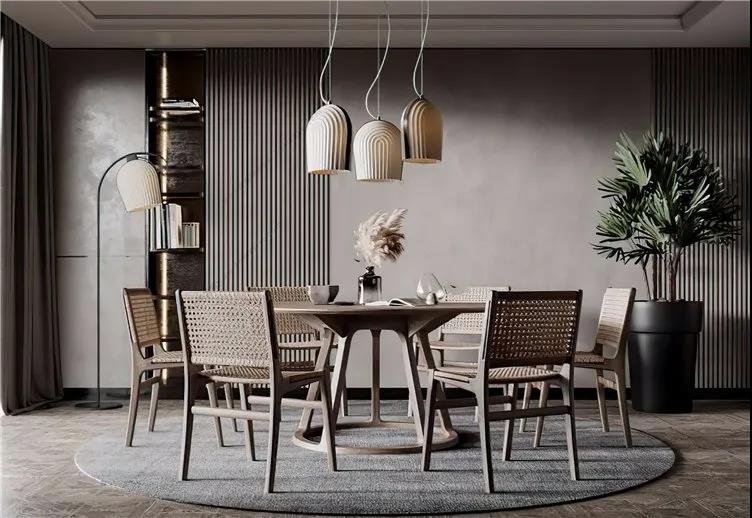
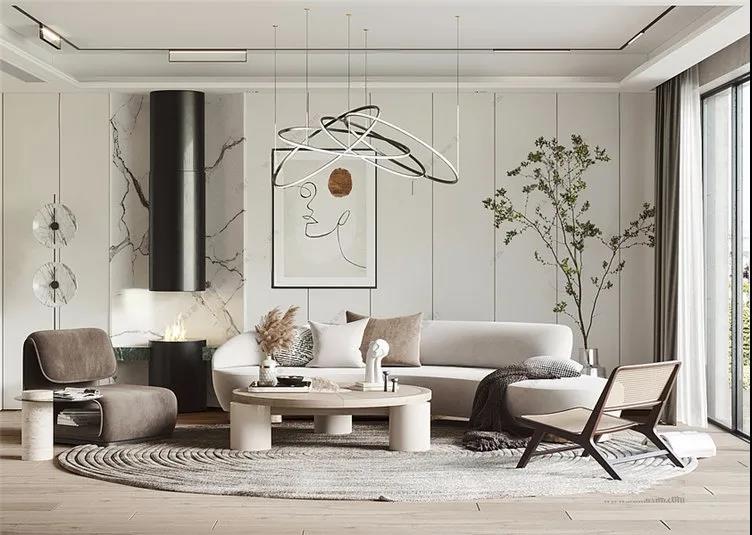
Plain Tone and Withering Rough Texture
Wabi-sabi as a whole does not have many bright colors
Most of them are dark gray and light gray
There are no overly complicated line elements
Indirect interspersed with milky white, earth color, light brown
Emphasis on the expression of wabi-sabi itself rough, dry, tattered
The emptiness of wither and silence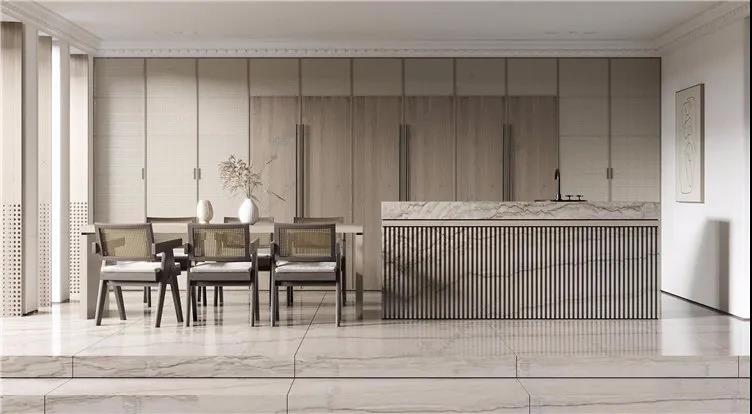
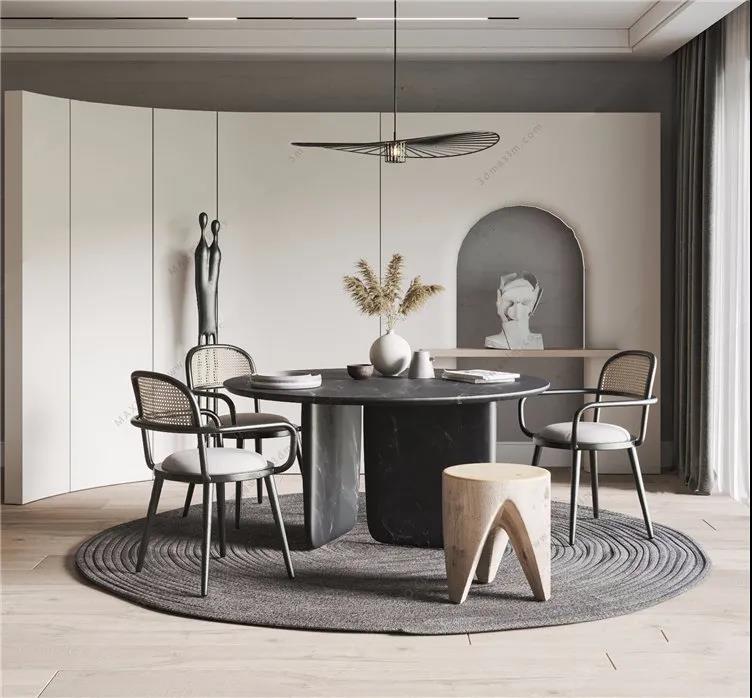
Minimalistic Abstract Painting
Wabi-sabi is mainly based on black, white, and gray
Fresh, minimalistic abstract painting and style of wabi-sabi complement each otherAnd add a cozy, warm vibe to the room, giving you the sense of returning to nature.
All images via google
-
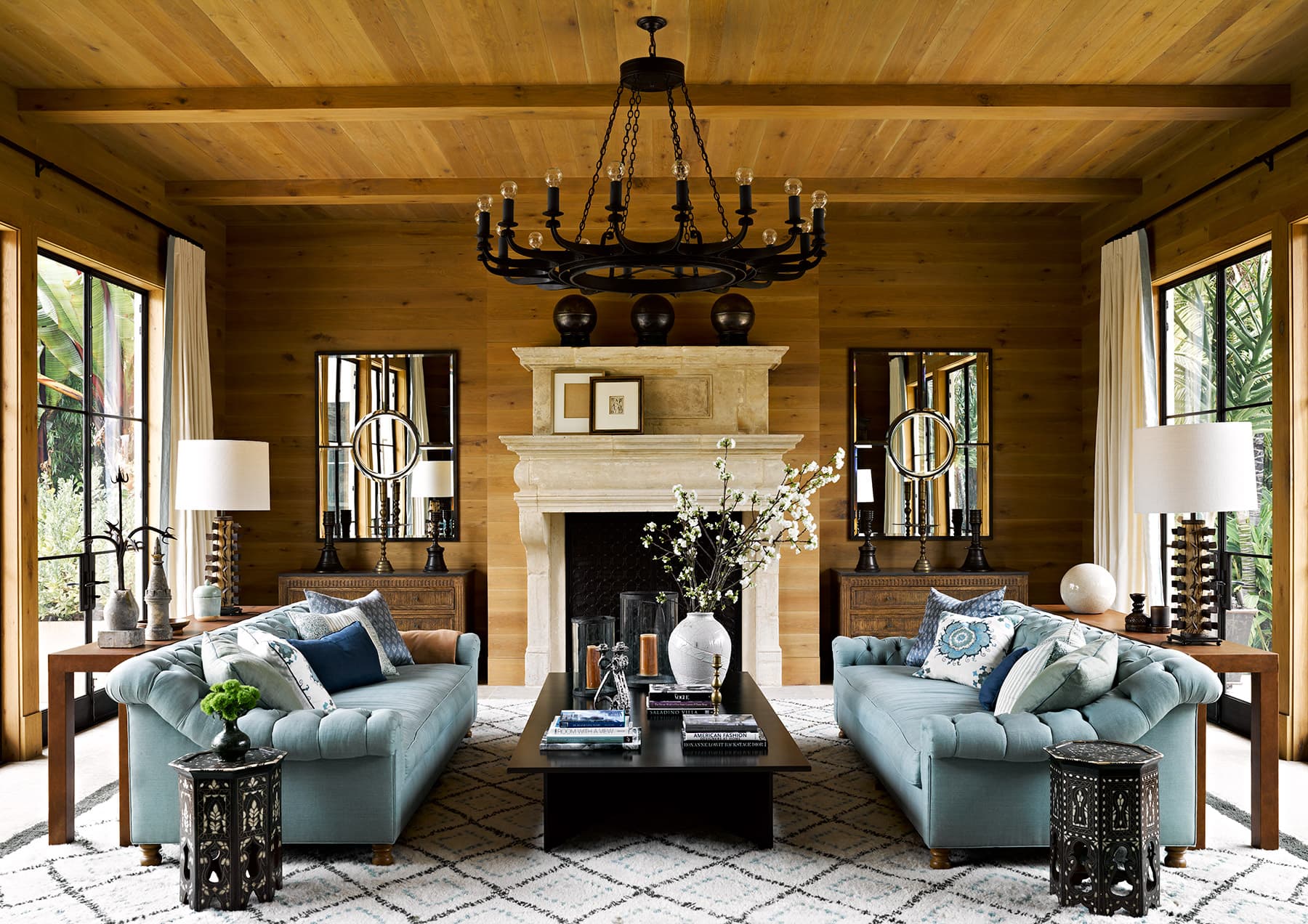
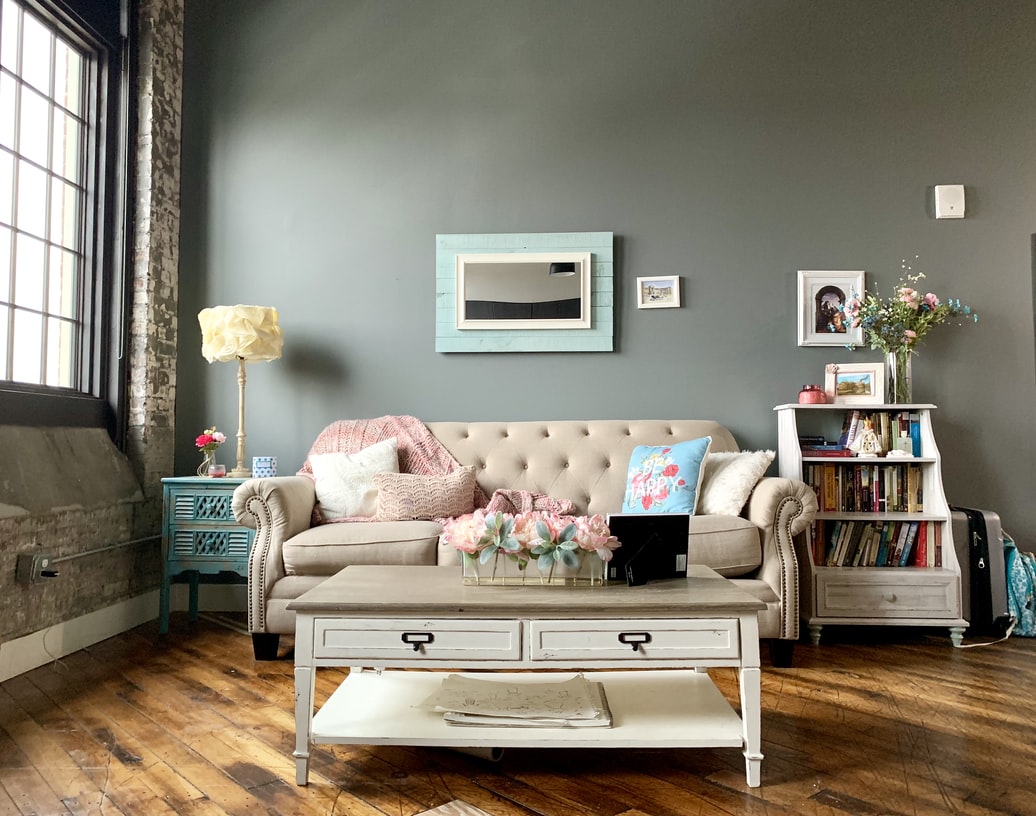
Image via Unsplash
There’s a plethora of different interior design styles out there. Finding approaches that work best for you and your business involves taking the time to consider your options. At SOA Arts, we find it’s often valuable to learn from the big names on the scene.
Martyn Lawrence Bullard is a phenomenal example. This interior design titan has been transforming spaces for many years and has been featured in television and award shows in over 60 different countries.
In this overview, we’ll explore the styles and approaches of this artist’s work to uncover valuable inspiration for those looking to improve their own properties. Whether you’re looking for interior design ideas for living room spaces, or just want general interior design tips, you’ve come to the right place.
Read on to learn more.
Martyn Lawrence Bullard (MLB)
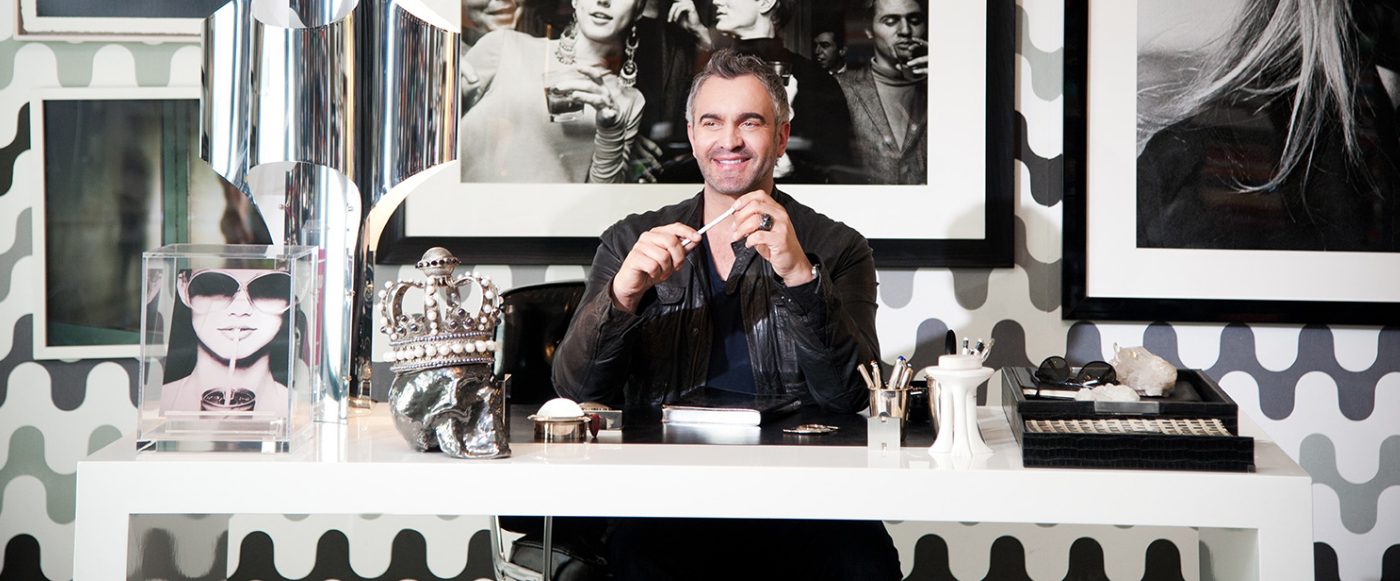
Image via martynlawrencebullard.com
Working from his base in LA, Martyn Lawrence Bullard has reached legendary status in the world of property design. His interior design styles are trusted by the likes of Kylie Jenner, Khloe Kardashian, Kourtney Kardashian, Tommy Hilfiger, and many more. The good news is that there’s plenty to learn from this artist’s approach. We explore a few key interior design tips below. Check them out.
Interior Design Styles – MLB
A comprehensive exploration of MLB is beyond the scope of this post. We’ve picked out a few headline styles below that should prove helpful in your own designs.
Fabrics and Patterns
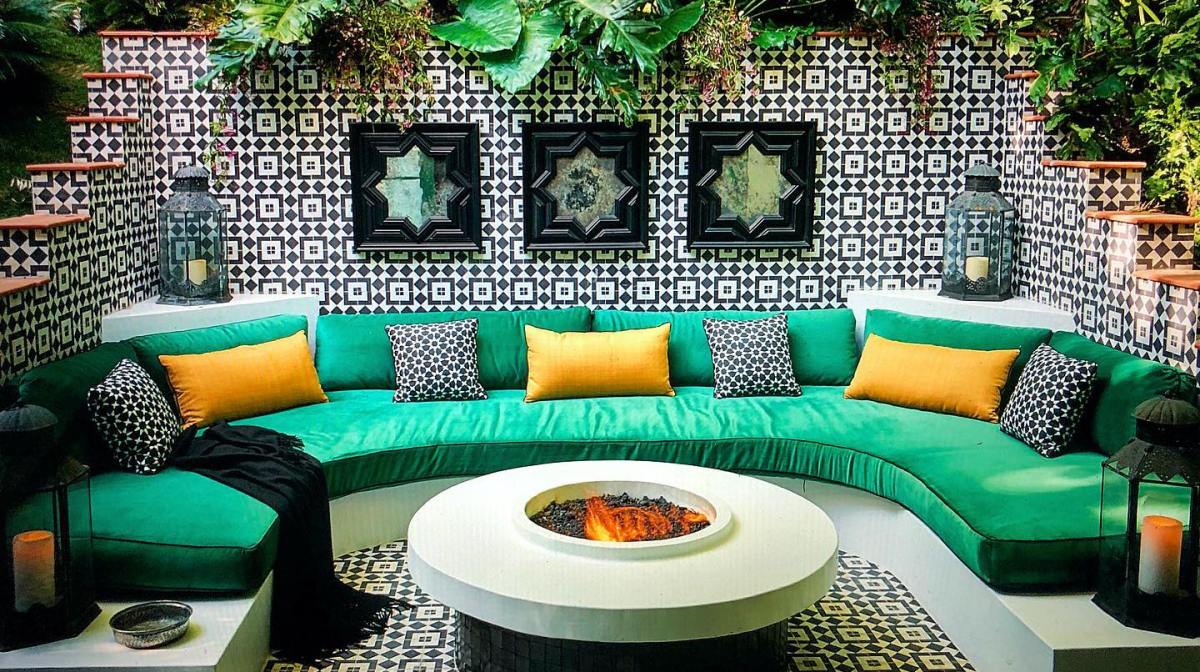
Image via martynlawrencebullard.com
One thing that really stands out with this designer’s work is his dazzling array of fabrics and interior patterns. From sumptuous wallpapers to statement cushion cases, fabric material is showcased in full force here.
When designing your own interior, see if you can find a statement fabric pattern that you love. How can you implement this in your space? A furniture fabric? Spread across the walls? The world really is your oyster if you think creatively.
Open, Natural Light
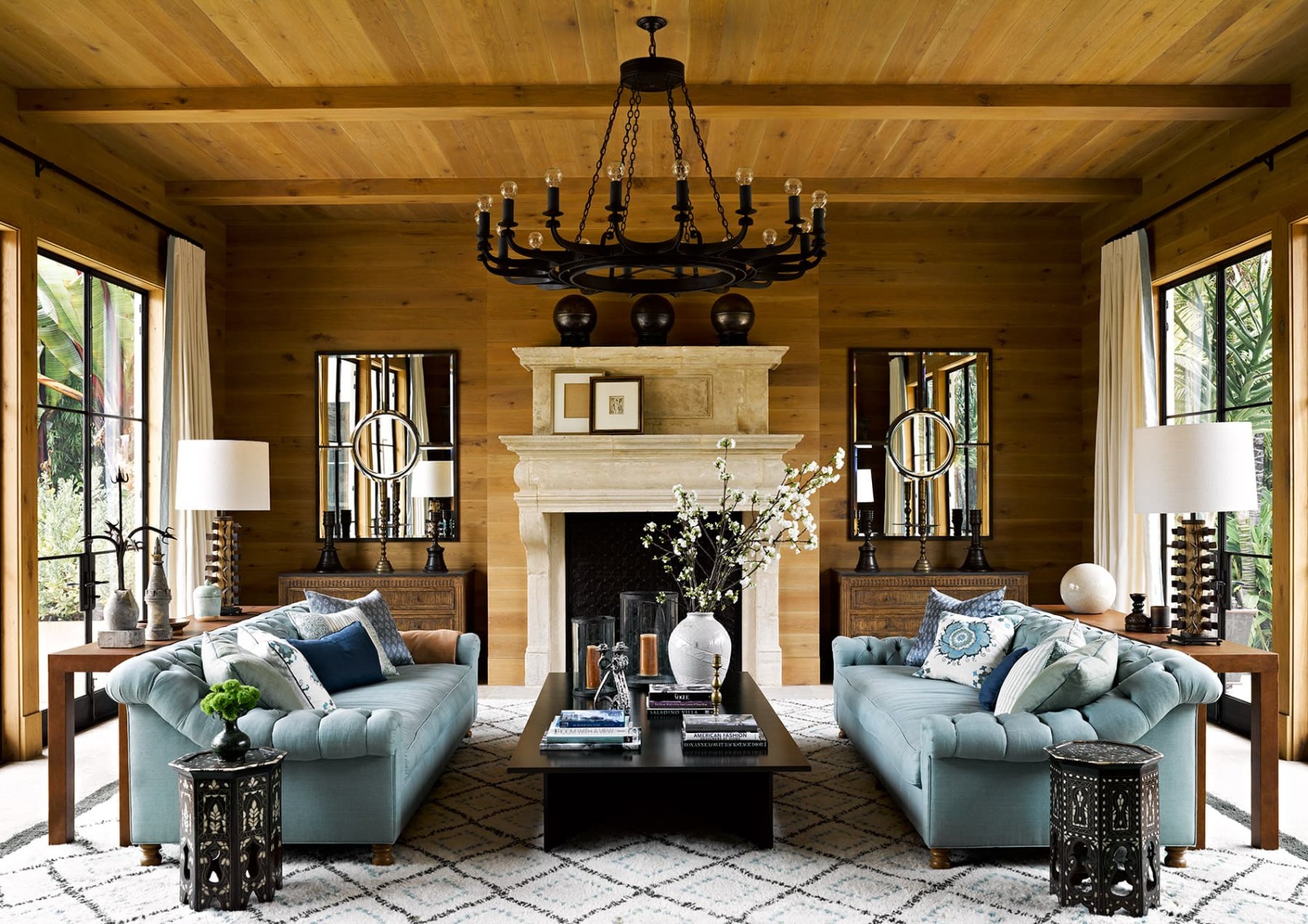
Image via martynlawrencebullard.com
Another feature that crops up again and again in MLB’s work is an abundance of natural lighting. Floor-to-ceiling windows and the floods of sunlight they bring are never far away. The result of this approach is that every other aspect of this artist’s designs is able to shine in all their glory.
As an interior designer, you’ll always be limited by the layout of your rooms. That said, it’s best to allow for as much natural light as possible for your interior spaces. Can you upgrade your windows to allow for more light?
Are you placing your furniture and statement pieces strategically to avoid blocking your available sunlight?
Statement Colors
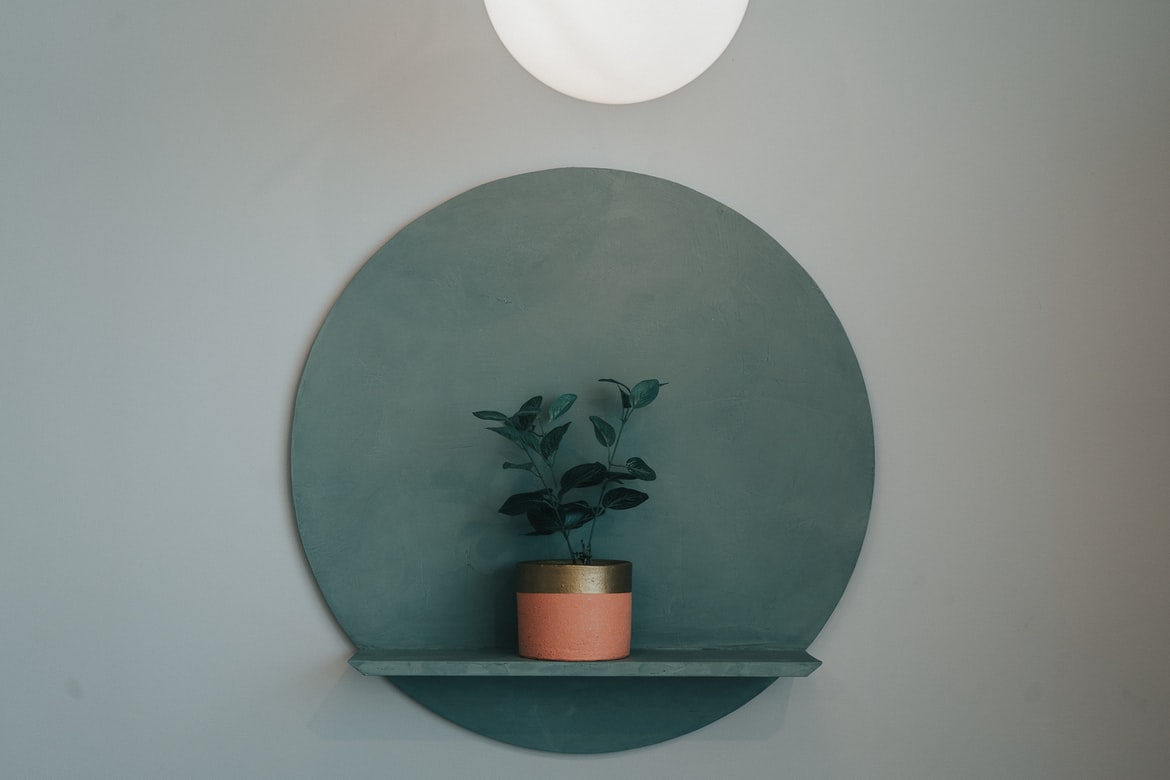
Image via Unsplash
MLB’s use of color can teach us valuable lessons about how to design interiors. In general, neutral tones are used throughout, with the exception of one intentional accent color.
This more vibrant, striking tone is often used intelligently to highlight a few iconic pieces. When creating your own spaces, think about how you can use color intelligently to draw focus to where you’d like it to be.
Interior Design Styles SOA Arts
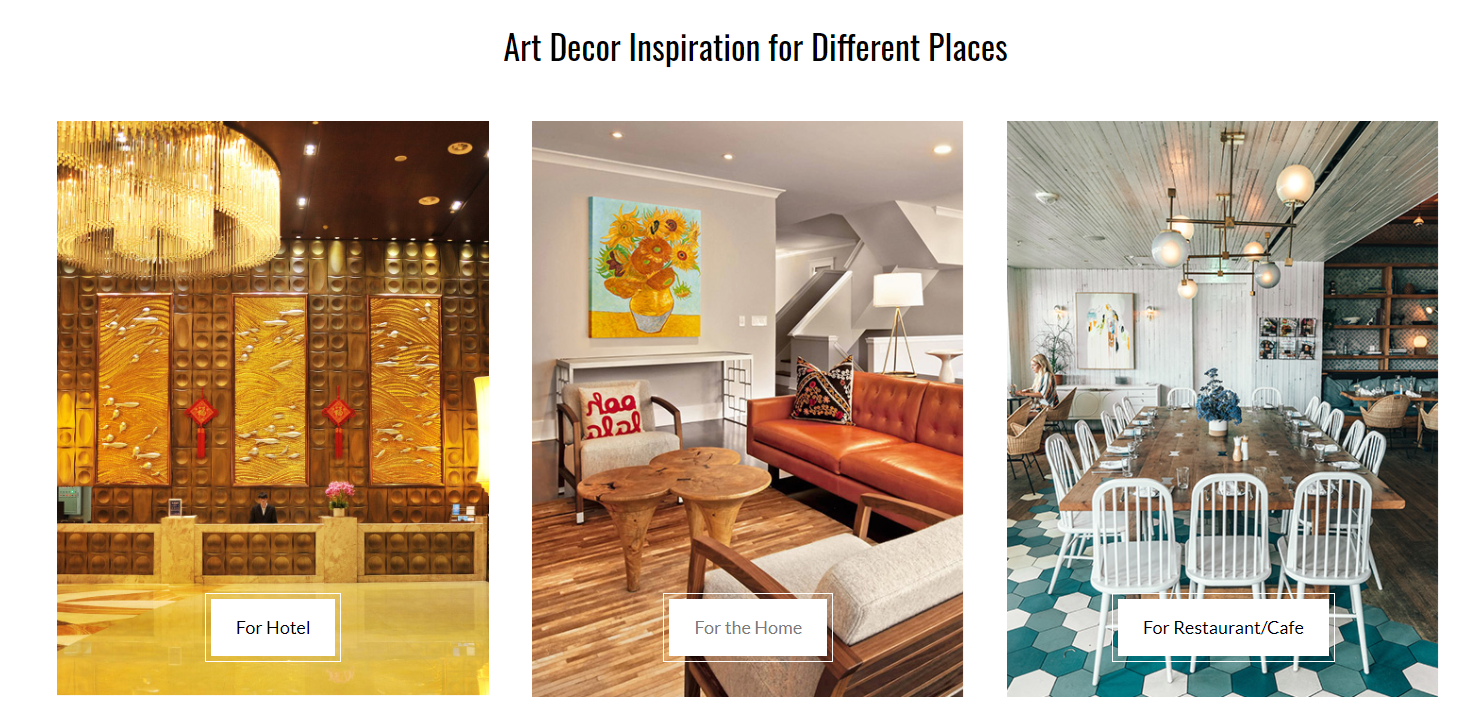
At SOA Arts, we have over a decade’s experience in creating, sourcing, and curating spectacular art for businesses around the world. We’re intimately familiar with current interior design trends and have everything you need to transform your property.
Whether you’re looking for something specific or need help getting started, feel free to get in touch today and a member of our team will be more than happy to get the ball rolling.
For incredible interiors with impact, think SOA Arts.
-
 18 Oct
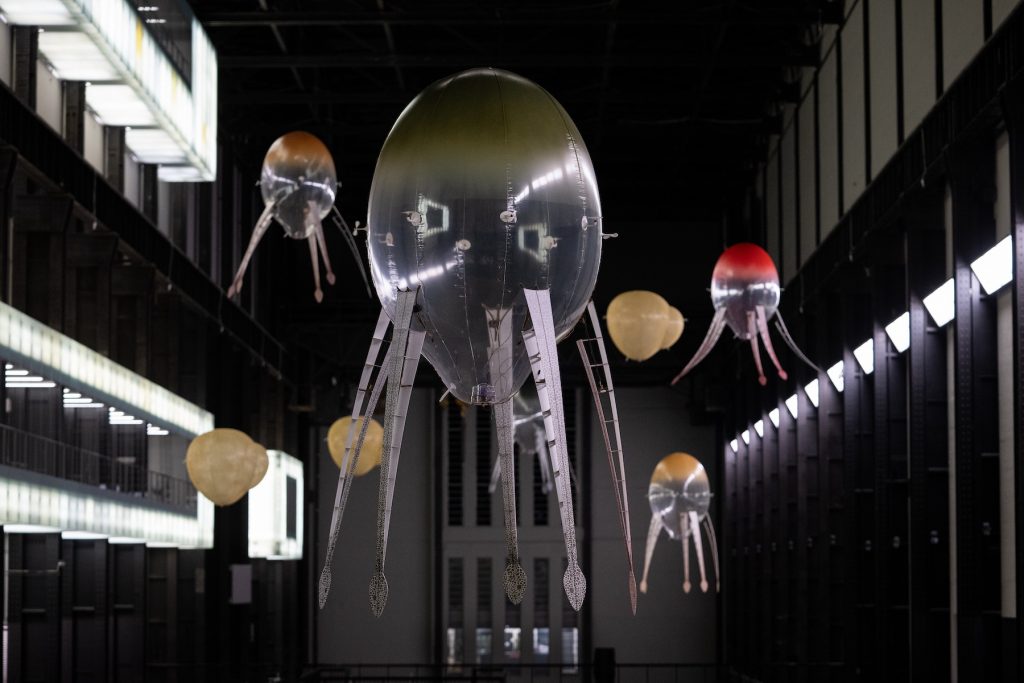
Hyundai Commission "Anicka Yi: In Love With the World" Tate Modern 2021. Photo ©Tate (Ben Fisher Photography).
It’s about time that we’ve seen some artificial intelligence on display for art purposes. As one of the premiere urban spaces on the globe, Turbine Hall opened doors in 2000. Outstanding artists from all around showcase their work at Turbine Hall for thousands to see at a time. However, Anicka Yi is taking a mind-blowing approach to Turbine Hall as she showcases what she does best: Using scent and air. Let’s take a look at her recently announced exhibit, In Love with the World, which looks something like a robotic alien invasion.
Anicka Yi is a conceptual artist who’s made an iconic mark among science, fragrance, and cuisine. As dominant as visuals are in the world of art, Yi incorporates smell into her work. Some of her selected works include You Can Call Me Fat The Kitchen (2015) and The Flavor Genome (2017). Not to mention, she won the 2016 Hugo Boss Prize, which recognized the power of body and singularity of the experimental portfolio of her work.
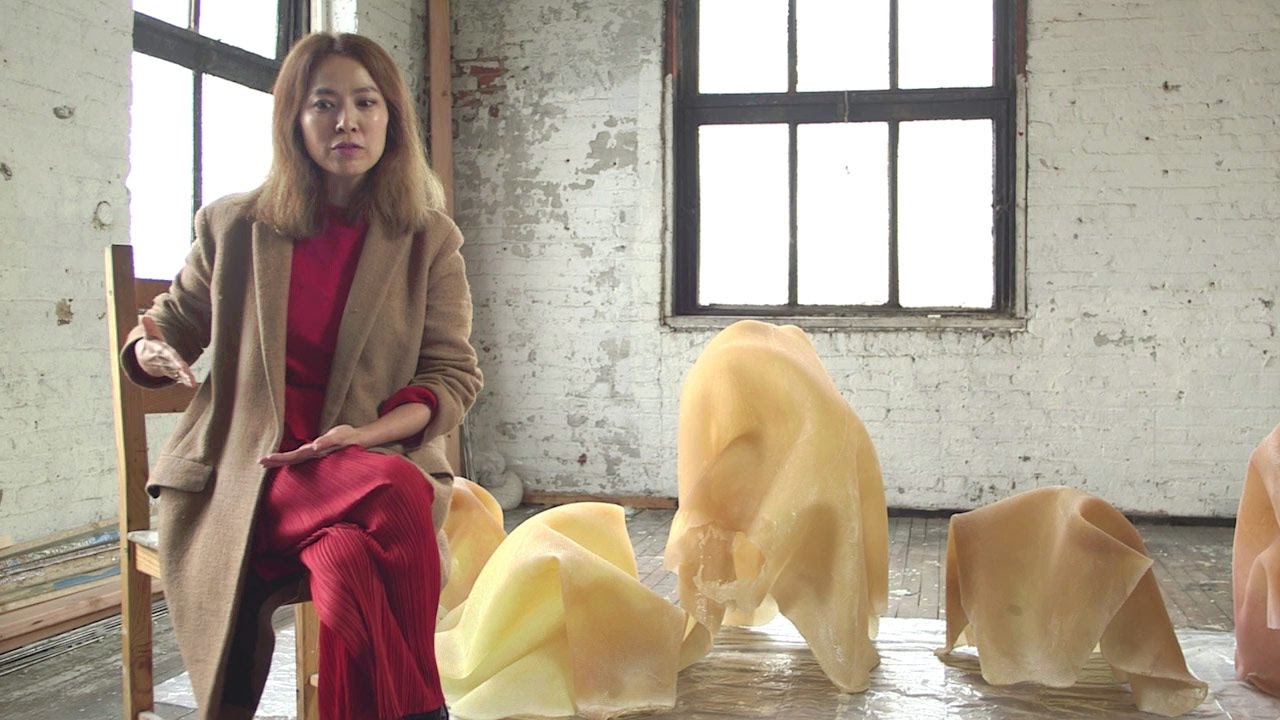
Image via Guggenheim Museum
One of her prized solo exhibitions: Life is Cheap, was ambitious enough. Bacteria were cultivated in separate rooms, ant colonies, custom scents and temperatures were produced to stimulate all the senses of visitors.
Anicka Yi used stunning visuals for this exhibit, such as powder-coated stainless steel, LED lights, and digital clocks. She combined bacteria and refrigeration with these visuals along with much more to create a perception of our sensory. Intersecting ideas of science, politics and human feelings like anxiety bring Life is Cheap to life. But now, she’s broken ground with a whole new level of ambition at Turbine Hall.
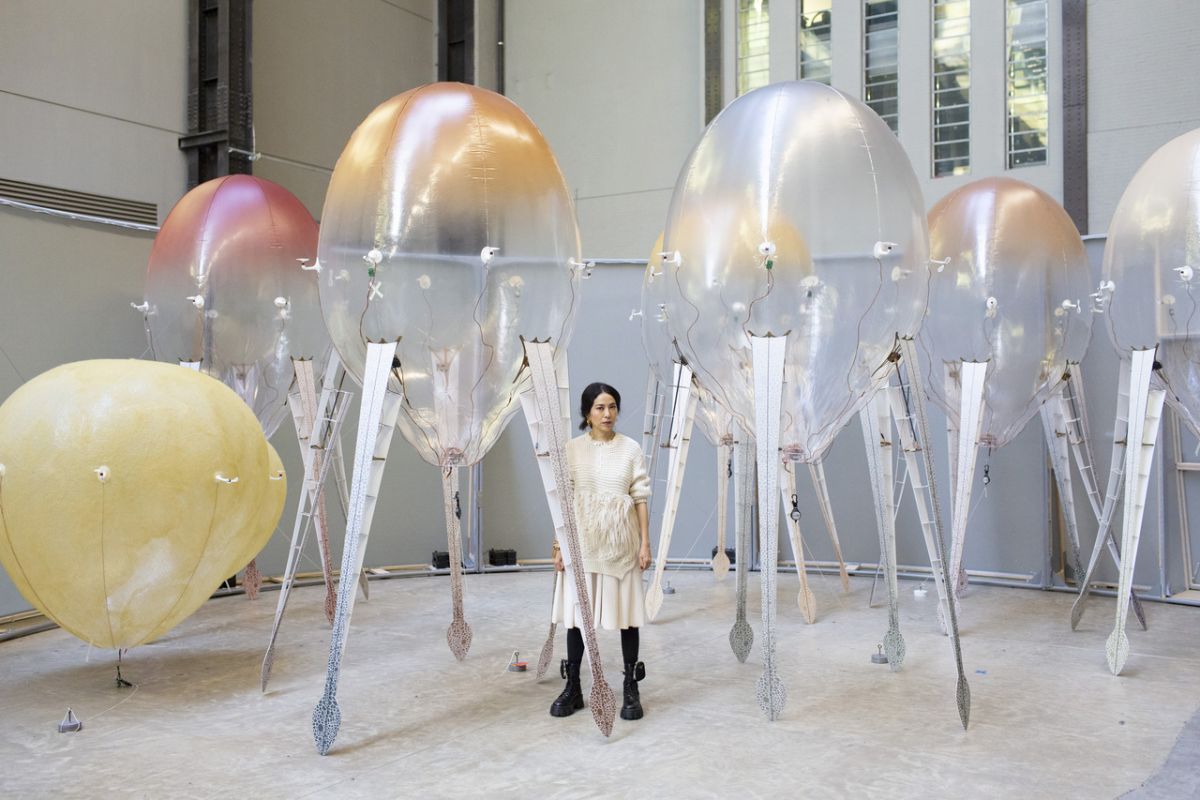 Image via The Straits TimesInvasion of the aroma machines at London exhibition
In Love with the World is the latest installment by Anicka Yi. It’ll leave you wondering about the barrage of balloons over your head. These helium-filled balloons have robotic arms that swim gracefully above as they float on. The floating drones detect human temperature and interact with the warmth that we produce. As you visit, the robotic machines, which are called “aeronomes” each have unique aromas that they dispense. The aeronomes populate the space around In Love with the World and create an ecosystem.
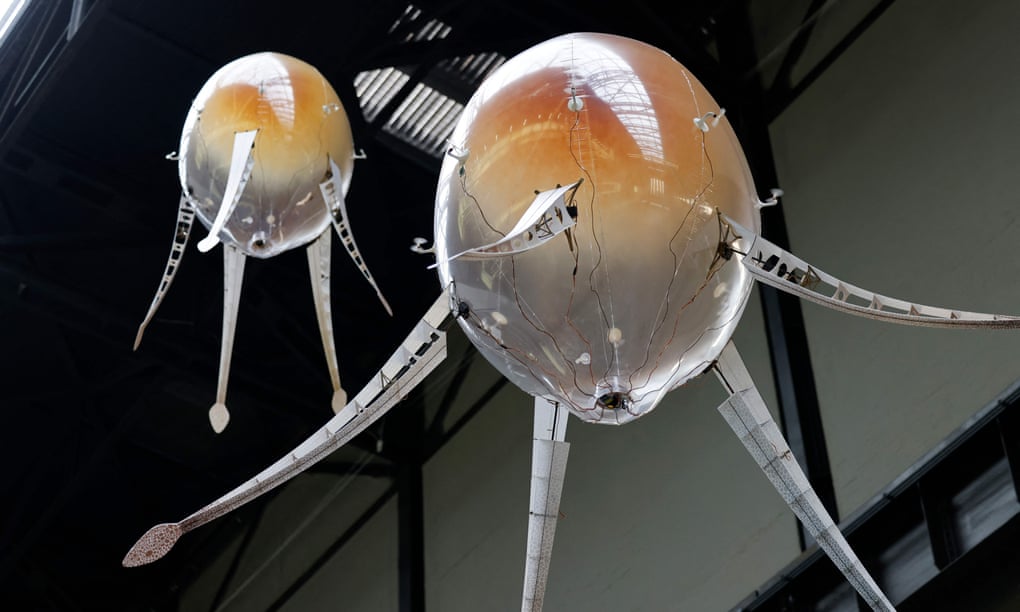
In Love With the World by Anicka Yi in the Turbine Hall of Tate Modern. Photograph: Tolga Akmen/AFP/Getty Images
The potential and mysterious nature of these aeronomes give excitement for the future. Could the scents change over time with different interactions? Or could the floating machines assemble in an organized fashion? They are human-engineered after all. But the robotics are meant to respond to humans just like we react to them. The truth is, we have no idea what’s in store for the behavior of her artificial intelligence.
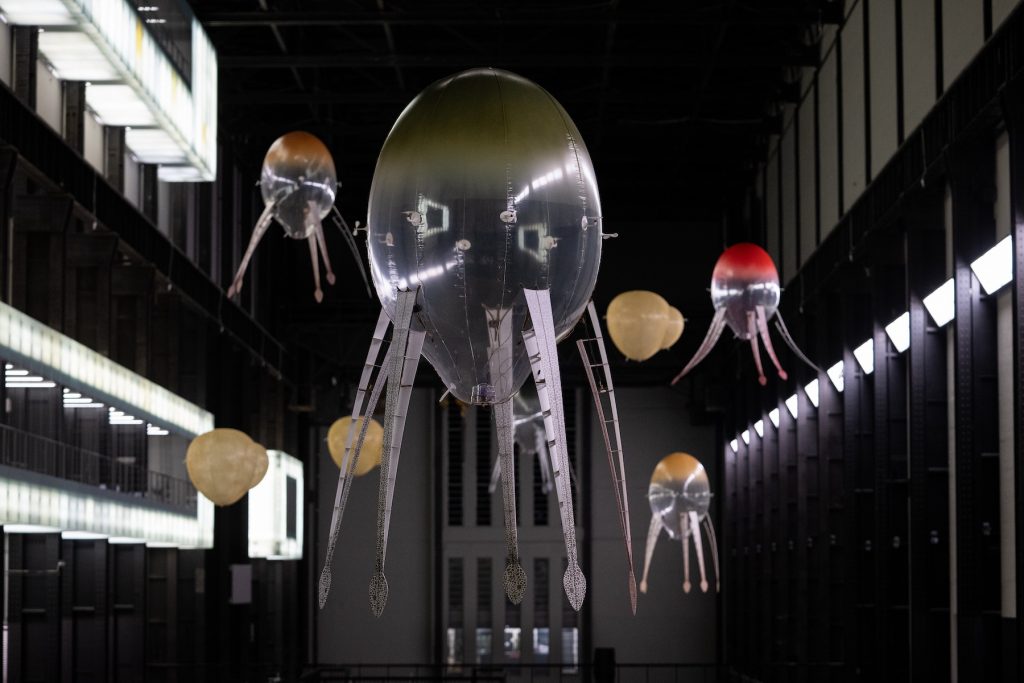
Installation view of Hyundai Commission “Anicka Yi: In Love With the World” at Tate Modern, October 2021. Photo by Will Burrard Lucas.
So what’s the meaning of this scientific ecosystem stimulating all of our senses in the process. Anicka Yi’s art philosophy is based around removing the barriers that we build between ourselves and nature. It’s about the way that we make distinctions between humans, animals, and plants. A trip to In Love with the World leaves visitors with questions about ourselves along with the system that we live in. It’s a blend of science, technology and biology that work seamlessly together.
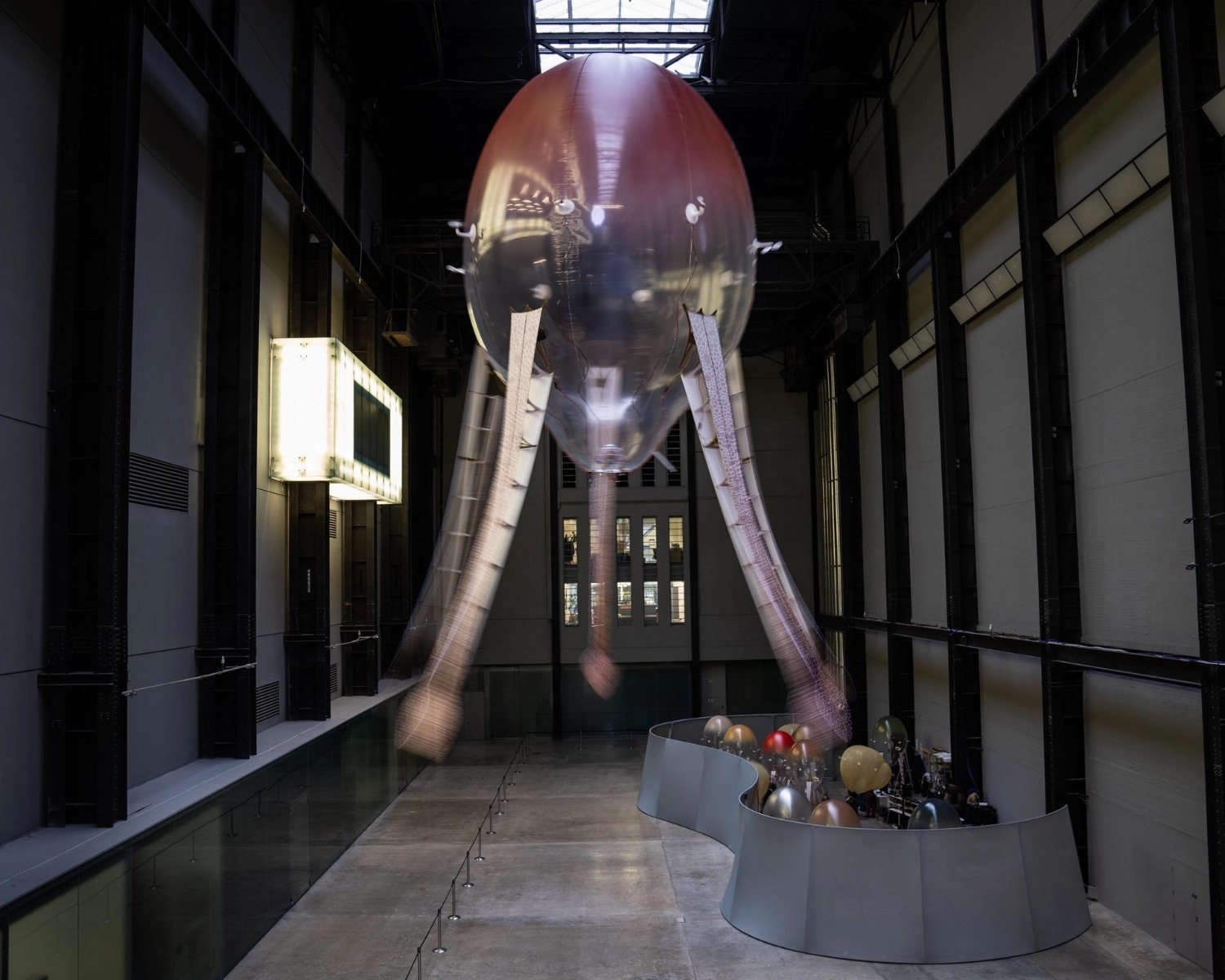
Installation view of the Hyundai Commission: Anicka Yi: In Love With The World at Tate Modern, London.Photo: Will Burrard-Lucas
The captivating exhibit In Love with the World opened on October 12, 2021, and will run through January 16, 2022. Hyundai Motor and Tate Modern announced the opening as partners for Yi’s latest installment. It’s Anicka Yi’s biggest and most ambitious project yet. Her use of scent and air inspires new ideas about our own impact on the ecosystem as humans. How will you perceive the ample space flooded with robotic aeronomes that float? The ever changing behavior of Yi’s aeronomes is sure to make some more headlines heading into the following year.
-
 15 Oct
If you’re a fan of art, then you’ll love these sculpture parks. Visiting these outdoor art installations is a great way to enjoy fresh air and culture at the same time.
To enjoy art, you don’t need to crowd into galleries.
Strolling Sculpture Park s= Visiting Art Exhibits
Noguchi has emphasized the similarities between natural Spaces and artworks, saying, “I like to think of gardens as sculptures of space.”In an open-air environment, sculptures are not constrained by the traditional restrictions of indoor museums and galleries, and their environment makes them more powerful. More importantly, the sculpture park offers visitors a new perspective on art and nature, capturing the harmony of their dialogue with each other. Today’s article will share 15 great outdoor art centers around the world that will prove that enjoying art installations doesn’t have to be an indoor experience.
01 The Most Powerful Collection of Contemporary Sculpture in America
Storm King Art CenterNew Windsor, New York
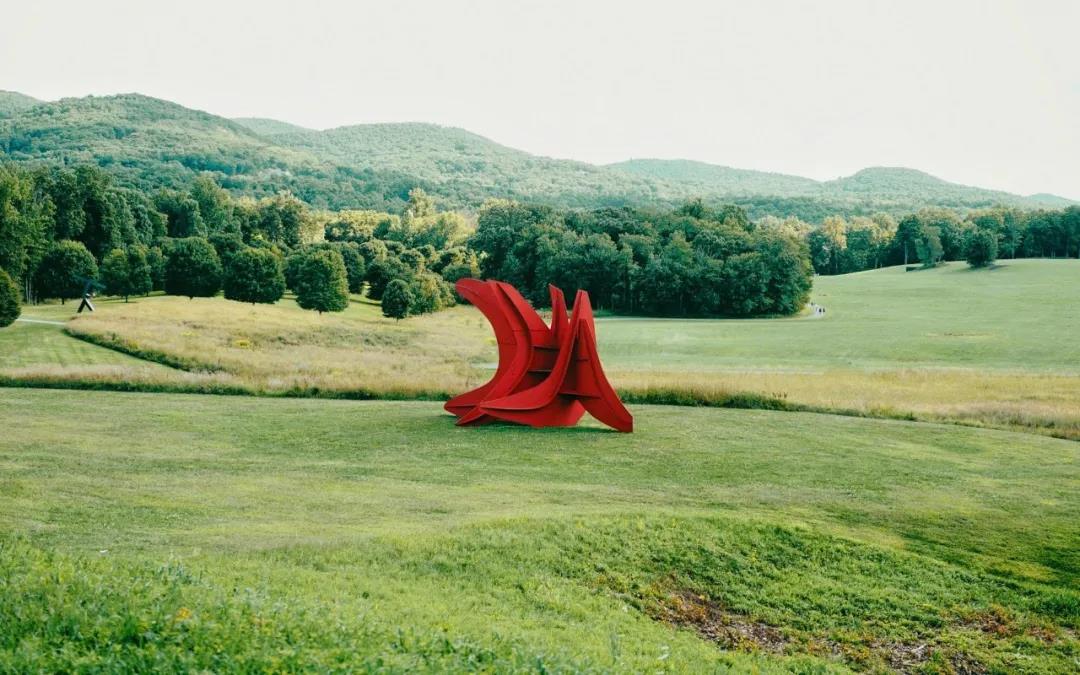
Quiet hills and open fields, a day’s trip from New York City. Founded in 1960, Storm King has the most powerful collection of contemporary sculptures in the United States, with more than 100 masterpieces dotting the stunning landscape on 500 acres.
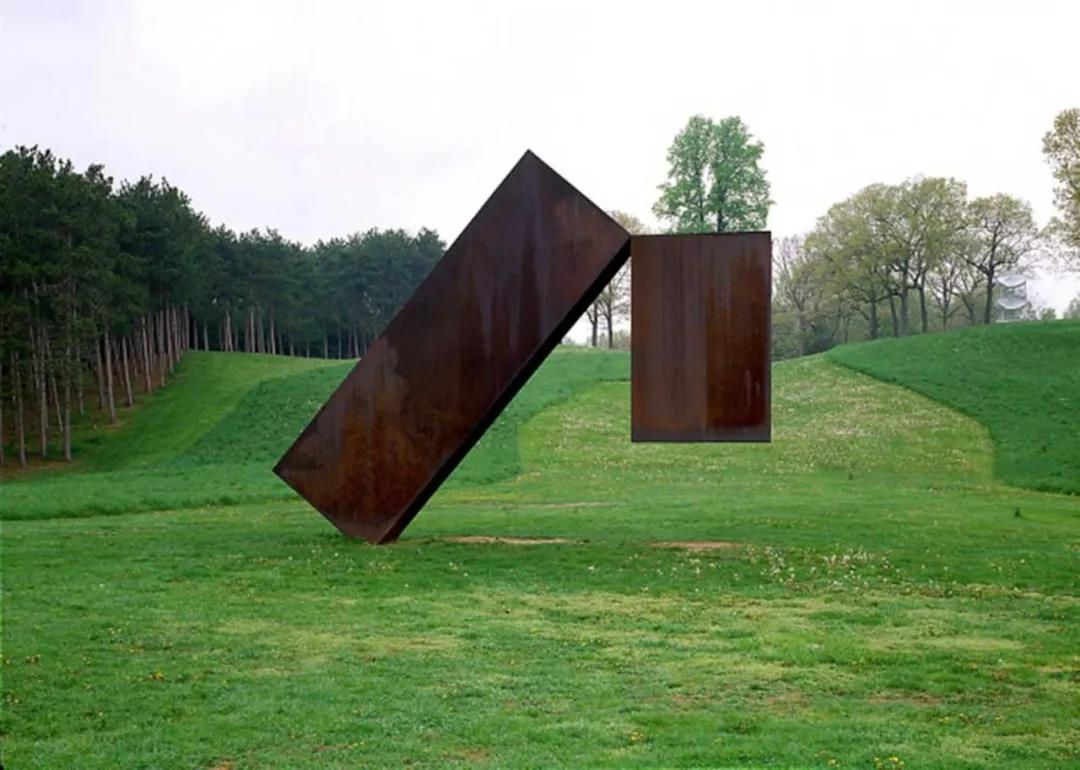

Works by Andy Goldsworthy, Sol LeWitt, and Henry Moore, among others, dot the hills, woodlands, and ponds, creating a melodious connection between art and nature.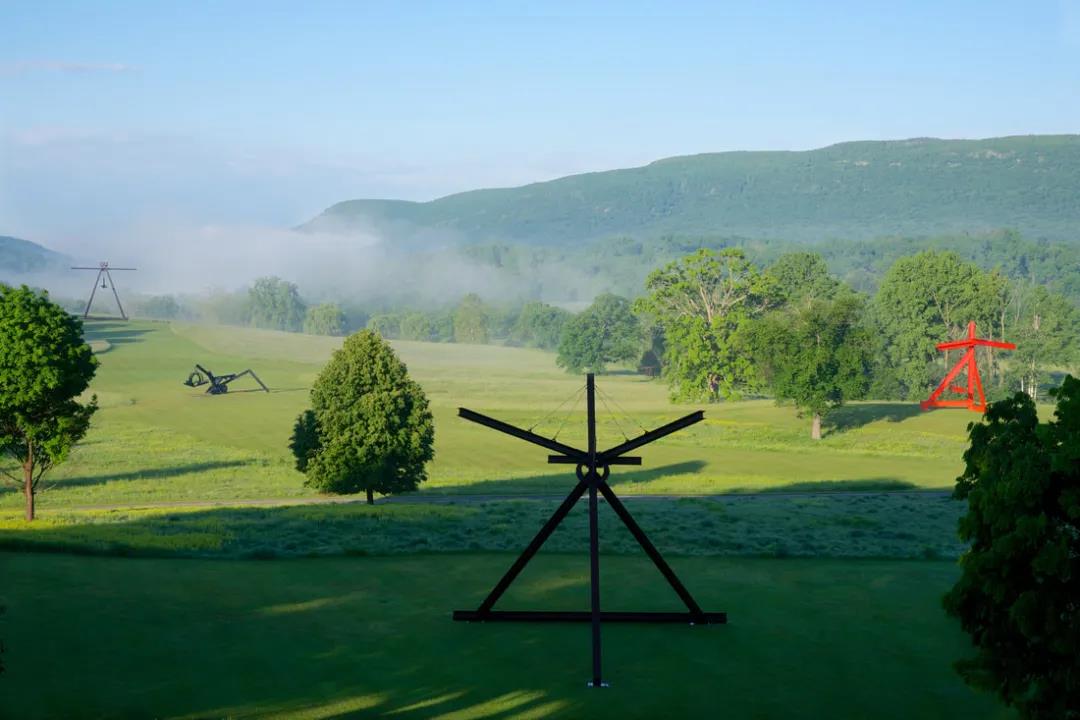
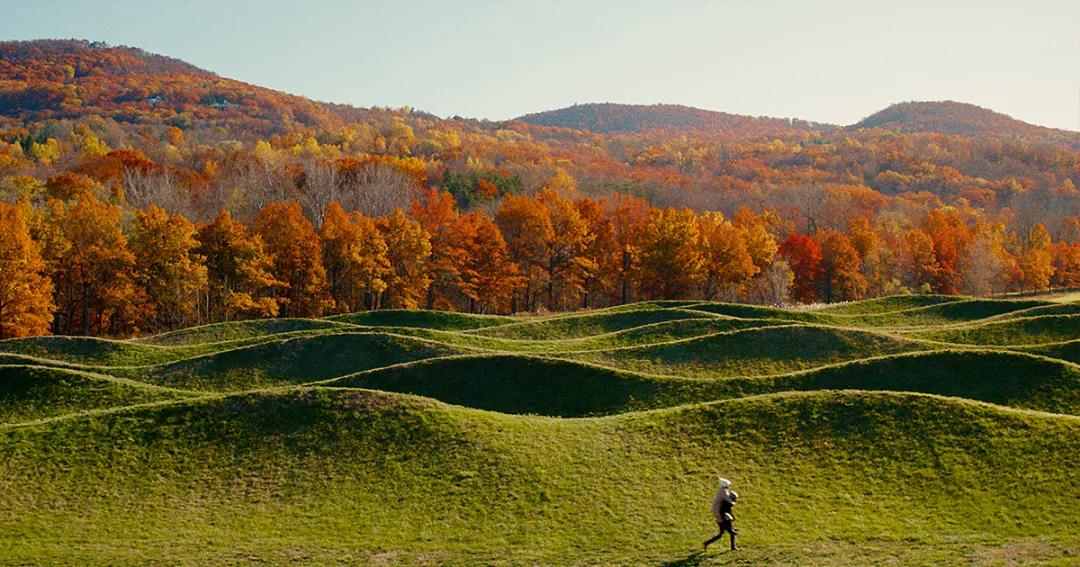
In addition to an incredible permanent collection, from award-winning temporary exhibitions to public programs like bird watching and yoga, Storm King aims to foster an appreciation of sculpture and enrich the local community.
02 New Place Near Berlin
Schlossgut Schwante
Oberkrämer, Germany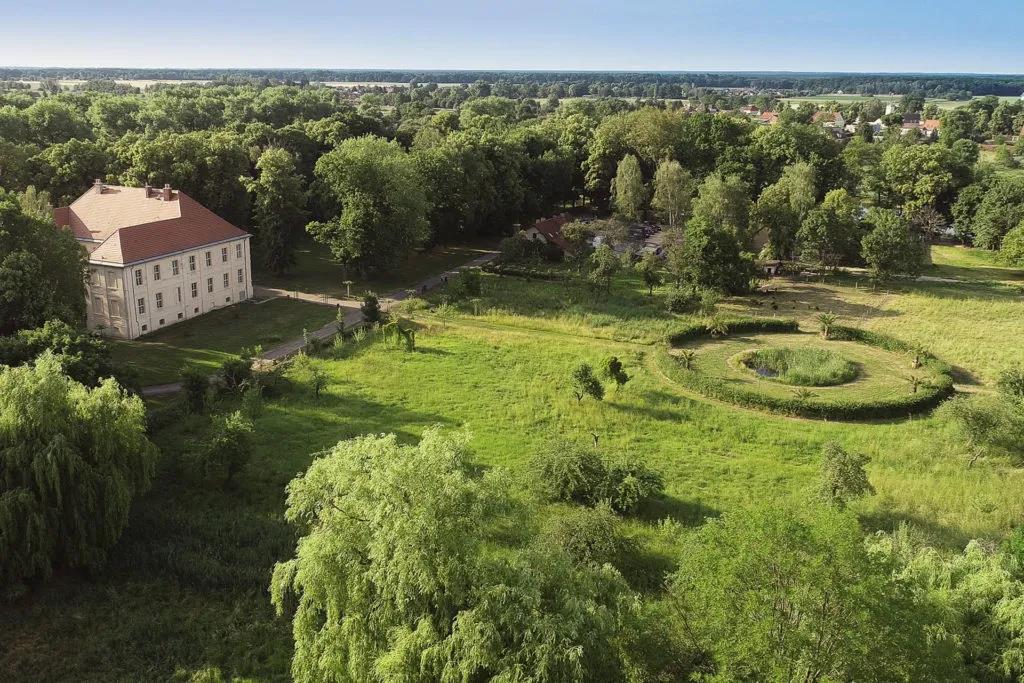
The Schlossgut Schwante Sculpture Park, just 45 minutes from Berlin Mitte, opened on June 19, 2020.
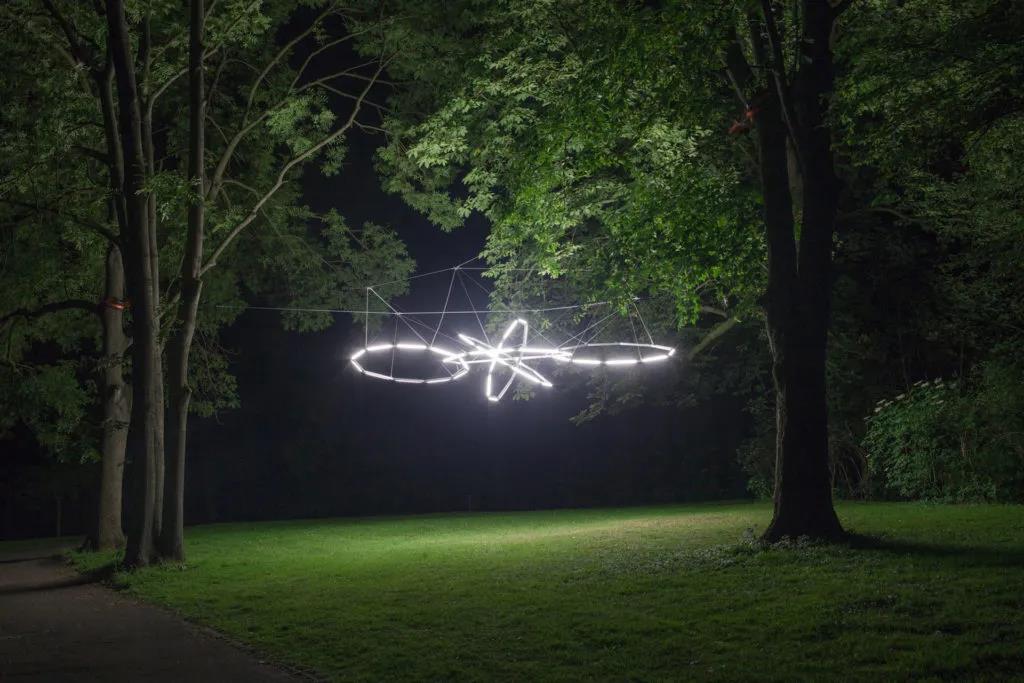
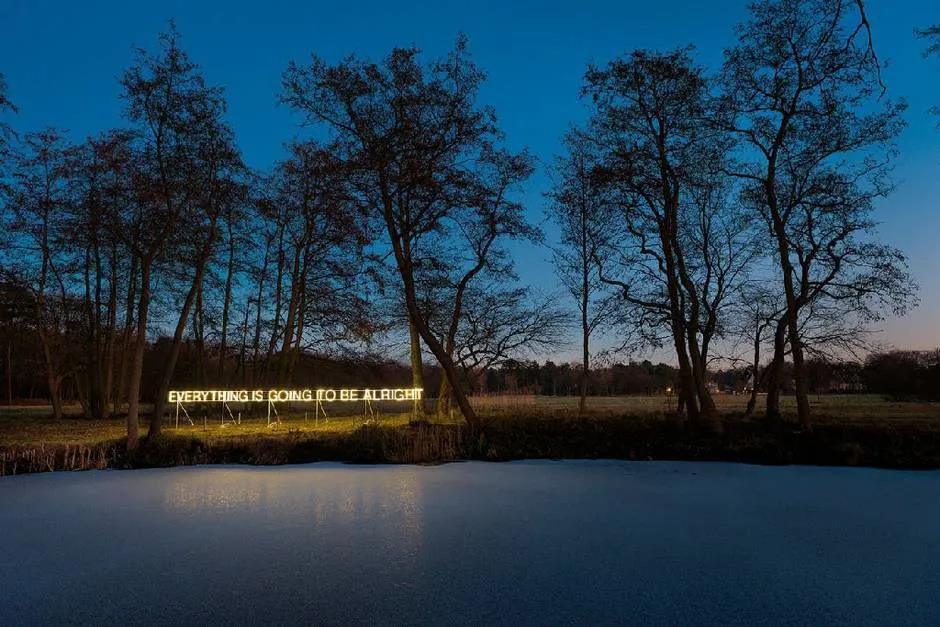
The inaugural exhibition, Sculpture and Nature, features works by international artists, including Ai Weiwei, Tony Cragg and Maria Loboda in impressive manorial and pastoral Settings.
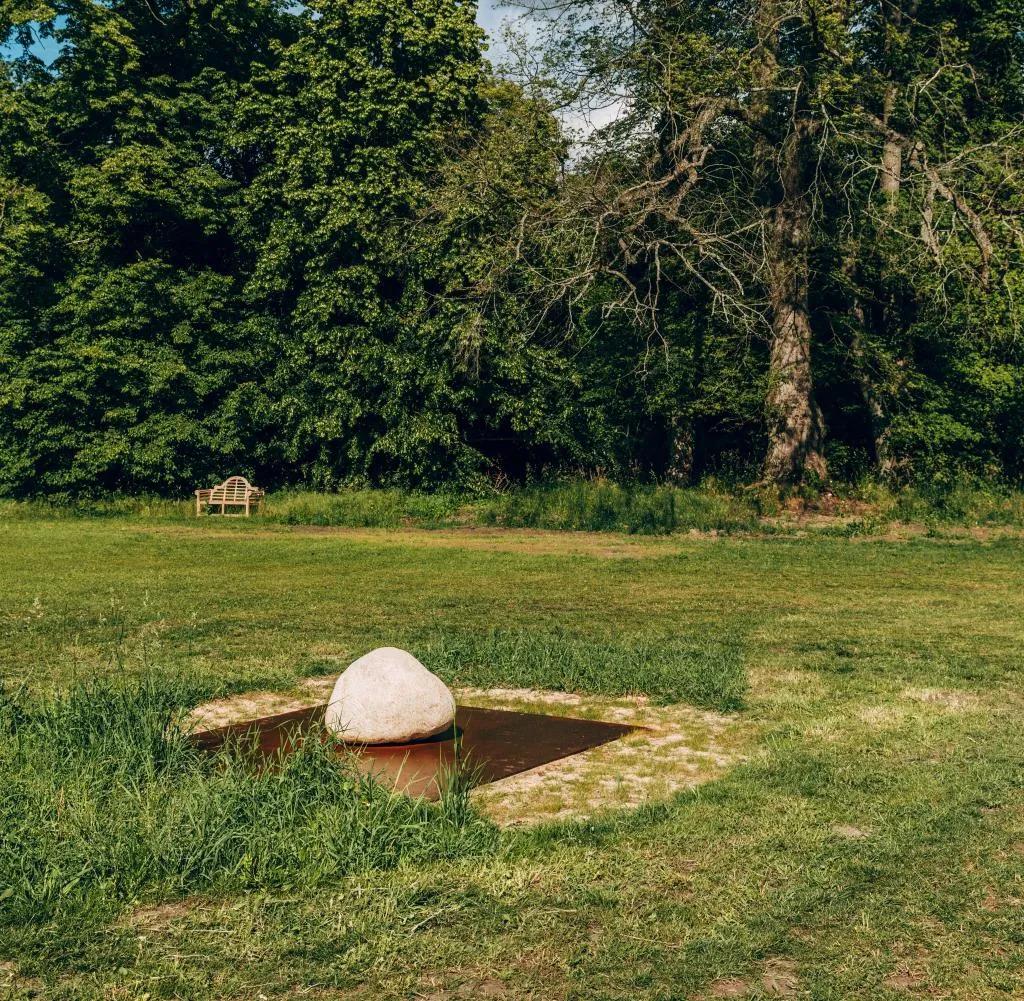
The park will update its program every two years and engage with the local community through yoga and photography classes, markets, artist lectures and other promising events.
03 An Art Center Deep in the Brazilian RainforestInhotim
Brumadinho, Brazil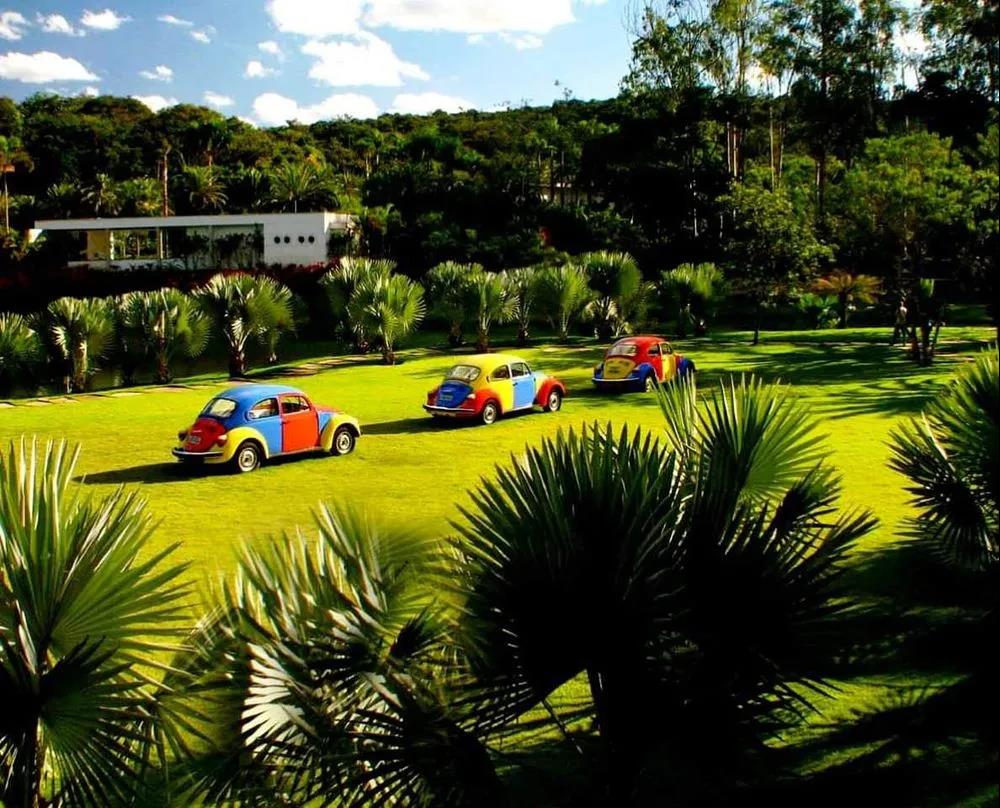
In the mid-1980s, Bernardo Paz, a Brazilian mining magnate and one of the country’s foremost collectors, conceived of inhotim, which quickly became one of Latin America’s most impressive outdoor art centers and a natural heritage site.
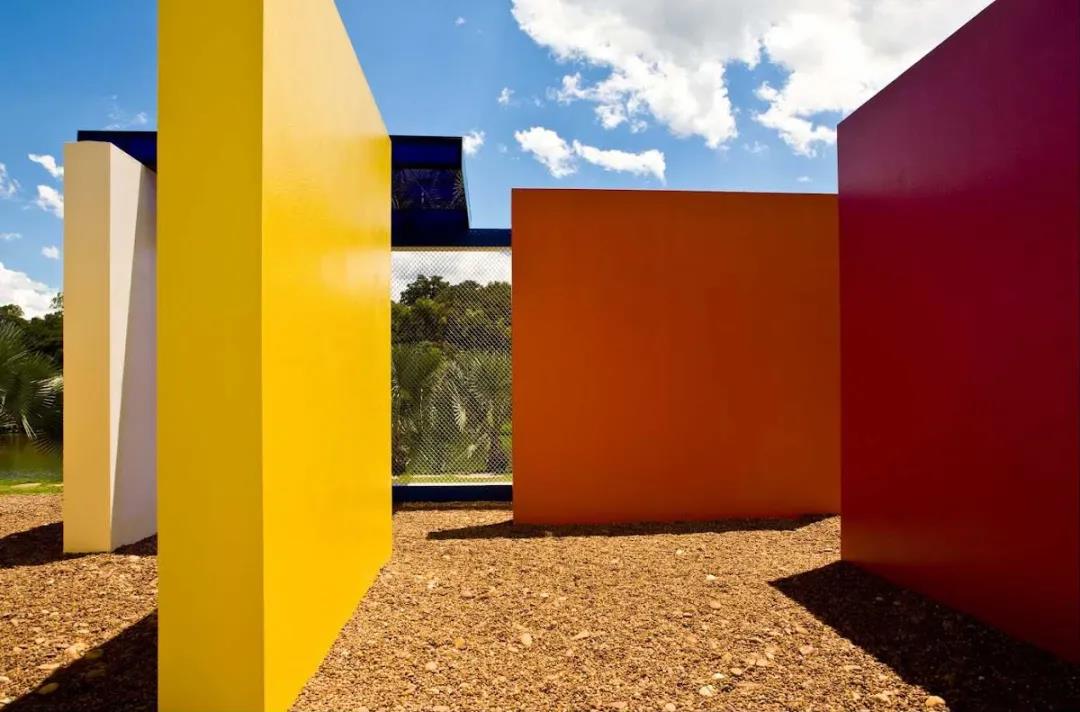
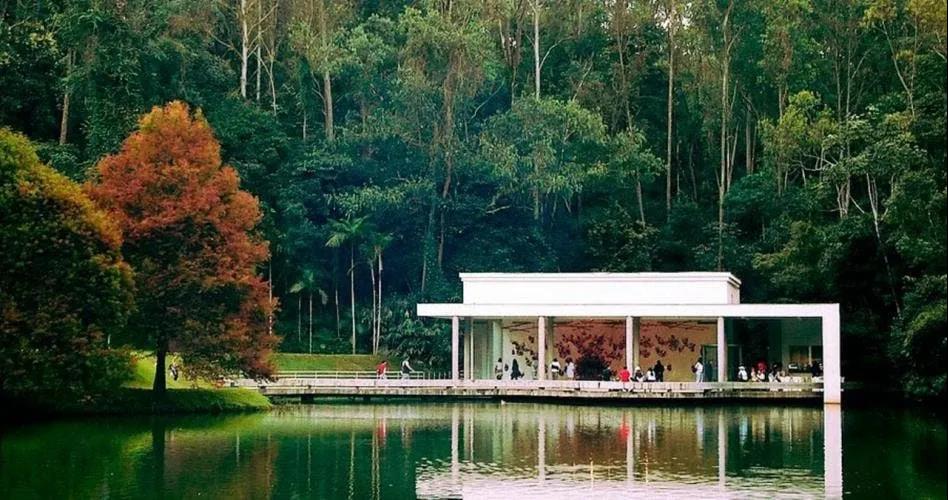
Today, it is one of the most important contemporary art museums in the world on this private property. Within a tropical forest of over 140 hectares, a simple visit easily turns into an endless exploration, combining art and nature.
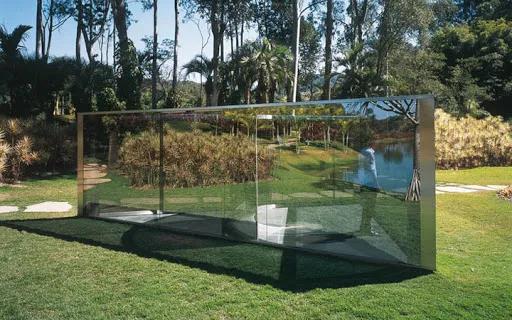
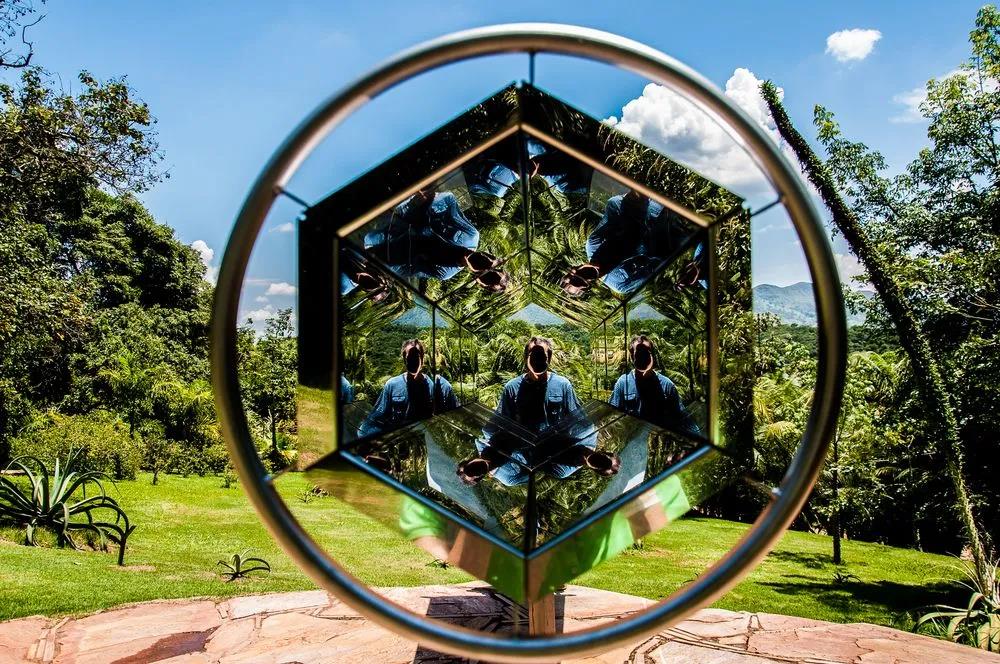
It is a vast botanical garden with a diversity of rare species from all continents and more than 1,400 palm trees. You can see this via Eliasson’s Viewing Machine -- a kaleidoscopic tunnel that enhances the stunning vegetation around it.
04 Grazing Sheep Everywhere
Yorkshire Sculpture Park
Wakefield, England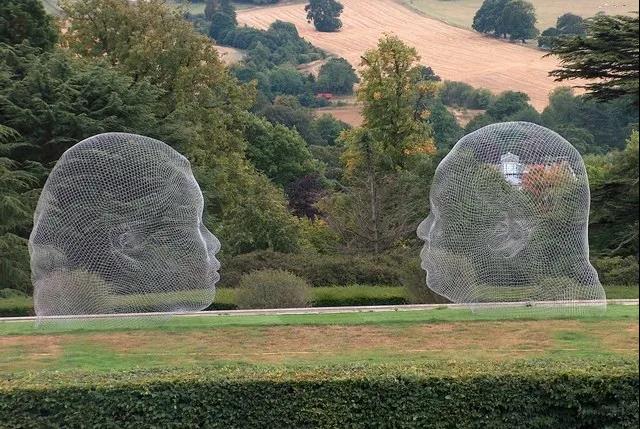
Yorkshire Sculpture Park is the UK’s first permanent sculpture institution and one of the most stunning collections of sculpture in the world. Located in West Yorkshire, England, the park houses works by world-renowned artists such as Henry Moore, Anthony Gormley, Joan Miro and Mark di Souvero, which blend elegantly with seasonal changes and spectacular elements of nature.
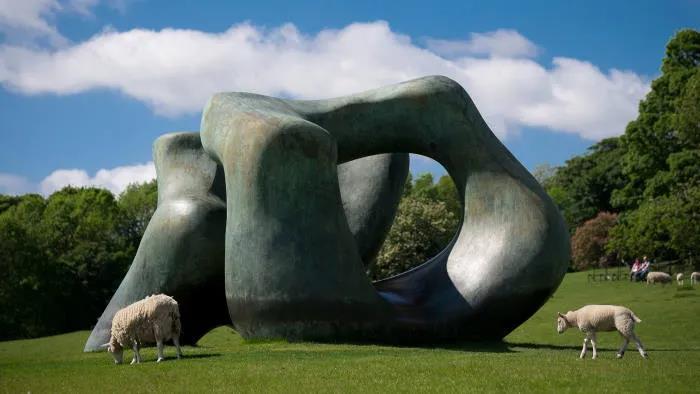
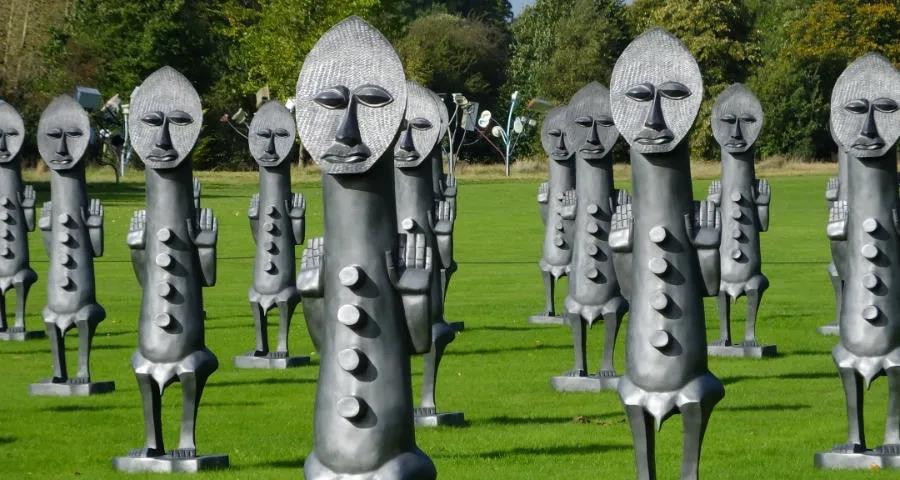
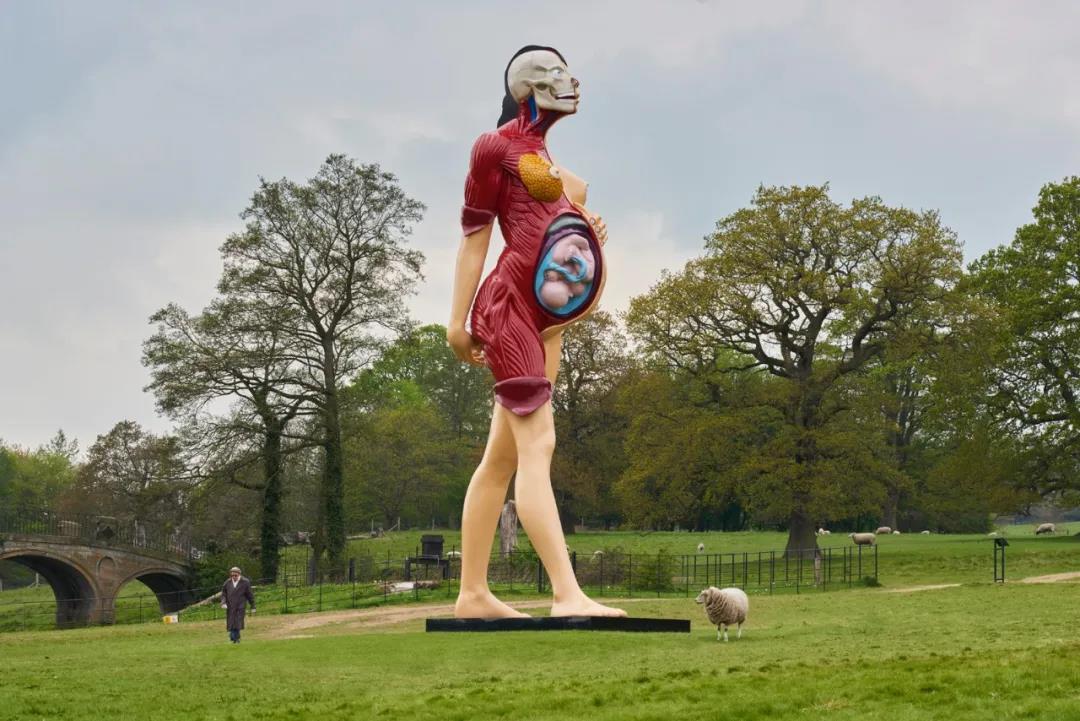
YSP has also been praised for its top rotating exhibitions, currently featuring works by Damien Hirst and Joana Vasconcelos. A stroll through the fields, lush greenery, a chance encounter with grazing sheep and a visit to Yorkshire Sculpture Park is surely an overall magical experience.
05 Cells of Life in the Rural Landscape
Jupiter Artland
Edinburgh, Scotland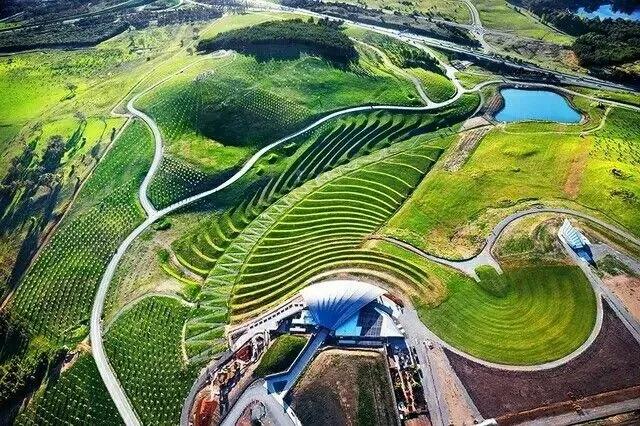
Jupiter Artland is one of Scotland’s leading arts organizations and is located on an old estate, just outside Edinburgh, with a stunning sculpture garden covering over 100 acres of woodland and grassland. Nicky and Robert Wilson, the founders and art collectors, bought the property in 1999 and decided to open the site to the public in 2009, creating an engaging space.
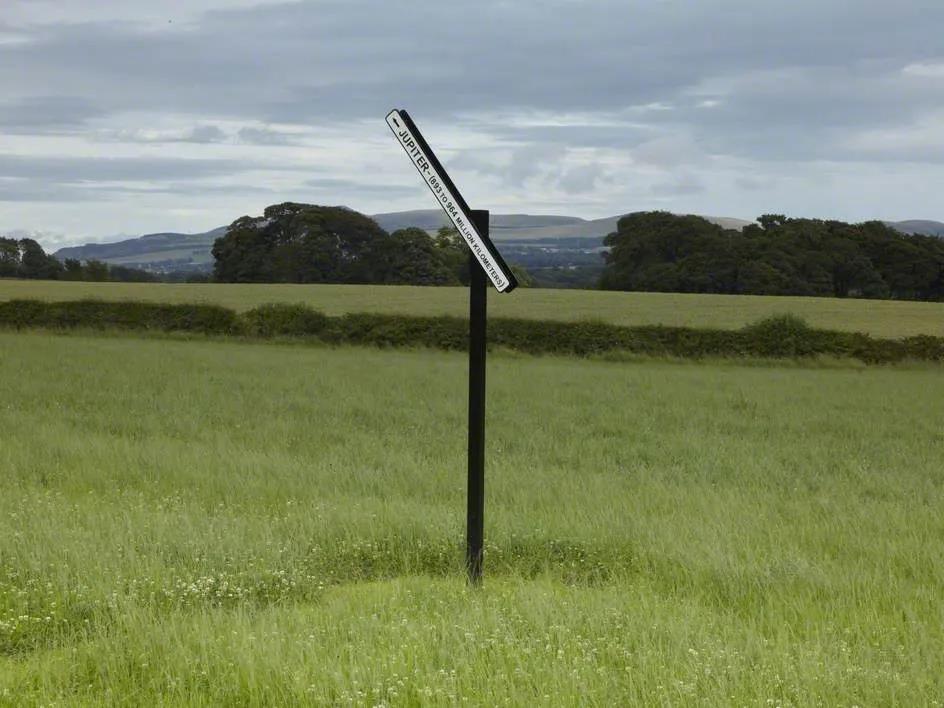
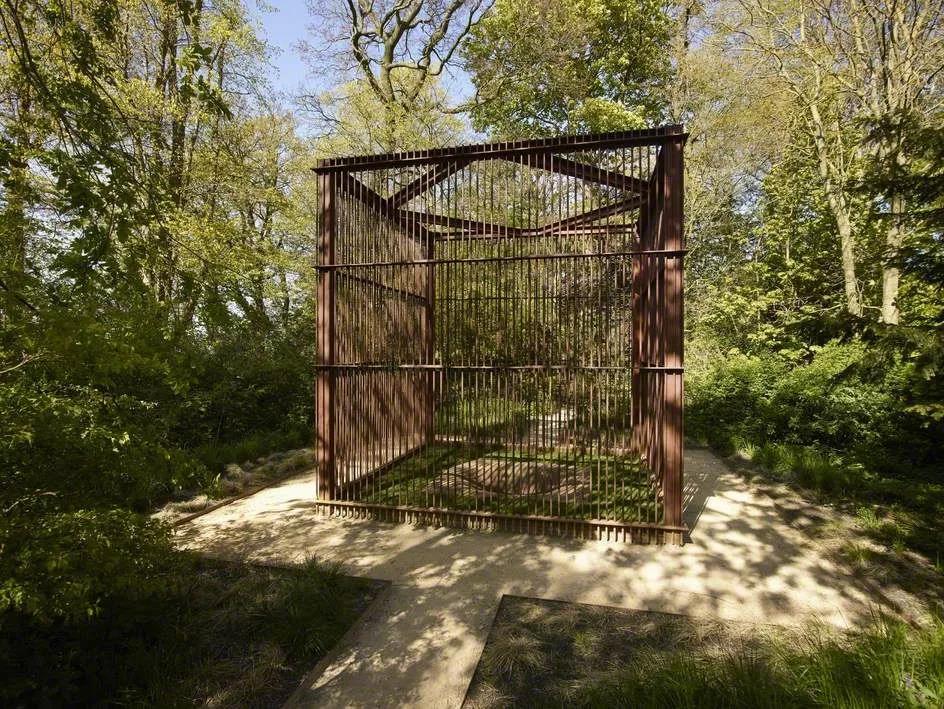
Here, you can see artworks by artists like Antony Gormley, Cornelia Parker and Anish Kapoor scattered around the delicate rural landscape.
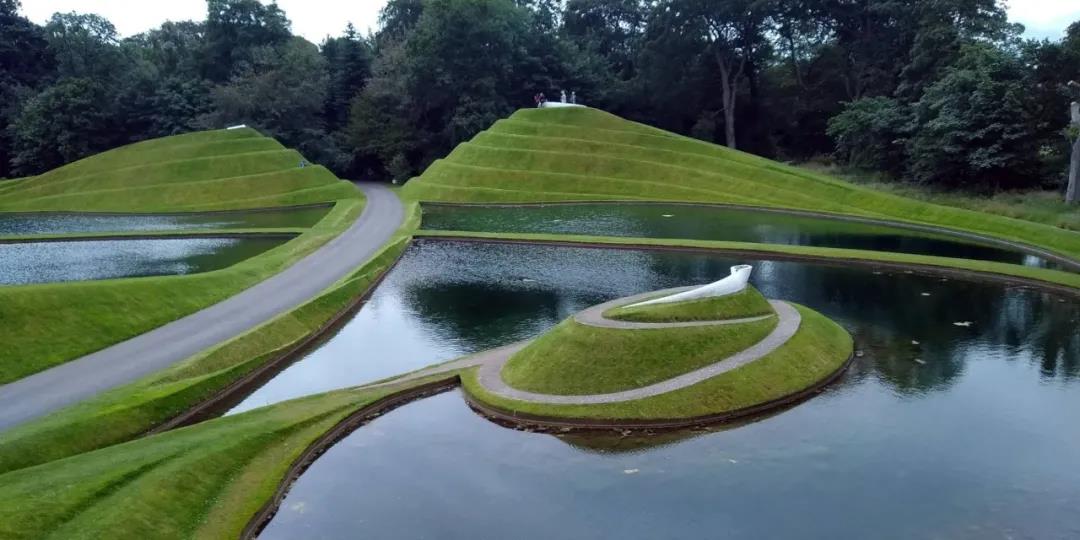
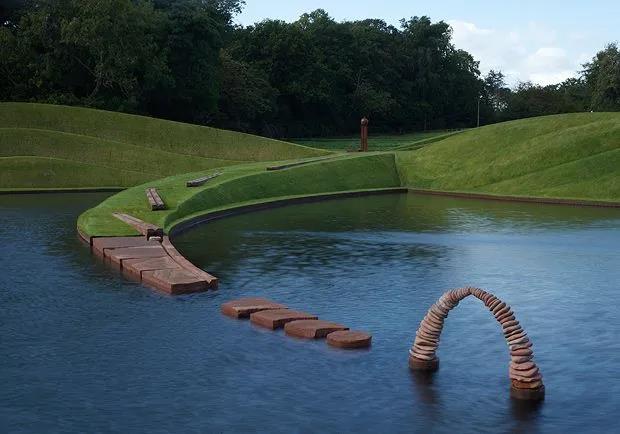
At the heart of the park, the earth artist Charles Jencks created Cells of Life, a spectacular series of rolling hills and lakes.
06 Overlooking the Oslofjord
Ekeberg Park
Oslo, Norway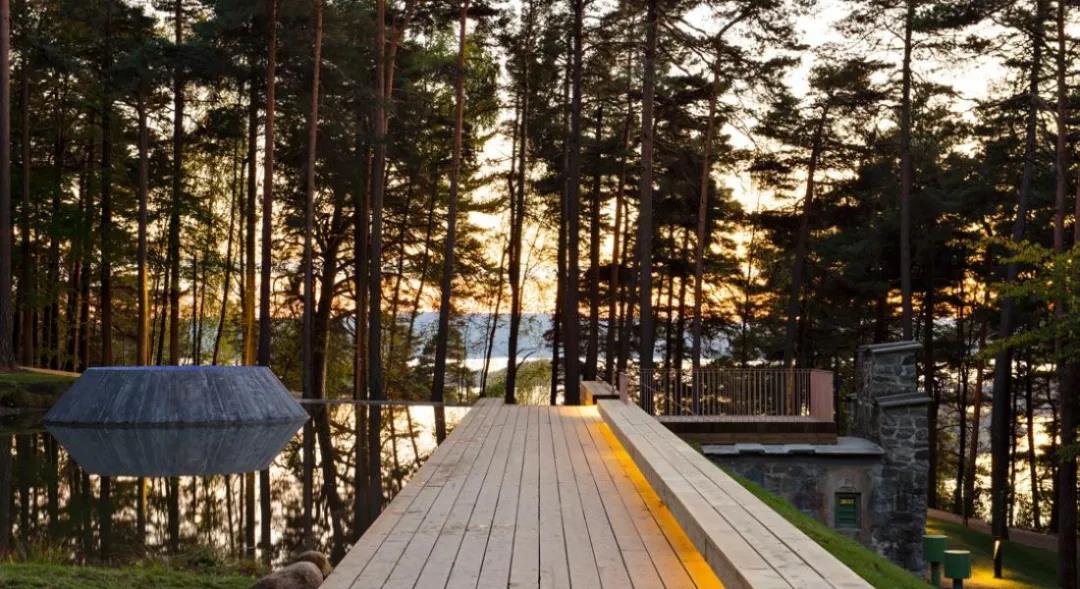
Ekeberg, a wooded 25-acre site just outside downtown Oslo, was opened in 2013 by the art collector Christian Ringnes. Here, exquisite sculptures can be found deep in the forest.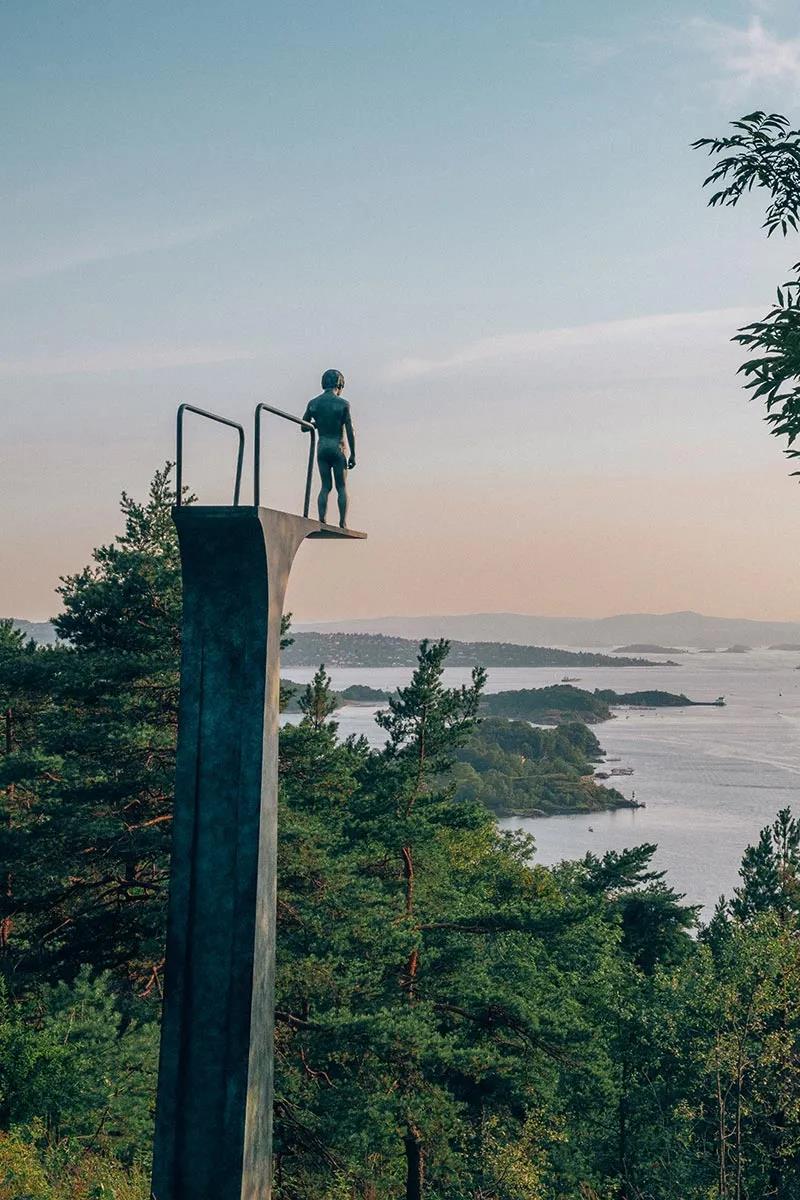
The park has several spectacular overlook points that magnify the beauty of Oslo Fjord, as well as its fascinating geological elements. While wildlife roamed through modern and contemporary sculptures, including works by artists Auguste Rodin, Salvador Dali, Pierre-Auguste Renoir, Damien Hirst and Louise Bourgeois.
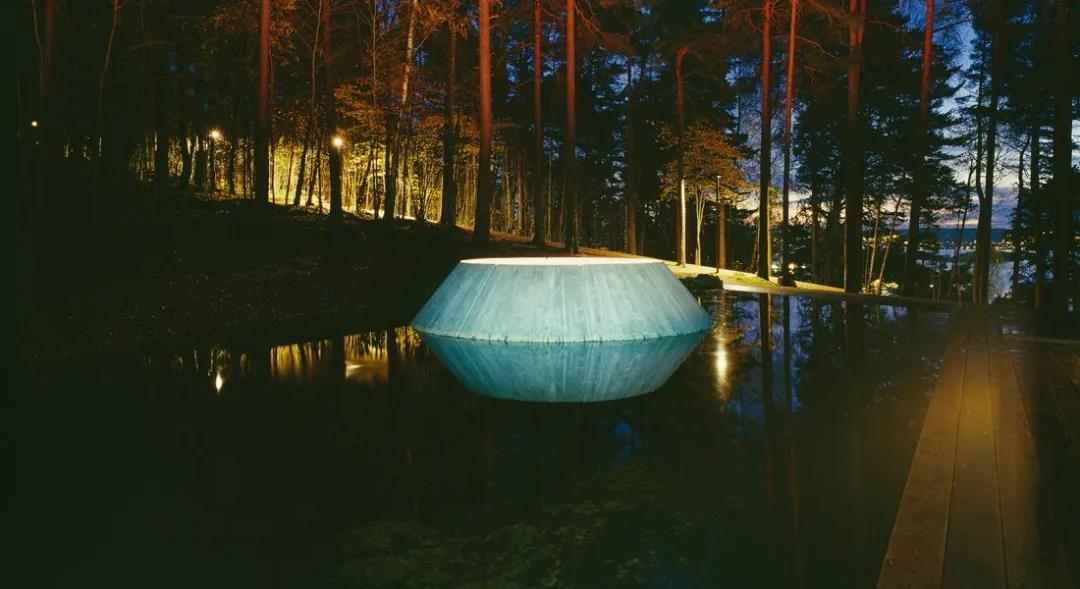
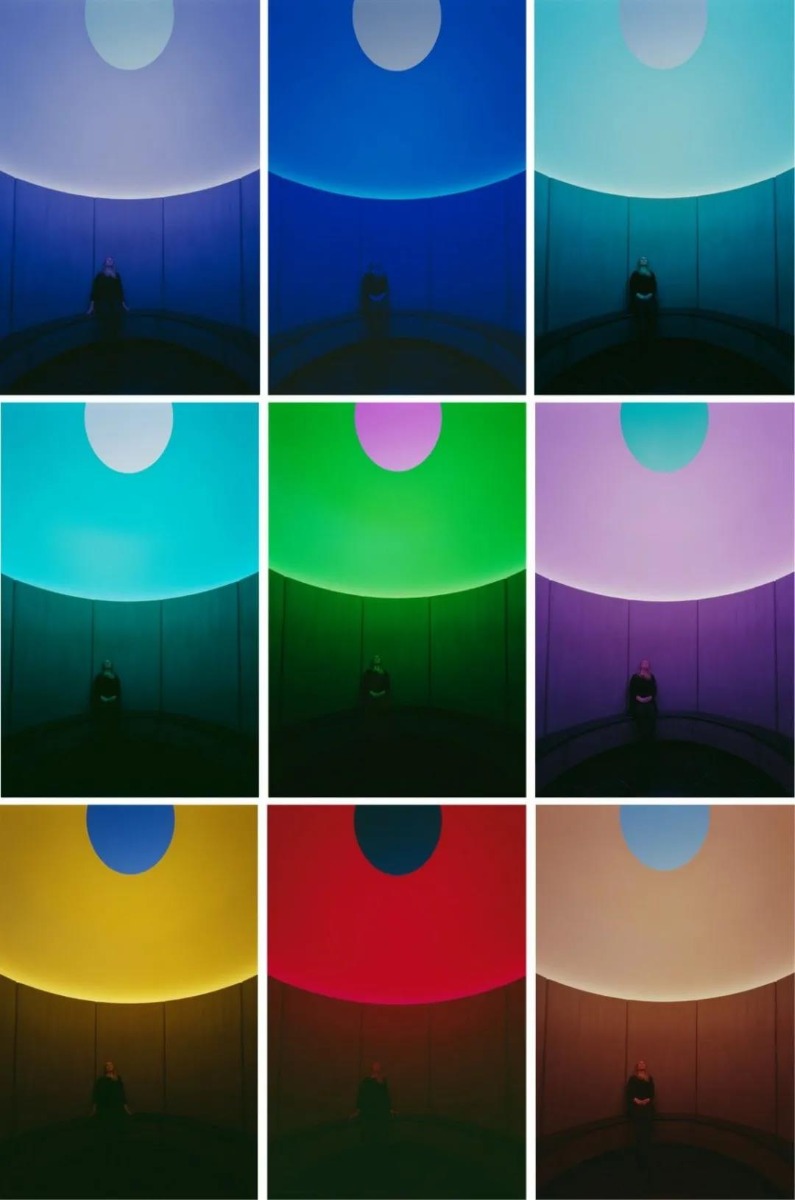
There is on display Fujiko Nakaya’s mist installation, like a fairyland of deep forest mist. Of course, James Turrel’s Skyspace will always be a hit.
07 Both Herding Animals and Herding Art
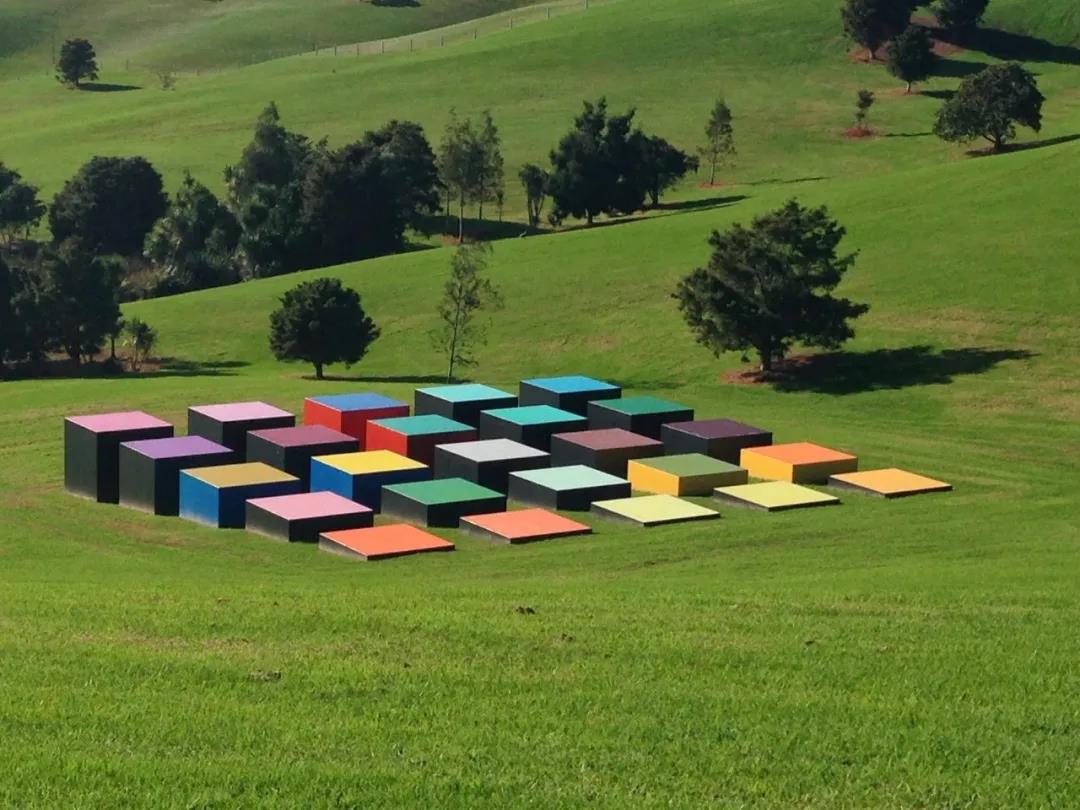
Gibbs Farm
Kaipara Harbour, New Zealand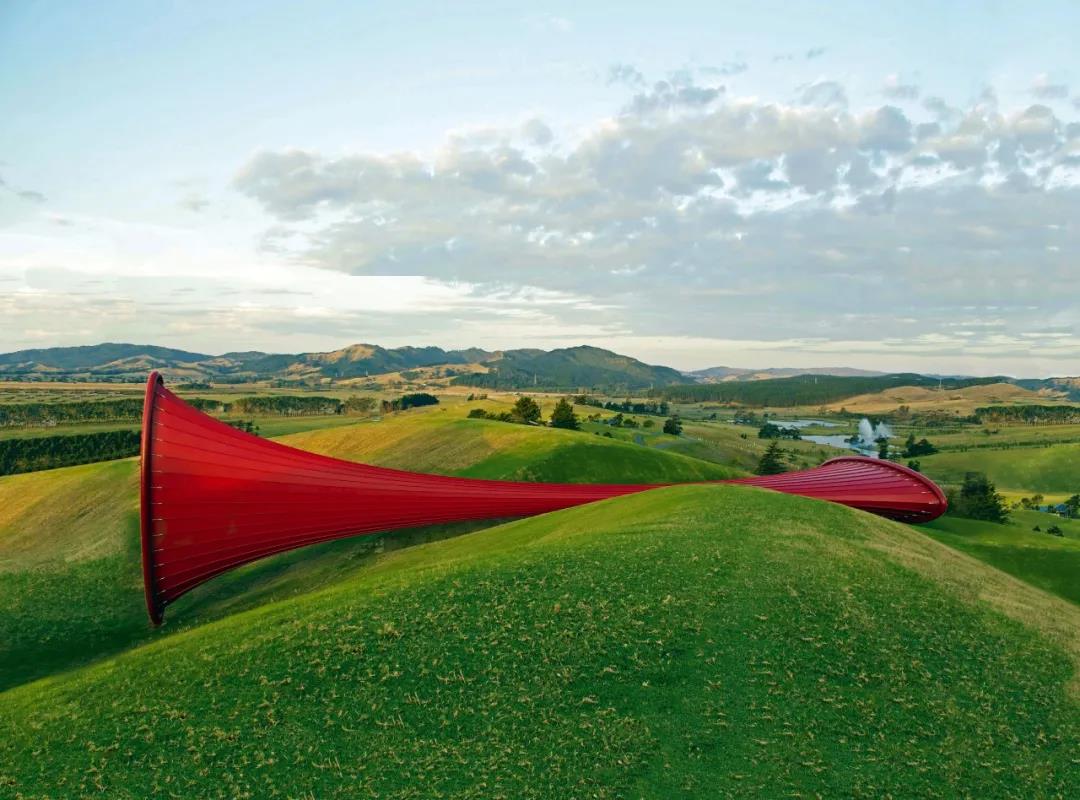
An hour’s drive north of Auckland, Gibbs Farm is New Zealand’s most impressive sculpture park, overlooking Kampala Harbour, among the largest in the world.
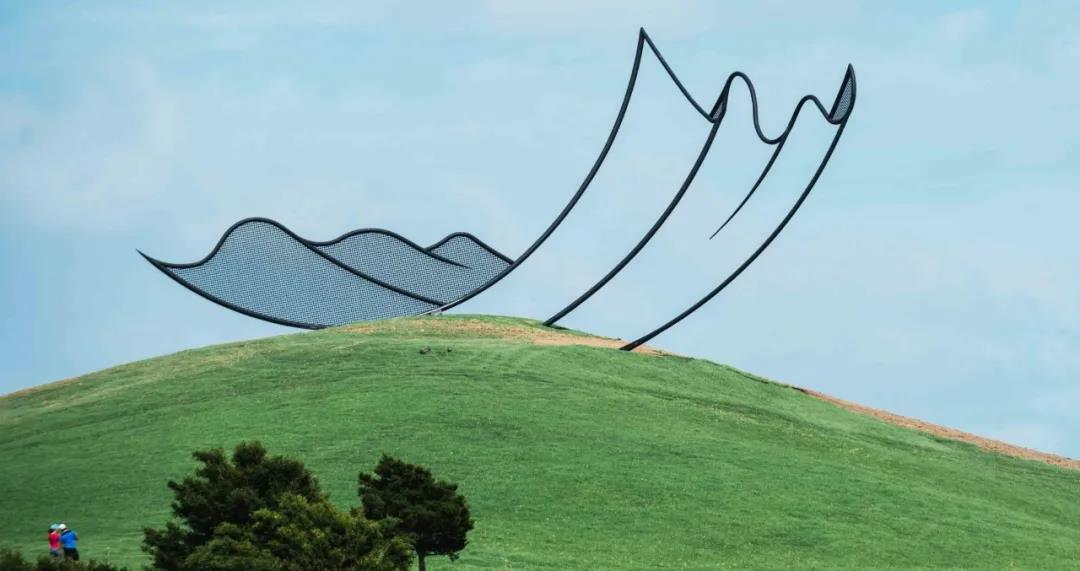
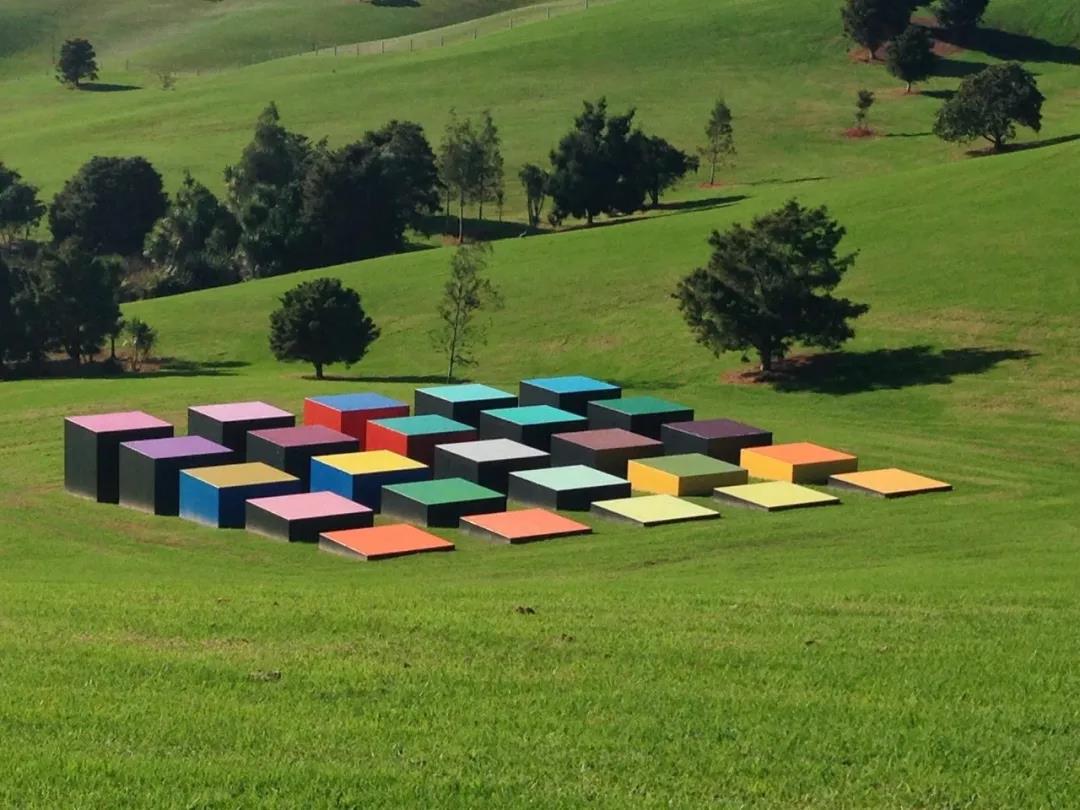
Founder Alan Gibbs strives to push the limits of the relationship between art and nature, commissioning artists to create works in response to this vast and stunning landscape.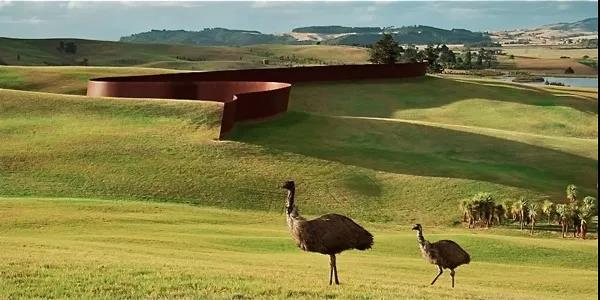
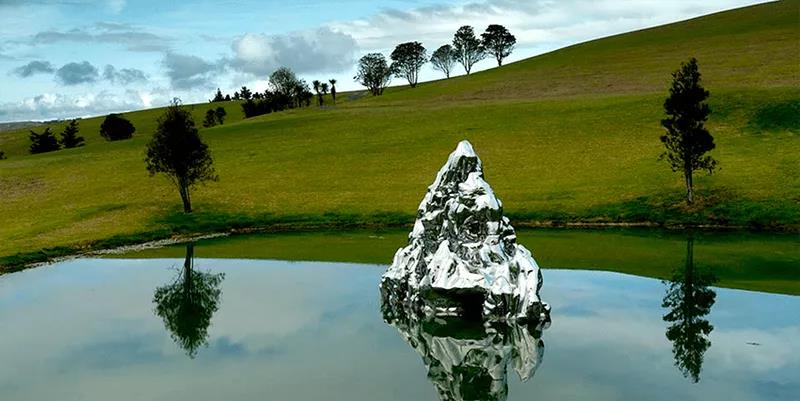
Covering more than 1,000 acres of grassy hilltops and spectacular lakes, the park is home to many “farm” animals, including zebras and buffaloes. Gibbs Farm includes outstanding works from Andy Goldsworthy, Saul Levitt, Neil Dawson and Anish Kapoor.
08 A Truly Poetic Artistic Experience
Lake Ballard
Menzies, Australia
It’s not strictly a sculpture park, but Inside Australia is the largest outdoor gallery in Australia. Lake Ballard is a salt lake full of history, serene and detached beauty.
It is the installation site for Antony Gormley’s work Inside Australia, featuring 51 cast steel humanoid figures placed 750 meters apart on the lake.

The figures blend into the vast landscape, playing with the viewer’s perception field as their reflections travel with the light on the salt surface. This is a truly poetic artistic experience.09 The Hottest Art Island
Japan’s Art Islands
Naoshima, Teshima, Inujima, Japan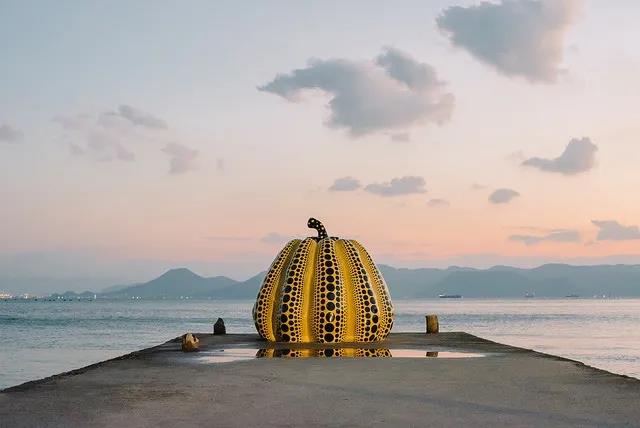
Often referred to as Japan’s art islands, Naoshima, Toshima, and Odo are part of a cluster of communal or rural islands located in Japan’s inland sea. Japanese billionaire Soichiro Fukutake opened the Benesse House Museum on Naoshima in 1992, hoping to bring together contemporary architecture and art, using the island’s natural beauty as the perfect backdrop for contemporary art.
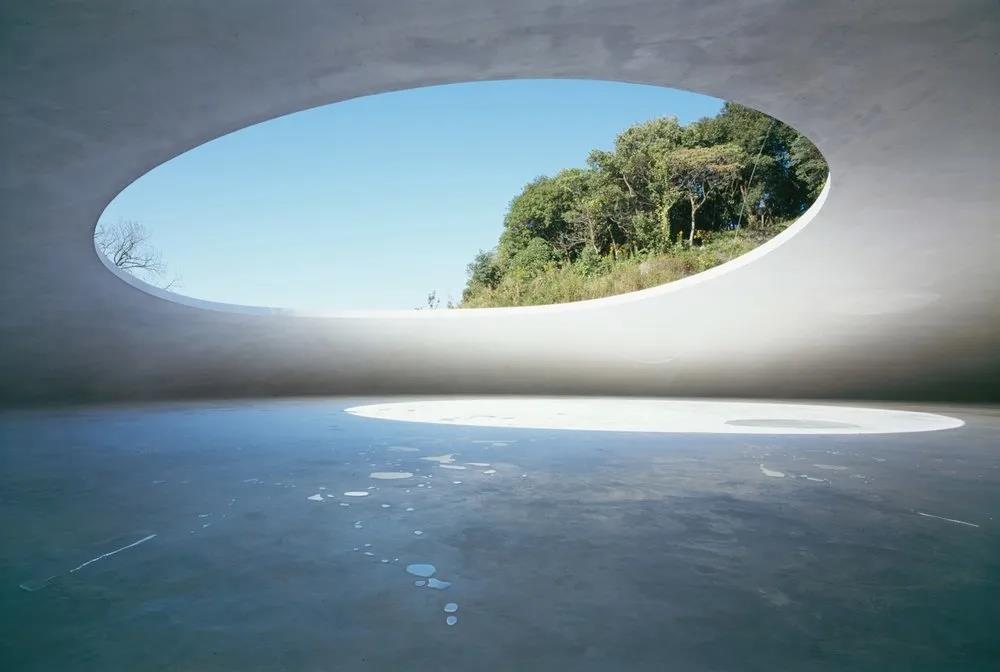
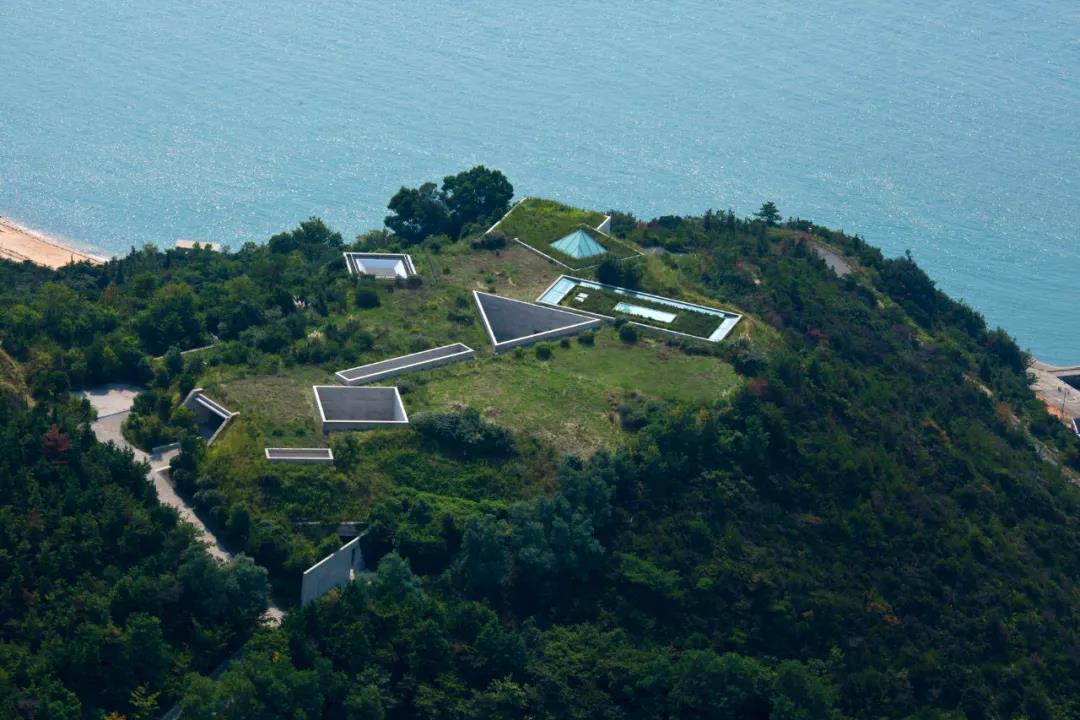
Naoshima is the most famous art island, with large-scale museums such as the Ichiaka Art Museum and a picturesque landscape decorated with Yayoi Kusama’s pumpkins. Toshima is home to Toshima Art Museum, an incredible, otherworldly place that challenges every notion of what a museum should be.
10 After Seeing Van Gogh, Explore by Bike
Kröller-Müller Museum and Sculpture Garden
Otterlo, Netherlands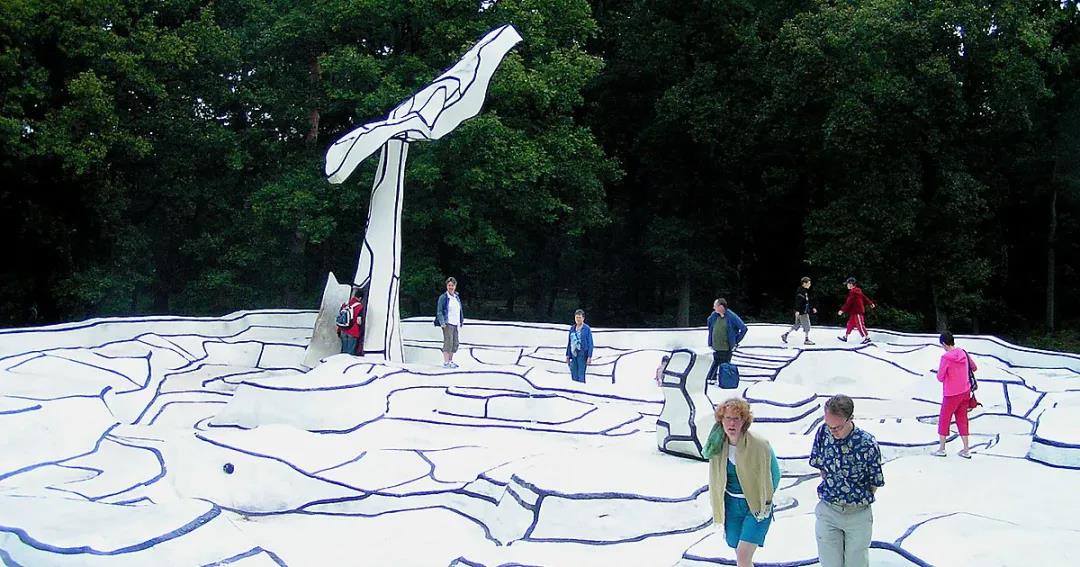
The Crowler-Muller Museum is home to nearly 90 paintings and more than 180 drawings by Van Gogh.The Kroller-Muller Museum is the Dutch artist’s second-largest collection in the world (after the Van Gogh Museum in Amsterdam). Outside the museum is a sculpture garden covering more than 60 acres with about 160 works, By Lucio Fontana, Jean Dubuffet, Pierre Huyghe, and Aristide Maillol.
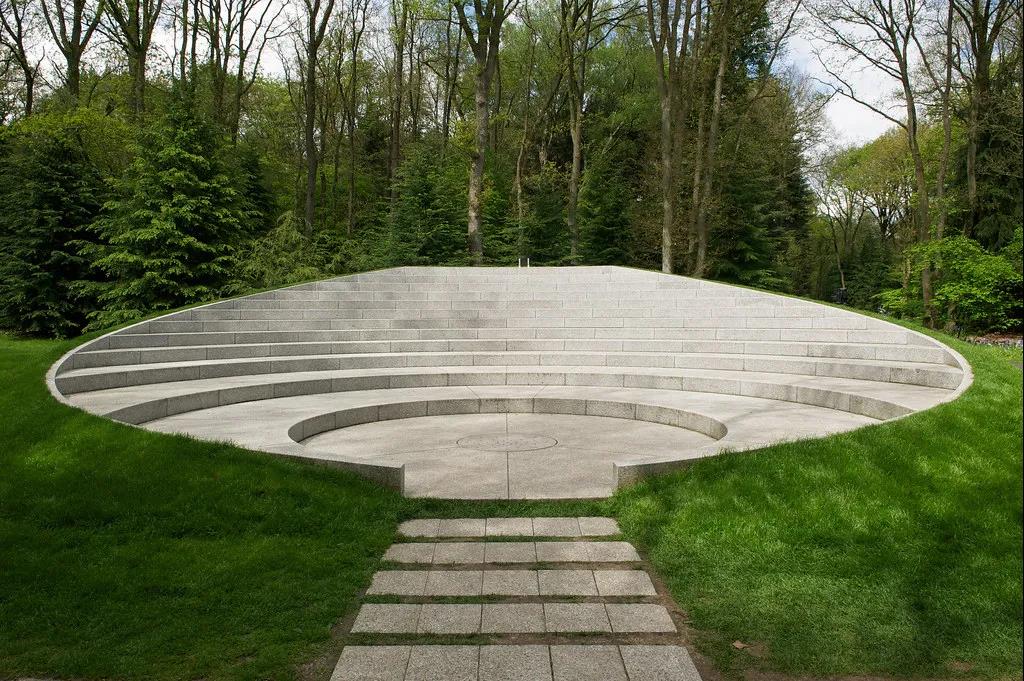
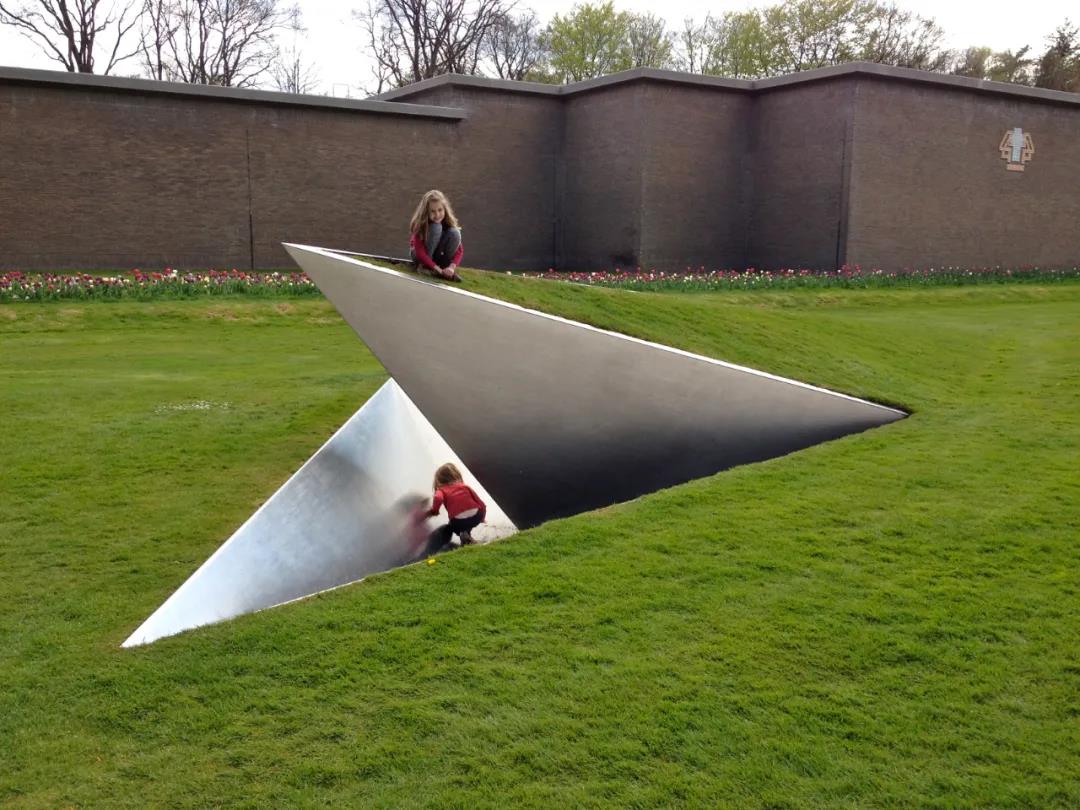
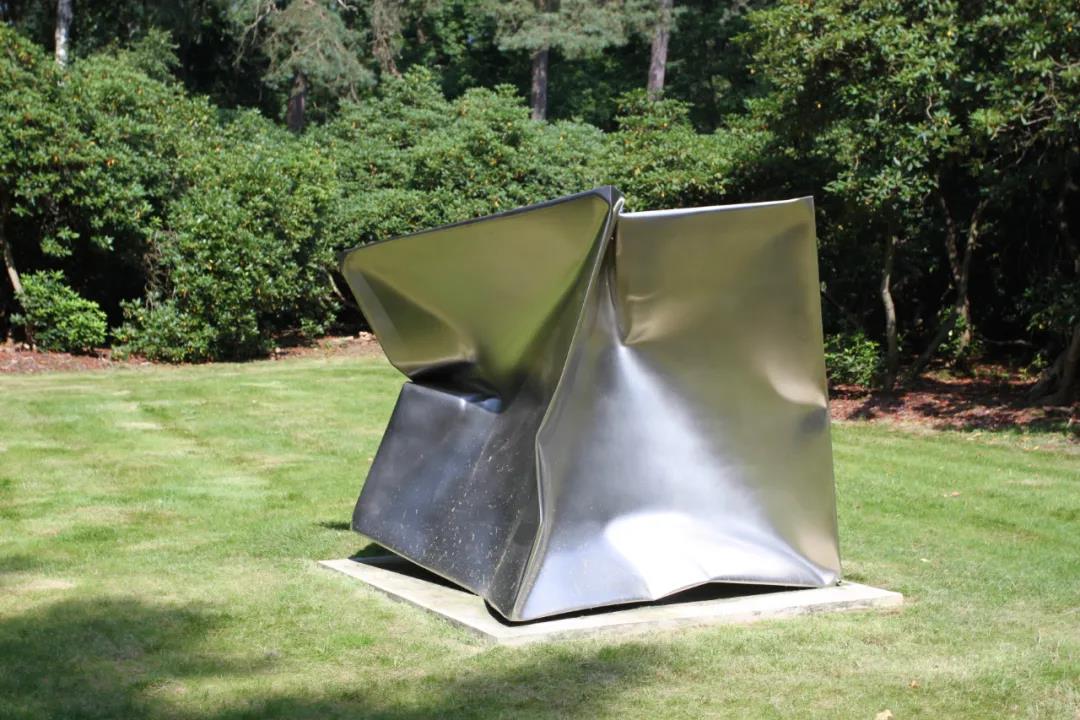
Opened in 1961, the Kroller-Muller park is now one of the largest sculpture parks in Europe, offering inviting spaces to relax or picnic, trails for running or walking, and pavilions designed by Dutch designers Gerrit Rietveld and Aldo van Eyck.

Both the museum and the park are located within the magnificent Hoge Veluwe National Park, where visitors can explore for free by bike, where deer, foxes and a variety of birds and reptiles can be seen among the marshes, grasslands and trees.11 Committed to Nature and Sustainable Development
Lough Boora Sculpture Park
Boora, Ireland
Settled by mesolithic people around 10,000 years ago, Lake Buola Bergland has a rich history and impressive biodiversity. Within the park, five major trails cover more than 30 miles of wetlands, lakes, and grasslands that are home to frogs, dragonflies, ibex and about 130 bird species. The park, operated by Bord Na Mona, is committed to conservation and sustainability, and its sculpture program follows this principle.

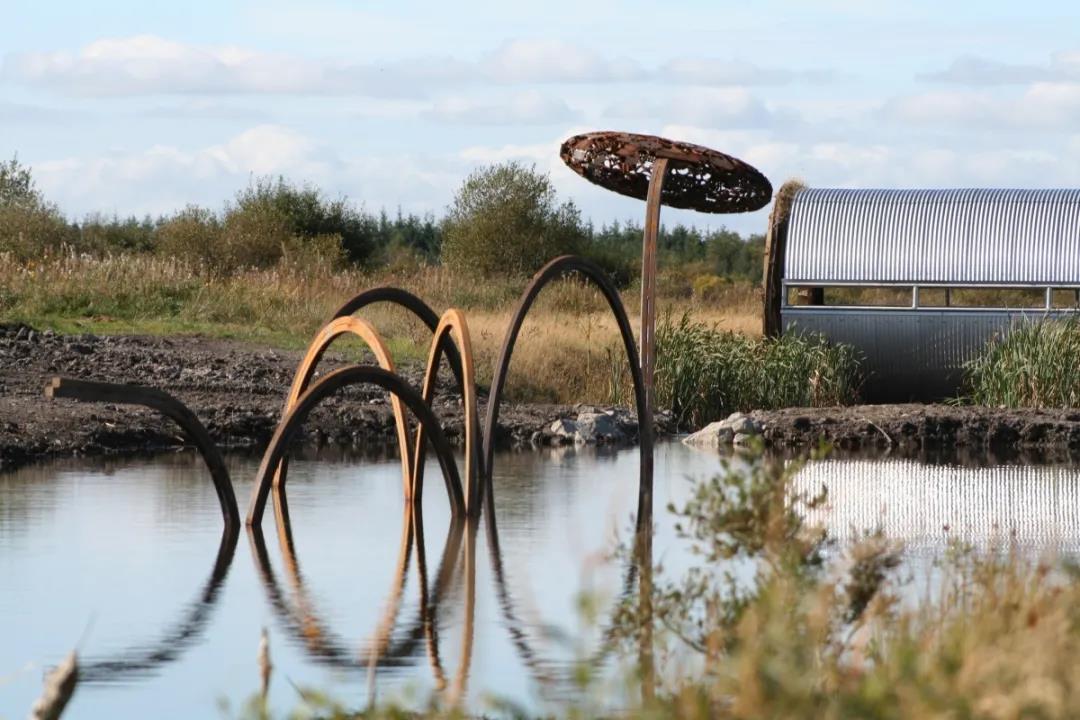

The 24 pieces here are made of natural and industrial materials from the swampy region, including wood, stone and rail, which in turn have been altered by environmental weathering or plant growth. Works in harmony with The natural environment like The Celtic Knot by Padraig Larkin, made of local 5,000-year-old pine and glacial rock, and Convergence by David Kinane, A fan-lattice metal and wood structure was designed to reflect the local cooling towers and drainage lines carved throughout the marsh.
12 An Exhibition Space for Art Retreats
Sculpture at SchoenthalJura Hills, Switzerland
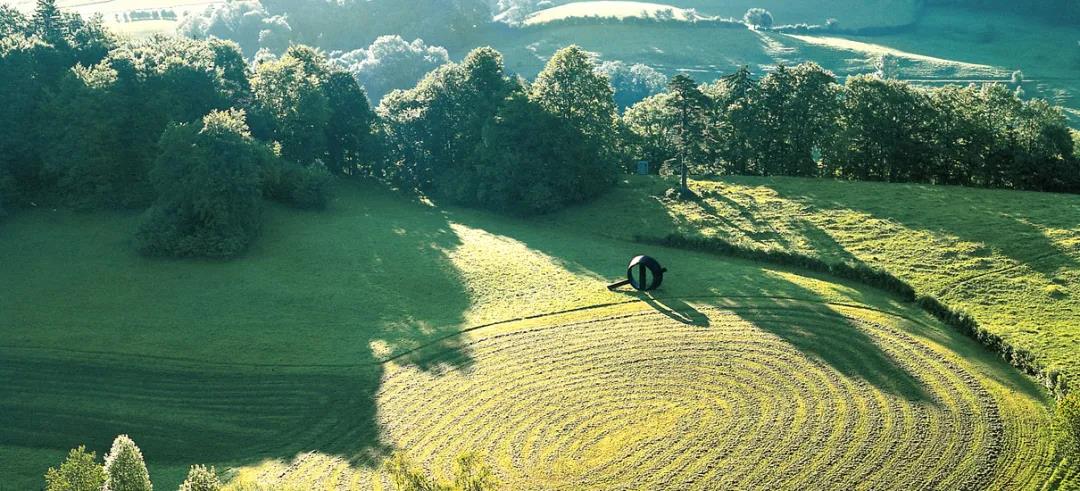
The Schoenthal Monastery in Jura Hills, Switzerland, is now an exhibition space for lectures and art retreats. The landscape around the monastery is a sculpture park, with works dotted along various paths. The idea behind all the pieces is to create sculptures that are in some way in harmony with the natural landscape.
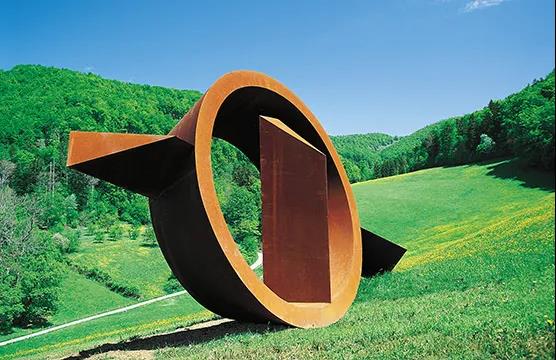
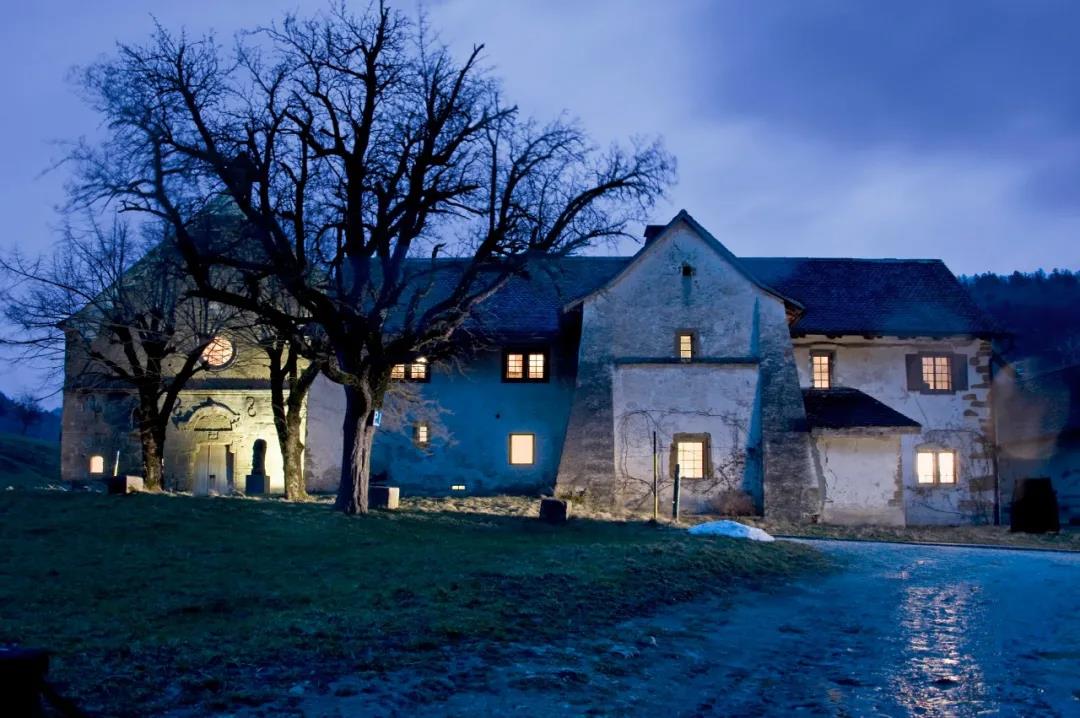
On the 100 hectares of land around Schoenthal, there are currently 31 works created by 22 Swiss and internationally renowned artists. It takes about four hours to see all the exhibits. The sculptors on display are Ulrich Luckerim, Eric Steinbrecher, David Nash, Nigel Hall and Martin Disler.
13 The Dreamscape of the Road Inspector
The Rock Garden
Chandigarh, India
Chandigarh is Le Corbusier’s modernist architectural utopia in India. Nek Chand, an unassuming road inspector, has begun collecting discarded materials and turning them into sculptures and statues that depict both traditional Indian life and dreamy landscapes.

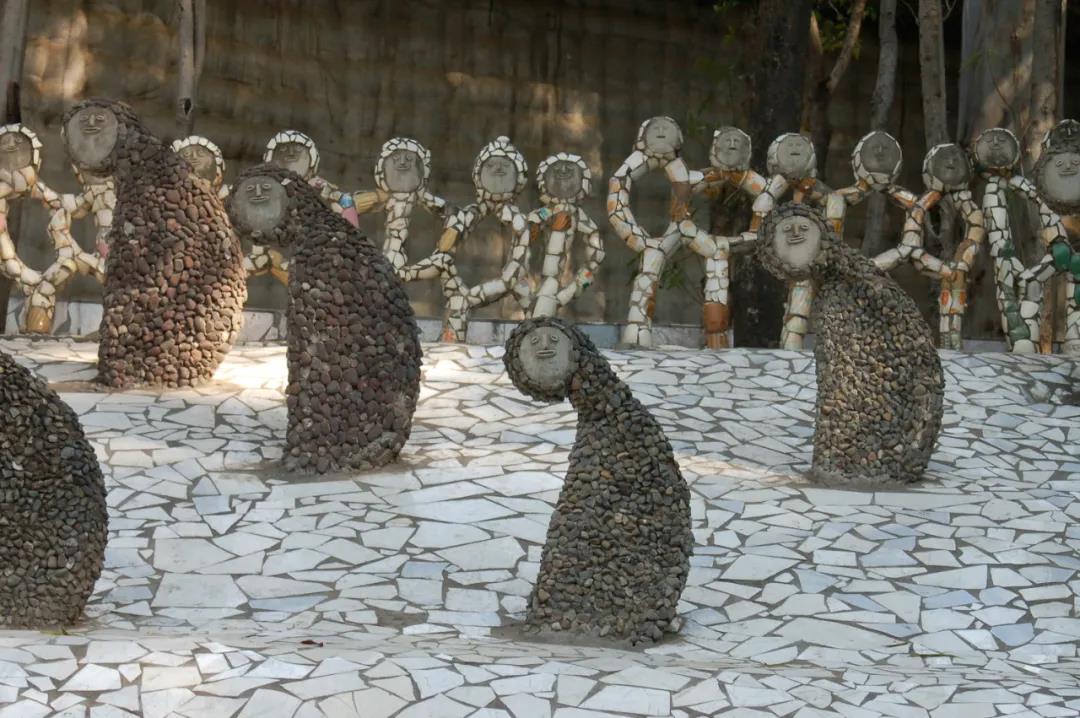
He worked in secret for a decade, building illegally on protected land, but when the authorities discovered his micro-kingdom in 1975, instead of destroying it, they gave him a salary and 50 workers to continue his garden. Today, the 25-acre rock garden, which hosts thousands of sculptures in large Mosaic courtyards linked by walled paths and deep canyons, is visited by 5,000 people a day.
14 A Surreal Place in the Jungle
Las Pozas
Xilitla, Mexico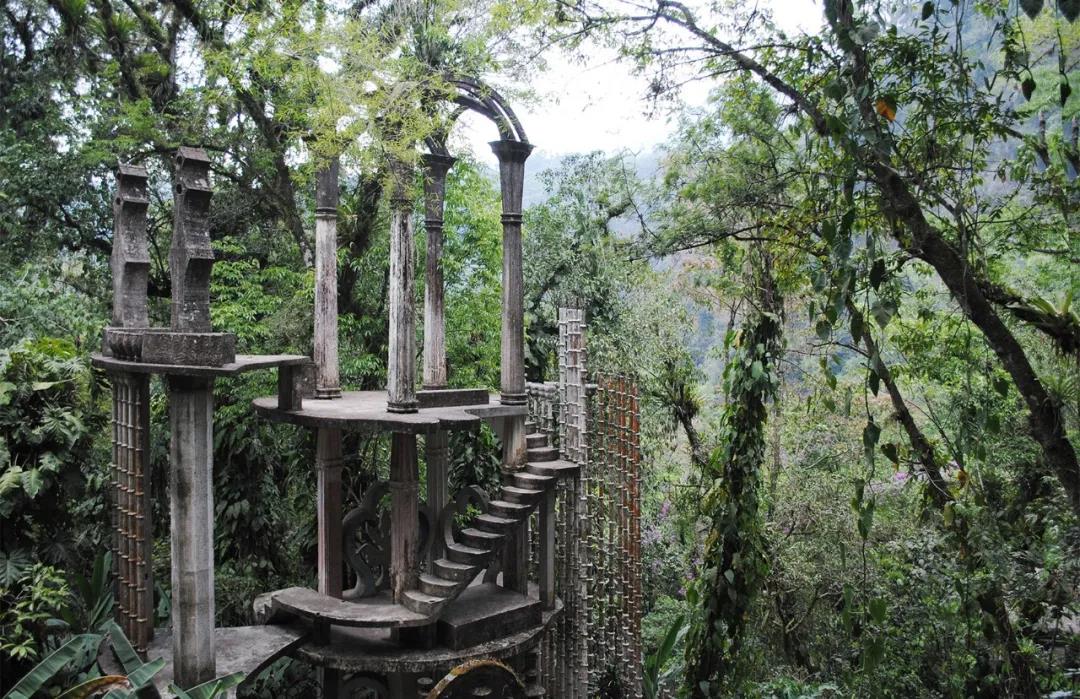
Edward James, a friend and patron of Magritte and Dali, was also the owner of the 20th century’s greatest collection of surrealist art -- which he sold to fund the spectacular Las Pozas Gardens. Las Pozas occupies more than 80 acres of rainforest north of Mexico City and is made up of towering sculptures, pavilions, and concrete structures that interweave with walkways, bridges, pools, and waterfalls.
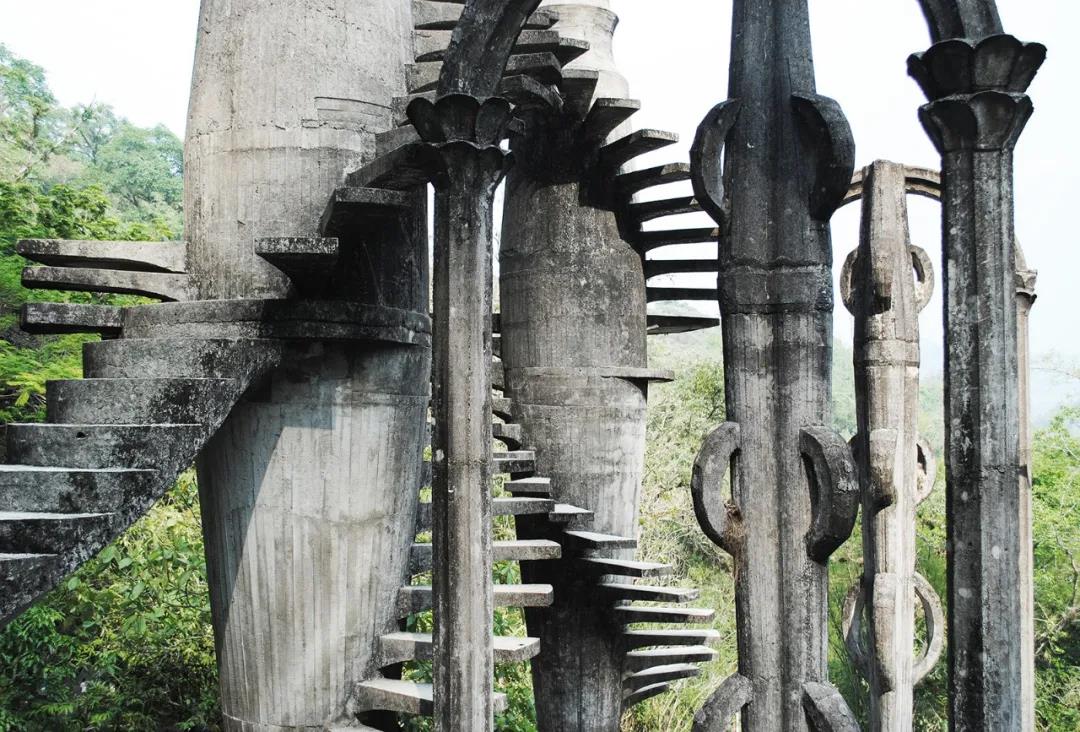
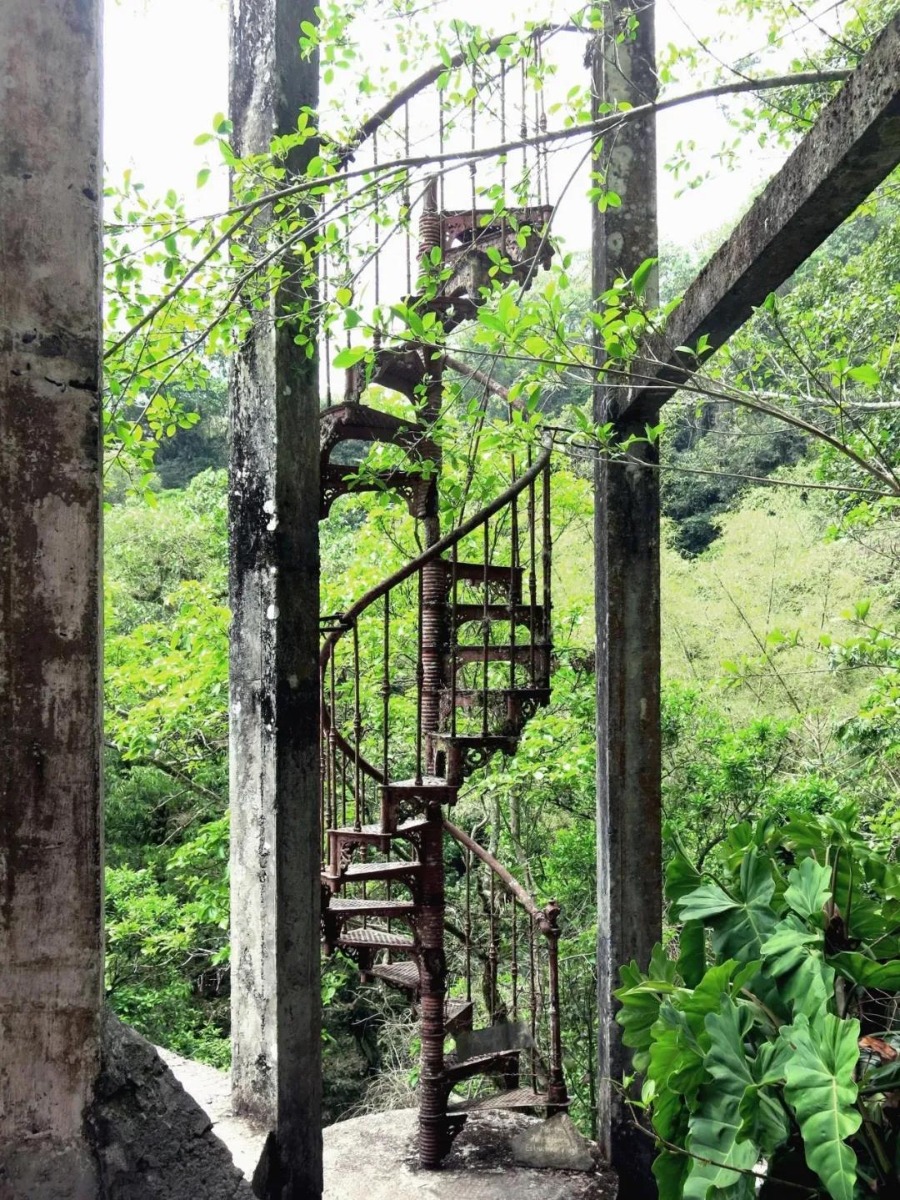
The project, which James calls a “surrealist extraneous place,” took 35 years, cost more than $5 million and involved more than 150 employees. The three-story house actually has five, four or six storeys, and it’s like being in a surrealist painting, walking through doors with no direction, through concrete flowers and up a spiral staircase.
15 Gaudi's Imagination
Park Güell
Barcelona, Spain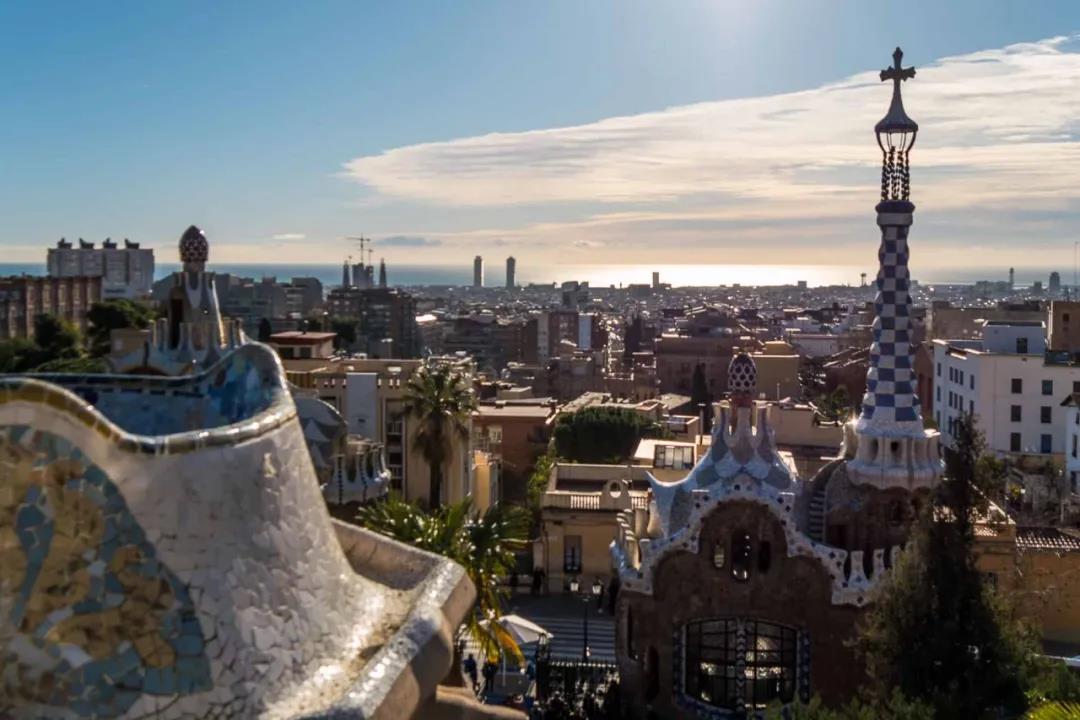
Not far from the center of Barcelona, Park Guel is a whimsical wonderland designed by famed Spanish architect Gaudi at the turn of the 20th century. While it’s not a typical sculpture park, it’s a fascinating demonstration of Gaudi’s ability to artfully integrate art, design and architecture -- from the widely used bright tiles to the dreamlike gingerbread house-like gate guard structures. Gaudi’s style arose as part of a unique Catalan interpretation of art Nouveau, which adopted new aesthetics while adopting traditional architectural techniques.
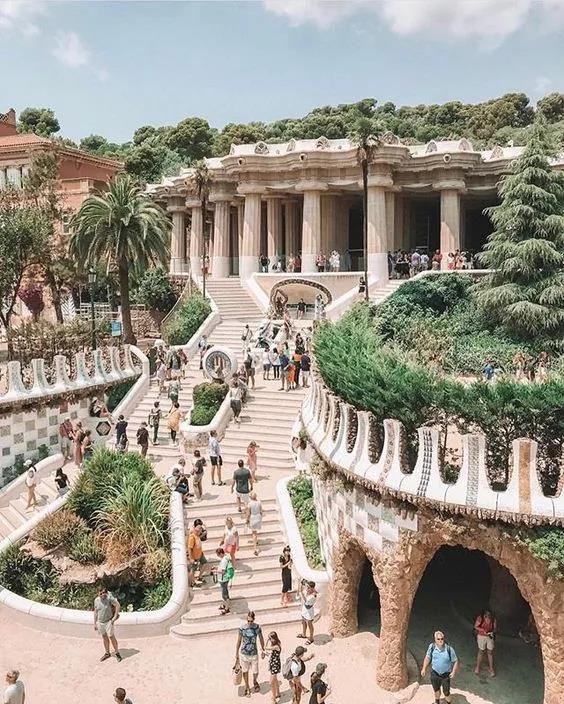
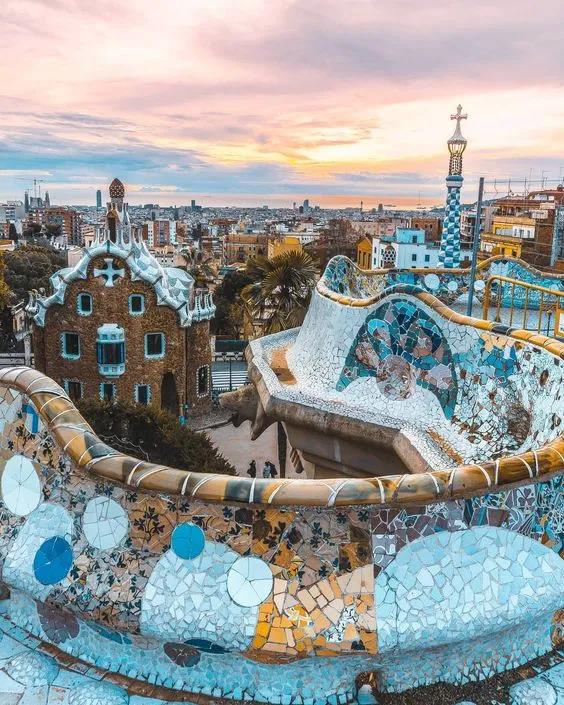
Commissioned by businessman Eusebi Guell, the park promises traditional elements such as walkways, shaded colonnades and outdoor seating, but all with a clear role for Gaudi. Columns tilt at an Angle, a serpentine bench decorated with dazzling mosaics winds its way around an elevated pavilion with panoramic views of Barcelona, and an iconic Mosaic lizard fountain guards the park’s main staircase.
-
 13 Oct
Shilpa Gupta
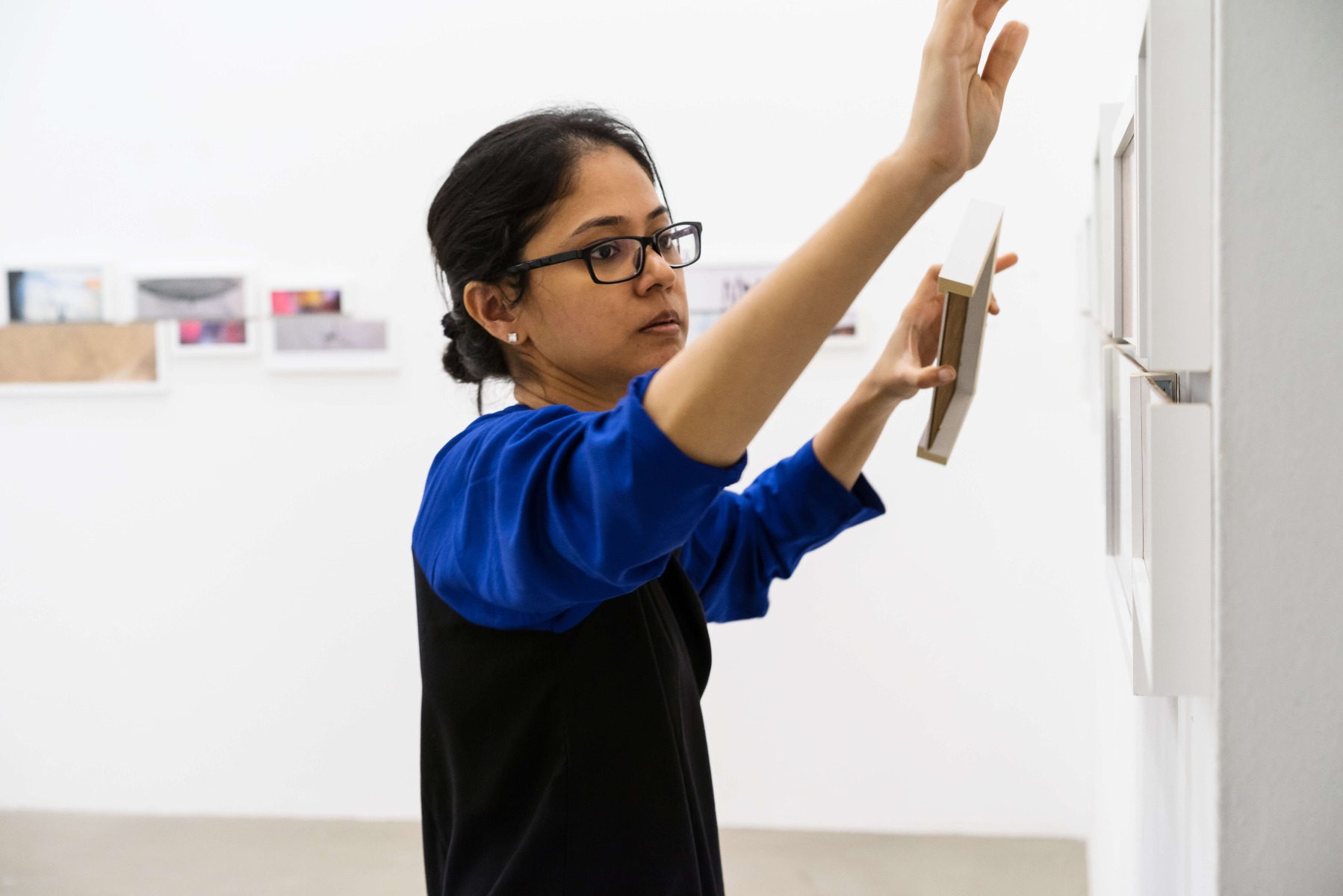
Portrait of Shilpa Gupta (Image courtesy of the artist)
Art exhibitions in London are hardly difficult to find. That said, this installation from artist Shilpa Gupta deserves a special mention. It combines illustrations, poetry excerpts, and an hour-long audio piece to celebrate the voices of detained, censored, and otherwise suppressed poets throughout history.
At SOA Arts, it’s our job to keep our fingers on the pulse of art news and recent developments. How else would we be able to offer next-level interior design and art curation for our clients? If you’re wondering what art exhibitions are on in London or the rest of the world, be sure to keep an eye on our blog for updates.
Art Exhibitions London – the Concept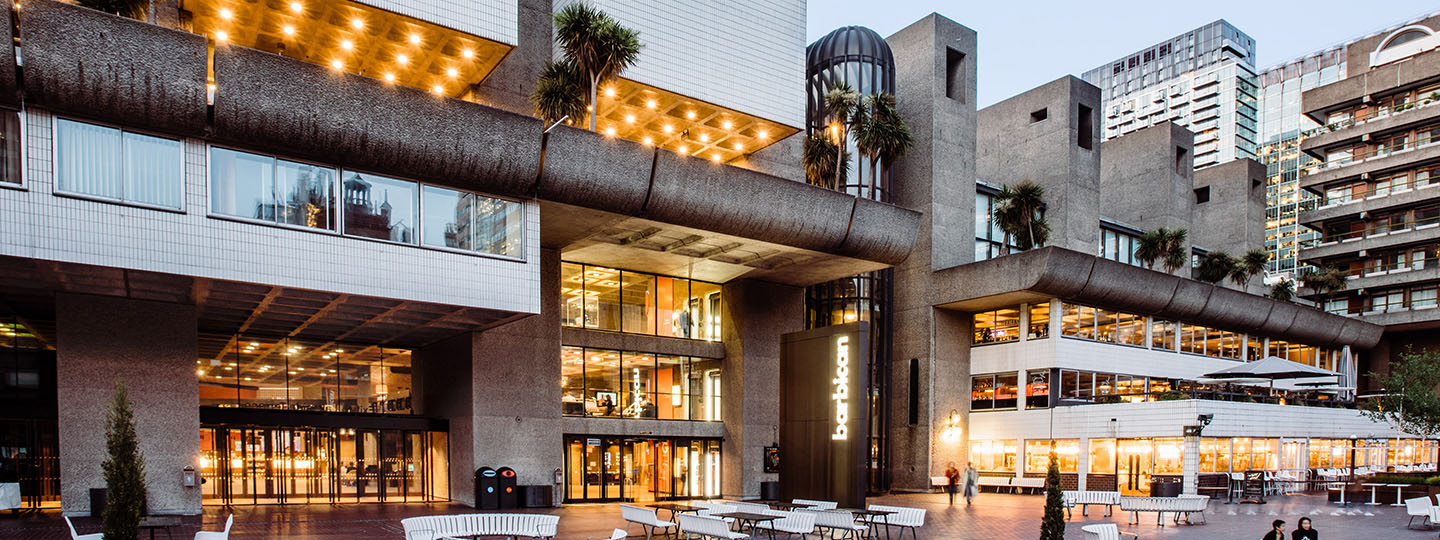
Barbican Centre
Image via musiceducation.global
Throughout history, countless poets and artists have seen their work suppressed for various reasons. In their own times, the words they wrote were silenced. In some cases, simply discussing certain topics could land artists in jail.To avoid further persecution, some poets would etch their poems into soap bars in secret; others would record their work onto cassette tapes. Ingenious methods were devised to share their art with the world.
This Barbican installation is designed to celebrate a broad spectrum of work that went unheard when first written. A combination of visual, sonic, and written elements works in tandem to showcase poetry from around the world.
The Audio-Visual Installation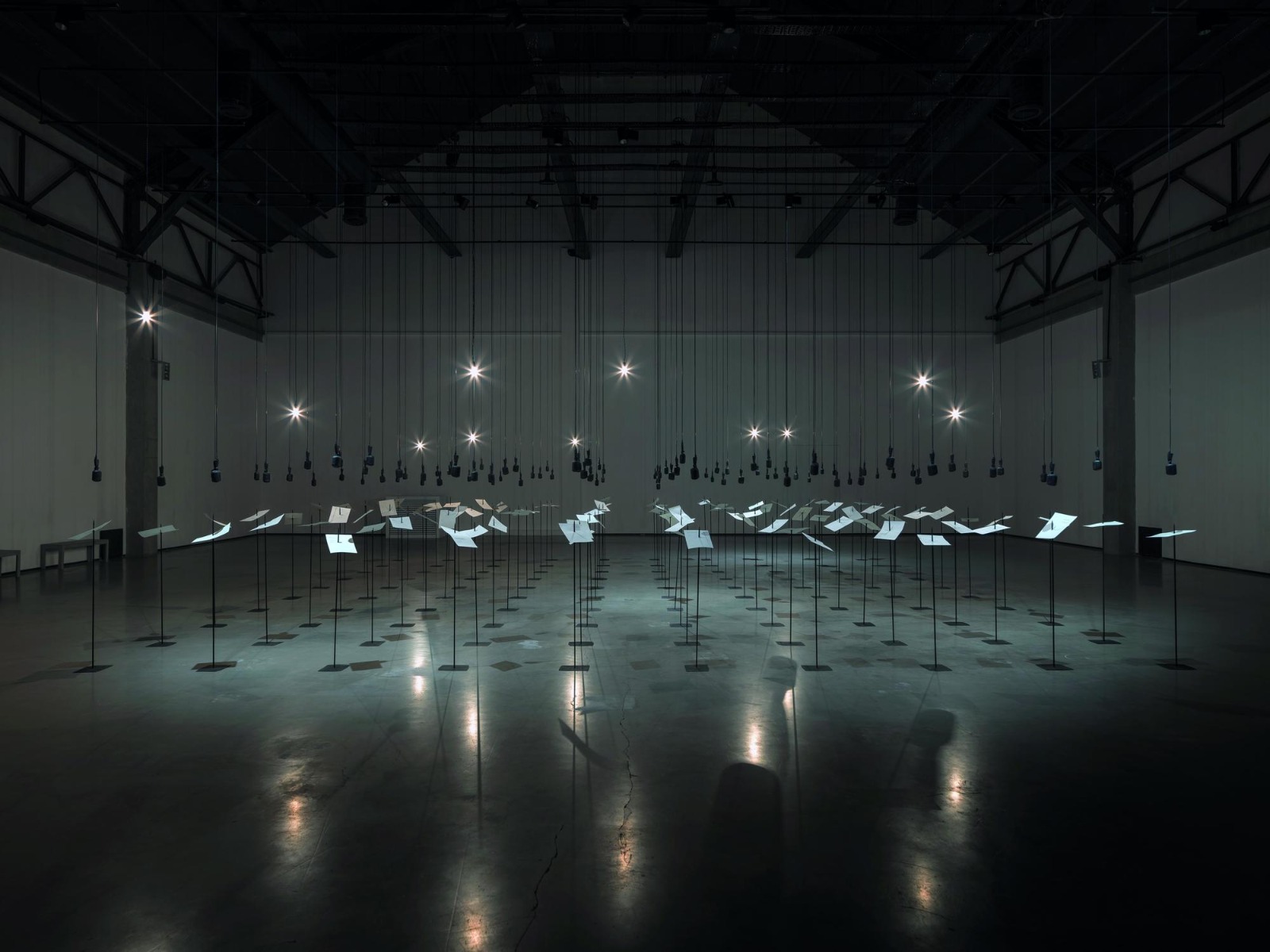
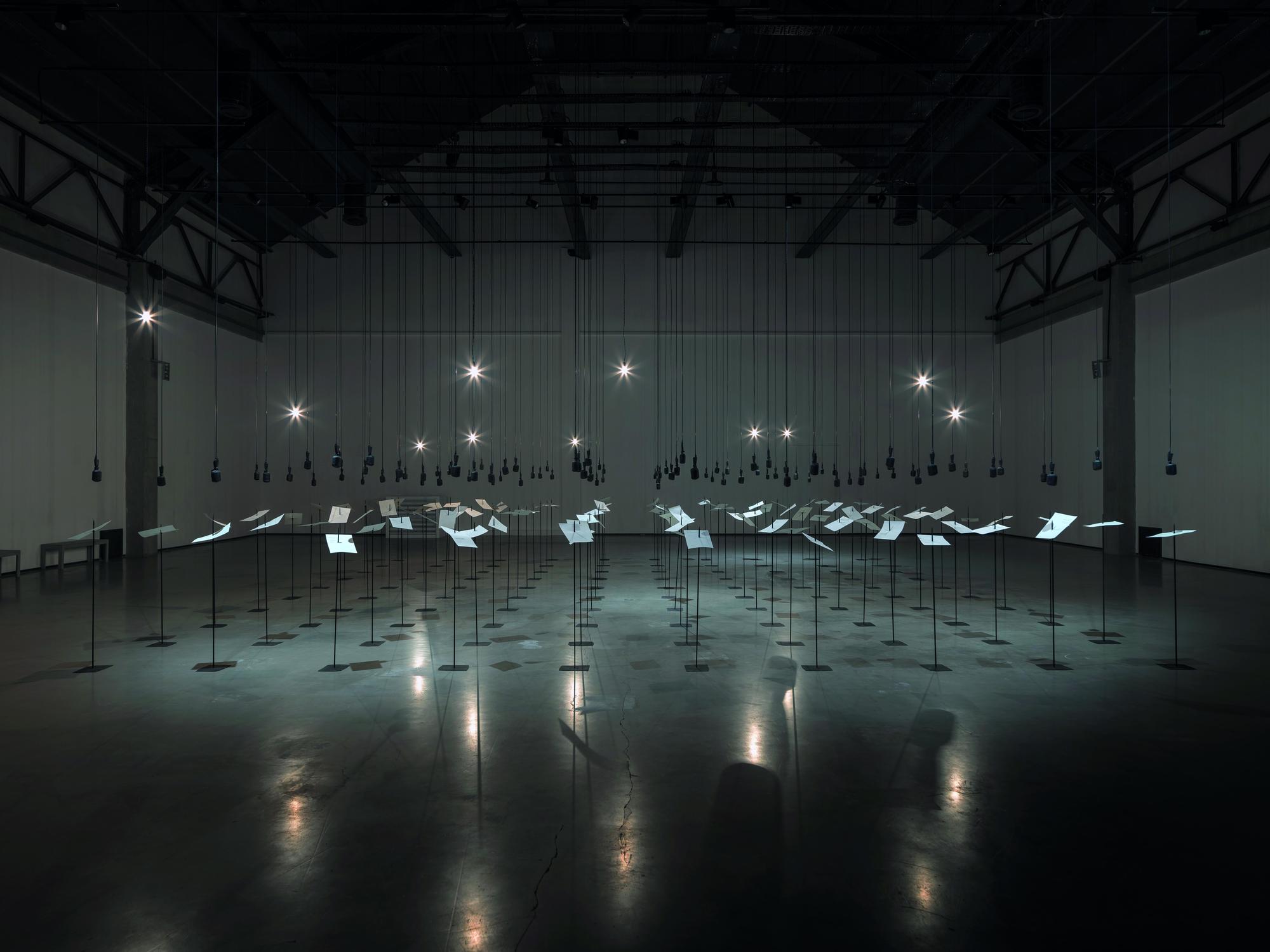
For, in your tongue, I cannot fit (sound installation with 100 speakers, microphones, printed text and metal stands)
Image via www.barbican.org.uk
Art exhibitions in London are usually showcased to a very high standard, and this example from Shilpa Gupta is no exception. Perhaps the most striking aspect of the experience is the audio-visual installation towards the end of the exhibit.
Shilpa Gupta, For, in your tongue I cannot fit – 100 Jailed Poets. (Image courtesy of the artist, YARAT and Edinburgh Art Festival)
image via baku-magazine.com
Dozens of black microphones hang above impaled scraps of paper in a dark room (see image above). Excerpts from poets around the world echo off the walls. On the scraps of paper, lines and poems from these artists can be found.
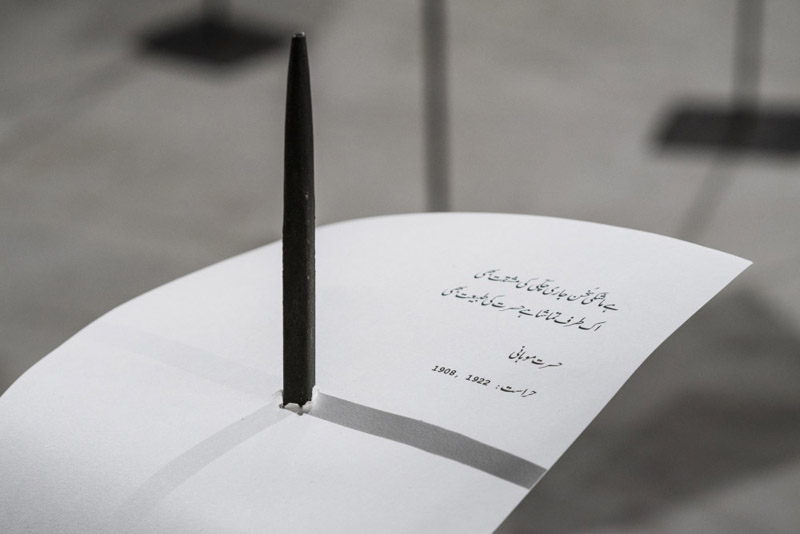
Shilpa Gupta, For, In Your Tongue I Cannot Fit 2017-2018, Sound Installation with 100 speakers, microphones, printed text and metal stands, Site Specific.
Courtesy: the artist and GALLERIA CONTINUA, San Gimignano / Beijing / Les Moulins / Habana. Photo: Ela Bialkowska, OKNO Studio.
Image via www.galleriacontinua.com
The result is an experience that’s remarkably difficult to express. The magnitude of these poems is brought to the forefront and is powerfully punctuated by the visual elements of the space.
The Flipboard
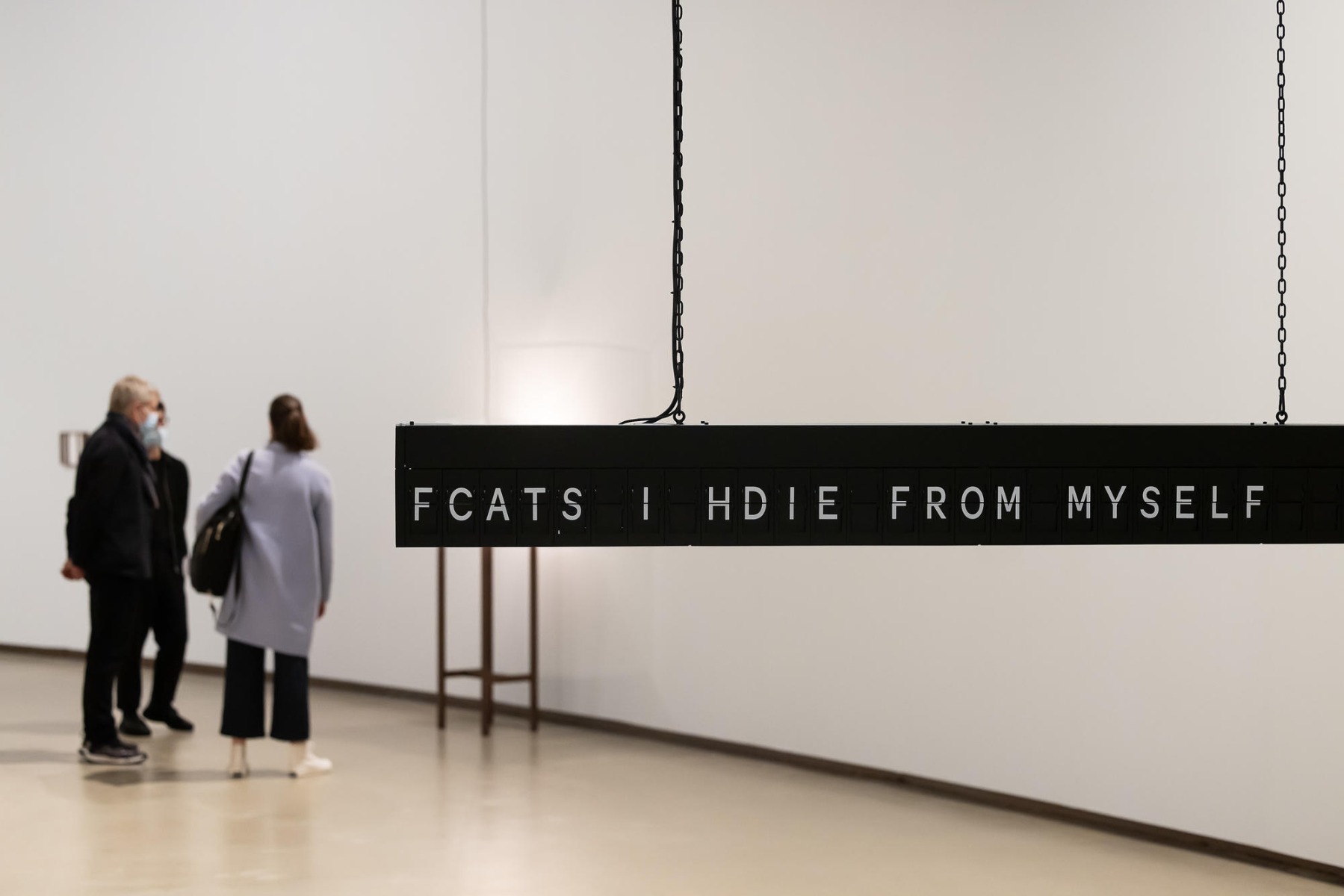
Image via www.barbican.org.uk
Another impressive aspect of this art exhibition comes in the form of a pair of airport-style flap boards. These displays face each other in an open, white space. Instead of announcing flight times or arrivals, they display a form of conversation with each other. Thoughts of freedom, love, and peace are explored. These sentiments are accompanied by the loud clacking of the spinning boards that rotate each time a new message appears.
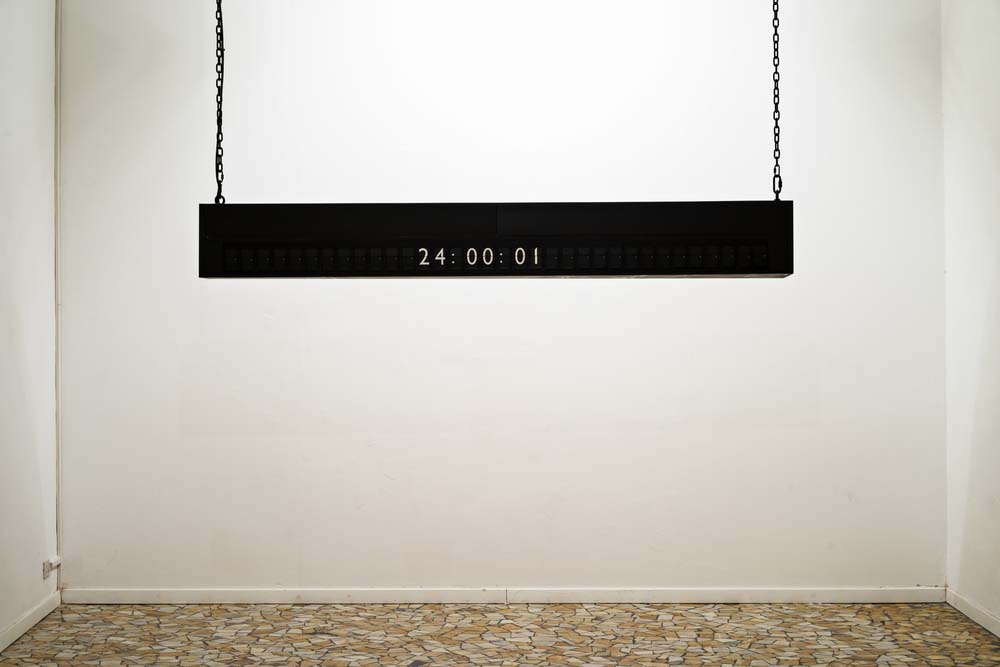
24:00:01, 2012, motion Flapboard, video, 30 min 45 sec loop, 225 x 20 x 28 cm, Photo Ela Bialkowska
Image via www.galleriacontinua.com
We like to stay on top of art news, so we experience a lot of new work quite regularly. Despite our experience, we were still very impressed by the impact this installation had.
The Poems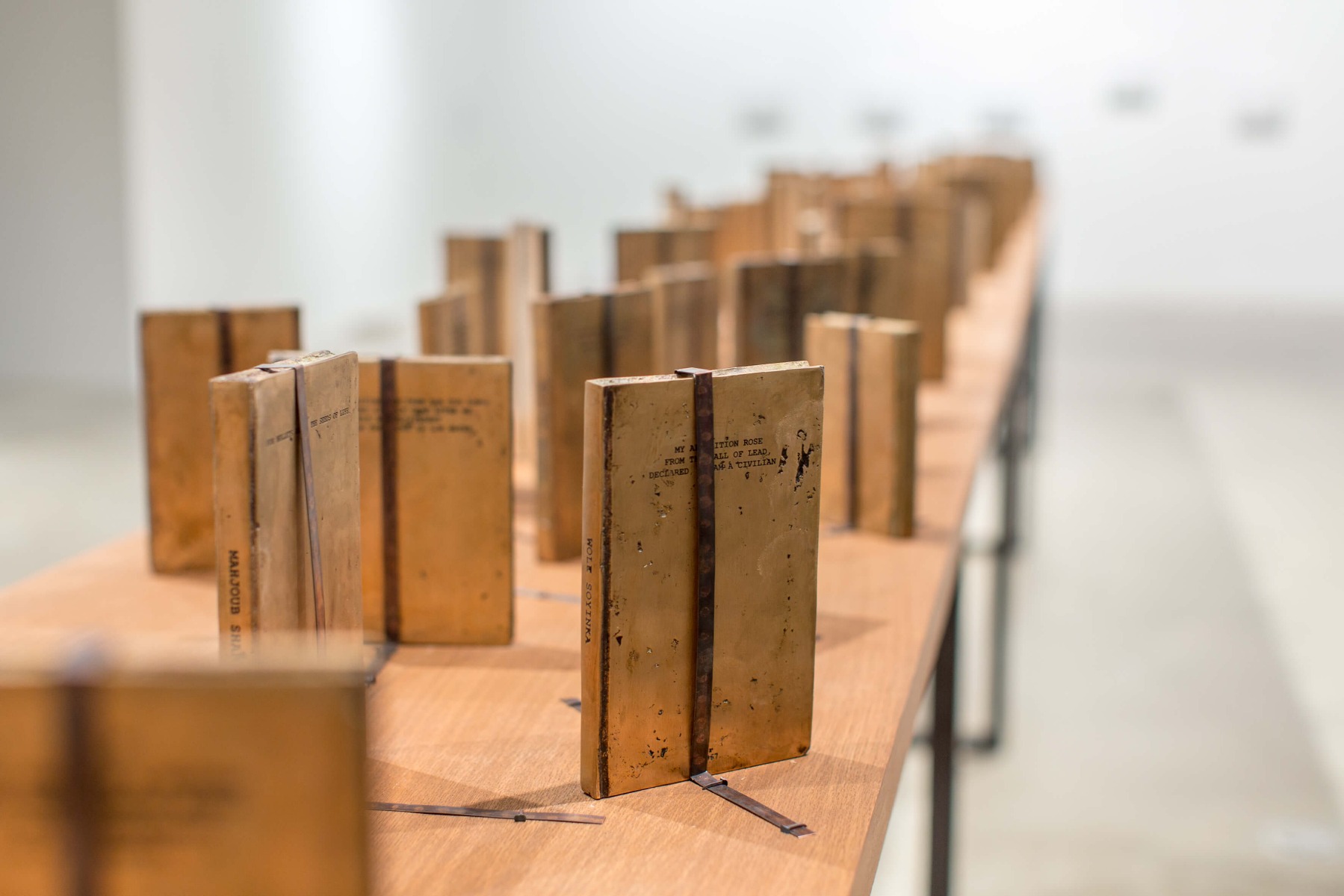
Shilpa Gupta. (Image courtesy of the artist and YARAT. Photo Fakhriyya Mammadova)
Image via baku-magazine.com
One thing that really stands out with this exhibition is the breadth of poetry that is celebrated. Work from all around the world can be found and explored. Whether it’s small excerpts, inspired illustrations, cast-iron sculptures, or audio pieces, there’s something for everyone here.The work is on display until February 2022 at the Barbican Centre in London.
SOA Arts
Looking for world-class art curation? Want to commission a specific piece? Maybe you’re looking for interior design ideas but just don’t know where to start. Whatever your needs, SOA Arts is here to help.We have over 12 years of industry experience and are considered experts in our field. Countless hotels, galleries, and private collectors trust our services every year. Feel free to get in touch whenever you’re ready.
Outline your goals and a member of our team will be in touch to get the ball rolling!
Toggle Nav