
Monthly Archives: March 2022
-


Source and credit: @zqlee
Looking for art inspiration ideas? You’re in the right place. In this post, we’ll be exploring some of the most amazing architecture the world has to offer. From the wildly experimental Soviet bus stops to the bold plans of the Hundertwasserhaus in Vienna, there’s something for everyone here.The world is full of art inspiration if you know where to look. We’ve curated some of our favorite examples below to help you develop your own practice. Remember, amazing things happen when you dare to dream!
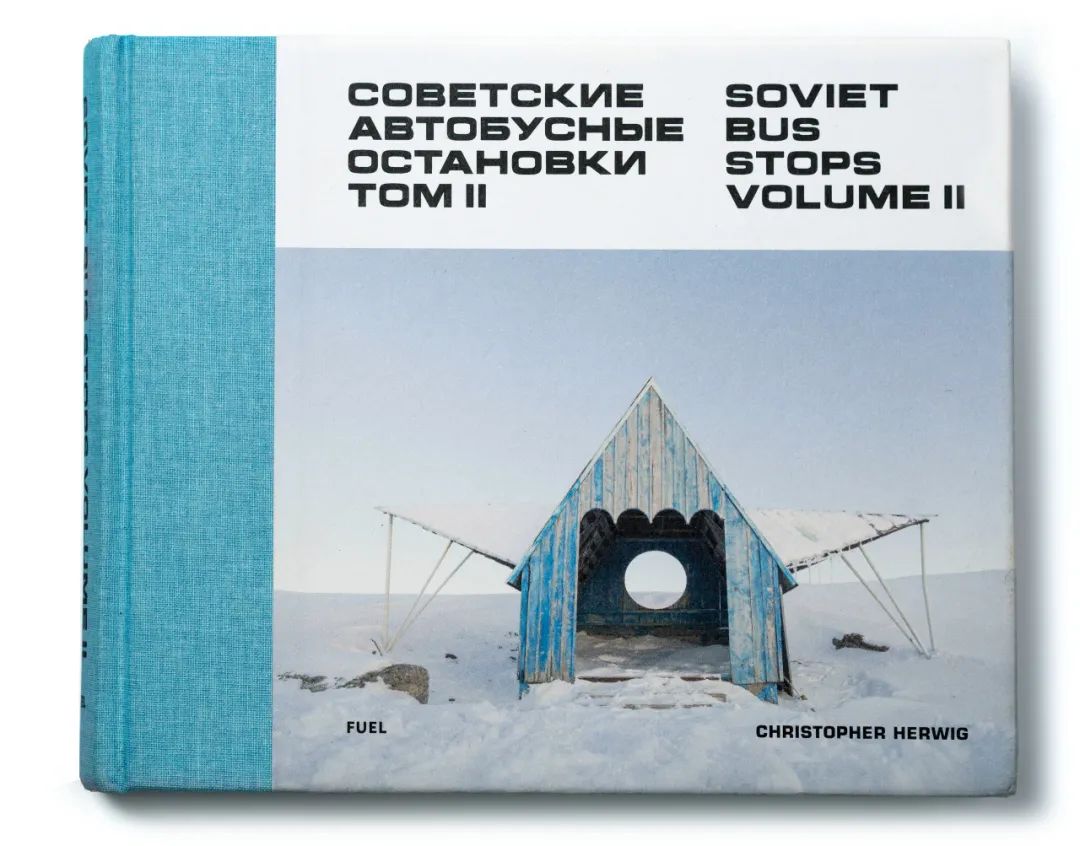
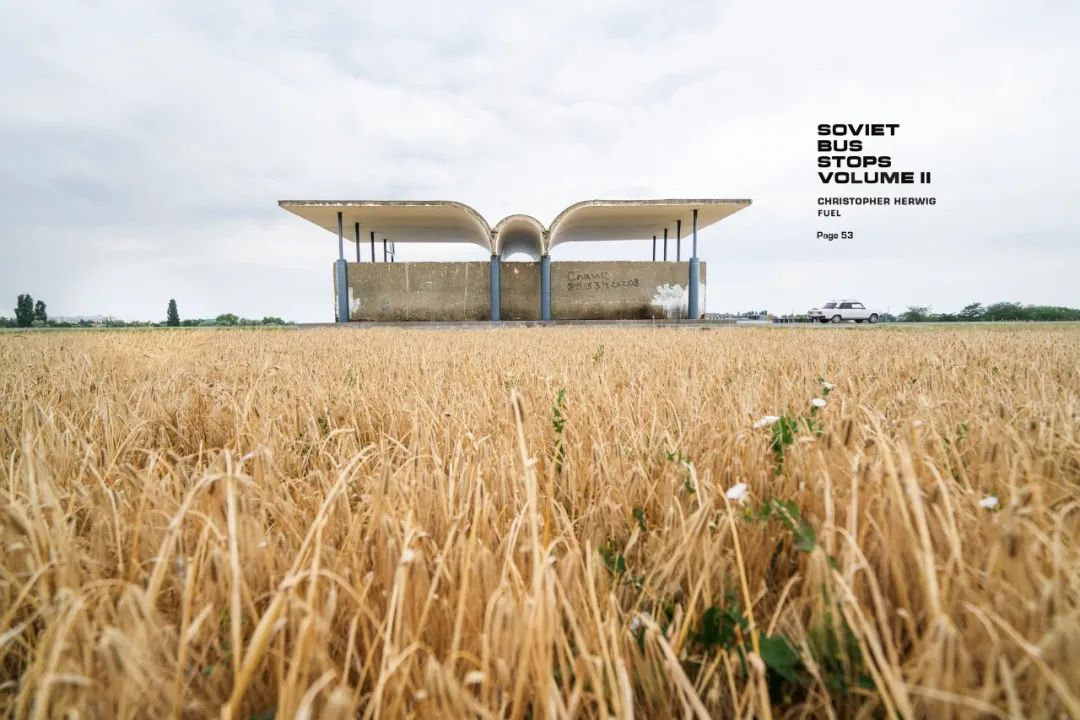
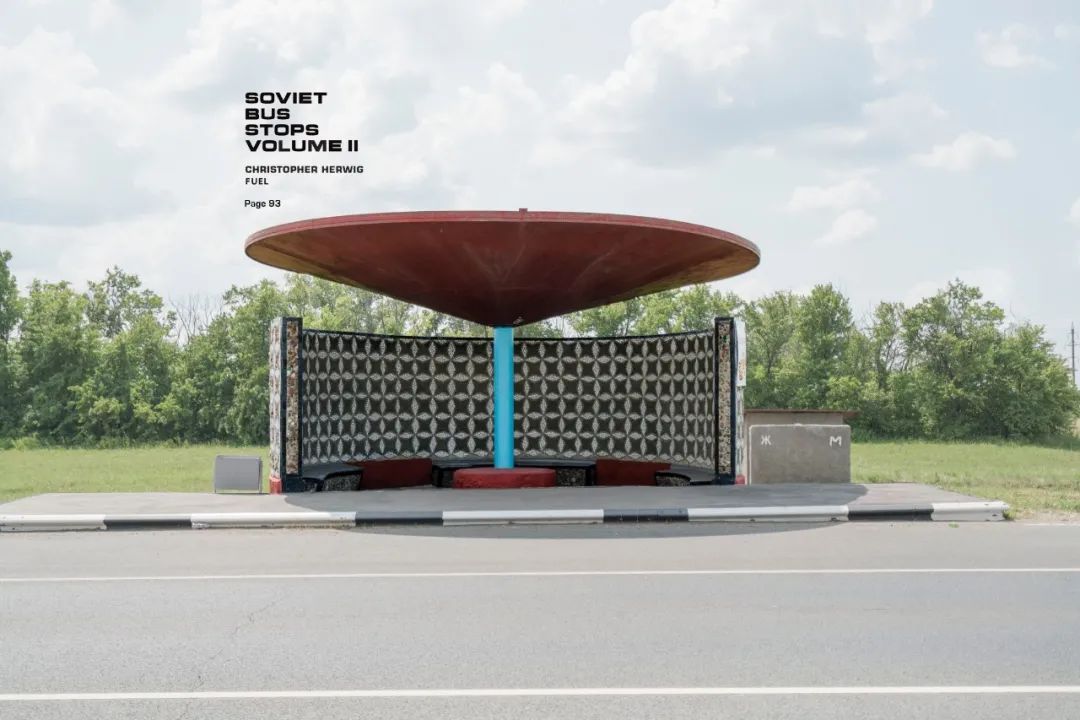
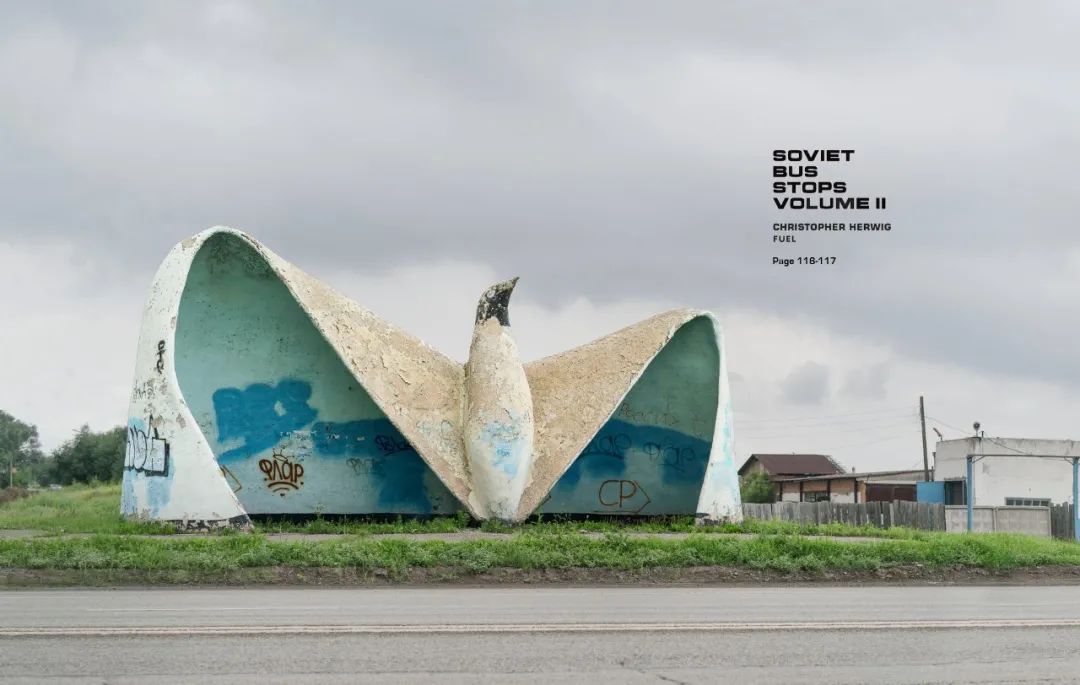
Soviet Bus Stops – Christopher Herwig Photos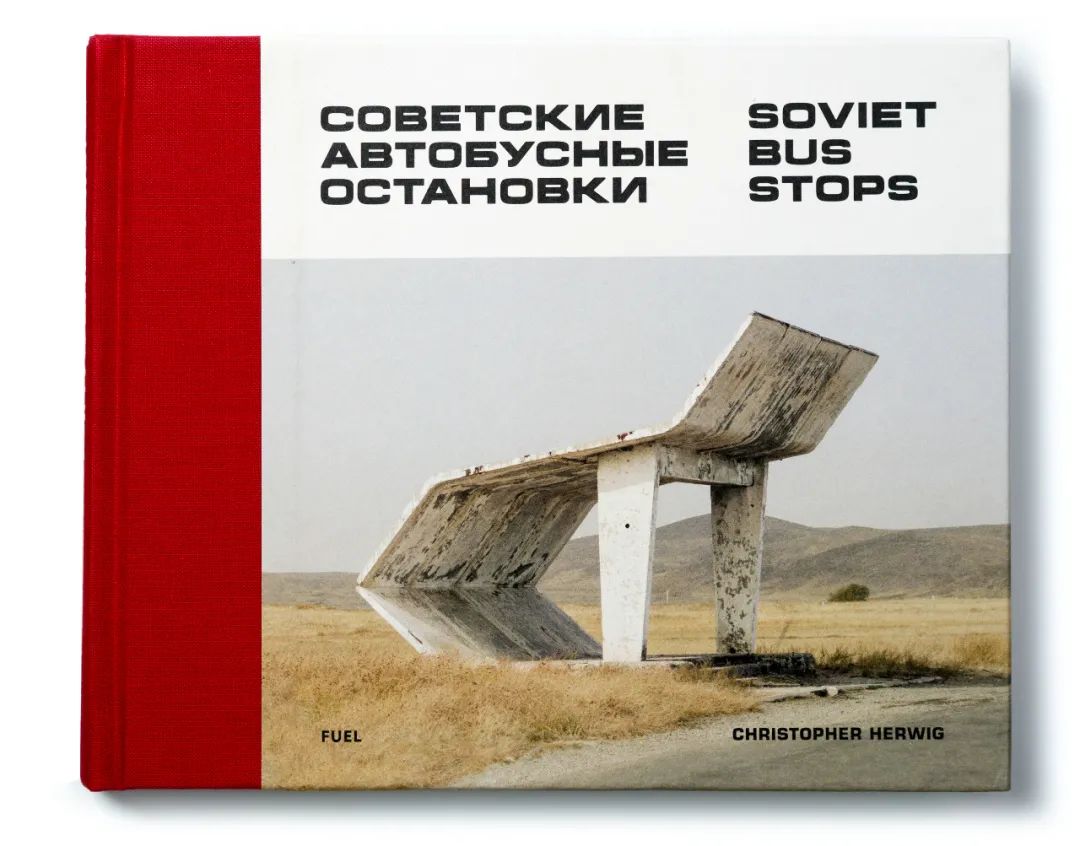
Source and credit: herwigphoto
Conjure an image of Soviet-era architecture in your mind. Chances are you pictured foreboding slabs of concrete as far as the eye can see. Thanks to the work of photographer Christopher Herwig, we can safely say that this image is far from accurate.
Herwig traveled across former Soviet territories, capturing the wildly inventive bus stops that were installed by the communist regime. These structures are a testament to creativity, architectural innovation, and flair for the sake of flair.
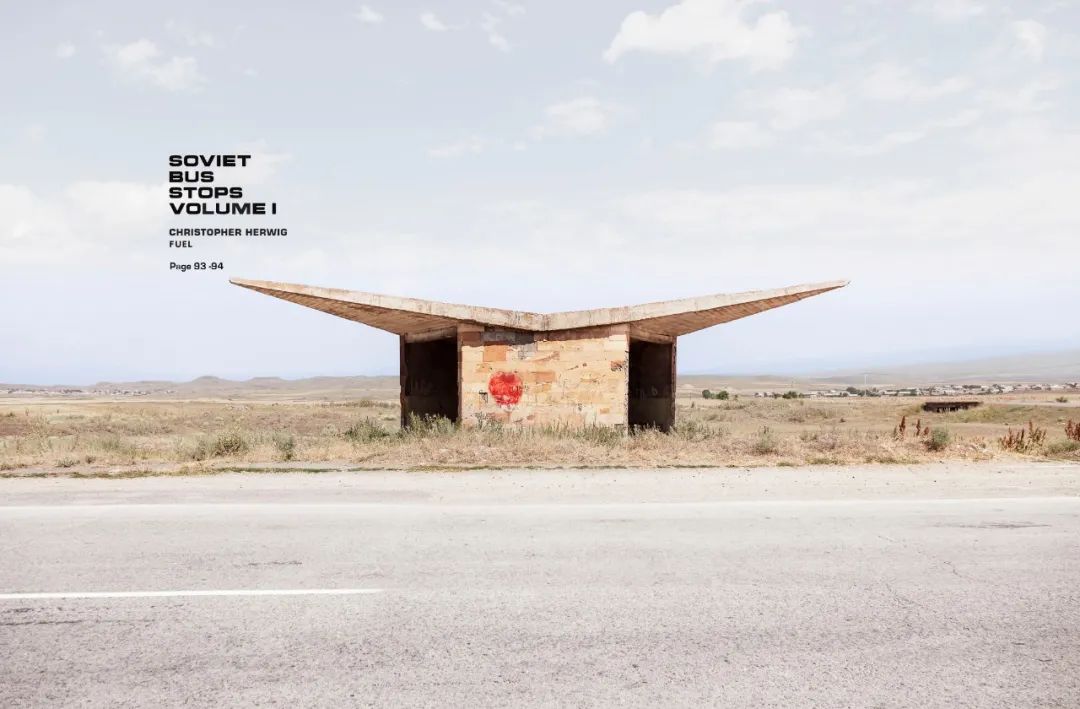
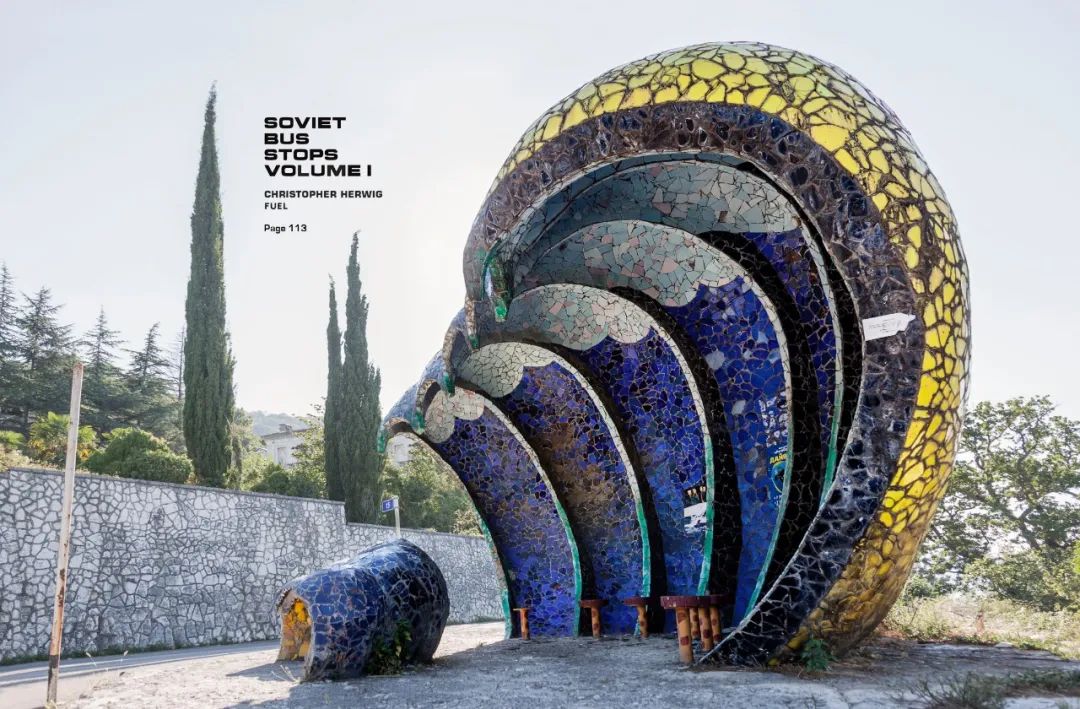
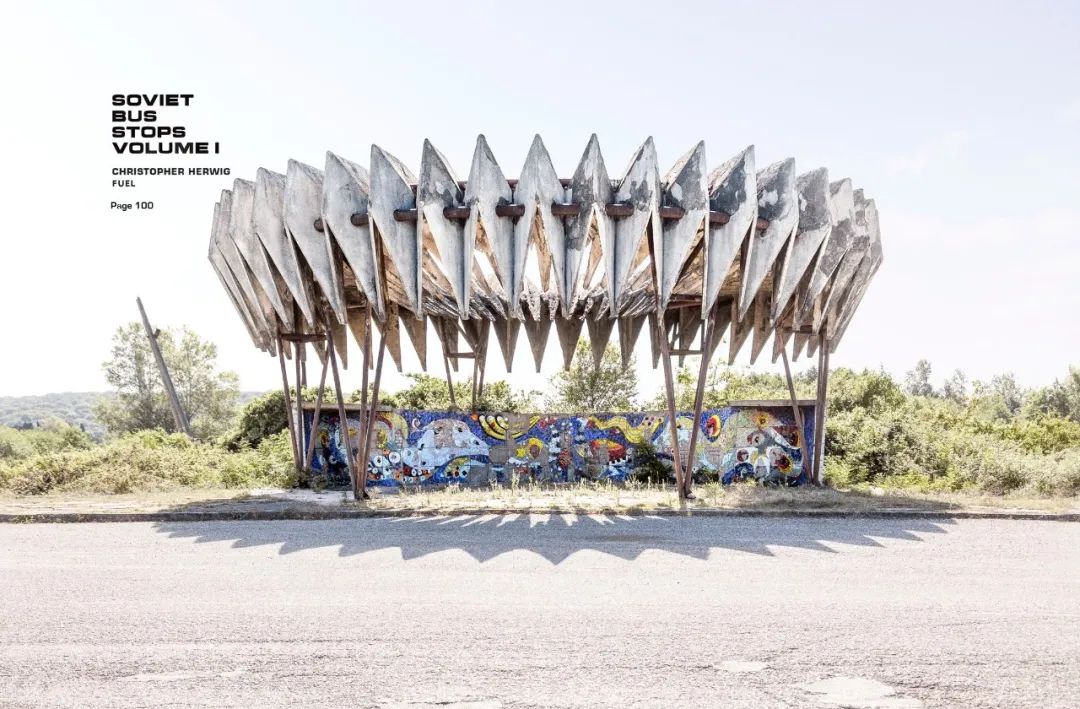
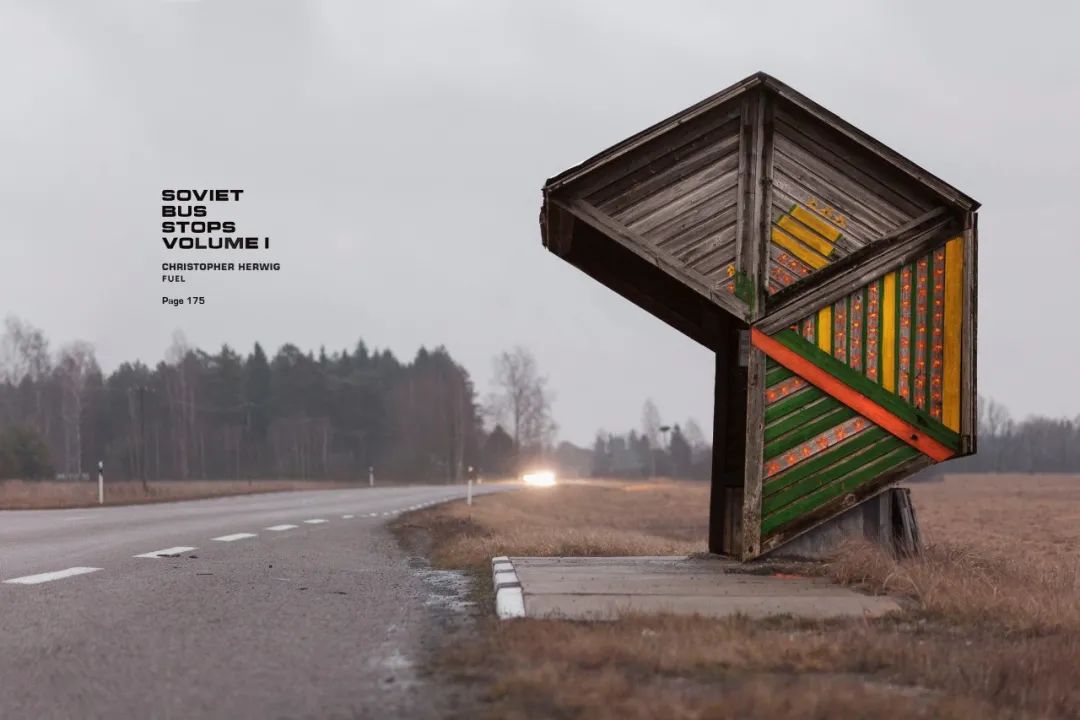
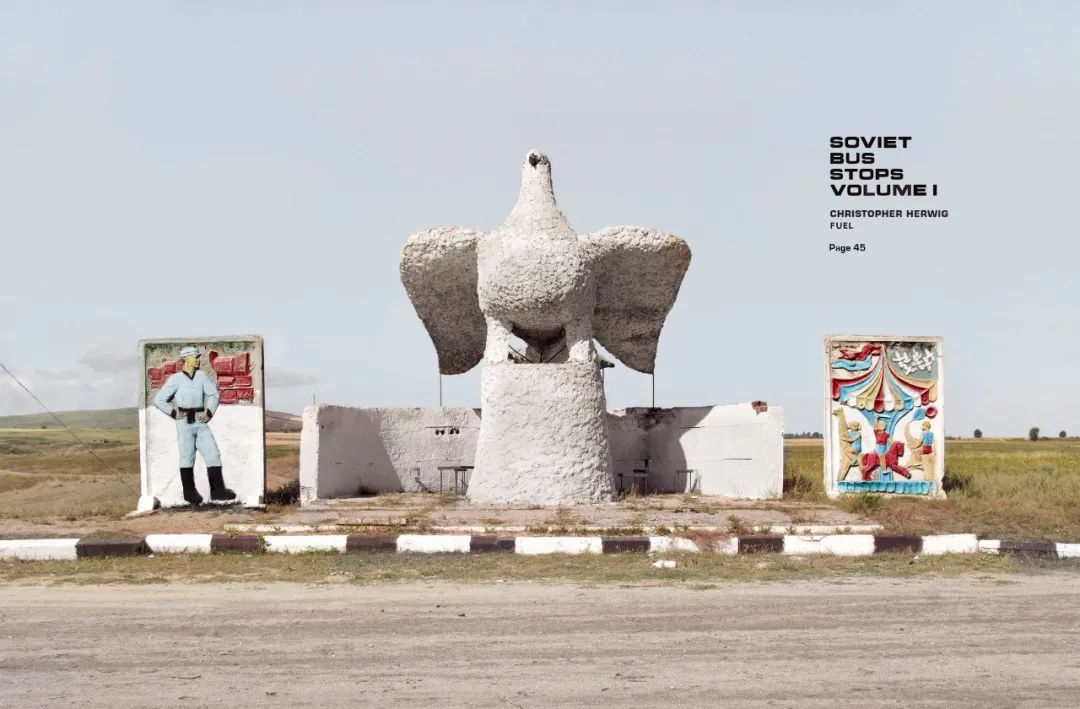
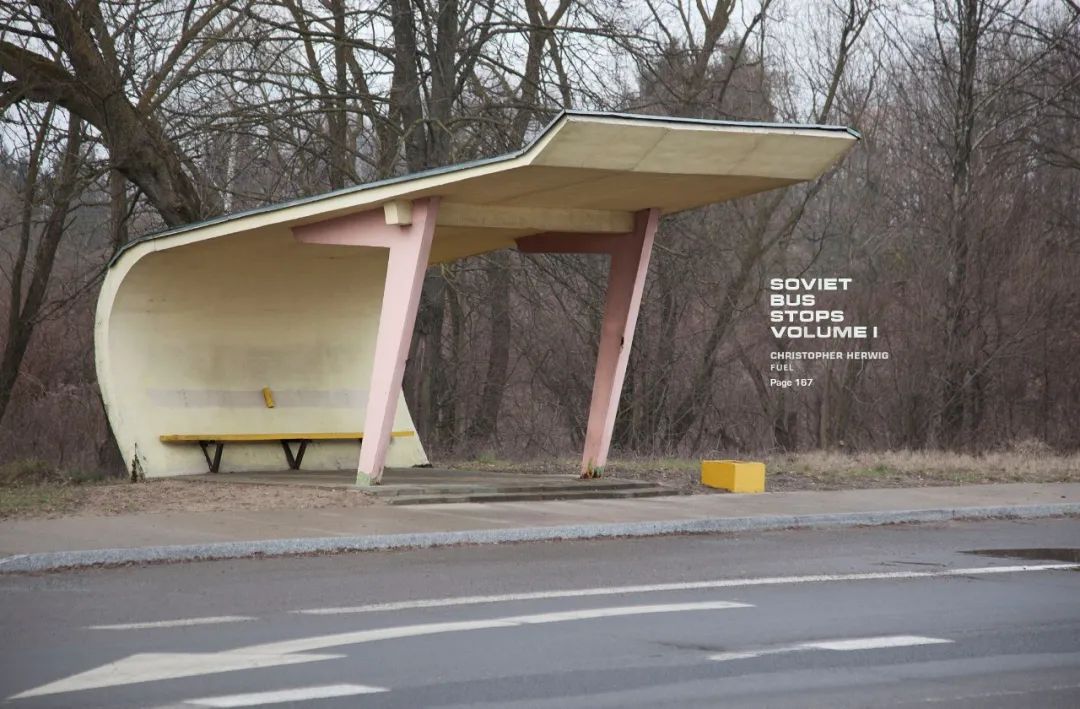
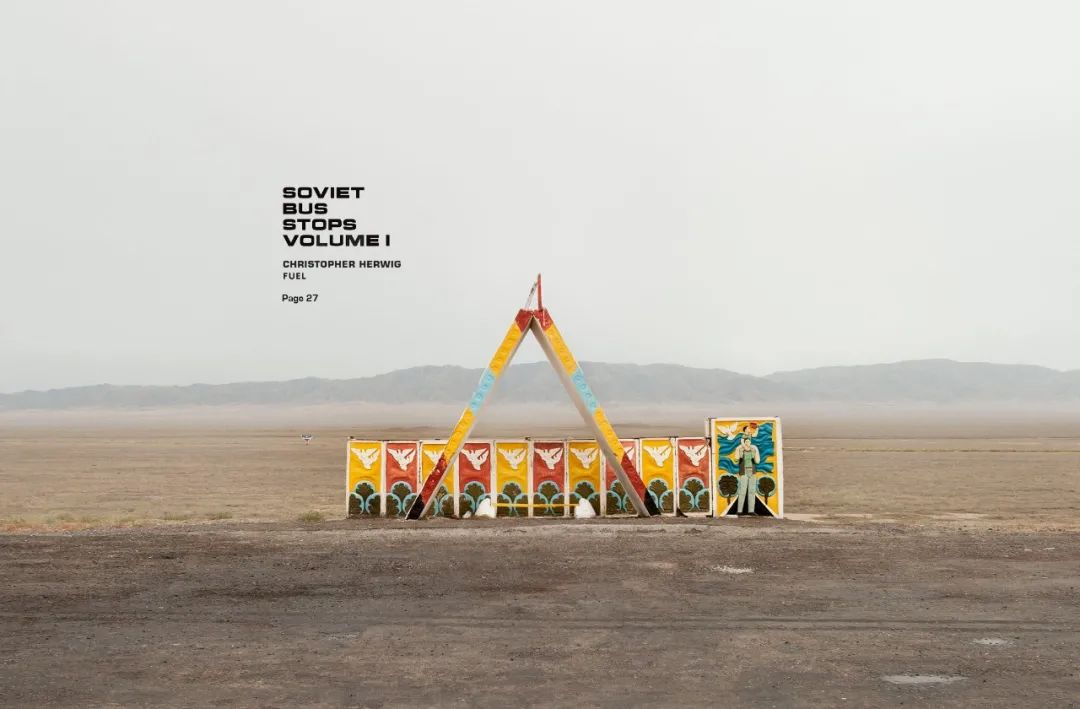
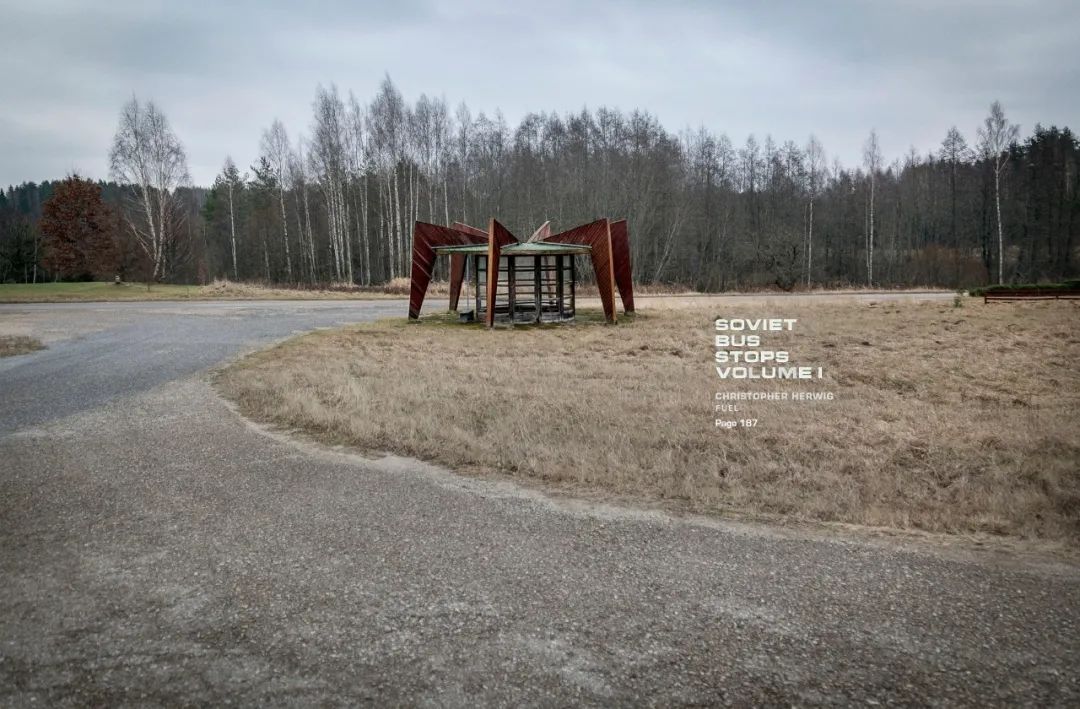
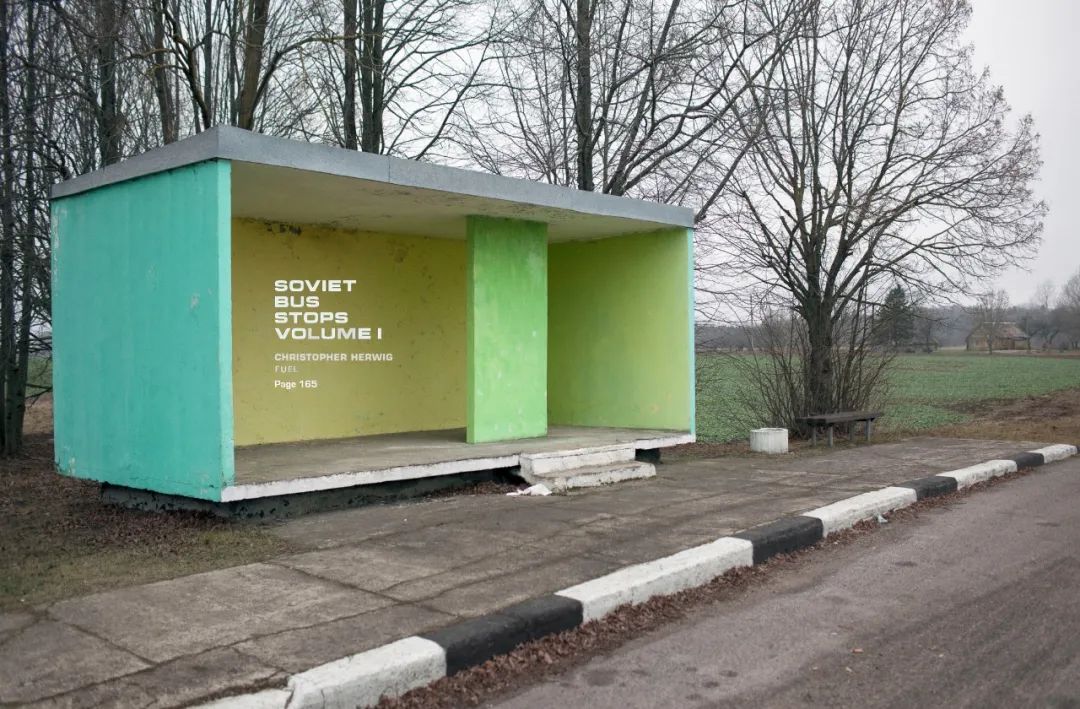
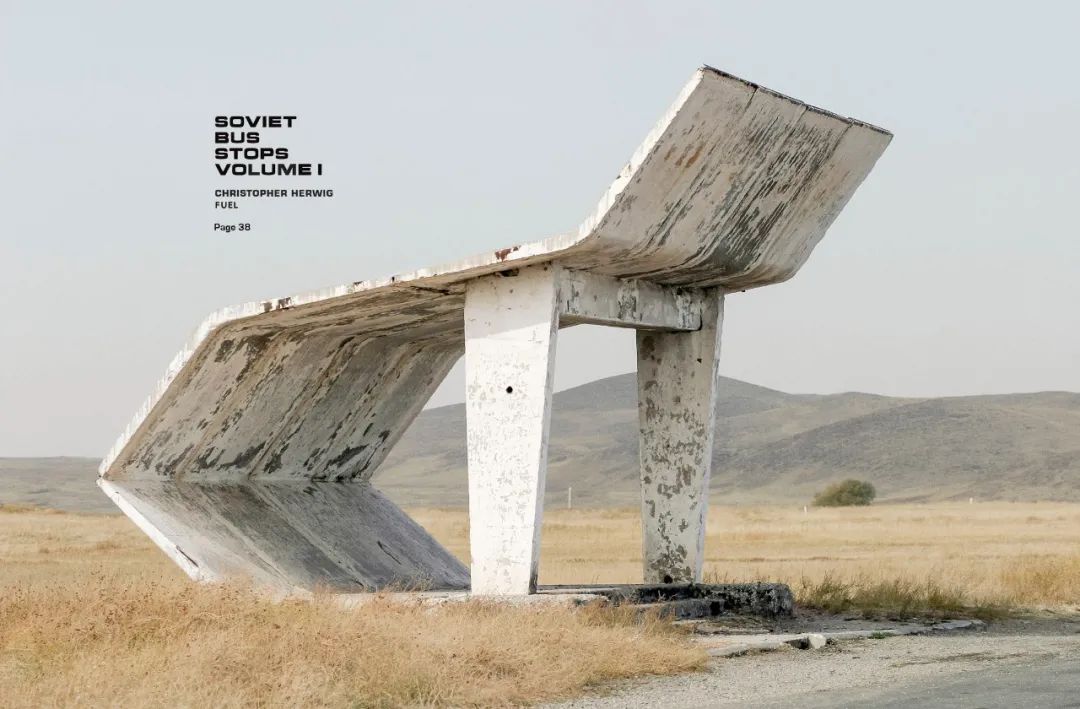
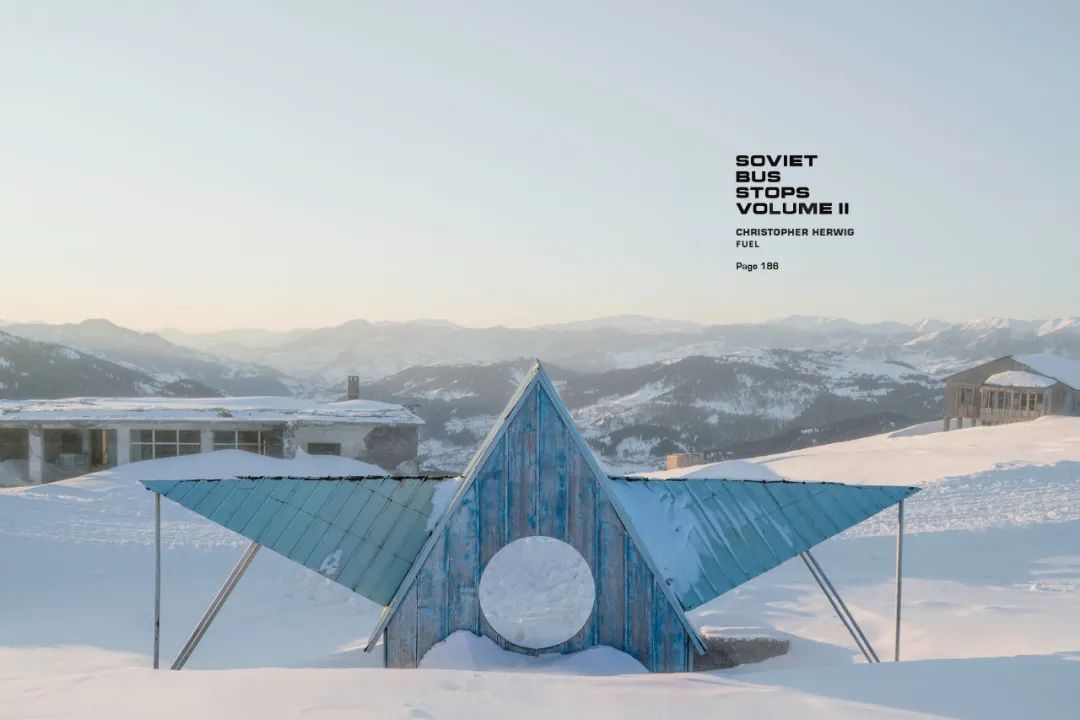
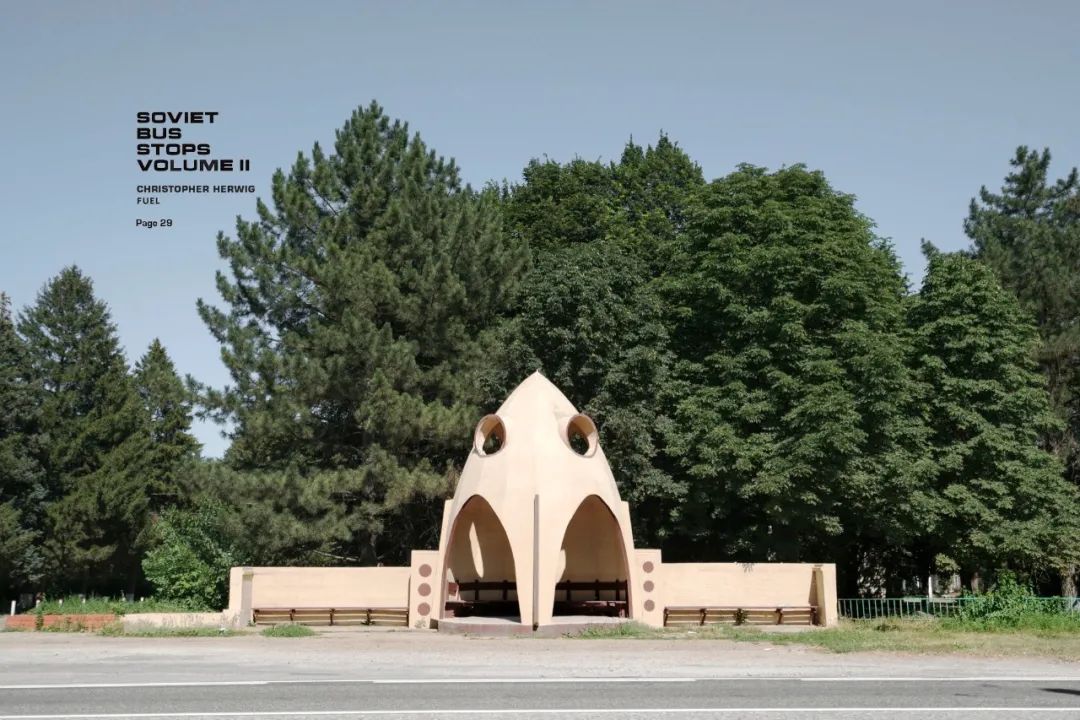

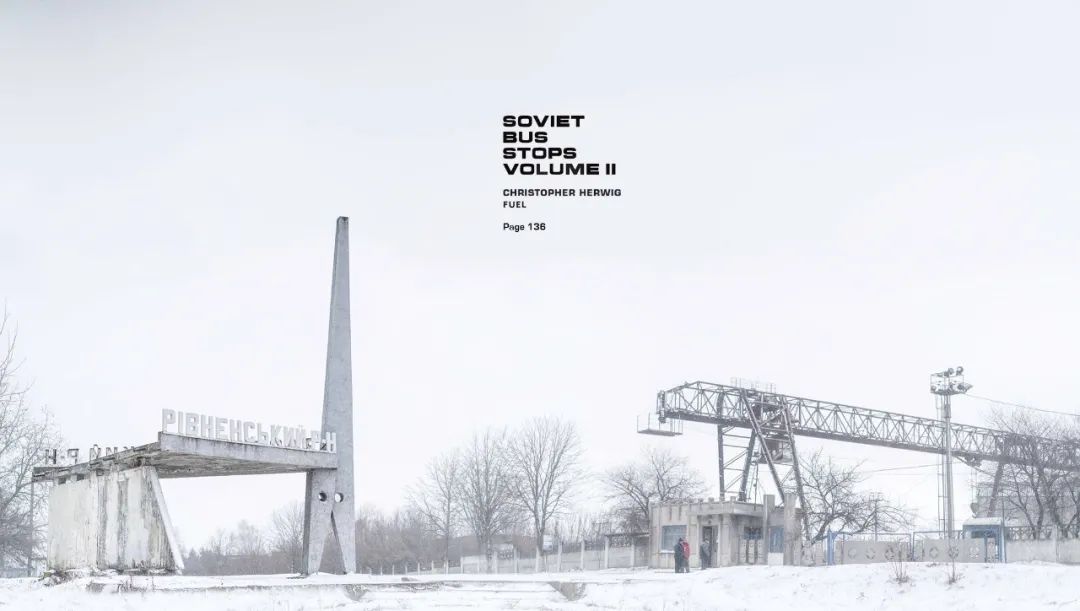
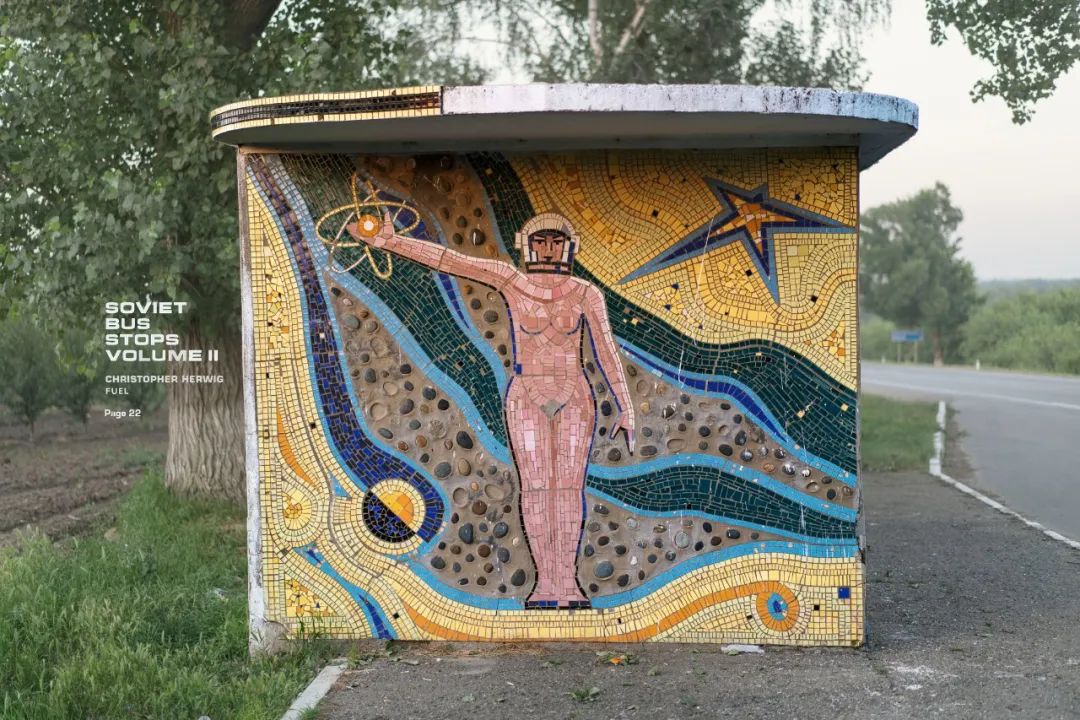


The Barbican Centre London
Source and credit: montcalmroyallondoncity
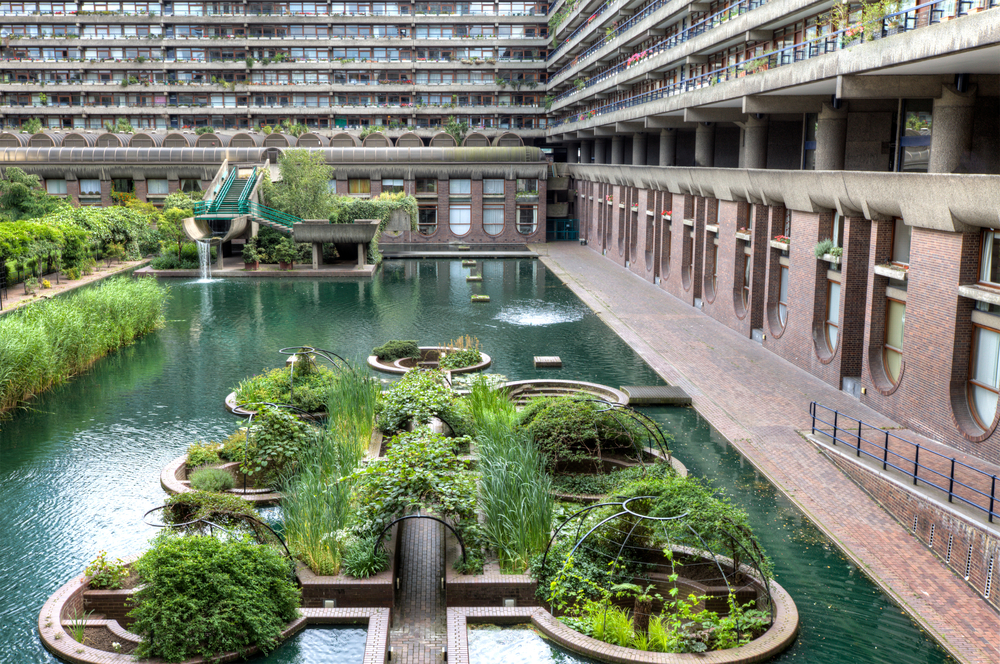
The ever-controversial Brutalist style of architecture had reached its peak of popularity in 1980s Britain. During this time, a remarkable location, The Barbican Centre, was first dreamt up by Peter Chamberlin, Geoffry Powell, and Christoph Bon.
The center was first designed as a council estate for the wealthier middle classes at the time. Clandestine layouts, towering structures, and discombobulating walkways were employed to create a space that was a safe haven for residents and a confusing mystery to strangers.
Everything from medical facilities to libraries to grocery stores to recreational buildings was all housed inside the center. Residents never had to leave their tiny pocket of London! Today, the Barbican is home to a world-renowned arts and theatre space with a few bustling restaurants and residential flats thrown in for good measure.
Hundertwasserhaus Vienna
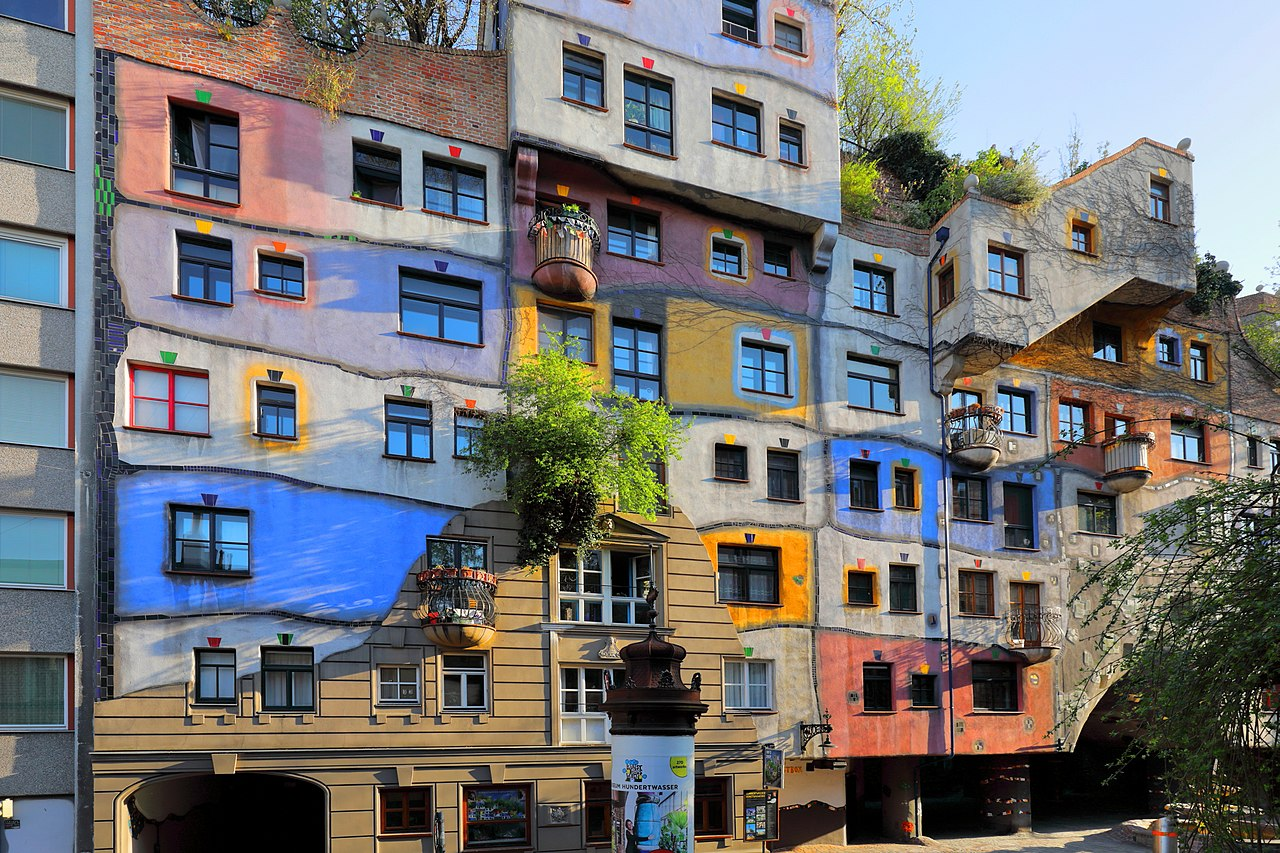
Source: © Bwag/Commons on Wikipedia
Friedensreich Hundertwasser began his artistic career as a painter in the 1950s. His eye for ‘natural forms of decay’ soon led him to develop a unique approach to residential architecture. Hundertwasser envisioned residential homes that worked in harmony with nature rather than disrupting it.To this end, he designed blocks of residential housing in Vienna that employed several unique features to help them integrate more smoothly with the local ecosystem. For example, space and encouragement were made for residents to decorate their balconies with local plant life.
Sagrada Família
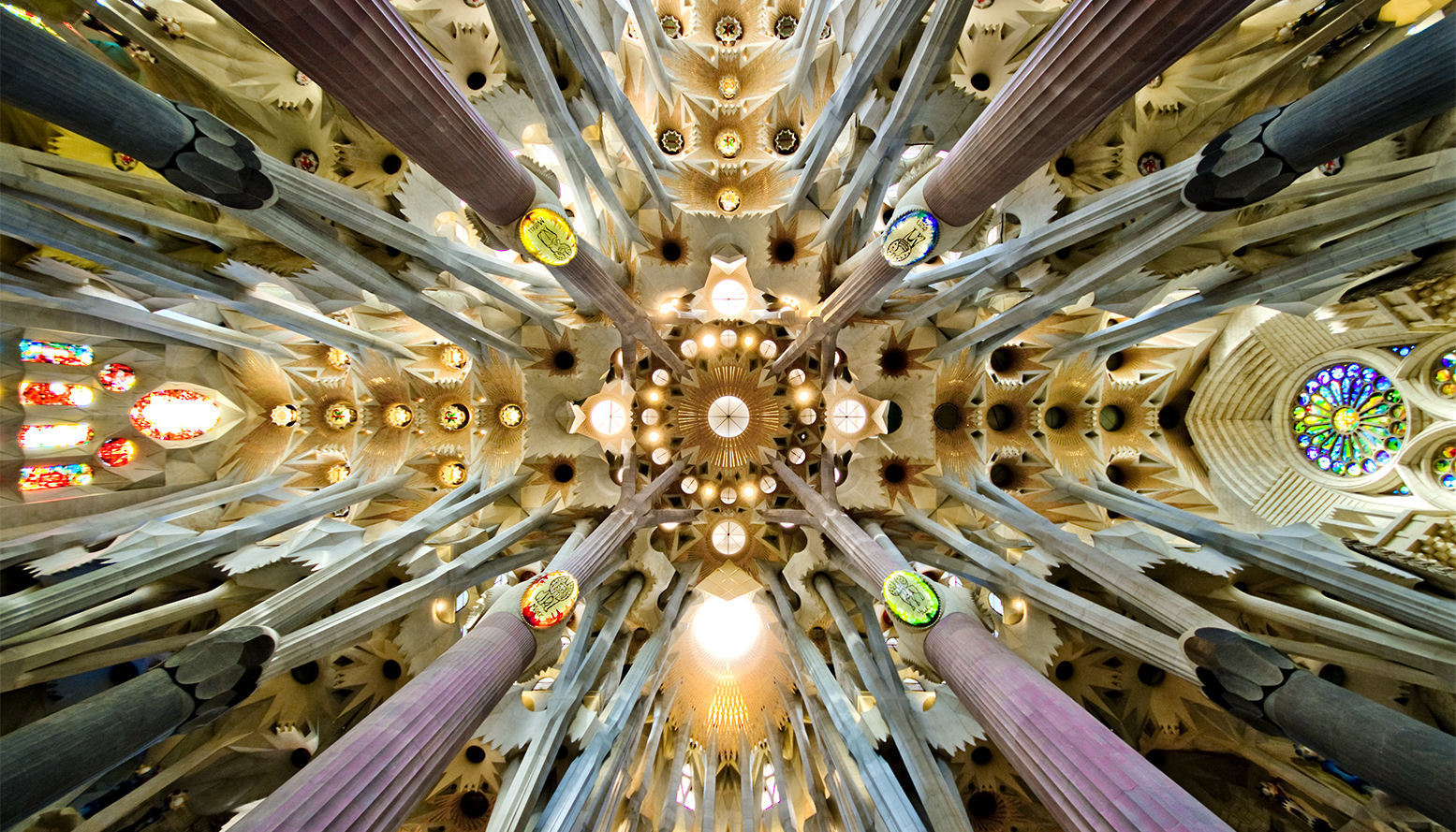
Credit and source: From SBA73 on Wikipedia
This is an architectural project so monumental that it’s still in progress. Since 1882, this remarkable building has been under construction in Barcelona. The architect Antoni Gaudí was responsible for the project’s fusion of gothic revival, art nouveau, and modernist styles.
From spectacular sprawling spires to breathtaking stained glass windows, this building is well worth a visit and has truly earned its classification as a UNESCO World Heritage Site. When it comes to art inspiration ideas, it doesn’t get much better than this!
Gants Hill East London
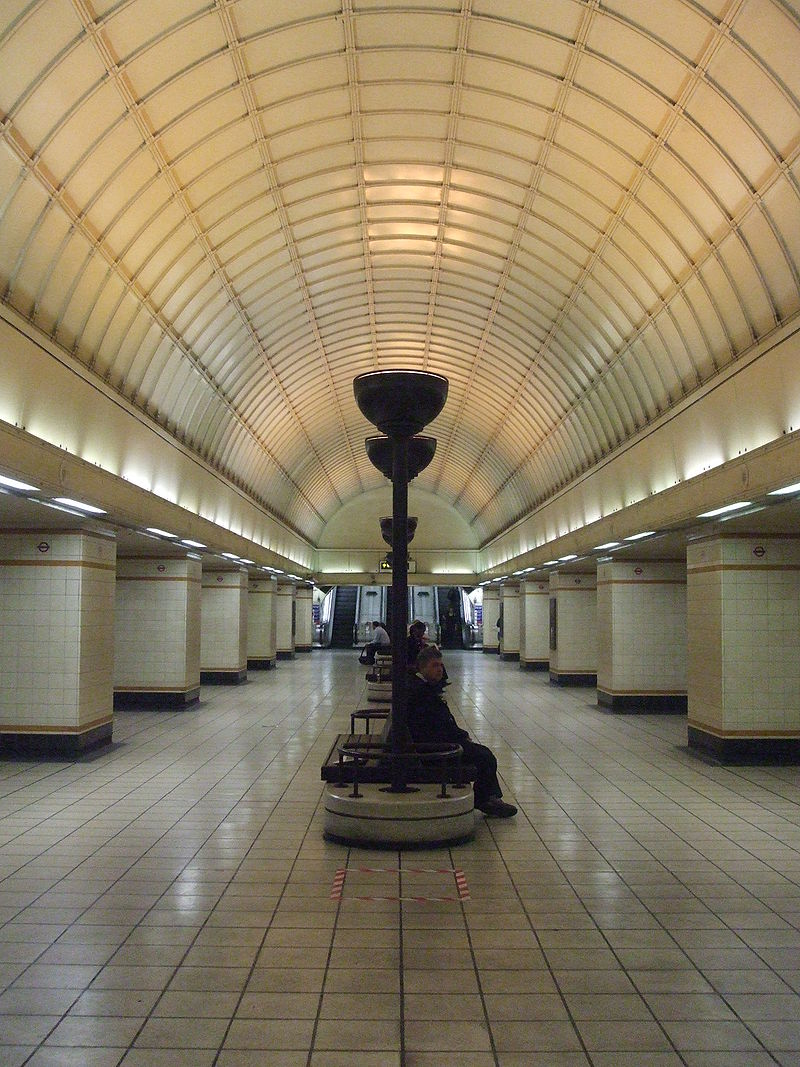
Source: Sunil060902 on Wikipedia
The architecture of Moscow’s metro system is known around the world for its artistic flair and opulence, but did you know that a tube station in East London feels like it was lifted straight out of the Russian capital?
When plans for Moscow’s metro system were first underway, several prominent figures from the London Underground were asked for advice and design ideas. These British engineers brought a flavor of these plans home with them. The result? The striking design of Gants Hill tube station in East London!
SOA Arts – Your Art Inspiration Generator!
Still hungry for ideas? Use us as your art inspiration generator! We’ve got more than a decade’s worth of experience in producing, curating, and commissioning incredible artwork for your business or collection.Get in touch today and we’ll be happy to help!
-End-
-
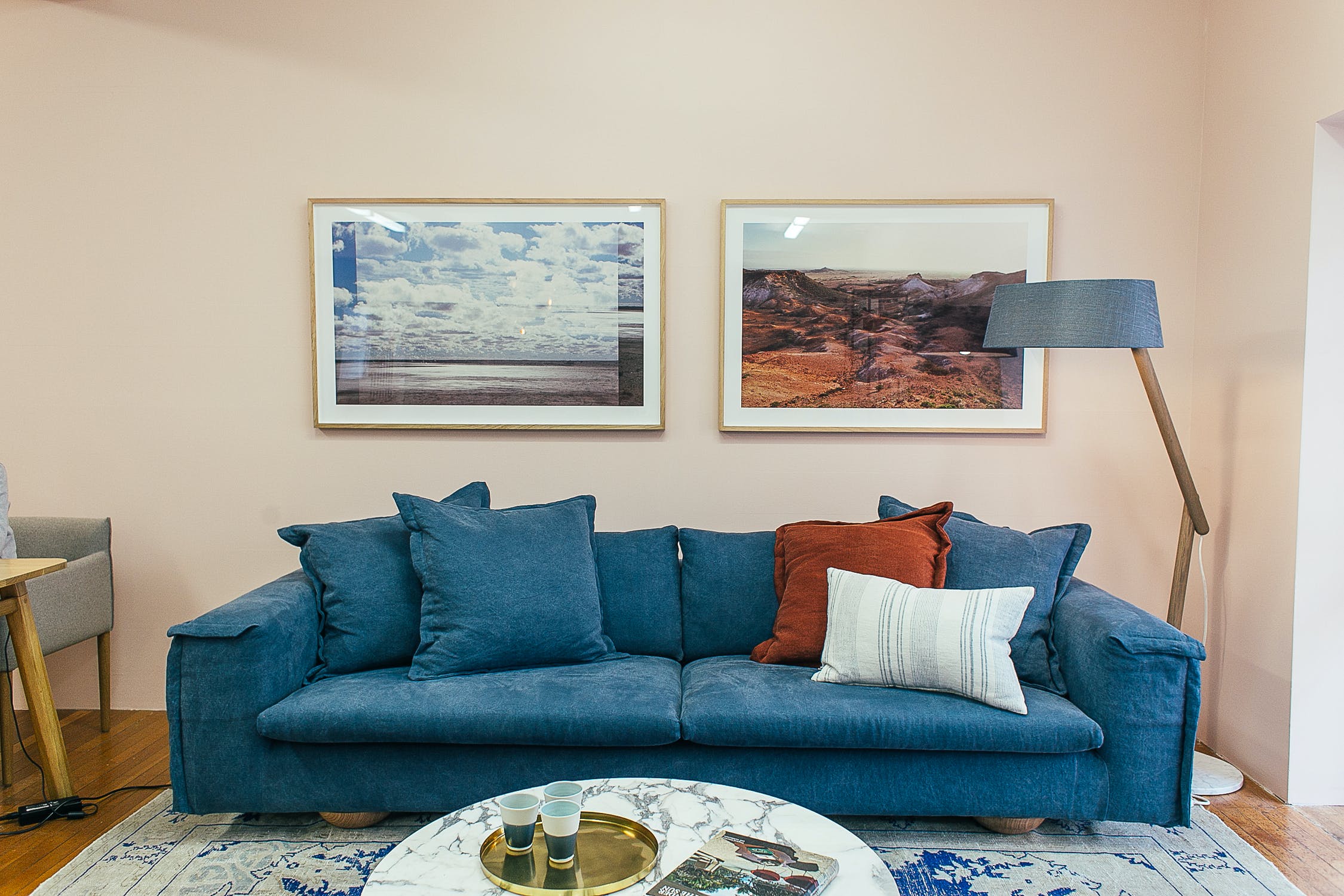
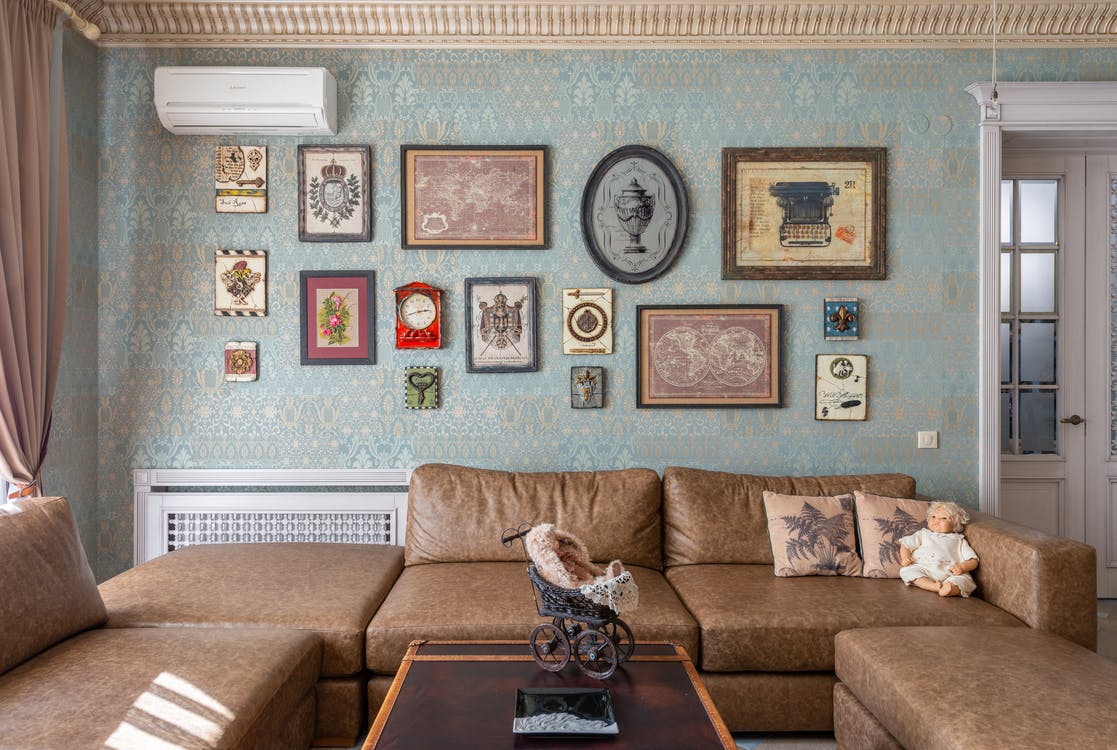
Interior design for the home can feel intimidating if you’re a newcomer to the topic. However, with a little knowledge applied in the right areas, it can be far more accessible than many people expect. On this page, we’ll be exploring a few simple tips to help you elevate the spaces you call home.
A beautiful home doesn’t have to be reserved for people with lots of money. With our in-home interior design advice, you’ll be living in paradise before you know it! Let’s jump into it.
In-Home Interior Design Ideas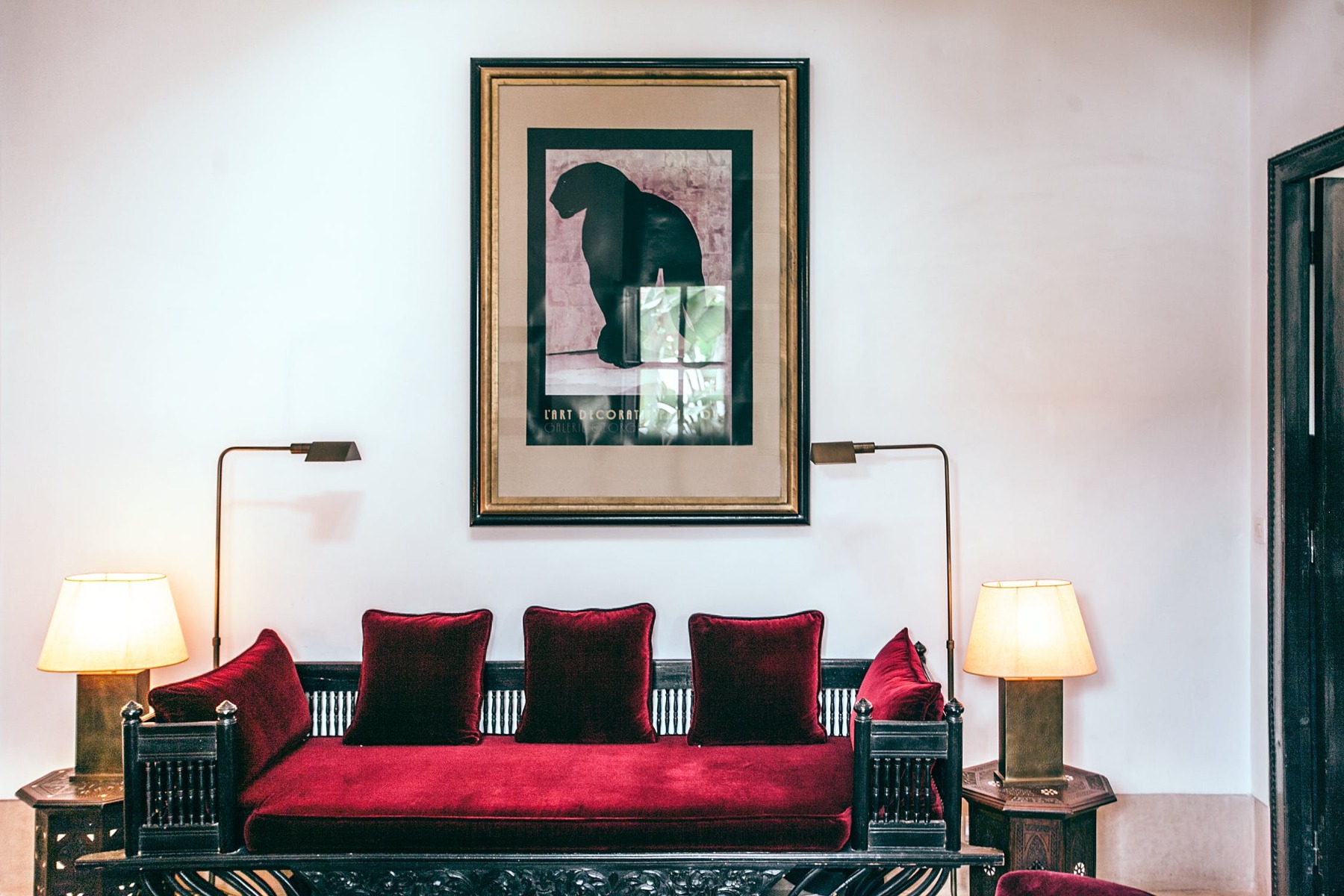
The list below contains some in-style interior design ideas that will work perfectly for 2022 and beyond. Browse these suggestions at your leisure and pick the ideas that work best for your home.Tip 1 – Use Wallpaper Creatively
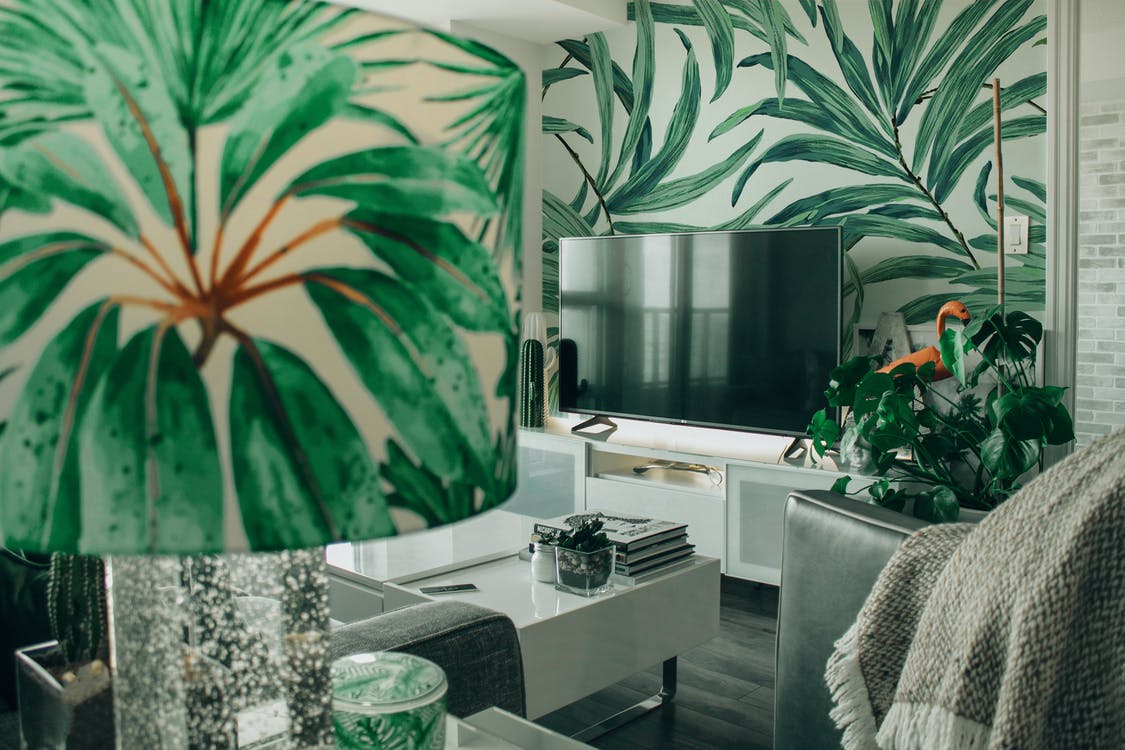
Most people know how effective some well-placed wallpaper can be, but it’s possible to take things one step further. Peel and stick wallpaper can be bought relatively inexpensively and is very easy to use.Why not try applying your favorite patterns to your fridge or other appliances at home. This can add the perfect flair to an otherwise average space. The great thing about this tip is that it’s super easy to reverse.
This kind of wallpaper can be removed if you change your mind.
Tip 2 – Test Paints Before You Buy

Interior design for the home can be endlessly rewarding, but it comes first to get things right. Want our advice? Always test your new paints before you ‘pull the trigger’. The last thing you want is to paint an entire room only to find that things don’t look quite right.
Choose either an indiscrete part of your wall or some scrap wood material to test your paints. Be sure to see how the dried paints look in different lighting conditions. The amount of sun and artificial light in a room can significantly change the way that certain colors are perceived.
Tip 3 – Mirrors Can Open a Space Considerably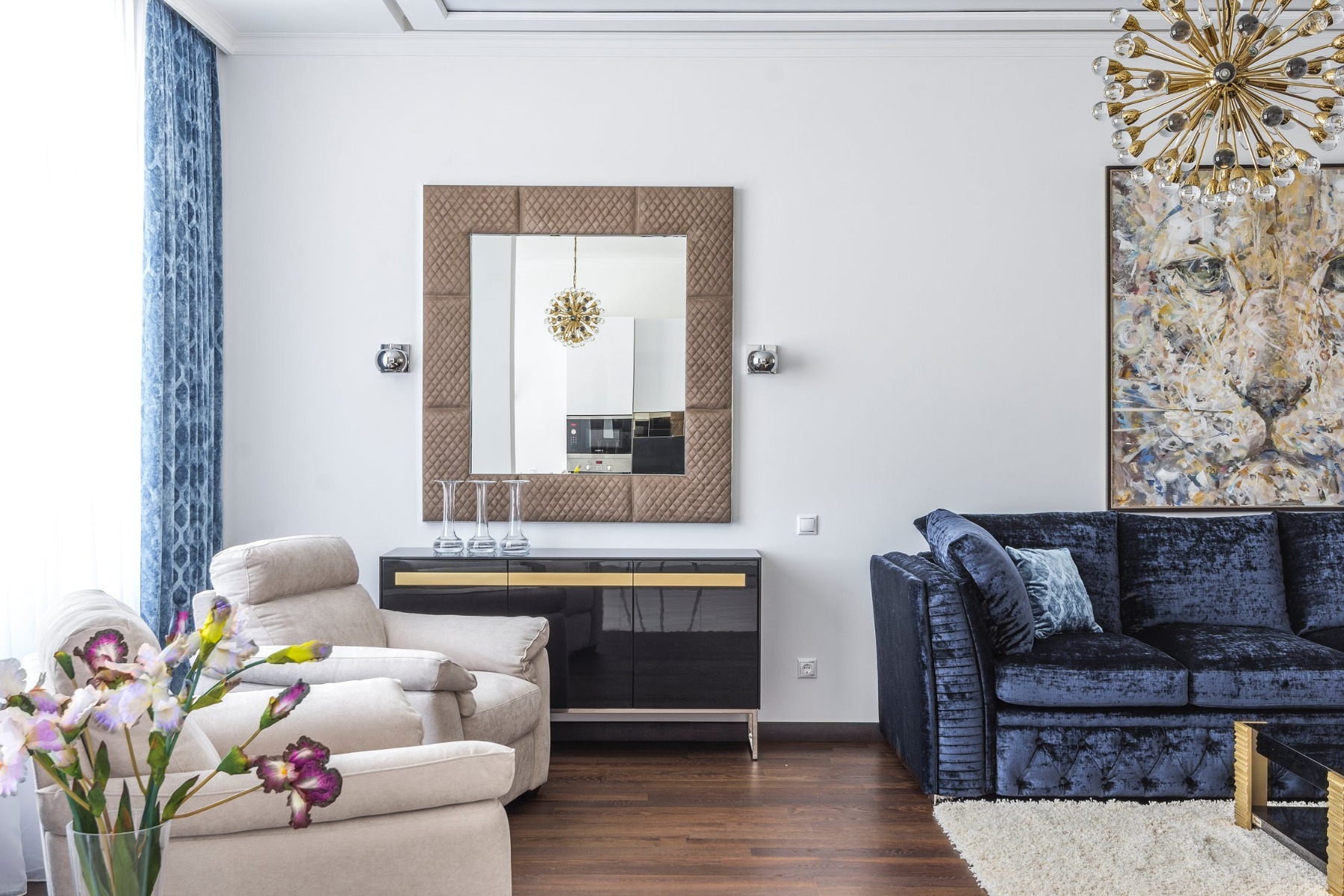
Working with a limited amount of space? It’s probably worth using mirrors creatively in some of your rooms. A well-placed pair of mirrors can dramatically transform the look of a room. It can expand and open a space far more than you might expect.Be sure to place your mirrors in areas where they’ll be easy to clean; a dirty mirror will not be suitable for your in-home interior design!
Tip 4 – Think of All 5 Senses

A lot of interior design relies on the visual aspects of a room. In many ways, this makes perfect sense – especially when you’re preparing a room for photographs.That said, it can pay dividends to consider the other senses when working. What enticing scents, textures, and sounds can you incorporate into your design? Striking textured woods? A soothing wind chime? It’s up to you!
Tip 5 – Design for You and You Alone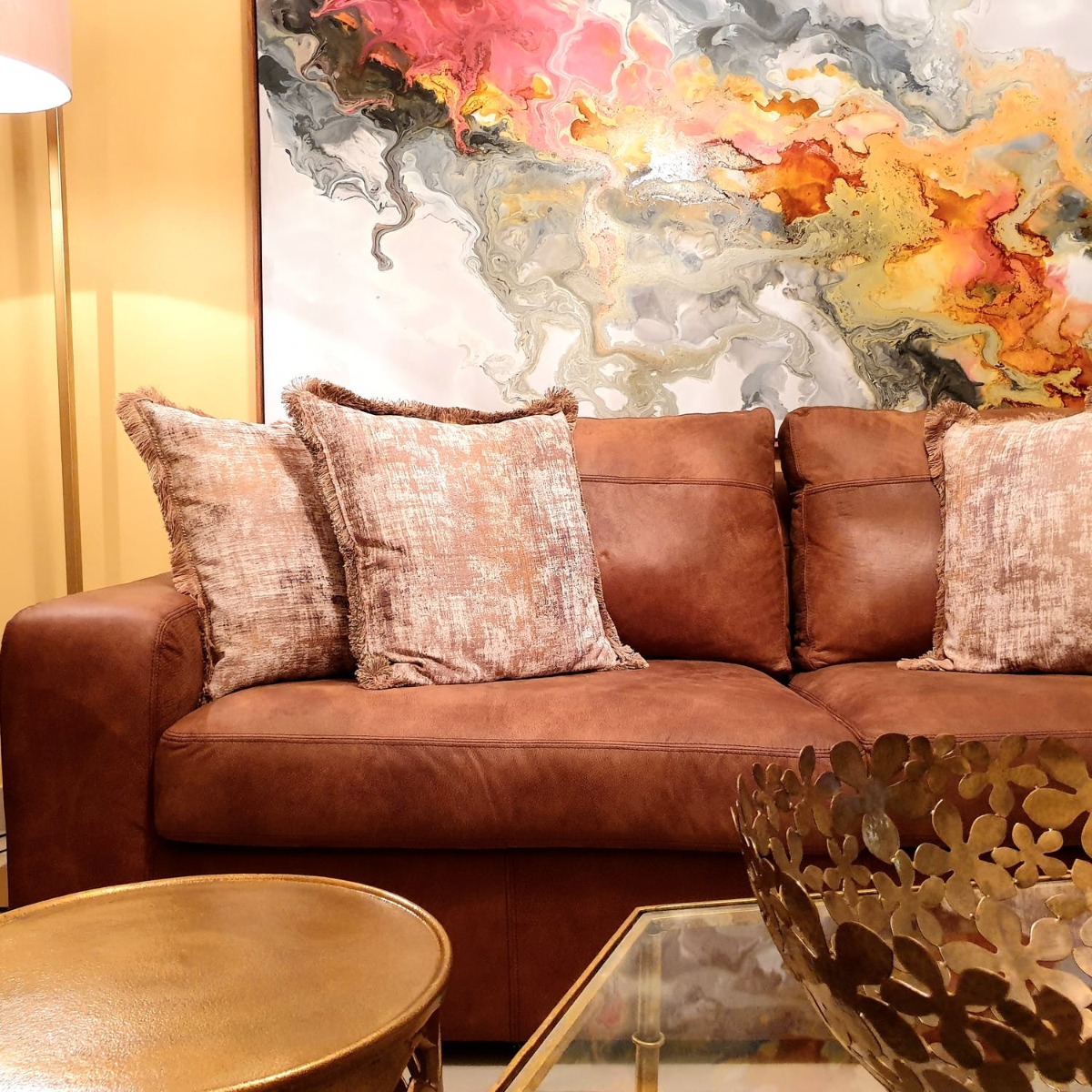
Interior design for the home is all about what you are looking for. It’s natural to worry about what other people might think of your designs, but this should never be your major concern. If you only ever try to please other people, you’ll never be happy with what you create.
Not everyone will fall in love with what you design and that’s ok. All that matters is that it makes you happy.
Interior Decorating Design for the Home and SOA Arts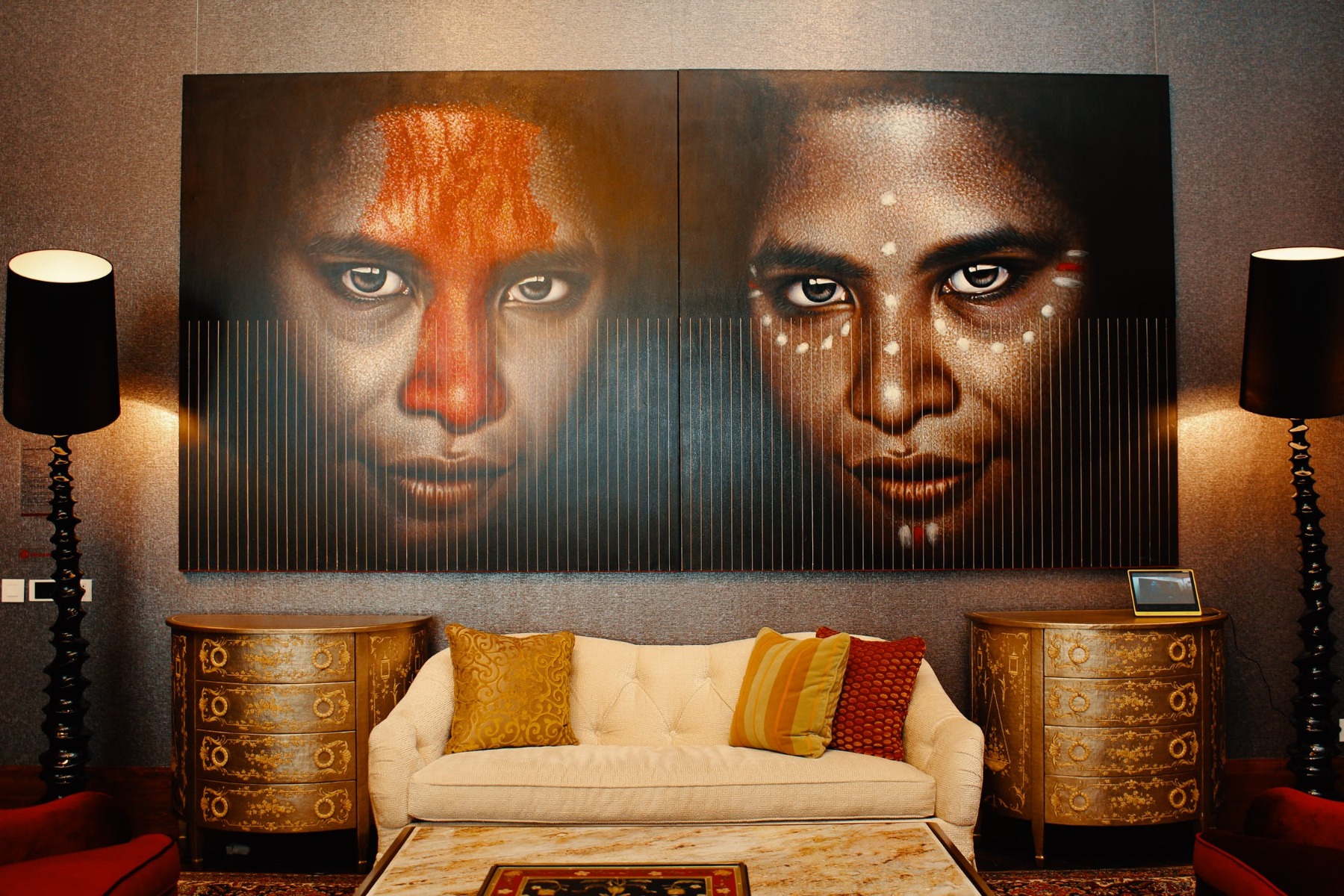
As a premium Chinese art factory, we love helping home and business owners improve their interior design. We have more than 10 years of experience in producing, curating, and sourcing incredible art and pieces for your space.
Want to get started on your interior design journey? Get in touch today and we’ll be happy to help.
-
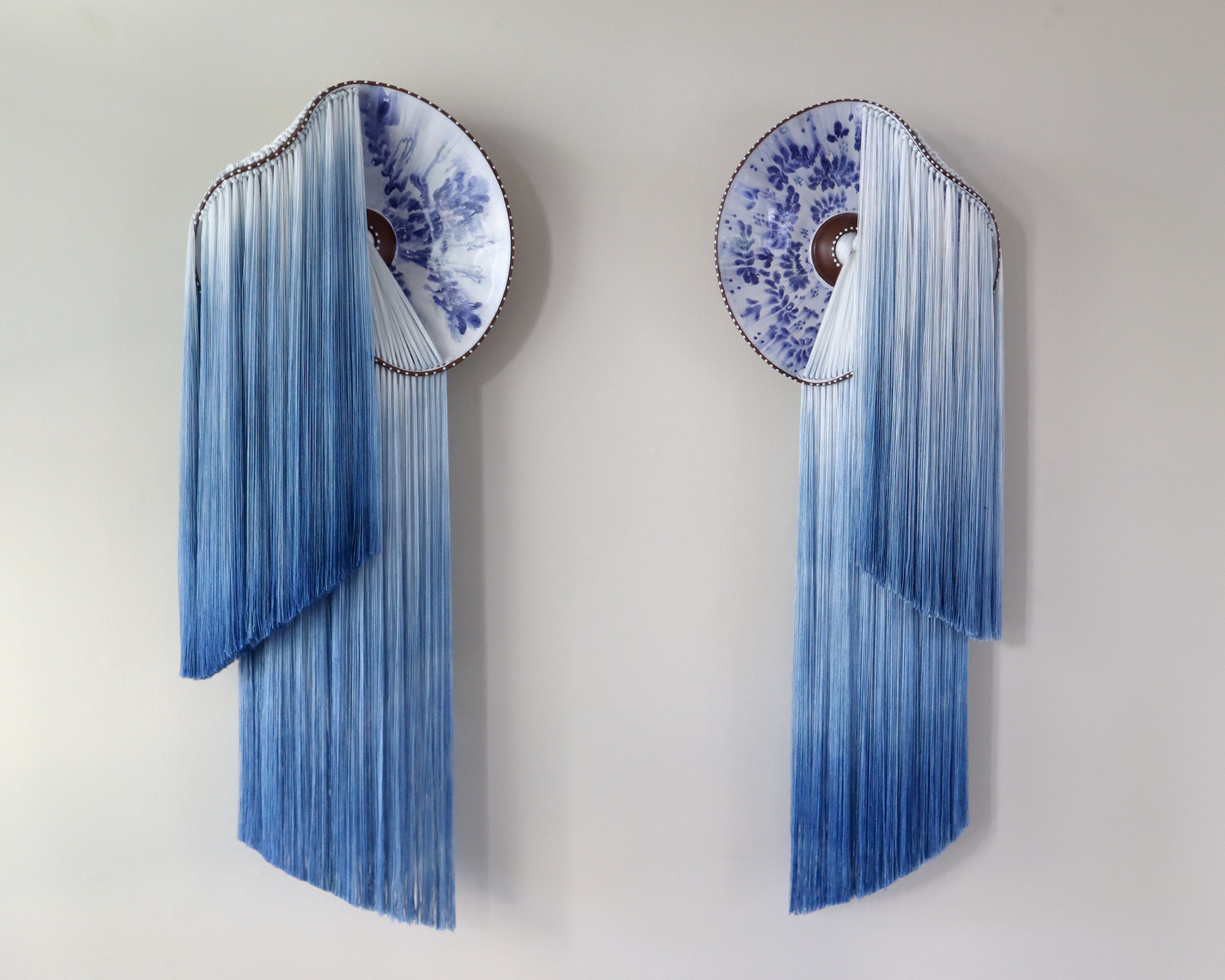
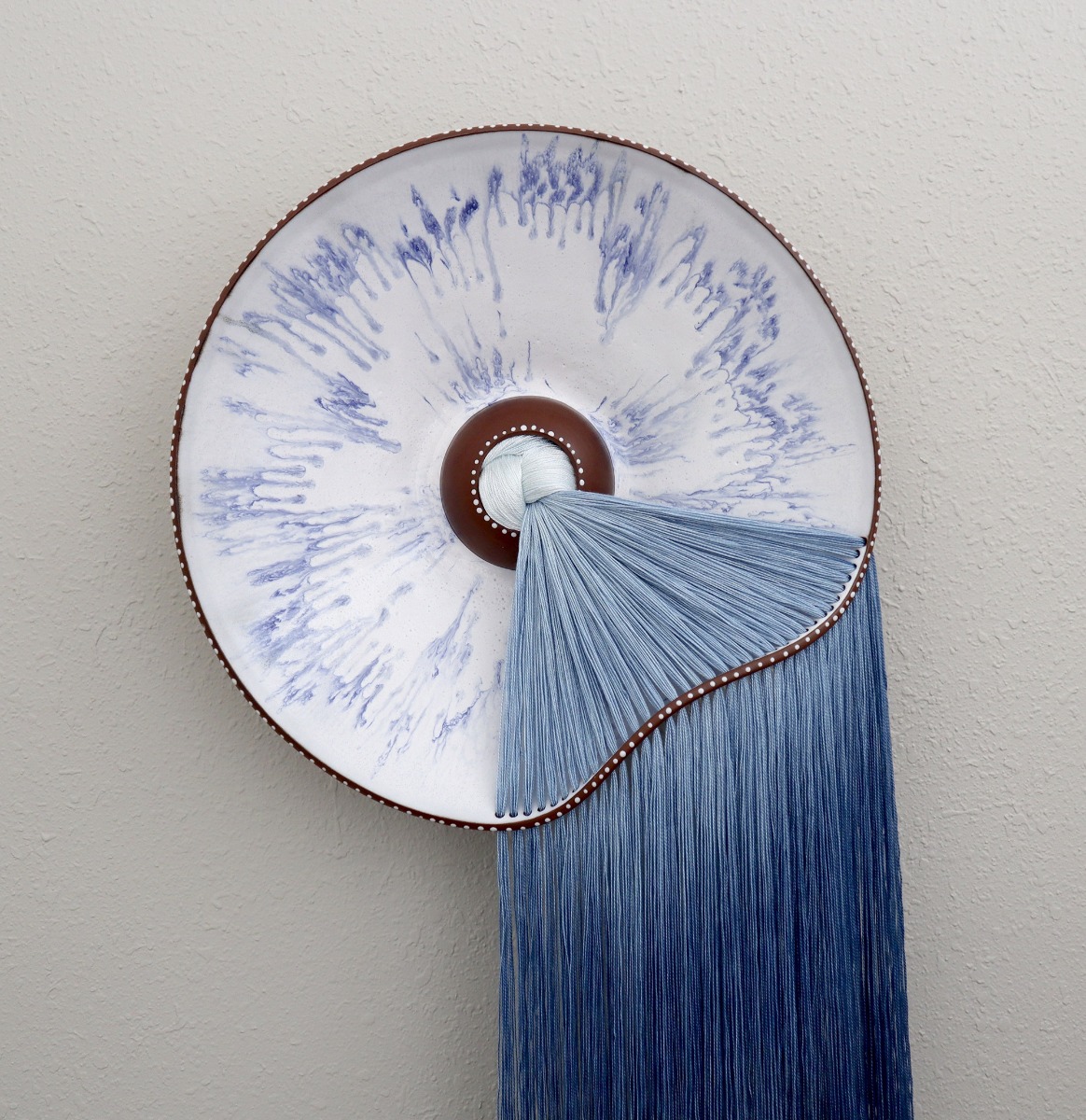
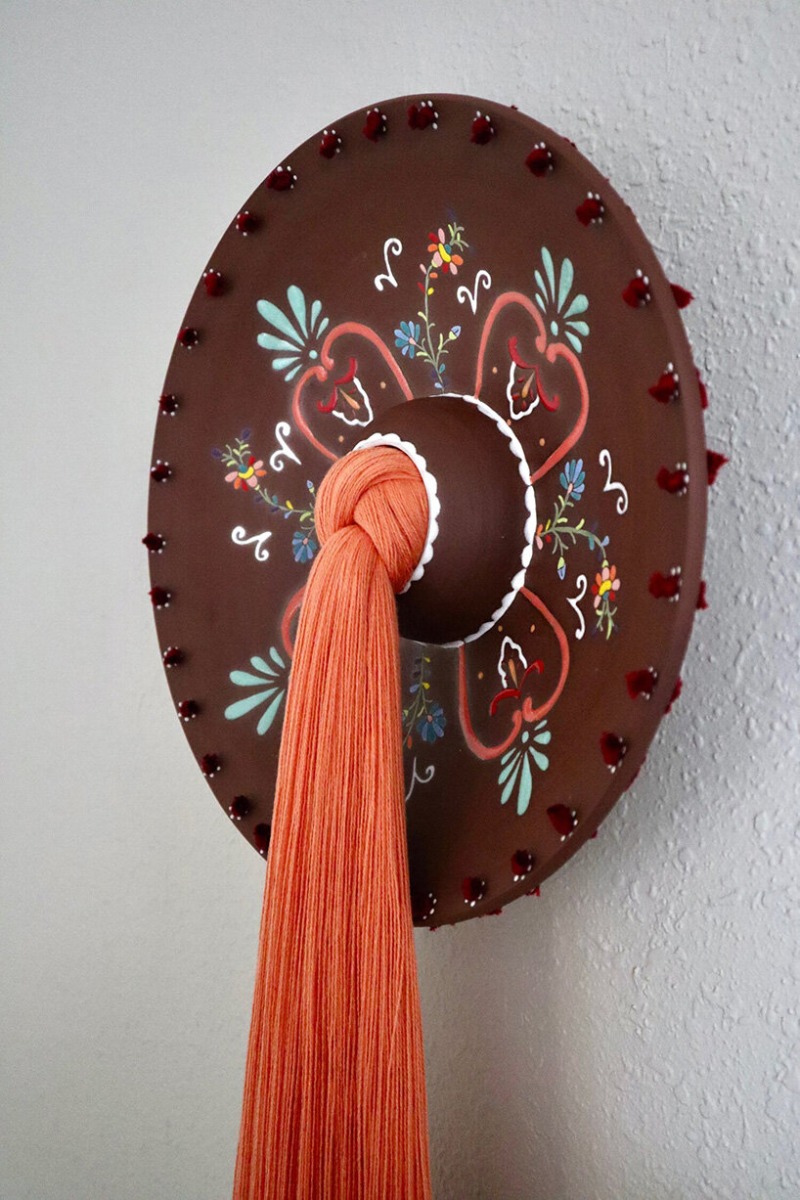
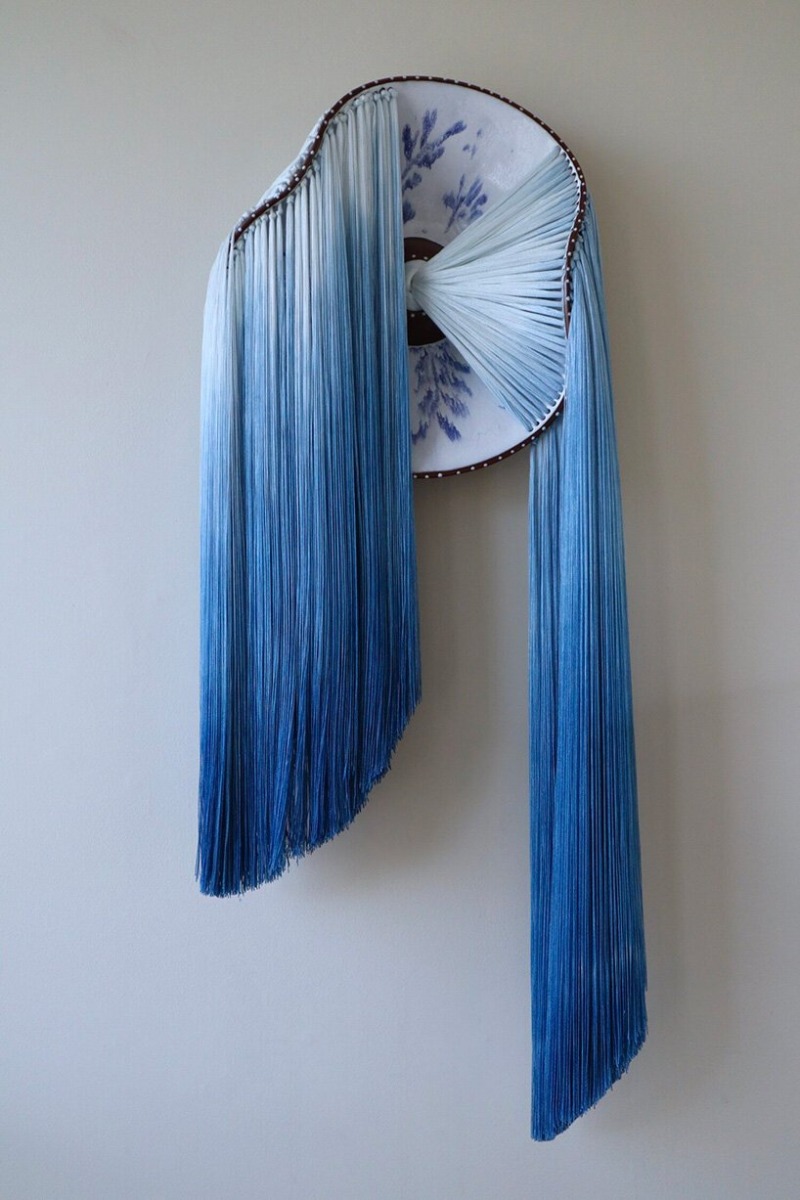
Navigating two different cultures may be challenging but that’s exactly what sets Nicole McLaughlin apart from other conceptual designers in her generation. She blends together ceramics and fiber, both of which are historically domestic crafts, to create stunning pieces that explore identity, heritage, and traditions.
While born and raised in Massachusetts, McLaughlin spent her early childhood years in her mother’s hometown of Cuernavaca, Mexico. She went on to study at the Kansas City Art Institute, where she received a Bachelor of Fine Arts. Since then, her work has been included in exhibits across the world and has fetched high prices from private collectors.
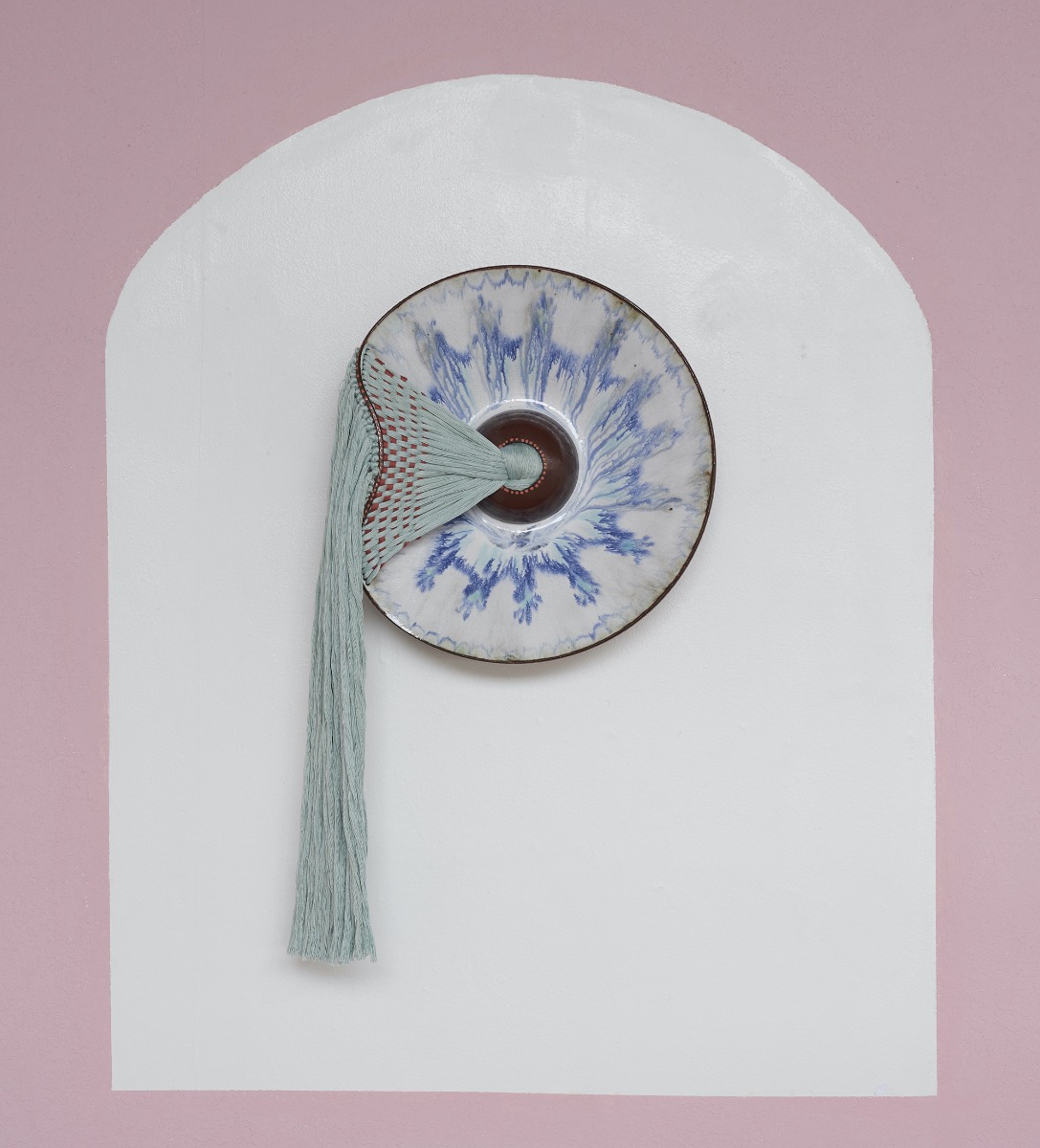
A first generation Mexican-American, McLaughlin uses her art to explore the similarities and differences between her two cultural identities.
“As a product of an American father and a Mexican mother, I am influenced by the conflicting expectations I have received as a woman within my two cultures,” she says in her artist statement. “My studio practice, a ritualization that celebrates and questions my cultural inheritance as a woman, depicts the dichotomies of my heritage through the combination of ceramics and fiber. With a manipulation of traditional processes and materials of domesticity, I begin to bridge the misunderstandings present between the maternal generations of my lineage.”
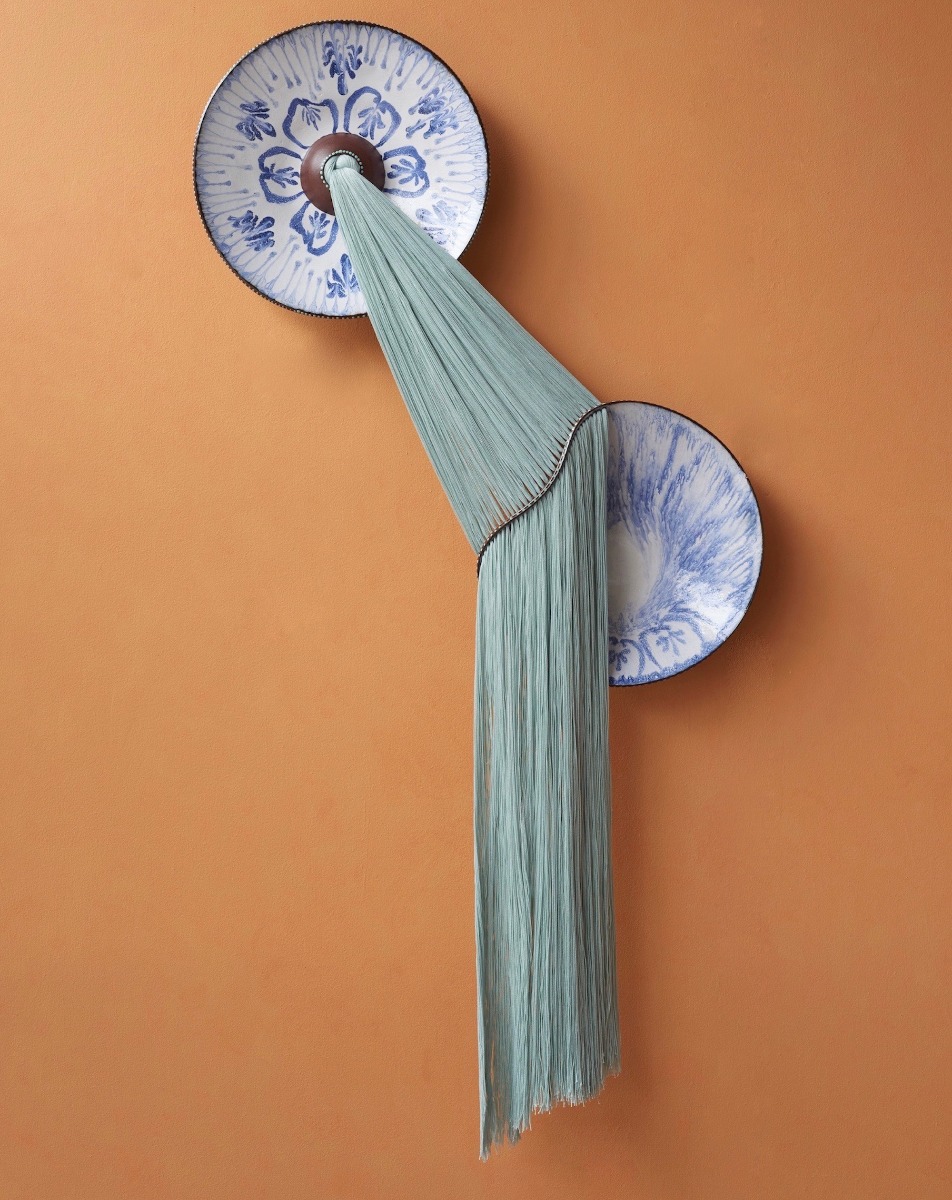
Using ceramics and fiber, McLaughlin creates dynamic sculptural installations that reflect the interwoven traditions and expectations that she has inherited as a Mexican-American woman. Apart from her background, the pieces also explore questions of memory and personal history, as well as ideas of femininity.
“In her mixed-media works, the artist contrasts the soft, pliable fibers with the fragility of the plates painted with blue-and-white motifs,” writes journalist Grace Ebert, who recently published a feature article on McLaughlin. “Dyed in subtle gradients and earth tones, the loose threats are woven through the sloping ceramic edges and knotted in the center.”
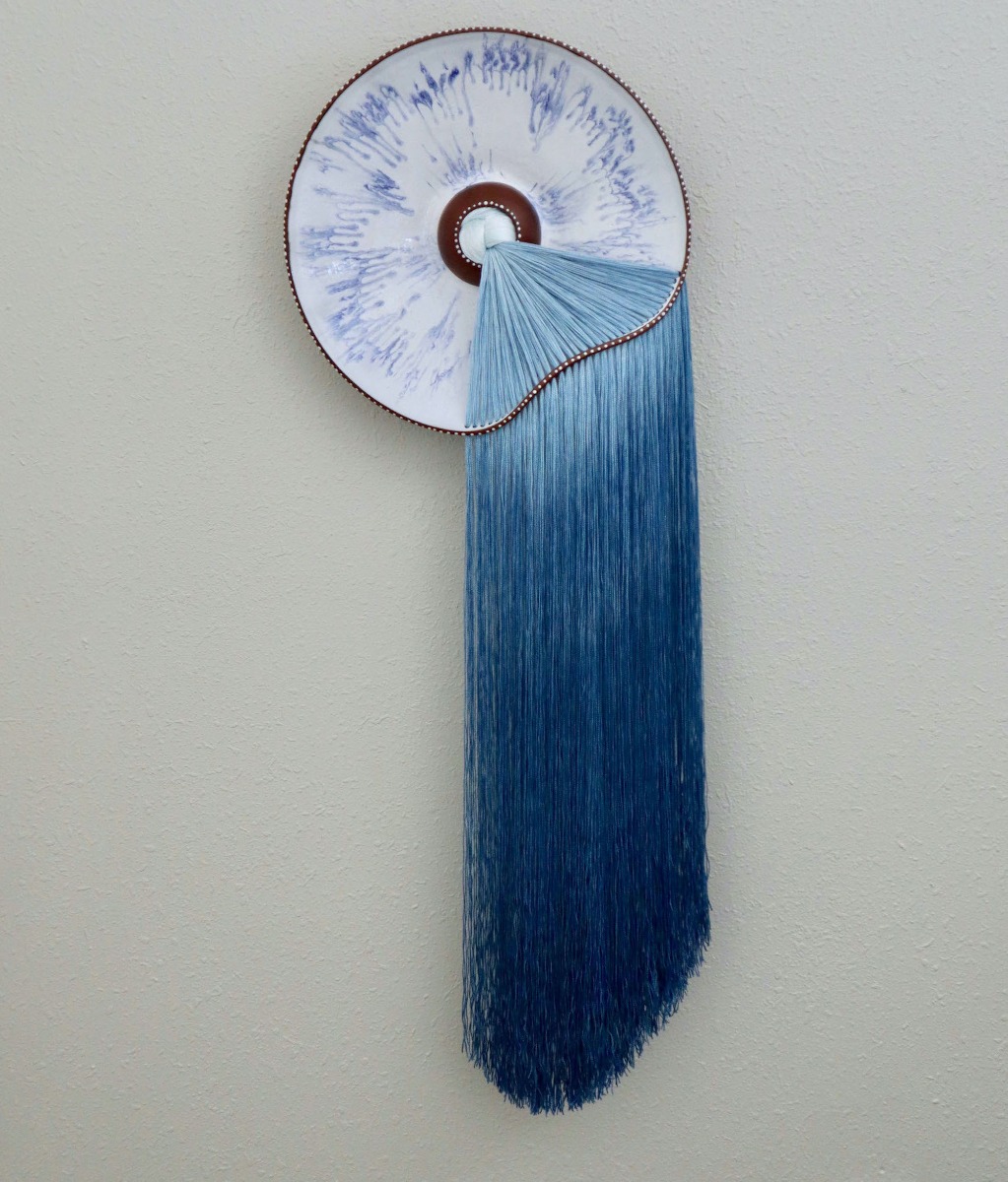
“[The vessels] serve as vehicles for fiber,” explains McLaughlin. “As the fiber flows from, weaves into, or frames the ceramic, it distorts the functionality but becomes a meaningful component as plate and cloth merge. The vessels contain an expression of femininity an an essence of personal and cultural history.”
McLaughlin’s interest in ceramics began in high school; however, only in college did she begin finding deeper and more significant meaning in the traditionally domestic media.
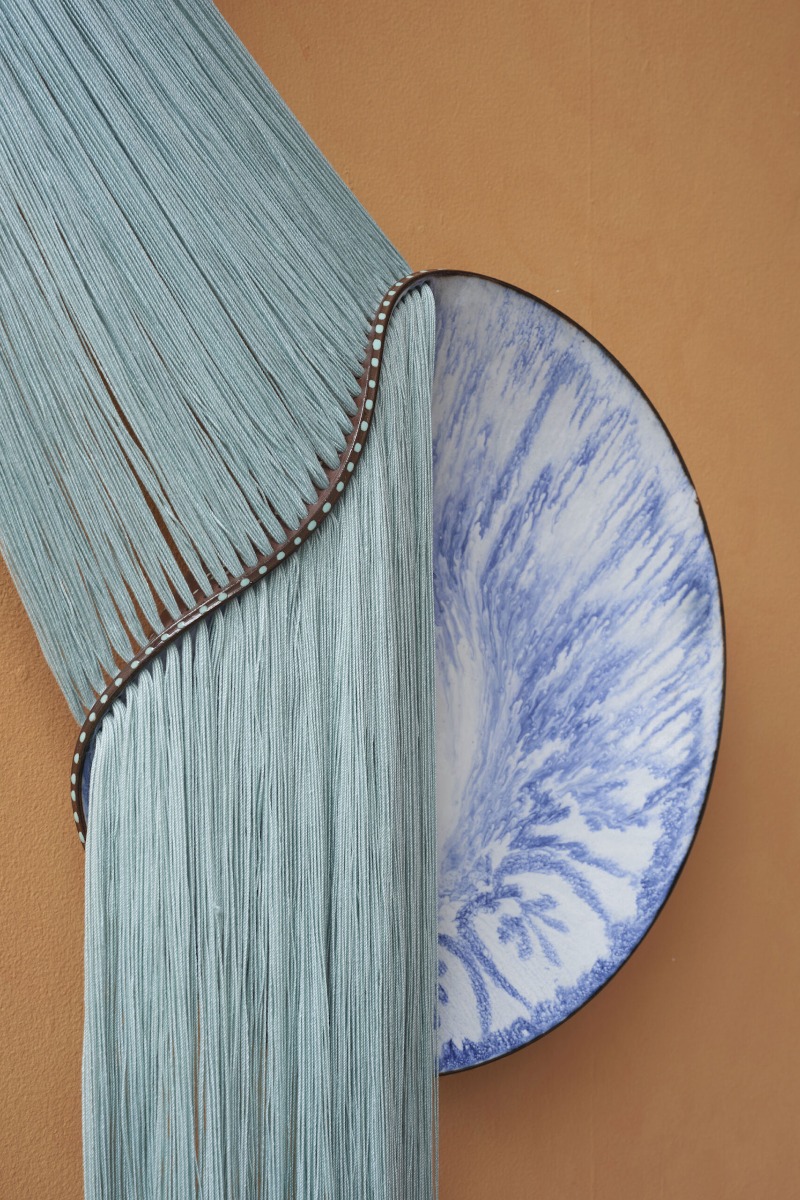
“I began thinking about my work in relation to my own personal history and experience,” she says in an interview. “Once I did that, the materials and processes I was using in my studio practice started to hold huge conceptual weight, which [brought] me to the incorporation of fiber. It really came out of this need to add another layer to my work. At the time, I was doing a lot of research into craft traditions in Mexico and the history of those techniques. Clay and fiber have since become a symbol of how my life was shaped by a collision of two cultures.”
Given the inclusion of thread and fibers, McLaughlin’s sculptural installations are far from functional. But the string adds movement to them, turning their rigid and static forms into dynamic pieces that audiences can’t look away from.
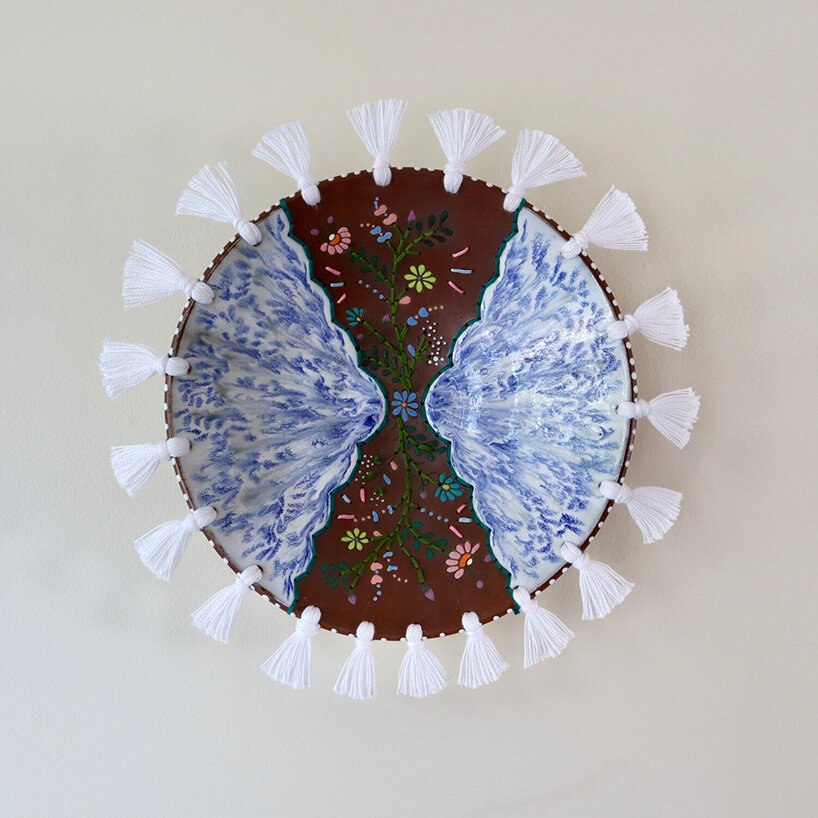
“In the end, my work serves as a way to explore and pay tribute to the traditions of womanhood in the Mexican culture – through a contemporary expression true to my own identity,” explains McLaughlin. “My life looks very different from what can be seen as traditional but that doesn’t mean I reject those values. My grandmother and mother have made huge efforts, in order for me to experience my culture and heritage. They, as the women who raised me, are the biggest influences on my creativity and drive. Although we may not see eye to eye at times, we are all grounded in our cultural roots.”
For mixed-race individuals, it’s often difficult to find the middle ground between their two cultures but McLaughlin believes that art is a medium that allows her to explore her Mexican-American heritage.
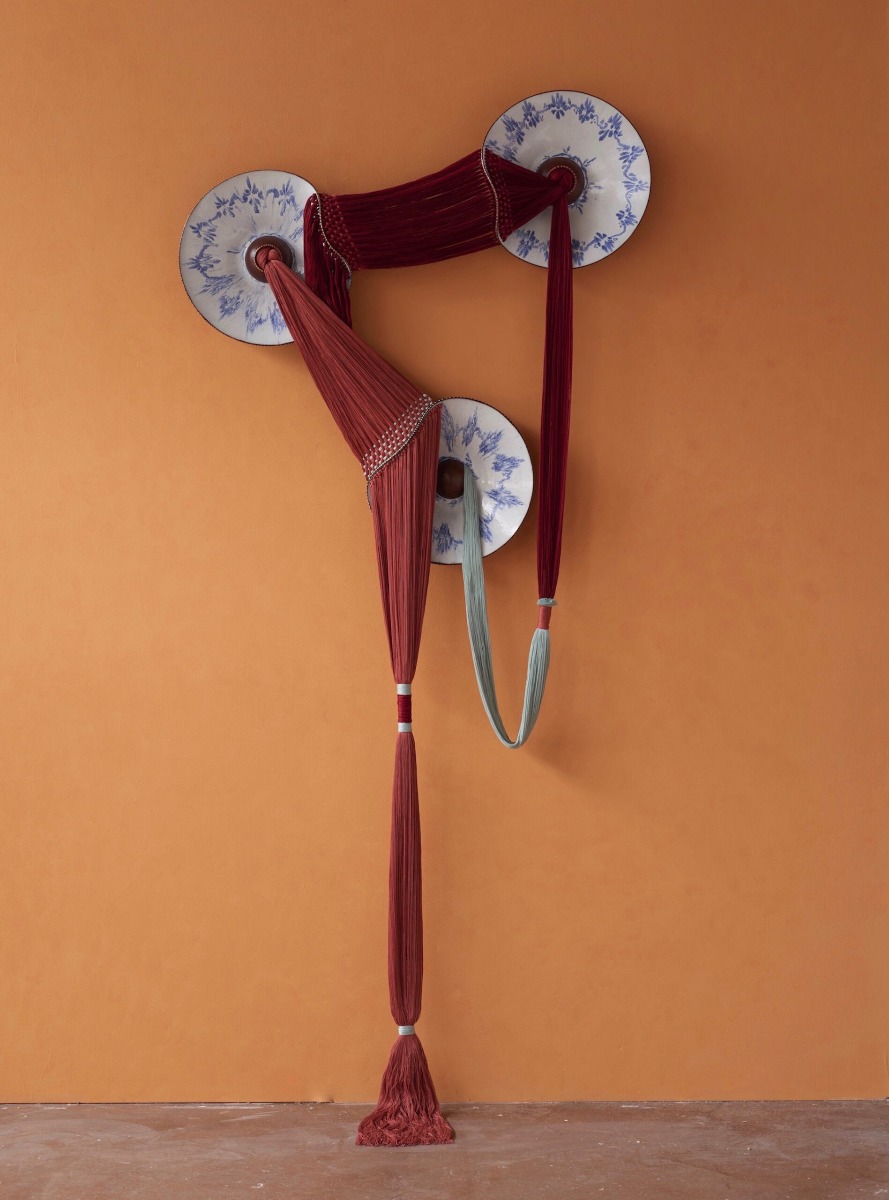
“I began making this work because I had many unanswered questions about myself, my identity, and my role as a woman within the two cultures I was raised,” says McLaughlin. “The work has really served as a way to self-discovery, a reflection of what values are important to me, and the traditions I hope to continue in my life. For that reason, I would describe myself and my work in the same way – as a collision of two cultures.”
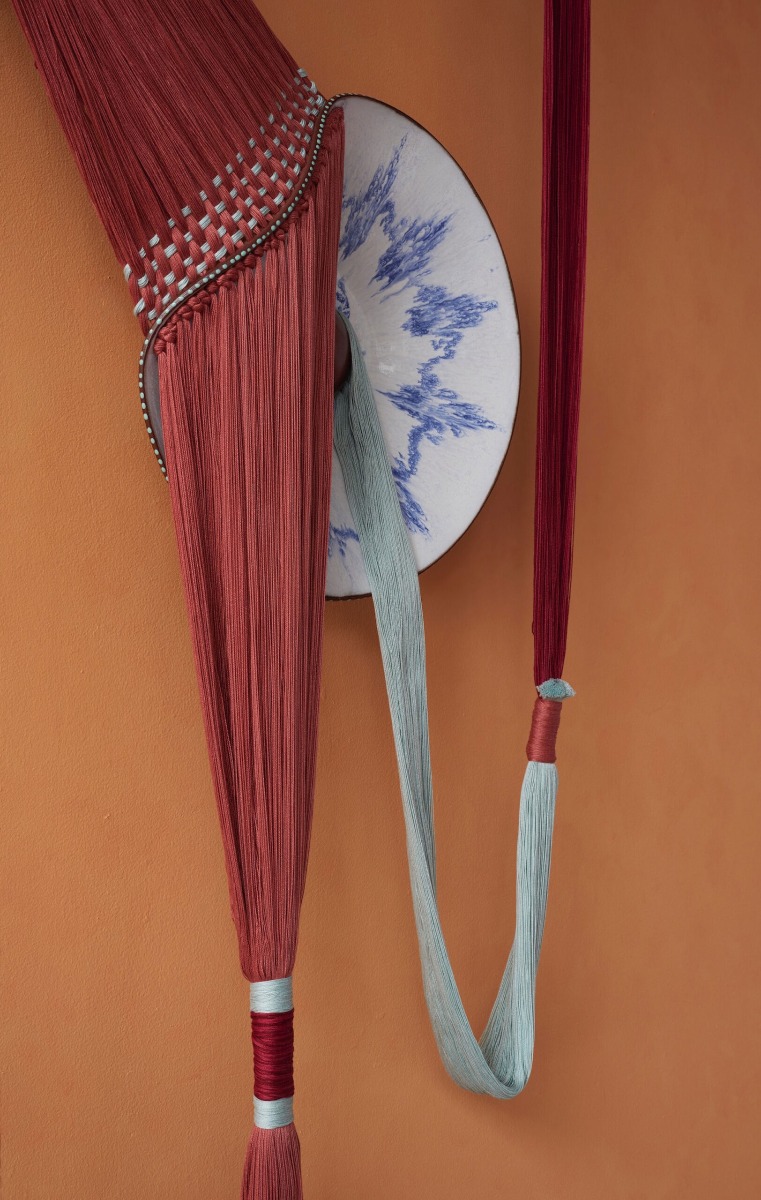
“Continuing the conversations woven into the tapestry of Mexican craft, I pick up the threads of those who came before and add my own voice,” she says in her artist statement. “Through an introspection of values, I begin to understand how clay and fiber directly relate to my lifestyle, cultures, traditions, and expectations. I simultaneously question and celebrate my identity as a woman across the generational and cultural boundaries in my life.”
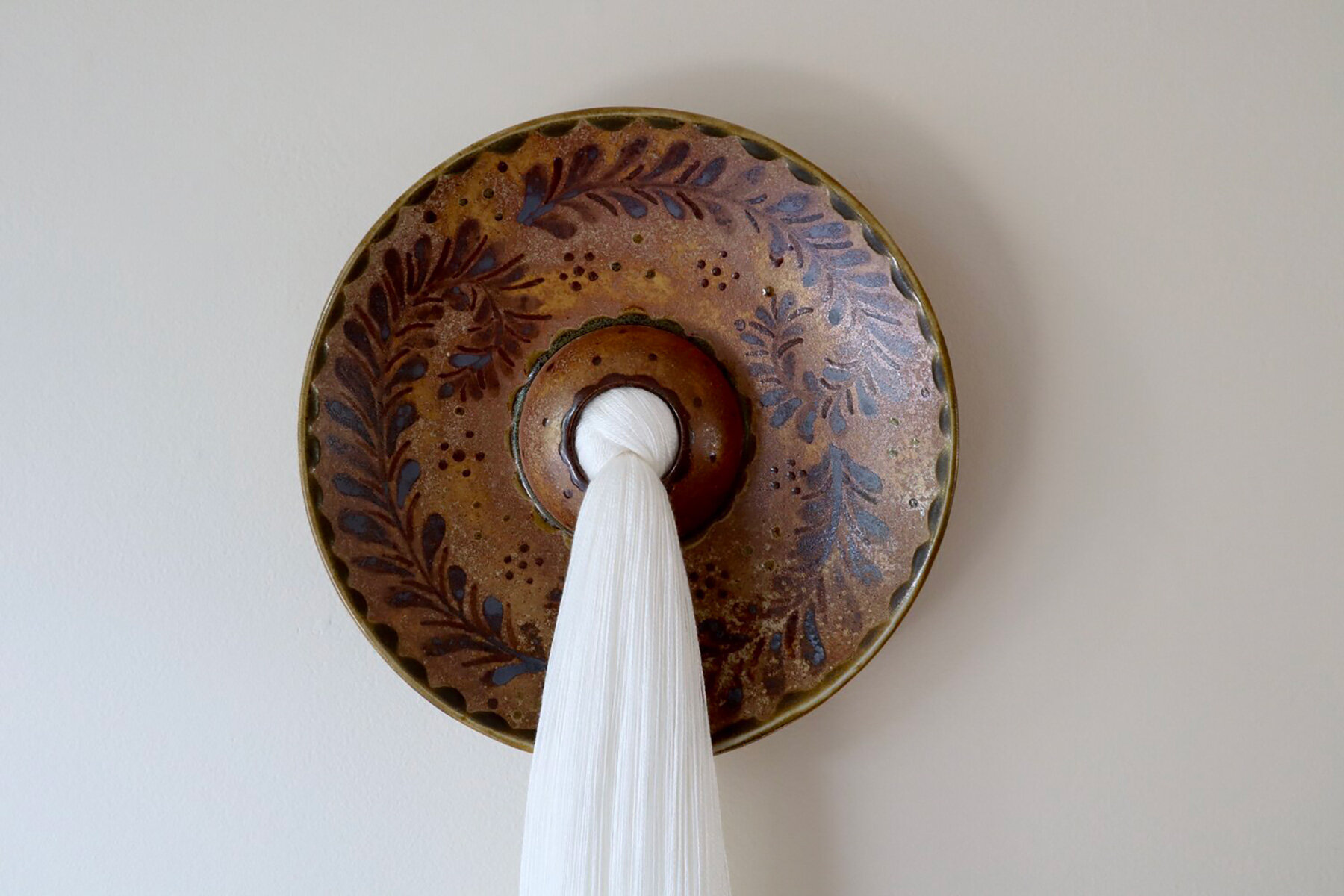
Nicole McLaughlin currently serves as the Ceramics Teaching Fellow at Tabor Academy in Marion, Massachusetts. She continues to draw inspiration from her Mexican-American heritage to manipulate ceramics and fiber into beautiful sculptural installations.
Source: © Nicole McLaughlin
-END-
.JPG)

