-
 11 Oct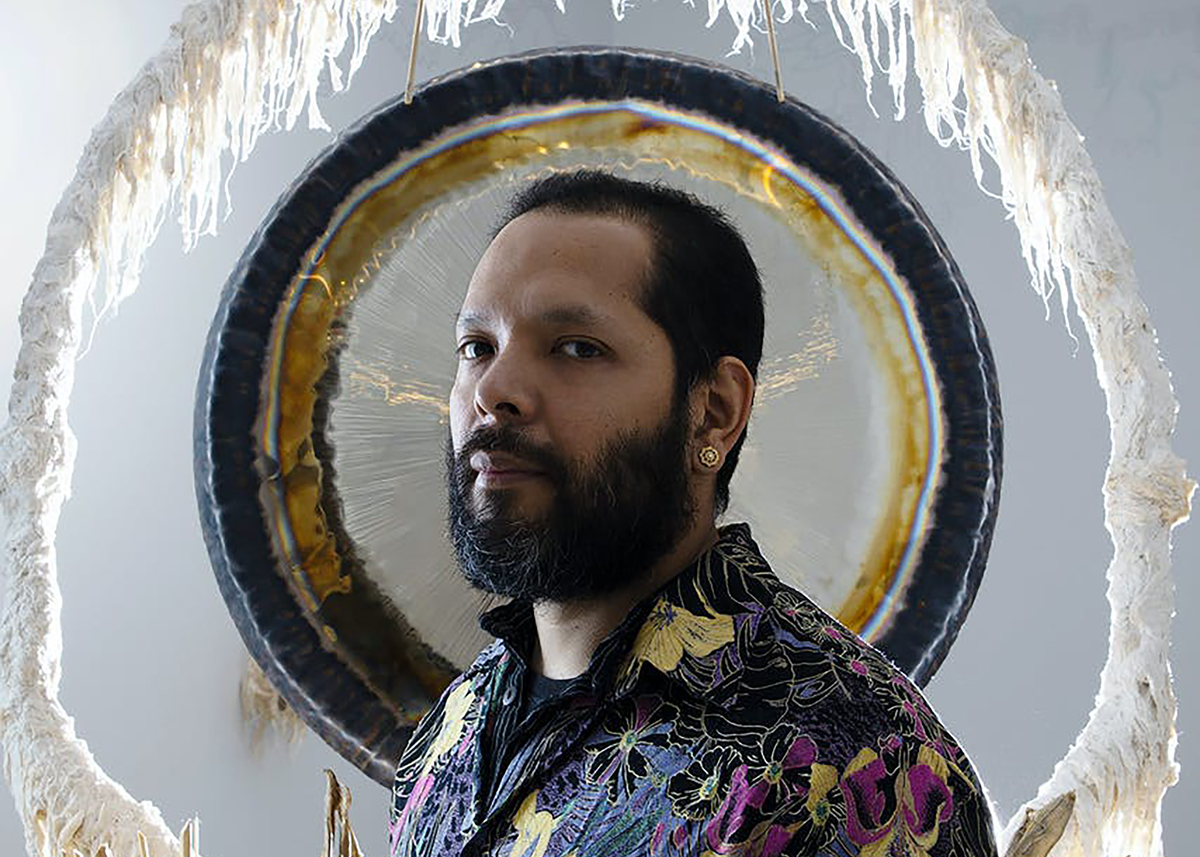
Guadalupe Maravilla. PHOTO: STEVE BENISTY
Image via www.artnews.com
Last October 5, 2021, the Henie Onstad Kunstsenter – Norway’s leading art museum – announced Guadalupe Maravilla as this year’s lucky recipient of The Lise Wilhelmsen Art Award.
A multidisciplinary artist based in Brooklyn, New York, Guadalupe Maravilla’s life story is long, colorful, and extraordinary. He was born in 1976 in El Salvador, where he spent his early years drawing and creating sculptures. In 1984, when he was barely eight years old, his family helped him flee the country’s civil war by hiring a coyote to escort him across the border into Texas.
While his family was later able to join him in New York, Maravilla remained an undocumented immigrant for more than two decades. At 27, he finally became a US citizen.
Despite his status, Maravilla managed to become the first in his family to attend college, majoring in photography at the School of Visual Arts in New York City and earning his BFA in 2003. He went on to become one of the country’s greatest sculptors and multidisciplinary artists, known for his masterful combination of indigenous traditions and urban culture, both of which take inspiration from his experiences as an undocumented immigrant and a cancer survivor.
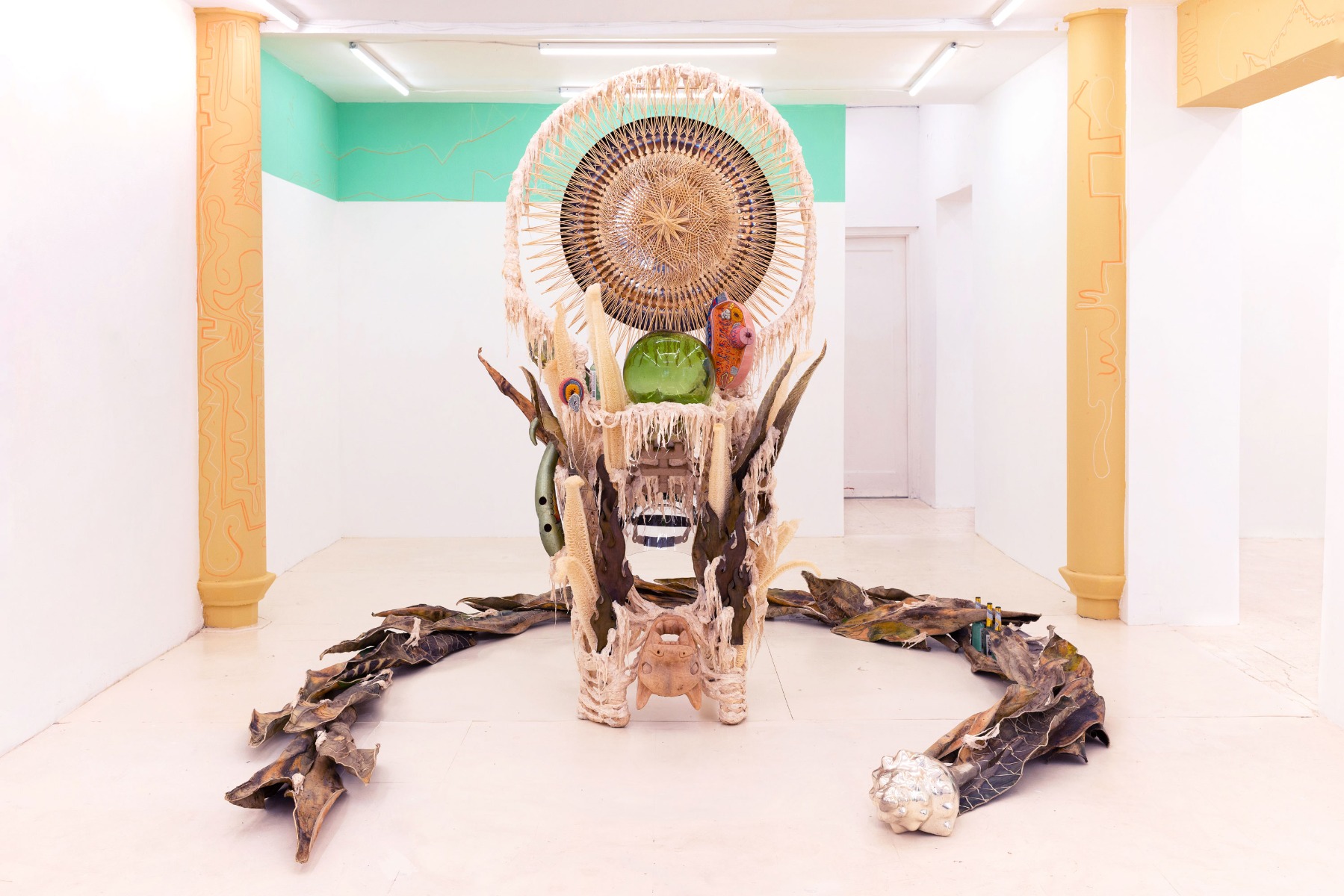
Guadalupe Maravilla, Disease Thrower #5, 2019. Mixed media sculpture, shrine, instrument, headdress, 91 x 55 x 45 inches. Courtesy Jack Barrett Gallery, New York.
Image via brooklynrail.org
For instance, Maravilla’s most recent works are the 13th and 14th installations of his “Disease Thrower” series, which seeks to explore his past. According to his designated page on the Socrates Sculpture Park website:
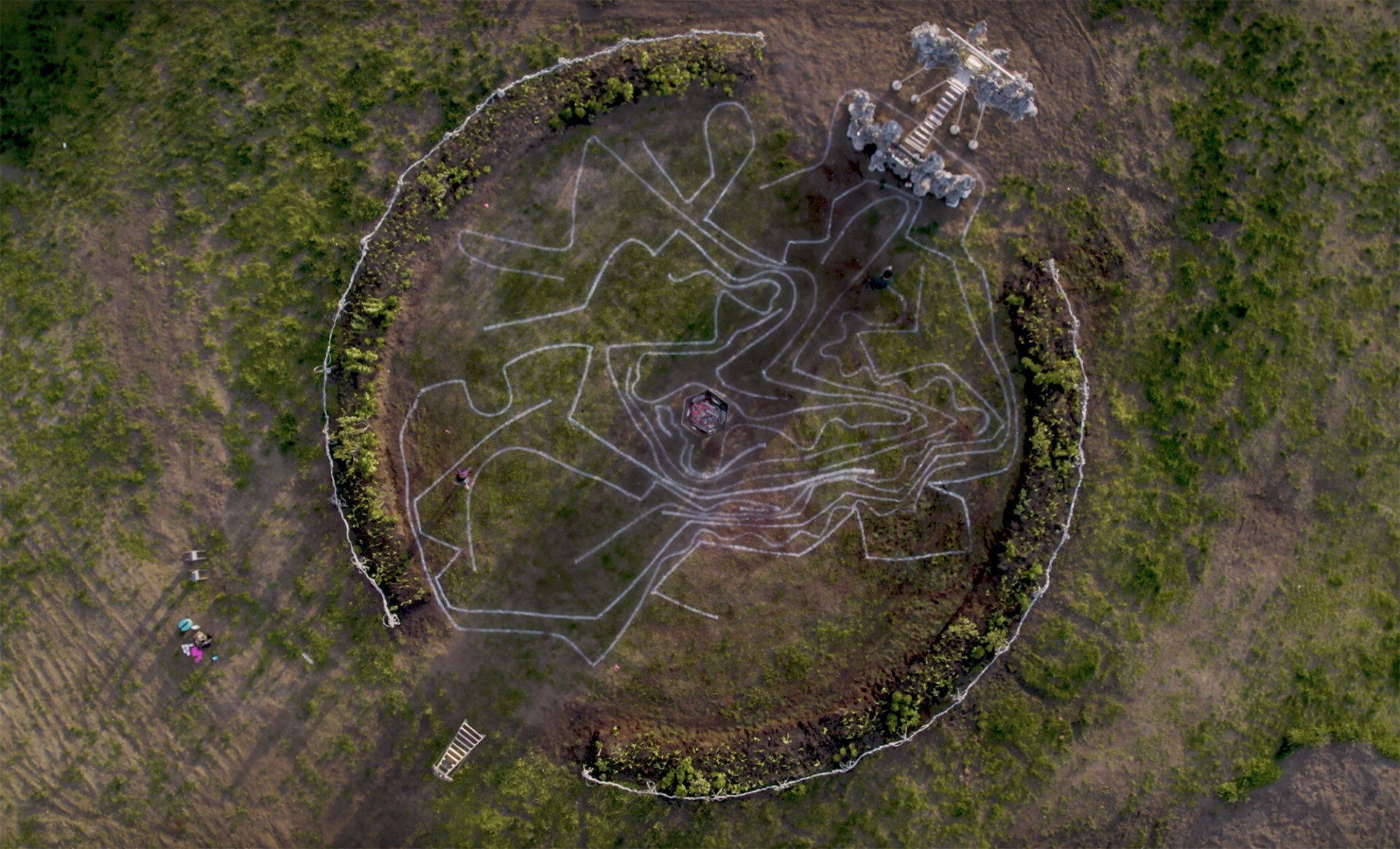
“The towering, totemic, twisting forms recall coral formations and are constructed primarily from recycled aluminum-cast water-expanding gel beads and stainless steel tubing. The sculptures feature two large gongs activated during sound baths and various symbolic elements, including cast fruits, vegetables, decorative dishes, and other aluminum parts relating to the artist’s personal healing journey. These two shrine-like, instrumental structures create the central element of the exhibition’s altar-space.”
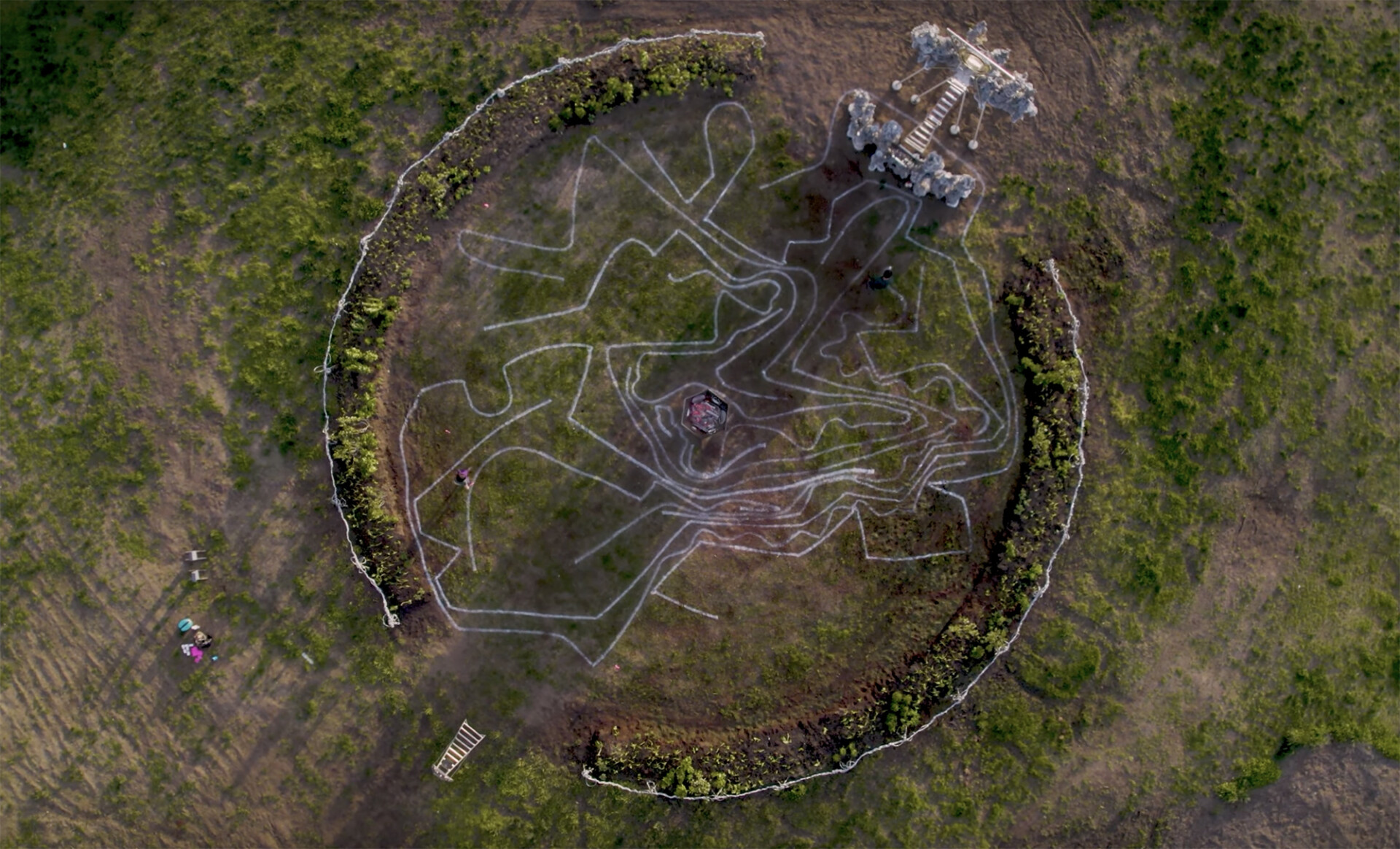
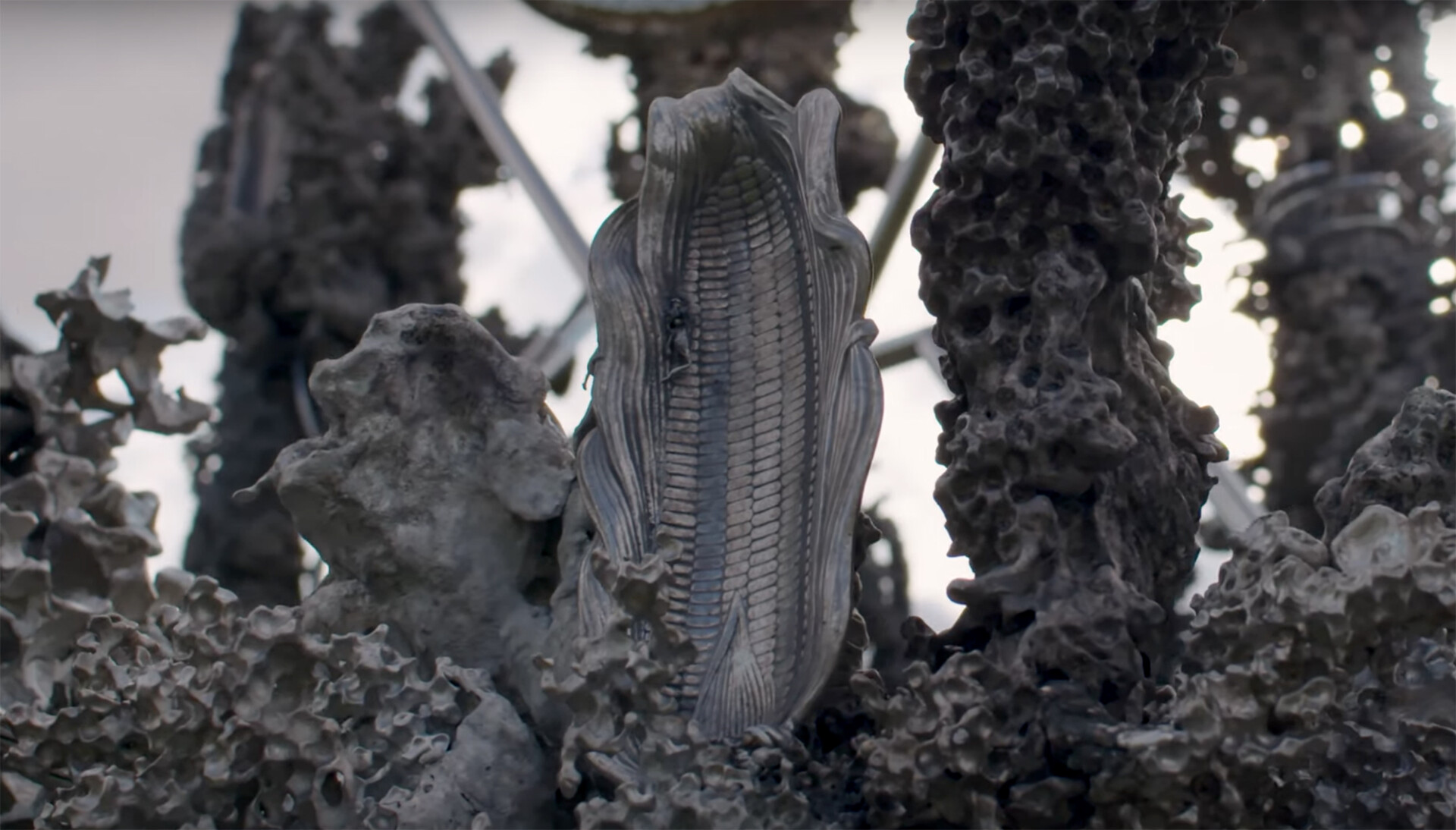
Image via www.thisiscolossal.com
This in-depth exploration of a painful and vulnerable time in his life is one of the main reasons why Maravilla was awarded The Lise Wilhelmsen Art Award, which comes with a cash prize of $100,000, making it one of the largest in the world. The following statement accompanied the jury’s announcement:
“Guadalupe Maravilla’s interdisciplinary practice constantly refers to his experiences of exile and illness, migration and healing, identity and displacement. Yet [his] work is also far more than his life. Building on personal narratives but venturing far afield into pre-Columbian mythologies, collective memory, geopolitical history, and material culture, the artist constructs artworks that act. His sculptures and elaborate constructions are also performative tools; he collaborates with others to create interactive wall drawings; he has choreographed a motorcycle gang chorus, and crossed the Rio Grande using one of his artworks as a flotation device.”
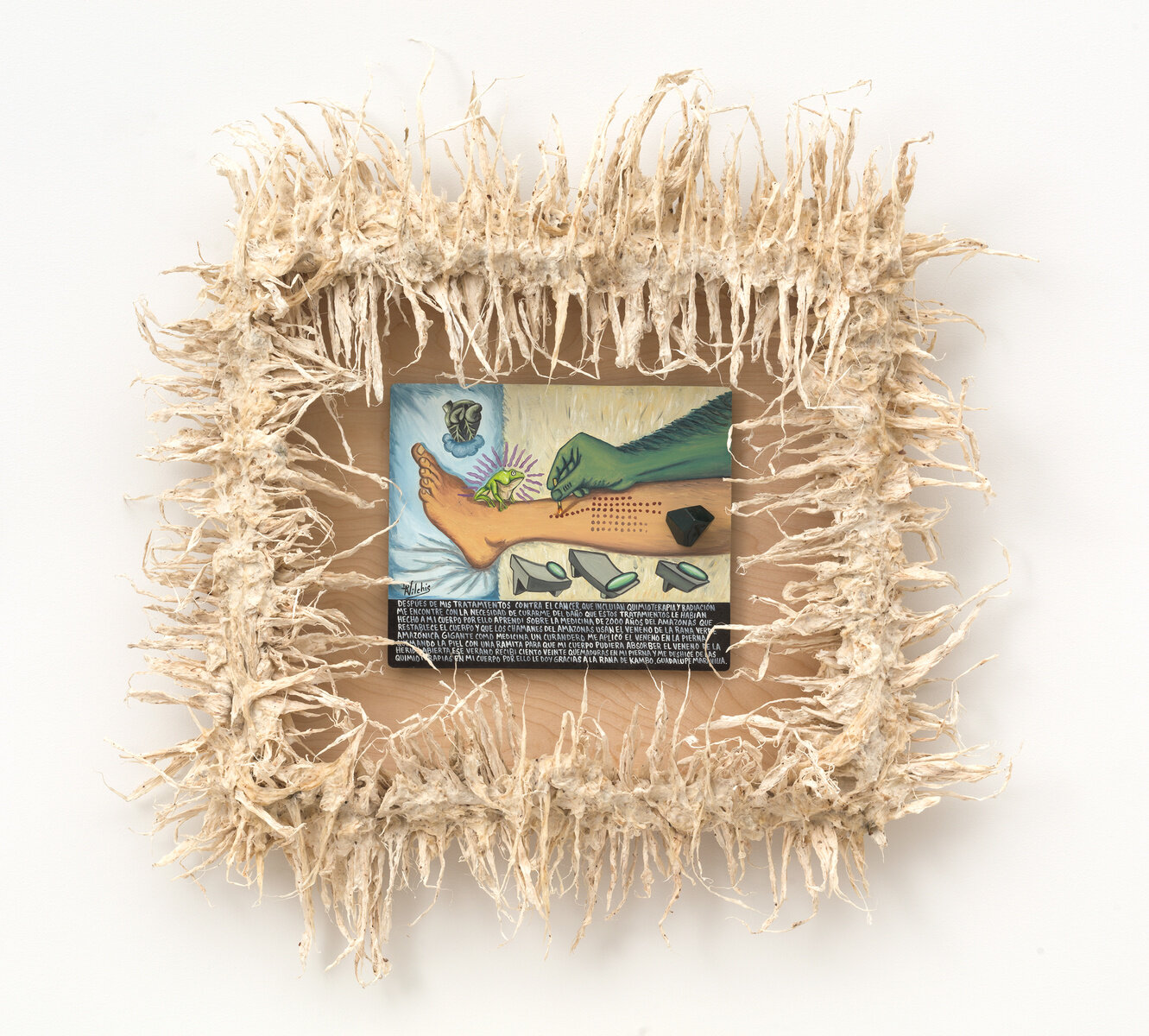
Image via www.artspeak.nyc
Besides this, the panel also took note of Maravilla’s incredible response to the COVID-19 pandemic. In particular, they praised him for organizing volunteers in New York to help the city’s immigrant communities get through the crisis.
The award’s panel consisted of some of the art world’s most esteemed figures. Among them were María Inès Rodríguez, the Curator-at-Large of São Paolo’s Museu de Arte, and Michelle Kuo, the Curator of Painting and Sculpture of New York City’s Museum of Modern Art. Director Tone Hansen of the Henie Onstad Kunstsenter, and Paulina Rider Wilhelmsen, a family member of the prize’s namesake, were both judges too.
A large and extremely prestigious prize, The Lise Wilhelmsen Art Award is presented bi-annually to artists whose work is deemed to be inspirational, motivating the youth and future generations to become socially responsible.
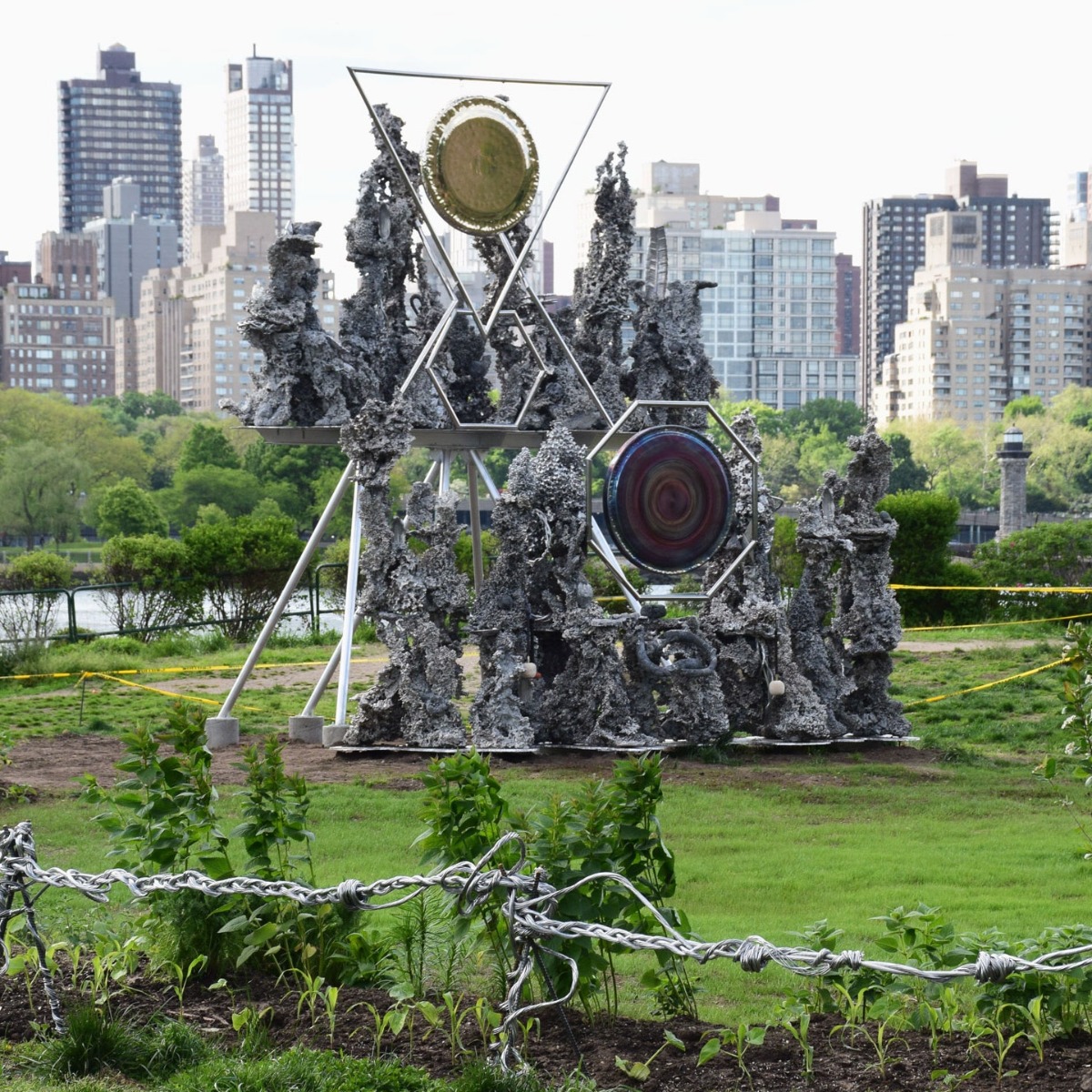
After undergoing successful cancer treatment, the artist Guadalupe Maravilla began using gongs in his shamanic sculptures, which he refers to as “healing machines.”
Photograph by Sara Morgan / Courtesy the artist, Socrates Sculpture Park, and PPOW
Image via www.newyorker.com
Besides the cash prize of $100,000, the award also designates an acquisition budget so that the winner’s work can be presented as a solo exhibit at the Henie Onstad Kunstsenter. This will run in 2022, from January 14 to April 30.
The Lise Wilhelmsen Art Award was established in 2019 as a way to promote social responsibility among younger generations. Maravilla is its second recipient; the inaugural prize was given to the Nigerian-born multidisciplinary artist Otobong Nkanga, who uses a wide variety of mediums to explore how the value consumers place on desirable commodities often compromises the environment. That same year, she also won the Sharjah Biennial Prize and even received a special mention at the 58th Venice Biennale.
Guadalupe Maravilla has yet to make a public statement regarding his prize. But having earned such a prestigious award, he’s undoubtedly proud of himself and eager to take his work to much greater heights.
-
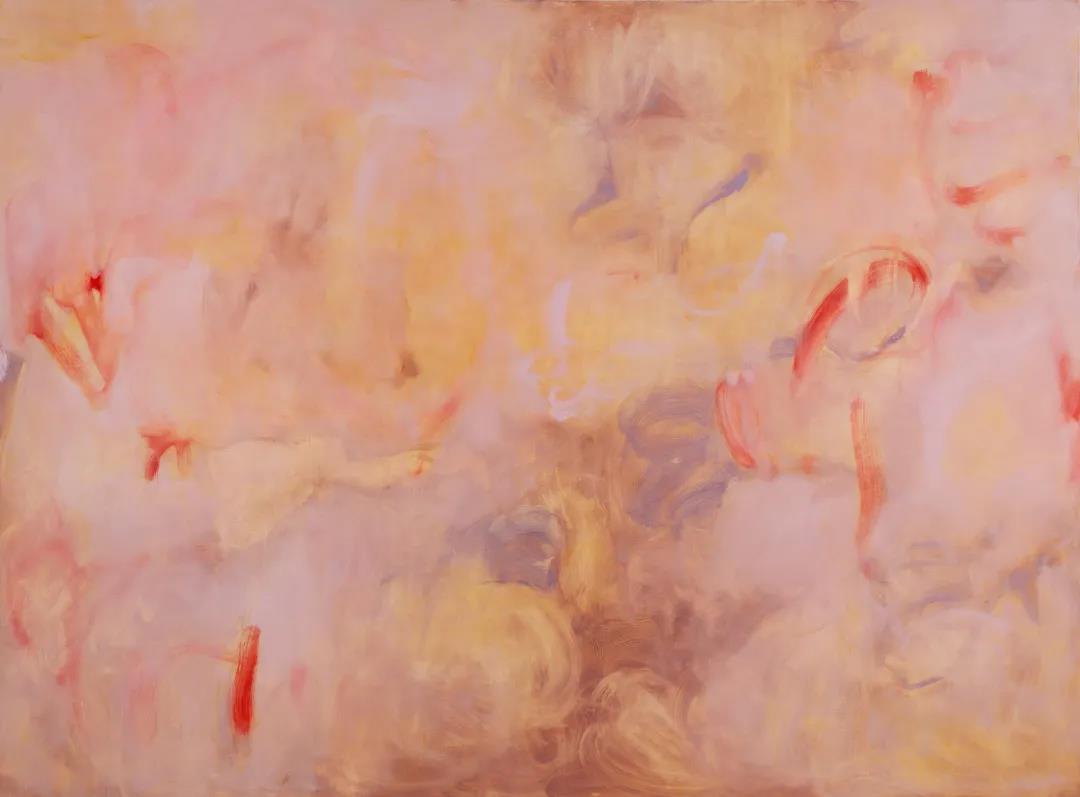
01
Artist Profile
Guan XinRan
Guan Xinran, born in Beijing in 1992, now lives and works in Brooklyn, New York. She holds a bachelor's degree in Art and Engineering from Bard College and Columbia University and a master of Arts in Painting from Maryland Institute of Art.
Guan Xinran's works are mainly non-figurative paintings. The individual's perception, thinking and imagination of life are combined with the capture of light and color overlay to construct a spiritual world of strange light and shadows. Here, she freely expresses the beauty of nature, the magic of life, and the complexity and contradiction everywhere. Here, the conflict of duality is reconciled; Growth and decay, beauty and ugliness, joy and sorrow make up a harmonious perfection. Here is the refraction of reality, and beyond the shackles of reality, not an escape, but a sincere blessing to the world. Guan Xinran's works make a bold attempt to combine Chinese and Western art. Influenced by Chinese tragic beauty, she creates a unique visual effect and psychological experience of light and space with color.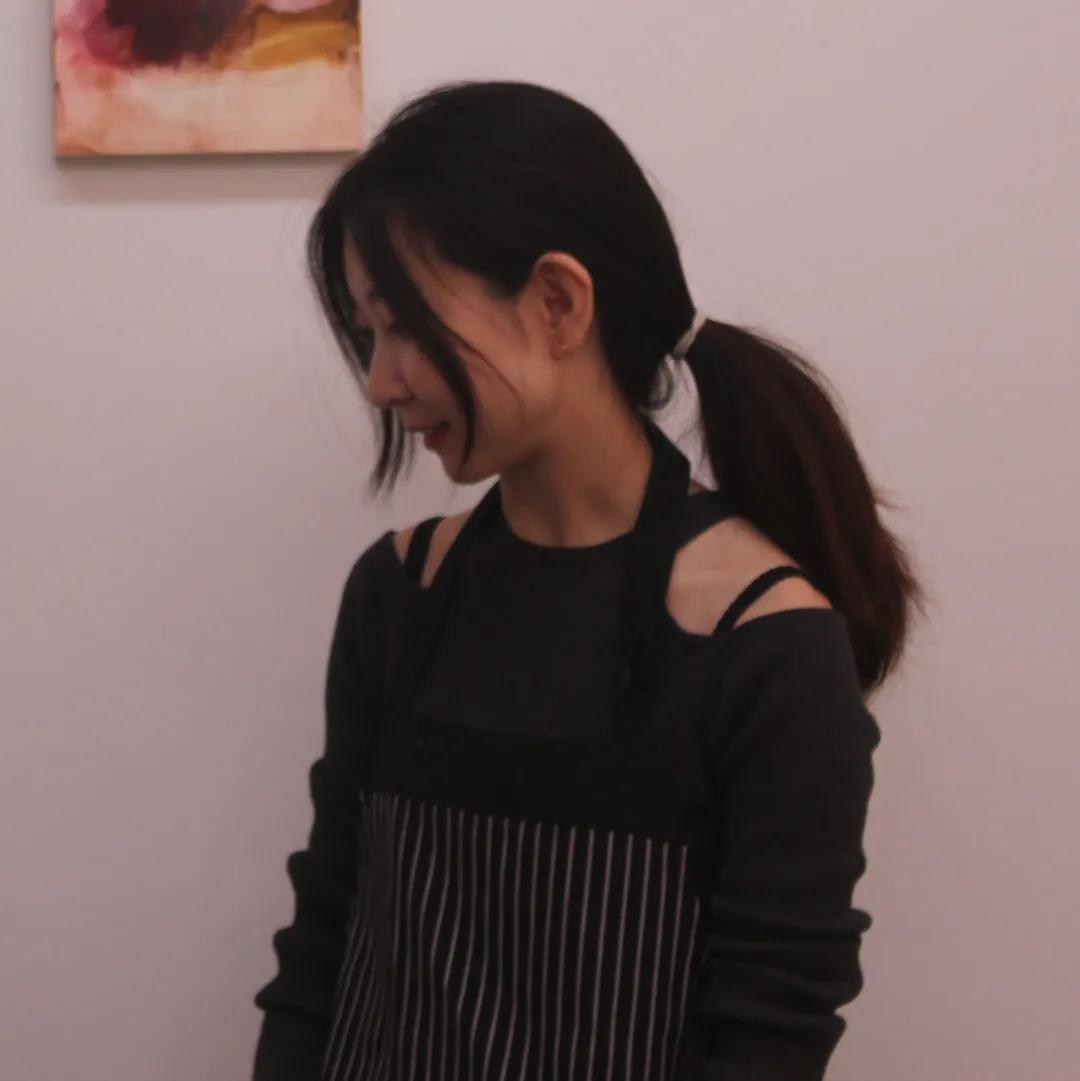
In 2017, her works were selected by Today Art Museum "The Fourth Chinese Oil Painting Exhibition -- Chinese Spirit (Non-figurative Part)". In the past three years, she has been invited to participate in the opening exhibition of "Zheng De Art Gallery New York", "Wind and Sea Art Exhibition" of Baltimore City Hall, "Young Asian Artists Group Exhibition" of Korean Culture Association in New York. In 2020, Guan Xinran's solo exhibition, You are the Lightning on the Other side, was held in Qiaoshe Gallery, Beijing. In 2020, her works "Mountain and Sea" and "The Keeper" were collected by Capital One Financial Corp.
"Let the world understand Chinese culture."
-- Guan Xinran, a post-90s oil painter, and her Oriental tragic aesthetics
"The process of creating art is painful because it requires you to expose yourself at your most vulnerable and confront what your subconscious doesn't want to face."
-- Guan Xinran02
Innate Artistic TalentGuan Xinran is a talented young woman and a female painter in a new generation. Her love for art is firm and persistent, and she has an innate eye for art.
When more than a year old, Guan Xinran could draw smooth and complete faces on paper with a pen. She could draw different portraits wherever she could write, whether in newspapers or textbooks. To protect Guan's unique spirituality, her family didn't let her learn sketching at first, concerning it would limit her imagination.
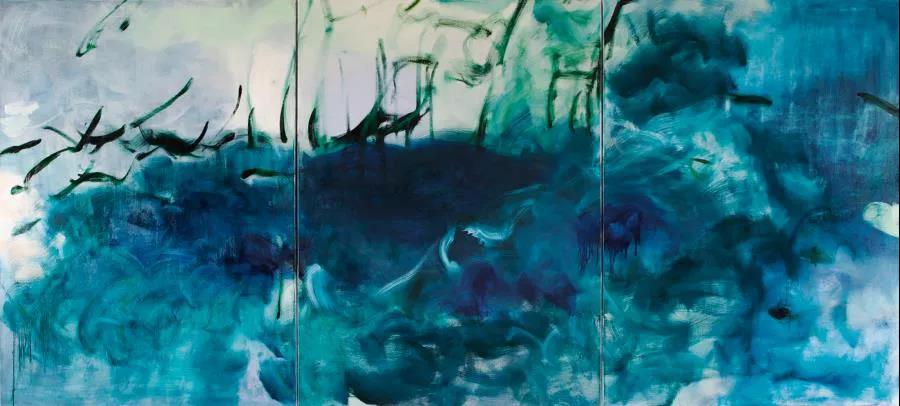
Night Wish
48 x108 inches oil on canvas 2019Then Guan Xinran learned to play the piano, but she was always confident in her paintings and still loved painting. Of course, Guan Xinran's experience of learning the piano is not entirely useless for her artistic cultivation of paintings. Many pictures come to her mind with the melody of music, forming a space that does not exist and developing an immediate desire to paint what she imagines in her mind.
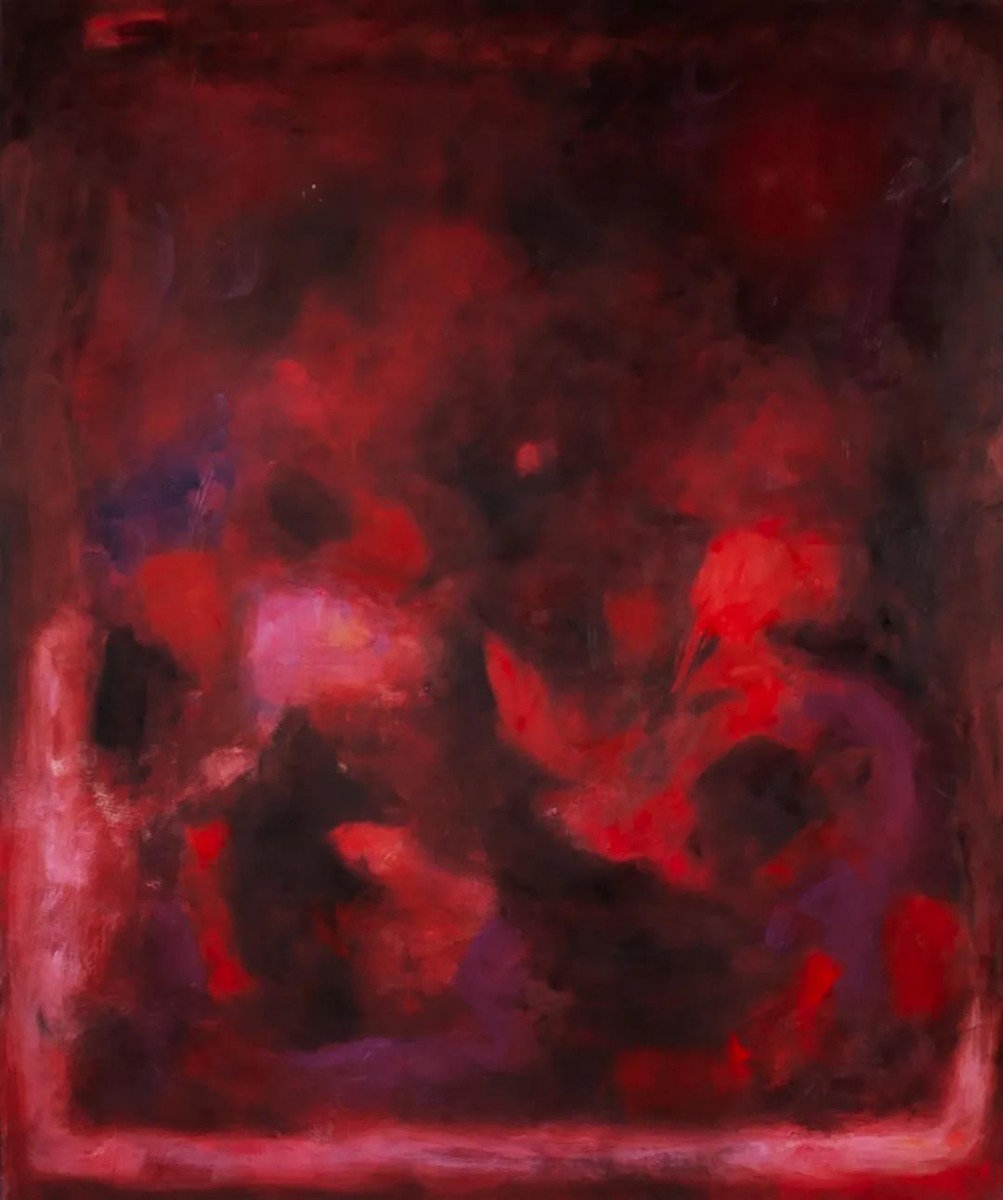
Untitled
60 x72 inches oil on canvas 2019In 2011, she was 19, the night before Guan Xinran set out to study in the United States, she told her mother that her biggest regret was that she didn't learn the art. This obsession makes Guan Xinran's life path destined not to be extended in the established direction. After many twists and turns, she finally chooses the road of art and runs forward unswervingly.
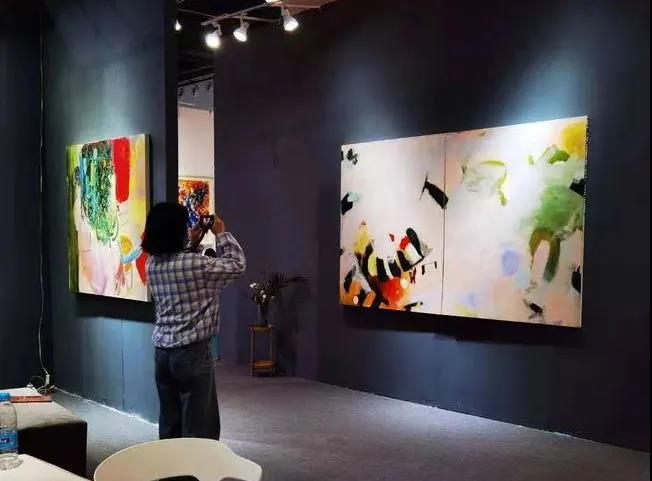
In 2020, Guan Xinran's works were exhibited at the 25th Guangzhou Art Fair.
From 2011 to 2016, Guan studied studio Art at Bard College and Operations Research at Columbia University School of Engineering and received a double degree in Art and Engineering in 2016. After graduation, Guan talked about art with her mother again. This time, she told her mother, "I can only find myself in painting." Guan Xinran's resolute attitude towards art is unshakeable. So far, her family has no hesitation in letting her pursue her dream freely.
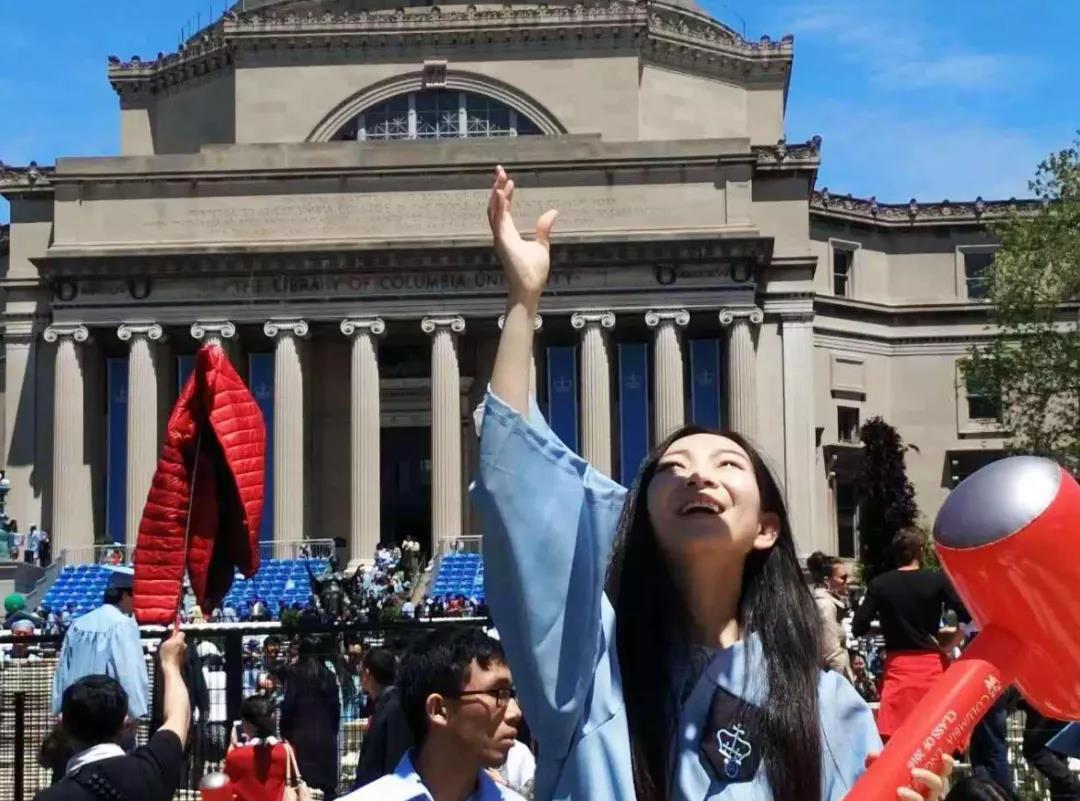
Guan Xinran graduated from Columbia University
In 2019, Guan received her MFA degree from the Maryland Institute of Art. During this period of study, Guan Xinran's works were selected into the "Chinese Spirit - the Fourth Chinese Oil Painting Exhibition (Section 3) Abstract - Contemporary Chinese Non-figurative Oil Painting Exhibition", and his artistic talent and strength were gradually recognized.03
Chinese Tragedy Aesthetics
Guan Xinran has conveyed to the outside world that her works are presented as an aesthetic experience of Chinese tragedy. But what she calls a "Chinese-style tragedy" may not be understood by everyone.
Tragedy has different meanings and interpretations in different cultures and civilizations. Western tragedy, grand, divine, with the misfortune and the trick of fate, and in a dominant posture away from human beings; Chinese tragedy, on the other hand, is only a true manifestation of the other side of daily life, separation and death, love, hate, hatred, delusion. It is the sublimation of people's life experience, a part of life and constitutes life and a more distinct presentation of good and evil.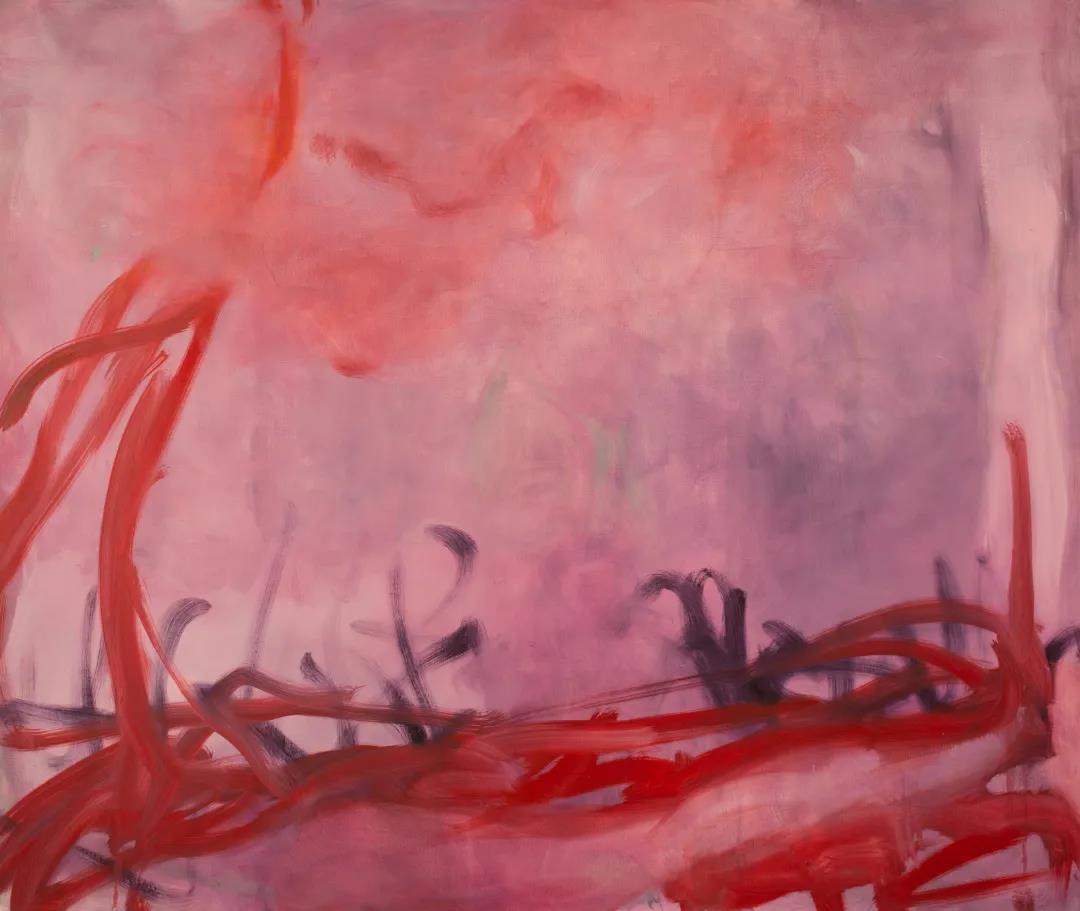
You are the Lightning on the other side 160x72 inch oil on canvas 2019
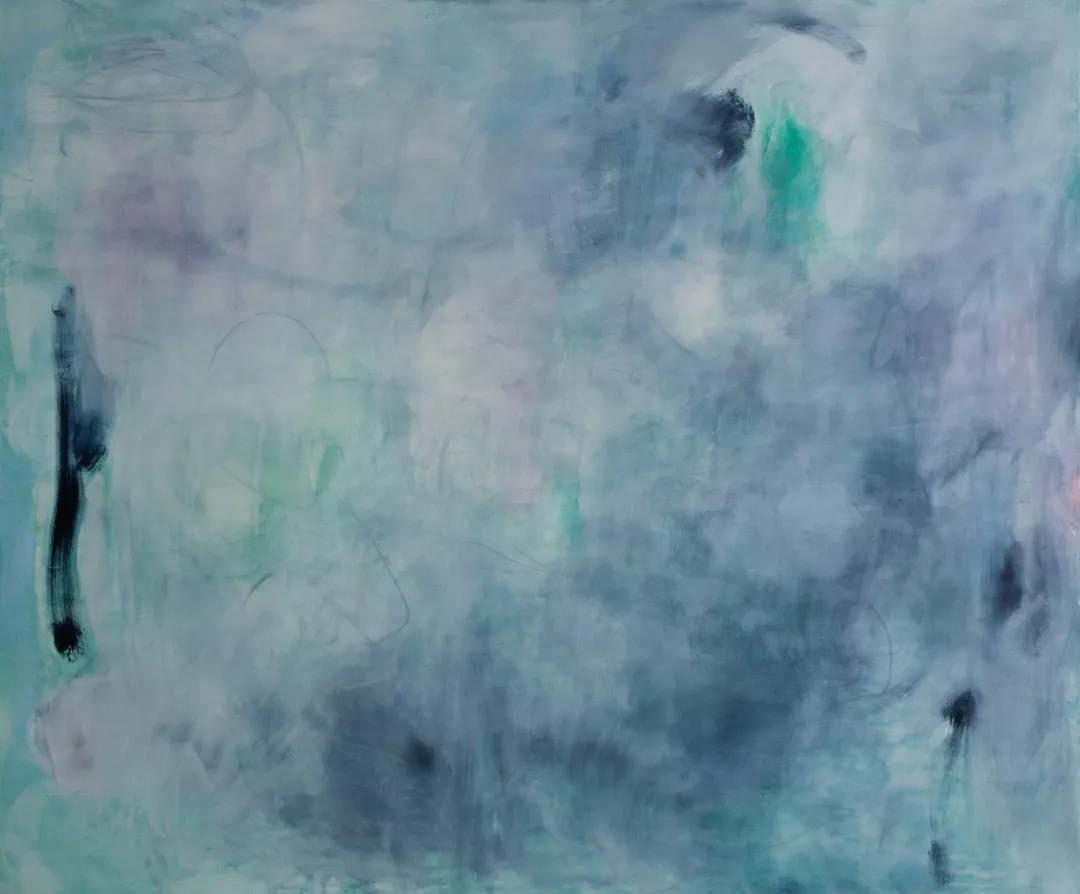
You are the Lightning on the other side 2
60x72 inch oil on canvas 2019
The tragic aesthetics created by Guan Xinran is actually a process of her struggle, reflection, and finally dissolution and acceptance in her life experience. She expresses those feelings and pain through drops of color and brush strokes, but in a gentle and elegant way.
For example, in the works "The Mist", fog stands between the spiritual and the material worlds, preventing us from reaching the truth, becoming an insurmountable obstacle between the saints and the ordinary, and creating unsolvable suffering. At the same time, fog also makes the holy more sacred and makes the other more attractive.
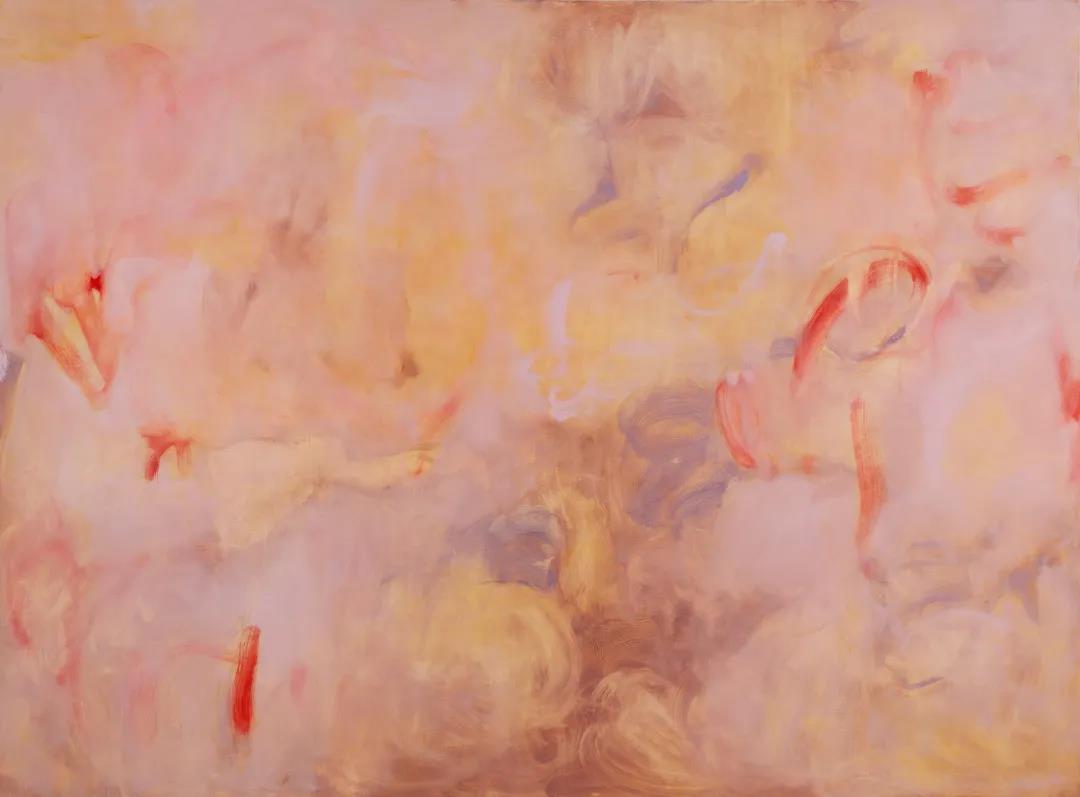
The Mist
72 x 96 inch, oil on canvas, 2019
"Tragedy is never just negative, and it is an integral part of a perfect life, and therefore perfect. Just like laughter and tears always go together, you can't feel the light without knowing the darkness. To me, gentle handling is a determination to accept reality and have the courage to dance with it."
- Guan Xinran
04
Let the World Understand Chinese Culture
Guan hopes to spread Chinese culture in a way that the world can understand. Although the expression form of her paintings is western abstract and non-concrete language, its core is always the soul of China. During her study in the United States, her teacher commented that her paintings were pure and had strong Oriental elements.Both the inner emotion expression of Chinese tragedy in her pictures and the external brushwork expression of writing and spirit are characterized by distinct and implicit Oriental aesthetic thoughts. Guan Xinran is indeed fascinated by Chinese culture. She obtains creative sources from Bada Shanren, Mu Xi, and The Book of Mountains and Seas, and explores in Chinese poetry, constantly making new attempts to her own artistic language.
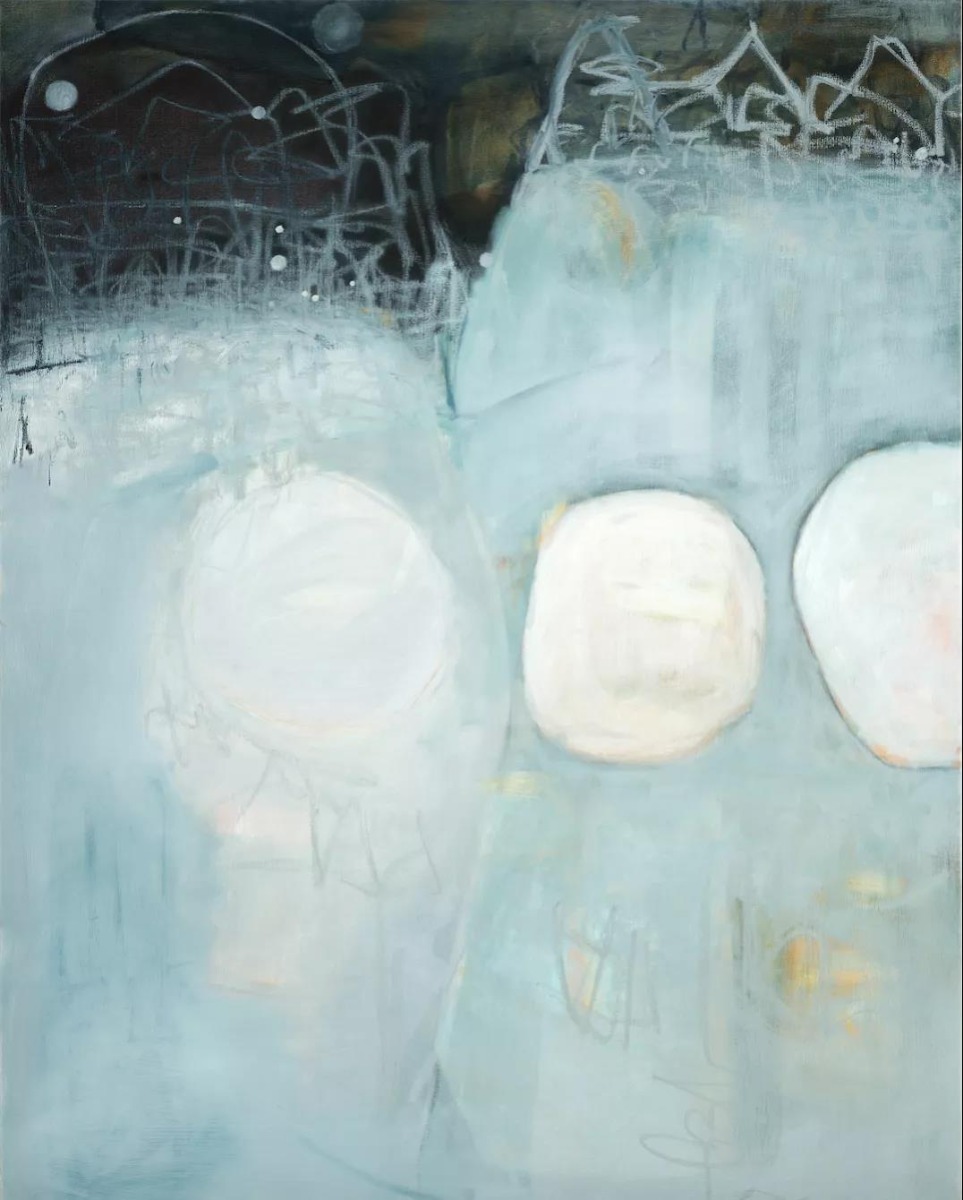
The Emperor of Popsicle
48X60 inch oil on canvas 2017
"Western oil painting is my favorite medium, and I'm good at it, while eastern philosophical and aesthetic thoughts have built my world outlook and ideological basis. I don't want to simply use oil mediums to draw Chinese paintings, nor do I want to combine the two at a superficial level. Although my understanding of Oriental aesthetics is just beginning, I want to create contemporary artworks that use the media techniques of oil painting to express Oriental aesthetic ideas and artistic conception."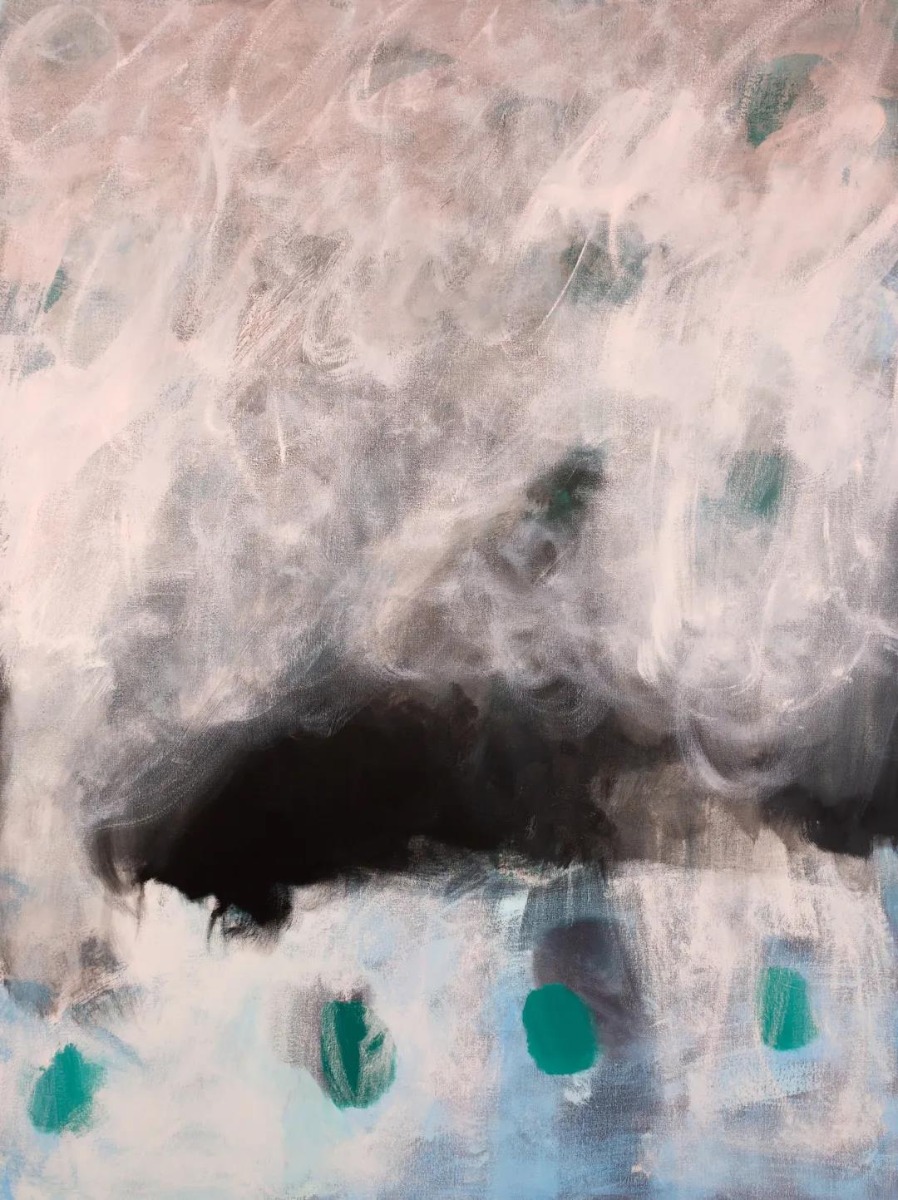
Snow Day
36X48 inch oil on canvas 2019As a young artist from China, Guan Xinran has vivid creativity and talent, as well as a lofty patriotic mission. When interests and feelings are closely aligned, and pursuit and loyalty remain constant, her life is bound to release a brilliant and dazzling light.
05
Enjoy Guan Xinran‘ s Works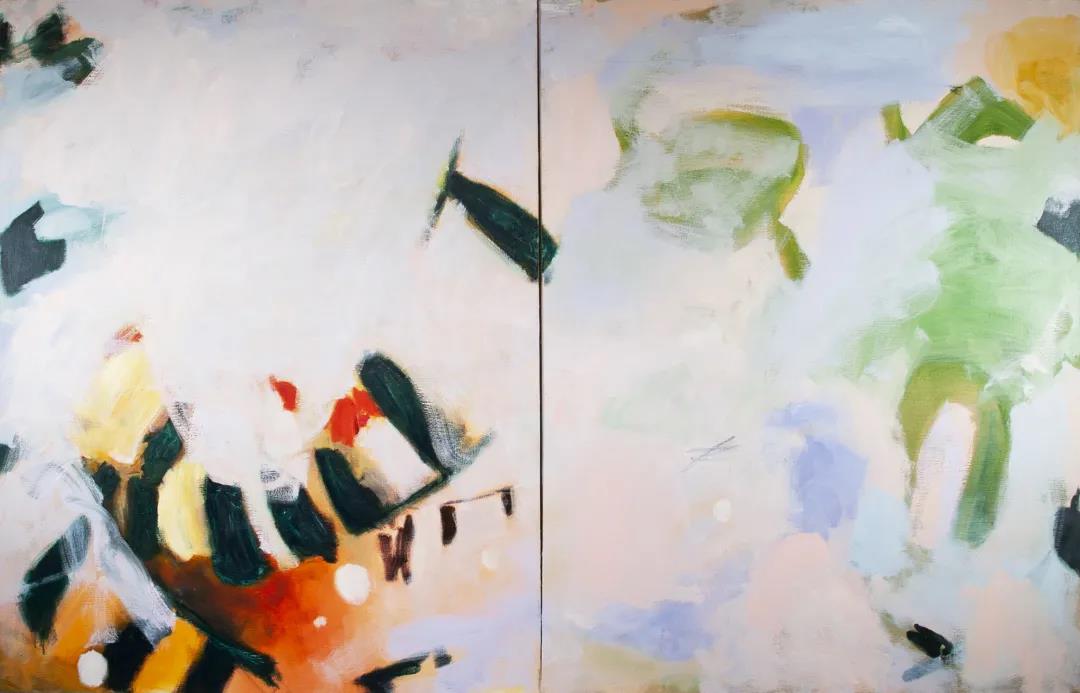
I Celebrate Myself, I Sing Myself
56X88 inches oil on canvas 2018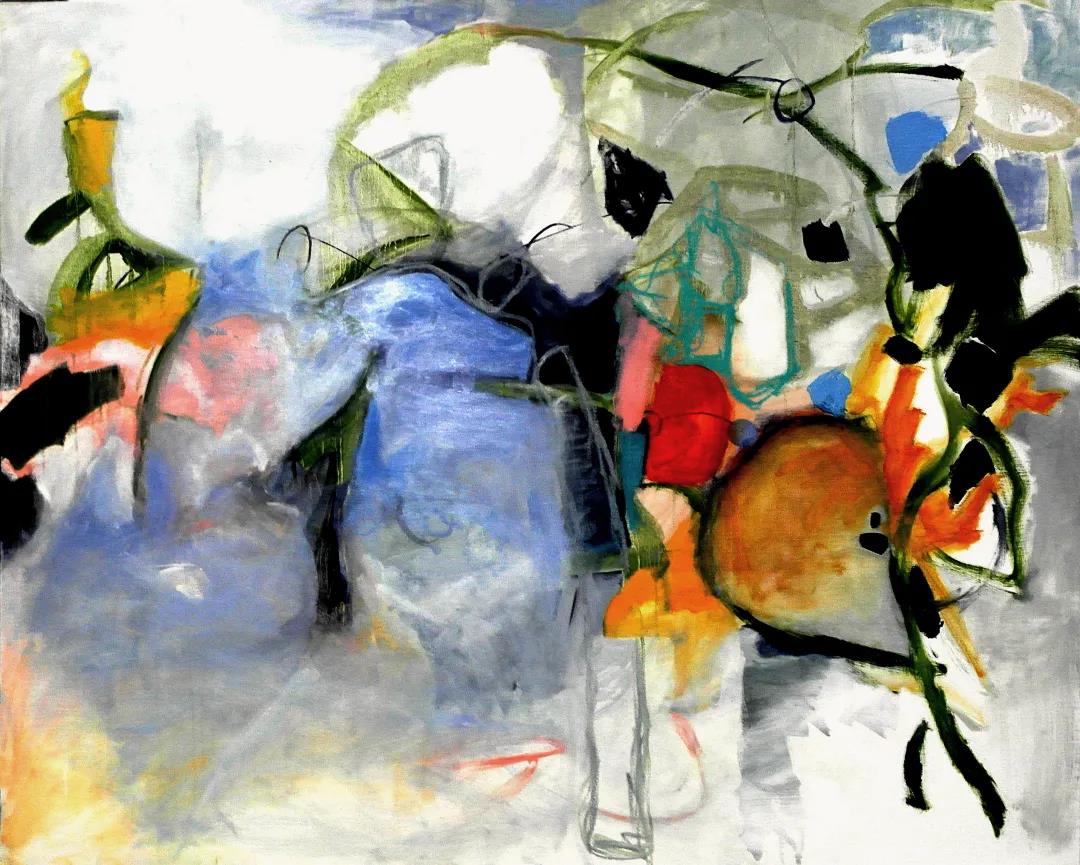
Waiting for the Wind
48X68 inch oil on wood 2016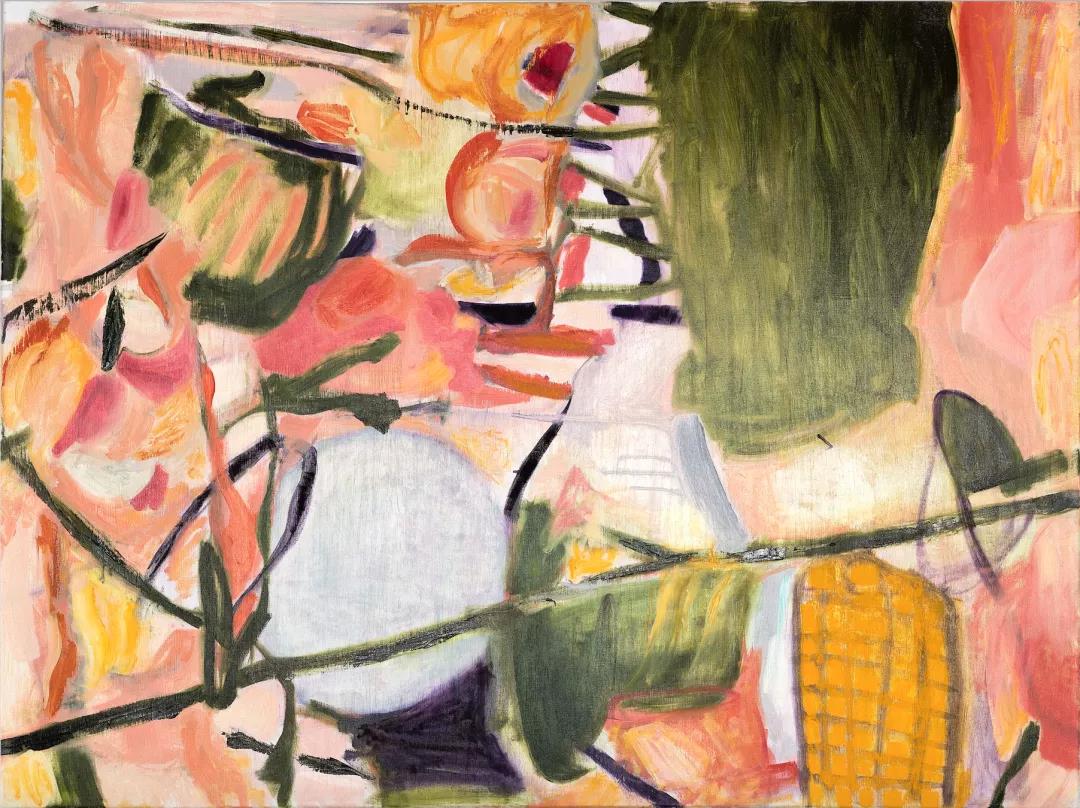
No One Sees Me
36X48 inches 2017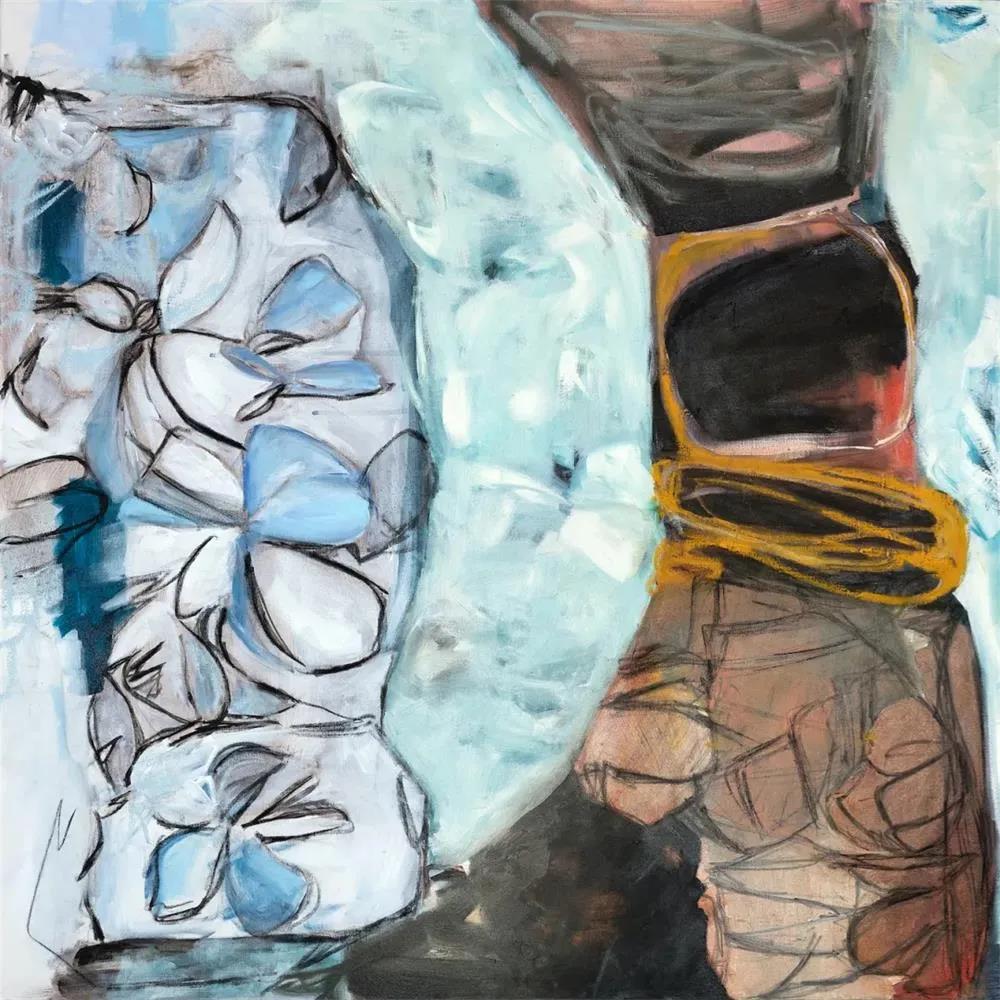
Prelude to Melancholy
36X36cm Oil on canvas 2017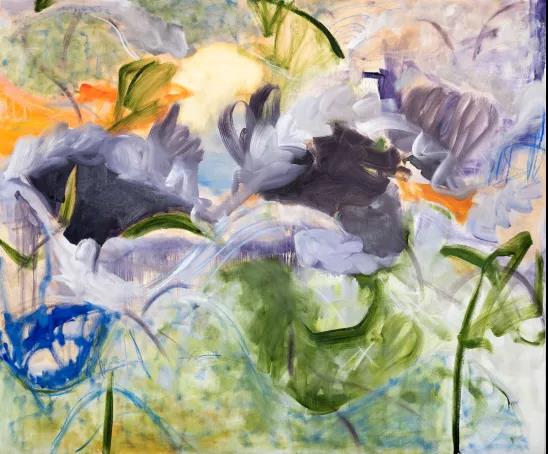
Mountains and Seas i
60x72cm oil on canvas 2018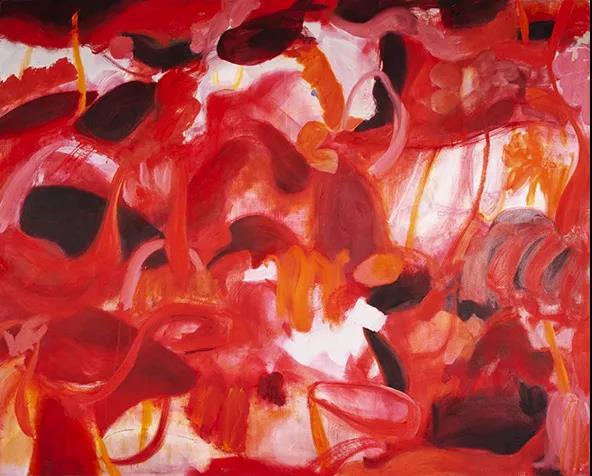
Mountains and Seas ii
48x60cm oil on canvas 2018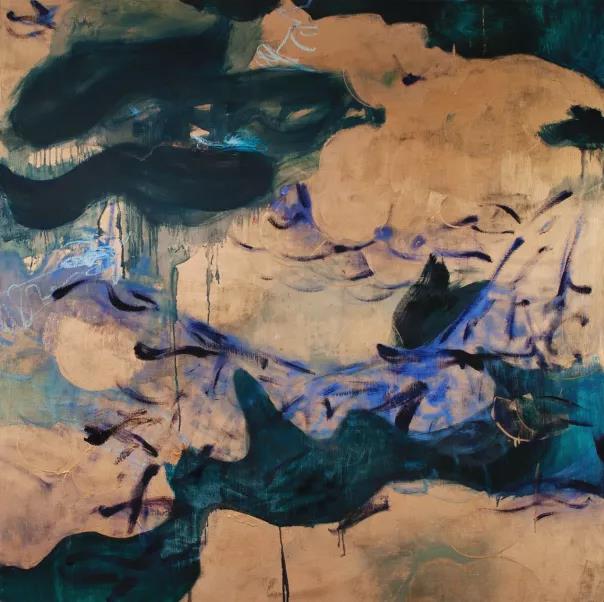
Mountains and Seas iii
48x48cm oil on canvas 2018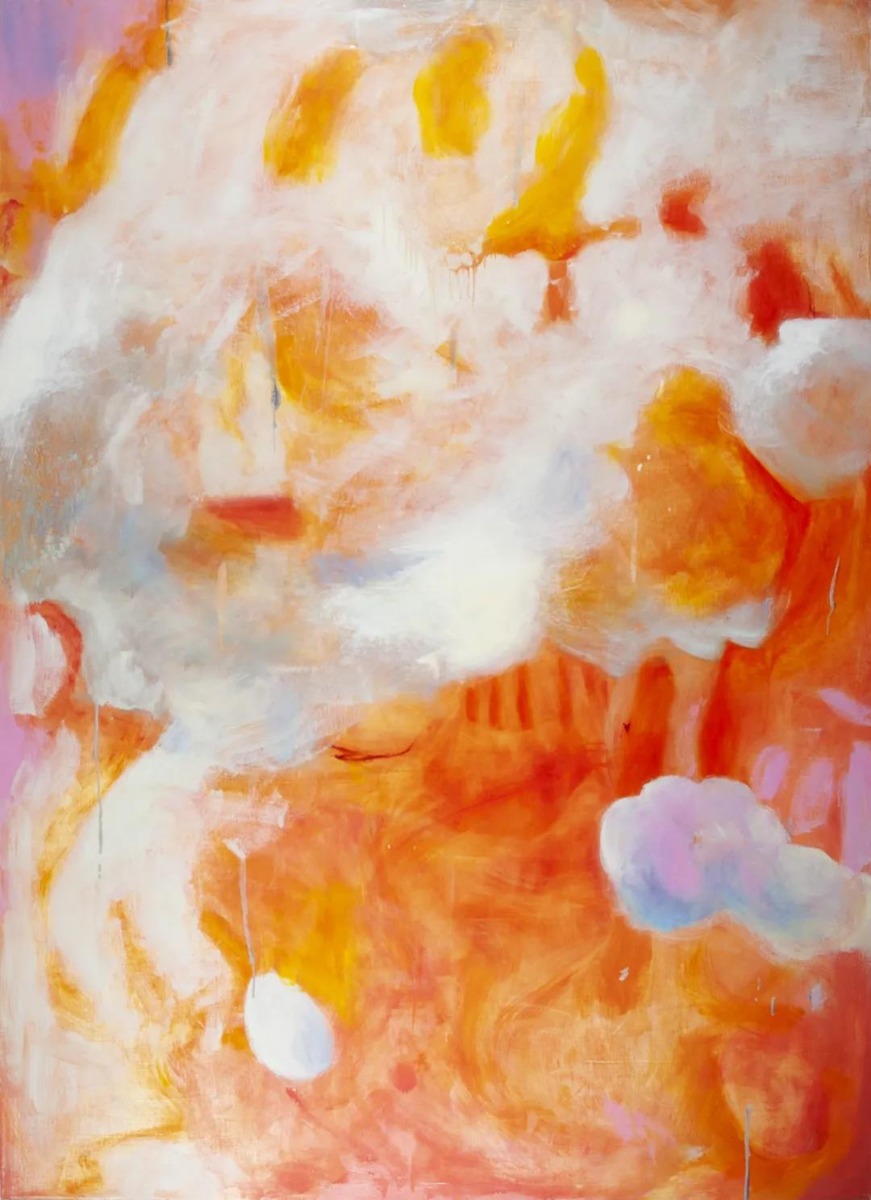
It's So Fluffy, I Could Die!
84x60 inch oil on canvas 2019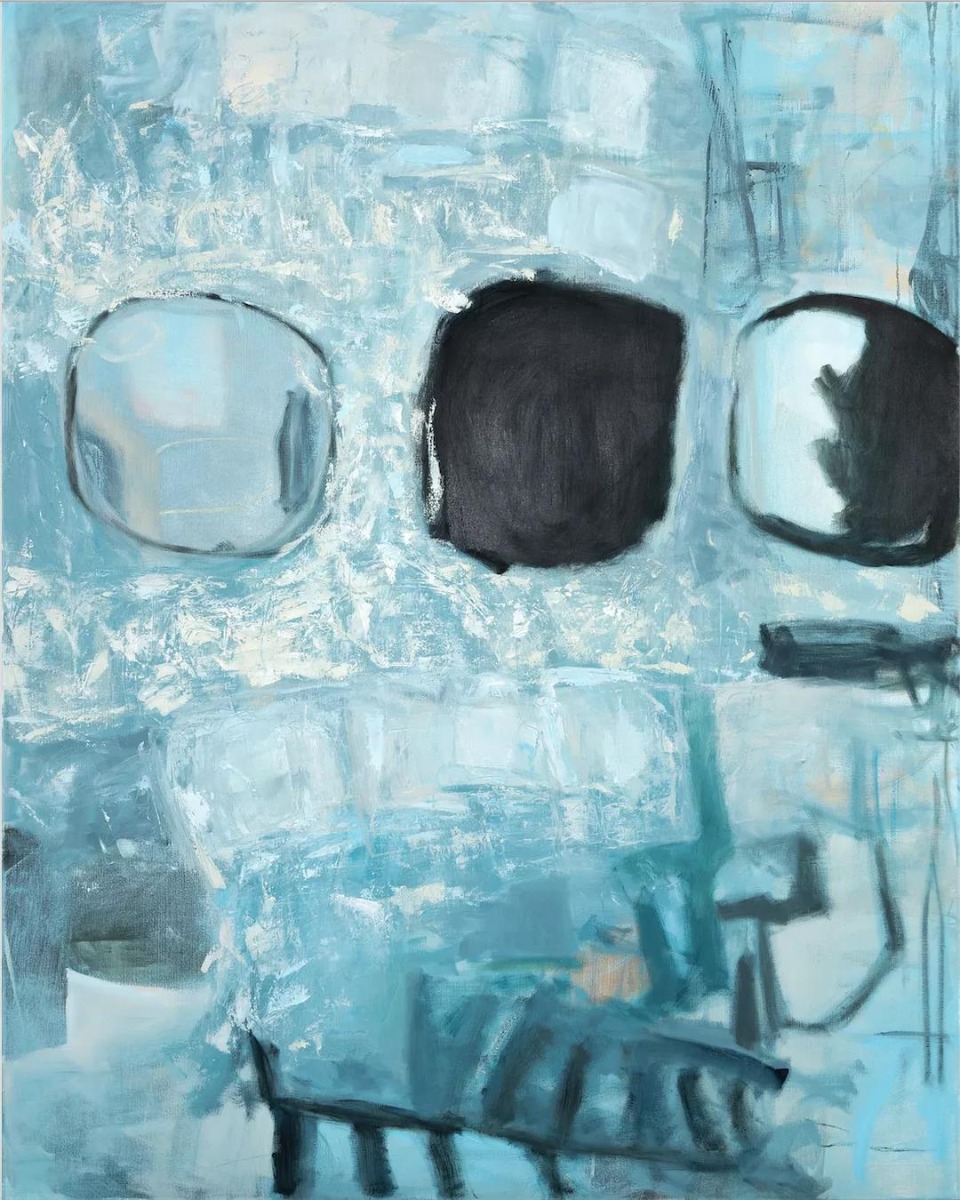
The Raven
48 x 60 inch, oil on canvas, 2017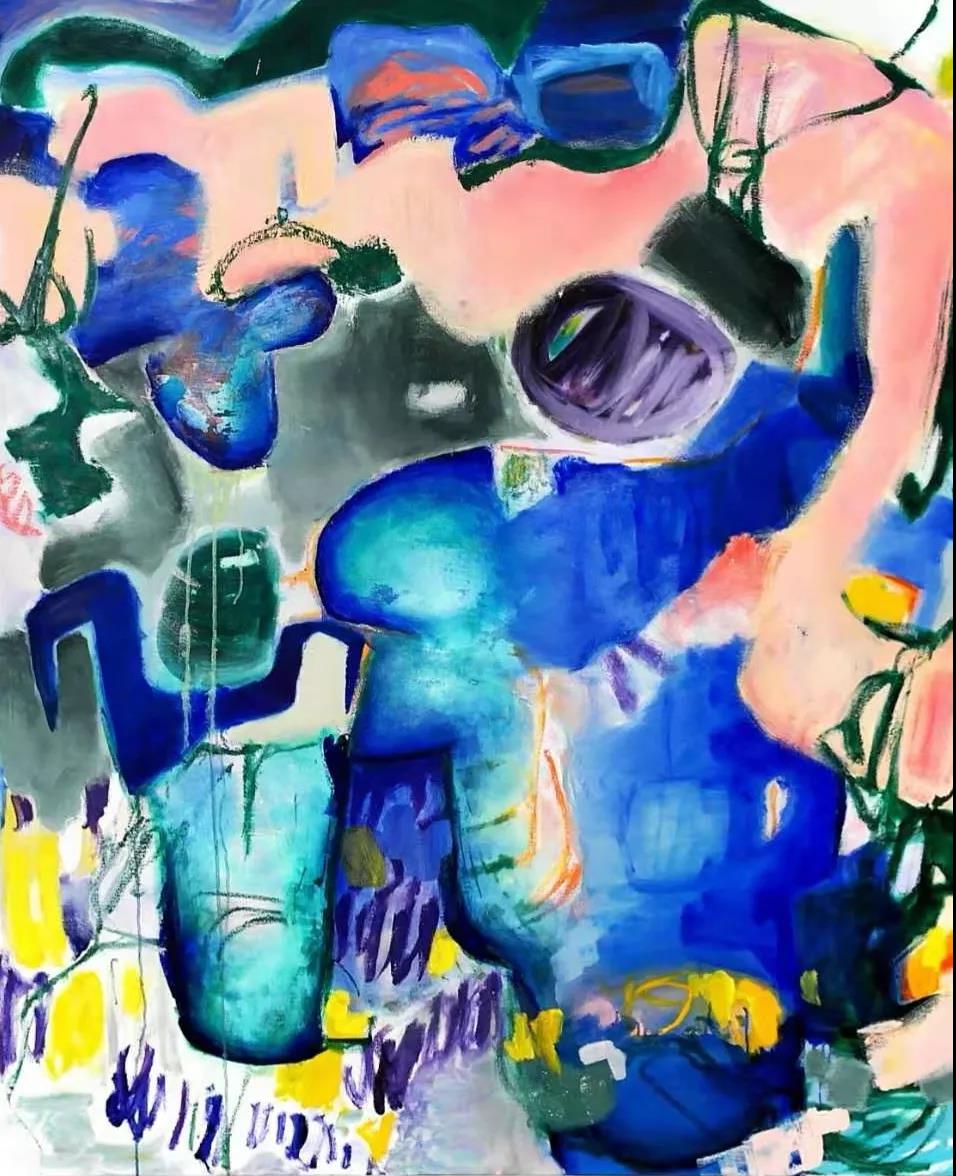
Can You Find Me
48×68 inch, 2016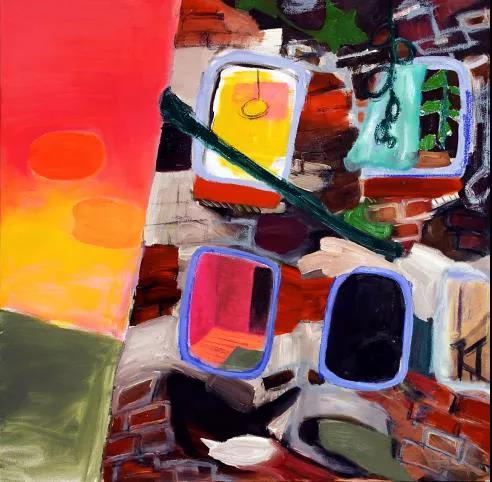
Up is the Direction
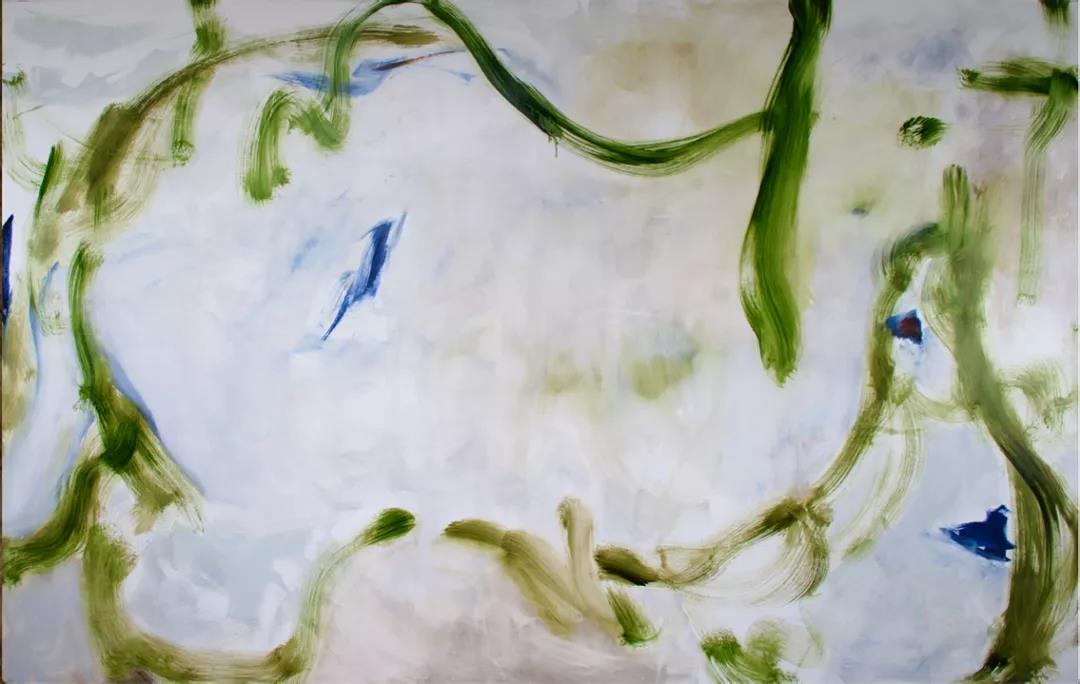
Shall I Compare You to a Summer breeze
60×84 inch, oil on canvas, 2019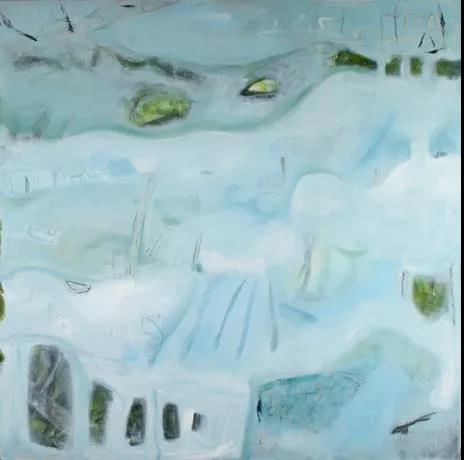
The Keeper
48 x 48 inch, oil on canvas, 2018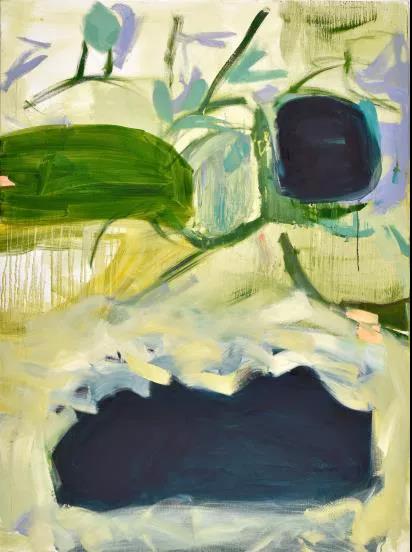
Sink Hole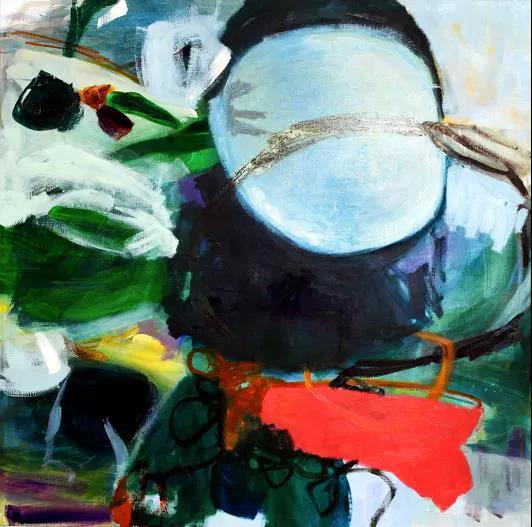
Mid-summer Night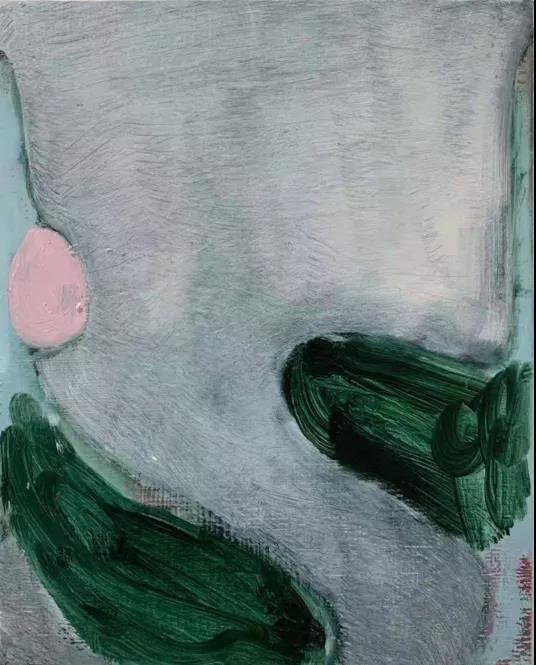
It All Gone
8×10 inch, oil on board, 2019Explore more contemporary oil paintings, welcome to visit SOA Arts for more.
-
 08 Oct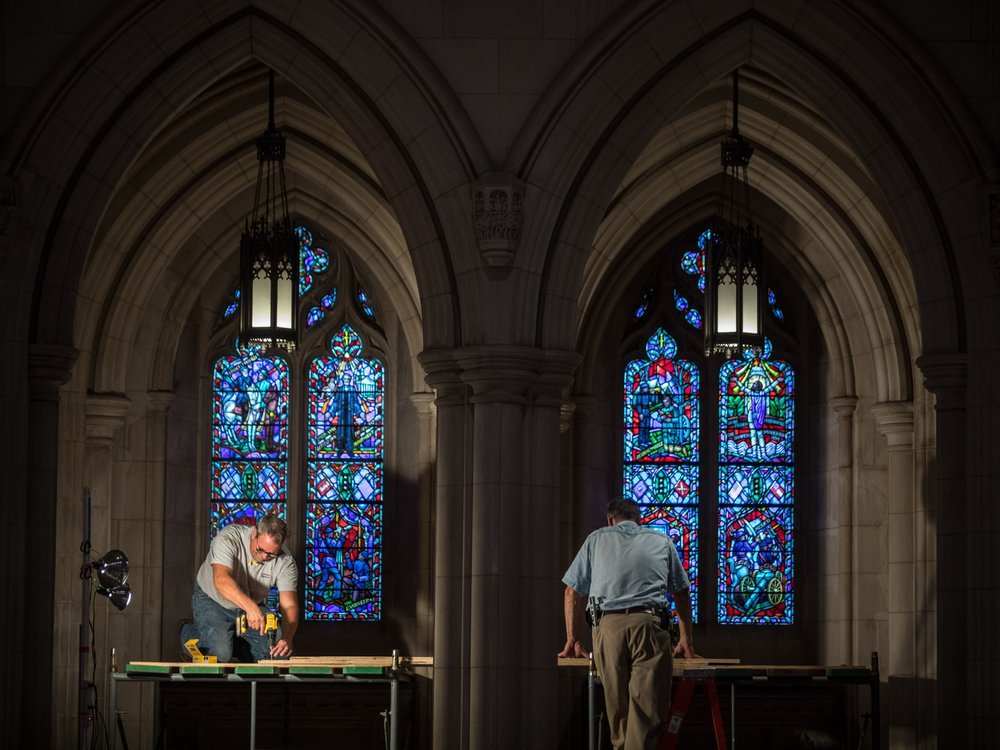
In this 2017 photo, employees set up scaffolding to remove stained-glass windows depicting Robert E. Lee and Stonewall Jackson at Washington National Cathedral.
Photo by Evelyn Hockstein for the Washington Post / Getty Images
Image via smithsonianmag.com
Regarded by many as the “Spiritual Home of the Nation,” Washington National Cathedral is famous for its ornate exterior and vaulted ceilings. The iconic landmark is also known for its 215 stained glass windows, which bathe the building’s interior and its more than 400,000 annual visitors in streams of pastel light.
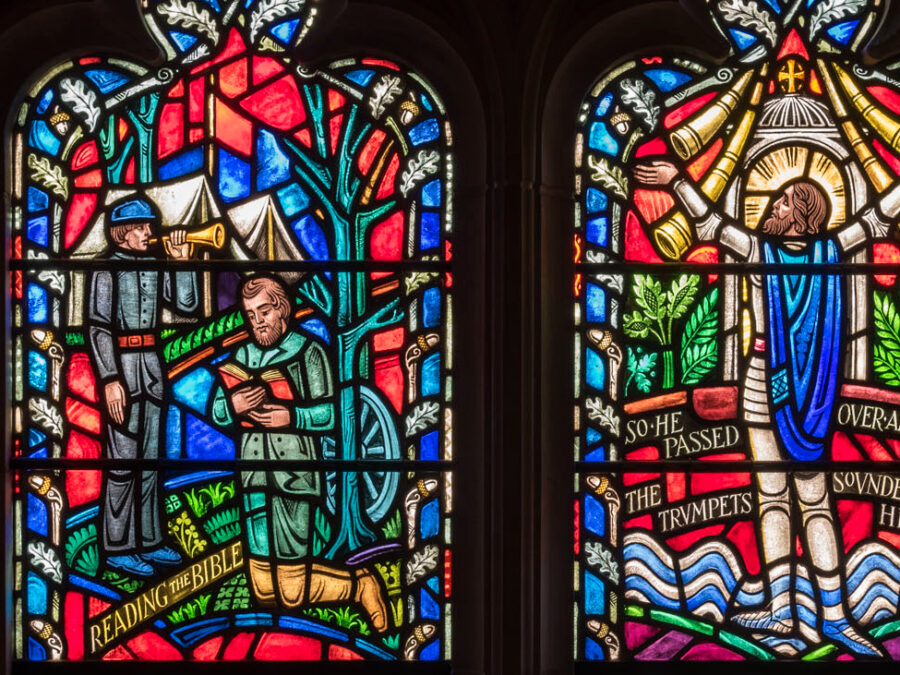
In 2017, however, the Washington National Cathedral made headlines for an entirely different reason. That year, protests erupted on the streets of Washington, D.C. due to the fact that two stained glass window panels paid tribute to Robert E. Lee and Thomas “Stonewall” Jackson, both of whom were Confederate Generals who led the Southern armies during the American Civil War.
On September 6, 2017, the Cathedral Chapter voted to remove the offending panels, driven by widespread demonstrations over racial injustice and the blatant commemoration of the nation’s dark past.
“[The windows] were a barrier,” explained Kevin Eckstrom, the Chief Communications Officer for the Washington National Cathedral. “People didn’t feel comfortable praying in that space with those two men looking over their shoulder. And ultimately, that is what the Cathedral is supposed to be: it’s a house of prayer for people and not a museum.”
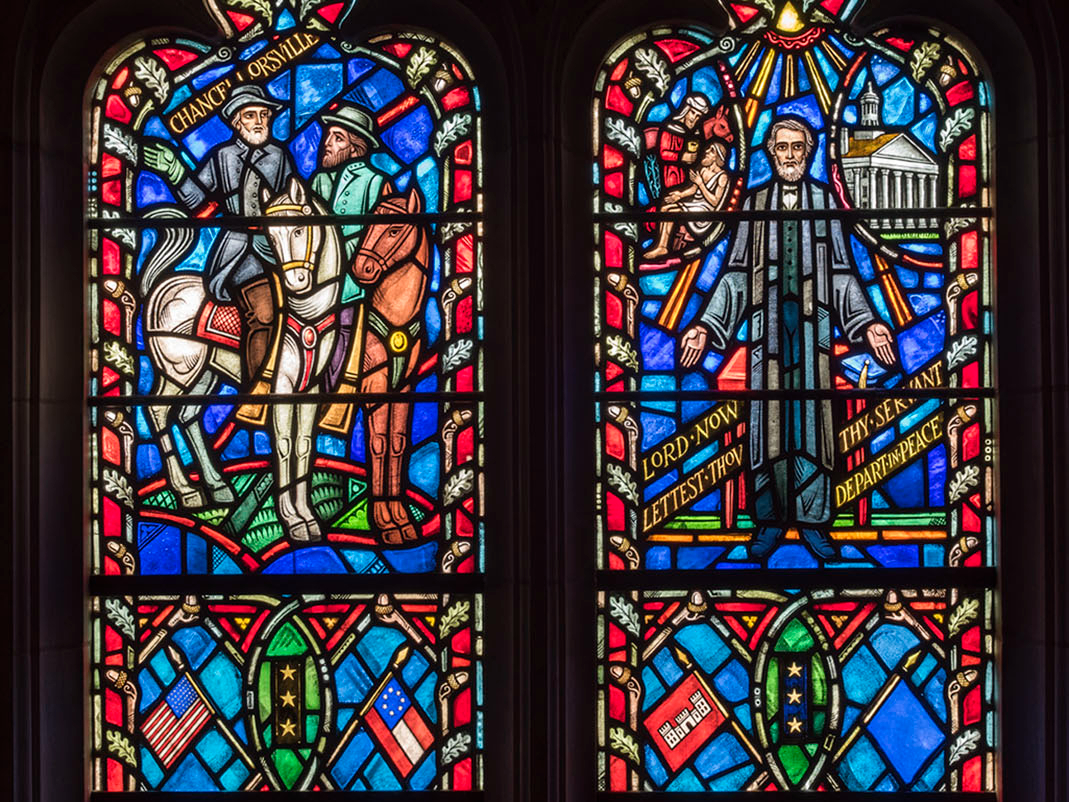
The old windows depicting Robert E. Lee will be replaced with new windows with a racial justice theme.
National CathedralImage via dcist.comDonated in 1953 by the United Daughters of the Confederacy, the two panels not only featured Lee and Jackson but the Confederate flag as well. These weren’t considered a problem at first; however, rising awareness about systemic racial injustice has led to the realization that they actually told a rather false story.
“They were a whitewashed version of history,” said Eckstrom, in an interview with the website, The Black and White. “What makes this Cathedral unique is that we don’t only tell a biblical story, but also an American story. You can’t talk about the Civil War without talking about slavery, and the windows made no mention of it.”
Randolph Hollerith, the Cathedral Dean, also shared similar sentiments. In a statement to the New York Times, James Marshall explained: “The windows became barriers for people to feel fully welcome here. For nearly 70 years, these windows and their Confederate imagery told an incomplete story; they celebrated two generals, but they did nothing to address the reality and painful legacy of America’s original sin of slavery and racism.”
Fortunately, the Washington National Cathedral is finally taking steps to ensure that its stained glass windows tell a genuinely American story. More than four years after the panels were taken down, it was announced that they would be replaced by ones designed by Kerry James Marshall, a contemporary artist renowned worldwide for his incredible artworks that depict African-American life.
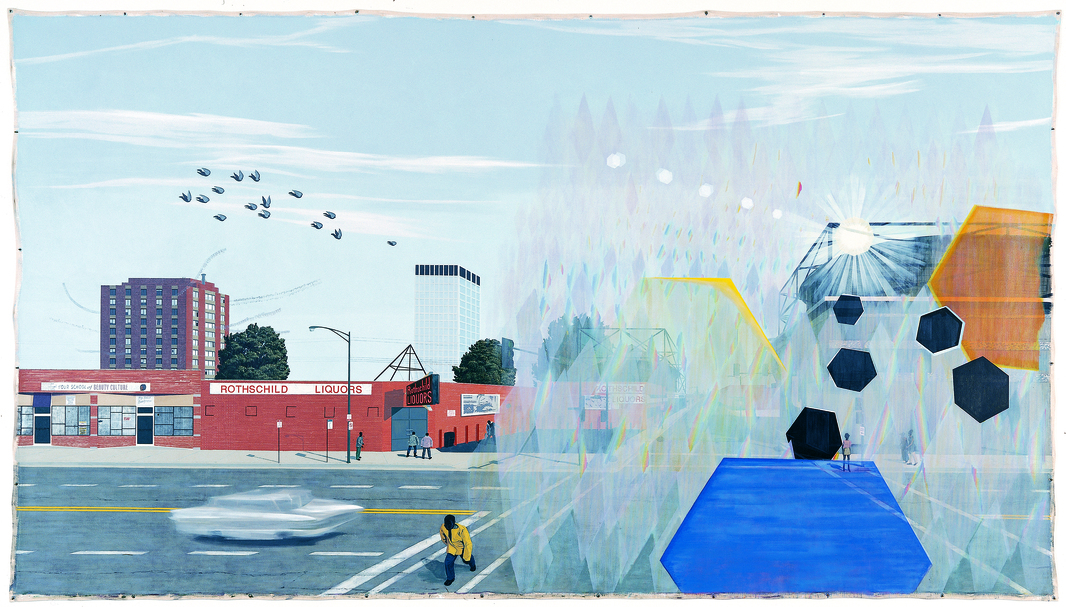
7 am Sunday Morning — Kerry James Marshal
Image via Biblioklept
Meanwhile, Pulitzer-nominated poet Elizabeth Alexander was also commissioned to pen a poem that would be inscribed onto stone tablets, which would be placed alongside the new stained glass windows.
While James Marshall has yet to indicate what his designs will look like, he did pay a visit to the Cathedral last September 22, 2021. In a conversation with the media, he explained: “Right now, I don’t have a clear concept of what I think I will do. It will have to be work that is able to synthesize a multiplicity of ideas and sentiments about what the country represents for all of us. There will be some kind of imagery that presents itself as an invitation to [reflect] on the meaning of America now.”
James Marshall is sure about one thing, though – Black figures will be used as a central part of the new stained glass windows.
“There are likely to be figures in the windows, some of them are likely to be Black figures,” he said in an interview with The Black News Channel. “But I can’t say this is all you are going to see there because I think the scope of the windows needs to be more expansive than just that.”
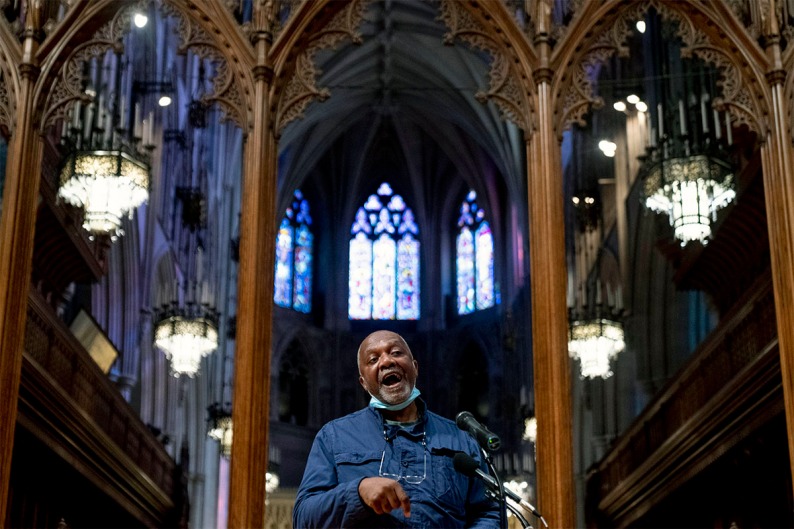
Artist Kerry James Marshall speaks at a news conference after being selected to design a replacement of former Confederate-themed stained glass windows that were taken down in 2017 at the National Cathedral in Washington, Thursday, Sept. 23, 2021. The Cathedral has also commissioned Pulitzer-nominated poet Dr. Elizabeth Alexander to pen a poem that will be inscribed in the stone beneath the new windows. (AP Photo/Andrew Harnik)
Image via bnc.tv
Renowned for a slew of breathtaking paintings, such as “Portrait of the Artist as a Shadow of His Former Self” (1980), “Untitled (La Venus Negra)” (1992), and “Many Mansions” (1994), James Marshall has been a mainstay in many of the country’s most famous museums, including the Museum of Modern Art, the Metropolitan Museum of Art, and the Art Institute of Chicago. His significant contributions to the scene have also led to him being regarded as “one of the nation’s most eloquent and compelling voices.”
Despite Marshall’s decades-long art career, the commission for the Washington National Cathedral will be his first time working on a stained glass medium.
He’s clearly prepared to rise to the challenge, though, telling the media: “How do you create something that draws people to it? That has the capacity to elevate their conception of what it means to be an American and their conception of what it means to engage with the complex narratives of history that we all have some relationship to? That’s really what my job is going to be.”
-
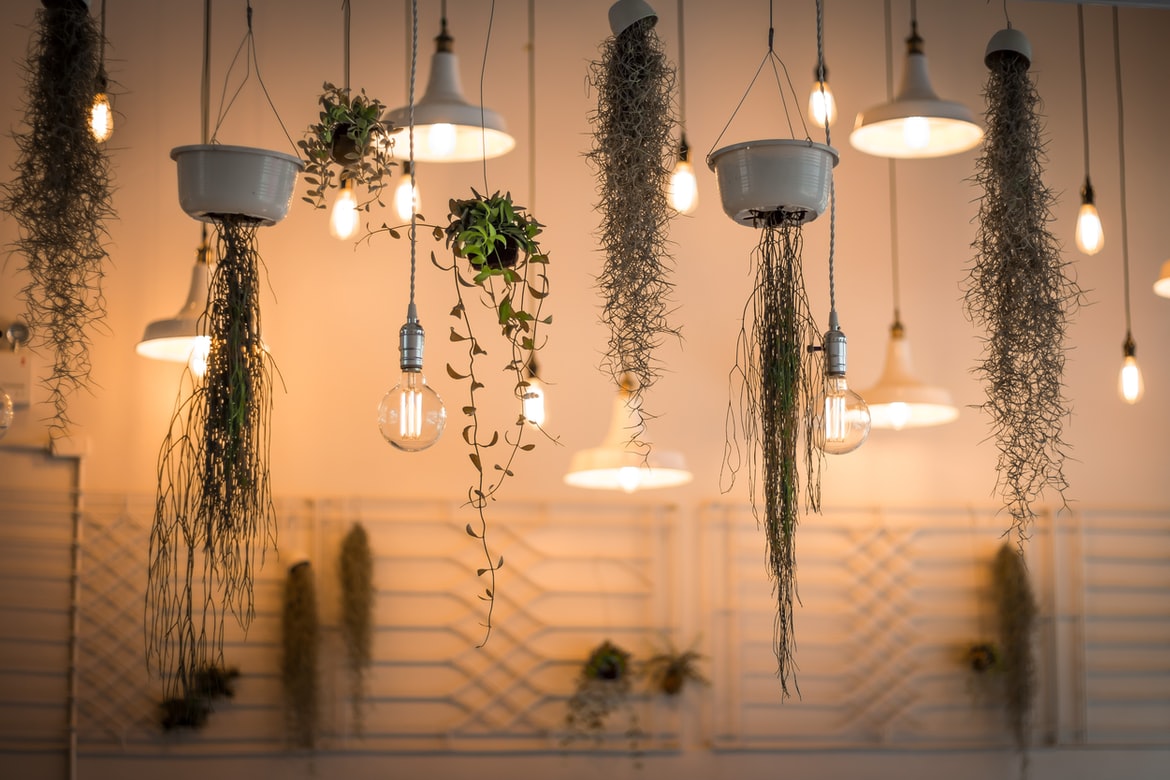
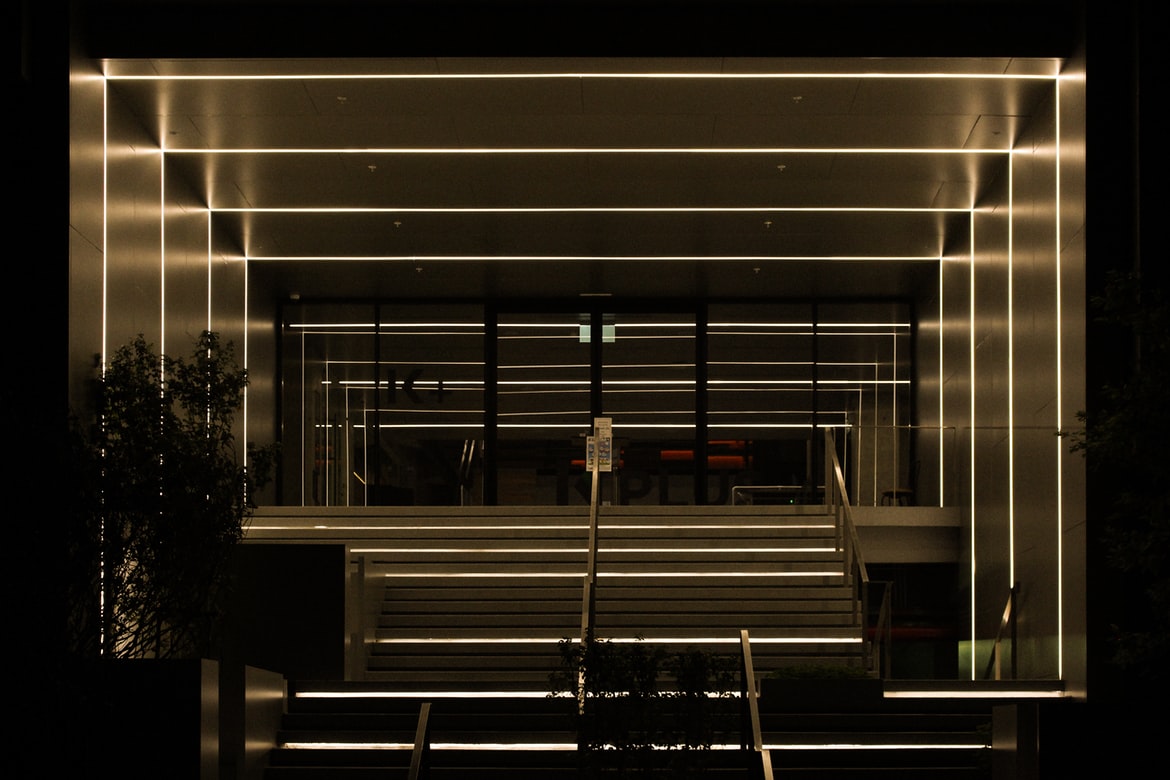
Being an interior designer for a long time, you realize that you have to accept the fact that
No matter
How cool Space modeling is
How well the material selection matches
How advanced the color scheme is
in your interior design
But
The bad lighting effects will ruin the whole interior design style
Such as
The popular Theme Hotel on the Internet lately
Universal Studios Theme Hotel Beijing
Look at their lighting design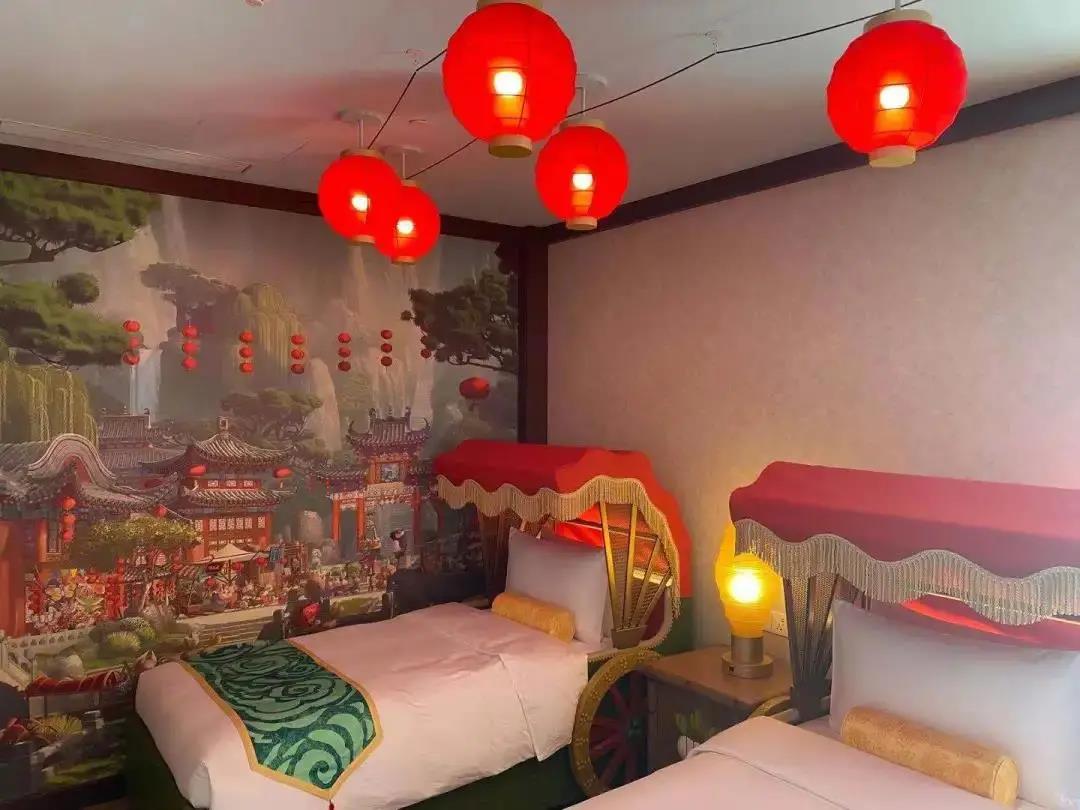
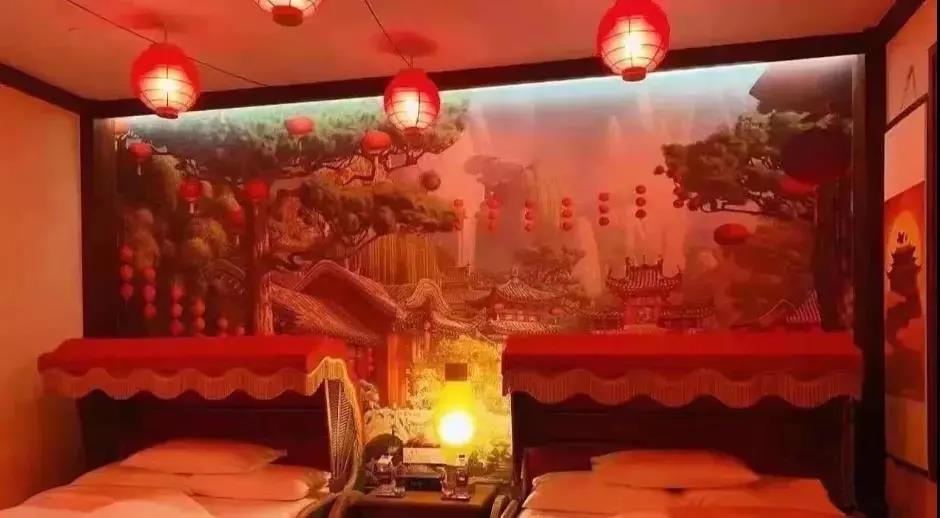
▷Universal Studios Theme Hotel Beijing
“Light” is thus less building material and more an expression of emotion. It plays an important role in interior design, especially in residential and office spaces where people stay longer. It’s not just about picking a lamp, so you must understand light if you want to become a qualified designer! Today, let’s talk about interior lighting design!
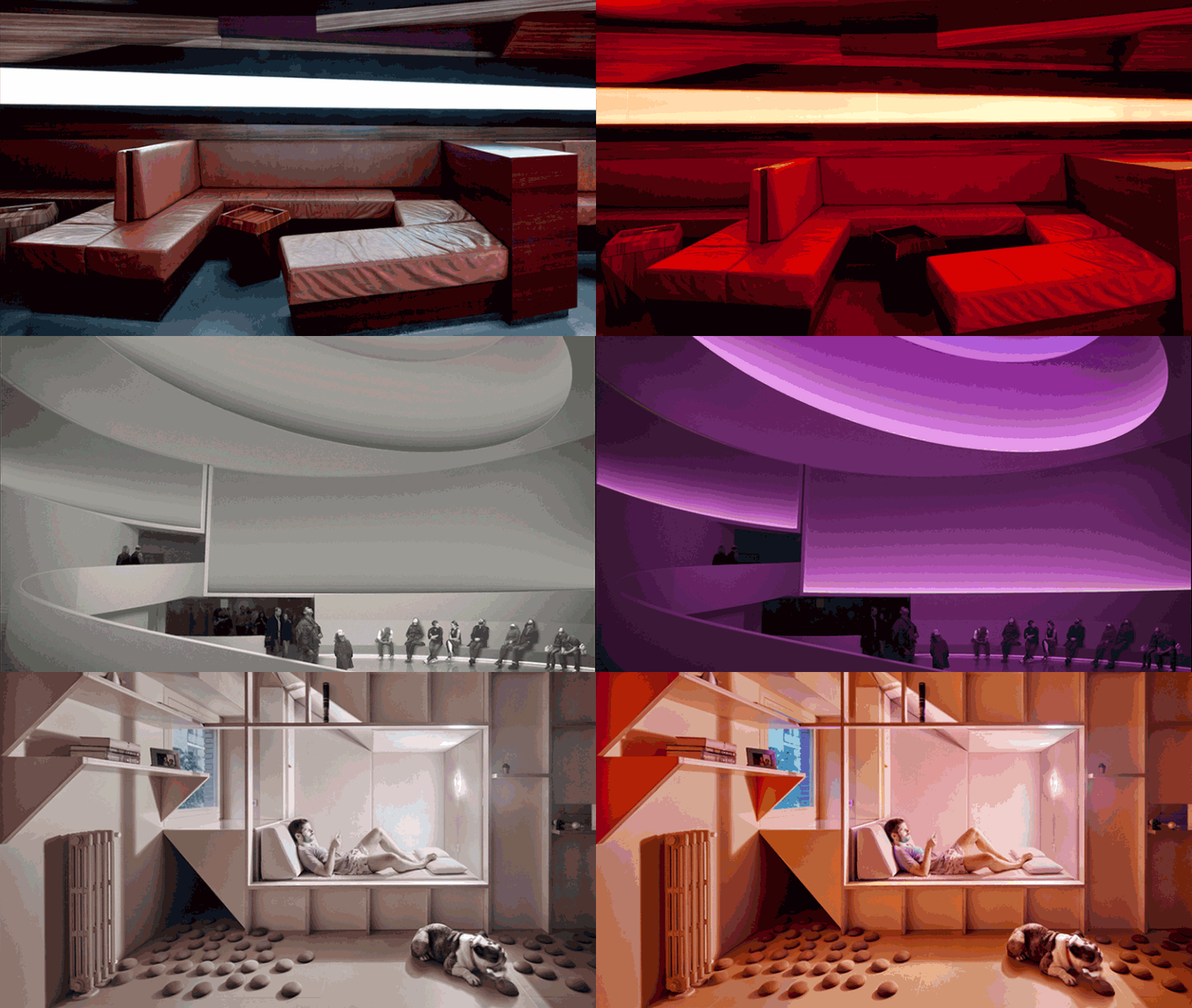
▷ The importance of indoor lighting
01
What is lighting design?
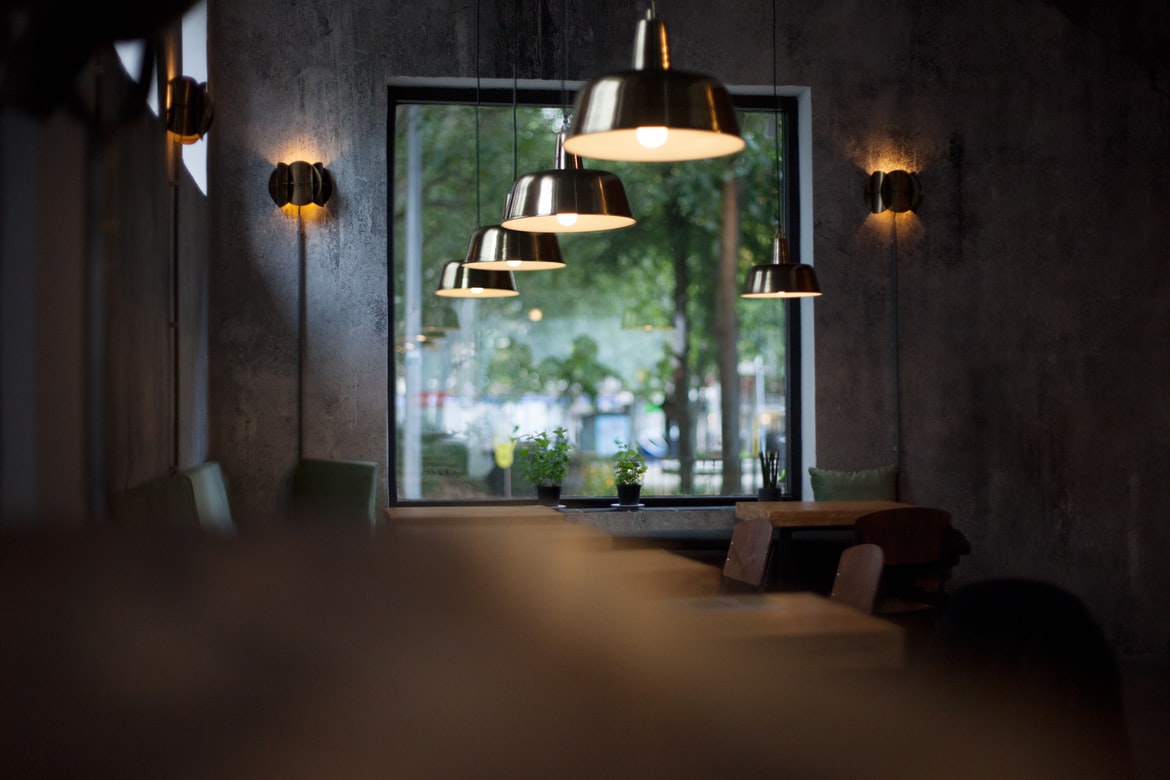
Lighting design has a strong catalytic effect on creating interior themes, focus points, and atmosphere, strengthening the sense of layer of interior space design. Before starting the lighting design, you should first choose the type of lighting, then define a way of lighting.
1. Lighting type
There are three types of lighting: ambient light, contour light and focus light.
A. Ambient light: general lighting source with the largest lighting range, which can not see the direct light source and direction clearly, with soft lighting.
B. Contour light: mainly emphasizes the contour of the walls and ceiling, creates the feeling of layers of space, and adds to the interior’s beauty.C. Focus light: relatively lighting small range, light focused, mainly used to create partial atmosphere.
2. Lighting mode
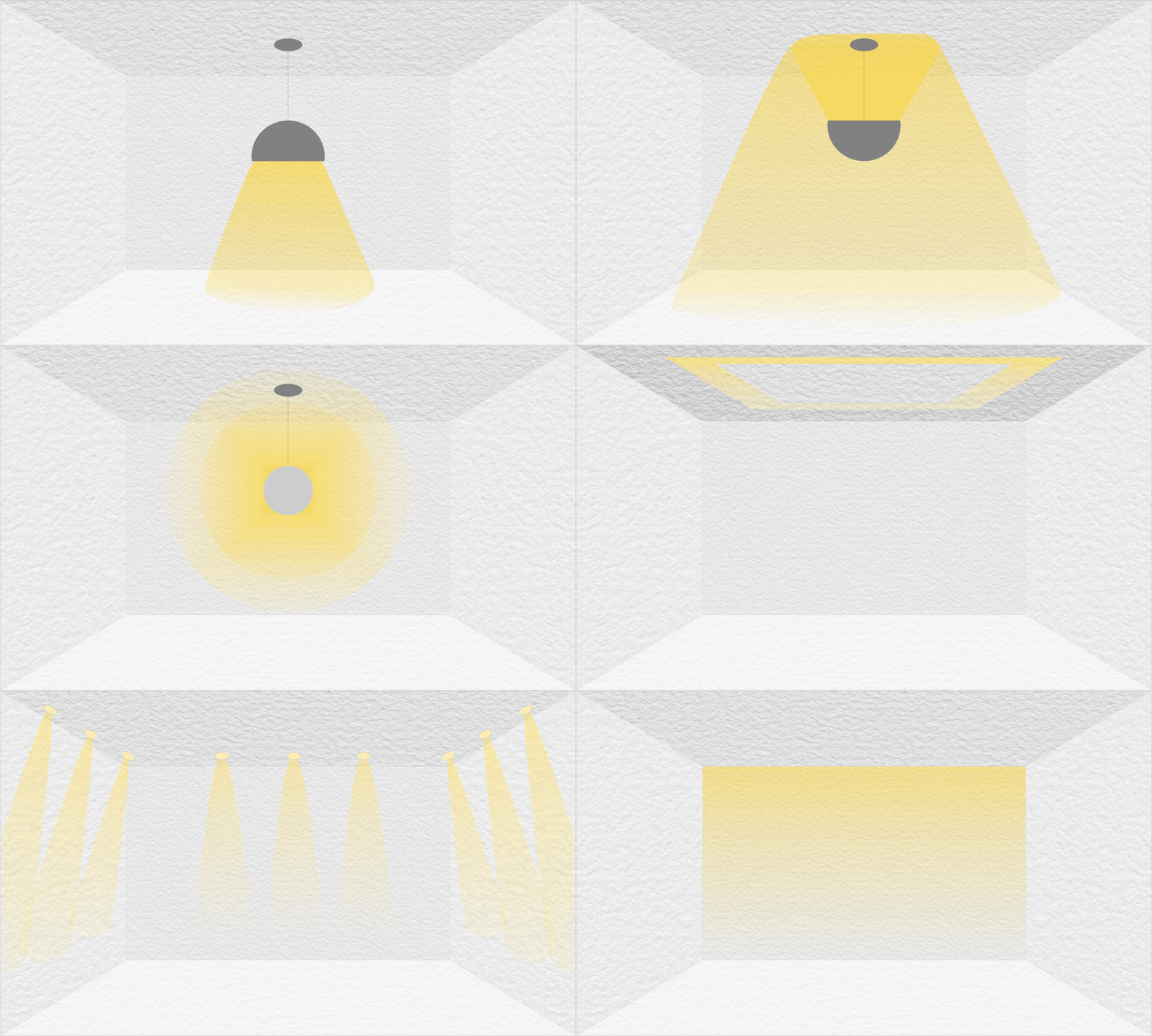
Lighting modes mainly include direct lighting, indirect lighting, diffuse lighting, effect lighting, focal lighting, wall washing.
A. Direct lighting
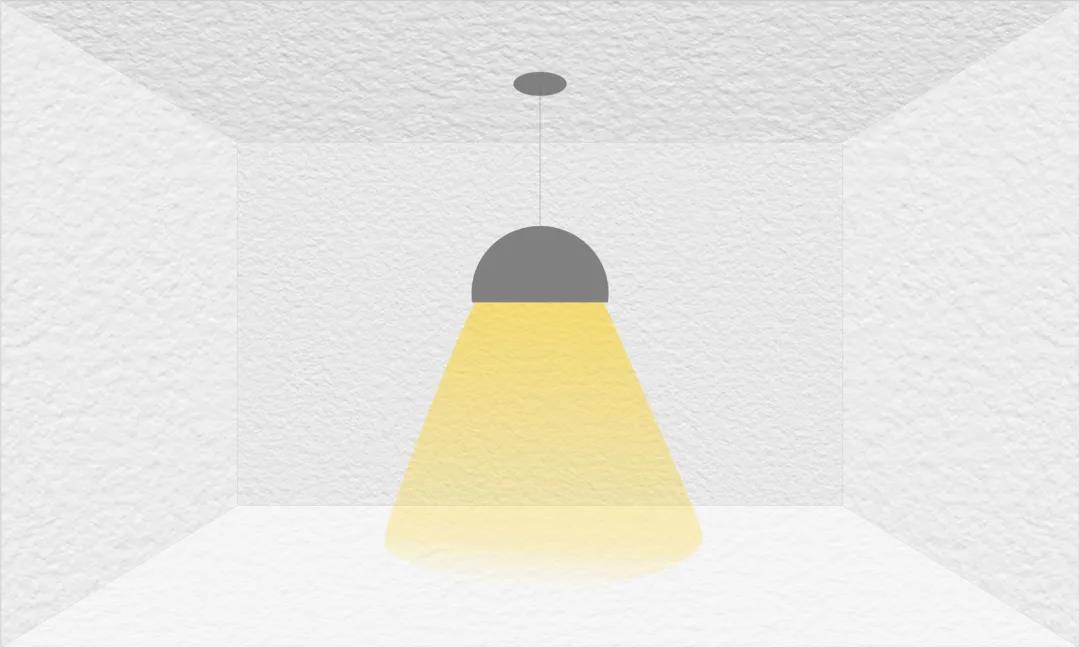
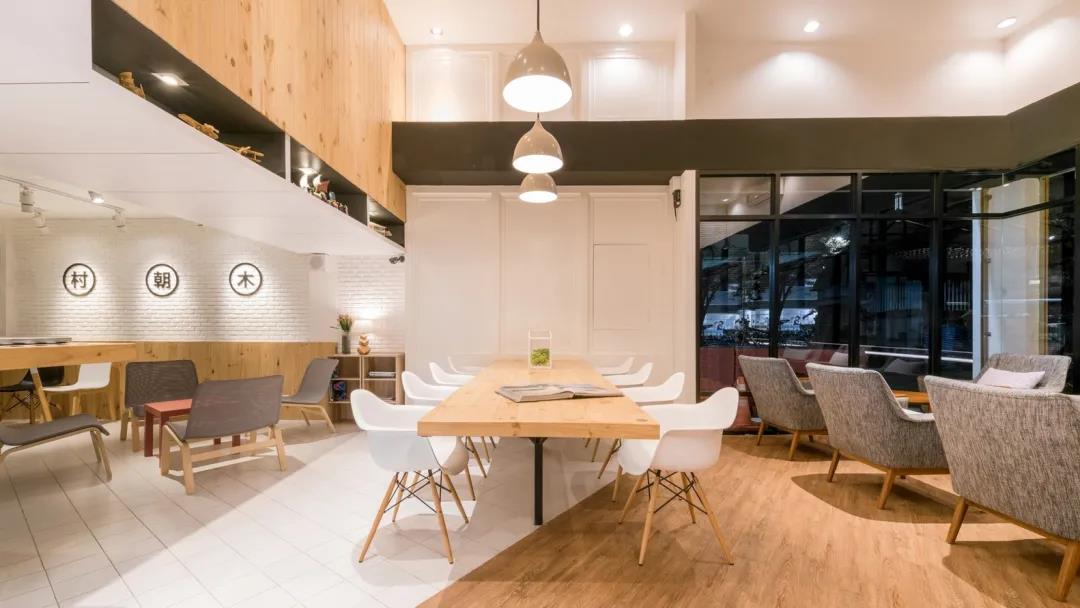
It should be careful and avoid too bright, which will make “hard” shadows and lead to visual fatigue. Also, notice avoiding placing it on surfaces prone to glare or reflection, such as mirrors or glass.
B. Indirect lighting
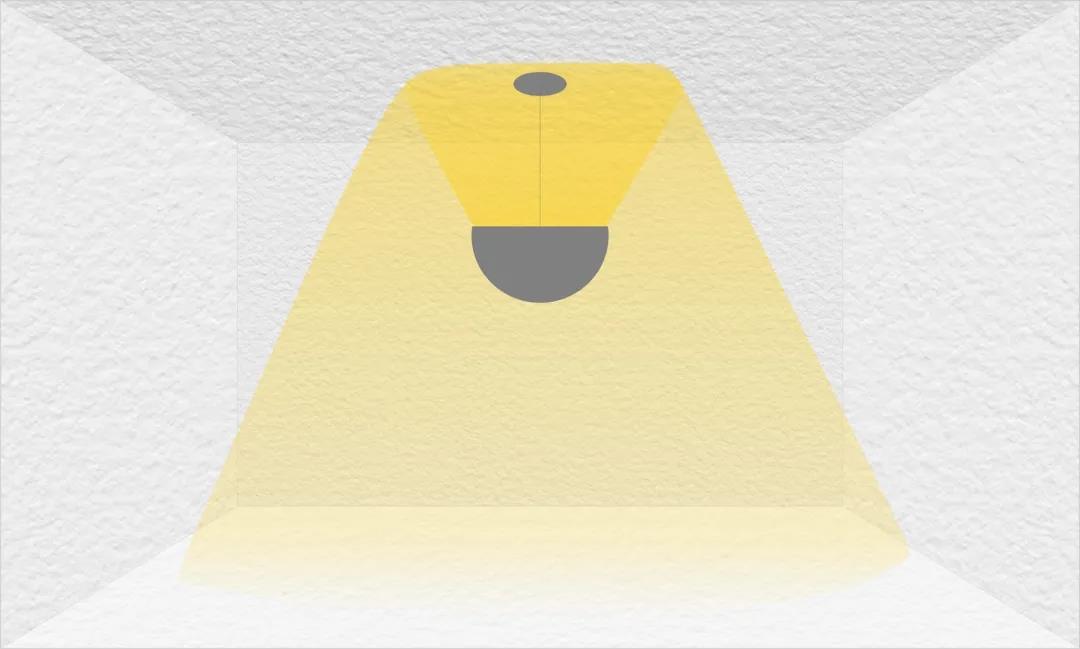
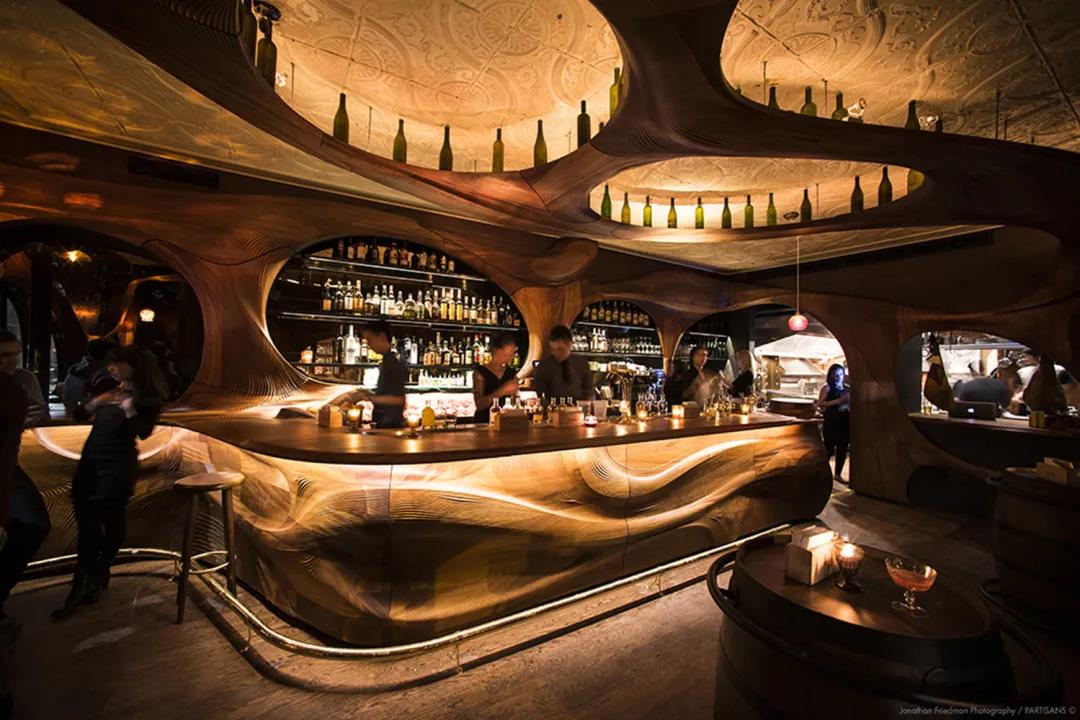
Indirect lighting is mainly reflected from one surface and then spreads throughout the environment.
C. Diffuse lighting
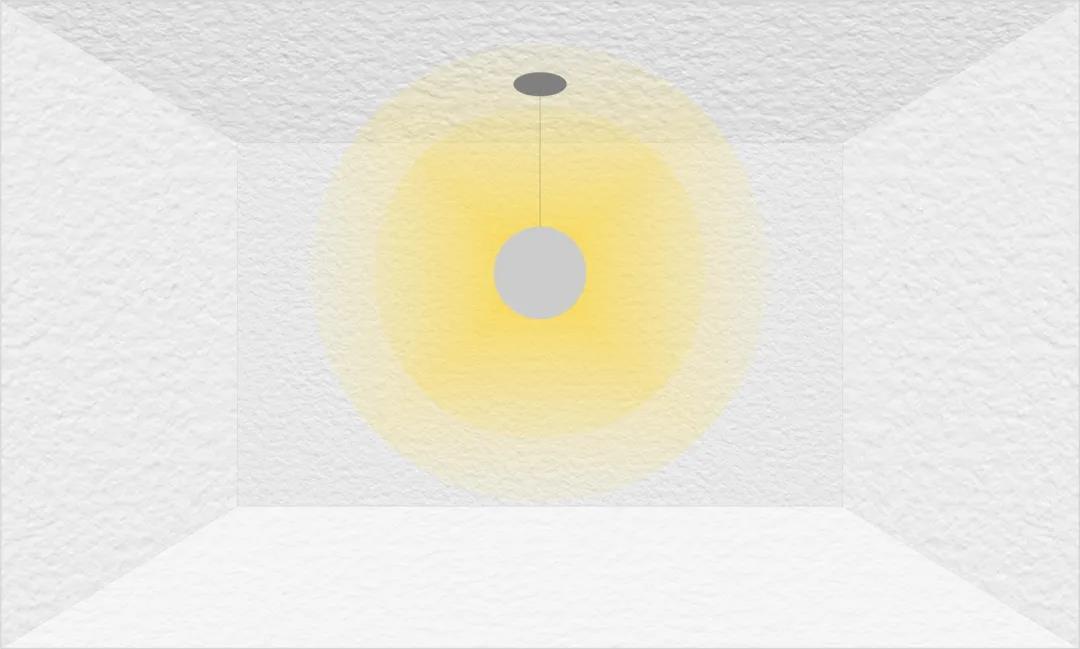
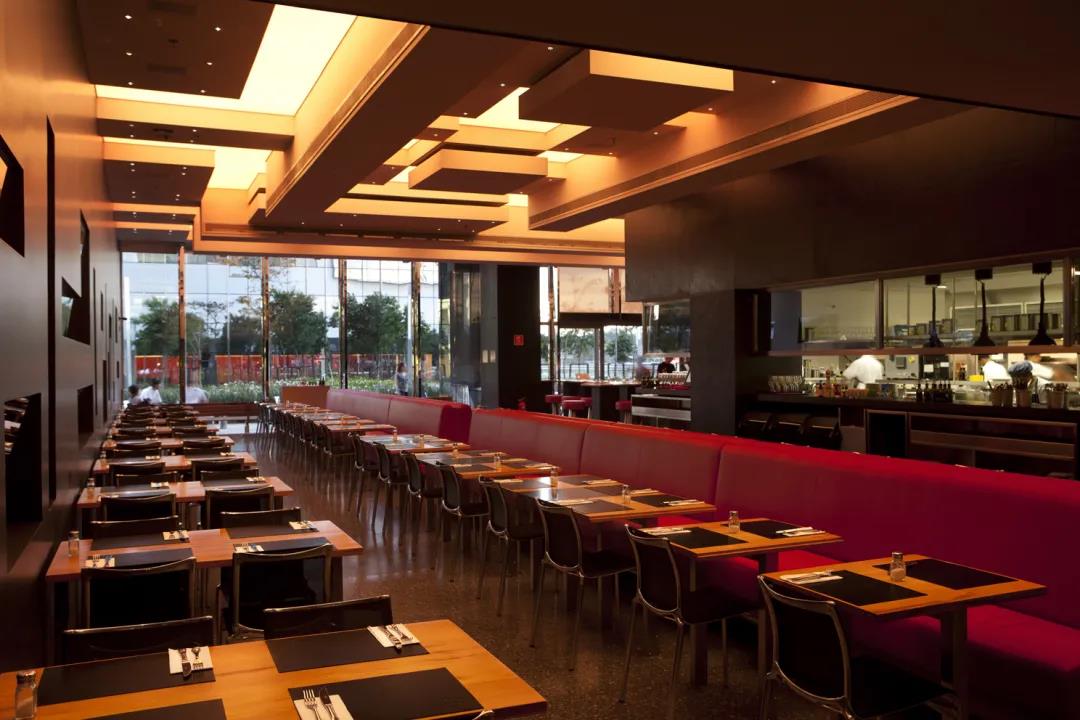
It will mainly be reflected off the ceiling and walls to achieve the desired effect, and the ambient lighting will be very even.
D. Effect lighting
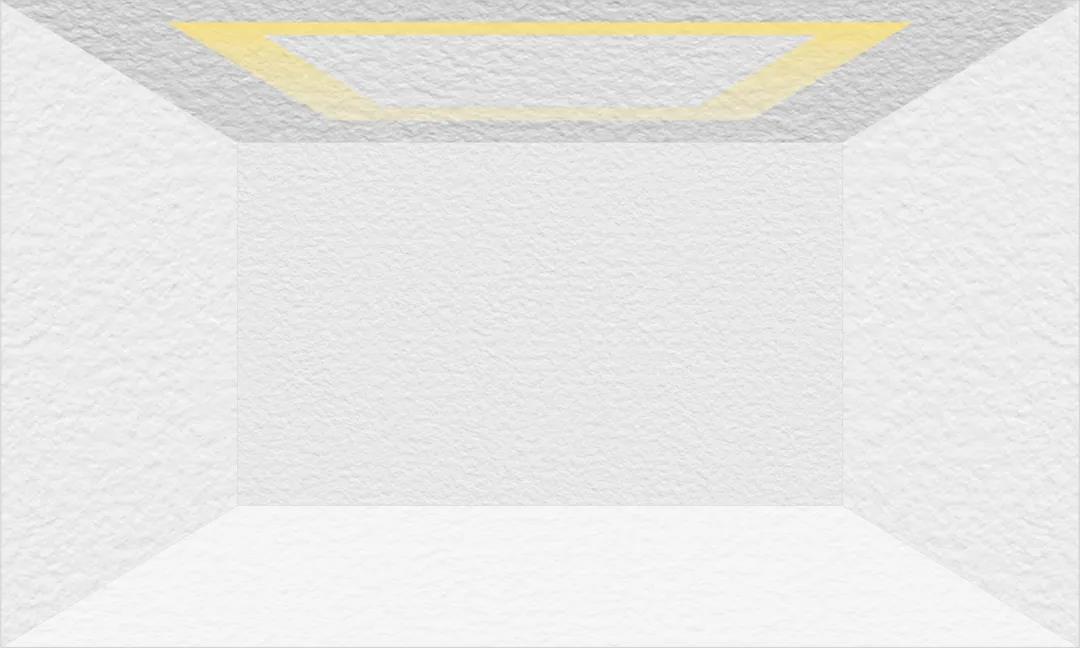
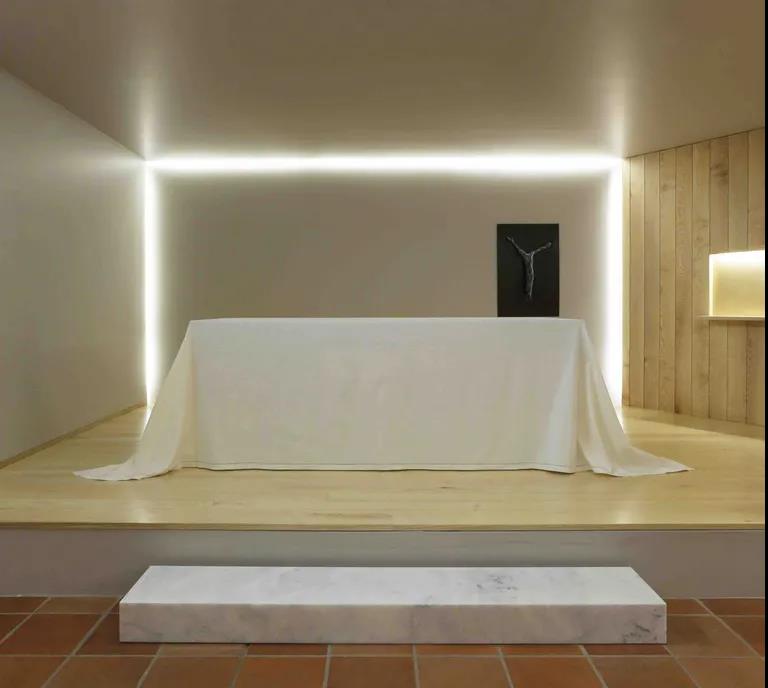
The light source for effect lighting is usually built in the ceiling or architectural elements, such as the interior for finishing molding or the exterior for landscaping or facade effects.
E. Focal lighting
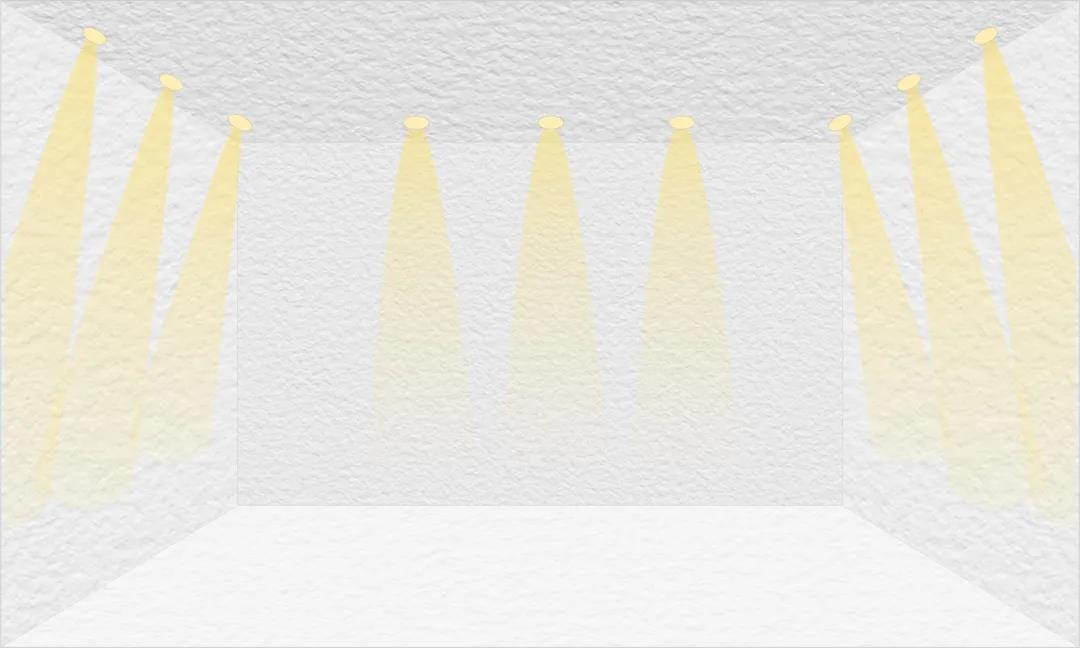
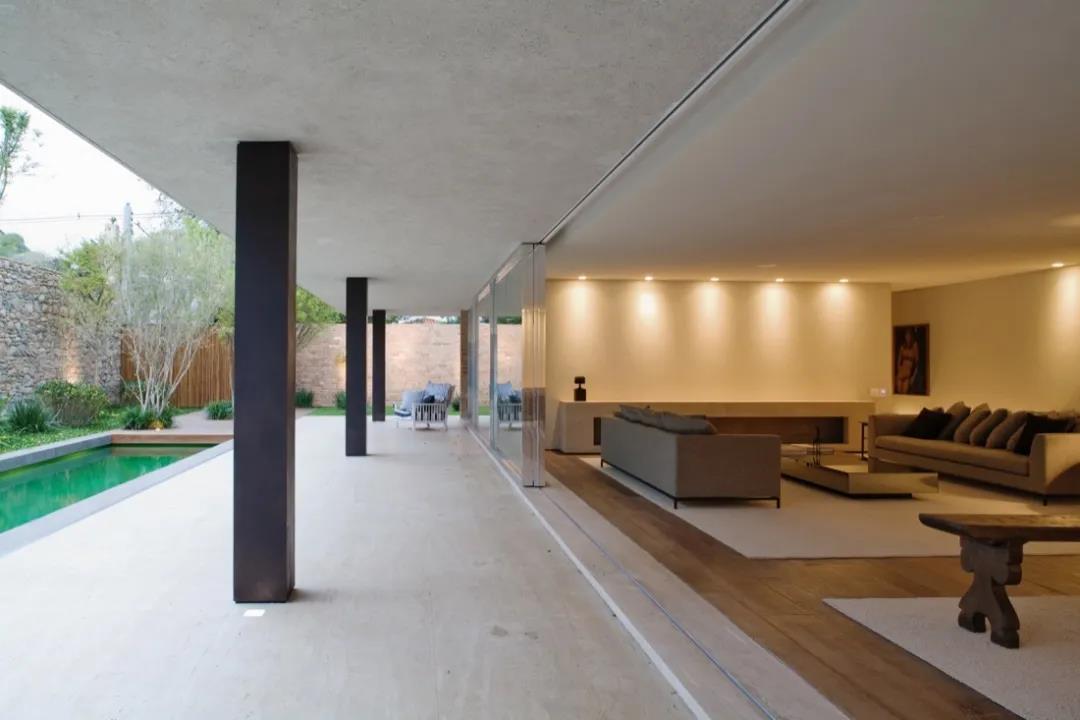
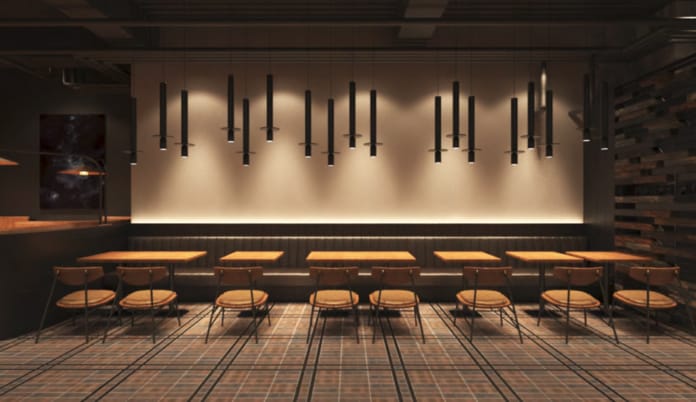
Focal lighting (spotlights) is a light source directly above a prominent object (such as a painting or sculpture). Commonly used in residential, commercial environments, museum Spaces. But be heedful about illuminance, because things will get hotter under direct light.
F. Wash Wall

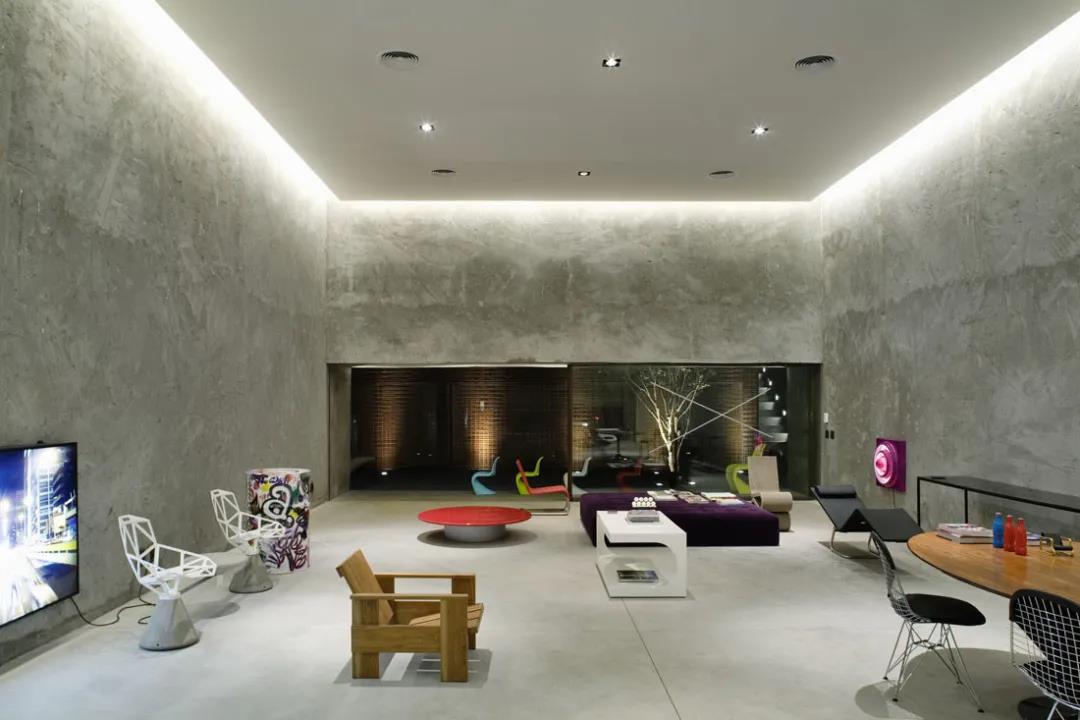
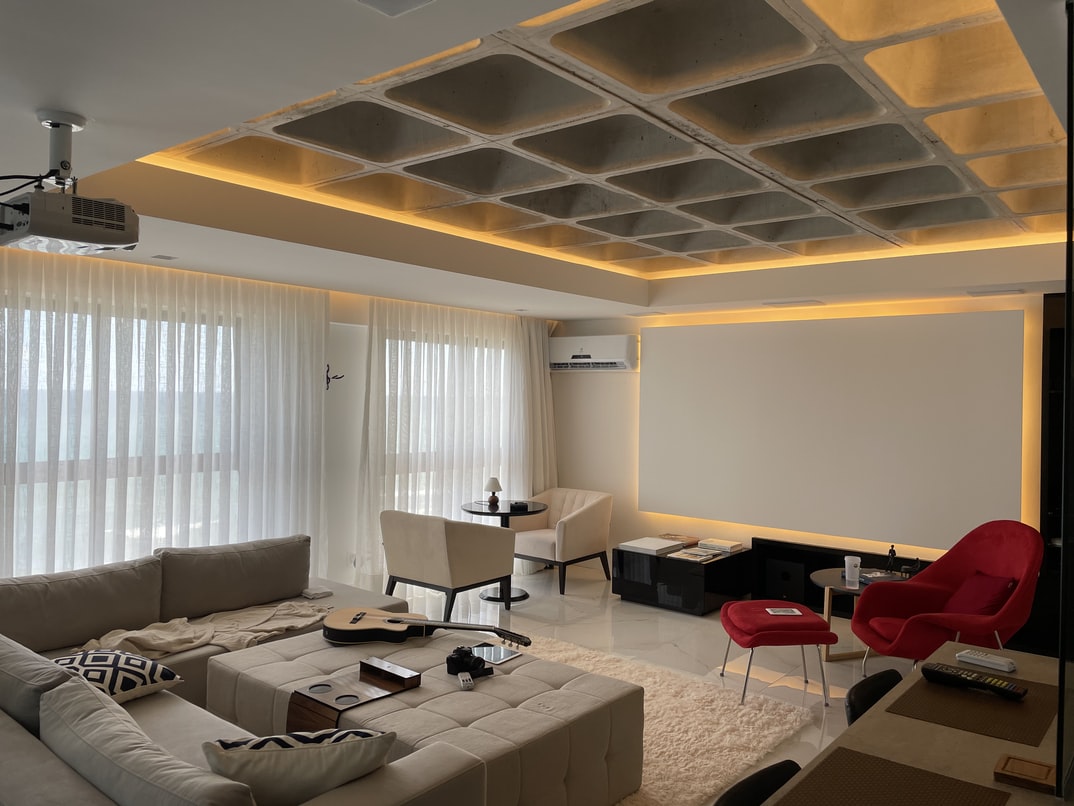
Wash Wall is an ideal choice for highlighting the appearance and enhancing the building by using a series of lighting points in series or through led strips to produce a so-called “wash light” on the surface.
02
How to create an interior vibe with light?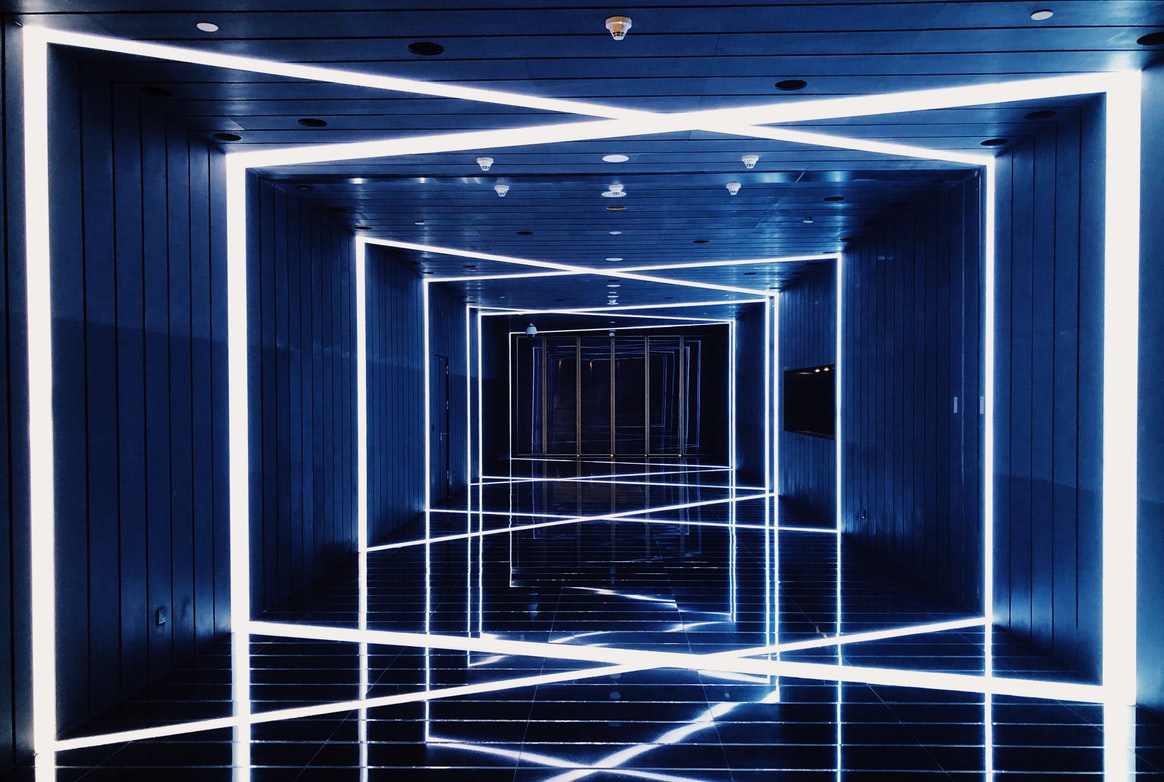
For lighting design in the room, it is impossible to use only one way to create a room environment, instead using different techniques combined to meet the design needs.
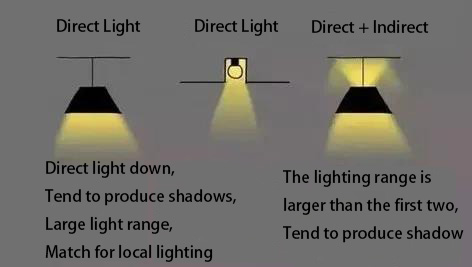
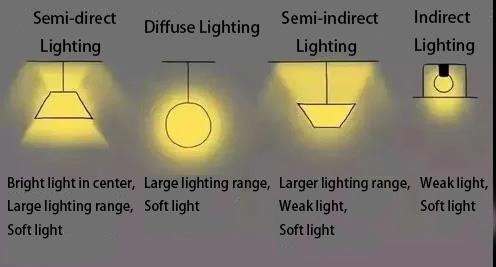
There are no specific provisions for interior lighting creating know-how. To make it easy to understand, we will sum up the above 8 kinds of lighting into 3 categories: direct lighting, indirect lighting, deductive lighting.
1. Direct lighting
Direct lighting is the primary means of lighting in the space, which can serve as the basis, function, focus, decoration and other lighting, but
the form of lighting varied with the room and the requirements for use.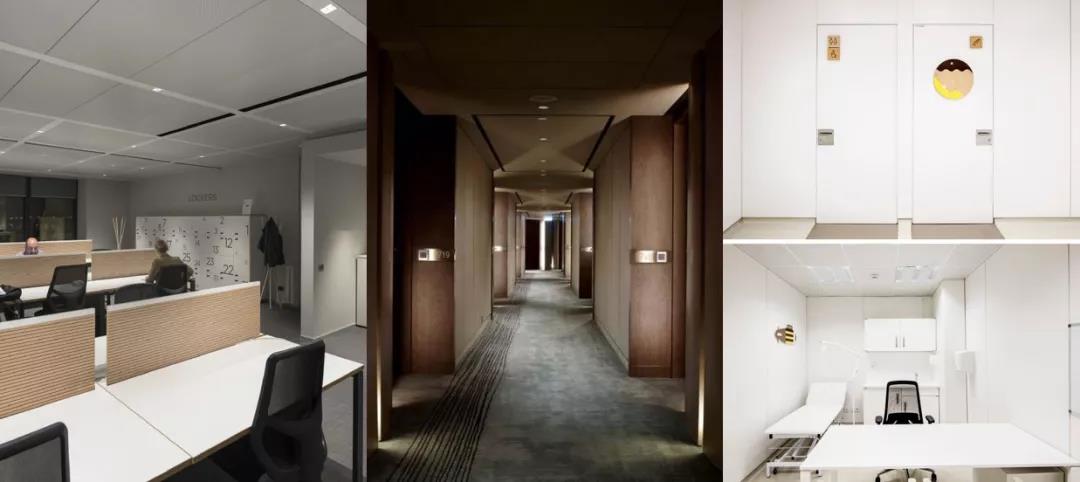
Workspace is mainly to improve work efficiency. In addition to considering its functions in hotel lighting design, it also considered creating a quiet and comfortable environment, and its brightness and illumination need to be reduced. In the hospital interior, more shadowless design and meet the needs of diagnosis and treatment.
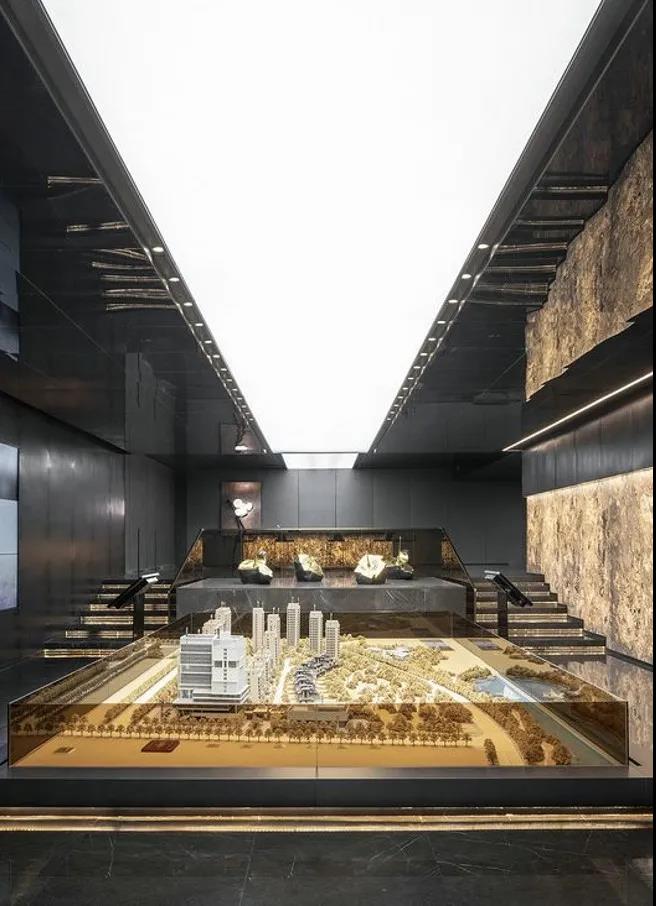
In addition, direct lighting can also be considered decorative lighting, like soft film ceiling design, which is a way to combine basic lighting, lamp types, and decorative effect.
2. Indirect lighting
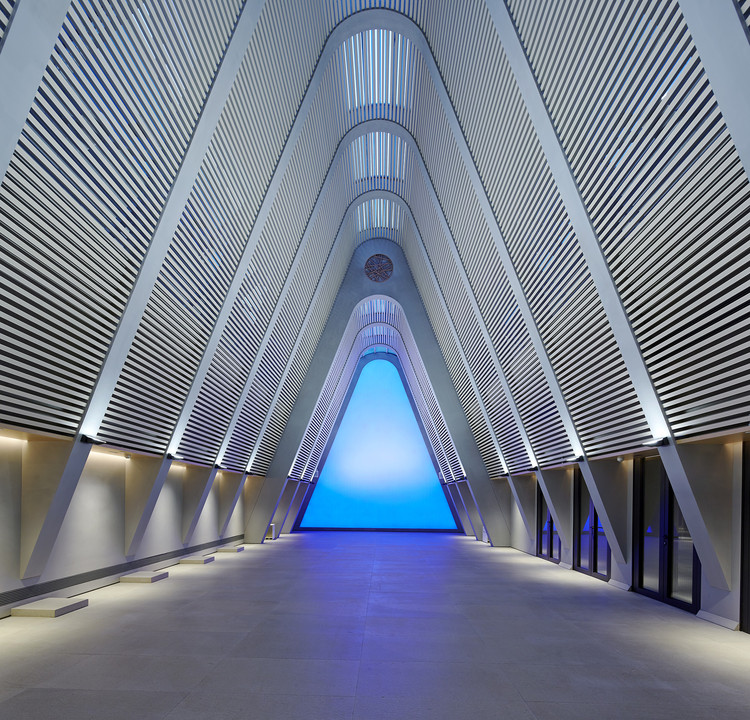
Indirect lighting is generally used as auxiliary lighting and decorative lighting, while in small spaces or spaces with low demand for brightness, indirect lighting can also be used as basic lighting.
A. Basic lighting
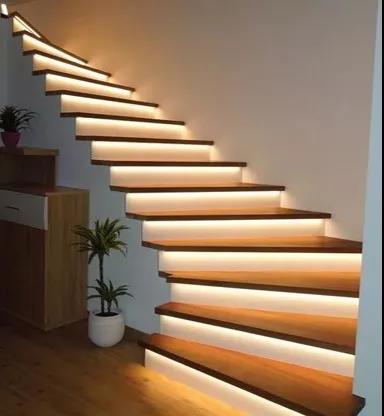
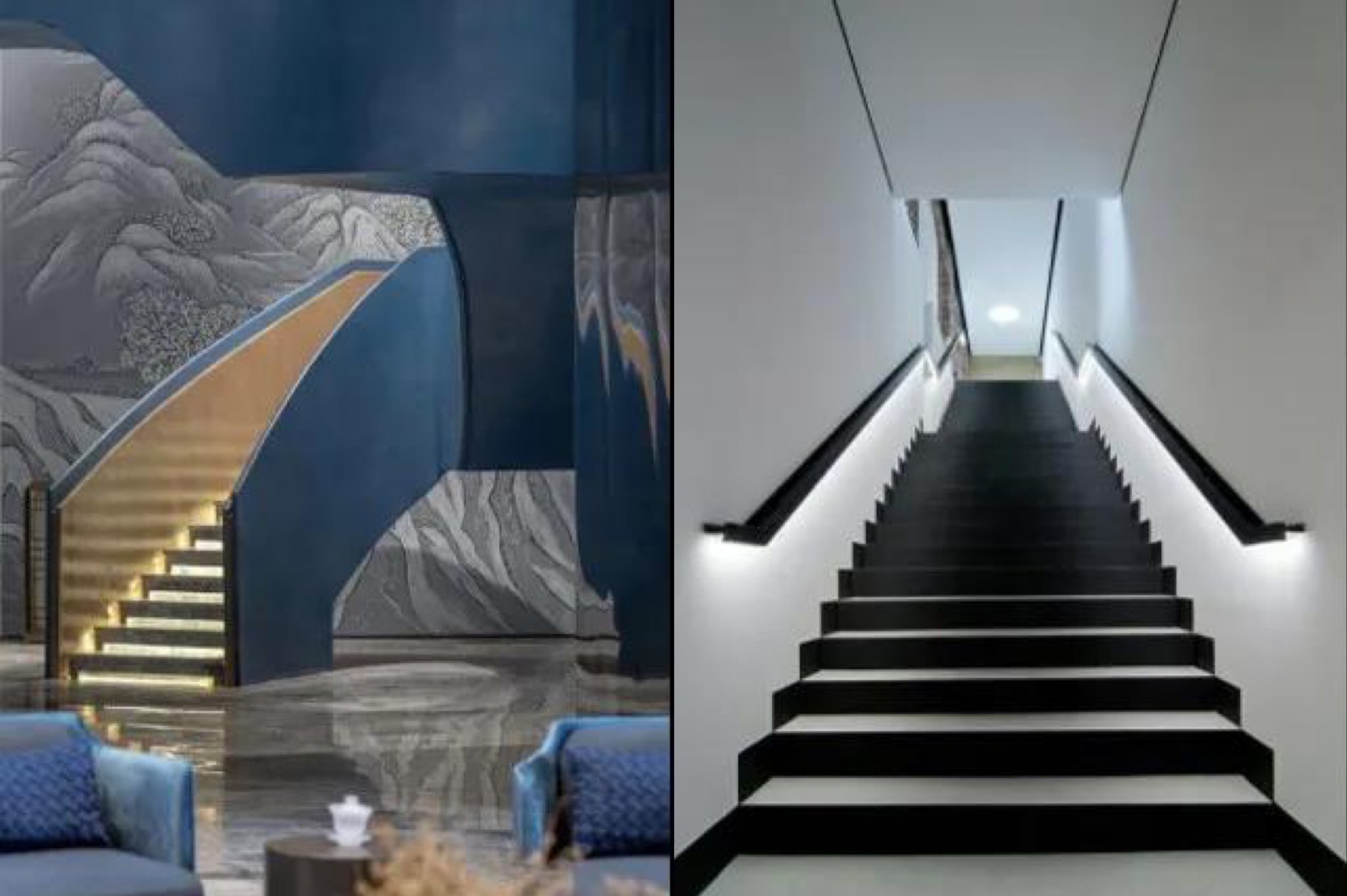
When used as basic lighting, the most common application scenarios are stair steps and handrails, but it is necessary to pay attention to the material of ground pavement to avoid dazzling light caused by the reflection of the light source.
B. Decorative lighting
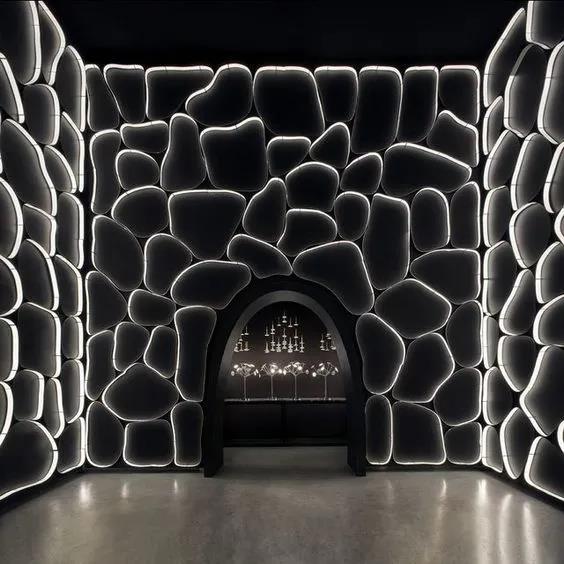
Serve as adornment lighting, and it is mainly applied for special outline in a cabinet lighting and ceiling, metope outline. In addition, indirect lighting can also be combined with indoor or furniture decoration through the combination of backlighting and silhouette and other artistic techniques.3. Deductive lighting
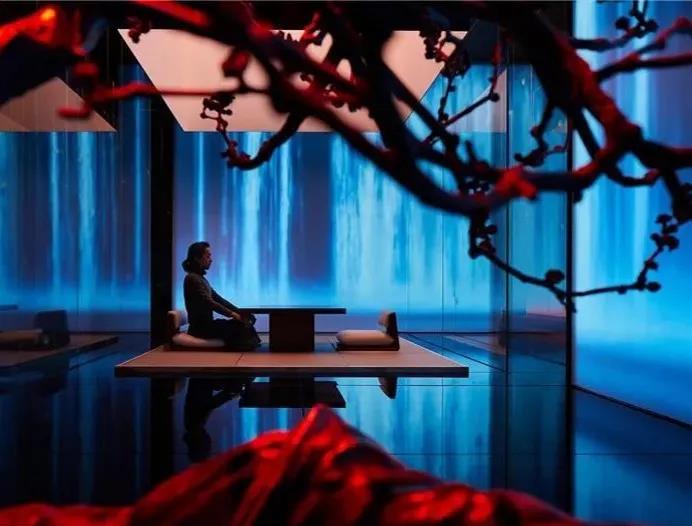
Unlike the practicality of direct lighting, deductive lighting mainly creates atmosphere, which can create a plot setting, dramatic, artistic, creative, and technological space scene.
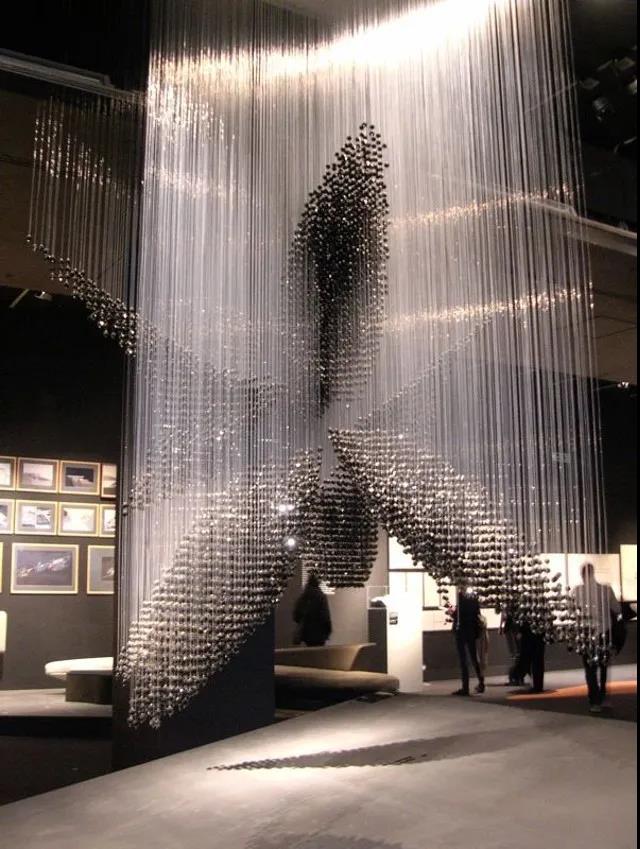
The above is the most basic general knowledge about lighting design. As an interior designer, do you have these problems after reading it?
1. What are the principles of interior space lighting arrangement?
2. How to use scientific lighting parameters in indoor projects?
3. How to choose lamps and lanterns after rendering of lighting?
4. How to do lighting design in home decoration space?
5. What are the routines of lighting layout in commercial space?These problems are the concern for every interior designer, but also a key directly determines whether use lighting in a good way in the interior space.
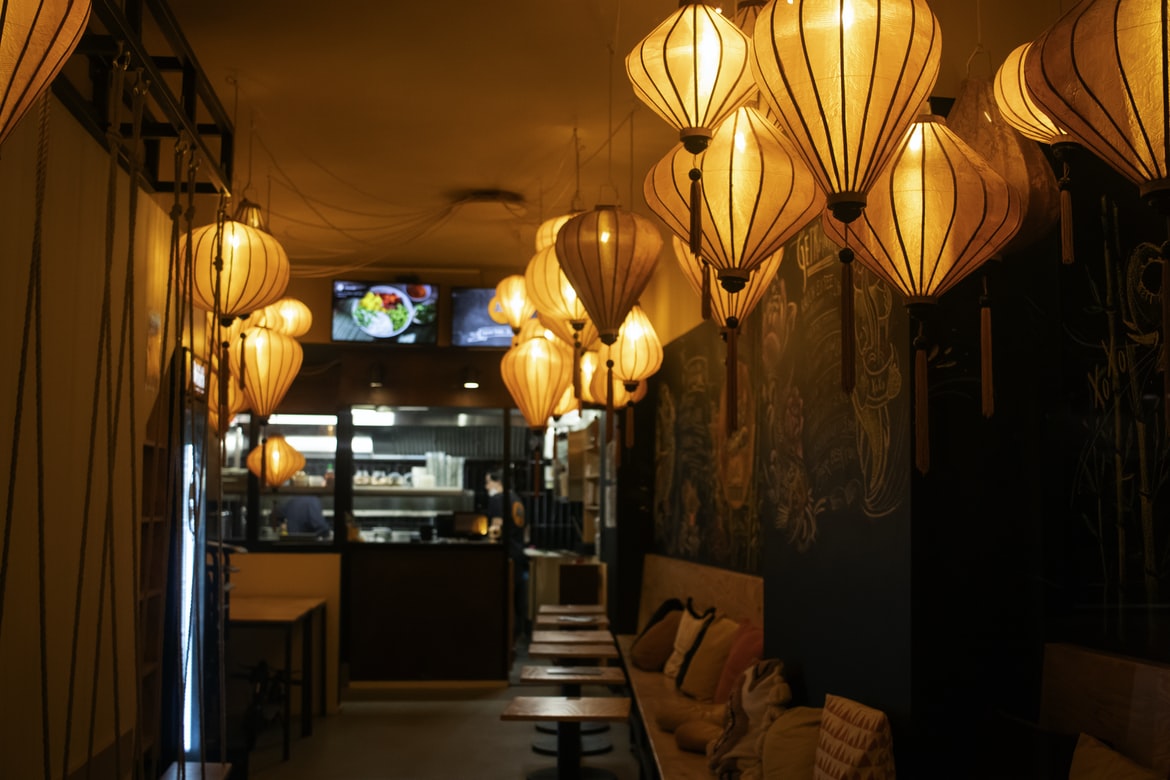
If you want to explore more information for lighting design, SOA-ARTS will help you.
-

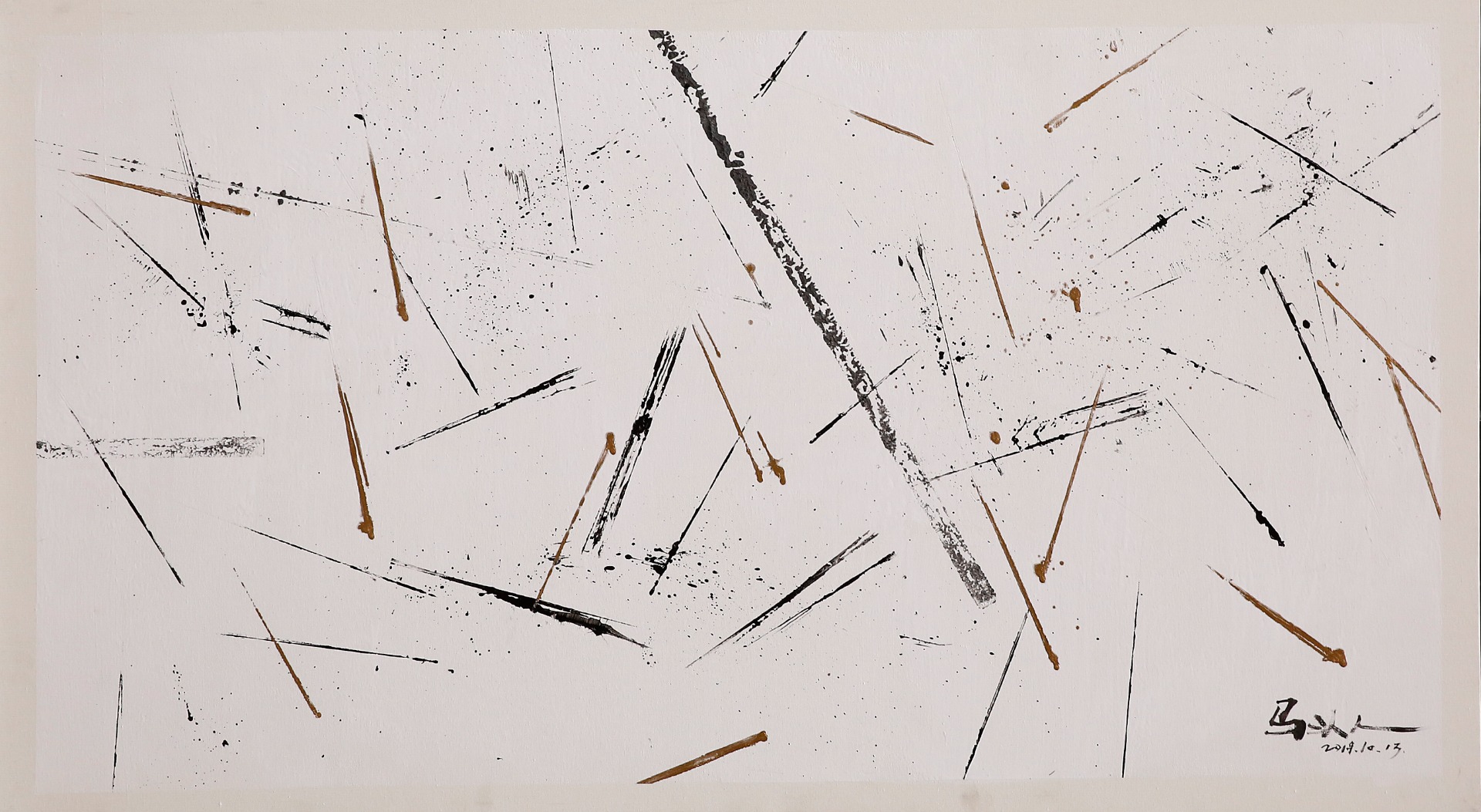
Contemporary artists, famous works, and the audiences who flock to them are shaping the modern world of art as we know it today. Some of the best contemporary artists out there continue to redefine our relationship with and attitude towards the world around us.
At SOA Arts, we have a long history of sourcing, curating, and producing world-class art for businesses and individuals. Over the years, we’ve learnt a thing or two about modern art artists and their work.
In this post, we’ll celebrate some of the contemporary names that continue to make waves and inspire generations with their art. Read on to learn more!
Contemporary Artist Definition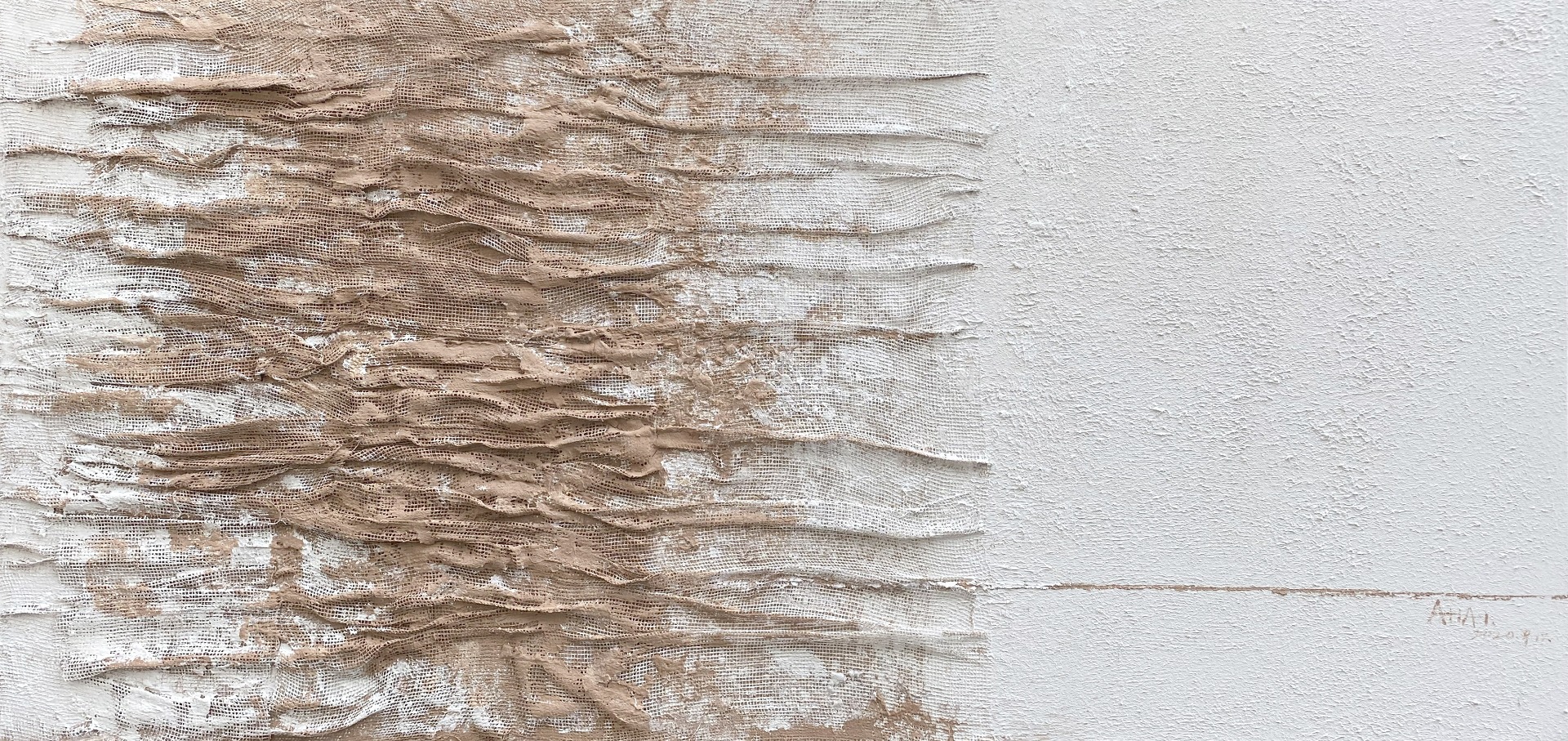
So what makes an artist contemporary? Does it have anything to do with the style of work they produce? In this article, we’ve only considered artists who are still working and creating art today.Their pieces are still regularly featured in art galleries worldwide, and their names are well-known to art-lovers in 2021. It is the contemporary artist definition we’re working with here.
It differs from the term ‘modern art’, which most typically refers to art and artists from a specific period – namely the 1860s to the 1970s.
Contemporary Artists’ Famous Works
Right – let’s get into it! The list below contains some of our favorite contemporary artists in 2021.
Fred Clark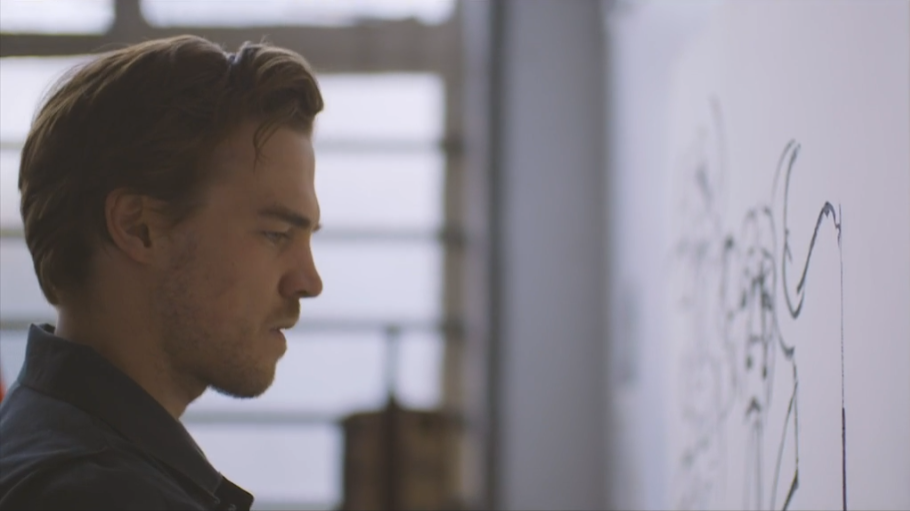
Originally training at the Prince’s Drawing School in 2012, this British contemporary artist lived and worked in London for over 10 years. His work consists of oil paintings, innovative brushstrokes, and captivating metal sculptures.
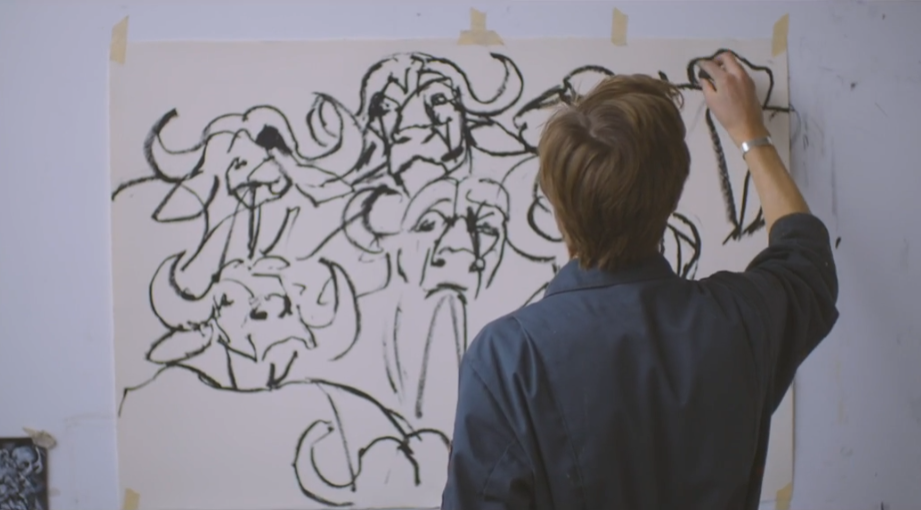
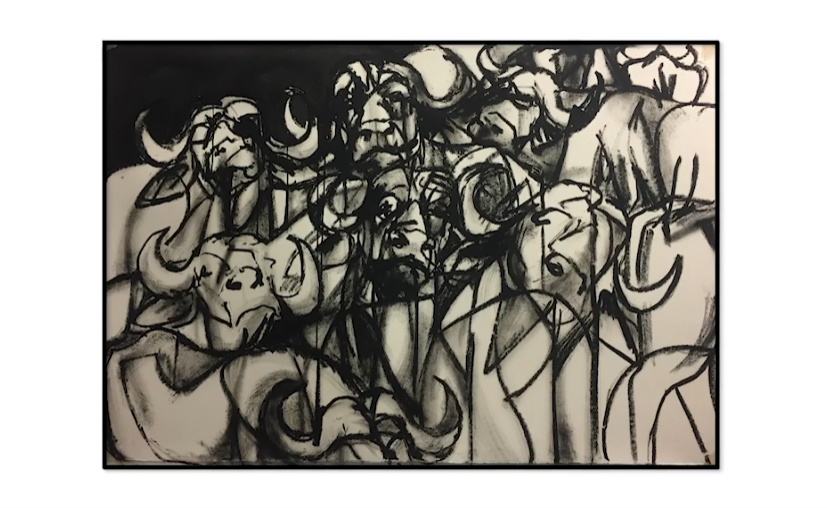
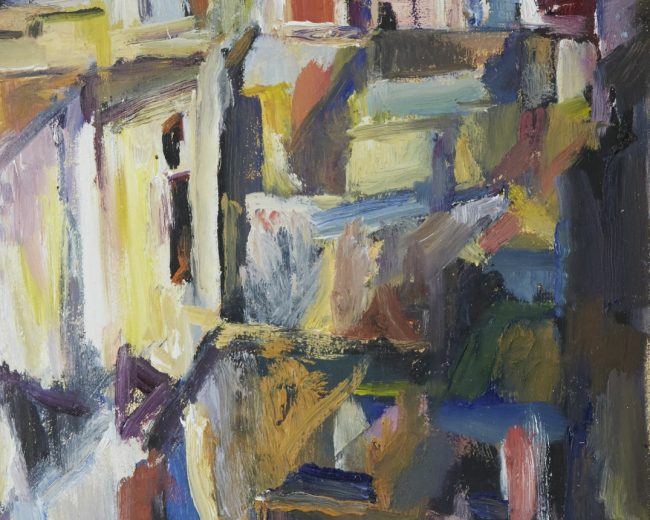
Seville, rooftops, (Photos courtesy of Fred Clark Art)
Images via www.fredclarkart.com
Clark has exhibited work around the world and continues to shake up the world of sculpture and painting in everything he does.
Yayoi Kusama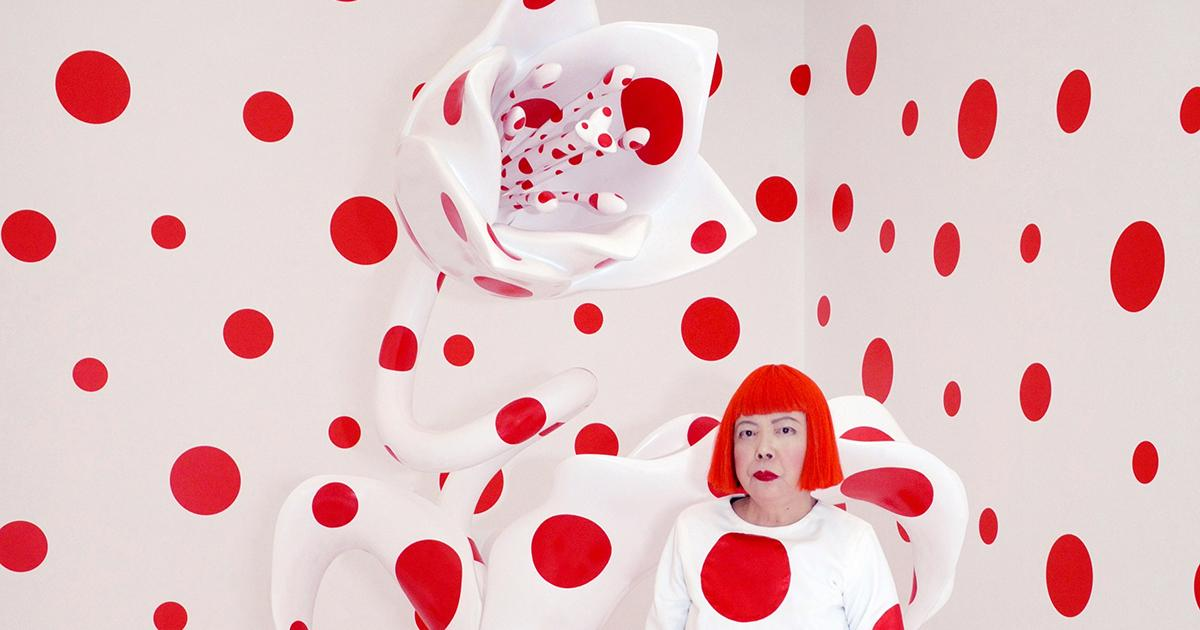 Polka-dots are a signature theme in Yayoi Kusama’s work. The documentary “Kusama: Infinity” explores her career breaking into the white, male-centric world of art. (Photos courtesy of “Kusama: Infinity”) via Street Roots
If you’ve never encountered the work of Yayoi Kusama before, you’re in for a real treat. This contemporary artist produces artworks unlike anything we’ve ever seen. Her paintings, films, and photographs are all exceptional.
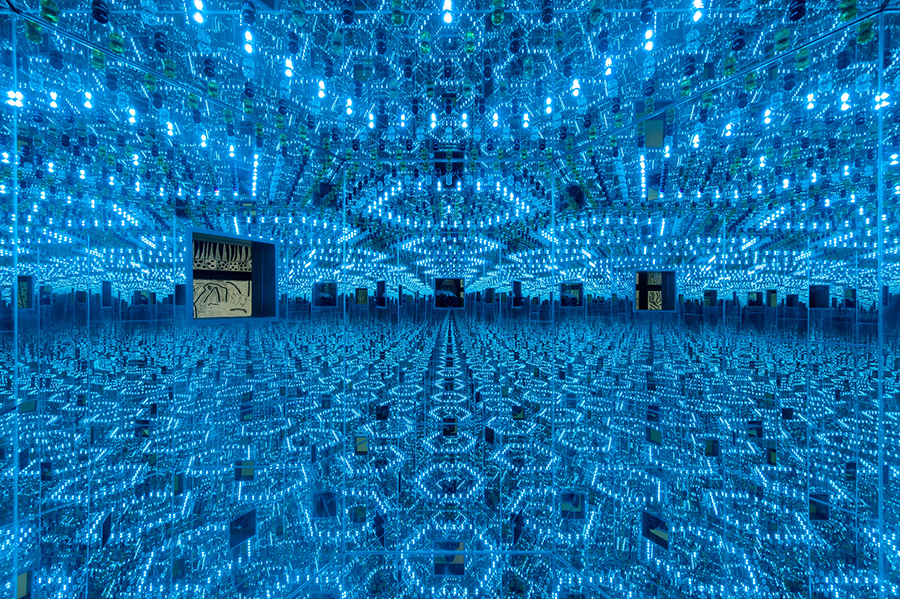
YAYOI KUSAMA, Infinity Mirrored Room-Love Forever, 1994, mirror, metal, electric bulb and wood, 240 × 210 × 205 cm. Courtesy Kaohsiung Museum of Fine Arts, image via ArtAsiaPacific
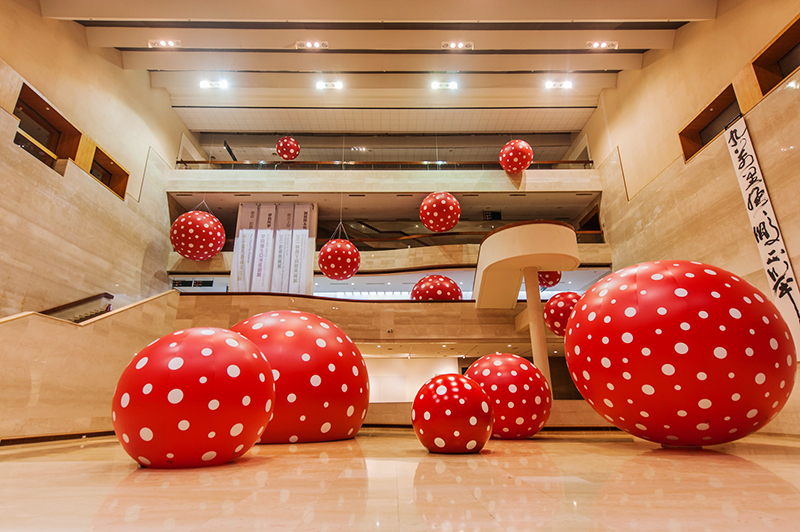
Installation view of YAYOI KUSAMA’s Dots Obsession, 2015, for “A Dream I Dreamed” at Kaohsiung Museum of Fine Arts. Courtesy Kaohsiung Museum of Fine Arts, image via ArtAsiaPacific
What really captivates our attention, however, are her ‘infinity room’ installations that make use of mirrored walls, water, and lighting fixtures. This artist’s work explores her experience of living as a Japanese person in America and several other engaging themes.
Jenny Saville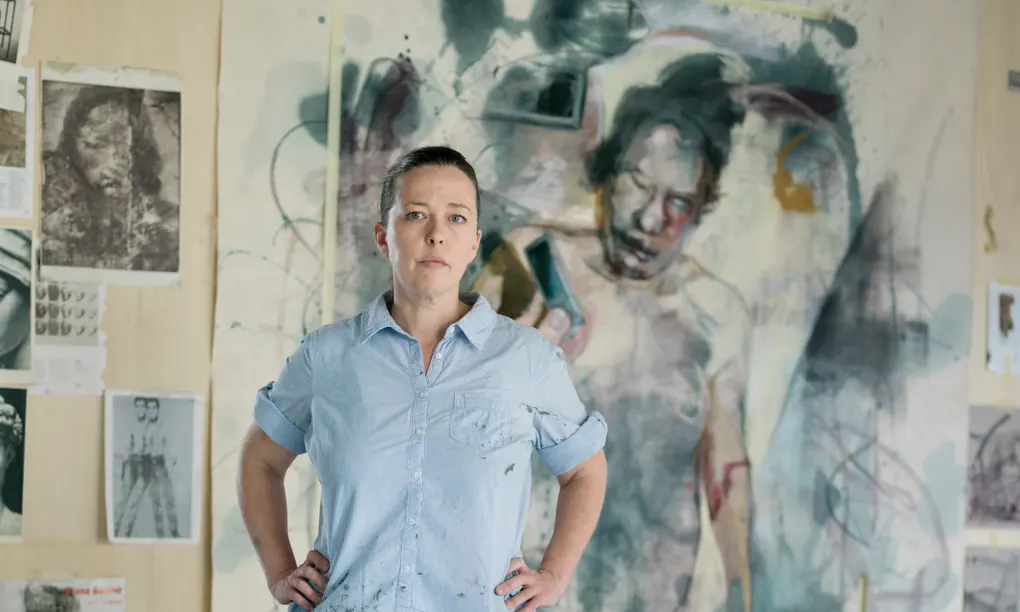
‘I feel like I’ve just started’ … Jenny Saville in her Oxford studio. Photograph: Pal Hansen for the Observer, image via www.theguardian.com
This incredible artist explores notions of bodily perception and the human form. She’s probably most well-known for her huge oil paintings of female figures. These paintings go beyond classical depictions of the naked form and challenge the growing orthodoxy of modern abstraction techniques.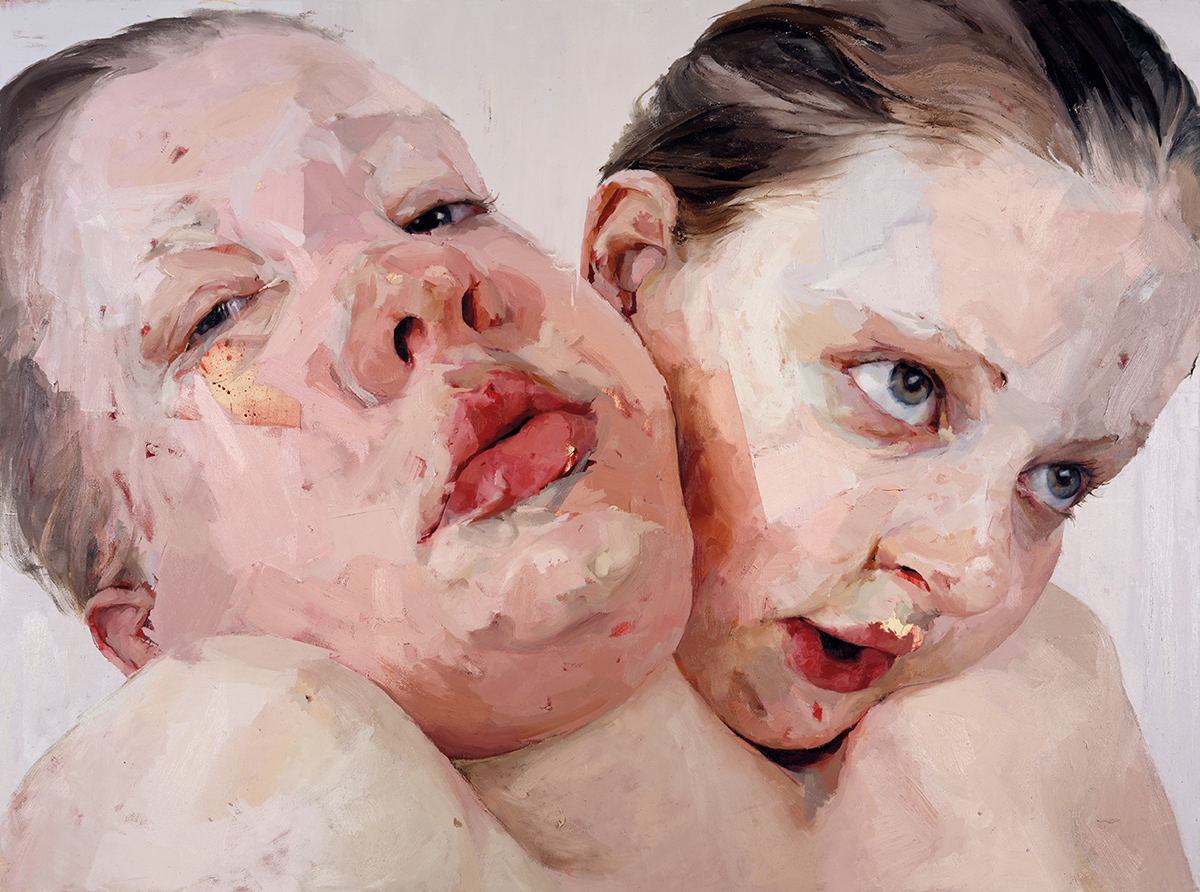
Hyphen, 1999, oil on canvas, 108 x 144 inches (274.3 x 365.8 cm) Artwork © Jenny Saville, courtesy Gagosian, image via www.americamagazine.org
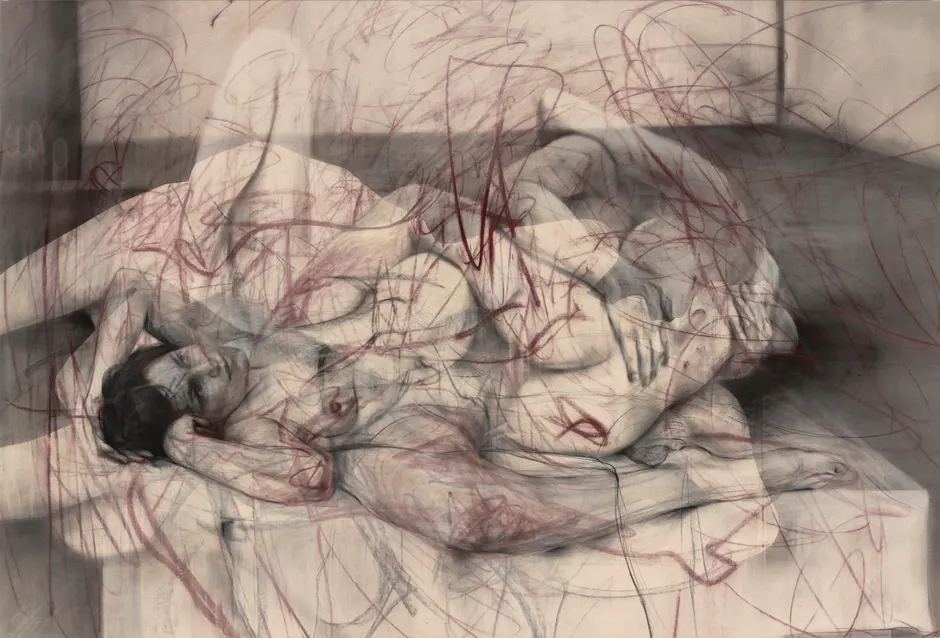
One Out of Two (Symposium), 2016, by Jenny Saville. Photograph: Mike Bruce/courtesy the artist and Gagosian Gallery, image via www.americamagazine.org
Fragility, resilience, and humanity are all explored through human flesh. Jenny Saville’s work may not be for the faint of heart, but it’s unlikely to be forgotten any time soon.
Antony Gormley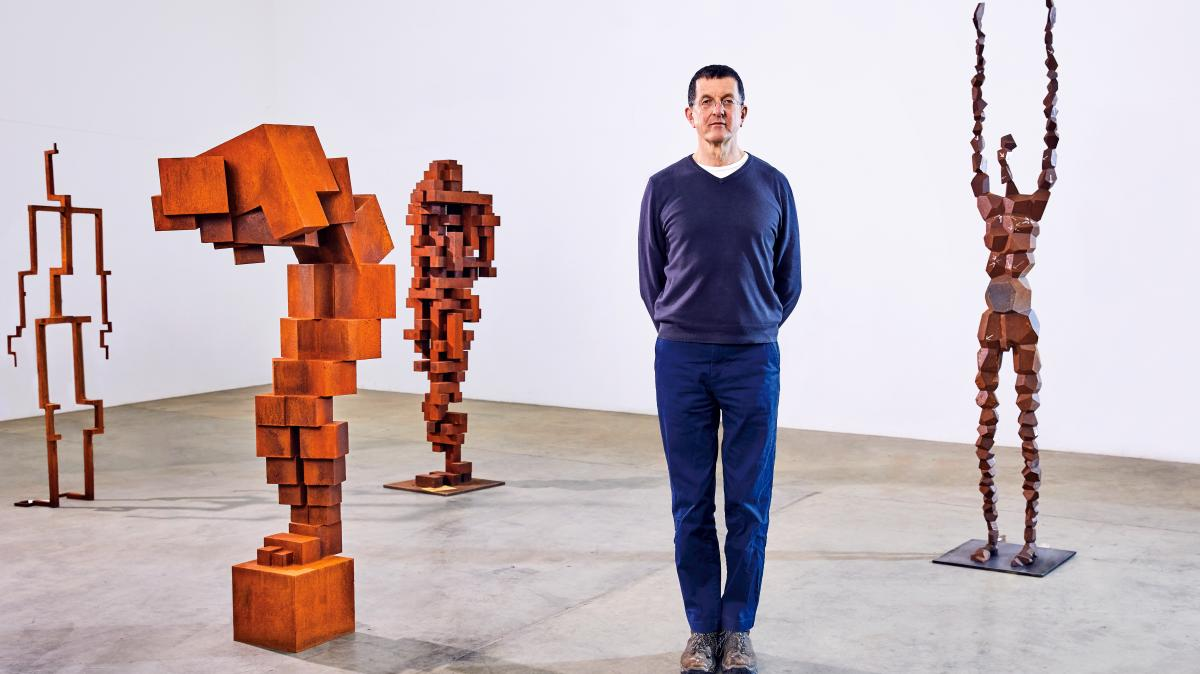 Antony Gormley photographed at his studio in King’s Cross, LondonROBERT WILSONimage via www.thetimes.co.uk
This incredible artist gained notoriety for his striking metal sculptures, producing drawings and other paper-based works. From the imposing 20-meter-tall structure known as the Angel of the North to his otherworldly humanoid figures, Gormley’s work is recognized and celebrated both in the UK and abroad.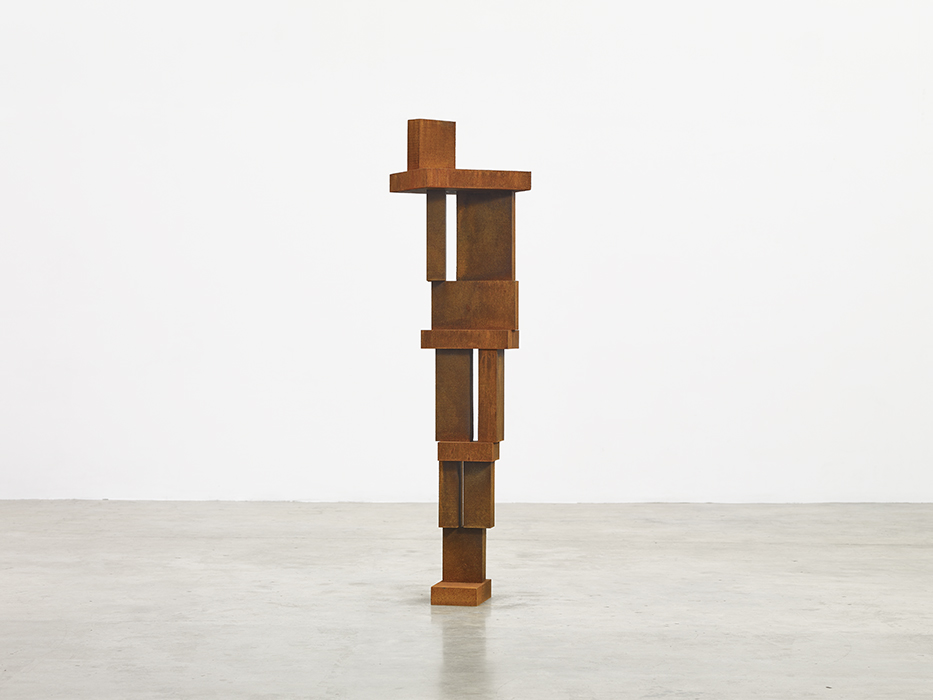
SHELVE, 2020, image via antonygormley.com
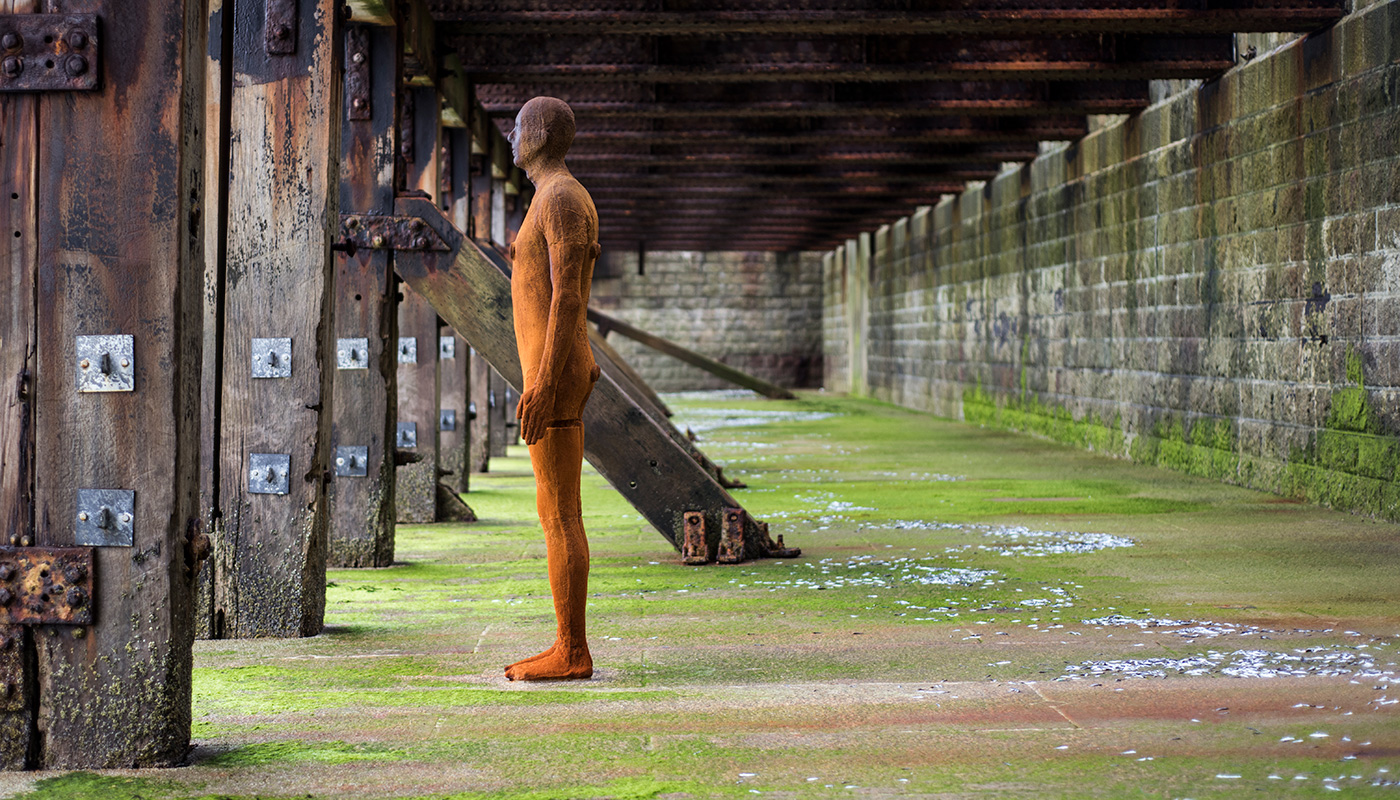
Antony Gormley, Another Time XVIII 2013 (Loading Bay), Another Time XXI 2013 (Coronation Parade), commissioned by the Creative Foundation for Folkestone Triennial 2017. Image by Thierry Bal.
In recent years, his sculptures and drawings have found homes in England, Spain, Germany, France, the United States, and beyond. It’s hard to imagine the contemporary art world without this man’s influence.
Get in Touch Today
Looking for world-class art for your hotel, business, or personal collection? We’ve got over 10 year’s experience in sourcing, creating, and producing art for practically any occasion. Our Chinese art factory has everything you need to get started.
Whether you’re wondering where to begin or know exactly what you’re looking for, get in touch today, and a member of our team will be more than happy to help.
For high-quality wholesale art – think SOA Arts.
-
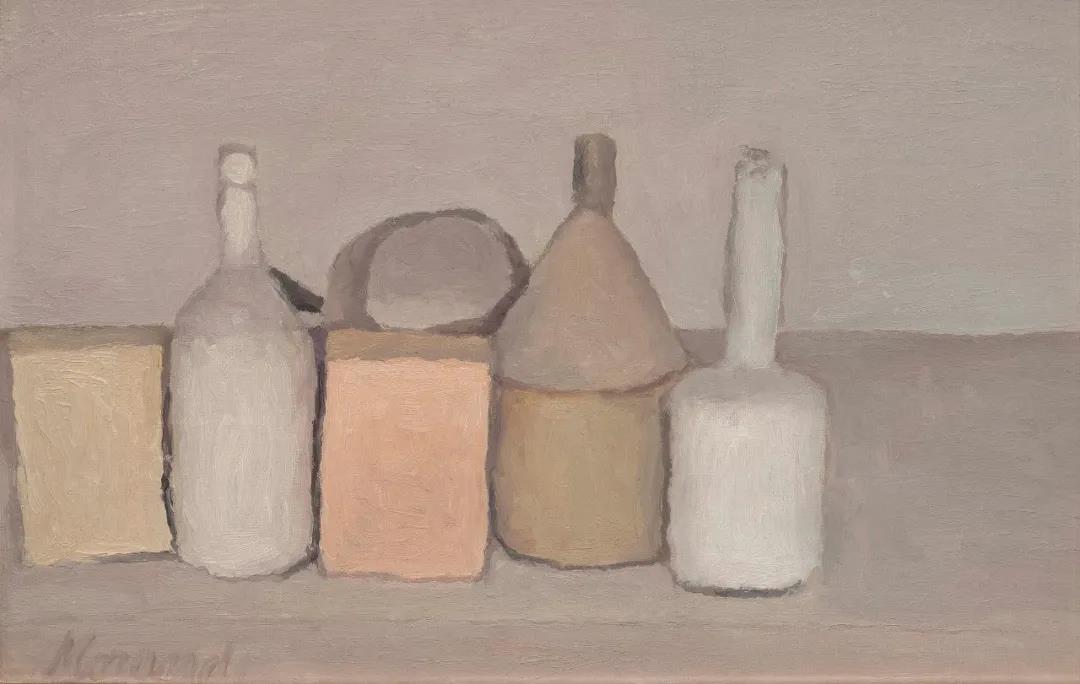
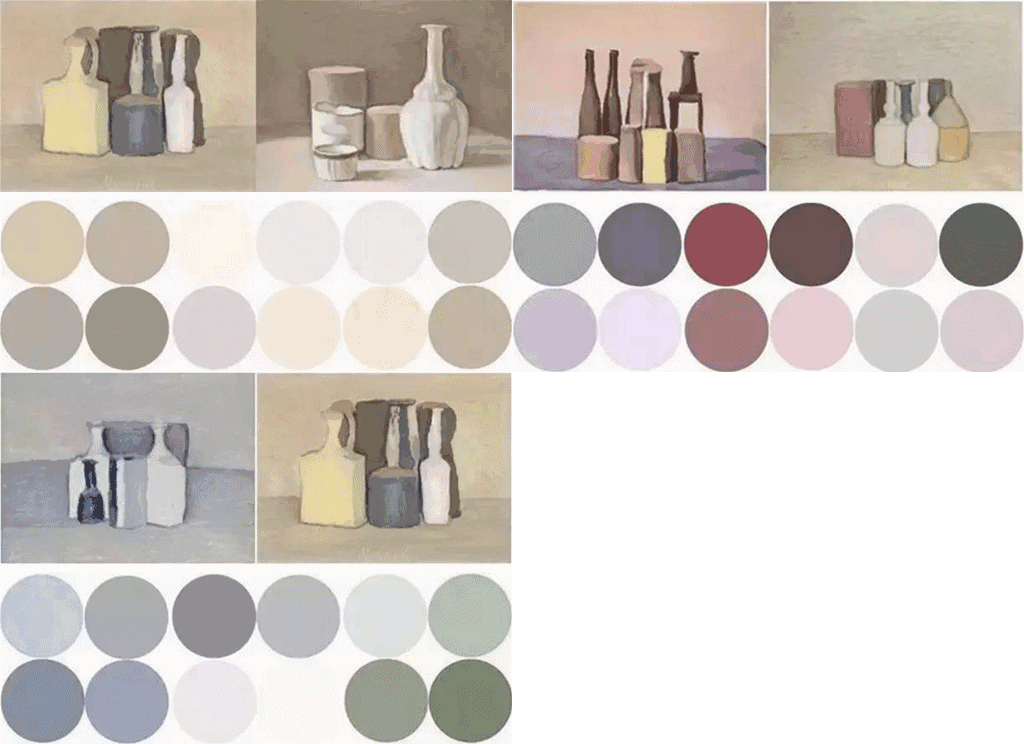
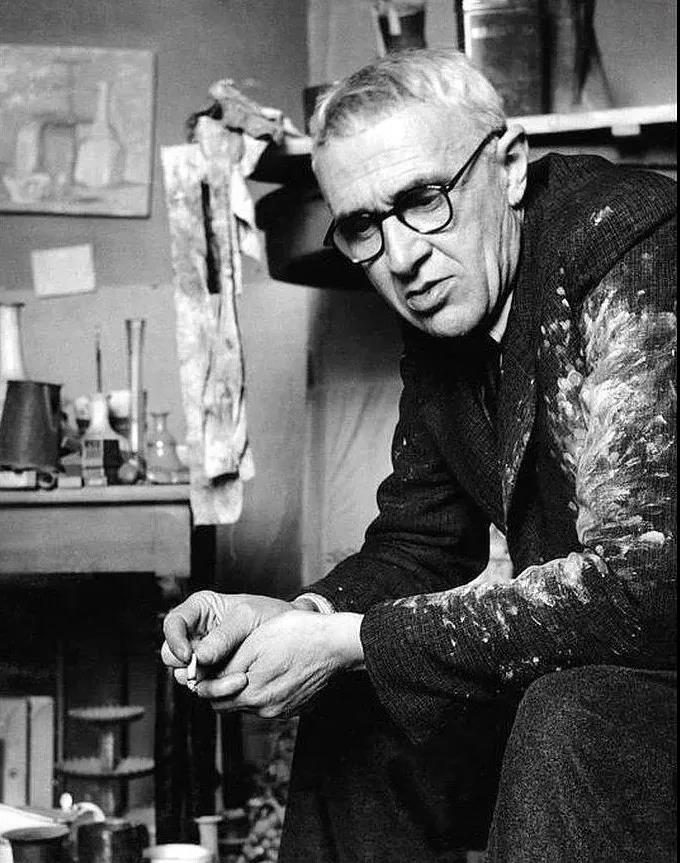
Still anybody who doesn't know Morandi's color palette? His color palette seemed to become synonymous with high aesthetics overnight. He has a Buddha-like attitude towards life and wants to escape the outside world. In today's world, it feels just like us. We had to stay at home, but he chose to cut socialize.
Giorgio Morandi
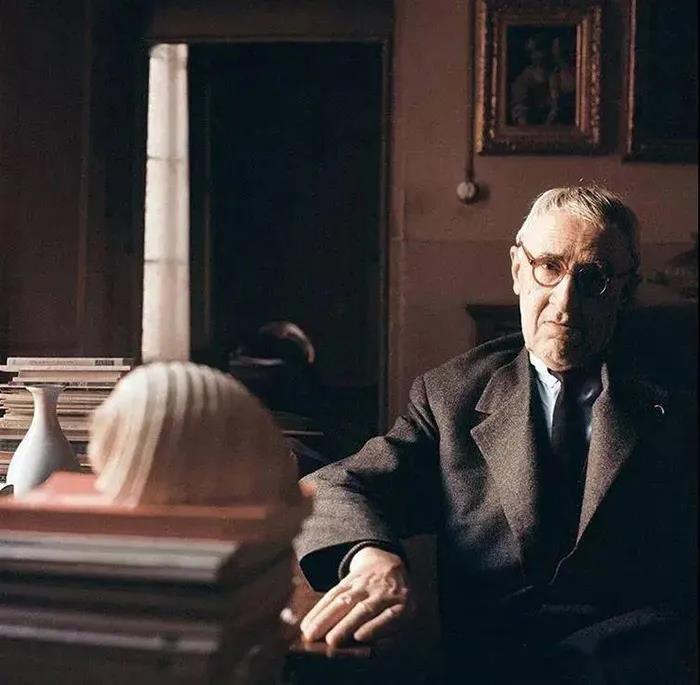
Giorgio Morandi (July 20, 1890 – June 18, 1964) was an Italian painter and printmaker who specialized in still life.
Giorgio Morandi' Life
Giorgio Morandi spent most of his life in Bologna, in northern Italy. It is home to the oldest University in Europe, the University of Bologna, established during the Middle Ages. At the same time, at the end of the Renaissance, the three Karachi brothers founded the earliest European Academy of Fine Arts in the same place -- Accademia di Belle Arti di Bologna [Academy of Fine Arts of Bologna].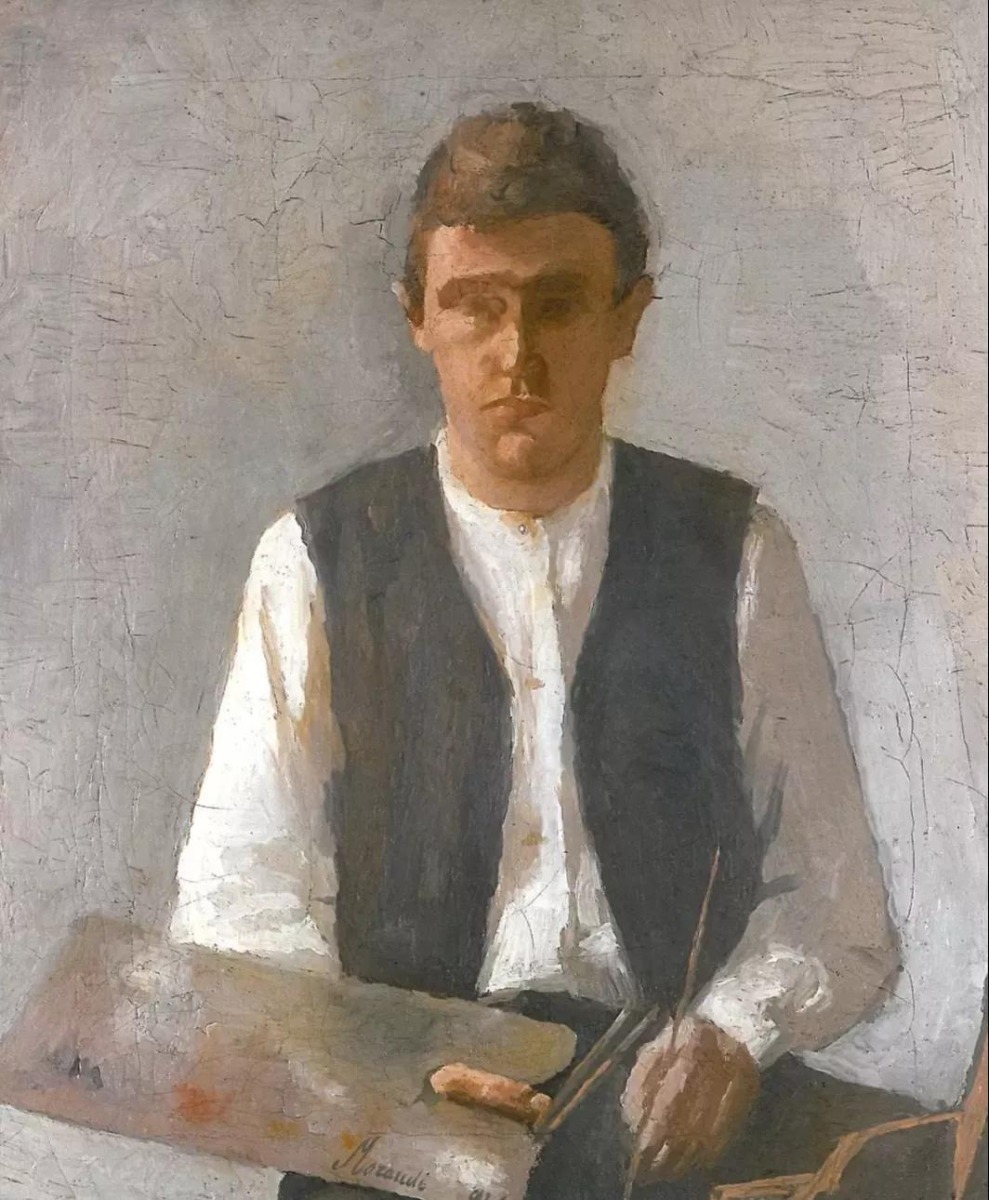
Self-portrait
Giorgio Morandi studied at this school and became a teacher there at his 40, teaching etchings.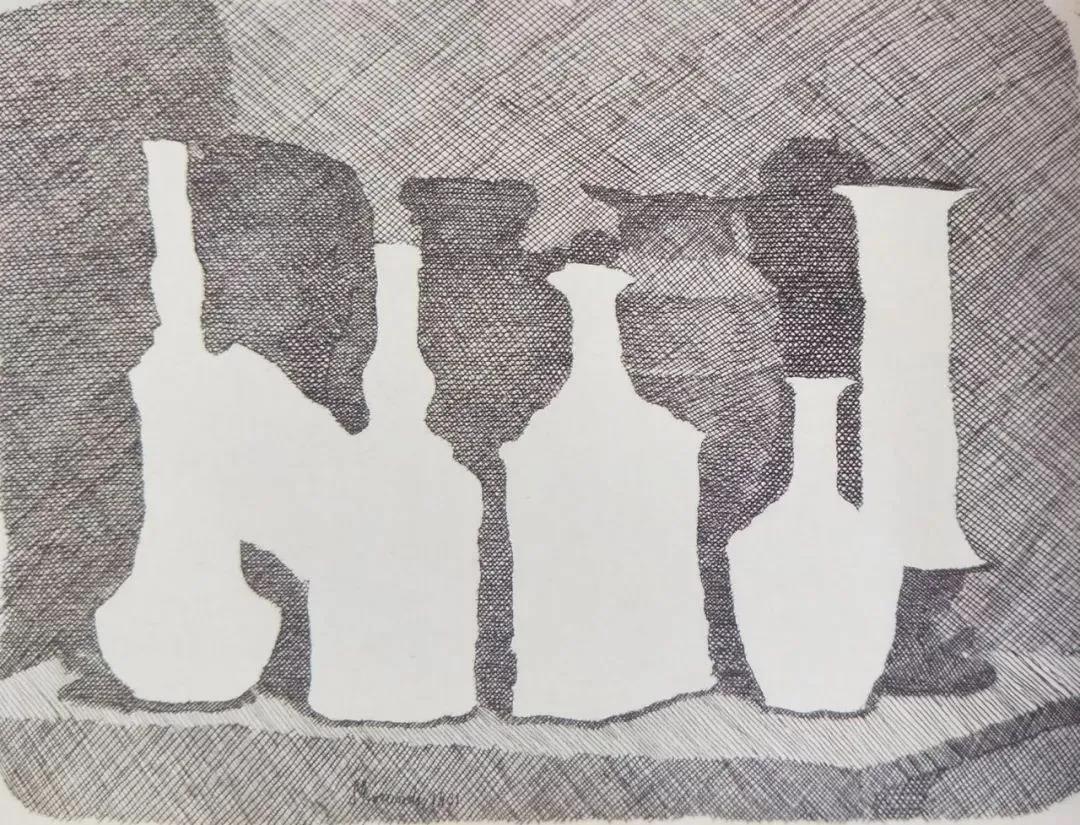
He has a very regular life, except teaching, only painting at home, almost no social contact. Italian art historian Leo Longines once described Giorgio Morandi as follows:
"In an ordinary town, where everyone is short and fat, Giorgio Morandi is tall and thin and wears loose clothes, like the people walking in Giacometti's works."
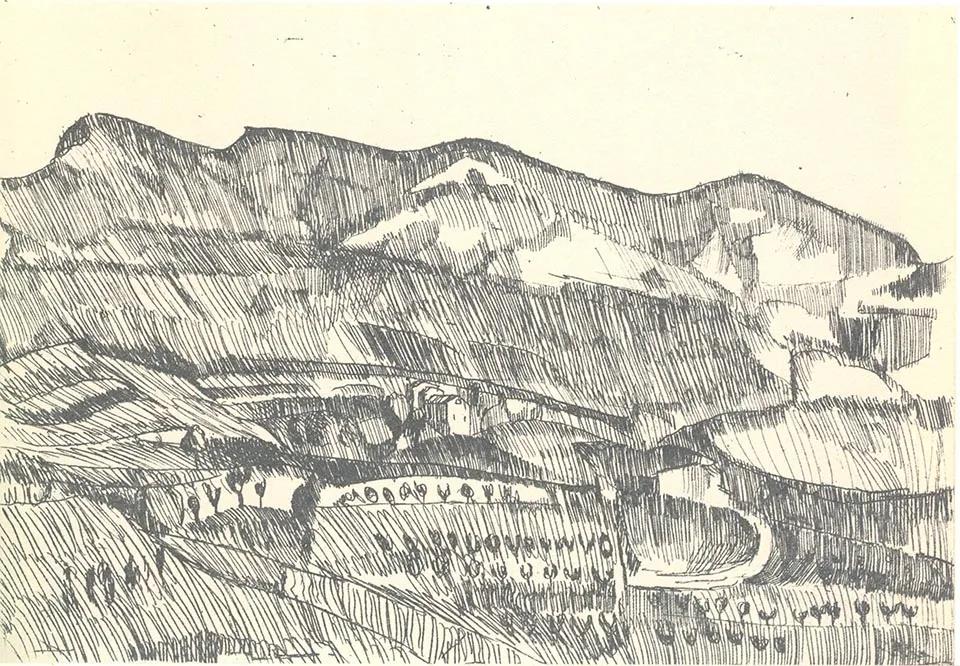
Giorgio Morandi, 20, the eldest son, was already a pillar of the family, making ends meet by teaching children how to paint shuttling between the four blocks of the old town.
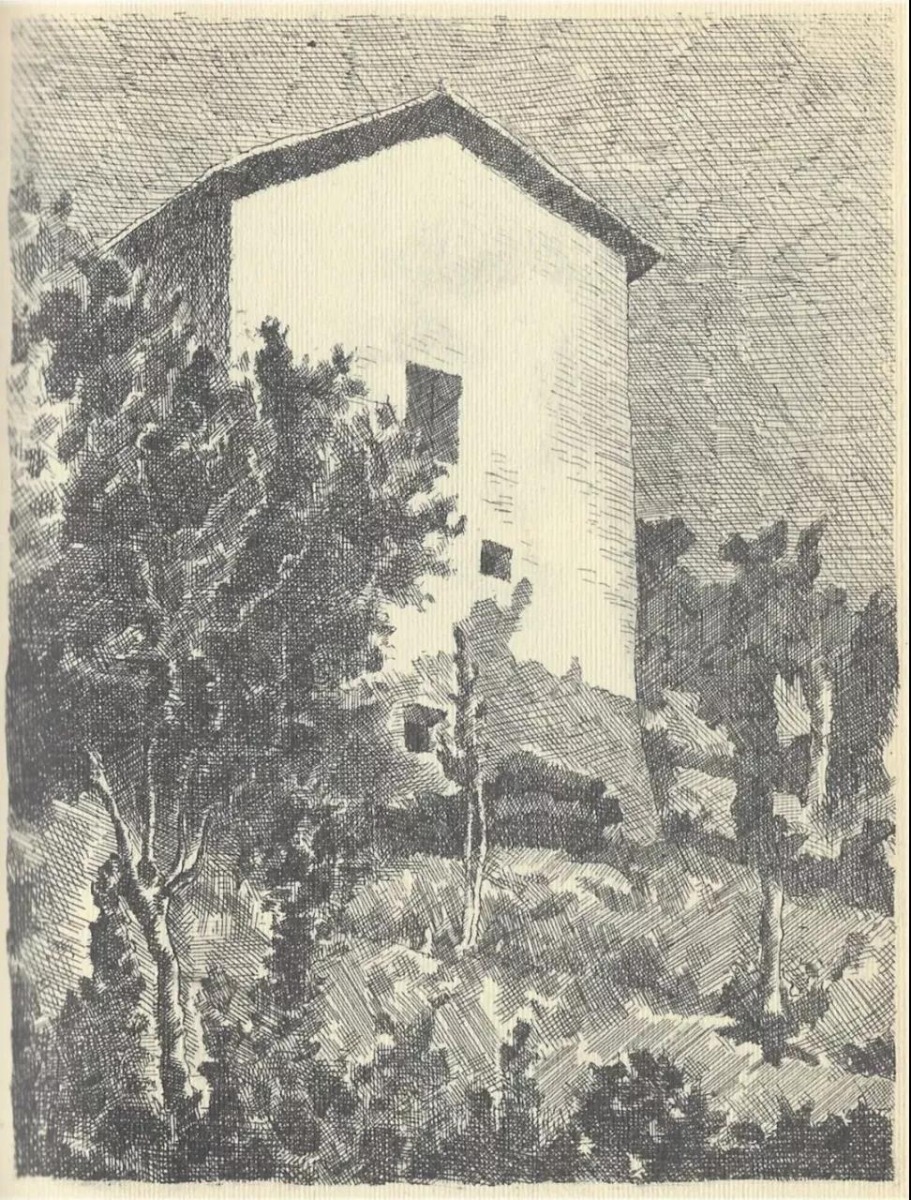
When you look for his course of life, you can't find any records that he was ever in love, let alone married. In his 74 years, he seldom left his native land, living with his three single sisters for most of his life.
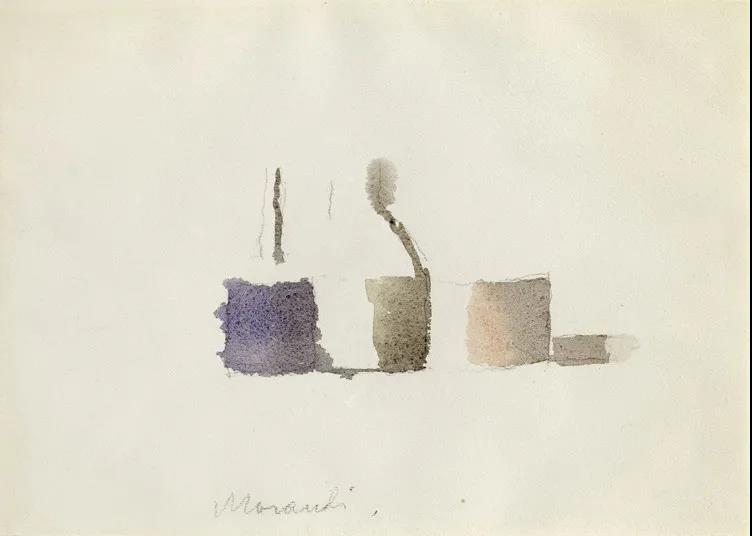
Except at the age of 25, Morandi was sent to military service and experienced the historical traces of World War I. He spent a month and a half in the 2nd Parma Grenade Corps before being rushed to hospital with severe illness and leaving the hospital.
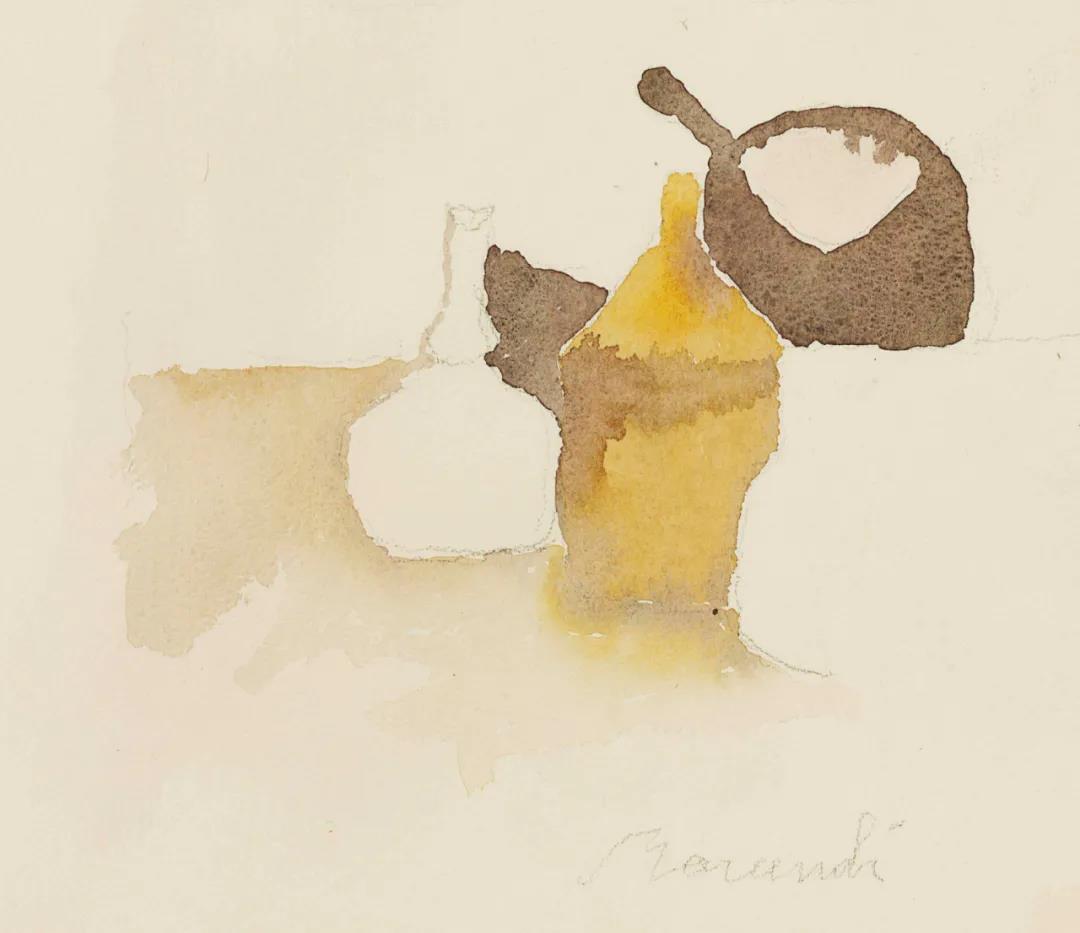
When he got home, he seemed to lose interest in the outside world. At most, he takes day trips to Venice, Milan or Florence to see exhibitions.
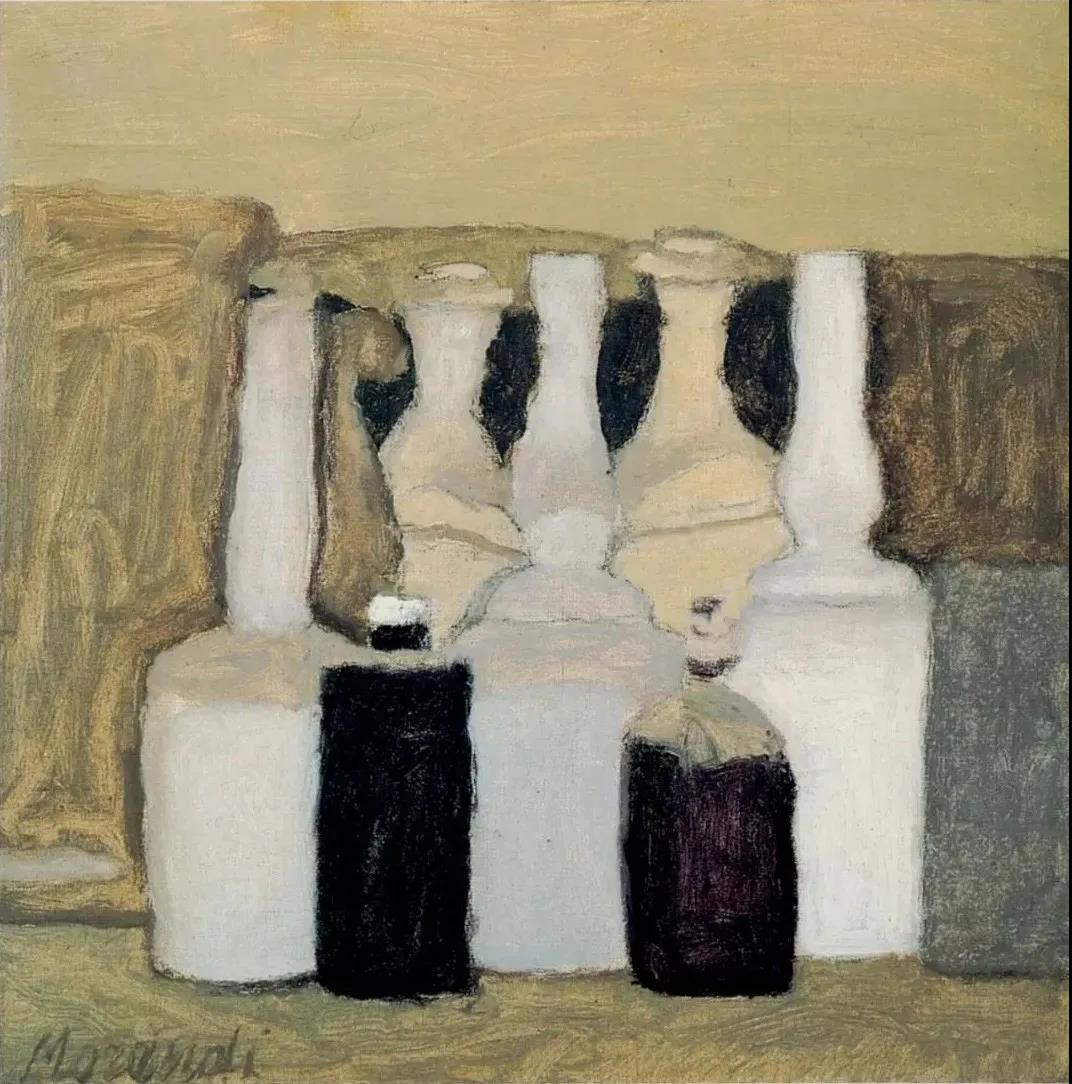
But it was only when he was older than he ventured out of Italy, once to see a Cezanne exhibition in Switzerland and once to Paris.
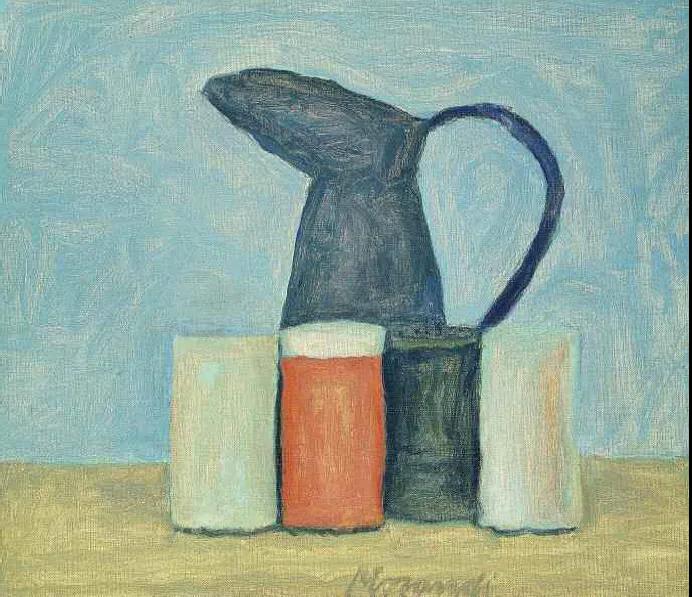
Cezanne could have Giorgio Morandi walking out of the house because his art influenced him when he was a student.
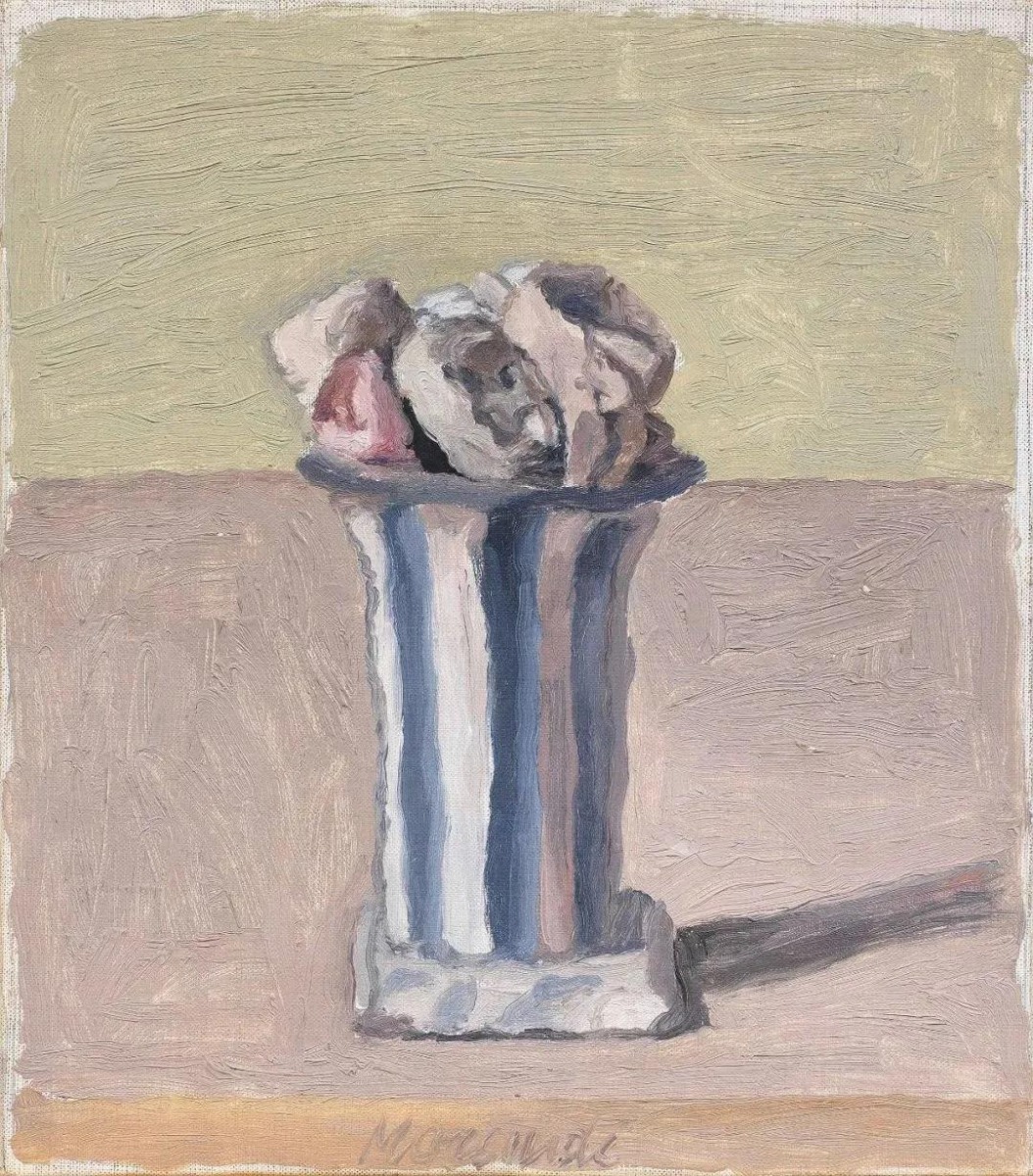
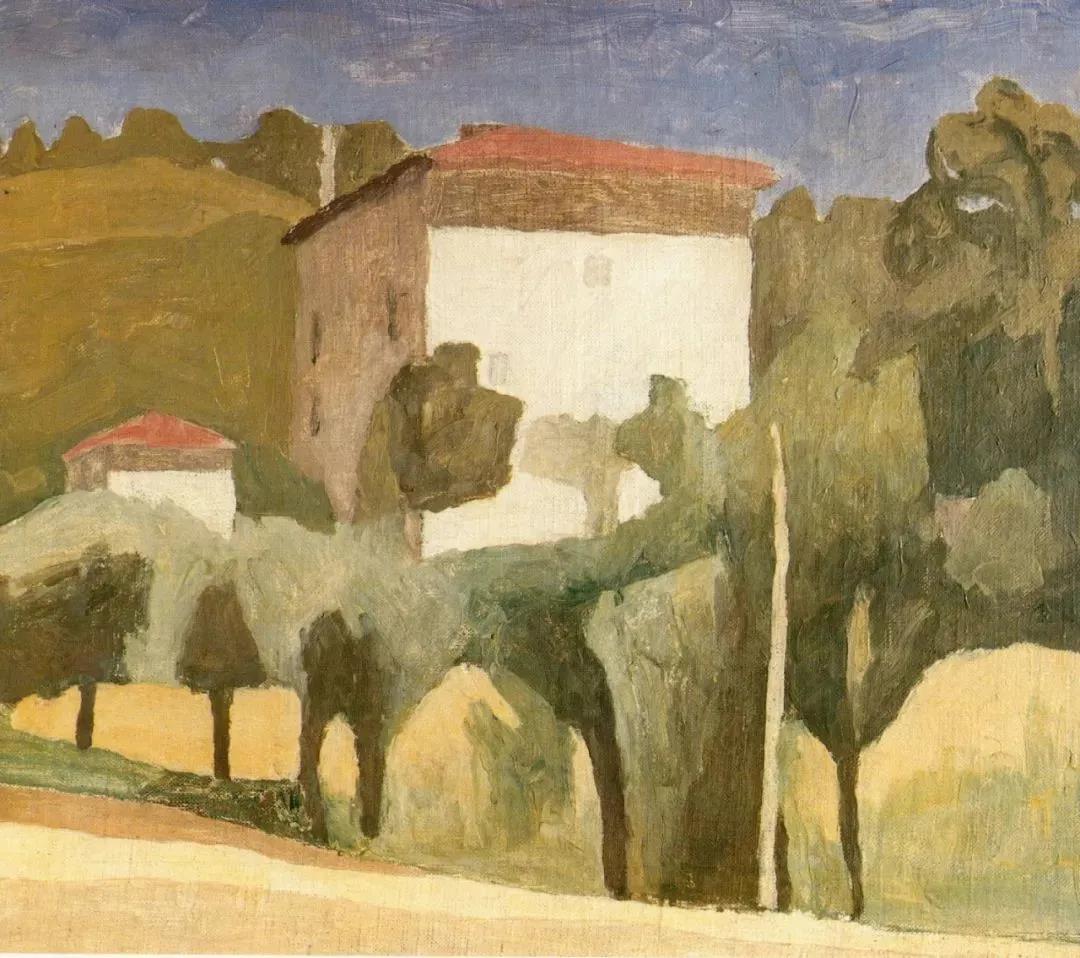
Beginning in 1913, he painted a landscape of the SAN Victor Mountains at his family's summer home; Two years later, an attempt to imitate Cezanne's "Five Bathers" was made, but there were structural problems.
After that, except a couple of self-portraits of himself as a young man, Giorgio Morandi eschewed figural images.
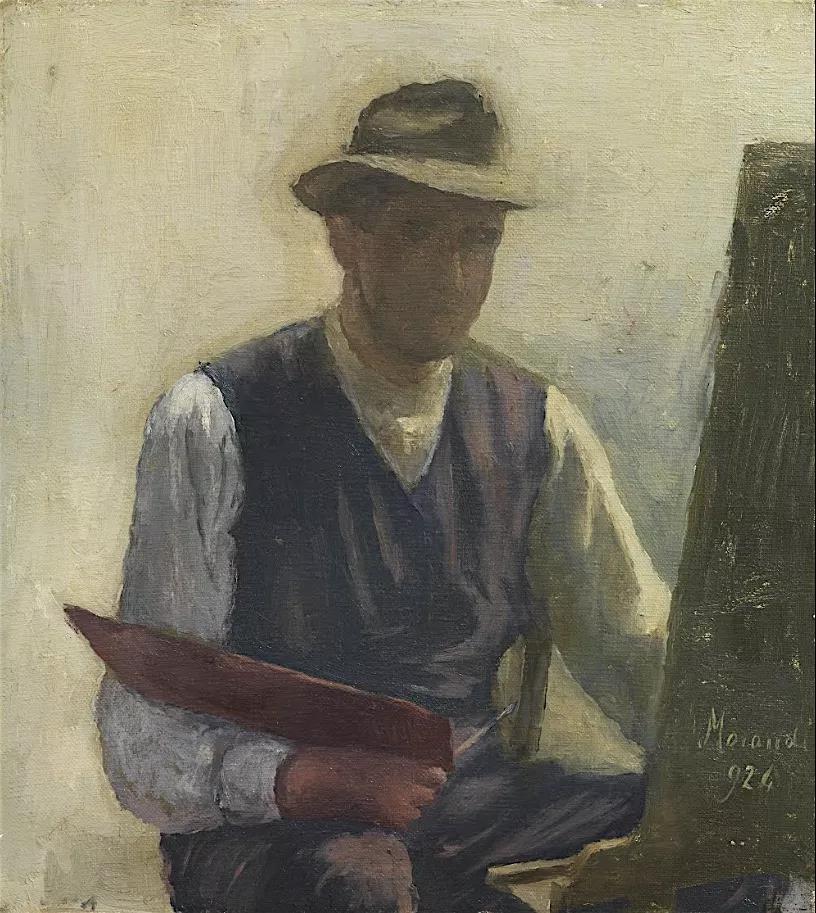
Self-portrait
He was fascinated by Cezanne, which is why he painted so many bottles and cans. Through the daily still life, he found his own way to reduce more, make the objects simple and the picture purer.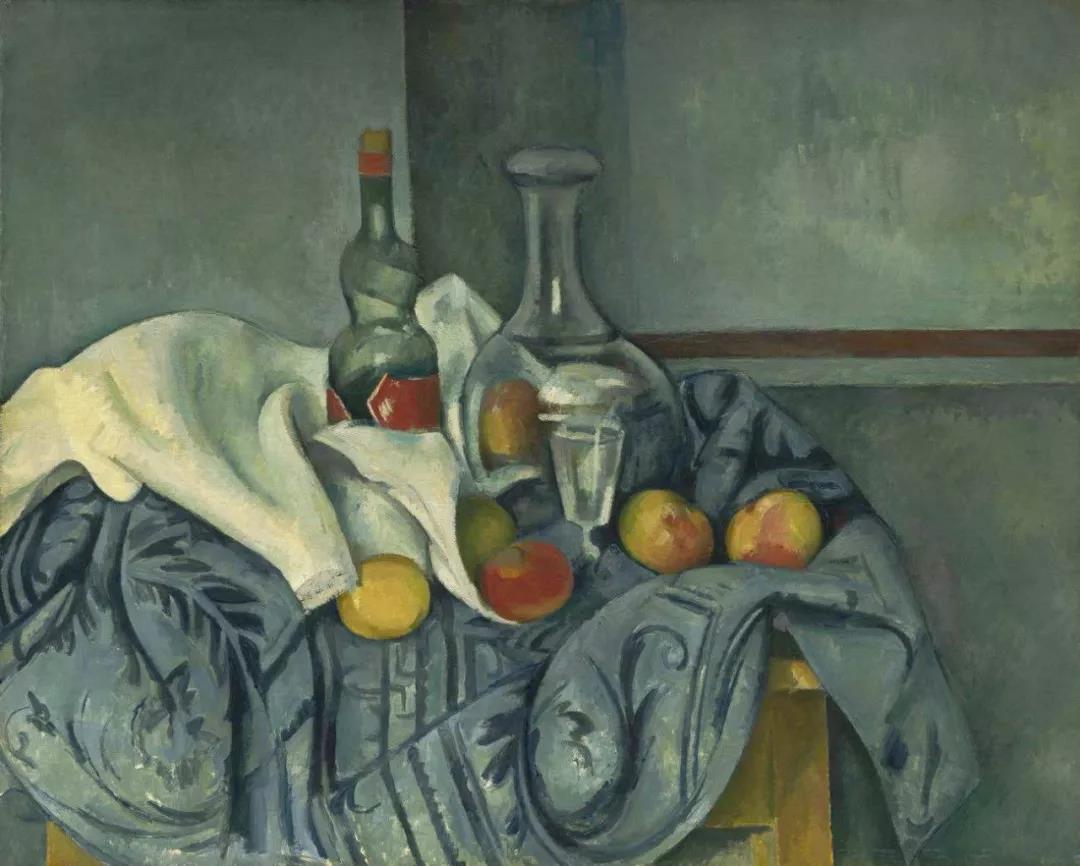
Still Life by Cezanne
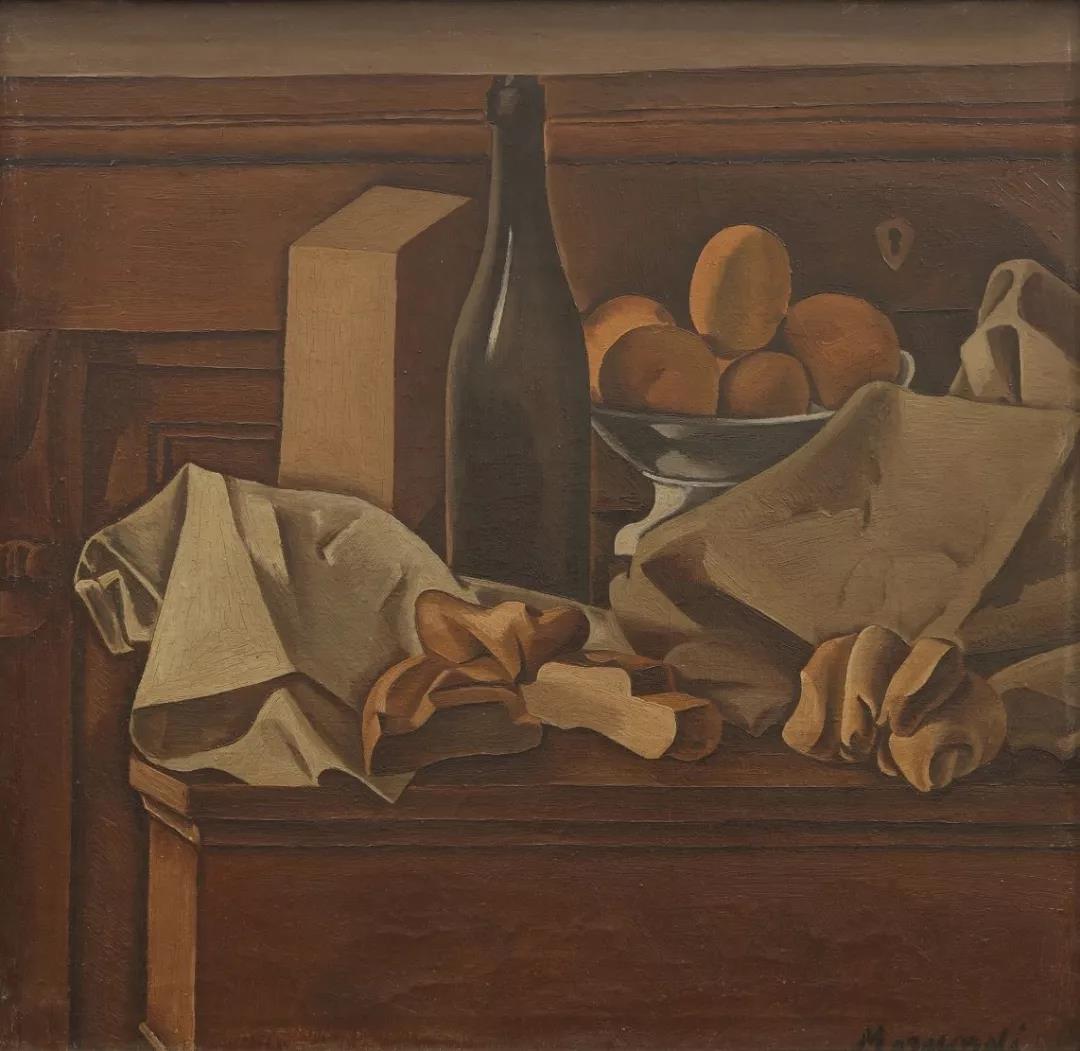
Still Life by Morandi
The reason for choosing simple subjects, he said in an interview:
"I remembered Galileo's words: the true book of philosophy, the book of nature, is a far cry from our own alphabet. The words are triangle, square, circle, sphere, pyramid, cone, and other geometric shapes. Galileo's ideas supported my long-held belief that the visible world is a world of forms, and that it is difficult, if not impossible, to put into words the feelings and images that sustain it. They are ultimately feelings, feelings that have no connection to daily events."Morandi Color Palette
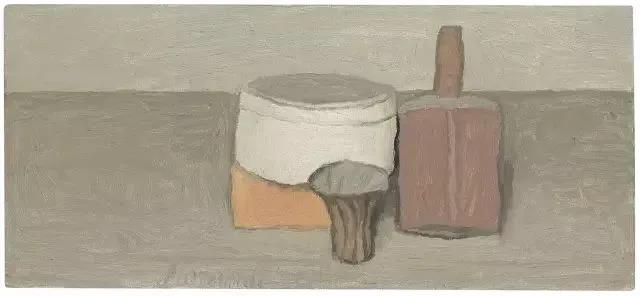
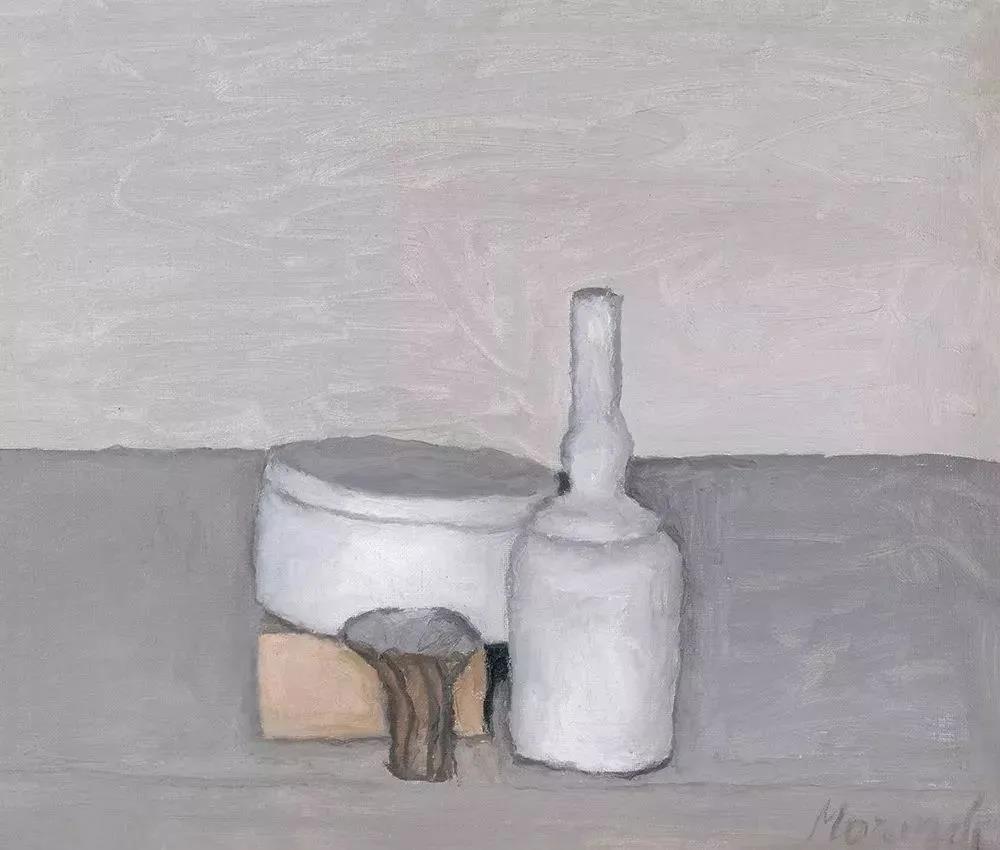
In the artist's studio, there are two paint boxes he used during his lifetime, one of which is filled with various glass bottles containing stone powder.
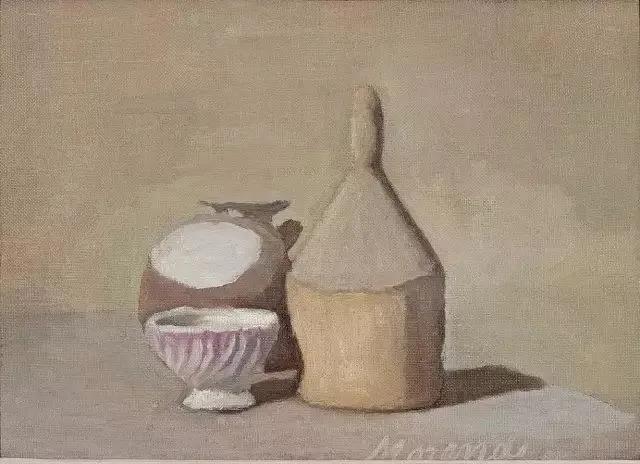
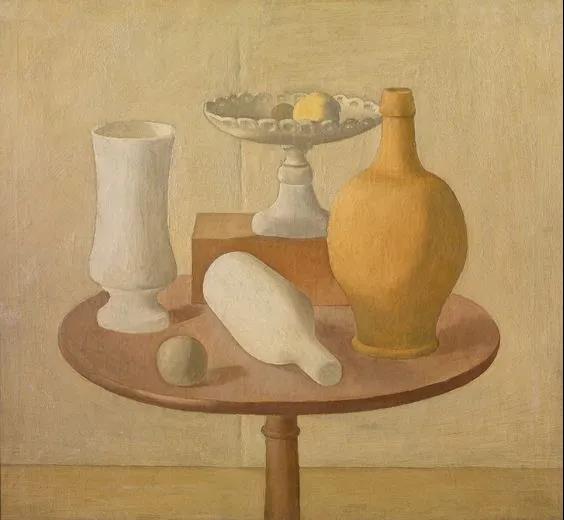
As you can see, Morandi's color palette is more traditional: ground stone, mixed with oil and colored with tubular pigments, which were invented in the mid-19th century.
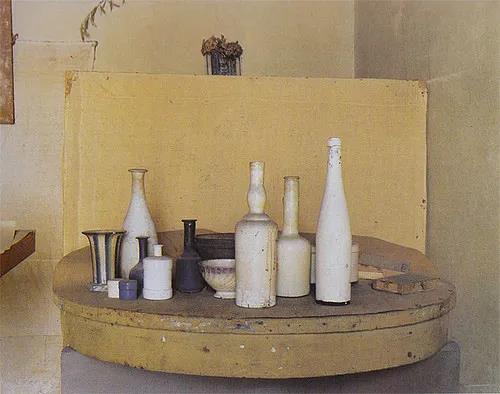
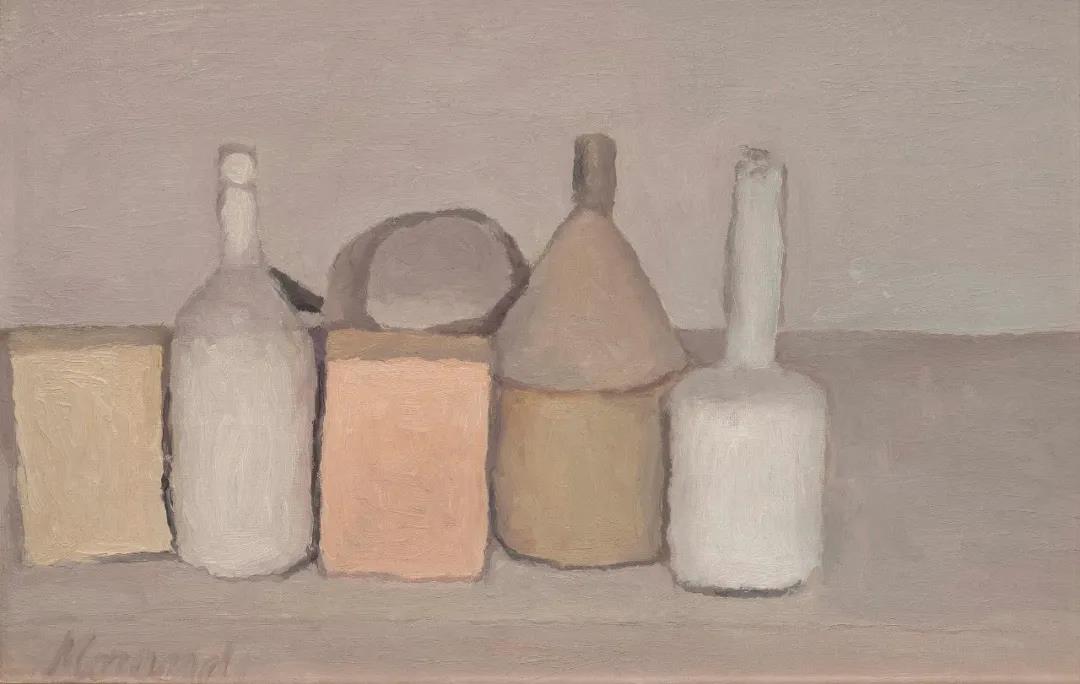
Therefore, the color on the canvas has a very high purity and transparency. The method looks easy, but the modulation is very complicated.
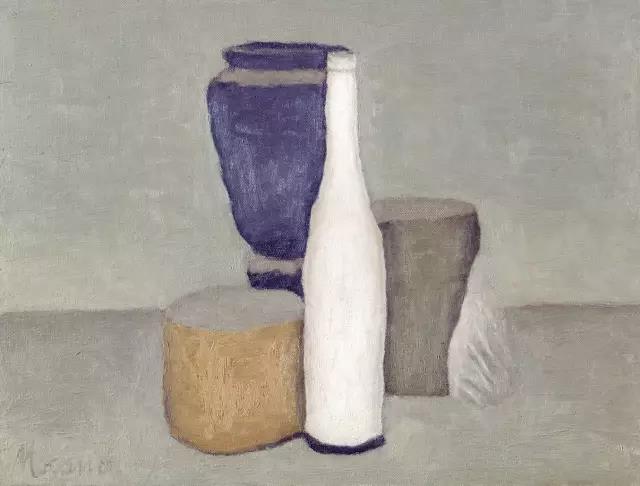
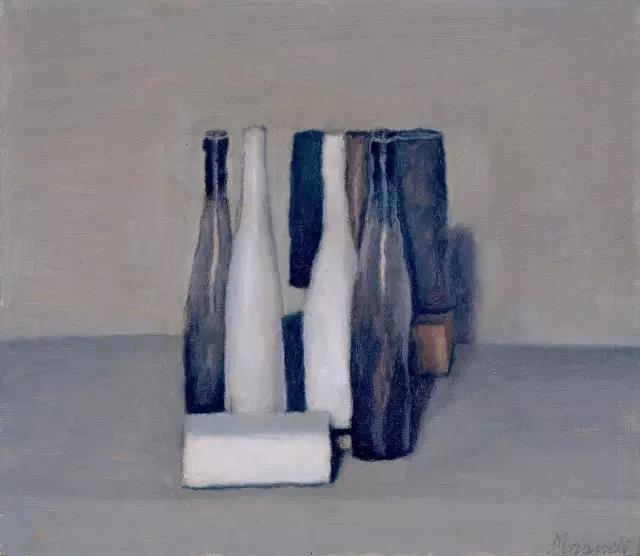
Balthus once said: "Morandi is undoubtedly the closest European painter to Chinese painting, and he was frugal to the extreme in materials. His artistic realm is consistent with Chinese art in concept."
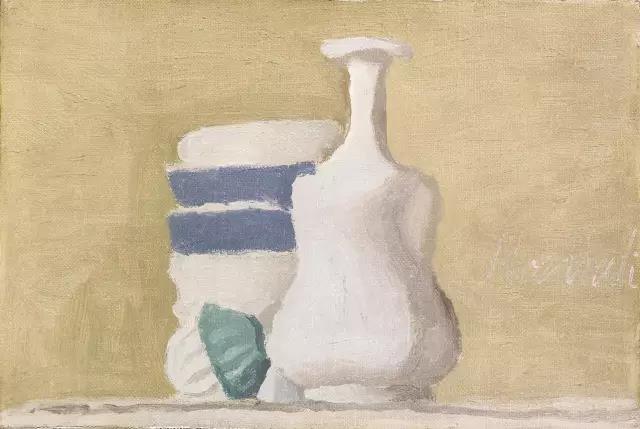
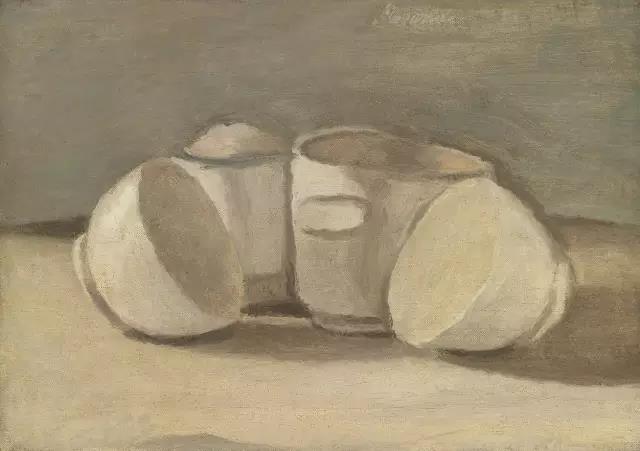
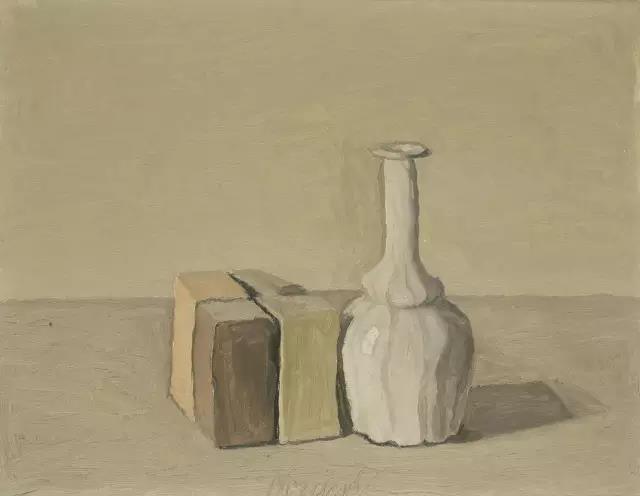
When he died, people called the color tendency of his paintings "Morandi color palette", which profoundly influenced the design and fashion industry.
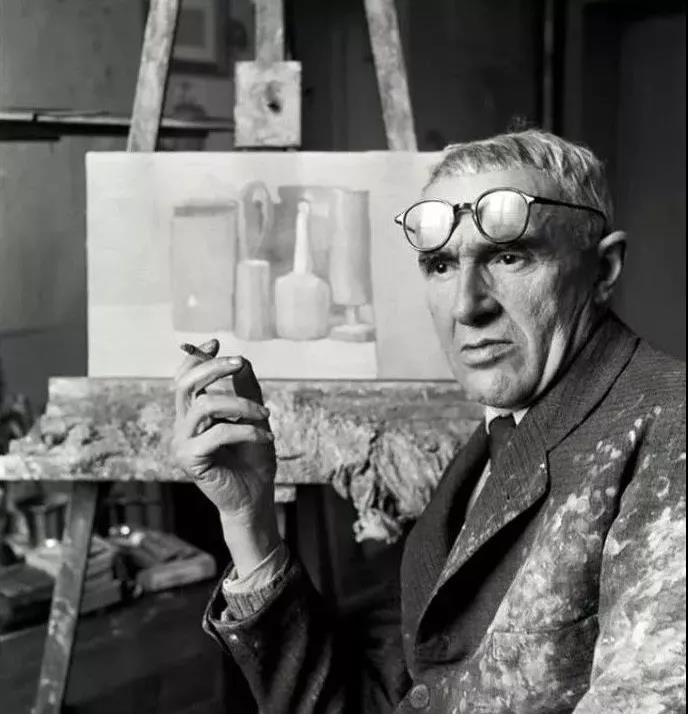
All images via Google
Do you know where Morandi color is applied? Feel free to comment below.
-
 18 Sep
For the past year and a half, millions of people worldwide have been cooped up inside their homes, isolating themselves from society in a bid to stop the spread of the COVID-19 virus. Contemporary fine art photographer Jeremy Dennis, however, experienced the pandemic differently.

COURTESY JEREMY DENNIS
A tribal member of the Shinnecock Indian Nation in Southampton, New York, Jeremy Dennis is best known for using art to explore indigenous identity, culture, and assimilation. One of his most popular projects is “On This Site,” which combines photography with an interactive map to showcase the various culturally significant Native American sites found across Long Island.
In 2020, Jeremy Dennis was forced to move in with his parents after the pandemic cut short his plans of attending an artist’s residency. There, he decided to begin renovations on his childhood home, which his family had abandoned more than a decade ago. It soon became clear, though, that it was much too big for himself, even if the extra space was taken up by his art.

The image via sttlmnt.org
It led to Dennis creating “Ma’s House and BIPOC Art Studio,” a residency exclusive to artists of color. The home is located on the Shinnecock reservation, which lies between Shinnecock Bay and Southampton. The latter is infamous for being the summer playground for America’s elite – a stark contrast to the fact that one in five Shinnecock tribe members reportedly live below the poverty line.
Jeremy Dennis named the residency after his grandmother, Loretta Silva, who also went by the names “Ma” and “Princess Silva Arrow of the Shinnecock Nation.” She was the first to live in the house, building it in the 1960s using scrap materials, such as joints and studs salvaged from a 19th-century church. Not only did she raise her family there but she also used it as a site to bring the community together through events like backyard powwows that featured traditional foods and handmade crafts.
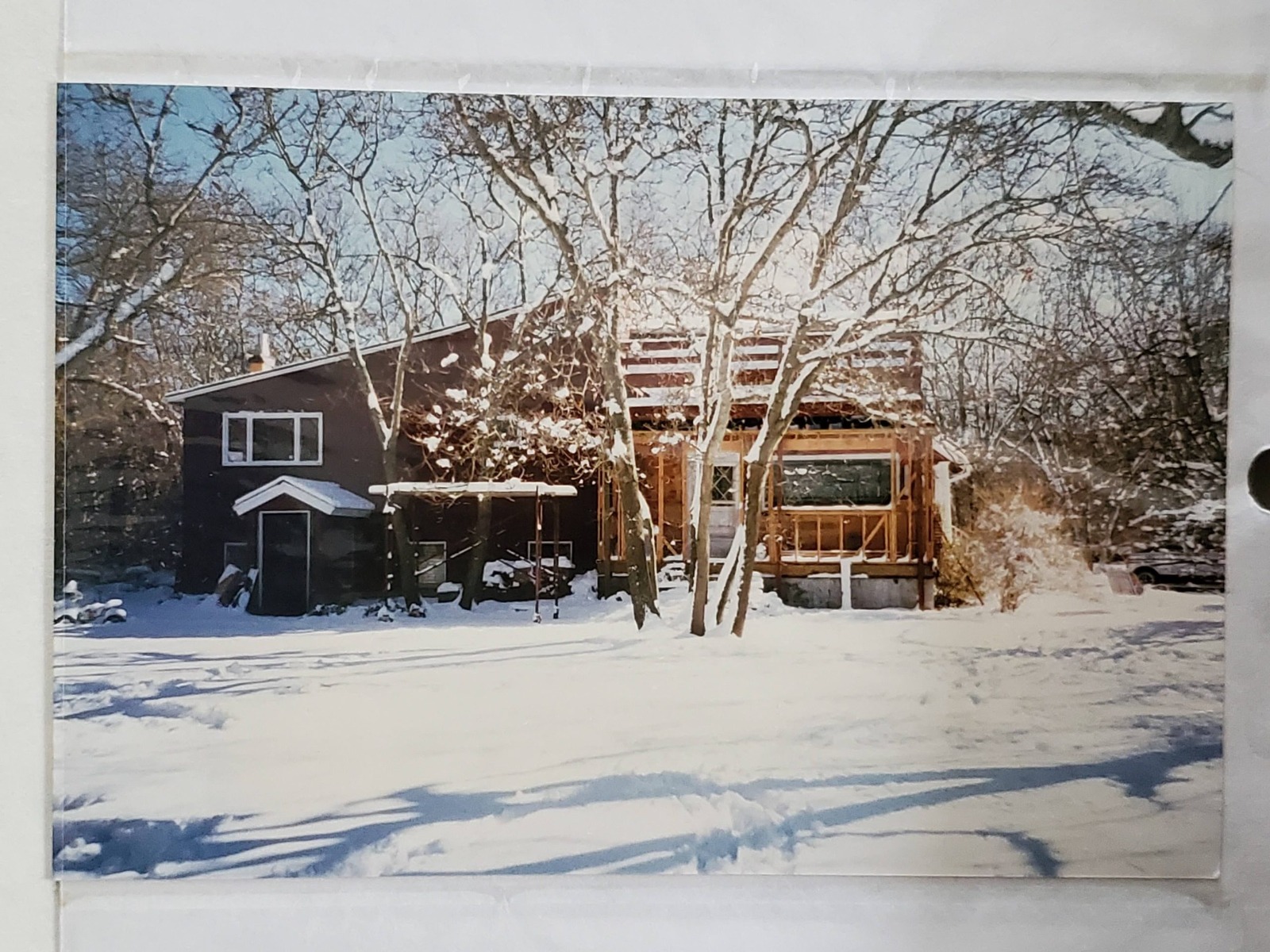
Ma’s House and BIPOC Art Studio before the renovation.COURTESY JEREMY DENNIS
As the years passed, the home gradually fell into disrepair and it was finally abandoned shortly after Dennis turned 13. He returned to it nearly a decade later, shocked at the extent of the damage that it had sustained and determined to make it livable once more.
To restore his childhood home, Dennis launched a GoFundMe with the goal of raising $50,000. On the page, he explained the house’s significance to both his family and the wider Shinnecock community. He also talked about his dream of carving out a special place for artists of color, writing:
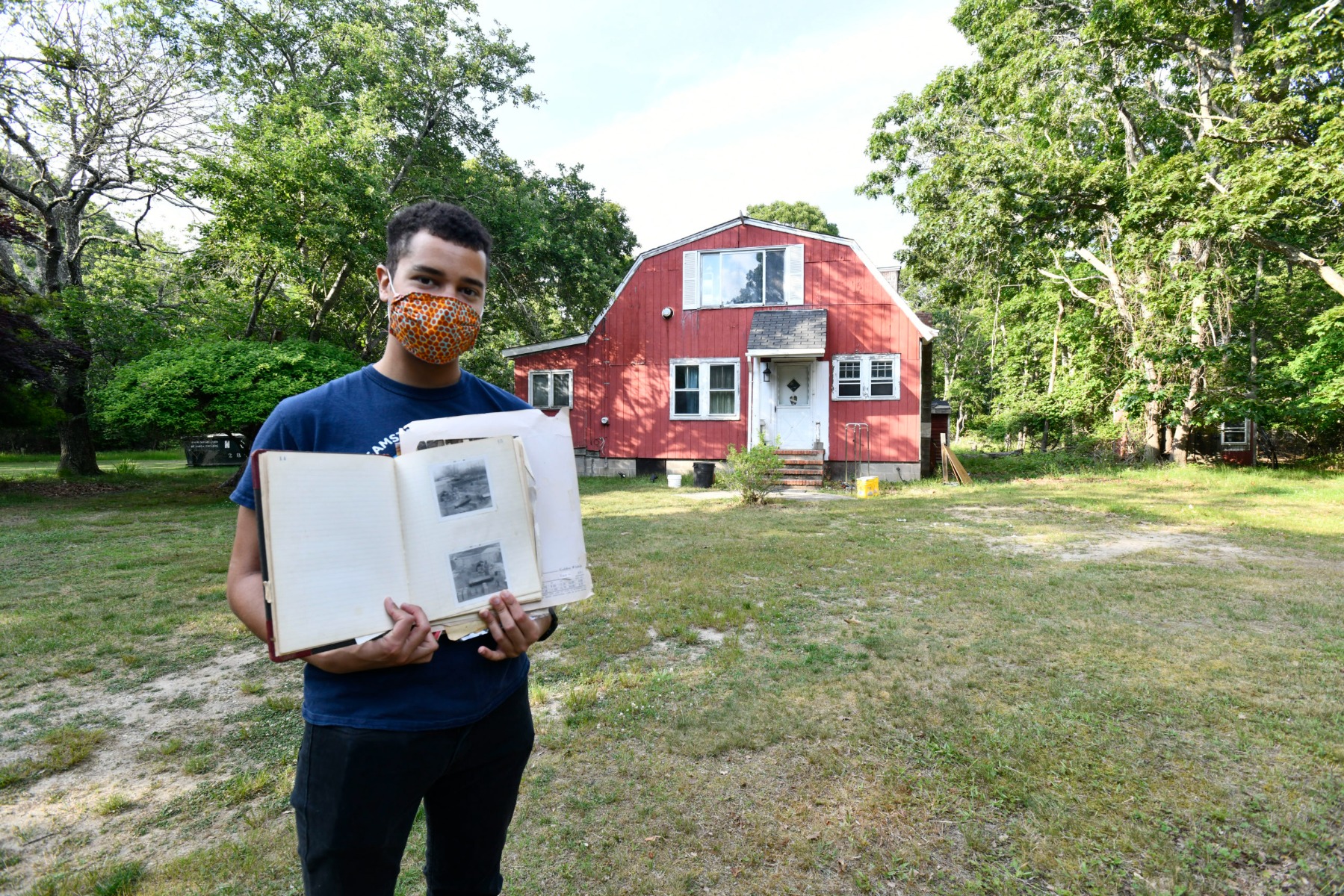
Dennis at Ma’s House. COURTESY JEREMY DENNIS
“All of the health disparities and economic injustice within minority communities that have become clear during the COVID-19 pandemic and rise of social justice activism against police brutality, bigotry, and systemic racism show, to me, a deep urgency for artists who identify as Black, Indigenous, and People of Color (BIPOC) to have safe spaces for free creativity and healing. I believe that “Ma’s House” can provide this space for BIPOC artists and all people who support and uphold moral values for equality, equity, diversity, and inclusion.”
So far, the fundraiser has reached a whopping $41,882, which has enabled Dennis to clear the home from white mold, as well as erect floors and walls. This money has also allowed him to file paperwork to turn Ma’s House into a full-fledged non-profit organization.

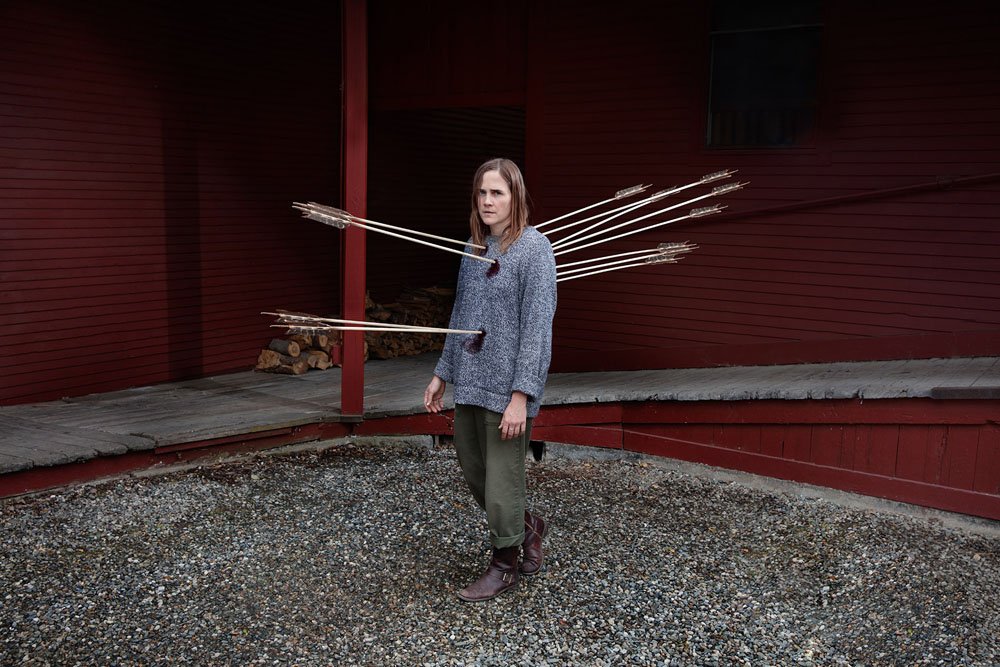
Jeremy Dennis, Wake, 2019 COURTESY JEREMY DENNIS
The residency has gained a ton of support from the local community, both within the Shinnecock Indian Nation and those residing in Southampton.
“I find [Dennis’] work to be both very challenging and accessible,” explained Toni Ross, an artist and business owner from East Hampton who donated to the fund. “So I wanted to support [Ma’s House]. But moreover, I loved the idea of helping address some of the barriers that exist between the Shinnecock nation and those of us out East who are not part of the tribe.”
Besides money, others have also made various contributions to Ma’s House, in a bid to turn it into a safe and artistic space for BIPOC creators. For instance, donated plants make up the bulk of the back garden while Pink Floyd bassist Roger Waters gifted Dennis with a beehive that stands nearby.
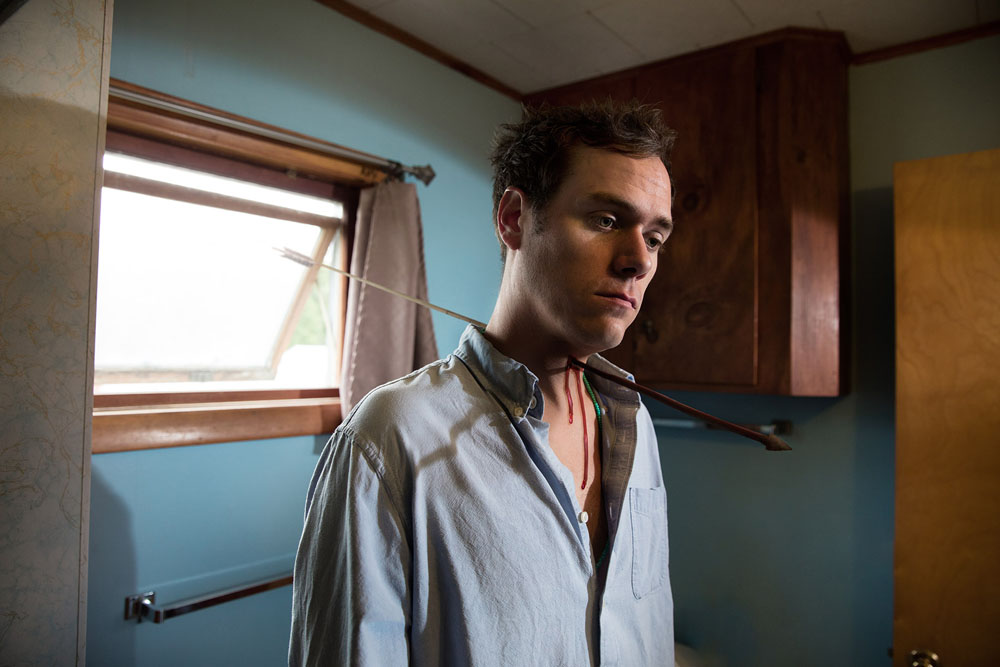
Jeremy Dennis, Nothing Happened Here, 2016 COURTESY JEREMY DENNIS
While renovations are far from over, several people – apart from Dennis – have already moved into Ma’s House. Among them was multimedia artist Yanyan Huang, who spent two weeks there and produced an exhibition called “Time Cloud,” which showcased the Shinnecock Indian Nation’s origin myths.
The renowned screenwriter, actress, and filmmaker Allie Mitchell also spent a week in Ma’s House, polishing scripts for pilot episodes that she was hoping to pitch to studio executives.
“Everyone has been really welcoming and kind, as well as generous with their time,” Mitchell said when asked about her tenure in Ma’s House. “There’s a strong sense of community on the reservation and I think people are excited and supportive of what Jeremy is doing to bring more art to the reservation.”
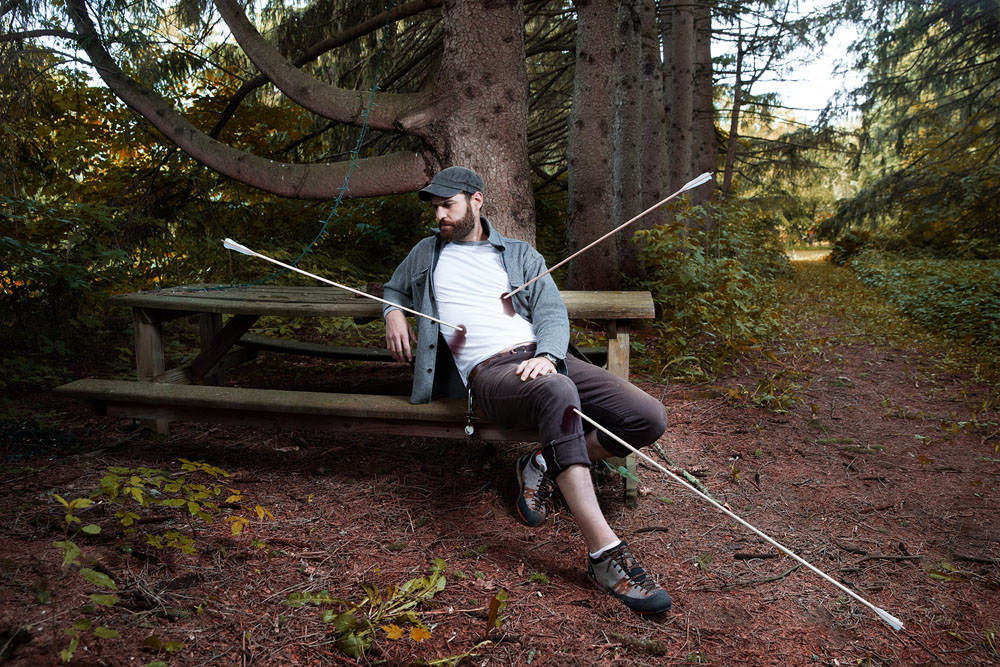
Jeremy Dennis, Nothing Happened Here, 2016 COURTESY JEREMY DENNIS
Artists staying at Ma’s House are encouraged to find a way to give back to the community. For instance, Huang hosted weekly open studios and other arts programs while Mitchell performed one of her scripts, which entertained many.
In addition to these programs, Dennis also launched a series during the summer called “Gather,” which saw BIPOC educators and artists giving talks about topics that they felt passionate about. Other similar events are currently being planned for the upcoming fall and winter season.
Given all these, it’s clear that Ma’s House is proof that a diverse and creative space can thrive amid the wealth, opulence, and exclusivity of the Hamptons.
-
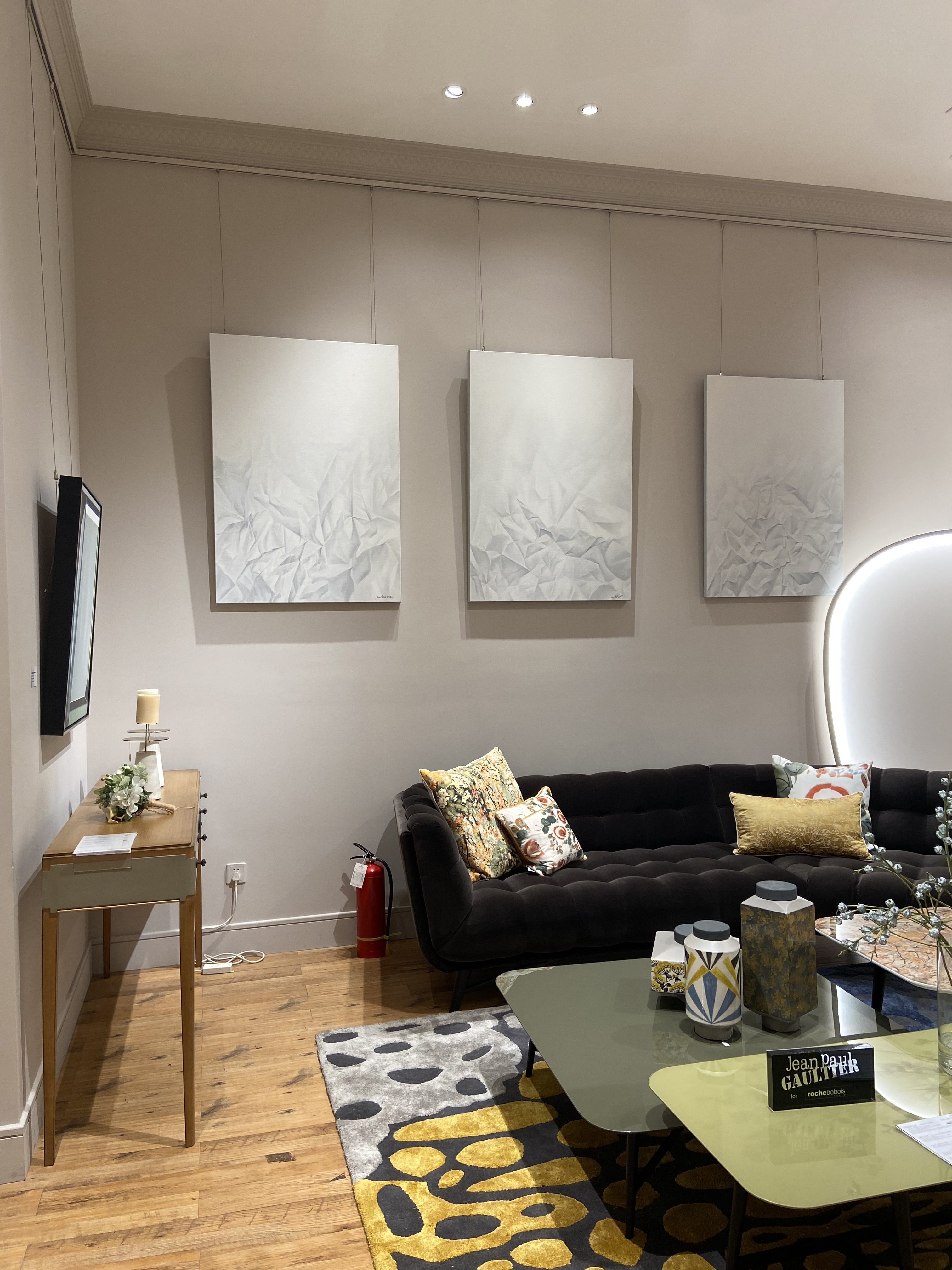

△CULLMAN & KRAVIS
AMERICAN MIX AND MATCH STYLE
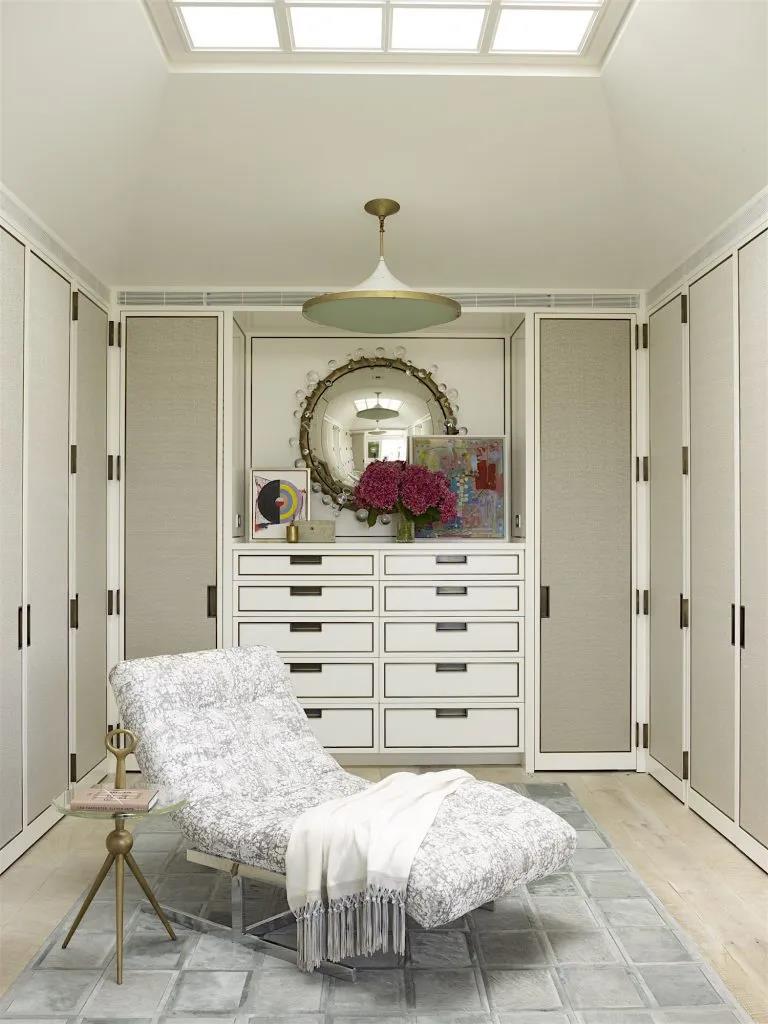
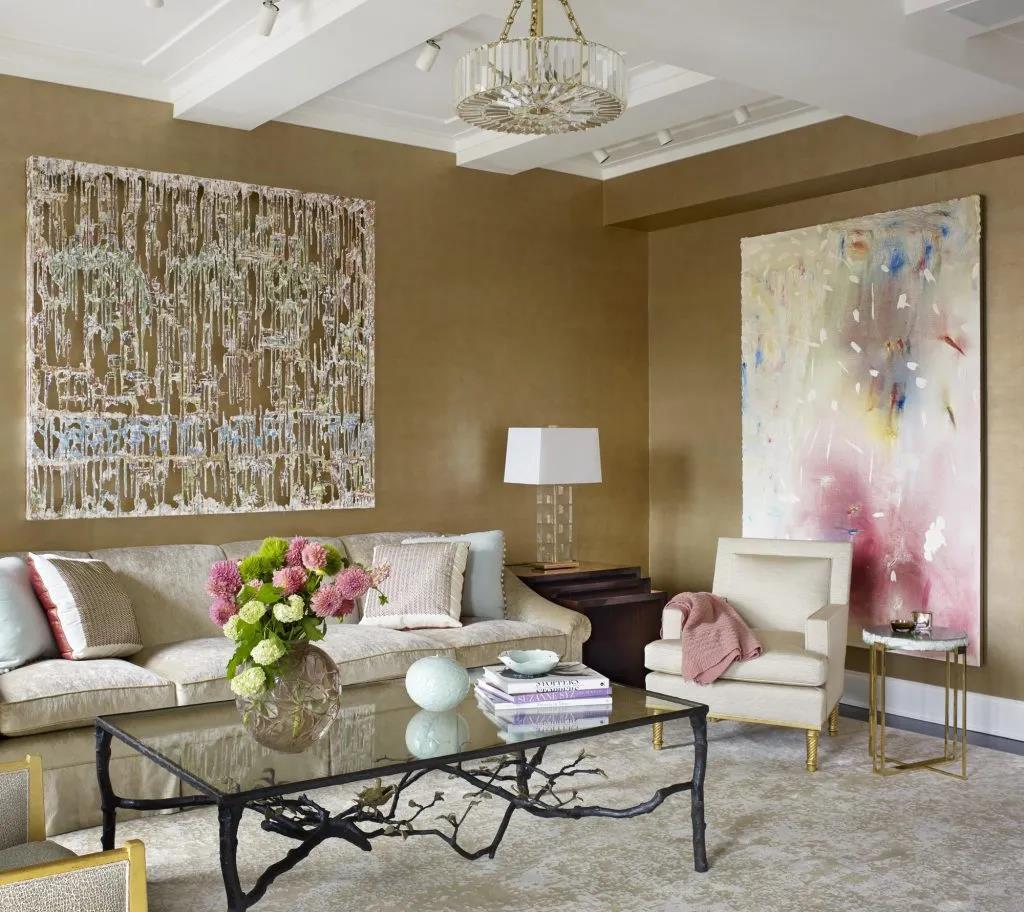
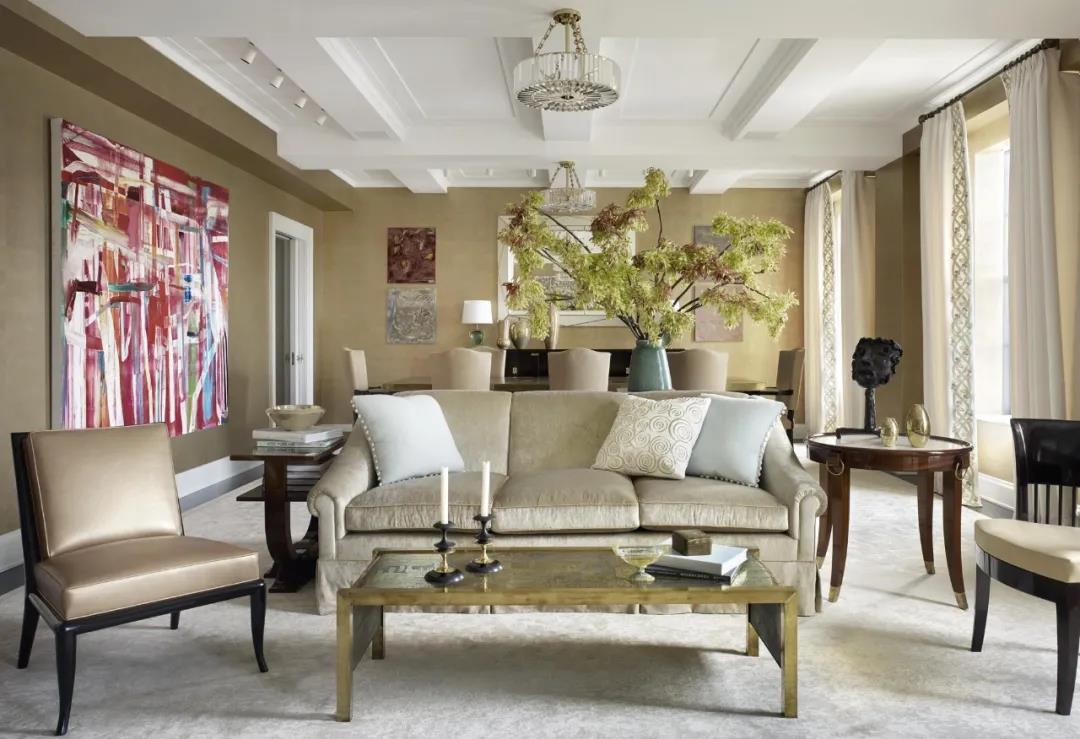
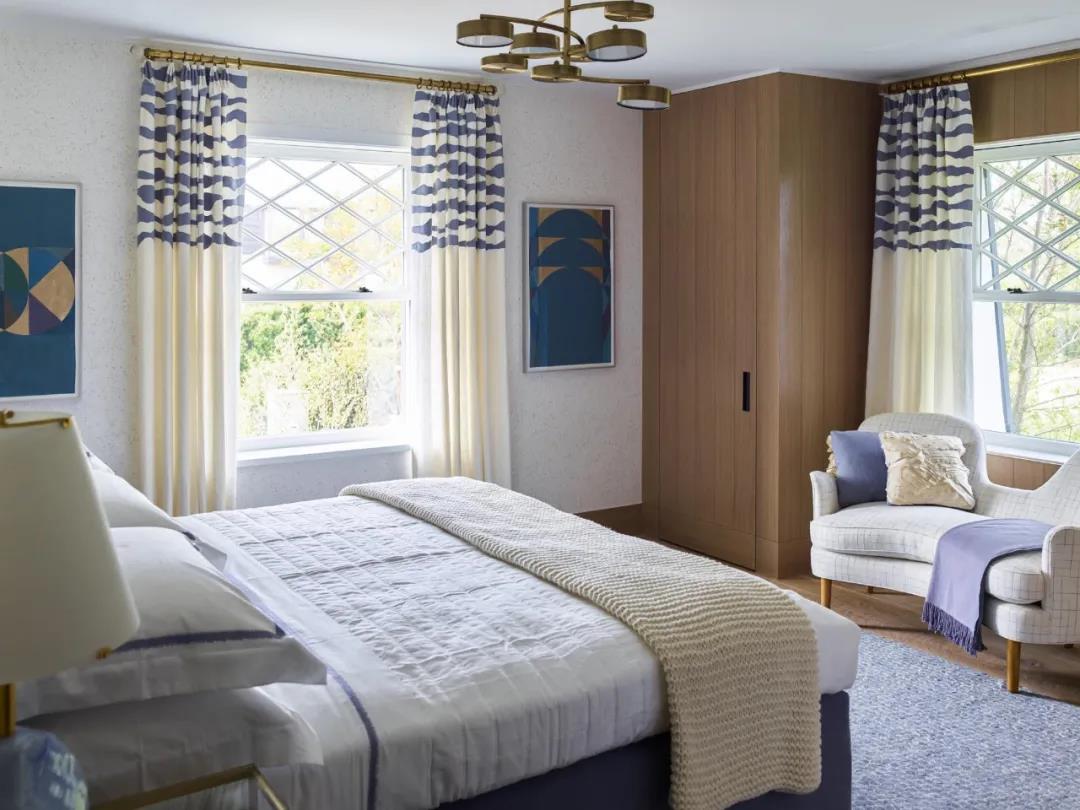
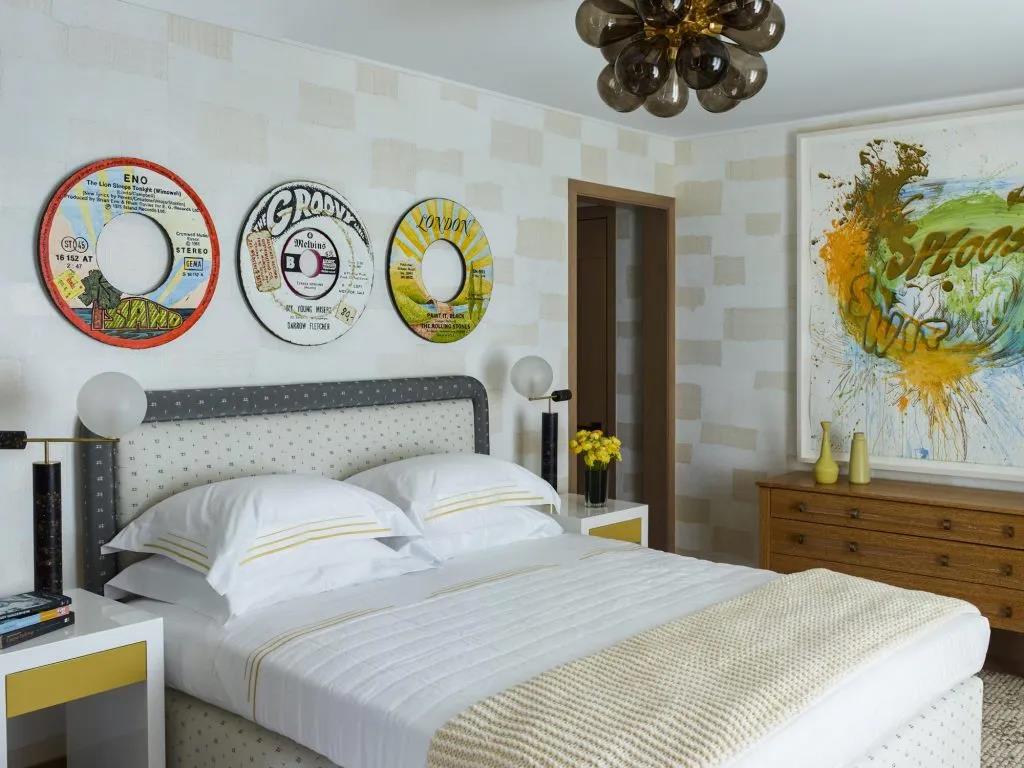
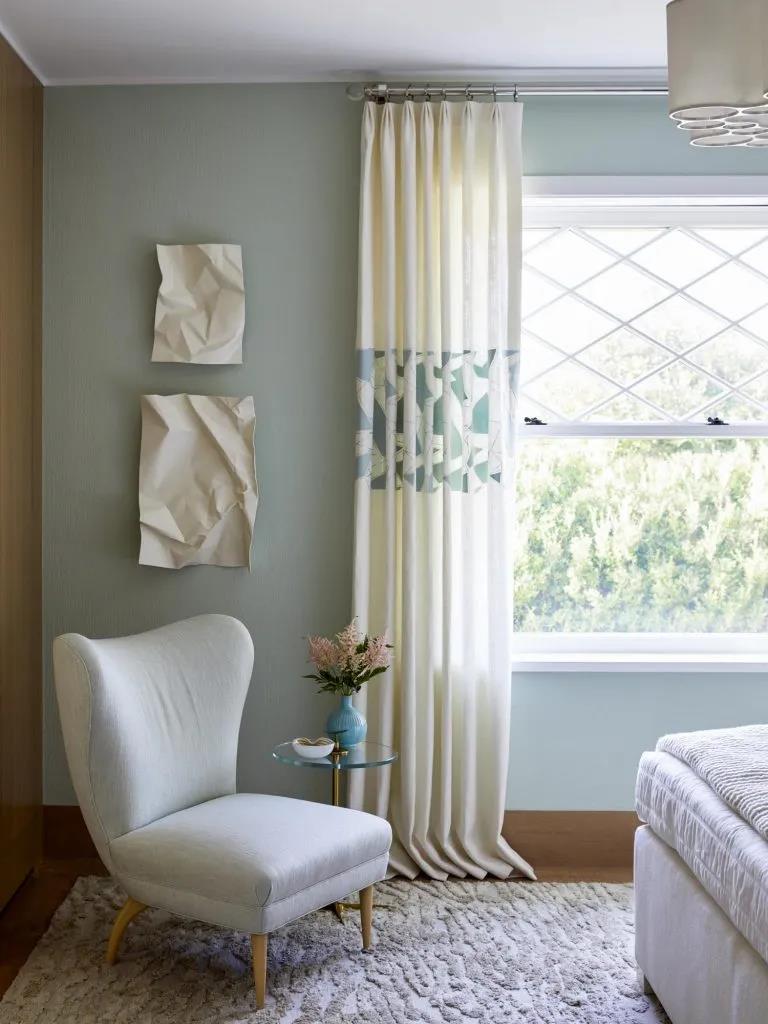
MIX AND MATCH style emphasize “freestyle in appearance but united in spirit”. On the surface, many different styles exist in the same space, and layered styles are everywhere. It is possible that in a design, there is both classical aestheticism and modern intellectual beauty. CULLMAN & KRAVIS specializes in finely layered design, mixture of antiques from all periods and modern art, all with incredible attention to detail, with new interpretations of traditional and classical interiors that are layered and historical, but never stuck-y or pedantic.01
HAMPTONS WATERFRONT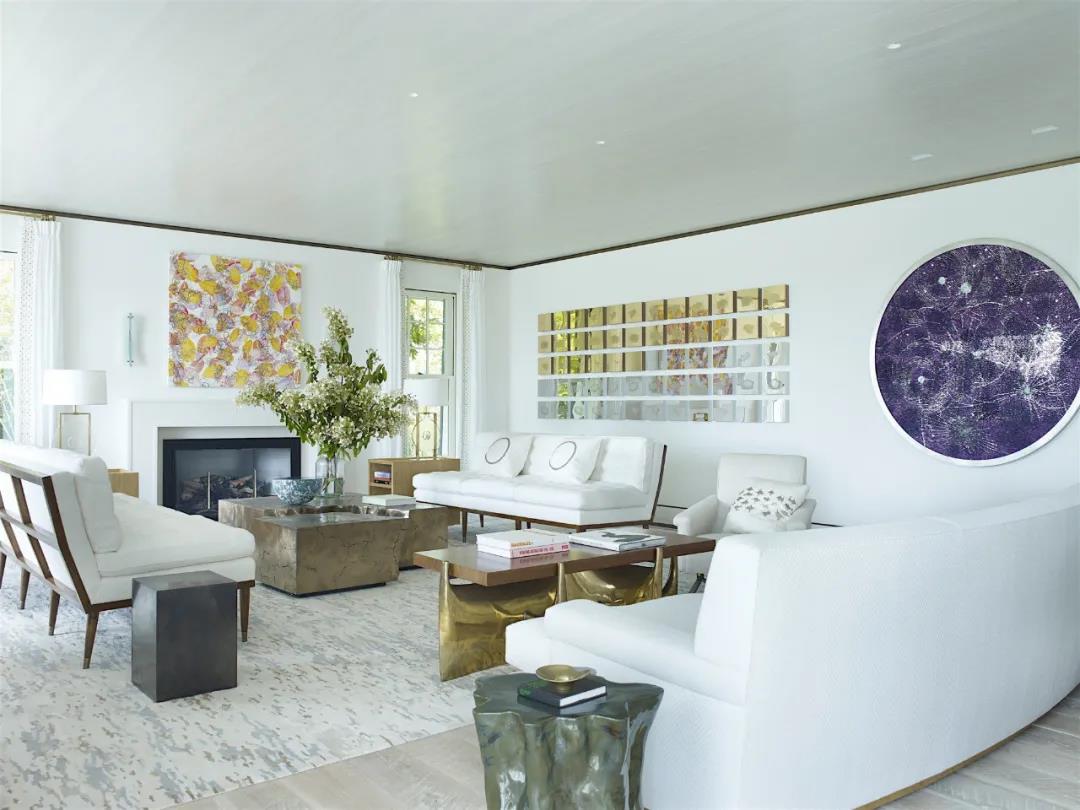
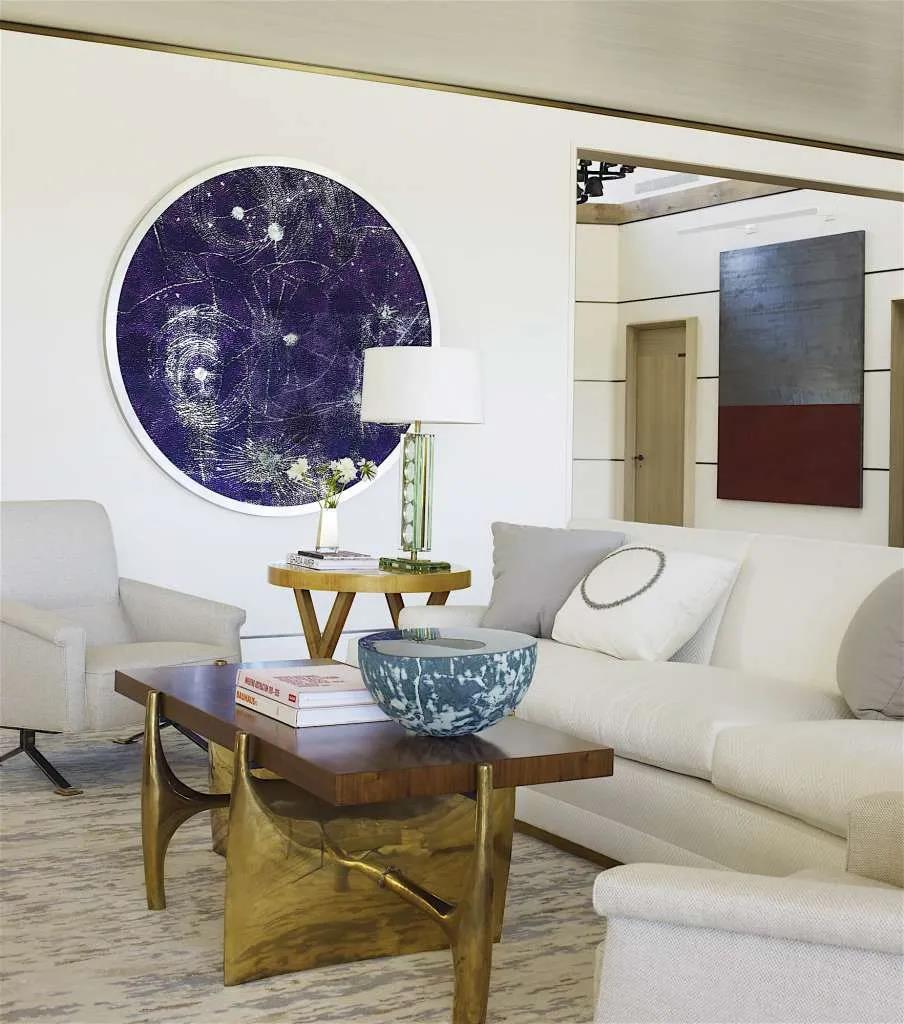
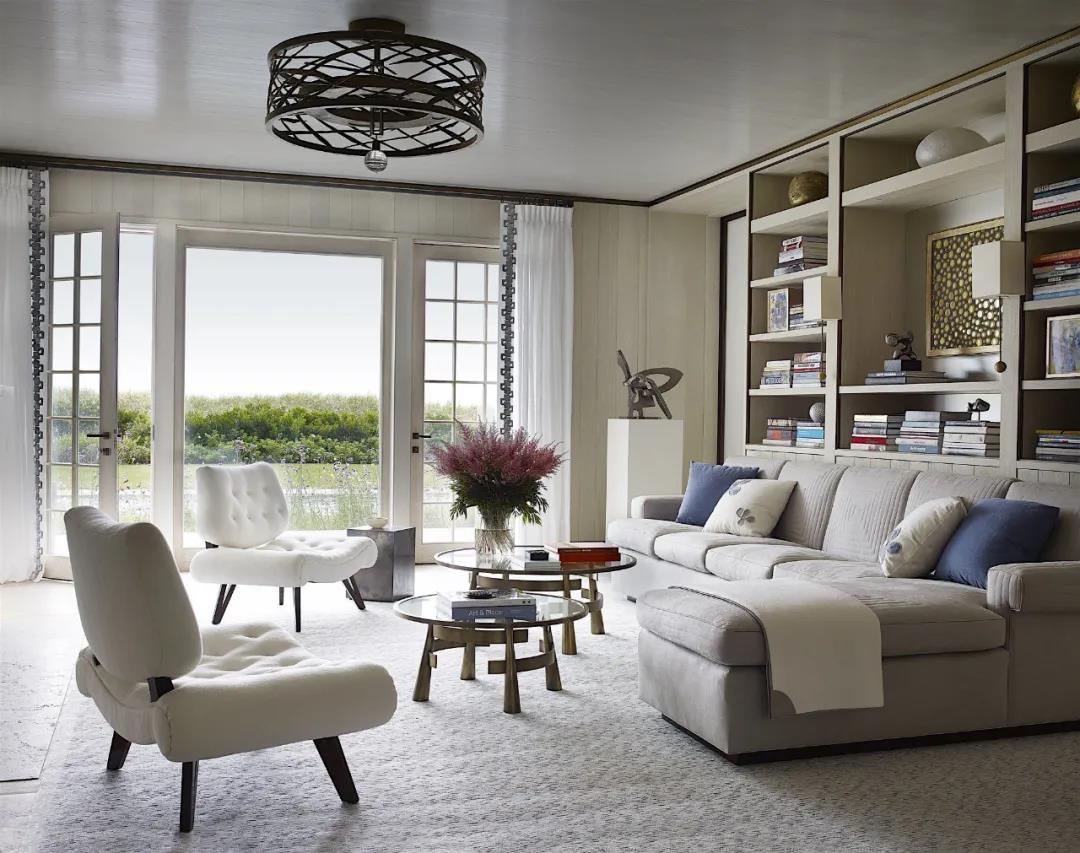
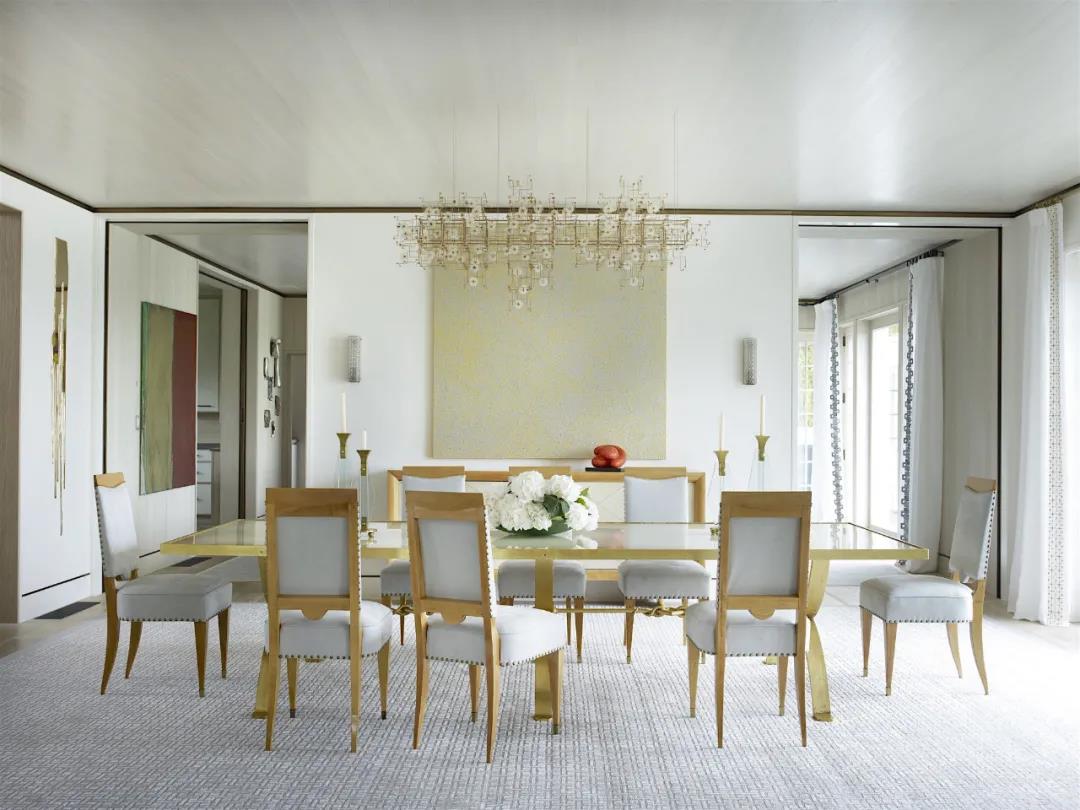
Cullman&Kravis has been known for providing the best quality design and personalized service since it was founded by Ellie Cullman in 1984. Work closely with clients to achieve their aesthetic concepts and practical needs while adhering to established budgets.
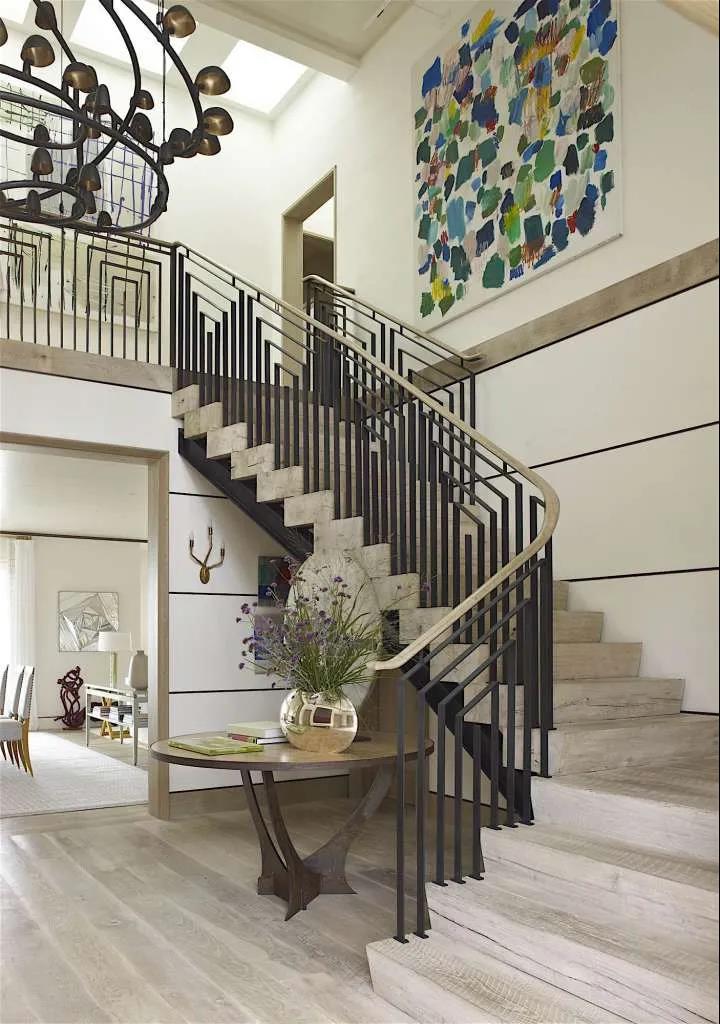
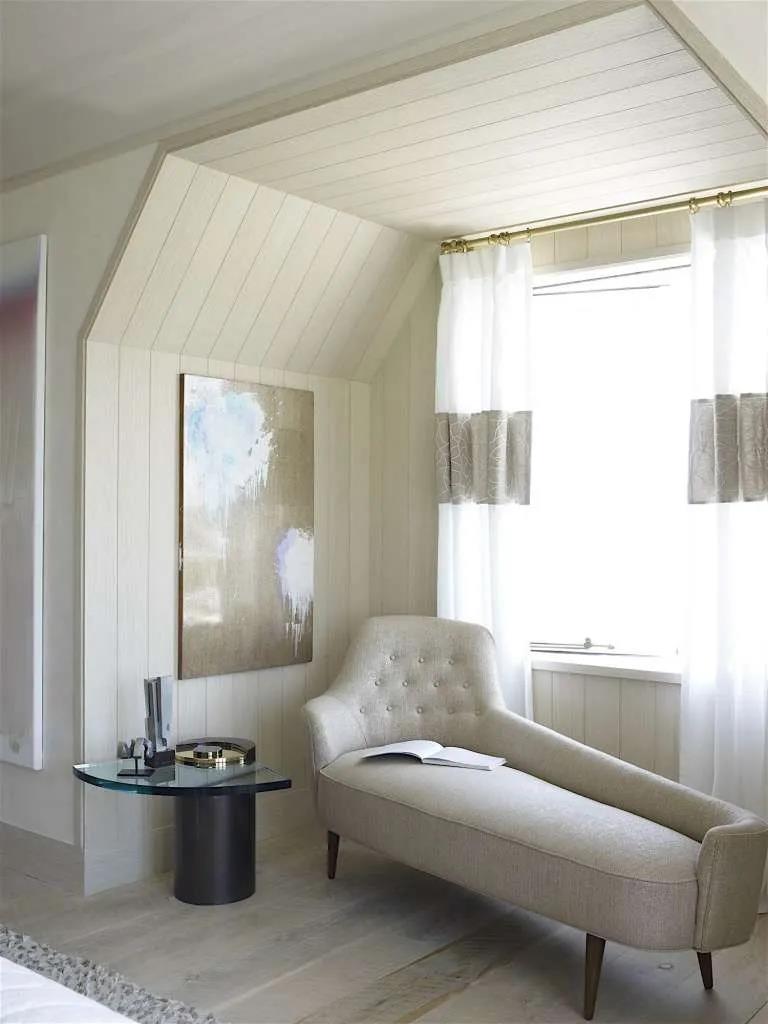
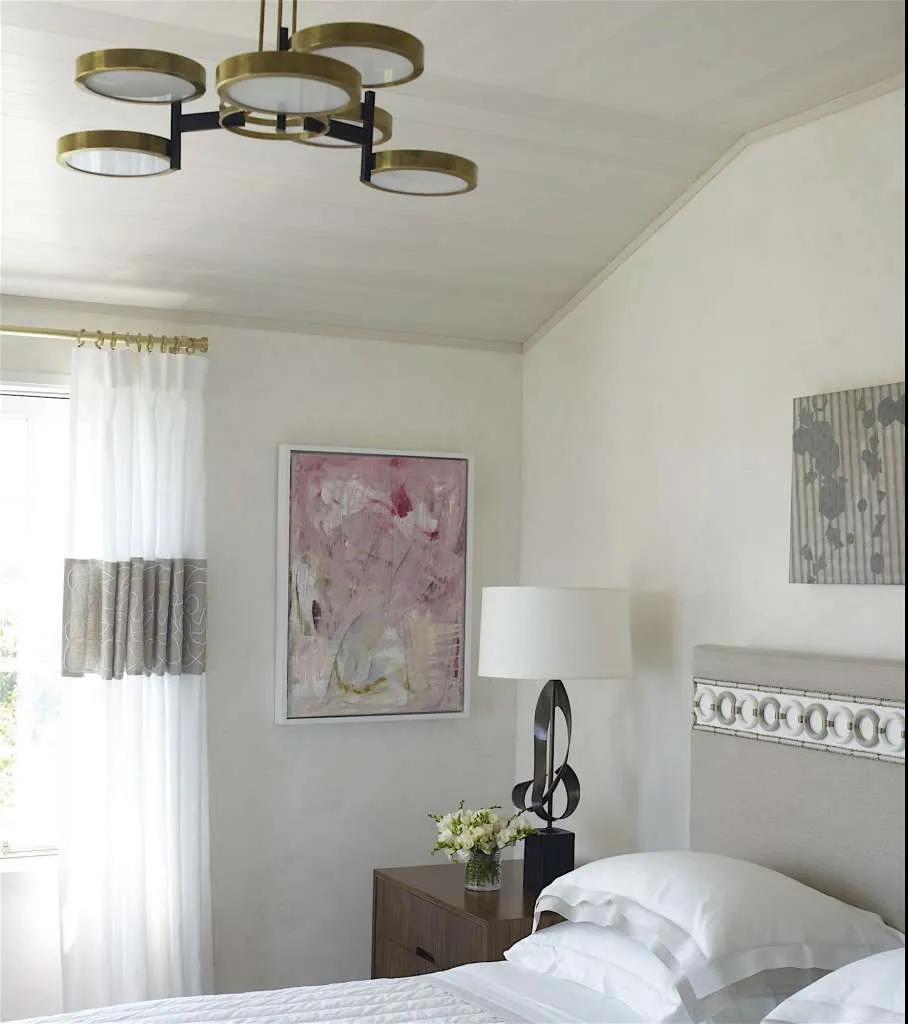
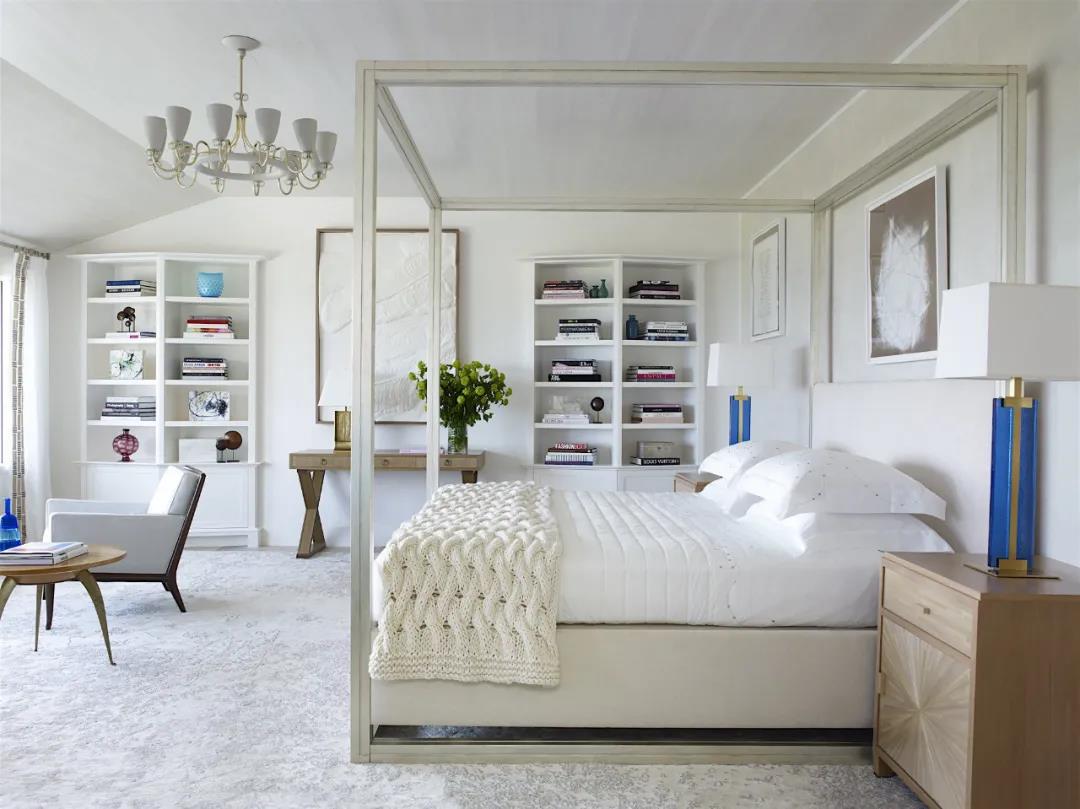
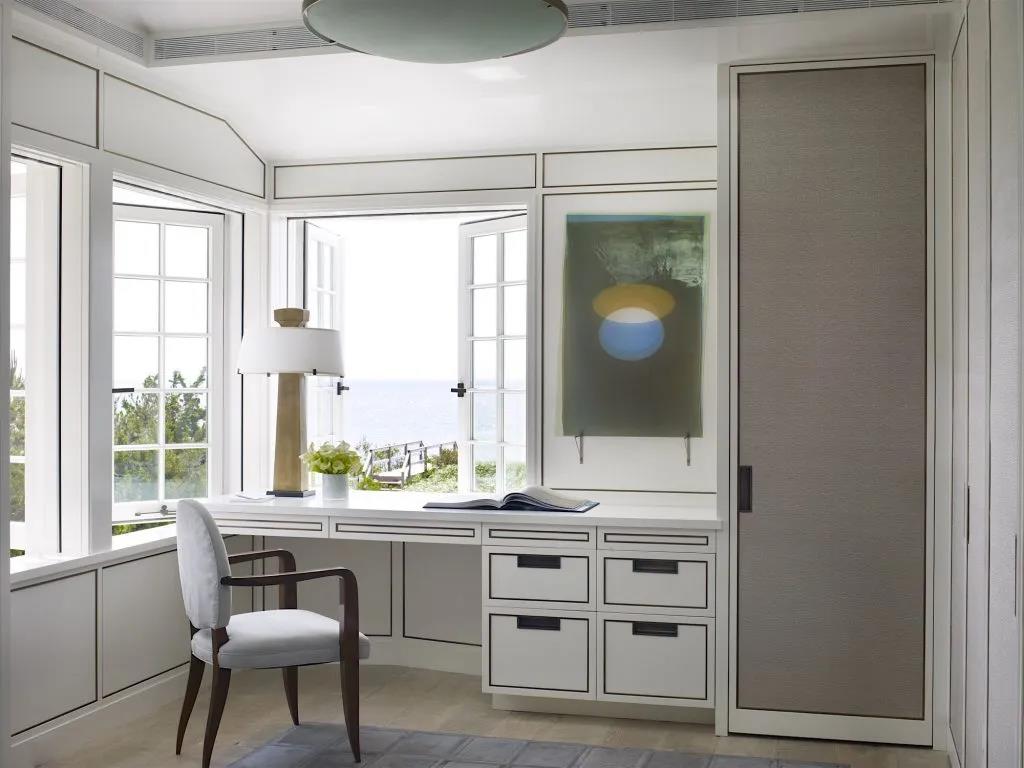
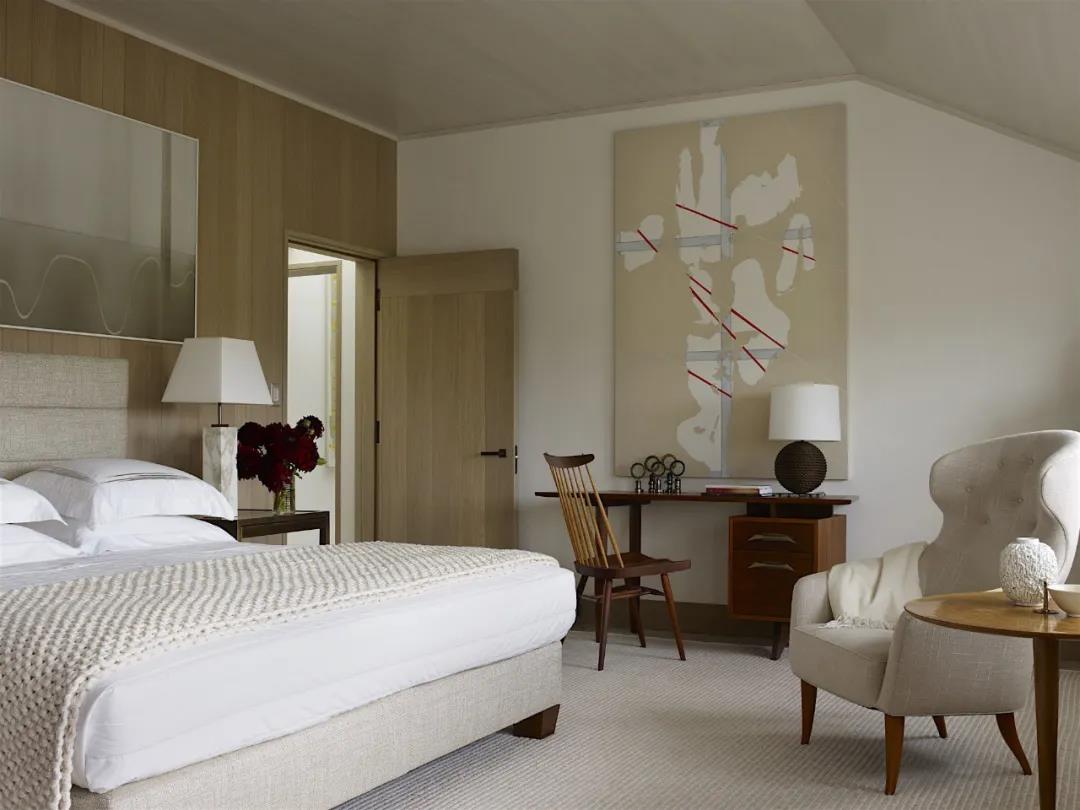
02
DOWNTOWN CHIC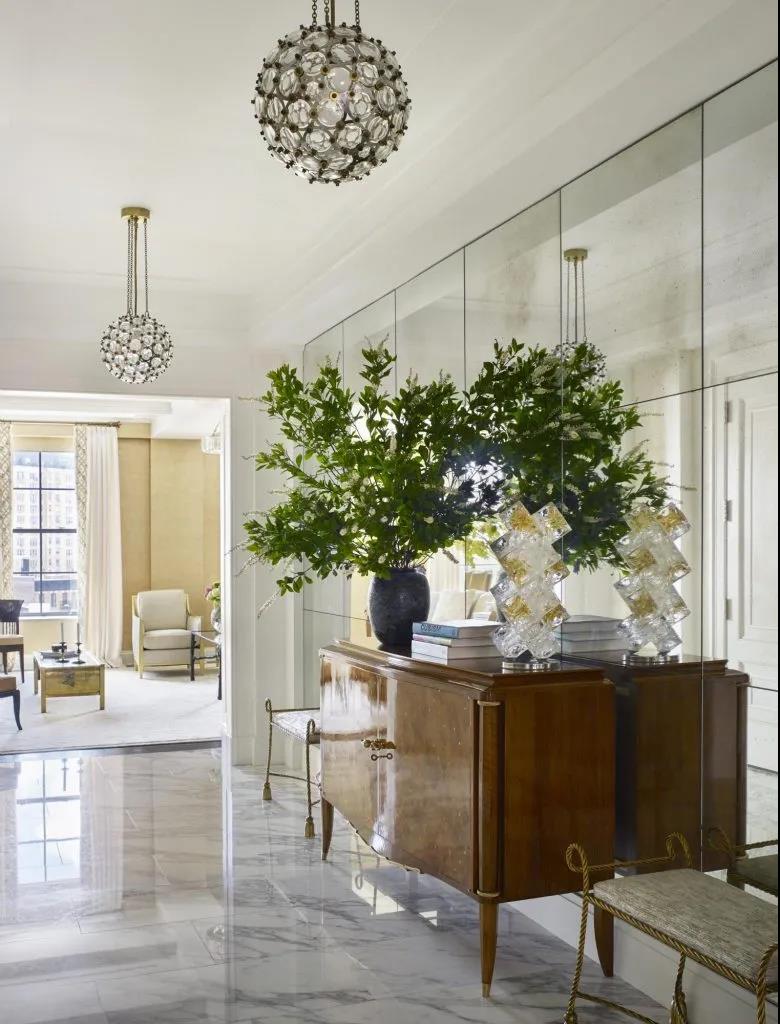
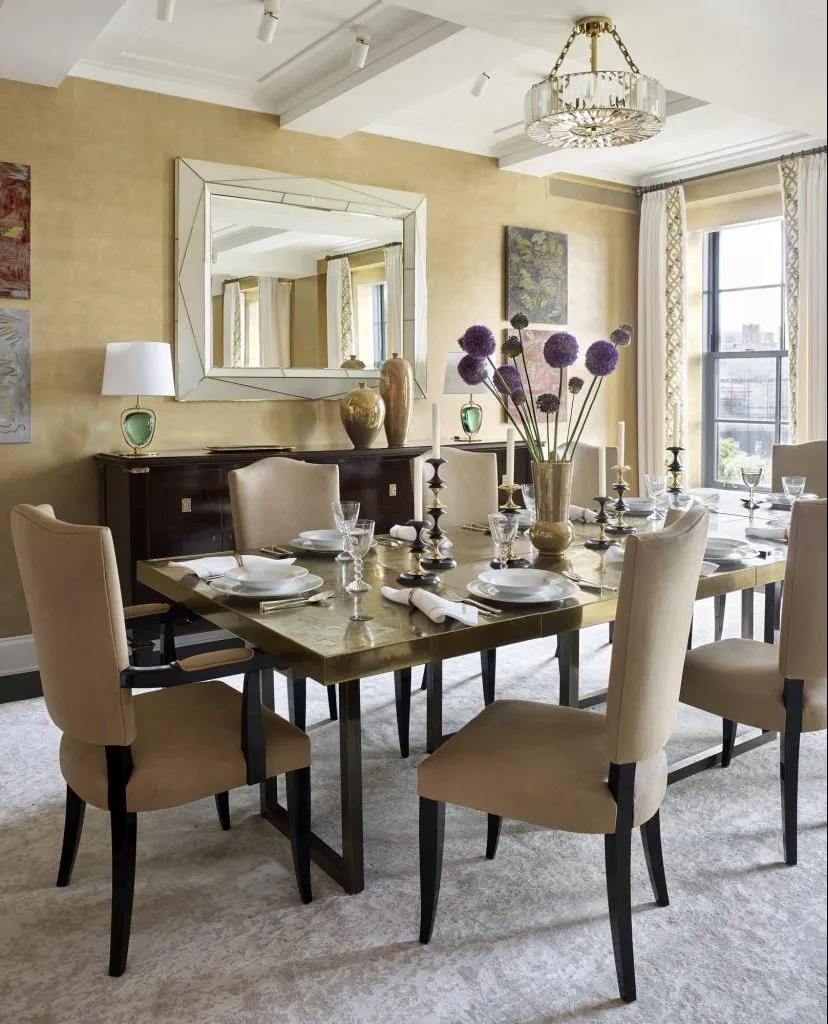
Ellie has been named best Designers and Architects by the prestigious “AD100” Architectural Digest since 2000. In January 2005, she was named to the “Dean of American Design” list, and in October 2009 she received the “Star of Design” award for her D&D building project in New York City.
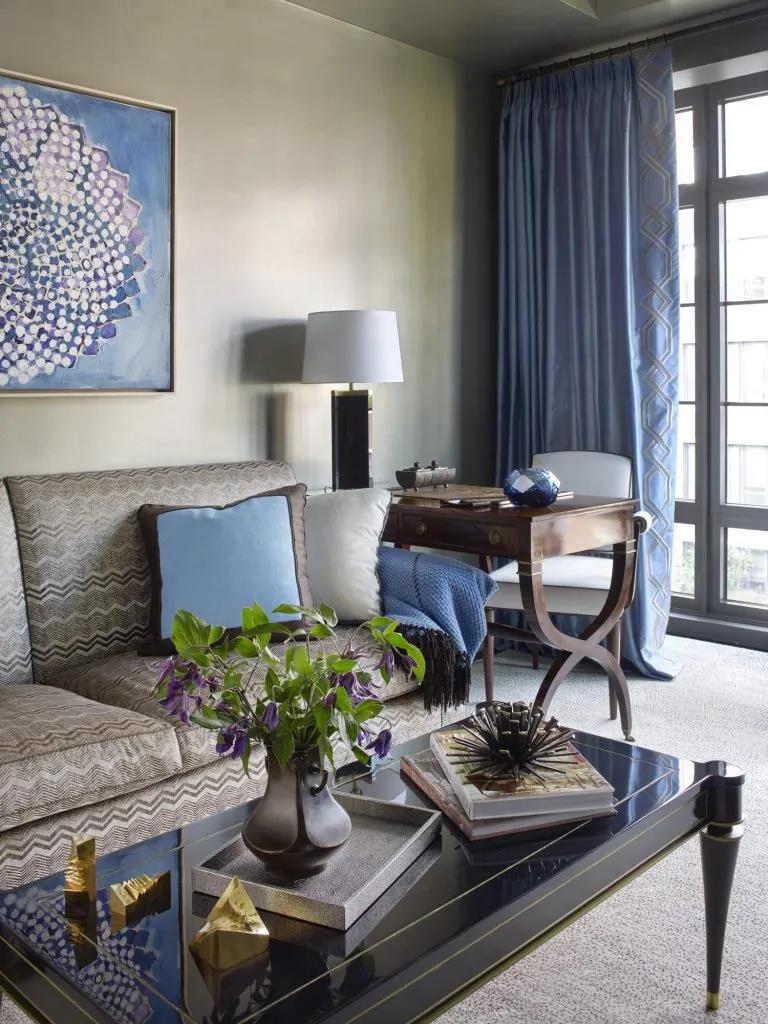
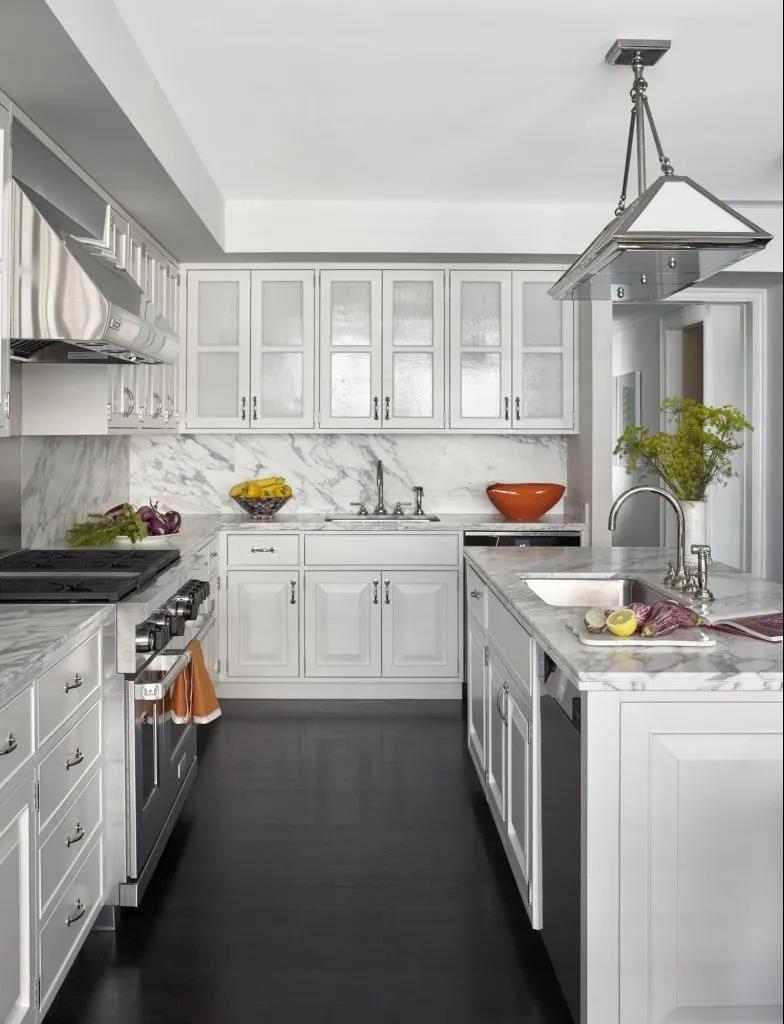
Space is limited, but fully functional kitchen
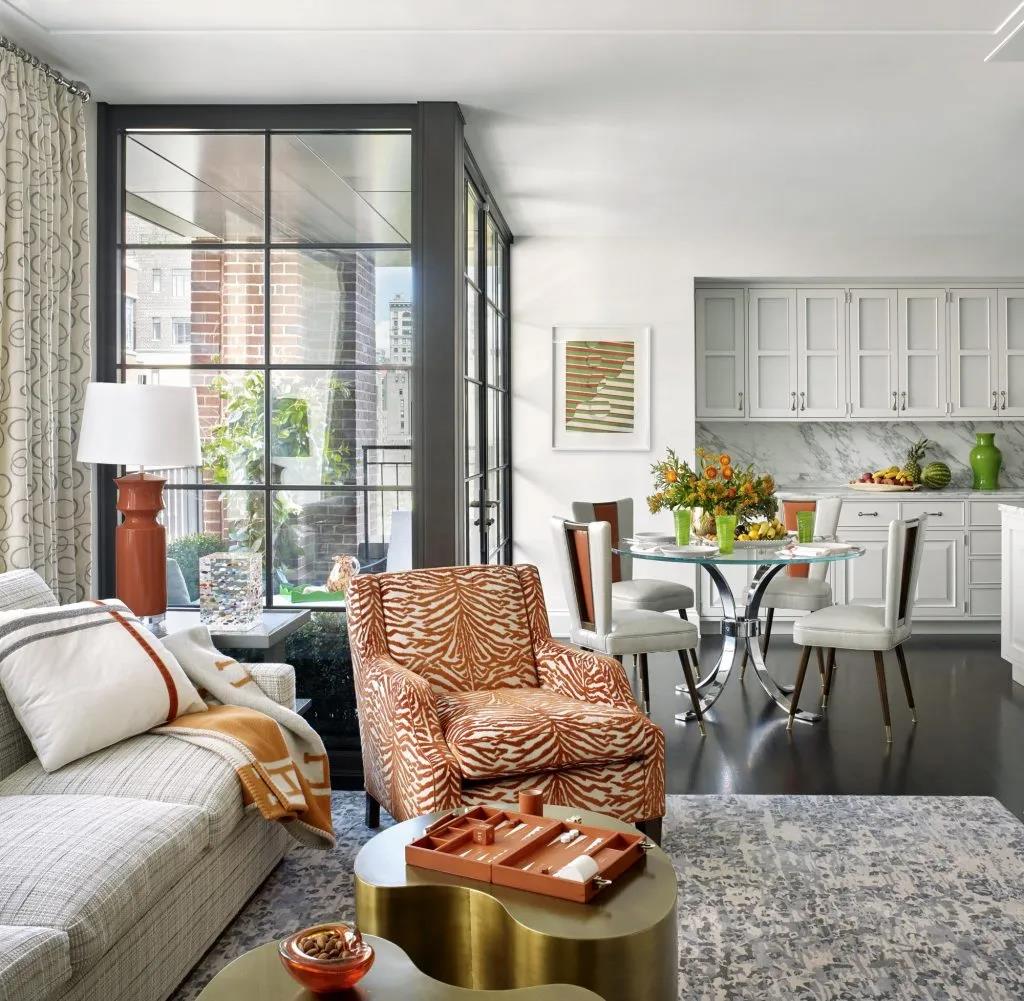
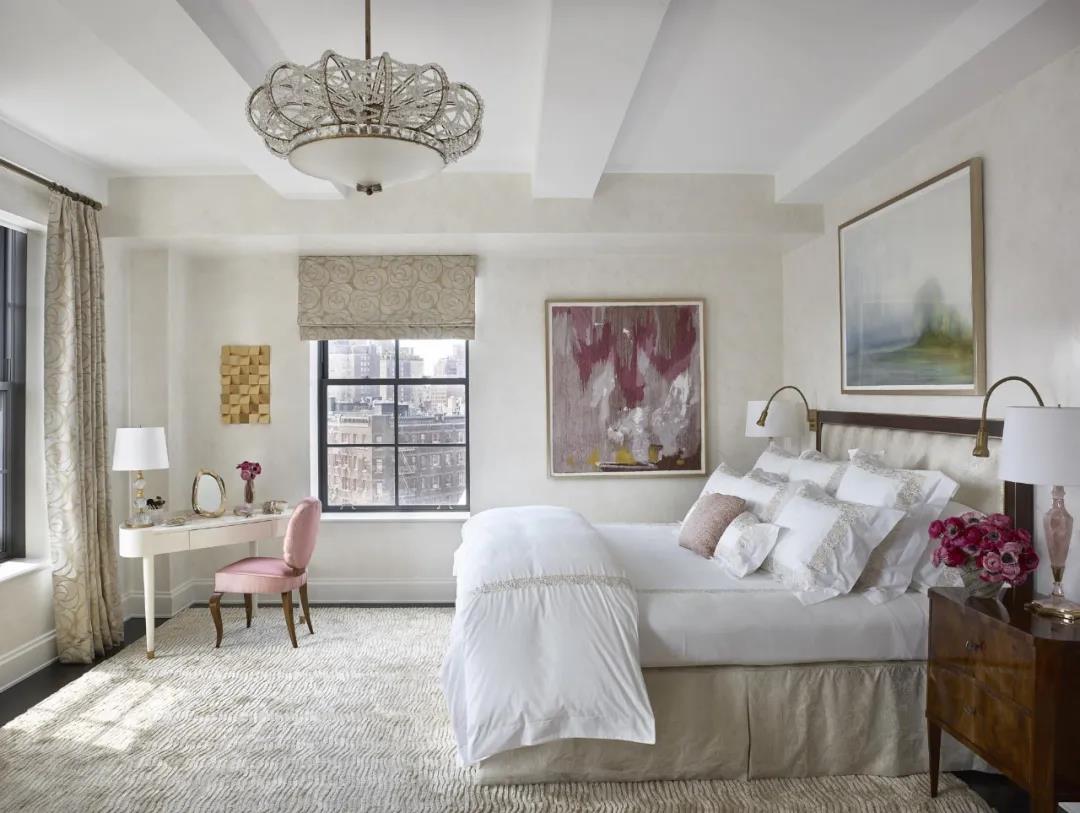
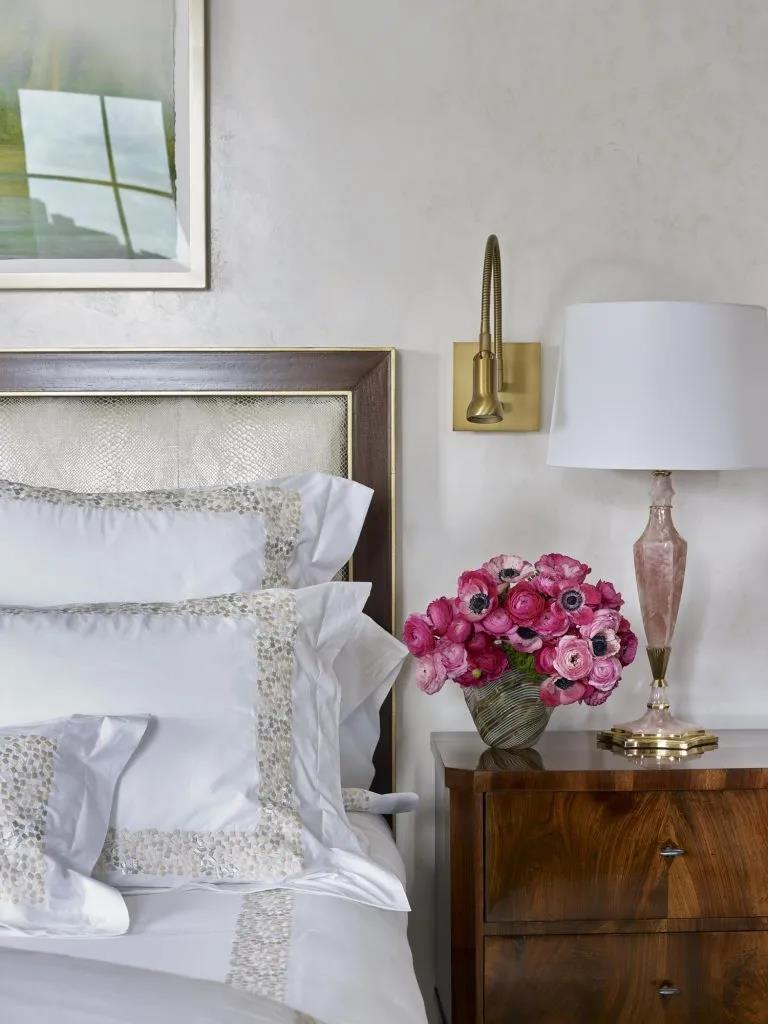
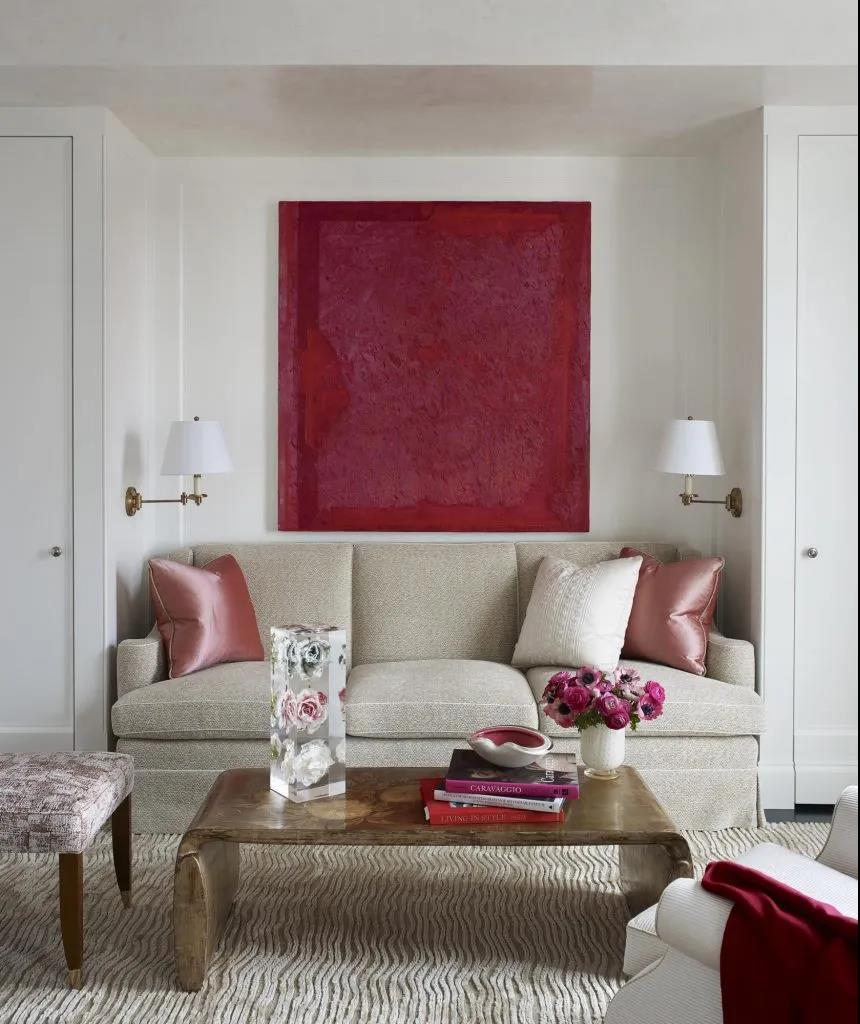
Along with colleague TraceyPruzan, Ellie collaborates with “decorating master classes: the path to Cullman Kravis” and “interior decorating details: the decorating relationship with Cullman&Kravis.” She also hosts various antiques shows, including the Subway Show, the Park Avenue Antiques Show, and the American Patrons Masters Council in London in 2013.
03
CONTEMPORARY BEACH HOUSE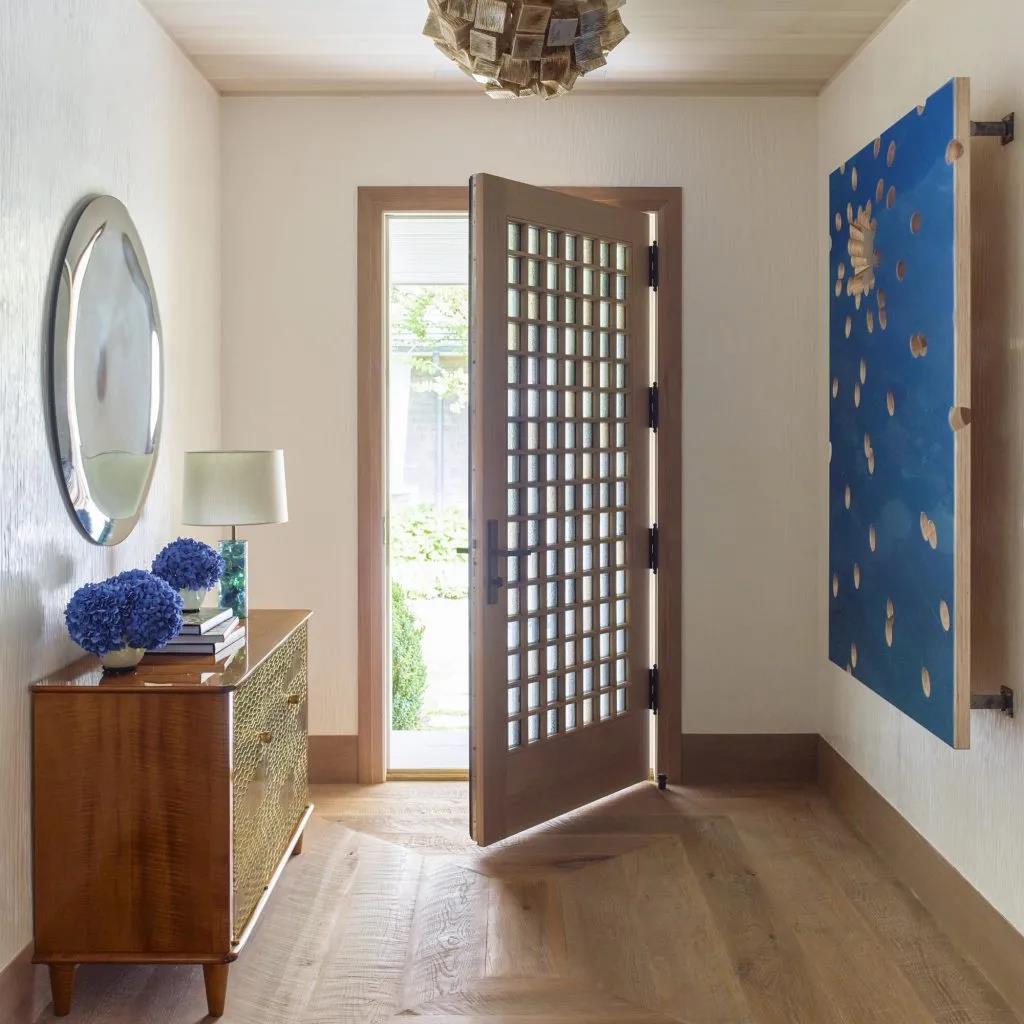
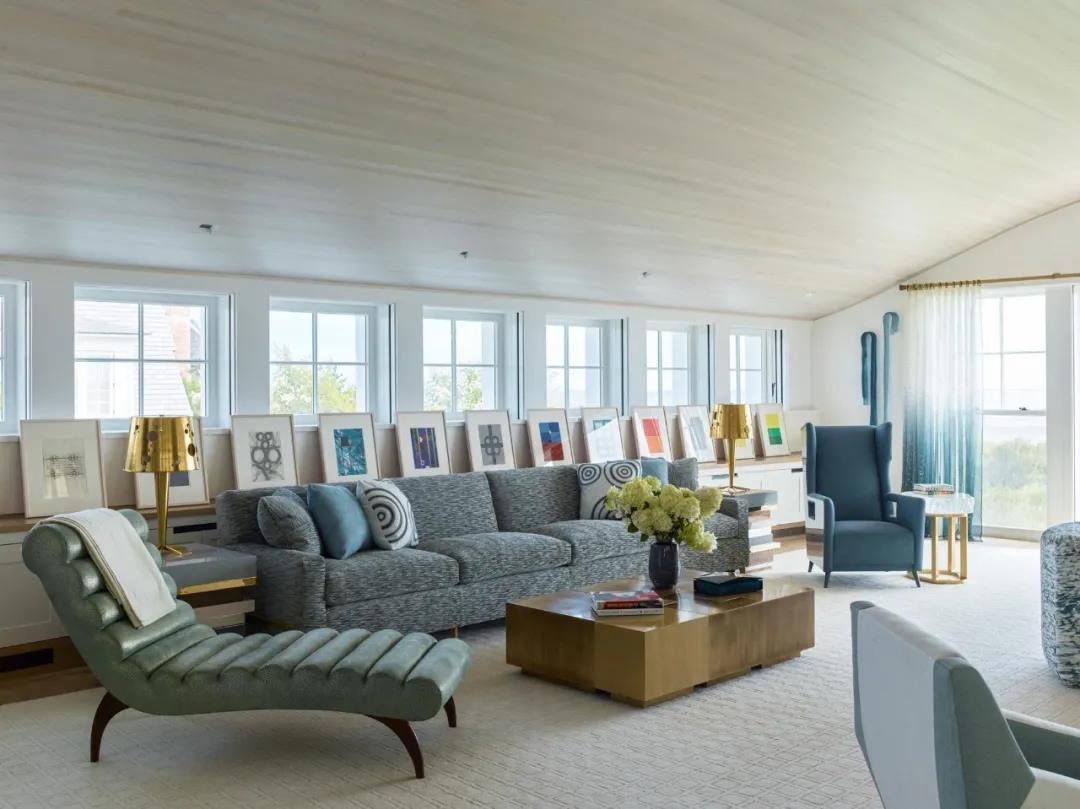
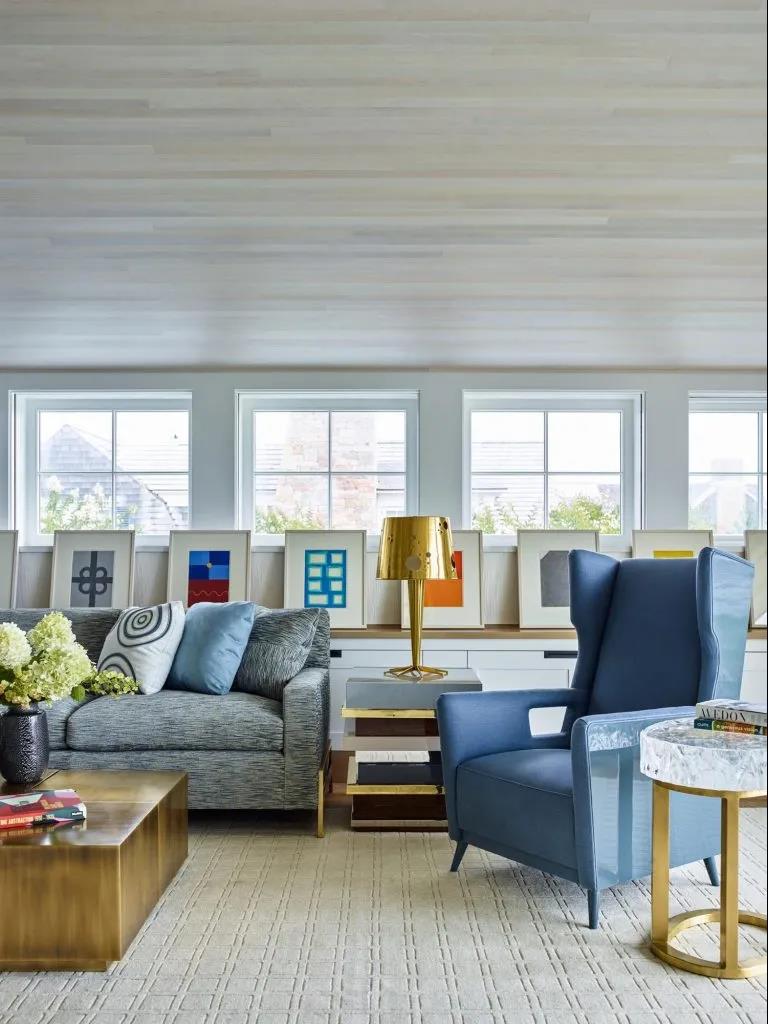
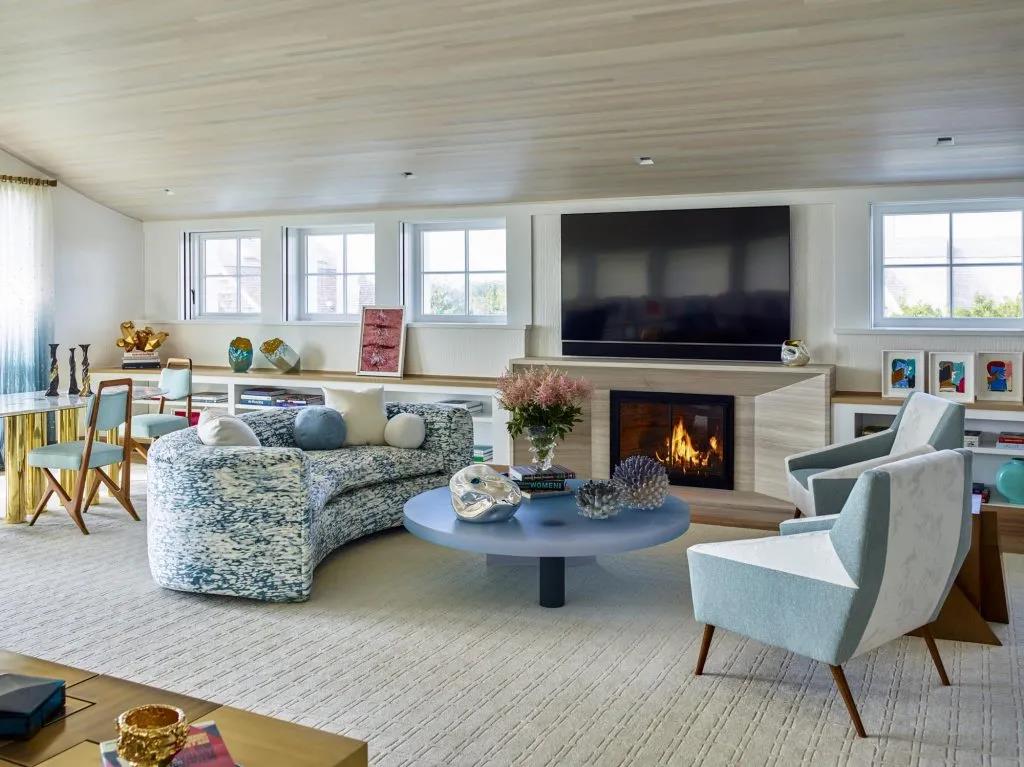
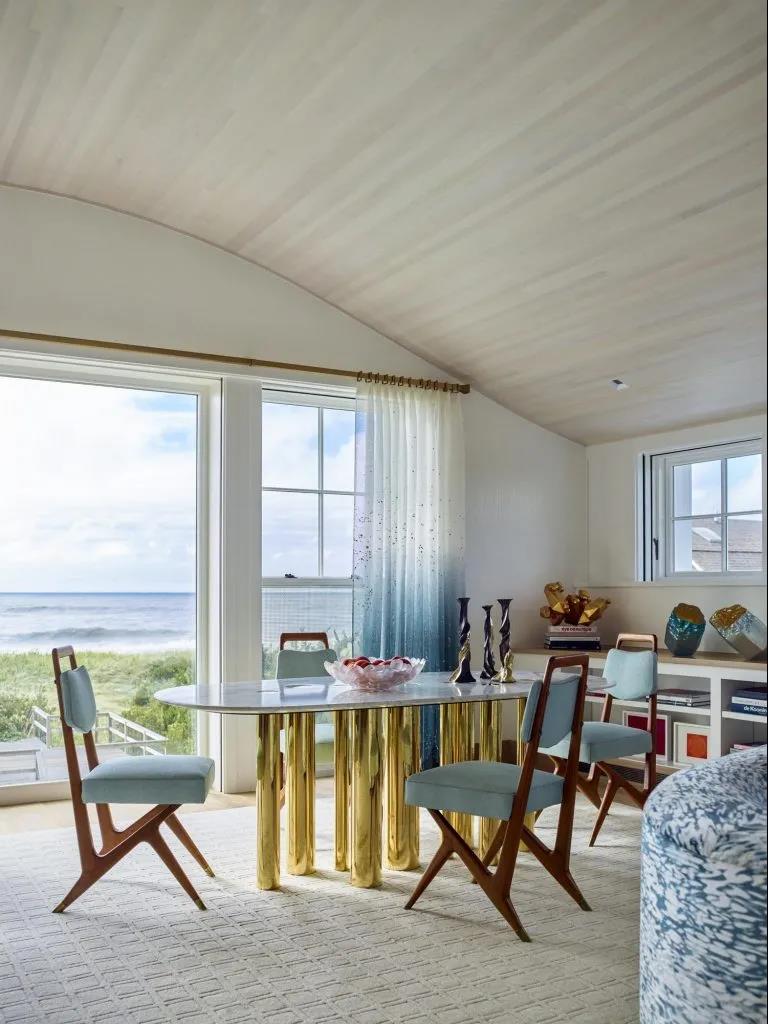
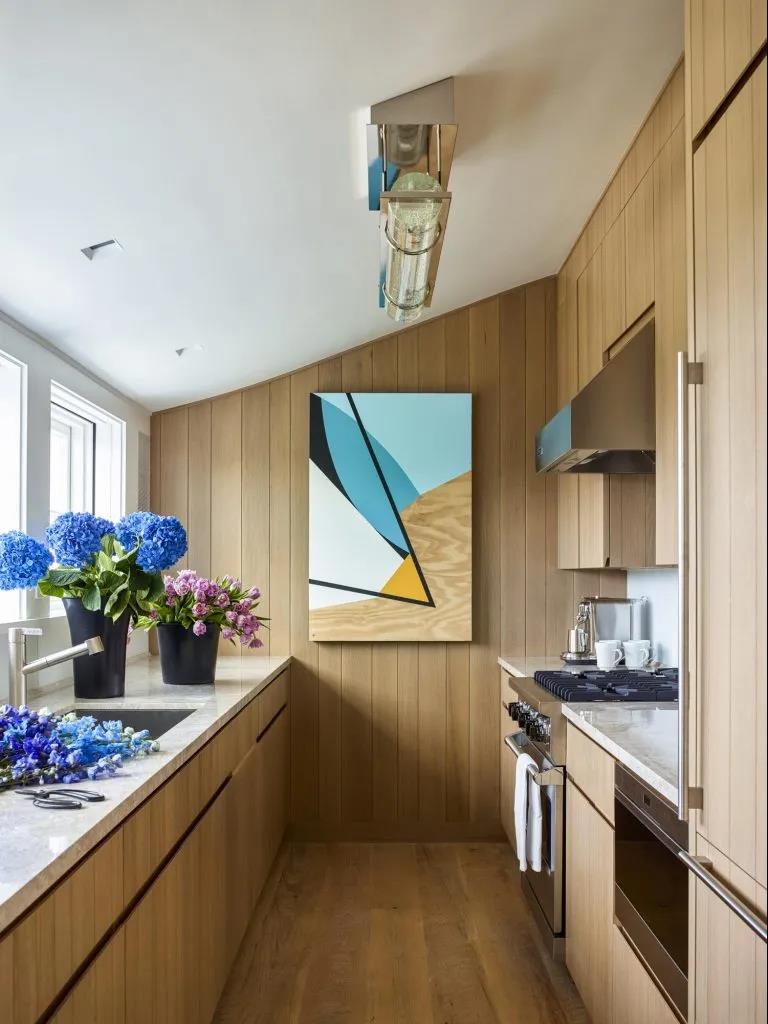
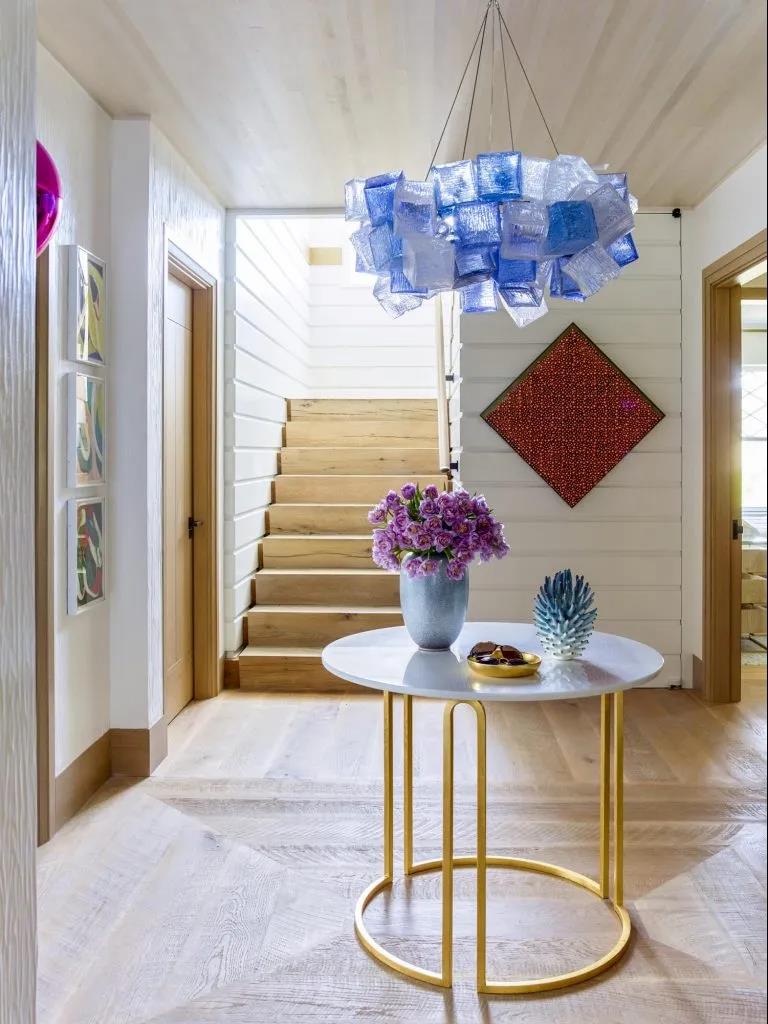
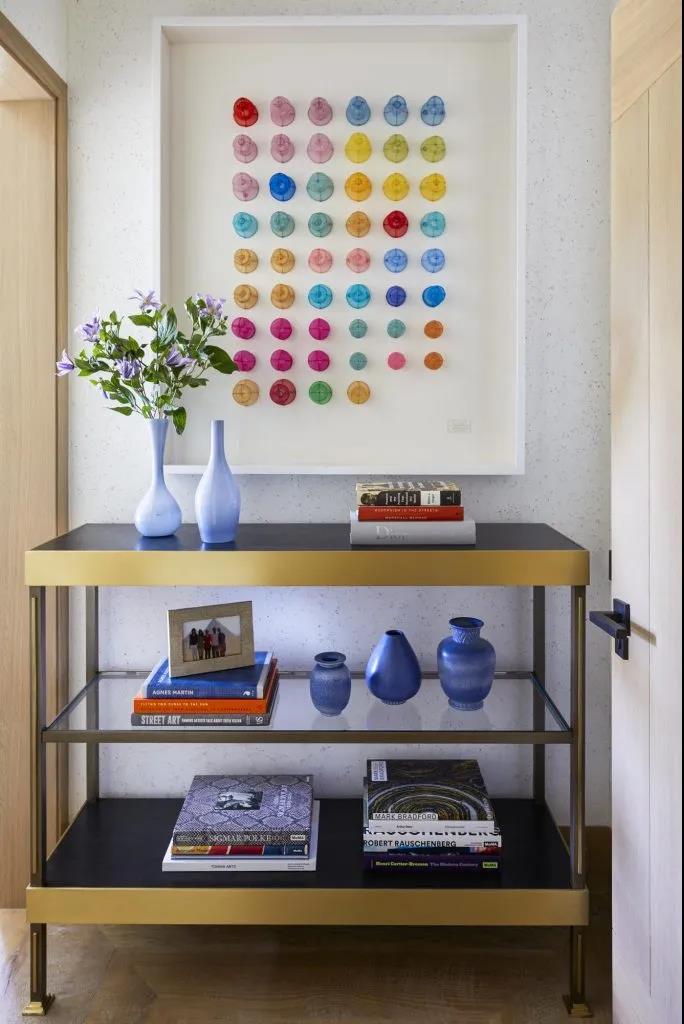
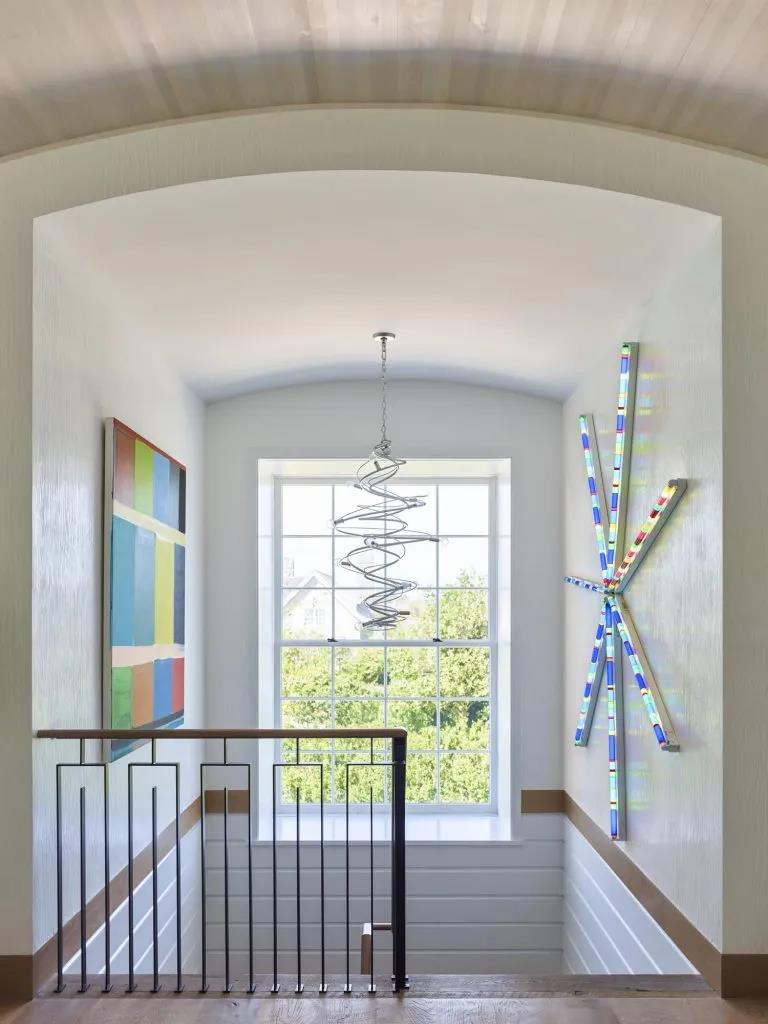
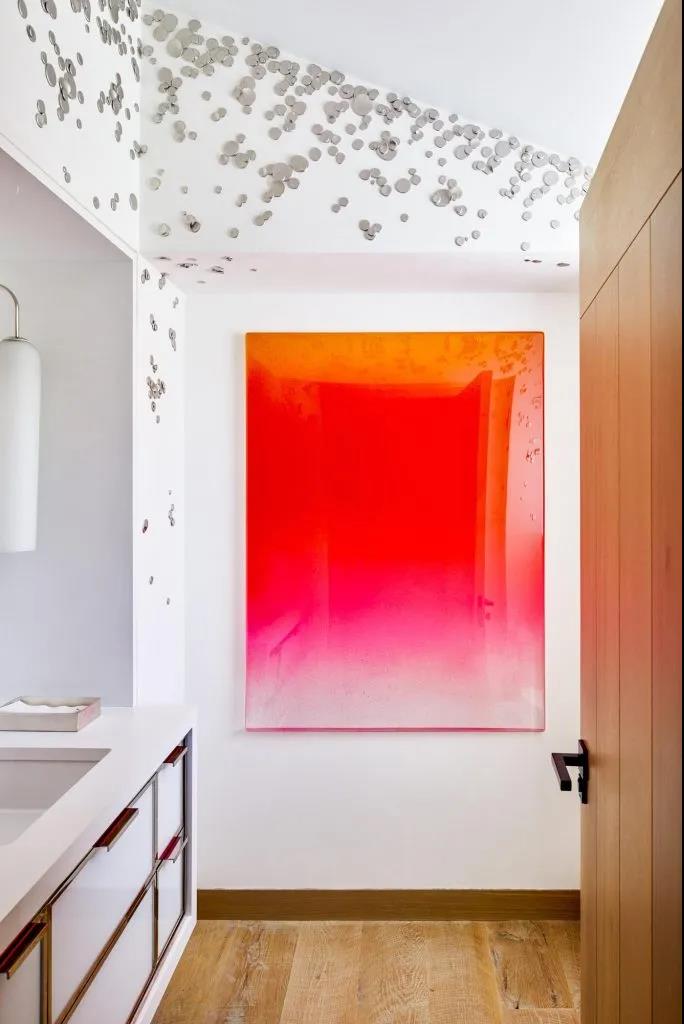
A strong supporter of the arts, Ellie has worked as an exhibition assistant at a Japanese gallery and as a guest curator at an American Folk Art Museum. In addition, she is a member of the Contemporary Council of the Museum of Modern Art and the Metropolitan Museum of Objects and Conservation Access Committee.
04
WESTCHESTER ESTATE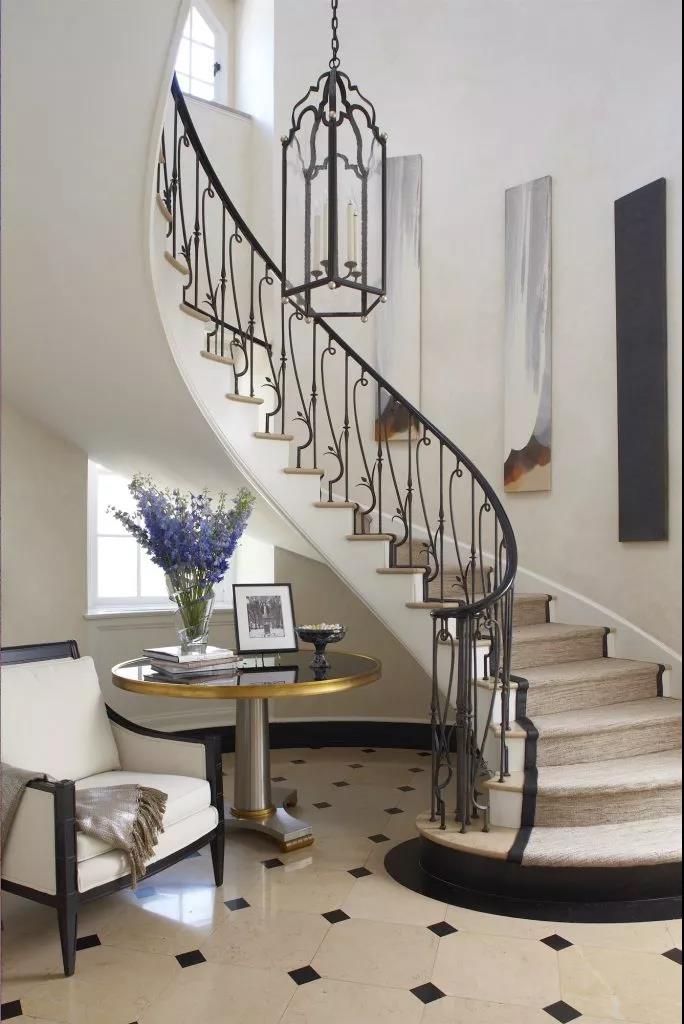
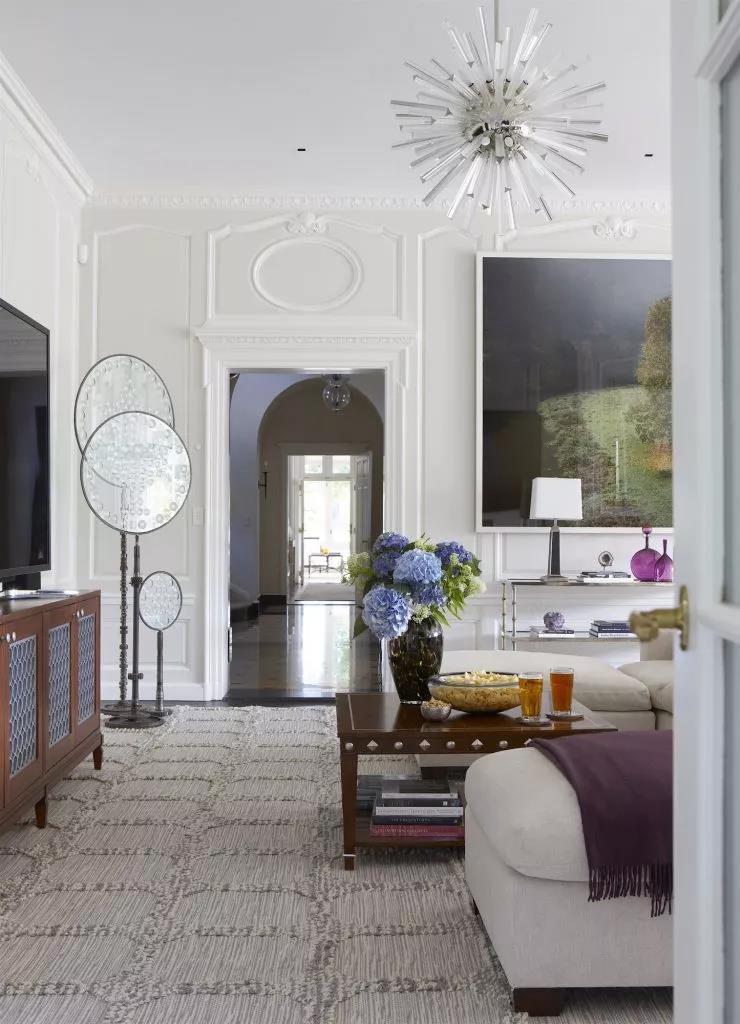
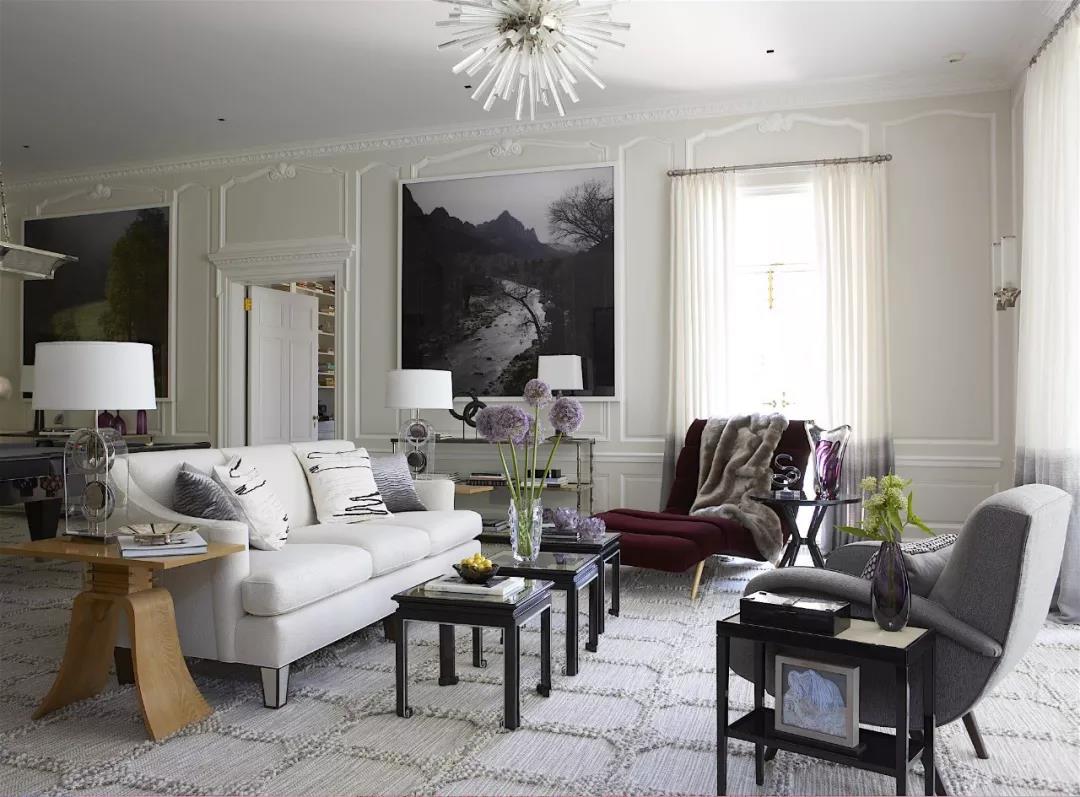
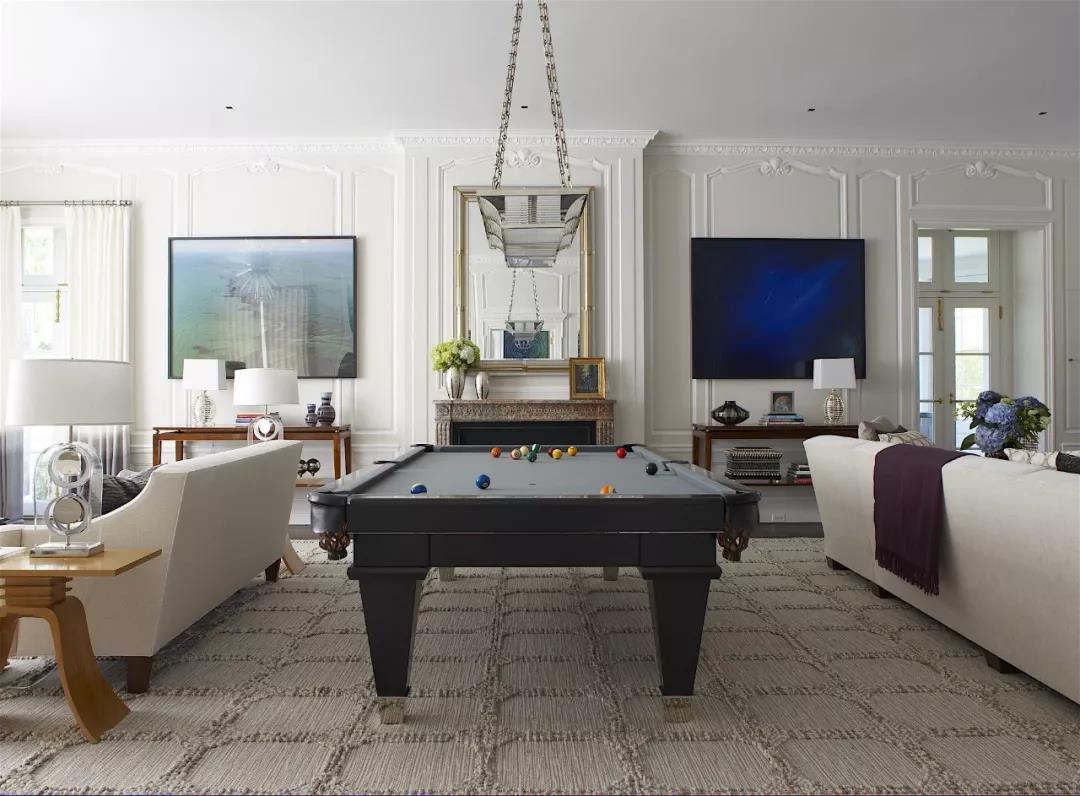
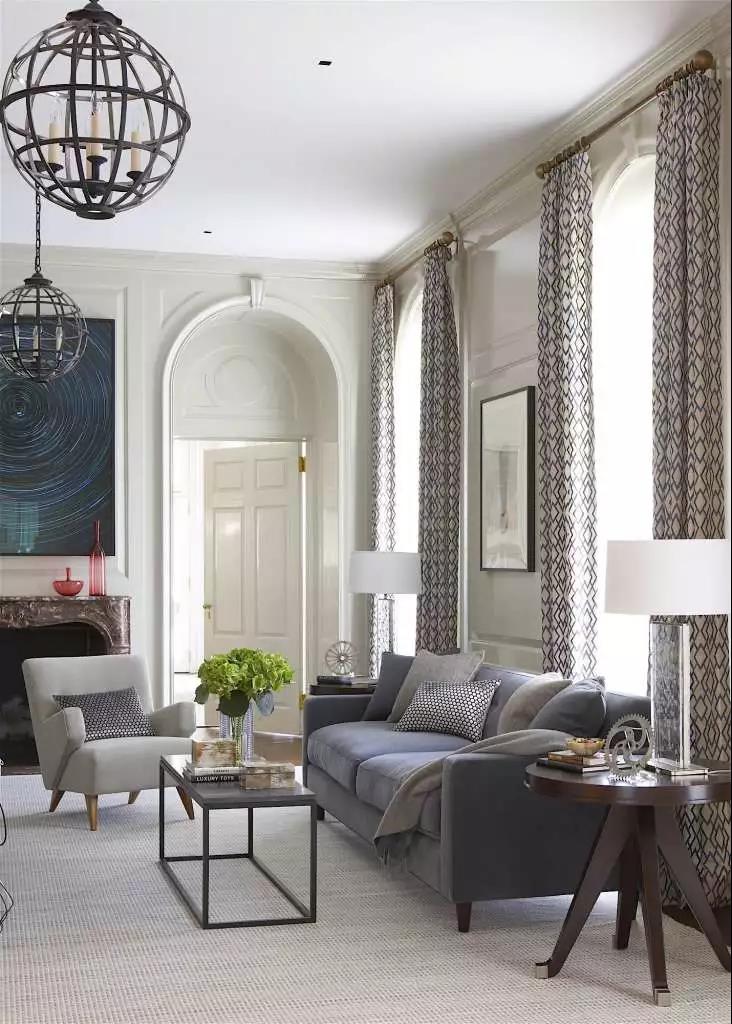
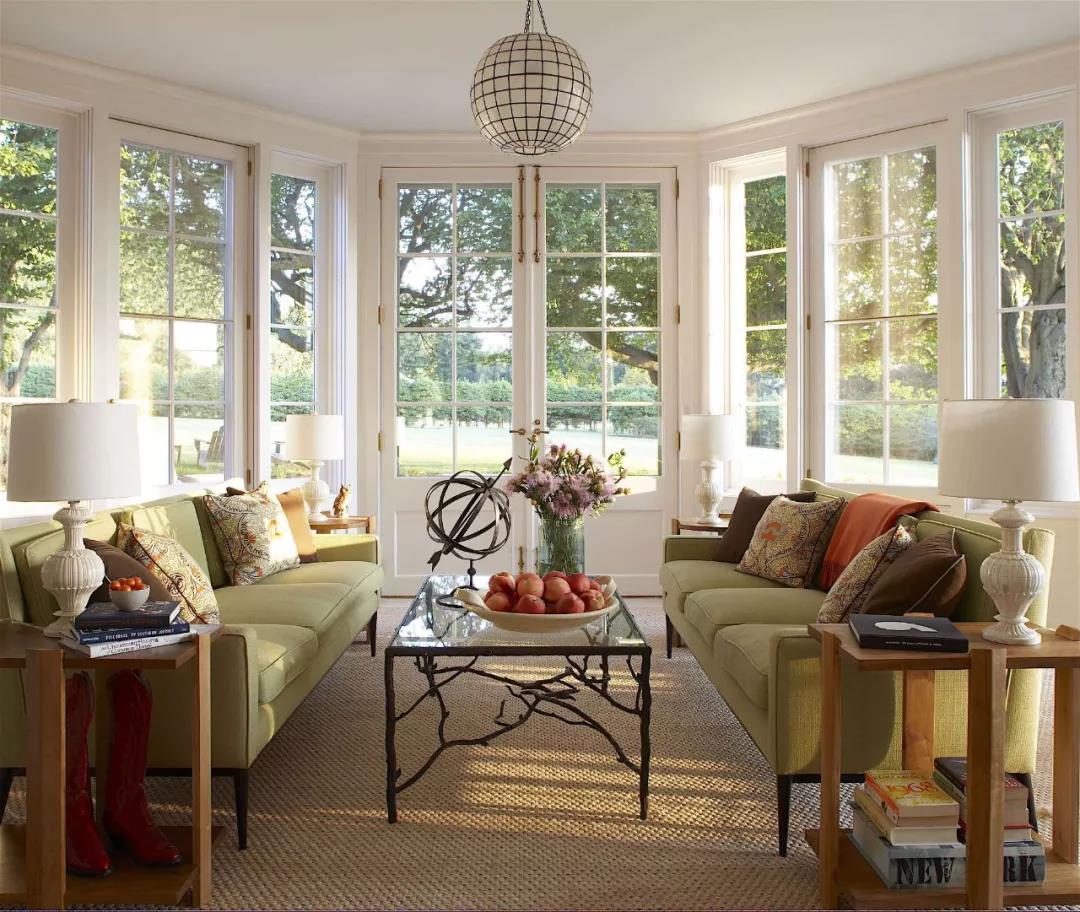
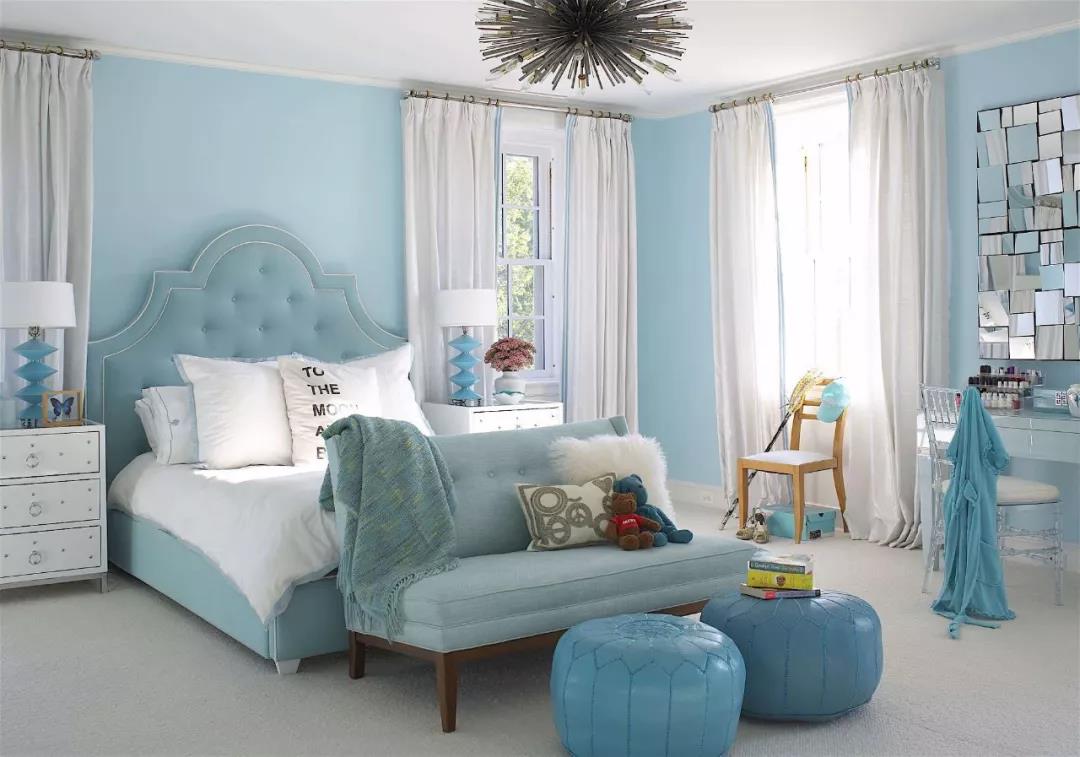
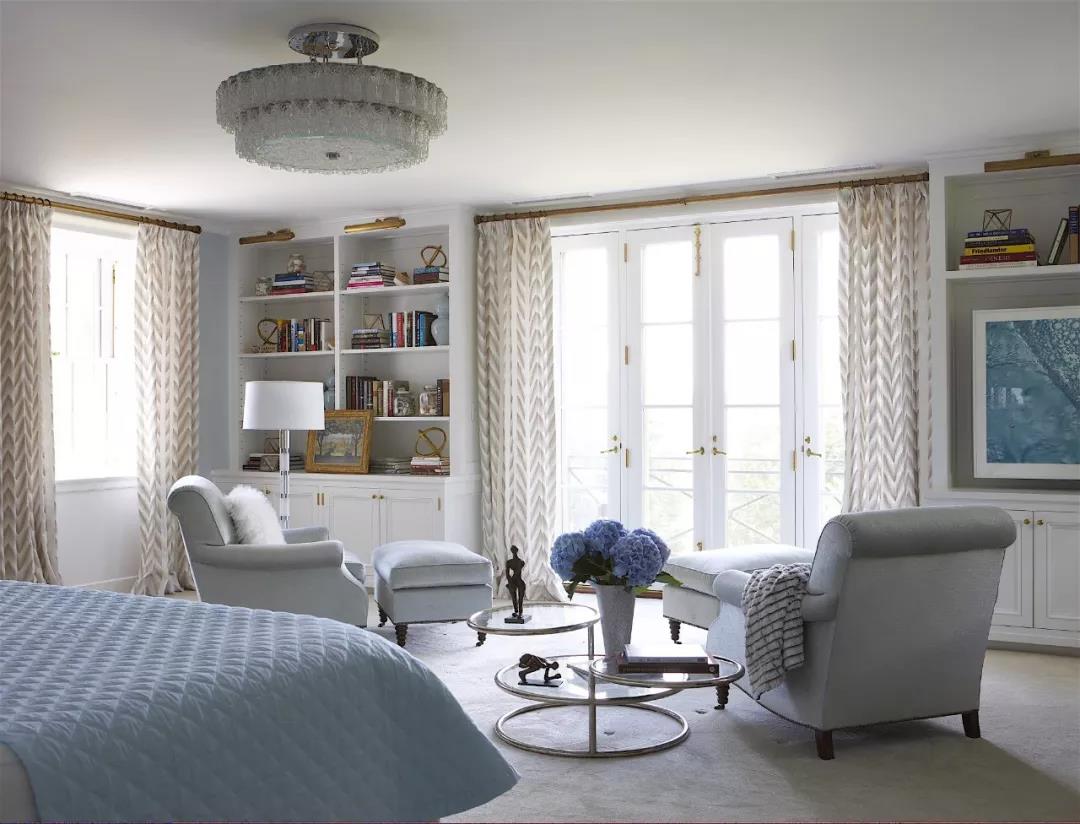
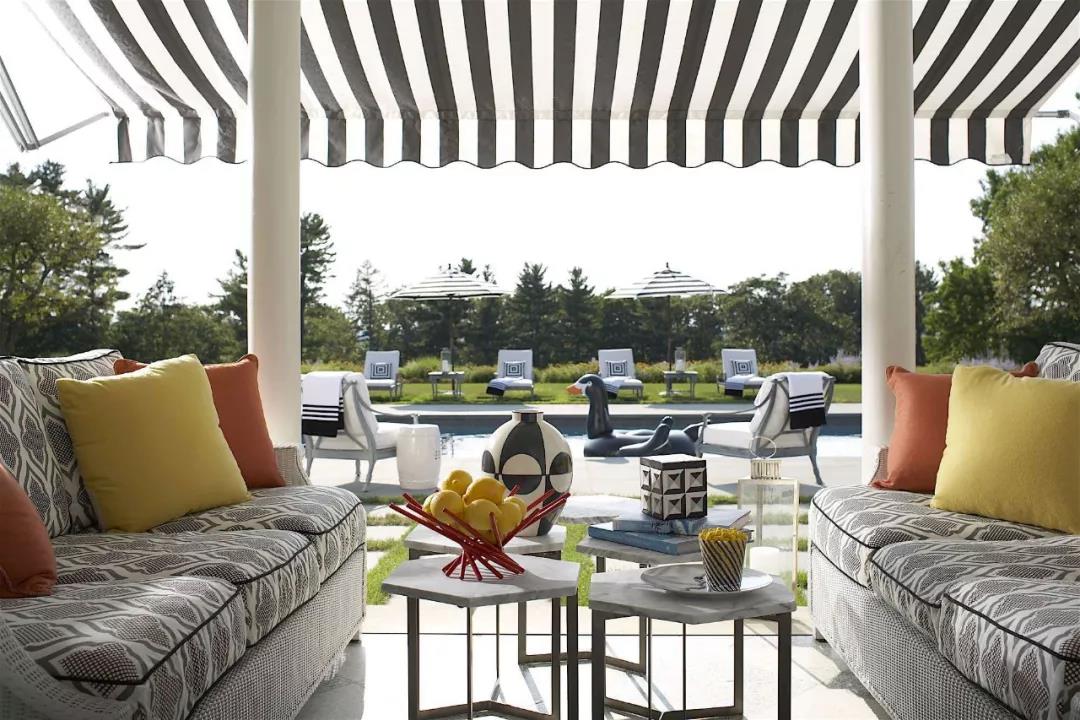
Elegant and practical was C&K’s first objective, Ellie’s utmost pride comes from the fact that each of their homes reflects the owner’s personality, and no two projects are alike.05
UPPER EASTSIDE GEORGIAN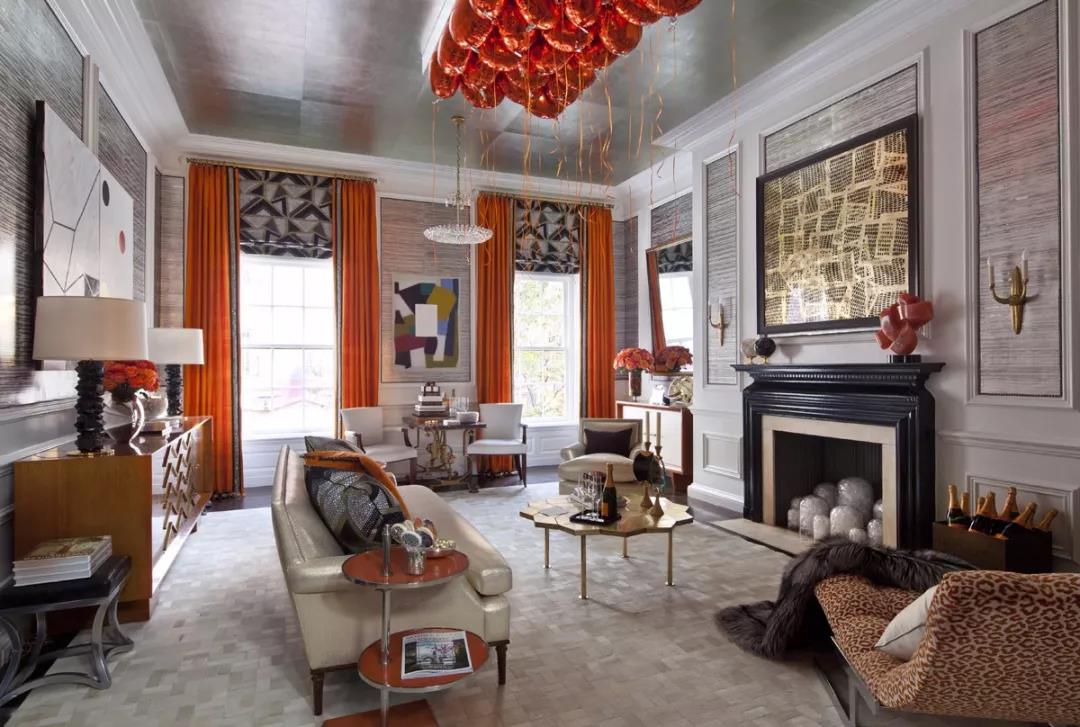
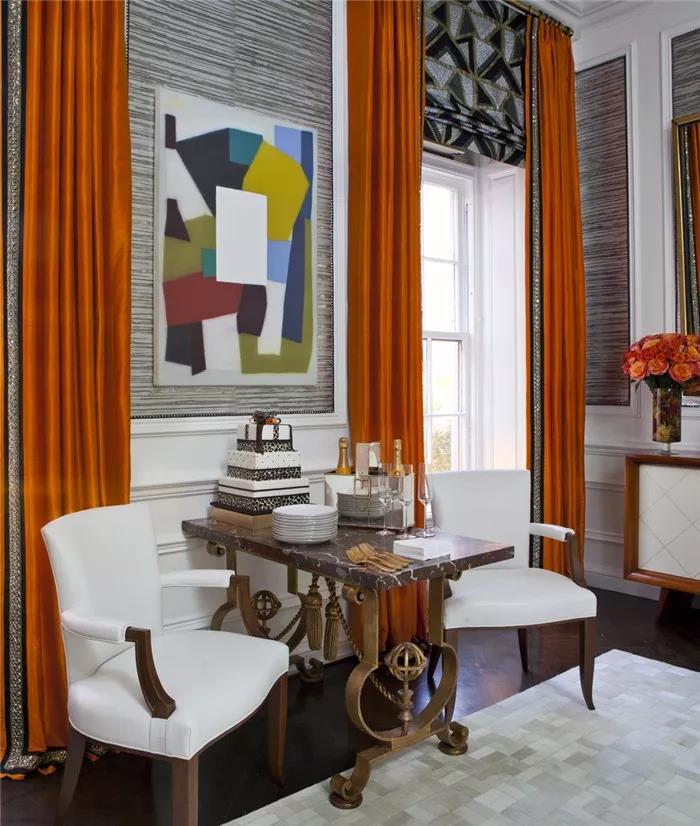
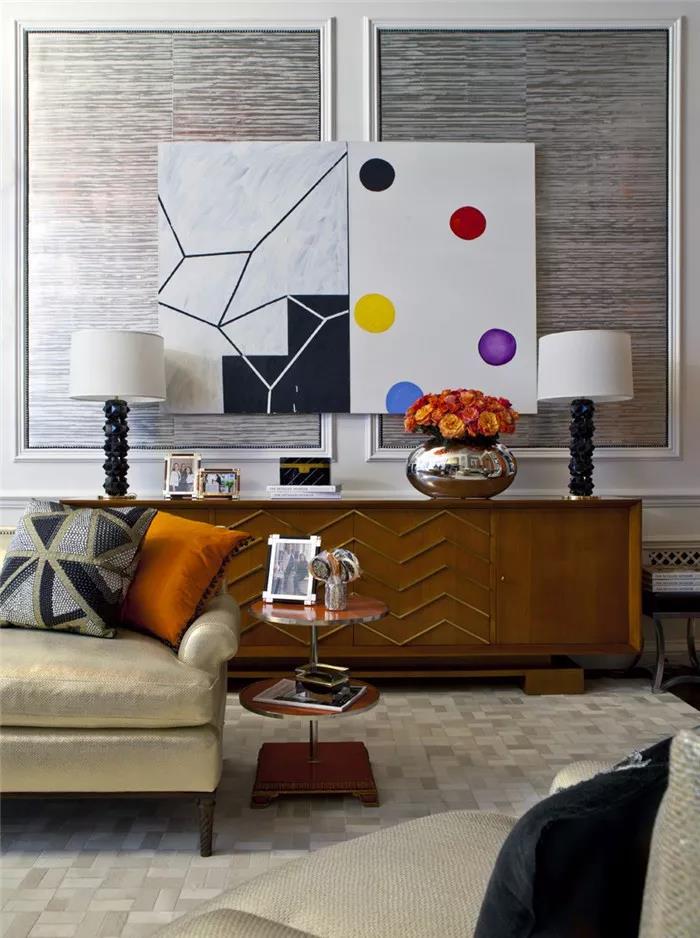
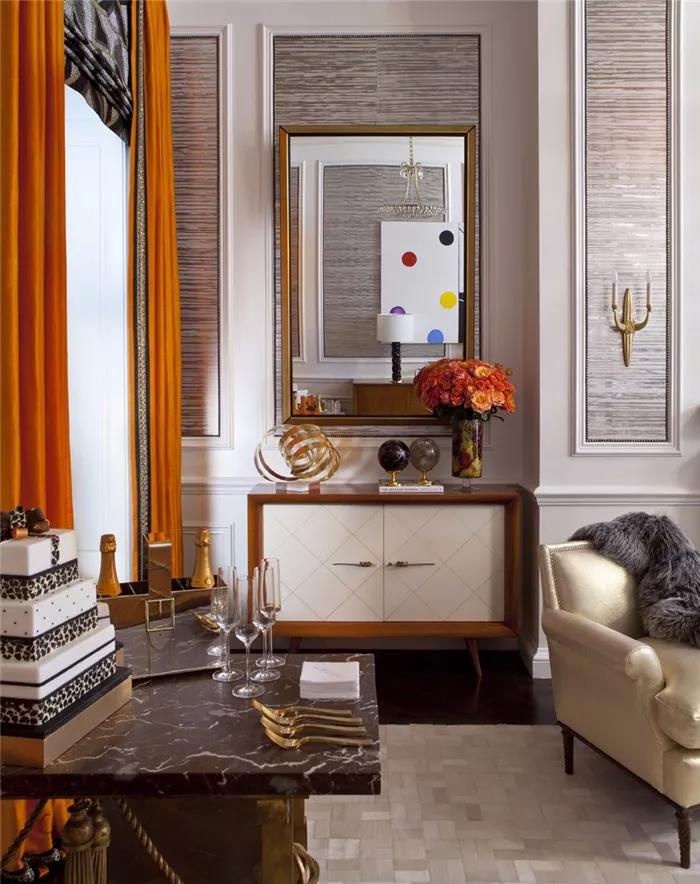
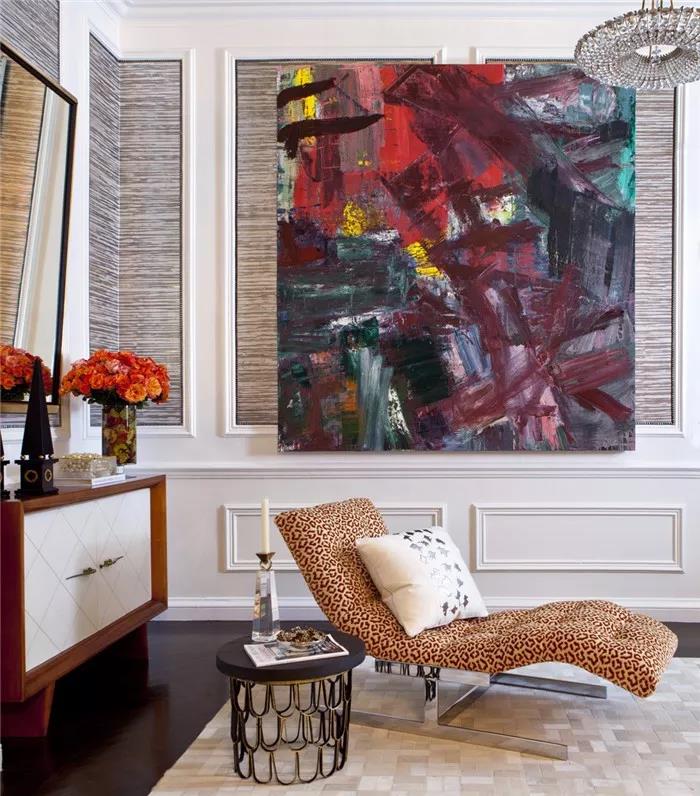
The goal of C&K’s work was to redefine the traditional interior in order to achieve a “modern traditional” aesthetic. With this fresh concept, the point of view is modern, while still respecting the company’s 30-year history. Use antiques and origins from all ages with contemporary artwork, custom furniture, and unique textiles to create complex and layered dynamic interiors.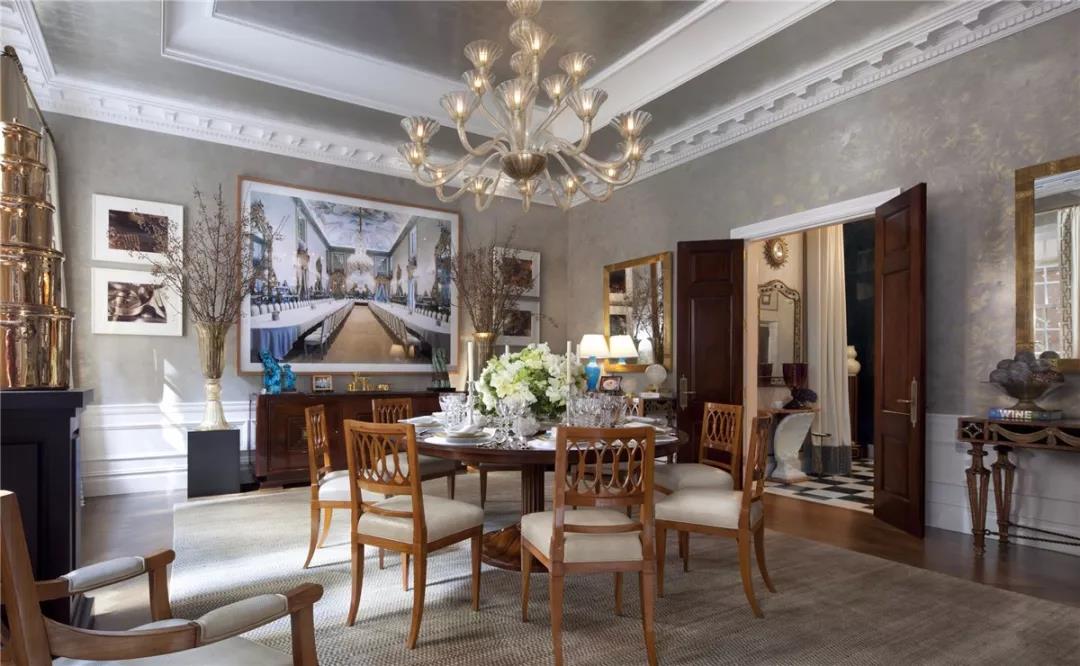
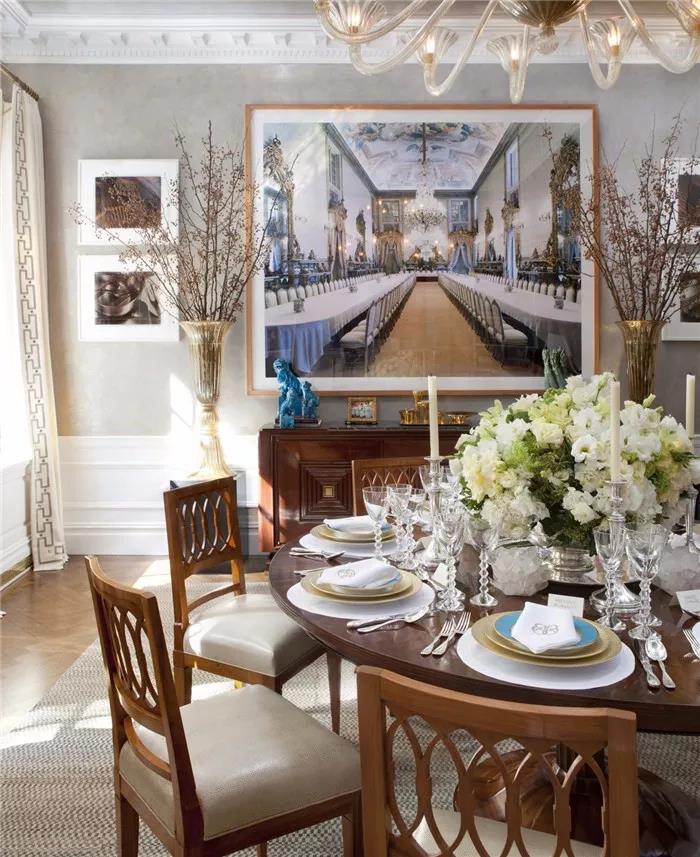
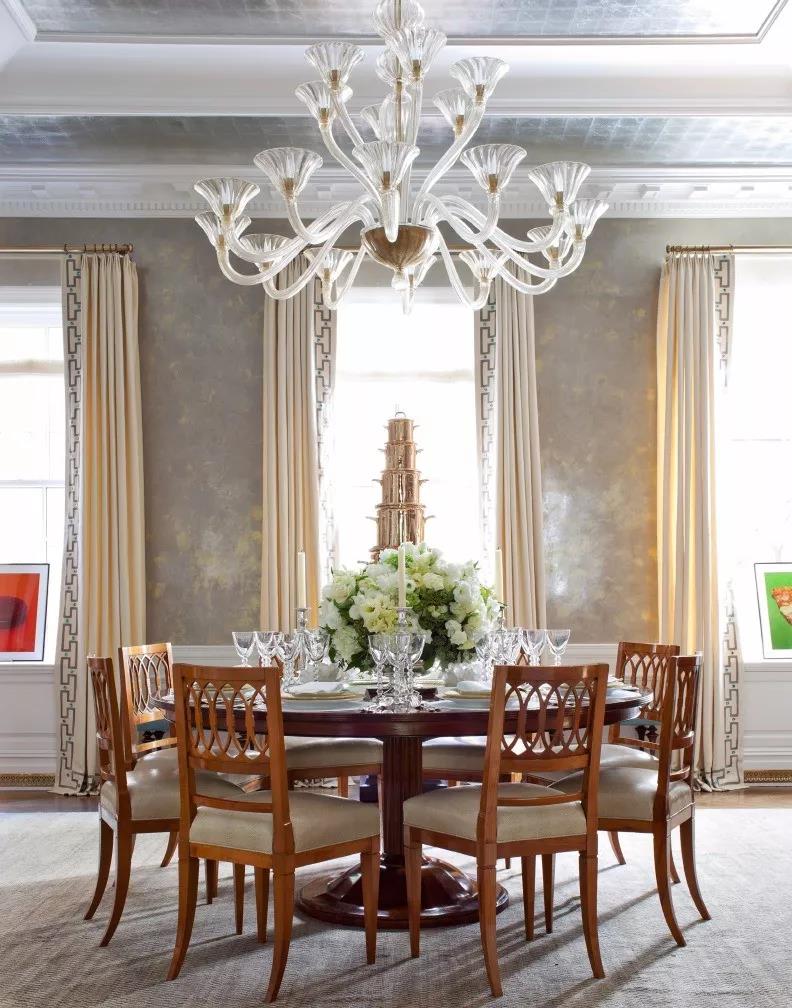
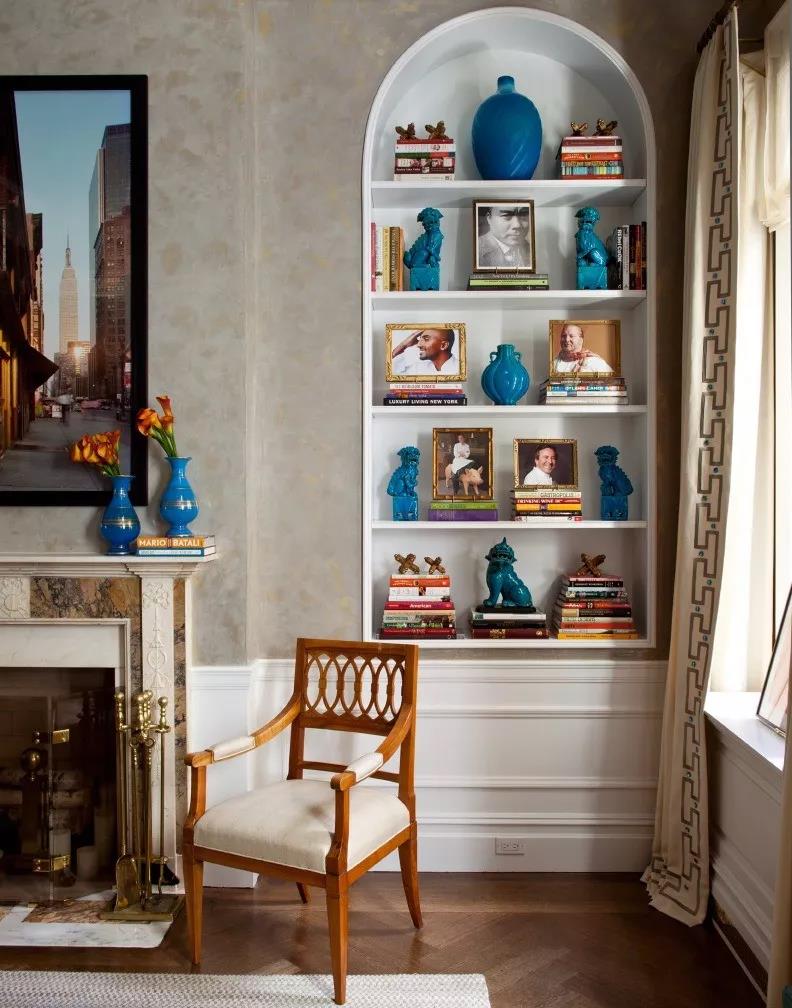
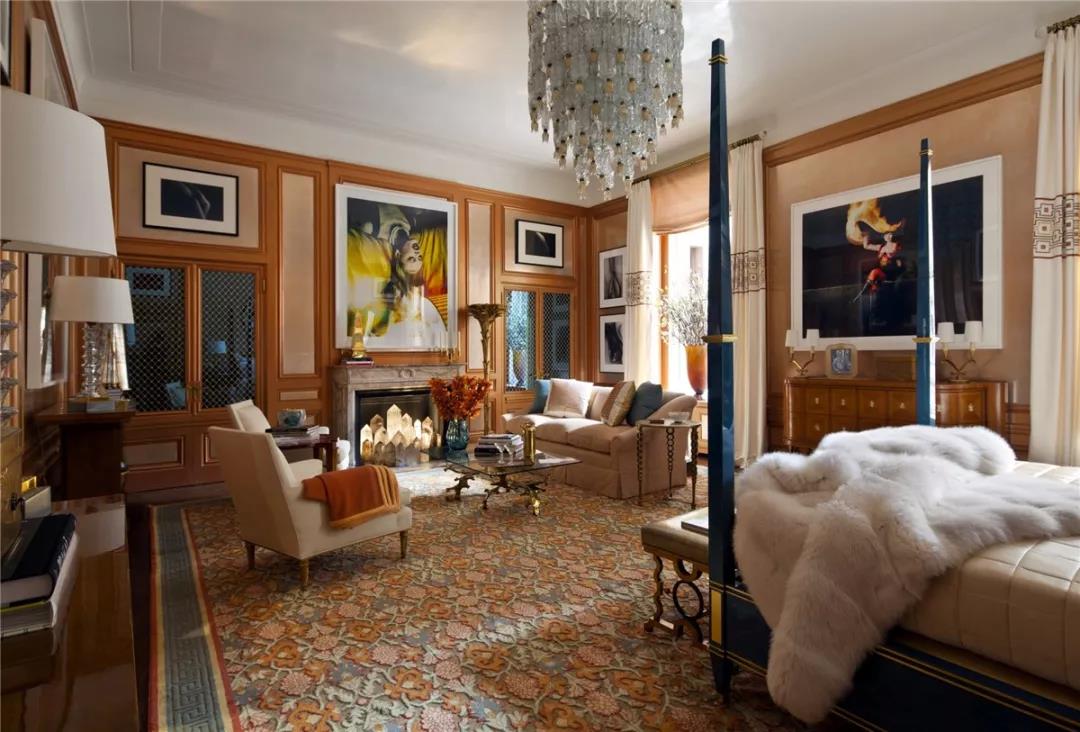
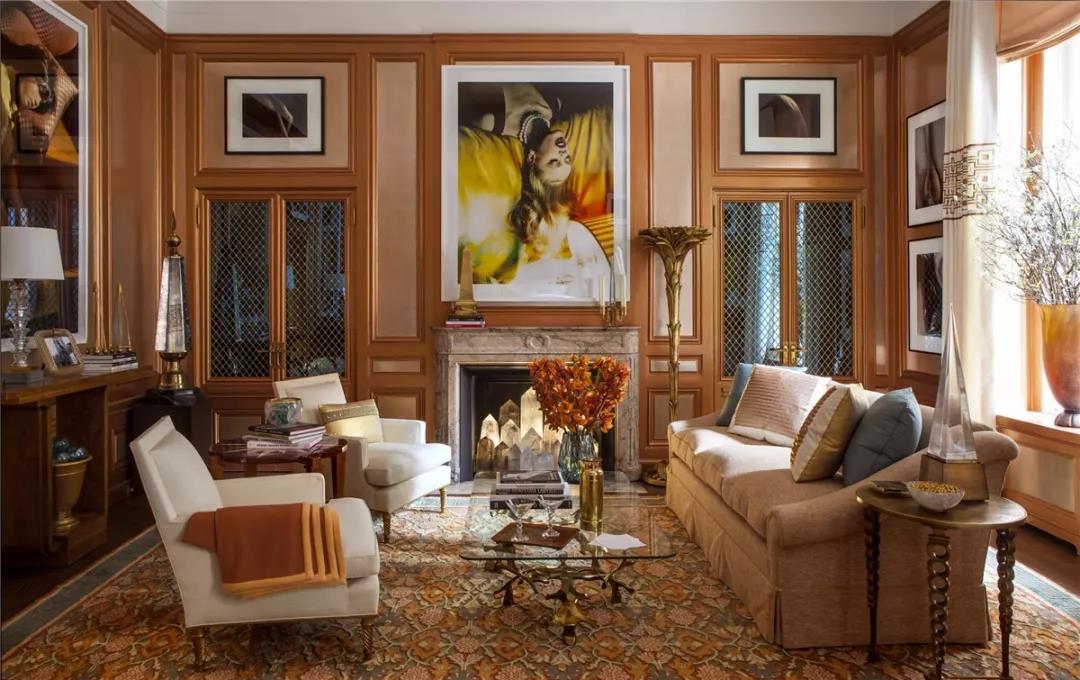
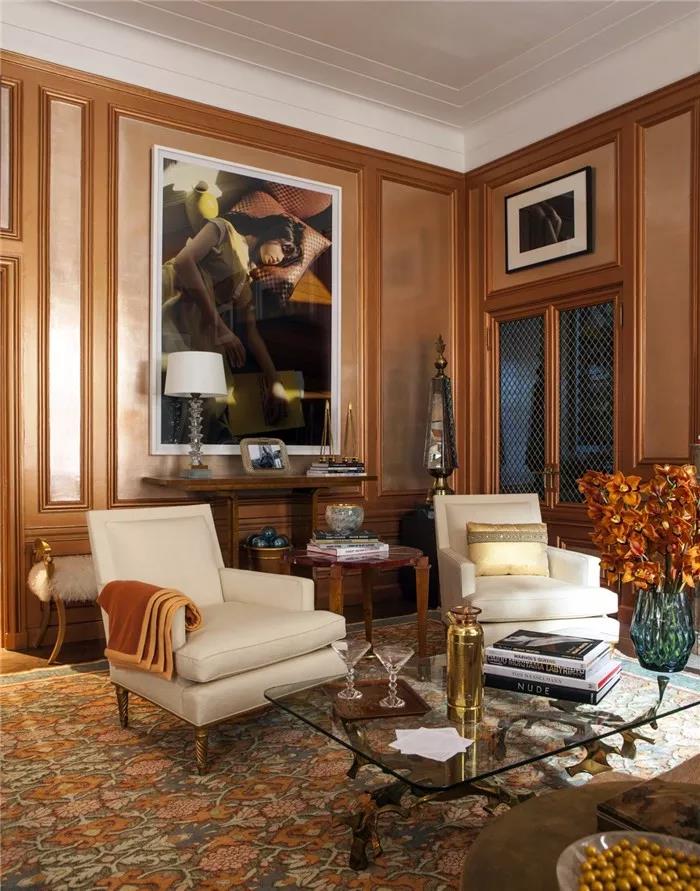
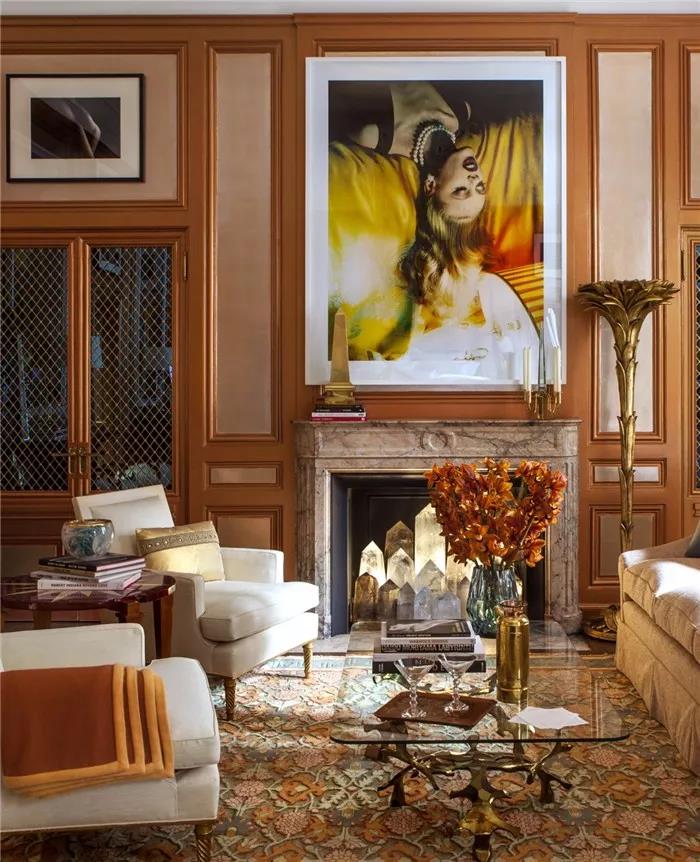
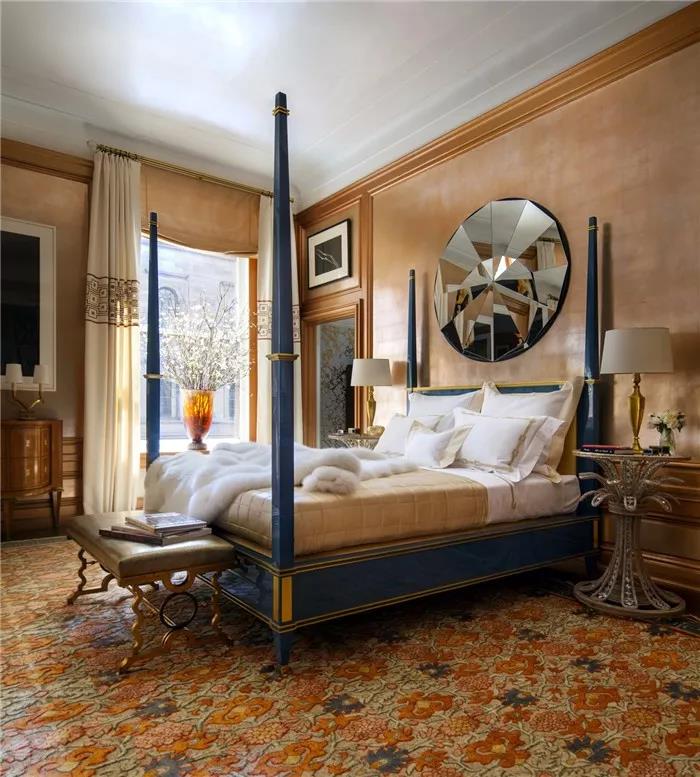
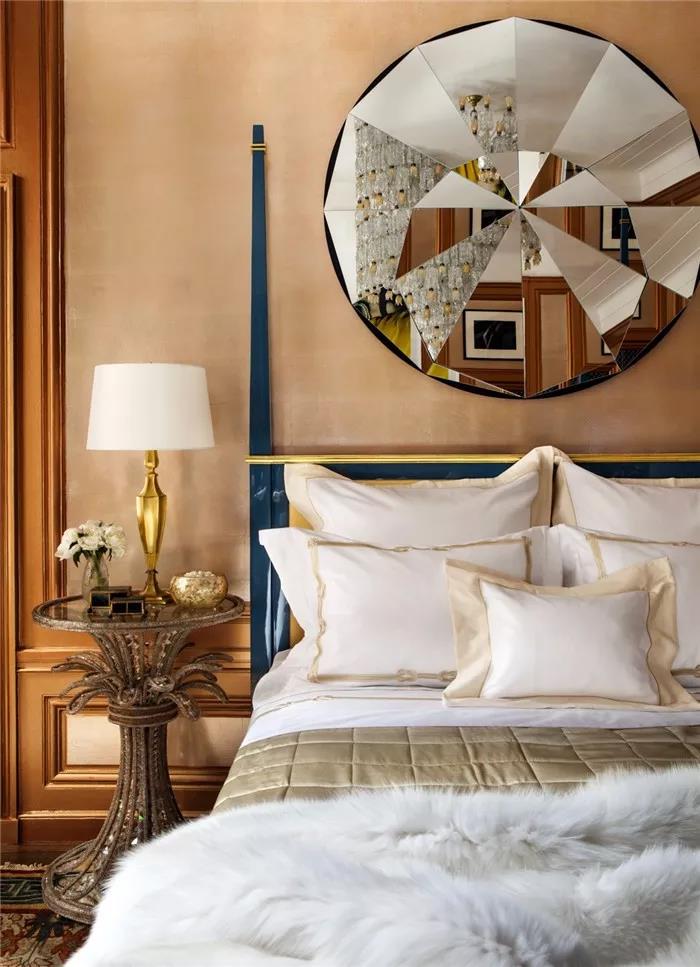
When asked Cullman & Kravis by Artemest, “What is the one design/decor you cannot imagine your clients (or yourself) living without?”
“Art! No matter how perfect a room is down to every last detail, a space doesn’t truly come to life until there is art hanging on the walls.”
YOUR BEST SOURCE FOR INCREDIBLE ARTSAt SOA Arts, we’re proud to be one of the best wholesale art suppliers in the world. We have over ten year’s experience in creating, sourcing, and curating paintings for rooms. We have an intimate understanding of interior design and how it can transform your business’ potential.
Whether you need a large volume of high-quality artwork, want to commission something special, or are just unsure where to start, we’re more than happy to help you on your search.
Get in touch today and let’s make something beautiful!
-
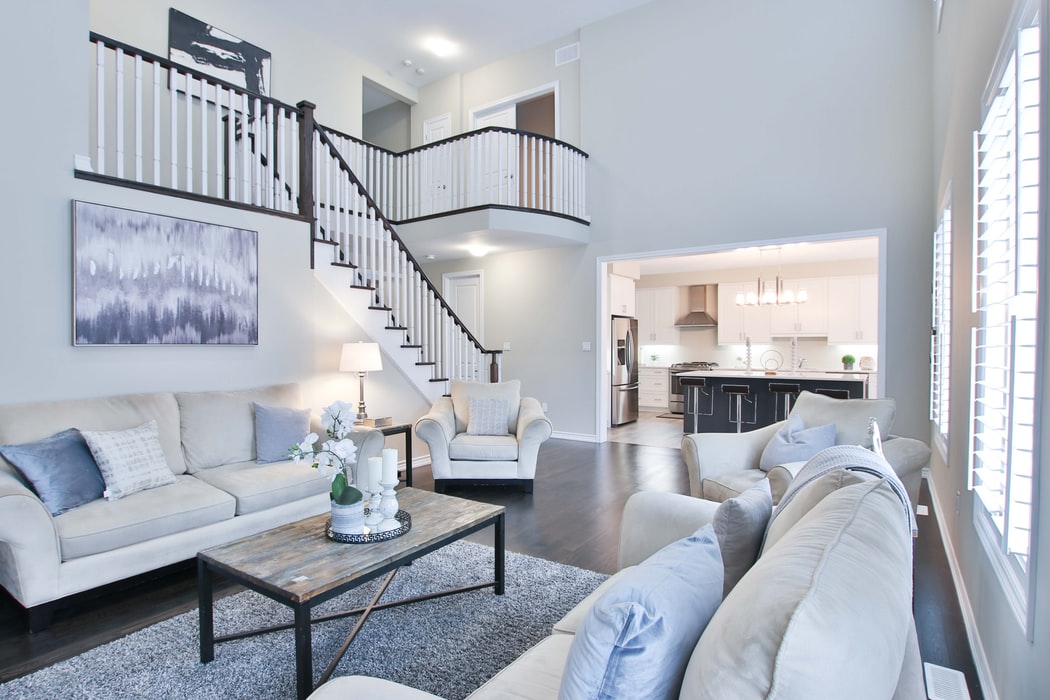
Looking for interior design ideas? You’ve come to the right place. In this post, we’ll explore some of our favorite tips for softer, more welcoming interiors. We’ll give some specific examples and provide a few interior design tips along the way for good measure.
The way you choose to present your interior says a lot about who you are and what you want the space to represent. If you manage a property like a hotel or a venue, the design you choose can mean the difference between success and failure.
The good news is that with just a few interior design tips, you’ll be well on your way to finding the soft decoration motifs that work for you.
Read on to boost your soft decoration skills!
Tip 1 – Experiment With Pastel Colours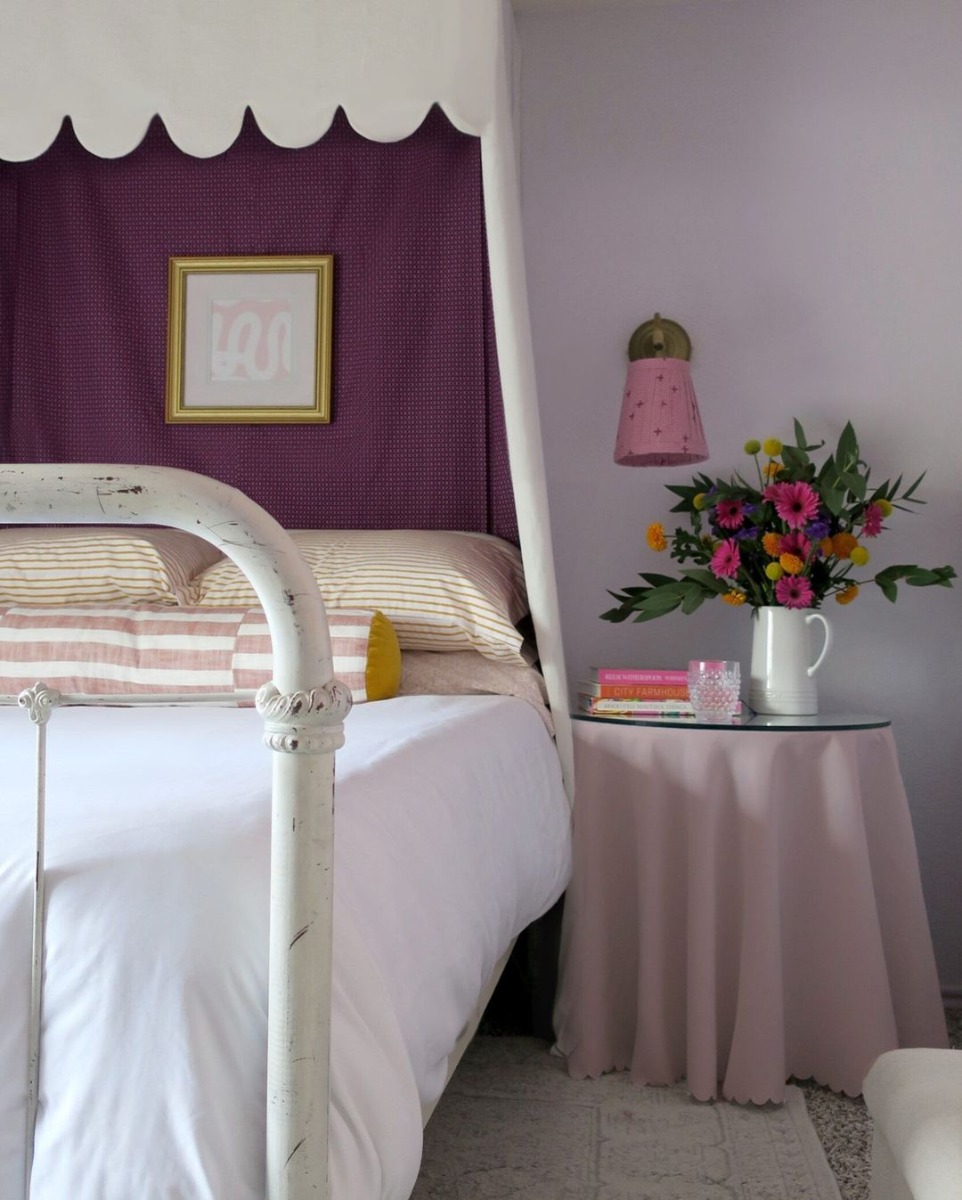
Source and credit: @em_henderson
A huge part of perfecting your soft decor is finding a color scheme that fits perfectly. As a general rule, light colors will serve you well in this regard. Plenty of whites and cream colors should be used to take advantage of as much available light as possible.
Pastel colors are another tool at your disposal that can make all the difference. Think soft pinks, reds, blues, and anything else in between. The key here is to find colors that complement each other and bring out the vibrancy of your space.
Take the above post from interior designer Emily Henderson, for example. Notice how the pinks, whites, and purples in the room all complement and elevate each other. The pastel colors used in this room form part of a larger whole rather drawing too much attention individually.
Source and credit: @em_henderson
One of the interior design ideas we love here is the use of a darker back panel behind the bed. This use of light and color works very well in our opinion.
Tip 2 – Find Artwork That Fits the Room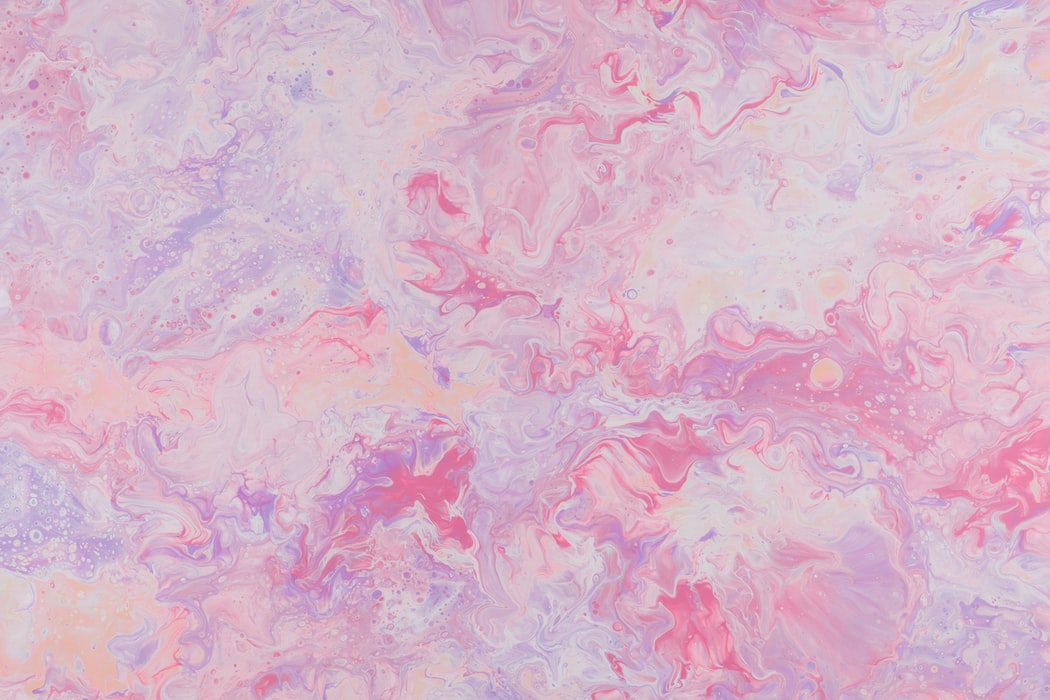
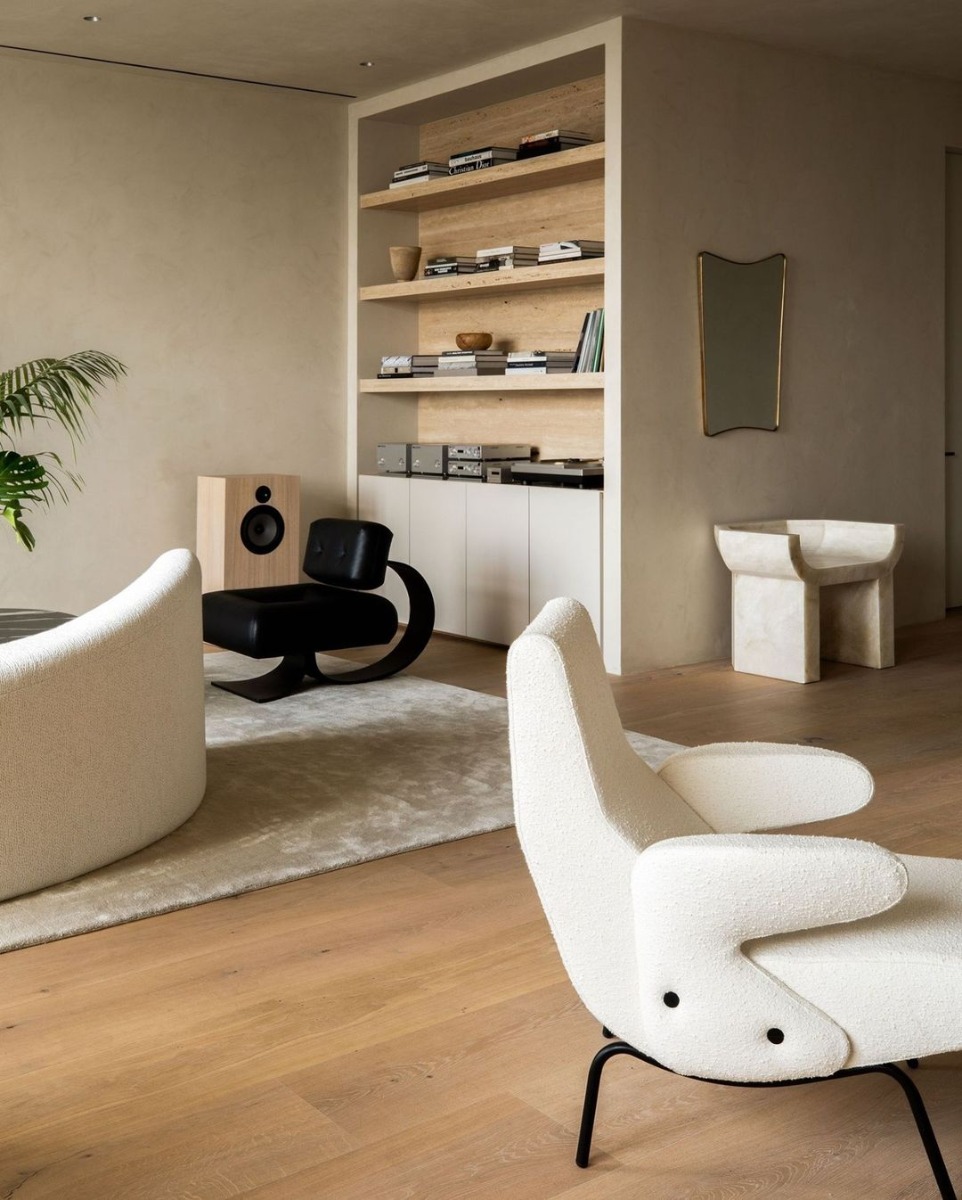
Once you’ve nailed down your chosen soft color scheme, it’s time to find artwork and prints that tie it all together. Spend some time researching artists online that fit within your current design.
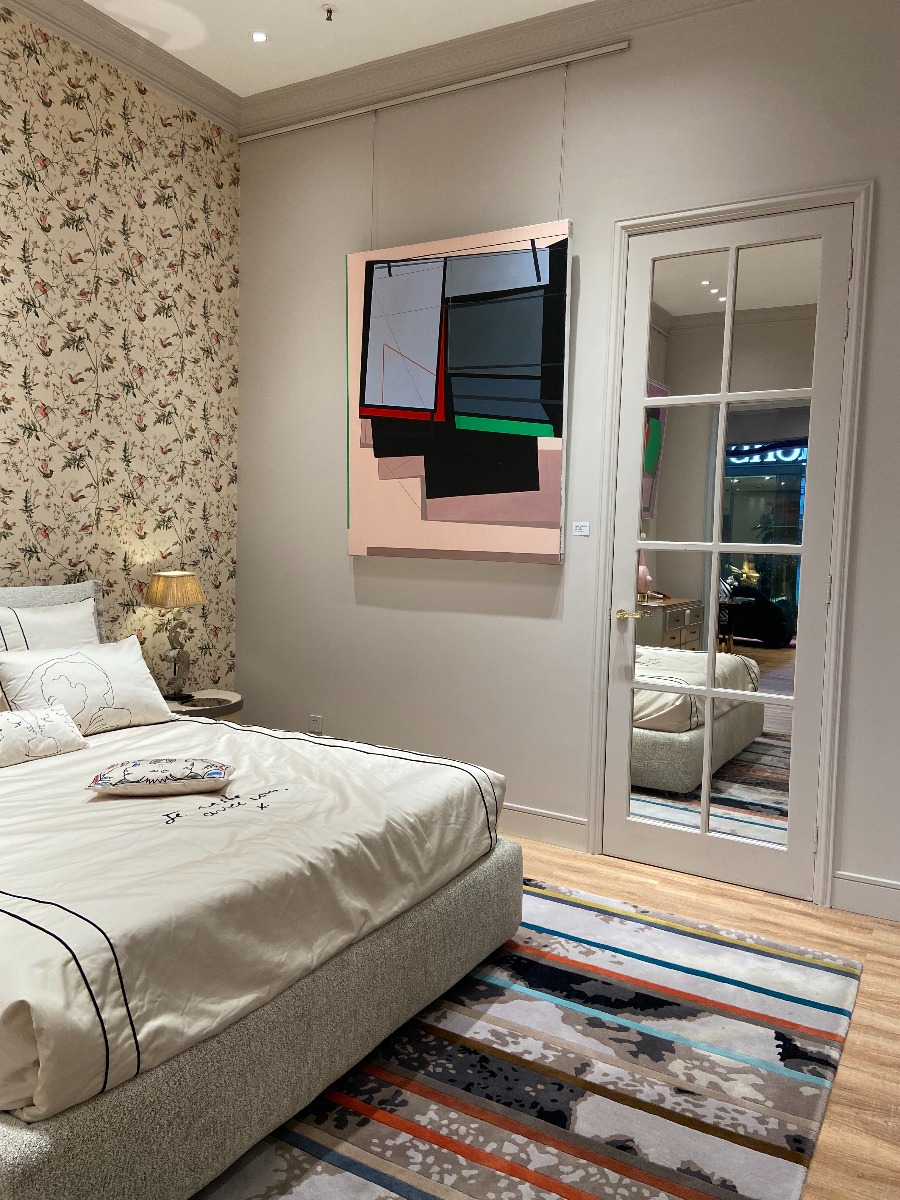
The good news is that there’s a veritable slew of work out there that makes use of lighter, more pastel motifs. When it comes to softer decorating techniques, these artworks tend to be perfect.
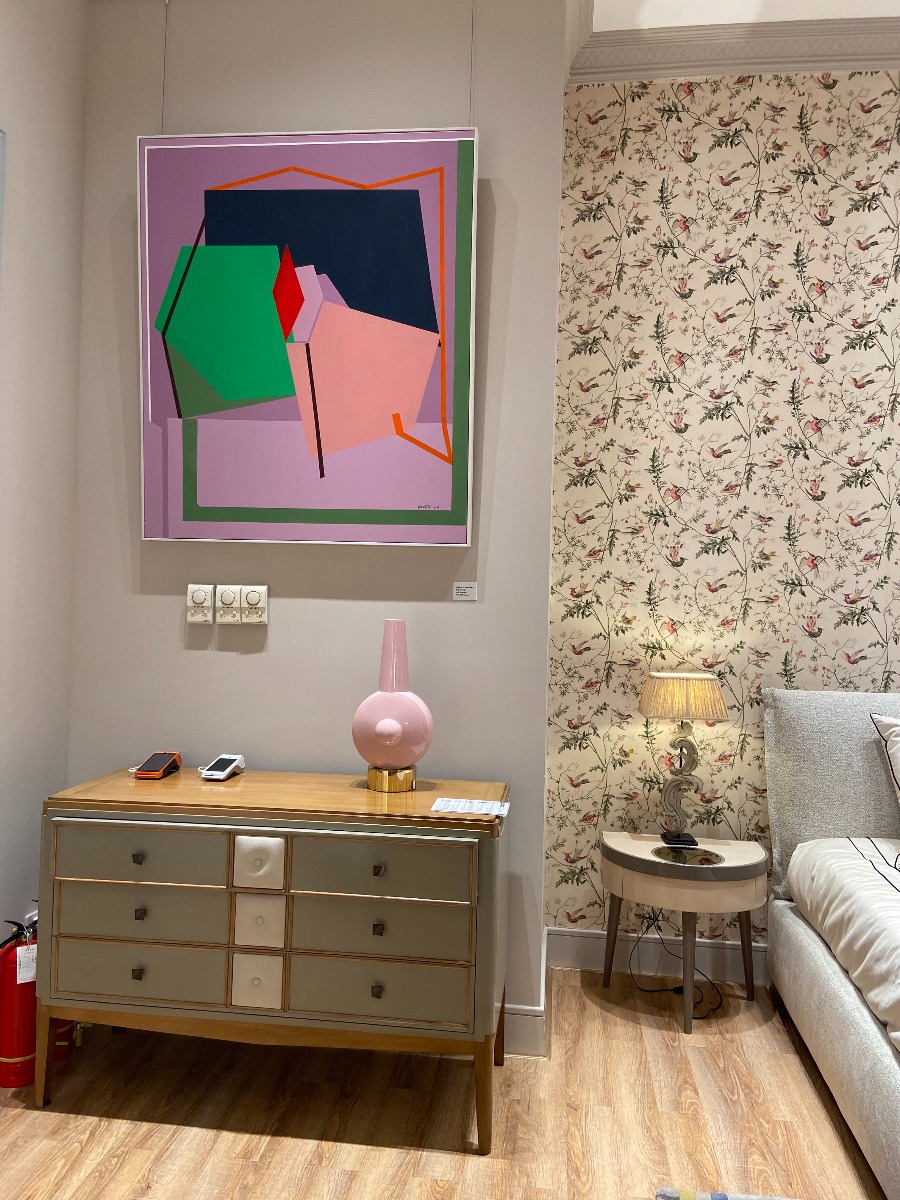
If sourcing artwork yourself is proving to trickly, there’s no shame in relying on the experts. Our Chinese art factory has over a decade’s experience in sourcing and producing art that’s perfect for your interiors.
Tip 3 – Make Use of Your Space
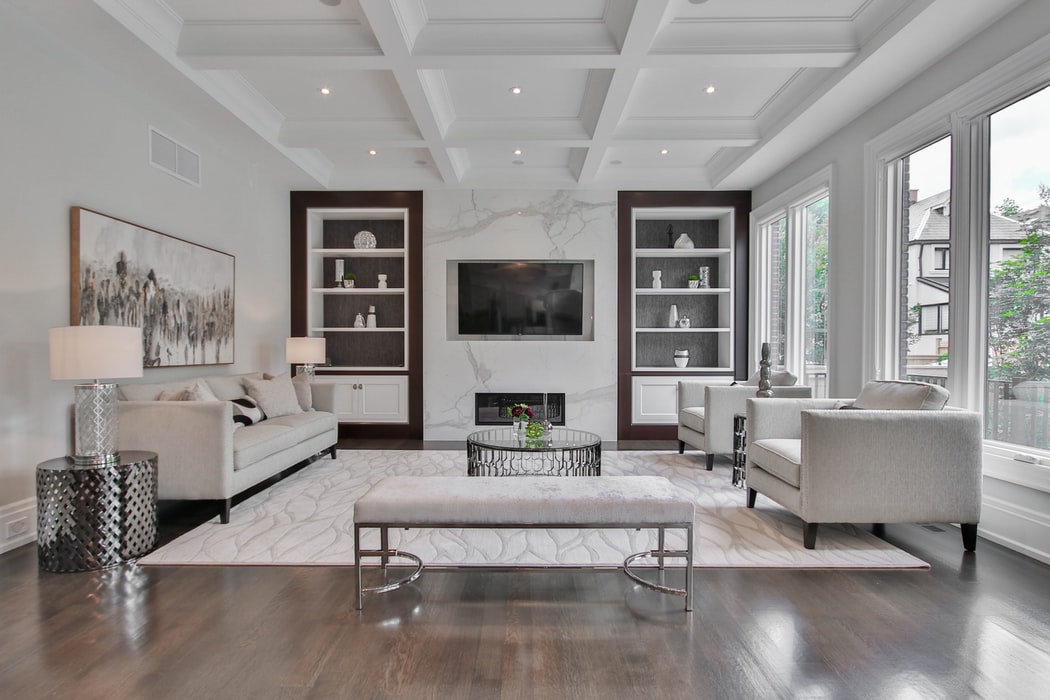
Soft decoration and the interior design ideas that come with it all depend on light, bright motifs that make your rooms feel spacious and open. For this reason, it’s very important that you consider your available space closely and make use of every inch.
Natural light in particular is your best friend here. Avoid blocking your windows or light fixtures with unnecessary elements. The more natural and soft light you can have in your space, the better your chances of it all coming together perfectly.
Get in Touch Today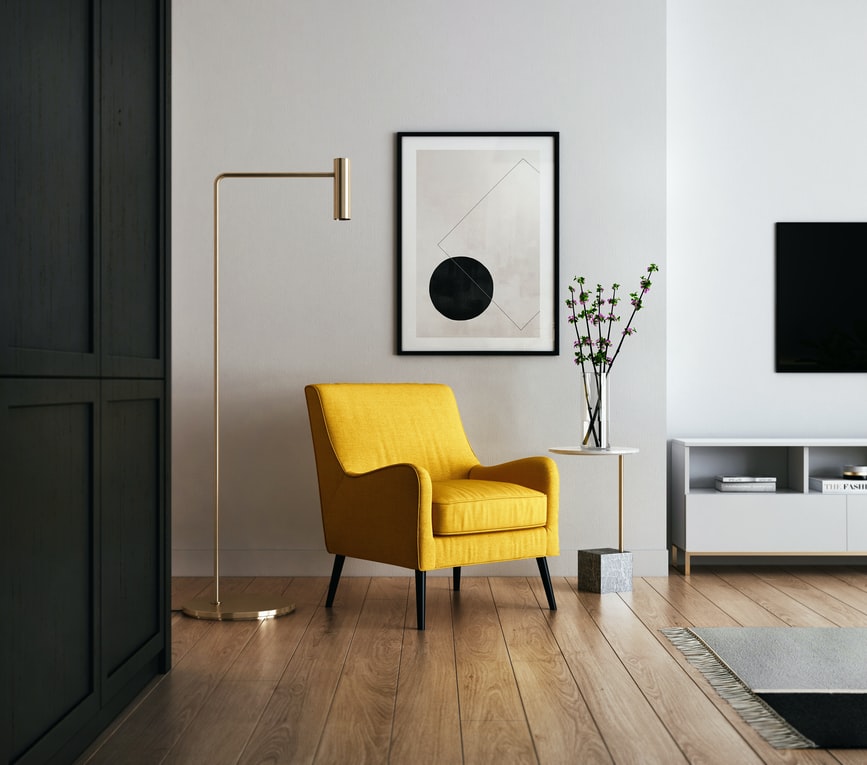
Whether you know exactly what you’re looking for or need help knowing where to start, SOA Arts are ready and waiting. We’re experts at curating, producing, and implementing art from around the world to create interior designs that are simply perfect.Get in touch today and let’s make something beautiful!
-
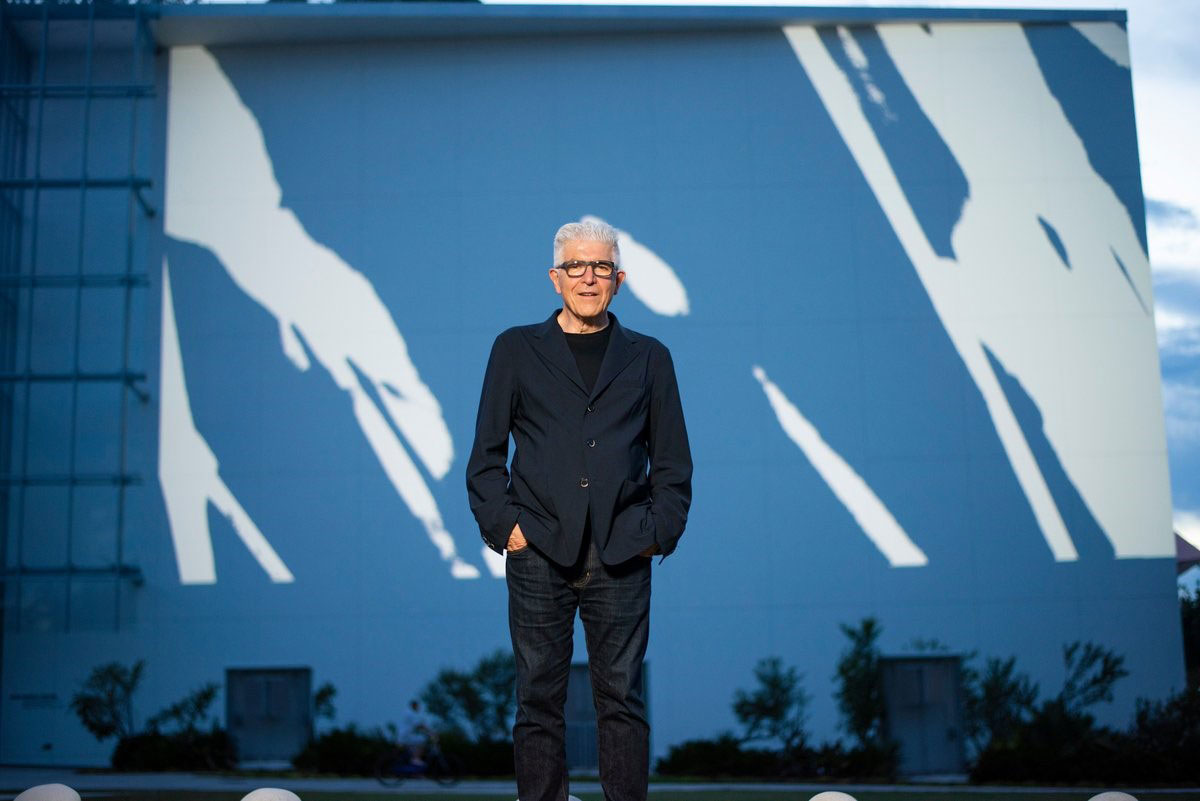 11 Sep
The fire at Notre Dame on April 15, 2019 via Getty Images
When part of the Notre Dame de Paris Cathedral caught fire on April 15, 2019, people across the globe were understandably shocked. The aftermath was devastating – not only were the roof and spire totally destroyed, but the vaulted ceilings and several windows sustained extensive damage, as well.
A fundraising campaign that was quickly launched managed to raise over €1 billion in a matter of days. Unfortunately, experts estimated that it would take at least two decades before the cathedral would be restored to its former glory.
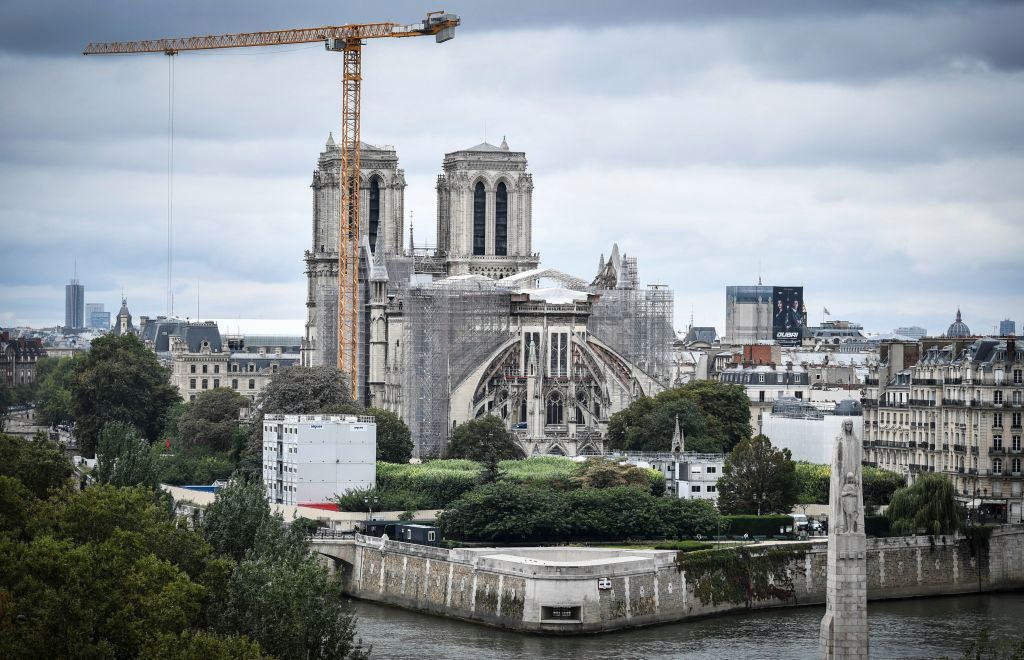
STEPHANE DE SAKUTIN/AFP via Getty Images
The past two years have seen restoration efforts continuing, although they’ve been hampered by the COVID-19 pandemic and the subsequent lockdowns in France. However, this slow path to healing has been a source of inspiration for many artists, including Bill Fontana.
A renowned sound artist from the San Francisco Bay Area, Fontana’s work has been displayed in museums like the Tate Modern in London, the Museo Reina Sofia in Madrid, and the Whitney in New York City. In 2013, he even collaborated with CERN, the world’s leading arts and science program that seeks to bridge the gap between artists and physicists.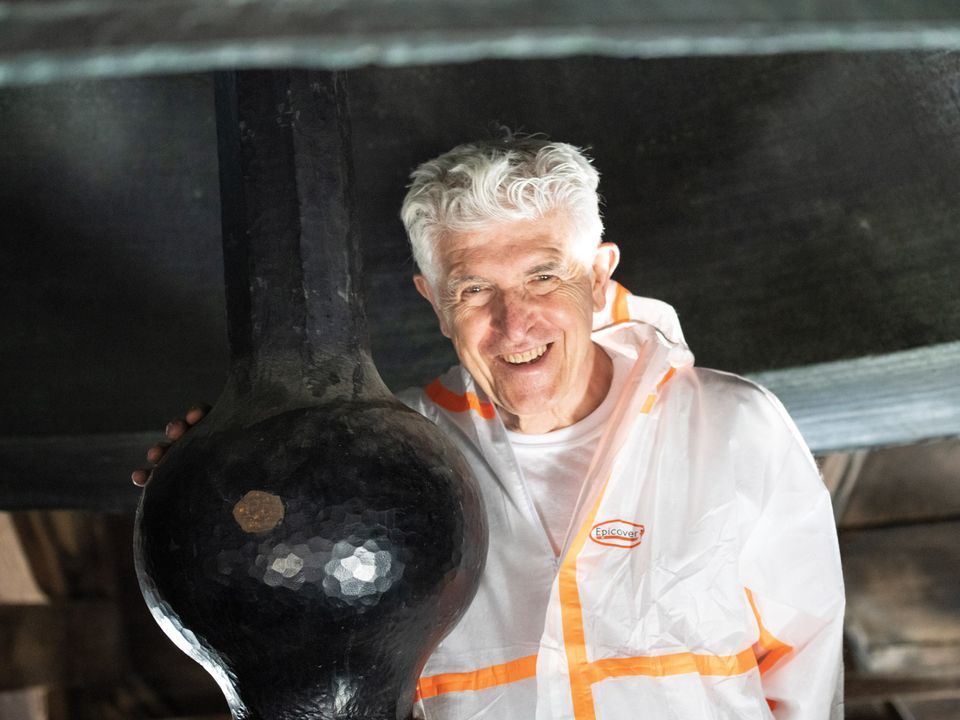
Artist Bill Fontana with the clapper for the largest and oldest of Notre Dame’s ten bells, Emmanuel Courtesy of the artist via The Art Newspaper images
Fontana is best known for revealing hidden sounds from unexpected locations. For instance, his “Acoustical Visions of the Golden Gate Bridge” was a live multimedia portrait that captured six months’ worth of audio and video footage using a microphone affixed to the iconic landmark. Meanwhile, “Desert Soundings” explored the unique voice of the sand dunes outside of Abu Dhabi.
This year, Fontana has taken on his biggest project yet – bringing to life the sounds of Paris, France through the Notre Dame Cathedral, which has remained largely silent for the past two years.
To accomplish his contemporary art project, Fontana plans to record the sounds “heard” by the medieval church through its ten massive bells. Titled “Silent Echoes Notre Dame,” this audio will then be live-streamed to audiences at the Institut de Recherche et Coordination Acoustique/Musique (Ircam) in Paris before being taken to exhibitions in museums and cultural sites worldwide.
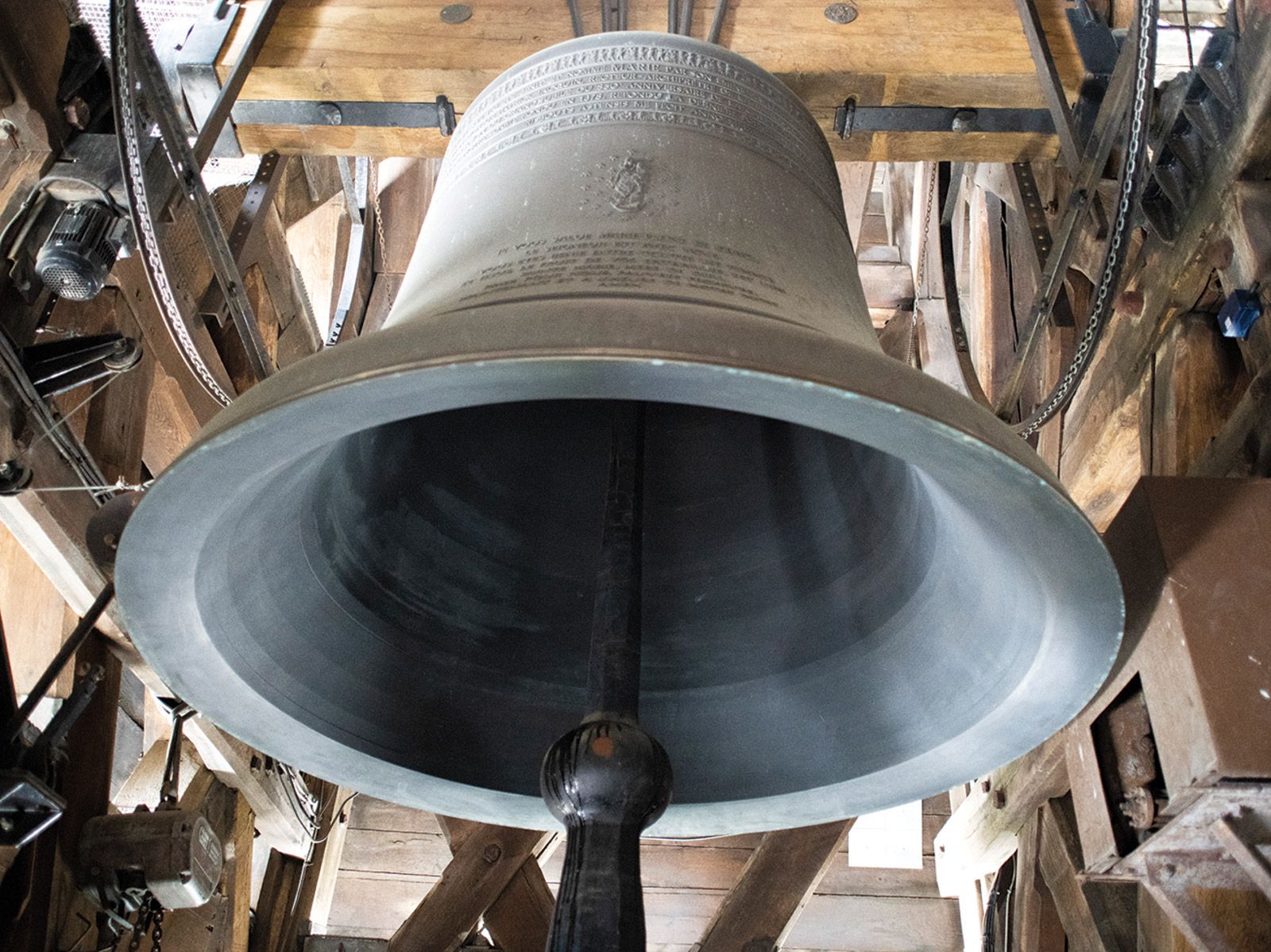
The Emmanuel bell is said to be the most harmonically beautiful in Europe Courtesy of Bill Fontana via The Art Newspaper images
“It’s a physical fact that these bells are actually vibrating all the time, it’s like a spirit that’s living inside of Notre Dame. It’s not dead, it’s alive,” explains Fontana in an interview. “When I had the opportunity in [July] to climb around in the bell towers, and actually physically access [the oldest and largest bell, named Emmanuel], and put my sensors on it to listen to what’s going on inside of it, I realized I was hearing a sound that probably nobody’s ever heard before that this bell is making and has been making continuously since 1681 [when it was recast].”
He adds, “It’s the voice, soul, the breath of the bell.”
Working closely with Icram, Fontana is beginning the project by installing an accelerometer device on Emmanuel, in a bid to capture the vibrations that the bell emits. He will then transform this into an audible sound that audiences will be able to hear and appreciate.
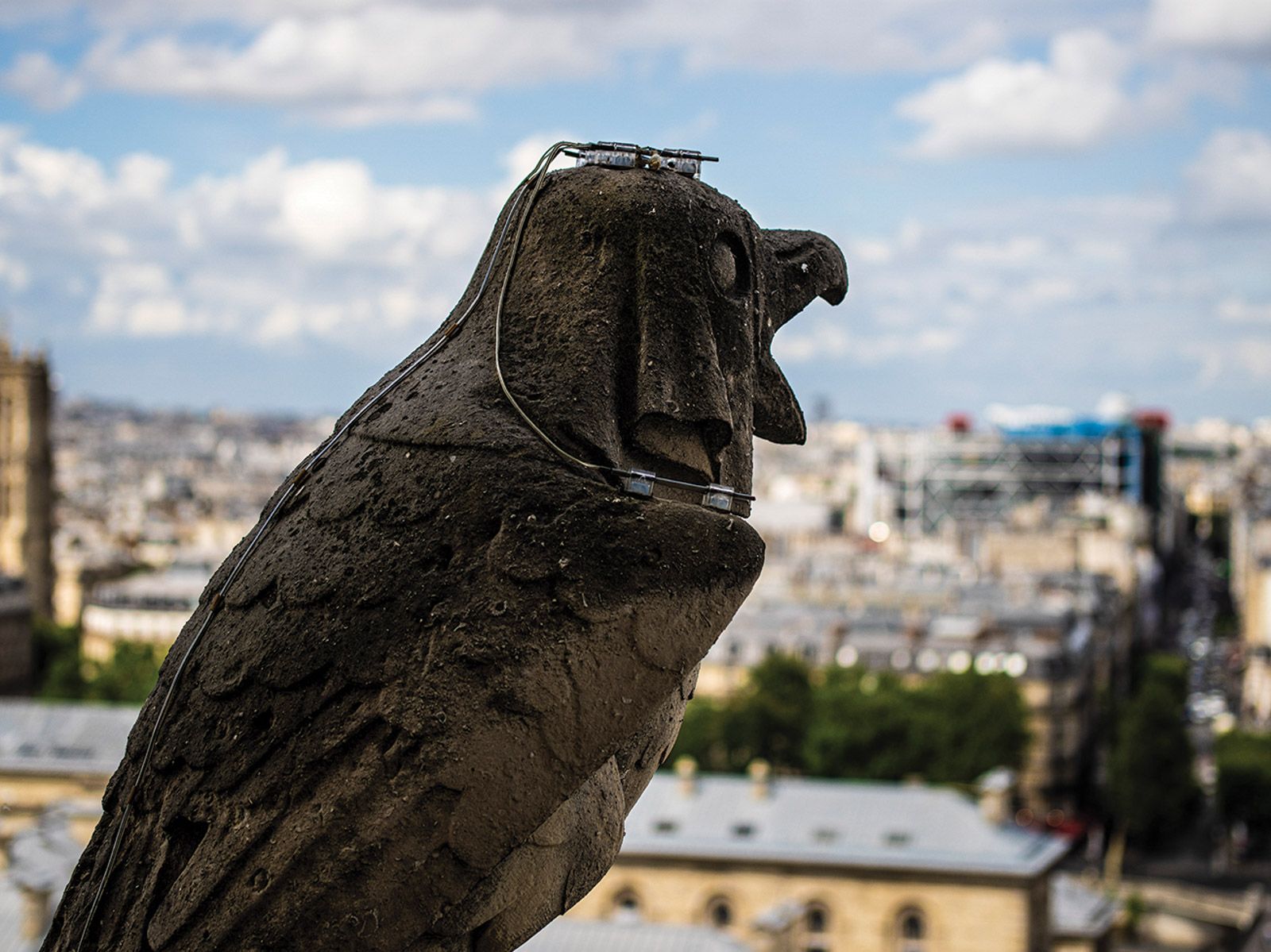
A gargoyle on the cathedral watches over Paris via The Art Newspaper images
Reaching out to the French authorities to gain access to Emmanuel and the rest of the bells hasn’t been easy, though. “It was a game of chess,” Fontana says. “And there were many days when there was a voice inside of me that said, ‘Bill, you’re crazy. You’re putting all this energy into this and you have no idea that you’re going to do it.’ It just gave me something to dream about during the pandemic because I couldn’t travel anywhere. And it was really good for my soul, in a way, to have this vision that I could think about.”
Luckily for Fontana, the physical structure of the bells remain intact, even though they haven’t tolled since the first anniversary of the fire last year. The nostalgic ring warmed the hearts of many Parisians, including Brice de Malherbe, a priest.
“My feeling today is mainly hope because the cathedral is still there,” he said. “We don’t have the blazing flames we had a year ago. Of course, the cathedral is hurt, but it seems nearly serene.”
This hope that de Malherbe, along with many other Parisians, felt upon hearing the bells toll is something Fontana hopes to evoke with “Silent Echoes Notre Dame,” which will be unveiled in June 2022.
When asked what he thinks the sound that all ten bells will emit will be like, Fontana replied “When you hear them together, reacting basically to the same ambient sound of Paris in the building of Notre Dame, my intuitions tell me that it’s going to be this beautiful shimmery harmonic curtain of these resonating vibrations. And to me, it’s a very emotional symbolic use of sound to make this public.”
Toggle Nav