
These Practical Lighting Design Tips Interior Designers to Create Atmosphere You Should Know

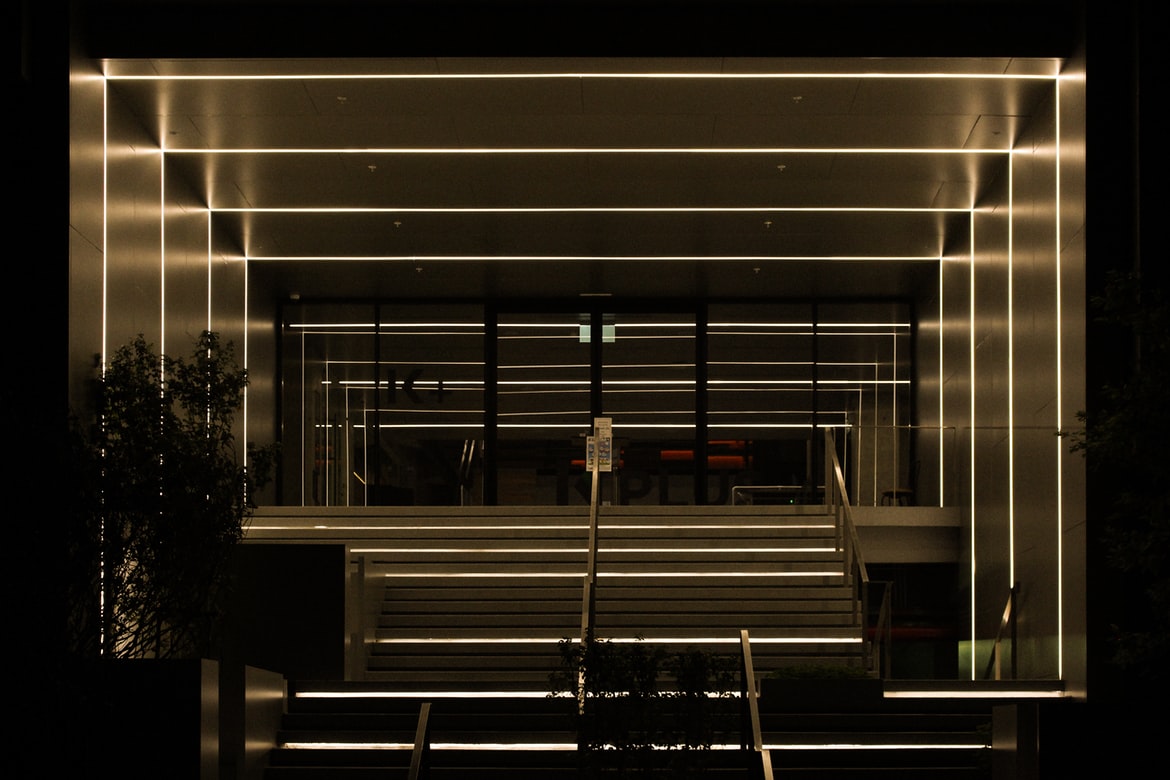
Being an interior designer for a long time, you realize that you have to accept the fact that
No matter
How cool Space modeling is
How well the material selection matches
How advanced the color scheme is
in your interior design
But
The bad lighting effects will ruin the whole interior design style
Such as
The popular Theme Hotel on the Internet lately
Universal Studios Theme Hotel Beijing
Look at their lighting design
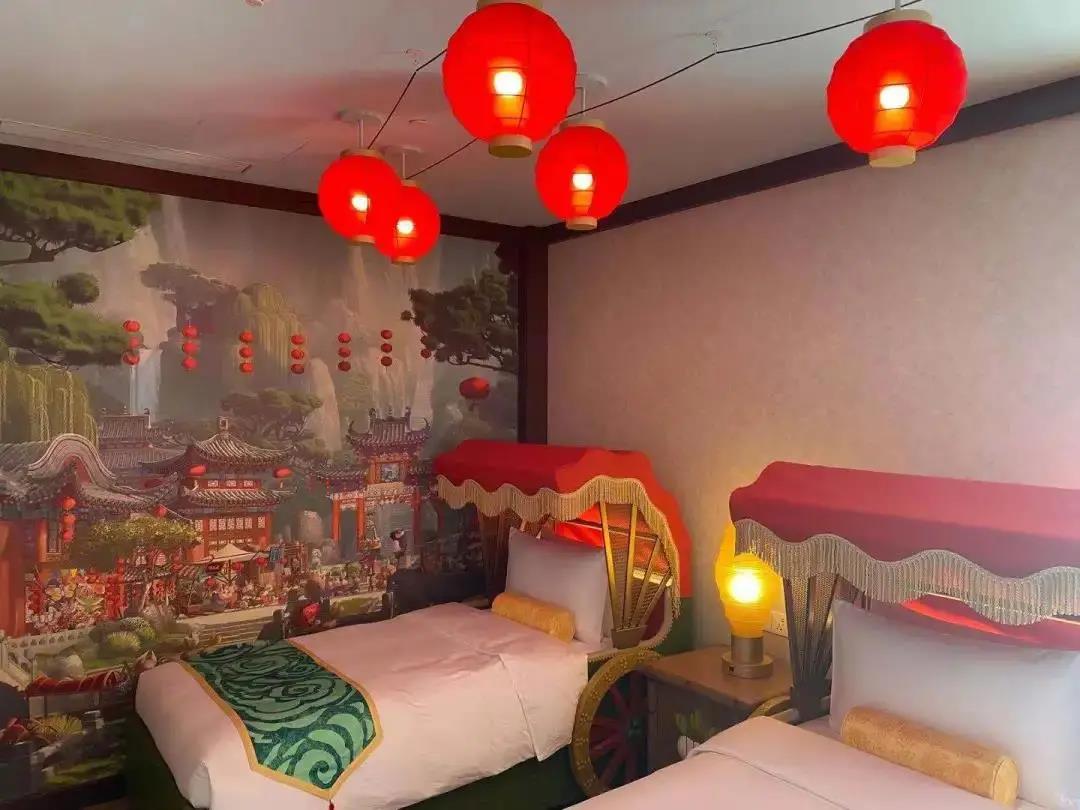
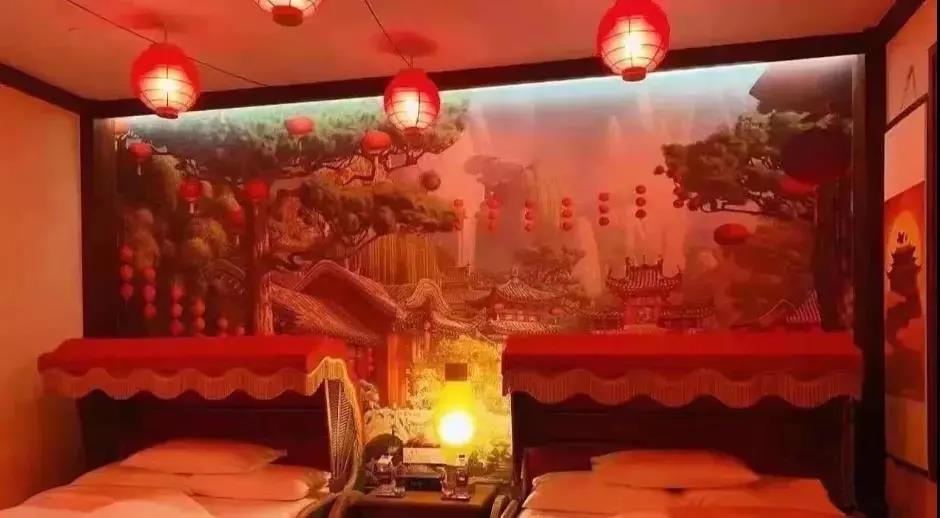
▷Universal Studios Theme Hotel Beijing
“Light” is thus less building material and more an expression of emotion. It plays an important role in interior design, especially in residential and office spaces where people stay longer. It’s not just about picking a lamp, so you must understand light if you want to become a qualified designer! Today, let’s talk about interior lighting design!
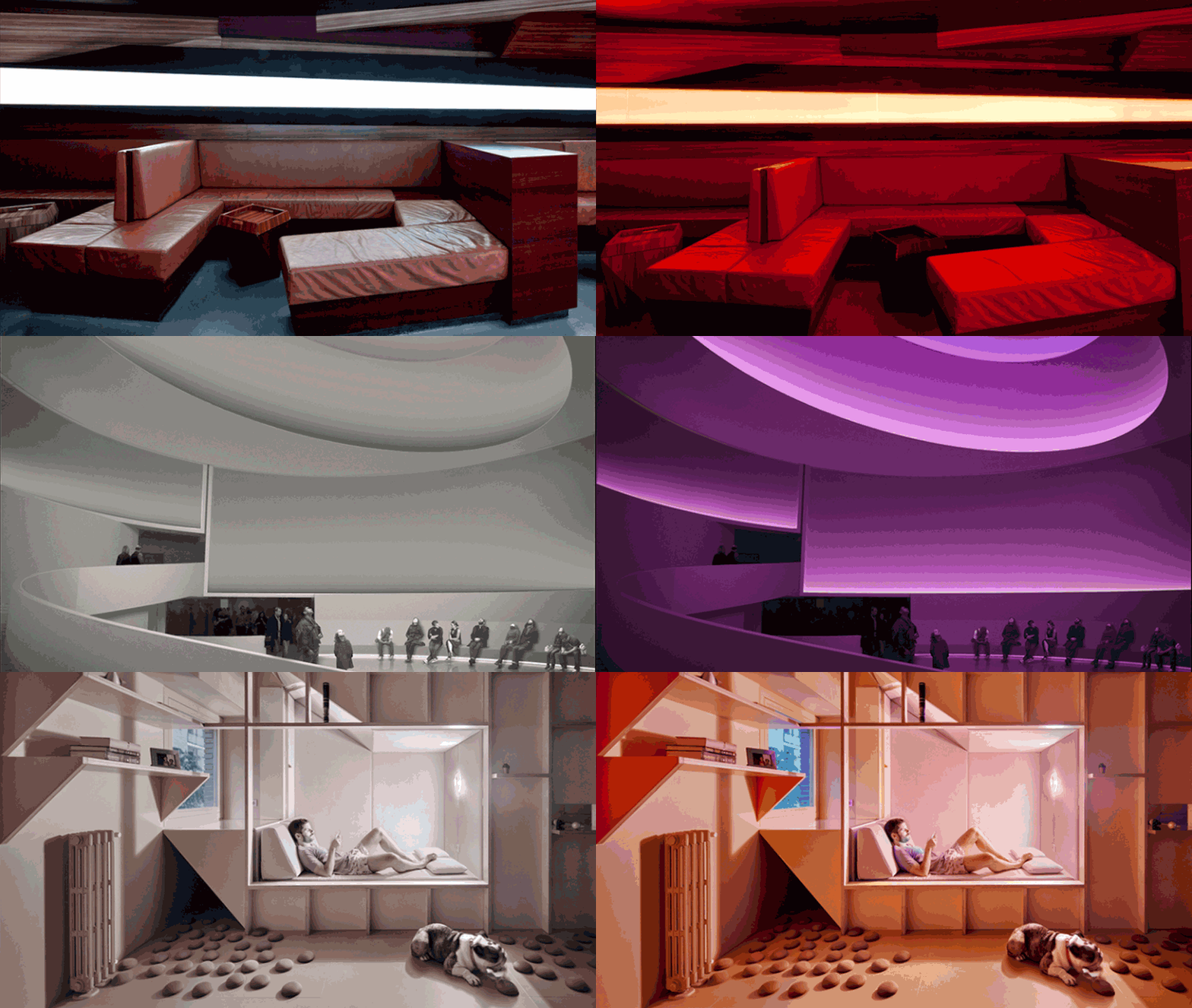
▷ The importance of indoor lighting
01
What is lighting design?
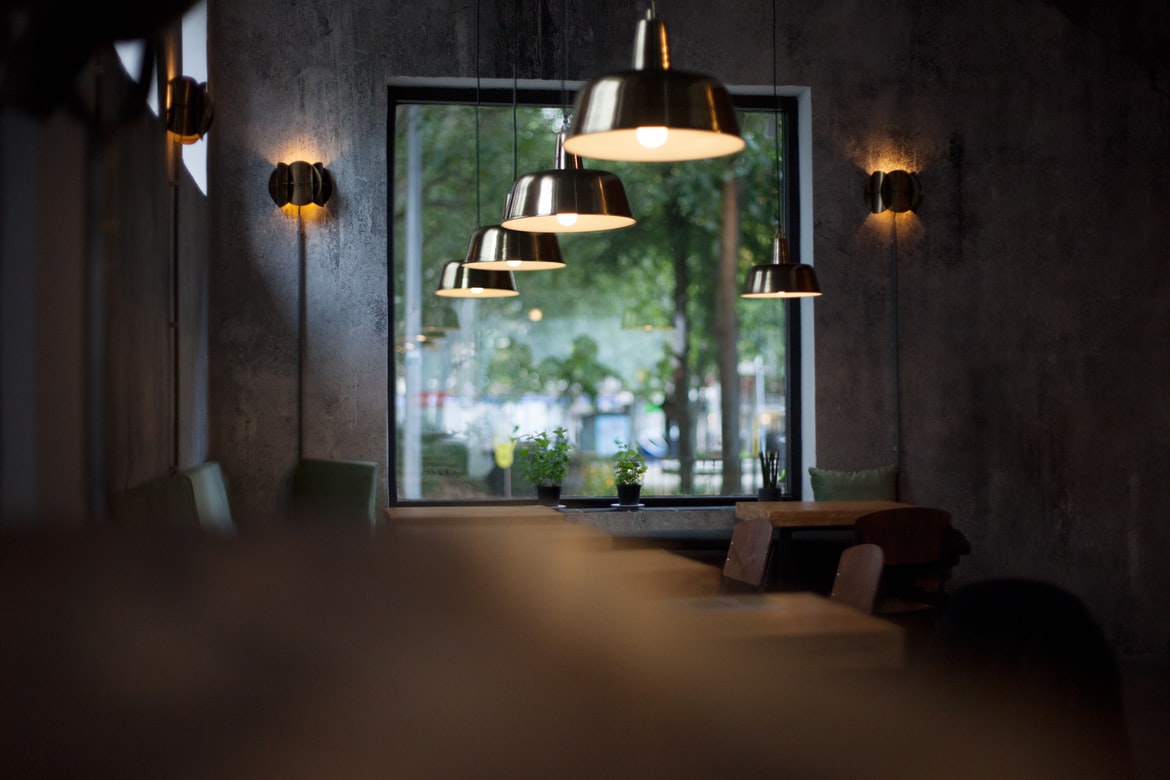
Lighting design has a strong catalytic effect on creating interior themes, focus points, and atmosphere, strengthening the sense of layer of interior space design. Before starting the lighting design, you should first choose the type of lighting, then define a way of lighting.
1. Lighting type
There are three types of lighting: ambient light, contour light and focus light.
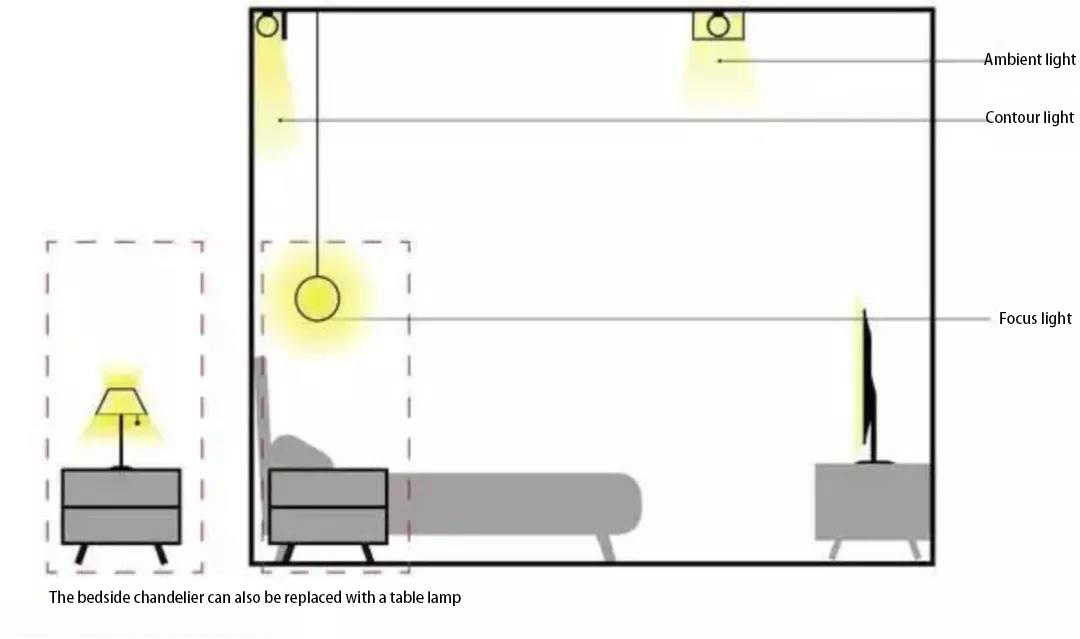
A. Ambient light: general lighting source with the largest lighting range, which can not see the direct light source and direction clearly, with soft lighting.
B. Contour light: mainly emphasizes the contour of the walls and ceiling, creates the feeling of layers of space, and adds to the interior’s beauty.
C. Focus light: relatively lighting small range, light focused, mainly used to create partial atmosphere.
2. Lighting mode
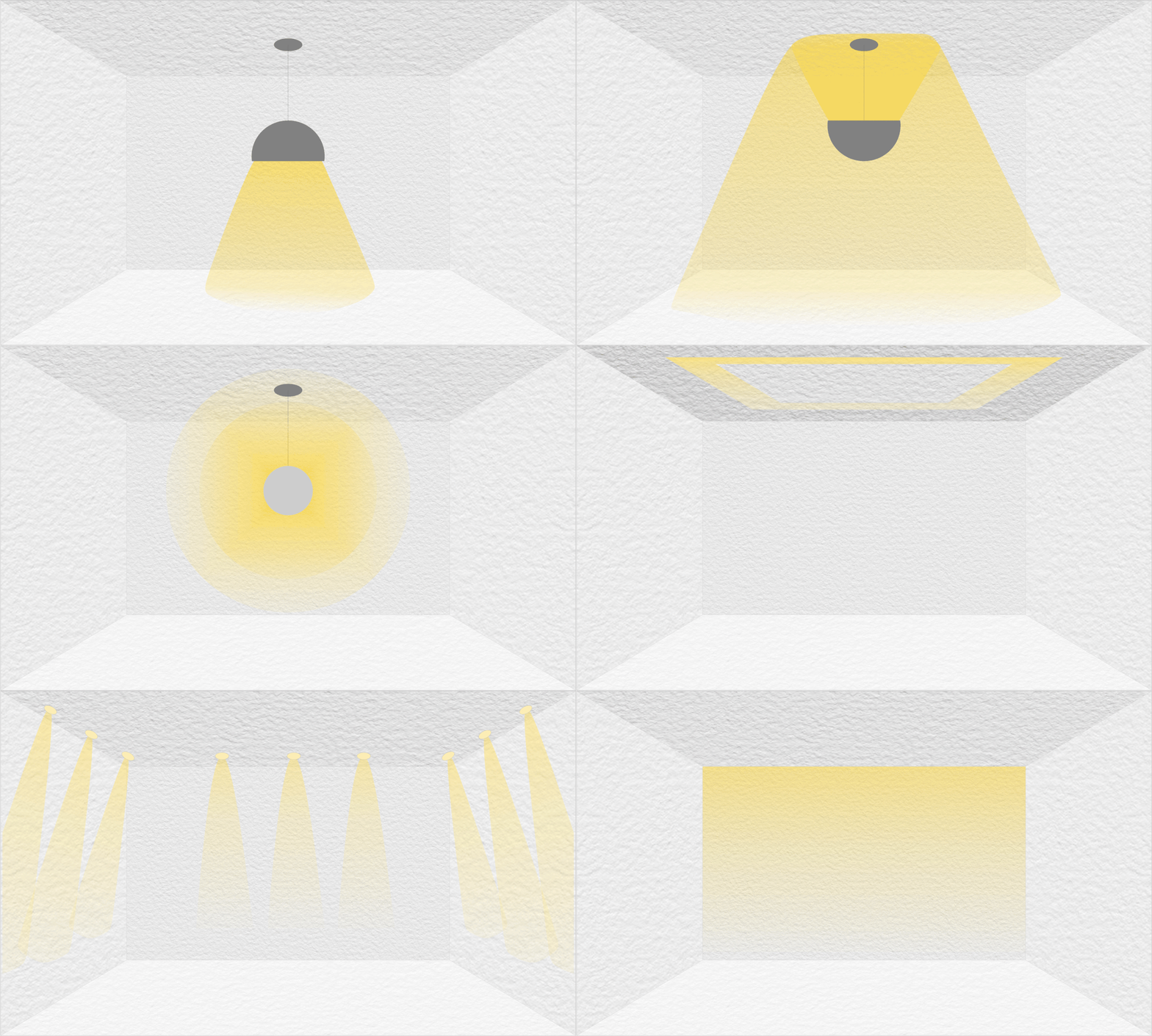
Lighting modes mainly include direct lighting, indirect lighting, diffuse lighting, effect lighting, focal lighting, wall washing.
A. Direct lighting
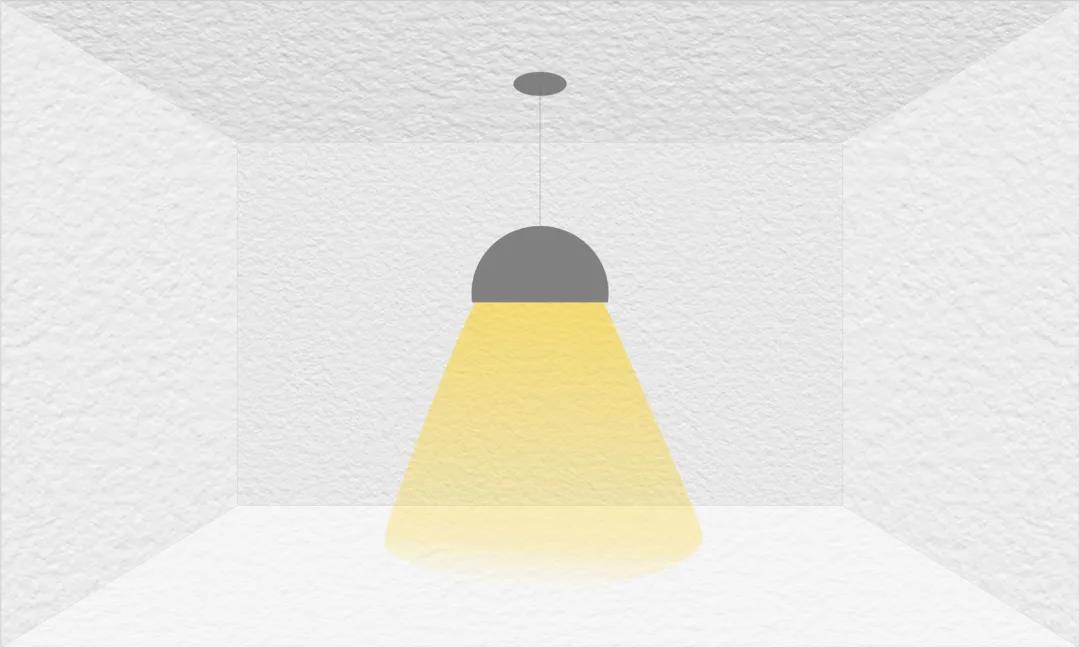
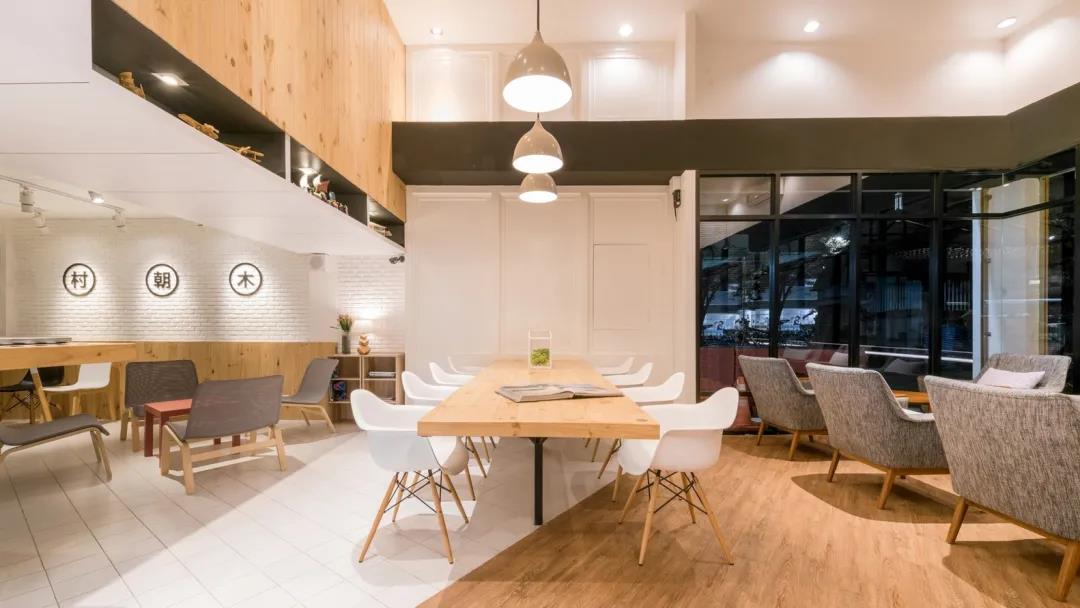
It should be careful and avoid too bright, which will make “hard” shadows and lead to visual fatigue. Also, notice avoiding placing it on surfaces prone to glare or reflection, such as mirrors or glass.
B. Indirect lighting
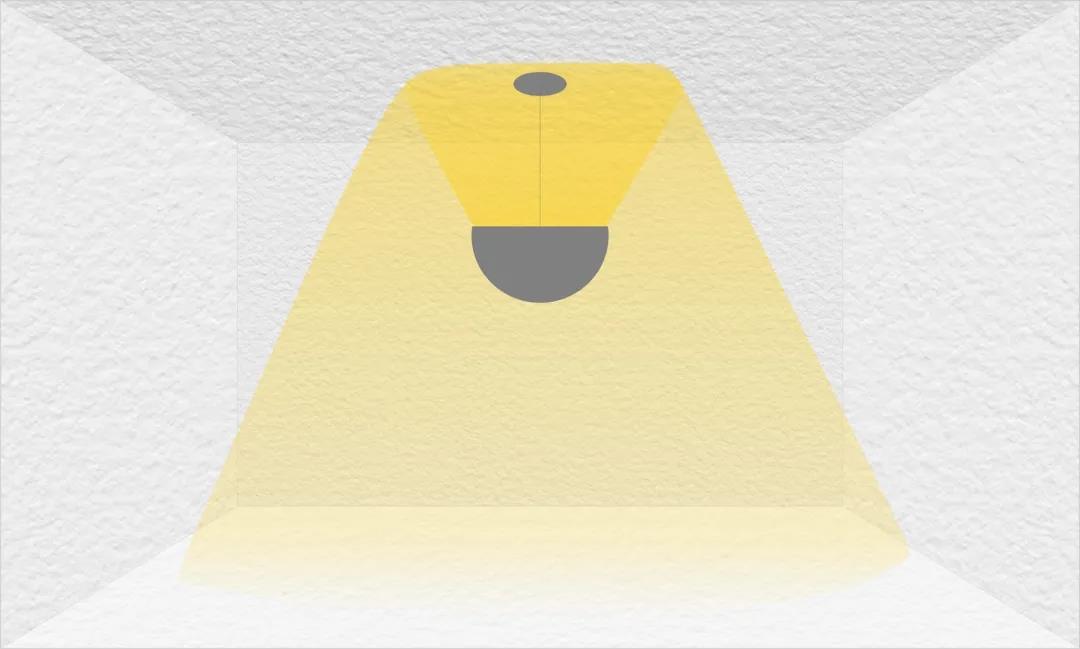
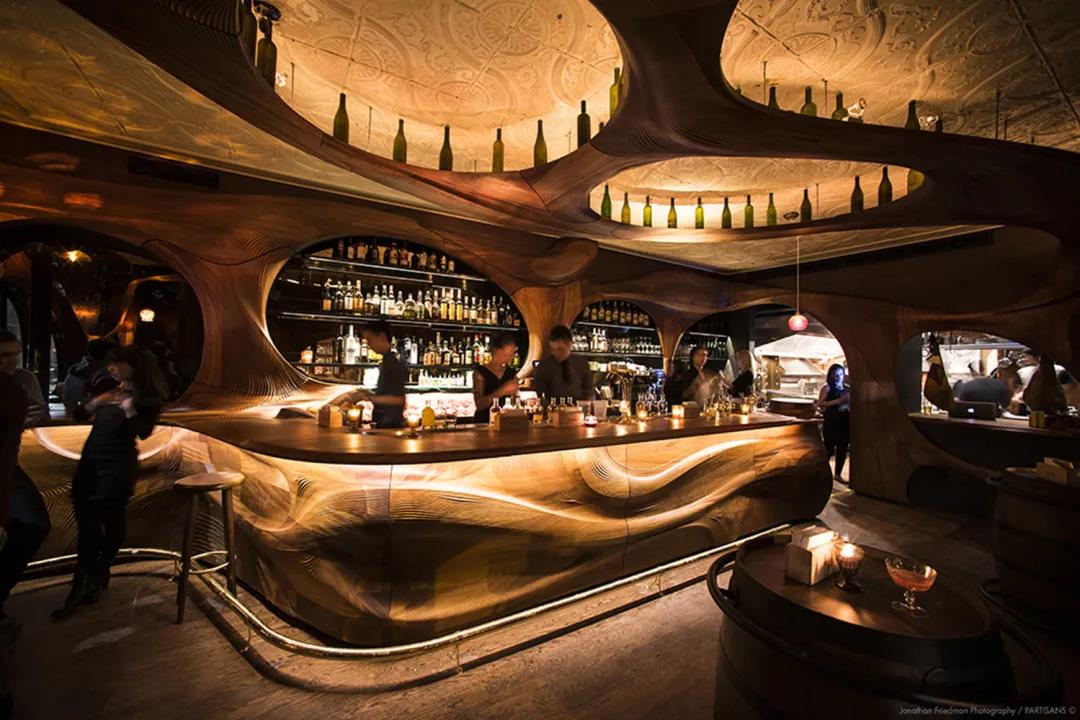
Indirect lighting is mainly reflected from one surface and then spreads throughout the environment.
C. Diffuse lighting
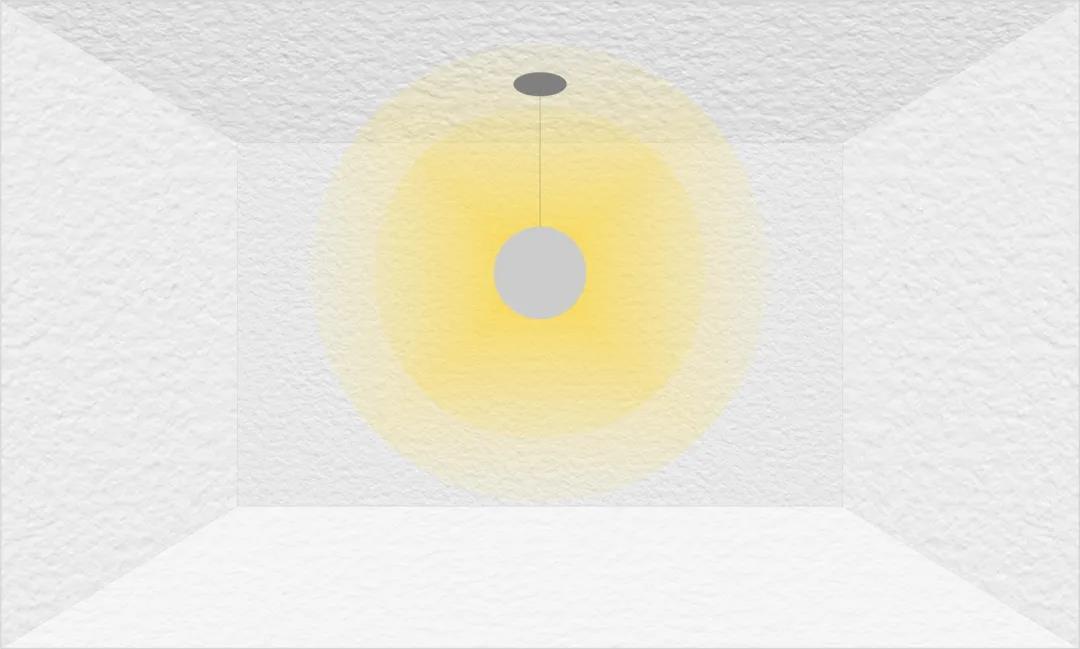
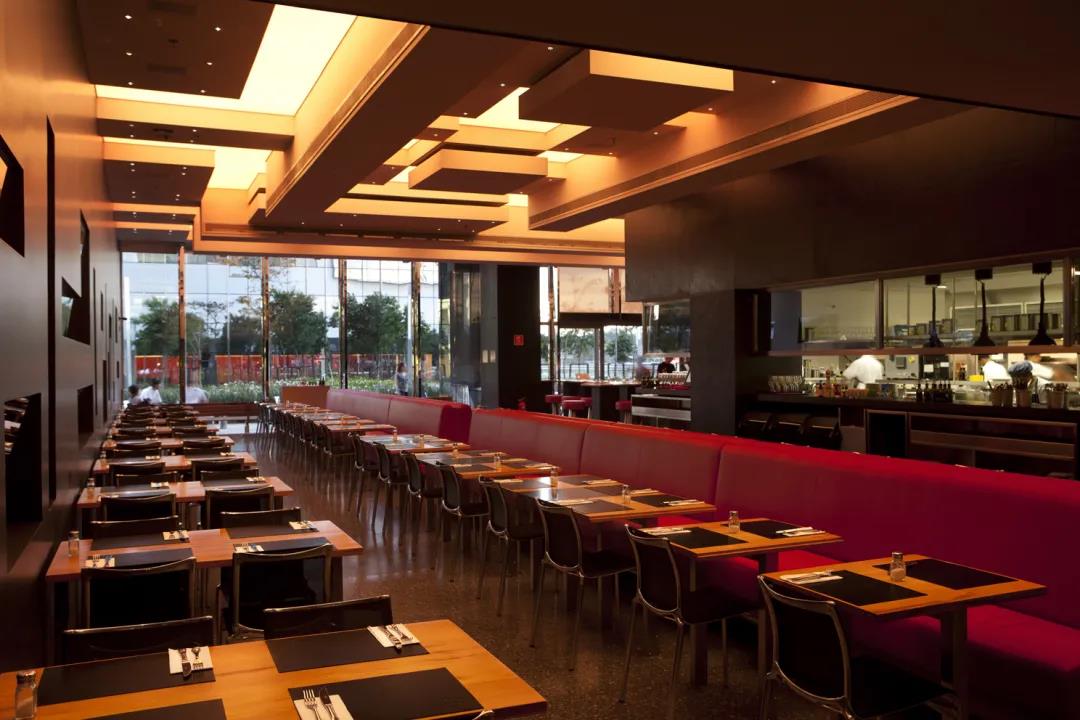
It will mainly be reflected off the ceiling and walls to achieve the desired effect, and the ambient lighting will be very even.
D. Effect lighting
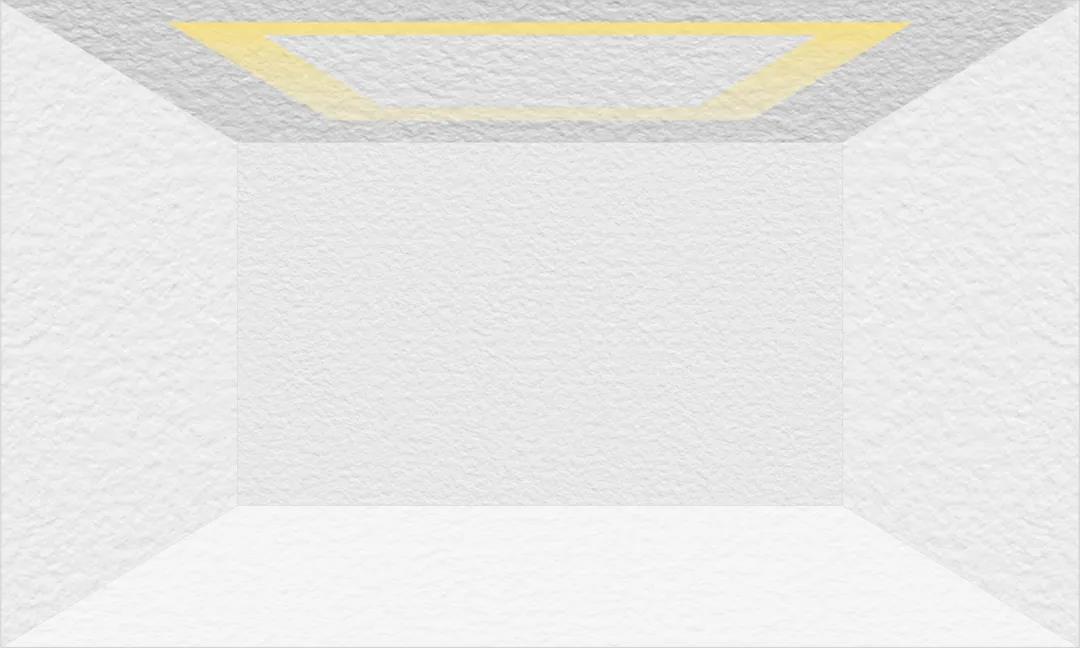
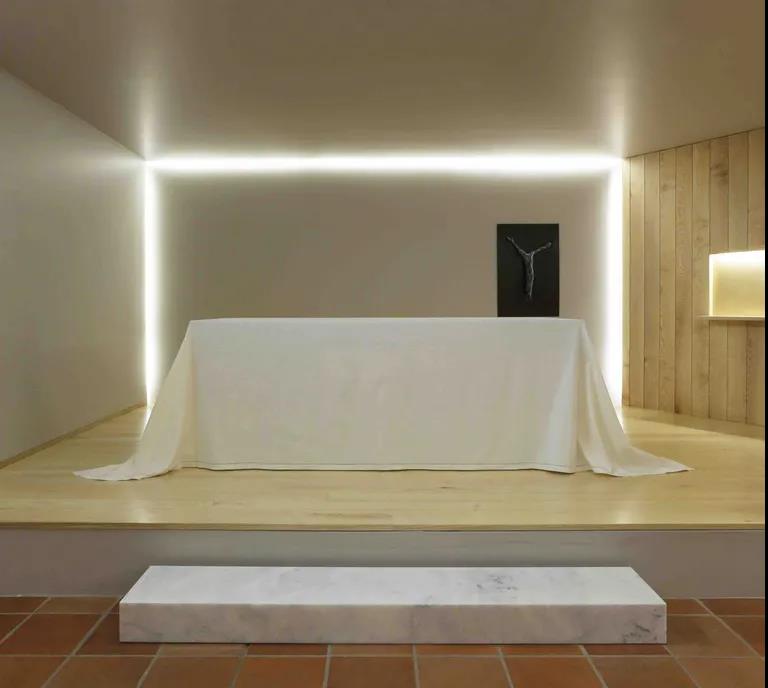
The light source for effect lighting is usually built in the ceiling or architectural elements, such as the interior for finishing molding or the exterior for landscaping or facade effects.
E. Focal lighting
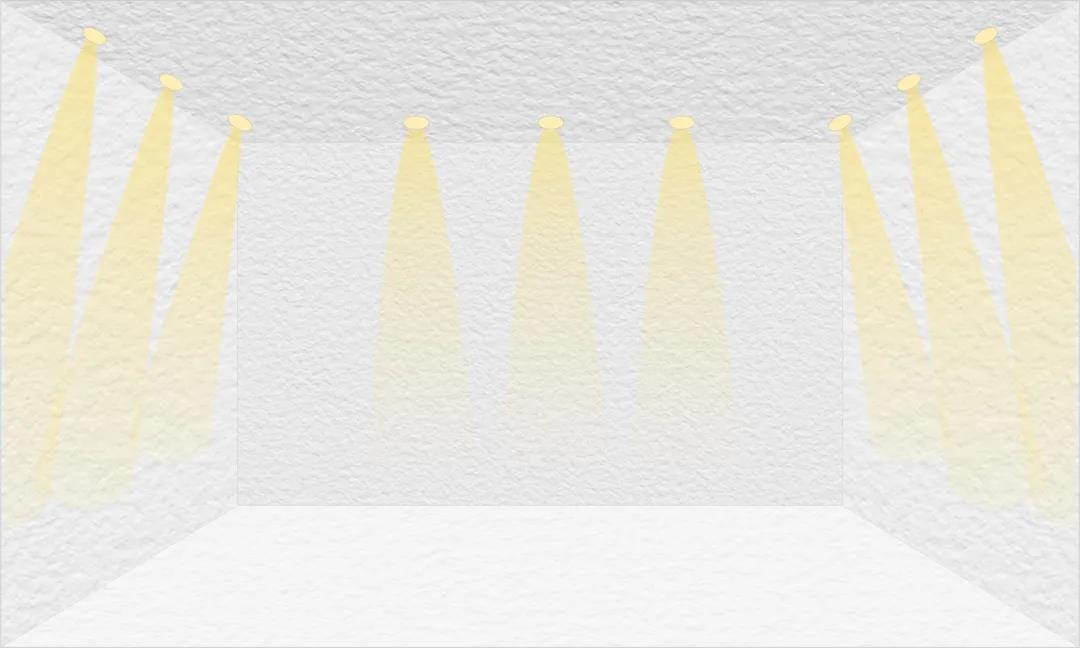
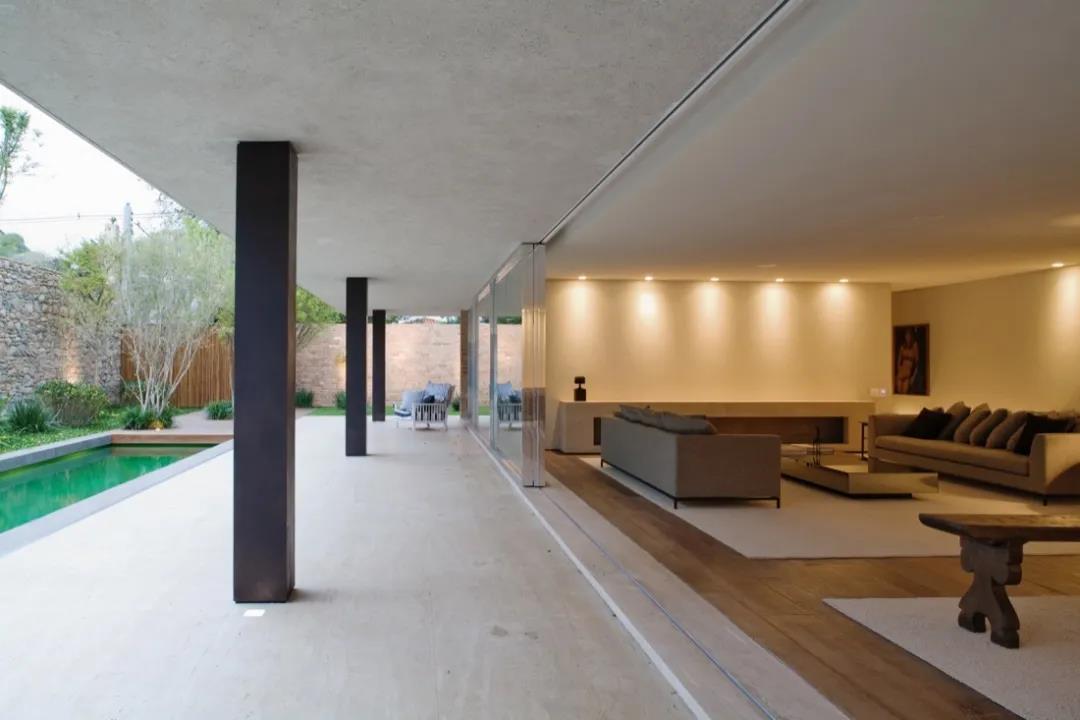
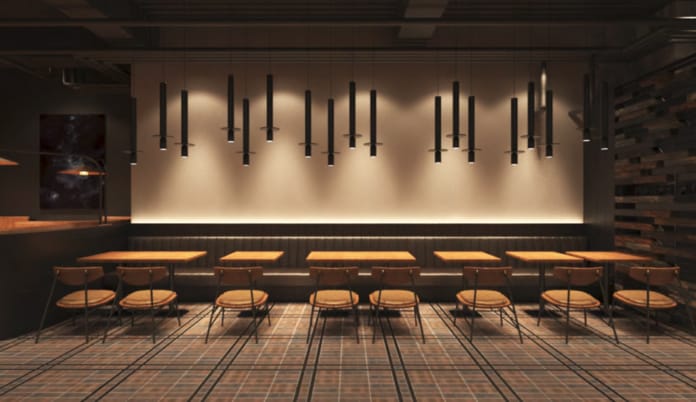
Focal lighting (spotlights) is a light source directly above a prominent object (such as a painting or sculpture). Commonly used in residential, commercial environments, museum Spaces. But be heedful about illuminance, because things will get hotter under direct light.
F. Wash Wall

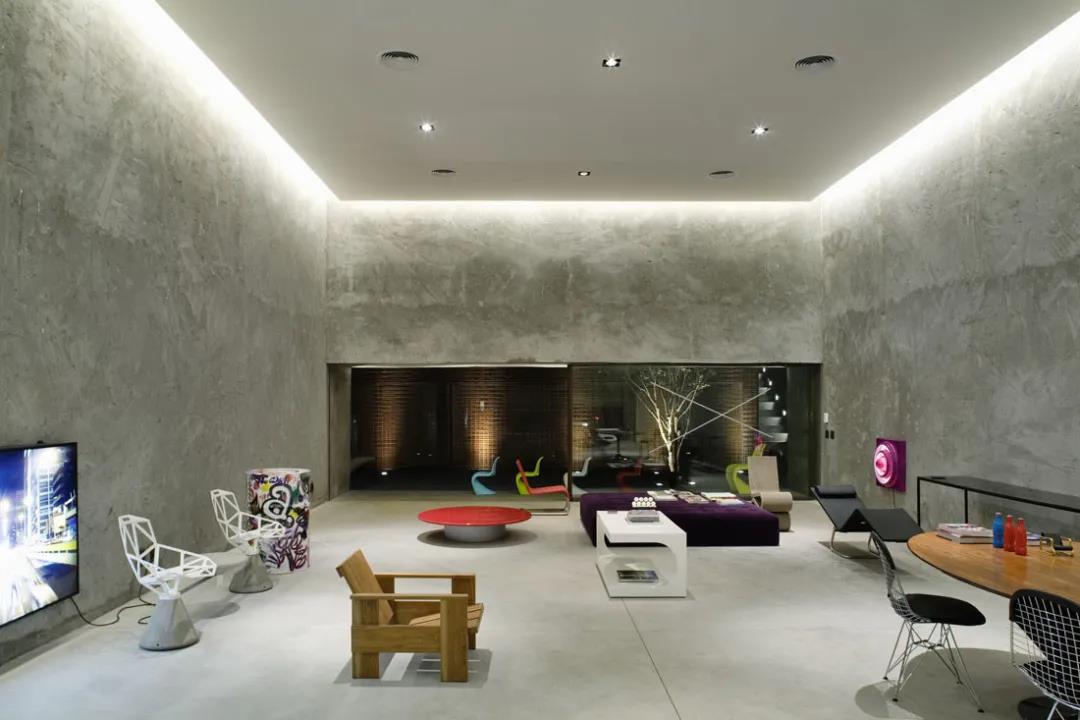
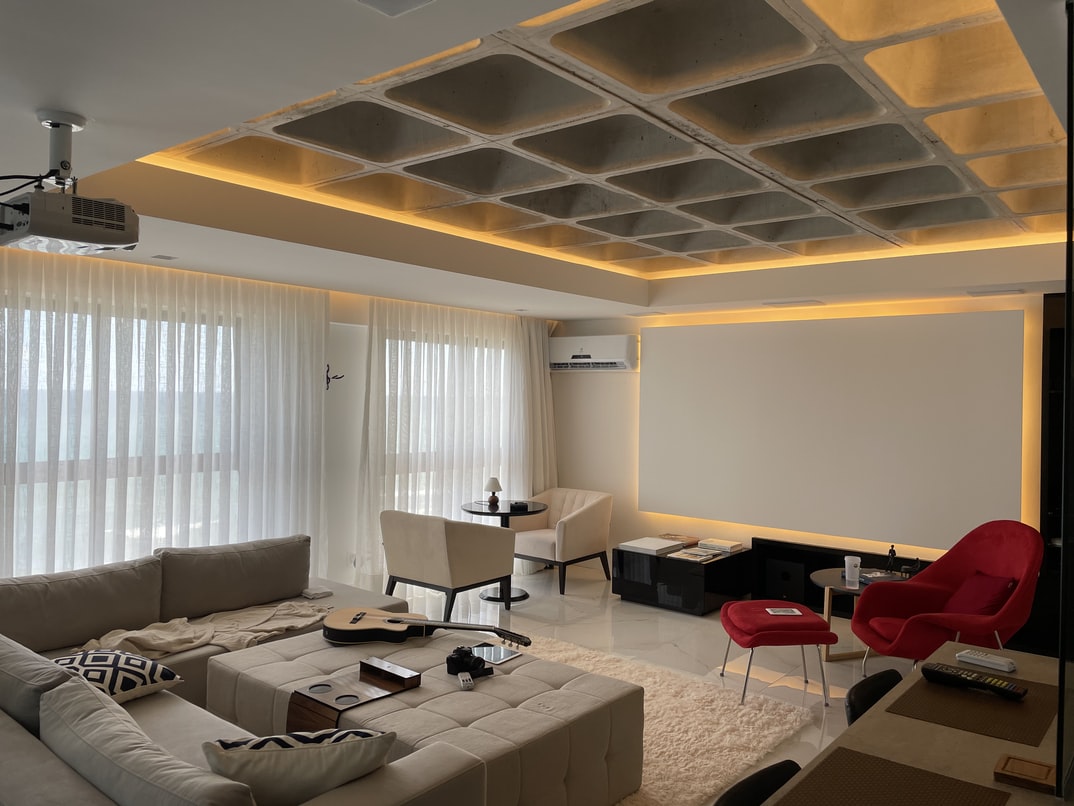
Wash Wall is an ideal choice for highlighting the appearance and enhancing the building by using a series of lighting points in series or through led strips to produce a so-called “wash light” on the surface.
02
How to create an interior vibe with light?
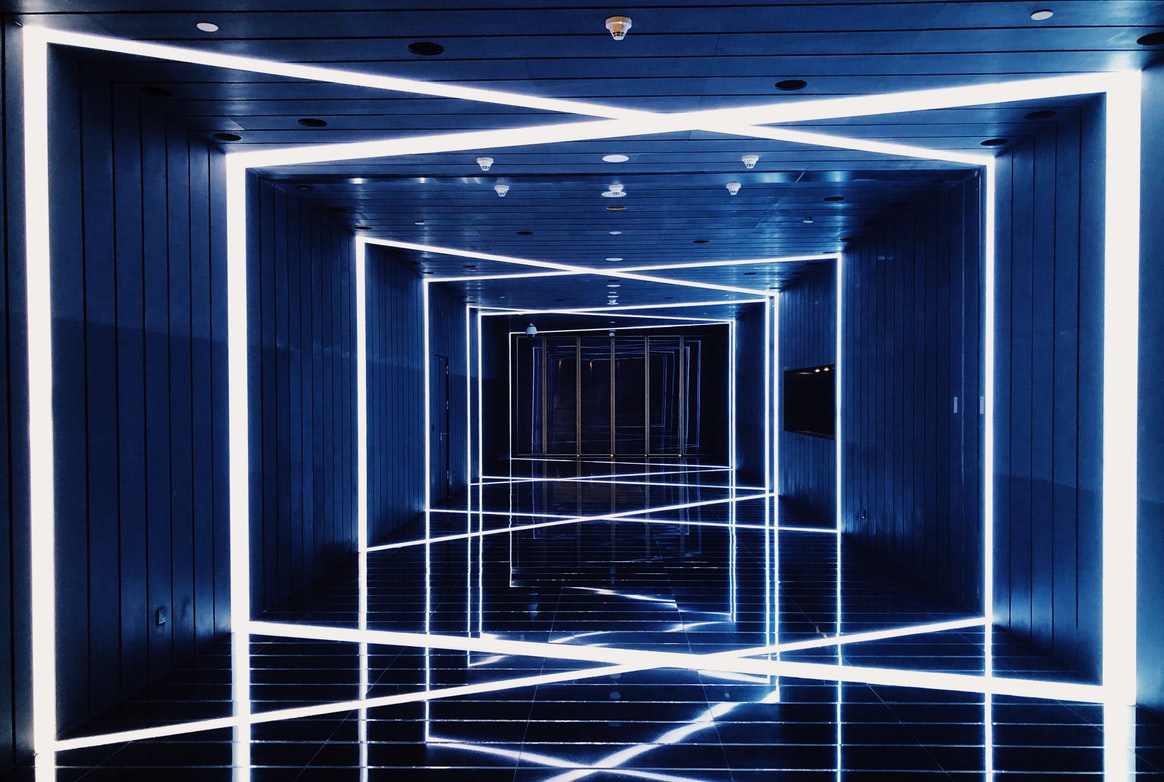
For lighting design in the room, it is impossible to use only one way to create a room environment, instead using different techniques combined to meet the design needs.
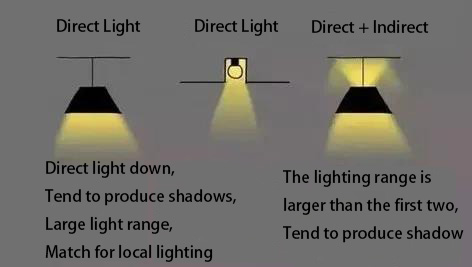
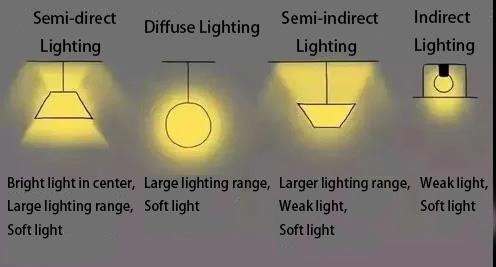
There are no specific provisions for interior lighting creating know-how. To make it easy to understand, we will sum up the above 8 kinds of lighting into 3 categories: direct lighting, indirect lighting, deductive lighting.
1. Direct lighting
Direct lighting is the primary means of lighting in the space, which can serve as the basis, function, focus, decoration and other lighting, but
the form of lighting varied with the room and the requirements for use.
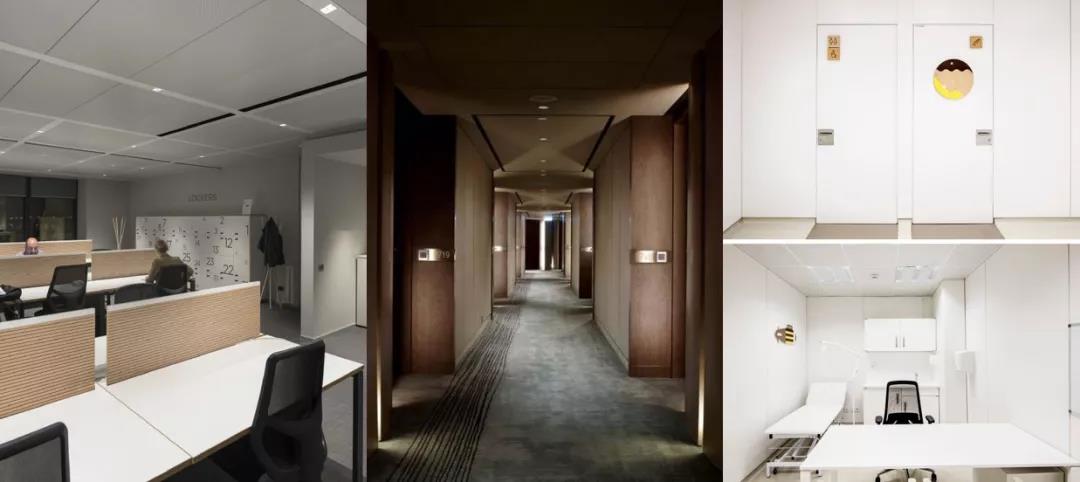
Workspace is mainly to improve work efficiency. In addition to considering its functions in hotel lighting design, it also considered creating a quiet and comfortable environment, and its brightness and illumination need to be reduced. In the hospital interior, more shadowless design and meet the needs of diagnosis and treatment.
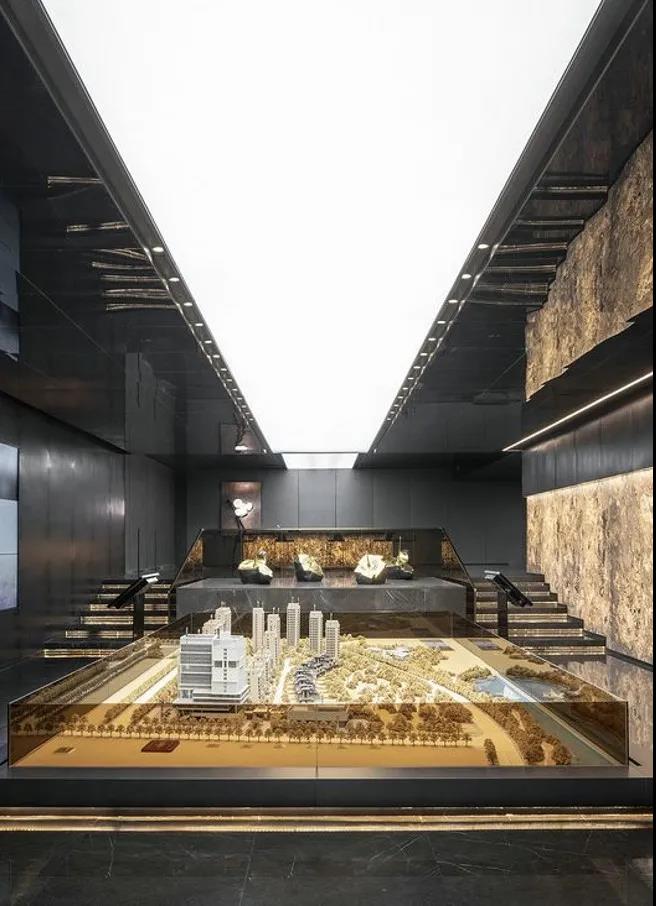
In addition, direct lighting can also be considered decorative lighting, like soft film ceiling design, which is a way to combine basic lighting, lamp types, and decorative effect.
2. Indirect lighting
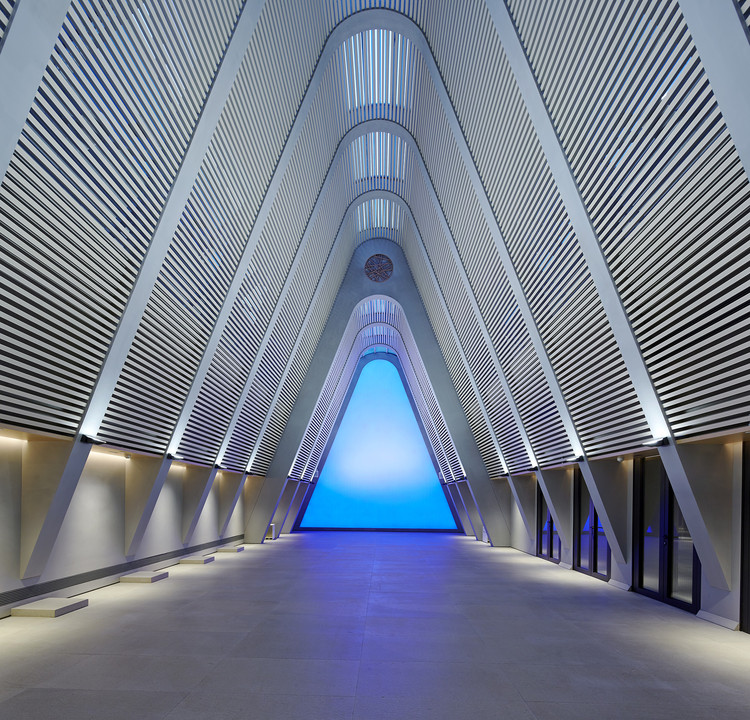
Indirect lighting is generally used as auxiliary lighting and decorative lighting, while in small spaces or spaces with low demand for brightness, indirect lighting can also be used as basic lighting.
A. Basic lighting
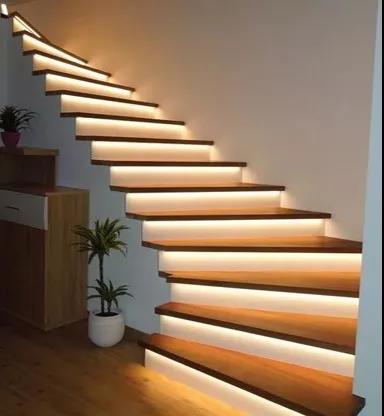
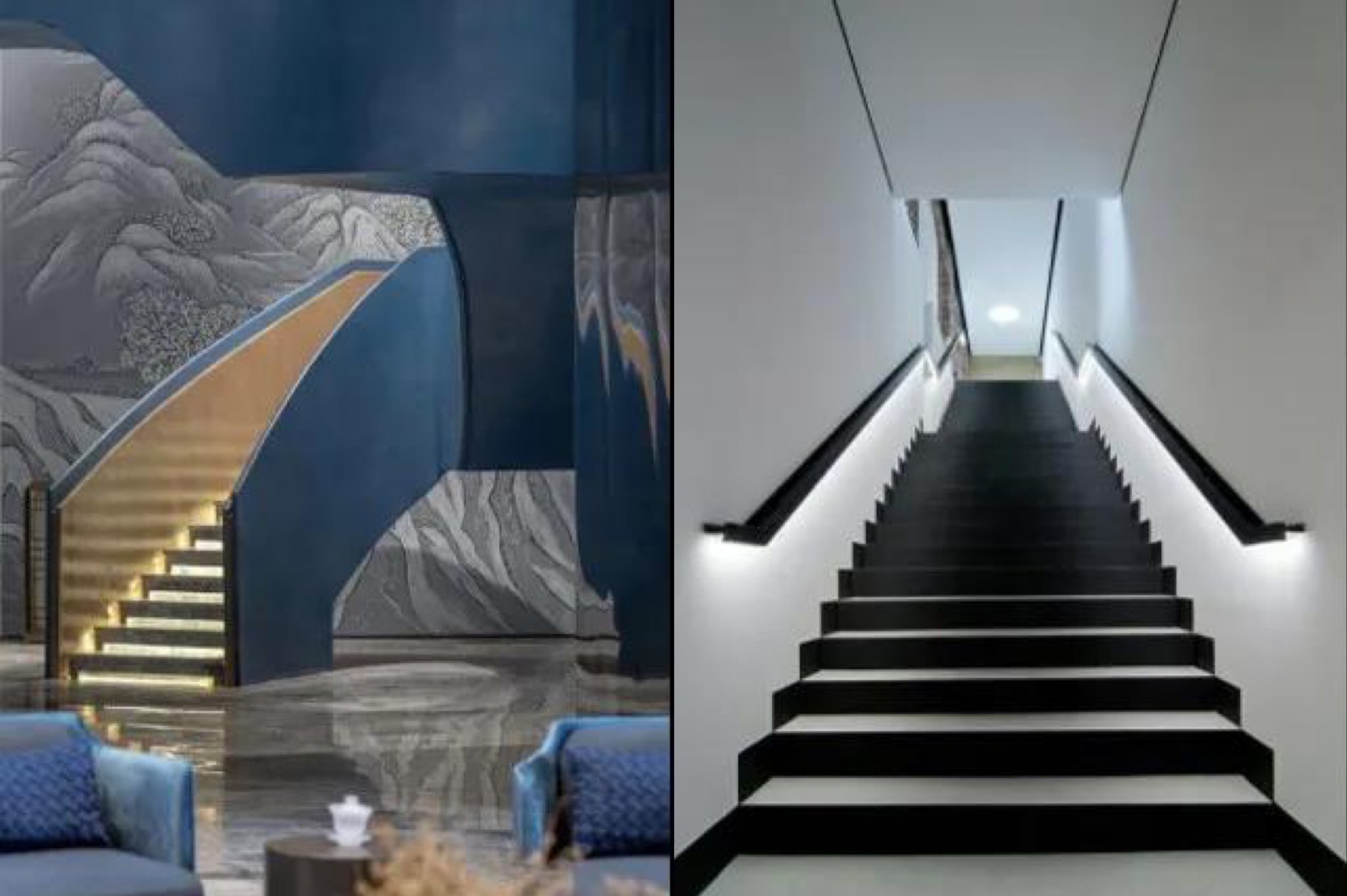
When used as basic lighting, the most common application scenarios are stair steps and handrails, but it is necessary to pay attention to the material of ground pavement to avoid dazzling light caused by the reflection of the light source.
B. Decorative lighting
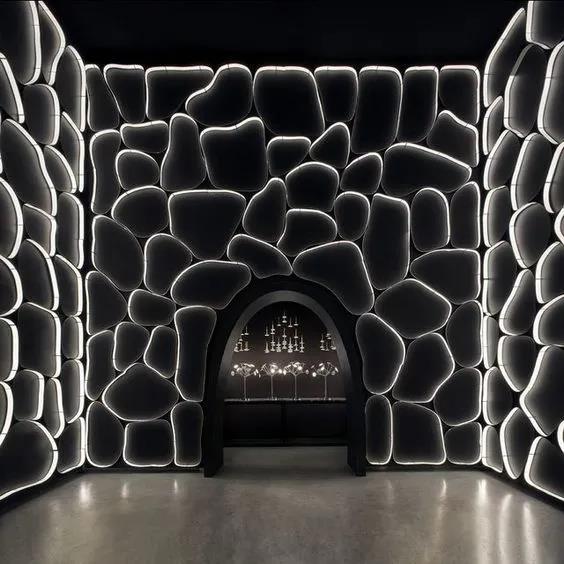
Serve as adornment lighting, and it is mainly applied for special outline in a cabinet lighting and ceiling, metope outline. In addition, indirect lighting can also be combined with indoor or furniture decoration through the combination of backlighting and silhouette and other artistic techniques.
3. Deductive lighting
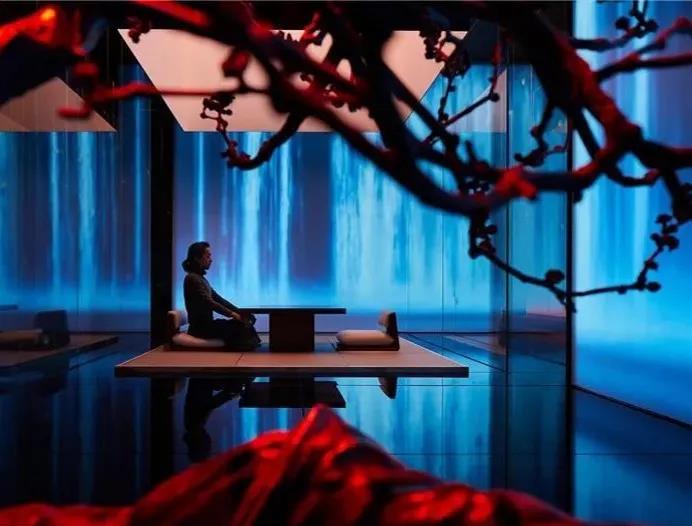
Unlike the practicality of direct lighting, deductive lighting mainly creates atmosphere, which can create a plot setting, dramatic, artistic, creative, and technological space scene.
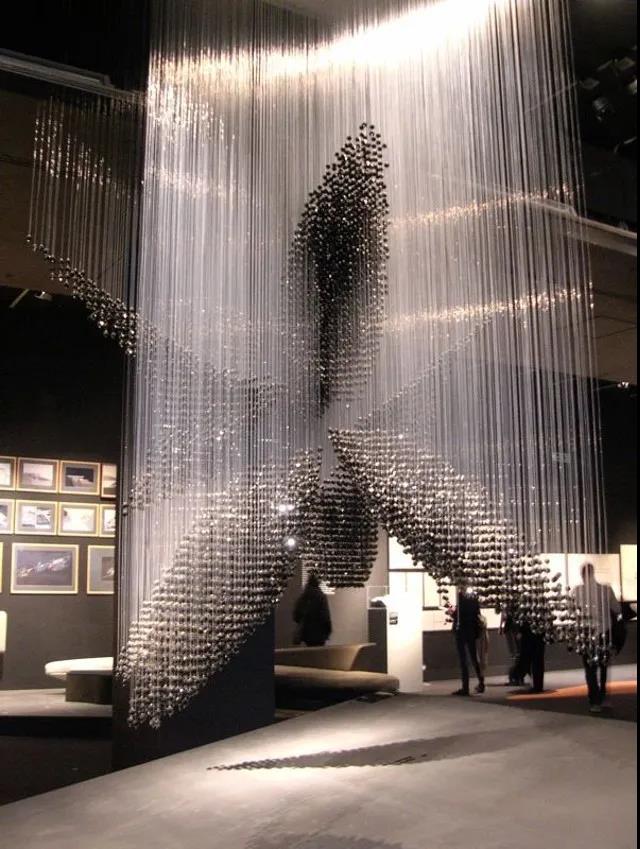
The above is the most basic general knowledge about lighting design. As an interior designer, do you have these problems after reading it?
1. What are the principles of interior space lighting arrangement?
2. How to use scientific lighting parameters in indoor projects?
3. How to choose lamps and lanterns after rendering of lighting?
4. How to do lighting design in home decoration space?
5. What are the routines of lighting layout in commercial space?
These problems are the concern for every interior designer, but also a key directly determines whether use lighting in a good way in the interior space.
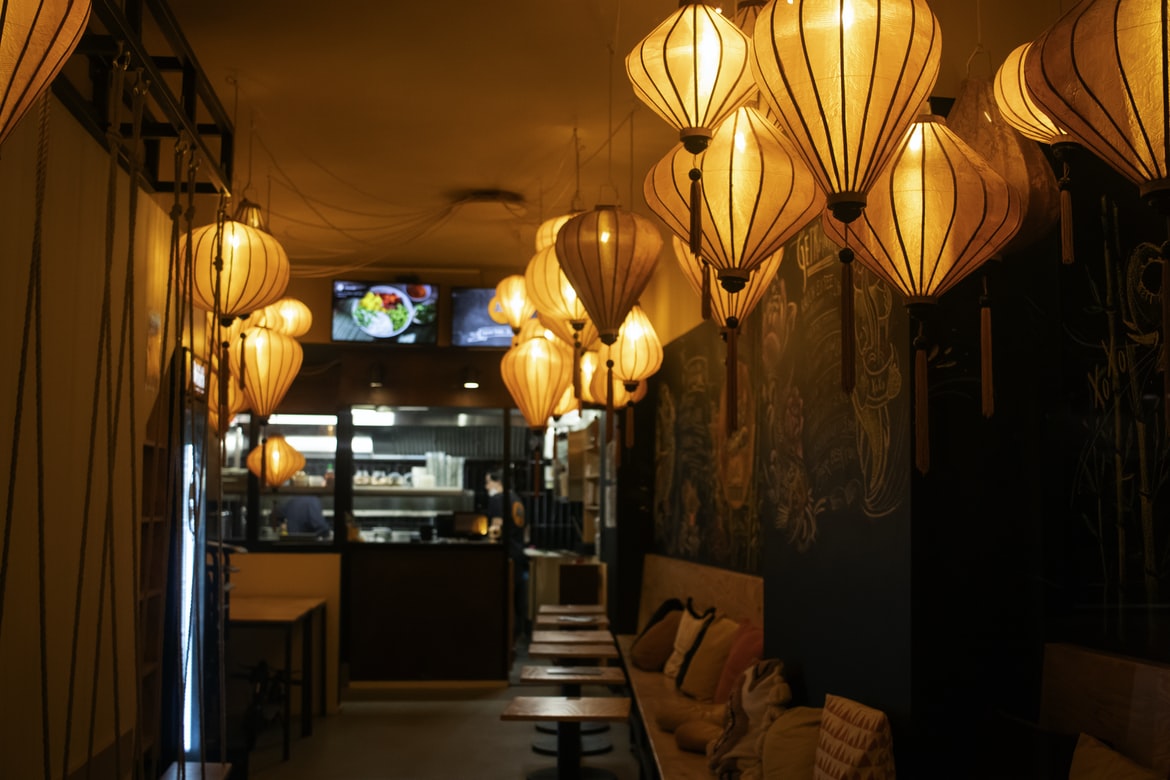
If you want to explore more information for lighting design, SOA-ARTS will help you.