
Multidisciplinary Artist Guadalupe Maravilla Wins Lise Wilhelmsen Award

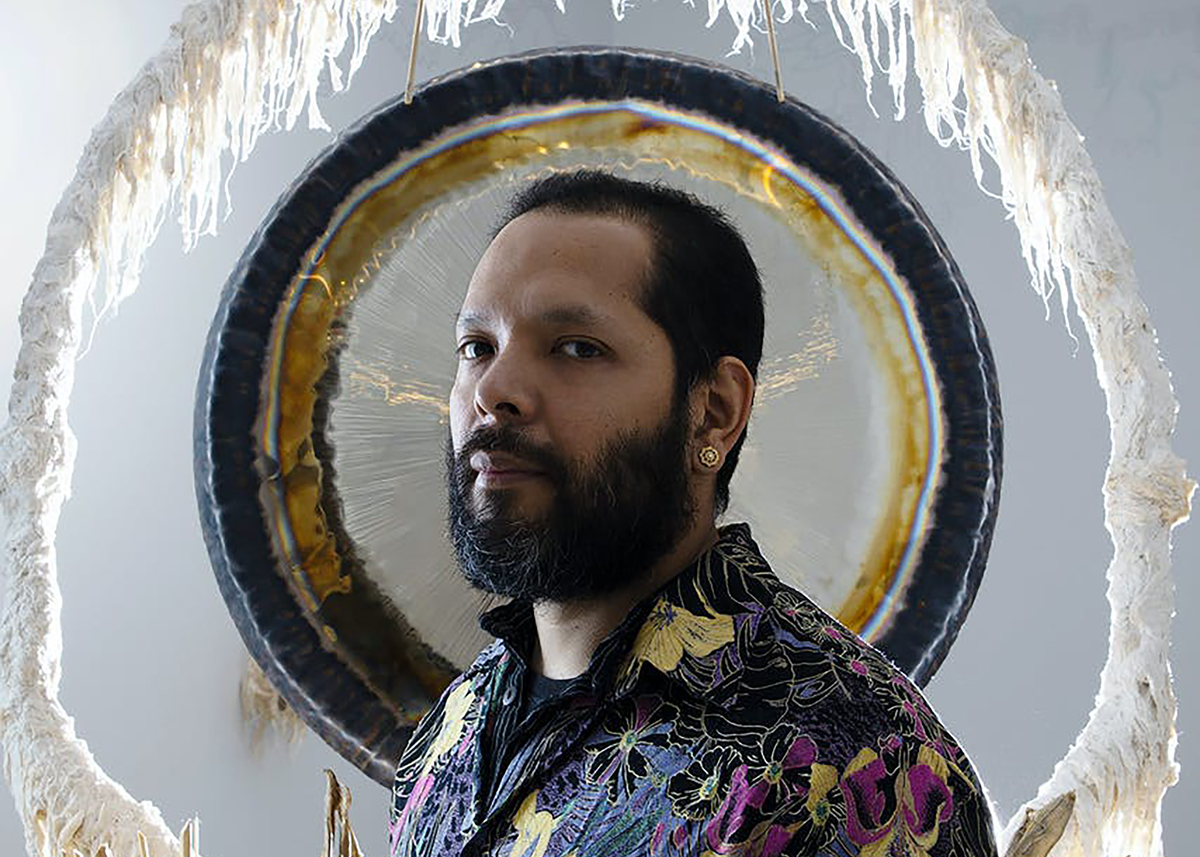
Guadalupe Maravilla. PHOTO: STEVE BENISTY
Image via www.artnews.com
Last October 5, 2021, the Henie Onstad Kunstsenter – Norway’s leading art museum – announced Guadalupe Maravilla as this year’s lucky recipient of The Lise Wilhelmsen Art Award.
A multidisciplinary artist based in Brooklyn, New York, Guadalupe Maravilla’s life story is long, colorful, and extraordinary. He was born in 1976 in El Salvador, where he spent his early years drawing and creating sculptures. In 1984, when he was barely eight years old, his family helped him flee the country’s civil war by hiring a coyote to escort him across the border into Texas.
While his family was later able to join him in New York, Maravilla remained an undocumented immigrant for more than two decades. At 27, he finally became a US citizen.
Despite his status, Maravilla managed to become the first in his family to attend college, majoring in photography at the School of Visual Arts in New York City and earning his BFA in 2003. He went on to become one of the country’s greatest sculptors and multidisciplinary artists, known for his masterful combination of indigenous traditions and urban culture, both of which take inspiration from his experiences as an undocumented immigrant and a cancer survivor.
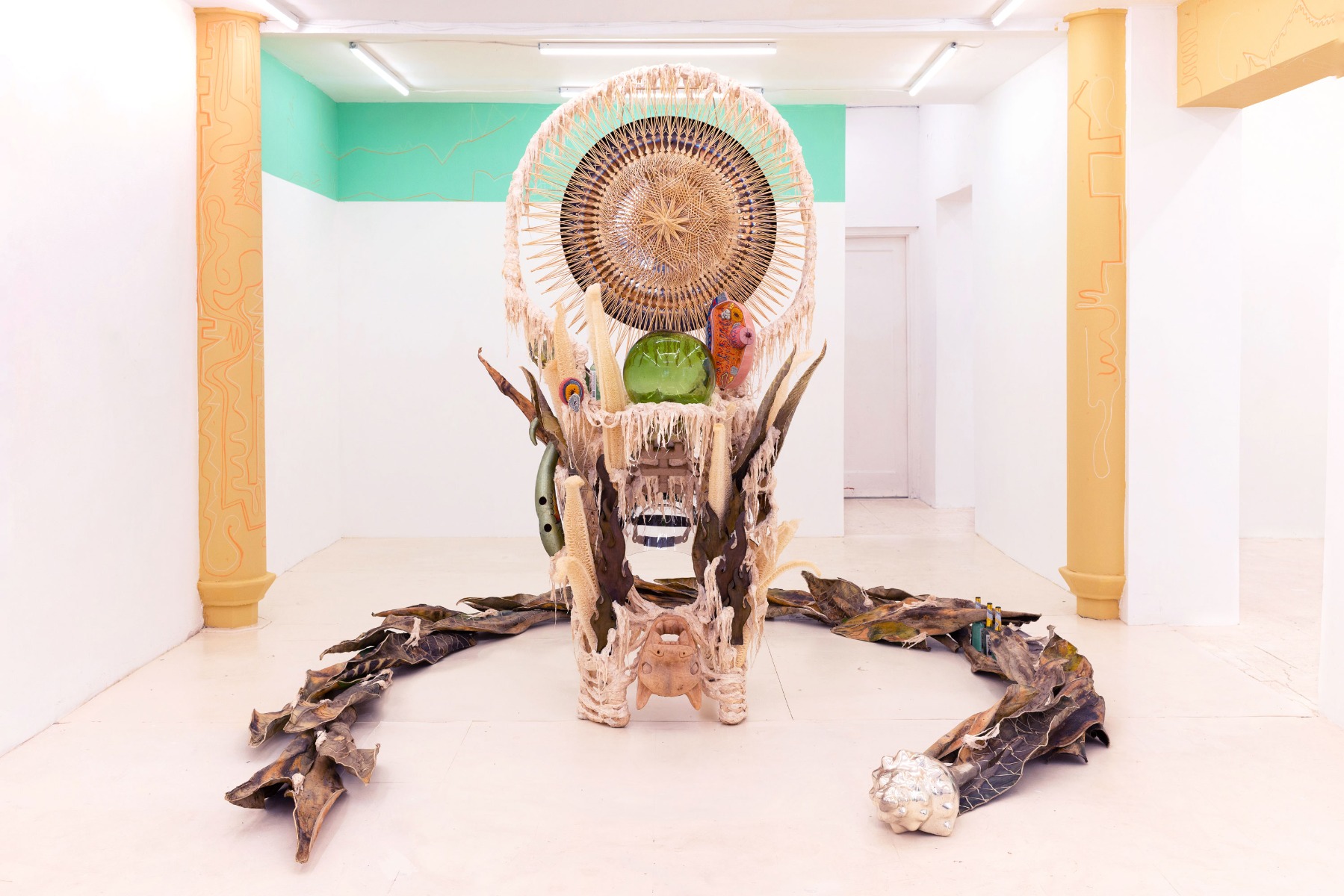
Guadalupe Maravilla, Disease Thrower #5, 2019. Mixed media sculpture, shrine, instrument, headdress, 91 x 55 x 45 inches. Courtesy Jack Barrett Gallery, New York.
Image via brooklynrail.org
For instance, Maravilla’s most recent works are the 13th and 14th installations of his “Disease Thrower” series, which seeks to explore his past. According to his designated page on the Socrates Sculpture Park website:
“The towering, totemic, twisting forms recall coral formations and are constructed primarily from recycled aluminum-cast water-expanding gel beads and stainless steel tubing. The sculptures feature two large gongs activated during sound baths and various symbolic elements, including cast fruits, vegetables, decorative dishes, and other aluminum parts relating to the artist’s personal healing journey. These two shrine-like, instrumental structures create the central element of the exhibition’s altar-space.”
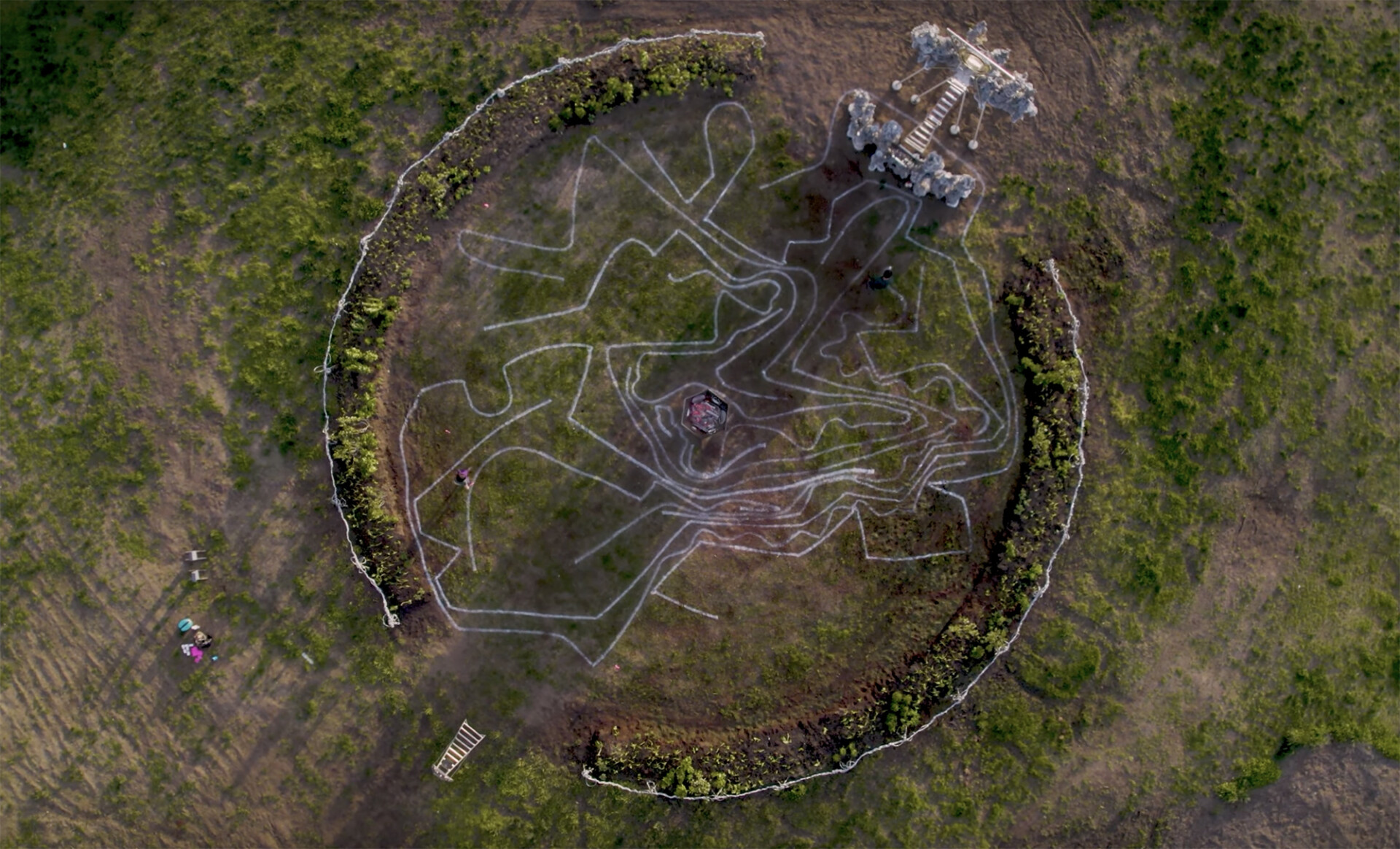
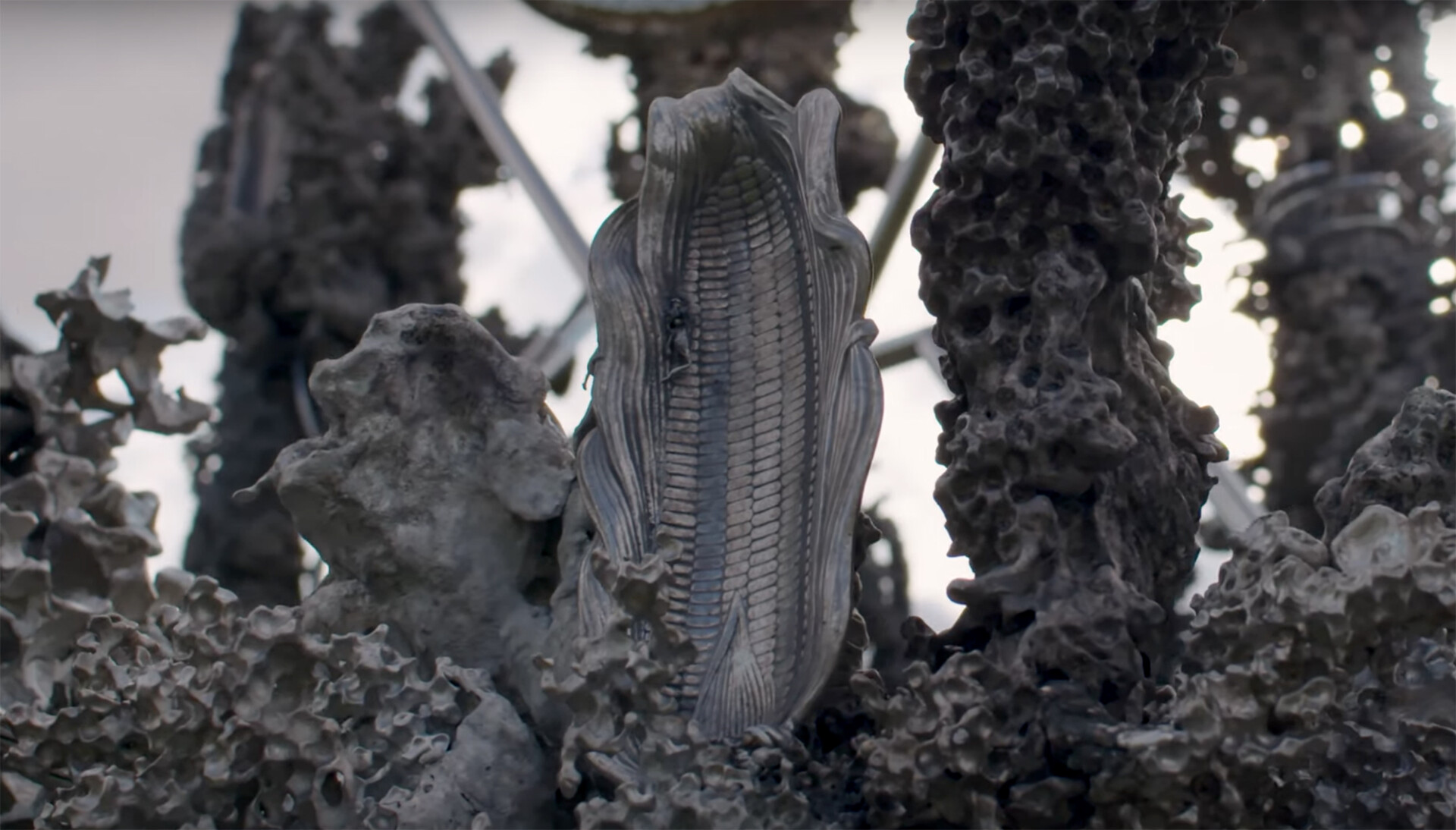
Image via www.thisiscolossal.com
This in-depth exploration of a painful and vulnerable time in his life is one of the main reasons why Maravilla was awarded The Lise Wilhelmsen Art Award, which comes with a cash prize of $100,000, making it one of the largest in the world. The following statement accompanied the jury’s announcement:
“Guadalupe Maravilla’s interdisciplinary practice constantly refers to his experiences of exile and illness, migration and healing, identity and displacement. Yet [his] work is also far more than his life. Building on personal narratives but venturing far afield into pre-Columbian mythologies, collective memory, geopolitical history, and material culture, the artist constructs artworks that act. His sculptures and elaborate constructions are also performative tools; he collaborates with others to create interactive wall drawings; he has choreographed a motorcycle gang chorus, and crossed the Rio Grande using one of his artworks as a flotation device.”
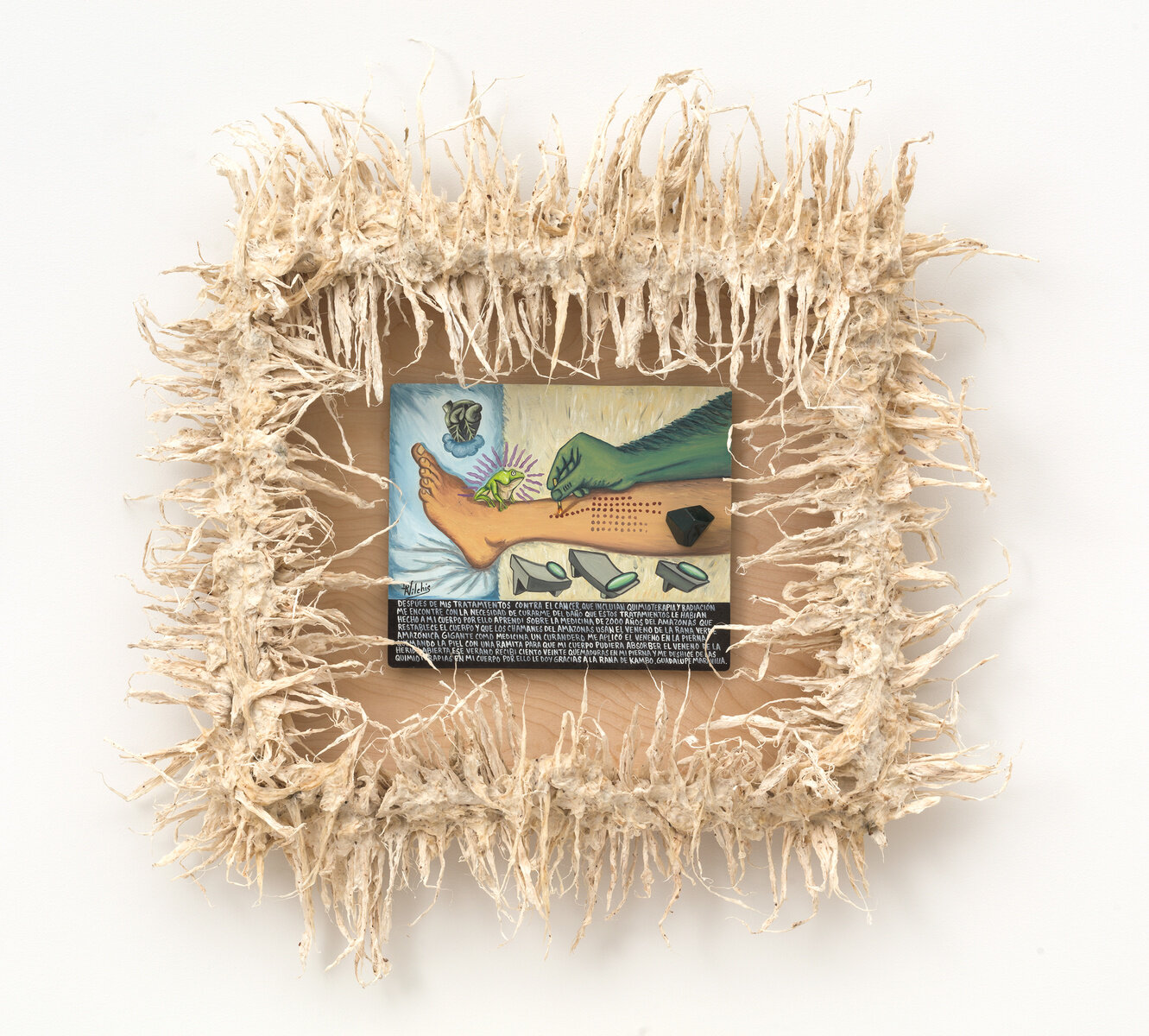
Image via www.artspeak.nyc
Besides this, the panel also took note of Maravilla’s incredible response to the COVID-19 pandemic. In particular, they praised him for organizing volunteers in New York to help the city’s immigrant communities get through the crisis.
The award’s panel consisted of some of the art world’s most esteemed figures. Among them were María Inès Rodríguez, the Curator-at-Large of São Paolo’s Museu de Arte, and Michelle Kuo, the Curator of Painting and Sculpture of New York City’s Museum of Modern Art. Director Tone Hansen of the Henie Onstad Kunstsenter, and Paulina Rider Wilhelmsen, a family member of the prize’s namesake, were both judges too.
A large and extremely prestigious prize, The Lise Wilhelmsen Art Award is presented bi-annually to artists whose work is deemed to be inspirational, motivating the youth and future generations to become socially responsible.
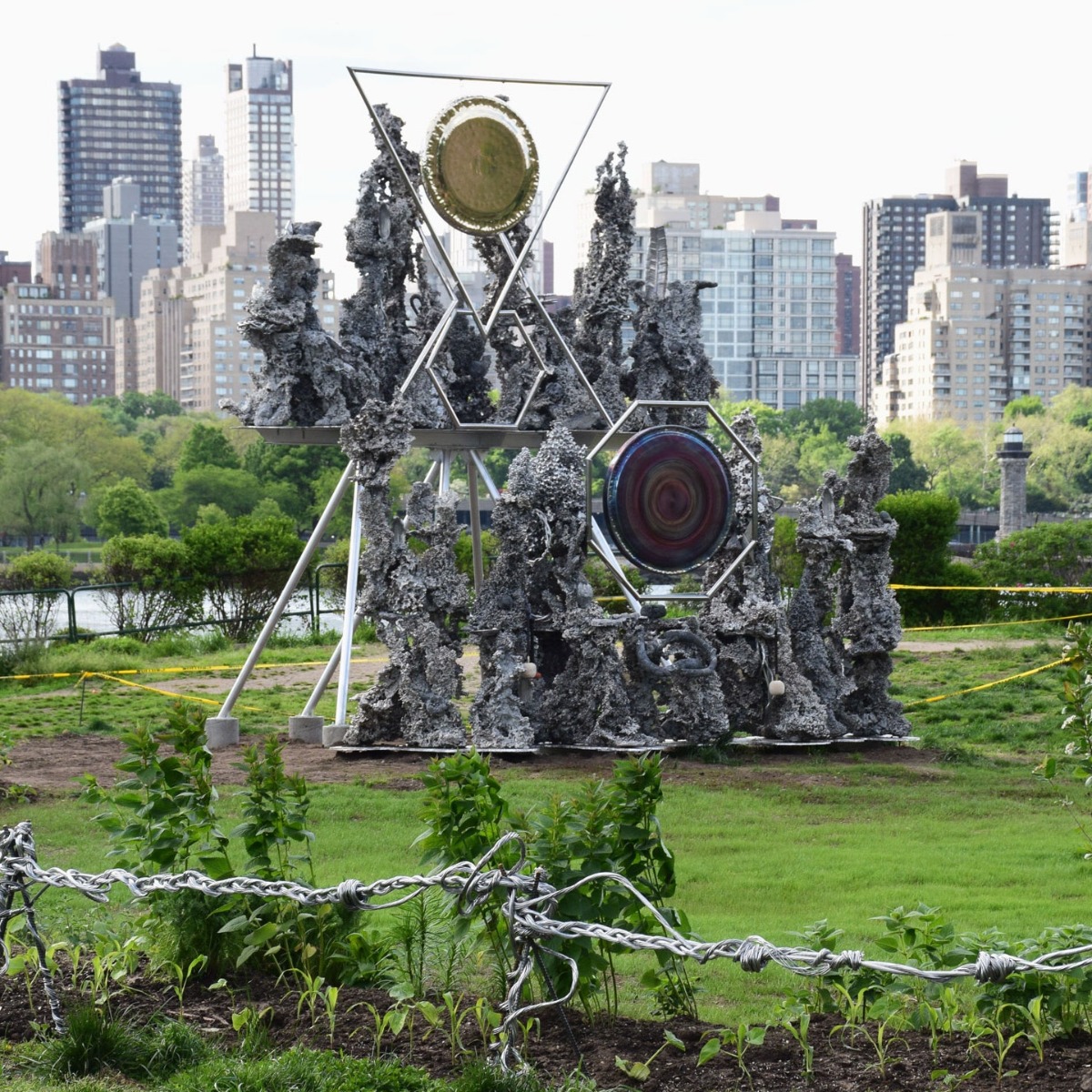
After undergoing successful cancer treatment, the artist Guadalupe Maravilla began using gongs in his shamanic sculptures, which he refers to as “healing machines.”
Photograph by Sara Morgan / Courtesy the artist, Socrates Sculpture Park, and PPOW
Image via www.newyorker.com
Besides the cash prize of $100,000, the award also designates an acquisition budget so that the winner’s work can be presented as a solo exhibit at the Henie Onstad Kunstsenter. This will run in 2022, from January 14 to April 30.
The Lise Wilhelmsen Art Award was established in 2019 as a way to promote social responsibility among younger generations. Maravilla is its second recipient; the inaugural prize was given to the Nigerian-born multidisciplinary artist Otobong Nkanga, who uses a wide variety of mediums to explore how the value consumers place on desirable commodities often compromises the environment. That same year, she also won the Sharjah Biennial Prize and even received a special mention at the 58th Venice Biennale.
Guadalupe Maravilla has yet to make a public statement regarding his prize. But having earned such a prestigious award, he’s undoubtedly proud of himself and eager to take his work to much greater heights.