
Indigenous Artist Jeremy Dennis Creates a Home for BIPOC Creators

For the past year and a half, millions of people worldwide have been cooped up inside their homes, isolating themselves from society in a bid to stop the spread of the COVID-19 virus. Contemporary fine art photographer Jeremy Dennis, however, experienced the pandemic differently.
COURTESY JEREMY DENNIS
A tribal member of the Shinnecock Indian Nation in Southampton, New York, Jeremy Dennis is best known for using art to explore indigenous identity, culture, and assimilation. One of his most popular projects is “On This Site,” which combines photography with an interactive map to showcase the various culturally significant Native American sites found across Long Island.
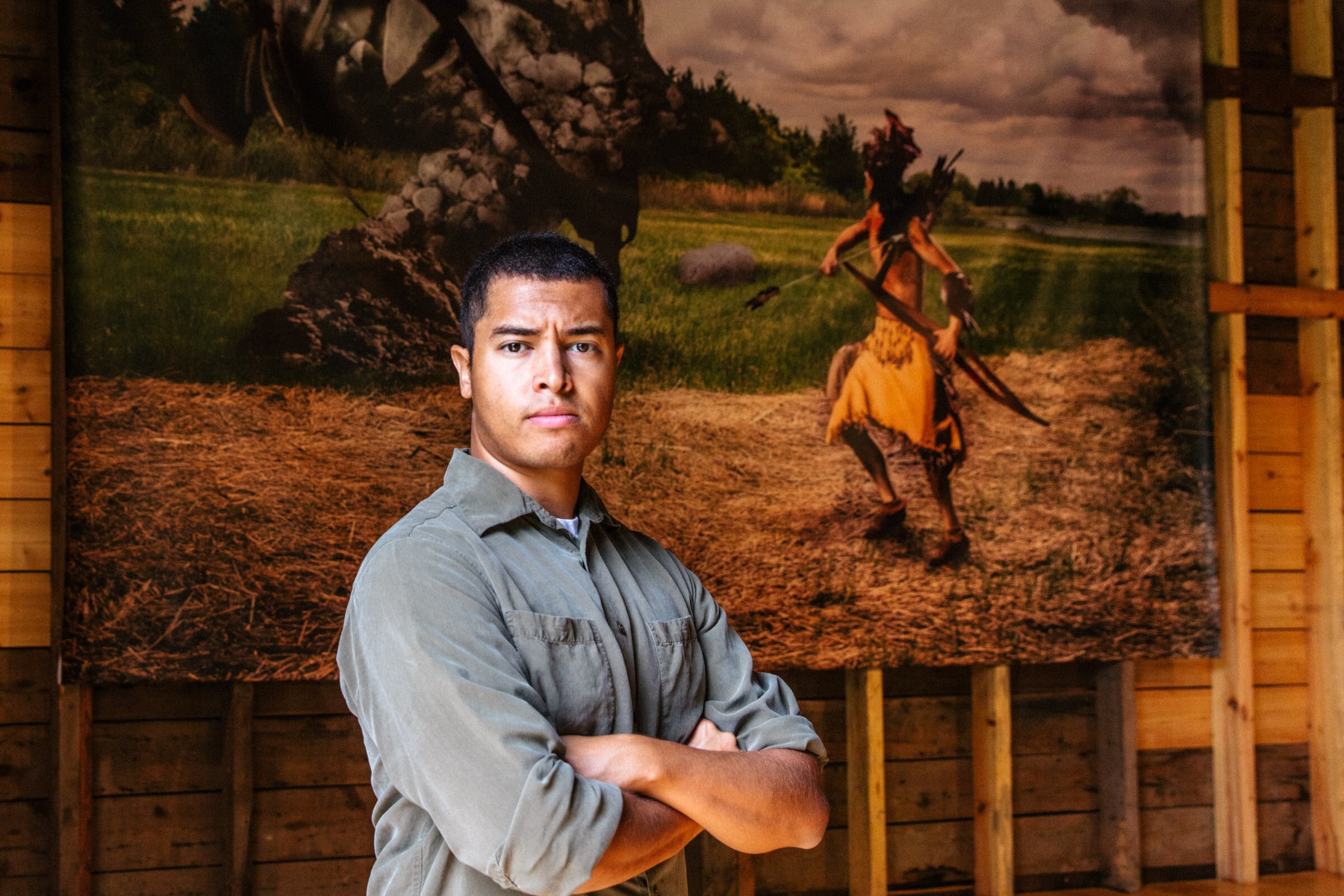
In 2020, Jeremy Dennis was forced to move in with his parents after the pandemic cut short his plans of attending an artist’s residency. There, he decided to begin renovations on his childhood home, which his family had abandoned more than a decade ago. It soon became clear, though, that it was much too big for himself, even if the extra space was taken up by his art.
The image via sttlmnt.org
It led to Dennis creating “Ma’s House and BIPOC Art Studio,” a residency exclusive to artists of color. The home is located on the Shinnecock reservation, which lies between Shinnecock Bay and Southampton. The latter is infamous for being the summer playground for America’s elite – a stark contrast to the fact that one in five Shinnecock tribe members reportedly live below the poverty line.
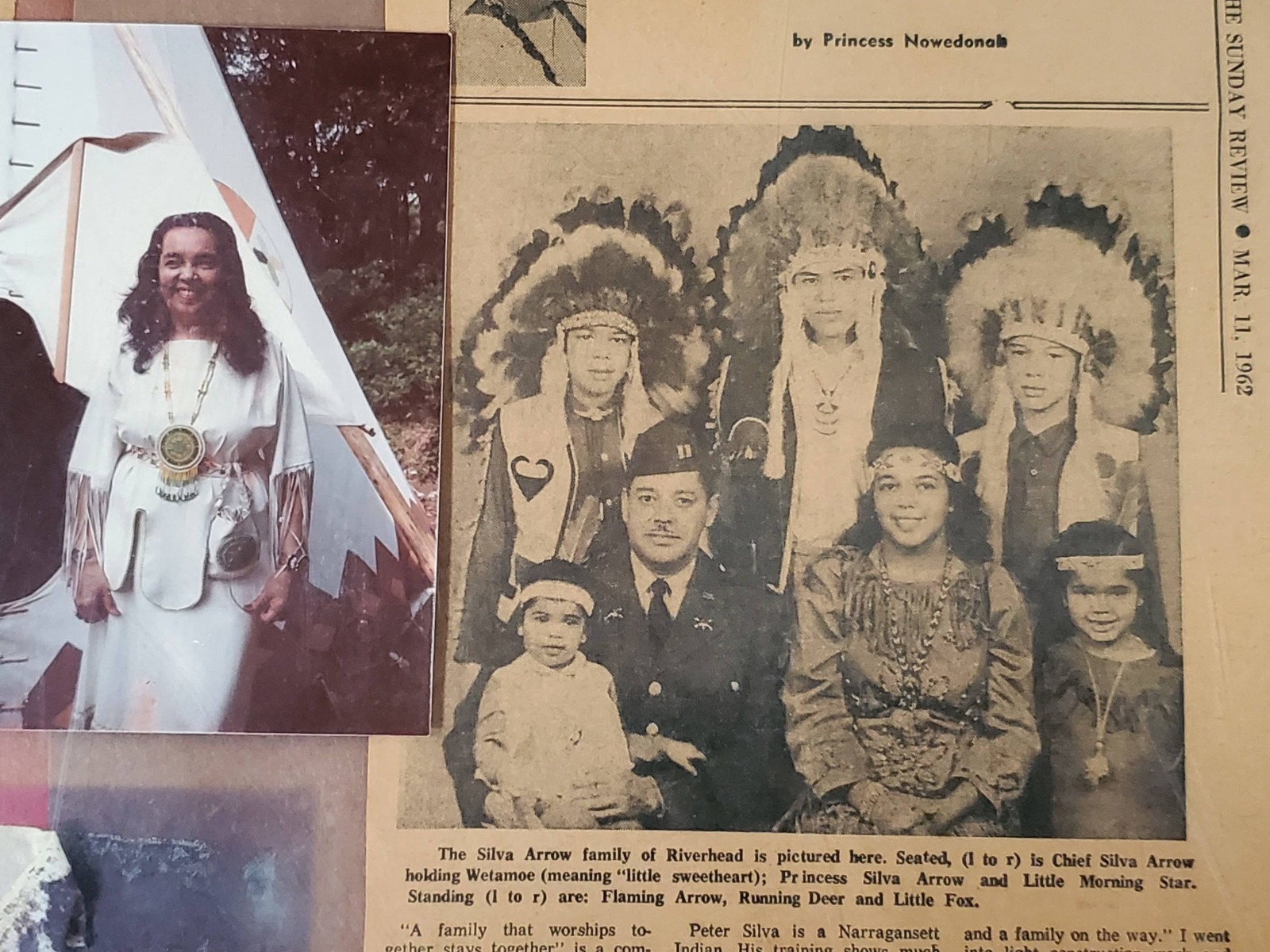
Jeremy Dennis named the residency after his grandmother, Loretta Silva, who also went by the names “Ma” and “Princess Silva Arrow of the Shinnecock Nation.” She was the first to live in the house, building it in the 1960s using scrap materials, such as joints and studs salvaged from a 19th-century church. Not only did she raise her family there but she also used it as a site to bring the community together through events like backyard powwows that featured traditional foods and handmade crafts.
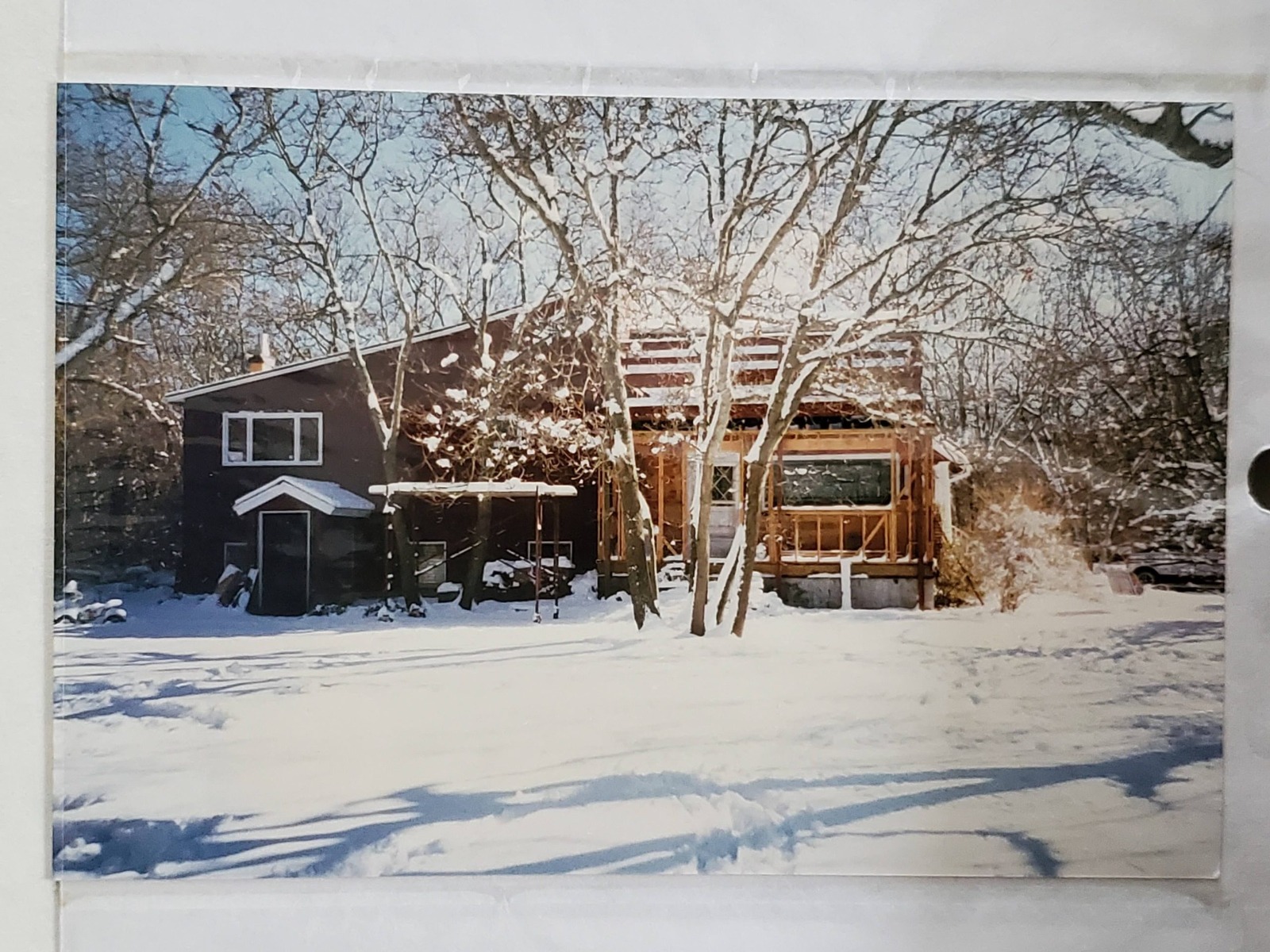
Ma’s House and BIPOC Art Studio before the renovation.COURTESY JEREMY DENNIS
As the years passed, the home gradually fell into disrepair and it was finally abandoned shortly after Dennis turned 13. He returned to it nearly a decade later, shocked at the extent of the damage that it had sustained and determined to make it livable once more.
To restore his childhood home, Dennis launched a GoFundMe with the goal of raising $50,000. On the page, he explained the house’s significance to both his family and the wider Shinnecock community. He also talked about his dream of carving out a special place for artists of color, writing:
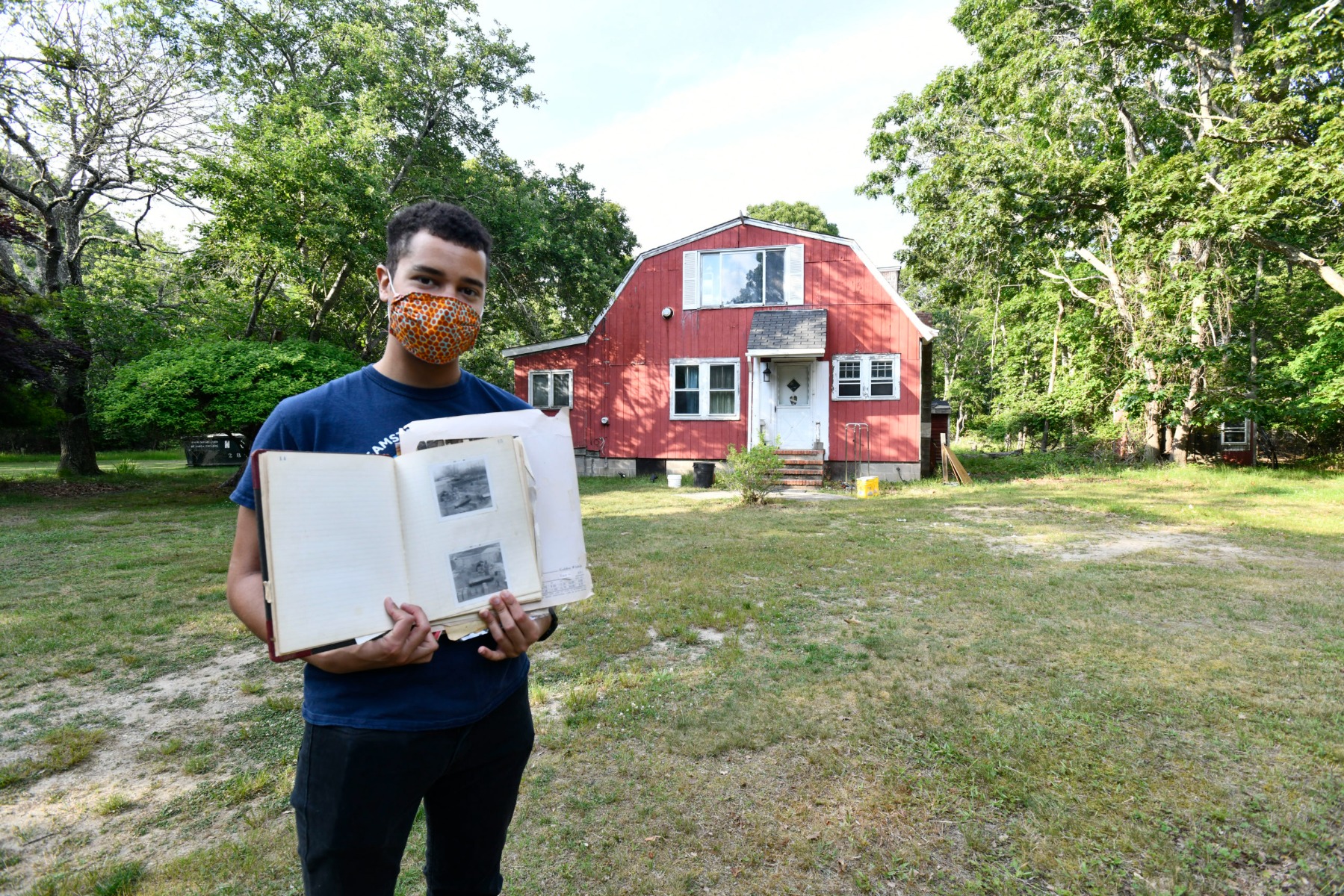
Dennis at Ma’s House. COURTESY JEREMY DENNIS
“All of the health disparities and economic injustice within minority communities that have become clear during the COVID-19 pandemic and rise of social justice activism against police brutality, bigotry, and systemic racism show, to me, a deep urgency for artists who identify as Black, Indigenous, and People of Color (BIPOC) to have safe spaces for free creativity and healing. I believe that “Ma’s House” can provide this space for BIPOC artists and all people who support and uphold moral values for equality, equity, diversity, and inclusion.”
So far, the fundraiser has reached a whopping $41,882, which has enabled Dennis to clear the home from white mold, as well as erect floors and walls. This money has also allowed him to file paperwork to turn Ma’s House into a full-fledged non-profit organization.
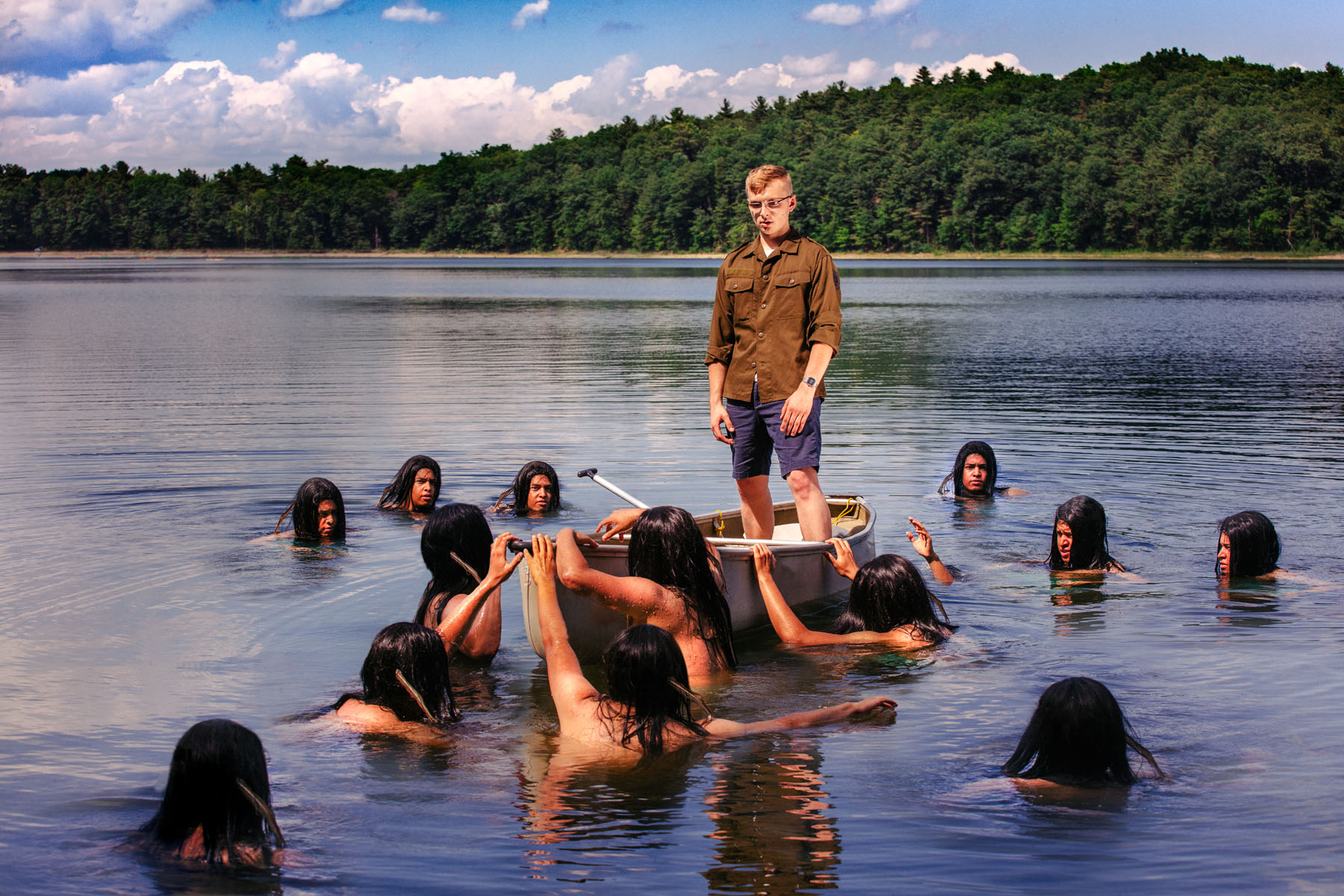
Jeremy Dennis, Wake, 2019 COURTESY JEREMY DENNIS
The residency has gained a ton of support from the local community, both within the Shinnecock Indian Nation and those residing in Southampton.
“I find [Dennis’] work to be both very challenging and accessible,” explained Toni Ross, an artist and business owner from East Hampton who donated to the fund. “So I wanted to support [Ma’s House]. But moreover, I loved the idea of helping address some of the barriers that exist between the Shinnecock nation and those of us out East who are not part of the tribe.”
Besides money, others have also made various contributions to Ma’s House, in a bid to turn it into a safe and artistic space for BIPOC creators. For instance, donated plants make up the bulk of the back garden while Pink Floyd bassist Roger Waters gifted Dennis with a beehive that stands nearby.
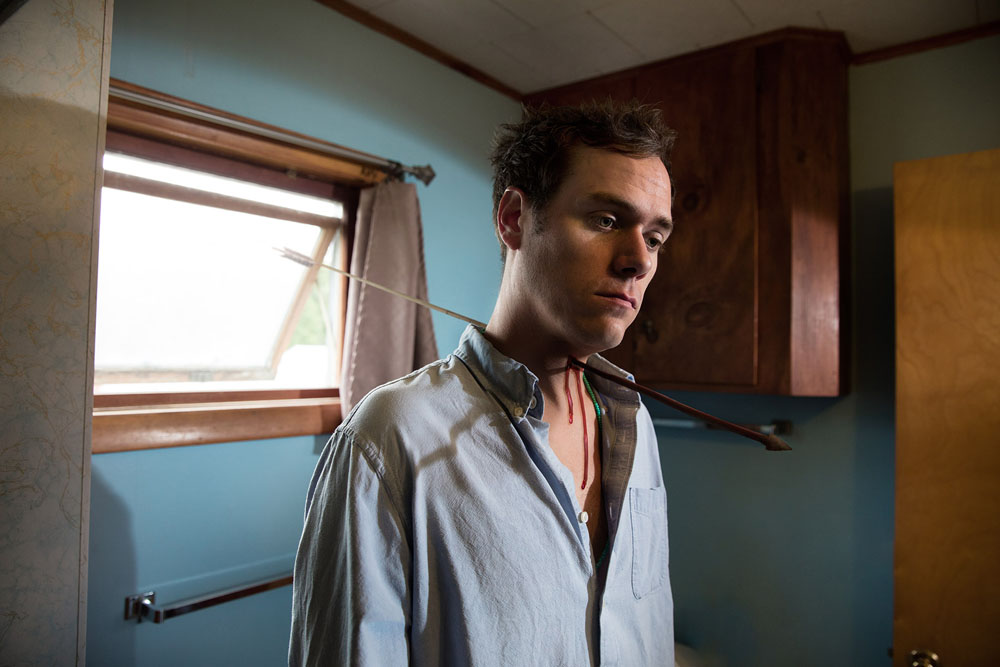
Jeremy Dennis, Nothing Happened Here, 2016 COURTESY JEREMY DENNIS
While renovations are far from over, several people – apart from Dennis – have already moved into Ma’s House. Among them was multimedia artist Yanyan Huang, who spent two weeks there and produced an exhibition called “Time Cloud,” which showcased the Shinnecock Indian Nation’s origin myths.
The renowned screenwriter, actress, and filmmaker Allie Mitchell also spent a week in Ma’s House, polishing scripts for pilot episodes that she was hoping to pitch to studio executives.
“Everyone has been really welcoming and kind, as well as generous with their time,” Mitchell said when asked about her tenure in Ma’s House. “There’s a strong sense of community on the reservation and I think people are excited and supportive of what Jeremy is doing to bring more art to the reservation.”
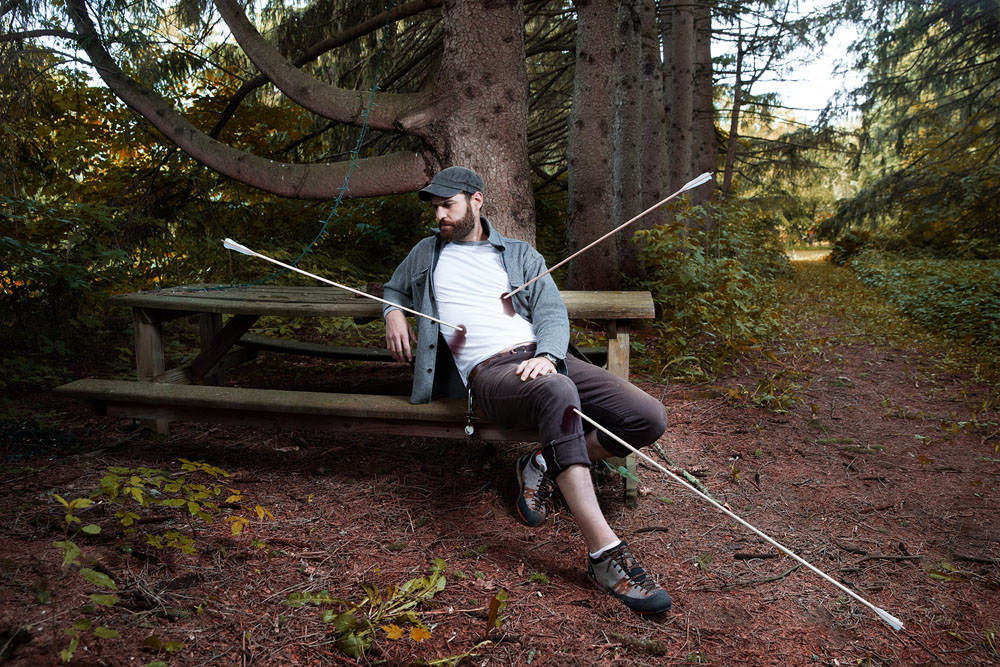
Jeremy Dennis, Nothing Happened Here, 2016 COURTESY JEREMY DENNIS
Artists staying at Ma’s House are encouraged to find a way to give back to the community. For instance, Huang hosted weekly open studios and other arts programs while Mitchell performed one of her scripts, which entertained many.
In addition to these programs, Dennis also launched a series during the summer called “Gather,” which saw BIPOC educators and artists giving talks about topics that they felt passionate about. Other similar events are currently being planned for the upcoming fall and winter season.
Given all these, it’s clear that Ma’s House is proof that a diverse and creative space can thrive amid the wealth, opulence, and exclusivity of the Hamptons.