
15 of the Most Outstanding Sculpture Parks Around the World


If you’re a fan of art, then you’ll love these sculpture parks. Visiting these outdoor art installations is a great way to enjoy fresh air and culture at the same time.
To enjoy art, you don’t need to crowd into galleries.
Strolling Sculpture Park s= Visiting Art Exhibits
Noguchi has emphasized the similarities between natural Spaces and artworks, saying, “I like to think of gardens as sculptures of space.”
In an open-air environment, sculptures are not constrained by the traditional restrictions of indoor museums and galleries, and their environment makes them more powerful. More importantly, the sculpture park offers visitors a new perspective on art and nature, capturing the harmony of their dialogue with each other. Today’s article will share 15 great outdoor art centers around the world that will prove that enjoying art installations doesn’t have to be an indoor experience.
01 The Most Powerful Collection of Contemporary Sculpture in America
Storm King Art Center
New Windsor, New York
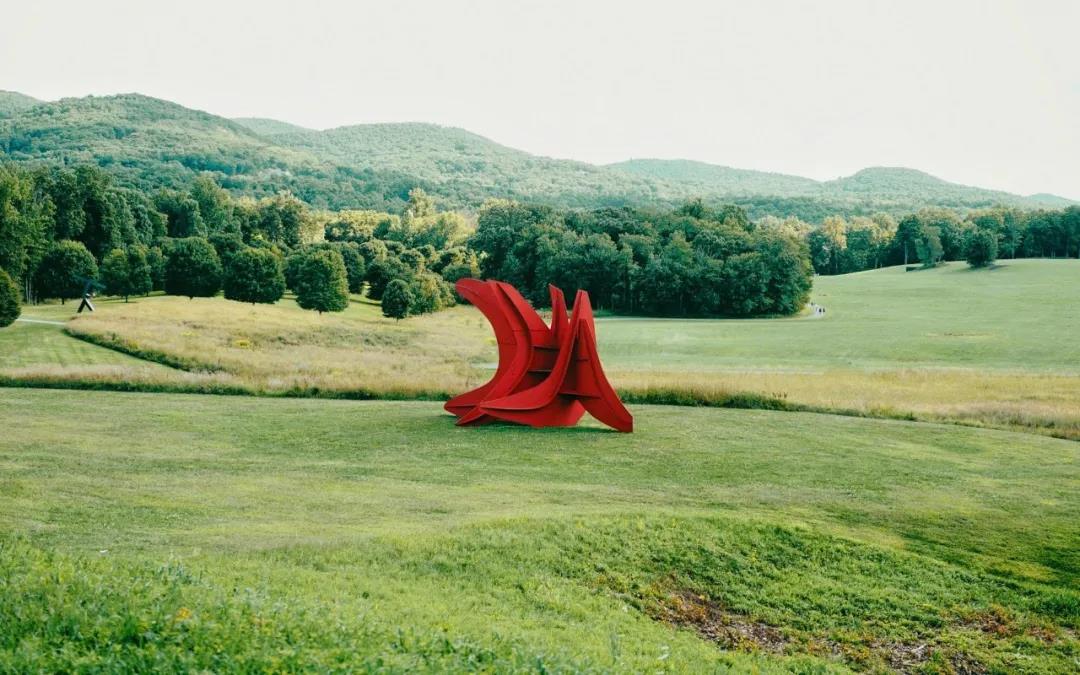
Quiet hills and open fields, a day’s trip from New York City. Founded in 1960, Storm King has the most powerful collection of contemporary sculptures in the United States, with more than 100 masterpieces dotting the stunning landscape on 500 acres.
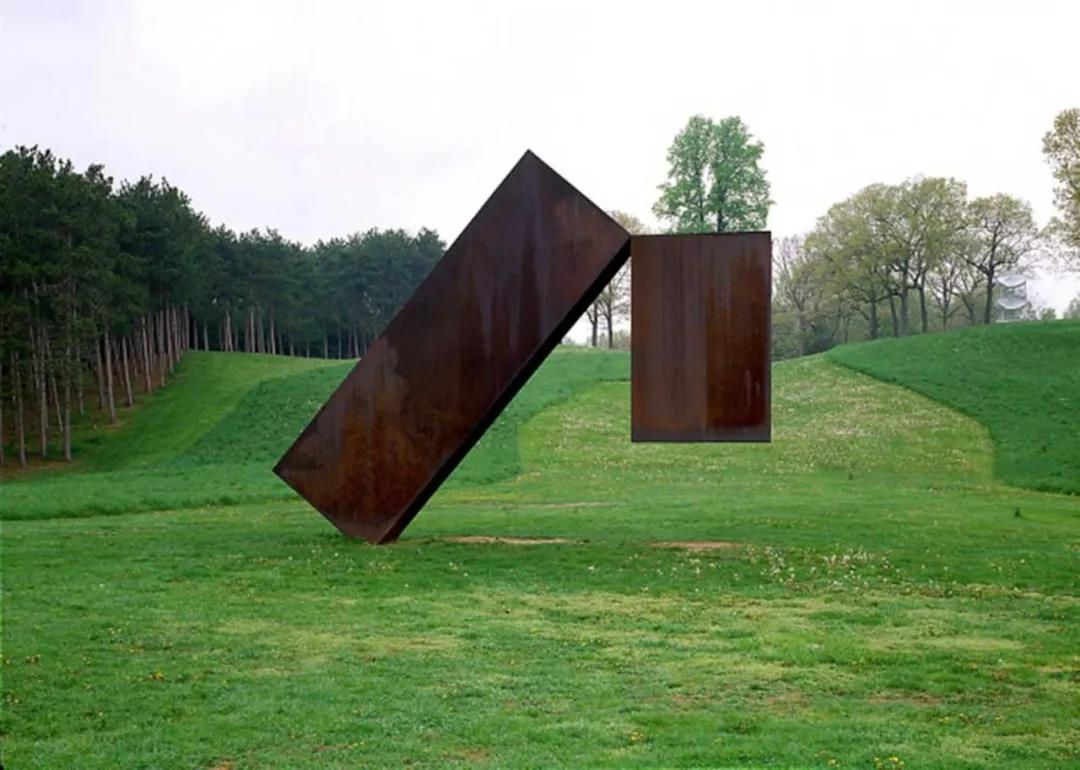
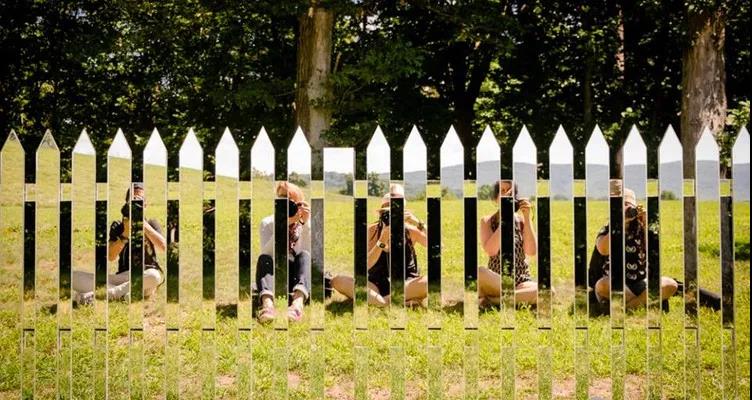
Works by Andy Goldsworthy, Sol LeWitt, and Henry Moore, among others, dot the hills, woodlands, and ponds, creating a melodious connection between art and nature.
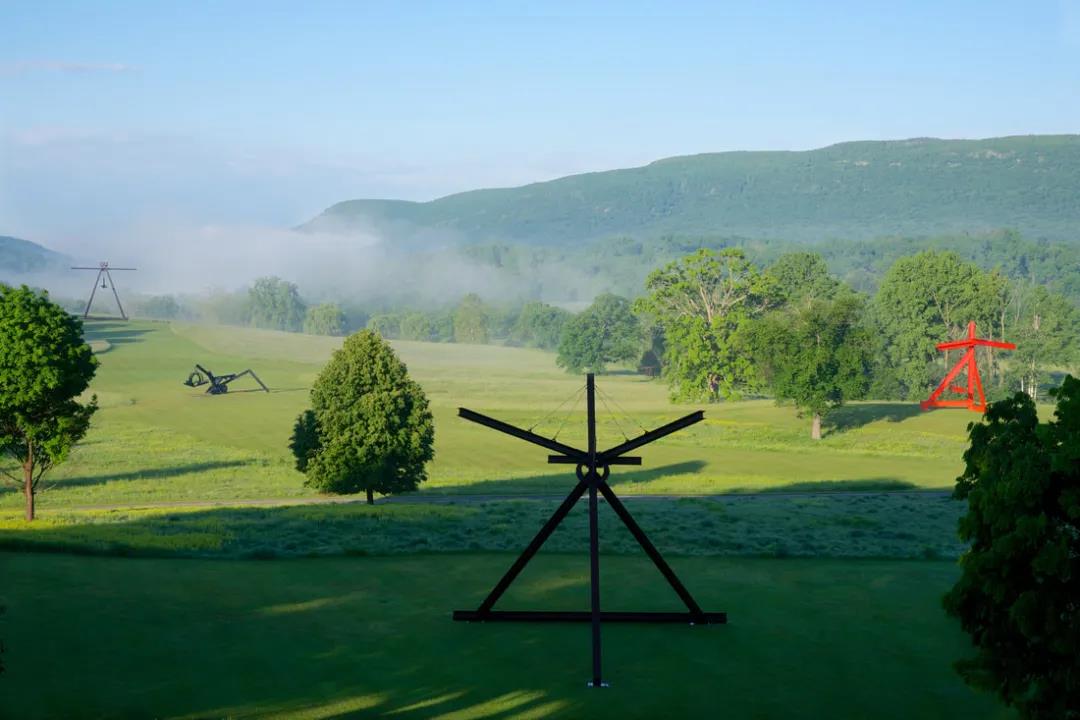
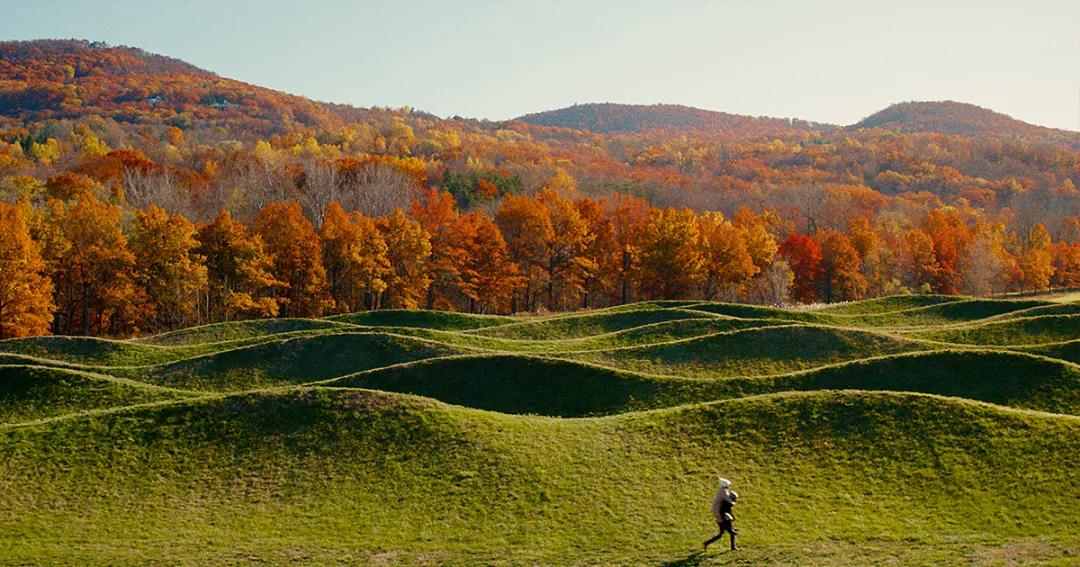
In addition to an incredible permanent collection, from award-winning temporary exhibitions to public programs like bird watching and yoga, Storm King aims to foster an appreciation of sculpture and enrich the local community.
02 New Place Near Berlin
Schlossgut Schwante
Oberkrämer, Germany
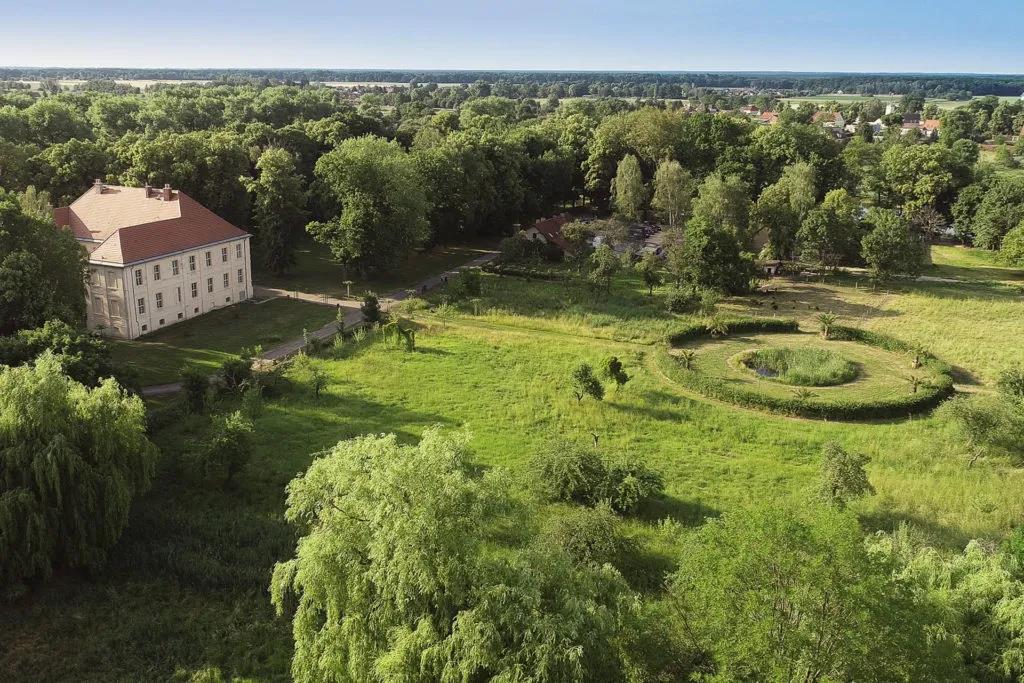
The Schlossgut Schwante Sculpture Park, just 45 minutes from Berlin Mitte, opened on June 19, 2020.
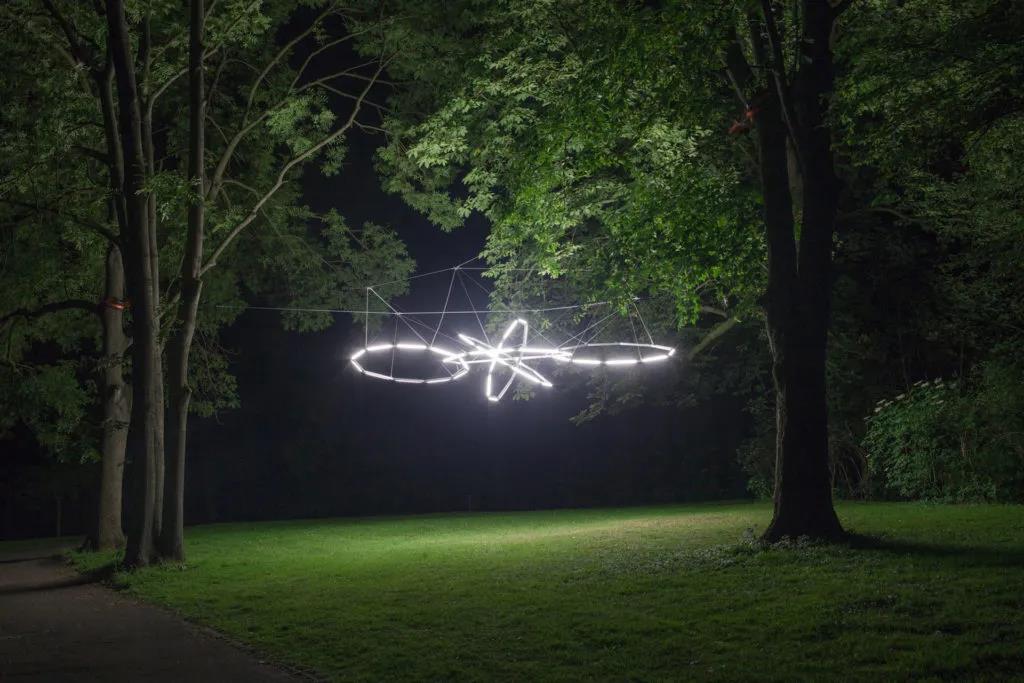
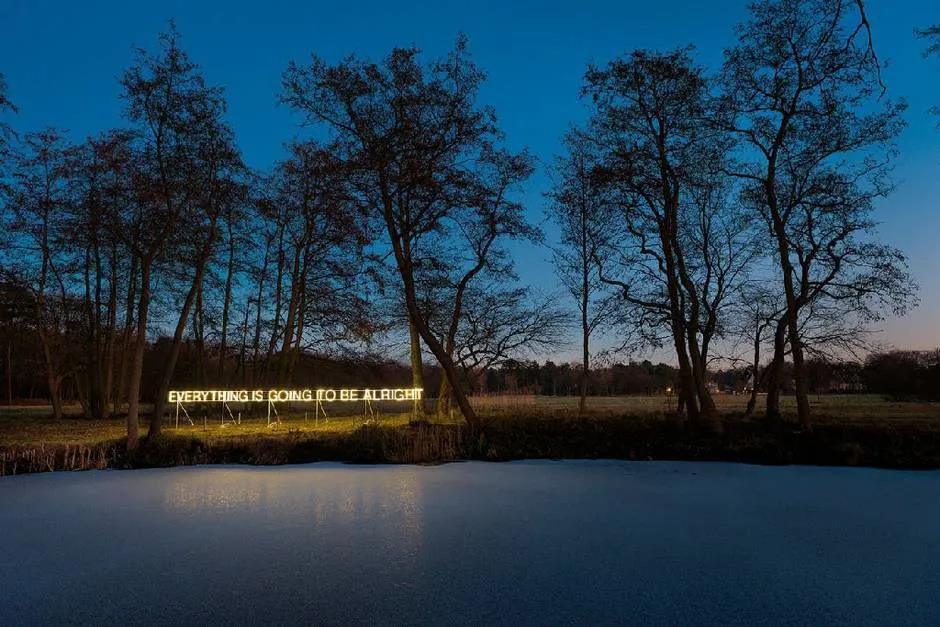
The inaugural exhibition, Sculpture and Nature, features works by international artists, including Ai Weiwei, Tony Cragg and Maria Loboda in impressive manorial and pastoral Settings.
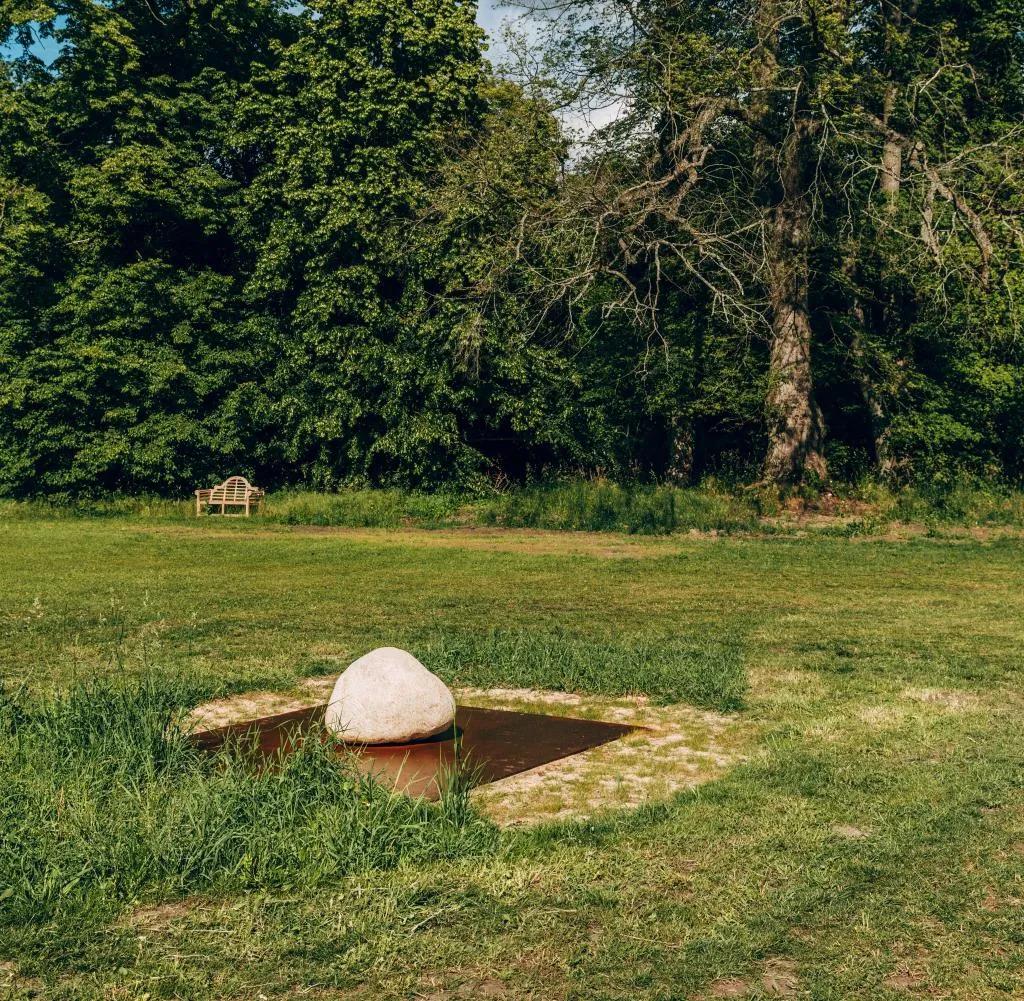
The park will update its program every two years and engage with the local community through yoga and photography classes, markets, artist lectures and other promising events.
03 An Art Center Deep in the Brazilian Rainforest
Inhotim
Brumadinho, Brazil
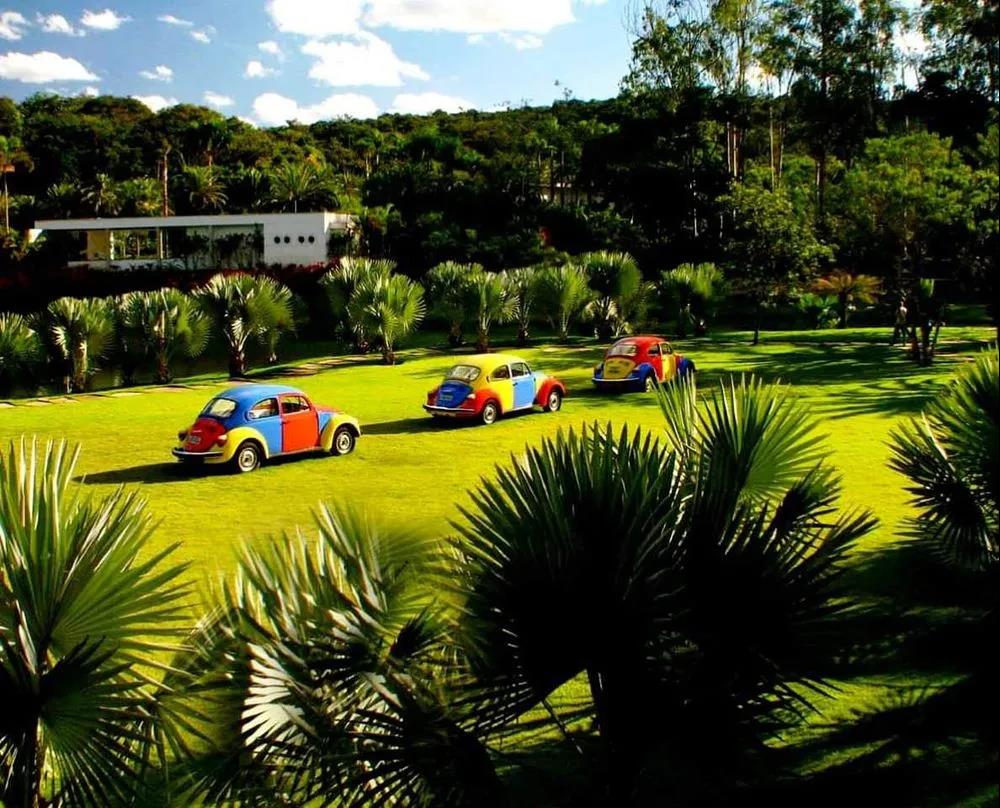
In the mid-1980s, Bernardo Paz, a Brazilian mining magnate and one of the country’s foremost collectors, conceived of inhotim, which quickly became one of Latin America’s most impressive outdoor art centers and a natural heritage site.
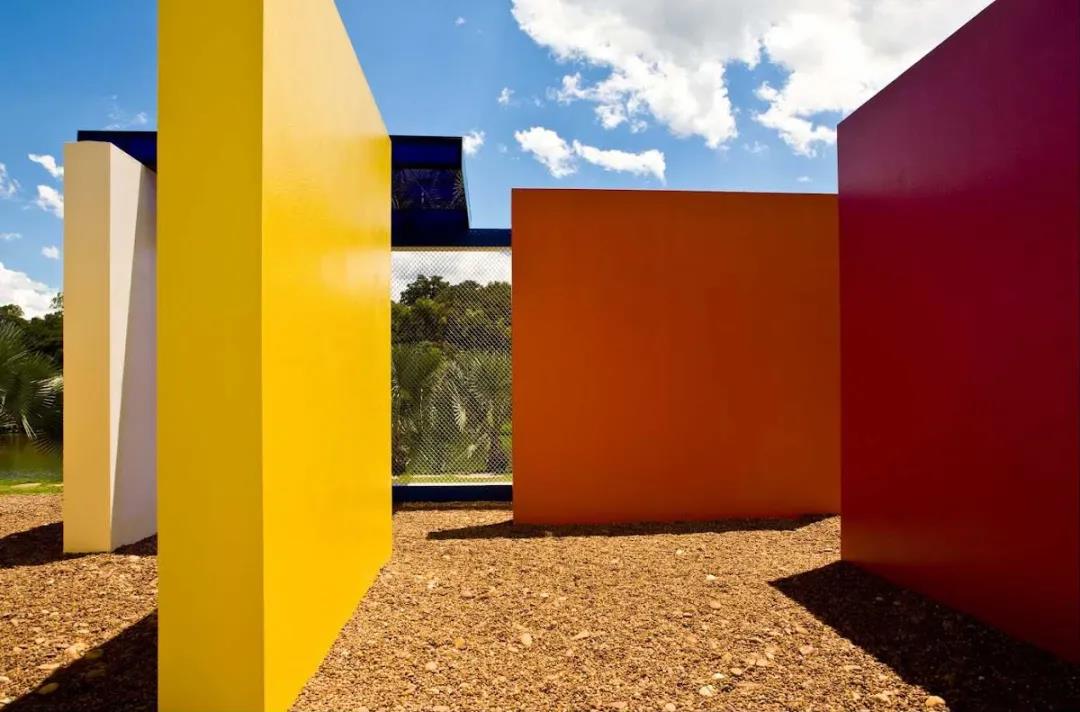
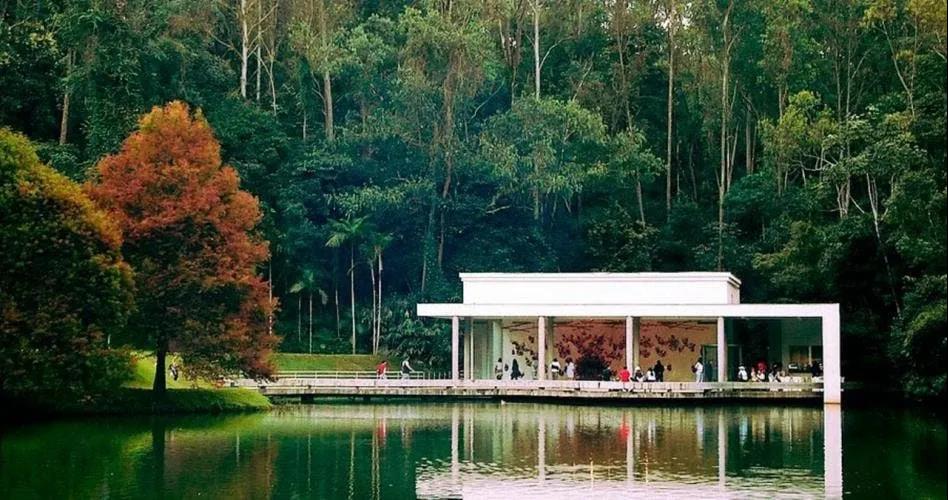
Today, it is one of the most important contemporary art museums in the world on this private property. Within a tropical forest of over 140 hectares, a simple visit easily turns into an endless exploration, combining art and nature.
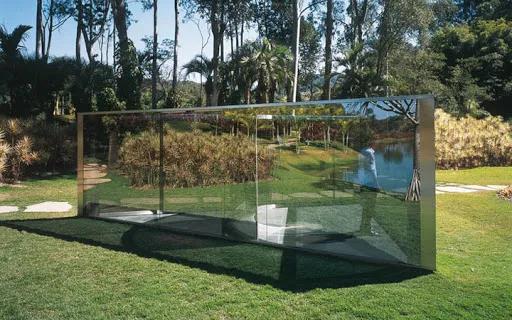
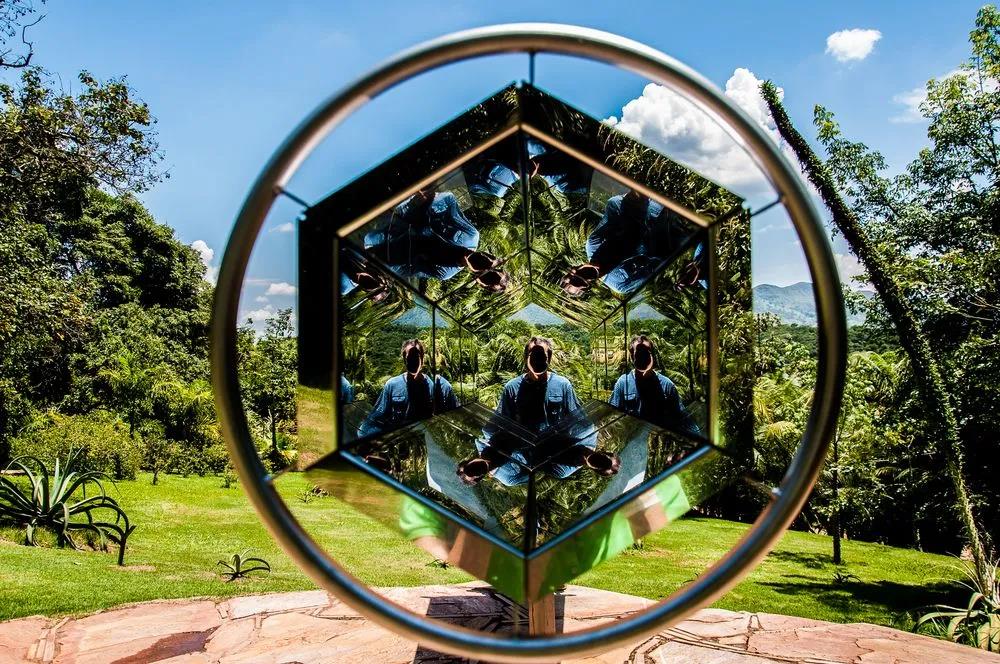
It is a vast botanical garden with a diversity of rare species from all continents and more than 1,400 palm trees. You can see this via Eliasson’s Viewing Machine -- a kaleidoscopic tunnel that enhances the stunning vegetation around it.
04 Grazing Sheep Everywhere
Yorkshire Sculpture Park
Wakefield, England
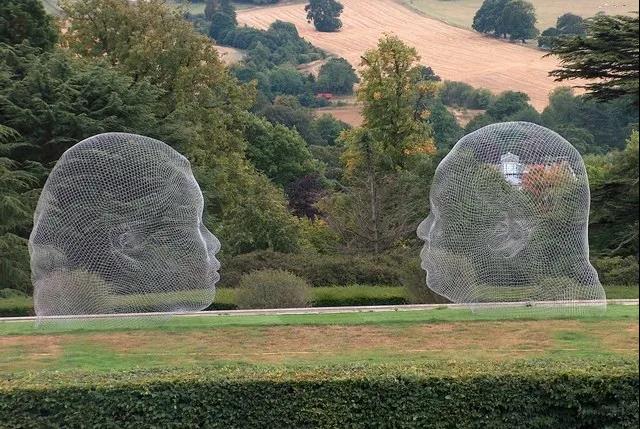
Yorkshire Sculpture Park is the UK’s first permanent sculpture institution and one of the most stunning collections of sculpture in the world. Located in West Yorkshire, England, the park houses works by world-renowned artists such as Henry Moore, Anthony Gormley, Joan Miro and Mark di Souvero, which blend elegantly with seasonal changes and spectacular elements of nature.
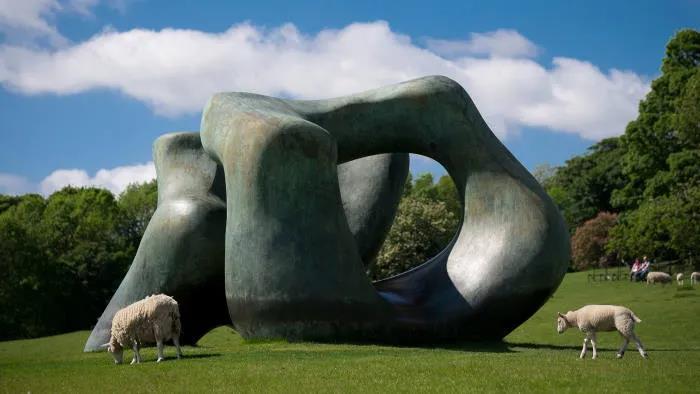
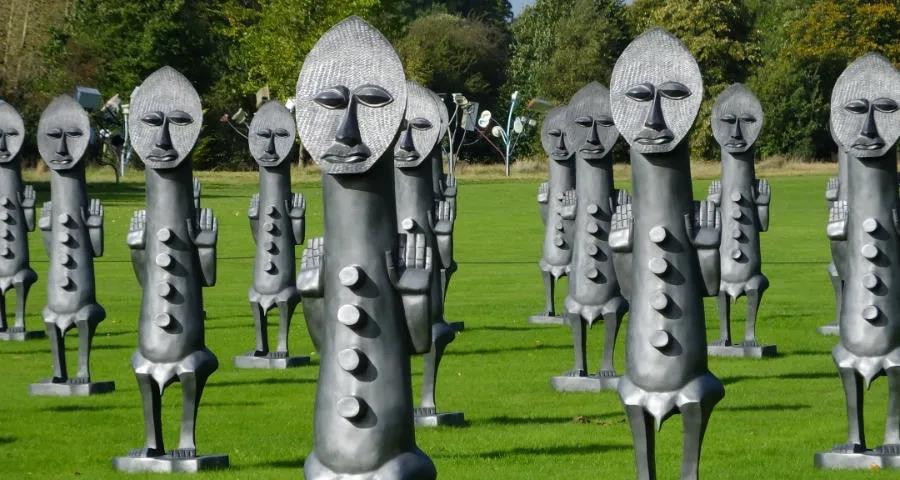
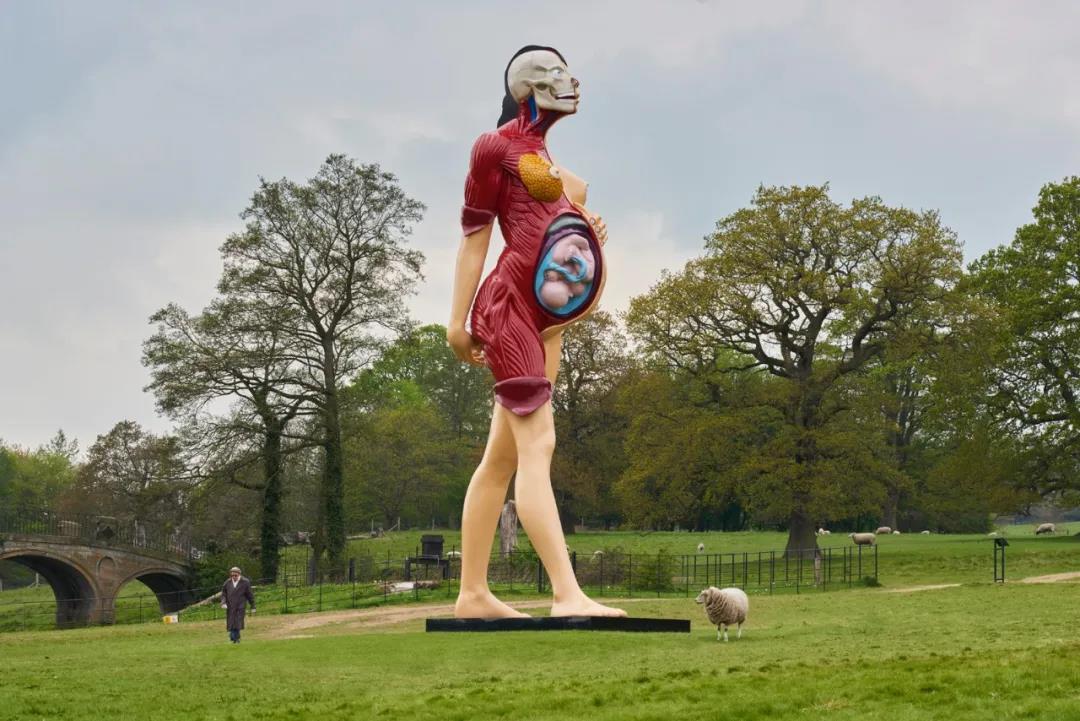
YSP has also been praised for its top rotating exhibitions, currently featuring works by Damien Hirst and Joana Vasconcelos. A stroll through the fields, lush greenery, a chance encounter with grazing sheep and a visit to Yorkshire Sculpture Park is surely an overall magical experience.
05 Cells of Life in the Rural Landscape
Jupiter Artland
Edinburgh, Scotland
Jupiter Artland is one of Scotland’s leading arts organizations and is located on an old estate, just outside Edinburgh, with a stunning sculpture garden covering over 100 acres of woodland and grassland. Nicky and Robert Wilson, the founders and art collectors, bought the property in 1999 and decided to open the site to the public in 2009, creating an engaging space.
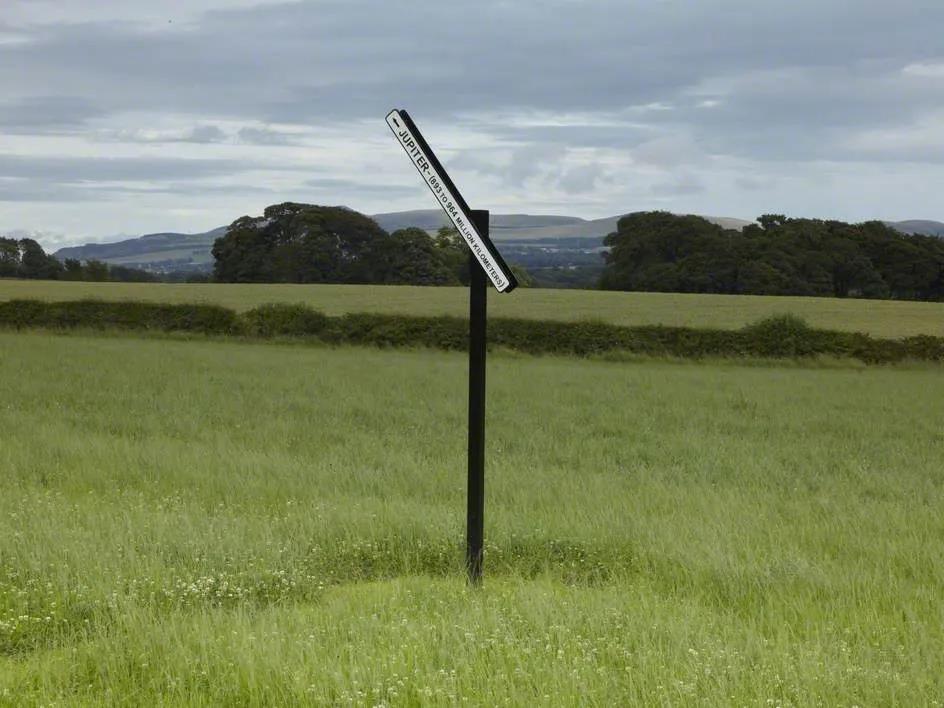
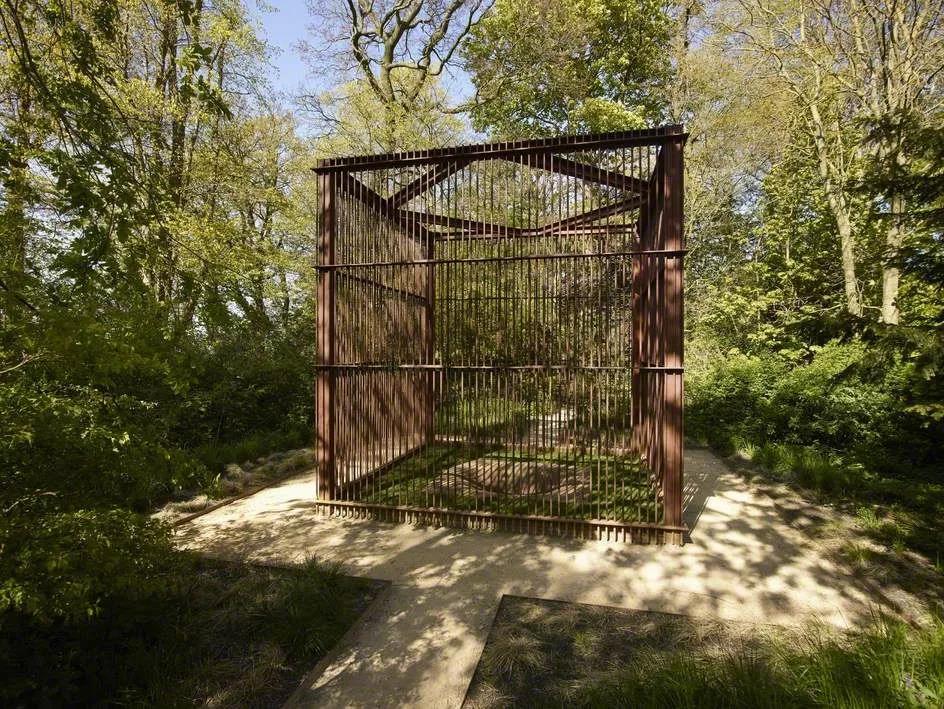
Here, you can see artworks by artists like Antony Gormley, Cornelia Parker and Anish Kapoor scattered around the delicate rural landscape.
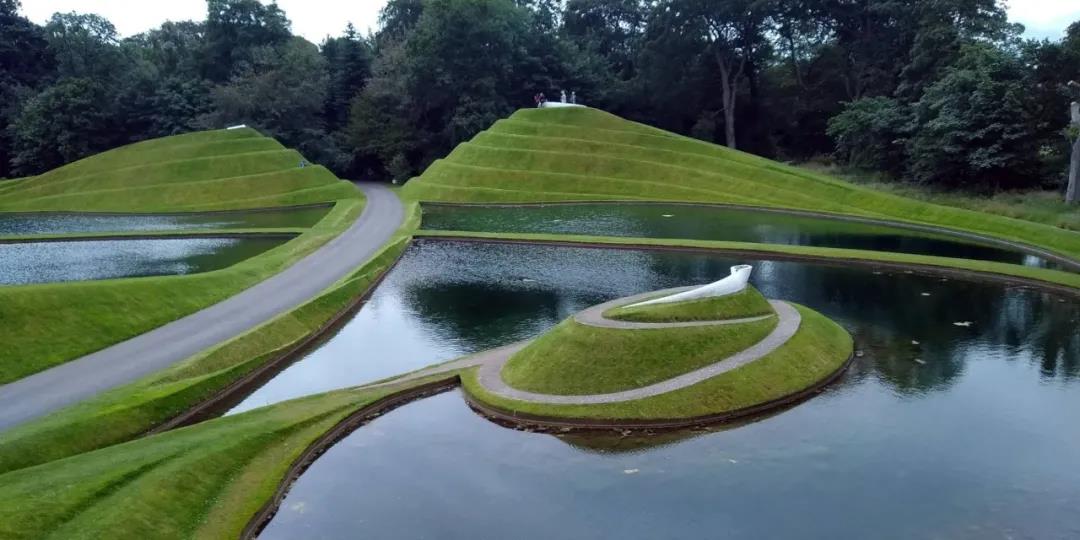
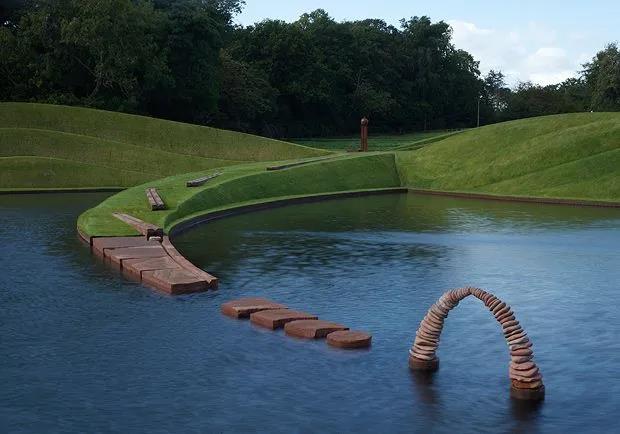
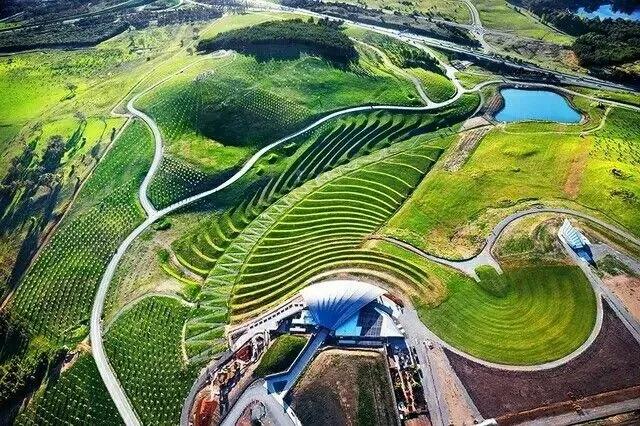
At the heart of the park, the earth artist Charles Jencks created Cells of Life, a spectacular series of rolling hills and lakes.
06 Overlooking the Oslofjord
Ekeberg Park
Oslo, Norway
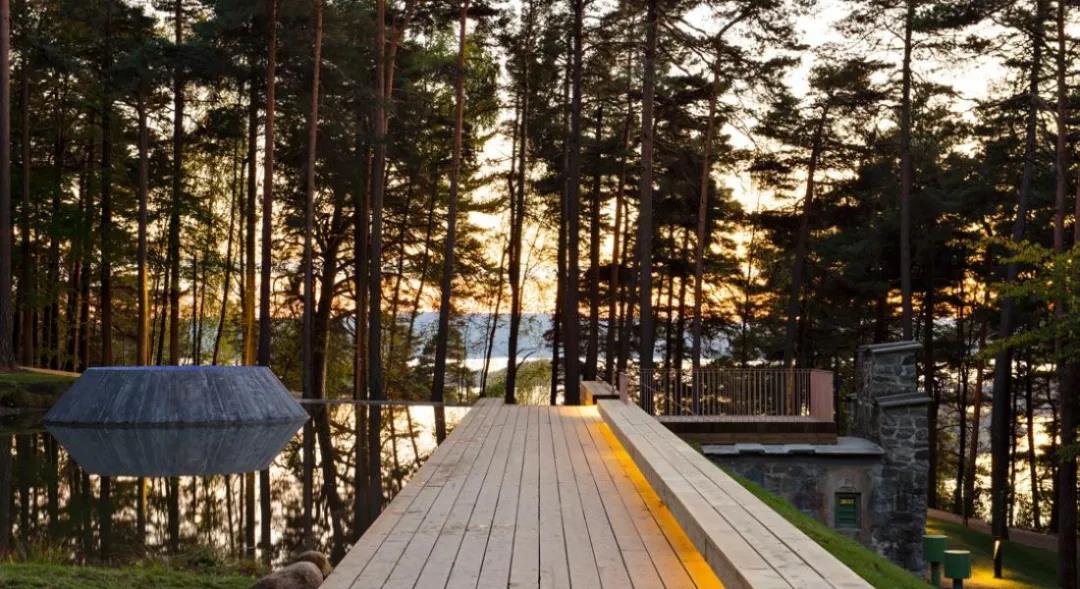
Ekeberg, a wooded 25-acre site just outside downtown Oslo, was opened in 2013 by the art collector Christian Ringnes. Here, exquisite sculptures can be found deep in the forest.
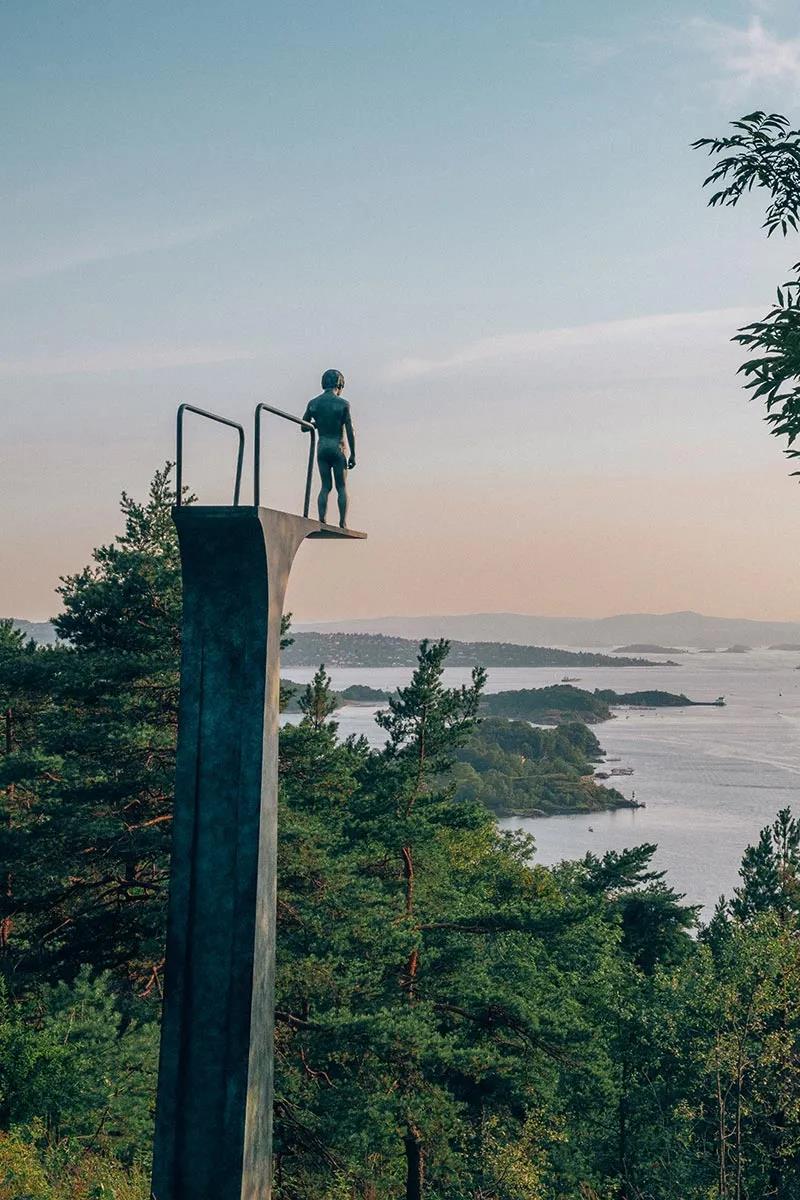
The park has several spectacular overlook points that magnify the beauty of Oslo Fjord, as well as its fascinating geological elements. While wildlife roamed through modern and contemporary sculptures, including works by artists Auguste Rodin, Salvador Dali, Pierre-Auguste Renoir, Damien Hirst and Louise Bourgeois.
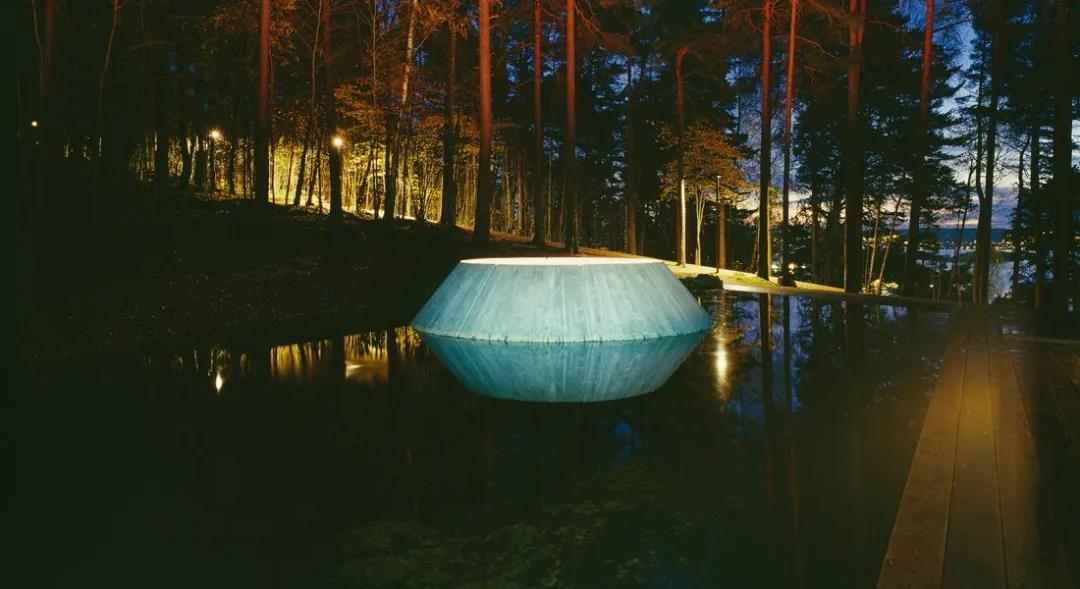
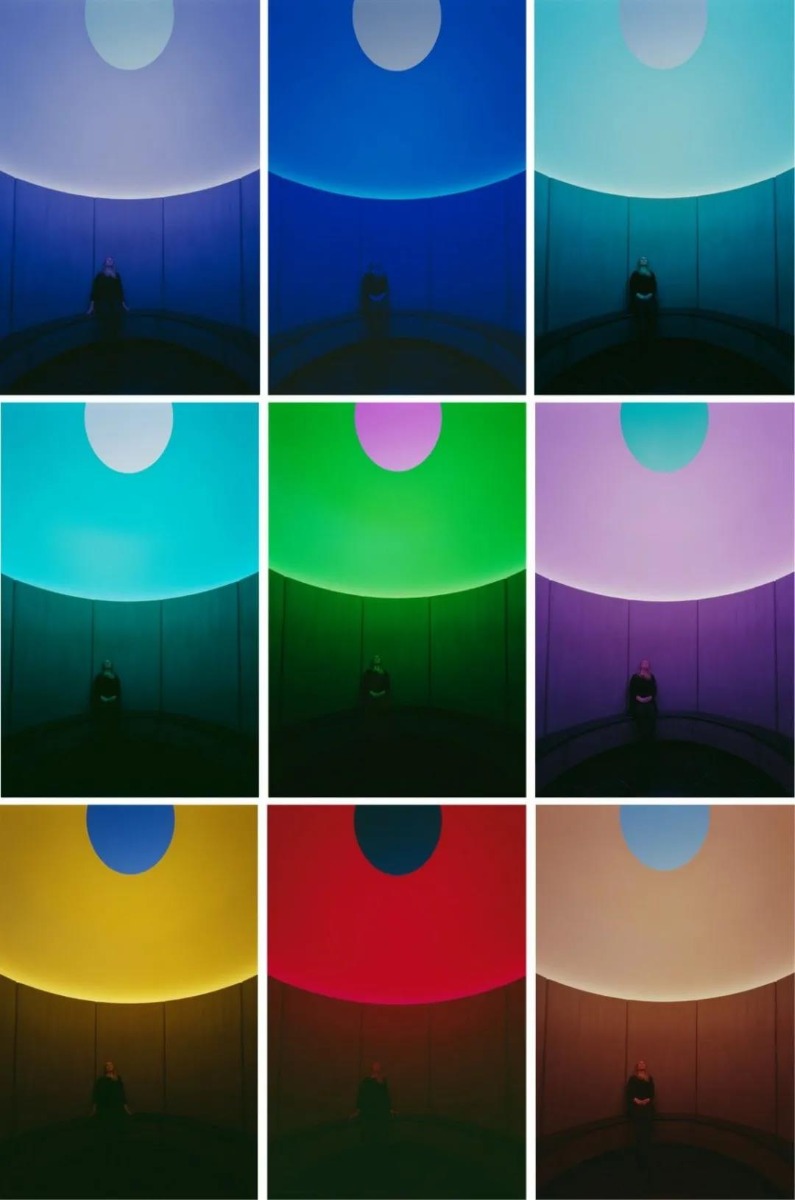
There is on display Fujiko Nakaya’s mist installation, like a fairyland of deep forest mist. Of course, James Turrel’s Skyspace will always be a hit.
07 Both Herding Animals and Herding Art
Gibbs Farm
Kaipara Harbour, New Zealand
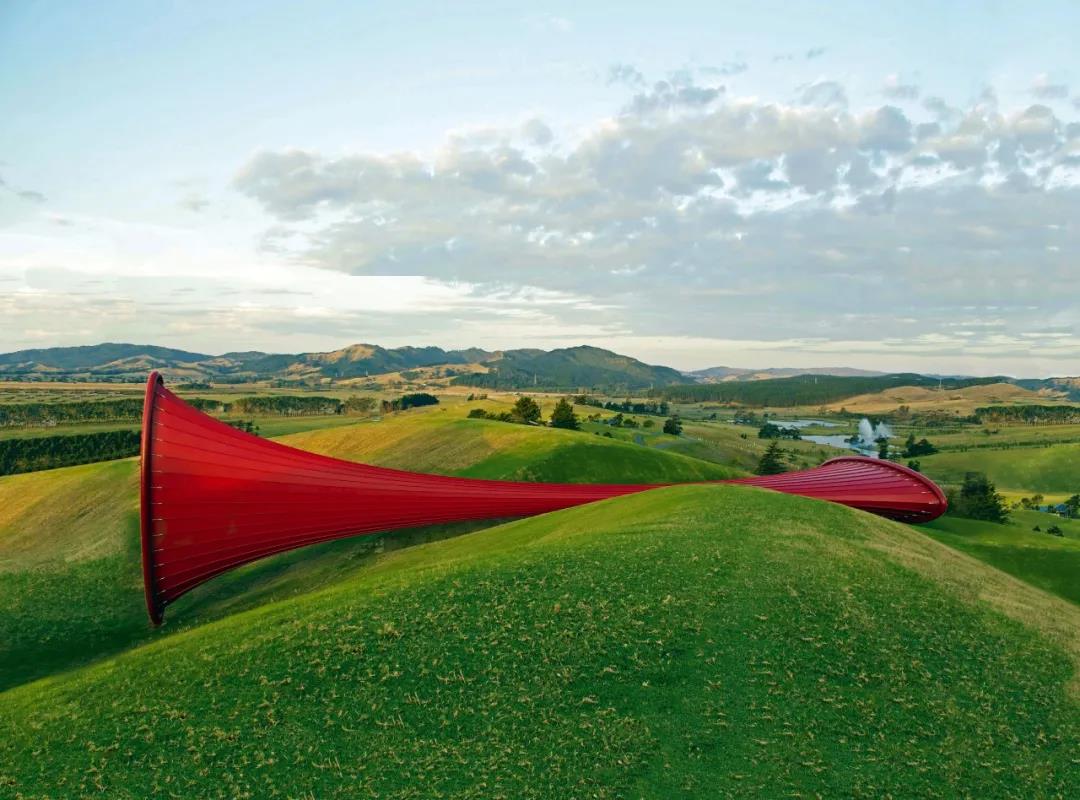
An hour’s drive north of Auckland, Gibbs Farm is New Zealand’s most impressive sculpture park, overlooking Kampala Harbour, among the largest in the world.
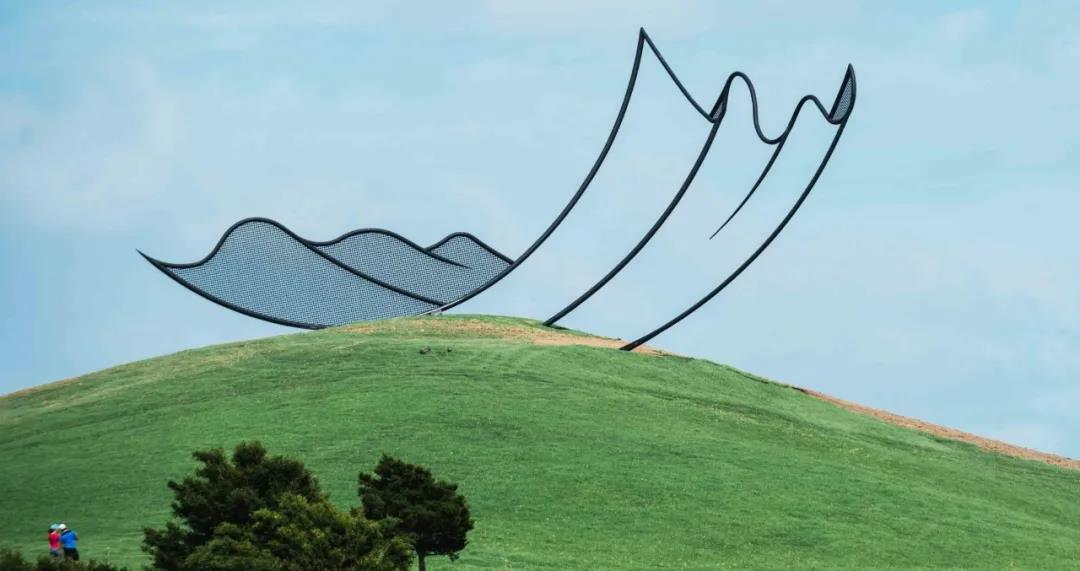
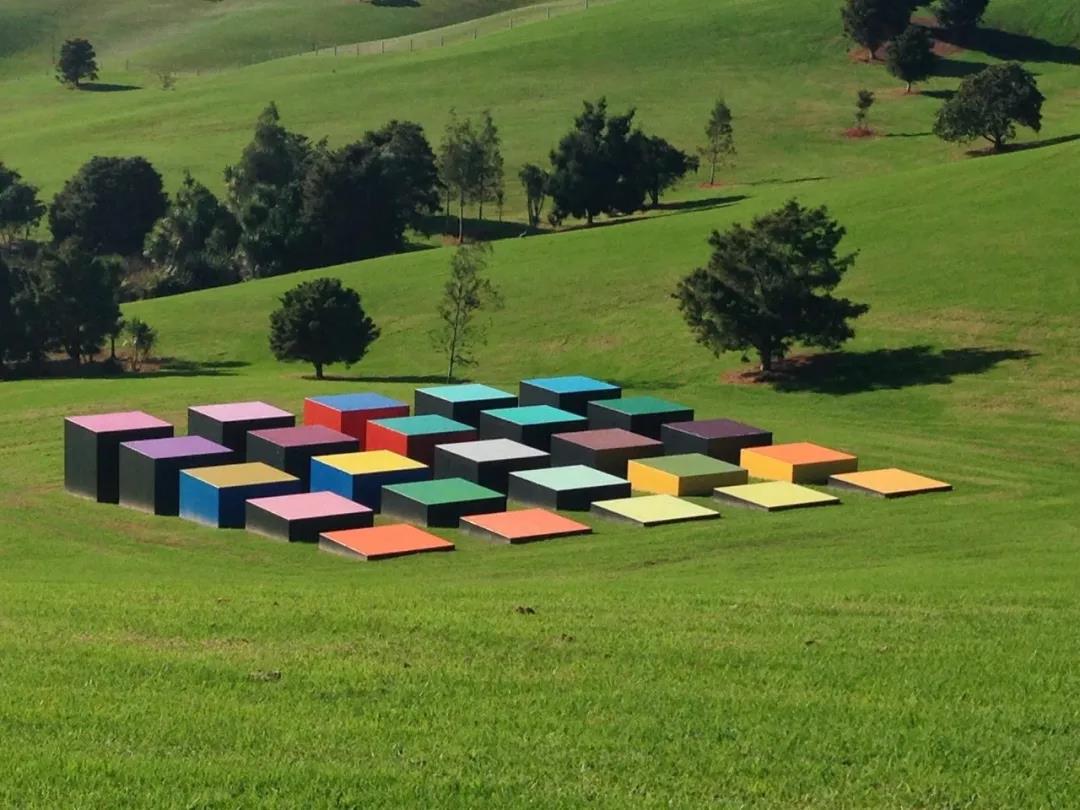
Founder Alan Gibbs strives to push the limits of the relationship between art and nature, commissioning artists to create works in response to this vast and stunning landscape.
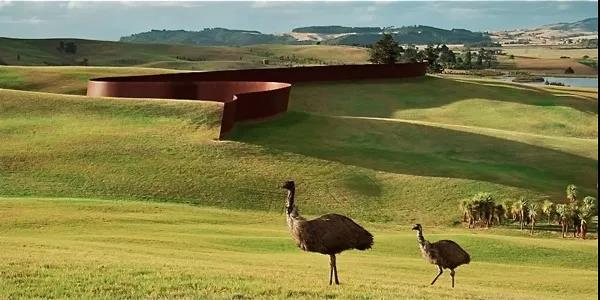
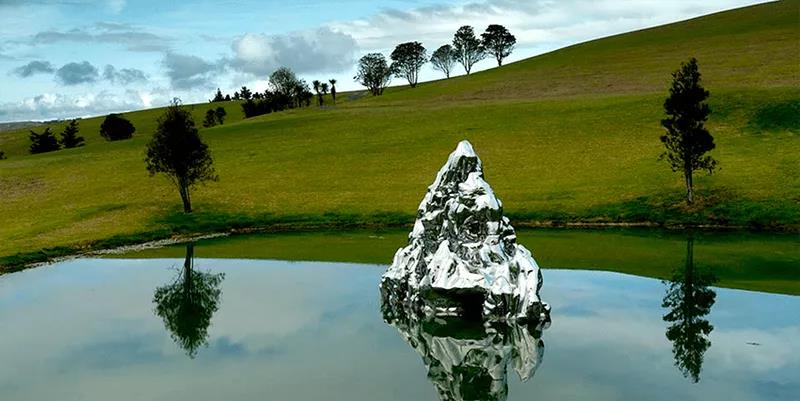
Covering more than 1,000 acres of grassy hilltops and spectacular lakes, the park is home to many “farm” animals, including zebras and buffaloes. Gibbs Farm includes outstanding works from Andy Goldsworthy, Saul Levitt, Neil Dawson and Anish Kapoor.
08 A Truly Poetic Artistic Experience
Lake Ballard
Menzies, Australia
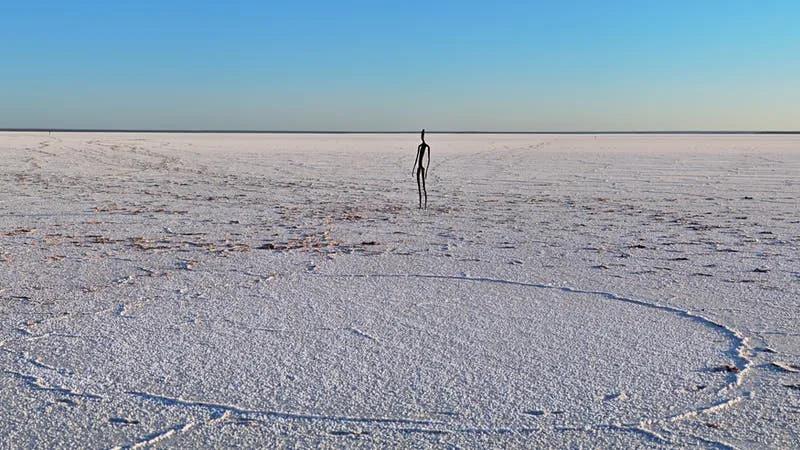
It’s not strictly a sculpture park, but Inside Australia is the largest outdoor gallery in Australia. Lake Ballard is a salt lake full of history, serene and detached beauty.
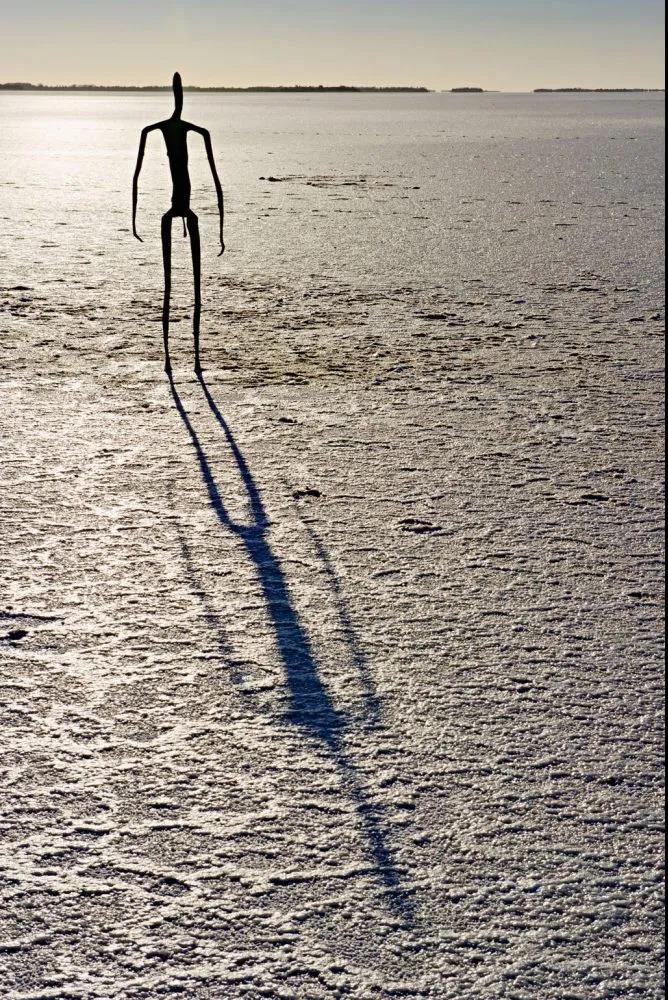
It is the installation site for Antony Gormley’s work Inside Australia, featuring 51 cast steel humanoid figures placed 750 meters apart on the lake.
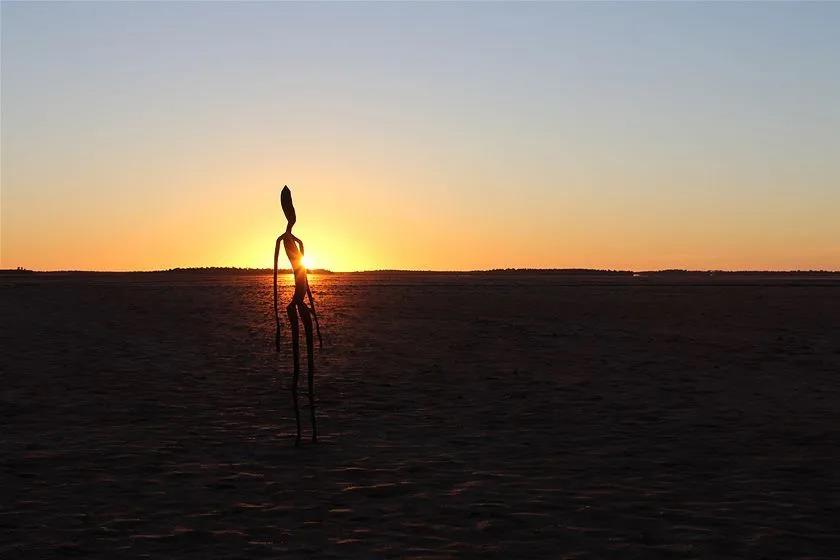
The figures blend into the vast landscape, playing with the viewer’s perception field as their reflections travel with the light on the salt surface. This is a truly poetic artistic experience.
09 The Hottest Art Island
Japan’s Art Islands
Naoshima, Teshima, Inujima, Japan
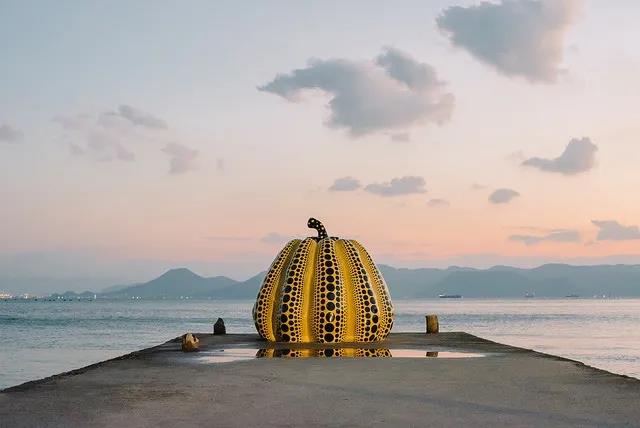
Often referred to as Japan’s art islands, Naoshima, Toshima, and Odo are part of a cluster of communal or rural islands located in Japan’s inland sea. Japanese billionaire Soichiro Fukutake opened the Benesse House Museum on Naoshima in 1992, hoping to bring together contemporary architecture and art, using the island’s natural beauty as the perfect backdrop for contemporary art.
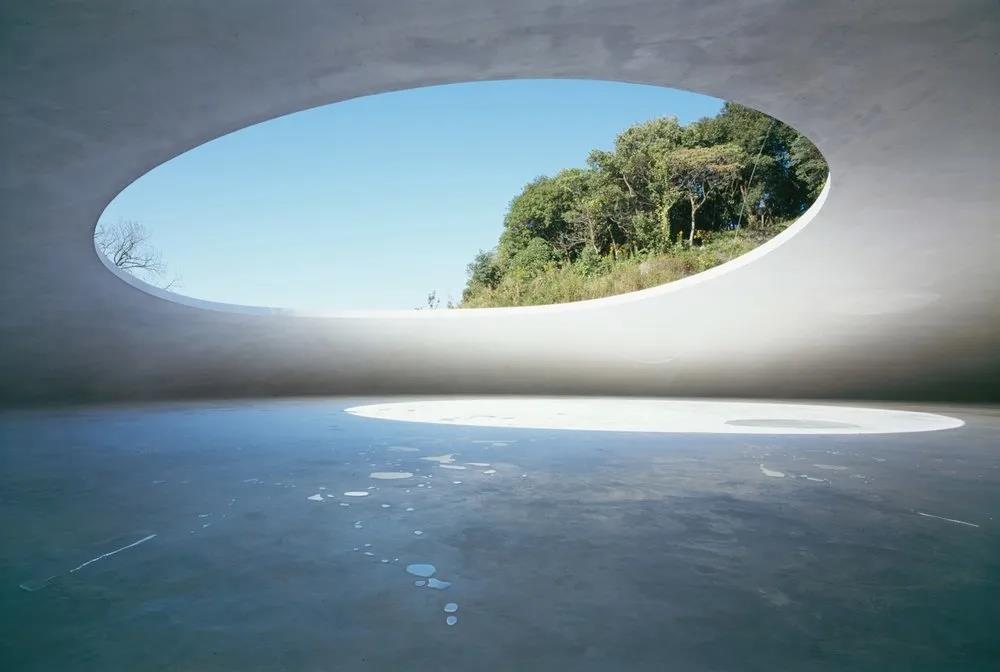
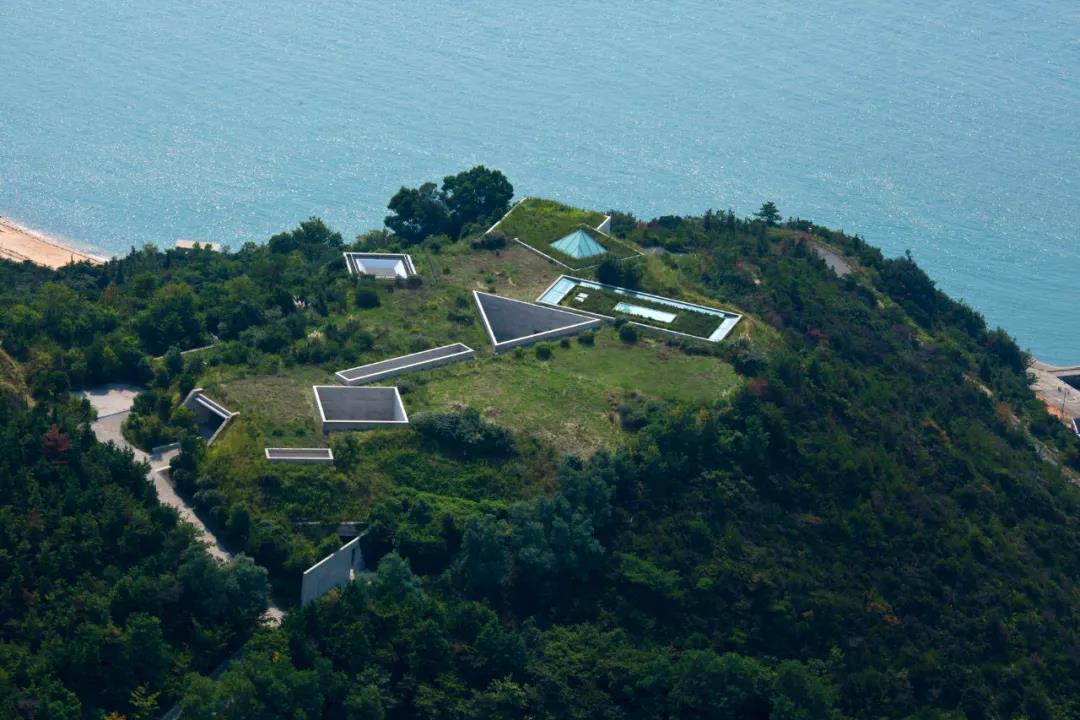
Naoshima is the most famous art island, with large-scale museums such as the Ichiaka Art Museum and a picturesque landscape decorated with Yayoi Kusama’s pumpkins. Toshima is home to Toshima Art Museum, an incredible, otherworldly place that challenges every notion of what a museum should be.
10 After Seeing Van Gogh, Explore by Bike
Kröller-Müller Museum and Sculpture Garden
Otterlo, Netherlands
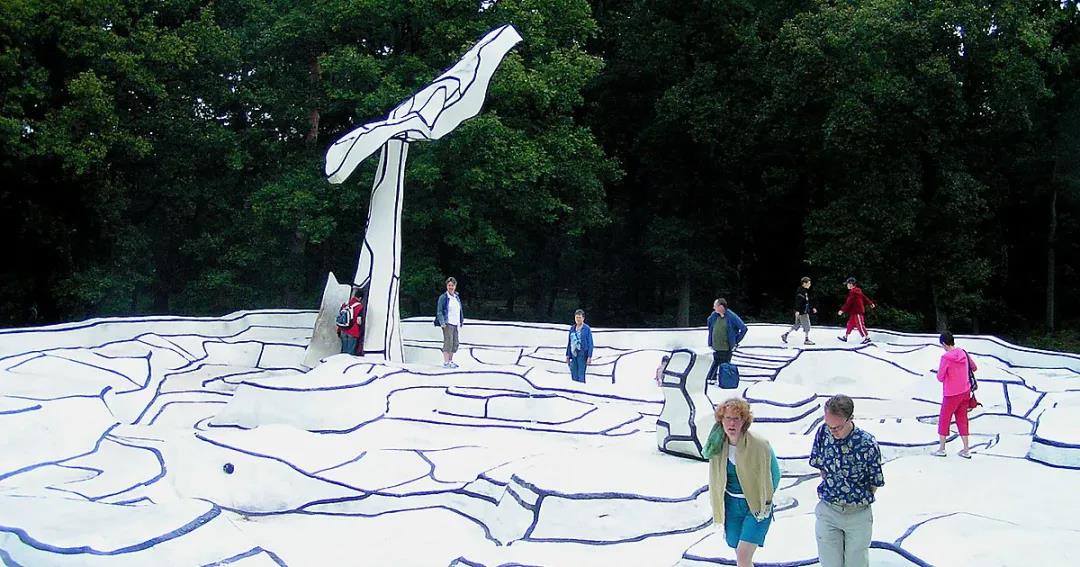
The Crowler-Muller Museum is home to nearly 90 paintings and more than 180 drawings by Van Gogh.
The Kroller-Muller Museum is the Dutch artist’s second-largest collection in the world (after the Van Gogh Museum in Amsterdam). Outside the museum is a sculpture garden covering more than 60 acres with about 160 works, By Lucio Fontana, Jean Dubuffet, Pierre Huyghe, and Aristide Maillol.
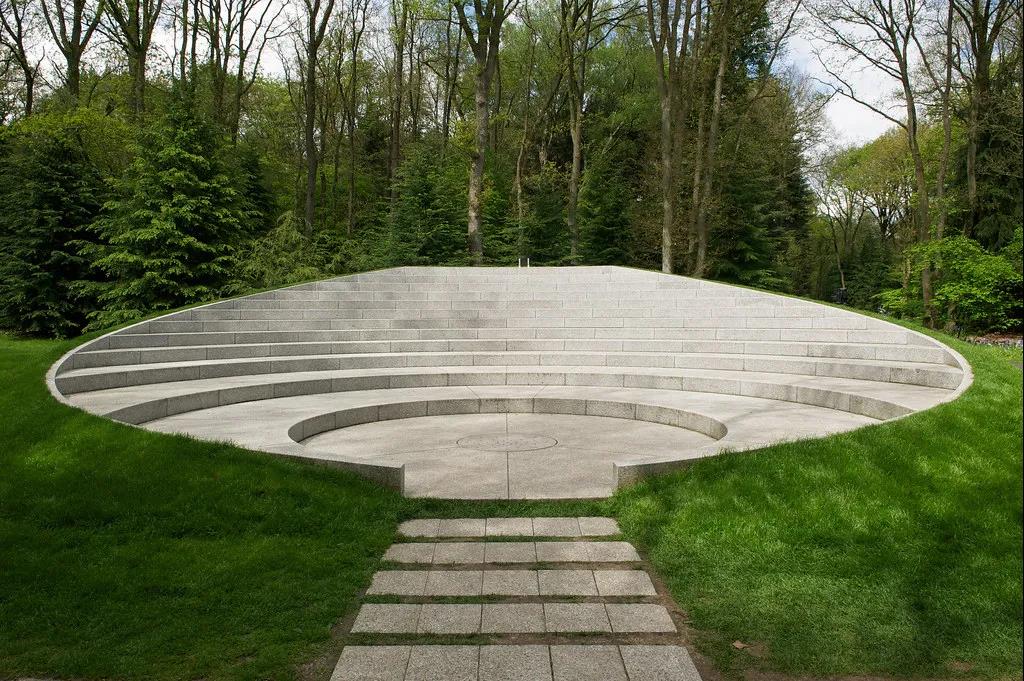
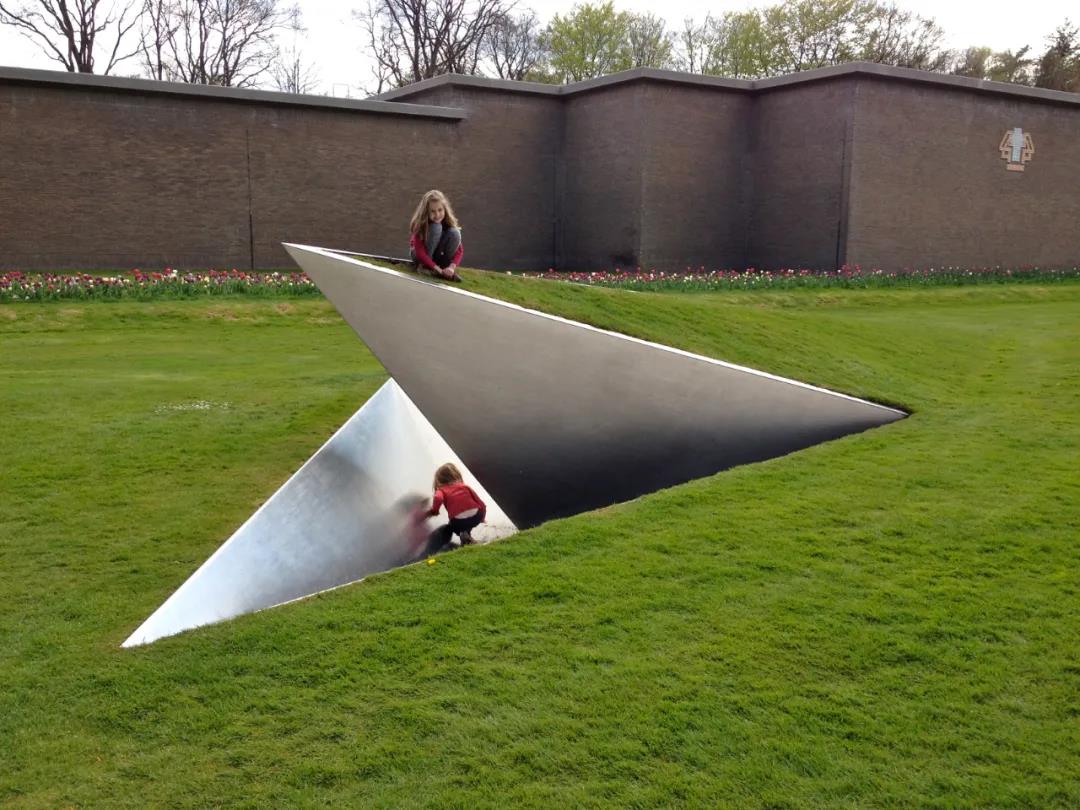
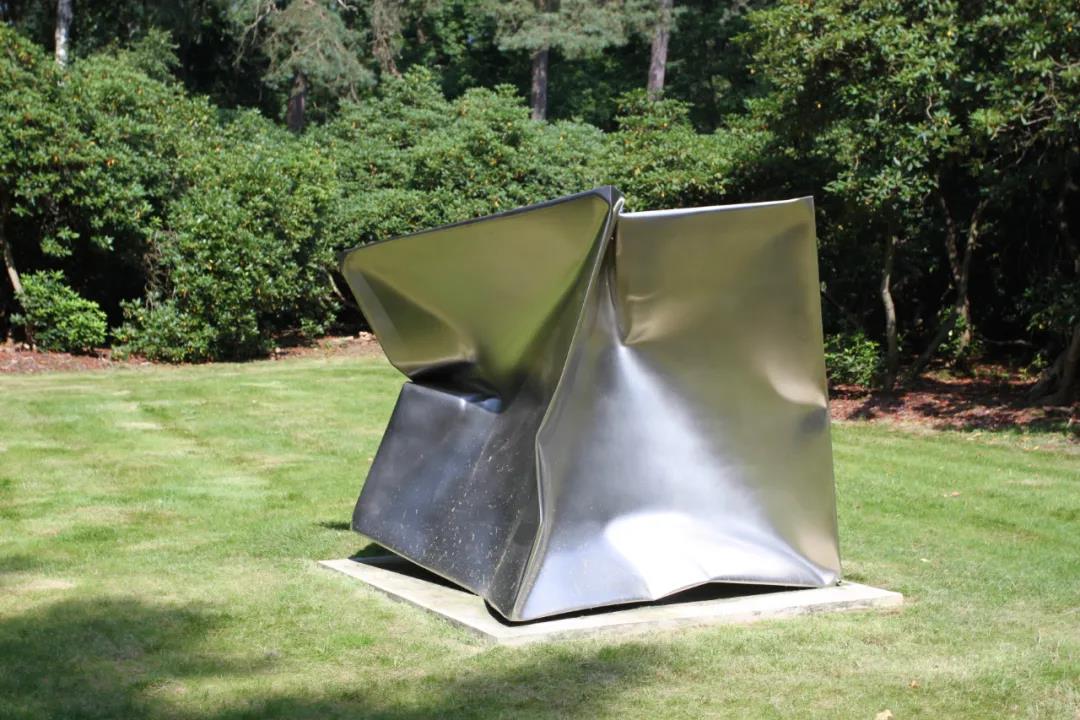
Opened in 1961, the Kroller-Muller park is now one of the largest sculpture parks in Europe, offering inviting spaces to relax or picnic, trails for running or walking, and pavilions designed by Dutch designers Gerrit Rietveld and Aldo van Eyck.
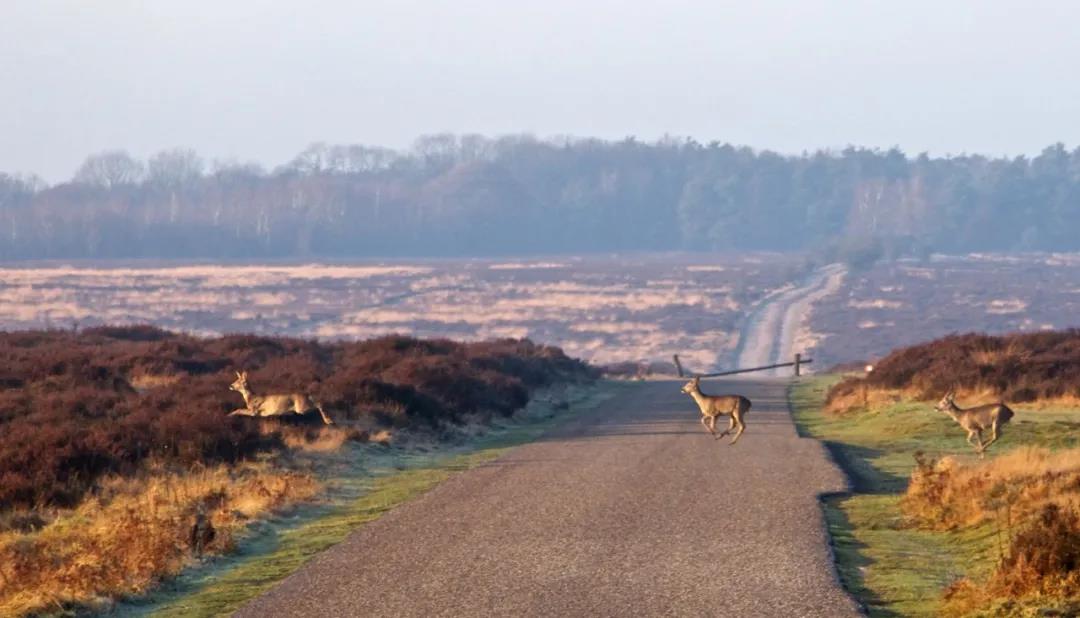
Both the museum and the park are located within the magnificent Hoge Veluwe National Park, where visitors can explore for free by bike, where deer, foxes and a variety of birds and reptiles can be seen among the marshes, grasslands and trees.
11 Committed to Nature and Sustainable Development
Lough Boora Sculpture Park
Boora, Ireland
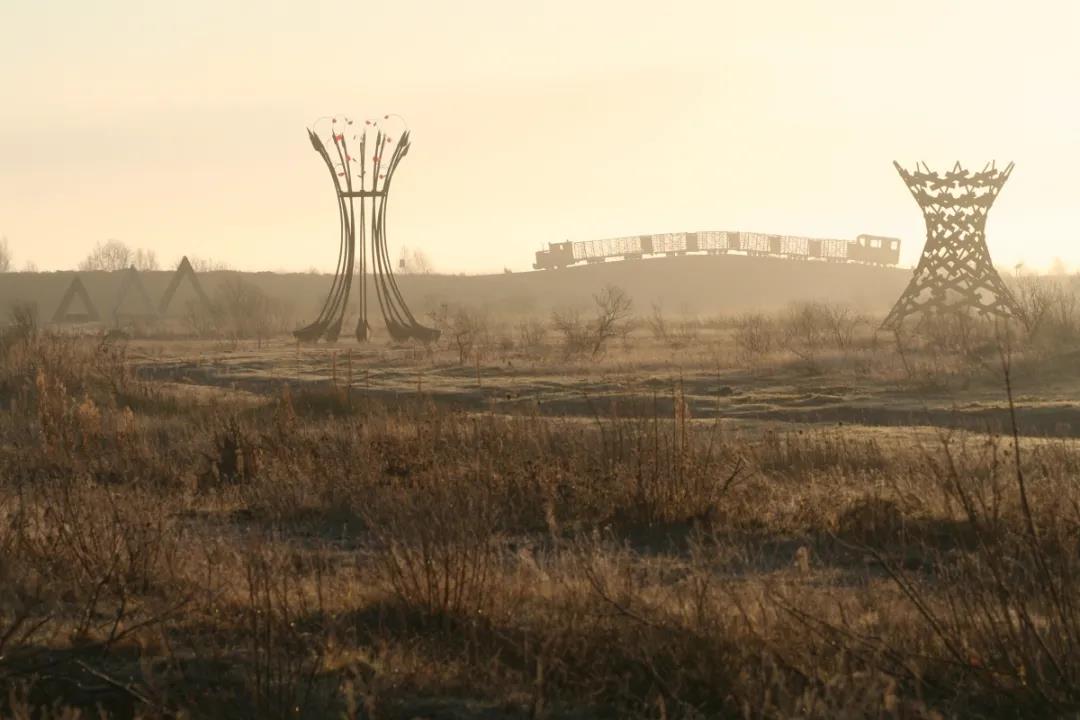
Settled by mesolithic people around 10,000 years ago, Lake Buola Bergland has a rich history and impressive biodiversity. Within the park, five major trails cover more than 30 miles of wetlands, lakes, and grasslands that are home to frogs, dragonflies, ibex and about 130 bird species. The park, operated by Bord Na Mona, is committed to conservation and sustainability, and its sculpture program follows this principle.
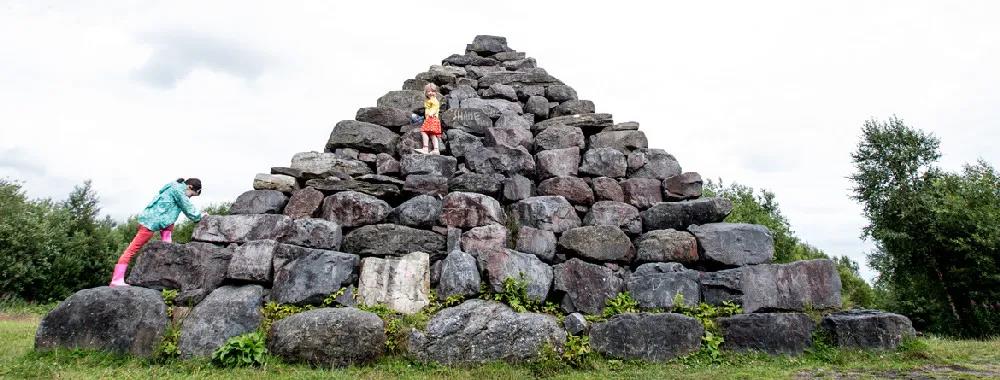
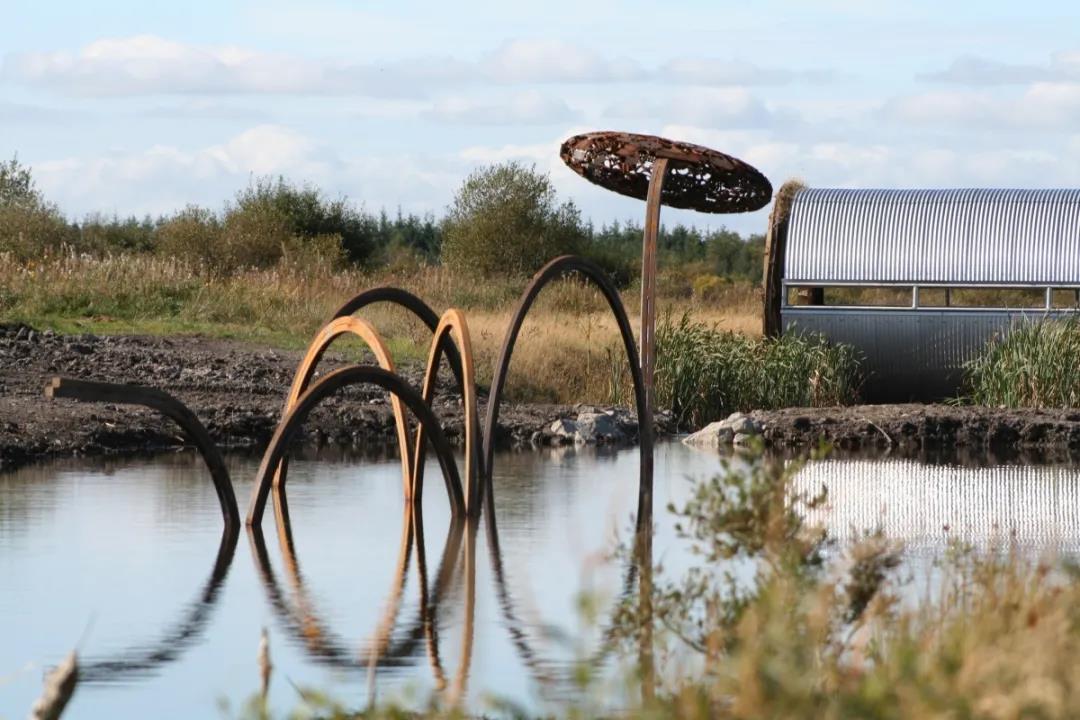
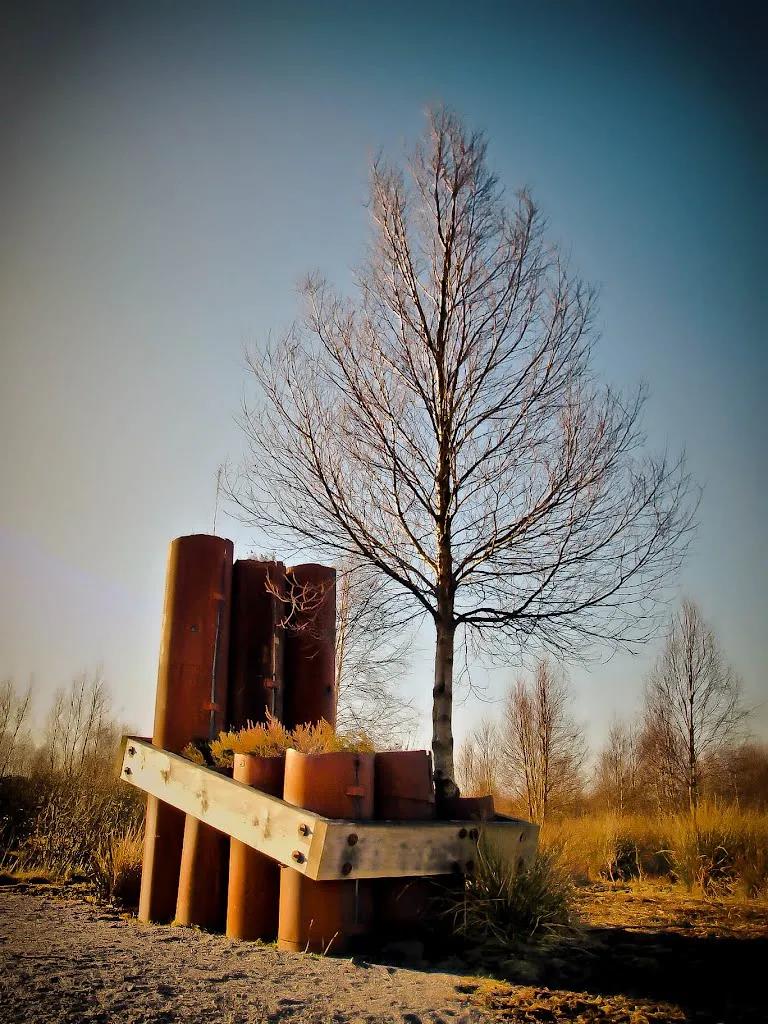
The 24 pieces here are made of natural and industrial materials from the swampy region, including wood, stone and rail, which in turn have been altered by environmental weathering or plant growth. Works in harmony with The natural environment like The Celtic Knot by Padraig Larkin, made of local 5,000-year-old pine and glacial rock, and Convergence by David Kinane, A fan-lattice metal and wood structure was designed to reflect the local cooling towers and drainage lines carved throughout the marsh.
12 An Exhibition Space for Art Retreats
Sculpture at Schoenthal
Jura Hills, Switzerland
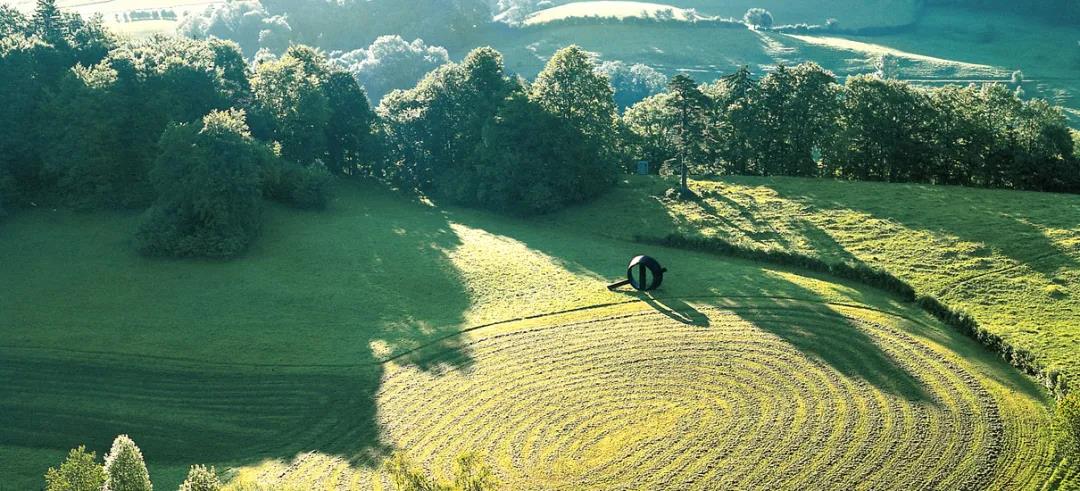
The Schoenthal Monastery in Jura Hills, Switzerland, is now an exhibition space for lectures and art retreats. The landscape around the monastery is a sculpture park, with works dotted along various paths. The idea behind all the pieces is to create sculptures that are in some way in harmony with the natural landscape.
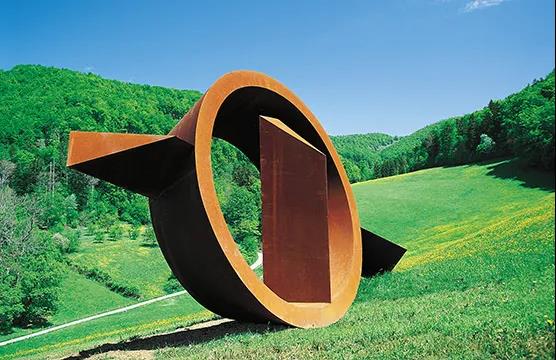
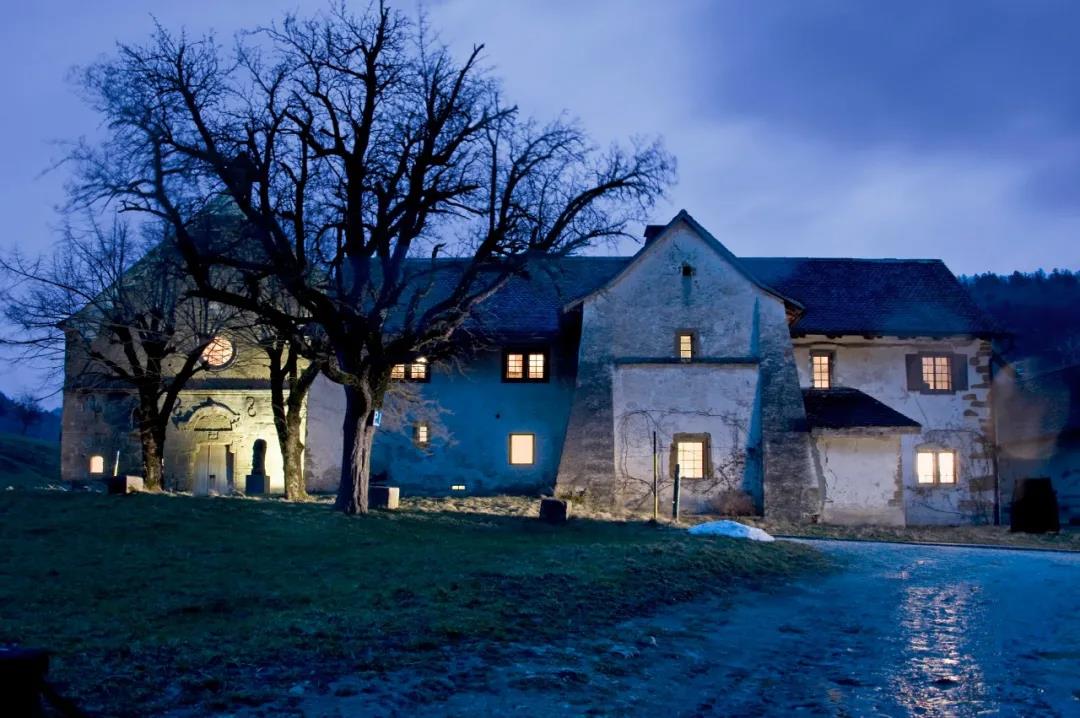
On the 100 hectares of land around Schoenthal, there are currently 31 works created by 22 Swiss and internationally renowned artists. It takes about four hours to see all the exhibits. The sculptors on display are Ulrich Luckerim, Eric Steinbrecher, David Nash, Nigel Hall and Martin Disler.
13 The Dreamscape of the Road Inspector
The Rock Garden
Chandigarh, India
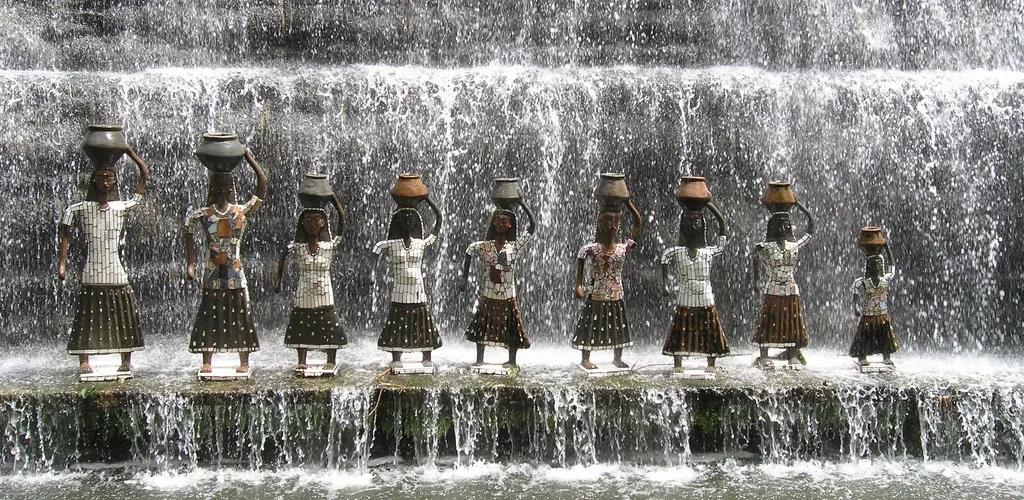
Chandigarh is Le Corbusier’s modernist architectural utopia in India. Nek Chand, an unassuming road inspector, has begun collecting discarded materials and turning them into sculptures and statues that depict both traditional Indian life and dreamy landscapes.
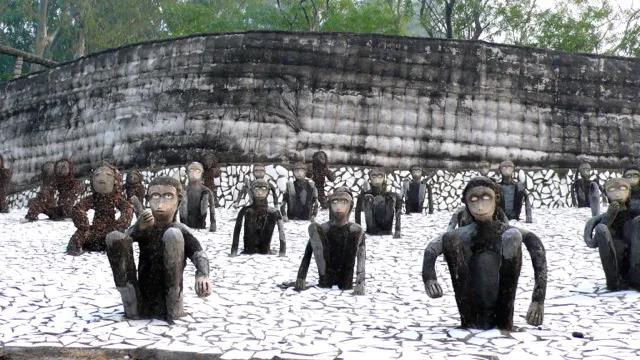
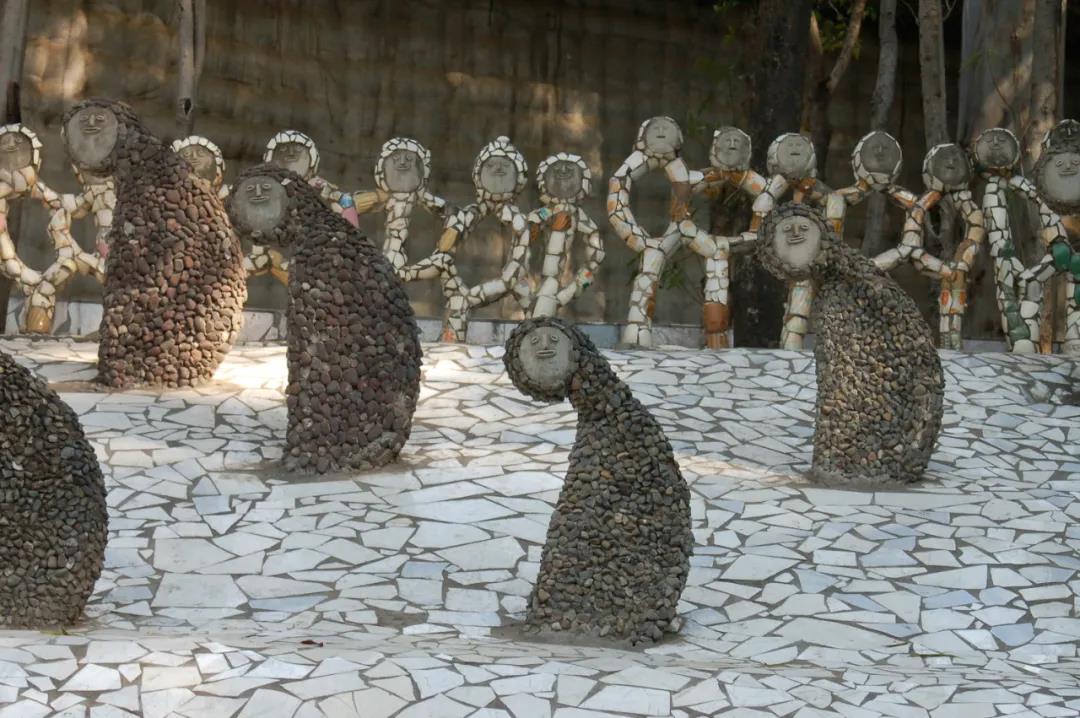
He worked in secret for a decade, building illegally on protected land, but when the authorities discovered his micro-kingdom in 1975, instead of destroying it, they gave him a salary and 50 workers to continue his garden. Today, the 25-acre rock garden, which hosts thousands of sculptures in large Mosaic courtyards linked by walled paths and deep canyons, is visited by 5,000 people a day.
14 A Surreal Place in the Jungle
Las Pozas
Xilitla, Mexico
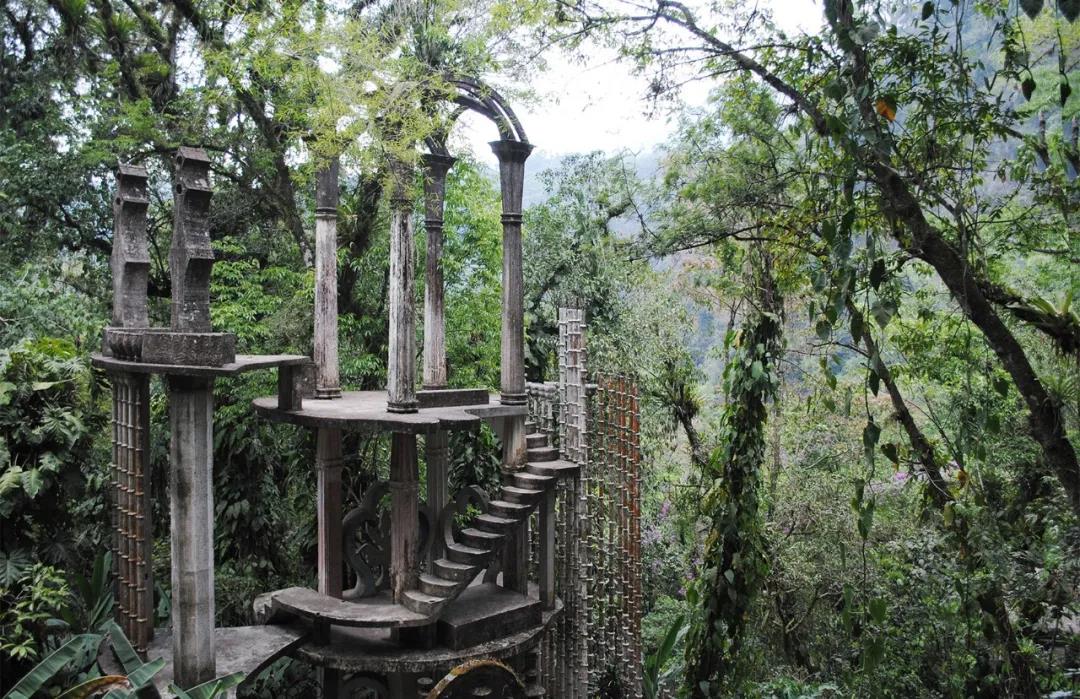
Edward James, a friend and patron of Magritte and Dali, was also the owner of the 20th century’s greatest collection of surrealist art -- which he sold to fund the spectacular Las Pozas Gardens. Las Pozas occupies more than 80 acres of rainforest north of Mexico City and is made up of towering sculptures, pavilions, and concrete structures that interweave with walkways, bridges, pools, and waterfalls.
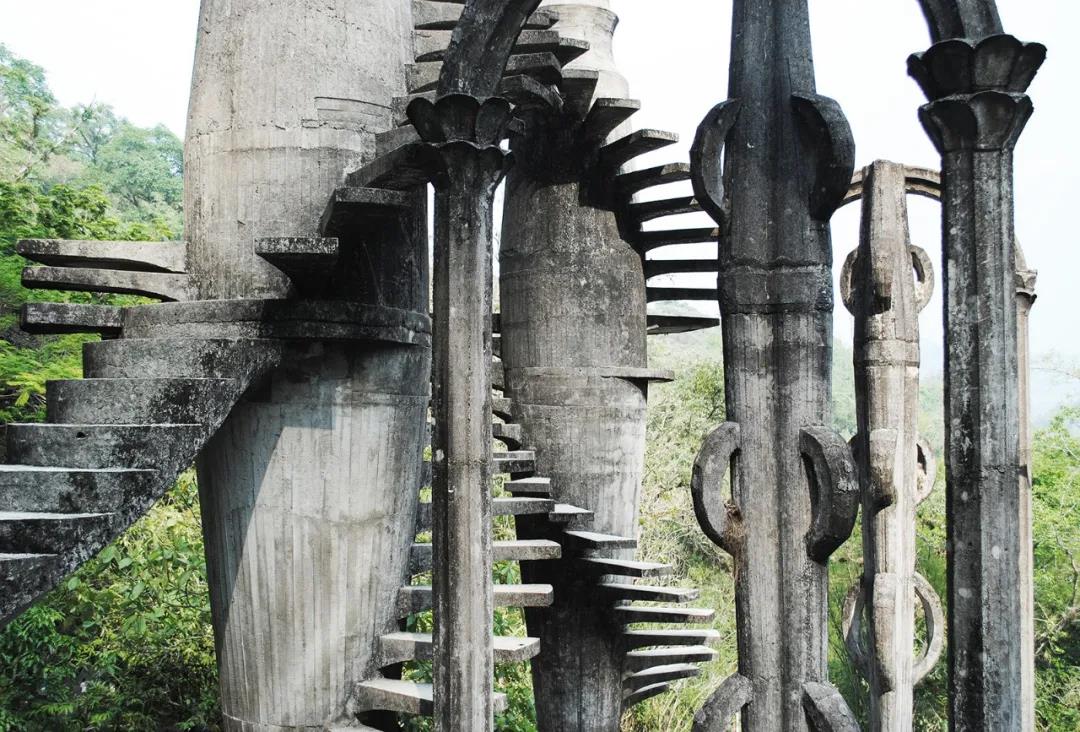
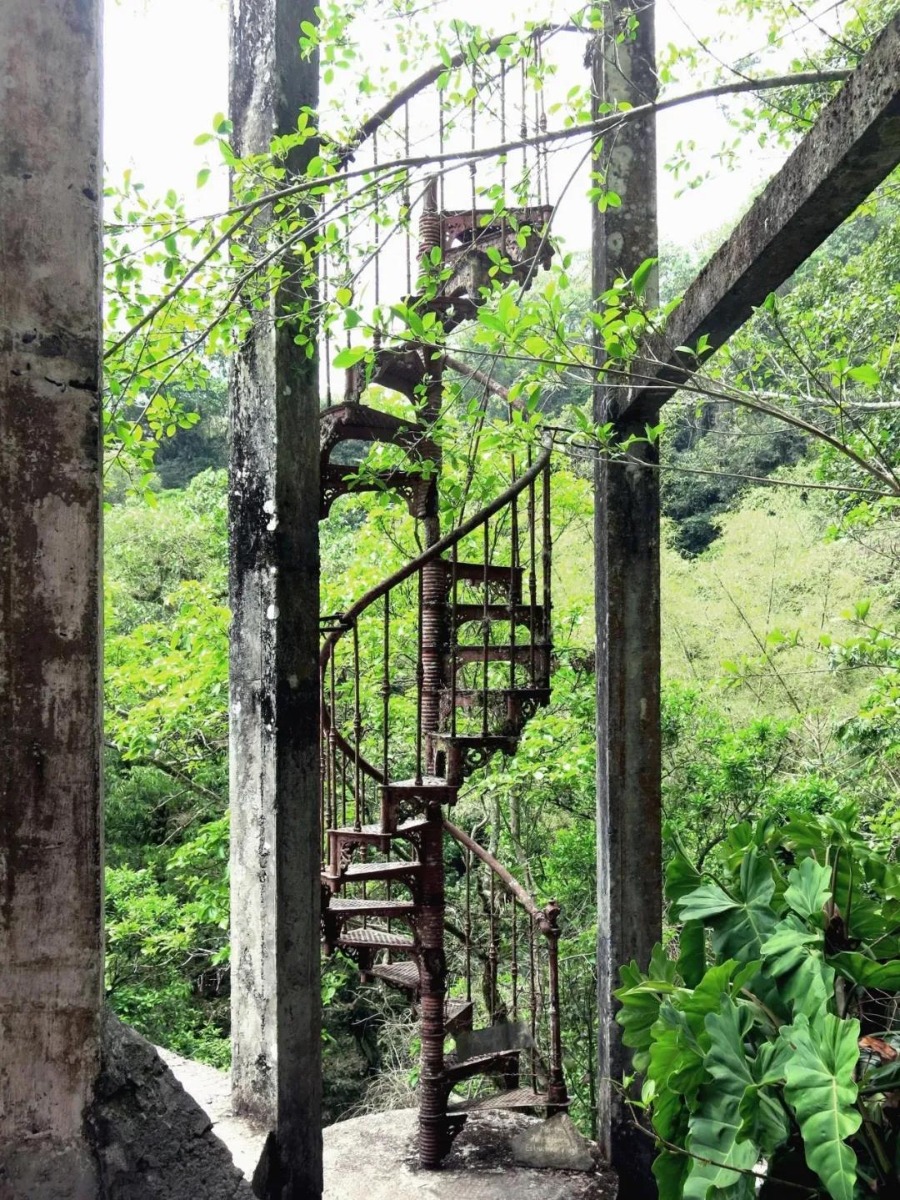
The project, which James calls a “surrealist extraneous place,” took 35 years, cost more than $5 million and involved more than 150 employees. The three-story house actually has five, four or six storeys, and it’s like being in a surrealist painting, walking through doors with no direction, through concrete flowers and up a spiral staircase.
15 Gaudi's Imagination
Park Güell
Barcelona, Spain
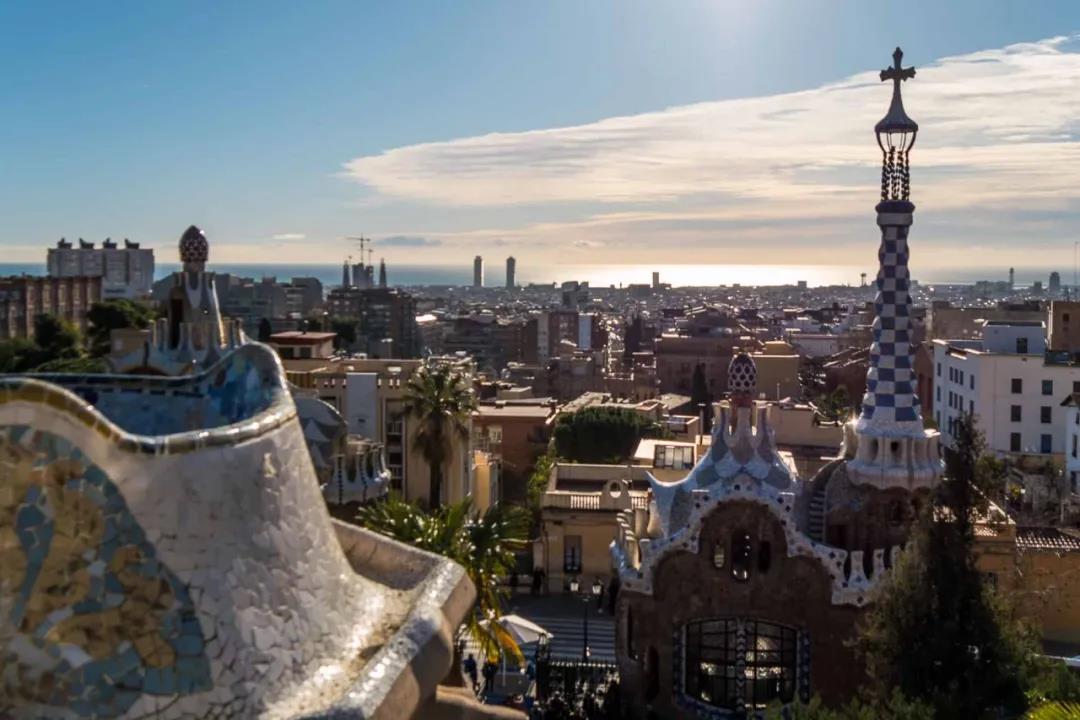
Not far from the center of Barcelona, Park Guel is a whimsical wonderland designed by famed Spanish architect Gaudi at the turn of the 20th century. While it’s not a typical sculpture park, it’s a fascinating demonstration of Gaudi’s ability to artfully integrate art, design and architecture -- from the widely used bright tiles to the dreamlike gingerbread house-like gate guard structures. Gaudi’s style arose as part of a unique Catalan interpretation of art Nouveau, which adopted new aesthetics while adopting traditional architectural techniques.
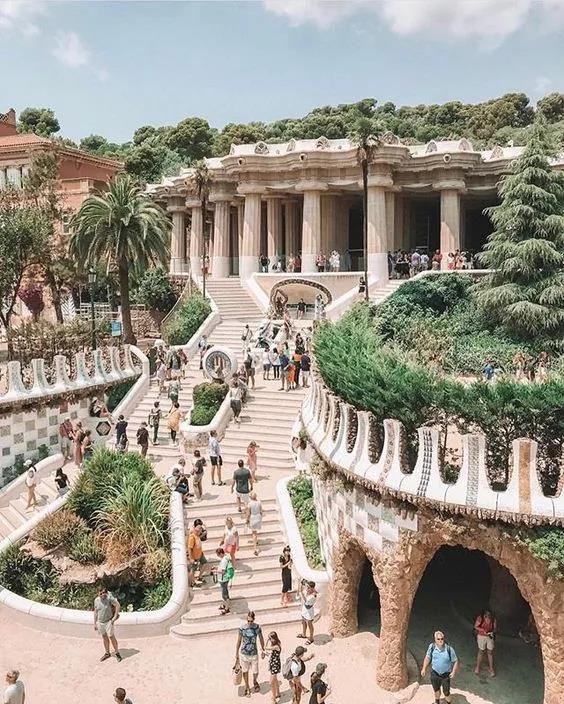
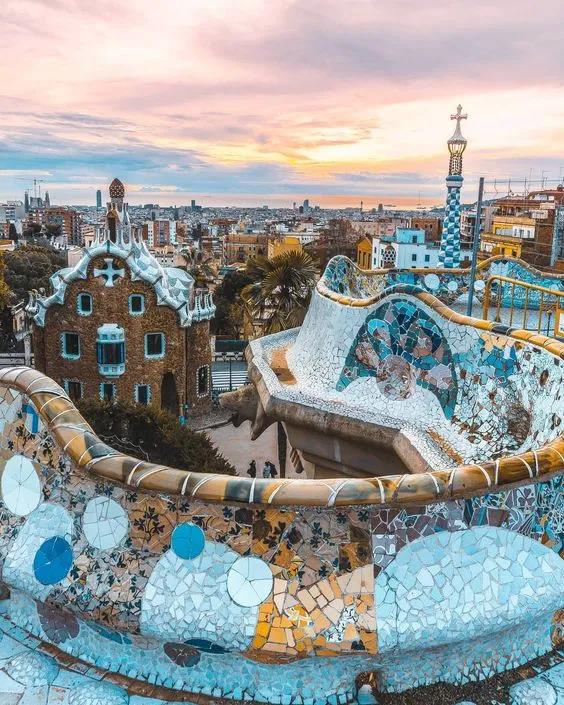
Commissioned by businessman Eusebi Guell, the park promises traditional elements such as walkways, shaded colonnades and outdoor seating, but all with a clear role for Gaudi. Columns tilt at an Angle, a serpentine bench decorated with dazzling mosaics winds its way around an elevated pavilion with panoramic views of Barcelona, and an iconic Mosaic lizard fountain guards the park’s main staircase.