
7 Interior Design Rules to Follow When Decor an Expressive Interior

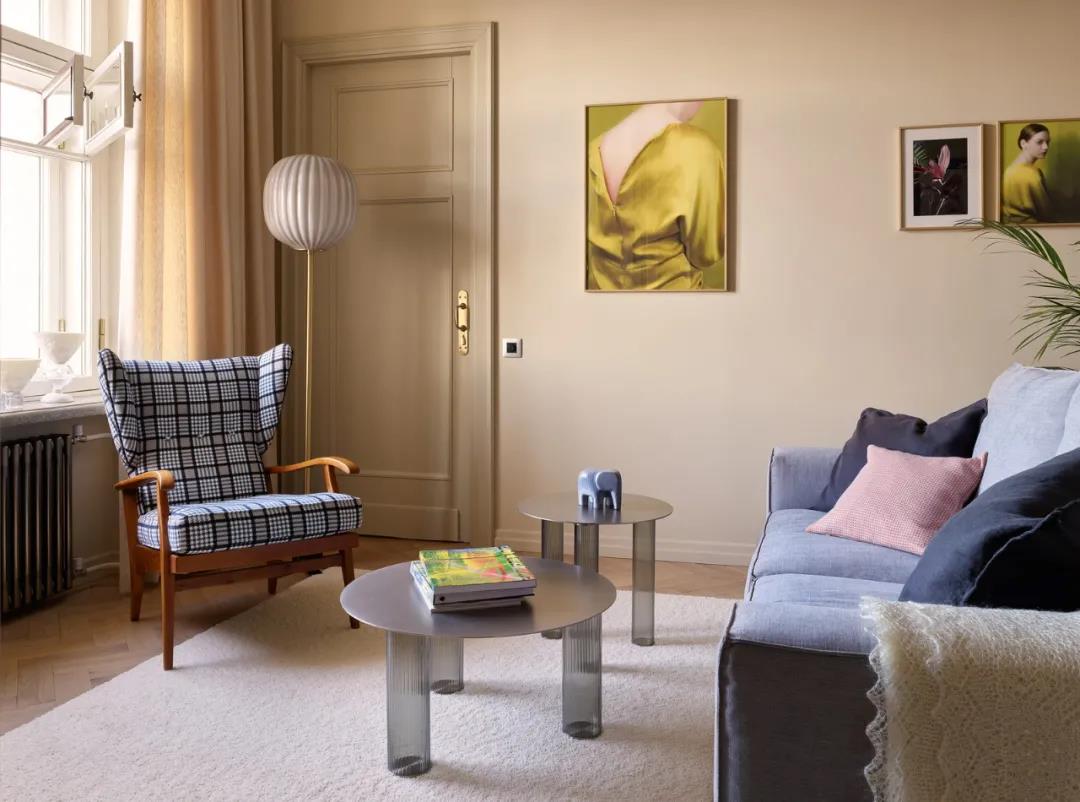
Interior decoration is a game, and the rules must be respected while cleverly broken. We often see the cases like cookie-cutter beige tones and bland interiors in websites and estate agents. And interiors where there is no stylistic connection between objects. In addition, there are often a lot of different things that customers like but don't seem to fit together. Today, we introduce some simple rules and you can get some inspiration to decor an expressive interior.
*****
01
Start with a Concept Board
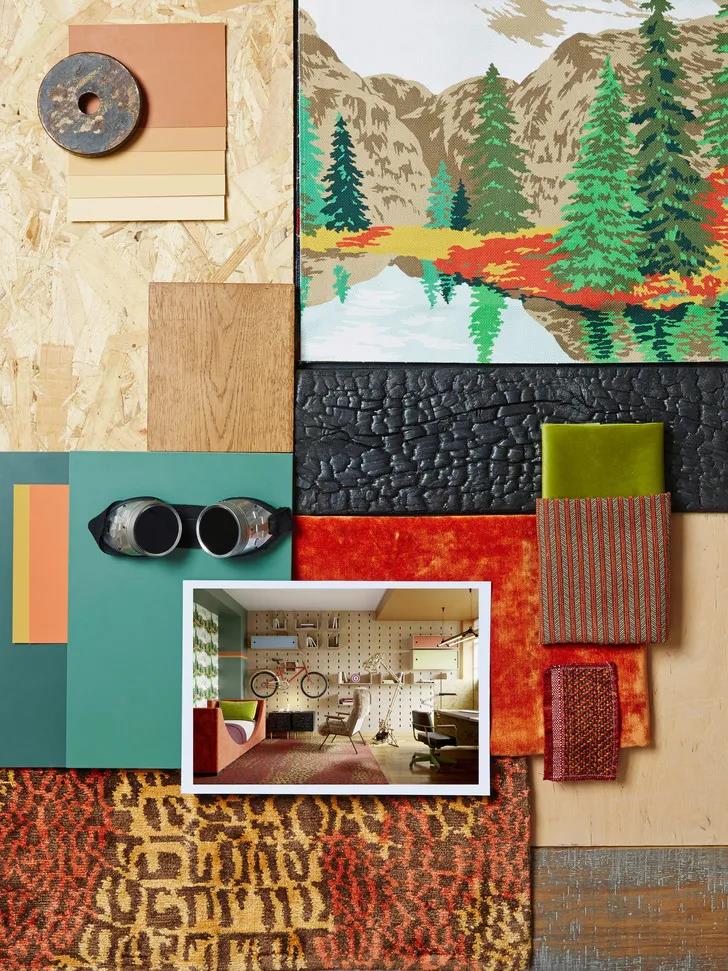
The first and unchanging rule of decoration is to create a complete concept in the form of an abstract collage that should mirror the colors, styles, shapes, and textures of the future interior. The idea can immediately clearly understand the way forward and set limited boundaries. Thanks to the concept board, when you choose furniture and accessories, you'll know immediately if they really fit. In addition, creating a concept is a great way to strike an instant chord with the client on what features and color schemes the future interior will have.
02
Don't Drop Neutral Color Wall
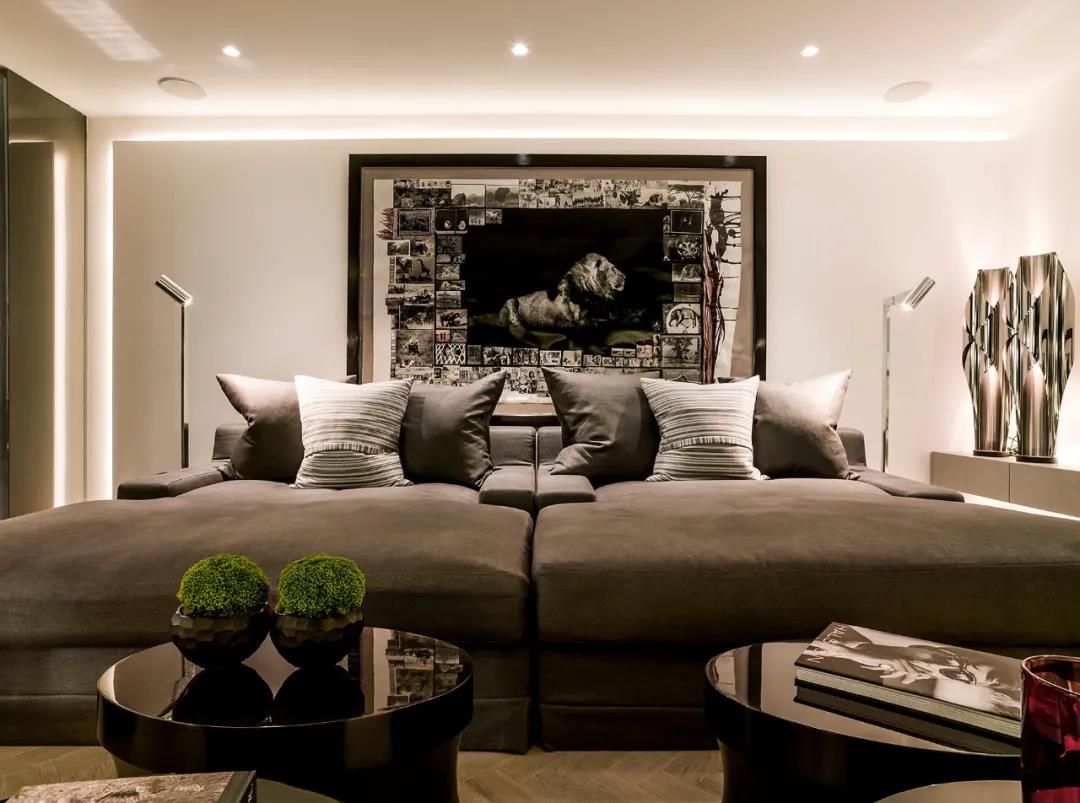
Any passionate designer gives great attention to beautiful things, colors, and furniture, and sometimes forgets to consider spaces left blank -- neutral walls play off bright accessories and send relax, while calm textures show contrast.
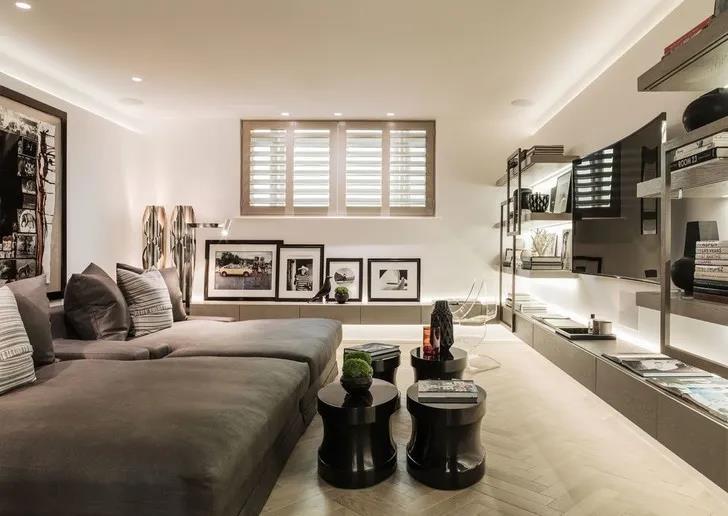
When it comes to neutral interiors, you need to create contrast, for example, combining light beige, cream and taupe tones with dark wood and dark accessories to look spectacular on a light background, as noted designer Kelly Hoban often does.
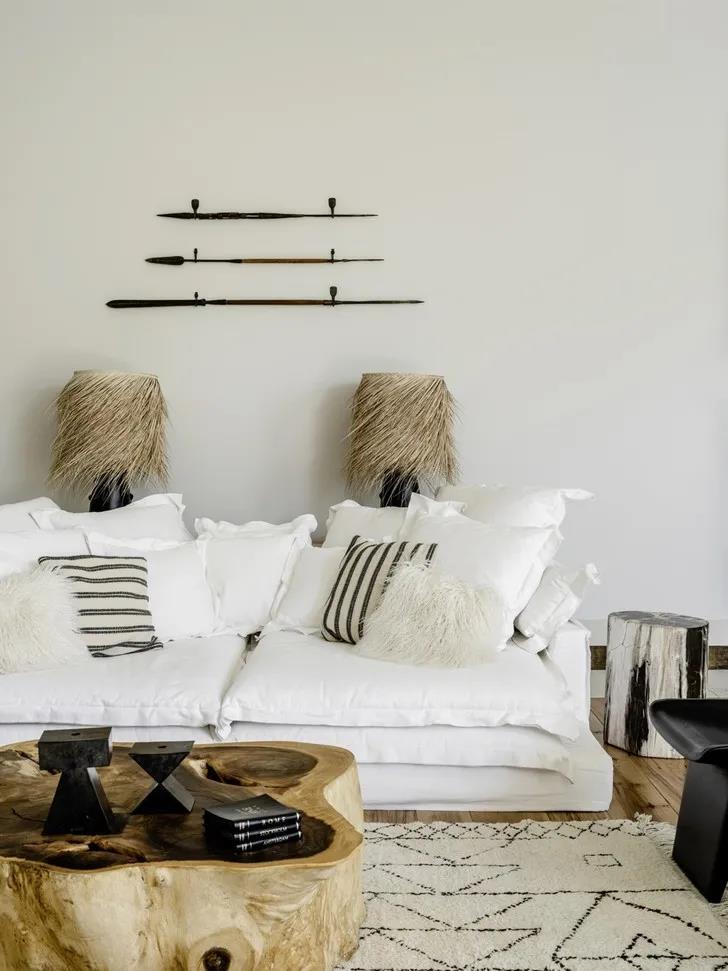
In such interiors, textures designed in neutral tones can be shaped not only through fabrics, carpets but also through pleats, wood-cut ornaments, collections of objects, stucco, neutrals and small prints.
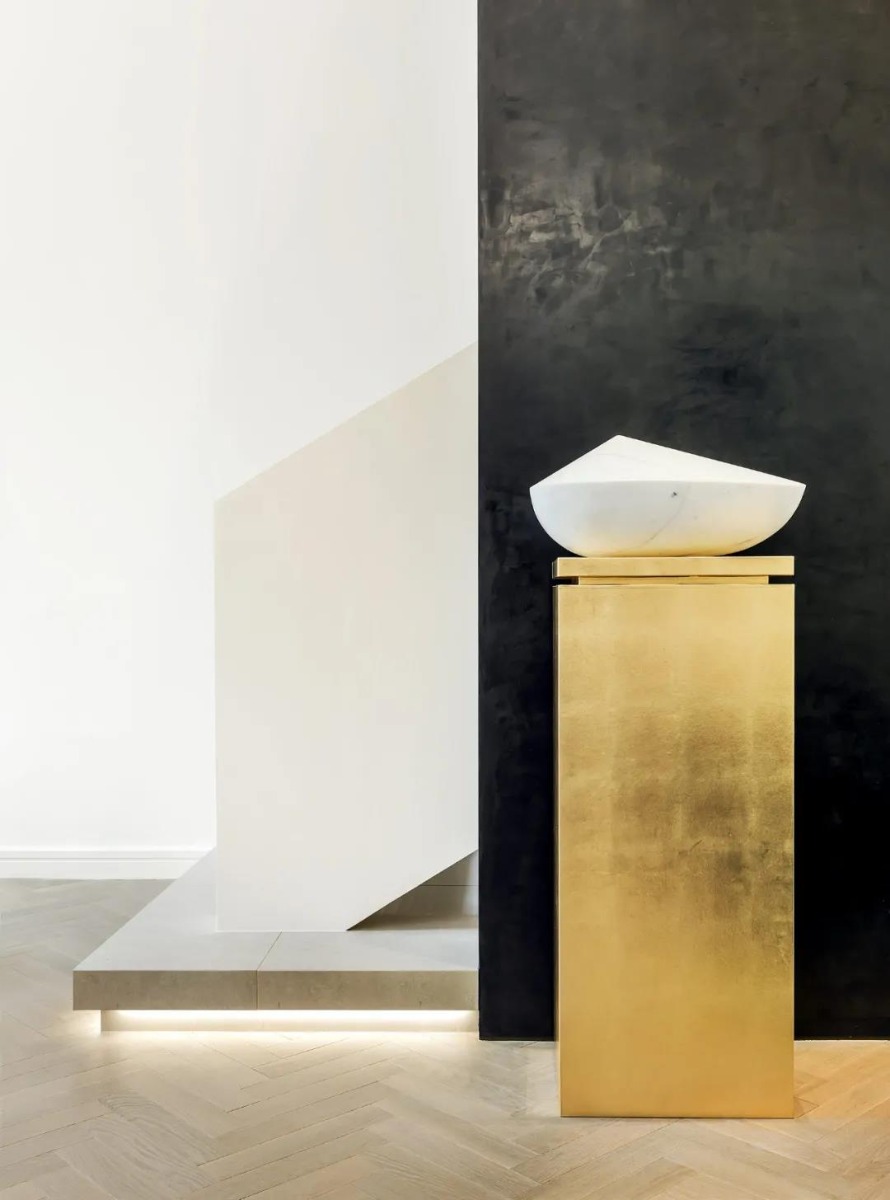
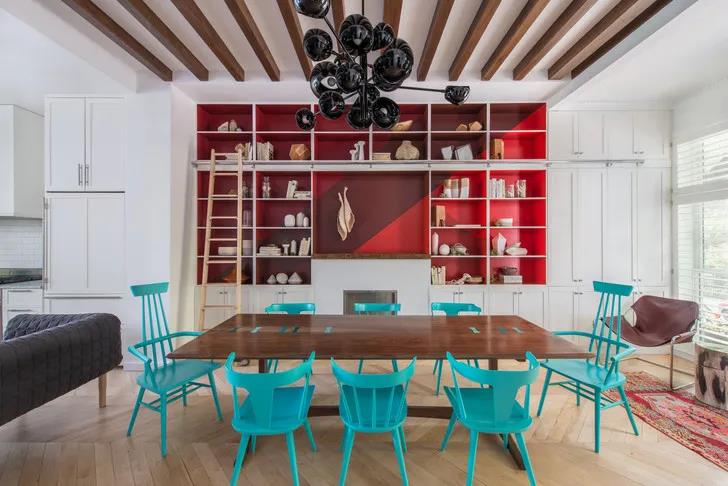
Vivid colors can also be an excellent way to brighten up neutral interiors. For example, pink is good for white and taupe, green for taupe, black and white, and red for white, sand, black, taupe and blue.
03
Choose an Internal Central Focus
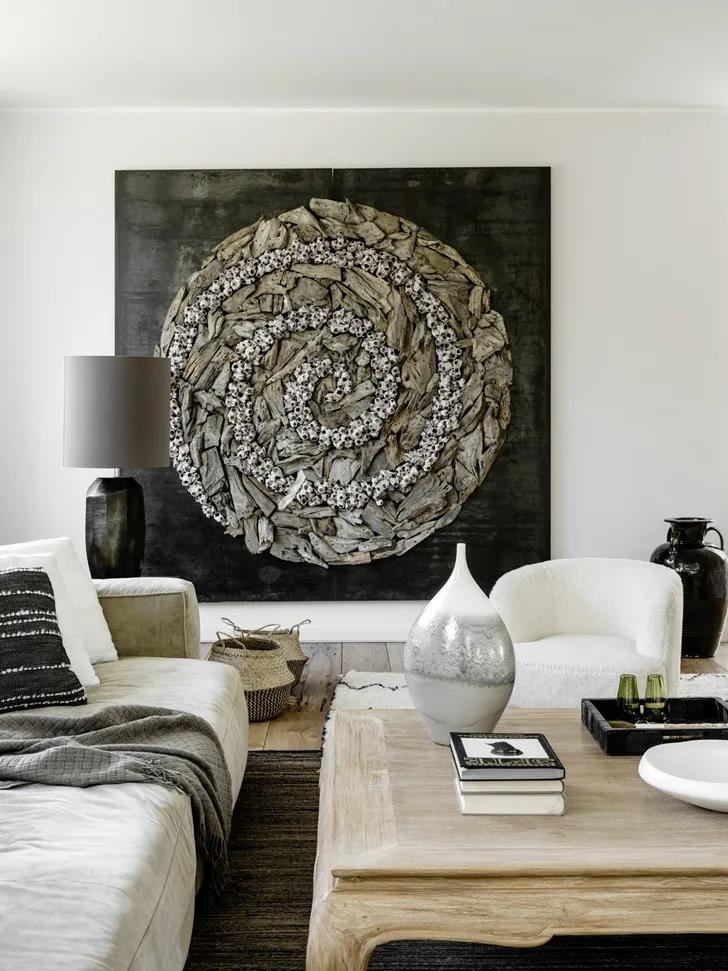
The dominant theme in decorating is to create a compositional center or focal point in the room. We first see something focal, and then we start to think about the interior composition. It can be large, bright, and particularly striking.
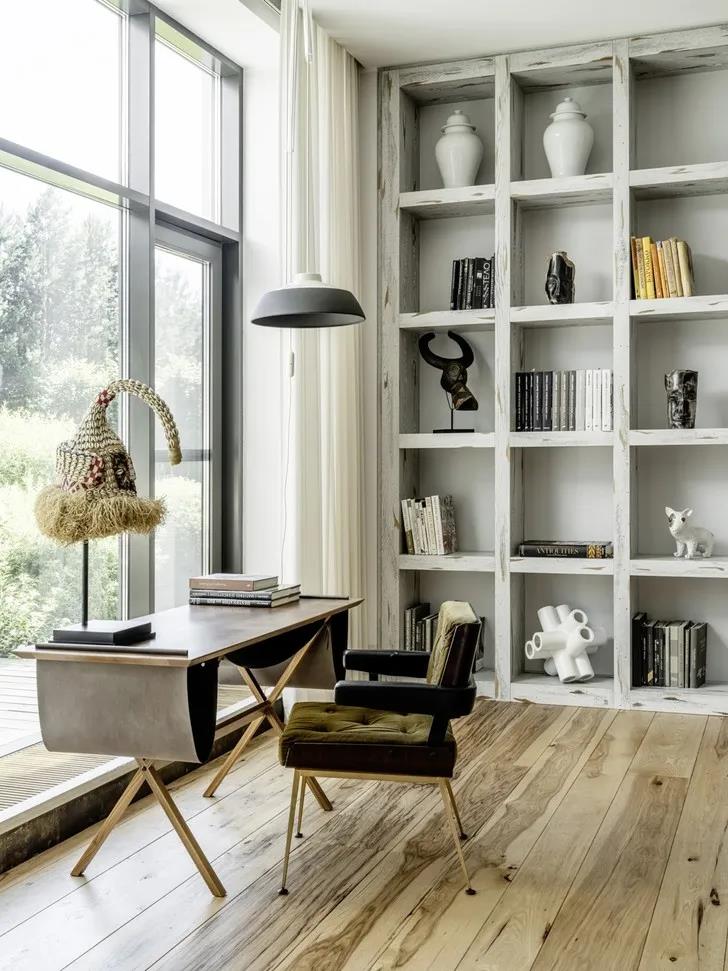
For example, have an exquisitely decorated bed in the bedroom, a luxurious backdrop or a large fireplace in the living room, or a shelving unit in the office that can accommodate a series of statuettes. All other interior objects will complement this "main" thing and emphasize its importance and beauty. If you put a lot of bright things in the room, it will come across too strongly and your vision will be scattered.
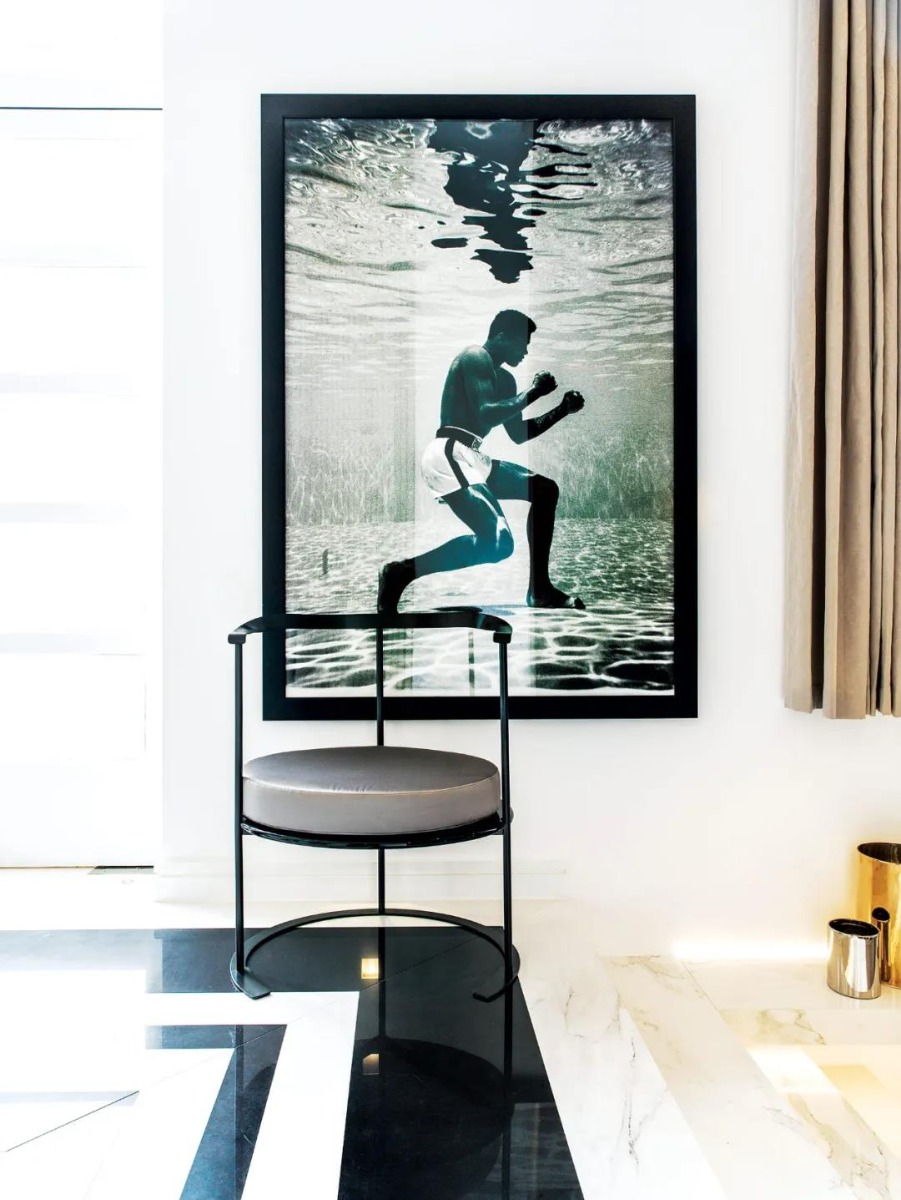
There is, however, one exception to this rule: deliberately saturated interiors always look impressive. For example, as you walk down the hallway, past the entrance to the room, think about what you'll see at the door -- it should be something pleasing to the eye, like a picture on the far wall or beautiful furniture or a vase on the table.
04
Keep an Odd Number of Accessories
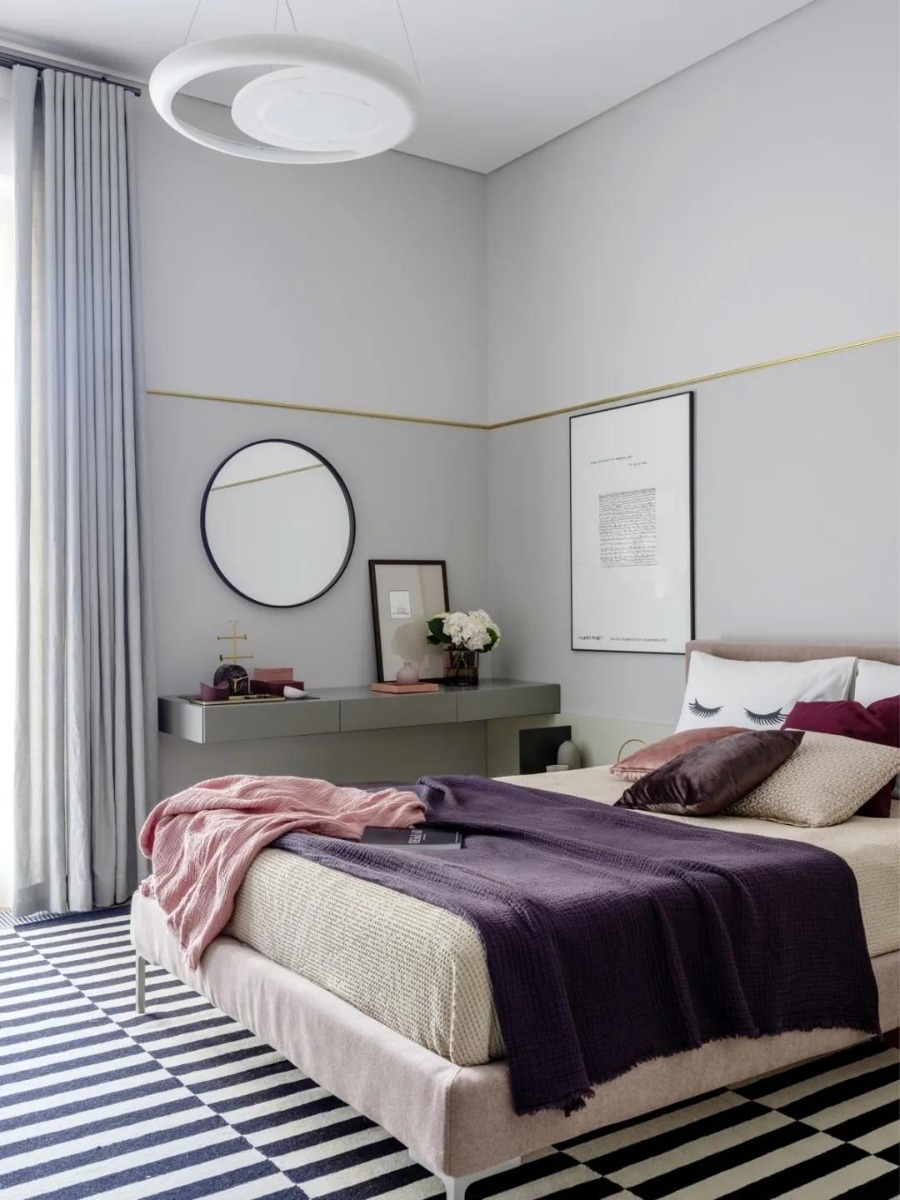
If you are picking decorative items or textiles, the rules are as follows: an odd number of ornaments work best indoors (three, five, seven, etc.), and the ornaments themselves should be diversiform.
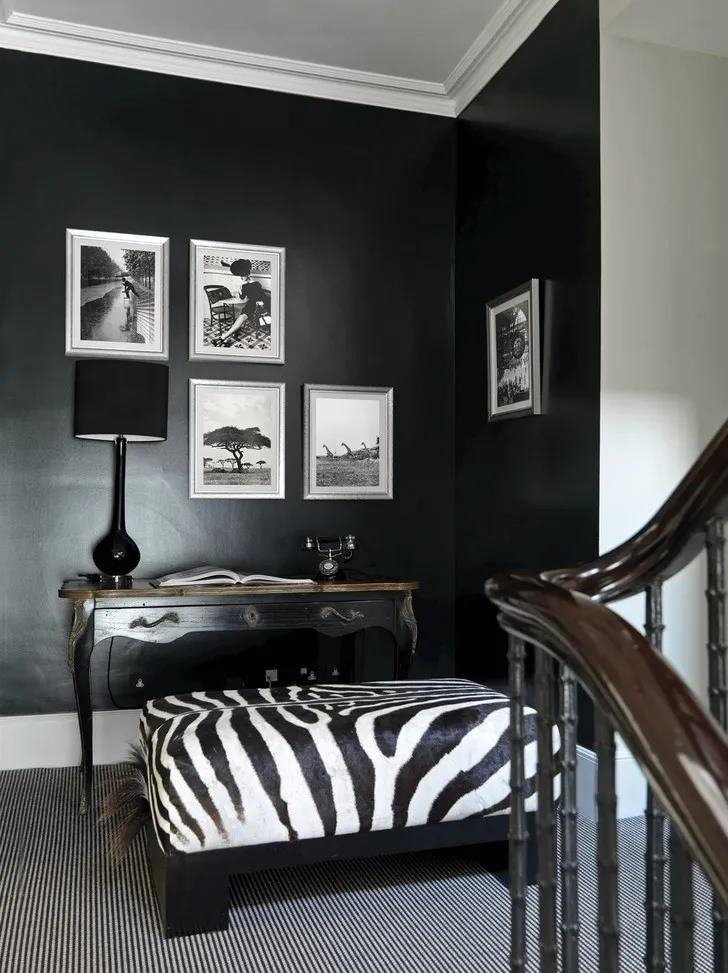
Or, when you're using something rich, such as ikat or zebra strip, it's good to combine it with a neutral texture, preferably a floral ornament with a geometric pattern.
05
Hang a Picture at Eye Level
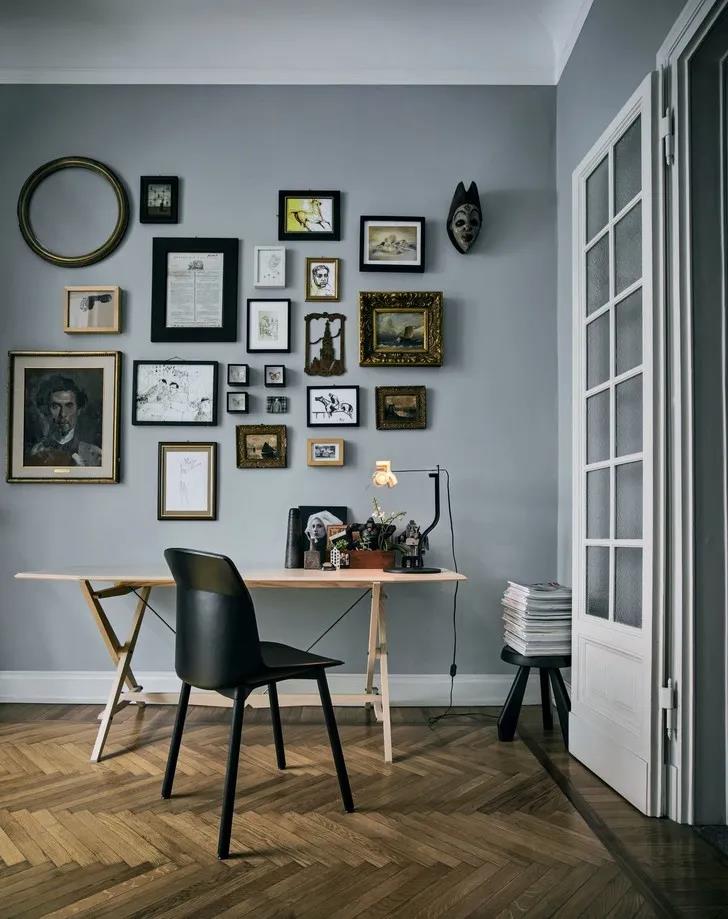
For framed hanging pictures, the work should be right on the wall, at eye level, not higher. If you're hanging a set of small paintings or photographs on a wall, the center of the composition should be at eye level. Besides, what counts is to determine which images are primary and additional; What they will look like when you enter the room and sit on the sofa. Art is a perfect focal point, an important element in creating beautiful colors and adding character to a room.
06
Smaller Details
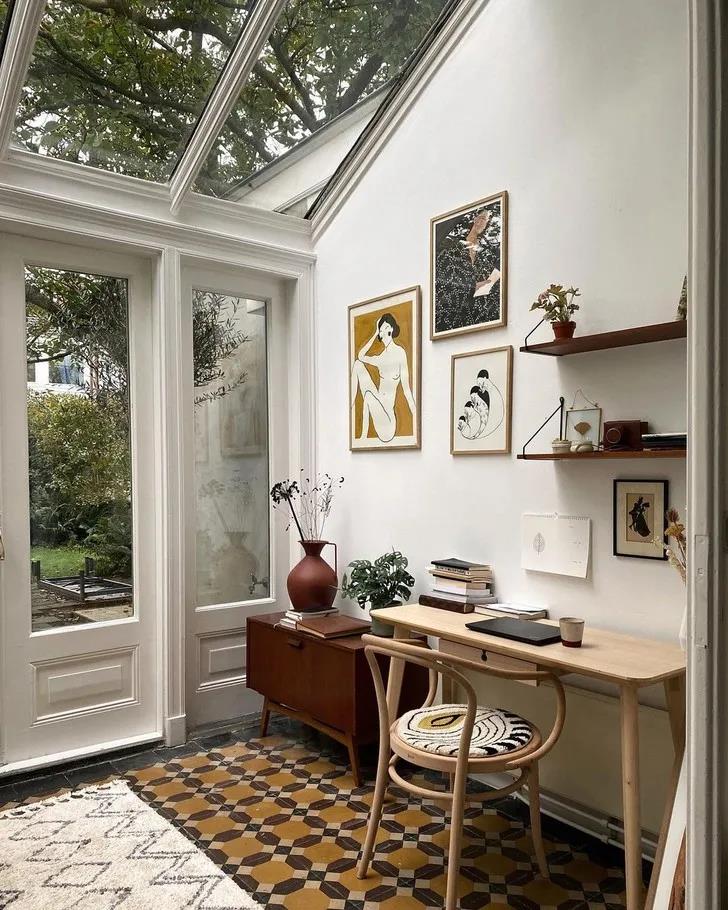
There really shouldn't be too much inside, and all western designers and interior magazines all said the same thing in chorus - get rid of all the excess. Leave items that are really needed and useful in the room -- a lovely lamp, a few photos or statuettes, a blanket, a vase or flower arrangements. The numerous trinkets that gather dust on shelves and tables will only overload the room. Choose what you really want to display and the rest can be boxed up.
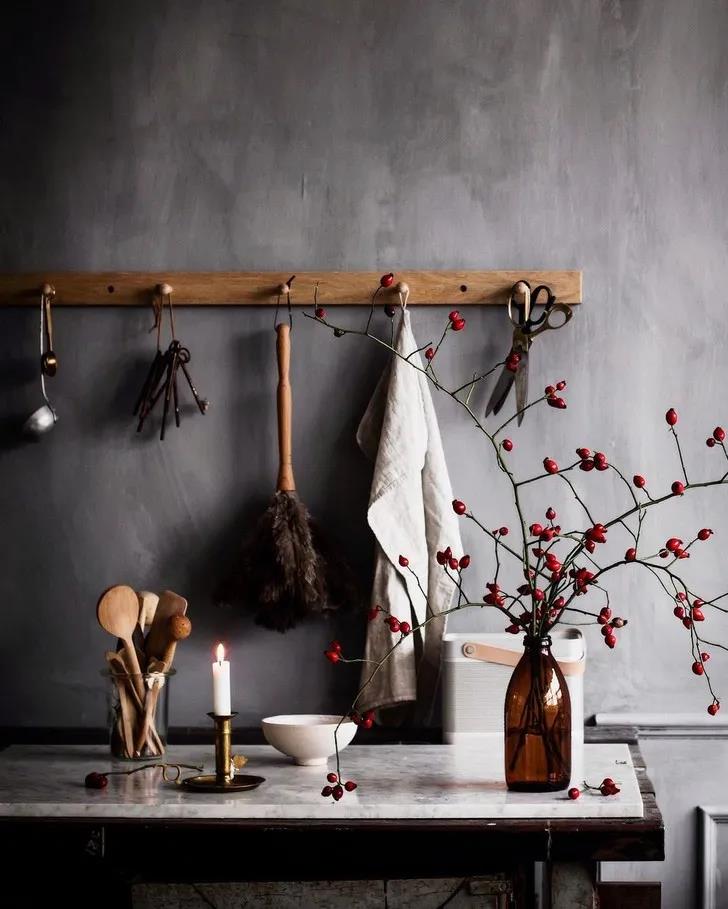
Having a tight budget doesn't mean you can't afford luxury goods from expensive brands. Many of you can buy an elegant picture frame from Ralph Lauren Home, or a small vase or lacquer box from Armani Casa. These items will be in front of your guests and earn you points. While cheap decorations, a bowl of fruit or vegetables are appropriate, branches or a bunch of tall flowers, coral branches and pebbles.
07
Follow the Fashion Boldly
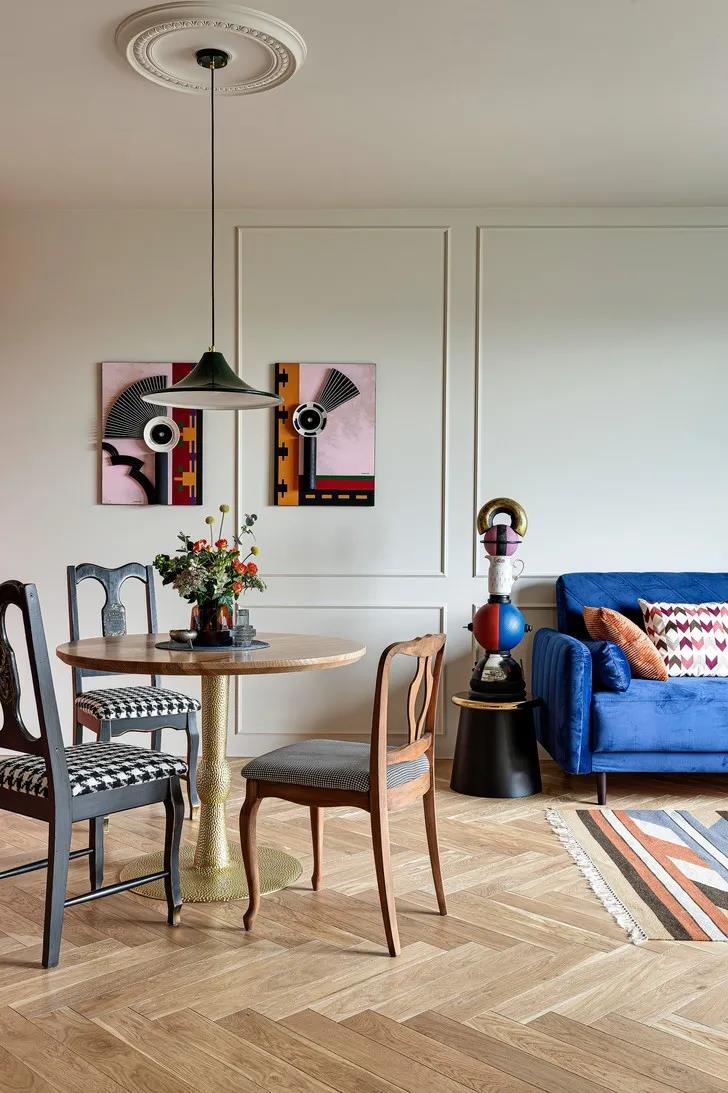
Following trends is fun, but it's more important to experiment. It's a bold experiment with prints and accessories, creating an atmosphere inside that reflects both your personality and the designer's ingenuity.
*****
What we can do?
Art Consultancy & Artwork Factory
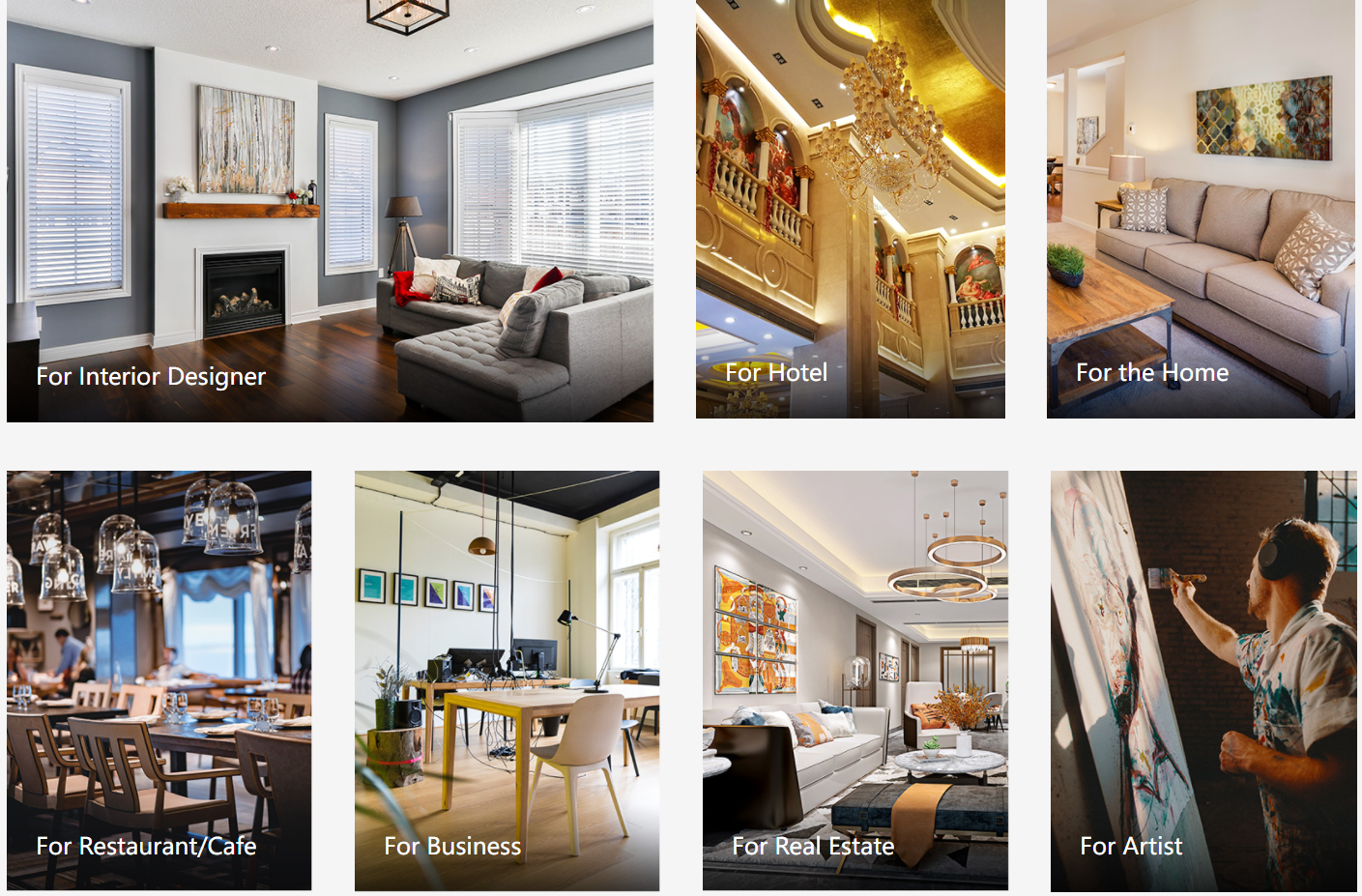
SOA Arts, an art consultancy & artwork factory that served many interior designers and art dealers, has accumulated a wealth of experience in the art decor industry. For the interior designer, whether you are looking for ready-made artworks or customized artworks, we can meet all your needs. Moreover, we can also offer professional art solutions according to your project. For the hotel, we recommend different areas match with different artworks; for example, lobby with stunning and eye-catching artworks, room with warm and relaxing artworks. All in all, whatever your project is, we can provide corresponding art solutions.
-End-