
What is Wabi-Sabi? 4 Practical Knowledge to Improve Your Lifestyle

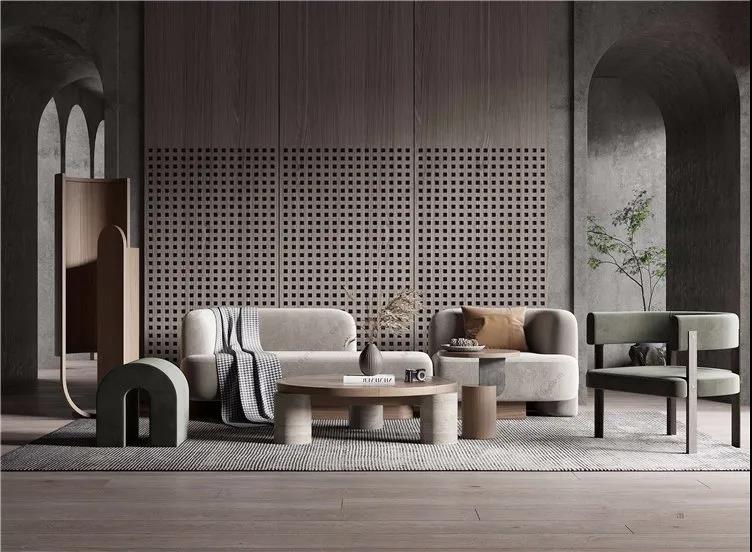
“In traditional Japanese aesthetics, wabi-sabi (わび さび/侘寂) is a world view centered on the acceptance of transience and imperfection. The aesthetic is sometimes described as one of appreciating beauty that is “imperfect, impermanent, and incomplete” in nature.” It become more prevalent in recent times.
If you are a big fan of simple, go on and get inspired.
01
What is Wabi-Sabi?
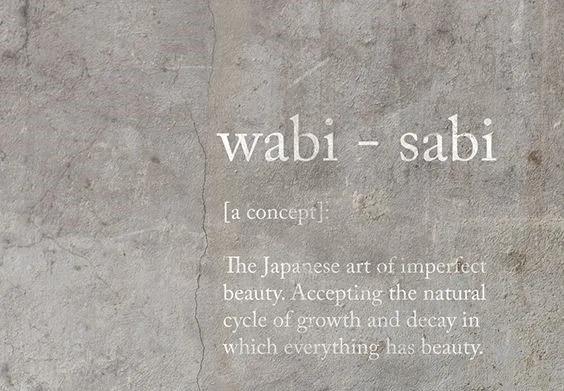
In Japanese, Wabi-sabi (わび さび) means to get rid of the unnecessary and to pursue the essence of nature. However, it doesn’t mean to change its origin, make it pure, and insert vitality.
It is the quintessential Japanese aesthetic, a beauty of things imperfect, impermanent, and incomplete. A beauty of things modest and humble. Accepting the natural cycle of growth and decay in which everything has beauty.
Wabi(侘び)means simplicity, which is a low-key decoration and appearance. While Sabi(寂び) means “lonely” or “withering”, its reference to an old style.
In brief, wabi-sabi is an aesthetic idea: the appreciation and acceptance of imperfect beauty and the ability to create beauty from the plain.
02
The Origin of Wabi-Sabi
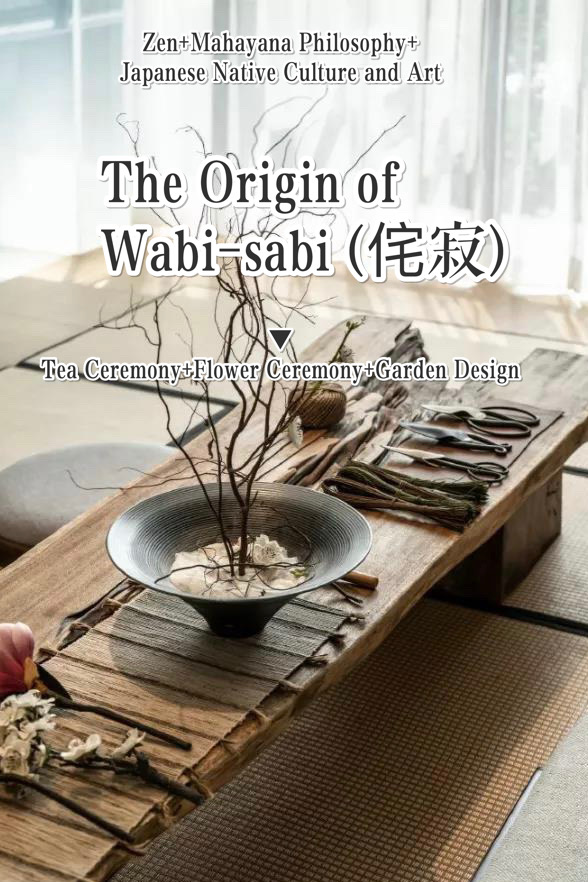
In 1191, a monk named Ming’ An, who brought Zen Buddhism from China, established Japan’s first zen temple, Seokfuji, and brought the tea ceremony of the Great Song Dynasty. Wabi-sabi was accepted and meditated by Zen and Mahayana Buddhism philosophy and, combined with Japanese art and culture, finally formed aesthetic philosophy thought of wabi-sabi. Later, this aesthetic was integrated into Japanese tea ceremonies, flower ceremonies, garden design, etc.
03
The Conception of Wabi-Sabi
Asymmetry
Wabi-Sabi is one of the three Japanese aesthetics.
Unlike the ideal proportion of perfect symmetry in western aesthetics, wabi-sabi is the appreciation and affirmation of the beauty of imperfection, impermanence and incomplete things.
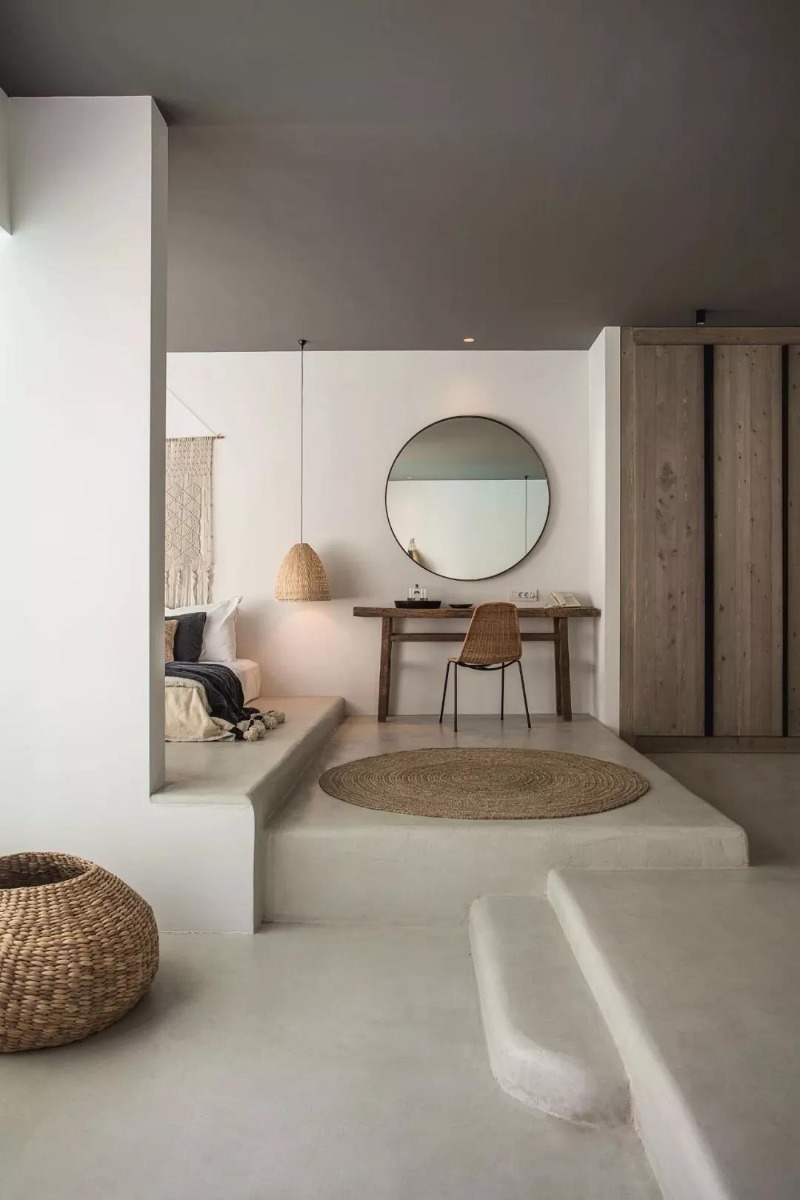
Incomplete/The pursuit of truth
Imperfection is the soul of wabi-sabi
All the elements are filled with a sense of incompleteness
The shape, the texture, the color, the luster of the object itself
Are absolutely imperfect, full of incompleteness
Blend in the simple and quiet beauty
Switch to your comfort zone.
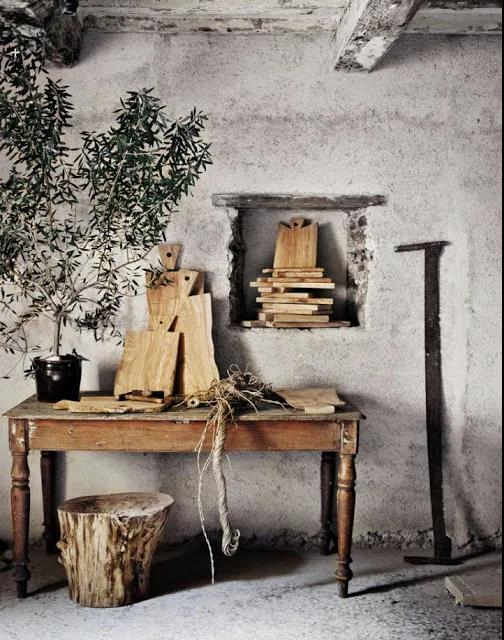
Old things/Time goes by
Wabi-sabi has been filled with years of vicissitudes
So everything in wabi-sabi was worn out
Like the nicks, the mottled marks on the walls
Or moss and so on
Old as it was, tattered as it was
But there is also a natural beauty that comes with age.
04
Design Elements Commonly Used in Wabi-Sabi
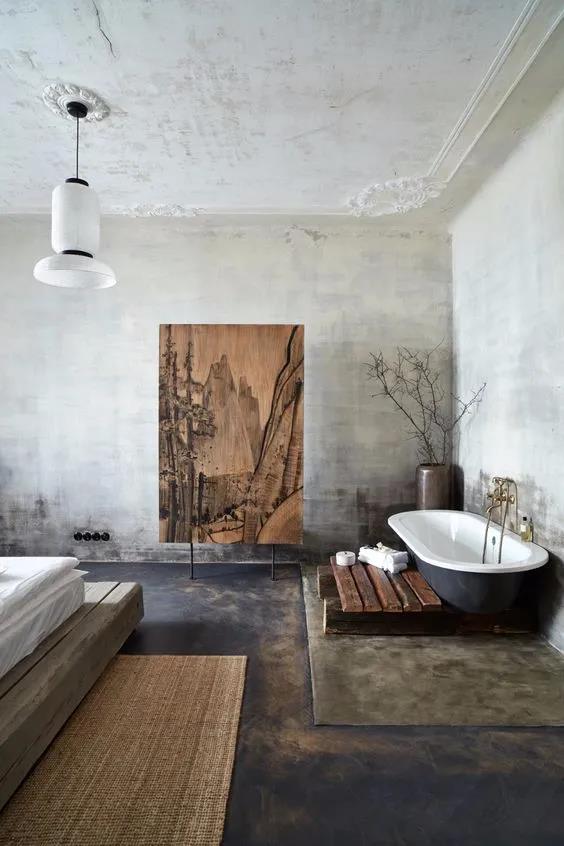
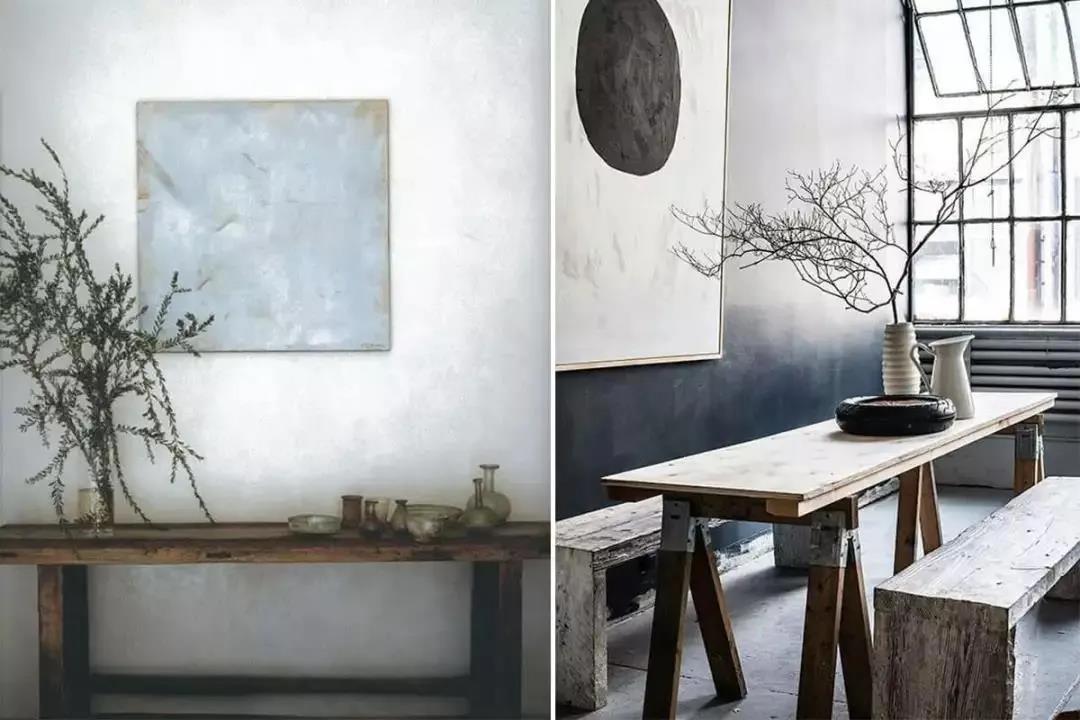
Mottled Wall
The main characteristic of mottled metope
Is a very uneven surface texture
The walls are of different shades of color
Primitive natural, rough style
Give a person a kind of pure plain visual experience.
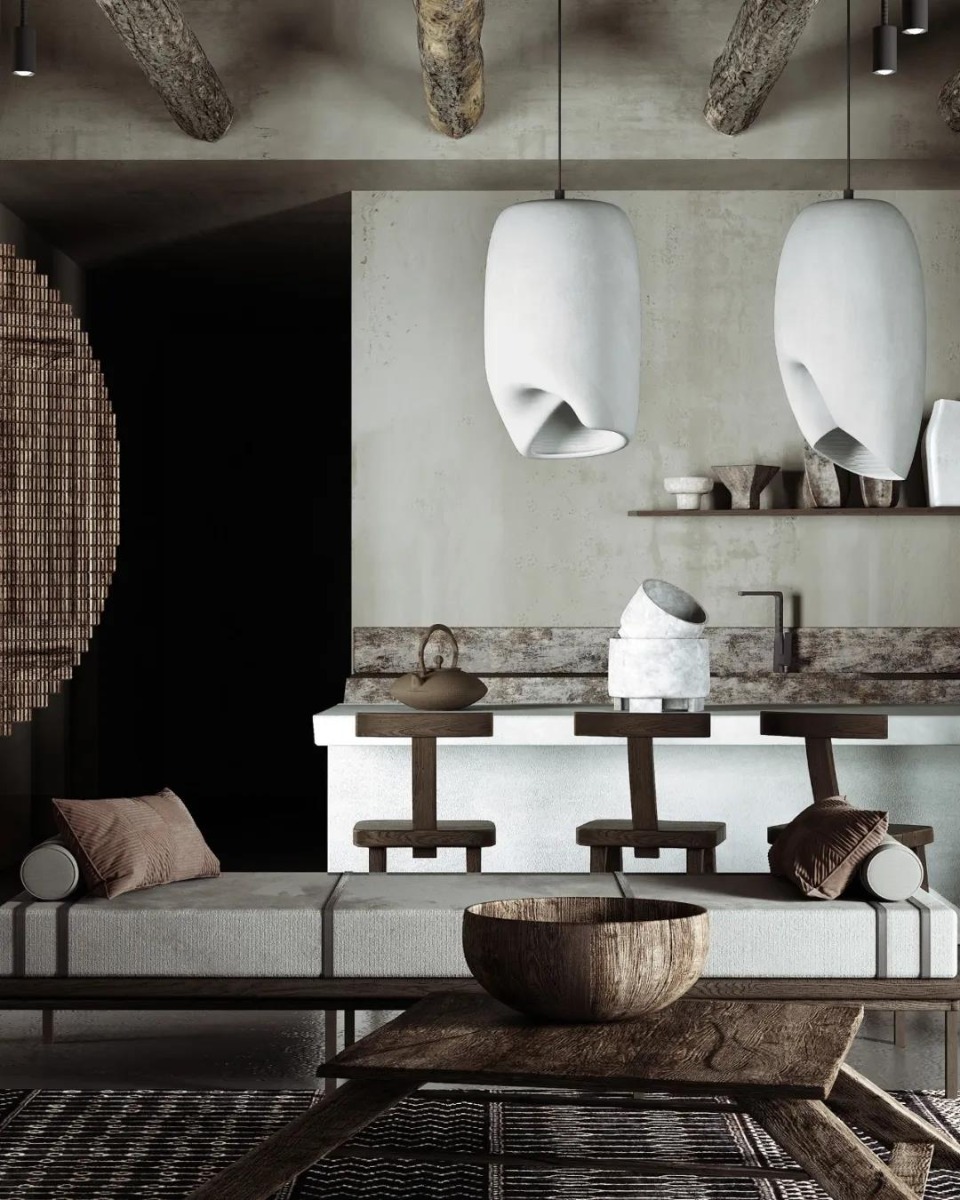
Handmade Products
The key ornament of wabi-sabi is the handiwork, which is the element that can best express the local culture.
Like hand-woven fabrics, or ceramics, or Zen wood,
The finely textured handmade products are unique and delicate.
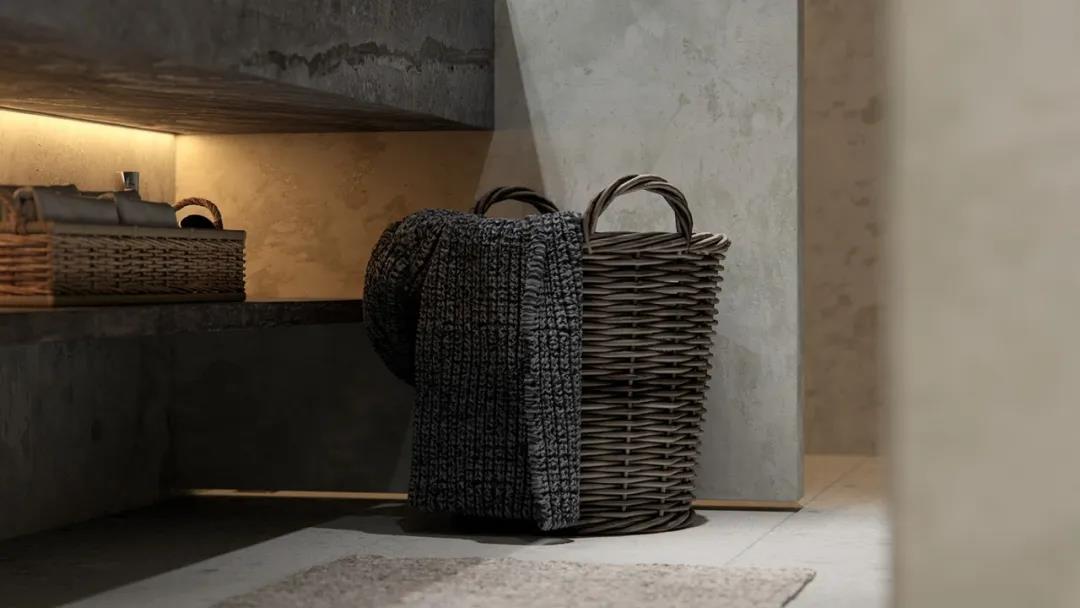
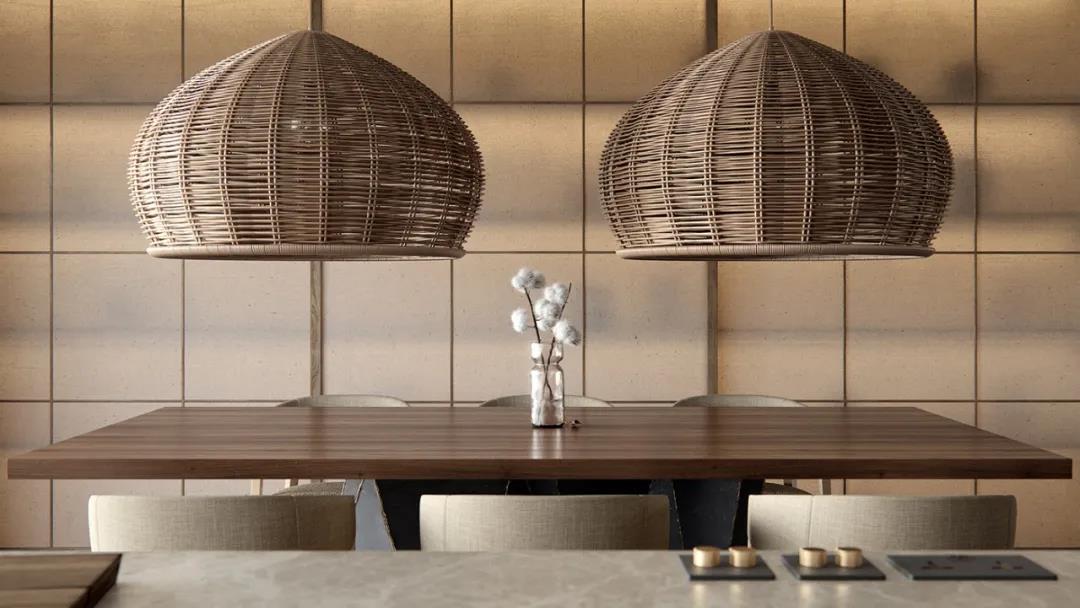
Original Wooden Furniture
Wabi-sabi itself is intended to express the original nature
So old wood has been tempered by nature
Despite rain and wind, the baptism of time
Already filled with the vicissitudes of texture
There is no need for secondary processing, adding too much decoration
Itself can be made into a unique texture, natural wood furniture
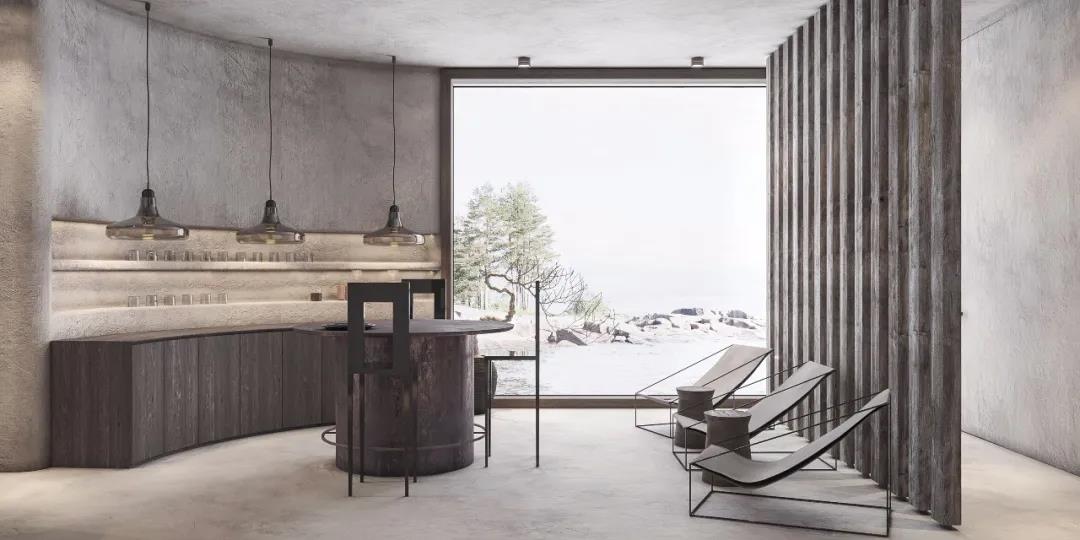
Simple and Elegant Flower Art
Wabi-sabi flower design, more can reflect wither, lonely visual experience
Simple but elegant, reserved, clear branches and grains
It has the deep charm of Oriental Zen
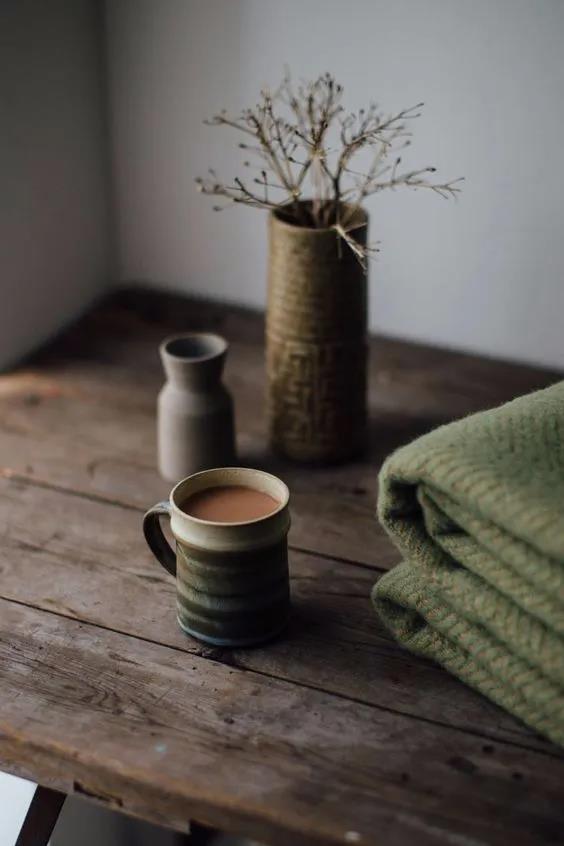
Plain Cement
Plain cement itself rugged, dry texture
It is in line with the tonality and atmosphere of wabi-sabi
Pure texture, extreme simplicity
It is also a key material element to create the atmosphere of wabi-sabi.
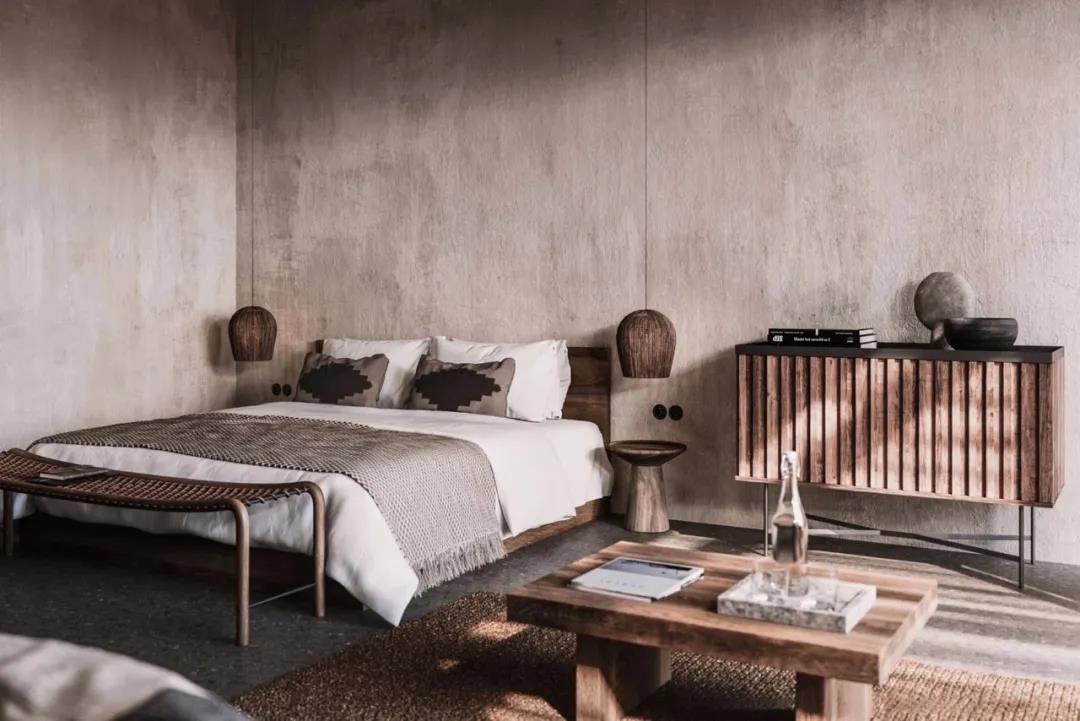
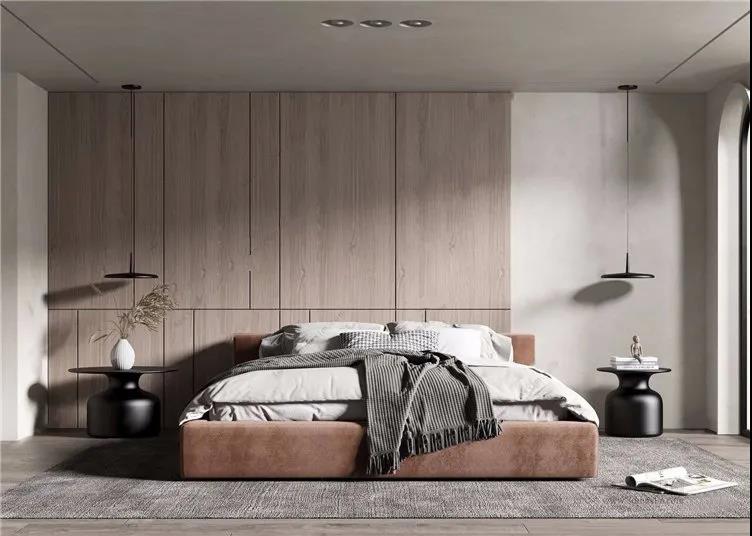
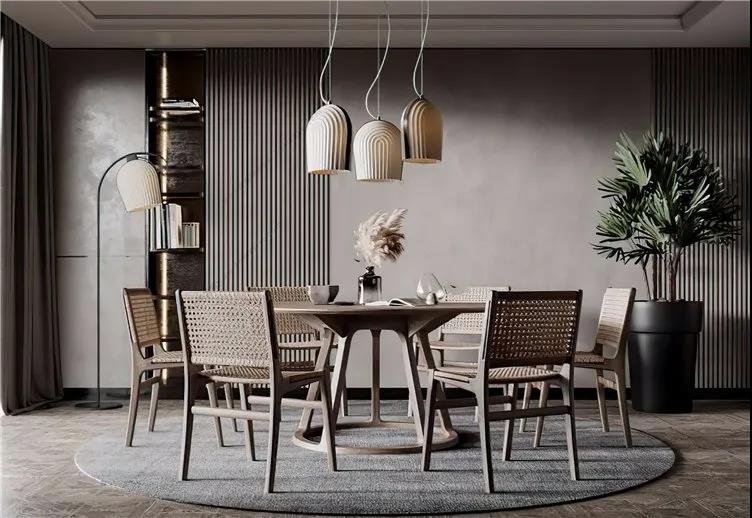
Plain Tone and Withering Rough Texture
Wabi-sabi as a whole does not have many bright colors
Most of them are dark gray and light gray
There are no overly complicated line elements
Indirect interspersed with milky white, earth color, light brown
Emphasis on the expression of wabi-sabi itself rough, dry, tattered
The emptiness of wither and silence
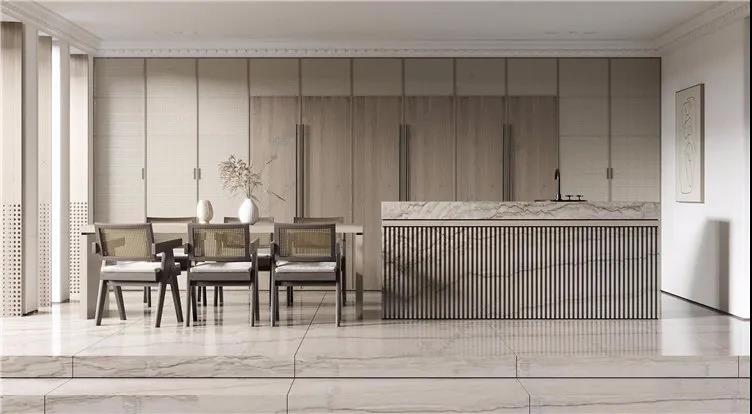
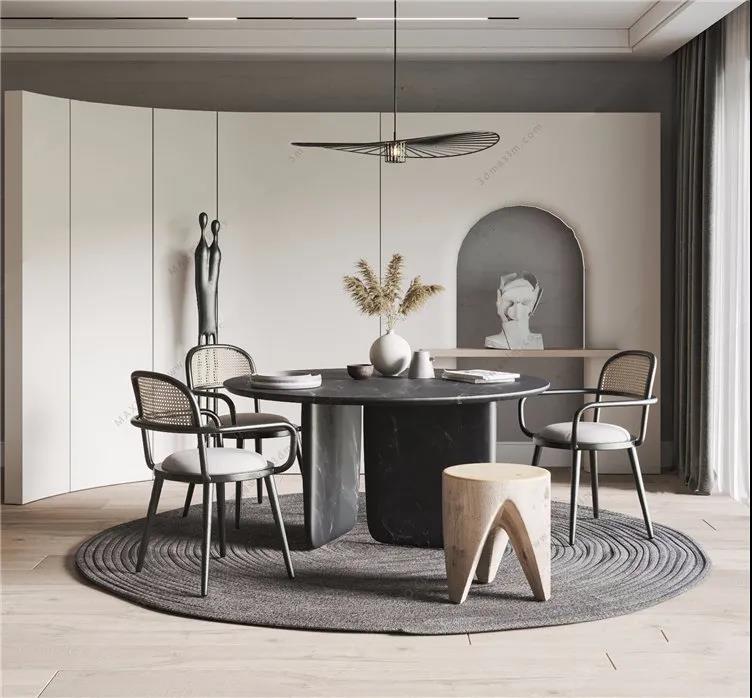
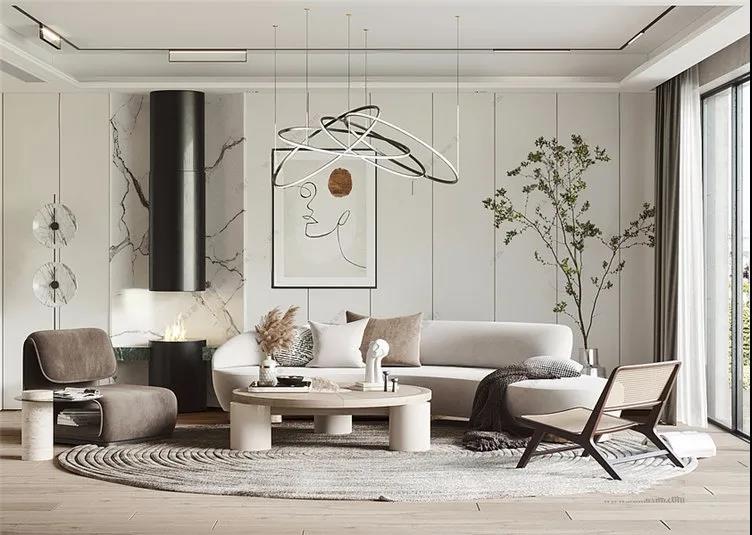
Minimalistic Abstract Painting
Wabi-sabi is mainly based on black, white, and gray
Fresh, minimalistic abstract painting and style of wabi-sabi complement each other
And add a cozy, warm vibe to the room, giving you the sense of returning to nature.
All images via google