
Yves Klein: The French Artist Who Invented International Klein Blue

Yves Klein
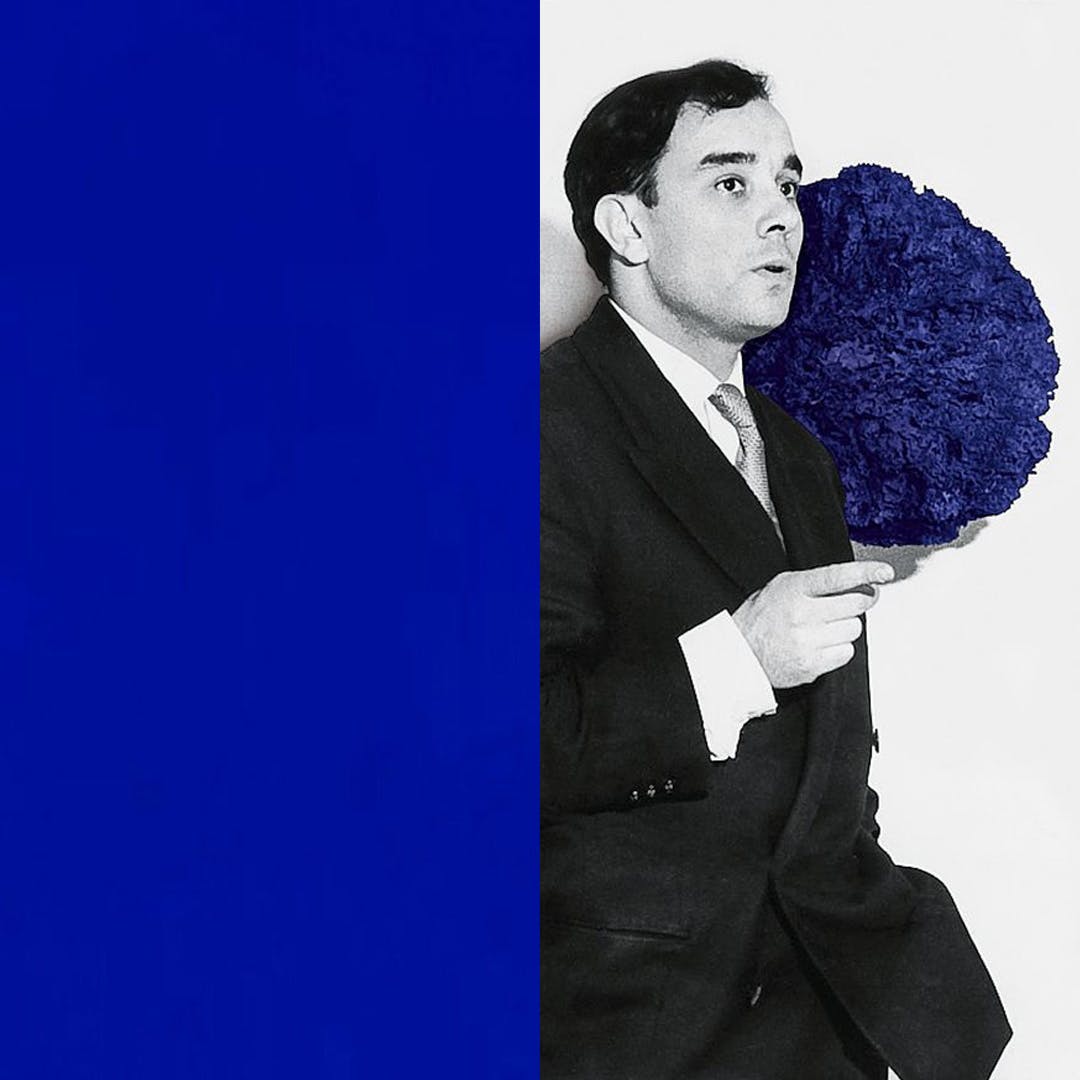
In the summer of 1947, three teenagers were lounging on a beach holiday in Nice. They talked freely to kill time and imagined that if they could "carve up" the world one day, what would they choose? One says he wants the land. Another wants to manage language, and the third person wants the sky. Later then, this 19-year-old kid who wanted the sky possessed the sky in an art form finally. He was Yves Klein.
Klein had a crush on blue at youth. He loved the different blues of the sea, for which he even learned to sail -- "Blue is the sky, water and air, depth and infinity, freedom and life, and blue is the essential color of the universe."
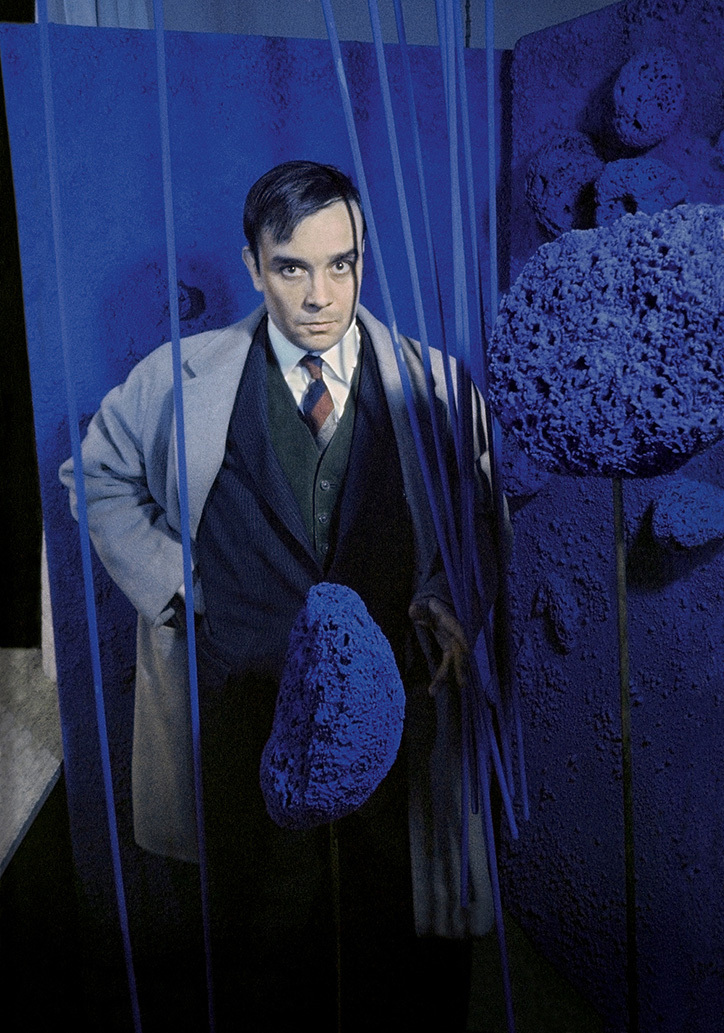
The true artist lets himself go. Klein is natural who "swims easily in the stream of his own temperament." When he first saw the Atlantic ocean, he poured a bottle of blue paint into it and exclaimed, "It's bluer than the Mediterranean!"

Yves Klein studied judo in Yokohama, taught French, and traveled throughout Asia.
Klein Blue became the true king of the circle breaking because of his dedication and obsession, and perhaps his former rival is Morandi. Why, you may wonder, has Klein Blue been a designer's favorite for more than half a century?
Let's find out the answer.
Klein Blue Ratio
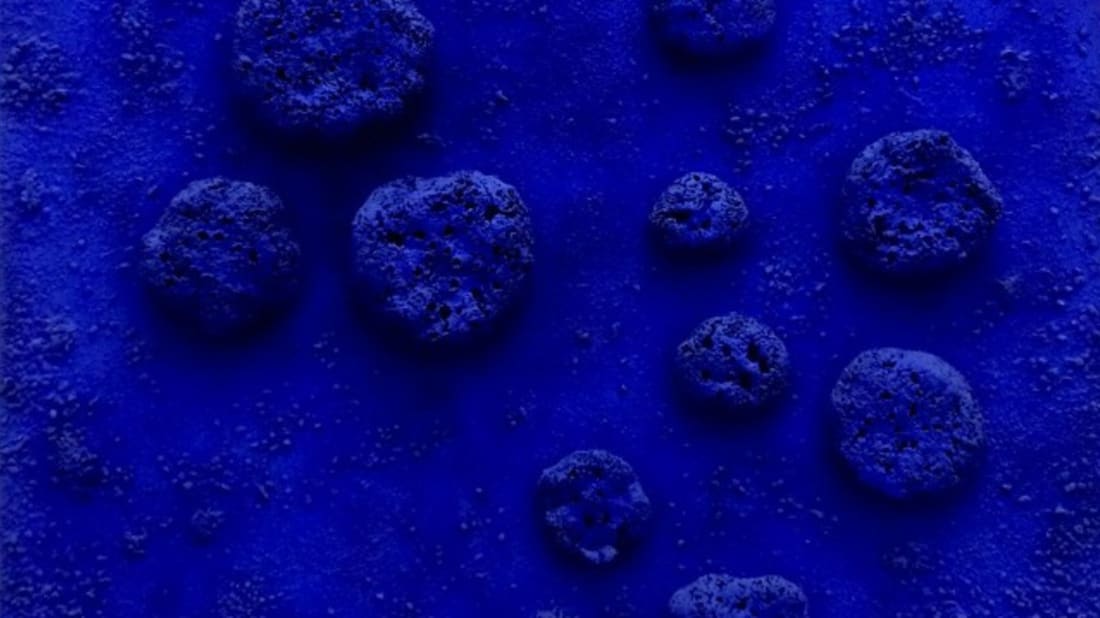
Klein blue ratio is RGB: 0,47,167. RGB color mode, as it is known, is an industry-standard that defines different colors by the ratio of red (R), green (G), and blue (B) colors. Enter this ratio, and you will also get Klein blue. It belongs to a color called Oltramarino, which means "blue from the sea" in Italian.
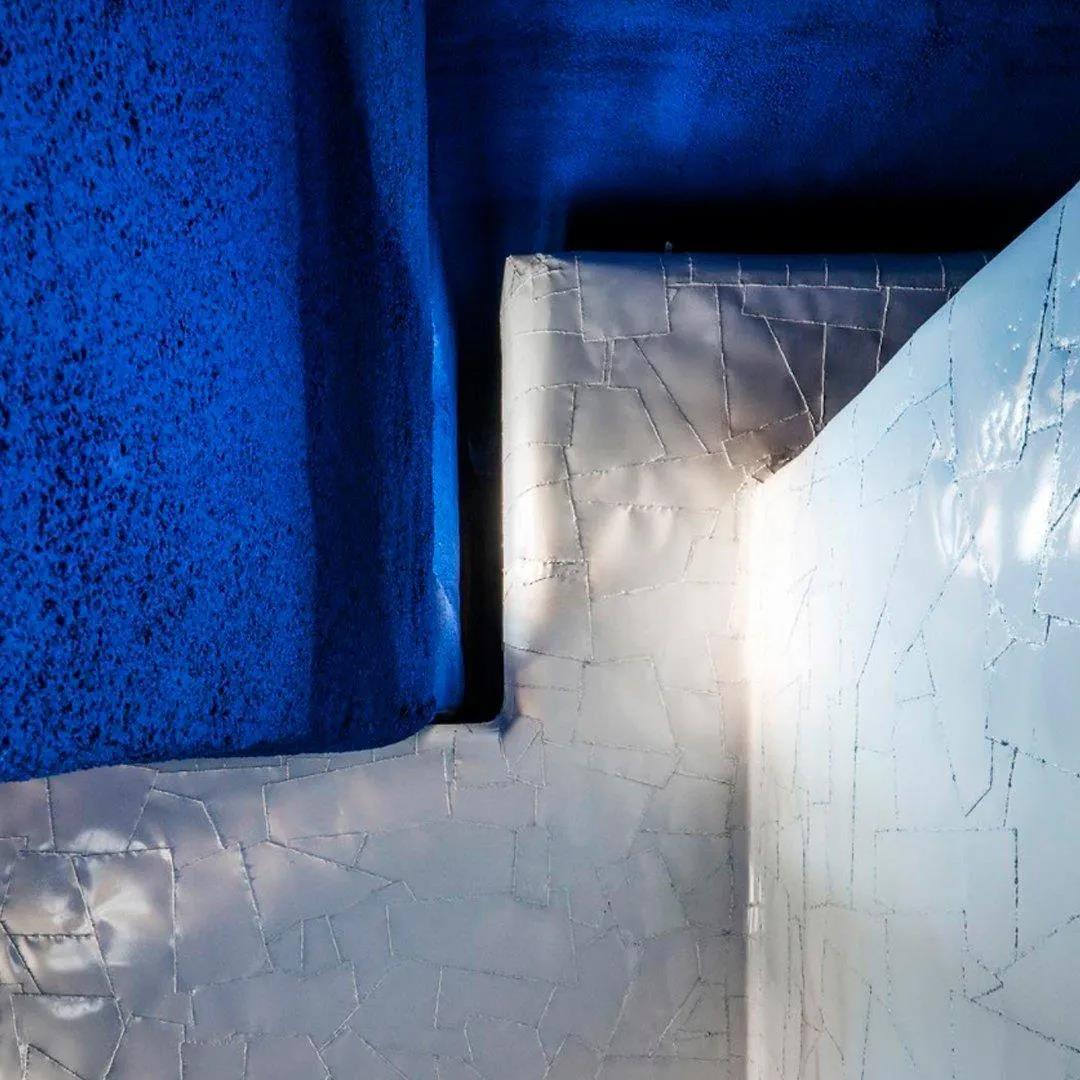
Klein Blue wallpaper in interior design
The pure blue evokes the expensive Oltramarino, originally ground only from lapis lazuli imported from Afghanistan and was quite expensive, more costly than gold. Since introduced to the West, it has become the exclusive color of Madonna's clothes, thus adding divinity and holiness to Oltramarino.
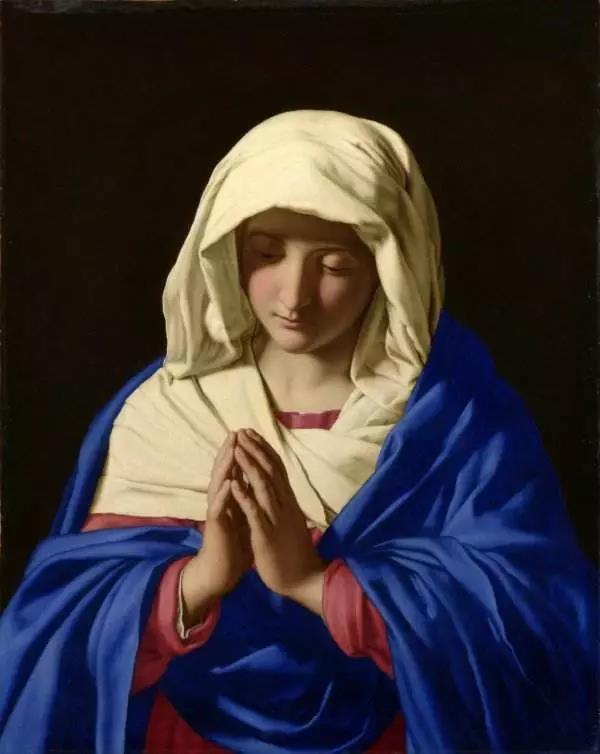
Praying Madonna by Italian artist Giovanni Battista Sa
Klein Blue is available from art materials stores in France, and the price is also high. But the most valuable embodiment is that people have continued his colors and even his ideas.
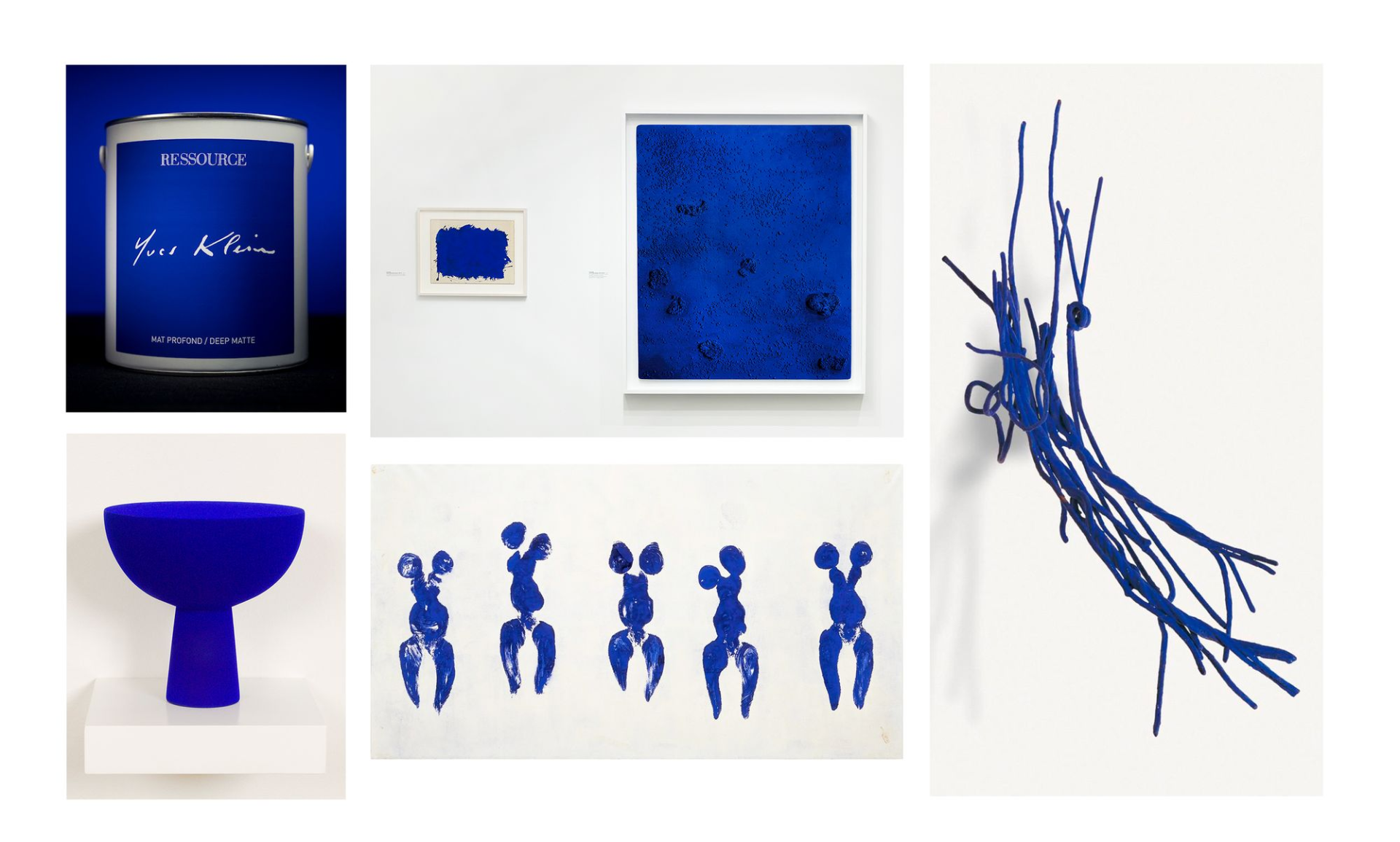
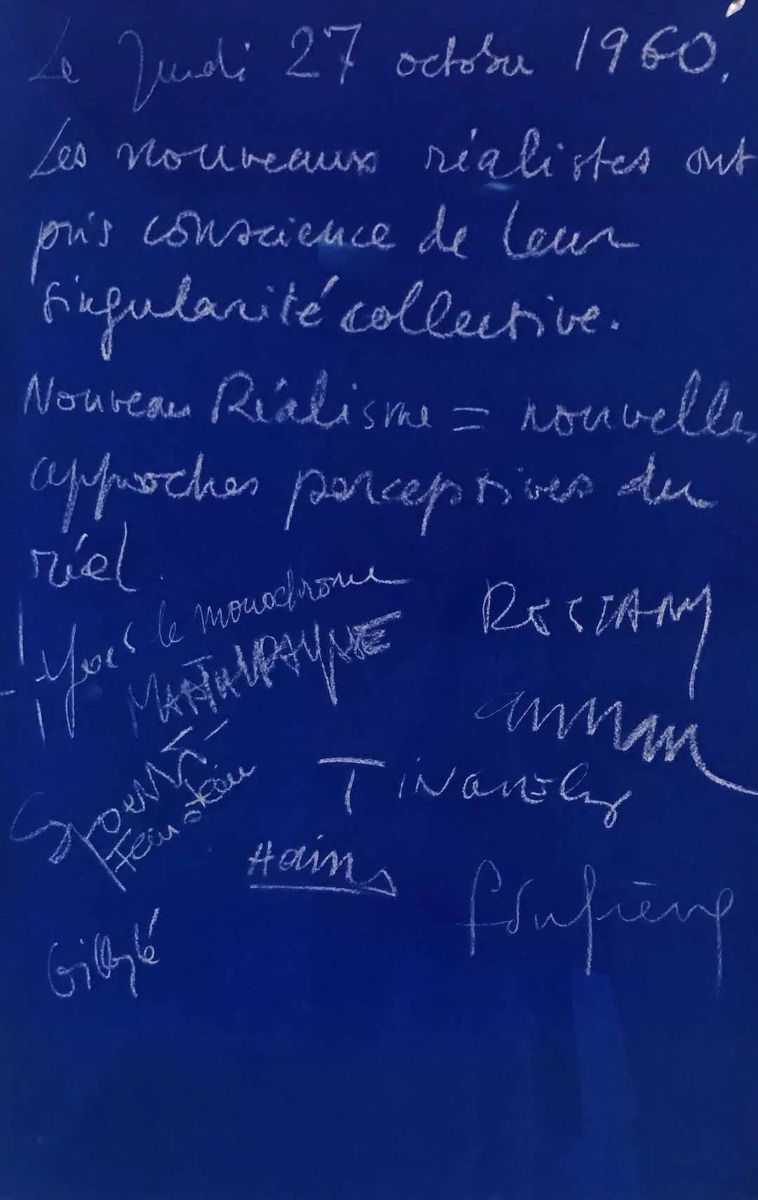
Klein lived only 34 years and became an artist for only eight years. He not only became the most outstanding representative of the new realism movement but also became the most outstanding French artist after the Second World War, leaving thought-provoking works of art for the world.
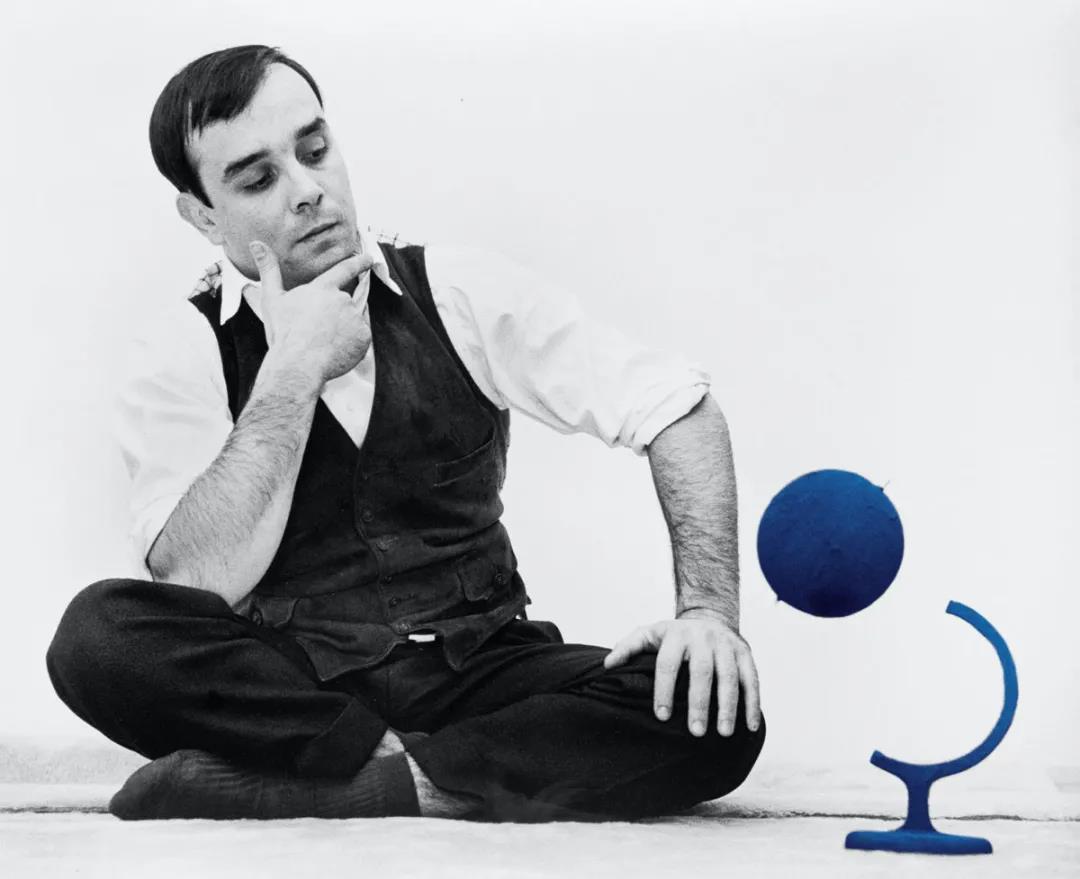
Klein thought that in painting, lines were like prison bars, while pure color symbolized absolute freedom. One of his favorite words was, "Impregnation." He also liked the sponge because both were the perfect match. Klein hoped people could forget explanations, forget the knowledge of the painting in their mind when they look at the images, like a sponge, call on all the senses to feel the painting, and be contained in the meaning of the blue.
How Did Klein Blue Form?
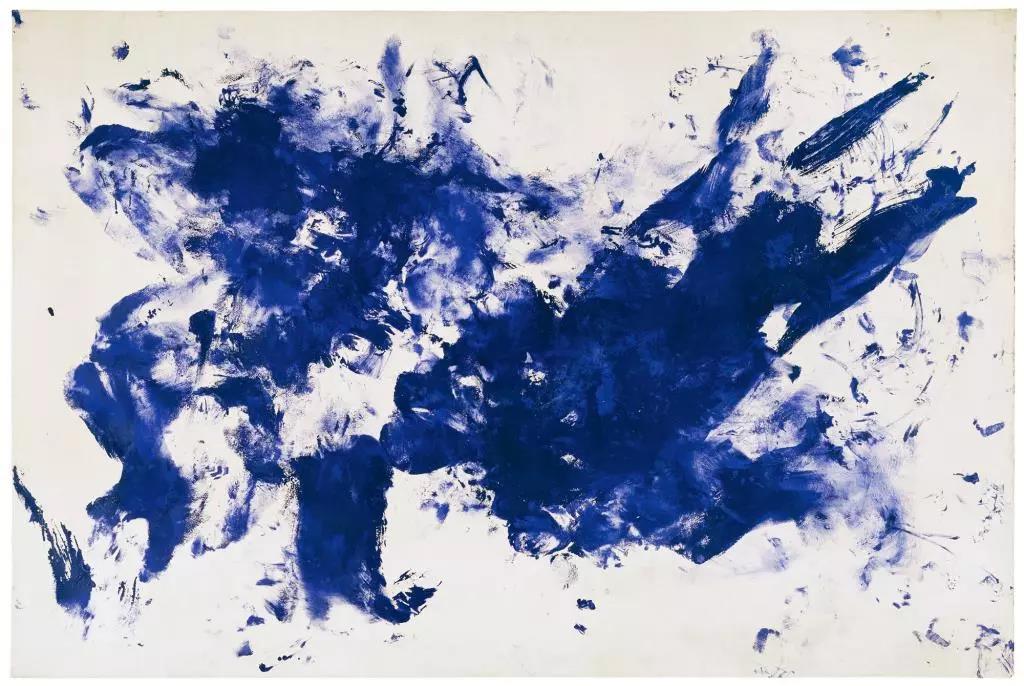
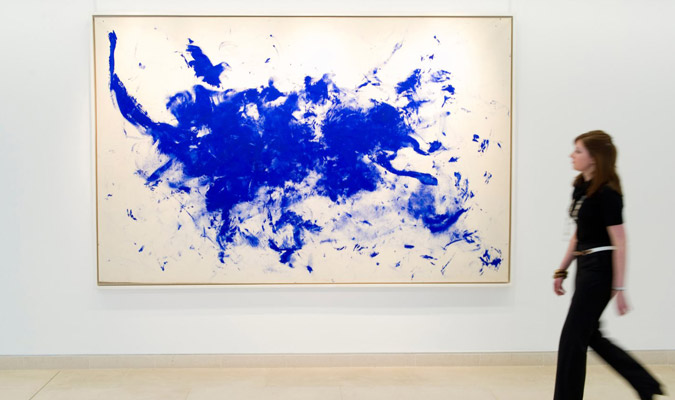
Yves Klein, Jonathan Swift (Anthropometric 125)
It had something to do with his joining a group called the Rosicrucian in 1947. "Rose Cross society" is an organization with religious nature and free form that arose in Germany in the early 17th century and became popular in Europe and America for a long time. The group advocates people to put their mind over their body and their material over their spirit in pursue of the harmony between human life and the spirit of the universe.
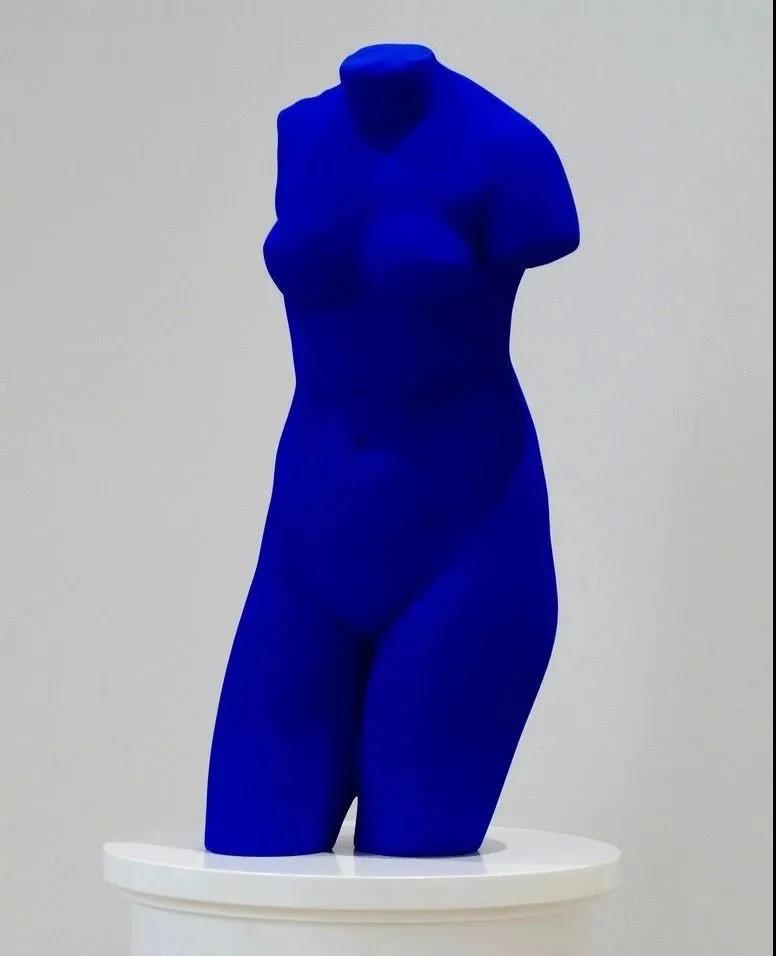
Klein followed this purpose, so he tried to pursue it and wanted to express his ideas through art.
When Did International Klein Blue Come Into Being?
In 1954, at the age of 26, Klein entered the art world with the concept of transcending the visible and reaching the invisible, which he had learned from Judo and Rosicrucian.
That year he rolled out his first paintings, called Monochrome. This monochrome painting is a uniform spread of color on a canvas, not only without an image, not even a line, as an abstract simplification to the extreme. Klein used blue, gold, and red in his monochrome paintings, with blue being his favorite color.
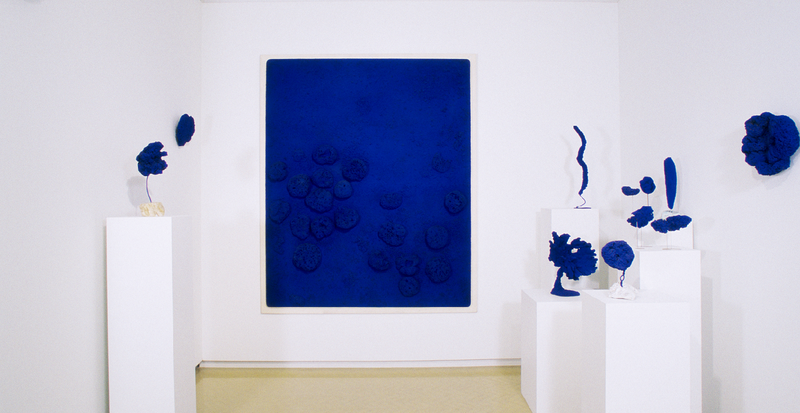
In 1956, with the help of a chemist, Klein synthesized a distinctive lapis lazuli blue, a color he patented in 1960 as International Klein Blue (IKB).
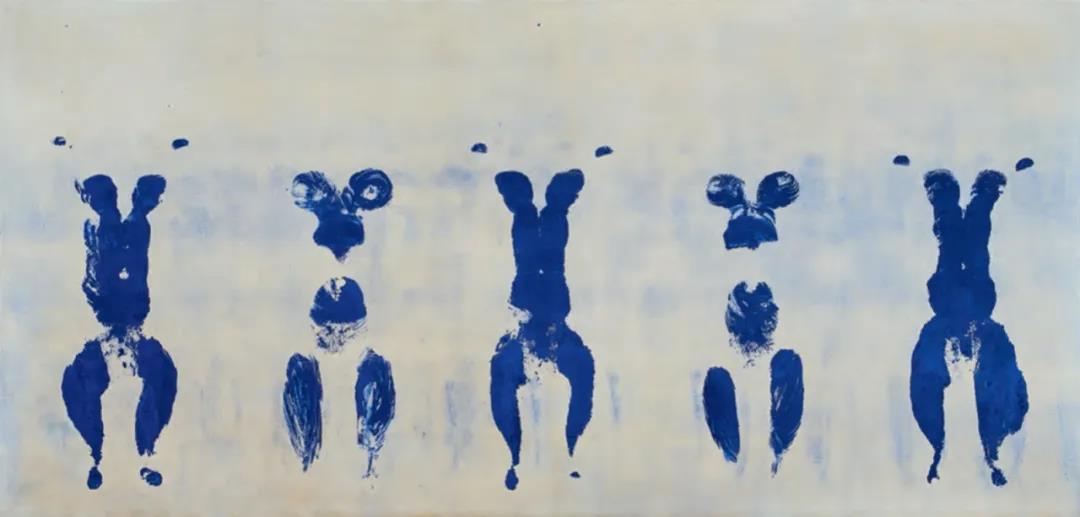
Klein Blue appeared in many of his later works; his "Anthropometry" series -- a carefully curated performance. Several naked women were covered in blue paint on paper with their bodies as brushes, whilst a band and an audience surround them.
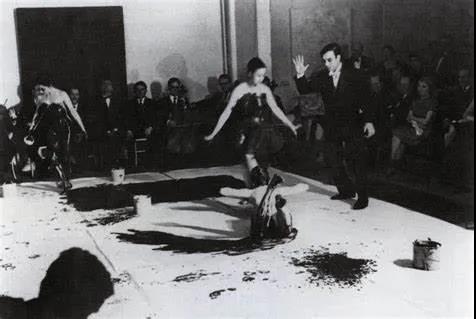
Klein had unexpected success came after he showed his blue collection in Italy. Dino Buzzati, the "Kafka of Italy," endorsed Klein in a newspaper article, and Klein Blue purchased by Lucio Fontana, an art master, brought Klein international fame. Cyan and technological progress made Klein, and Klein made this blue.
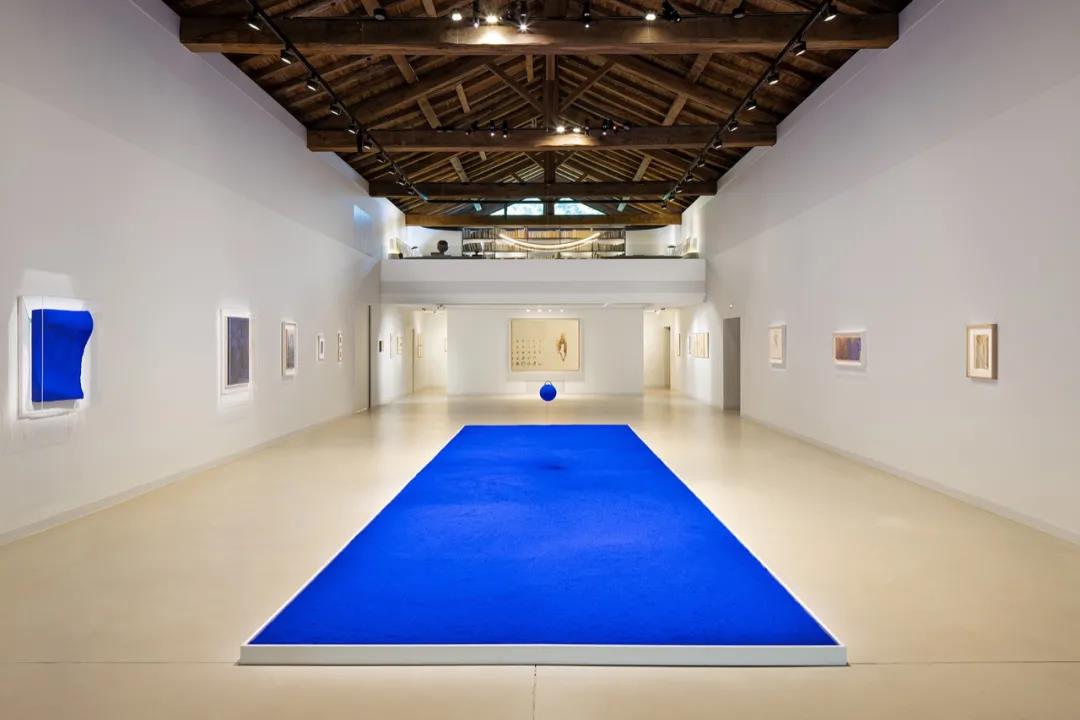
Later, he was labeled as one of the most important representatives of Pop art. Along with Andy Warhol, Marcel Duchamp, and Joseph Beuys, he was named one of the four greatest contributors to world art in the second half of the 20th century.
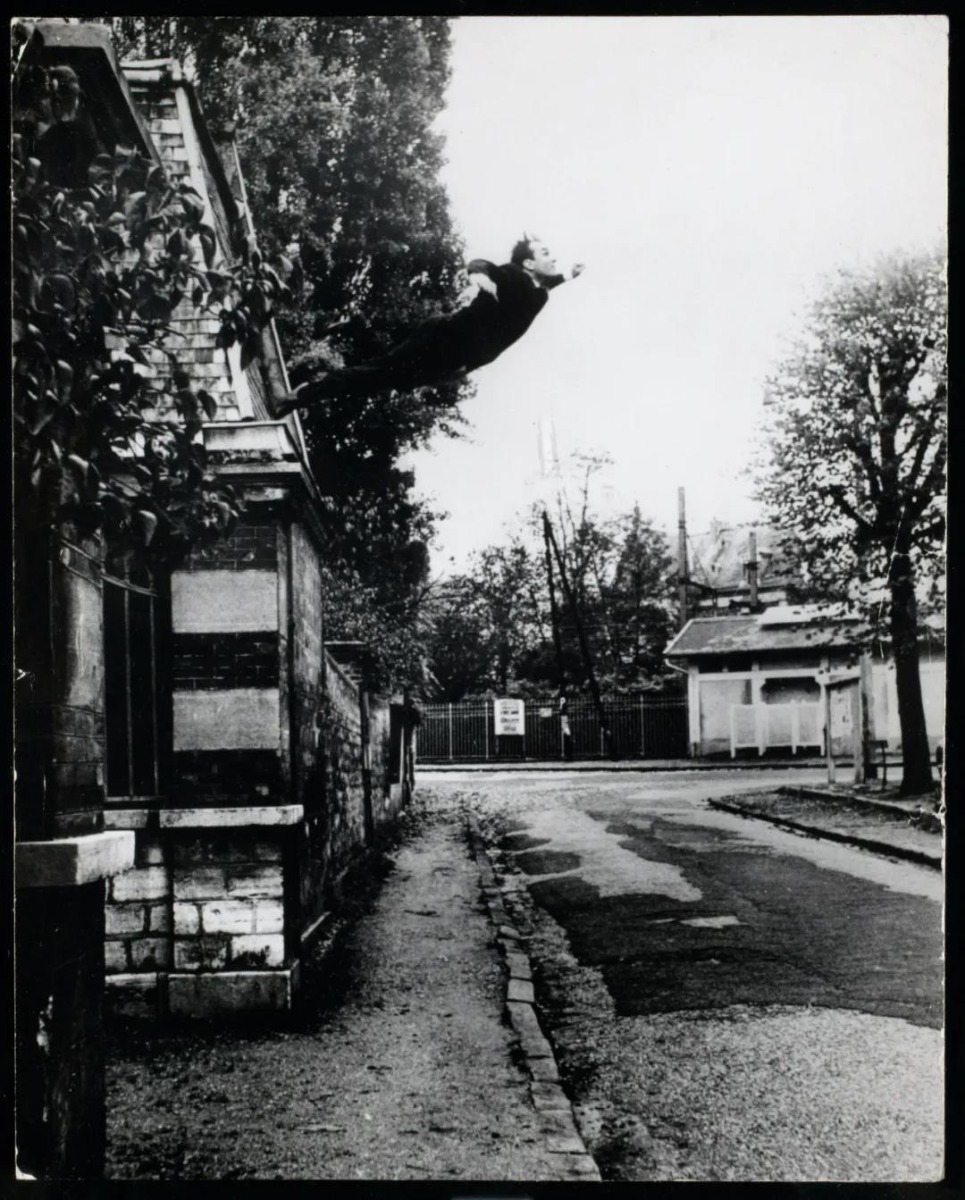
Nowadays, Klein Blue is applied in many areas, such as home decoration and costume art, do you know what else? Welcome to share your ideas on the below.