
Famous Artist
-
01
Artist Profile
Guan XinRan
Guan Xinran, born in Beijing in 1992, now lives and works in Brooklyn, New York. She holds a bachelor's degree in Art and Engineering from Bard College and Columbia University and a master of Arts in Painting from Maryland Institute of Art.
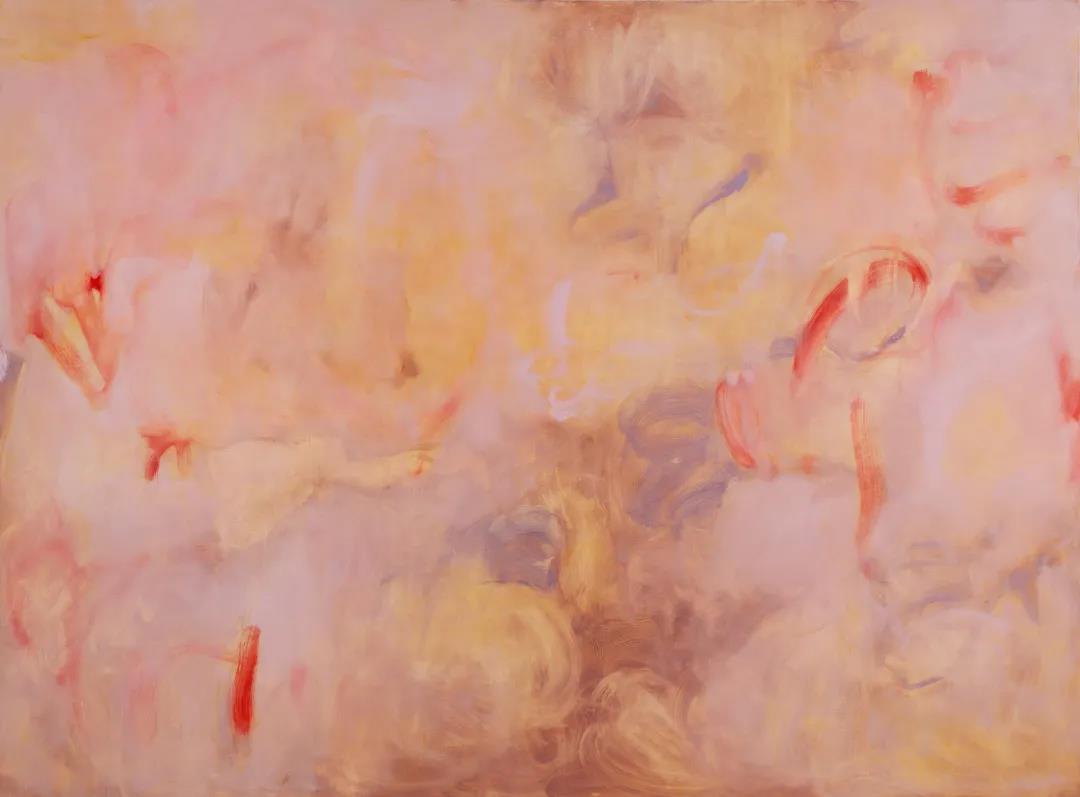
Guan Xinran's works are mainly non-figurative paintings. The individual's perception, thinking and imagination of life are combined with the capture of light and color overlay to construct a spiritual world of strange light and shadows. Here, she freely expresses the beauty of nature, the magic of life, and the complexity and contradiction everywhere. Here, the conflict of duality is reconciled; Growth and decay, beauty and ugliness, joy and sorrow make up a harmonious perfection. Here is the refraction of reality, and beyond the shackles of reality, not an escape, but a sincere blessing to the world. Guan Xinran's works make a bold attempt to combine Chinese and Western art. Influenced by Chinese tragic beauty, she creates a unique visual effect and psychological experience of light and space with color.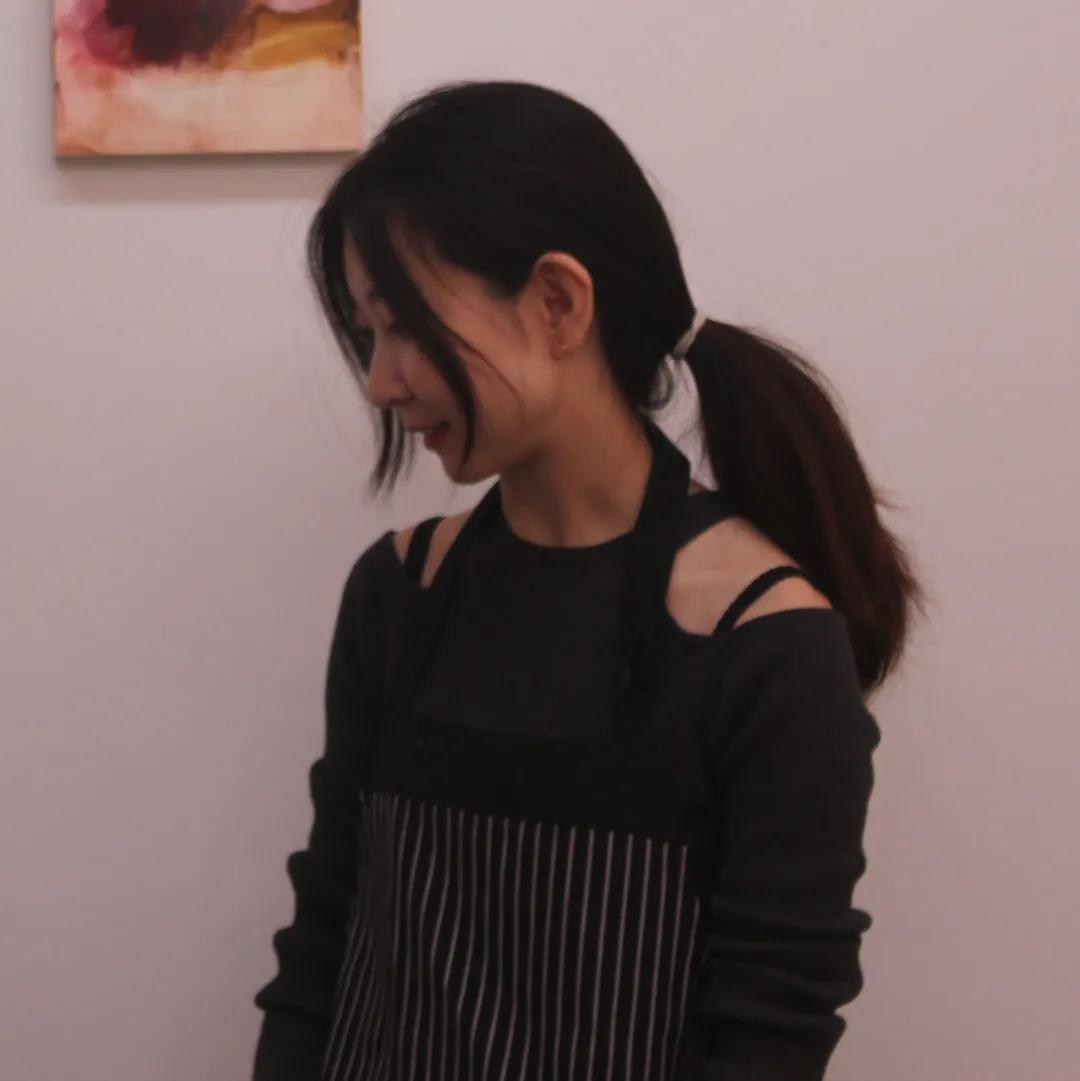
In 2017, her works were selected by Today Art Museum "The Fourth Chinese Oil Painting Exhibition -- Chinese Spirit (Non-figurative Part)". In the past three years, she has been invited to participate in the opening exhibition of "Zheng De Art Gallery New York", "Wind and Sea Art Exhibition" of Baltimore City Hall, "Young Asian Artists Group Exhibition" of Korean Culture Association in New York. In 2020, Guan Xinran's solo exhibition, You are the Lightning on the Other side, was held in Qiaoshe Gallery, Beijing. In 2020, her works "Mountain and Sea" and "The Keeper" were collected by Capital One Financial Corp.
"Let the world understand Chinese culture."
-- Guan Xinran, a post-90s oil painter, and her Oriental tragic aesthetics
"The process of creating art is painful because it requires you to expose yourself at your most vulnerable and confront what your subconscious doesn't want to face."
-- Guan Xinran02
Innate Artistic TalentGuan Xinran is a talented young woman and a female painter in a new generation. Her love for art is firm and persistent, and she has an innate eye for art.
When more than a year old, Guan Xinran could draw smooth and complete faces on paper with a pen. She could draw different portraits wherever she could write, whether in newspapers or textbooks. To protect Guan's unique spirituality, her family didn't let her learn sketching at first, concerning it would limit her imagination.
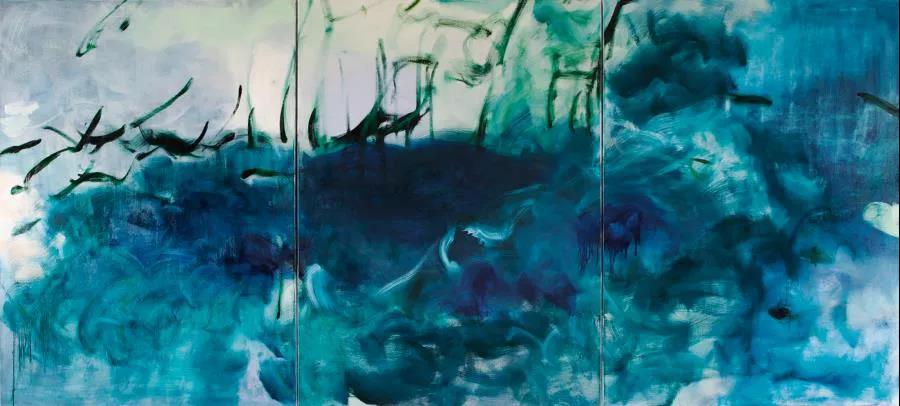
Night Wish
48 x108 inches oil on canvas 2019Then Guan Xinran learned to play the piano, but she was always confident in her paintings and still loved painting. Of course, Guan Xinran's experience of learning the piano is not entirely useless for her artistic cultivation of paintings. Many pictures come to her mind with the melody of music, forming a space that does not exist and developing an immediate desire to paint what she imagines in her mind.
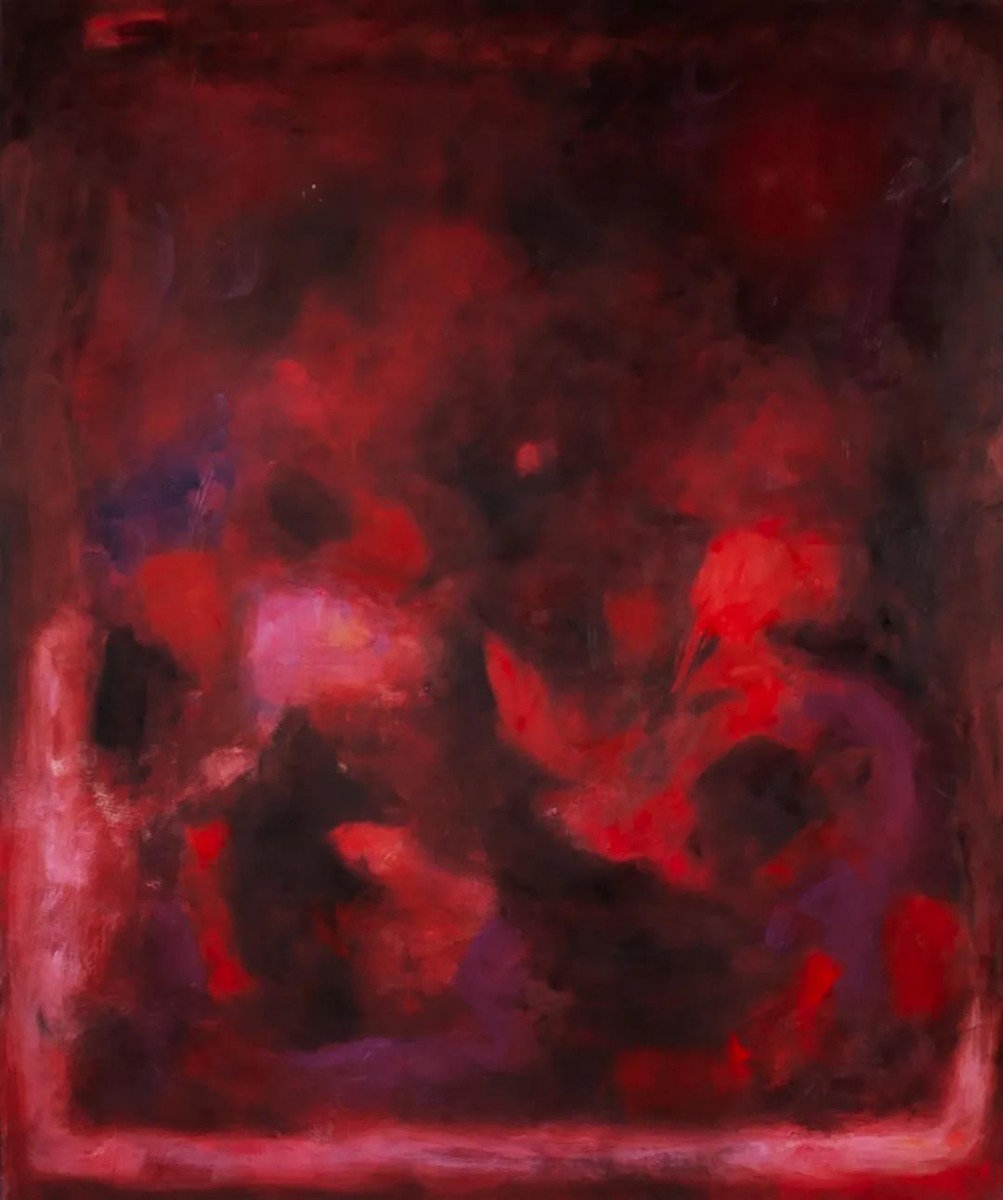
Untitled
60 x72 inches oil on canvas 2019In 2011, she was 19, the night before Guan Xinran set out to study in the United States, she told her mother that her biggest regret was that she didn't learn the art. This obsession makes Guan Xinran's life path destined not to be extended in the established direction. After many twists and turns, she finally chooses the road of art and runs forward unswervingly.
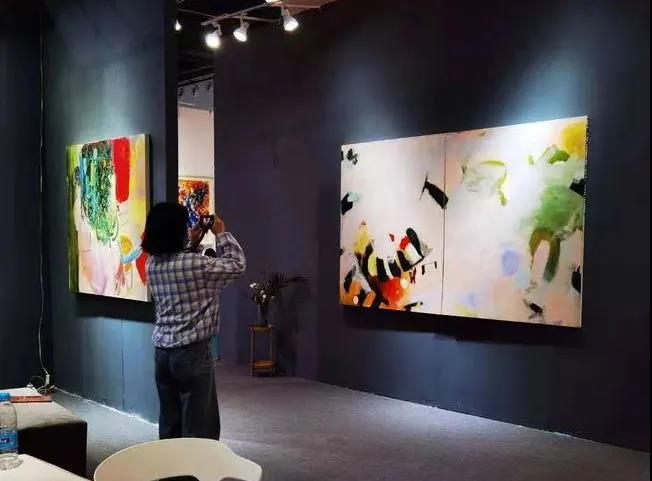
In 2020, Guan Xinran's works were exhibited at the 25th Guangzhou Art Fair.
From 2011 to 2016, Guan studied studio Art at Bard College and Operations Research at Columbia University School of Engineering and received a double degree in Art and Engineering in 2016. After graduation, Guan talked about art with her mother again. This time, she told her mother, "I can only find myself in painting." Guan Xinran's resolute attitude towards art is unshakeable. So far, her family has no hesitation in letting her pursue her dream freely.
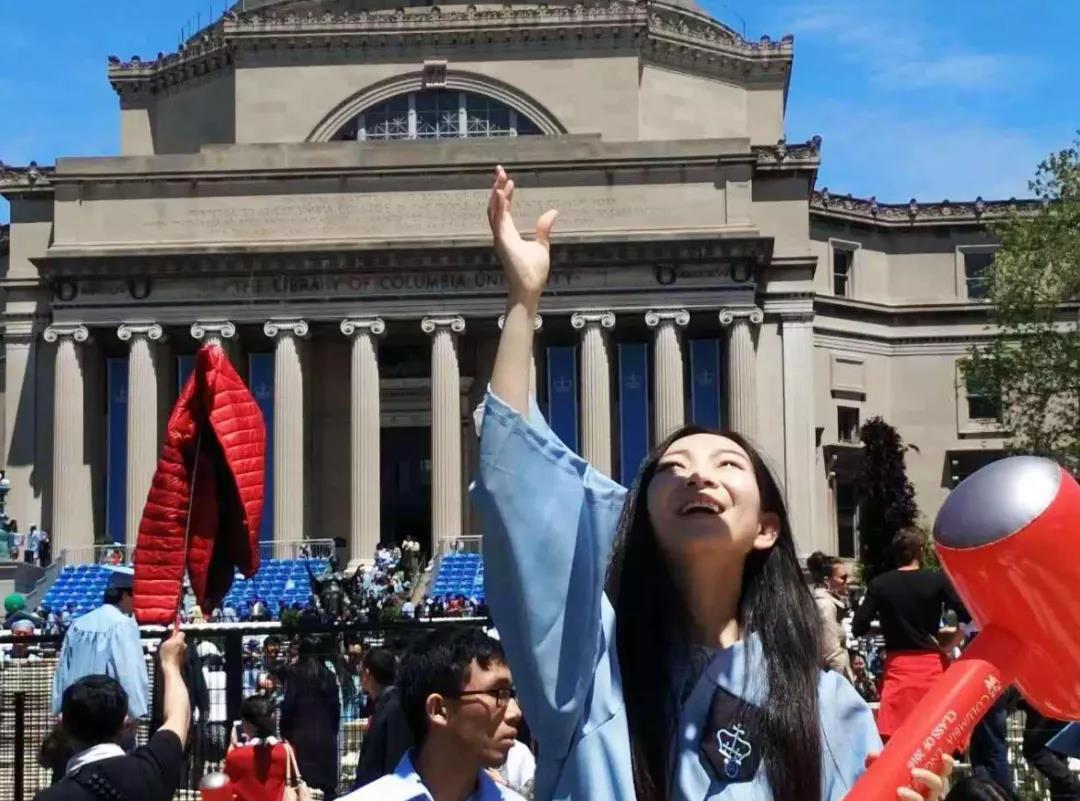
Guan Xinran graduated from Columbia University
In 2019, Guan received her MFA degree from the Maryland Institute of Art. During this period of study, Guan Xinran's works were selected into the "Chinese Spirit - the Fourth Chinese Oil Painting Exhibition (Section 3) Abstract - Contemporary Chinese Non-figurative Oil Painting Exhibition", and his artistic talent and strength were gradually recognized.03
Chinese Tragedy Aesthetics
Guan Xinran has conveyed to the outside world that her works are presented as an aesthetic experience of Chinese tragedy. But what she calls a "Chinese-style tragedy" may not be understood by everyone.
Tragedy has different meanings and interpretations in different cultures and civilizations. Western tragedy, grand, divine, with the misfortune and the trick of fate, and in a dominant posture away from human beings; Chinese tragedy, on the other hand, is only a true manifestation of the other side of daily life, separation and death, love, hate, hatred, delusion. It is the sublimation of people's life experience, a part of life and constitutes life and a more distinct presentation of good and evil.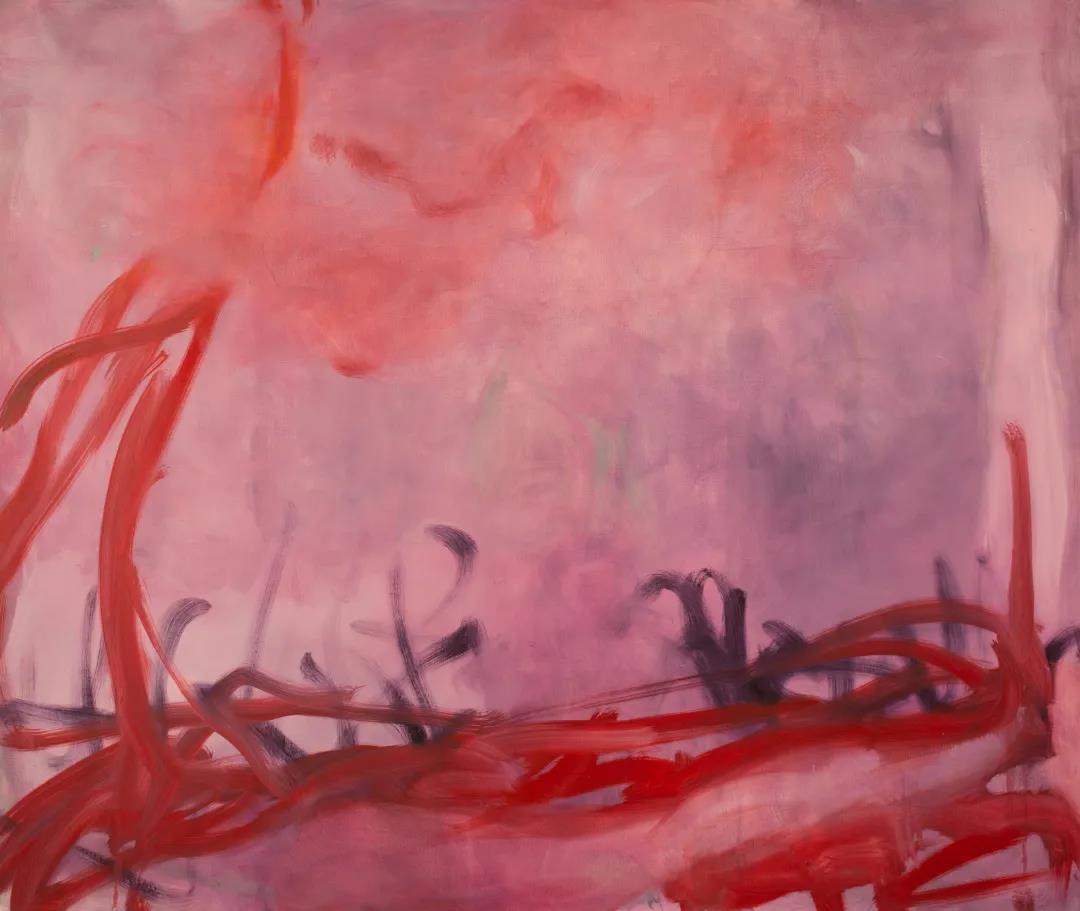
You are the Lightning on the other side 160x72 inch oil on canvas 2019
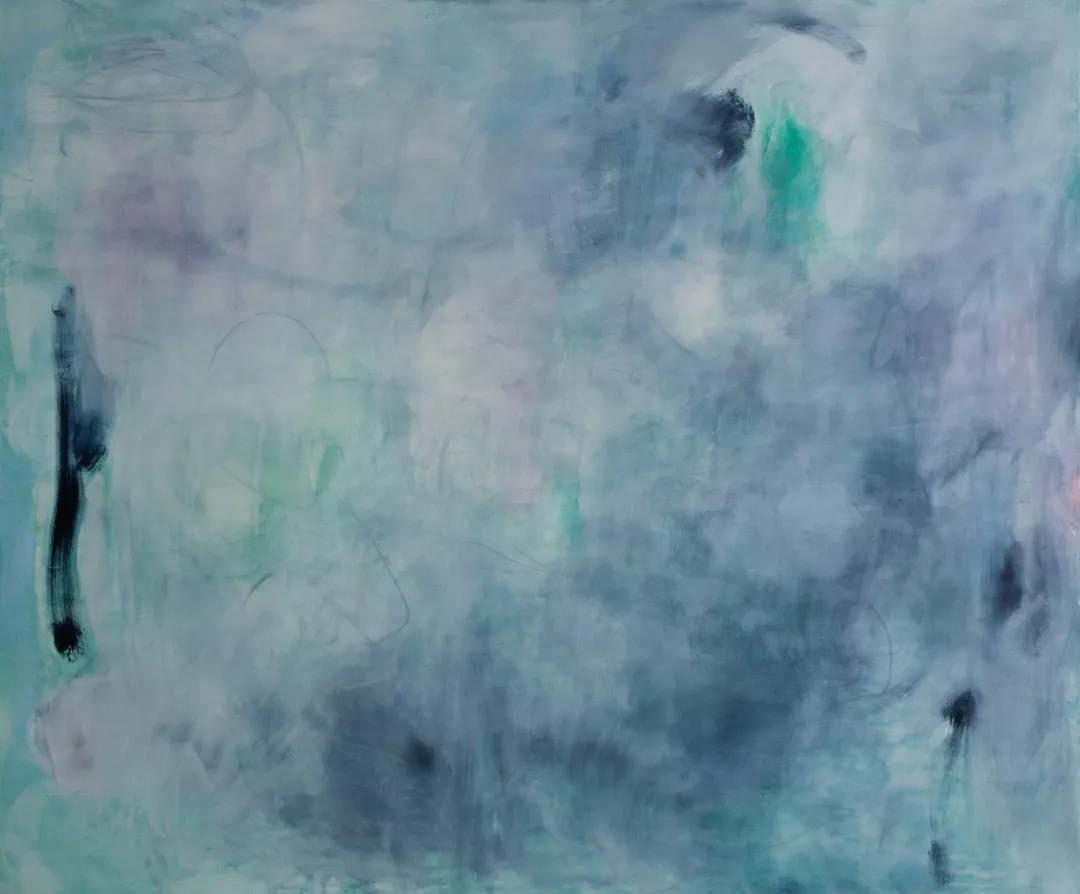
You are the Lightning on the other side 2
60x72 inch oil on canvas 2019
The tragic aesthetics created by Guan Xinran is actually a process of her struggle, reflection, and finally dissolution and acceptance in her life experience. She expresses those feelings and pain through drops of color and brush strokes, but in a gentle and elegant way.
For example, in the works "The Mist", fog stands between the spiritual and the material worlds, preventing us from reaching the truth, becoming an insurmountable obstacle between the saints and the ordinary, and creating unsolvable suffering. At the same time, fog also makes the holy more sacred and makes the other more attractive.
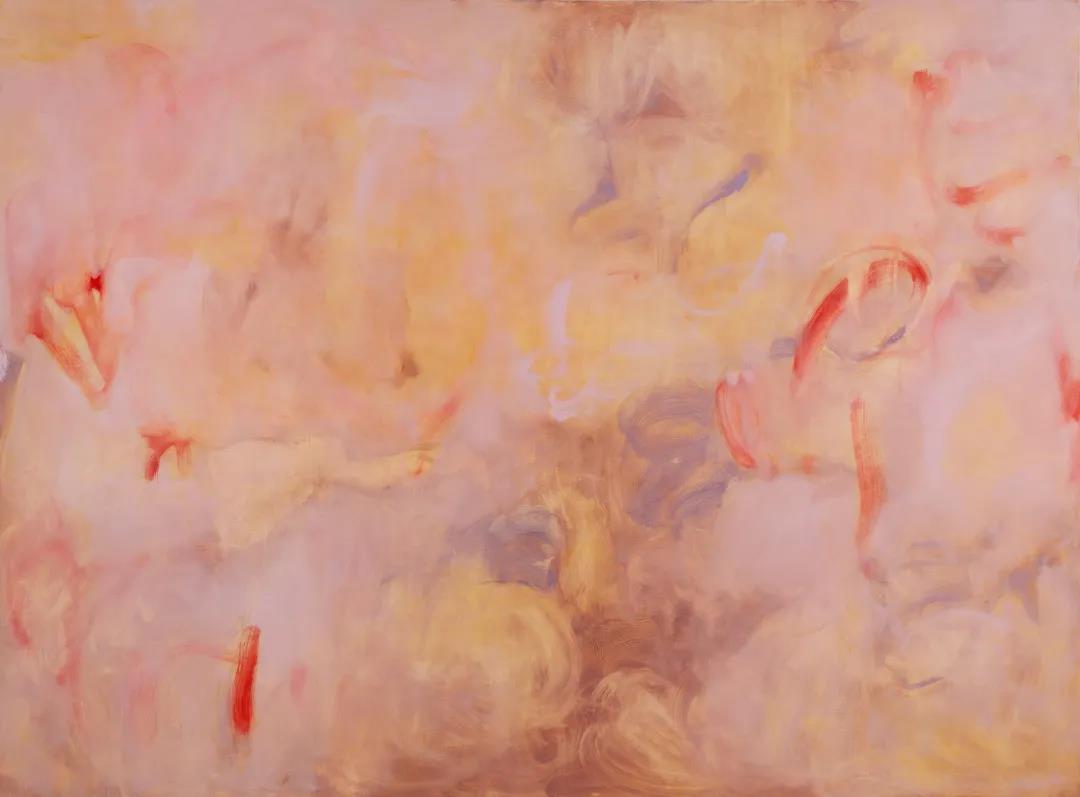
The Mist
72 x 96 inch, oil on canvas, 2019
"Tragedy is never just negative, and it is an integral part of a perfect life, and therefore perfect. Just like laughter and tears always go together, you can't feel the light without knowing the darkness. To me, gentle handling is a determination to accept reality and have the courage to dance with it."
- Guan Xinran
04
Let the World Understand Chinese Culture
Guan hopes to spread Chinese culture in a way that the world can understand. Although the expression form of her paintings is western abstract and non-concrete language, its core is always the soul of China. During her study in the United States, her teacher commented that her paintings were pure and had strong Oriental elements.Both the inner emotion expression of Chinese tragedy in her pictures and the external brushwork expression of writing and spirit are characterized by distinct and implicit Oriental aesthetic thoughts. Guan Xinran is indeed fascinated by Chinese culture. She obtains creative sources from Bada Shanren, Mu Xi, and The Book of Mountains and Seas, and explores in Chinese poetry, constantly making new attempts to her own artistic language.
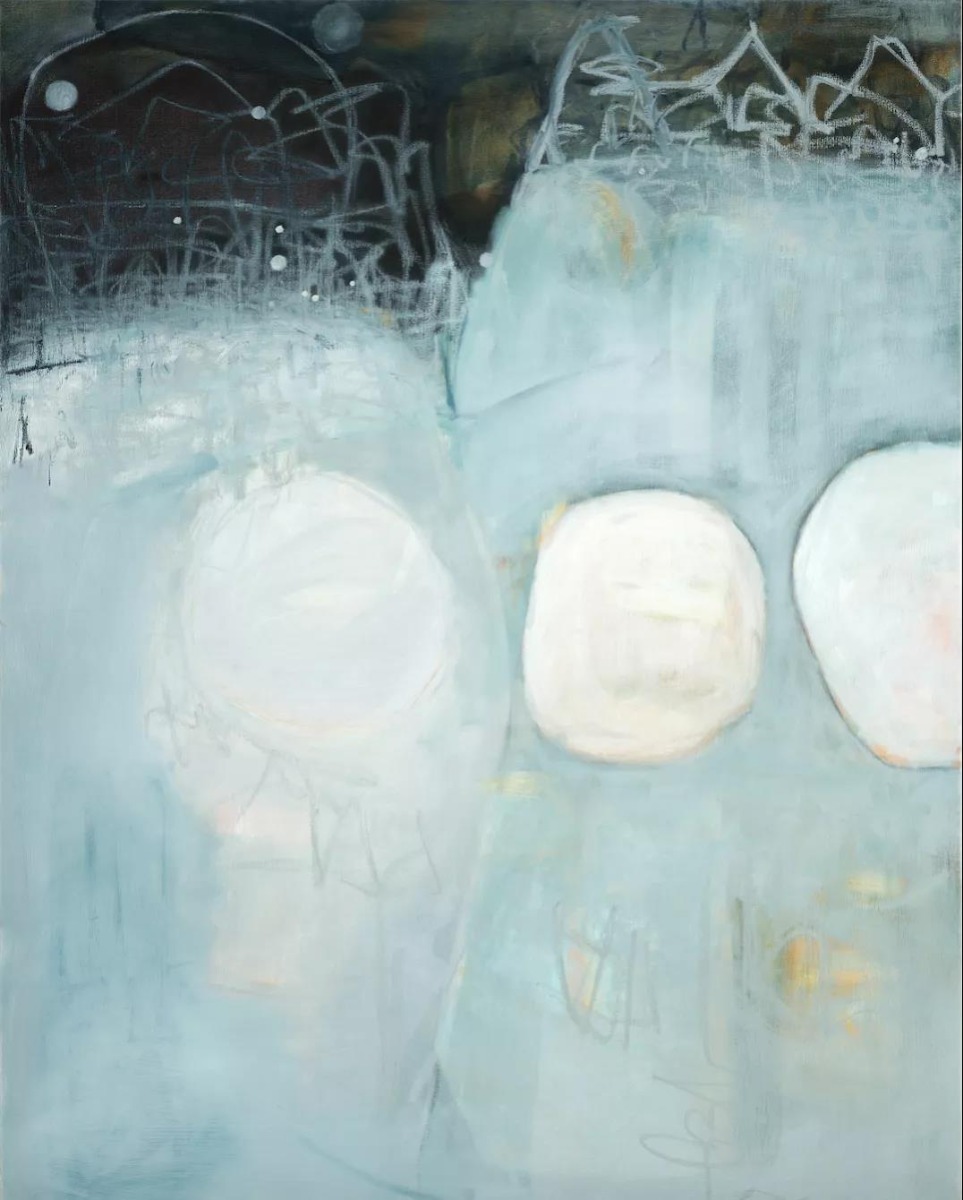
The Emperor of Popsicle
48X60 inch oil on canvas 2017
"Western oil painting is my favorite medium, and I'm good at it, while eastern philosophical and aesthetic thoughts have built my world outlook and ideological basis. I don't want to simply use oil mediums to draw Chinese paintings, nor do I want to combine the two at a superficial level. Although my understanding of Oriental aesthetics is just beginning, I want to create contemporary artworks that use the media techniques of oil painting to express Oriental aesthetic ideas and artistic conception."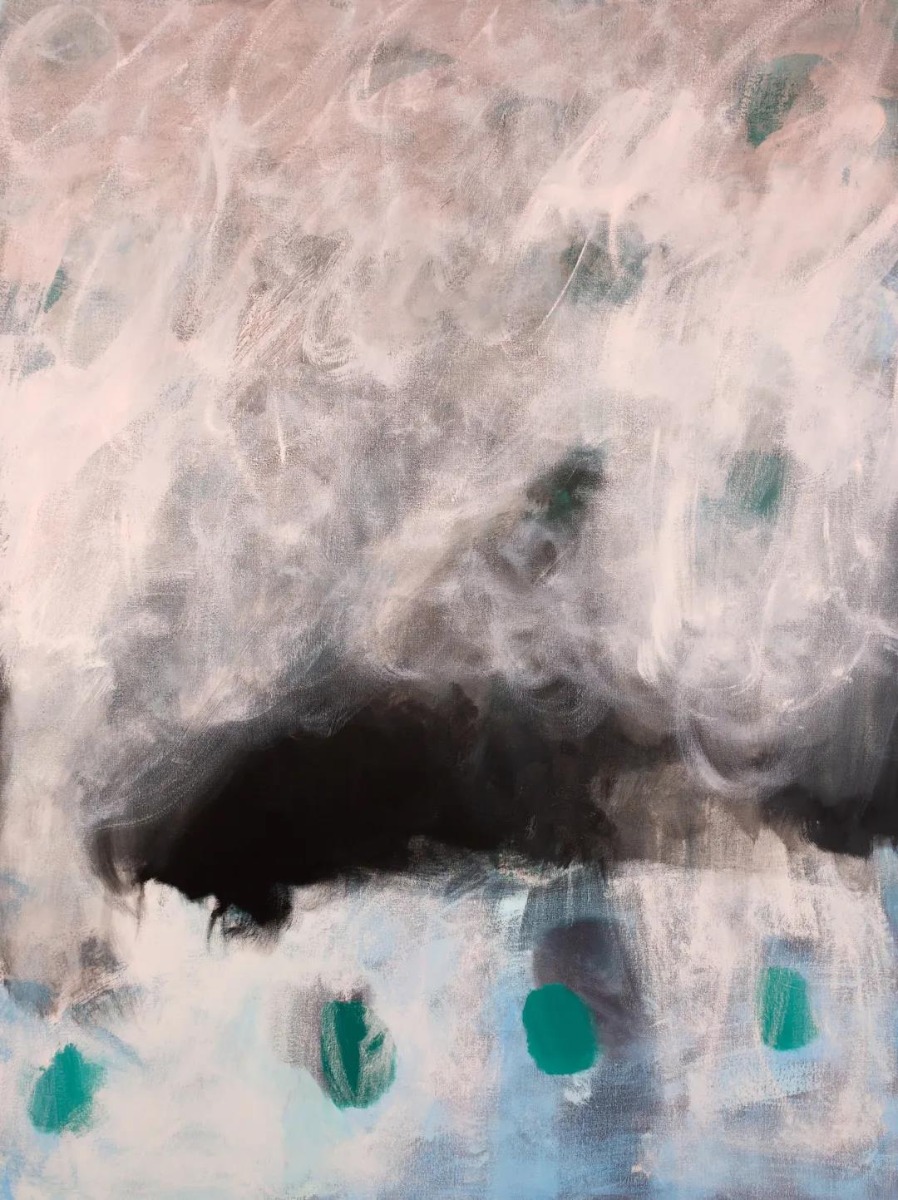
Snow Day
36X48 inch oil on canvas 2019As a young artist from China, Guan Xinran has vivid creativity and talent, as well as a lofty patriotic mission. When interests and feelings are closely aligned, and pursuit and loyalty remain constant, her life is bound to release a brilliant and dazzling light.
05
Enjoy Guan Xinran‘ s Works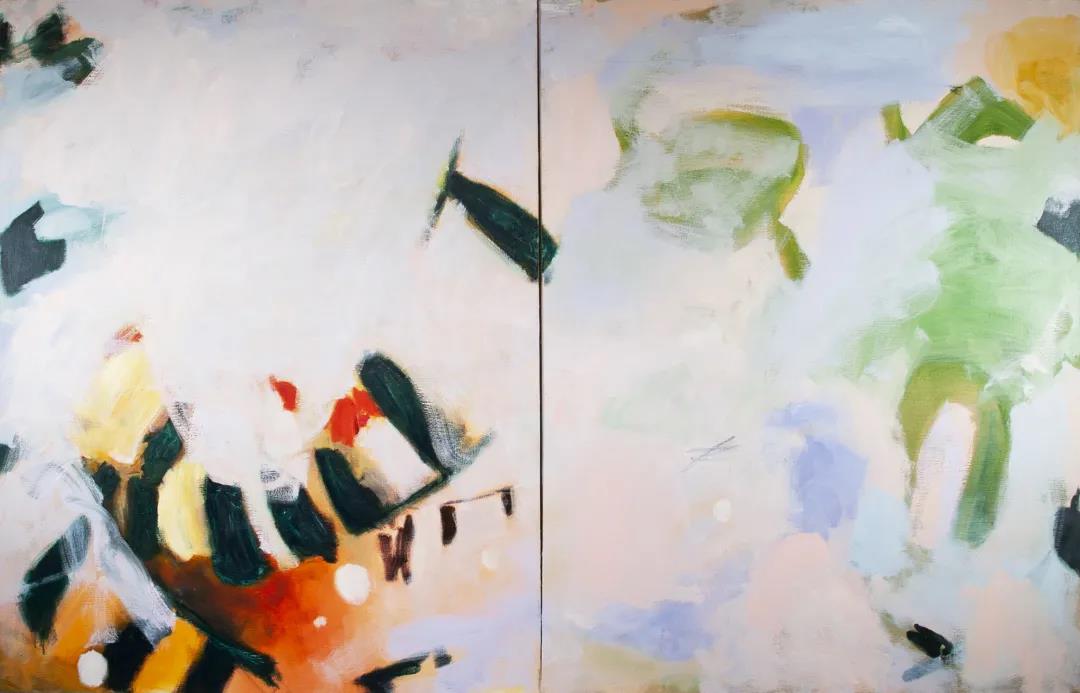
I Celebrate Myself, I Sing Myself
56X88 inches oil on canvas 2018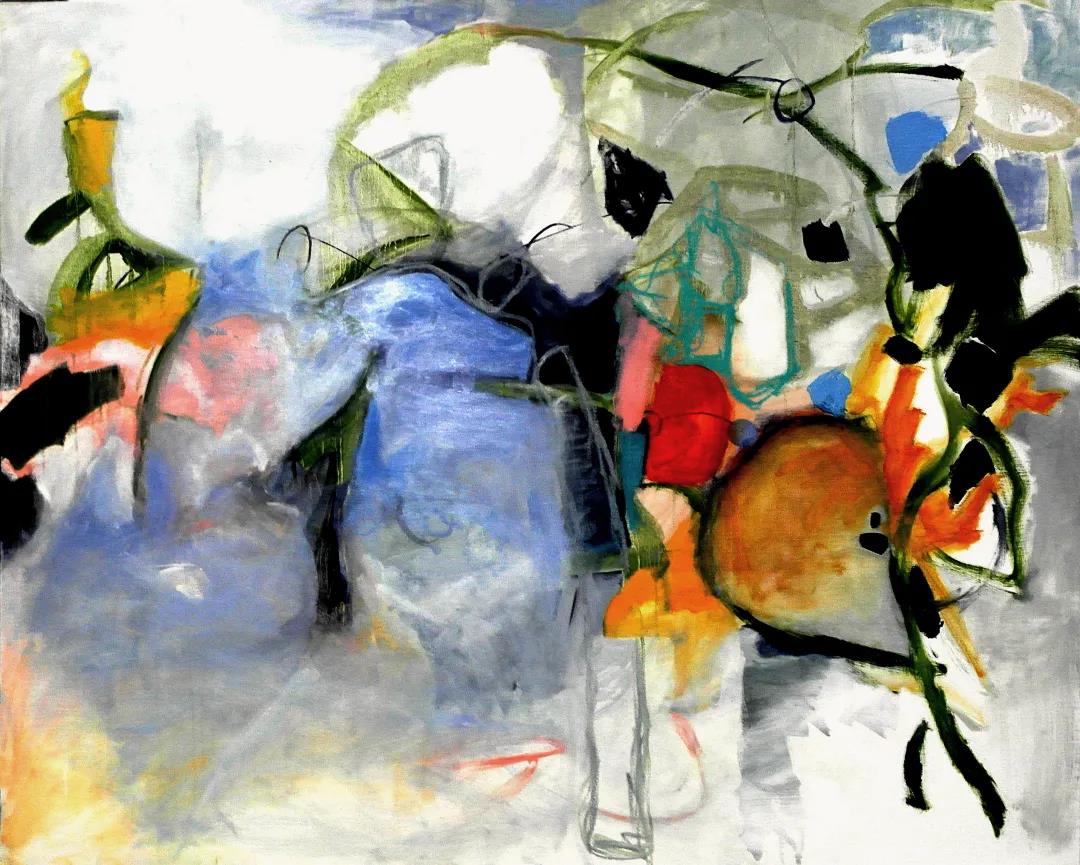
Waiting for the Wind
48X68 inch oil on wood 2016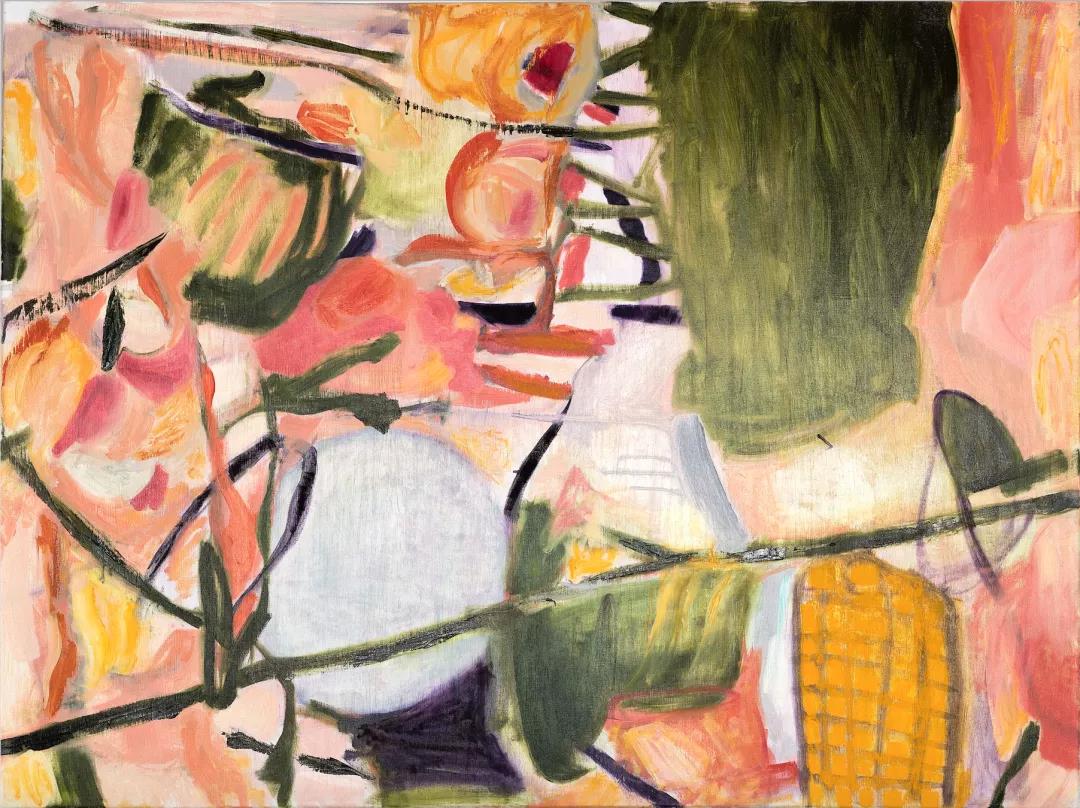
No One Sees Me
36X48 inches 2017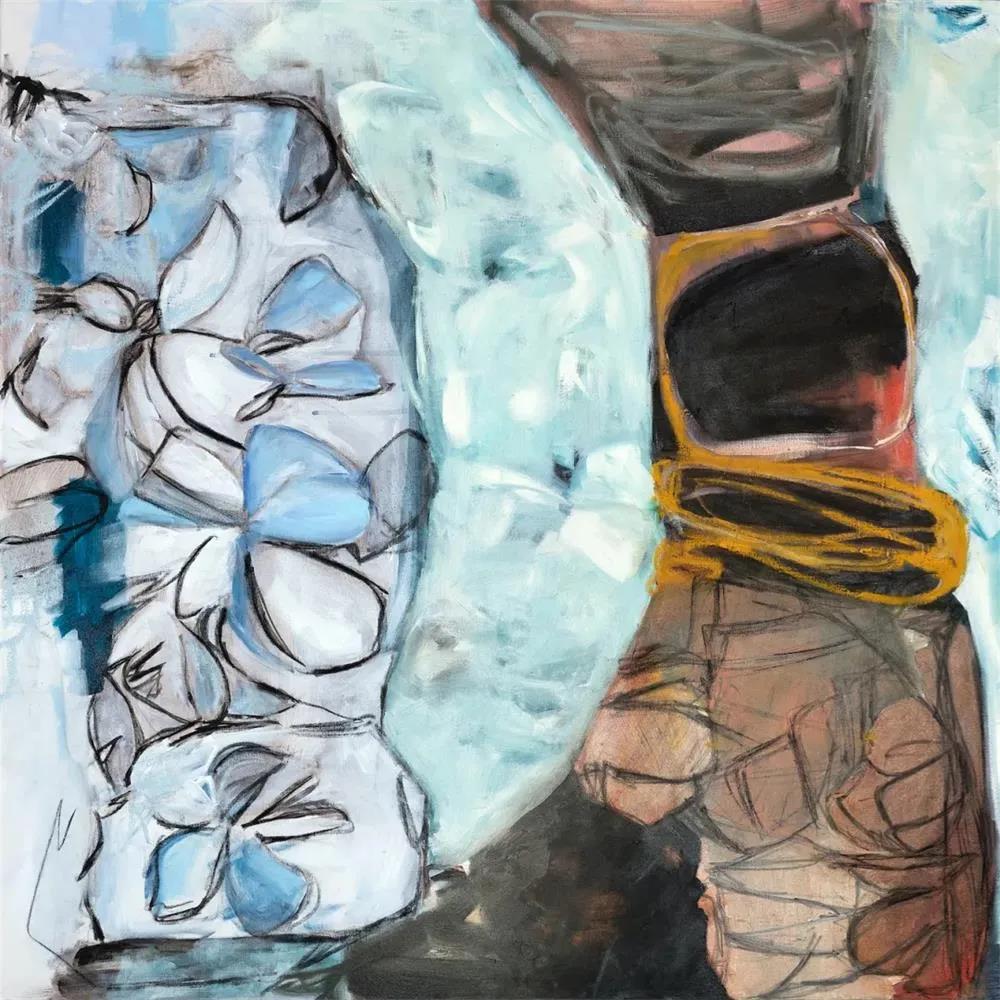
Prelude to Melancholy
36X36cm Oil on canvas 2017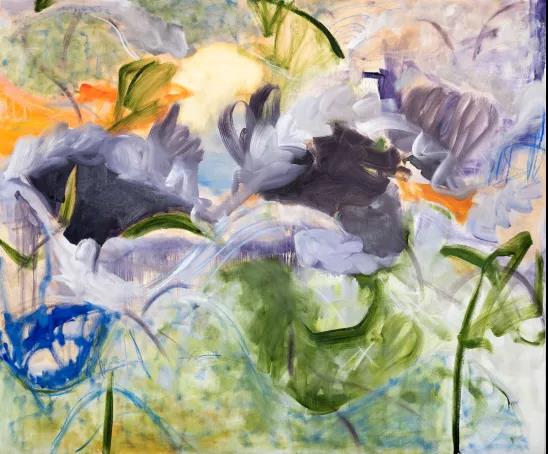
Mountains and Seas i
60x72cm oil on canvas 2018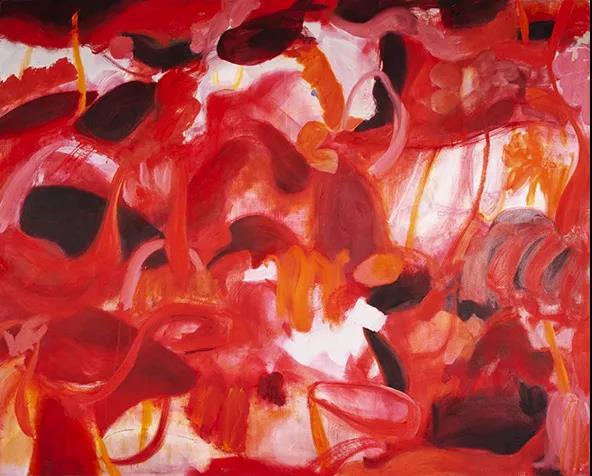
Mountains and Seas ii
48x60cm oil on canvas 2018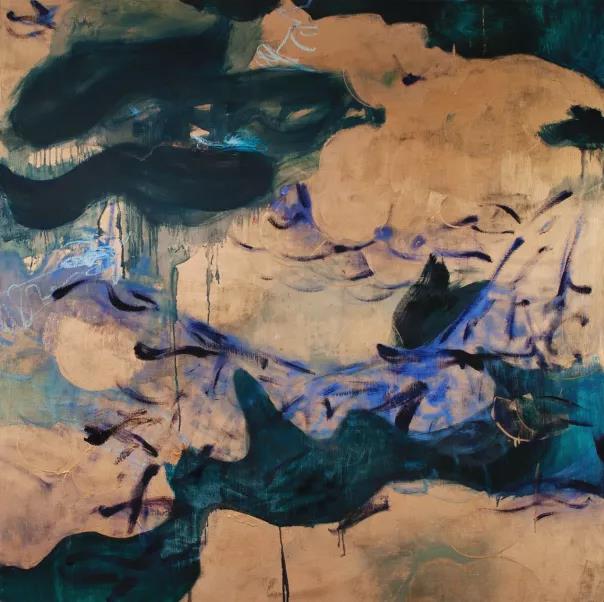
Mountains and Seas iii
48x48cm oil on canvas 2018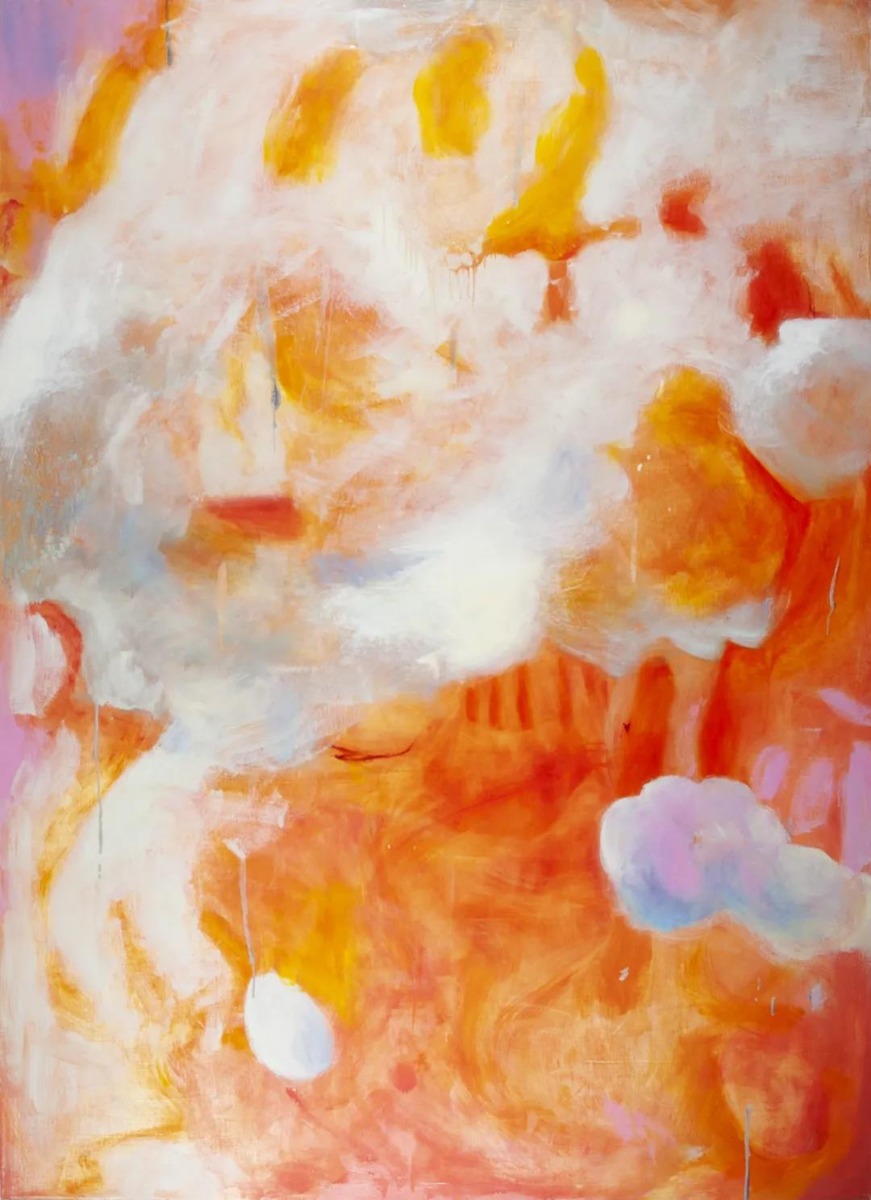
It's So Fluffy, I Could Die!
84x60 inch oil on canvas 2019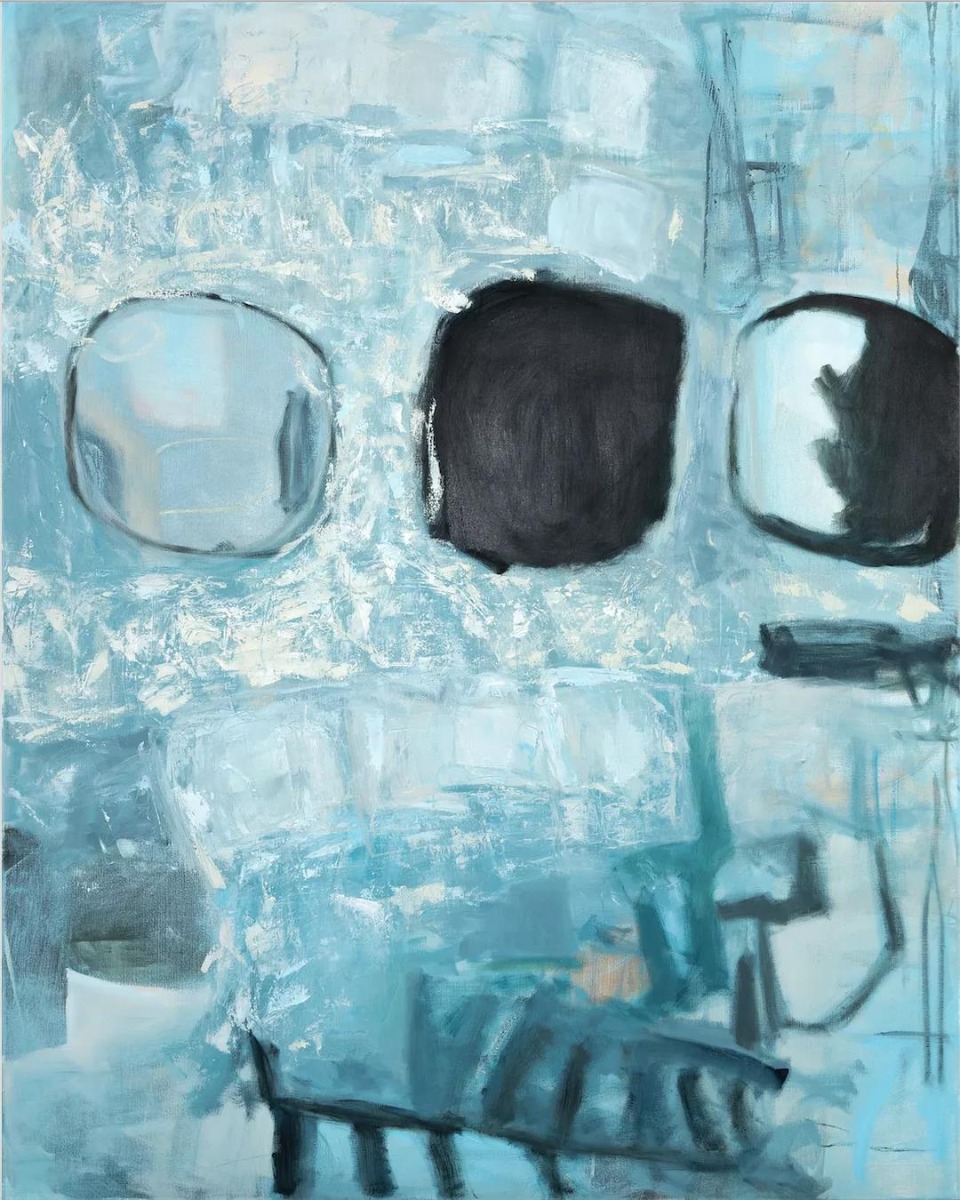
The Raven
48 x 60 inch, oil on canvas, 2017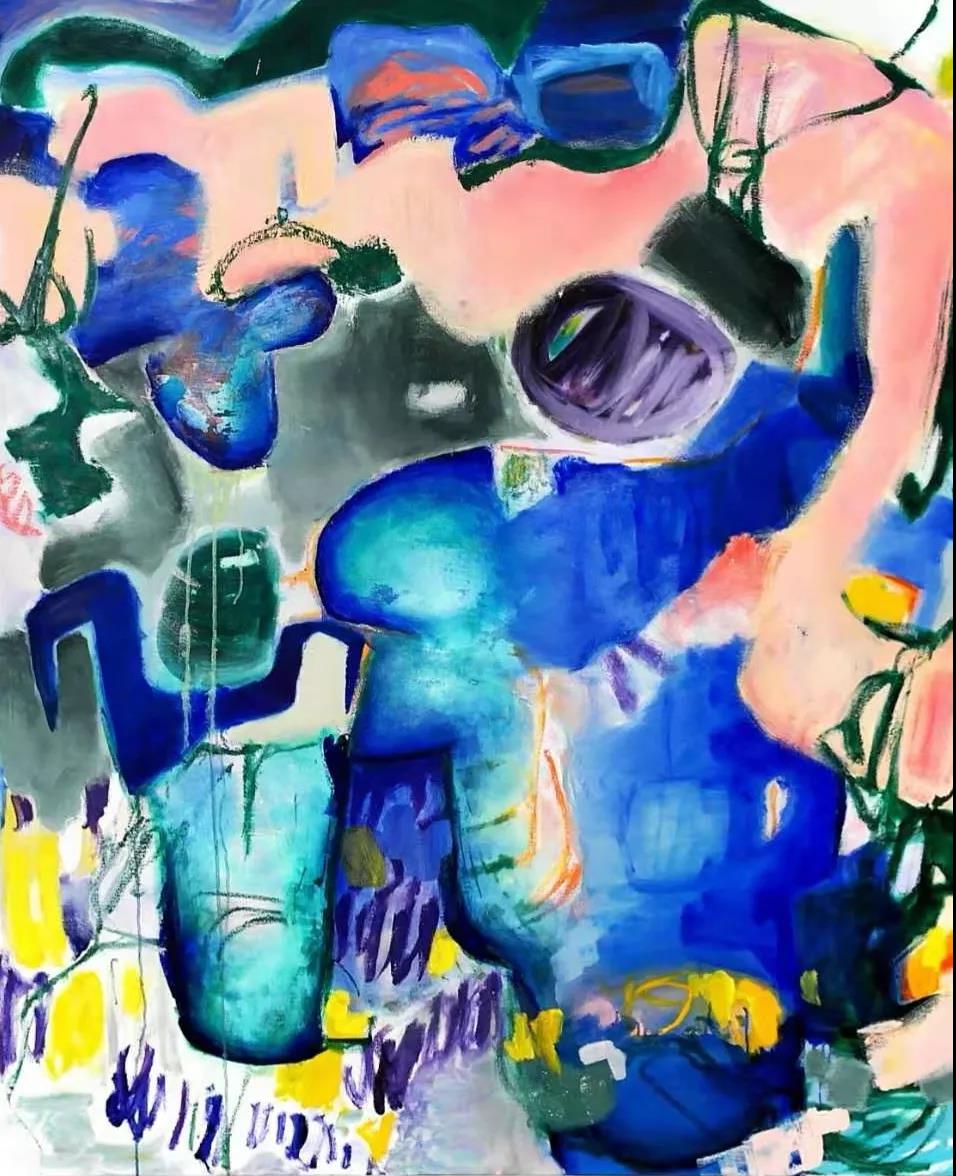
Can You Find Me
48×68 inch, 2016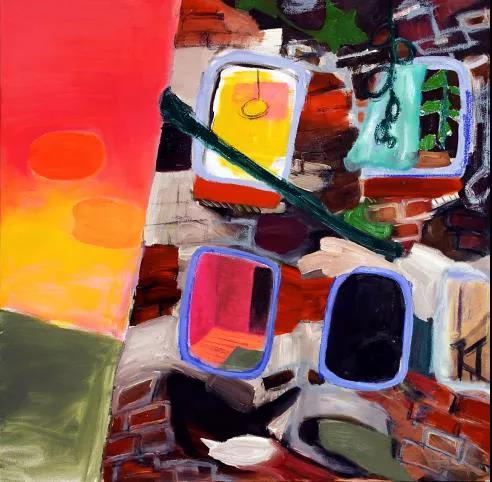
Up is the Direction
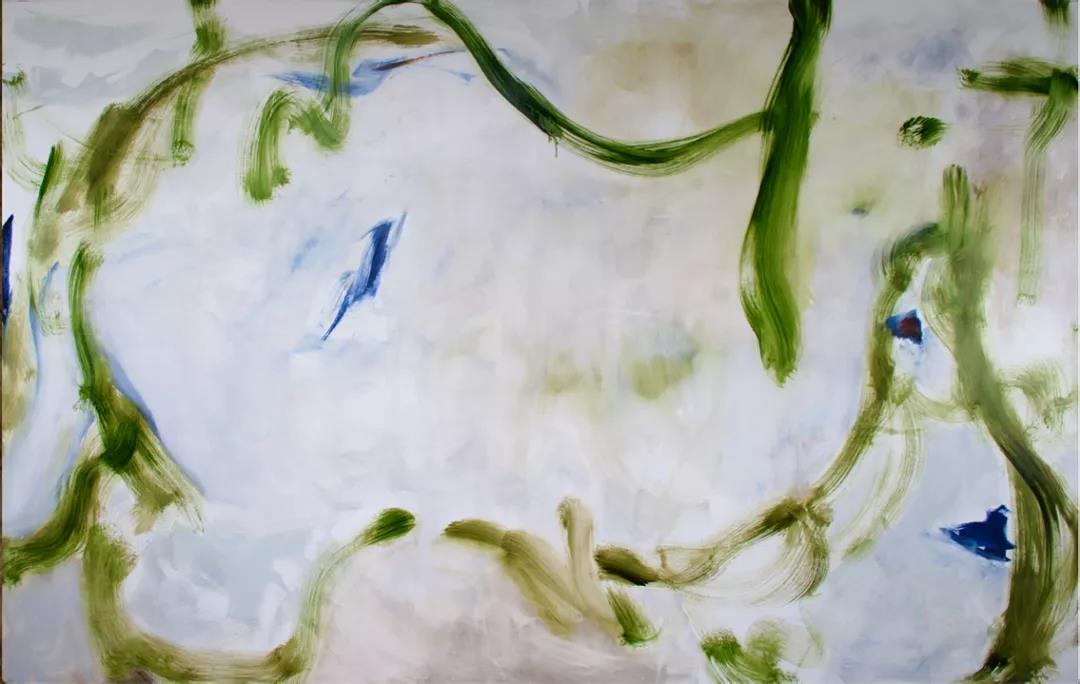
Shall I Compare You to a Summer breeze
60×84 inch, oil on canvas, 2019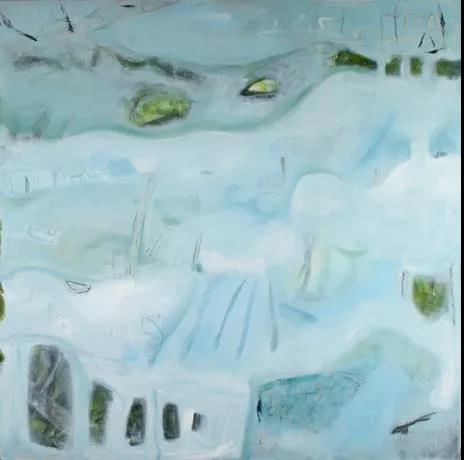
The Keeper
48 x 48 inch, oil on canvas, 2018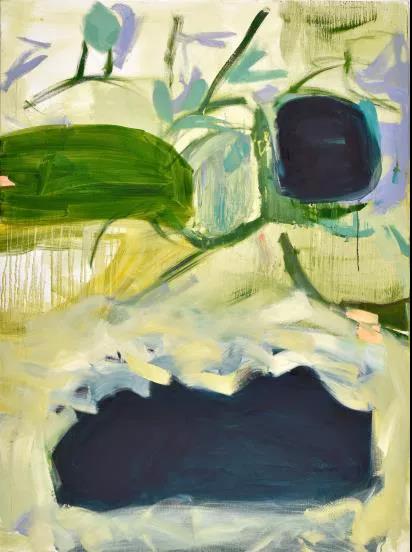
Sink Hole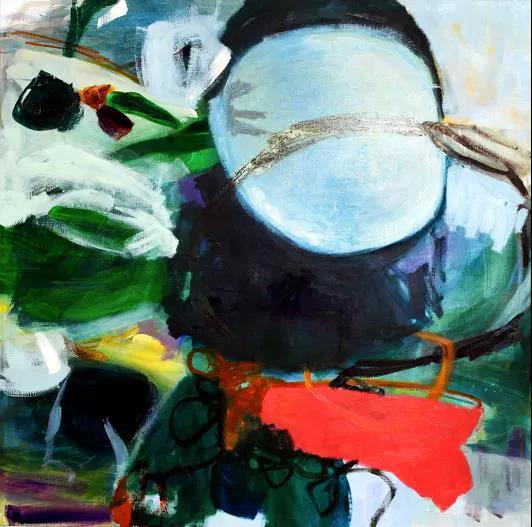
Mid-summer Night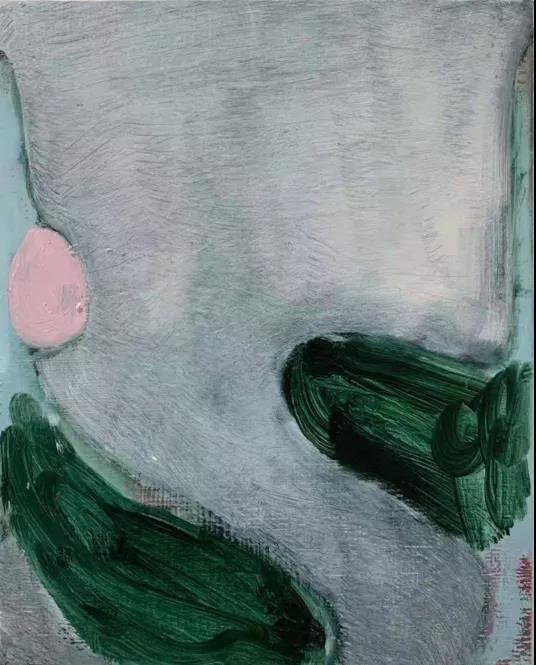
It All Gone
8×10 inch, oil on board, 2019Explore more contemporary oil paintings, welcome to visit SOA Arts for more.
-
Contemporary artists, famous works, and the audiences who flock to them are shaping the modern world of art as we know it today. Some of the best contemporary artists out there continue to redefine our relationship with and attitude towards the world around us.
At SOA Arts, we have a long history of sourcing, curating, and producing world-class art for businesses and individuals. Over the years, we’ve learnt a thing or two about modern art artists and their work.
In this post, we’ll celebrate some of the contemporary names that continue to make waves and inspire generations with their art. Read on to learn more!
Contemporary Artist Definition
So what makes an artist contemporary? Does it have anything to do with the style of work they produce? In this article, we’ve only considered artists who are still working and creating art today.Their pieces are still regularly featured in art galleries worldwide, and their names are well-known to art-lovers in 2021. It is the contemporary artist definition we’re working with here.
It differs from the term ‘modern art’, which most typically refers to art and artists from a specific period – namely the 1860s to the 1970s.
Contemporary Artists’ Famous Works
Right – let’s get into it! The list below contains some of our favorite contemporary artists in 2021.
Fred Clark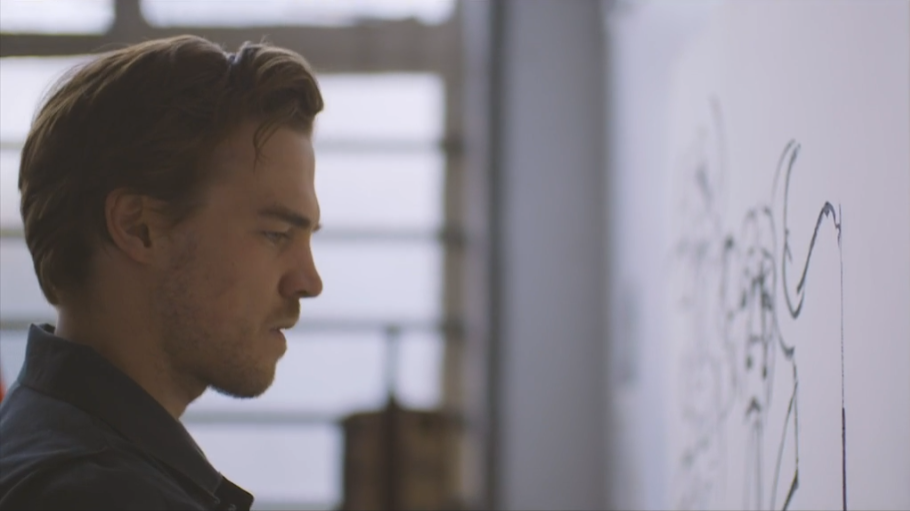
Originally training at the Prince’s Drawing School in 2012, this British contemporary artist lived and worked in London for over 10 years. His work consists of oil paintings, innovative brushstrokes, and captivating metal sculptures.
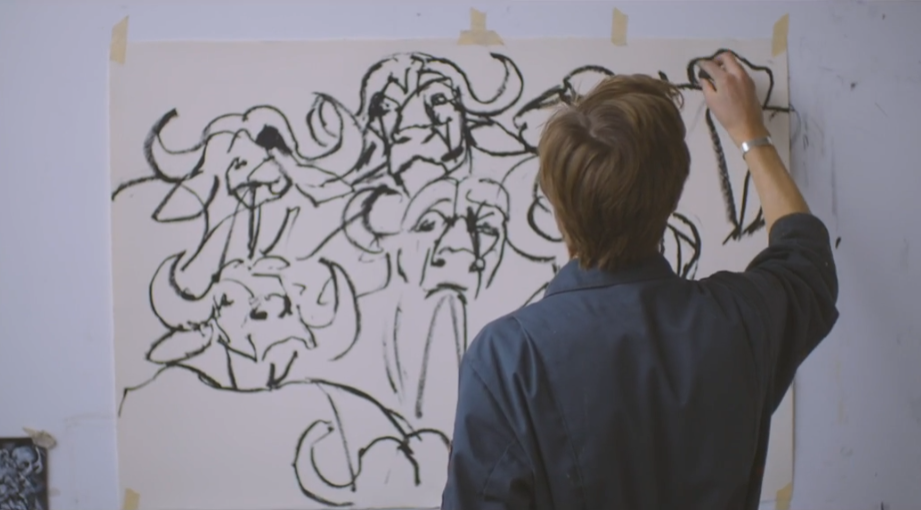
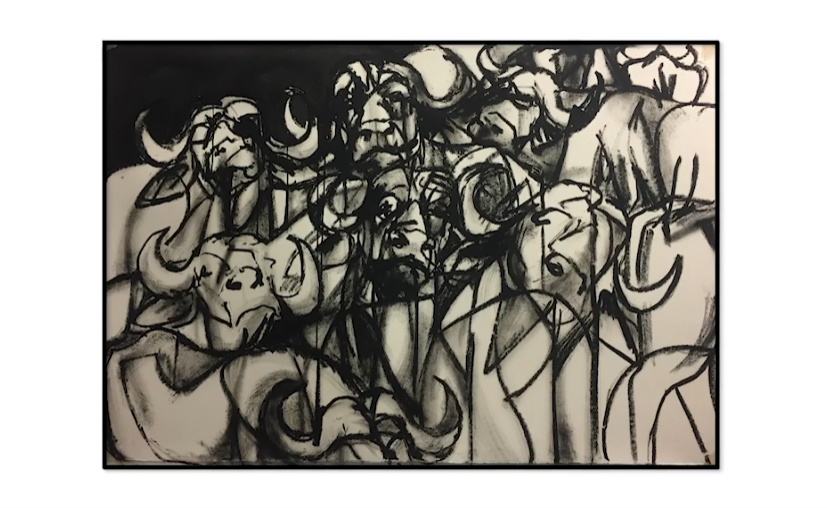
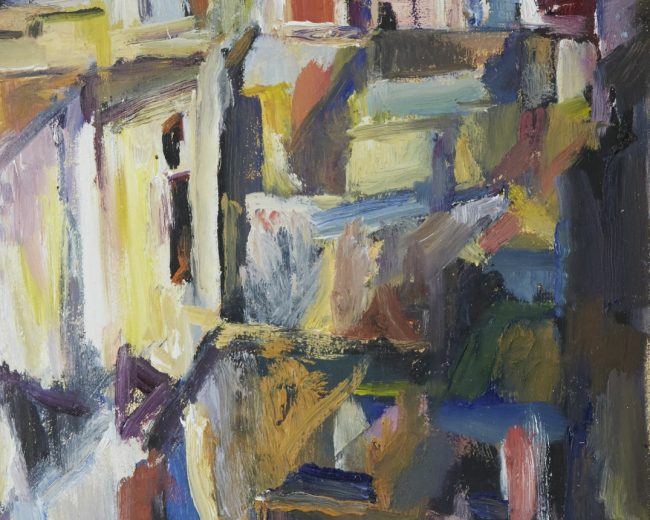
Seville, rooftops, (Photos courtesy of Fred Clark Art)
Images via www.fredclarkart.com
Clark has exhibited work around the world and continues to shake up the world of sculpture and painting in everything he does.
Yayoi Kusama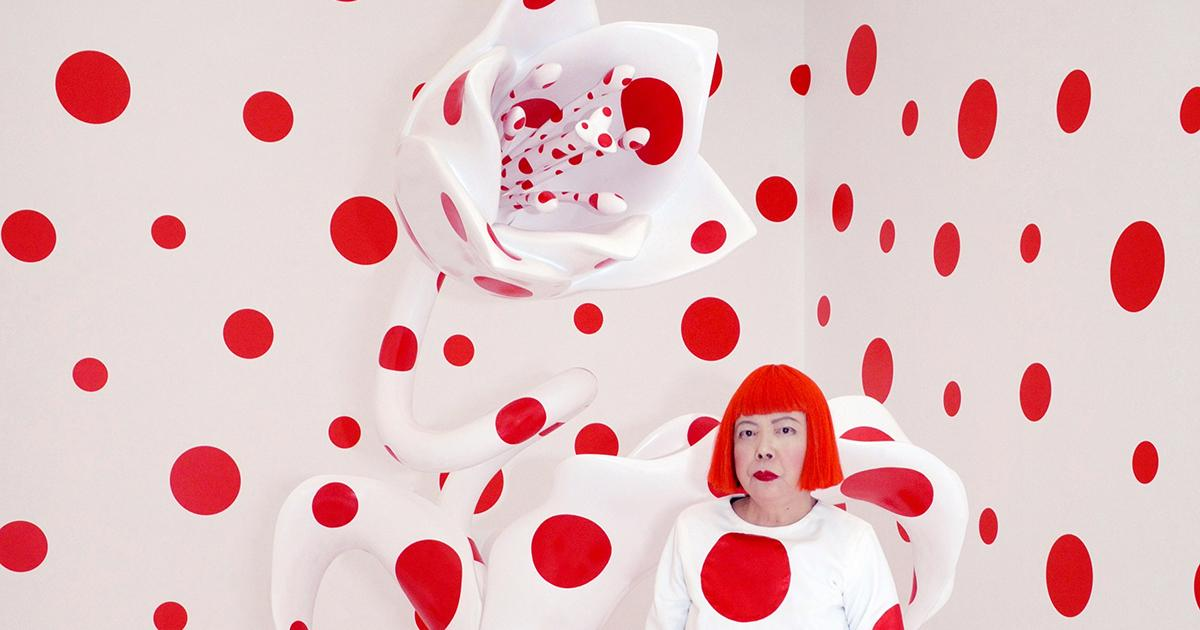 Polka-dots are a signature theme in Yayoi Kusama’s work. The documentary “Kusama: Infinity” explores her career breaking into the white, male-centric world of art. (Photos courtesy of “Kusama: Infinity”) via Street Roots
If you’ve never encountered the work of Yayoi Kusama before, you’re in for a real treat. This contemporary artist produces artworks unlike anything we’ve ever seen. Her paintings, films, and photographs are all exceptional.
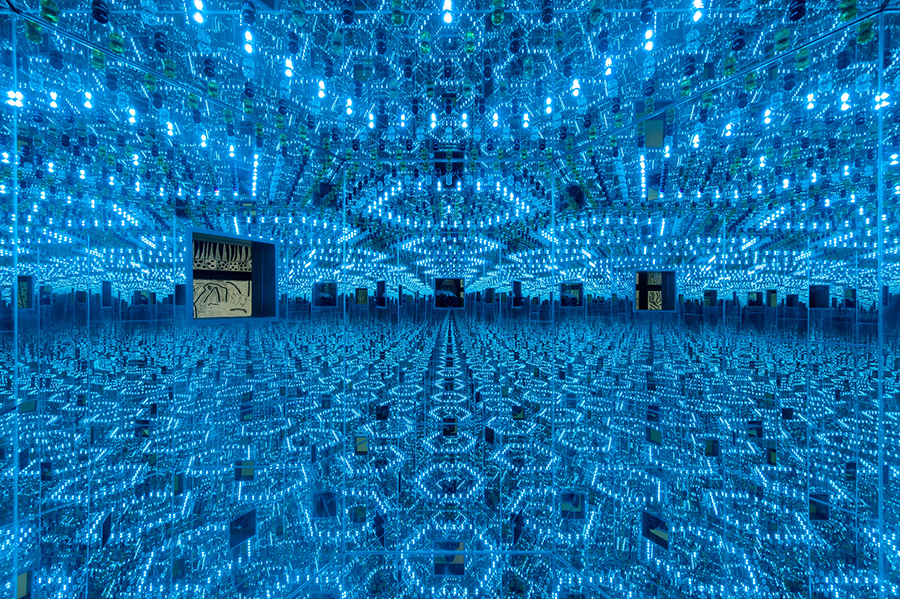
YAYOI KUSAMA, Infinity Mirrored Room-Love Forever, 1994, mirror, metal, electric bulb and wood, 240 × 210 × 205 cm. Courtesy Kaohsiung Museum of Fine Arts, image via ArtAsiaPacific
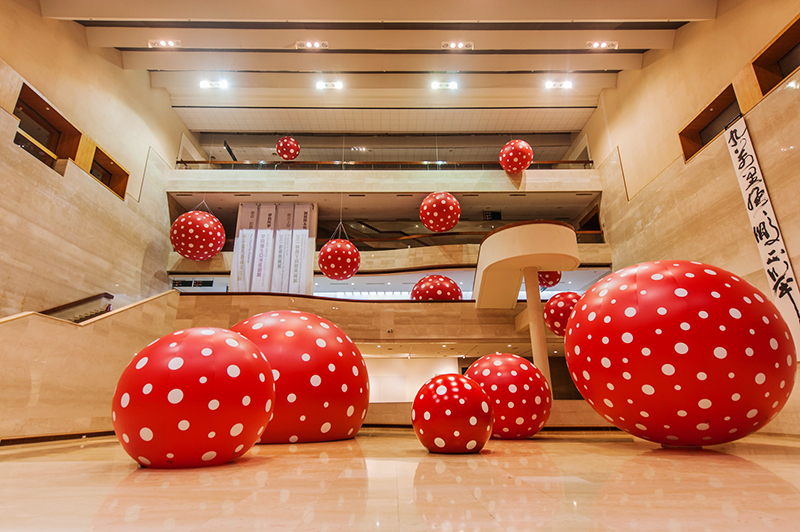
Installation view of YAYOI KUSAMA’s Dots Obsession, 2015, for “A Dream I Dreamed” at Kaohsiung Museum of Fine Arts. Courtesy Kaohsiung Museum of Fine Arts, image via ArtAsiaPacific
What really captivates our attention, however, are her ‘infinity room’ installations that make use of mirrored walls, water, and lighting fixtures. This artist’s work explores her experience of living as a Japanese person in America and several other engaging themes.
Jenny Saville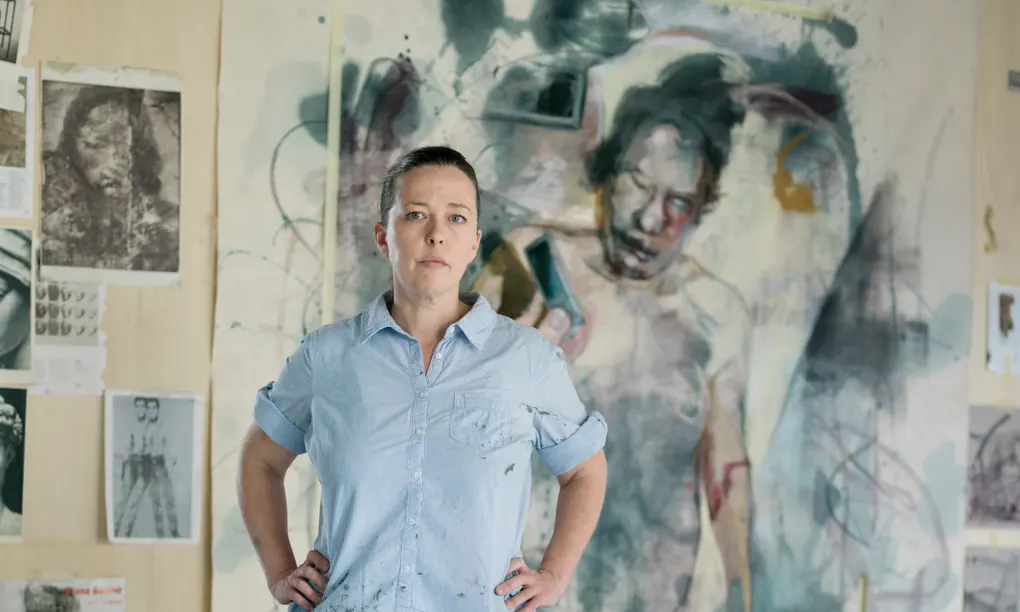
‘I feel like I’ve just started’ … Jenny Saville in her Oxford studio. Photograph: Pal Hansen for the Observer, image via www.theguardian.com
This incredible artist explores notions of bodily perception and the human form. She’s probably most well-known for her huge oil paintings of female figures. These paintings go beyond classical depictions of the naked form and challenge the growing orthodoxy of modern abstraction techniques.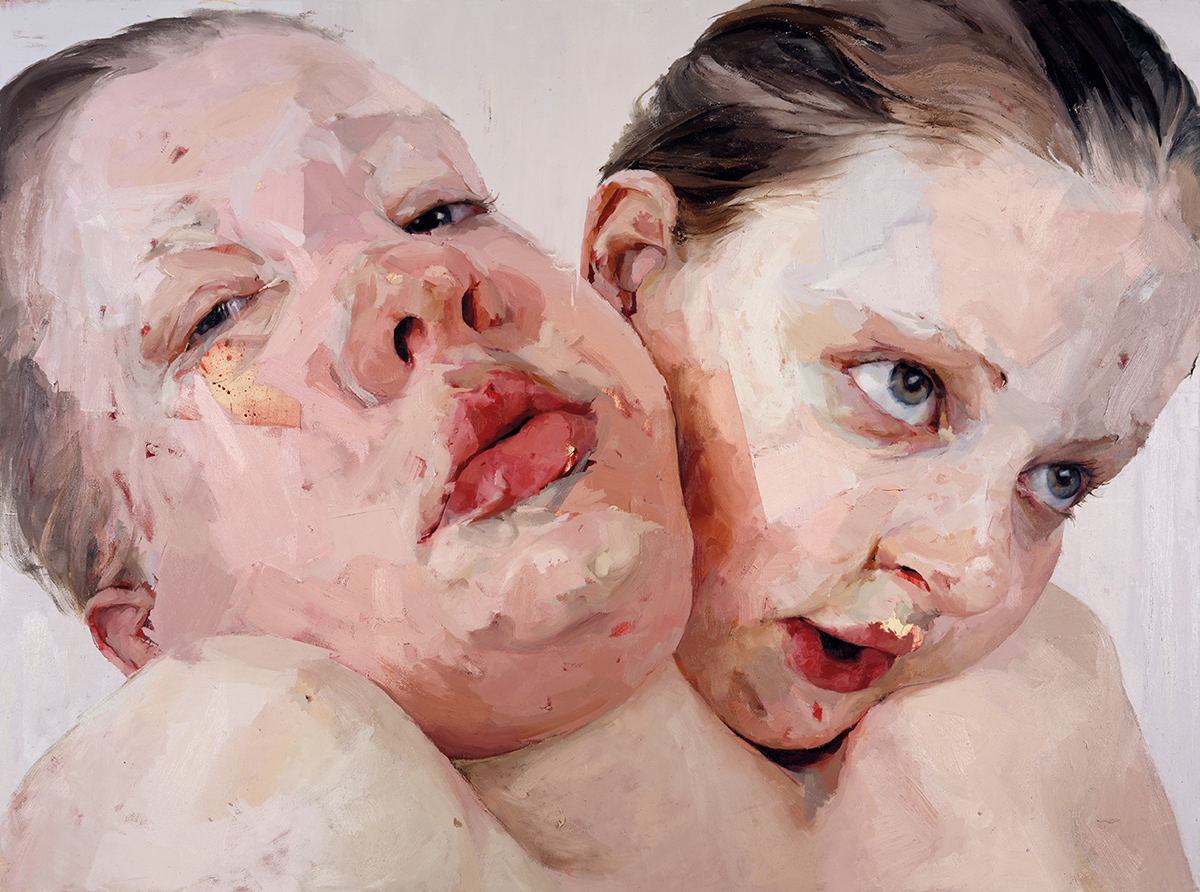
Hyphen, 1999, oil on canvas, 108 x 144 inches (274.3 x 365.8 cm) Artwork © Jenny Saville, courtesy Gagosian, image via www.americamagazine.org
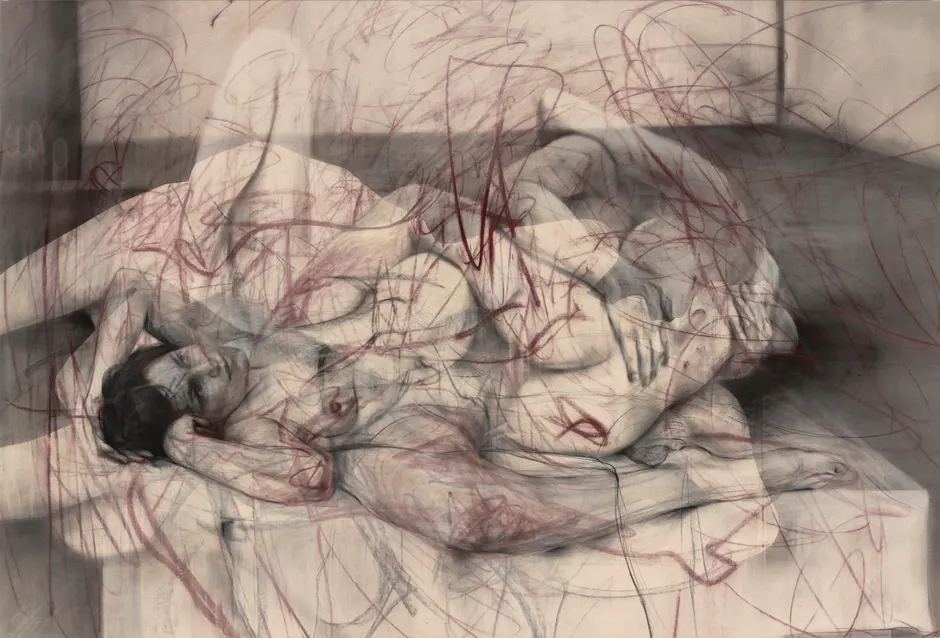
One Out of Two (Symposium), 2016, by Jenny Saville. Photograph: Mike Bruce/courtesy the artist and Gagosian Gallery, image via www.americamagazine.org
Fragility, resilience, and humanity are all explored through human flesh. Jenny Saville’s work may not be for the faint of heart, but it’s unlikely to be forgotten any time soon.
Antony Gormley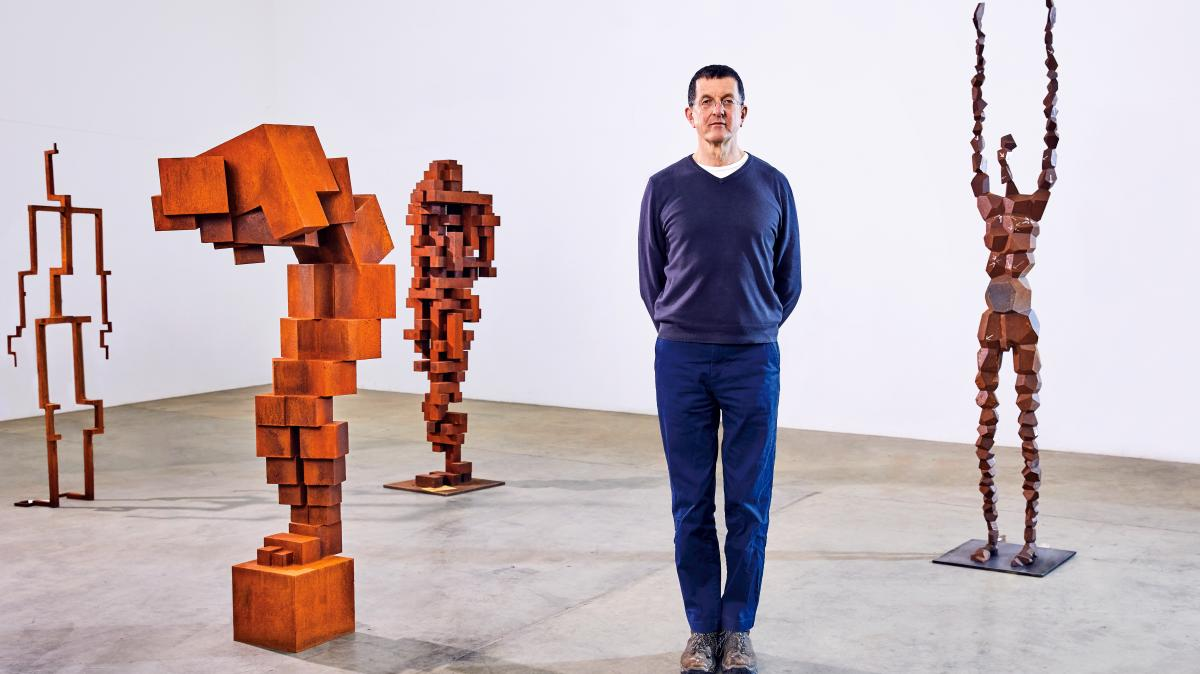 Antony Gormley photographed at his studio in King’s Cross, LondonROBERT WILSONimage via www.thetimes.co.uk
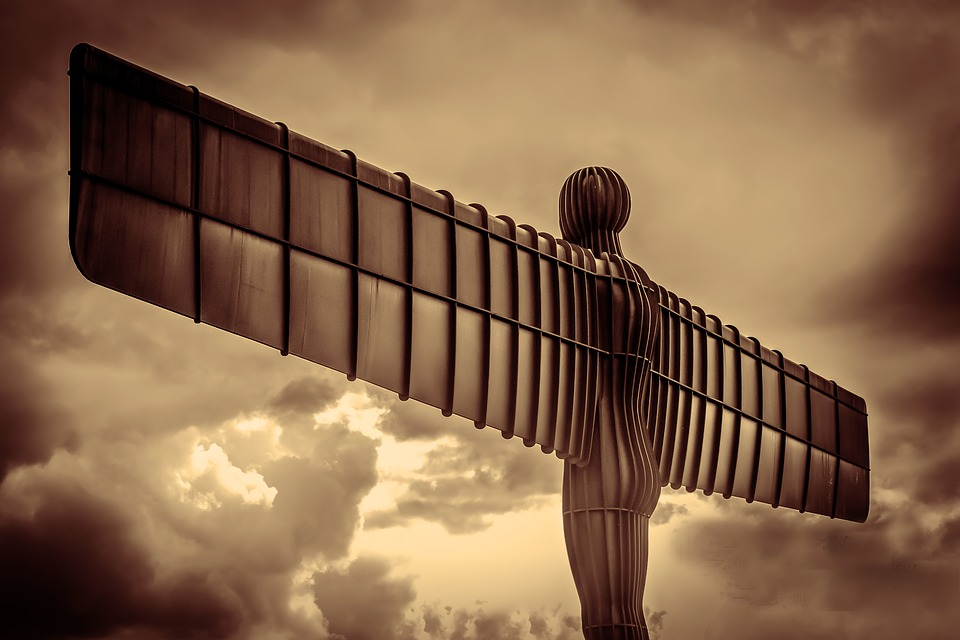
This incredible artist gained notoriety for his striking metal sculptures, producing drawings and other paper-based works. From the imposing 20-meter-tall structure known as the Angel of the North to his otherworldly humanoid figures, Gormley’s work is recognized and celebrated both in the UK and abroad.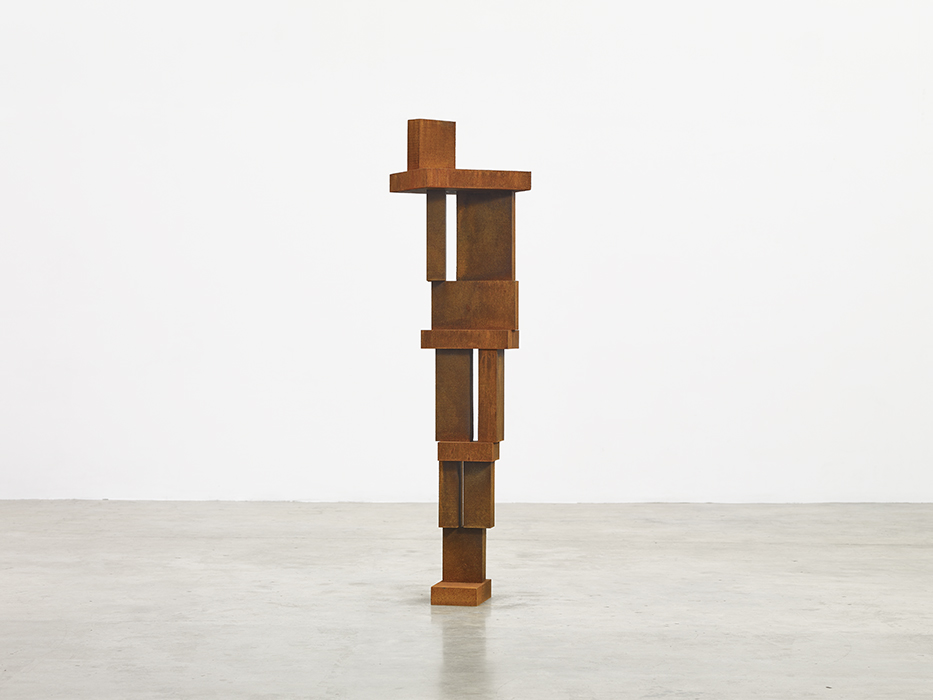
SHELVE, 2020, image via antonygormley.com
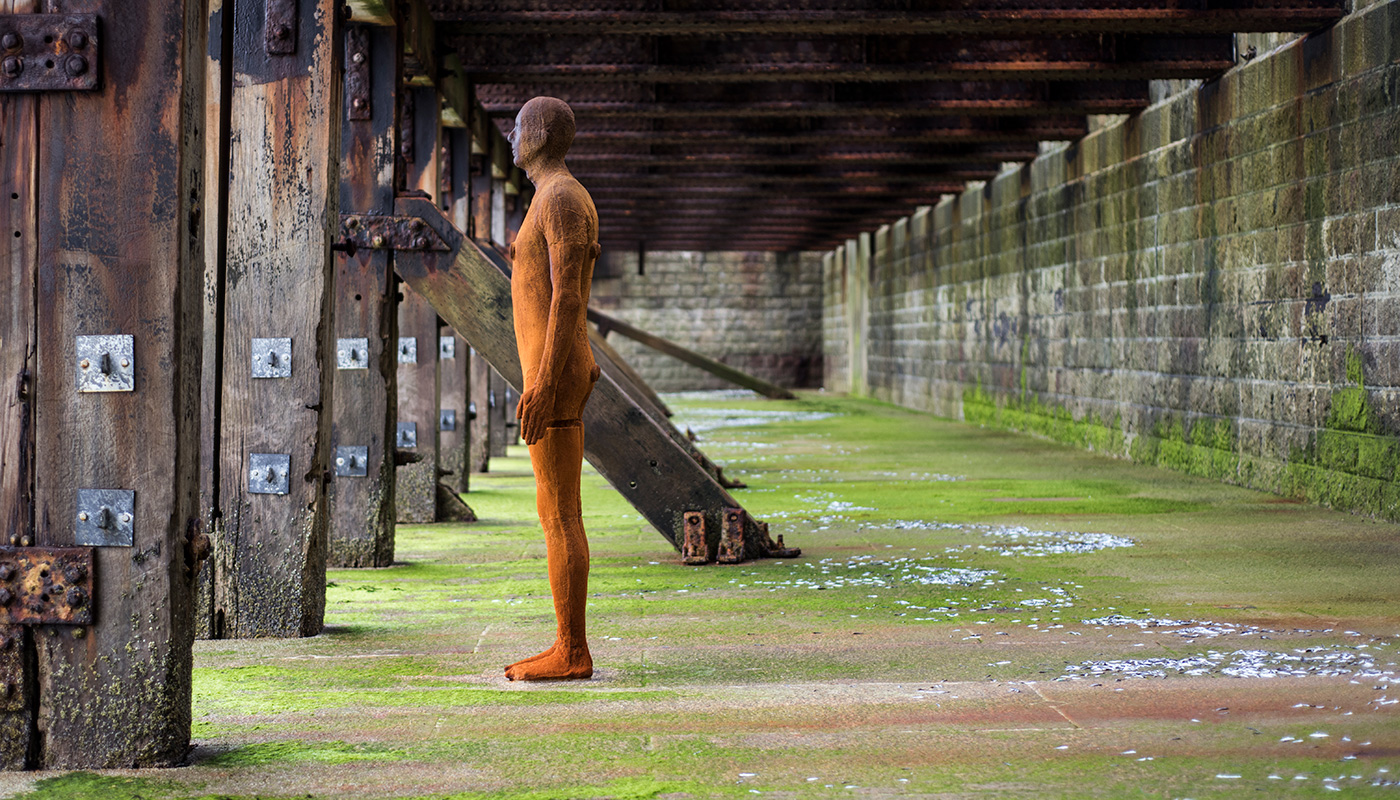
Antony Gormley, Another Time XVIII 2013 (Loading Bay), Another Time XXI 2013 (Coronation Parade), commissioned by the Creative Foundation for Folkestone Triennial 2017. Image by Thierry Bal.
In recent years, his sculptures and drawings have found homes in England, Spain, Germany, France, the United States, and beyond. It’s hard to imagine the contemporary art world without this man’s influence.
Get in Touch Today
Looking for world-class art for your hotel, business, or personal collection? We’ve got over 10 year’s experience in sourcing, creating, and producing art for practically any occasion. Our Chinese art factory has everything you need to get started.
Whether you’re wondering where to begin or know exactly what you’re looking for, get in touch today, and a member of our team will be more than happy to help.
For high-quality wholesale art – think SOA Arts.
-
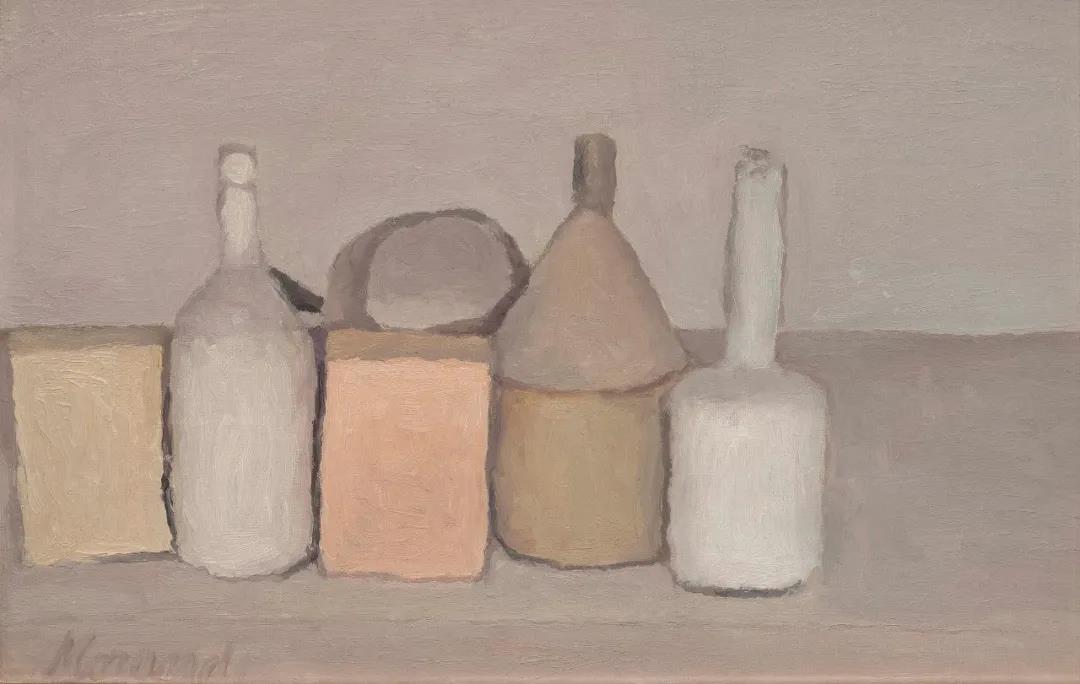
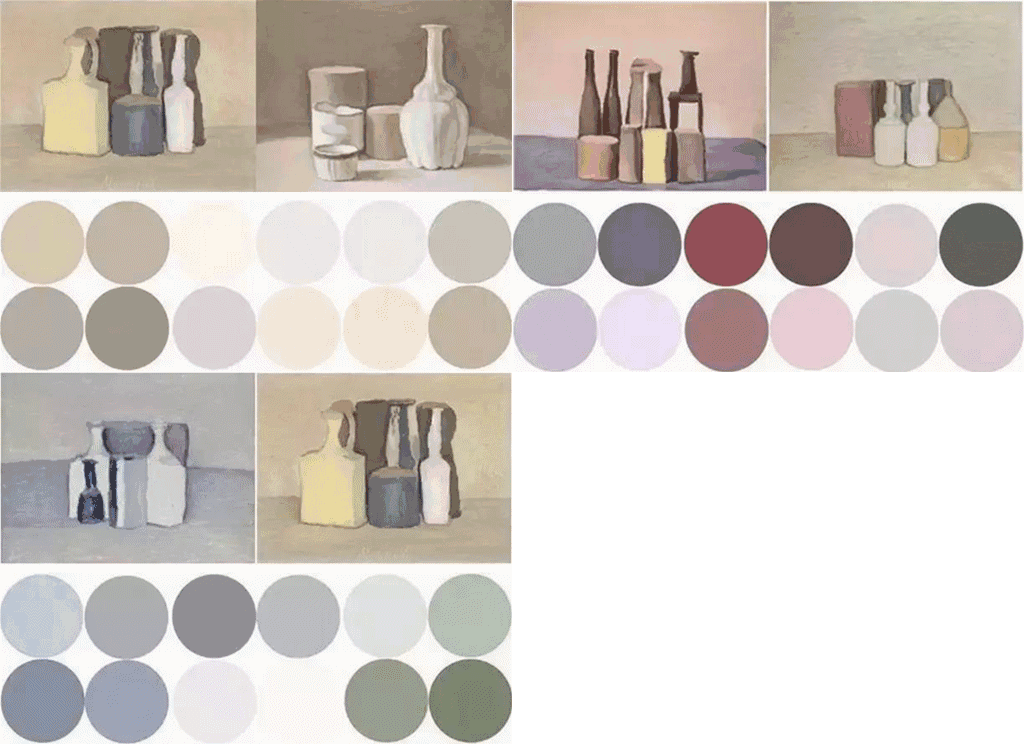
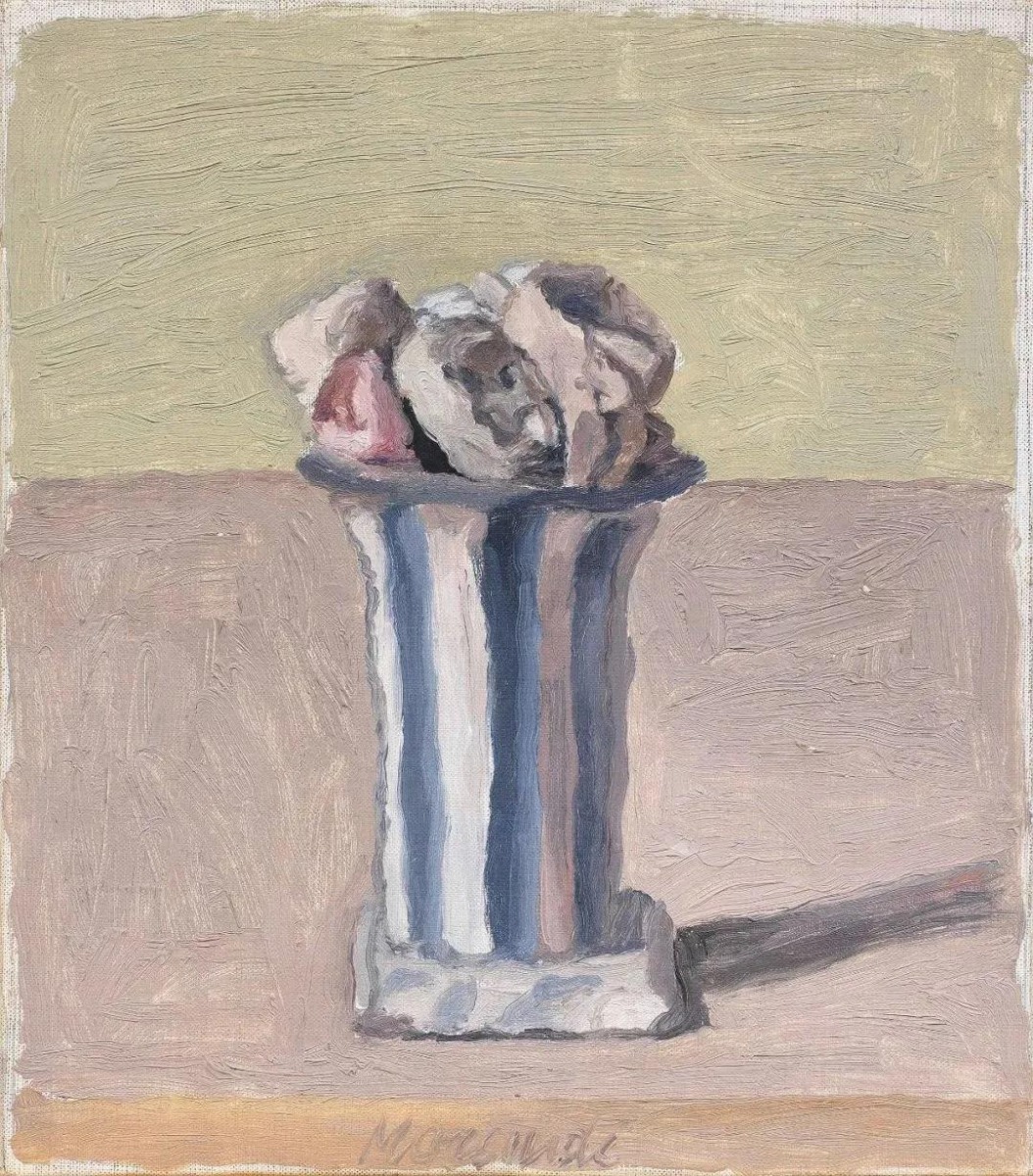
Still anybody who doesn't know Morandi's color palette? His color palette seemed to become synonymous with high aesthetics overnight. He has a Buddha-like attitude towards life and wants to escape the outside world. In today's world, it feels just like us. We had to stay at home, but he chose to cut socialize.
Giorgio Morandi
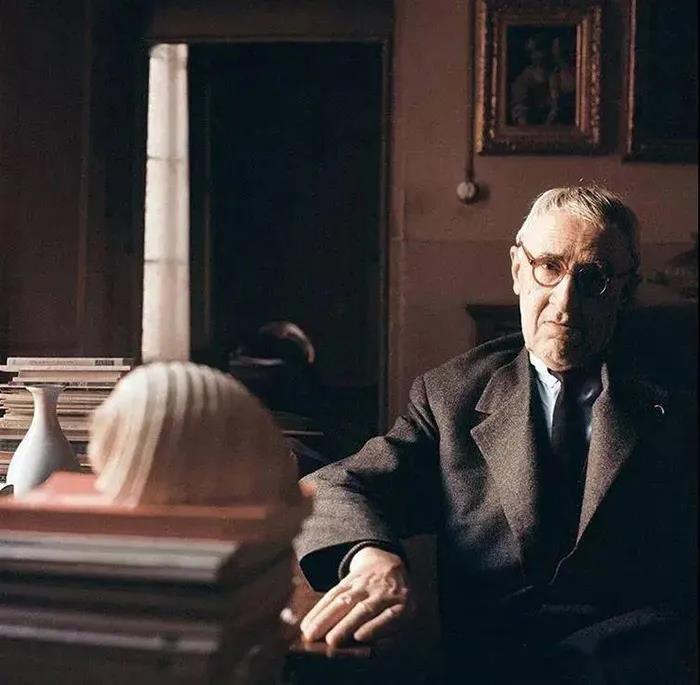
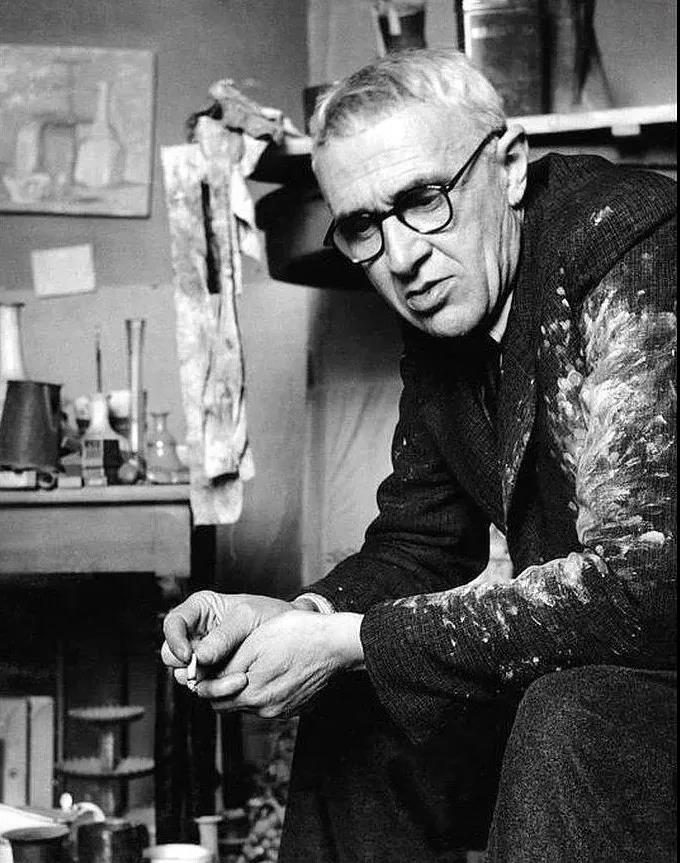
Giorgio Morandi (July 20, 1890 – June 18, 1964) was an Italian painter and printmaker who specialized in still life.
Giorgio Morandi' Life
Giorgio Morandi spent most of his life in Bologna, in northern Italy. It is home to the oldest University in Europe, the University of Bologna, established during the Middle Ages. At the same time, at the end of the Renaissance, the three Karachi brothers founded the earliest European Academy of Fine Arts in the same place -- Accademia di Belle Arti di Bologna [Academy of Fine Arts of Bologna].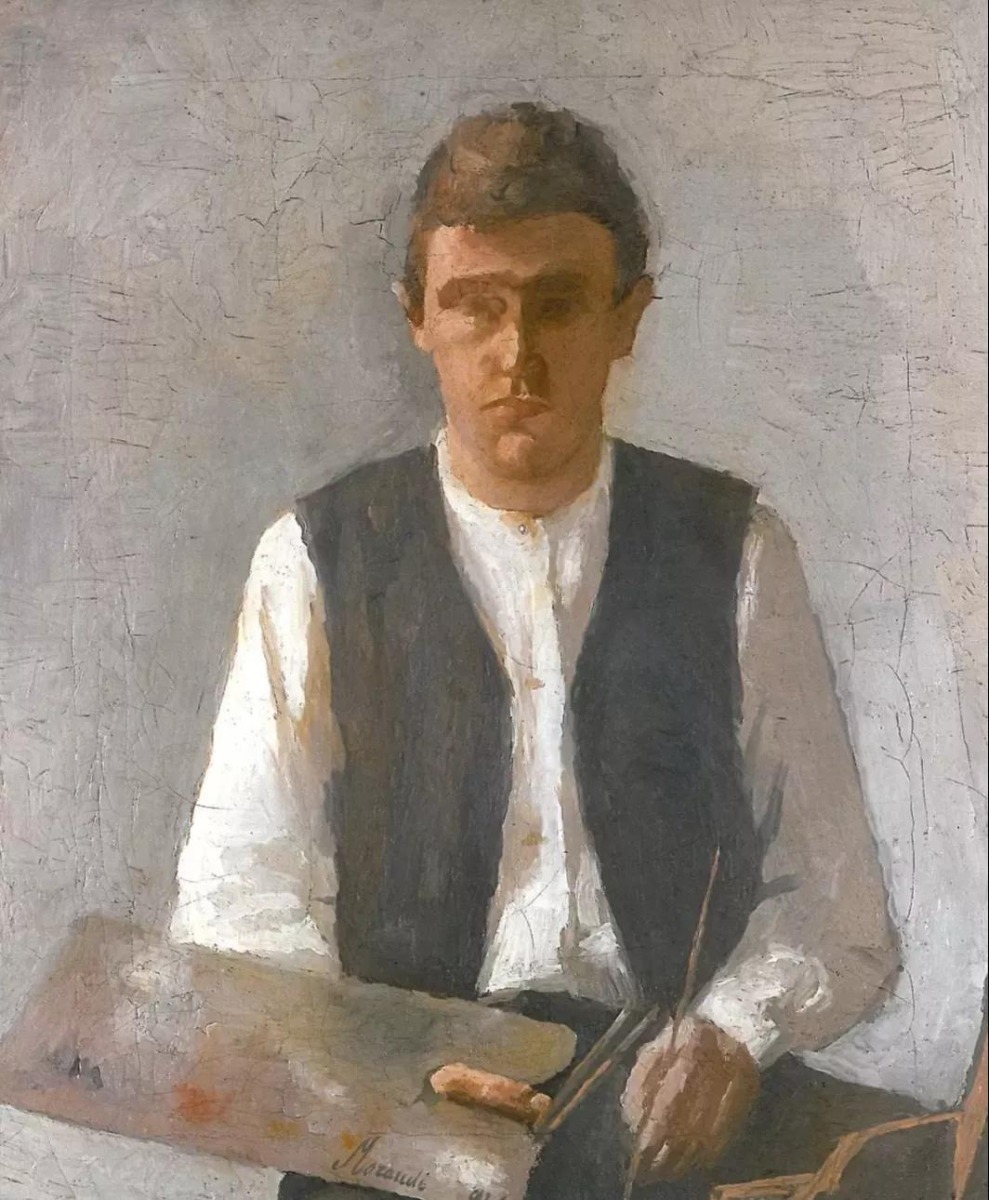
Self-portrait
Giorgio Morandi studied at this school and became a teacher there at his 40, teaching etchings.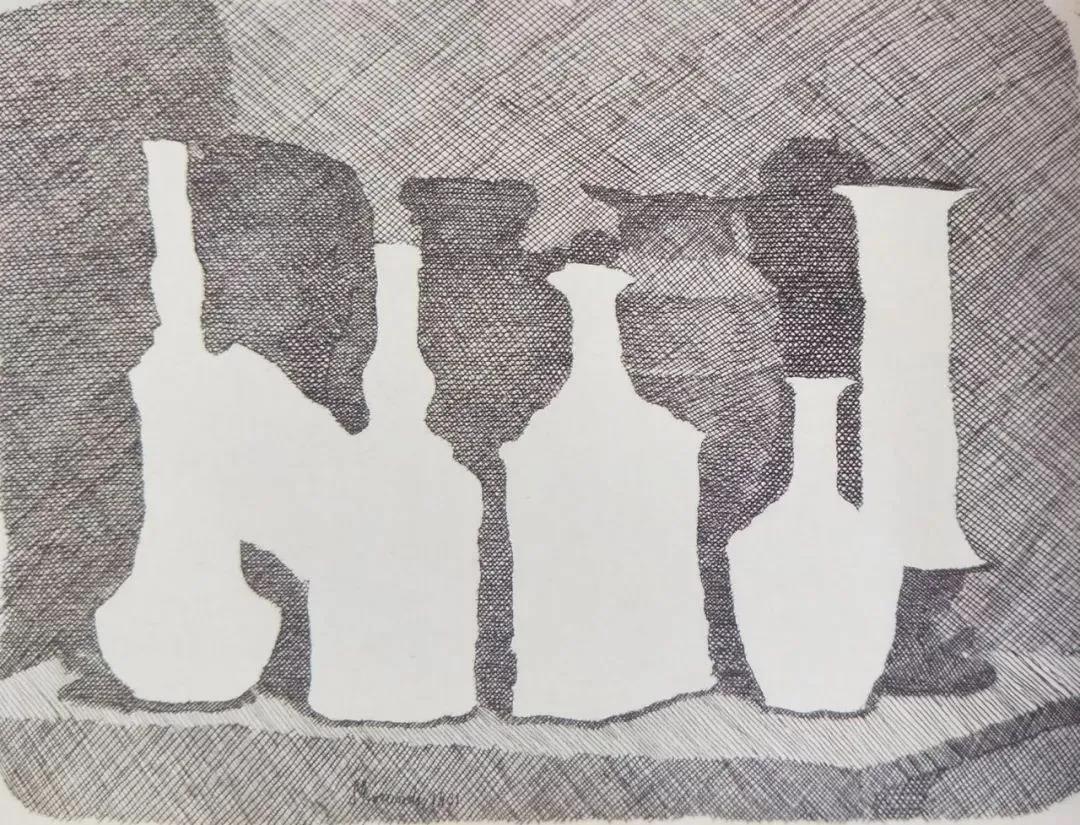
He has a very regular life, except teaching, only painting at home, almost no social contact. Italian art historian Leo Longines once described Giorgio Morandi as follows:
"In an ordinary town, where everyone is short and fat, Giorgio Morandi is tall and thin and wears loose clothes, like the people walking in Giacometti's works."
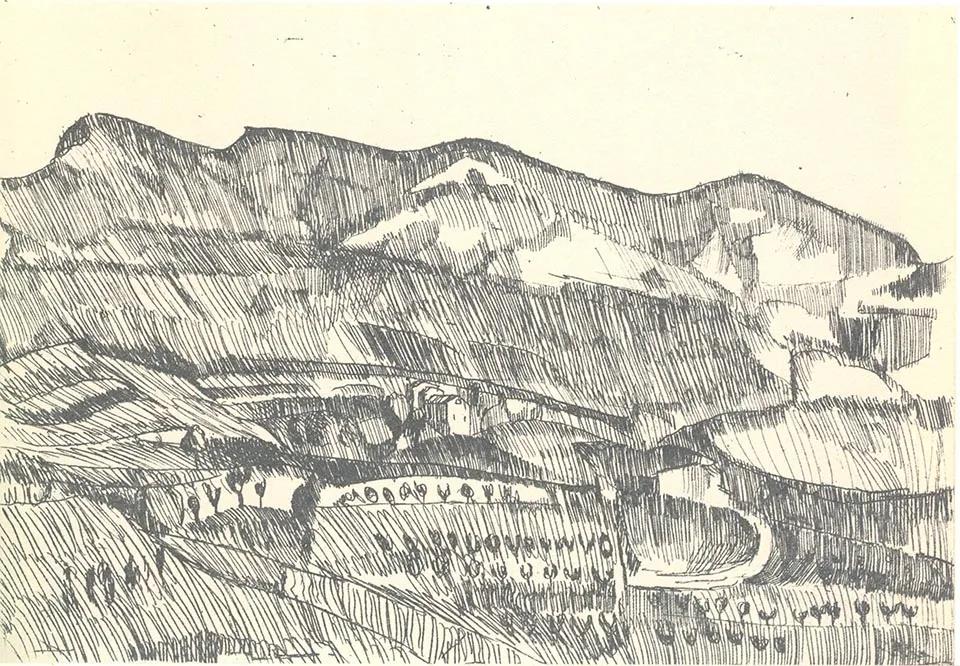
Giorgio Morandi, 20, the eldest son, was already a pillar of the family, making ends meet by teaching children how to paint shuttling between the four blocks of the old town.
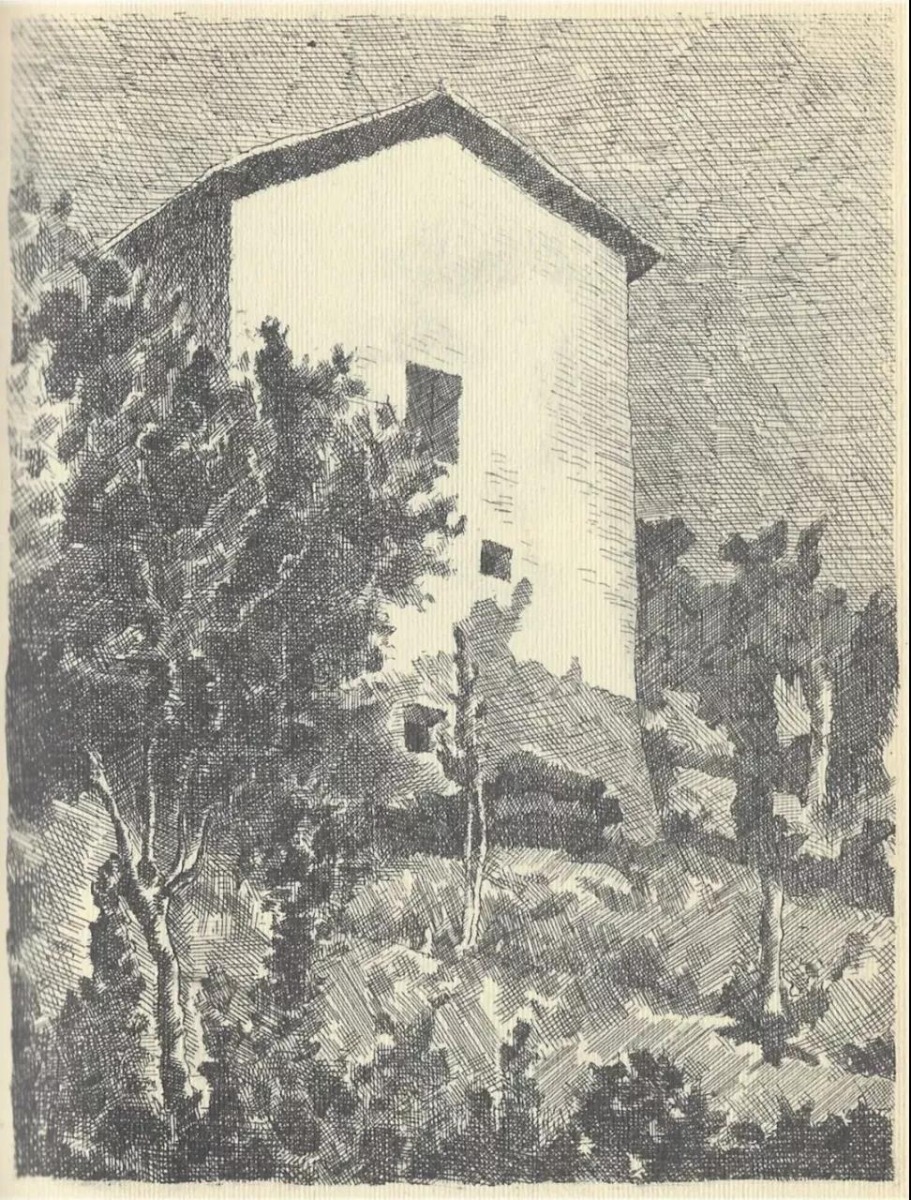
When you look for his course of life, you can't find any records that he was ever in love, let alone married. In his 74 years, he seldom left his native land, living with his three single sisters for most of his life.
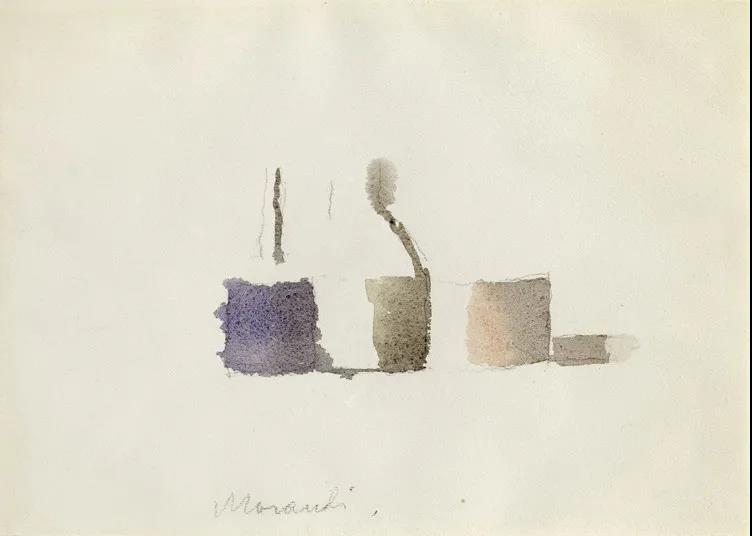
Except at the age of 25, Morandi was sent to military service and experienced the historical traces of World War I. He spent a month and a half in the 2nd Parma Grenade Corps before being rushed to hospital with severe illness and leaving the hospital.
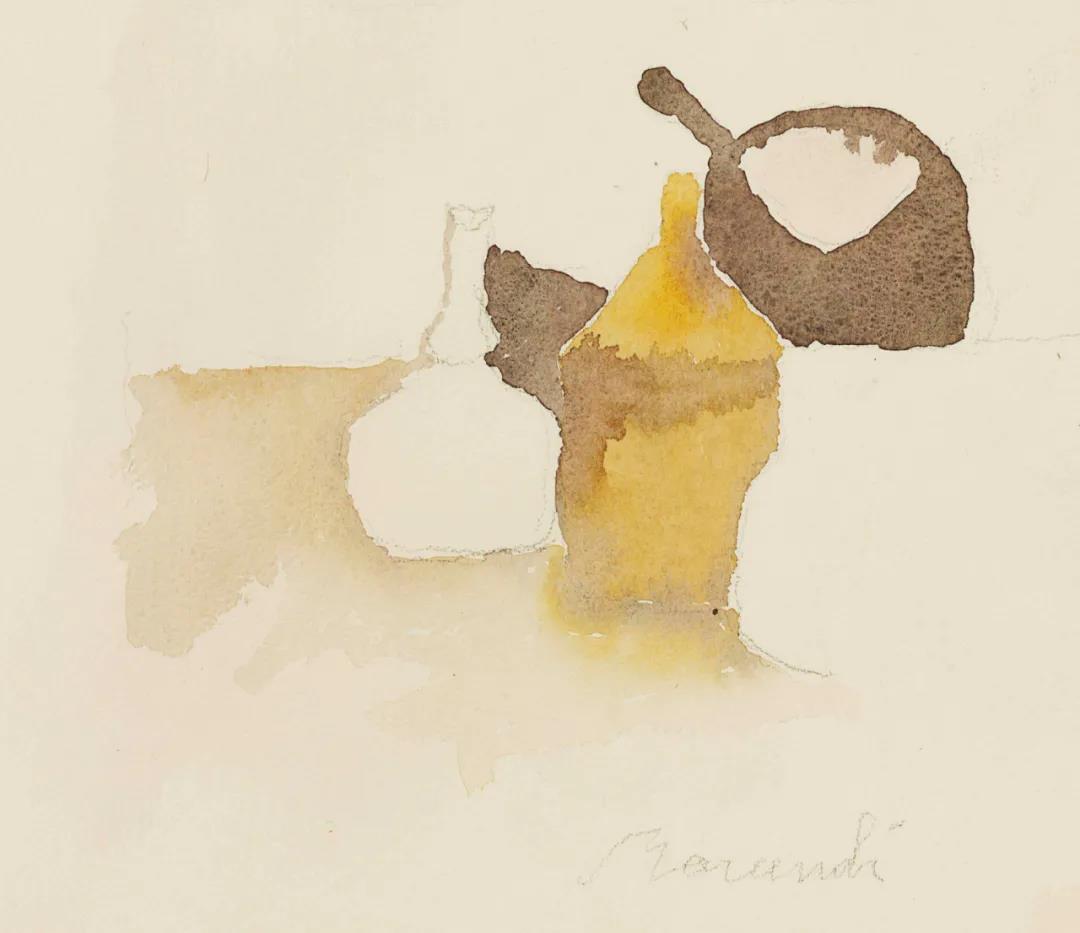
When he got home, he seemed to lose interest in the outside world. At most, he takes day trips to Venice, Milan or Florence to see exhibitions.
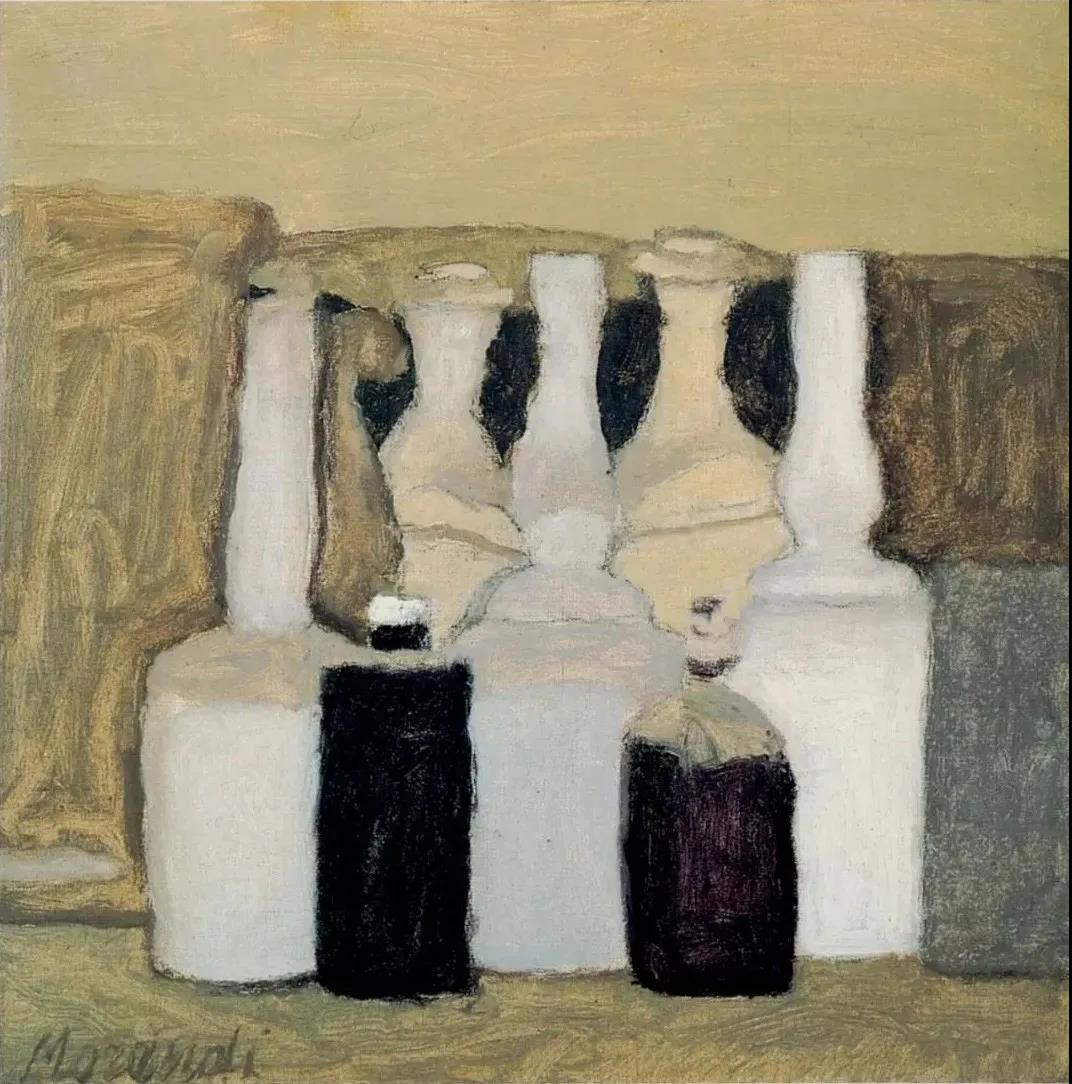
But it was only when he was older than he ventured out of Italy, once to see a Cezanne exhibition in Switzerland and once to Paris.
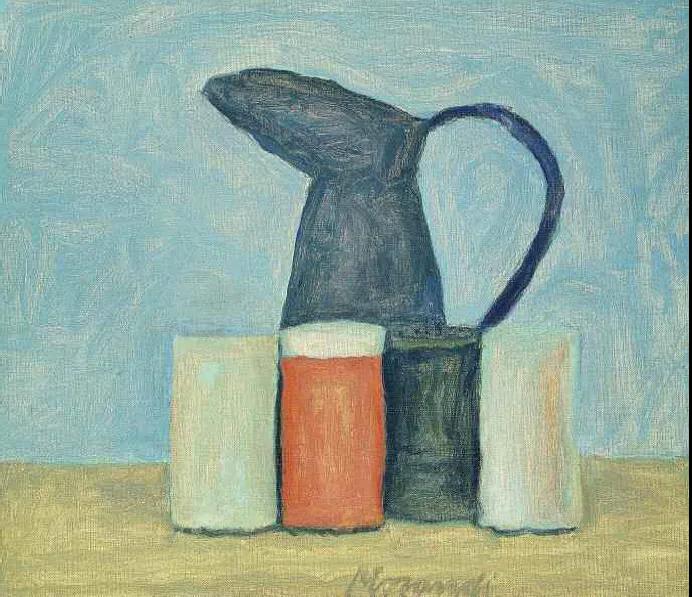
Cezanne could have Giorgio Morandi walking out of the house because his art influenced him when he was a student.
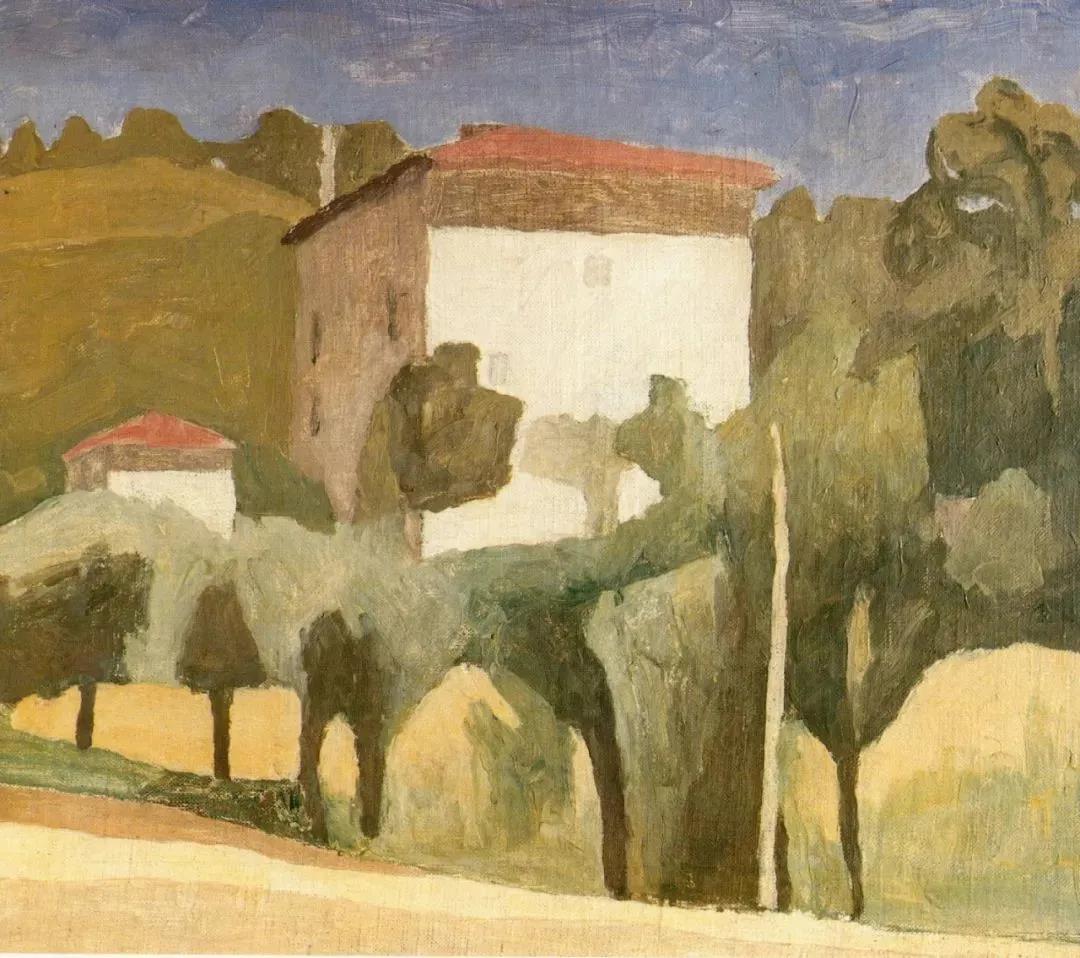
Beginning in 1913, he painted a landscape of the SAN Victor Mountains at his family's summer home; Two years later, an attempt to imitate Cezanne's "Five Bathers" was made, but there were structural problems.
After that, except a couple of self-portraits of himself as a young man, Giorgio Morandi eschewed figural images.
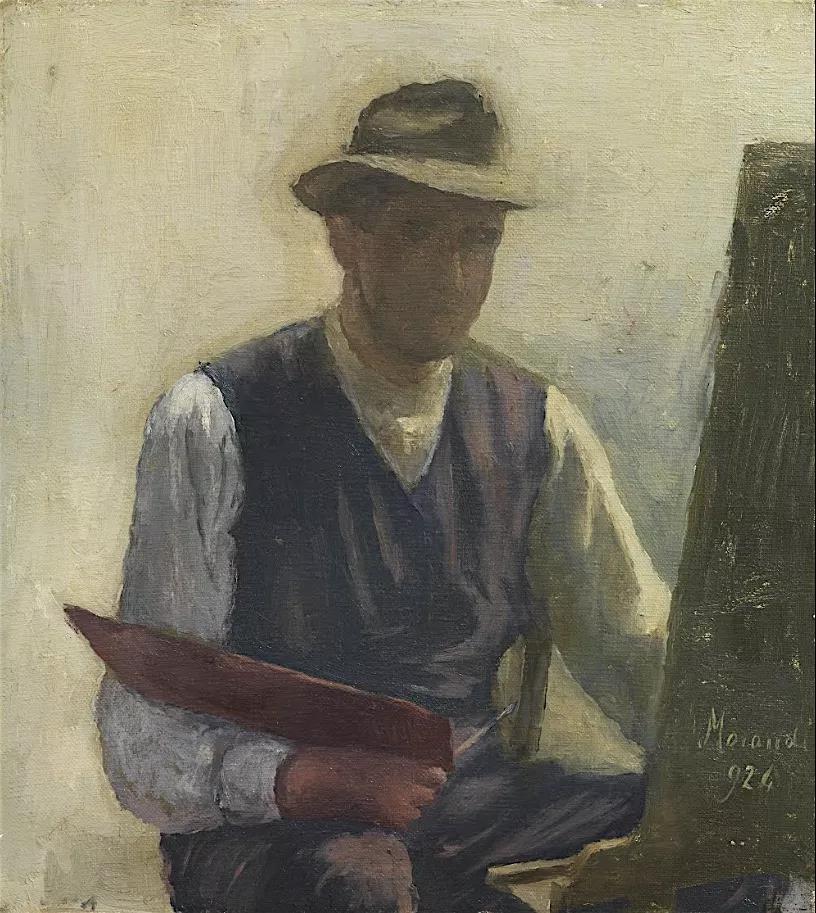
Self-portrait
He was fascinated by Cezanne, which is why he painted so many bottles and cans. Through the daily still life, he found his own way to reduce more, make the objects simple and the picture purer.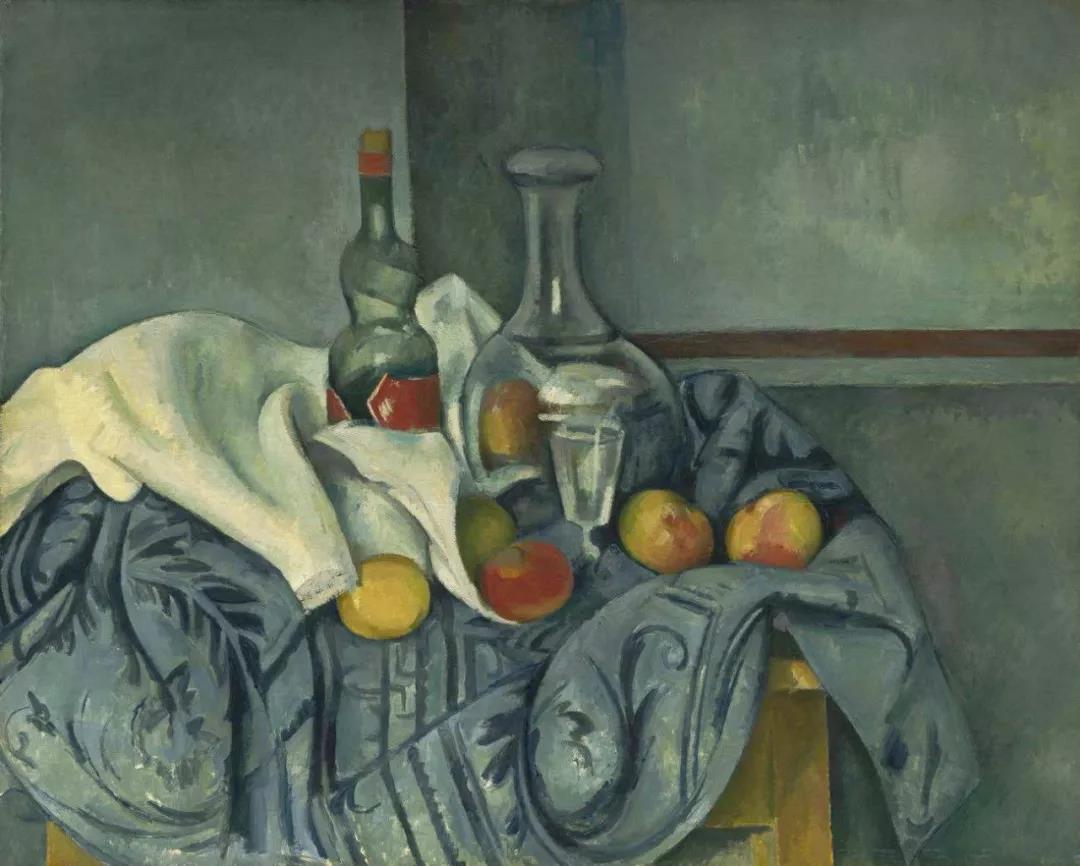
Still Life by Cezanne
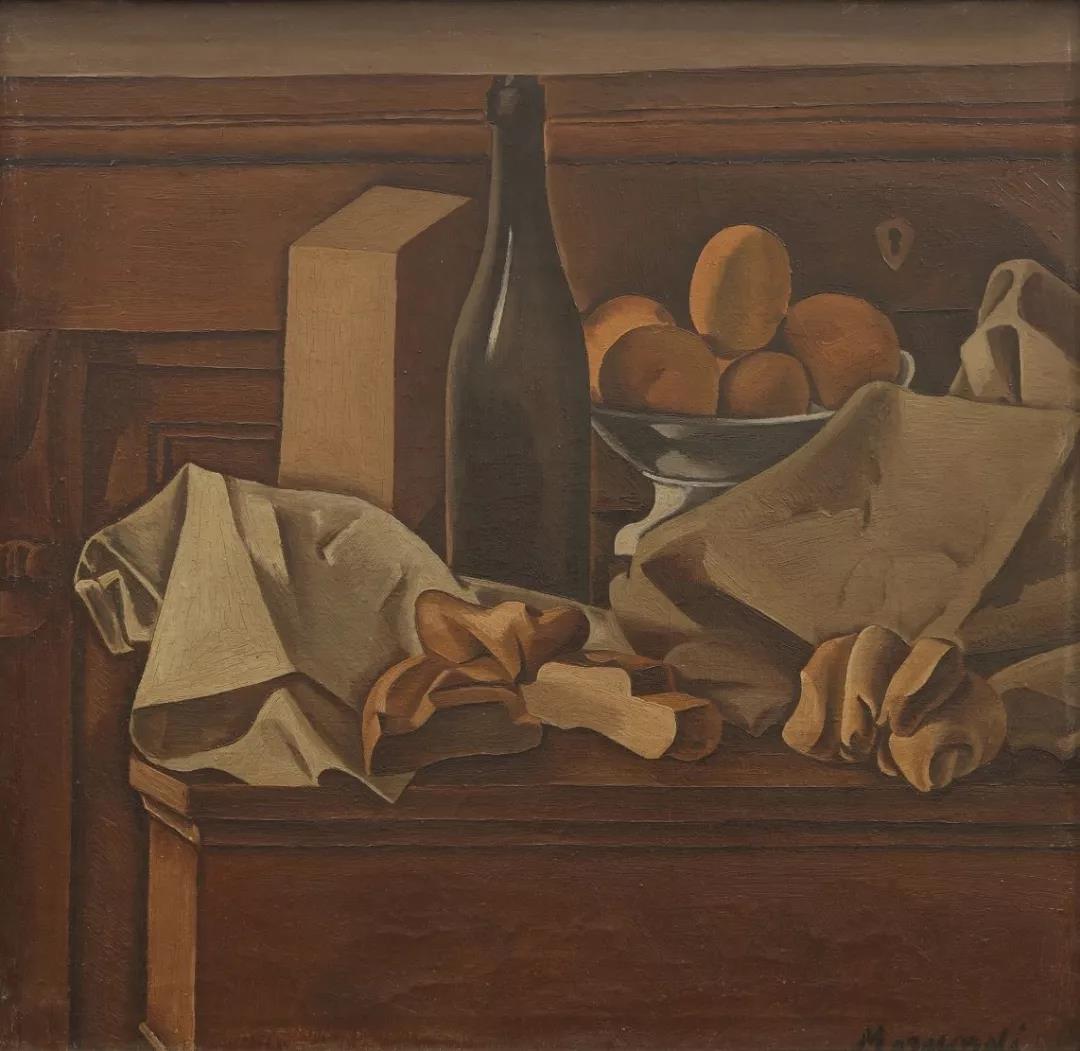
Still Life by Morandi
The reason for choosing simple subjects, he said in an interview:
"I remembered Galileo's words: the true book of philosophy, the book of nature, is a far cry from our own alphabet. The words are triangle, square, circle, sphere, pyramid, cone, and other geometric shapes. Galileo's ideas supported my long-held belief that the visible world is a world of forms, and that it is difficult, if not impossible, to put into words the feelings and images that sustain it. They are ultimately feelings, feelings that have no connection to daily events."Morandi Color Palette
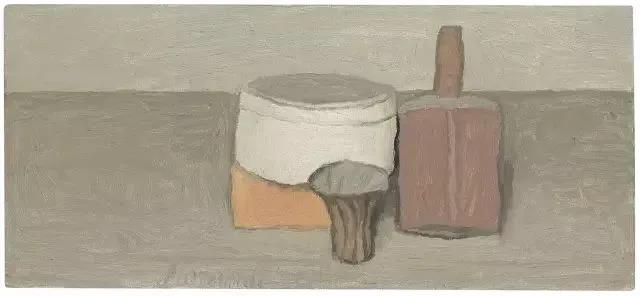
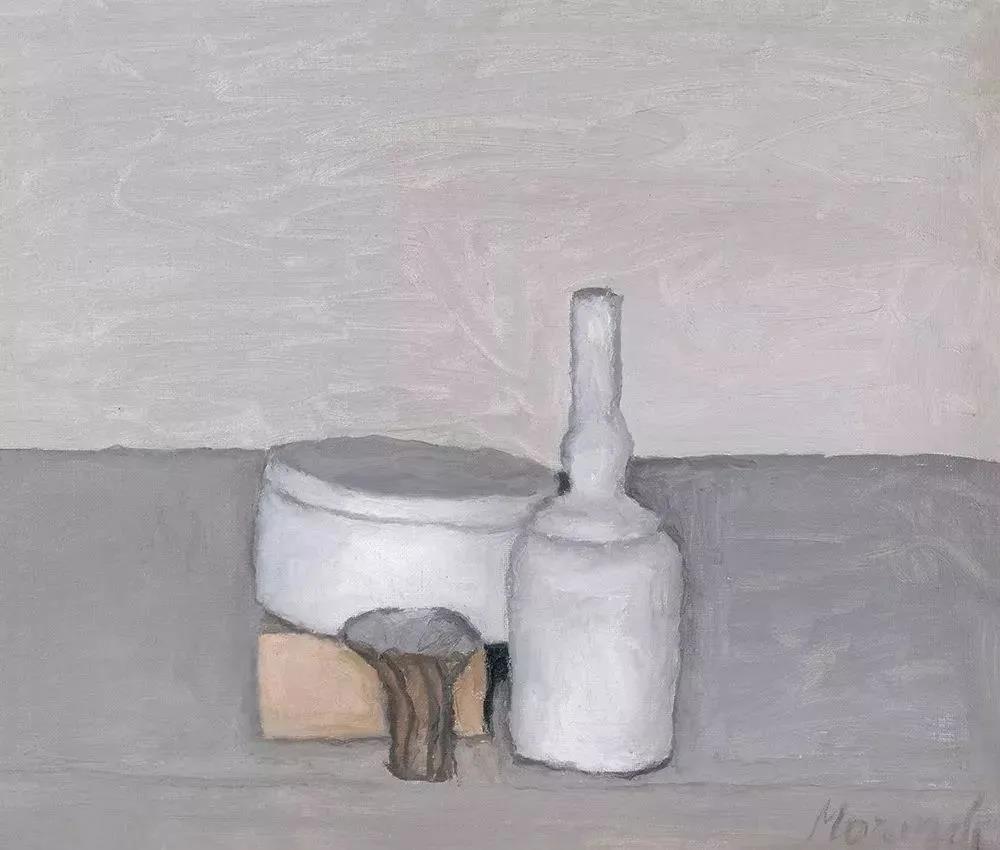
In the artist's studio, there are two paint boxes he used during his lifetime, one of which is filled with various glass bottles containing stone powder.
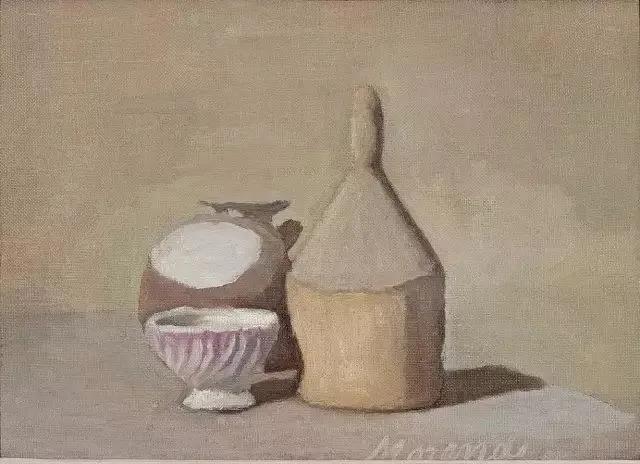
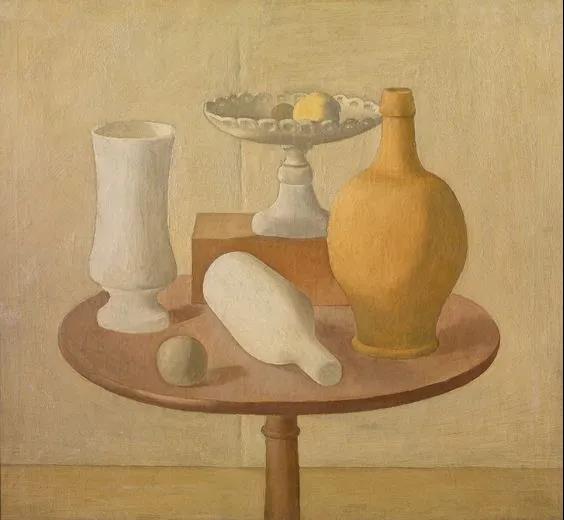
As you can see, Morandi's color palette is more traditional: ground stone, mixed with oil and colored with tubular pigments, which were invented in the mid-19th century.
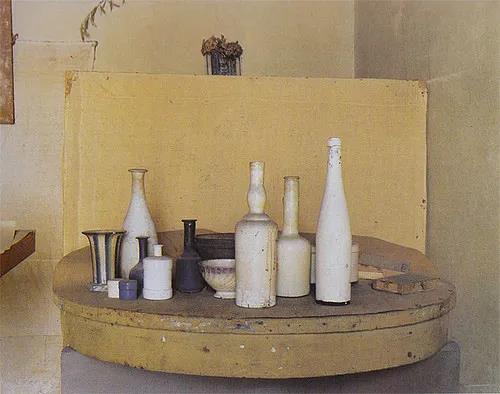
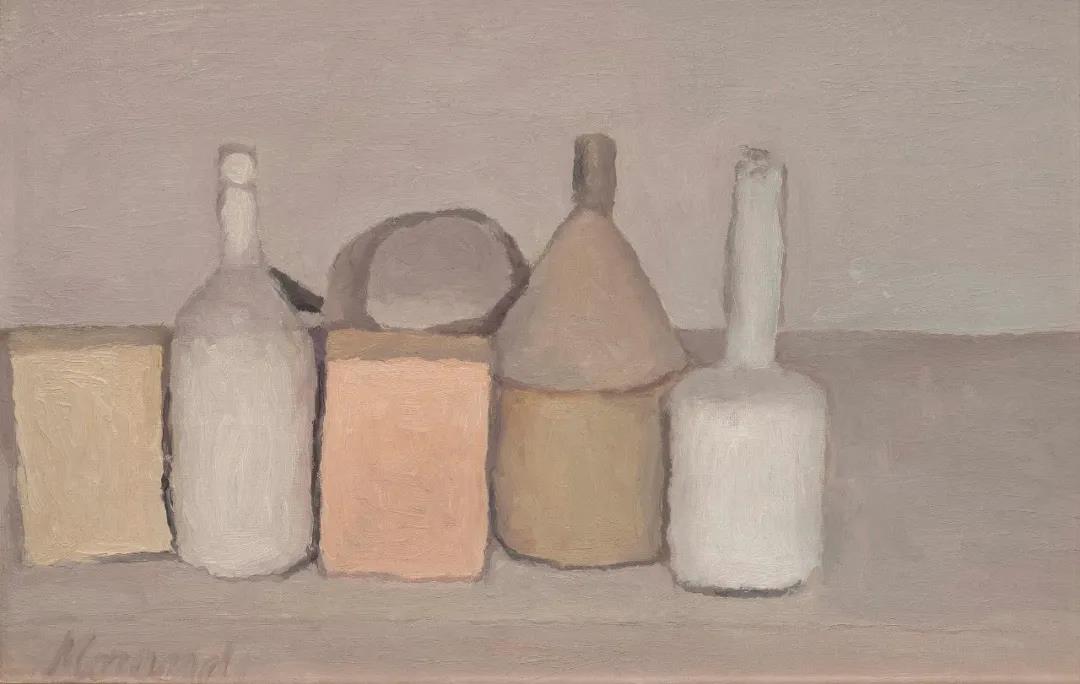
Therefore, the color on the canvas has a very high purity and transparency. The method looks easy, but the modulation is very complicated.
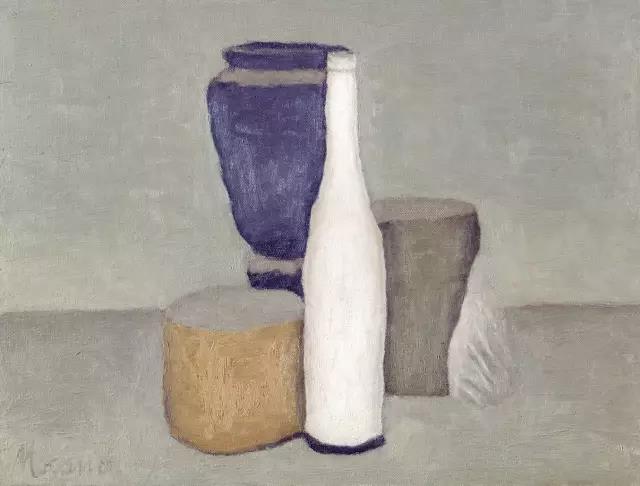
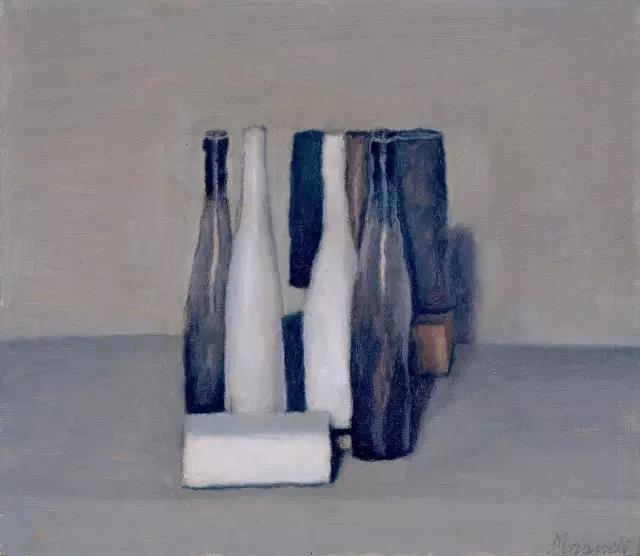
Balthus once said: "Morandi is undoubtedly the closest European painter to Chinese painting, and he was frugal to the extreme in materials. His artistic realm is consistent with Chinese art in concept."
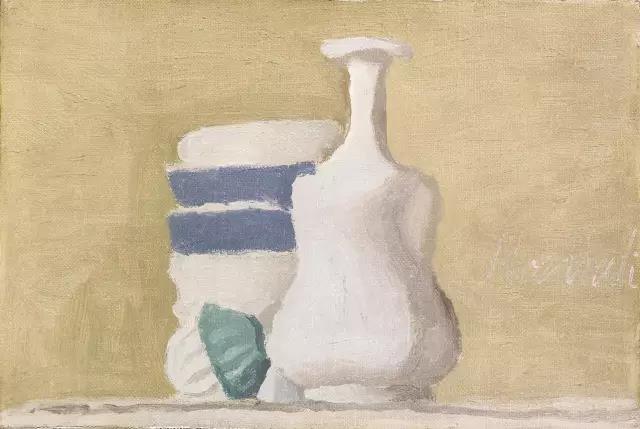
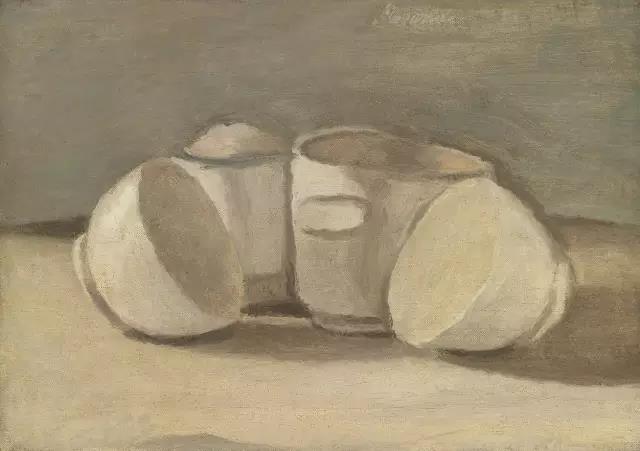
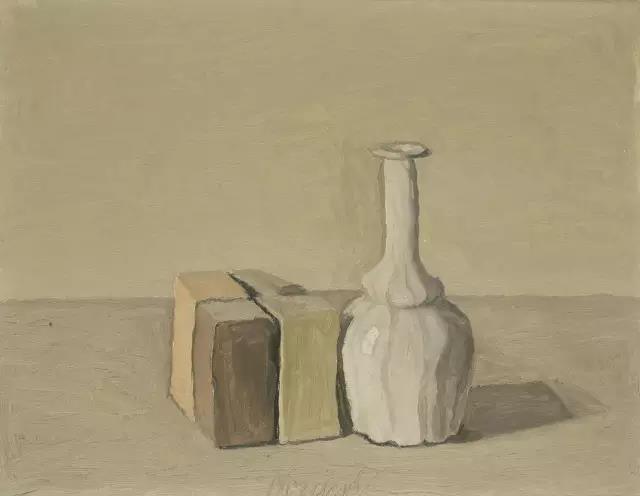
When he died, people called the color tendency of his paintings "Morandi color palette", which profoundly influenced the design and fashion industry.
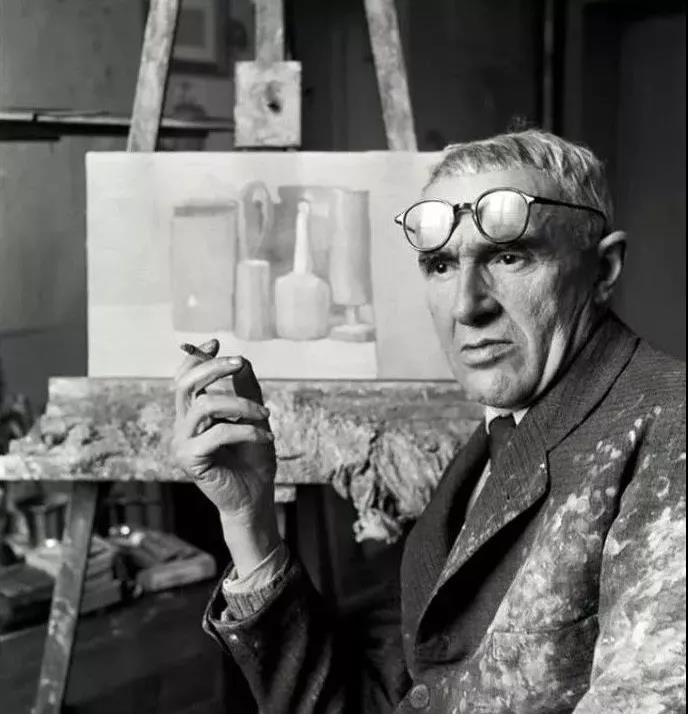
All images via Google
Do you know where Morandi color is applied? Feel free to comment below.
-
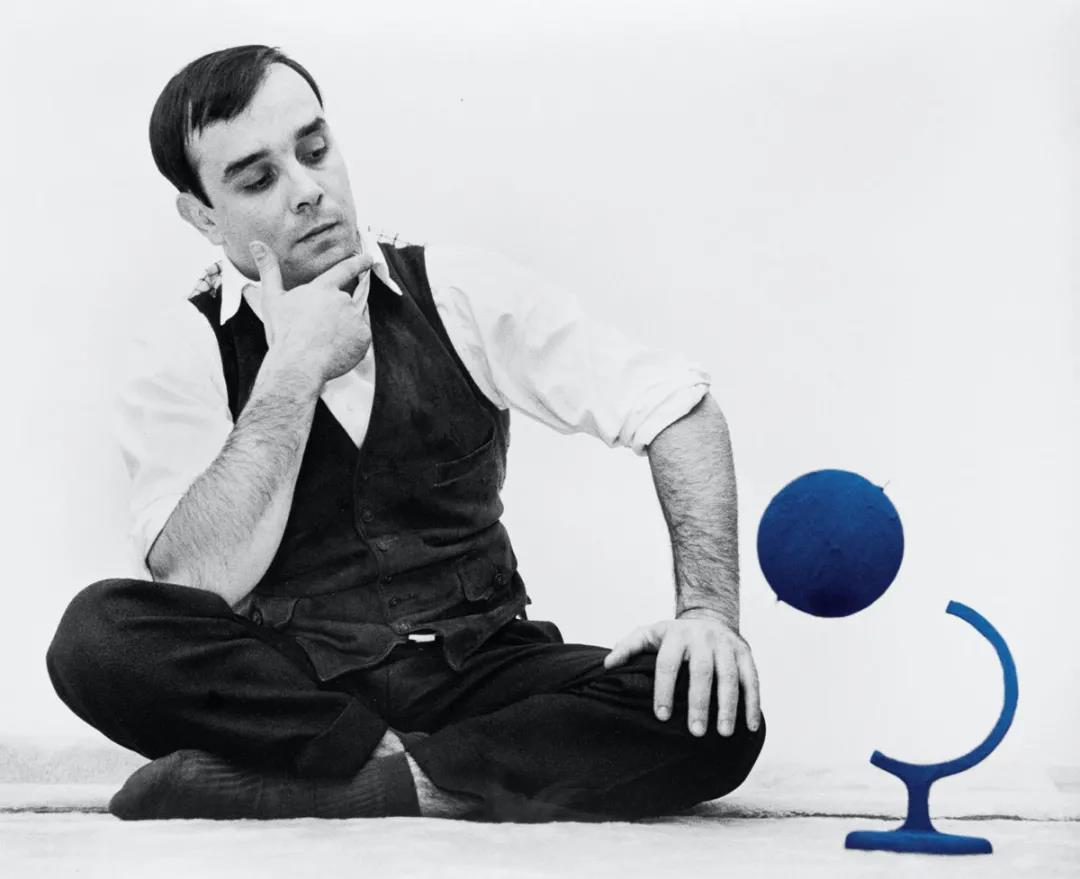
Yves Klein
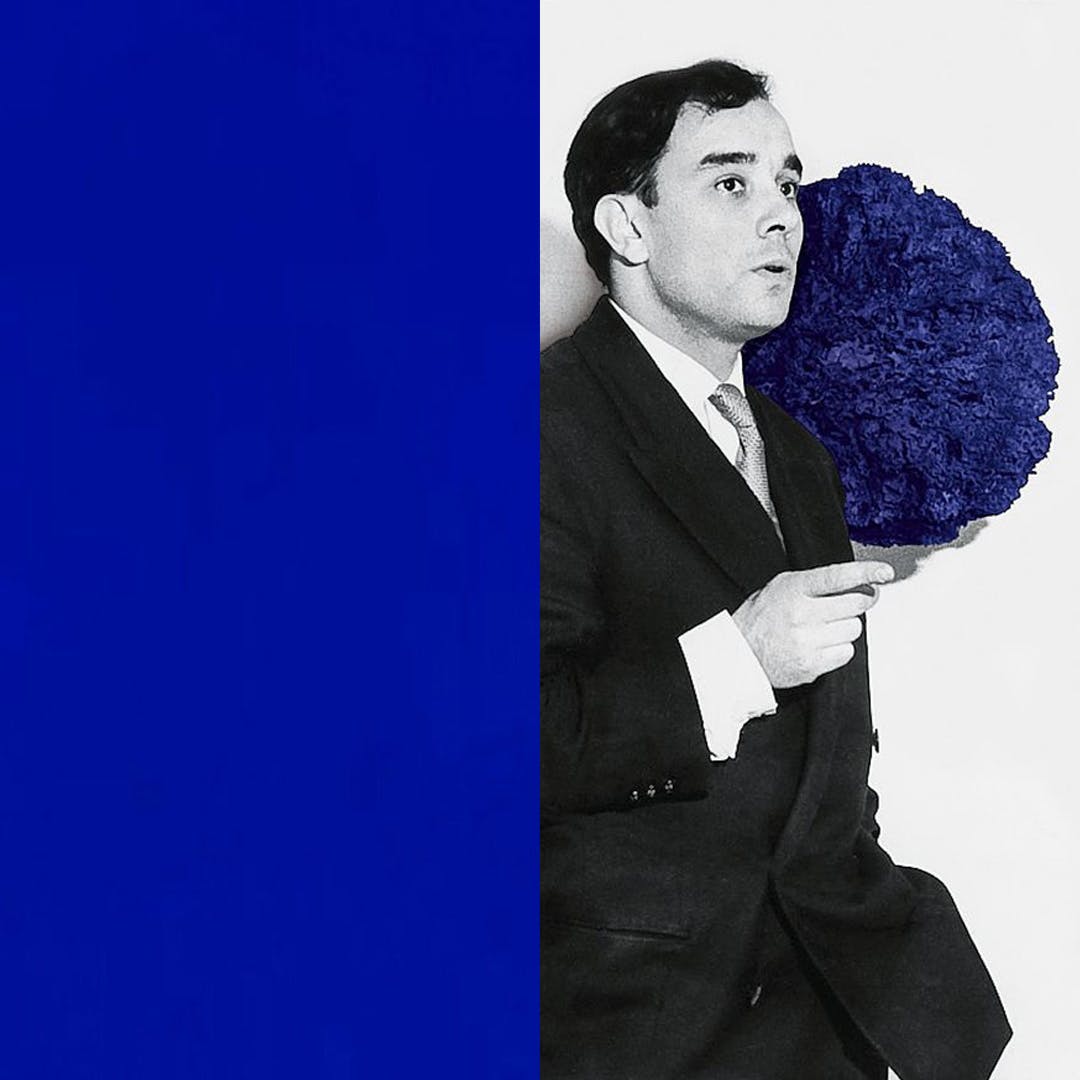
In the summer of 1947, three teenagers were lounging on a beach holiday in Nice. They talked freely to kill time and imagined that if they could "carve up" the world one day, what would they choose? One says he wants the land. Another wants to manage language, and the third person wants the sky. Later then, this 19-year-old kid who wanted the sky possessed the sky in an art form finally. He was Yves Klein.
Klein had a crush on blue at youth. He loved the different blues of the sea, for which he even learned to sail -- "Blue is the sky, water and air, depth and infinity, freedom and life, and blue is the essential color of the universe."
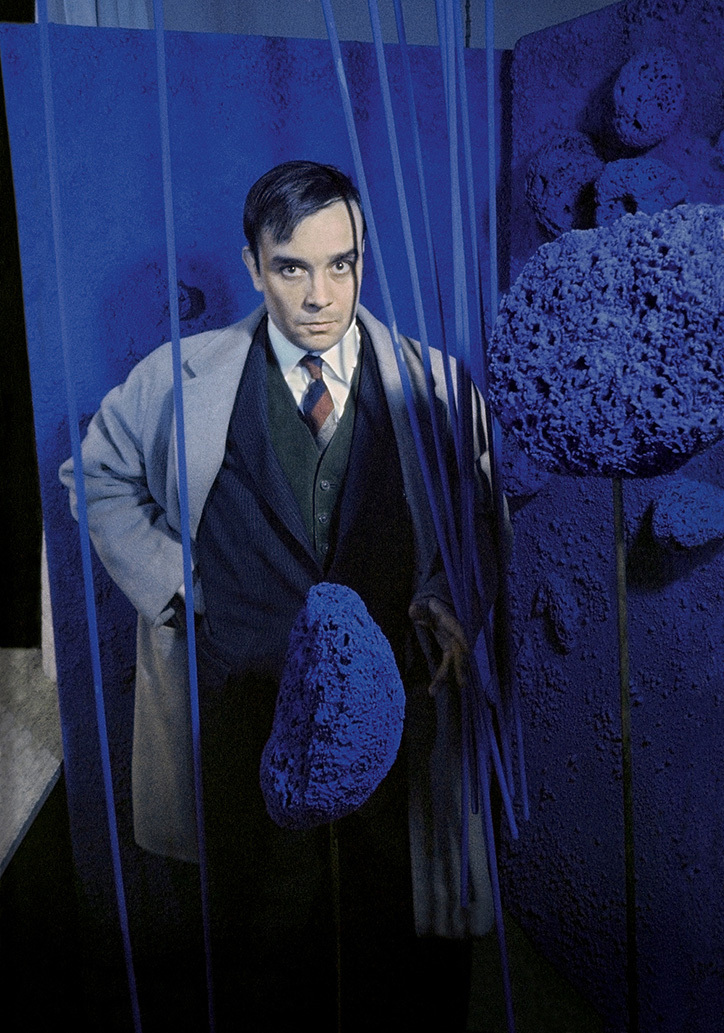
The true artist lets himself go. Klein is natural who "swims easily in the stream of his own temperament." When he first saw the Atlantic ocean, he poured a bottle of blue paint into it and exclaimed, "It's bluer than the Mediterranean!"
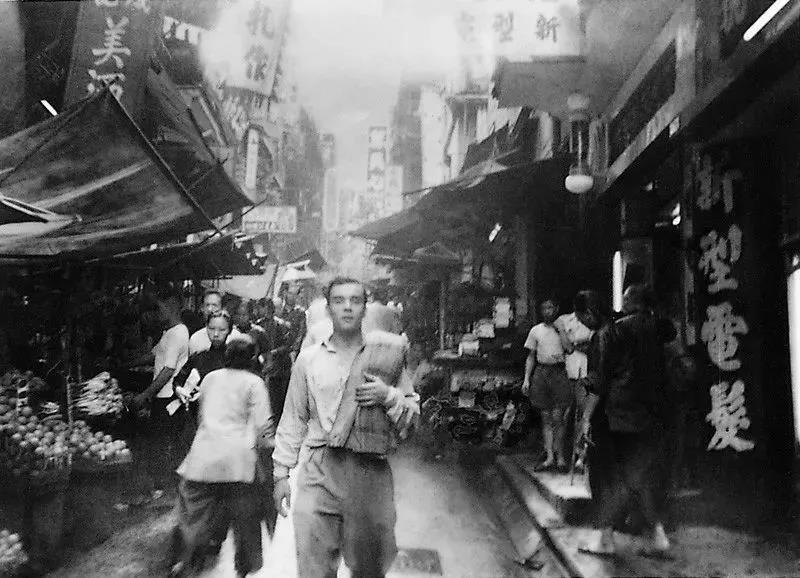
Yves Klein studied judo in Yokohama, taught French, and traveled throughout Asia.
Klein Blue became the true king of the circle breaking because of his dedication and obsession, and perhaps his former rival is Morandi. Why, you may wonder, has Klein Blue been a designer's favorite for more than half a century?
Let's find out the answer.
Klein Blue Ratio
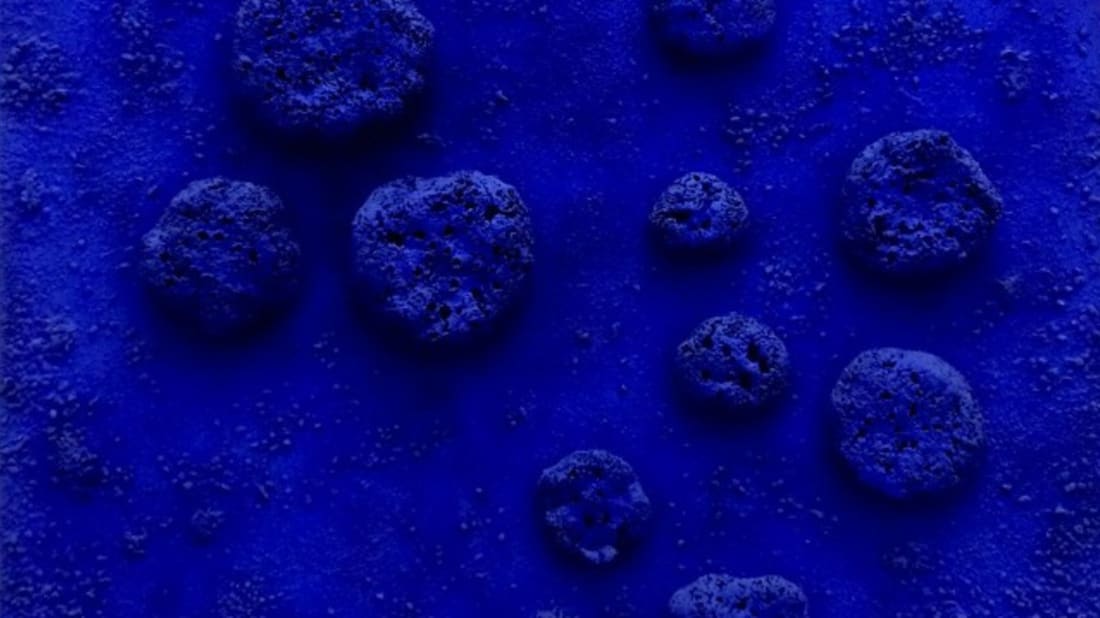
Klein blue ratio is RGB: 0,47,167. RGB color mode, as it is known, is an industry-standard that defines different colors by the ratio of red (R), green (G), and blue (B) colors. Enter this ratio, and you will also get Klein blue. It belongs to a color called Oltramarino, which means "blue from the sea" in Italian.
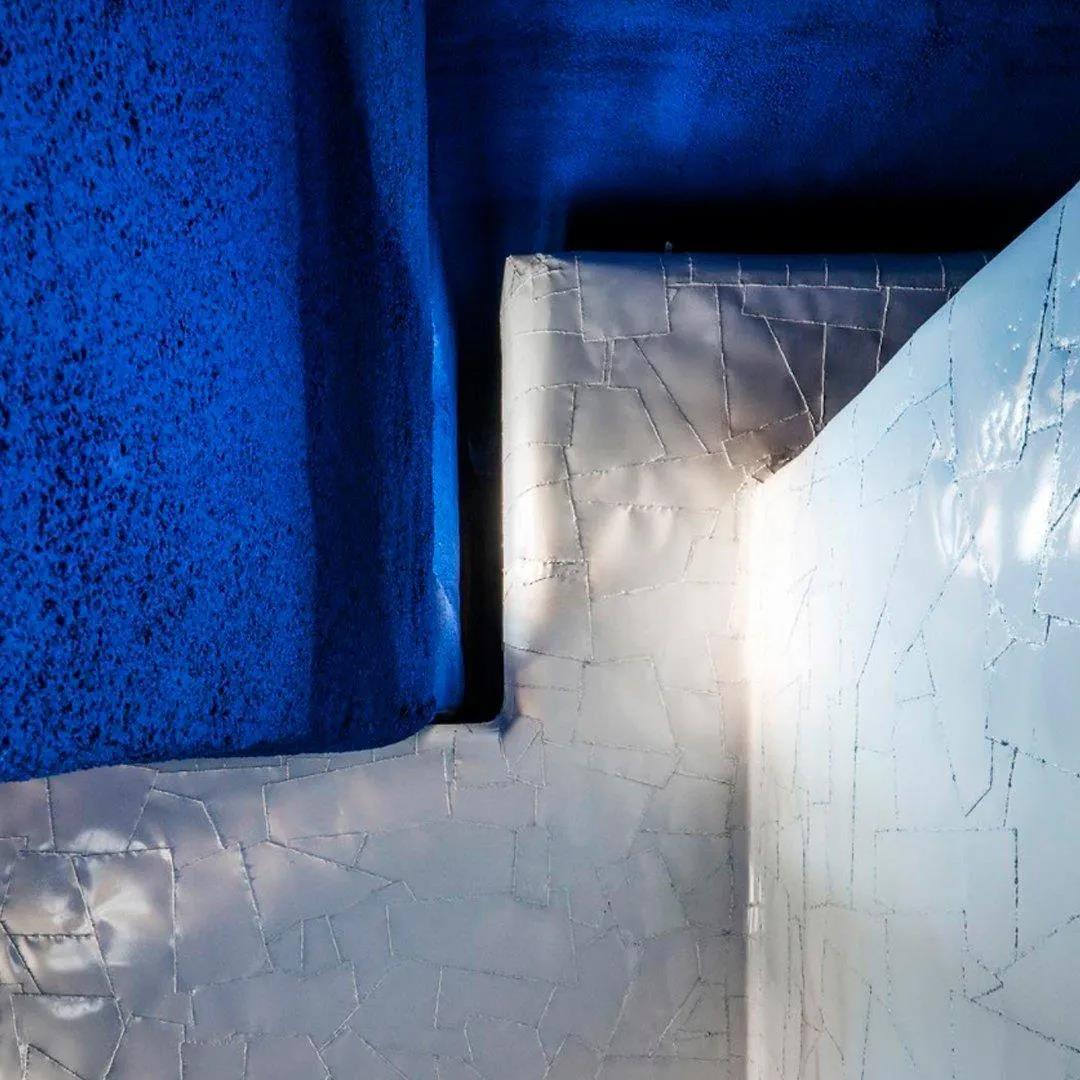
Klein Blue wallpaper in interior design
The pure blue evokes the expensive Oltramarino, originally ground only from lapis lazuli imported from Afghanistan and was quite expensive, more costly than gold. Since introduced to the West, it has become the exclusive color of Madonna's clothes, thus adding divinity and holiness to Oltramarino.
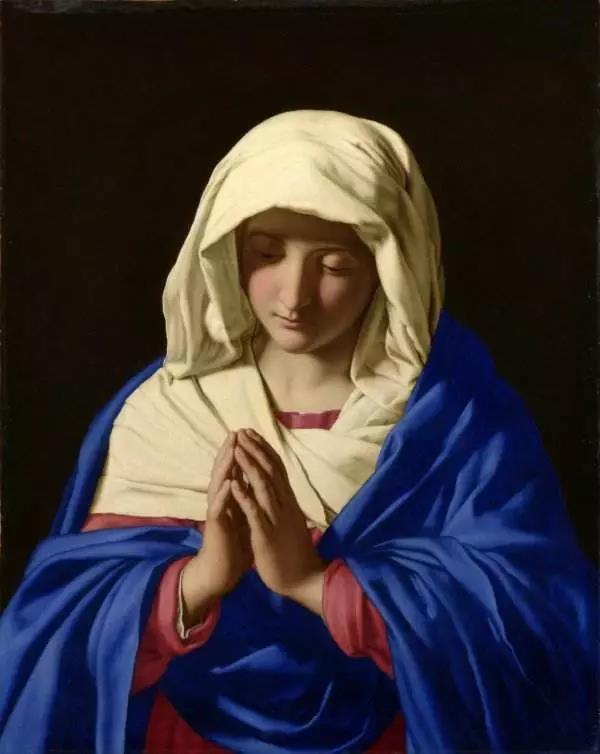
Praying Madonna by Italian artist Giovanni Battista Sa
Klein Blue is available from art materials stores in France, and the price is also high. But the most valuable embodiment is that people have continued his colors and even his ideas.
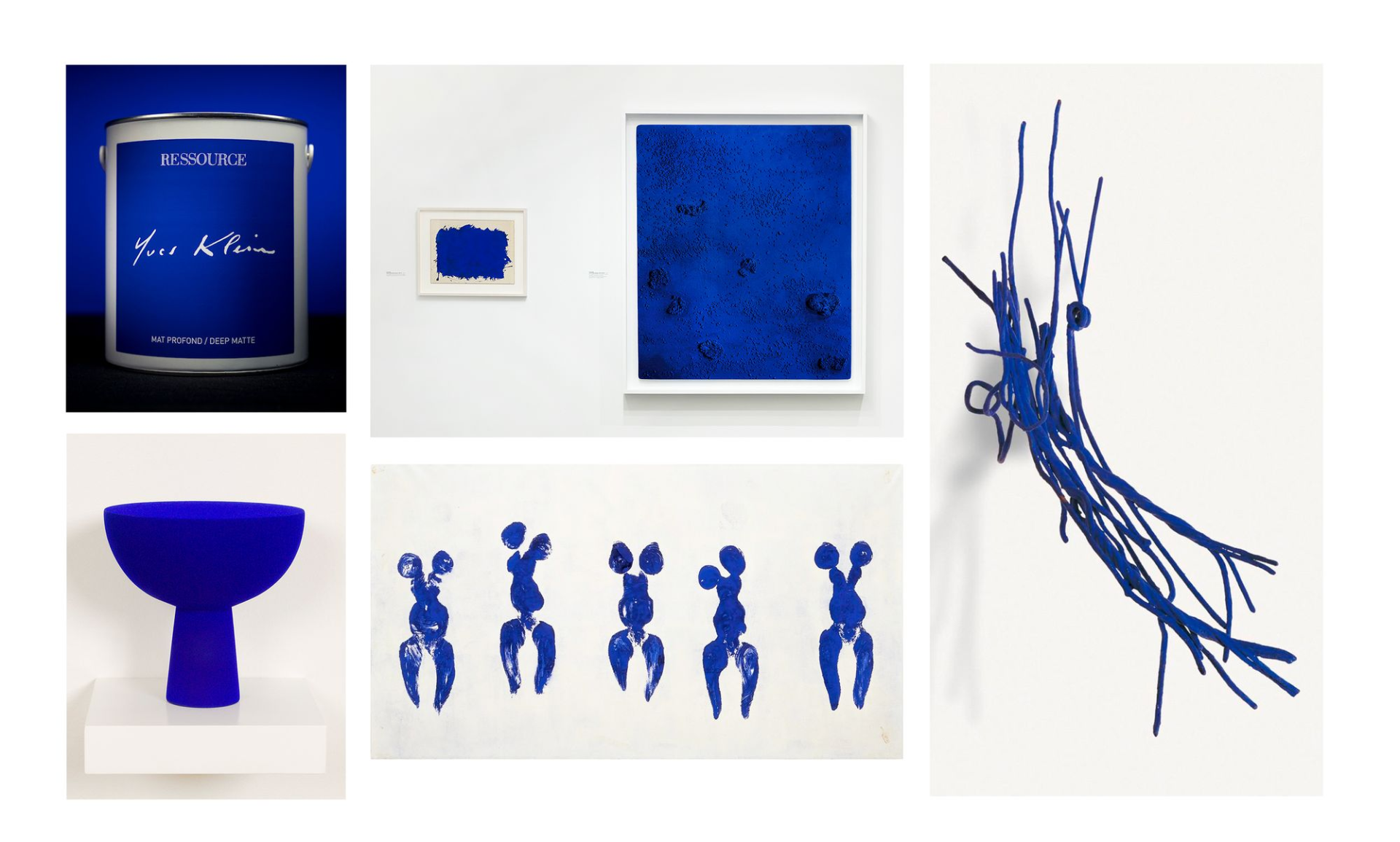
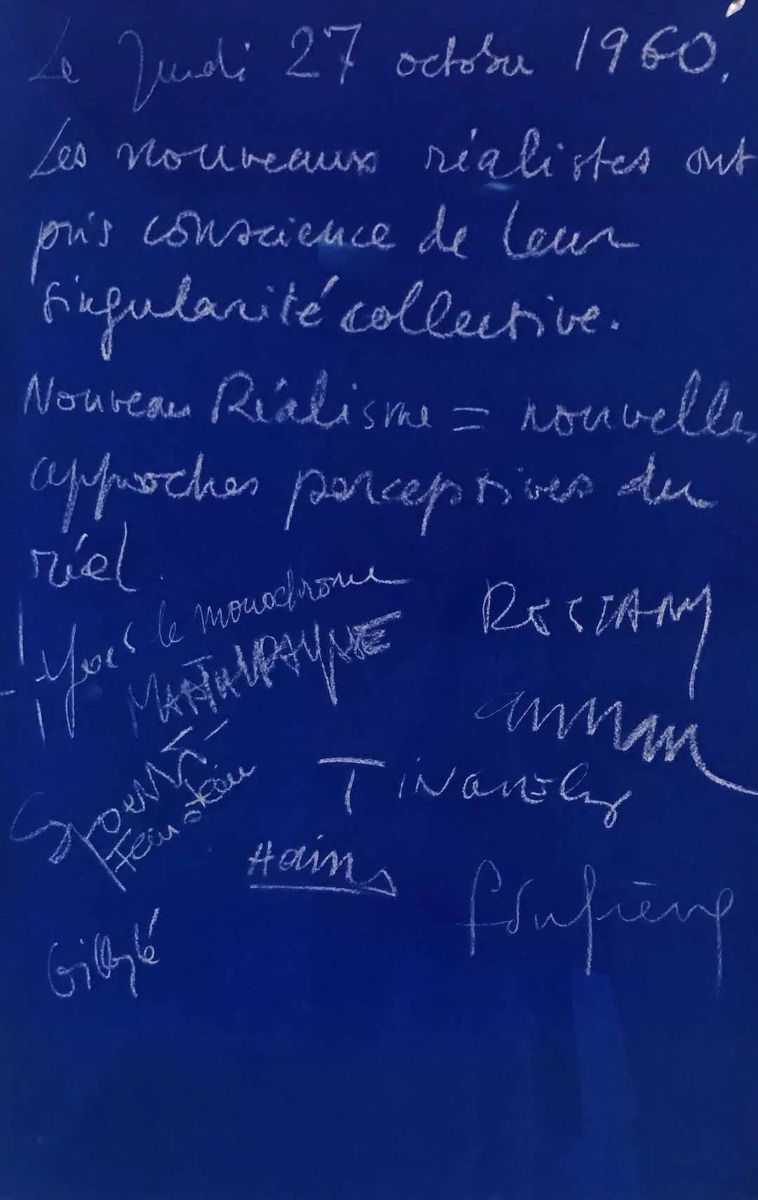
Klein lived only 34 years and became an artist for only eight years. He not only became the most outstanding representative of the new realism movement but also became the most outstanding French artist after the Second World War, leaving thought-provoking works of art for the world.
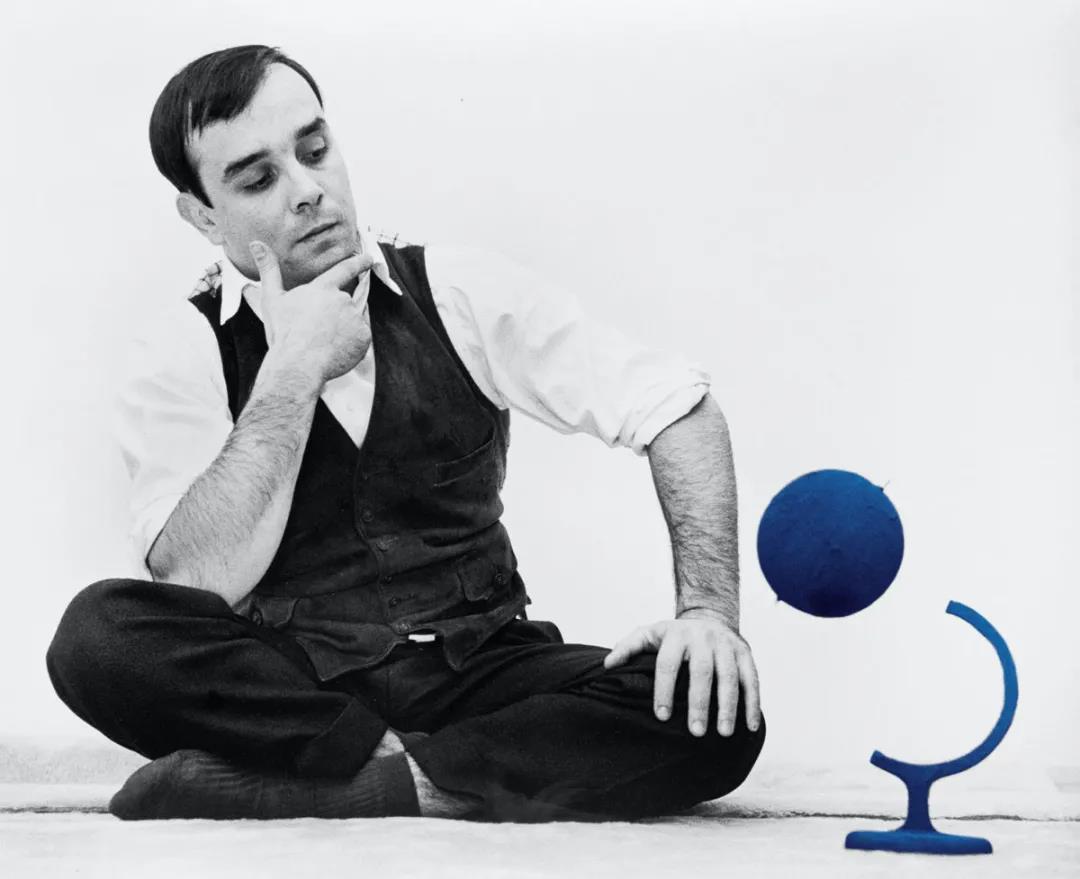
Klein thought that in painting, lines were like prison bars, while pure color symbolized absolute freedom. One of his favorite words was, "Impregnation." He also liked the sponge because both were the perfect match. Klein hoped people could forget explanations, forget the knowledge of the painting in their mind when they look at the images, like a sponge, call on all the senses to feel the painting, and be contained in the meaning of the blue.
How Did Klein Blue Form?
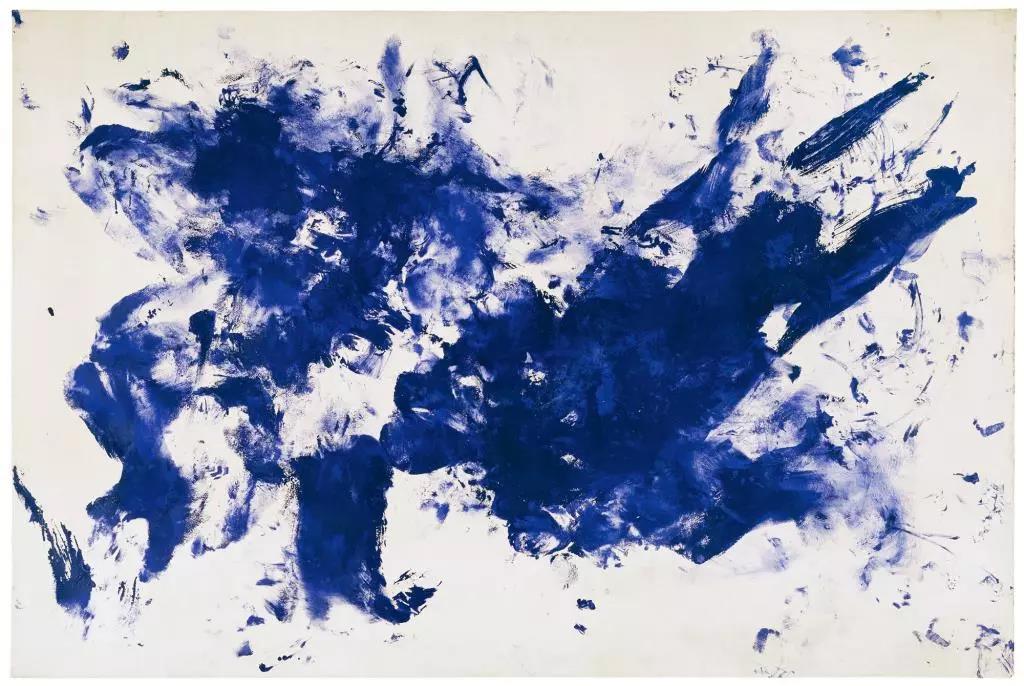
Yves Klein, Jonathan Swift (Anthropometric 125)
It had something to do with his joining a group called the Rosicrucian in 1947. "Rose Cross society" is an organization with religious nature and free form that arose in Germany in the early 17th century and became popular in Europe and America for a long time. The group advocates people to put their mind over their body and their material over their spirit in pursue of the harmony between human life and the spirit of the universe.
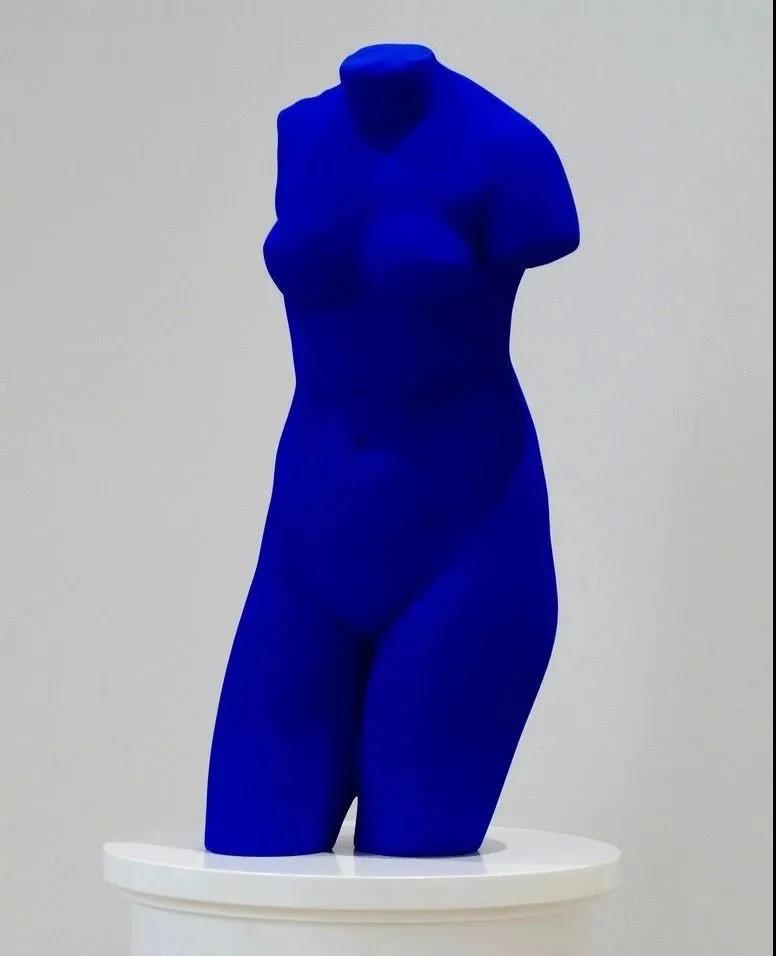
Klein followed this purpose, so he tried to pursue it and wanted to express his ideas through art.
When Did International Klein Blue Come Into Being?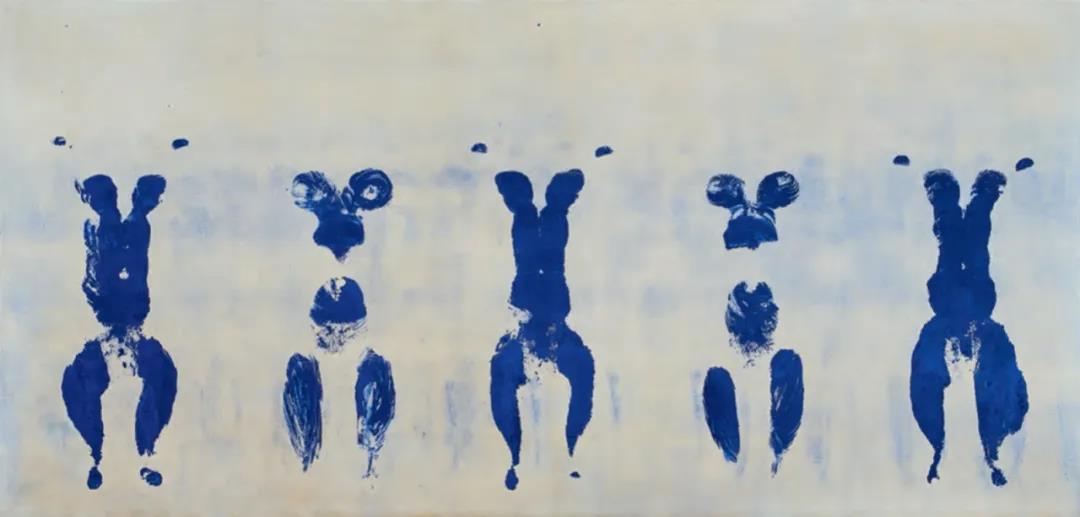
In 1954, at the age of 26, Klein entered the art world with the concept of transcending the visible and reaching the invisible, which he had learned from Judo and Rosicrucian.
That year he rolled out his first paintings, called Monochrome. This monochrome painting is a uniform spread of color on a canvas, not only without an image, not even a line, as an abstract simplification to the extreme. Klein used blue, gold, and red in his monochrome paintings, with blue being his favorite color.
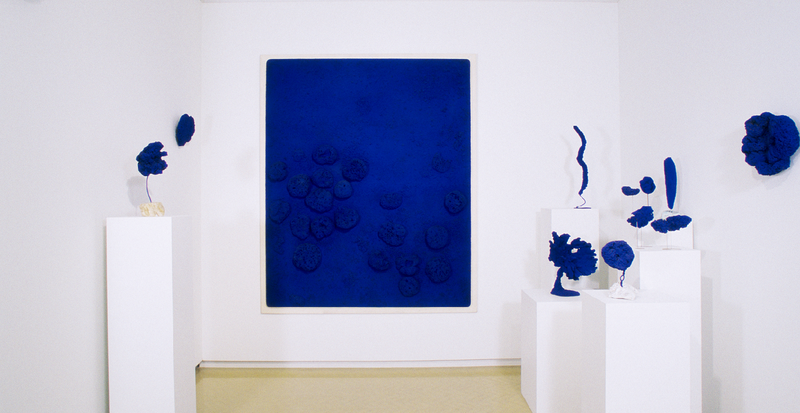
In 1956, with the help of a chemist, Klein synthesized a distinctive lapis lazuli blue, a color he patented in 1960 as International Klein Blue (IKB).
Klein Blue appeared in many of his later works; his "Anthropometry" series -- a carefully curated performance. Several naked women were covered in blue paint on paper with their bodies as brushes, whilst a band and an audience surround them.
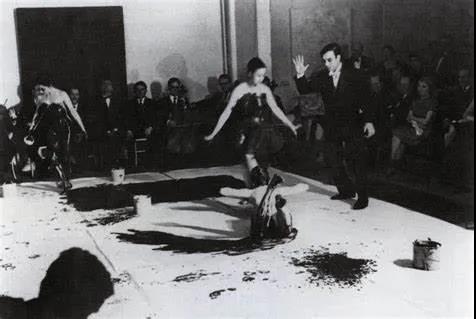
Klein had unexpected success came after he showed his blue collection in Italy. Dino Buzzati, the "Kafka of Italy," endorsed Klein in a newspaper article, and Klein Blue purchased by Lucio Fontana, an art master, brought Klein international fame. Cyan and technological progress made Klein, and Klein made this blue.
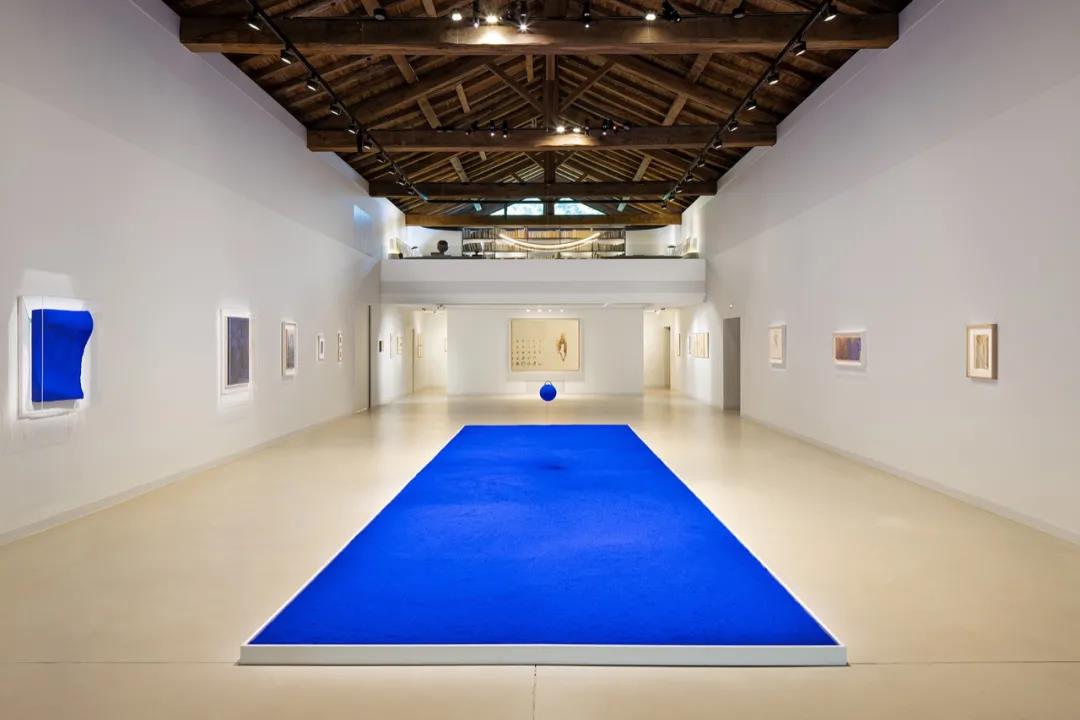
Later, he was labeled as one of the most important representatives of Pop art. Along with Andy Warhol, Marcel Duchamp, and Joseph Beuys, he was named one of the four greatest contributors to world art in the second half of the 20th century.
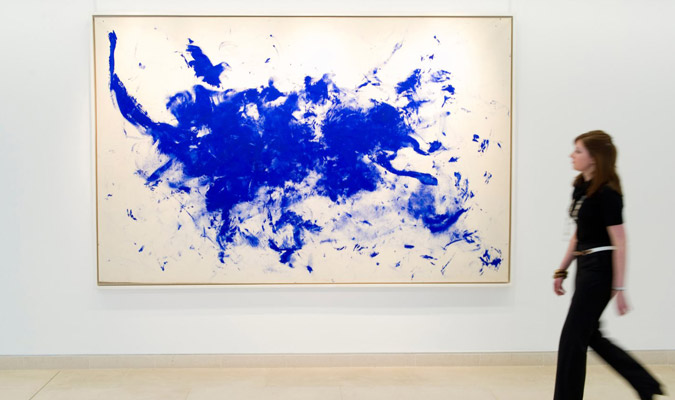
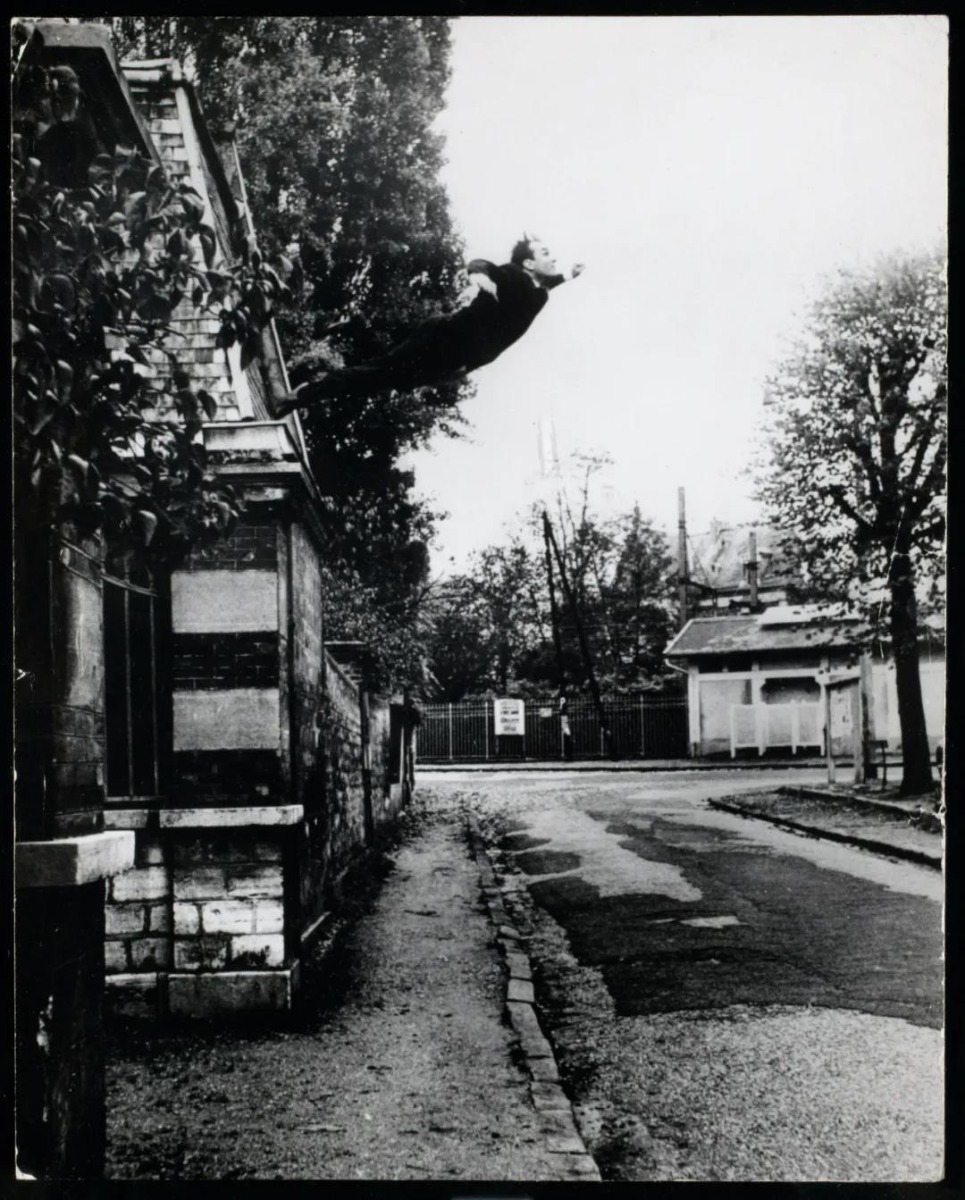
Nowadays, Klein Blue is applied in many areas, such as home decoration and costume art, do you know what else? Welcome to share your ideas on the below.
-
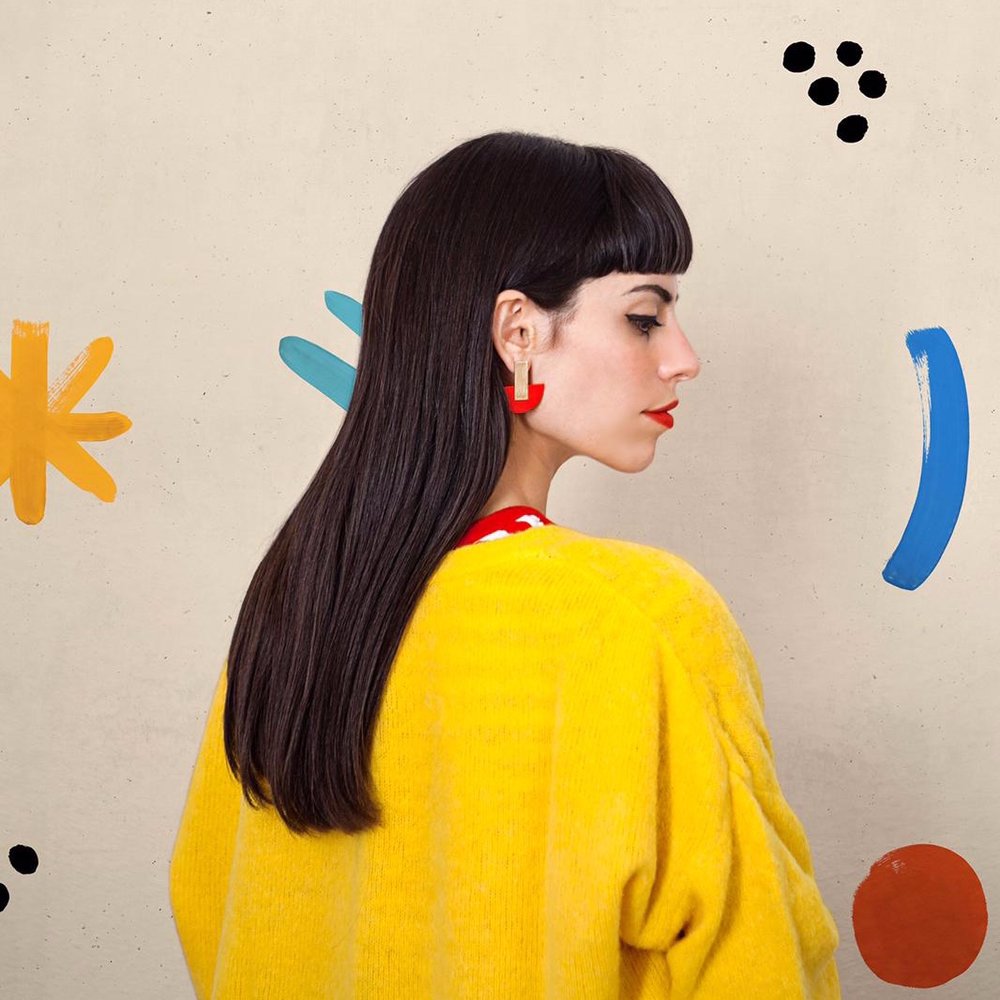
The woman who loves painting is romantic and quiet, with eyes to find beautiful things and hands to create beauty. They are good at discovering and grasping all kinds of details that touch them in every scene of life and carefully polishing and re-creating them into their works.
Coco Dávez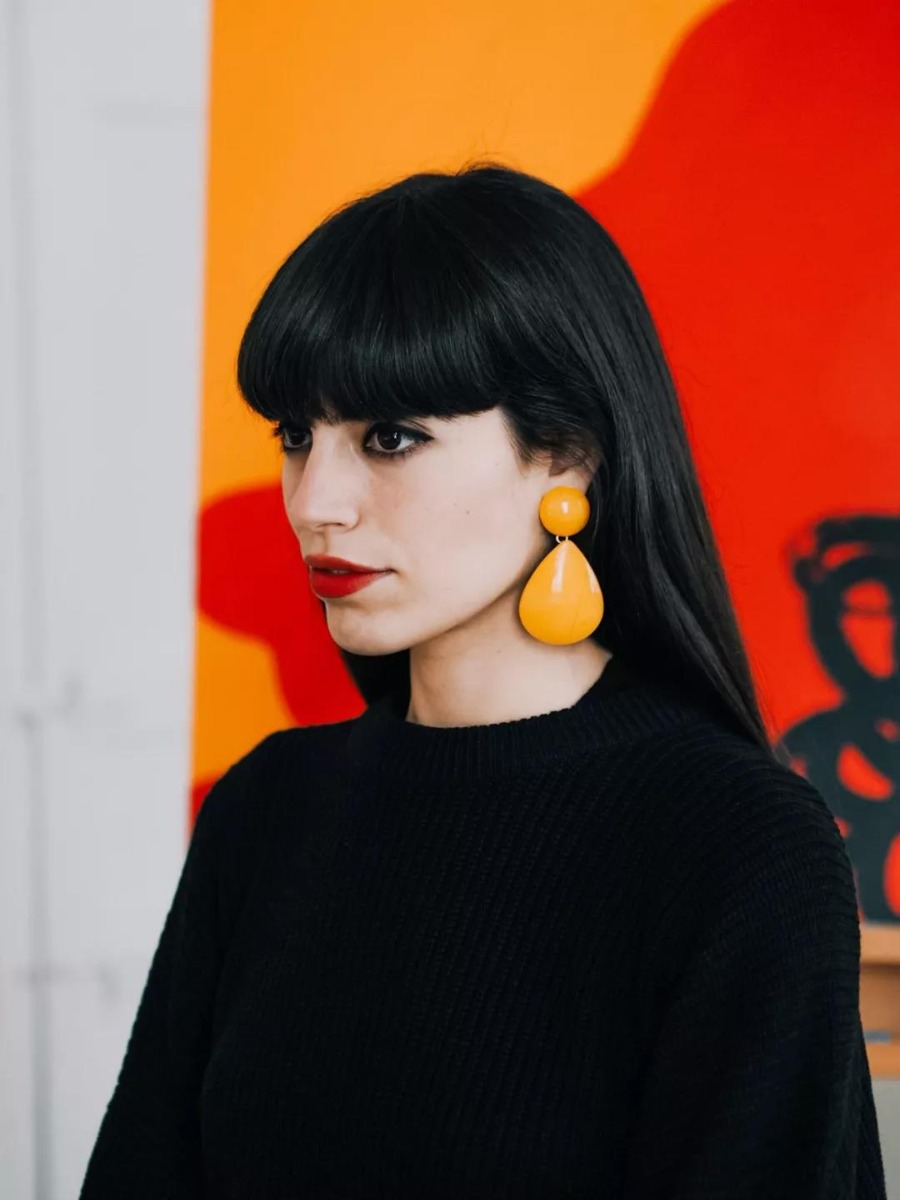
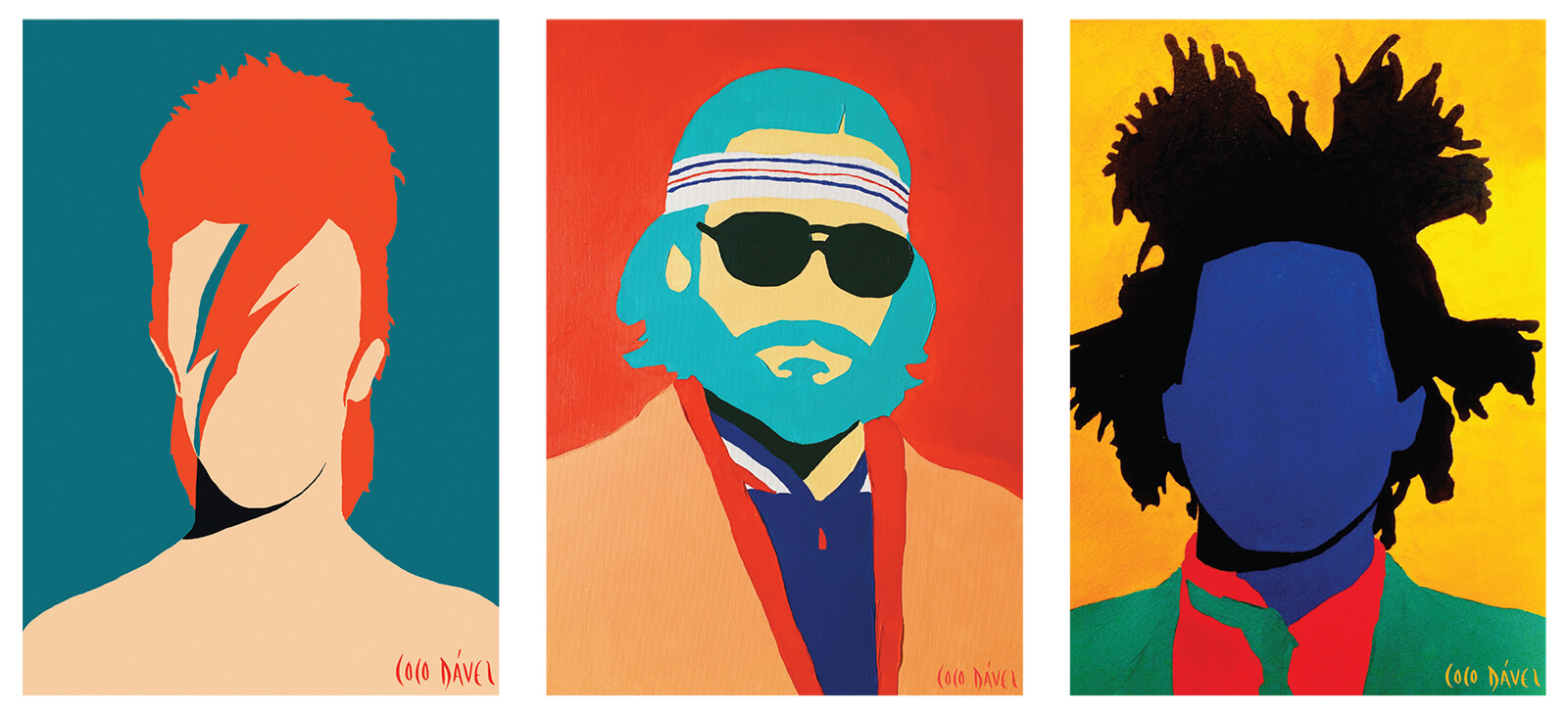
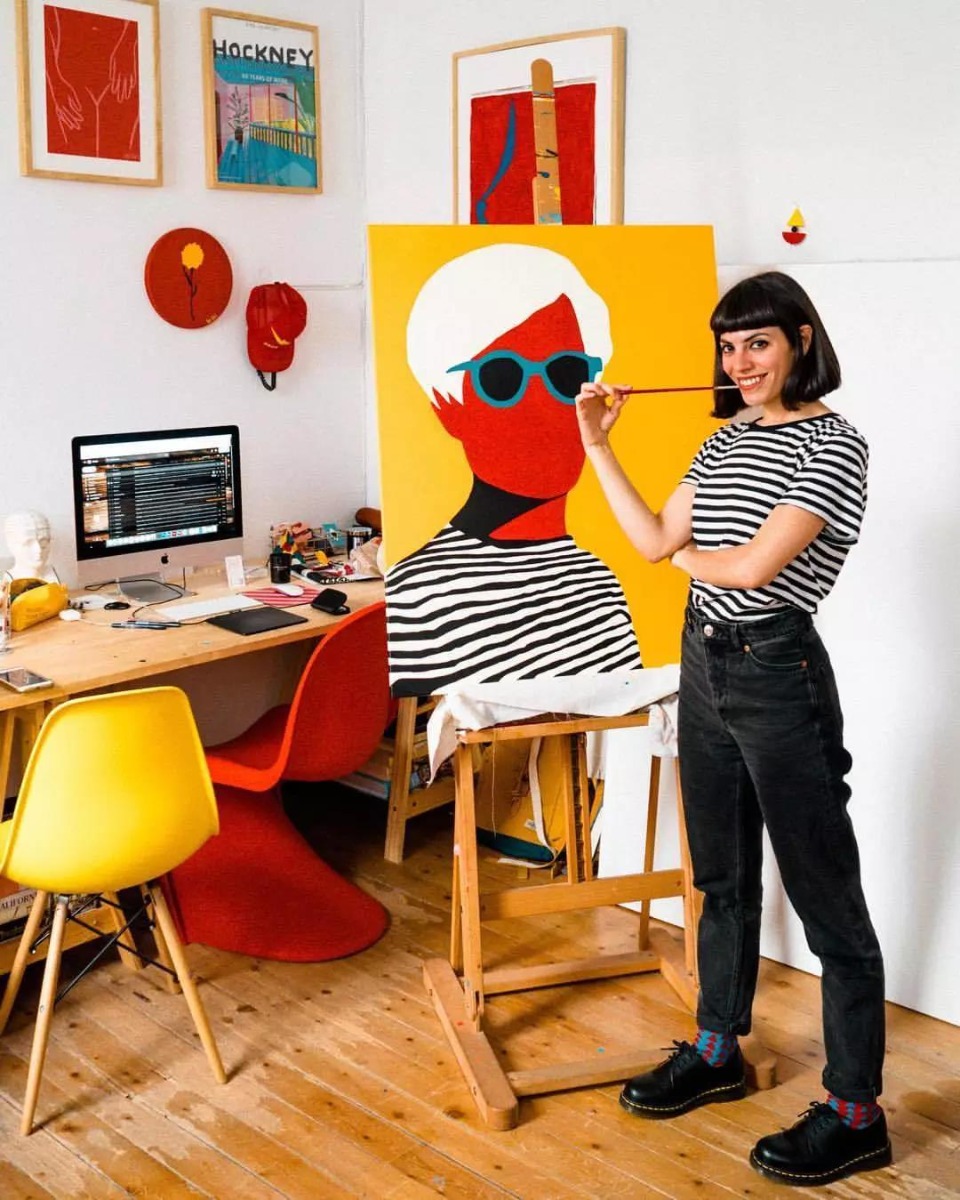
Madrid-based Spanish artists Valeria Palmeiro, better known as Coco Dávez, is a Spanish woman painter who came into limelight for her talent. Her painting style leans towards the vivid color expression of Andy Warhol. Her everyday clad style also tends to be a patchwork of bright, pure colors, with black hair and red lips to make her look stunning. Most of her paintings using acrylic on canvas, Coco Dávez paints famous figures from popular culture without their face.
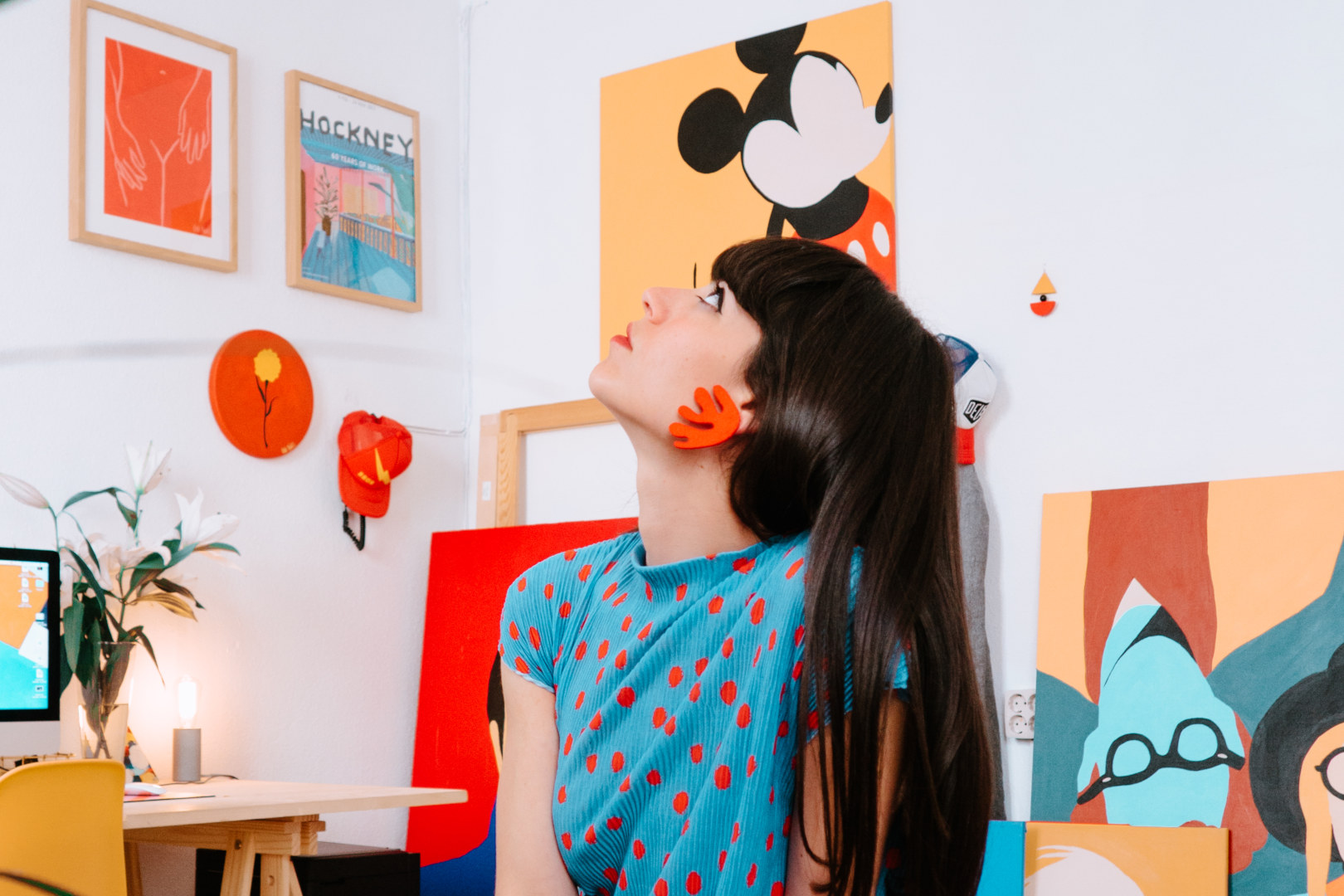
Artists Coco Dávez is a Slash Youth. She is an internet celebrity among Spanish artists and a photographer in social media influencers.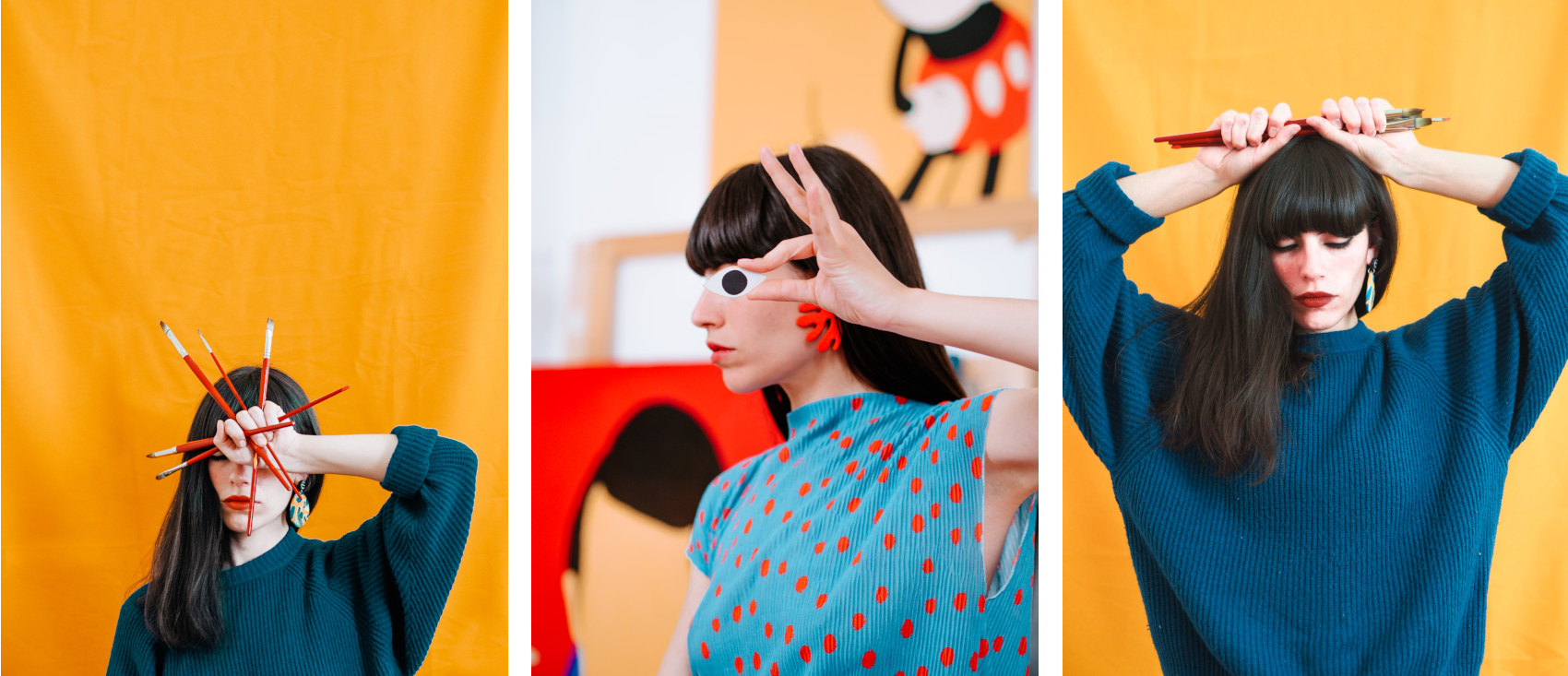
Coco Dávez is a painter, part-time model, photographer, and designer. She has worked for El Mundo (the second-largest daily newspaper in Spain by circulation). Also, She has worked as a photographer for London Fashion Week, Revista Don, Mala Magazine, and other media platforms.
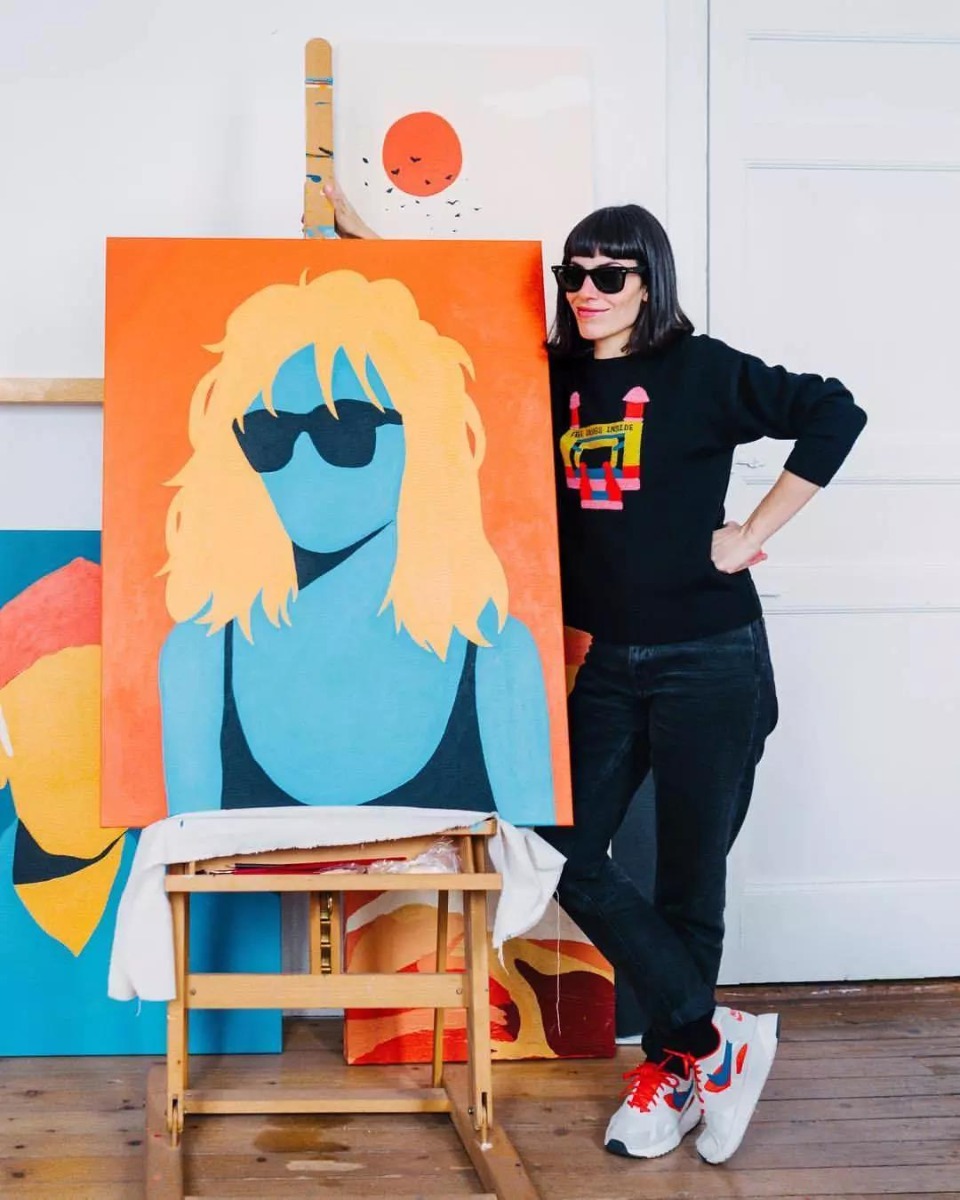
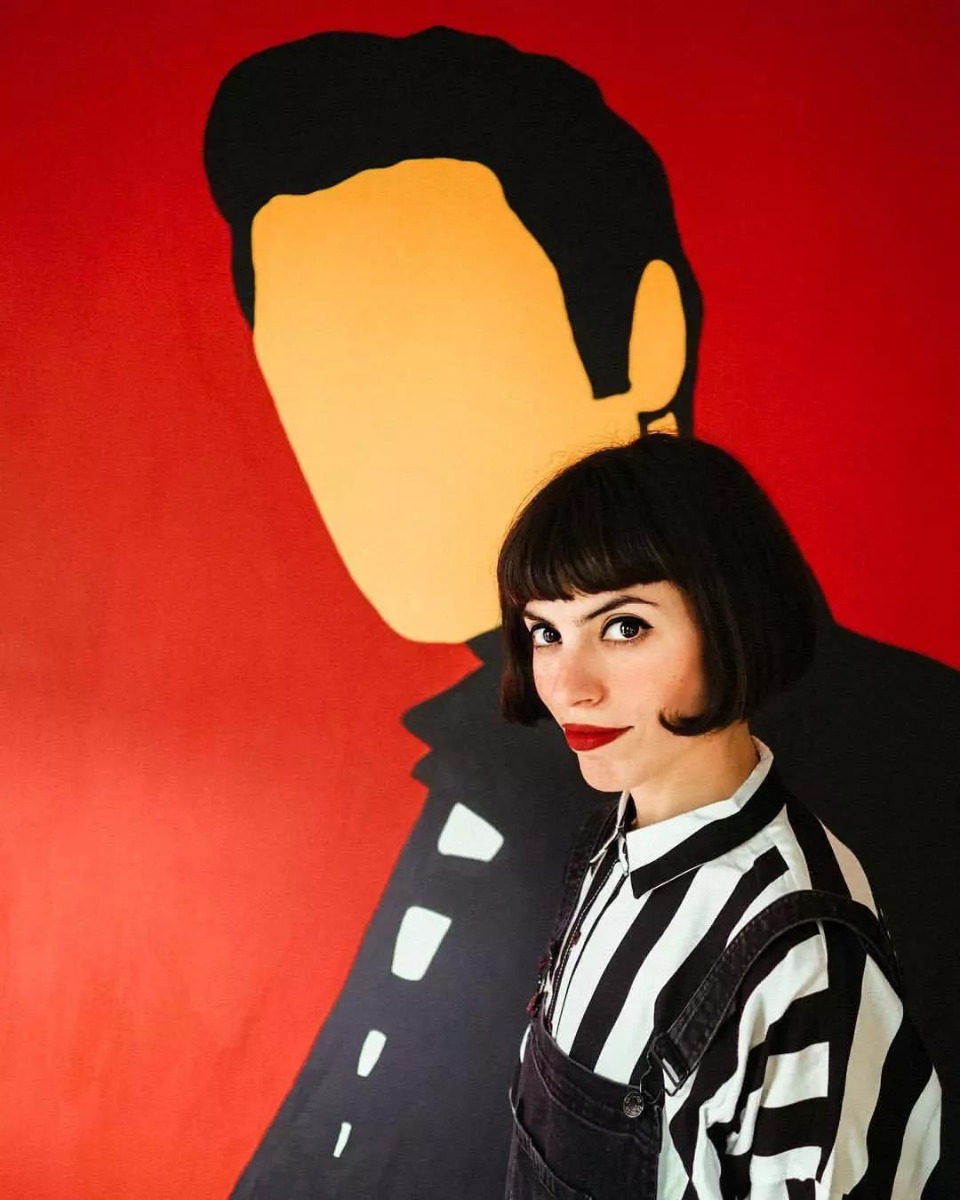
Guess Who
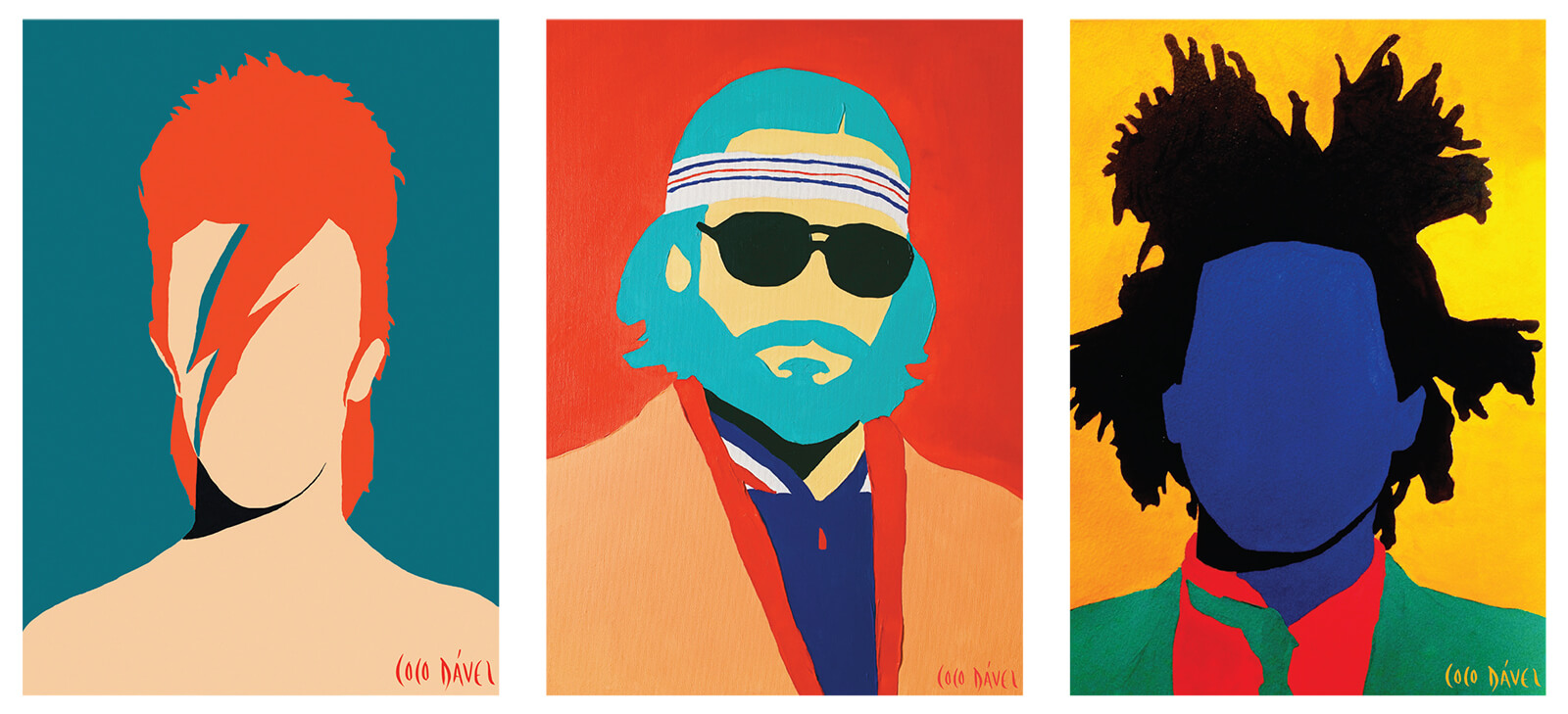
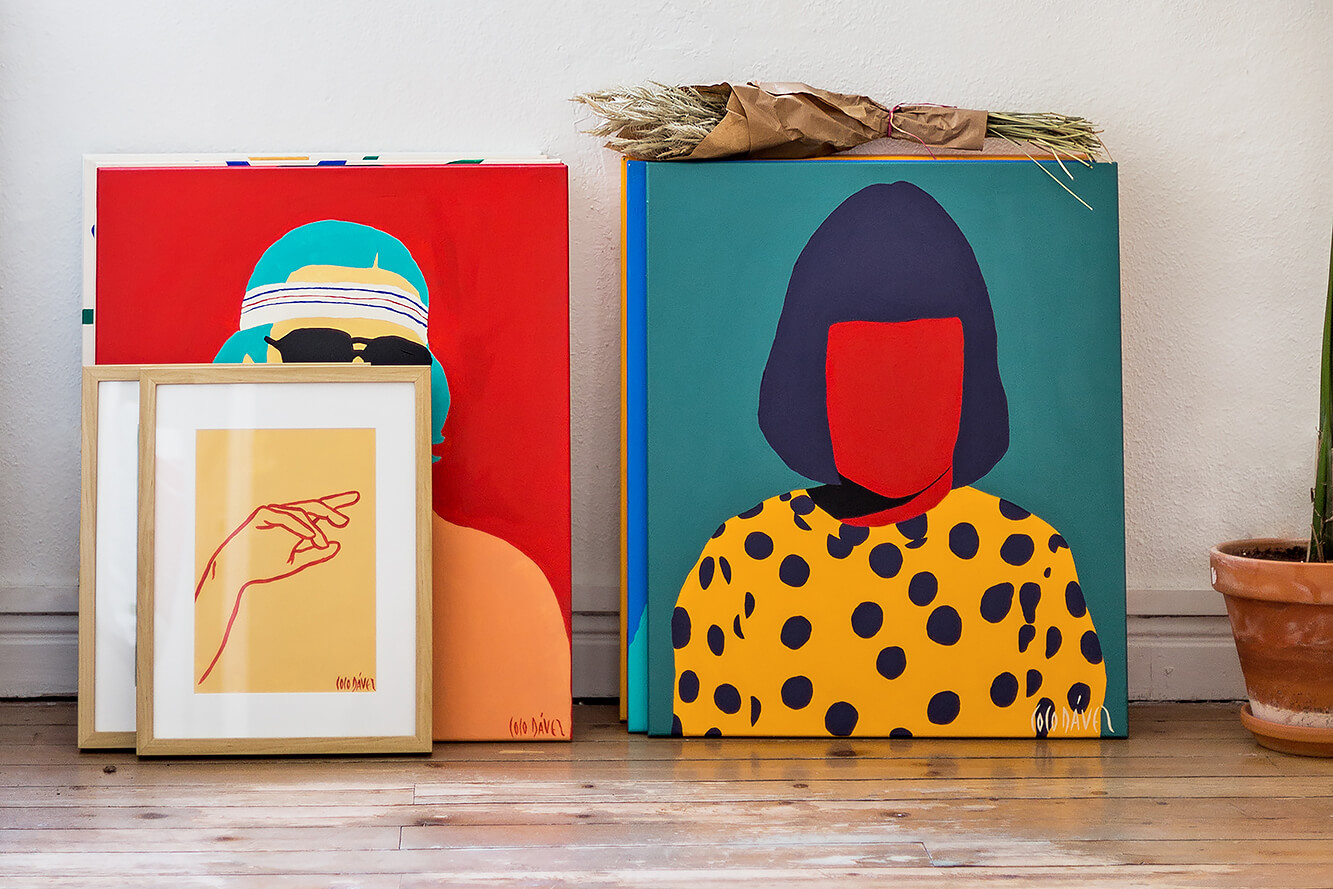
In Coco’s paintings, the most characteristic is the “faceless” portrait, instead showing recognizable characteristics such as a signature hairstyle, silhouettes, piece of clothing or even accessory, so that the viewer is invited to join a sophisticated game of ‘Guess Who?’.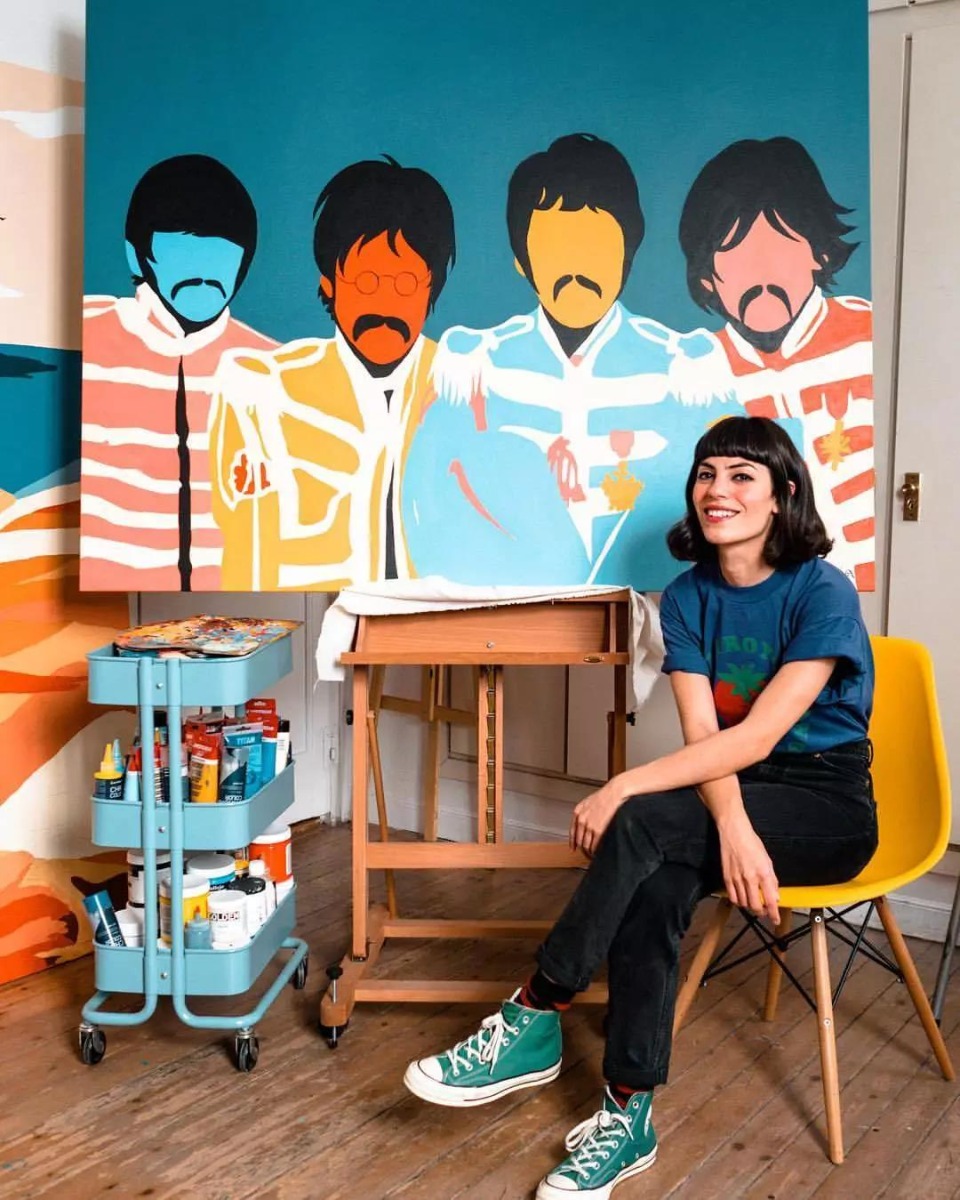
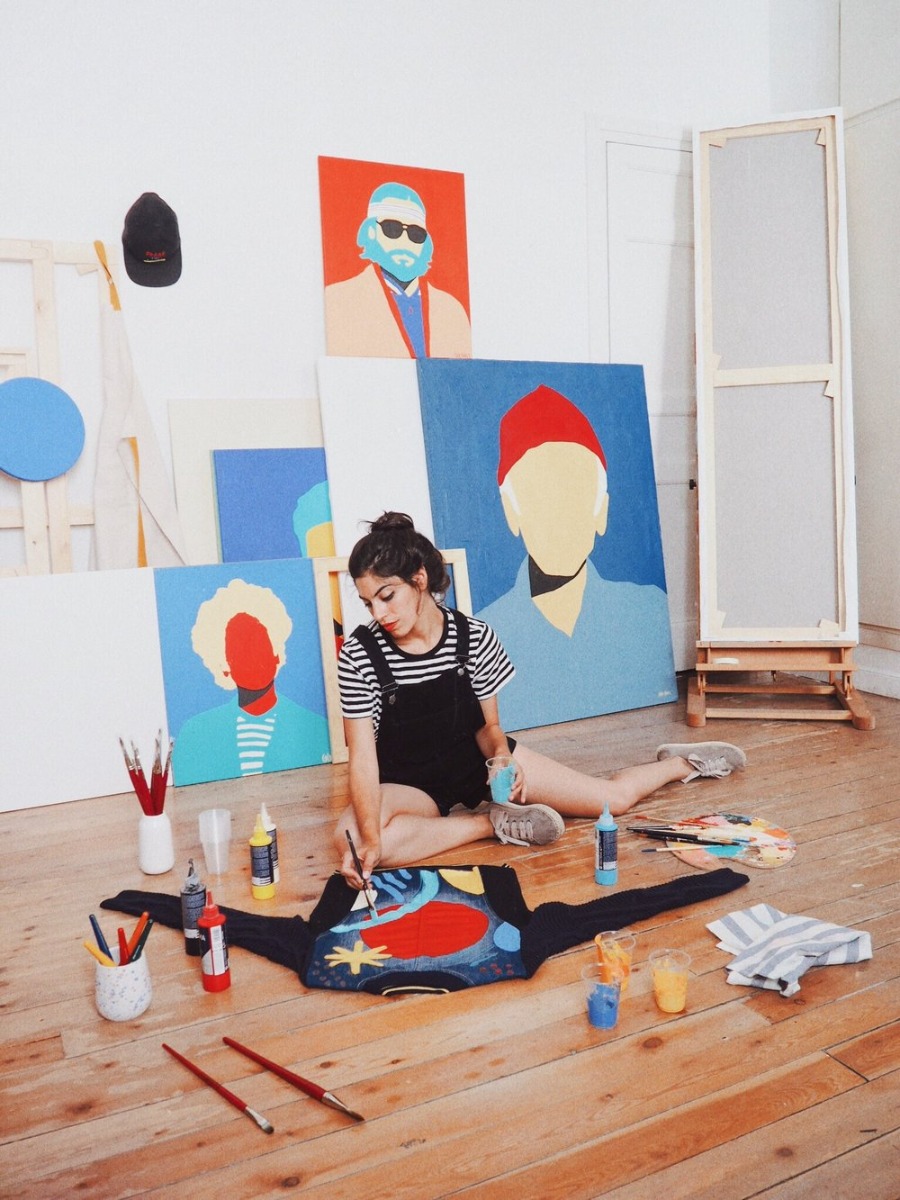
With the blank space in the facial features, Coco intends to redefine herself and pursuit a sense of ease and comfortable in the process of creation. But at the same time, it also triggered the viewer’s curiosity, investing the paintings with broader imagination. The same picture, in different people’s hearts, already has thousands of states.
Pop Icons
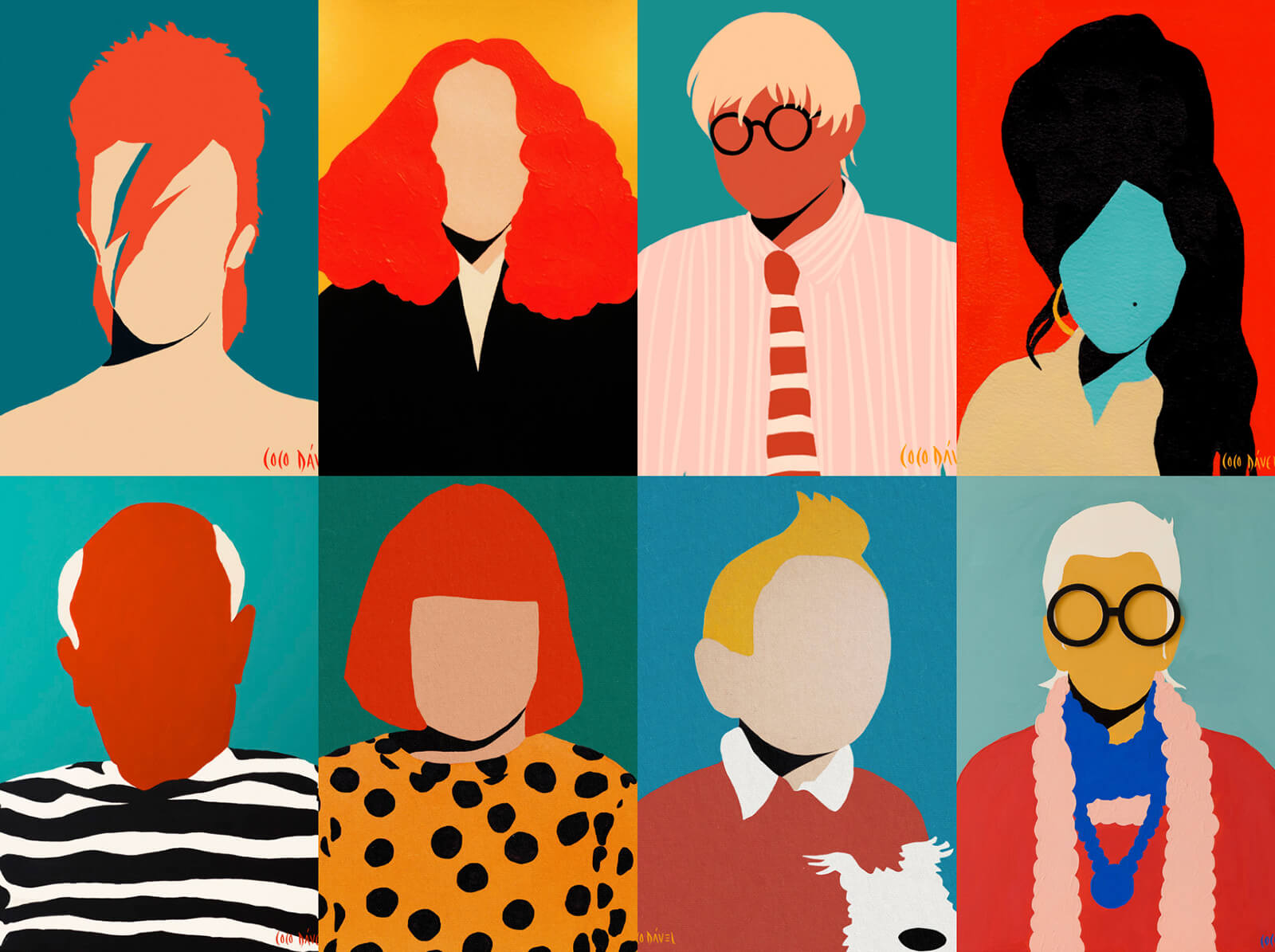
Her faceless portraits show great ingenuity, paying tribute to various popular icons and documenting those who have changed our world with their creativity:
Singers, artists, filmmakers, artists, scientists.
Painting diverse subjects such as
The Beatles, Dali, Walt Disney, Pablo Picasso, Woody Allen, David Lynch, Michael Jackson, Yayoi Kusama, Grace Coddington, Amy Winehouse.
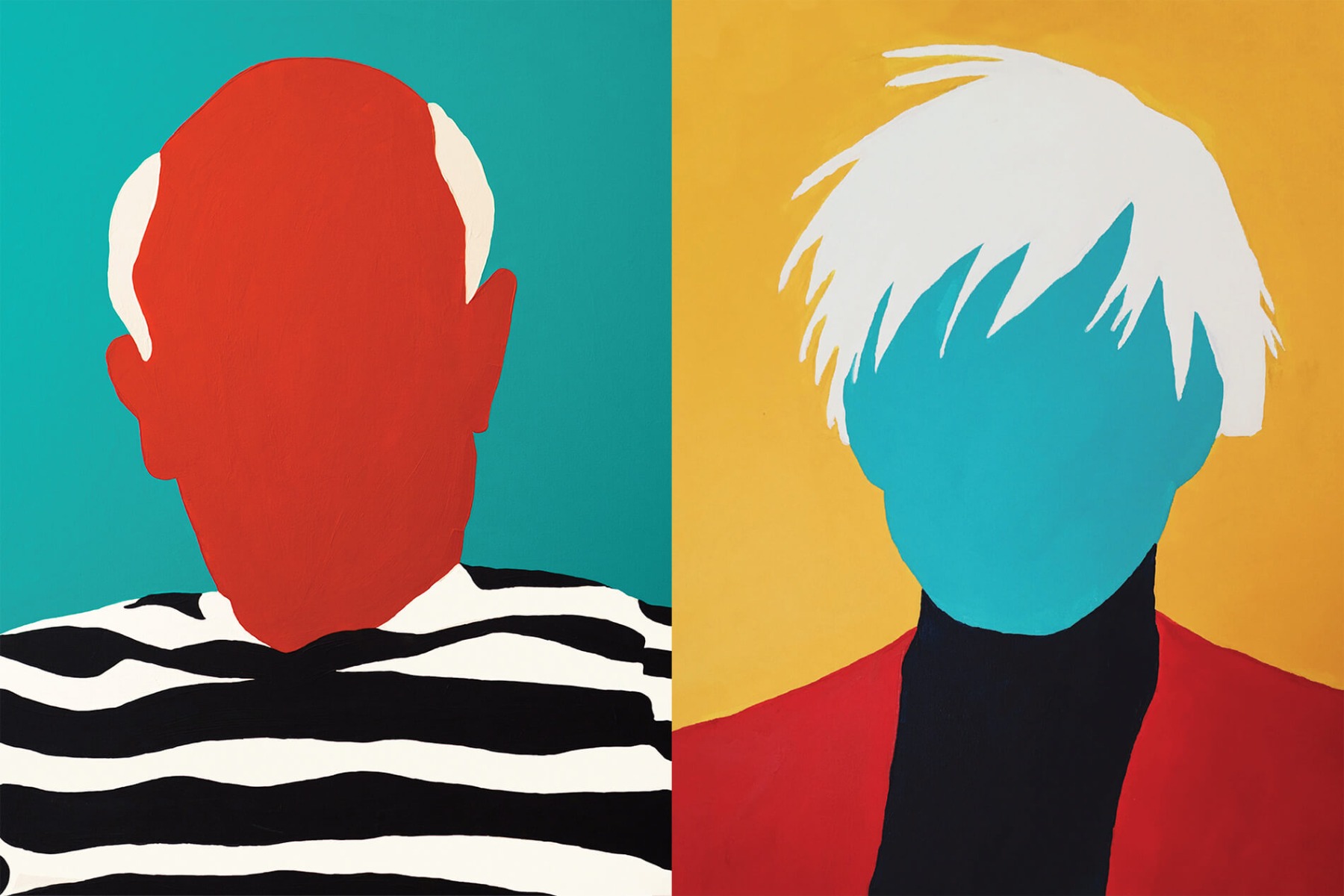
“At one moment in my life, each of these people has inspired me. At different stages in my career or personal life they’ve been who I’ve looked up to. Faceless is my tribute to them.” --Coco Dávez
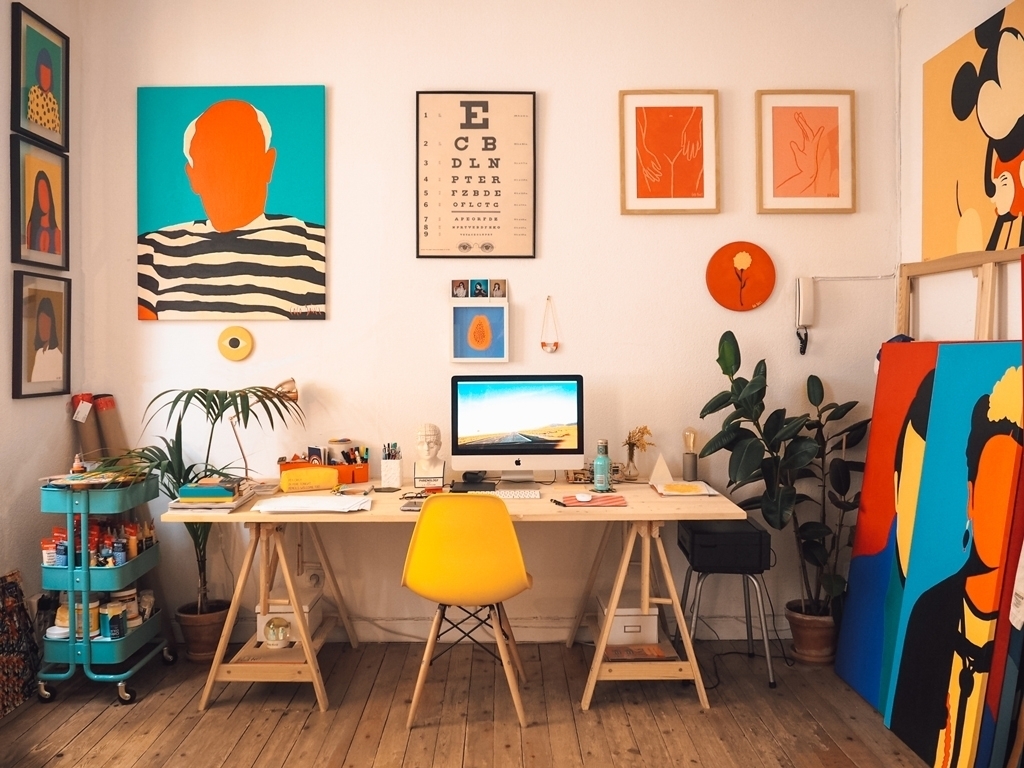
In this creative universe, where art influences all our lives.
As if it takes us on a pop-culture tour in an immersive way via a time machine.More “faceless” portrait collections
#1
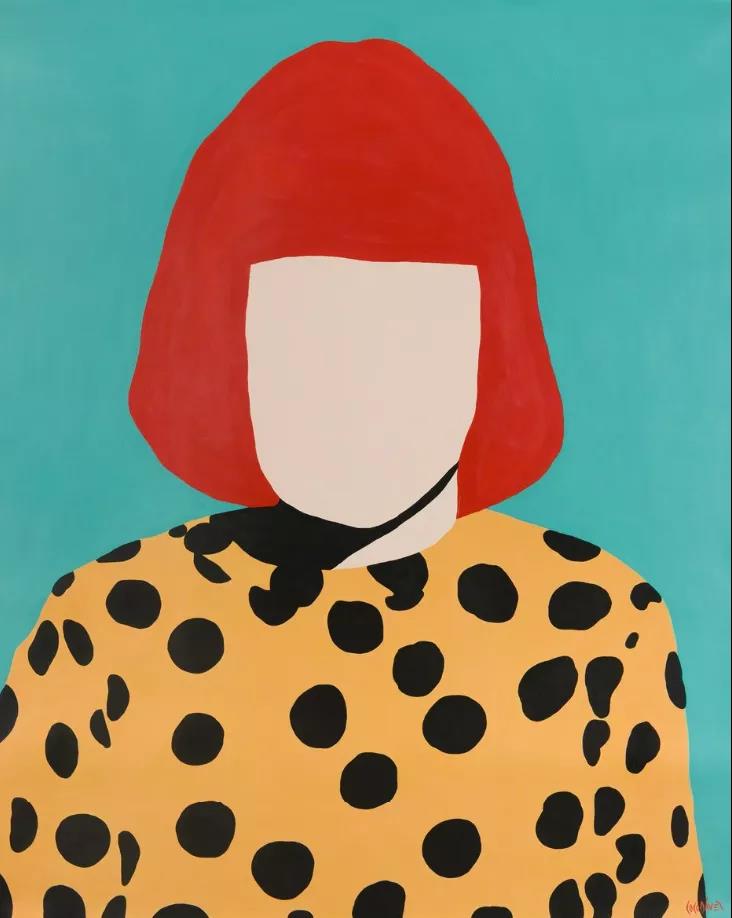
Yayoi, 2019
Acrylic on Canvas
69 3/10 × 56 7/10 in
176 × 144 cm
#2
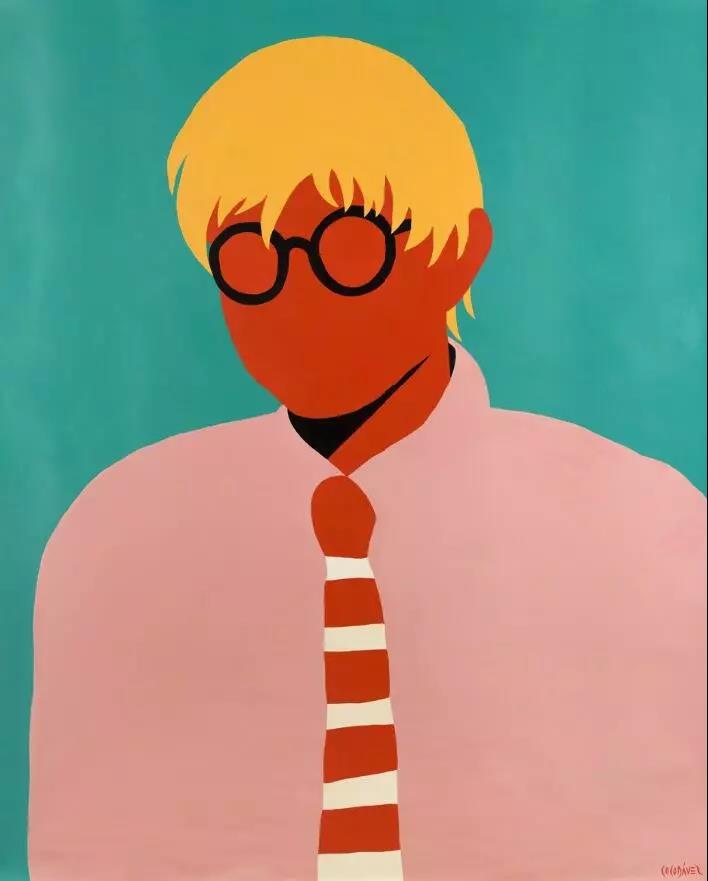
Hockney , 2019
Acrylic on Canvas
69 3/10 × 56 7/10 in
176 × 144 cm
#3
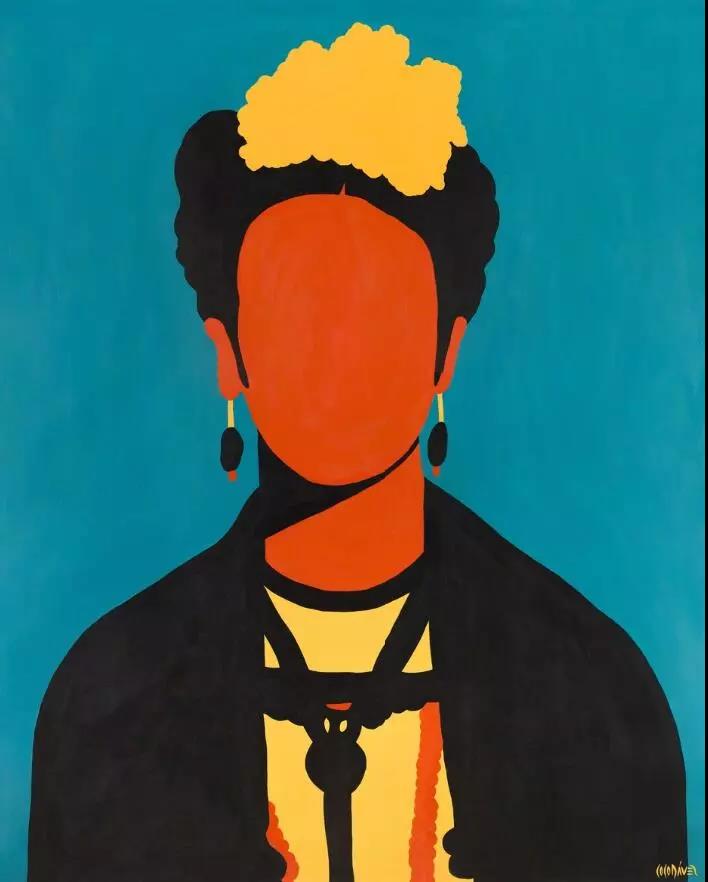
Frida, 2019
Acrylic on Canvas
69 3/10 × 56 7/10 in
176 × 144 cm
#4
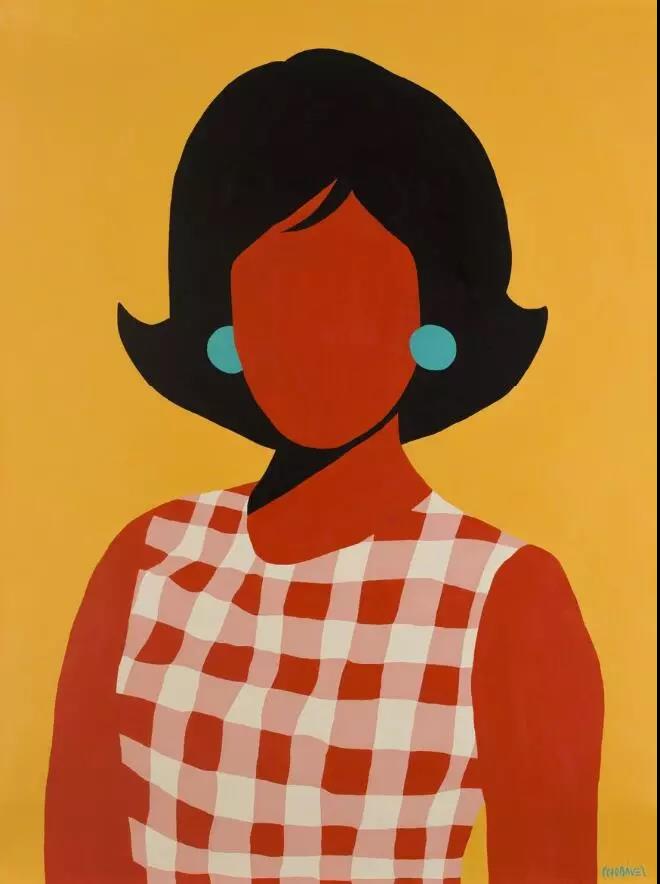
Jackie , 2019
Acrylic on Canvas
56 7/10 × 43 7/10 in
144 × 111 cm
#5
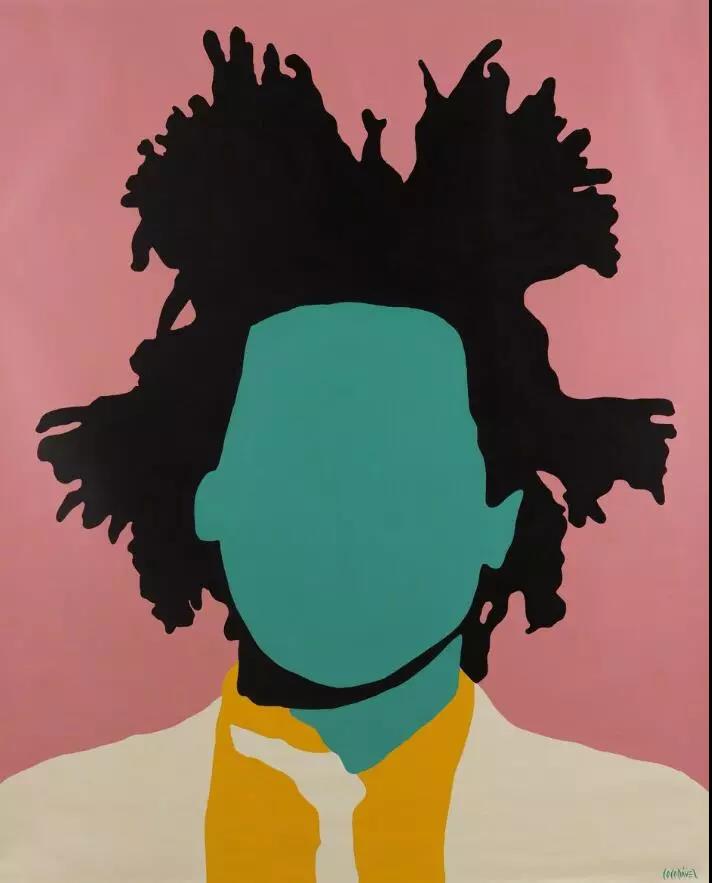
Jean-Michel , 2019
Acrylic on Canvas
69 3/10 × 56 7/10 in
176 × 144 cm
#6
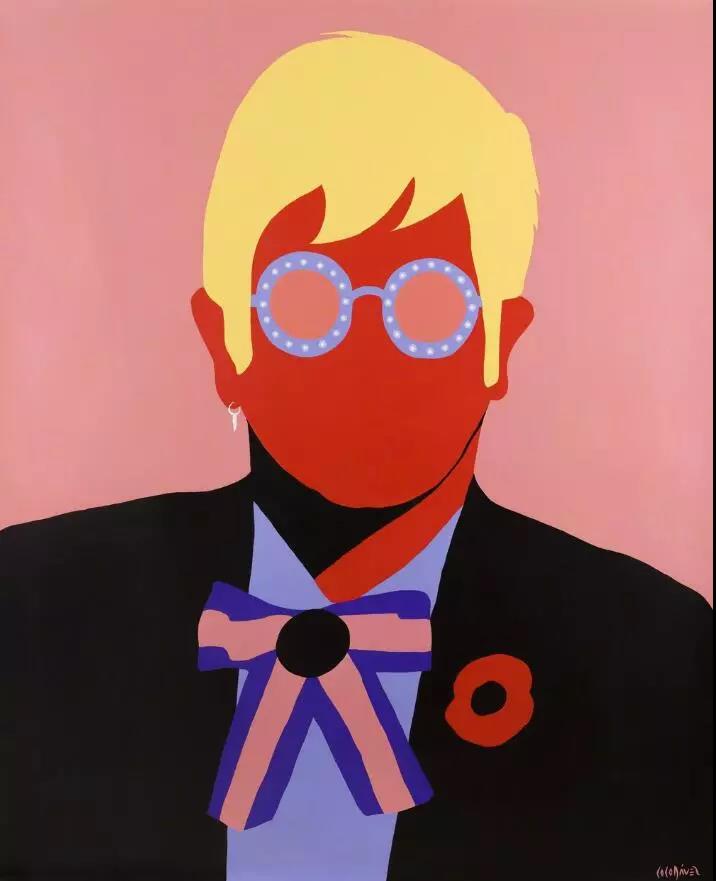
Elton , 2019
Acrylic on Canvas
69 3/10 × 56 7/10 in
176 × 144 cm
#7
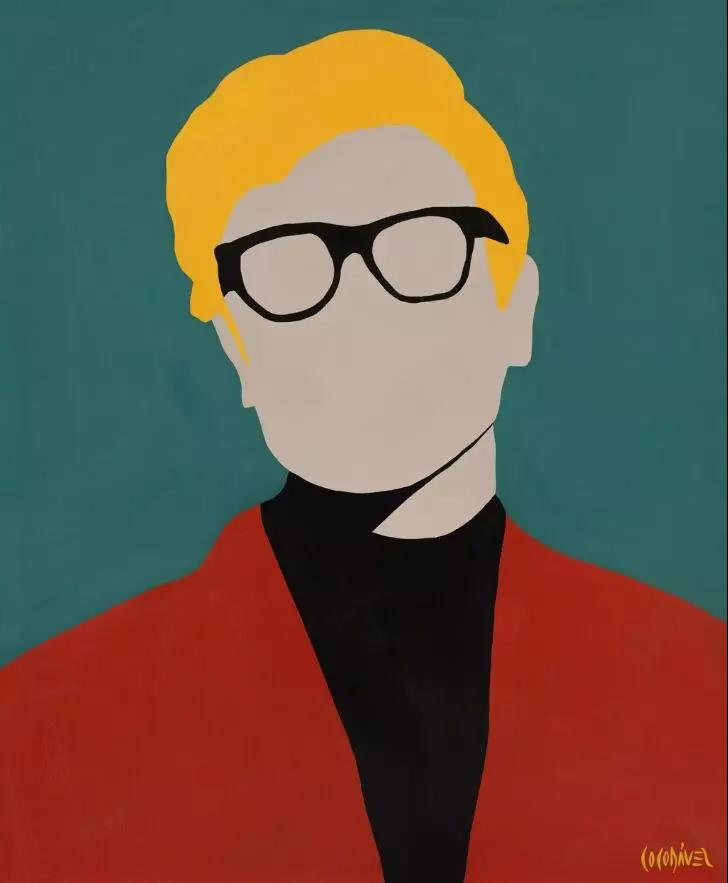
Michael , 2019
Acrylic on Canvas
31 1/10 × 26 4/5 in
79 × 68 cm
#8
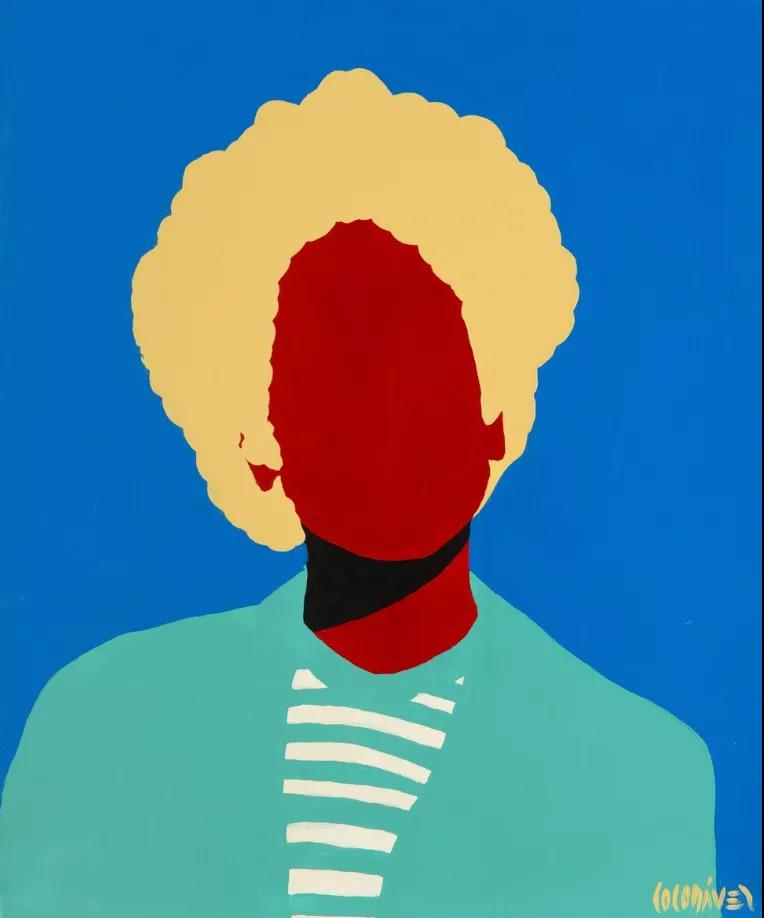
Art, 2019
Acrylic on Canvas
31 1/10 × 26 4/5 in
79 × 68 cm
#9
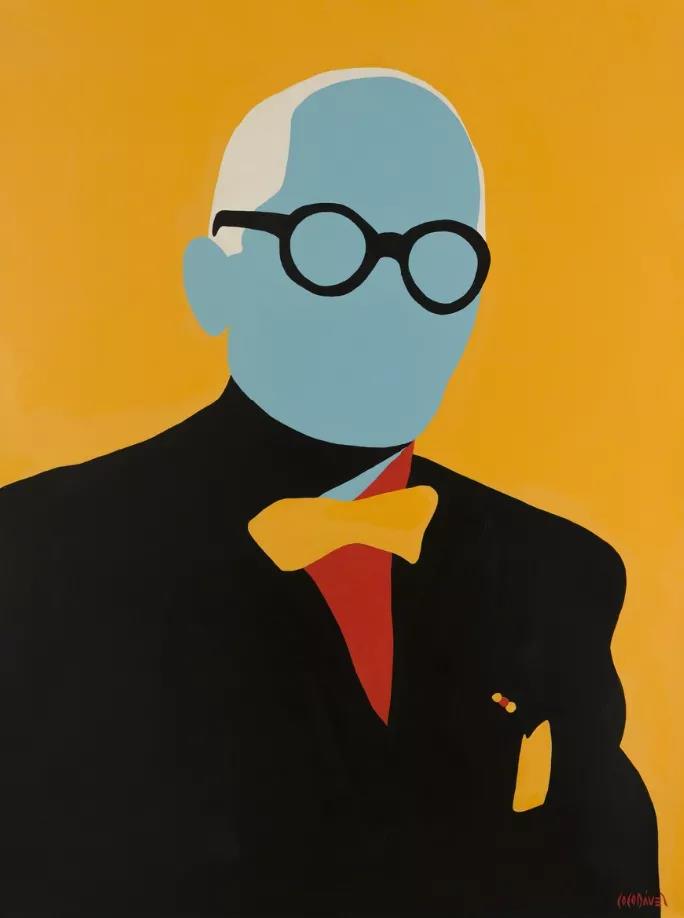
Le Corbusier , 2019
Acrylic on Canvas
56 7/10 × 43 7/10 in
144 × 111 cm
#10
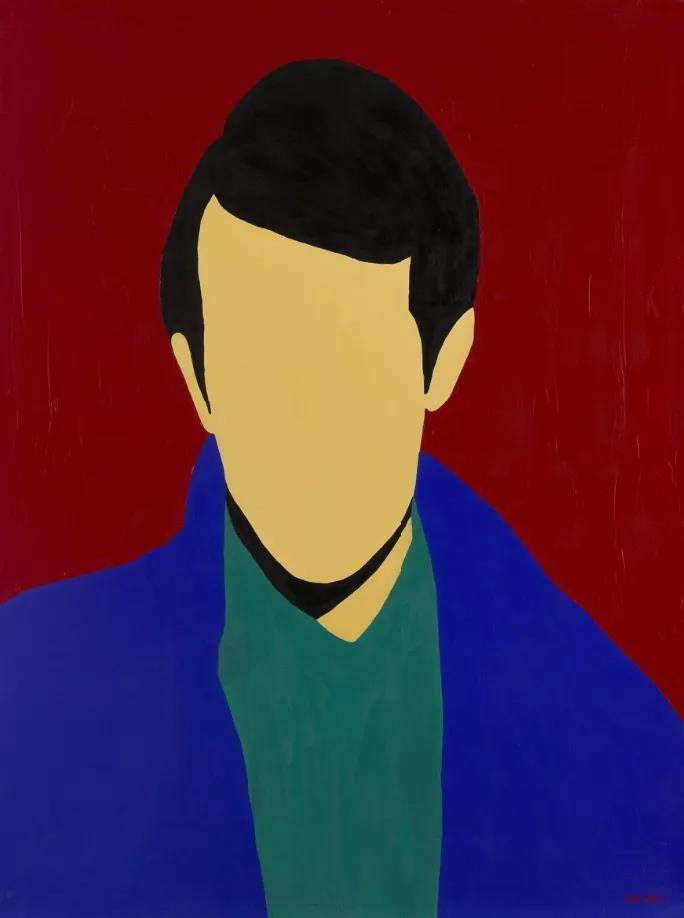
Jean-Paul, 2019
Acrylic On Canvas
56 7/10 × 43 7/10 in
144 × 111 cm
#11
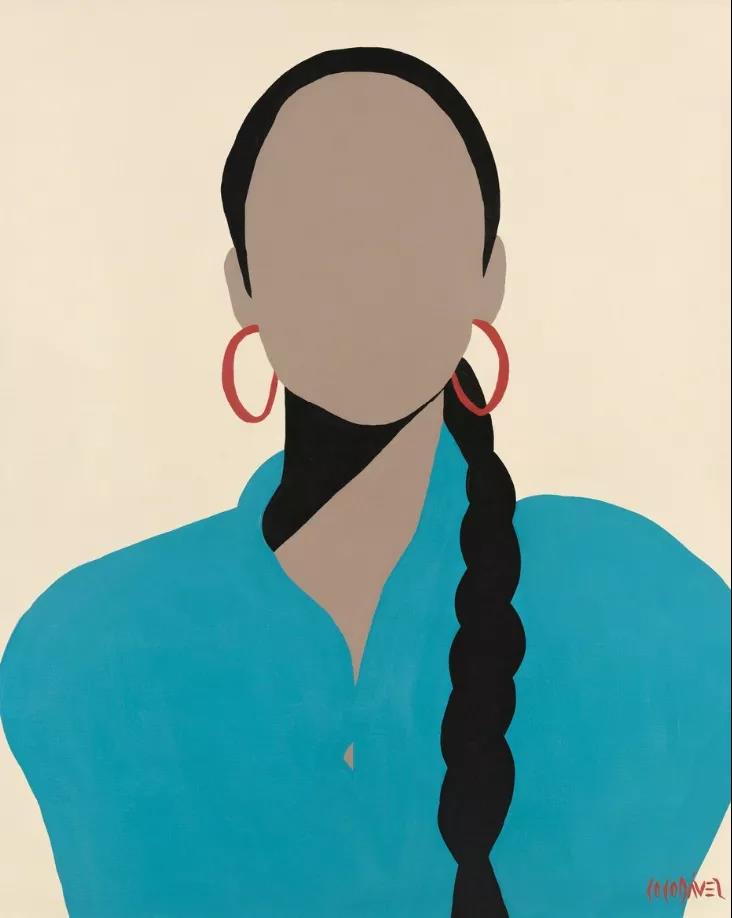
Sade, 2019
Acrylic on Canvas
31 1/10 × 26 4/5 in
79 × 68 cm
#12
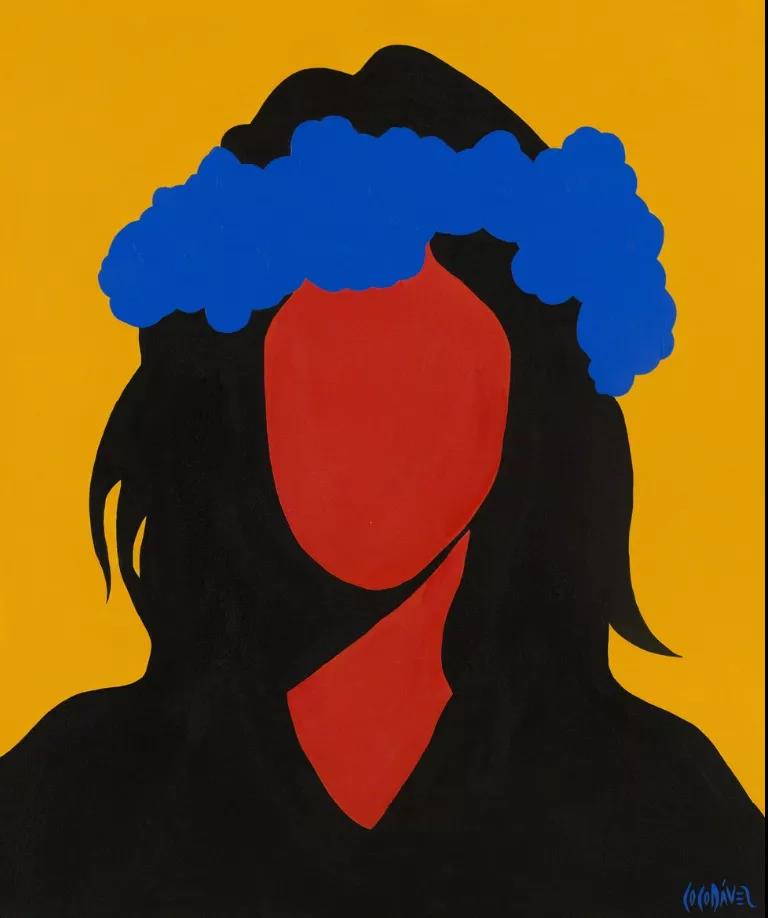
Patti , 2019
Acrylic on Canvas
31 1/10 × 26 4/5 in
79 × 68 cm
#13
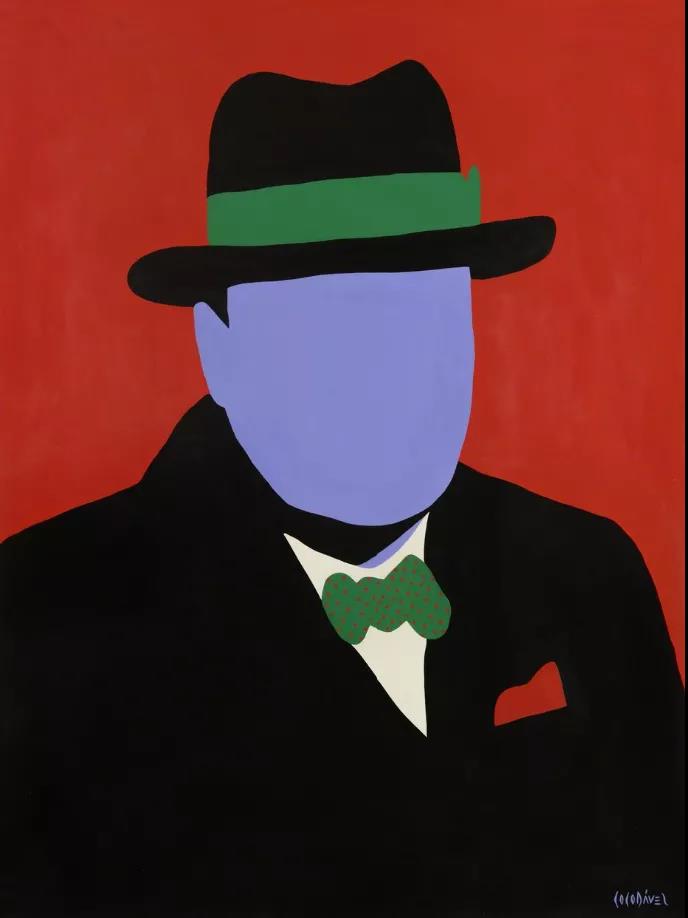
Winston , 2019
Acrylic on Canvas
56 7/10 × 43 7/10 in
144 × 111 cm
#14
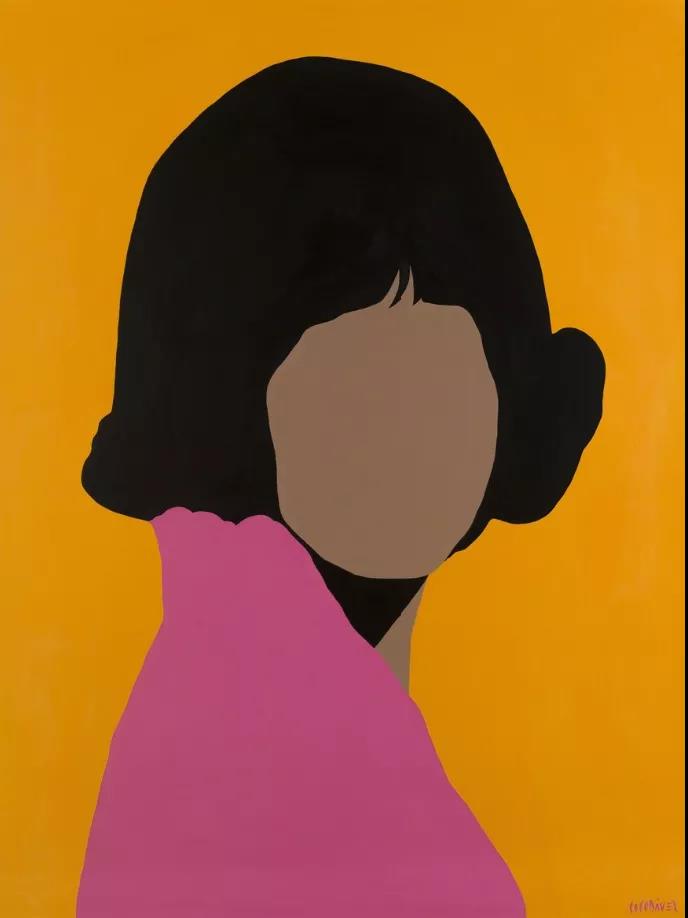
Aretha, 2019
Acrylic on Canvas
56 7/10 × 43 7/10 in
144 × 111 cm
#15
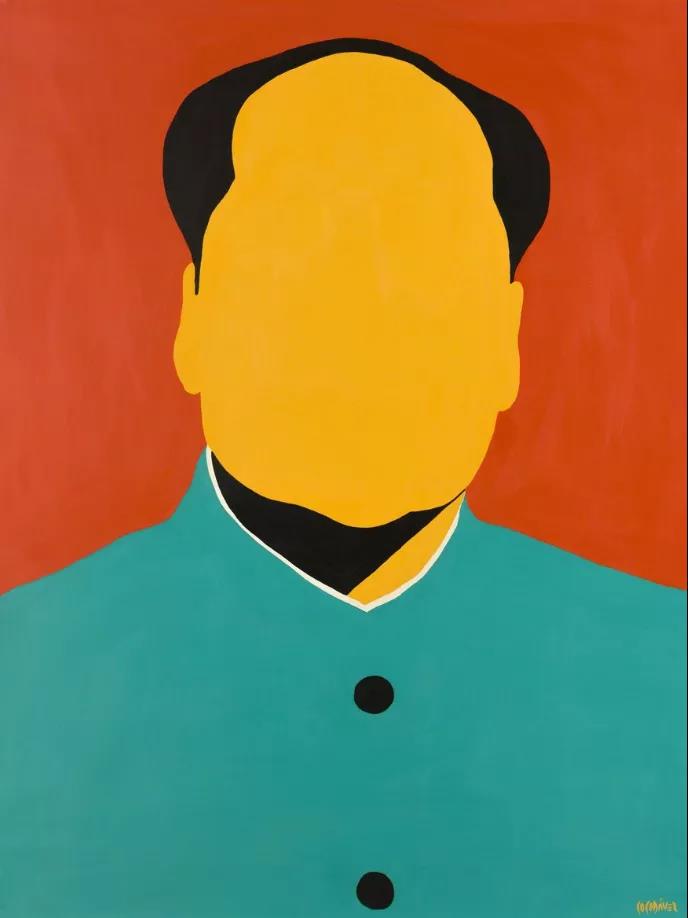
Mao , 2019
Acrylic on Canvas
56 7/10 × 43 7/10 in
144 × 111 cm
#16
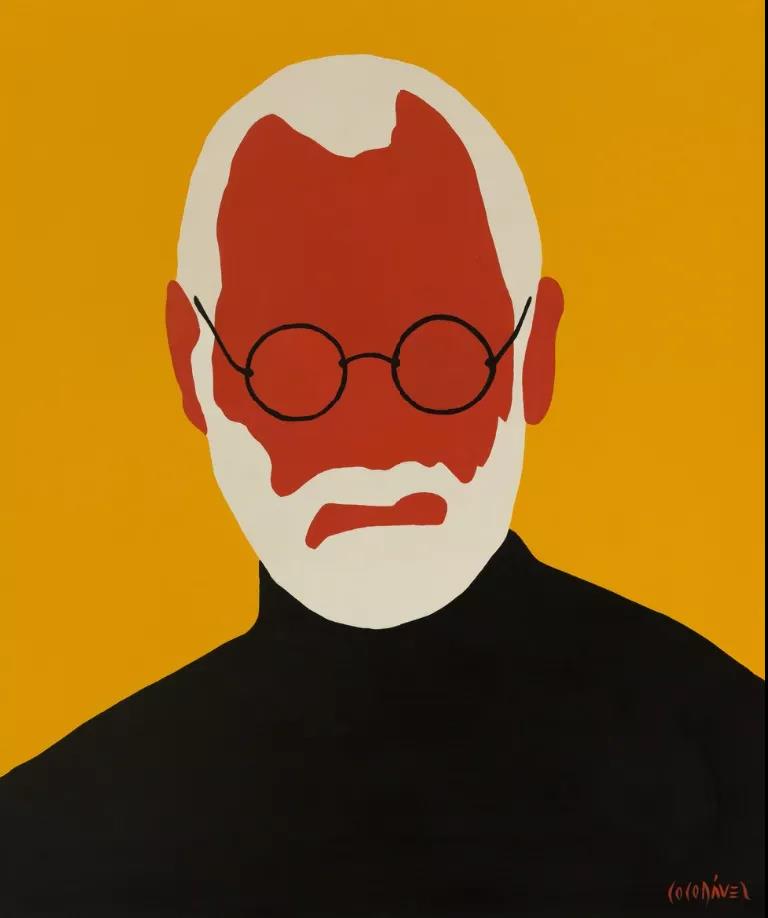
Steve , 2019
Acrylic on Canvas
31 1/10 × 26 4/5 in
79 × 68 cm
#17
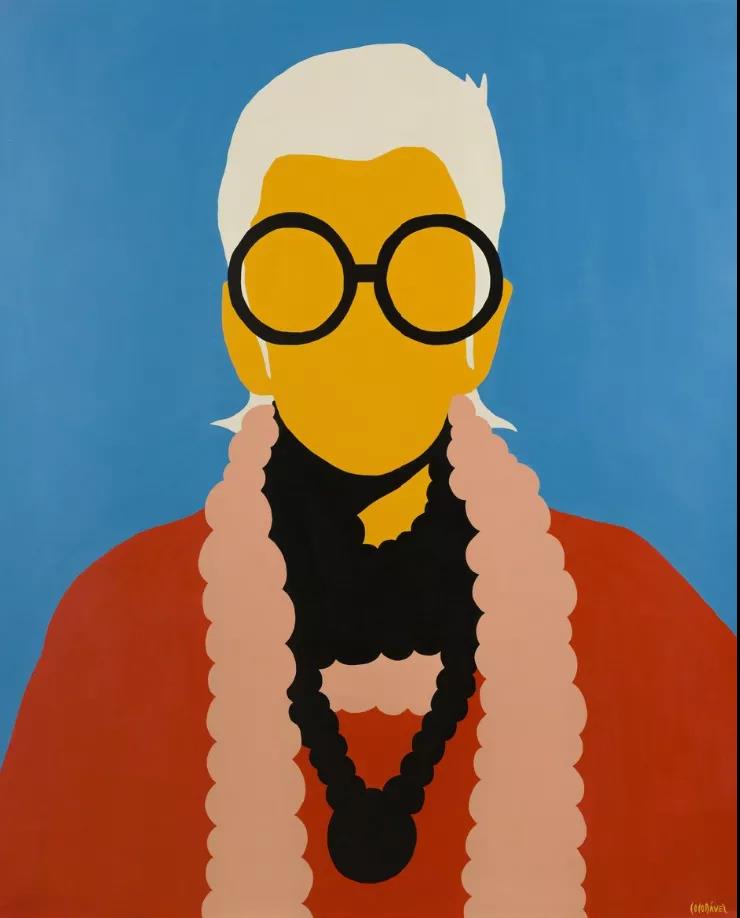
Iris , 2019
Acrylic on Canvas
69 3/10 × 56 7/10 in
176 × 144 cm
#18
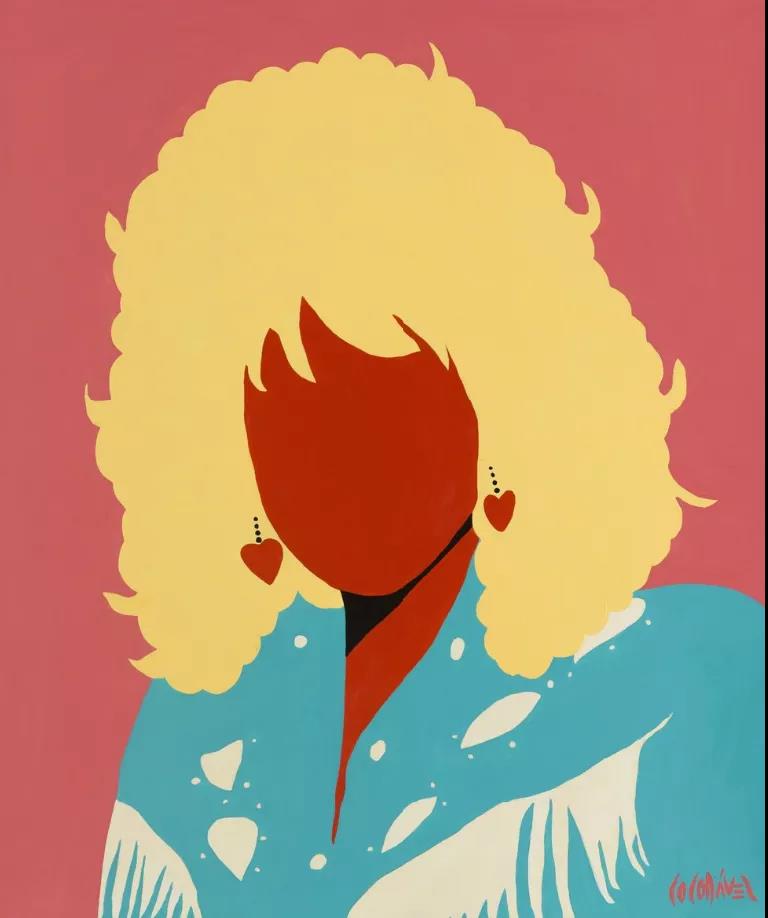
Dolly , 2019
Acrylic on Canvas
31 1/10 × 26 4/5 in
79 × 68 cm
#19
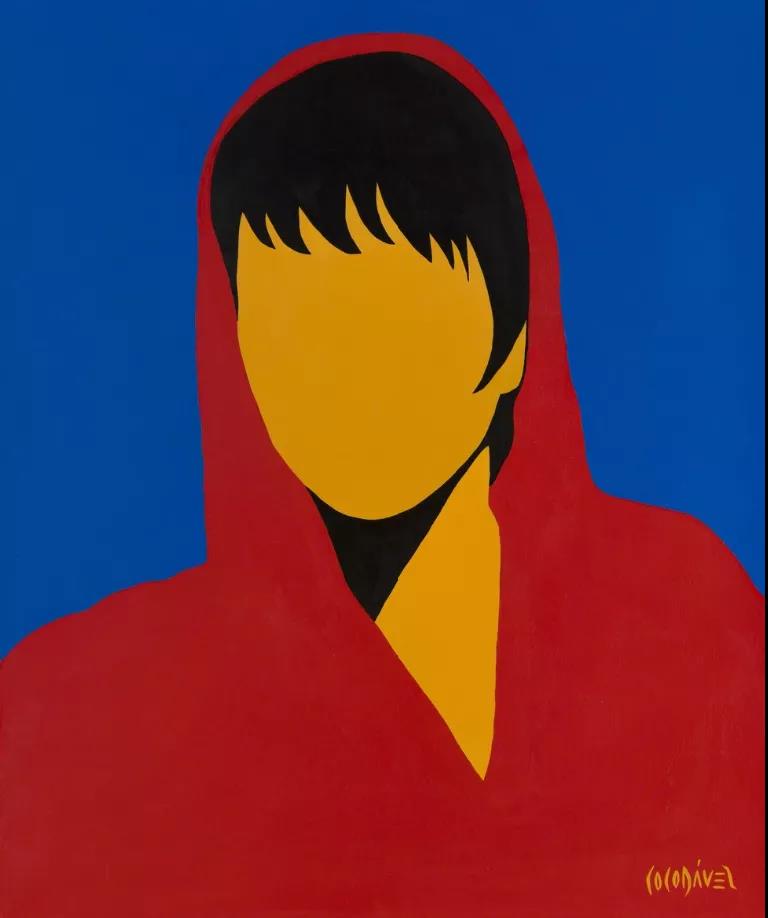
Liza, 2019
Acrylic on Canvas
31 1/10 × 26 4/5 in
79 × 68 cm
#20
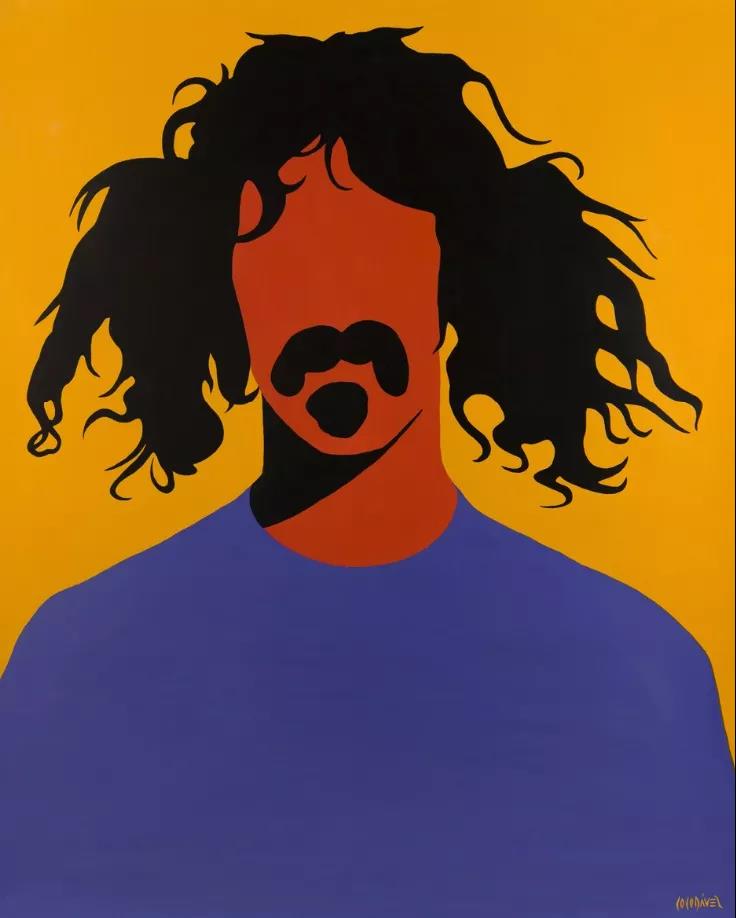
Frank , 2019
Acrylic on Canvas
69 3/10 × 56 7/10 in
176 × 144 cm
#21
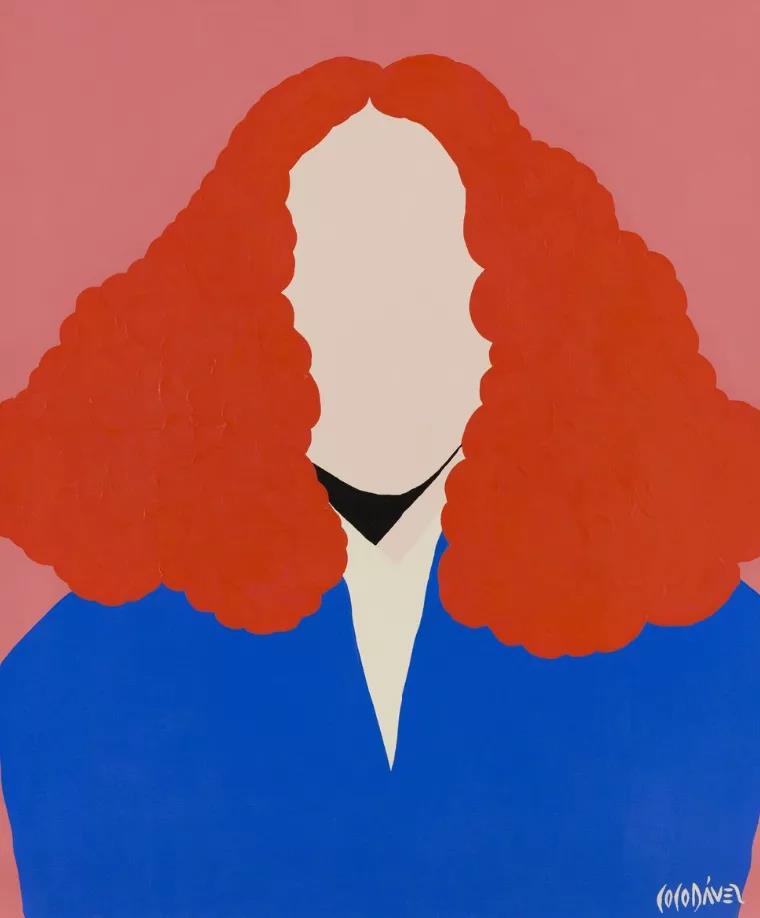
Grace , 2019
Acrylic on Canvas
31 1/10 × 26 4/5 in
79 × 68 cm
#22
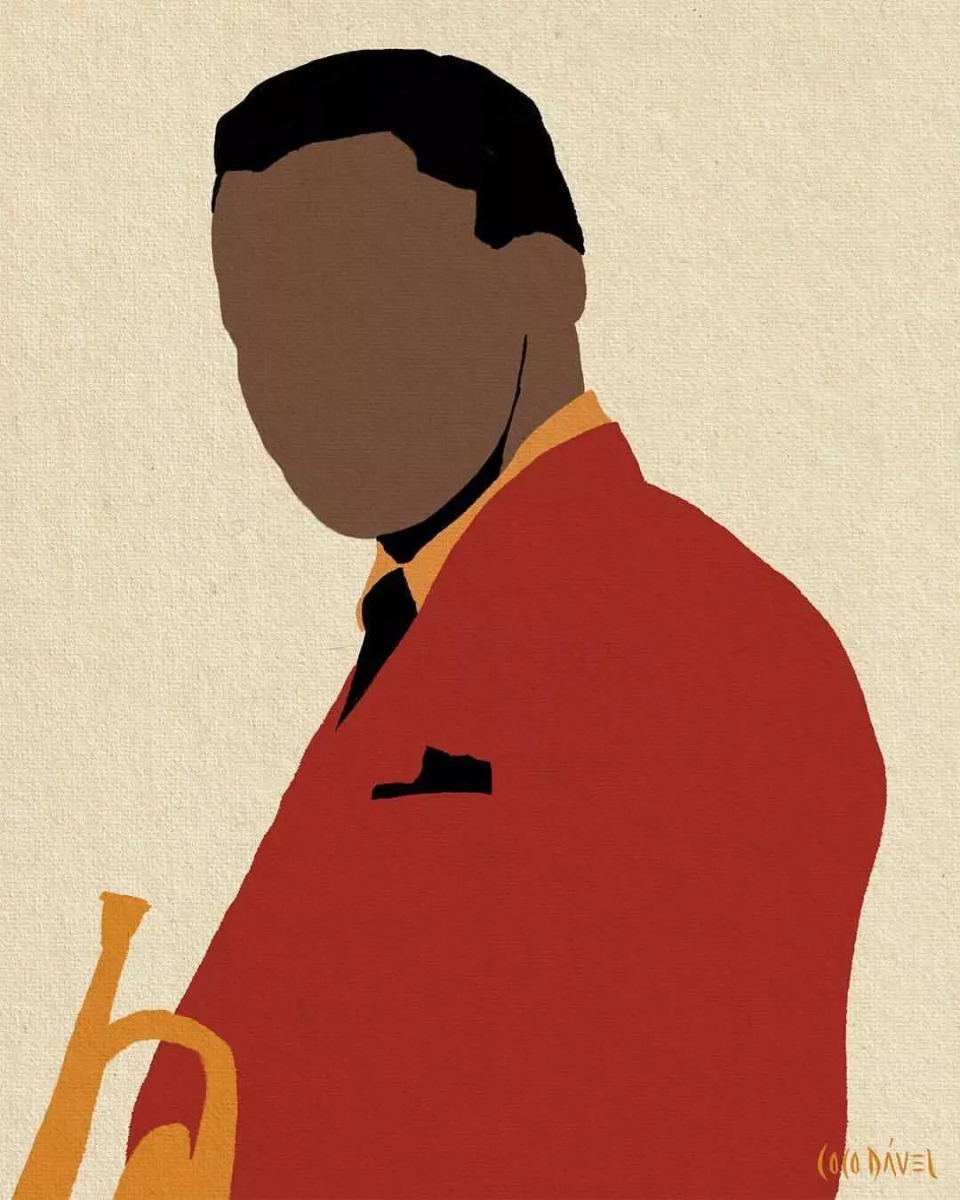
Guess Who?
#23
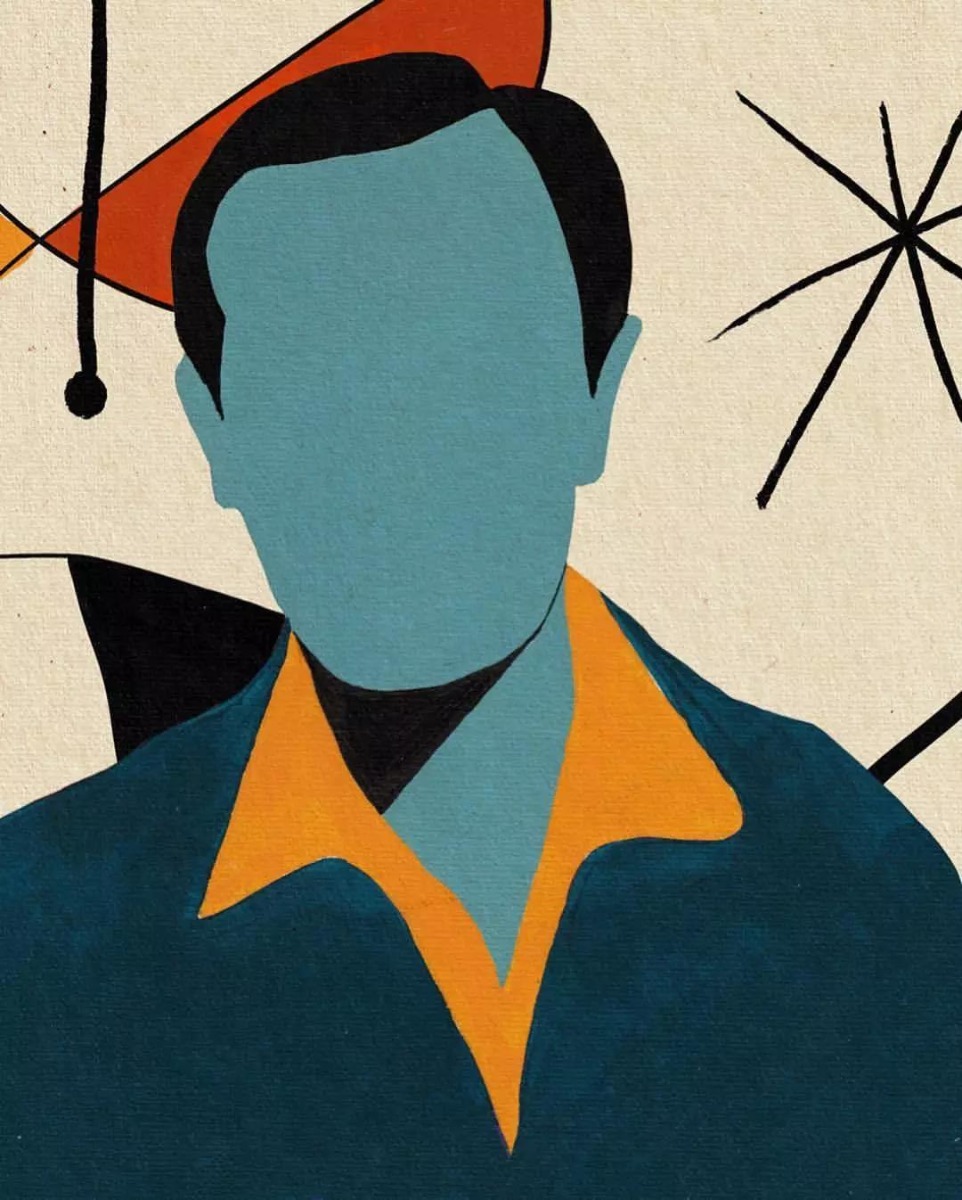
Guess Who?
#24
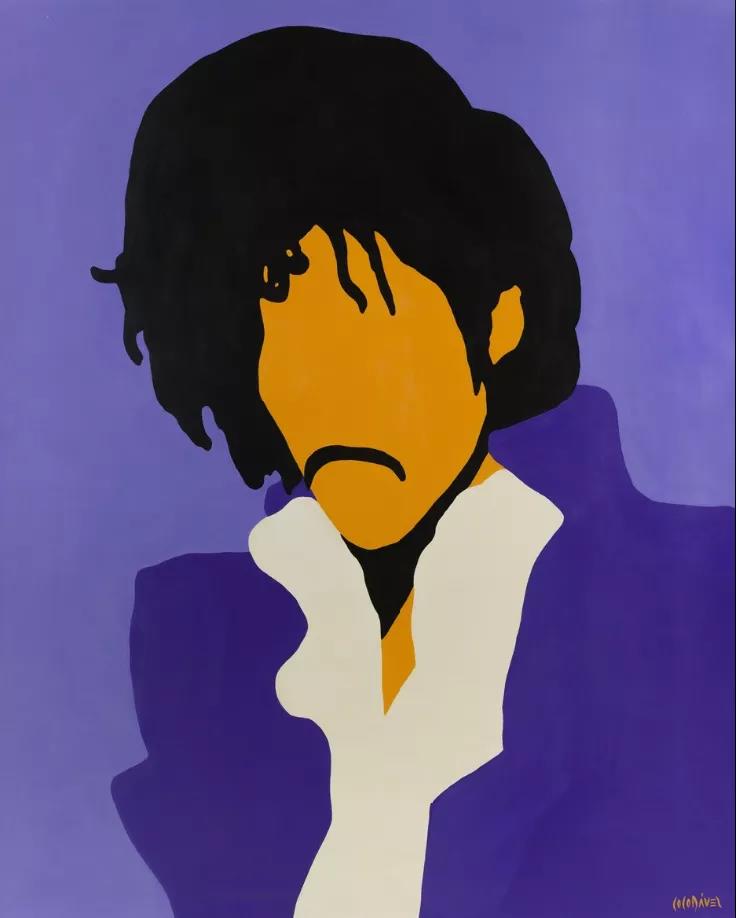
Prince , 2019
Acrylic on Canvas
69 3/10 × 56 7/10 in
176 × 144 cm
#25
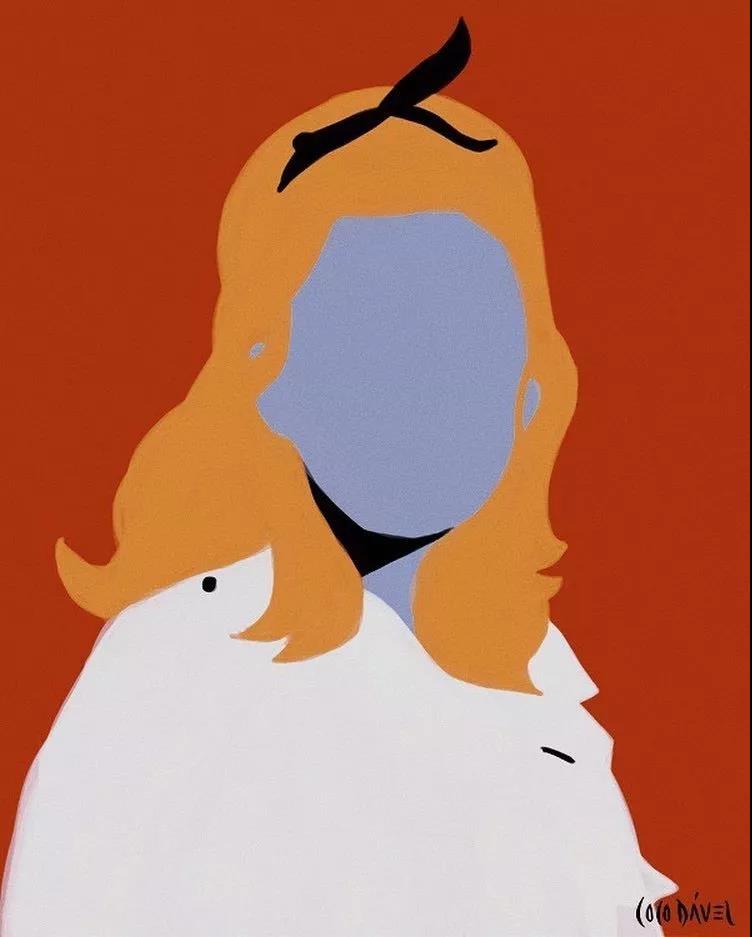
Guess Who?
#26
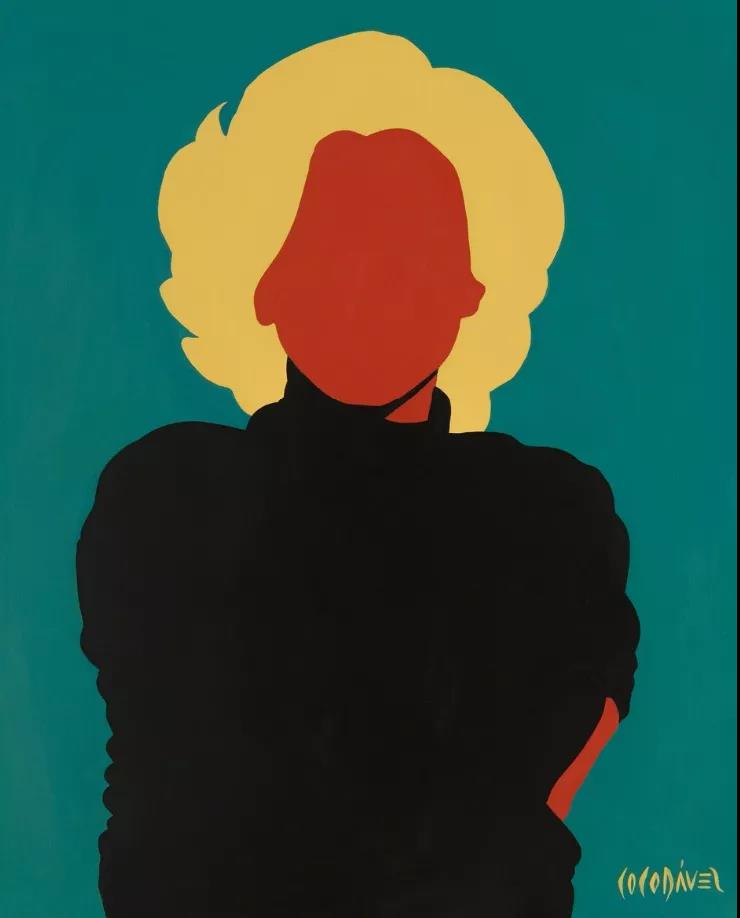
Marilyn , 2019
Acrylic on Canvas
31 1/10 × 26 4/5 in
79 × 68 cm
#27
Frank , 2019
Acrylic on Canvas
69 3/10 × 56 7/10 in
176 × 144 cm
#28
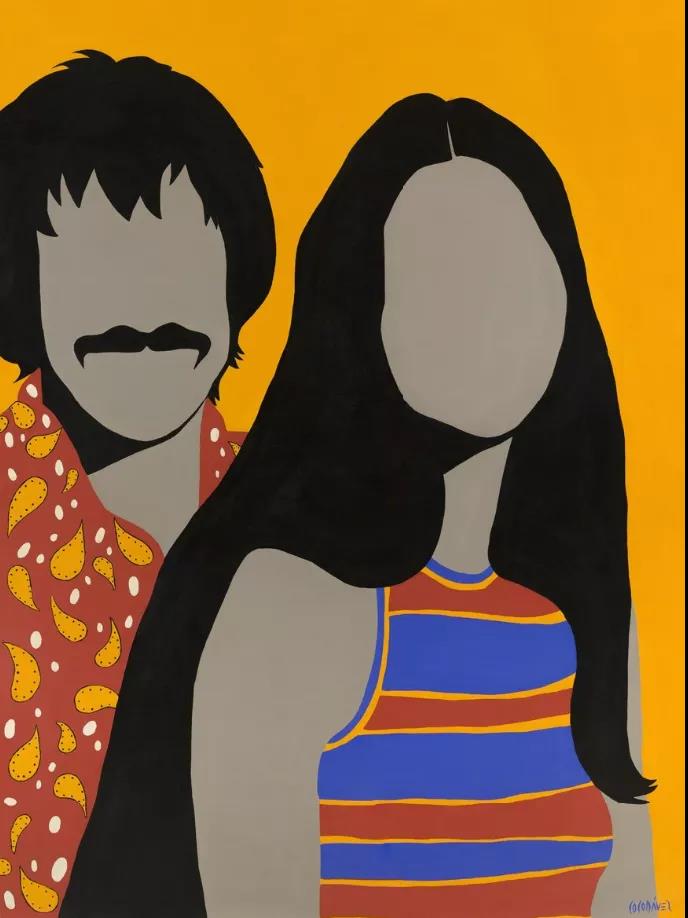
Jackie , 2019
Acrylic on Canvas
56 7/10 × 43 7/10 in
144 × 111 cm
#29
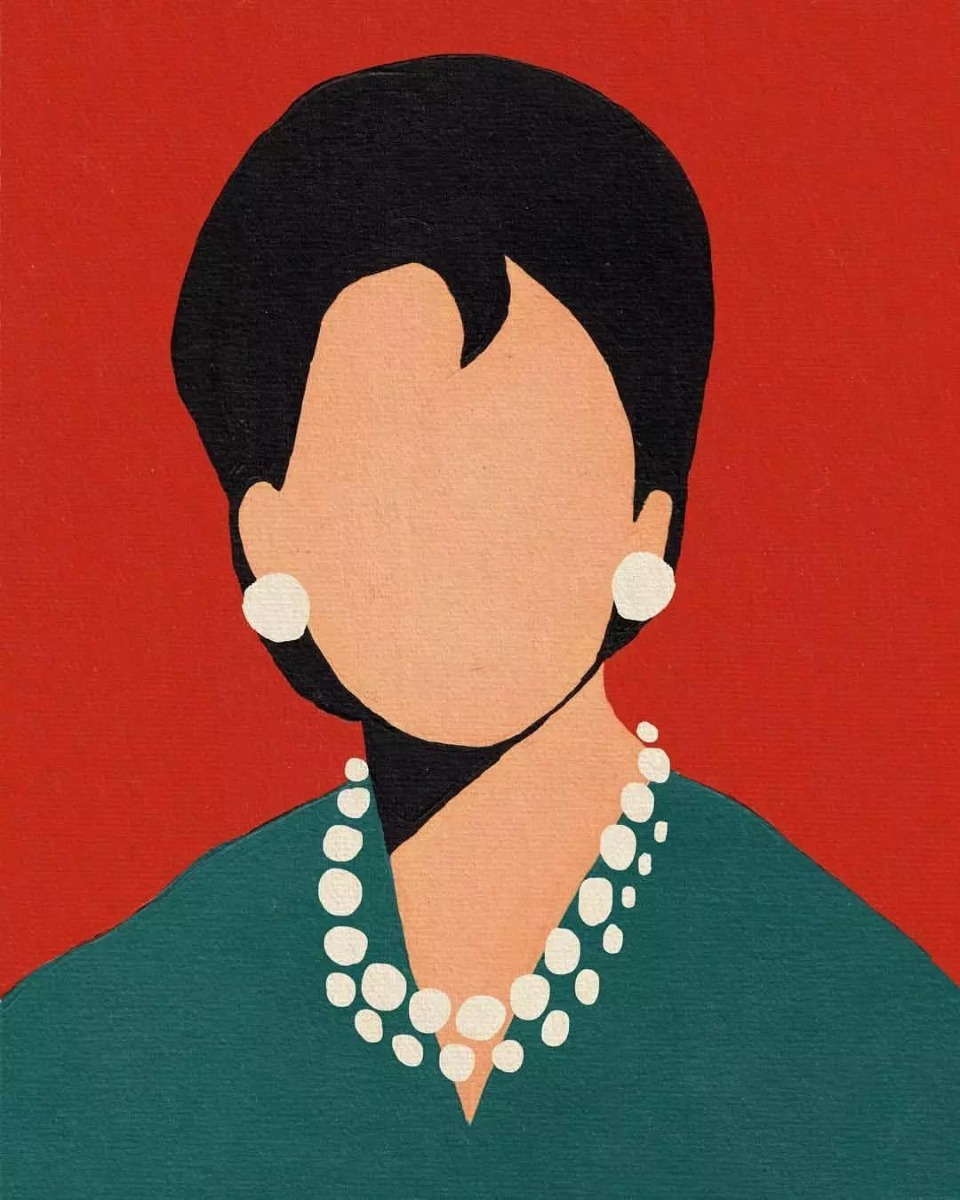
Guess Who?
#30
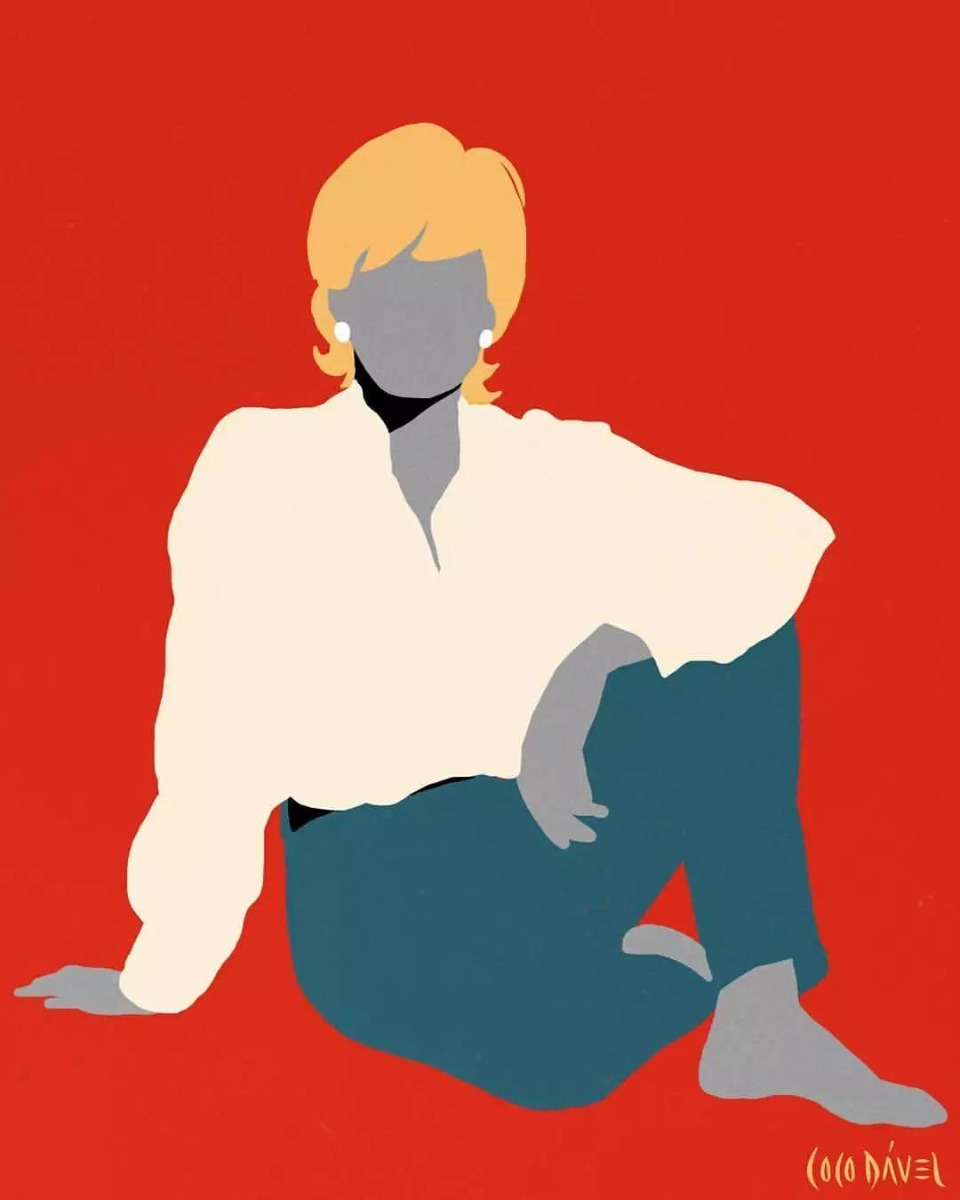
Guess Who?
-
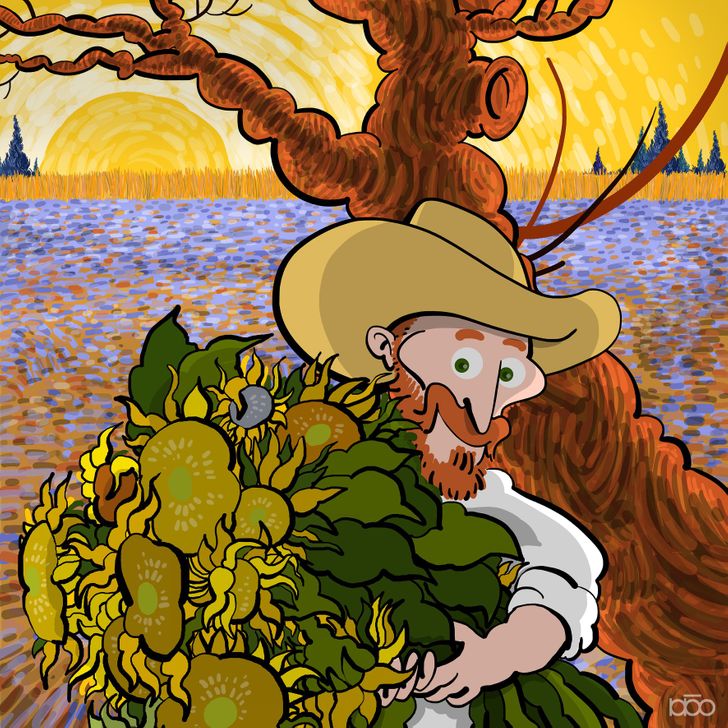
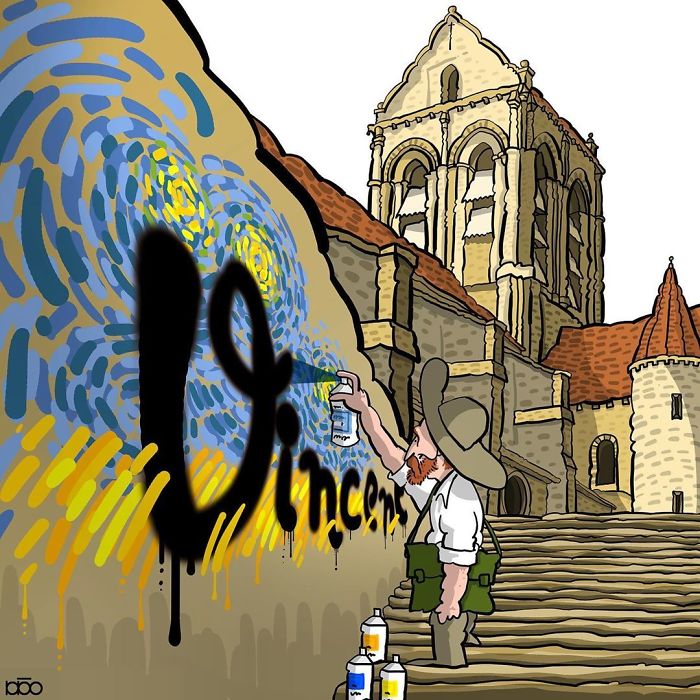
“For me, Van Gogh is not only a famous artist and a genius but a way of life. He is not a frustrated and distressed model but a symbol of love, humanity, and altruism.”
-------Alireza Karimi Moghaddam
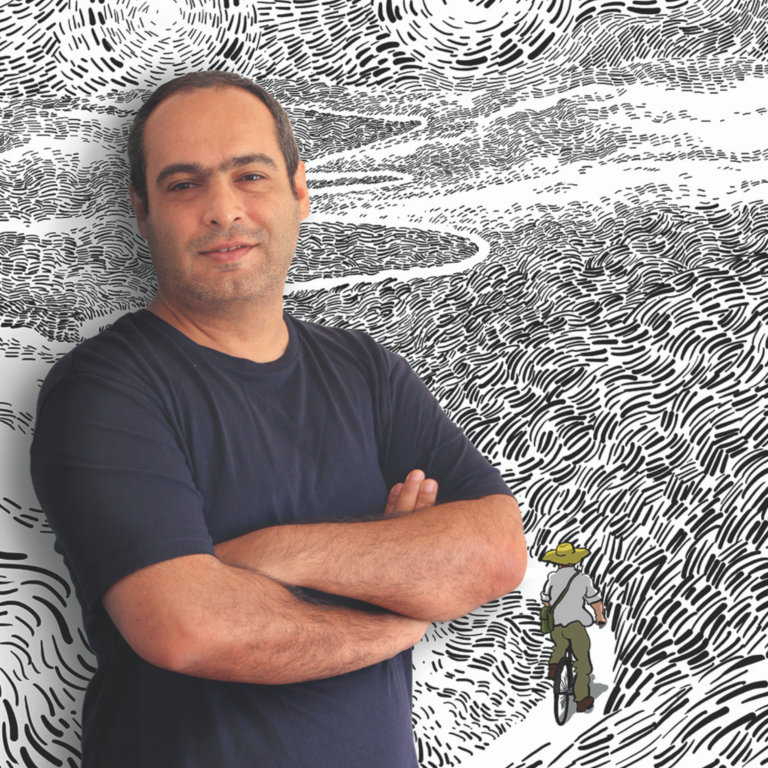
Born in 1975, Alireza Karimi Moghaddam earned a master’s degree in Graphic Arts from Azad University in Iran and now lives in Lisbon, Portugal. He works with the art faculty of the University of Lisbon and the National Society of Fine Arts.
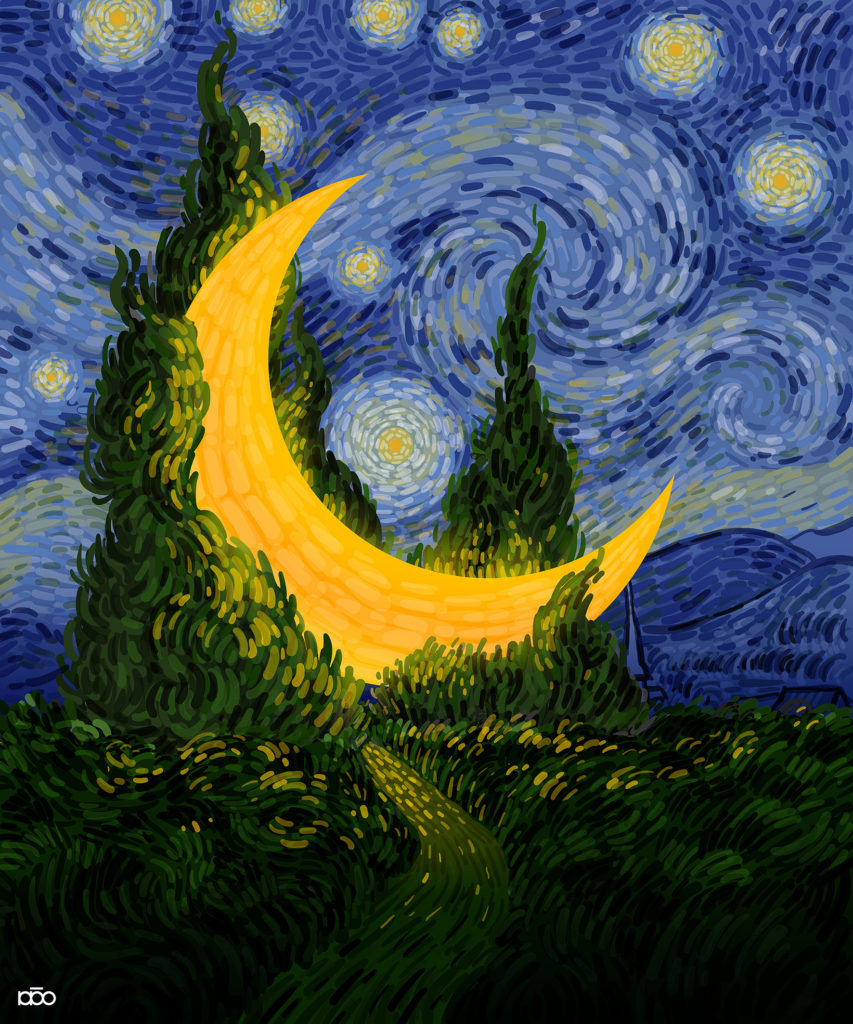
#1
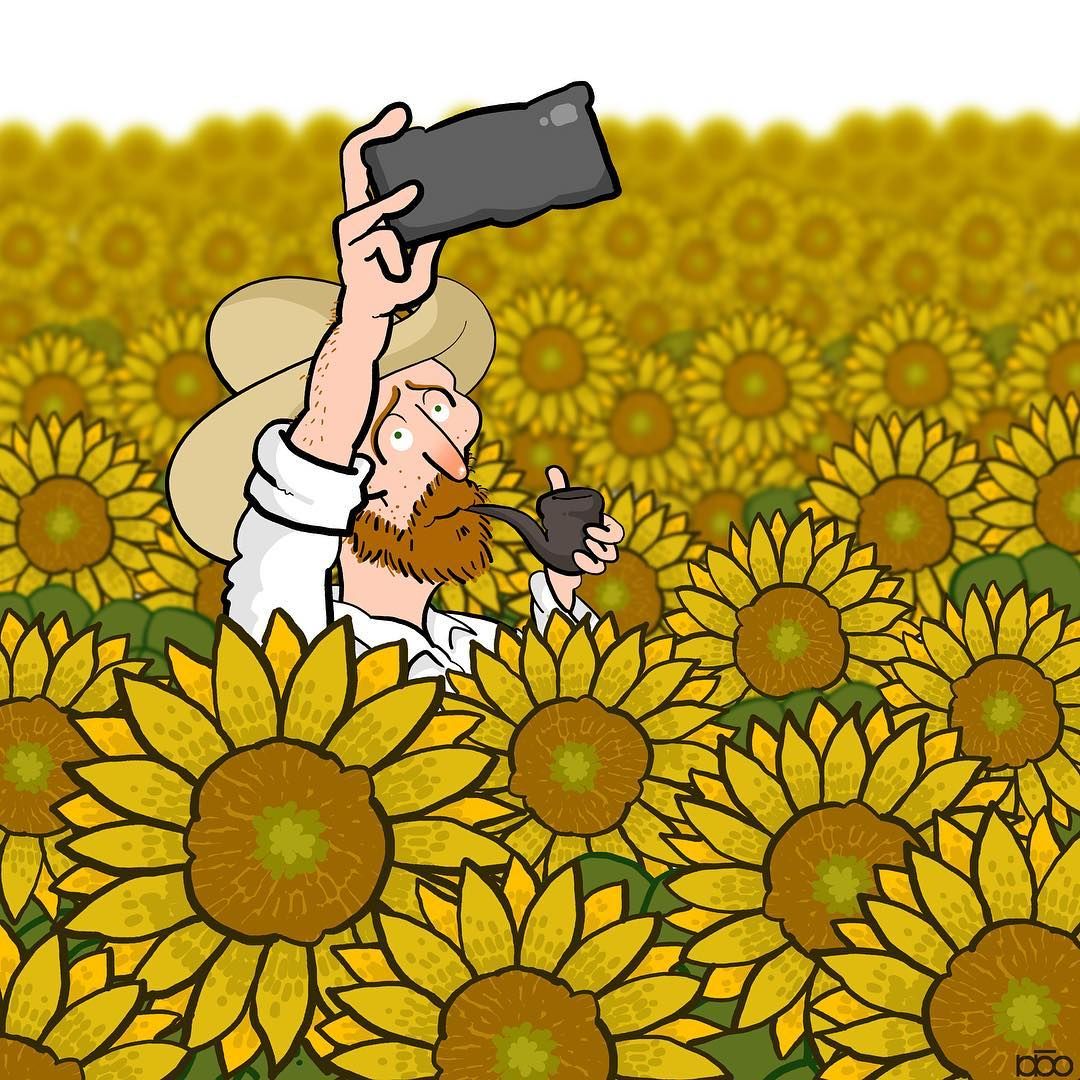
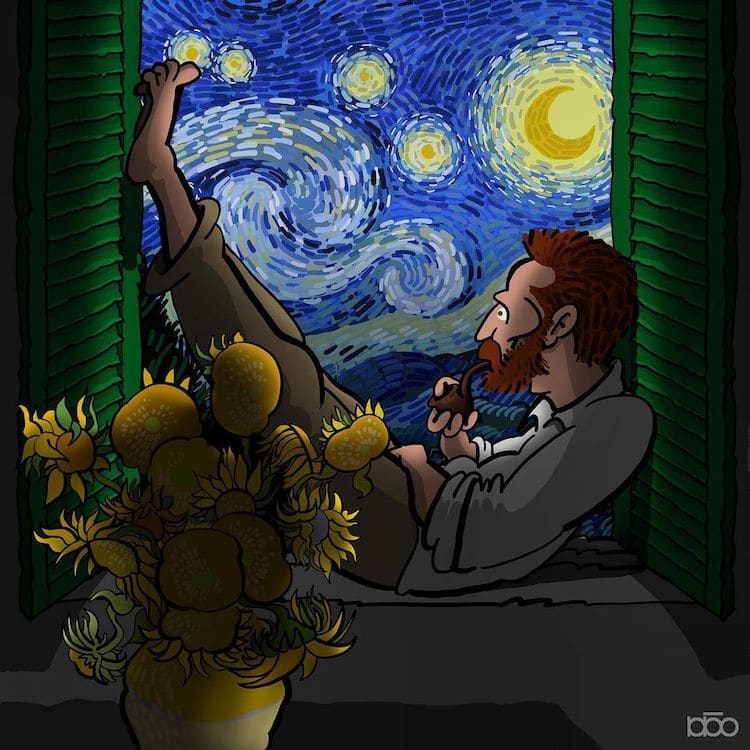
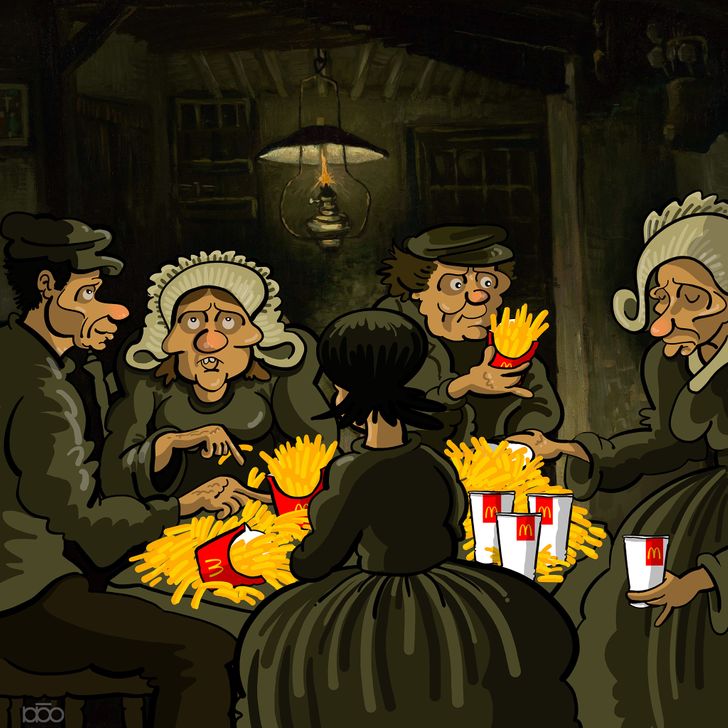
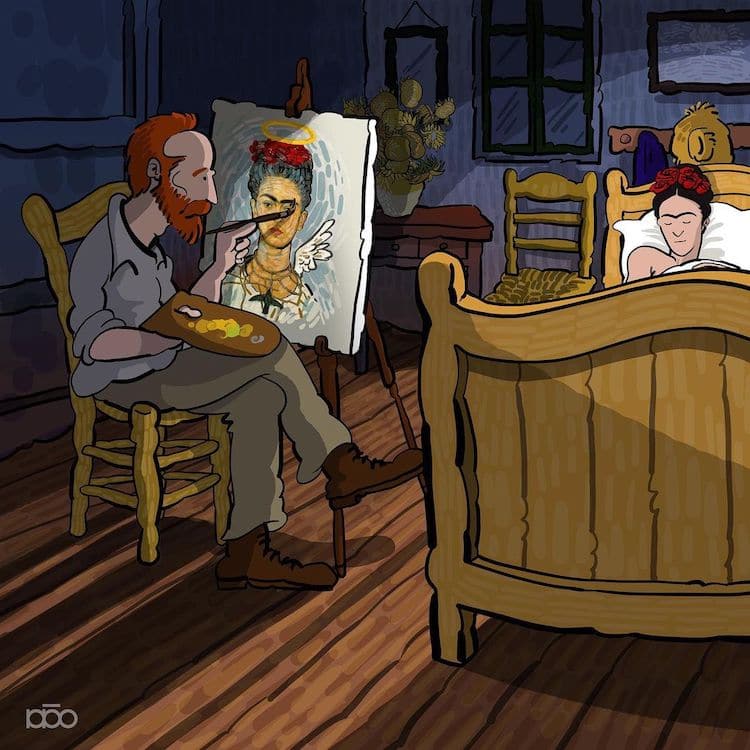
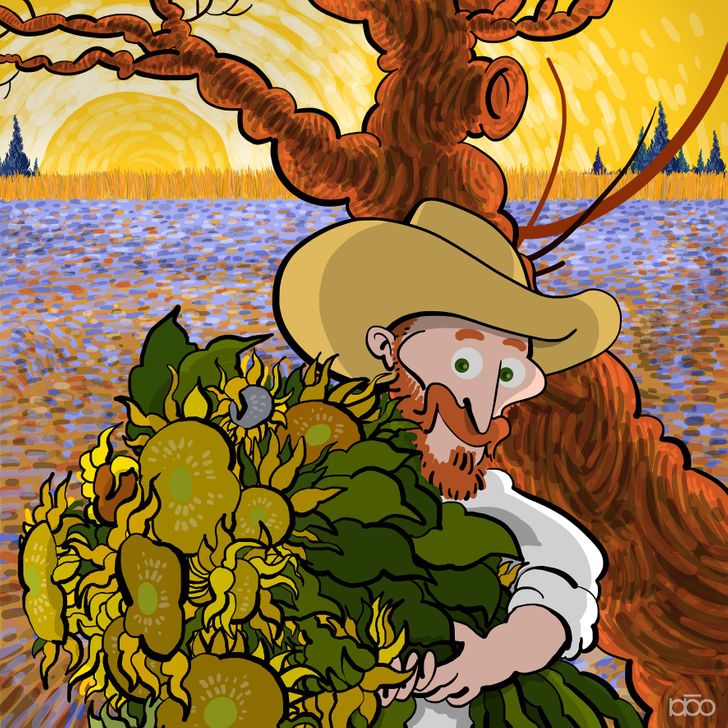
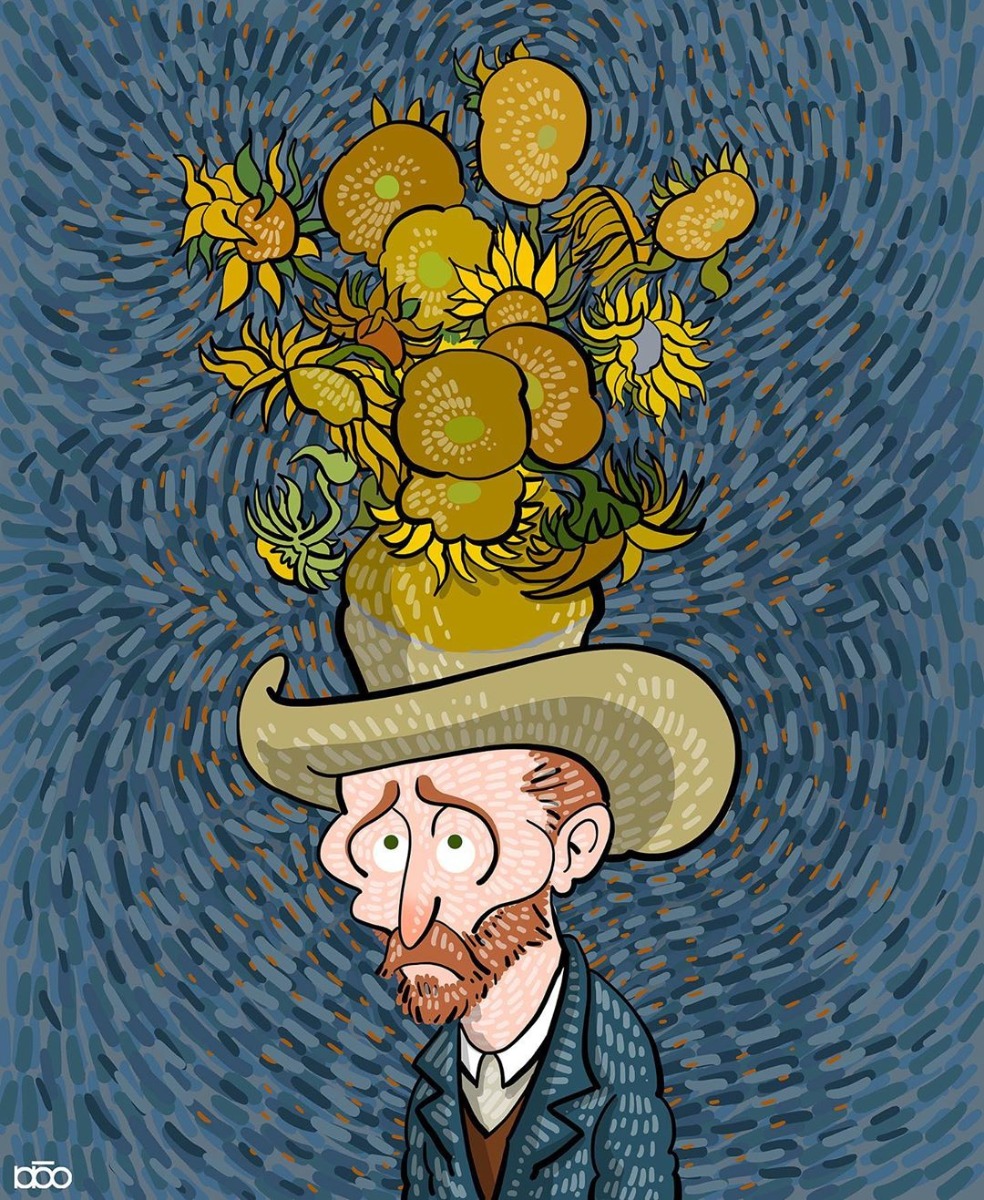
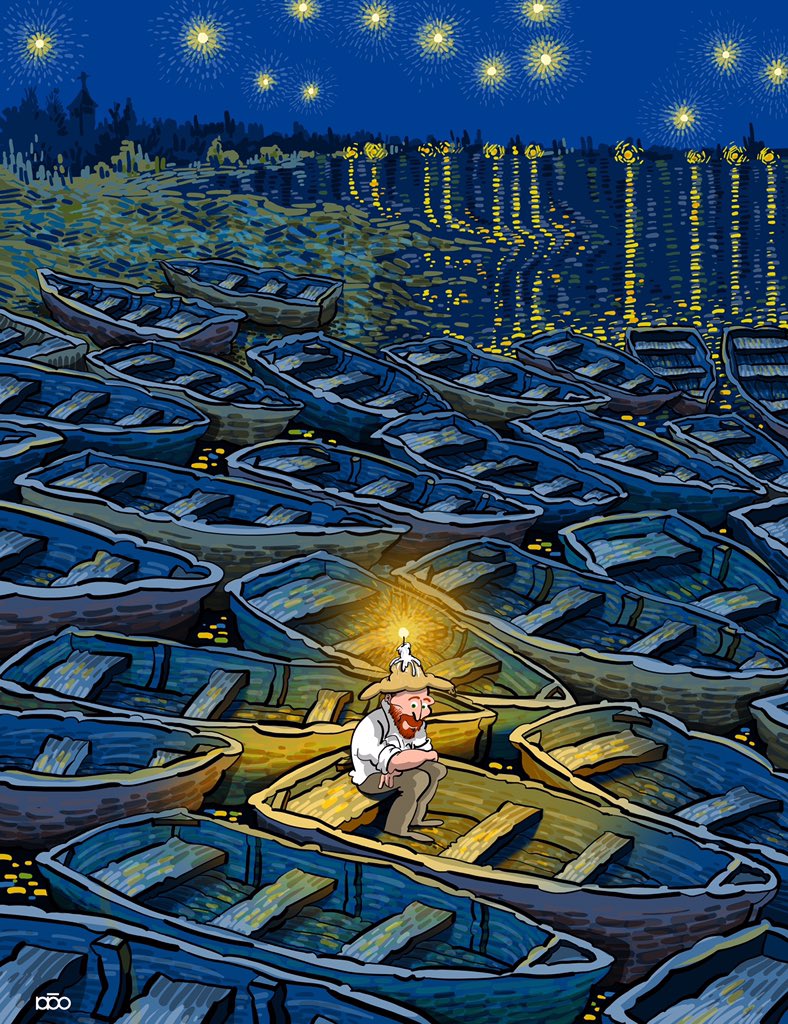
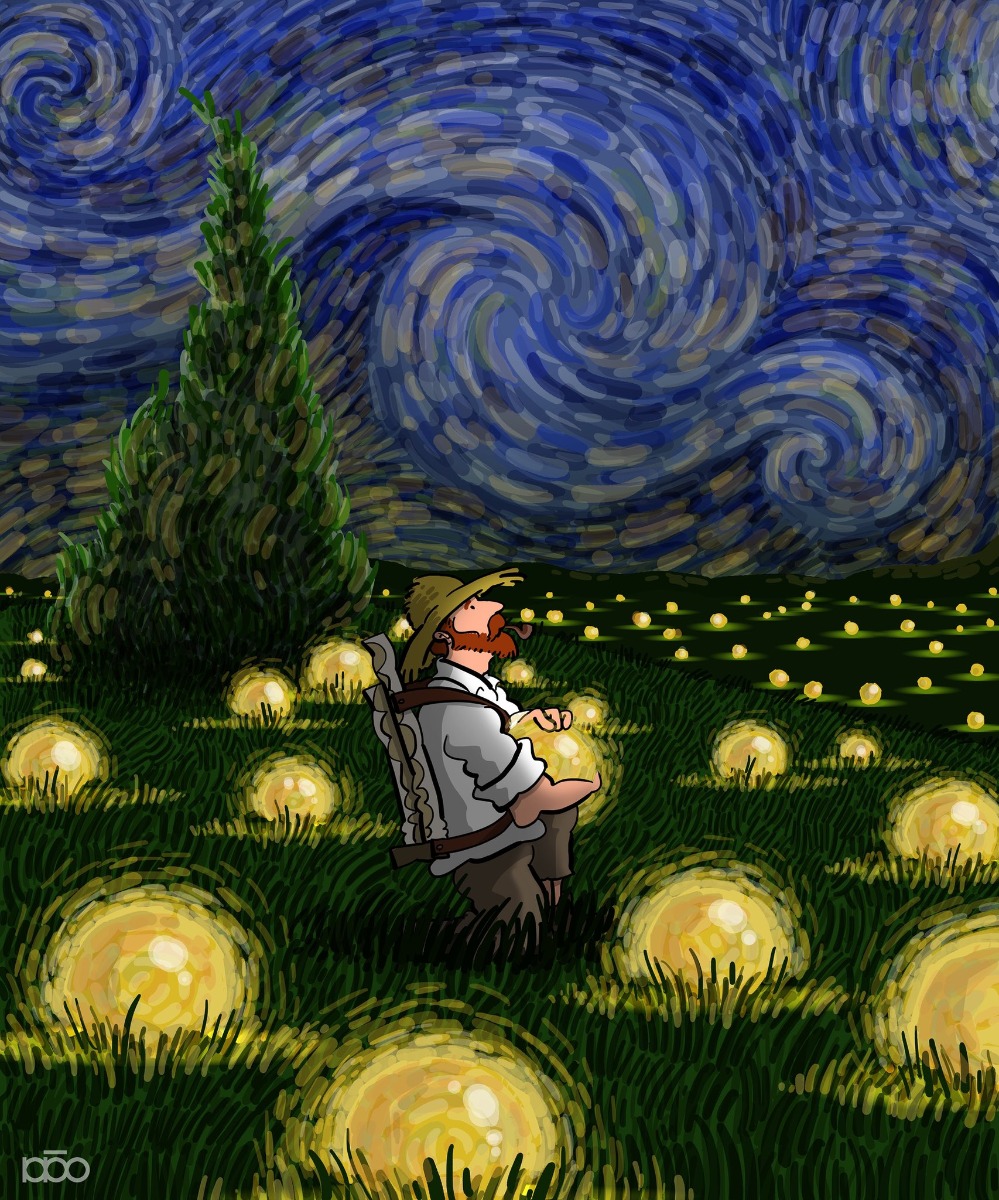
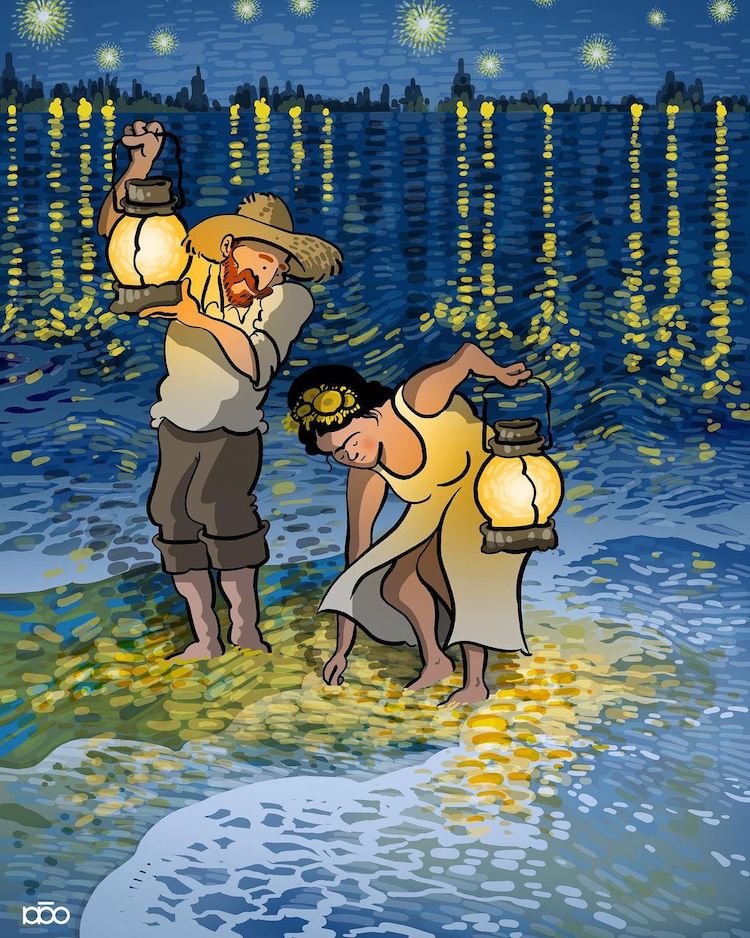
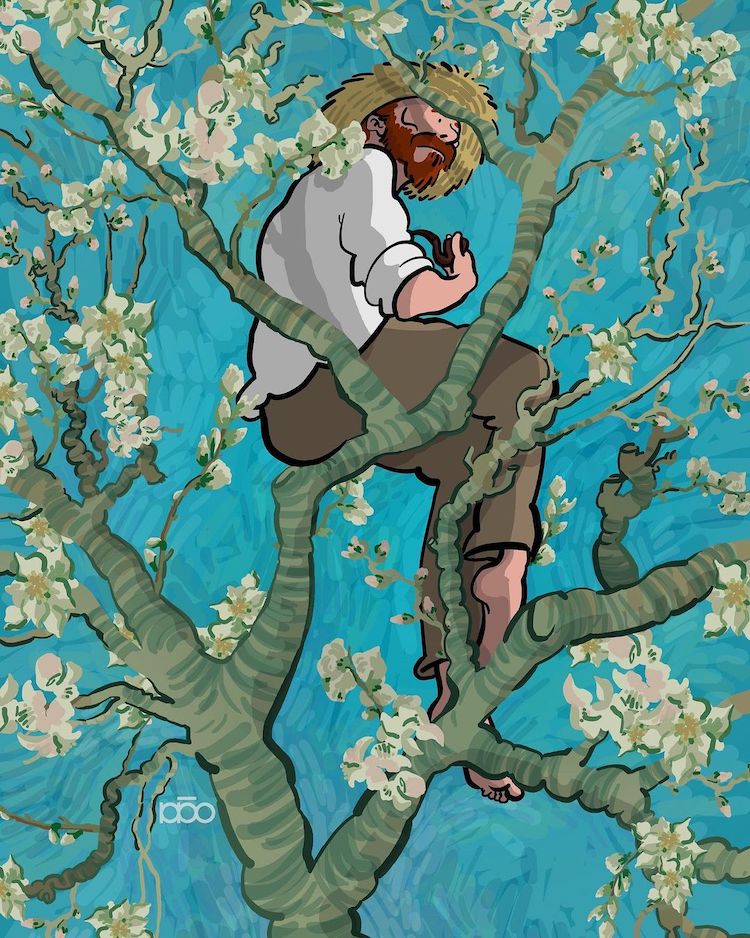
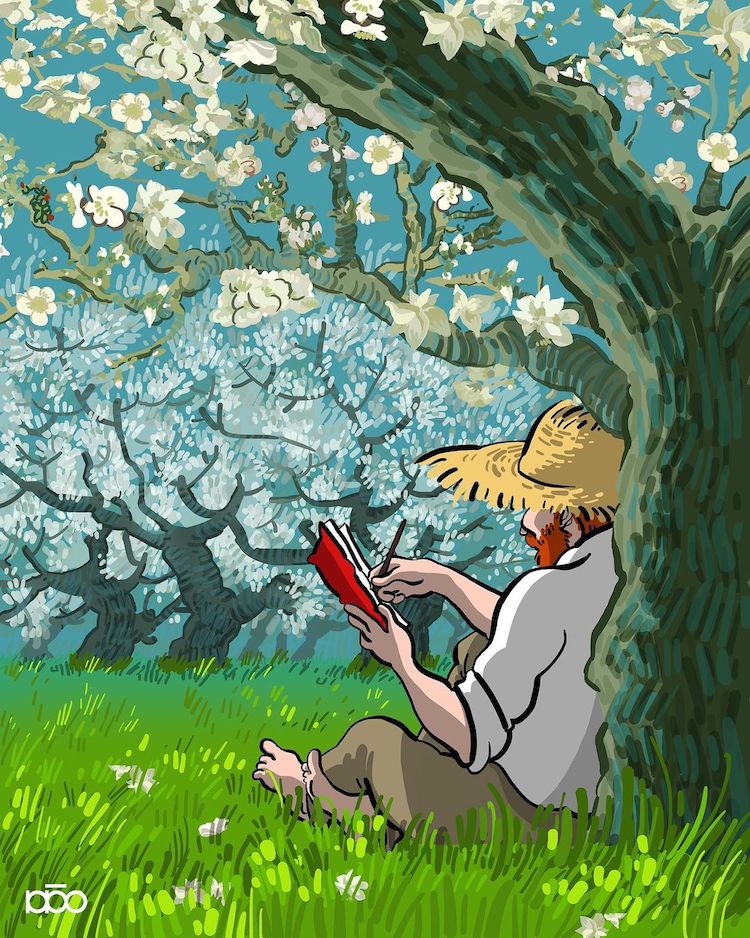
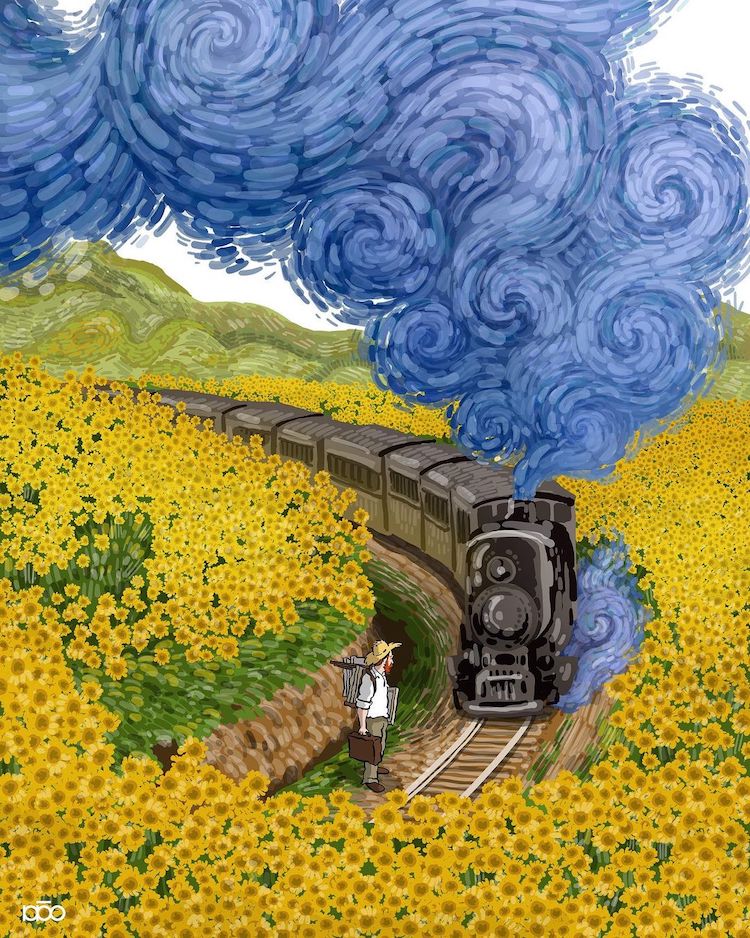
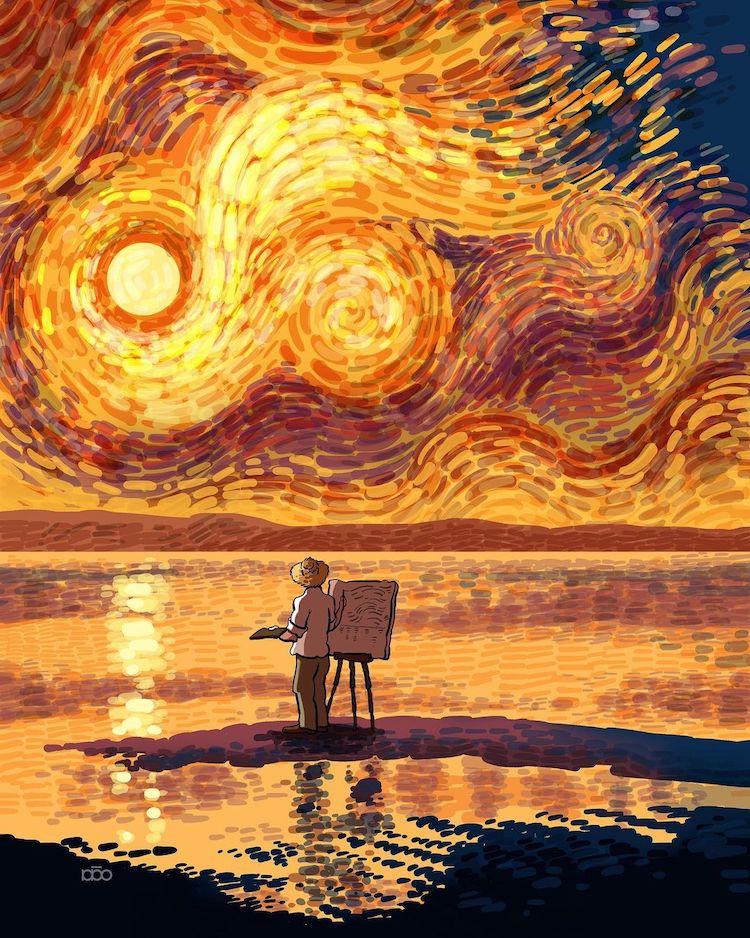
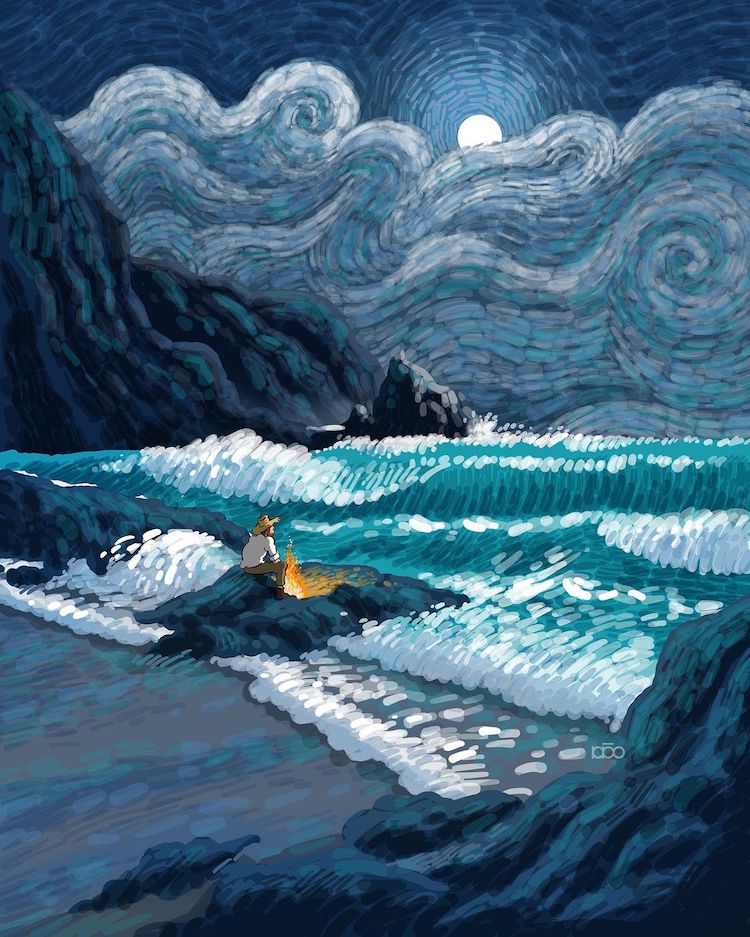
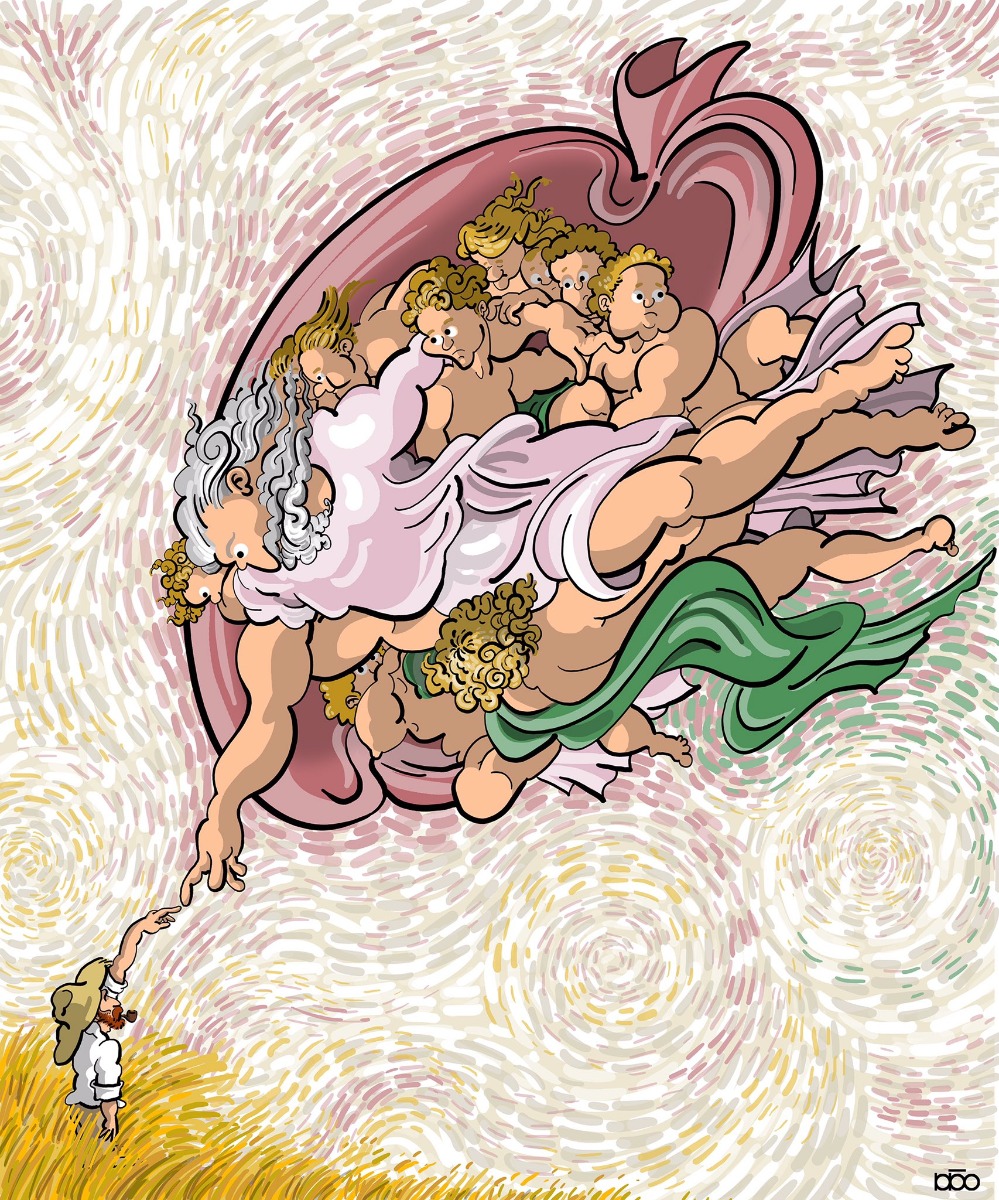
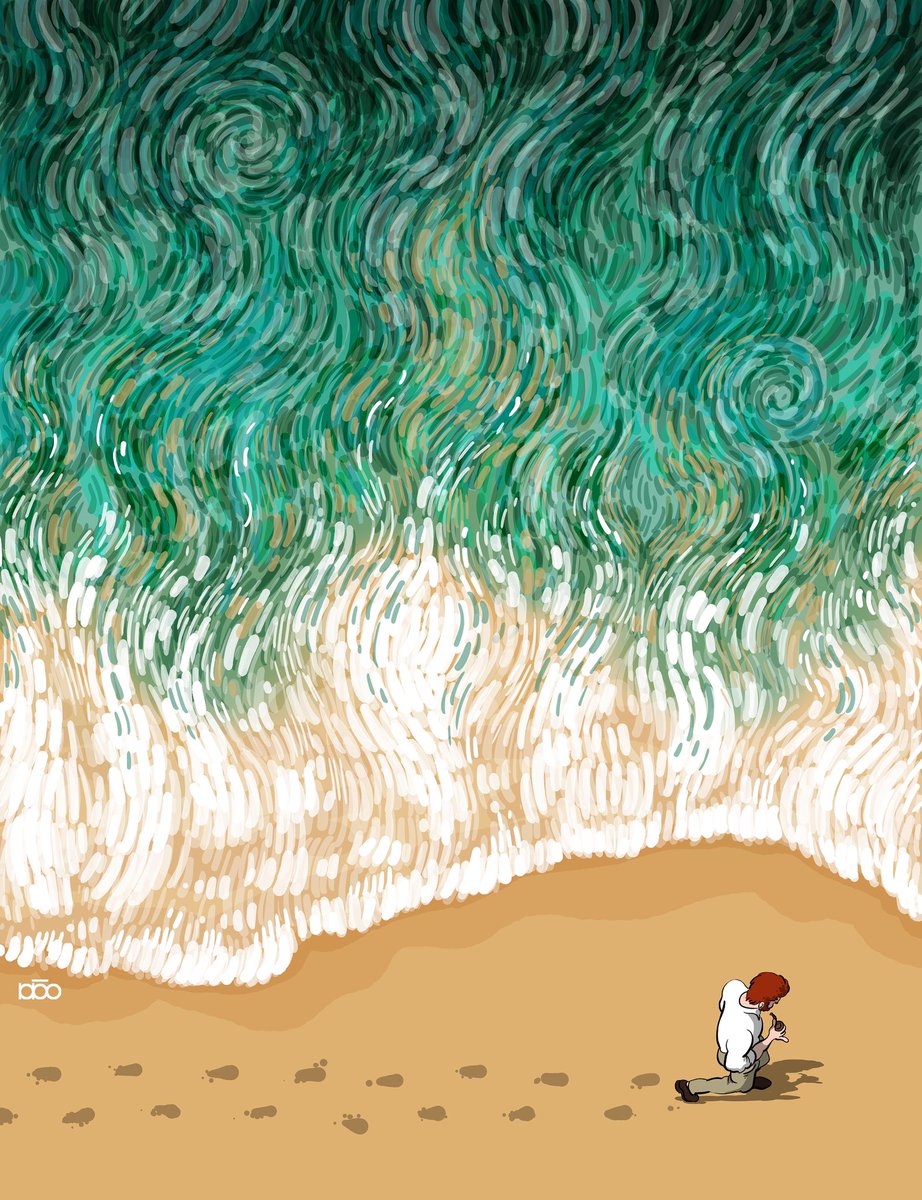
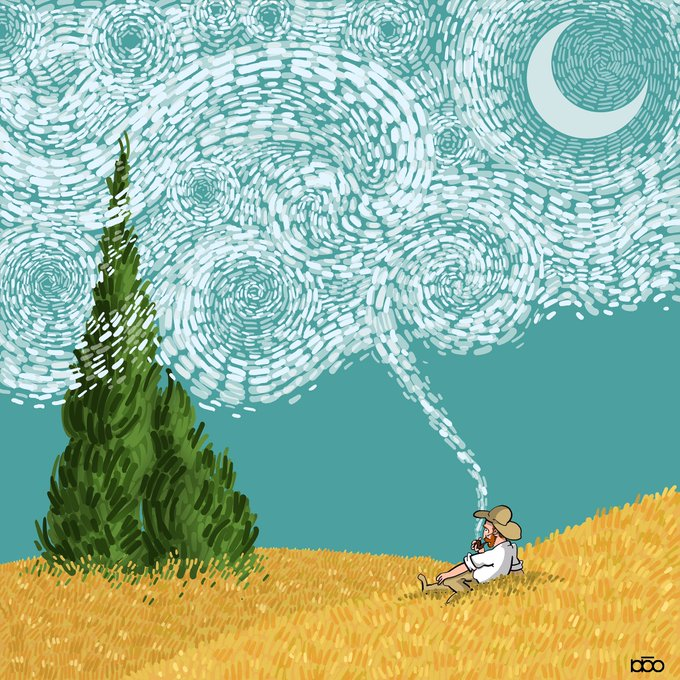
Since he was a teenager, Mohadam has immersed himself in Vincent Van Gogh’s life and art. Over the past thirty years, he has won numerous awards, cartoons, and illustrations that convey Van Gogh’s life as “a symbol of beauty and love, and inspiration for the future.”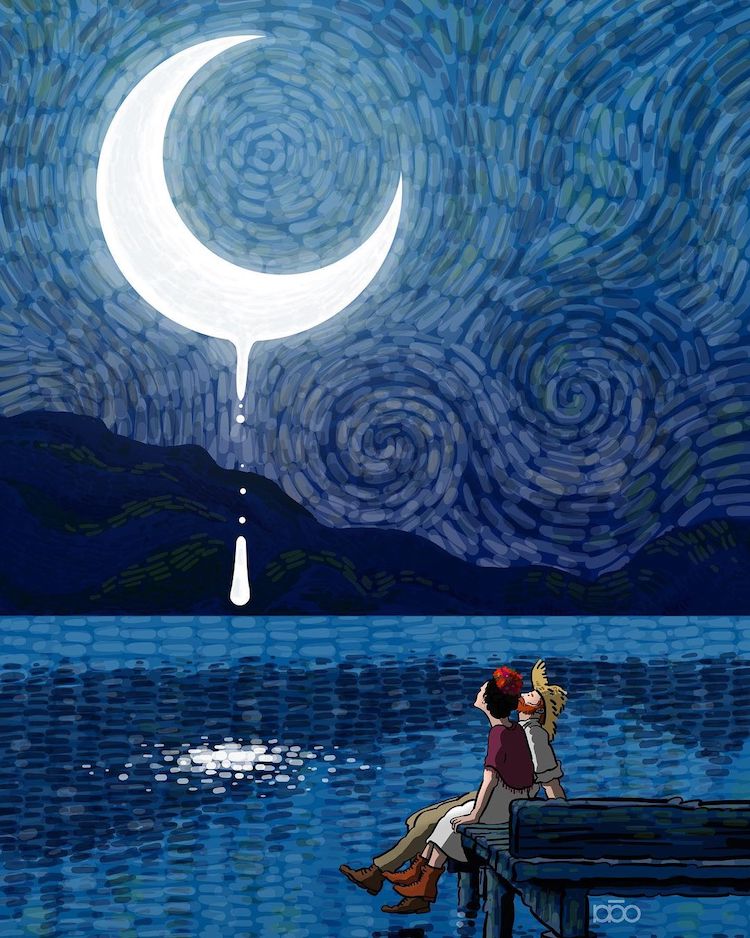
#2
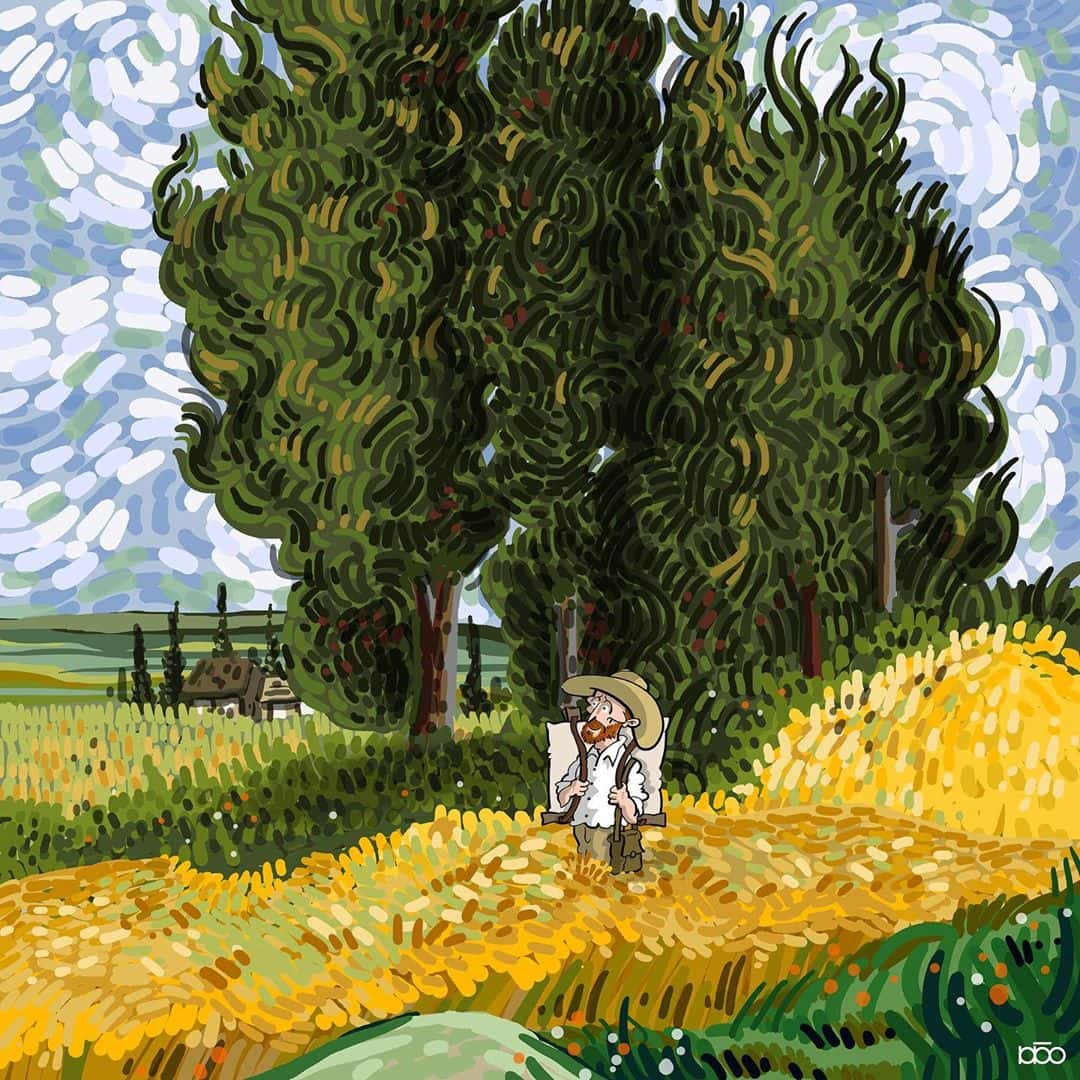
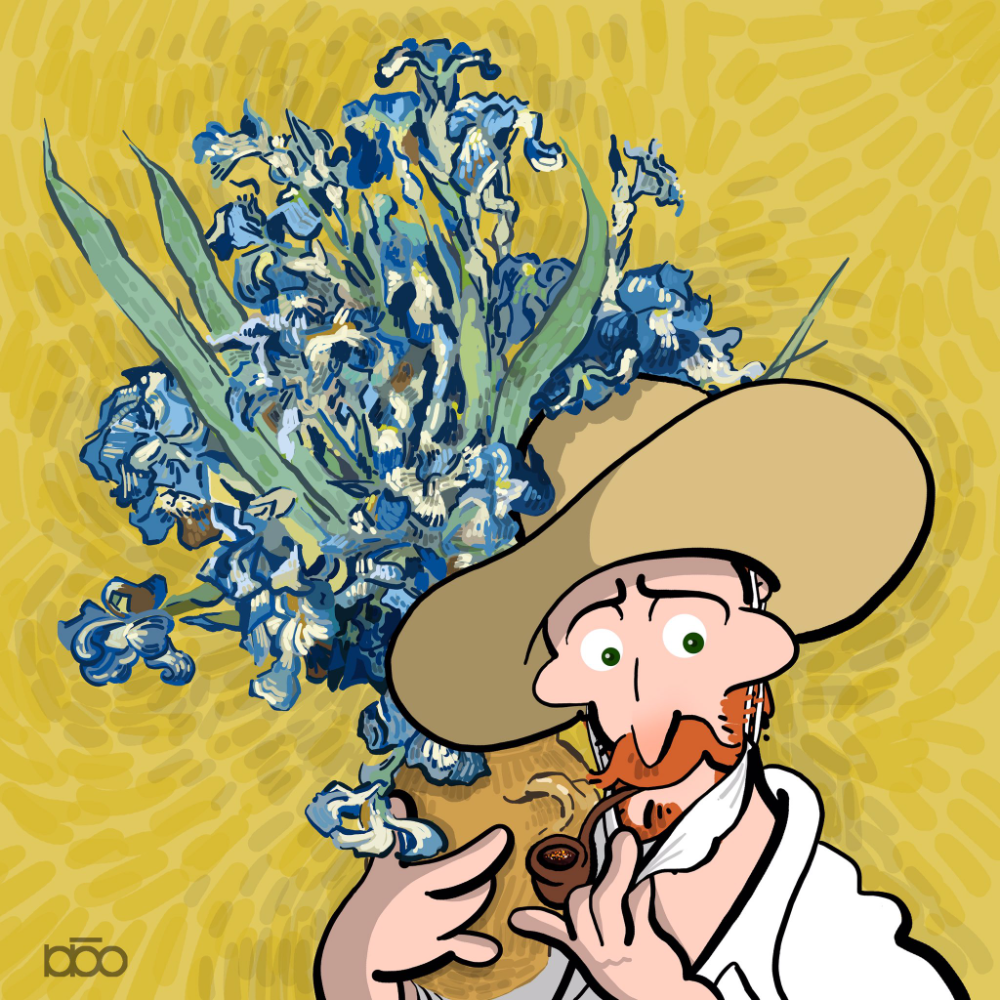
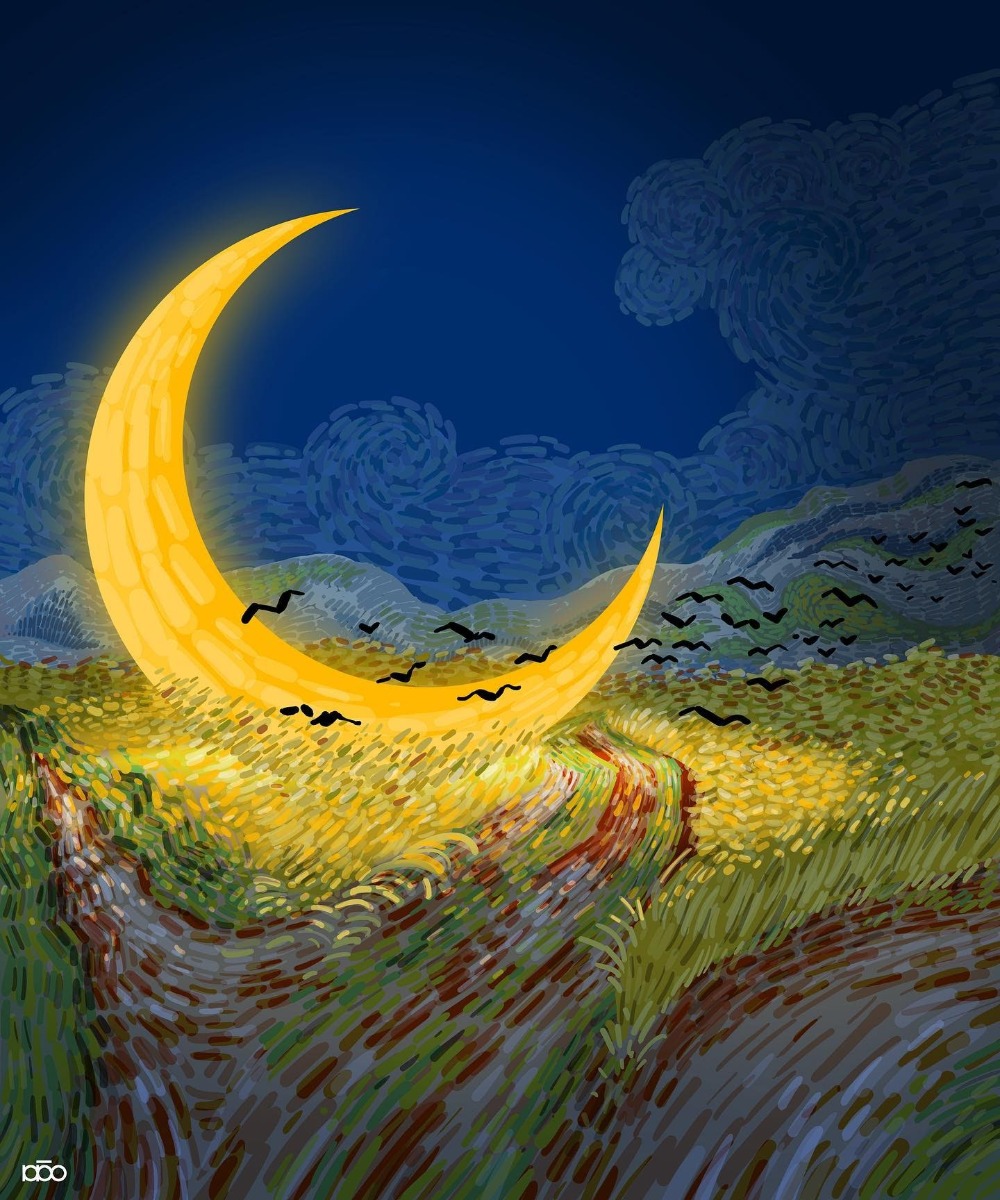
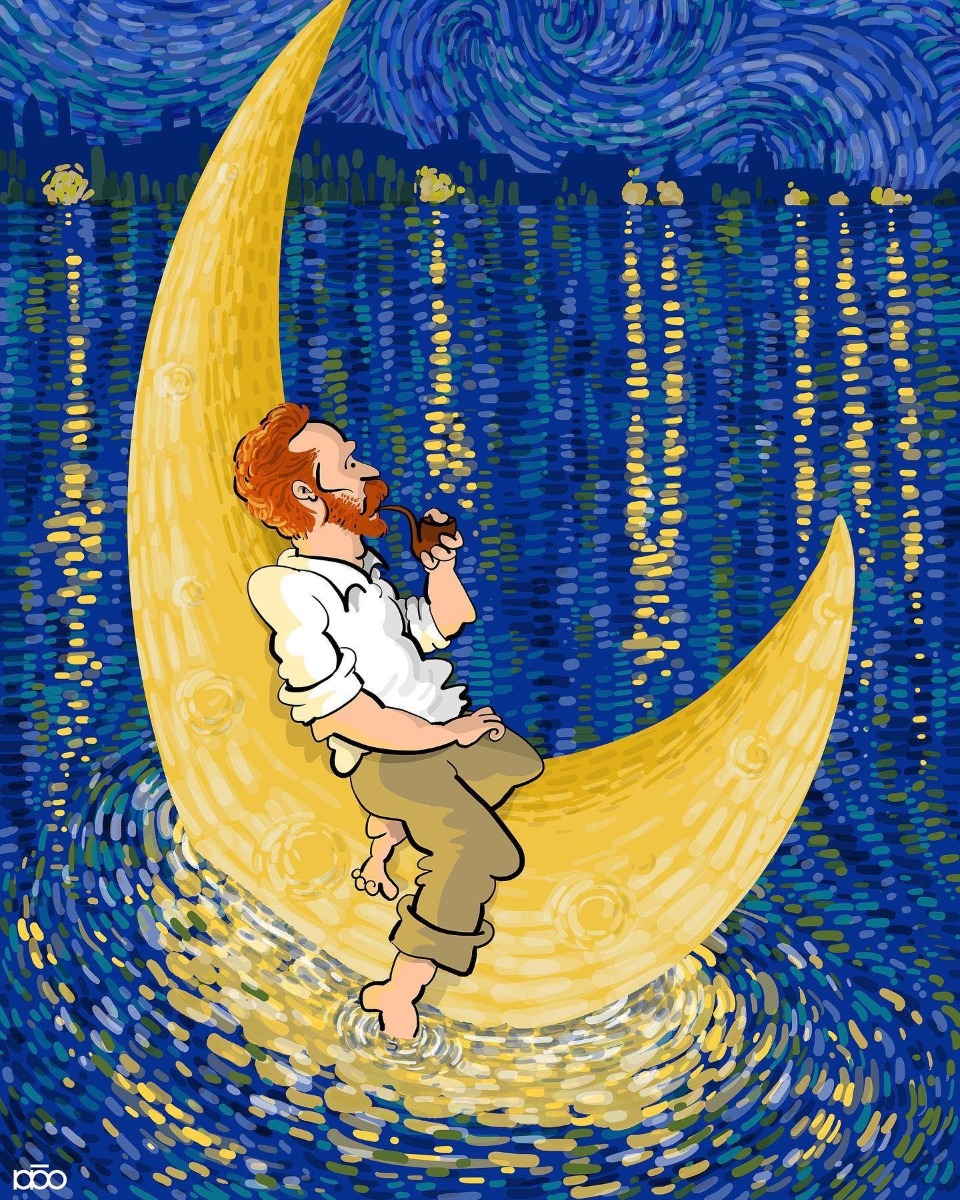
He uses van Gogh’s painting style and divides his creative ideas into different elements and recombines them, most notably symbolizing Van Gogh himself as the main character in the paintings full of Van Gogh elements, which add refreshing touches.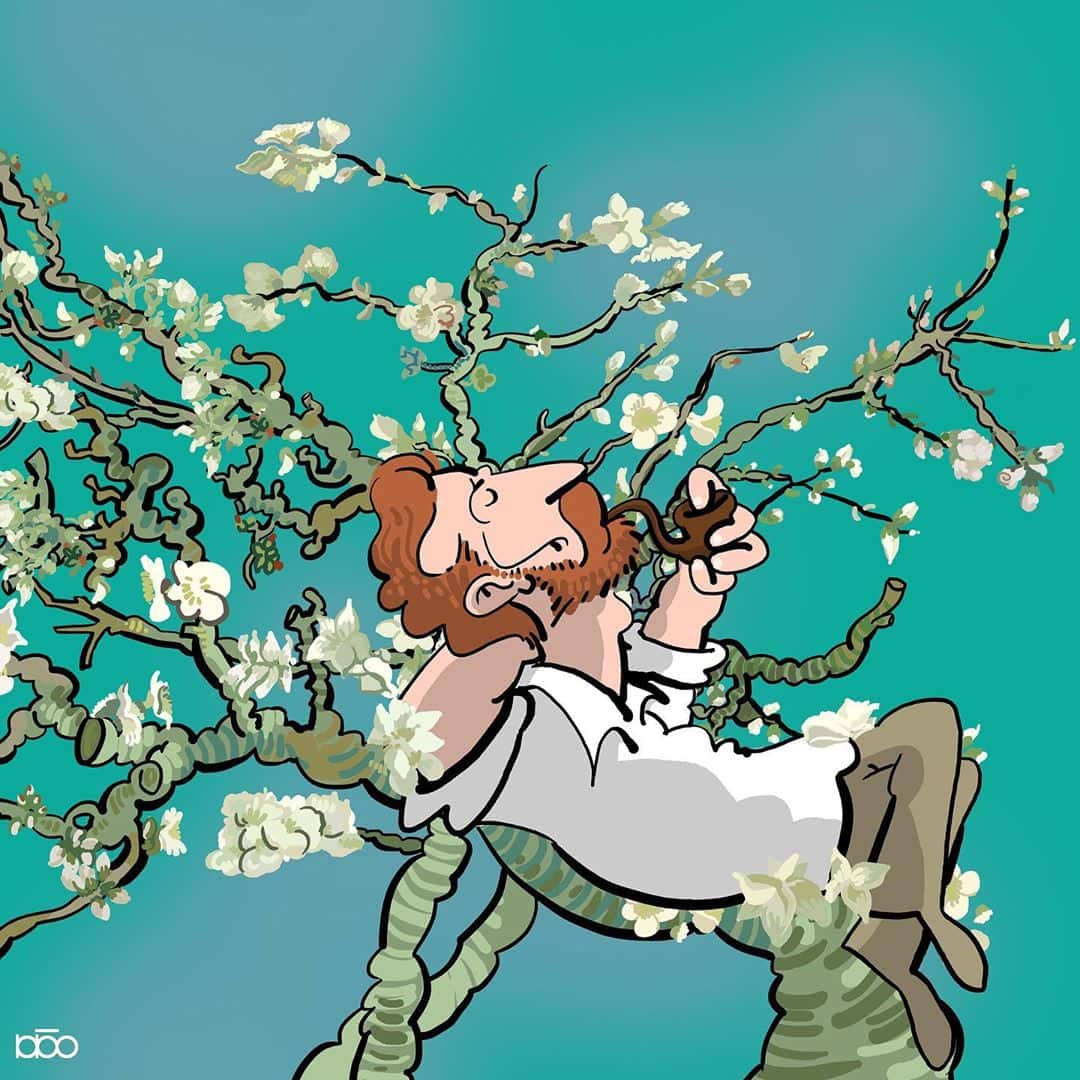
#3
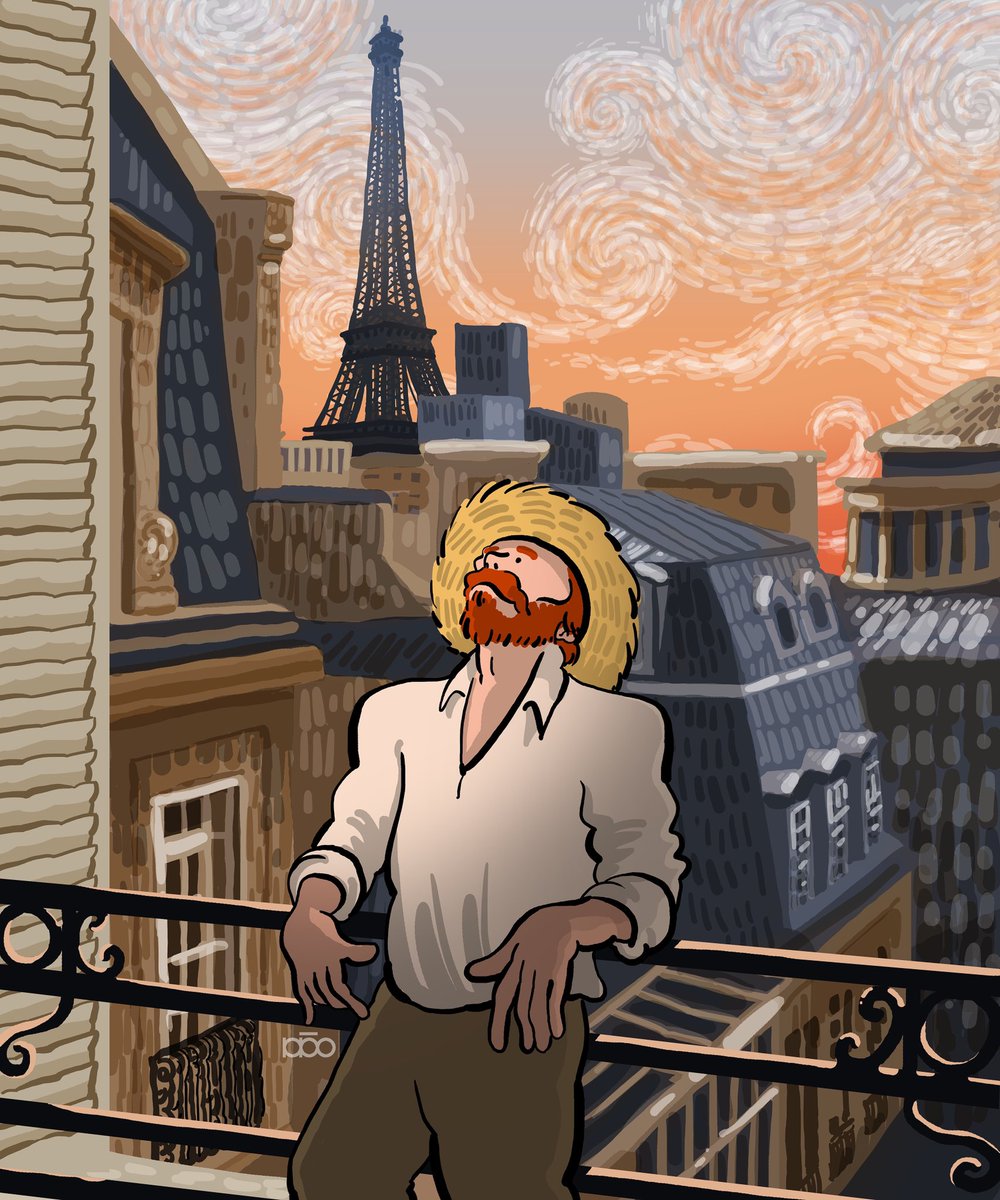
The modern poet Bian Zhilin’s classic line in Fragment
When you watch the scenery from the bridge,
The sightseer watches you from the balcony.
The bright moon adorns your window,
While you adorn another’s dream.
(translated by Yang Xianyi and Dai Naidie)
It is full of poetic beauty and philosophy, but it is also true.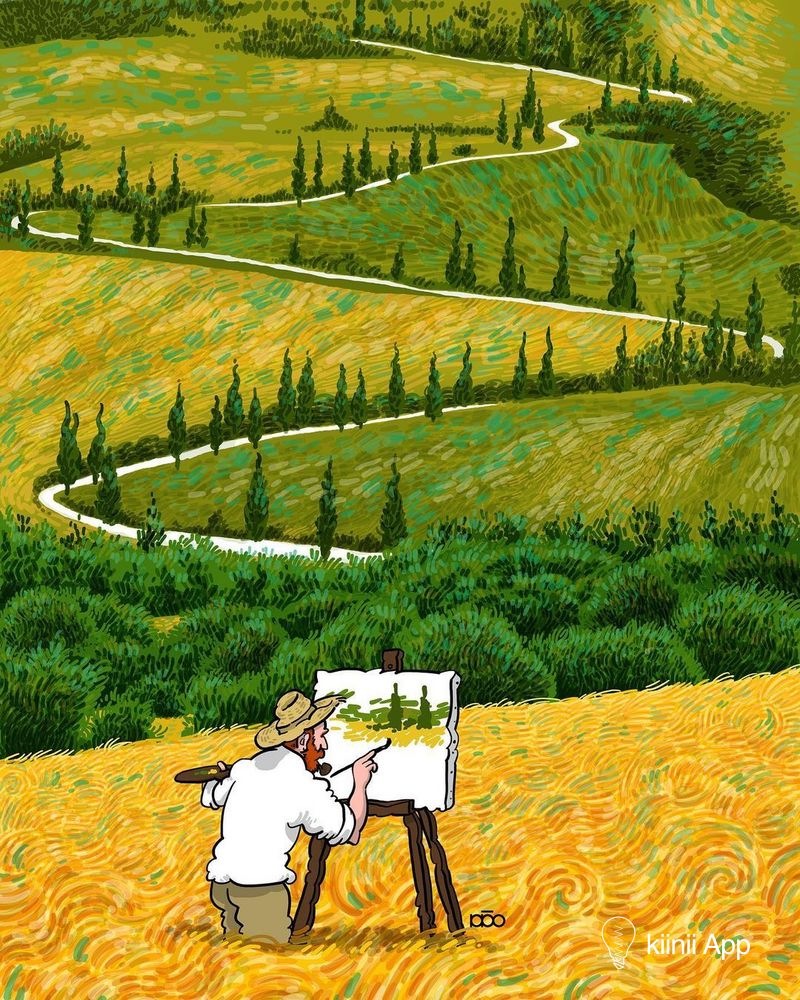
#4
Vincent Van Gogh, who has painted numerous famous paintings, has unexpectedly become the source of creative inspiration for many artists in recent years. Van Gogh and his famous artworks have also become classic creative symbols, which seem to echo the Fragment in an artful way.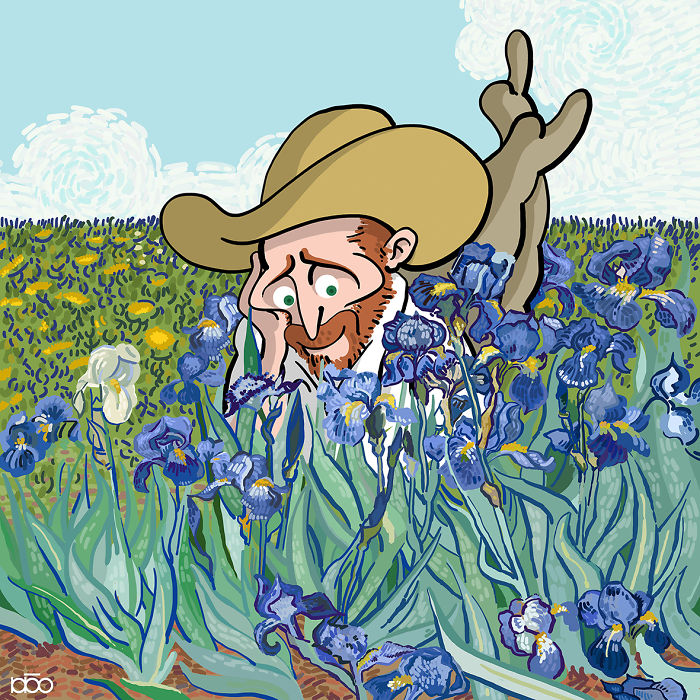
#5
Illustrations in Van Gogh style touches, are also many before, painting for van Gogh deliberately. Instead, in Ali Reza’s works, he intimates feeling with a surprise, surprise with a little moved, as if living in the same starry sky with van Gogh, which is wonderful!See more Mohadam's other van Gogh's life Illustrations
#6
#7
#8
#9
#10
#11
#12
#13
#14
#15
#17
#18
#20
#21
#22
#23
#24
#25
#26
#27
#28
#29
#30
-
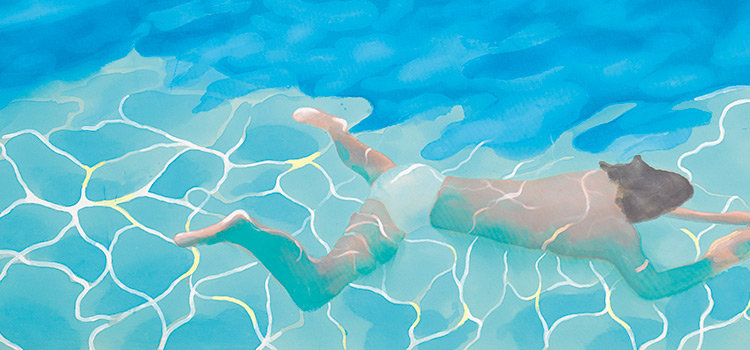
When you’ve got over 12 years of experience in supplying art for hotel interior design and other venues, you learn a thing or two about the names that are worth watching. This post is written as a celebration of some of the most exciting contemporary artists in 2021.
Their innovation, bravery, and artistic flair continue to shape the world of art and its role in our everyday lives. If you haven’t seen these names before – listen up; they’re really quite something. They help inspire us to provide incredible art for venues everywhere.
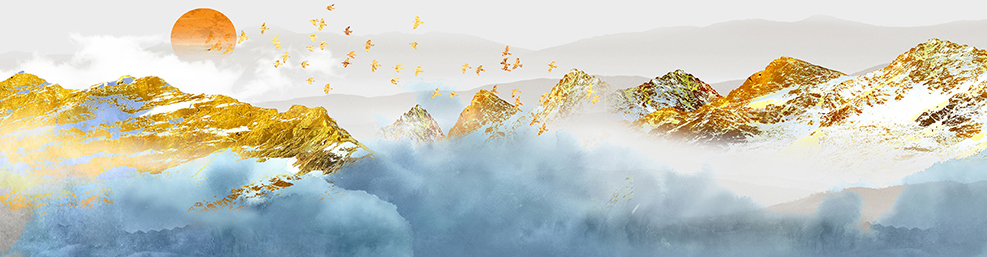
Contemporary Artists Definition
The contemporary artists on this page have been chosen, in part, for their spectacular wall art that breathes new life into any room it touches. These artists are still practicing today and contribute a rich, unique perspective to the world of contemporary art.Read on to get inspired!
#01 Liu Xiaodong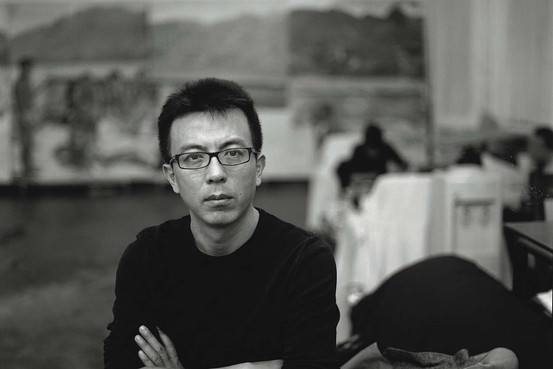
Liu Xiaodong’s large-scale paintings capture global challenges such as the climate crisis, economic catastrophes, and human displacement. These are explored with both grace and bravery and confront the viewer with subjects that are unshakably human.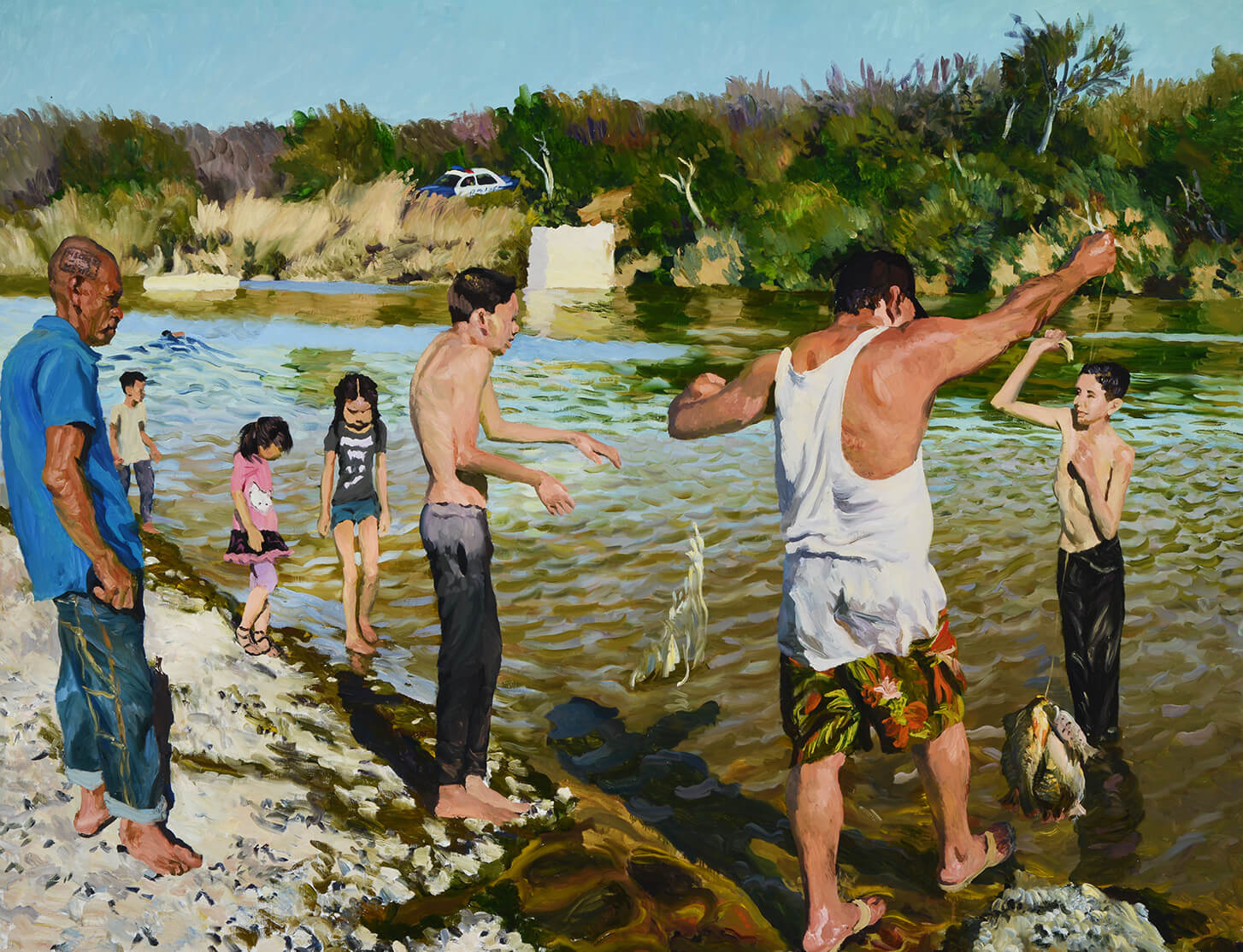
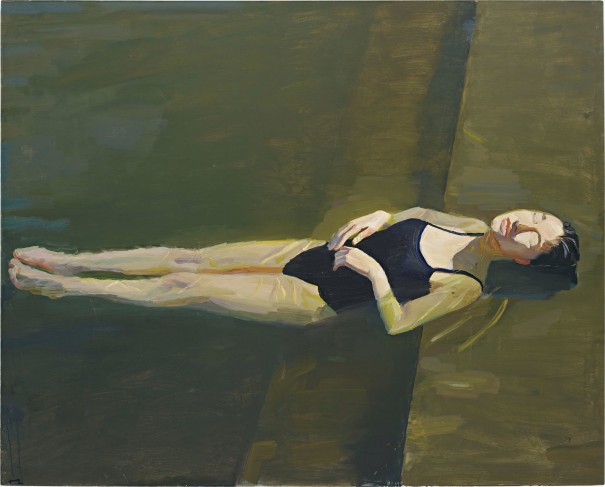
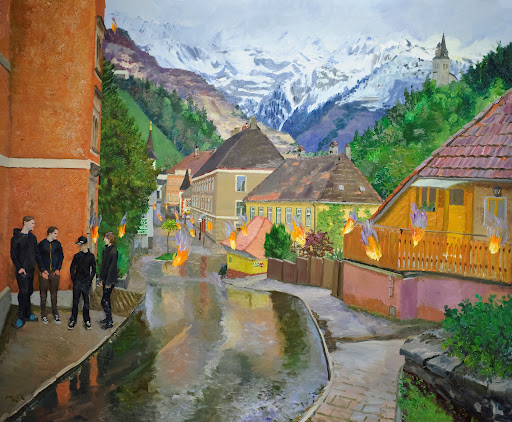
Each composition is built with a level of intricacy and care that connects profoundly to the subject matter of each piece. First rising from the Chinese Neo-Realism period in the 90s, Xiaodong has been contributing spectacular wall art to the world ever since.
#02 Takashi Murakami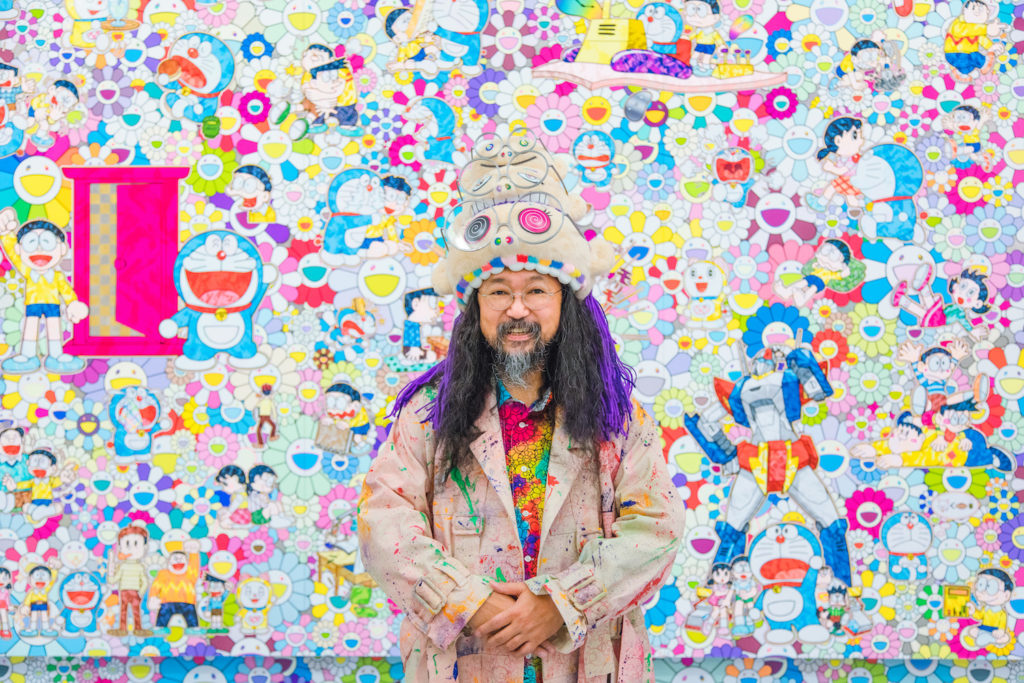
Taking influence from contemporary Japanese art and pop culture, Takashi Murakami’s paintings strike an idiosyncratic harmony between fine art, history, and popular culture. This artist is often fondly referred to as the ‘Japanese Andy Warhol’.
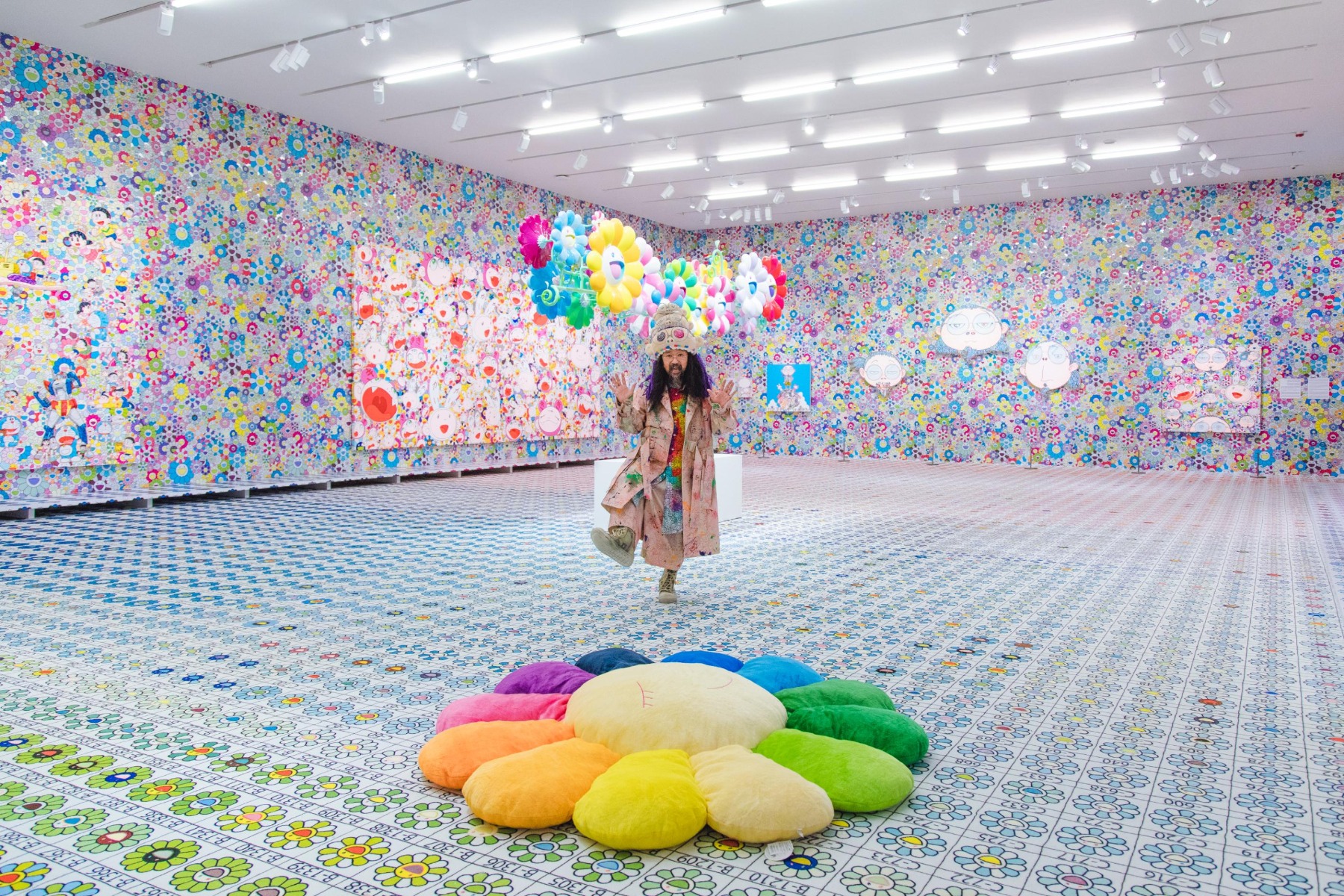
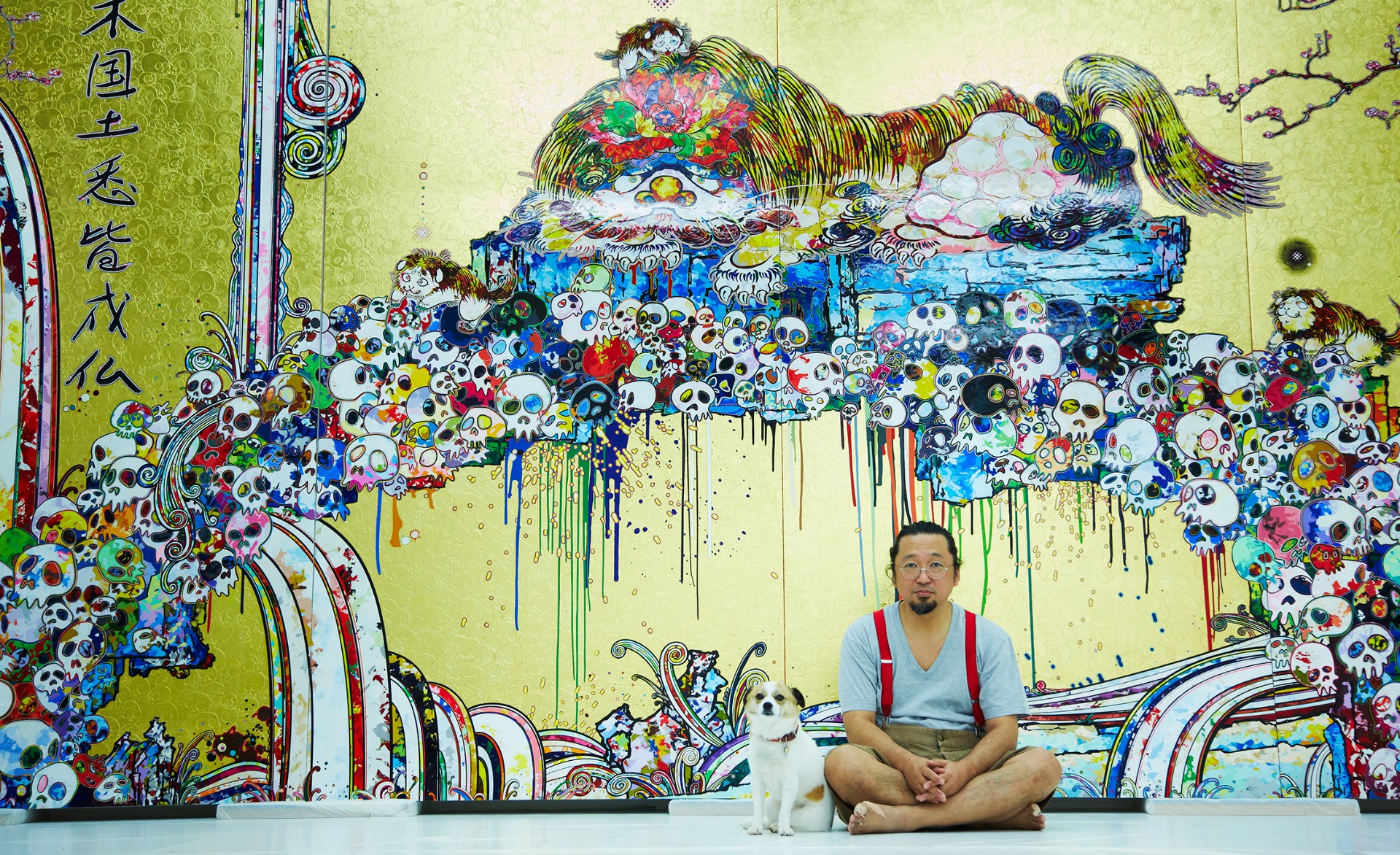
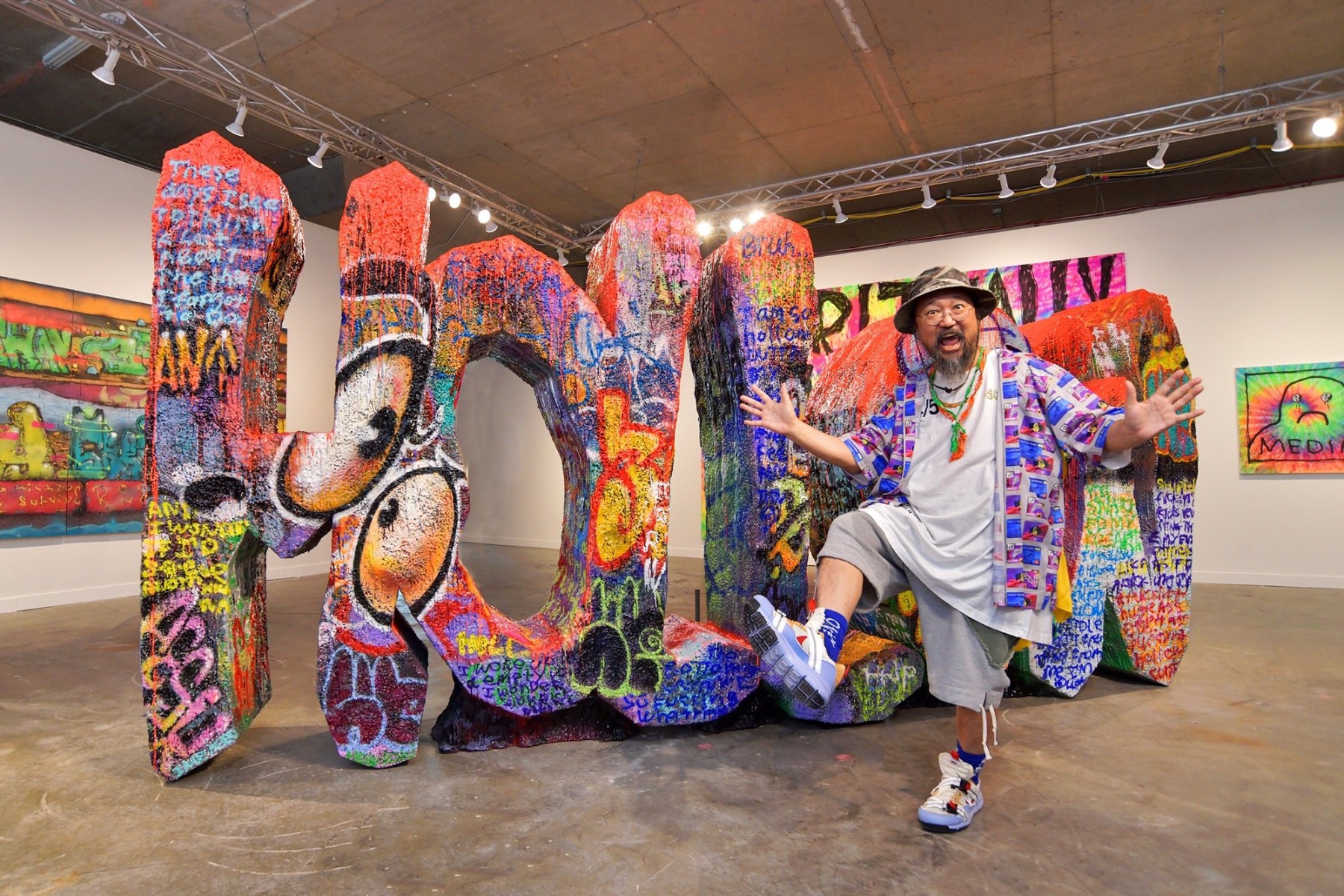
Murakami’s dedication to emerging artists is particularly noteworthy. His regular art fairs are designed to champion new artists from Japan and beyond. With bold colours, striking motifs and a flair for levity, Murakami is one of those contemporary artists we keep coming back to.
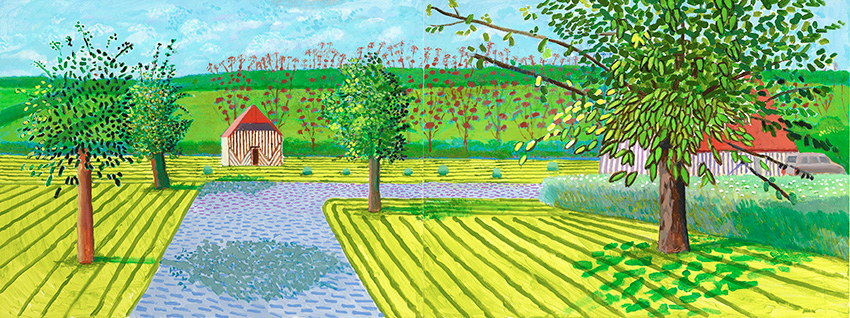
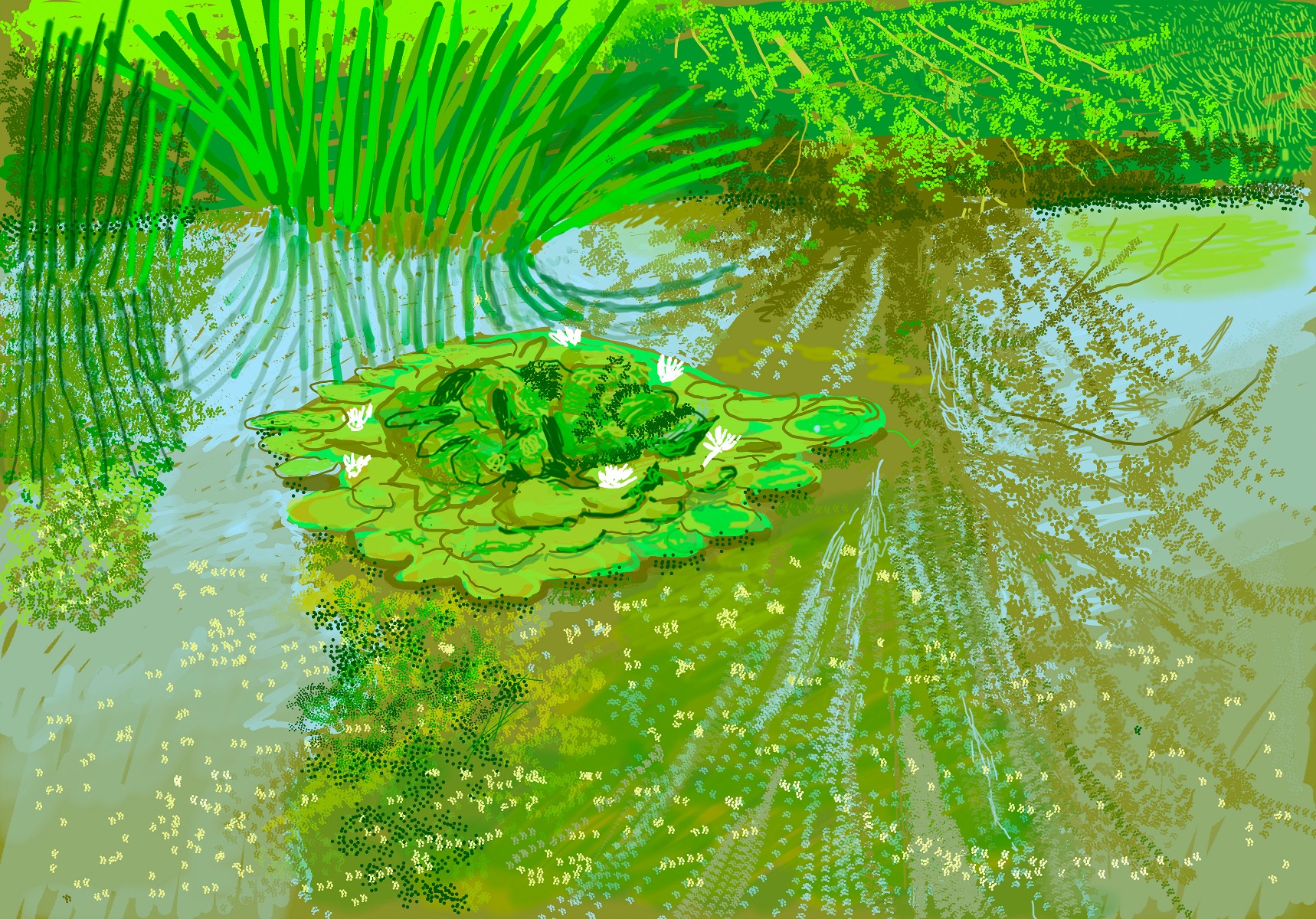
#03 David Hockney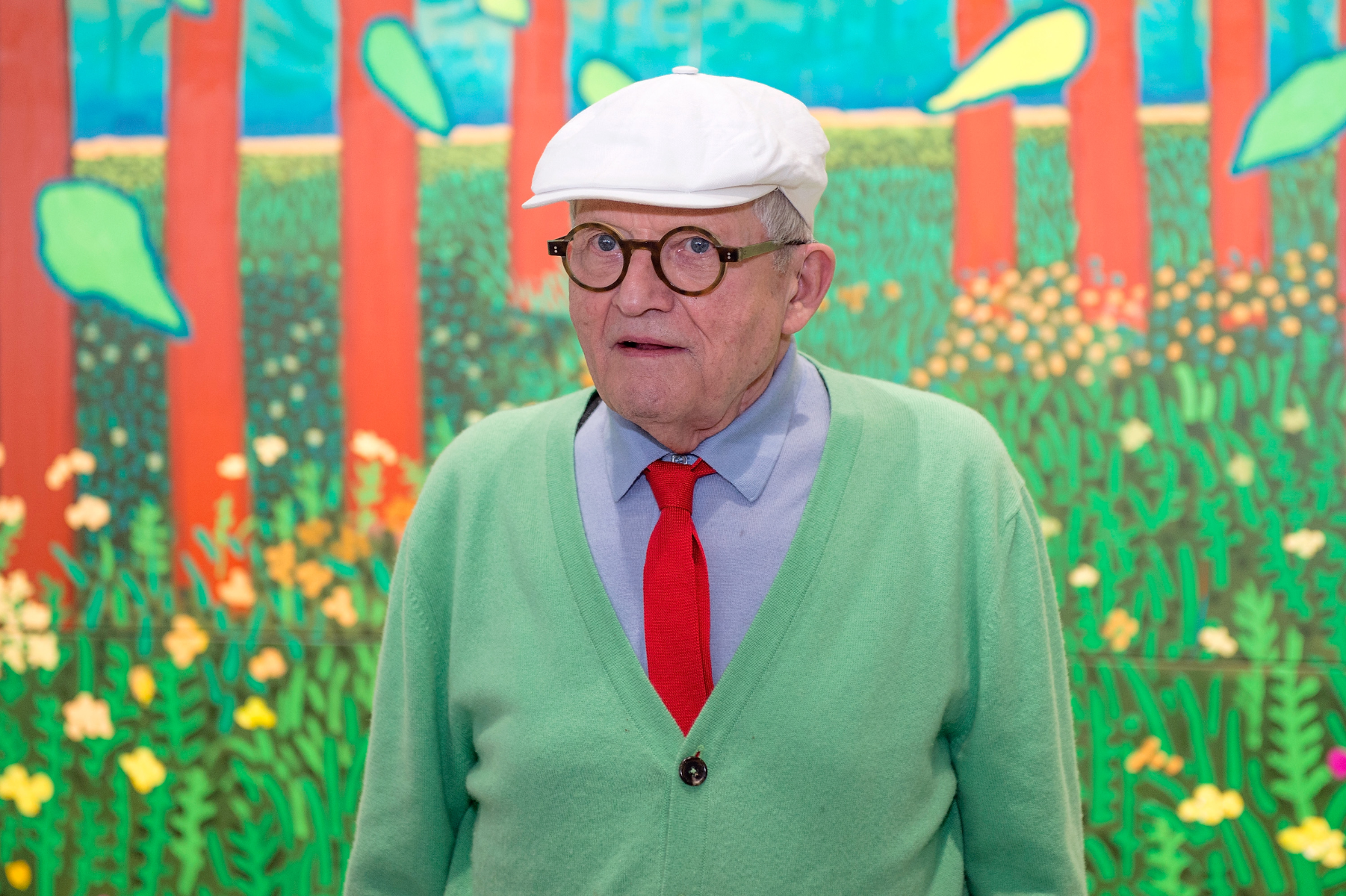
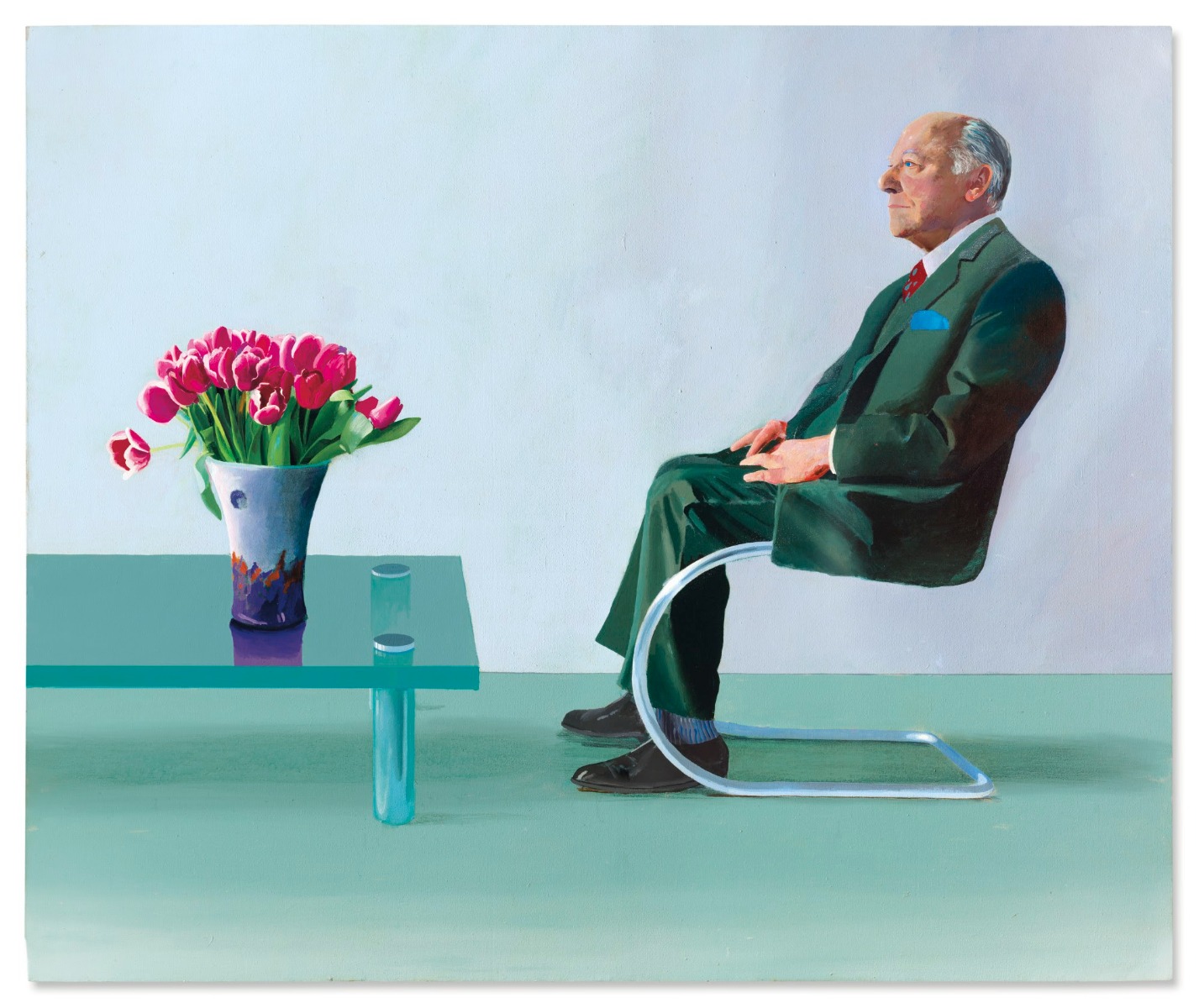
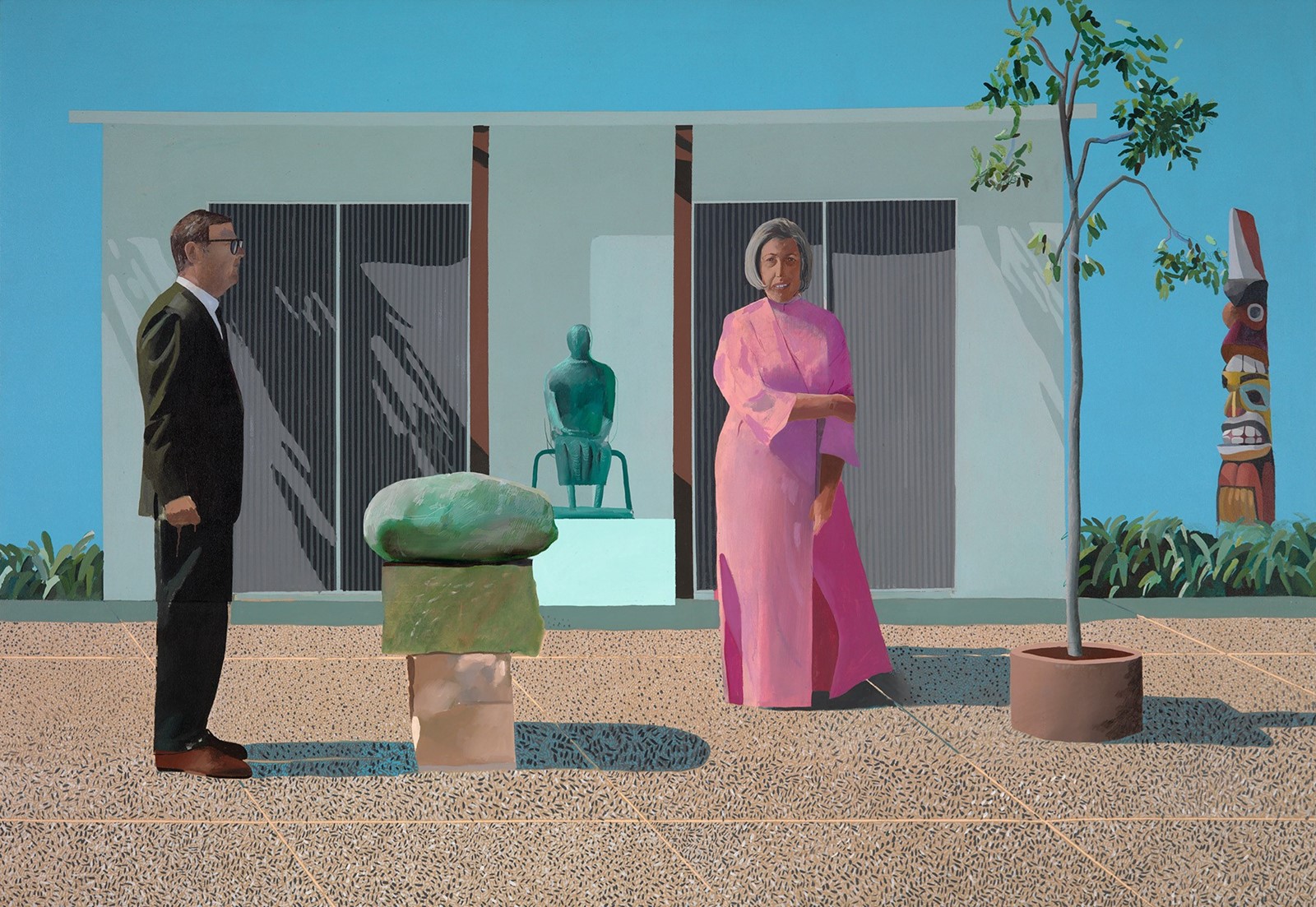
David Hockney is considered by many to be one of the most important contributors to the Pop Art movement of the 20th century. His work continues to have great influence on contemporary art around the world.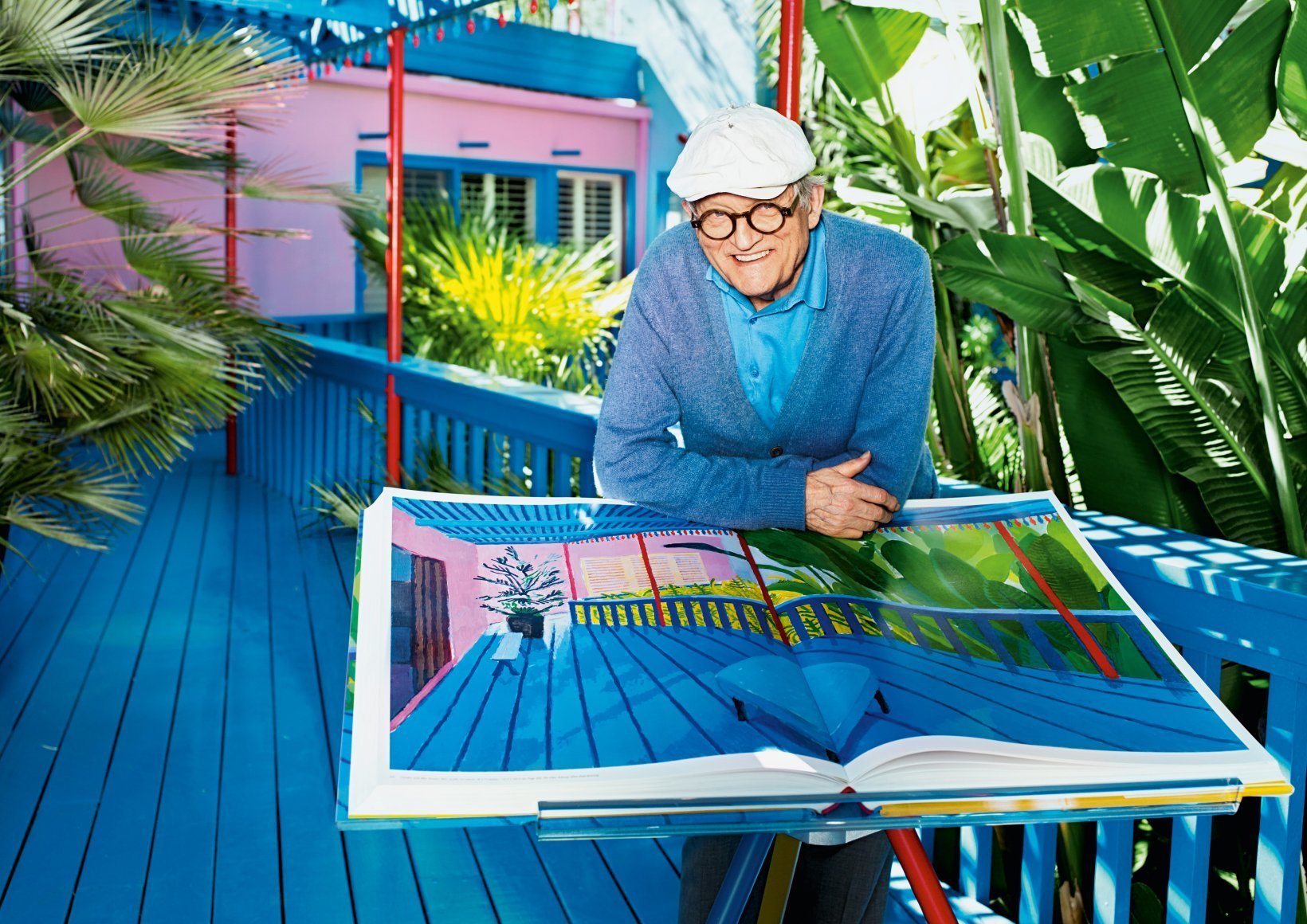
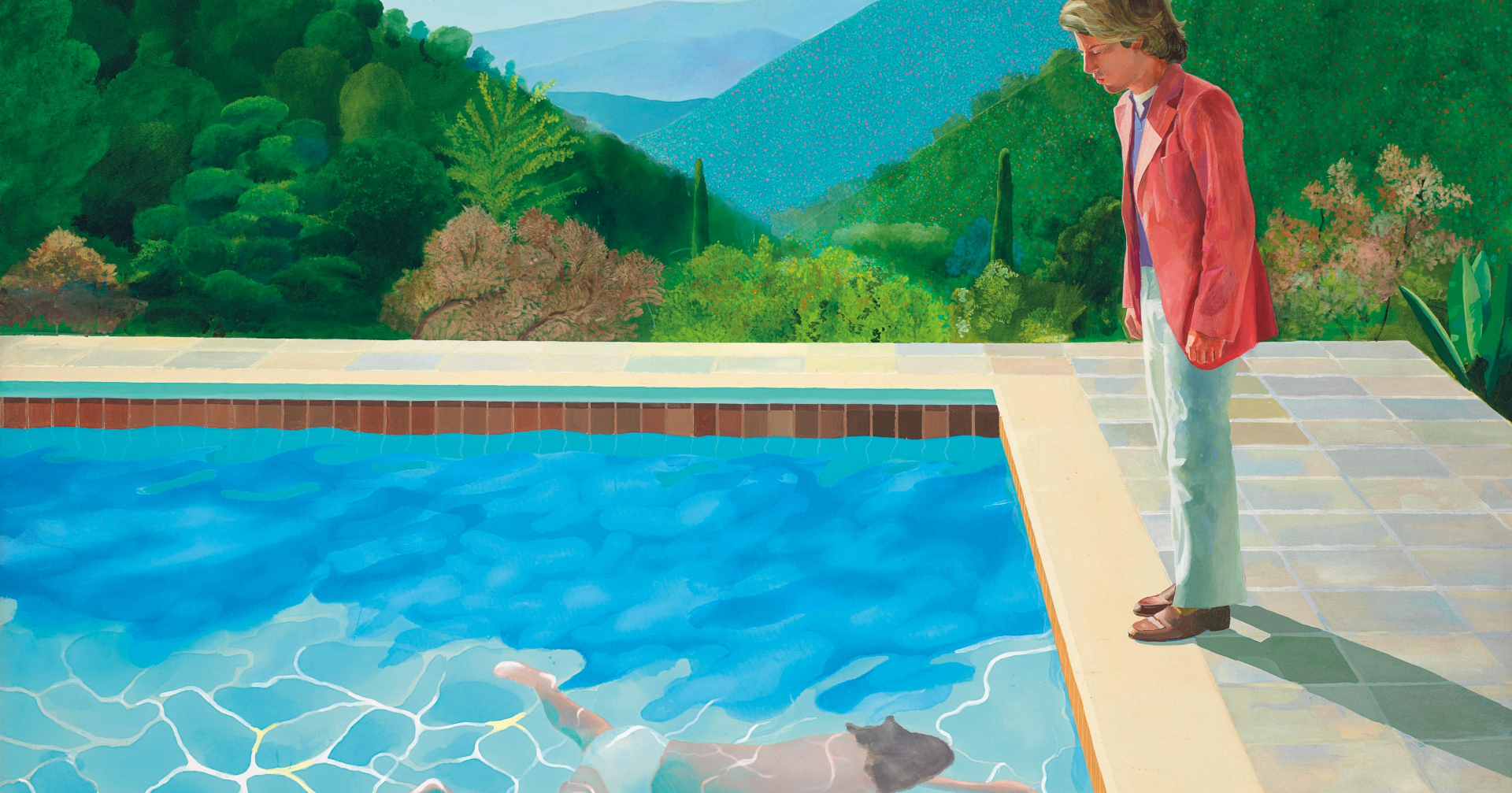
In fact in 2018, his piece, Portrait of an Artist (Pool with Two Figures), became the most expensive piece of art by a living artist ever sold at auction. His colourful prints and paintings inspire new generations of artists every year.
#04 Cecily Brown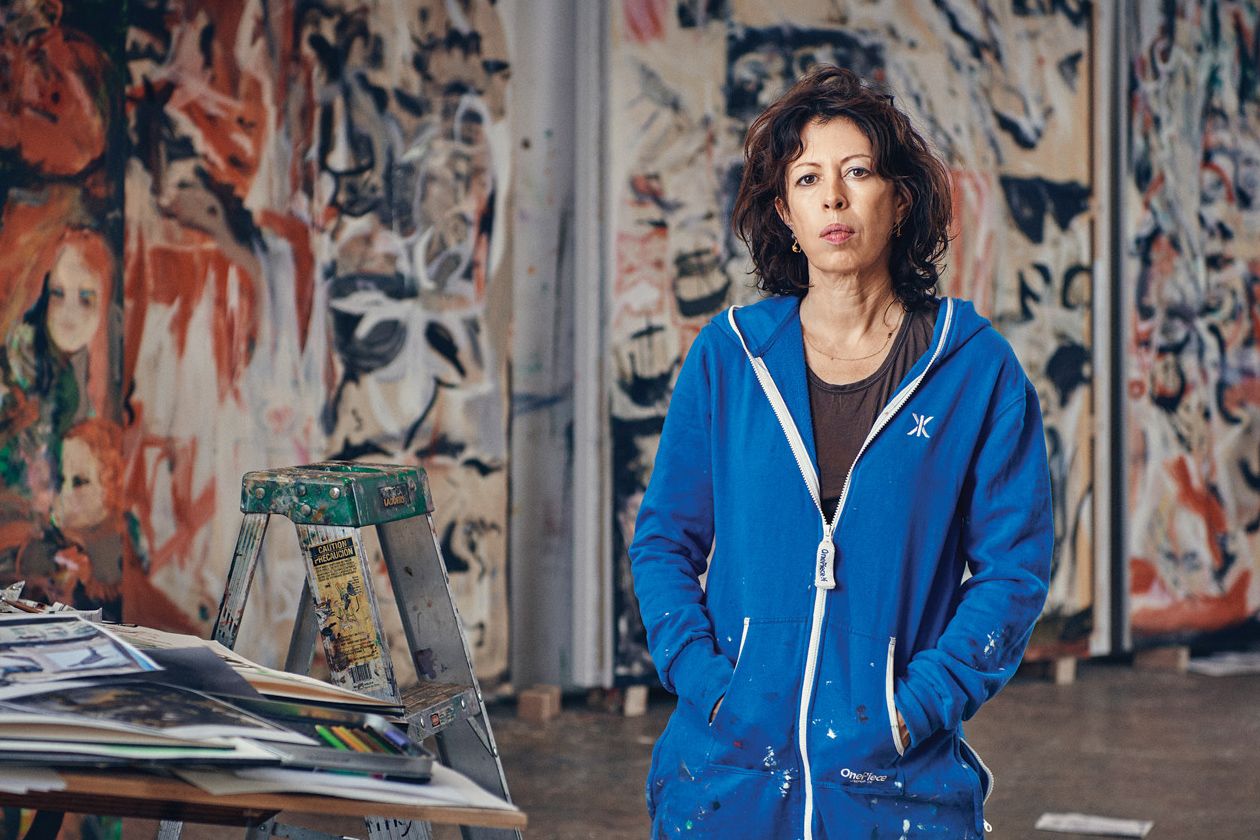
Parallels are often drawn between Cecily Brown and artists such as Bacon or Willem de Kooning. Her bright, vibrant paintings shift constantly between figurative and abstract models. Their expressive style has captured the attention of critics around the world.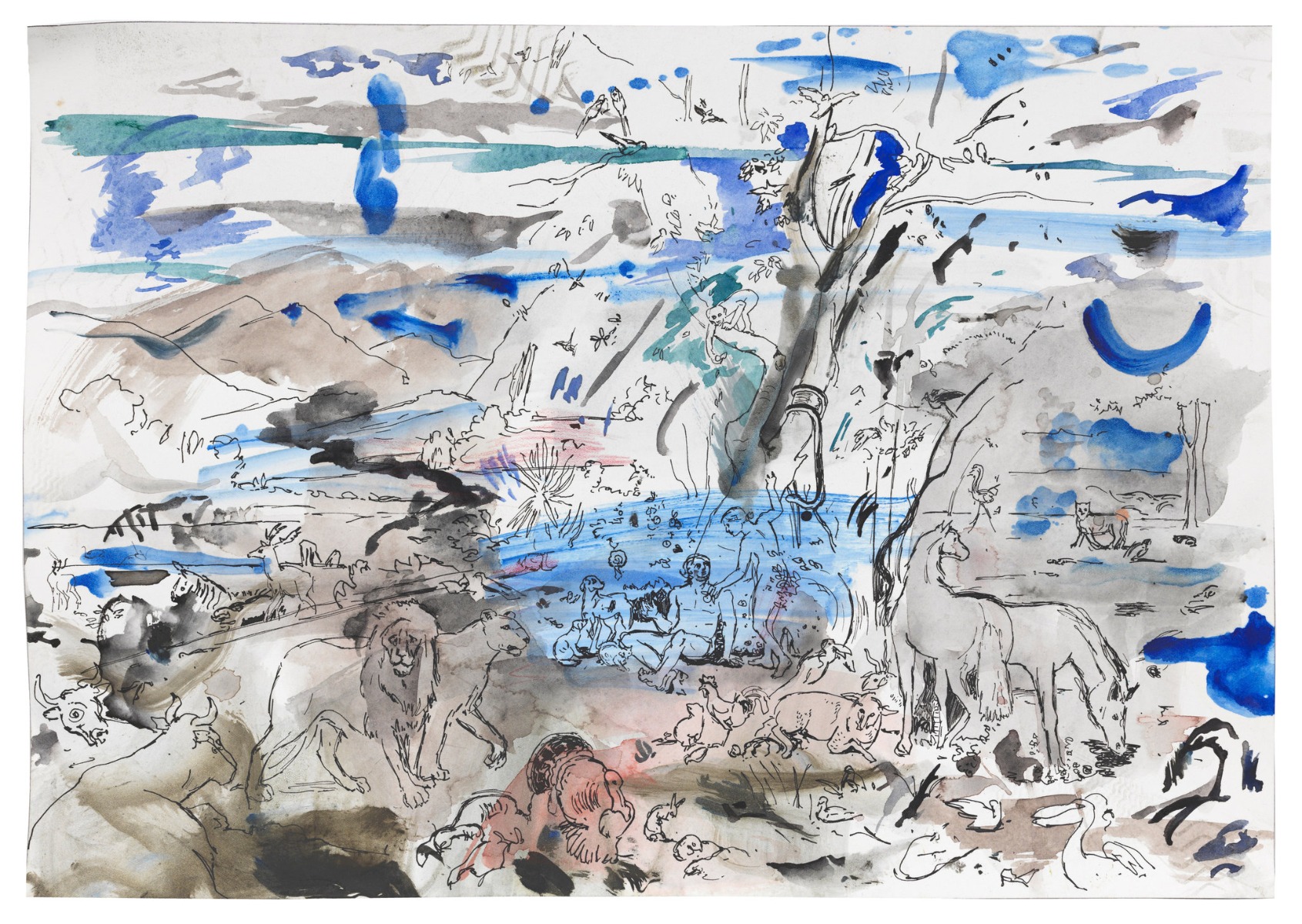
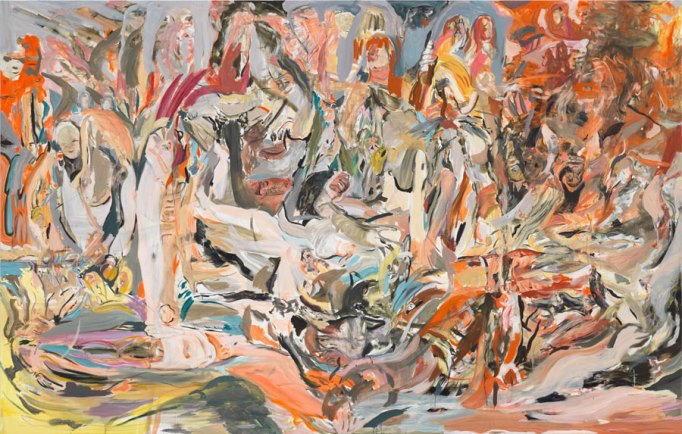
What is particularly striking about Brown’s work is its ability to render paint as if it were human flesh. The human form comes to life on the canvas, evoking themes of life, death, and all worldly desires in between.
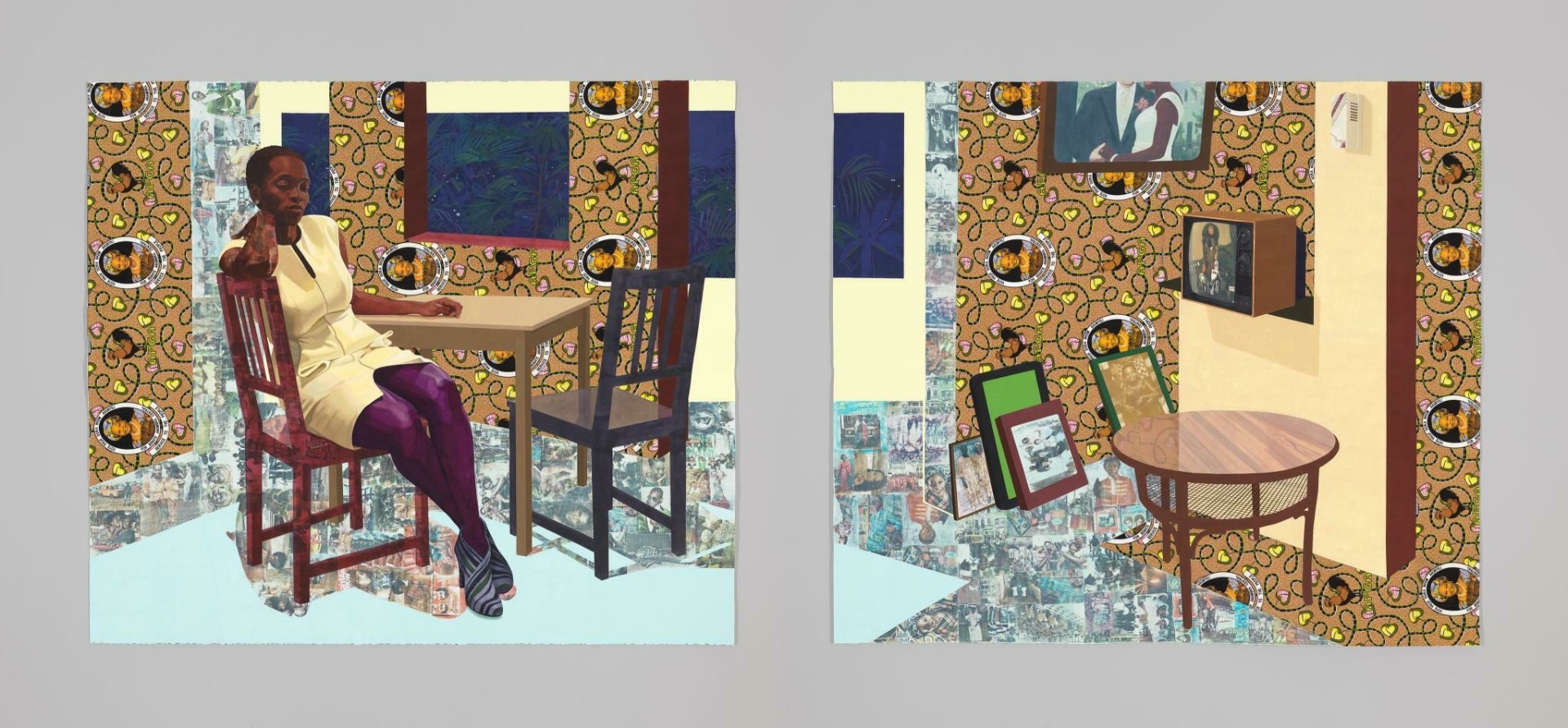
#05 Njideka Akunyili Crosby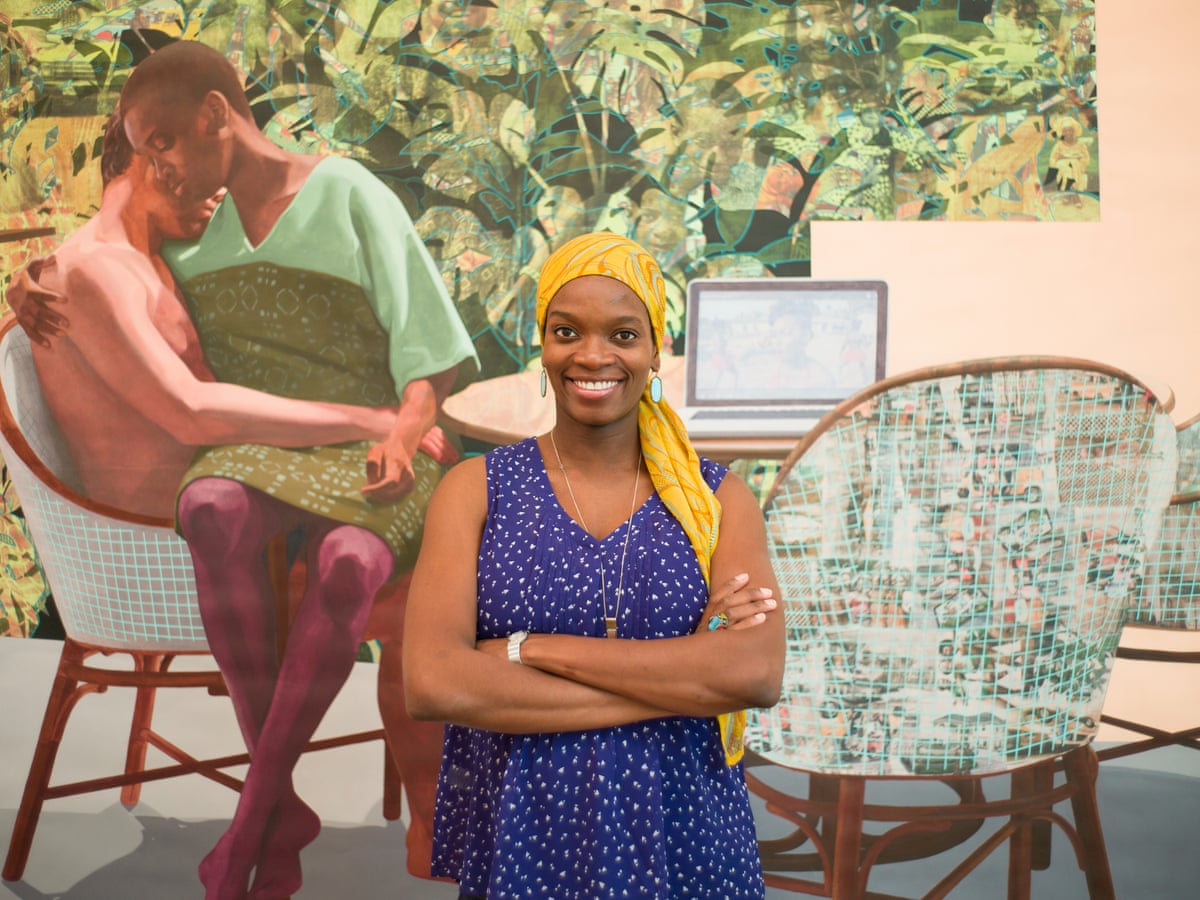
This artist's spectacular wall art explores a kind of liminal space experienced by immigrants around the world. It is neither Nigerian nor American – it is something uncomfortably in between.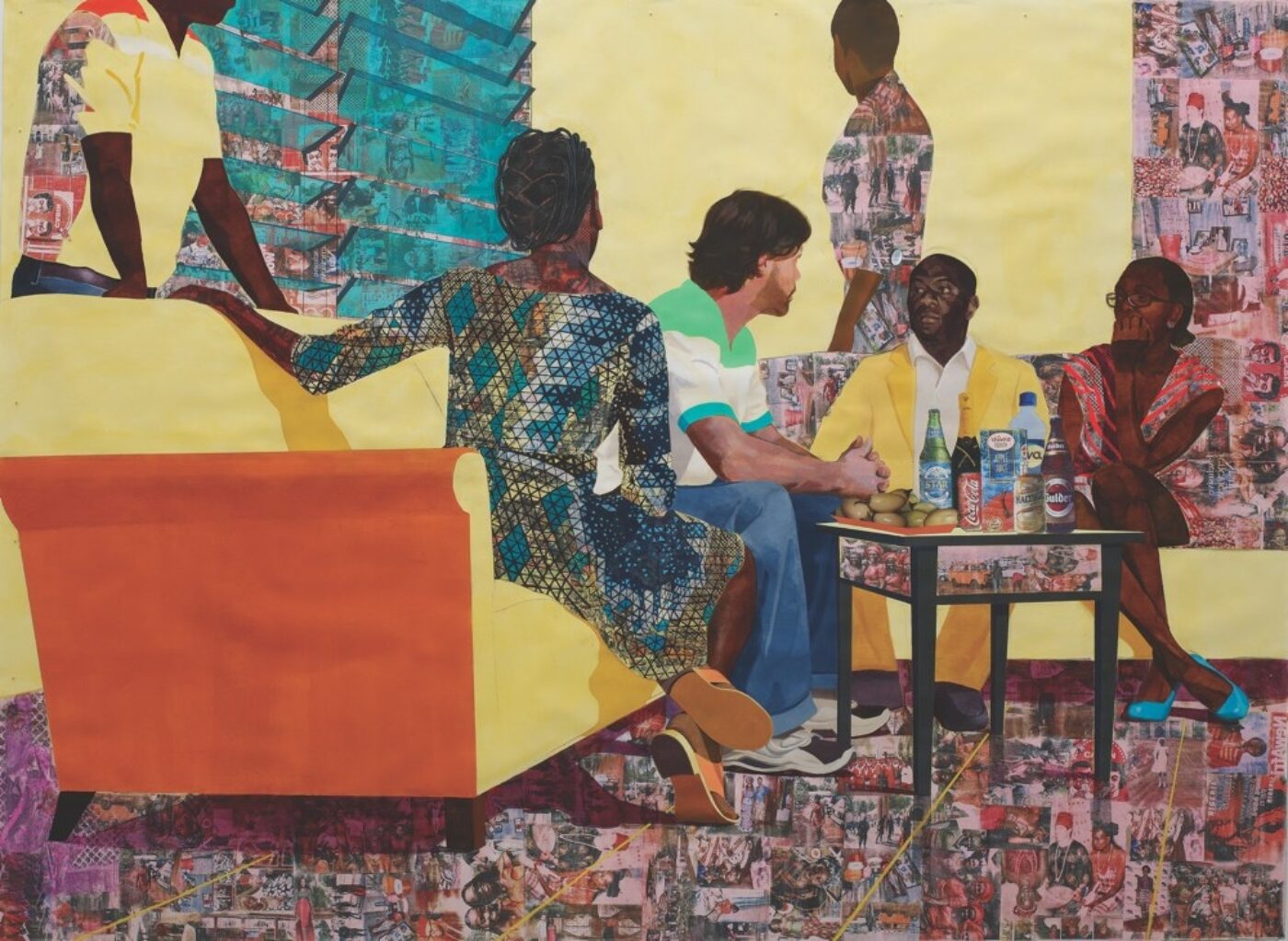
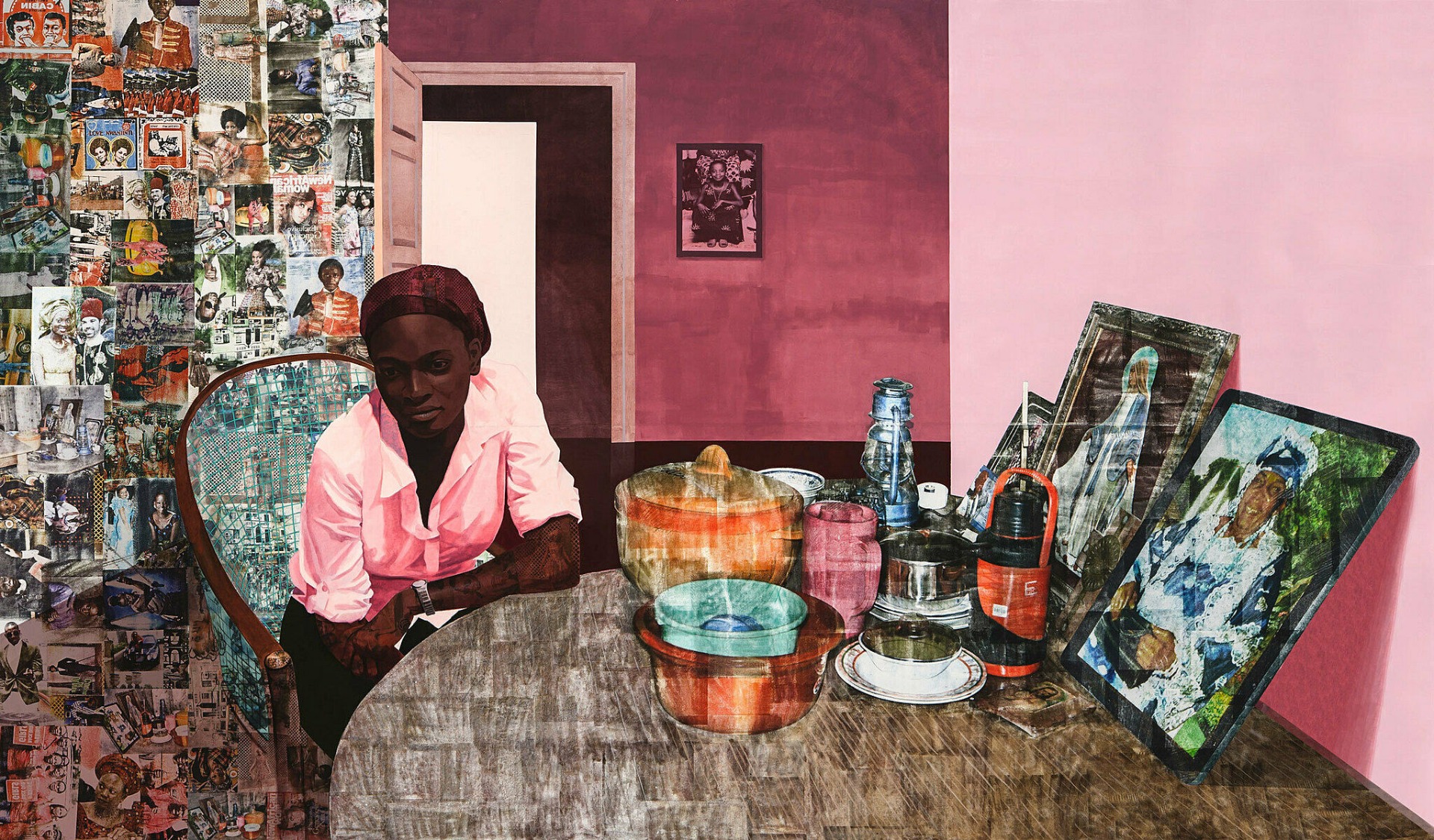
Colourful, eye-catching collages capture scenes of everyday life, interiors, and social gatherings. They explore the rich history of Nigeria and its existence in today’s post-colonial landscape. This artist’s work is regularly featured at renowned galleries around the world – certainly a name worth knowing.
SOA Arts – Hotel Interior Design and More
At SOA Arts, we have over a decade’s experience in curating, commissioning, and sourcing spectacular art for your business or commercial venue. Our wholesale art is ideally suited for hotel interior design, restaurant interiors, and much more.
Our catalogue is updated constantly in line with trends and changes in the industry worldwide. Get in touch today with your questions, queries, and inquiries. We work flexibly and are confident we can make things work for you.