
دعم
-
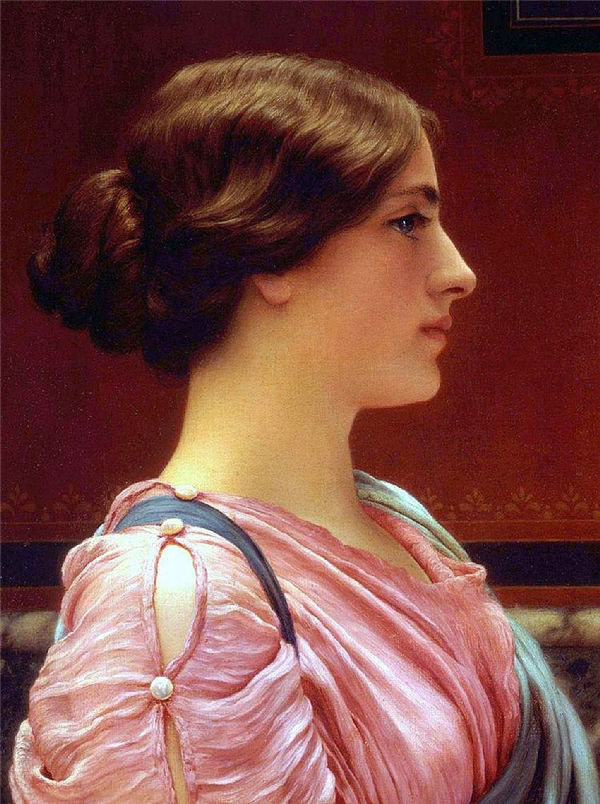
Classical oil painting originated in the Renaissance, focusing on the use of color and light to maximize the realism of painting objects. With the development of classical oil paintings, different styles of oil paintings use different techniques and expressive force. The hyper-realistic oil painting is based on the current advanced photography skills, focusing on the extreme depiction of details. Both painting techniques pay great attention to the application of color and light, but the artistic concepts behind them are completely different. This article introduces the classical oil painting technique and the super realistic oil painting technique in detail by comparing and analyzing.
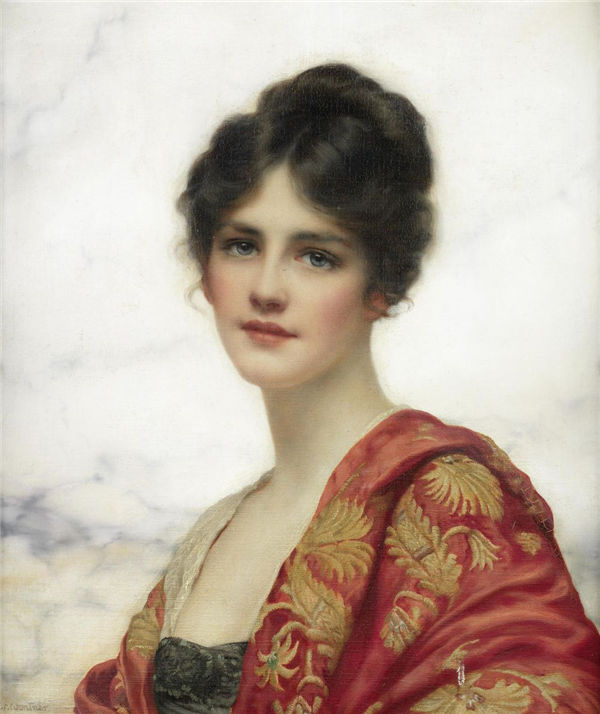
During the Renaissance, most of the oil paintings were custom-made, and they were carried out by religions or dignitaries for various purposes. Classical oil painting focuses on being as realistic as possible, using light and color reasonably, and striving to show the truest side of the painting objects. Hyper-realistic oil painting was born in an era when the current photographic environment and techniques are very mature. Some people think that the birth of photography ended the life of oil painting art, and that super-realistic oil painting is the struggle of painting artists against the death of painting. They pay attention to the extreme depiction of the details of the painting objects, showing the beauty of details that the photography technique can't express.
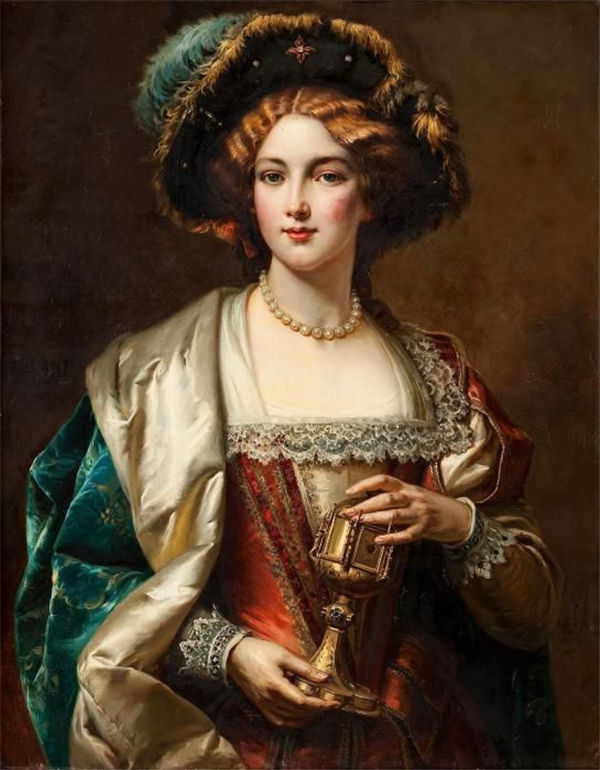
1. For the painting techniques of classical oil painting, the overall tone and composition are very calm and implicit, without much contrast, and it attaches great importance to the coordinated changes of color saturation and transparency, as well as the application of light and shadow, shape and color. Classical oil painting attaches great importance to painting techniques, which directly affects the presentation of the entire picture.
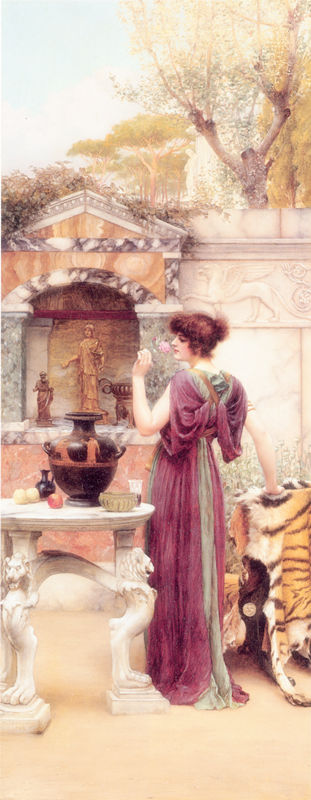
2. For the painting technique of hyper-realistic oil painting, the techniques are very strict in the production of canvas, brush, medium base, red base material, and the kinds of varnish and paint. In the process of painting, if there is no good medium, the brushstrokes will be very jerky, and the whole picture will show a feeling of unevenness, which will affect the visual experience of the whole picture. But after adding the medium base, the picture will become very flat, and there is no accumulation place on the surface of the color layer. After adding the varnish, the picture will be more flat. In the process of painting, it is necessary to properly use varnish cover dyeing. Not all places can be covered with varnish after oil absorption, because it will make the whole picture yellow. Instead, use one part medium and two parts of turpentine to dilute and paint the oil-absorbing surface, but you need to wait until the screen is dry before brushing. When painting, you can brush the part you want to paint and deal with the problem of oil absorption in the picture bit by bit.
Although both classical oil paintings and hyper-realistic oil paintings are realistic style of artistic creation, they are very different in the form of expression, painting techniques and artistic meanings. These differences come from the different backgrounds of the two times. Classical oil painting emerged during the Italian Renaissance. At that time, people didn't have photography skills. To retain an image, they could only rely on painting. Most of the early classical oil paintings were based on character depiction and religious stories. Although they also paid attention to the processing of local details, they placed more emphasis on the composition, sense of picture and color saturation of the oil painting as a whole. There is still a certain difference between the painted objects and the actual existence, which reserves a certain space of artistic creation for painters.
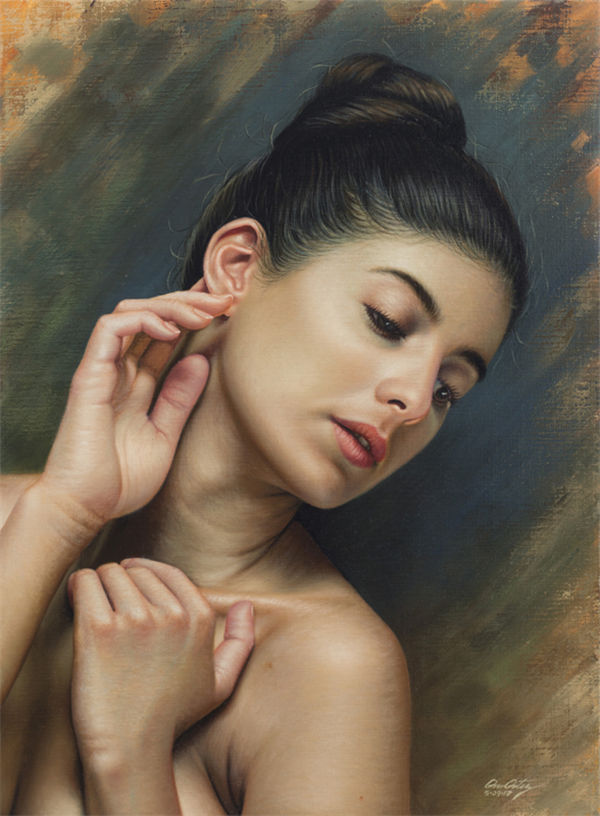
The hyper-realistic oil painting was born in the modern era where both photography and photographic technology are very advanced. People no longer need to use painting to retain the memories or images they want to retain. Photos or photography have been able to truly reproduce the desired picture. Someone once said that this is a time when painting is dead. In such an era, realistic style of painting does not have enough significance. However, due to pixel, camera angle, technique and other issues in photos or photography, it is impossible to present the details of pictures perfectly. The super-realistic oil painting is to grasp these details, and to describe them to the extreme. Even if the portrait is magnified dozens of times, it still has good texture and color saturation. Therefore, some people call the creator of super-realistic oil painting "anti painting death" school painter.
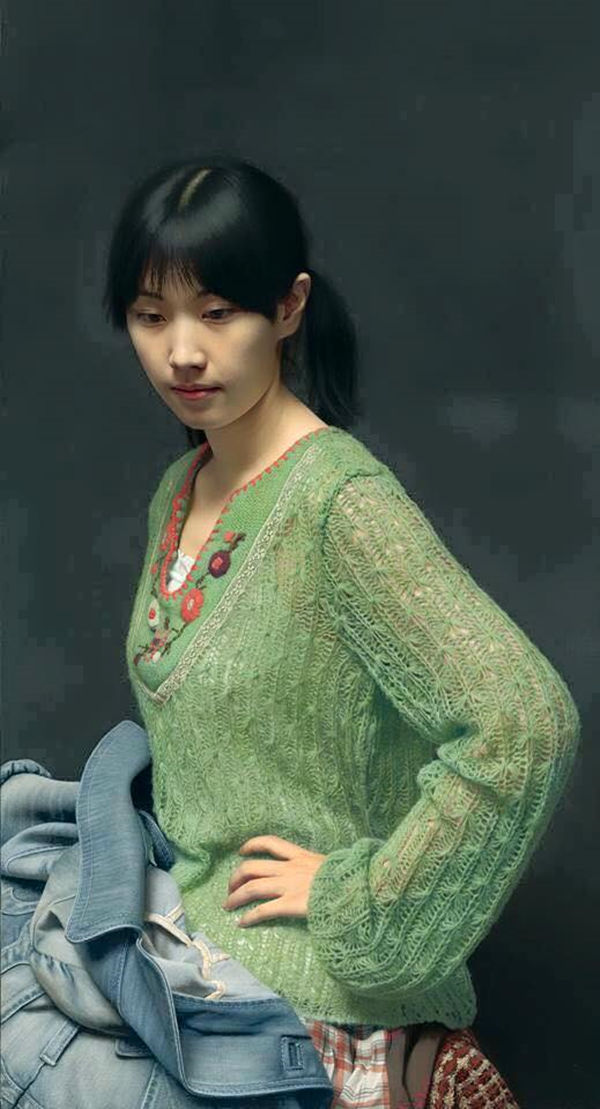
Different themes, different contents, so the techniques used will be different, but not so big.
1. The main idea is whether you paint for others or for yourself. One is a captive artist, the other is a freelance artist. This directly determines your painting route.
2. Expression is whether you want to express a pure record of nature or history, or an idea or thought, or even a concept, or nothing.
Most of the classical paintings have the purpose of recording and are very functional. Modern oil paintings are less constrained because there are cameras, so they can express more of their own things.
3. There are also changes in the use of techniques and materials. The most typical one is the difference between direct painting and cover dyeing, which can also be said to be the difference between interior painting and Impressionism.
In fact, it is feasible for people who want to do classical painting today. It is nothing more than imitating the whole process, and the content and form can also be imitated. However, it is questionable whether there is pleasure in doing so.
-
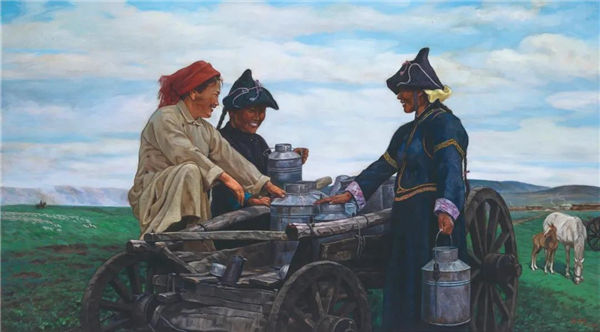
Since Dafen Oil Painting Village was awarded the "National Cultural Industry Demonstration Base" by the Ministry of Culture in 2004, it has been supported by various policies from the municipal and district governments and departments at all levels, and has gathered more and more artists who advocate creativity and are dedicated to art. The completion of the Dafen Art Museum in 2007 has set up a platform for the exchange and display of original art for Dafen painters. From here, they gradually move to the art stage of the whole country and even the world.
In recent years, lots of talented and explorative local artists have emerged in Dafen Oil painting village. More than 100 of their artworks have been selected into national and provincial art exhibitions, and have been exhibited in influential national heavyweight exhibitions such as "Beijing International Art Biennale", "Shenzhen Dafen International Oil Painting Biennial", "National (Dafen) Young and Middle-aged Oil Painting Exhibition". They use their heart and affection into their creation, and use their unique painting techniques and keen creative tentacles to portray works of art of different types and styles including neoclassical realistic styles and contemporary expressionist forms. In the process of communication, new ideas and new changes will be created, so as to create artistic works with attitude and belief and reflecting the style and features of the times. "Dafen Local Artists Promotion Project" sponsored by Shenzhen Dafen Art Museum has received extensive attention from all walks of life since it was launched in 2017. In a sense, the holding of Li Jiyong's artworks exhibition is also a presentation and summary of the artist's painting experience.
The artworks displayed here are the only remaining paintings of Mr. Li Jiyong, an old man who is nearly 80 years old. These works truly record the footprints of the author in different periods and different regions, for example, from the snow-covered Chaozu thatched cottage by Jingbo lake to the thatched cottage in Lizhai at the foot of Wuzhi Mountain, the famous Hakka earth building in eastern Guangdong and Western Fujian, and the stilted building of Miao family in Guizhou. As he has been engaged in the teaching of basic painting courses for many years, he has preserved some works in still life, landscape and figure painting. He said that these works are the portrayal of his artistic practice throughout his life. As for the merits and demerits of his works, he left them to the audience for comment.
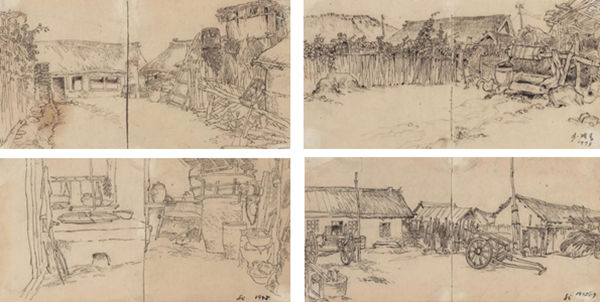
Rural Sketches, sketch, 1975
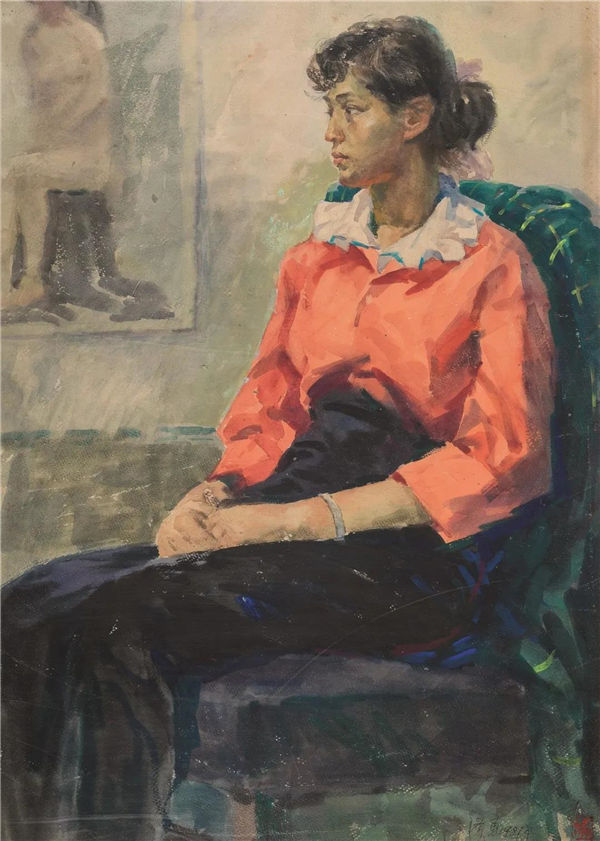
The Woman in Red, watercolor, 1981
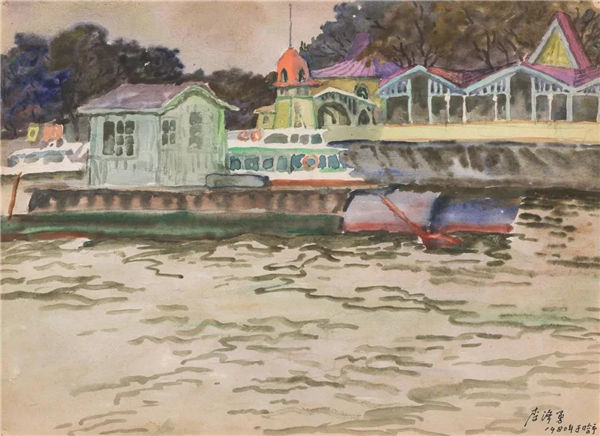
Harbin in the Rain, watercolor, 1980
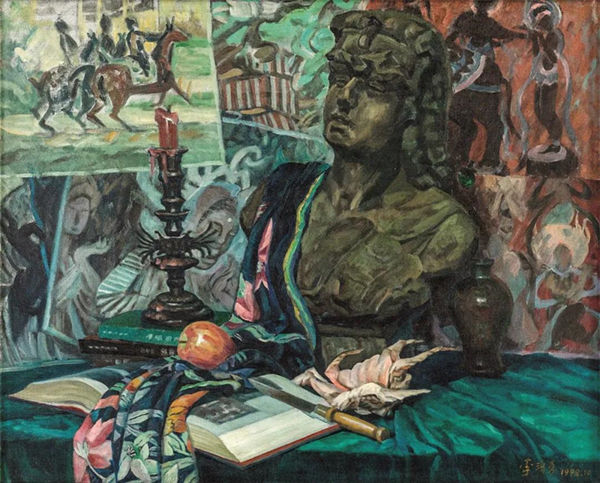
Still Life II, oil on canvas, 1998
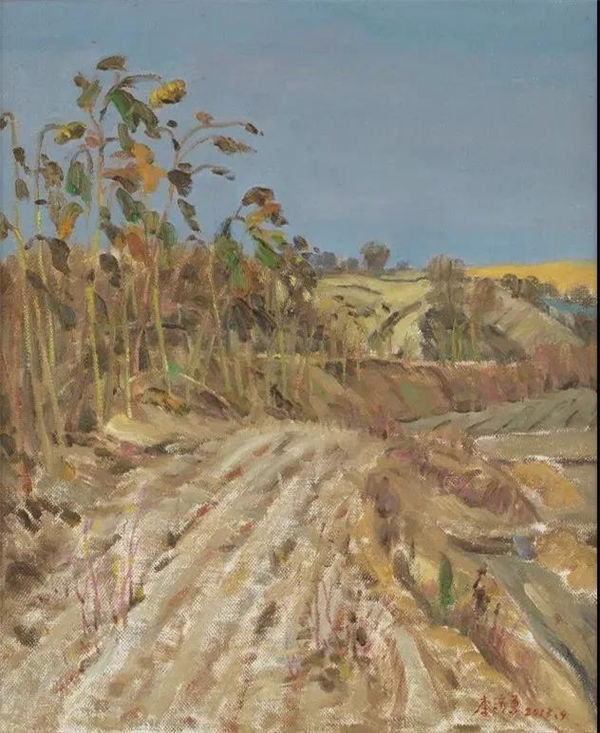
After the Autumn Harvest, oil on canvas, 2012
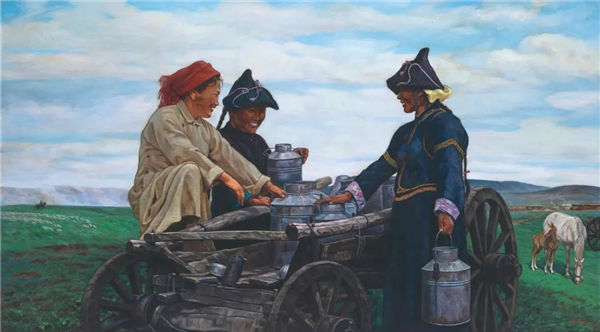
Morning Song Over the Grassland, oil on canvas, 2008
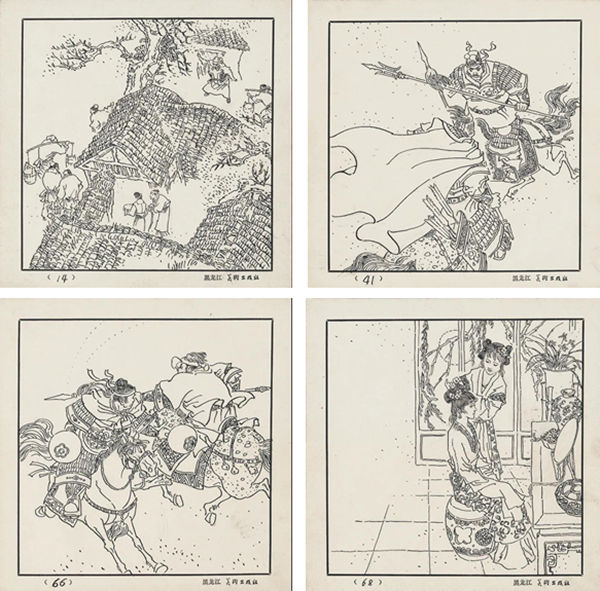
Comic Strip (Part), 1976
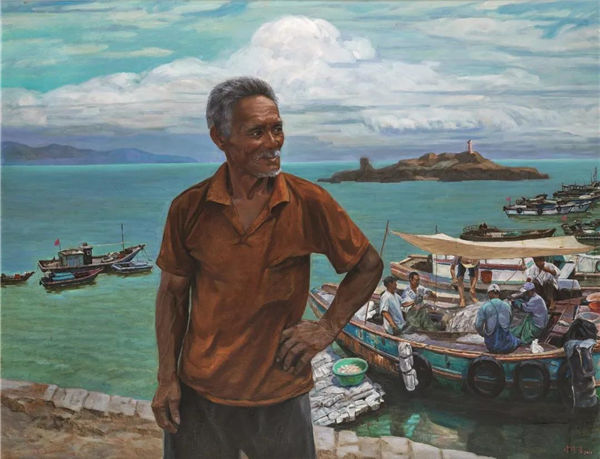
Return from Fishing, oil on canvas, 2010
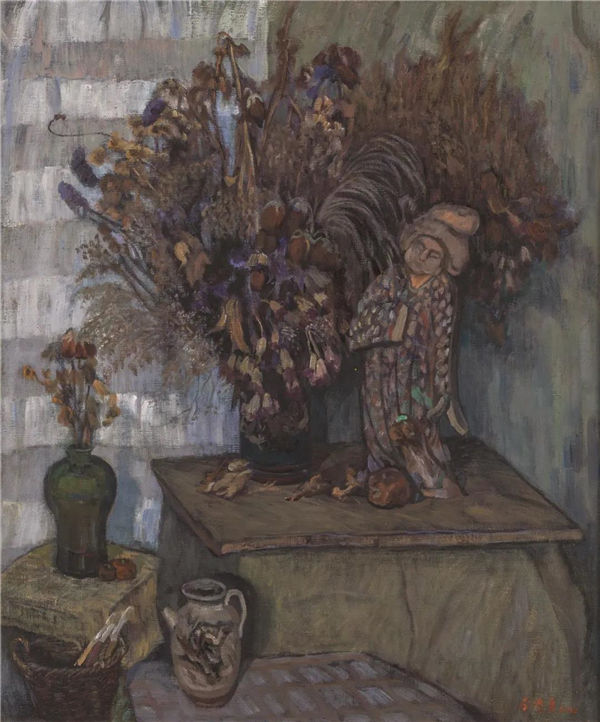
Still Attractive (Dried Flowers Series II), oil on canvas, 2010
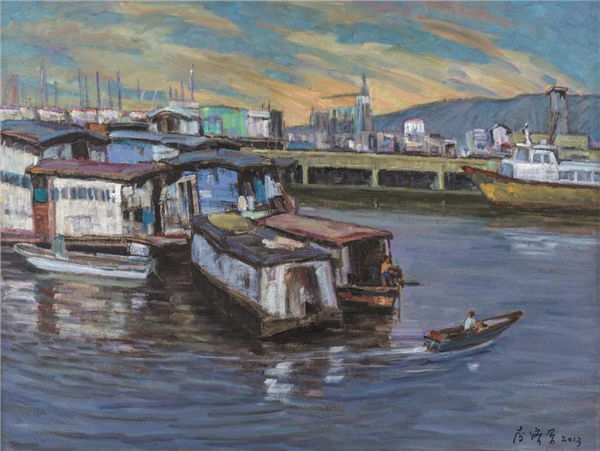
Morning Fog in a Fishing Harbor, oil on canvas, 2013
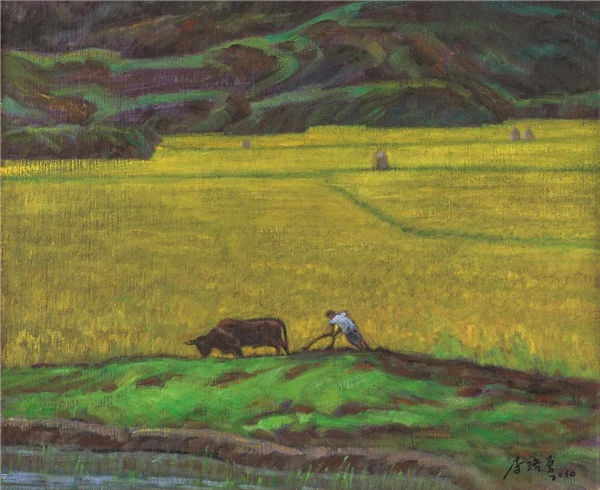
Spring Comes Early in Jinggang Mountain, oil on canvas, 2010
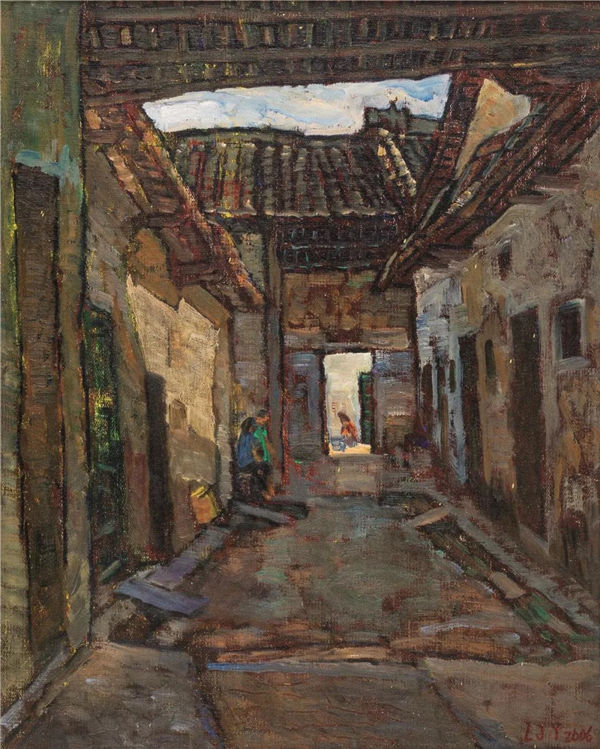
Hakkas Round House in Longgang District, oil on canvas, 2006
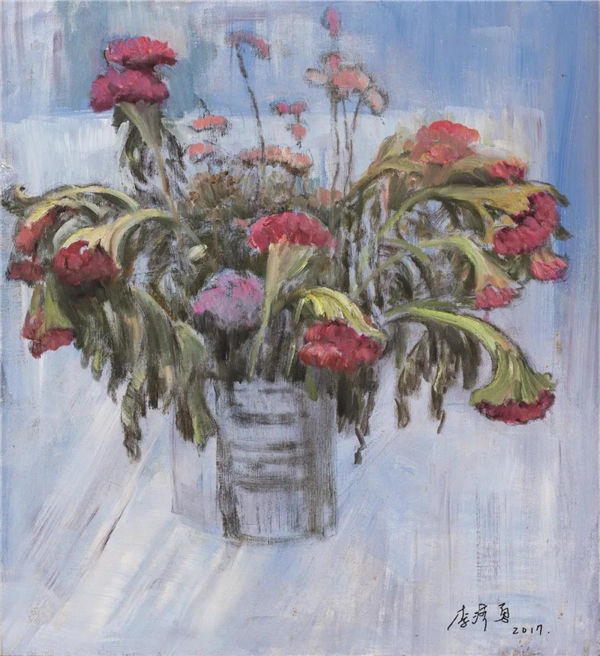
The Cockscomb after Autumn, oil on canvas, 2017
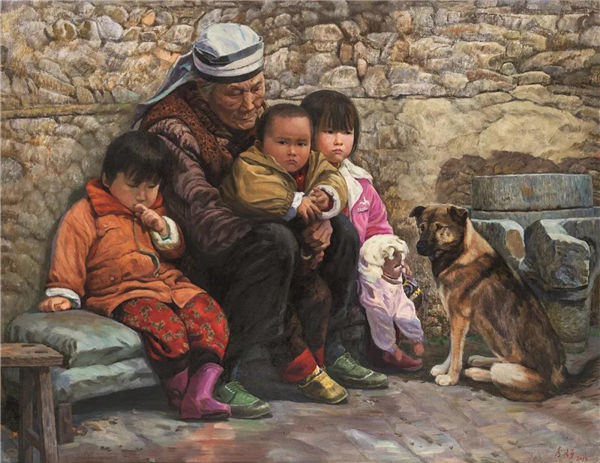
Protect Our Homeland, oil on canvas, 2010
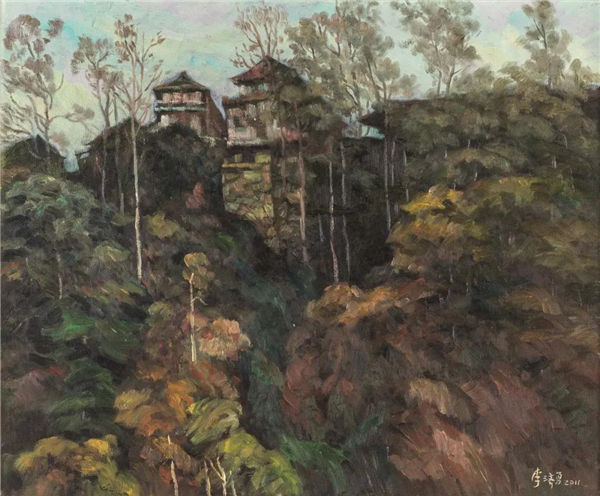
Guizhou Miao Village, Huaxi Village, oil on canvas, 2011
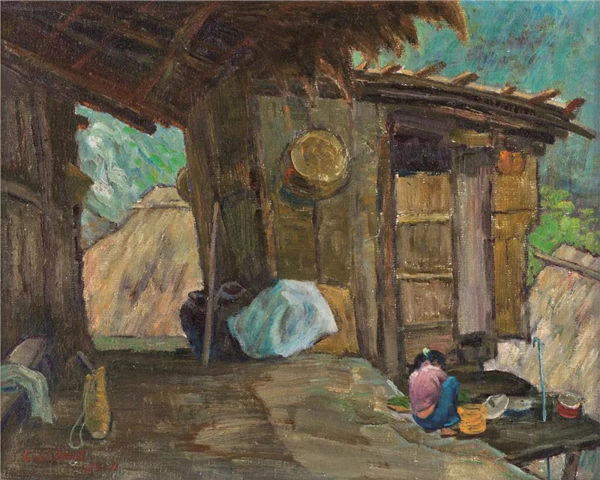
Li Village under Wuzhishan, oil on canvas, 2005
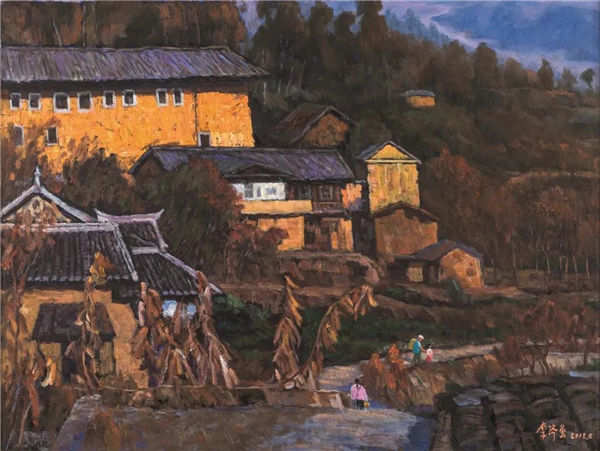
Sunset (Hakka Tulou I), oil on canvas, 2018
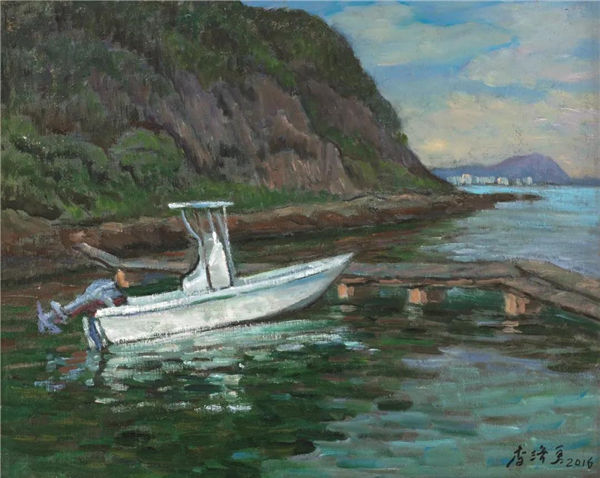
Sketch in Xiao Guiwan, oil on canvas, 2016
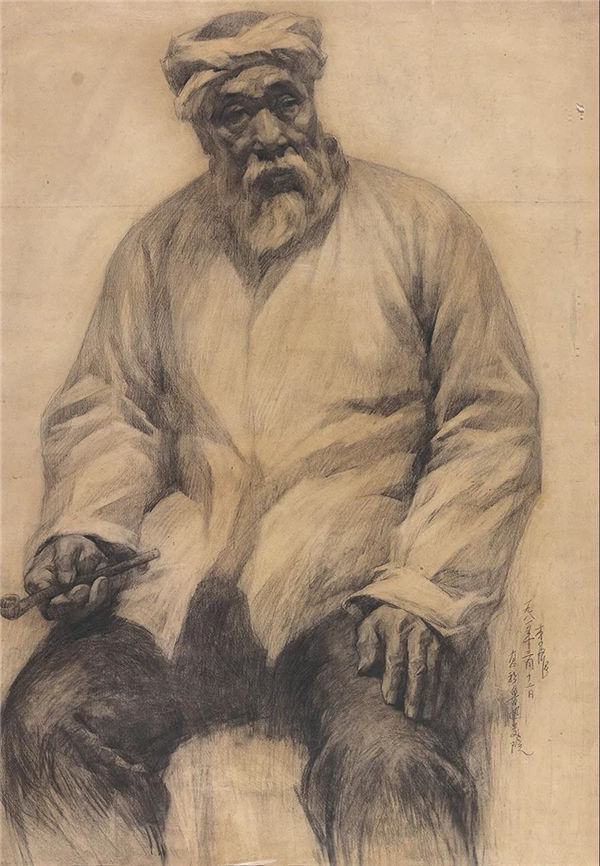
The Old Man, sketch, 1981
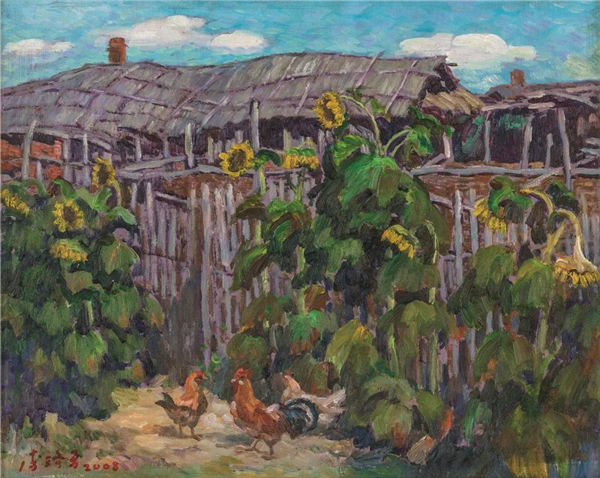
Sketching besides Heilongjiang, oil on canvas, 2008
-
In 2018, at the historical node of the 40th anniversary of China's reform and opening up, in Shenzhen Luohu, the city harbor where the "Chinese Dream" set sail, co-sponsored by the Chinese Artists Association, Shenzhen Municipal Literary and Art Federation and Shenzhen Luohu District People's Government, "The First Shenzhen International Watercolor Biennale" launched a cultural brand with international influence and wide international reputation that reflects the right of Chinese cultural discourse. It is a comprehensive display of the development process and creative achievements of China's watercolor in the 40 years of reform and opening up.
In 2020, at the important moment of the 40th anniversary of the establishment of the Shenzhen Special Economic Zone, the Chinese Artists Association, Shenzhen Municipal Literary and Art Federation and Shenzhen Luohu District People's Government will once again jointly host the "Second Shenzhen International Watercolor Biennale". Throughout the many works exhibited this year, the subjects are wide-ranging, the content is rich, the quality is high, and the forms are diverse, which fully demonstrate the vigorous development of contemporary watercolor. Among them, there are some excellent works that really make an impression.They make proper use of modern language and give play to the characteristics of watercolor painting. Chinese and foreign artists emphasize the contemporary development of individual expression and technical materials, presenting the academic height and innovative strength of contemporary global watercolor in three dimensions. Through the exploration of new themes and new techniques, and the integration of multiple forms, they show a strong sense of innovation in expression angle and language style.
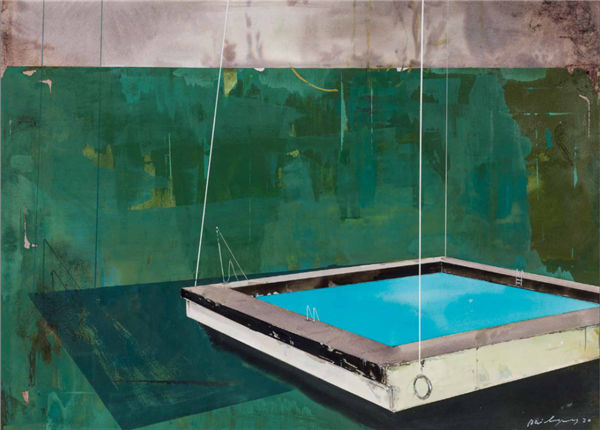
Always Be There 10 by Bai Luyang
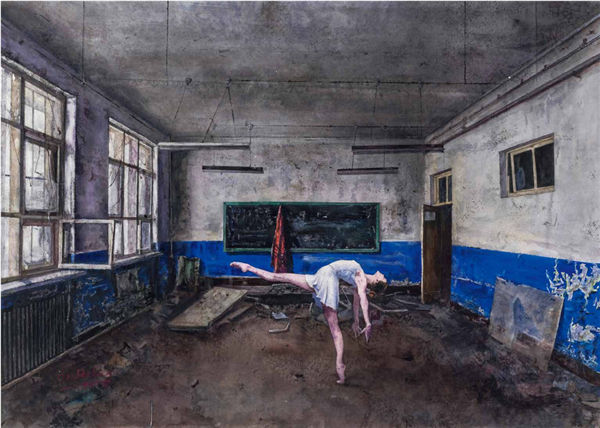
Old Dream in Old City by Chen Dezheng
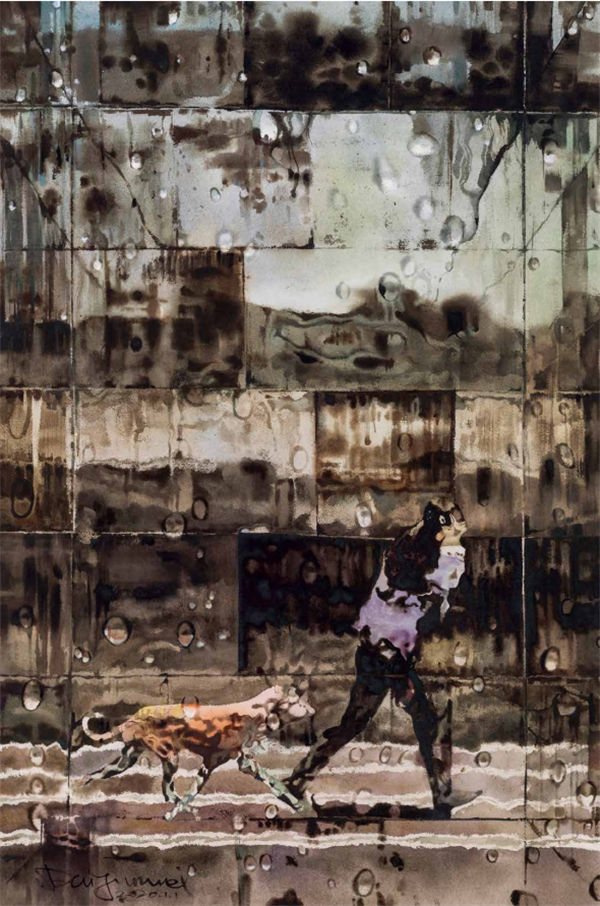
Rainy Day by Dai Junwei
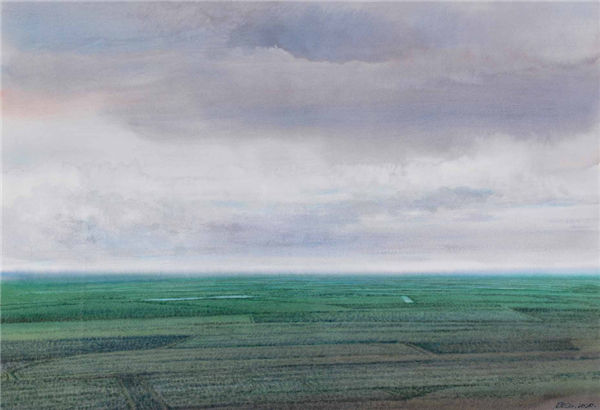
Early Spring by Fang Xiaolong
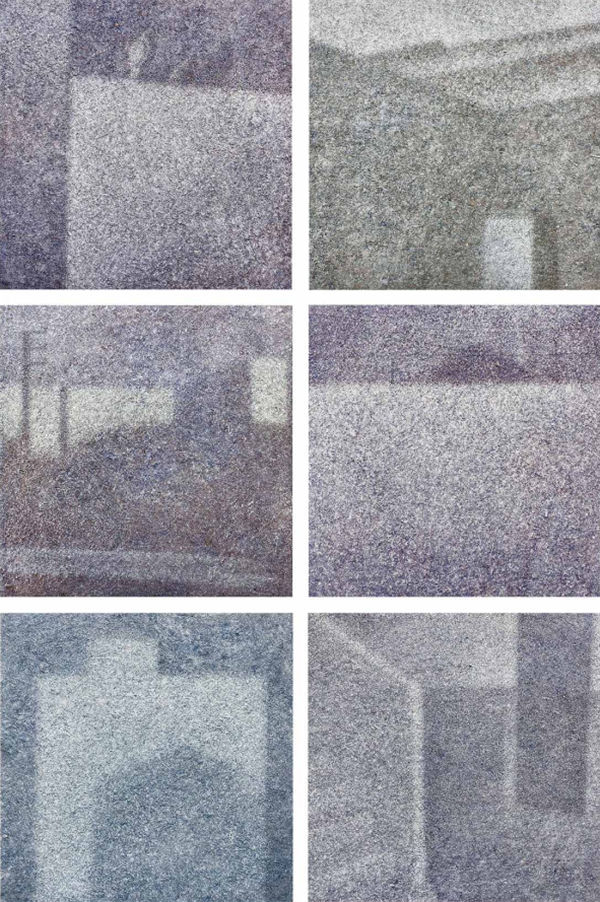
Dream by Guan Huisheng
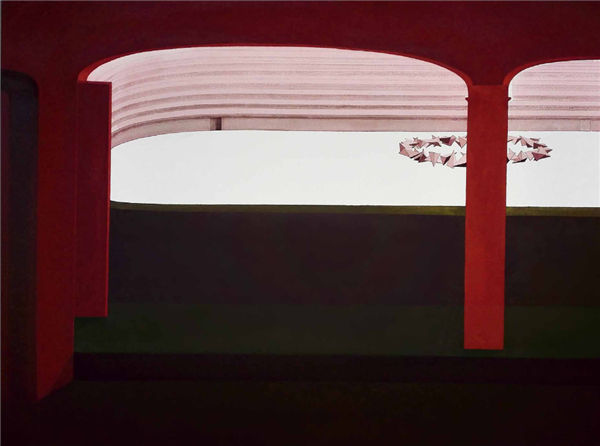
Visible and Invisible Space No.5 by Hu Yongqi
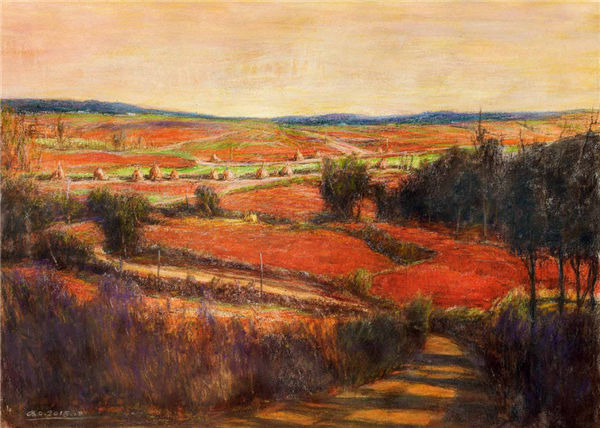
Red Land by Huang Jianbo
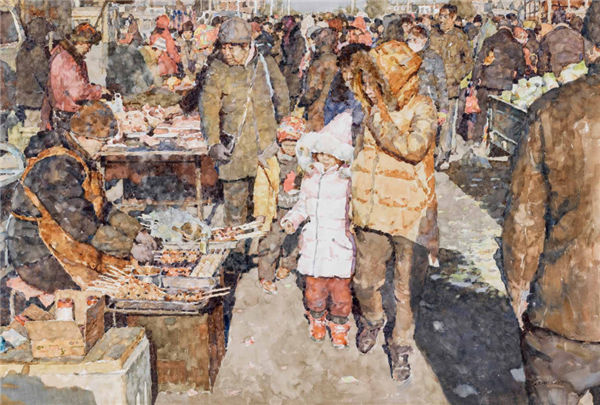
Going to Market by Huang Zhigang
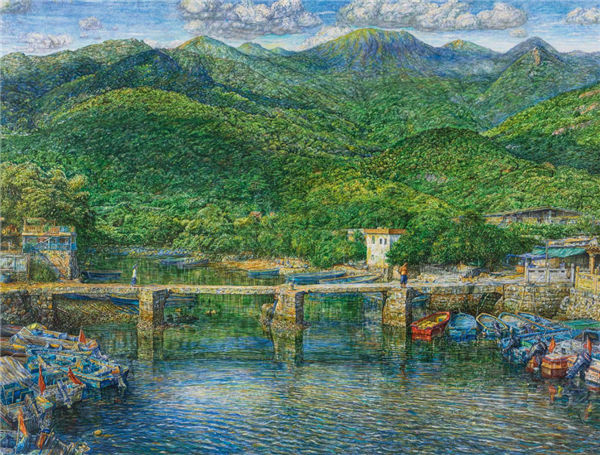
Impression - Yangmeikeng by Liu Bing
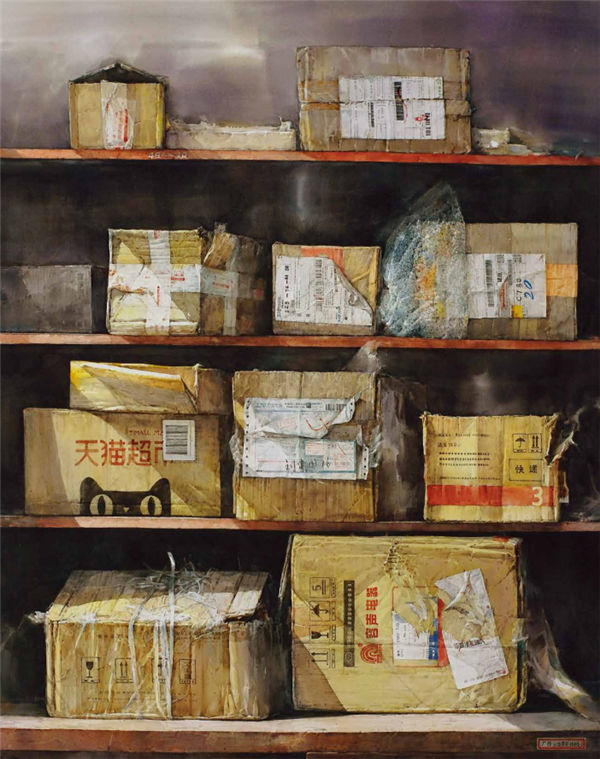
Logistics Times by Liu Yuping
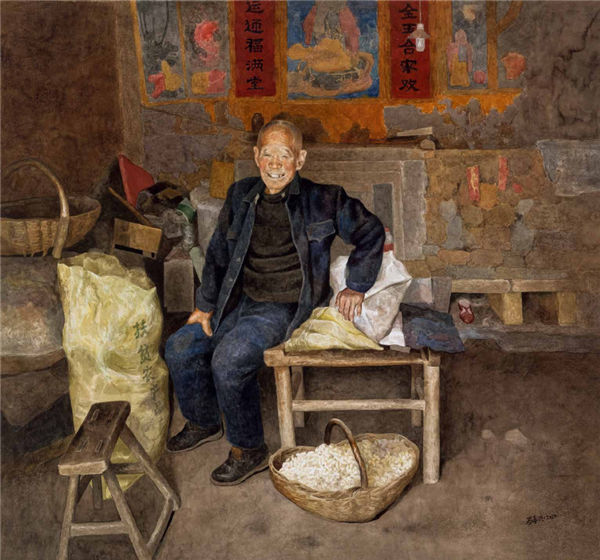
Spring After Winter by Ma Chunxing
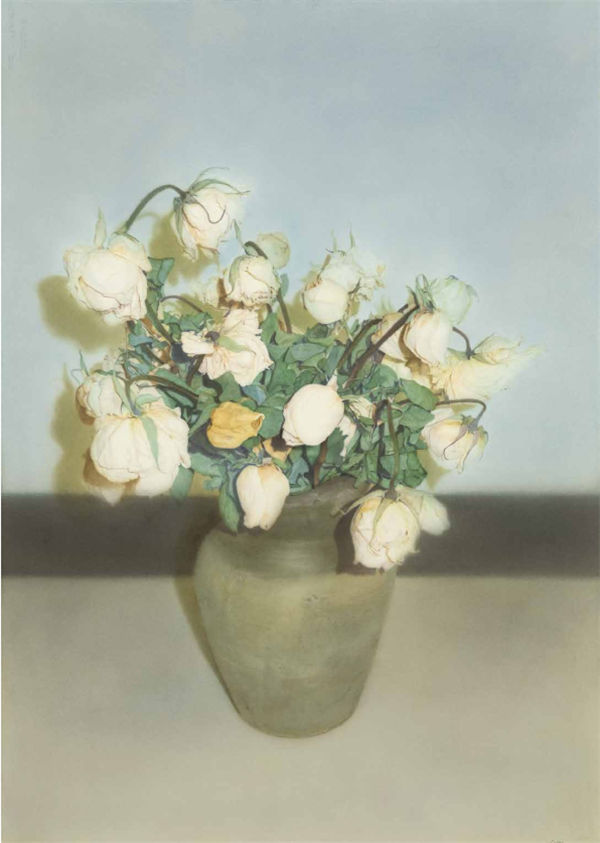
THE FLOWER 10 by Tan Qiuju
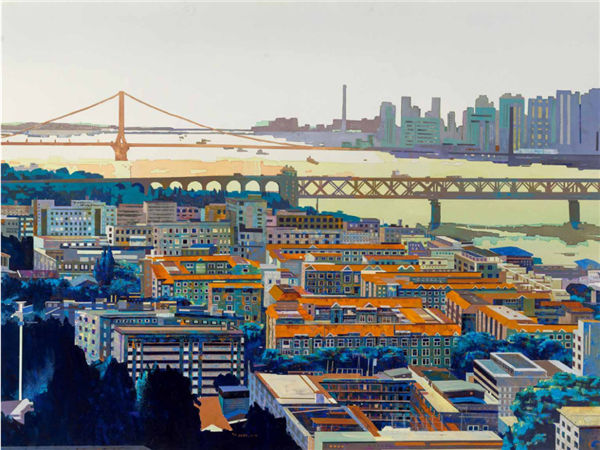
New Chapter by Tu Yonghong
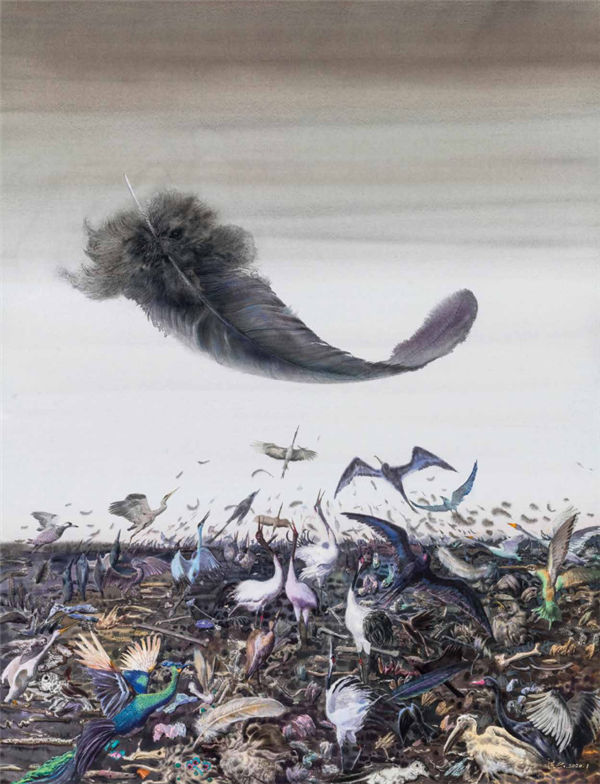
Upward World - Mission from Heaven by Wang Hongyun
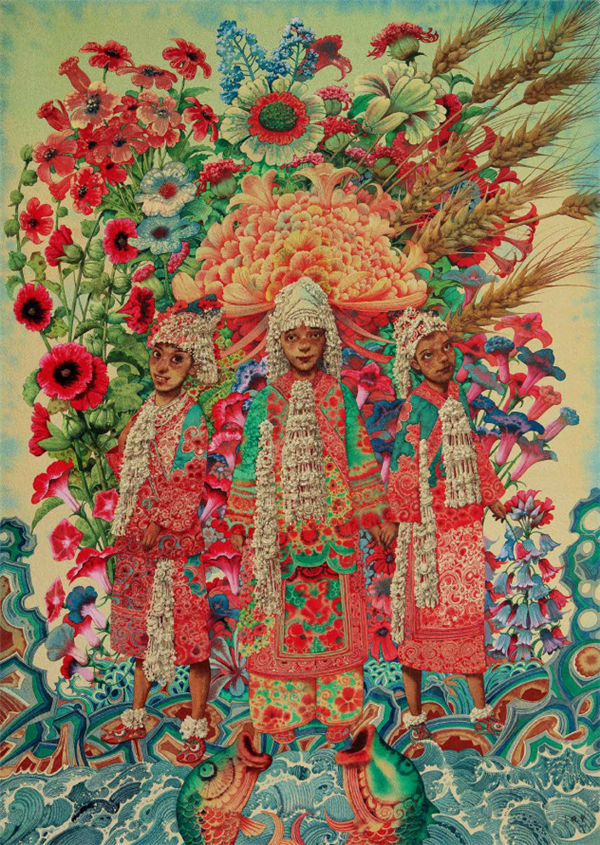
Minority Girls by Wang Xiaoyun
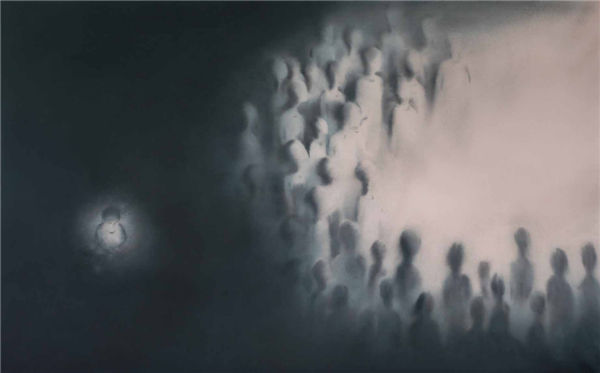
0.01% by Wang Yili
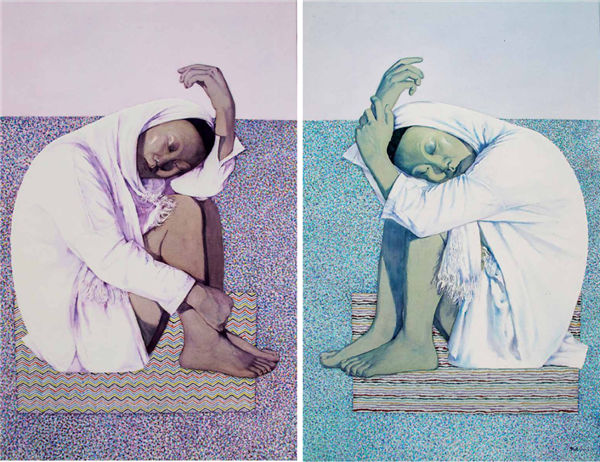
Looking in the Glass by Xiong Yan
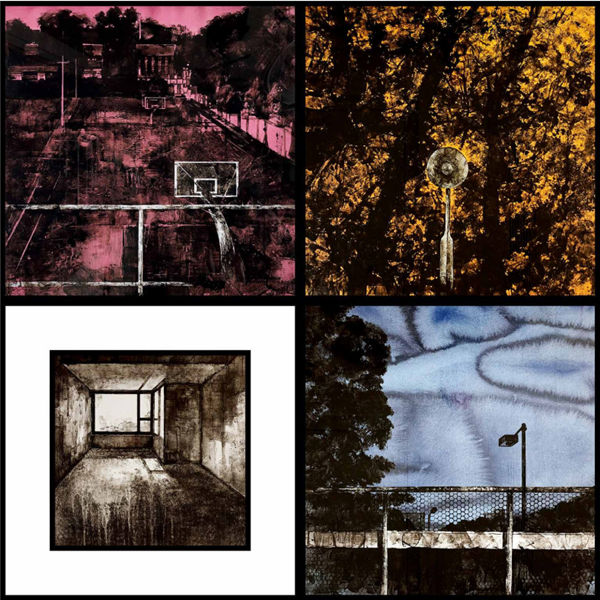
Goodbye, the Three Primary Colors of Youth by Xu Weibin
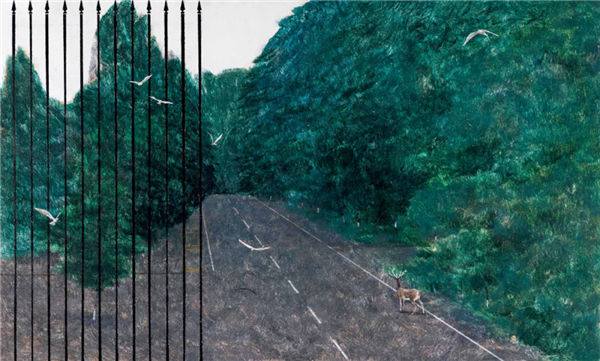
Where are We Longing for by Yang Wenhui
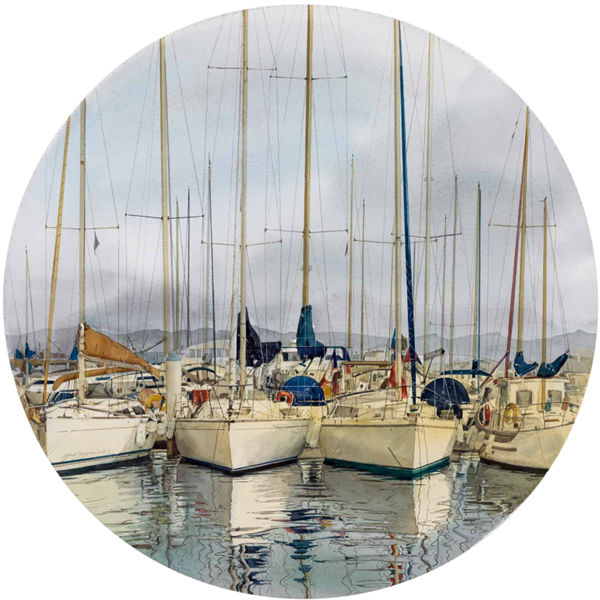
Series of Parking Boats (No.26) by Yao Fanghua
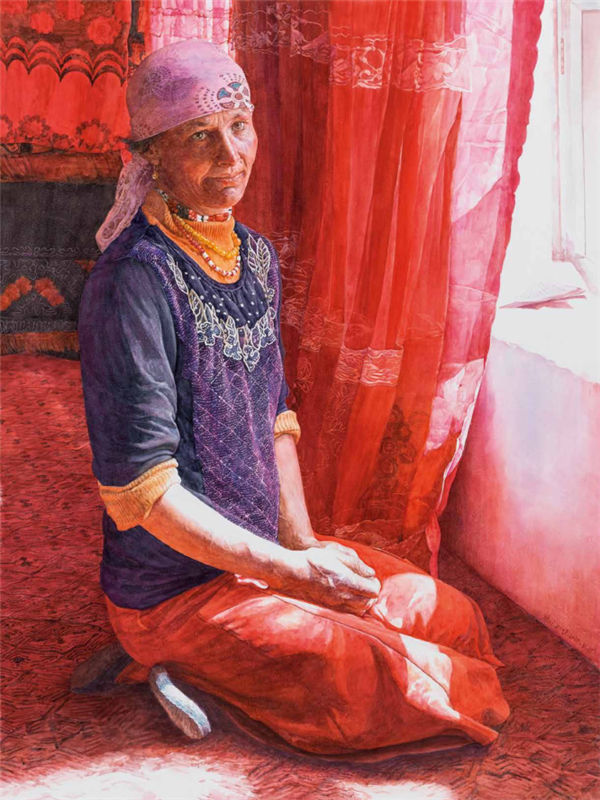
Gulan Danmu by Zhai Yong & Tian Fangzhou
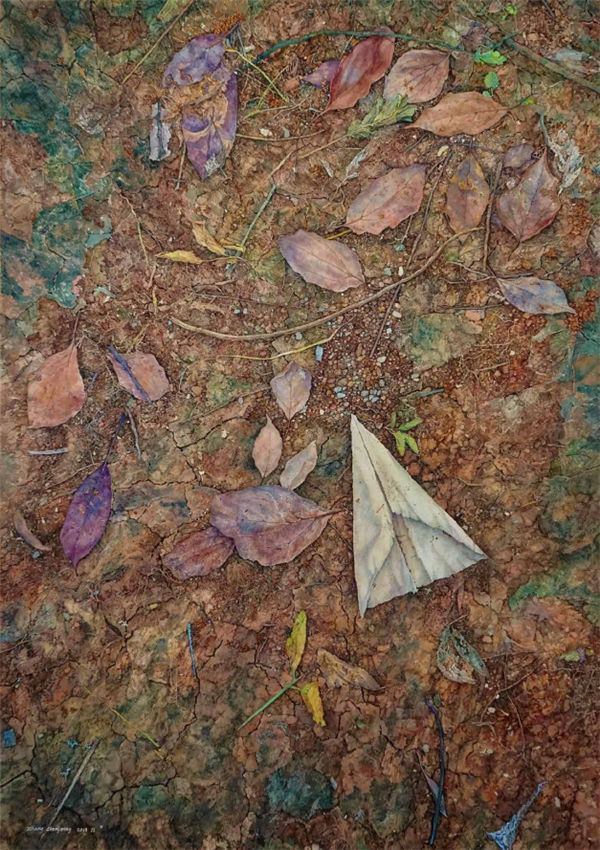
Picking up Dream by Zhang Chengming
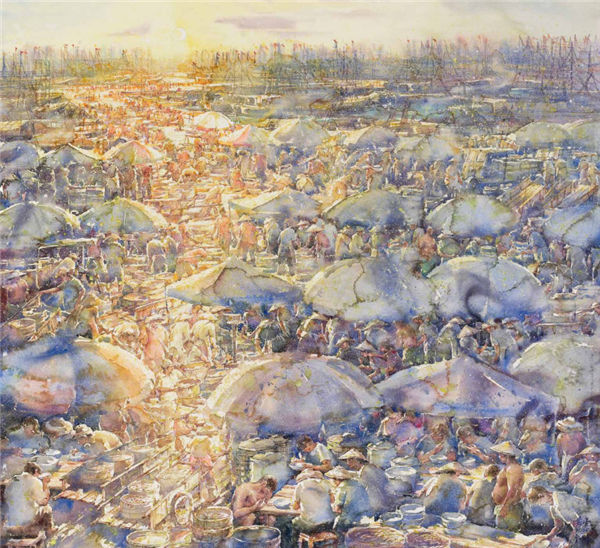
Fishing Port in the Morning by Zhang Hongliang
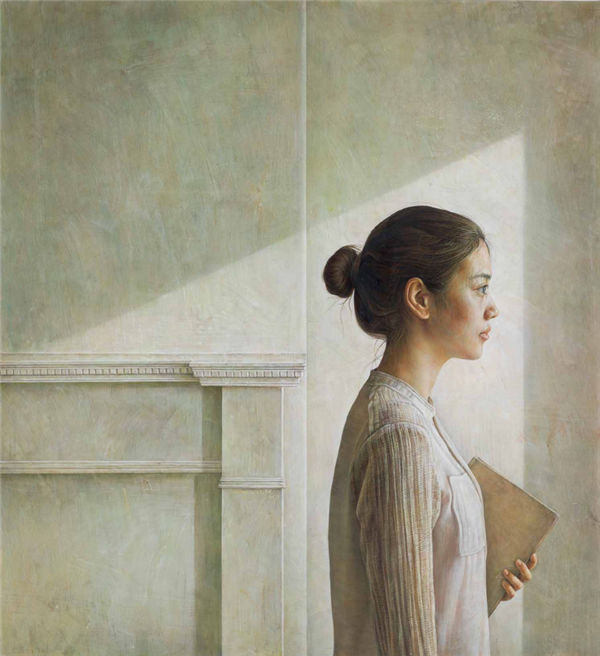
Afternoon Light No.2 by Zhang Hui
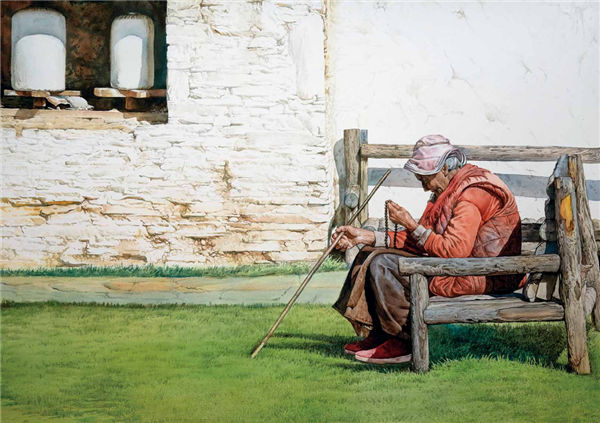
Sunny Day by Zhou You
-
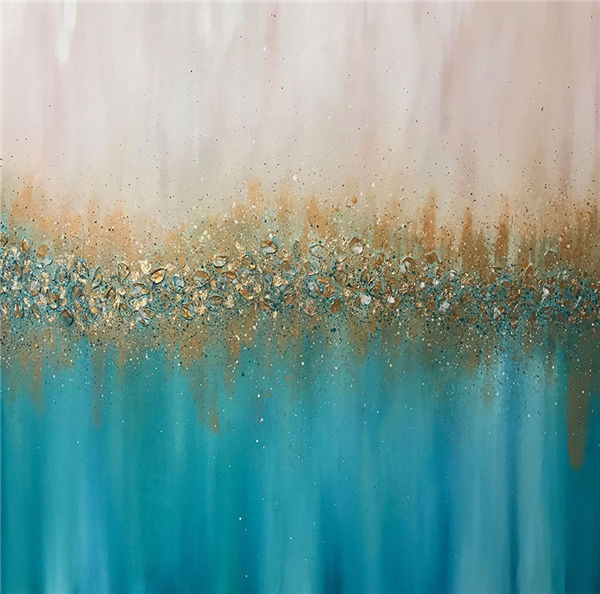
Acrylic paint was first used in the 1940s and has been popular among modern painters for its quick-drying and permanent qualities. Although oil paint is still the main medium for painting, its slow-drying and lack of permanence (museum curators believe that the oil painting will not completely dry for more than 50 years) may make many artists feel less than satisfactory.
In addition to its quick-drying advantage, acrylic paint also has multiple uses. For example, it can be used for a variety of fine art painting styles. And, like watercolor, it can be applied to the thinnest glaze, or like oil, it can be applied more thickly in layers, or even impasto directly from the tube. Moreover, improvements to the quality and range of available acrylic pigments have greatly increased the richness and hue that can be obtained. Finally, unlike oil paint, it will not crack, and unlike watercolor, it will not fade.
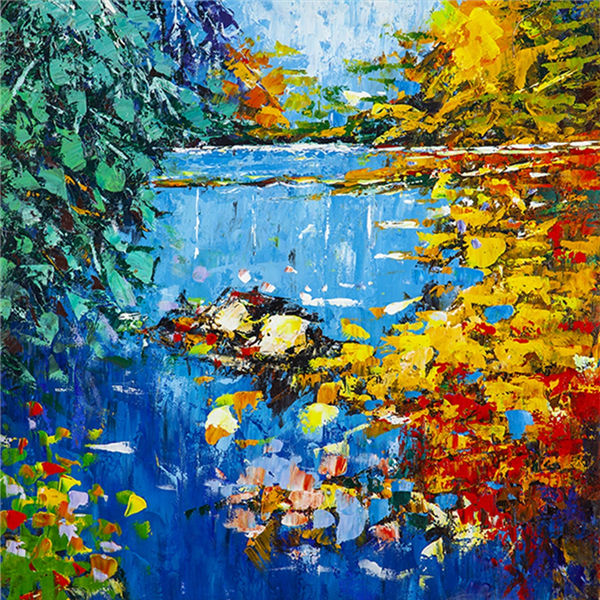
Abstract Acrylic Painting No.1
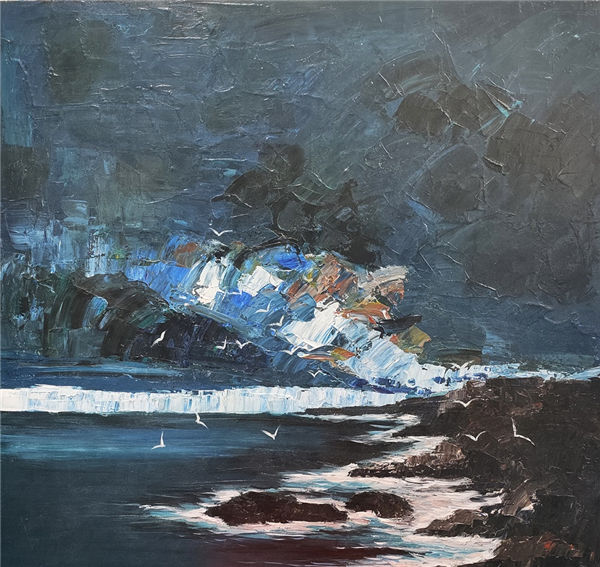
Abstract Acrylic Painting No.2
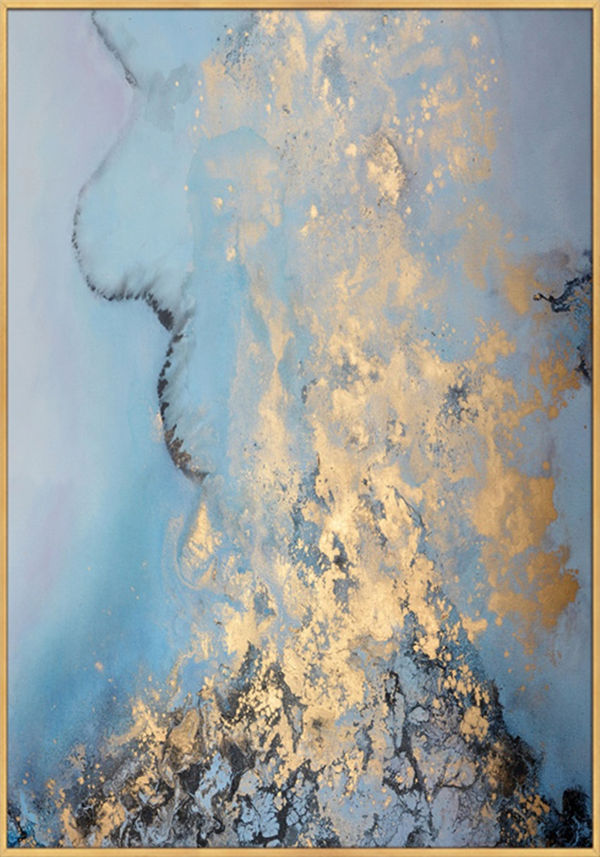
Gold Foil Abstract Acrylic Painting
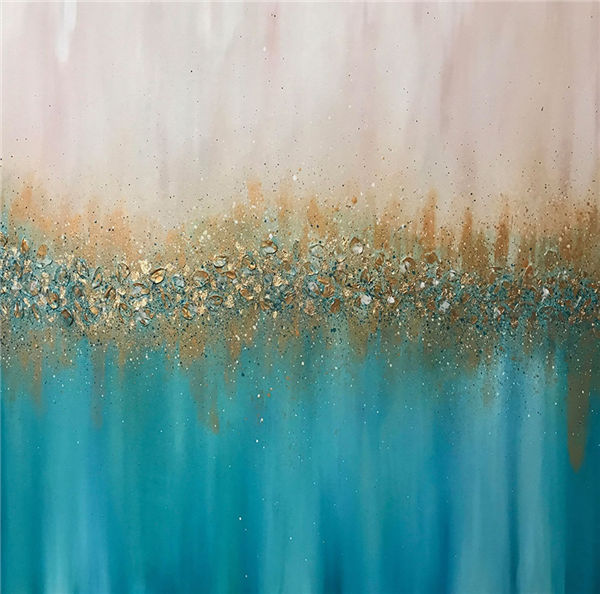
Mixed Media Abstract Acrylic Painting
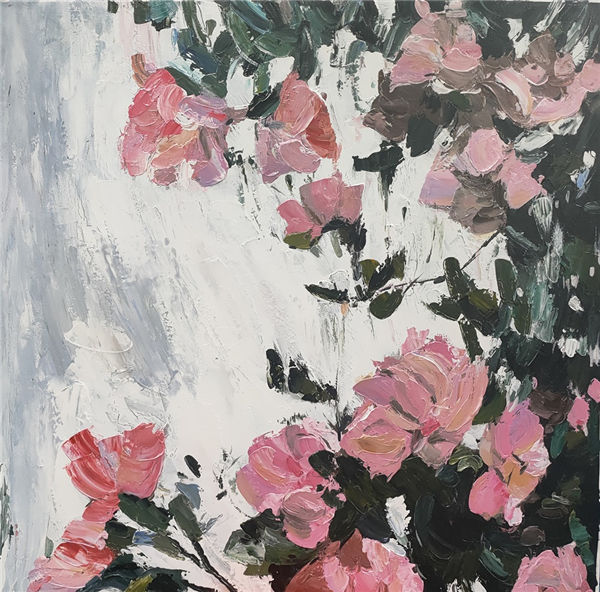
Pink Flower Acrylic Painting
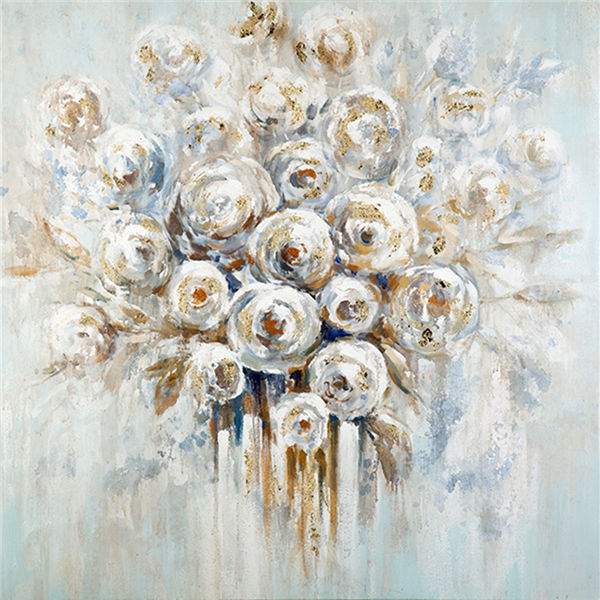
White Flower Acrylic Painting
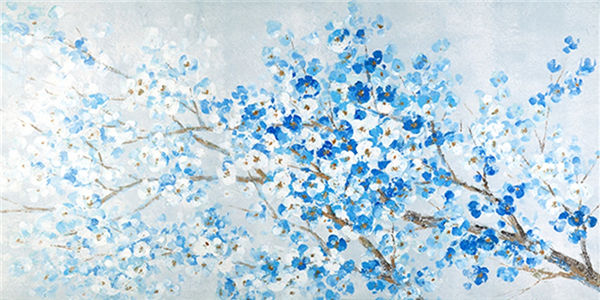
Blue Flower Acrylic Painting
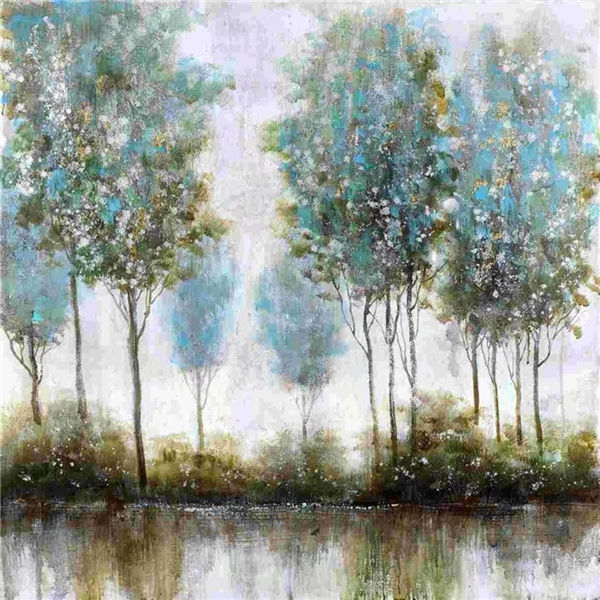
The Trees Acrylic Painting
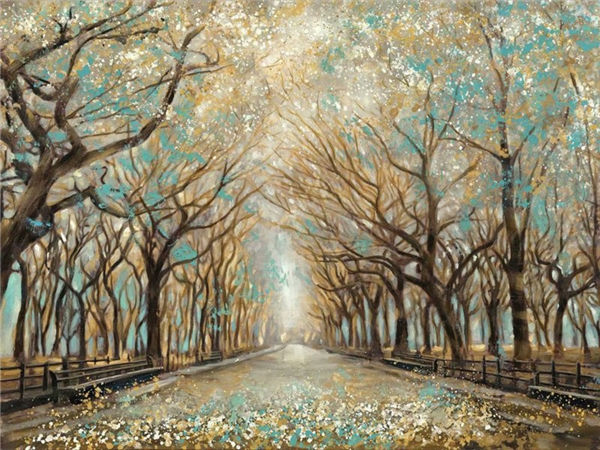
Trees on Both Sides of the Road Acrylic Painting
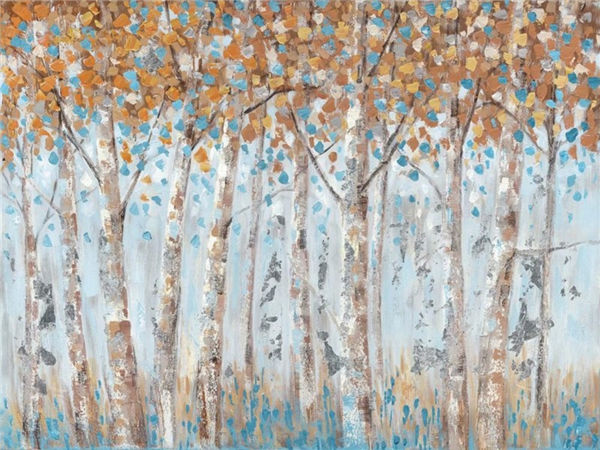
Trees in Autumn Acrylic Painting
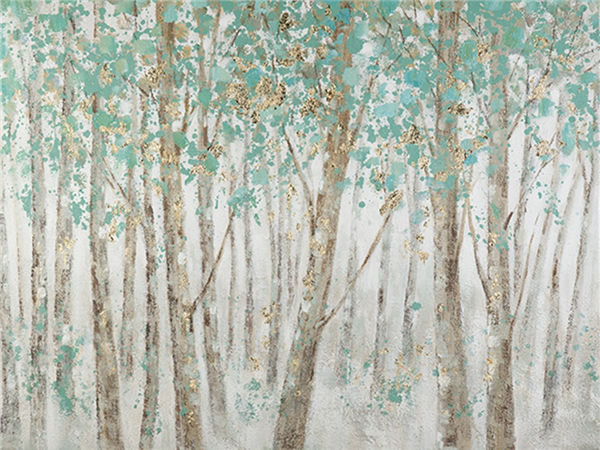
Gold Foil Trees Acrylic Painting
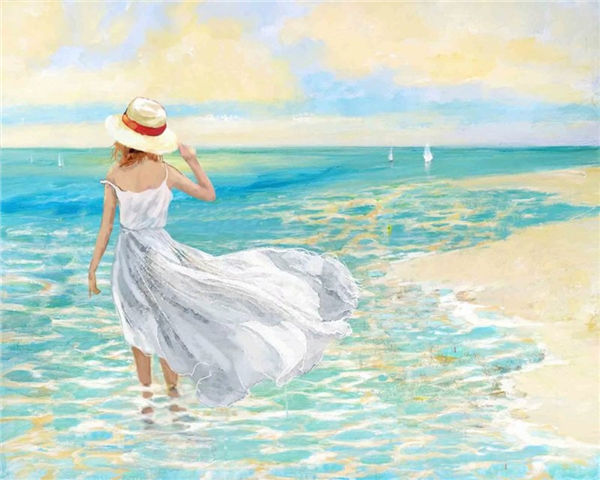
A Girl on the Beach Acrylic Painting
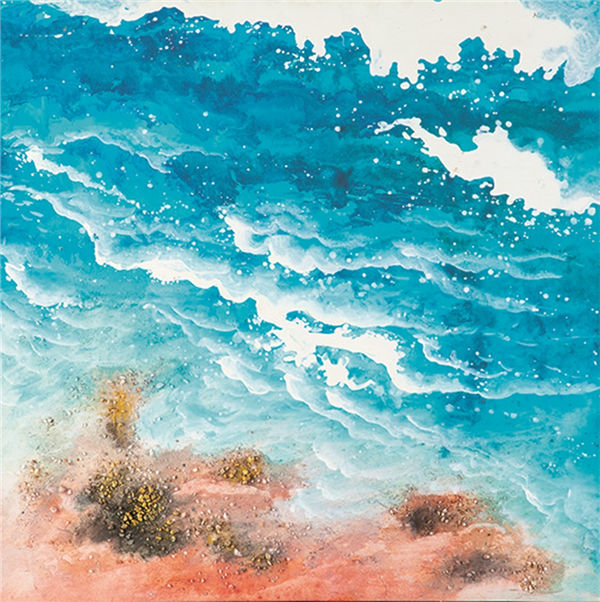
Seascape Acrylic Painting No.1
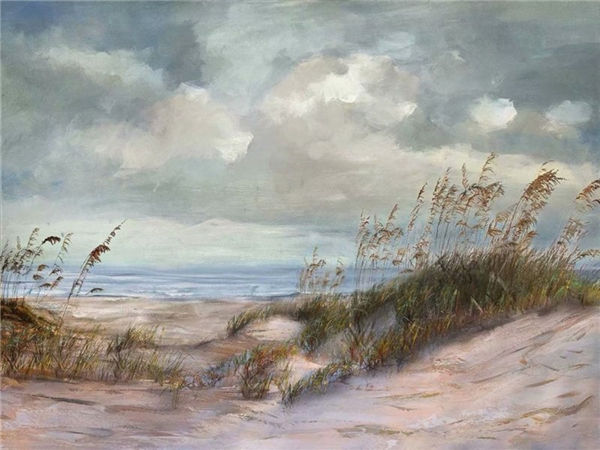
Seashore Dunes Acrylic Painting
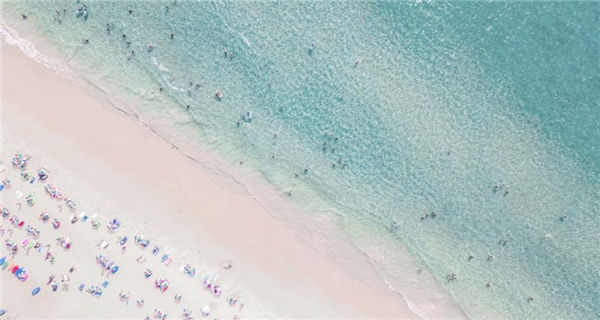
Seascape Acrylic Painting No.2
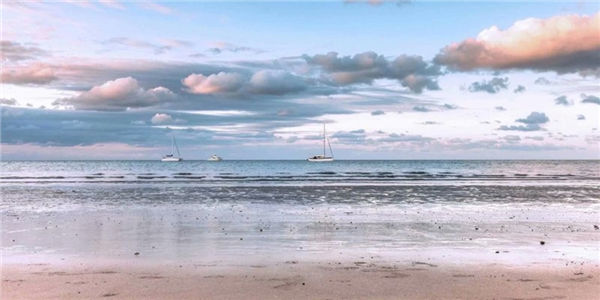
Seascape Acrylic Painting No.3
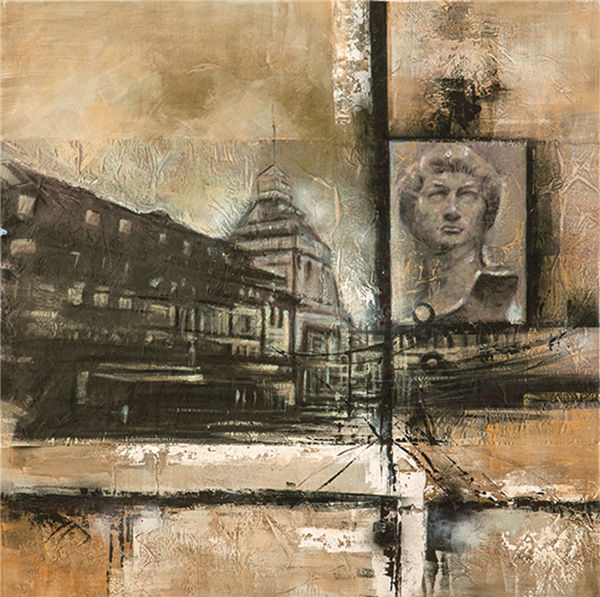
Cityscape & Streetscape Acrylic Painting No.1
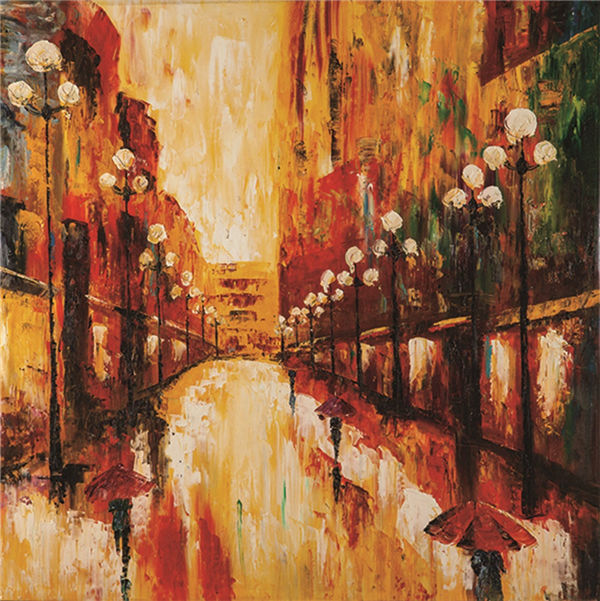
Cityscape & Streetscape Acrylic Painting No.2
-
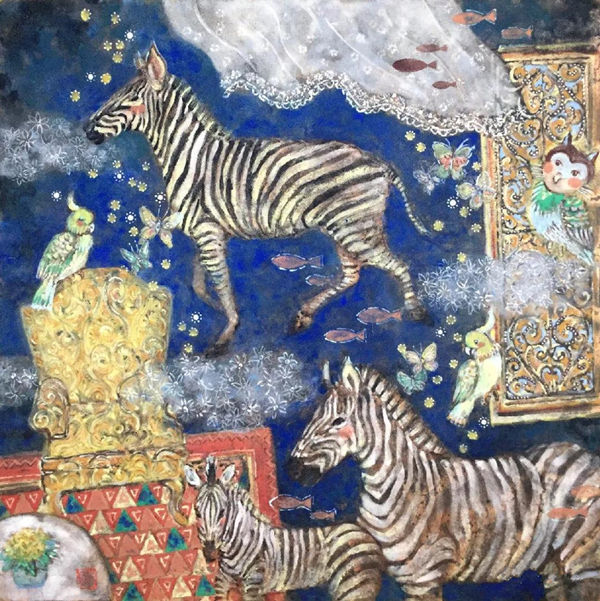
Artists can paint beautiful things for people to appreciate, or express happiness through works.
--Hong Bao
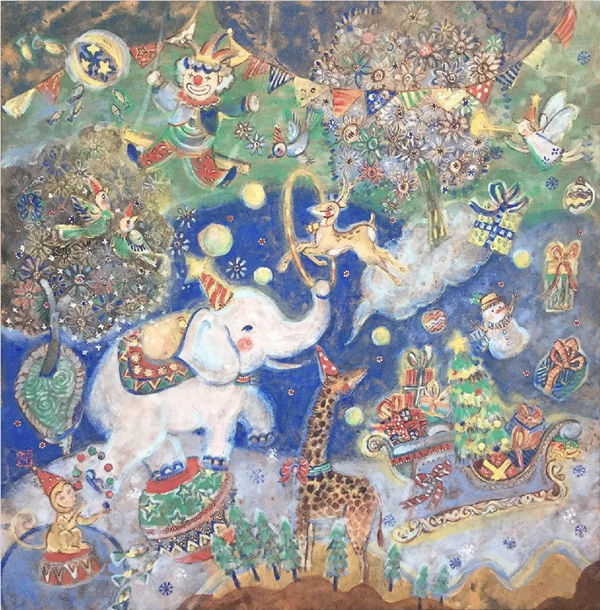
Listening to the Time, 63ⅹ63cm
Dunhuang has always been a popular tourist attraction. Recently, the broadcast of the variety show "Paintings Hidden in Dunhuang" has made Dunhuang a hit. The exploration of the secret of the "Nine-Colored Deer" mural that has never faded for thousands of years in the show has amazed many viewers.
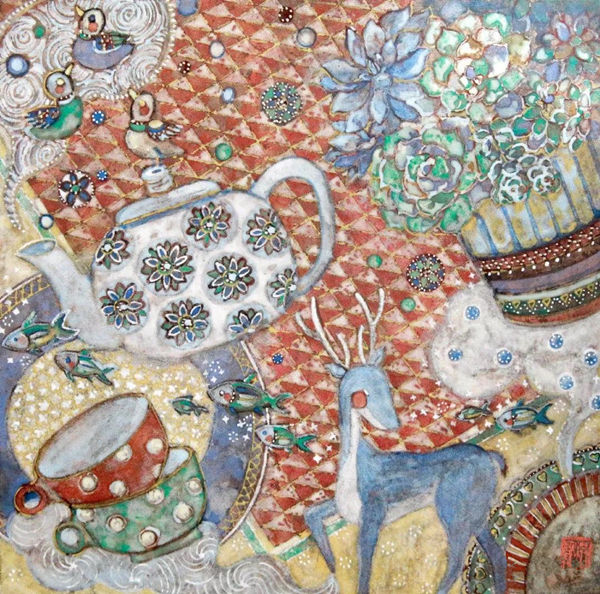
Afternoon Time, 33ⅹ33cm
The secret of the unfading color of the murals for thousands of years is attributed to the magical mineral material of rock color, which is hailed as true oriental color, as a painting material derived from the random smearing of primitive humans.
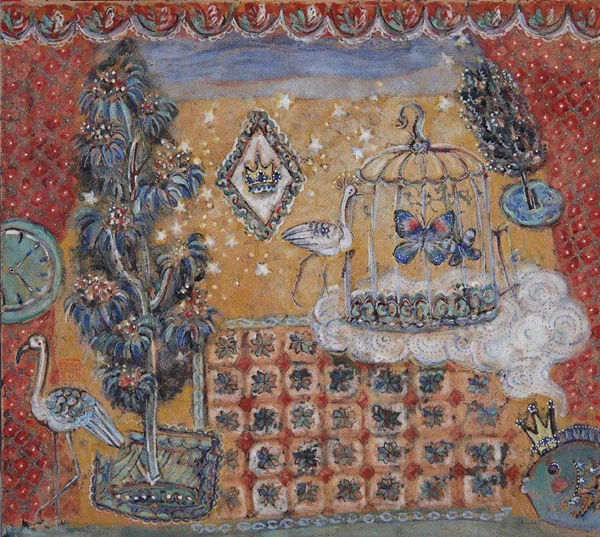
How Many Seconds Does the Fish Remember? 46ⅹ42cm
The young artist Hong Bao said: Most of the mineral paint itself is stone, and its life span can be said to be with the earth. Like Egyptian murals, Indian murals, and Dunhuang murals, their appearance has not changed after thousands of years. Even if it gets damp, the paint itself will not undergo chemical changes. In other words, if I record my emotions at a certain moment, it will last for thousands of years and become eternal.
Hong Bao has been obsessed with mineral painting creation for many years, she has rich experience in the research of modern mineral painting, and uses this ancient technique to depict the interest of daily life. Her works are gorgeous and warm, artistic and decorative, and are very popular among people living in luxury houses.
Hong Bao said: “One of the characteristics of mineral painting that attracts me is its material, it has a kind of rusty texture, and there is some sparkle under the light, which is very suitable for expressing the dreamy and innocent peach blossom land in my heart.”
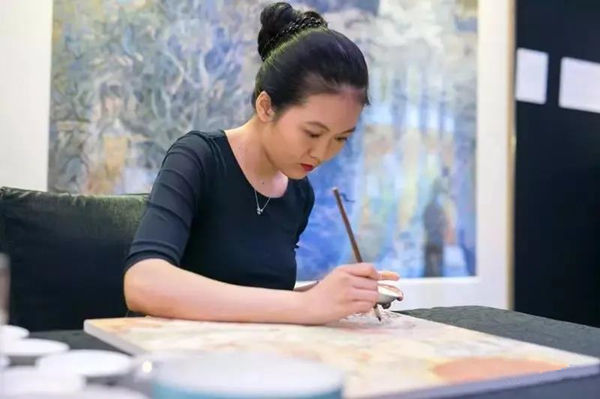
Hong Bao studied fine brushwork and ink painting when she was an undergraduate, mainly in fresh light colors. Later, she was impressed by the rich colors of mineral painting. So she studied mineral painting with Ma Wenxi (one of the first domestic teachers went to study mineral painting in Japan) at the postgraduate stage for more than ten years until now.
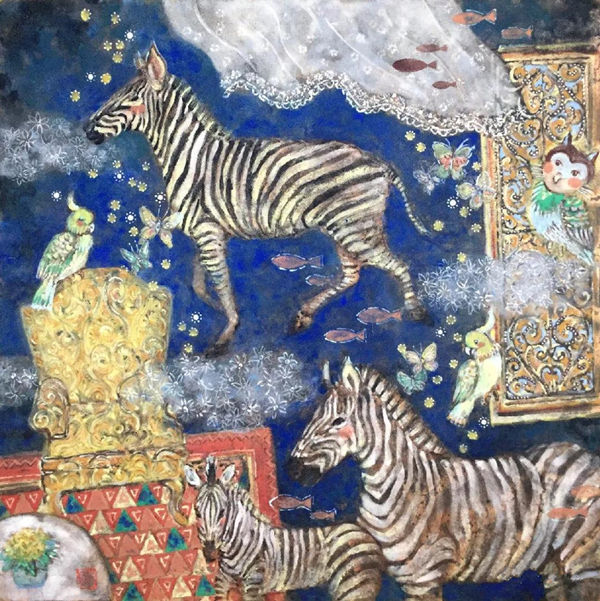
Accompany, 50ⅹ50cm
During the postgraduate period, Hong Bao and her teacher Ma Wenxi went to the Western Regions to collect customs. In more than a month, they investigated the Dunhuang Grottoes and Xinjiang Grottoes in depth.
The content of the murals in the Grottoes is very rich. Although it is related to religion, it also depicts the daily life scenes of people at that time. There are other interesting things, like animals, landscapes and houses. There are also scenes where people dance, sing, eat, or travel. This has brought a wealth of creative inspiration to Hong Bao.
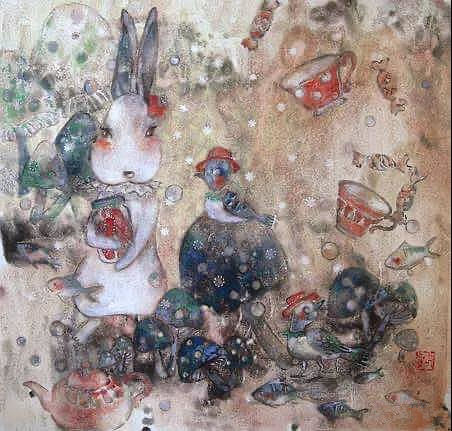
Radish Candy, 83ⅹ83cm
Most of Hong Bao's works depict big and small things in life, such as nature, animals, and children. Combined with her imagination, her works bring us a poetic and romantic sense of "earthly snug". This kind of childlike, dreamy and gorgeous, picture forms a unique charm of Hong Bao's works.
Painting with mineral color is quite extravagant. The azurite paint is about 10 yuan a gram, and the material cost of a painting is no less than four figures. "The preciousness of materials makes people take every painting, every stroke, and every moment seriously." Hong Bao said.
Due to the expensive materials, traditional techniques, and time-consuming of mineral painting, there are not many artists who are interested in it. According to industry statistics, "There are no more than 1,000 professional mineral painters across in the whole country."
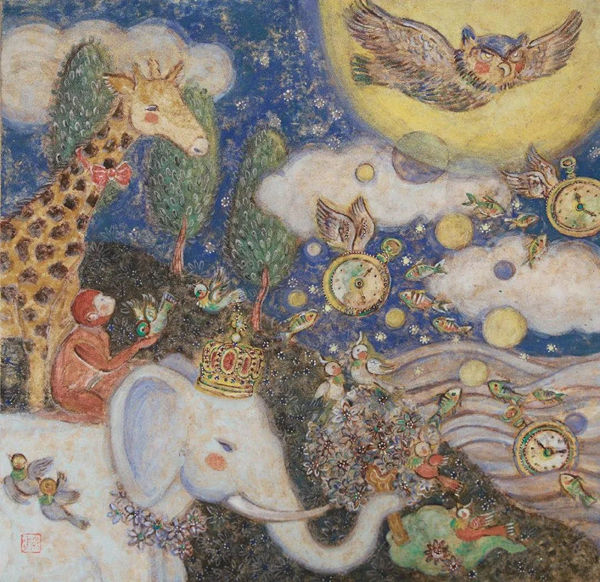
Listening to the Time, 50ⅹ50cm
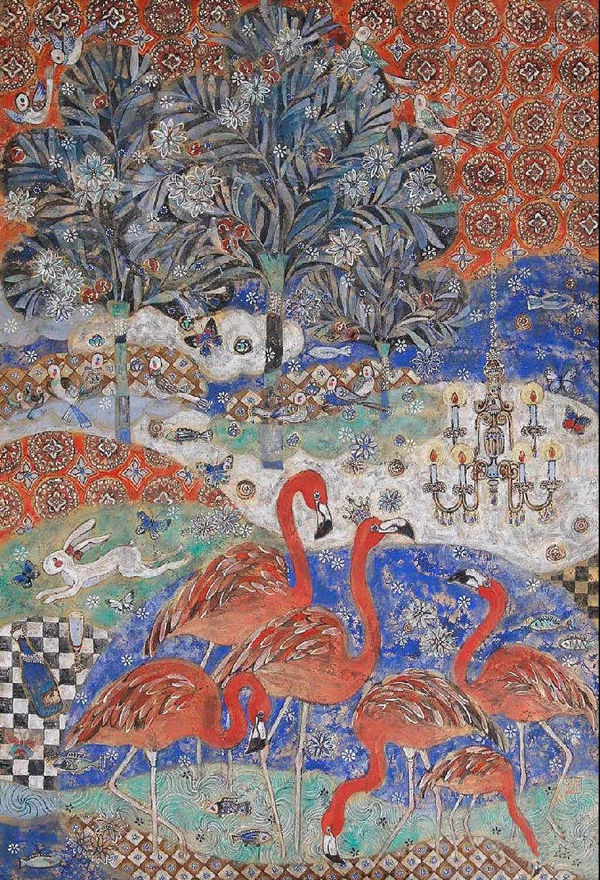
The Dream of Lights is Happy, 90ⅹ60cm
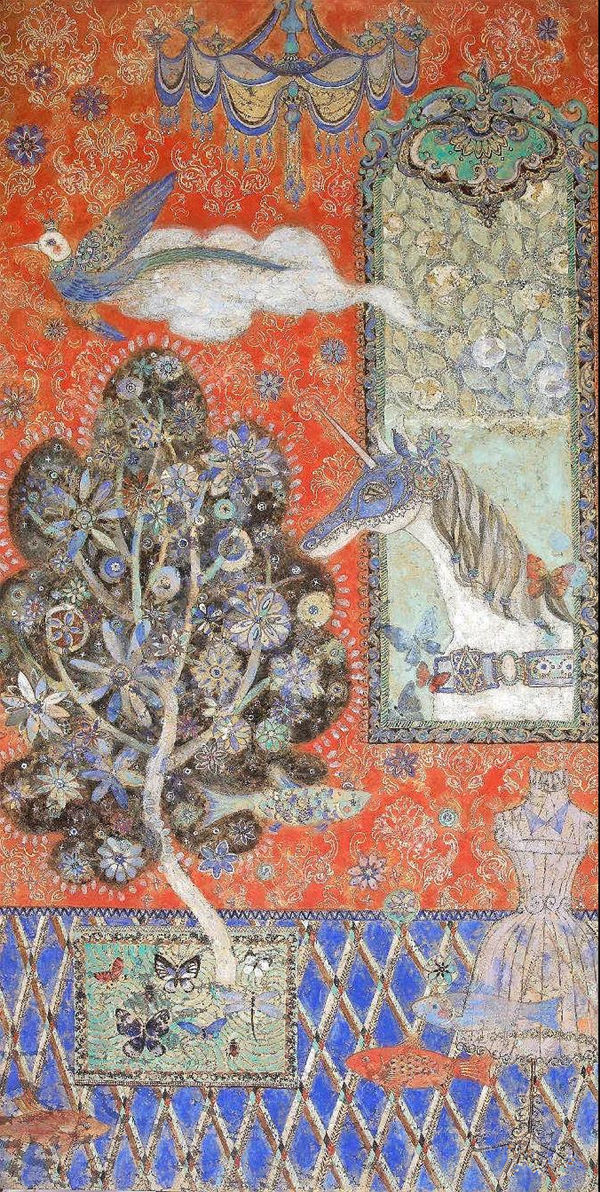
A Cloud of Happiness, 168ⅹ84cm
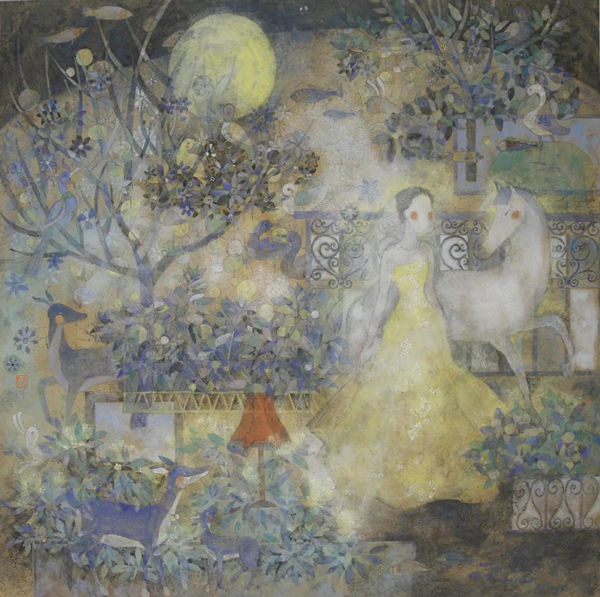
Dim Night, 83ⅹ83cm
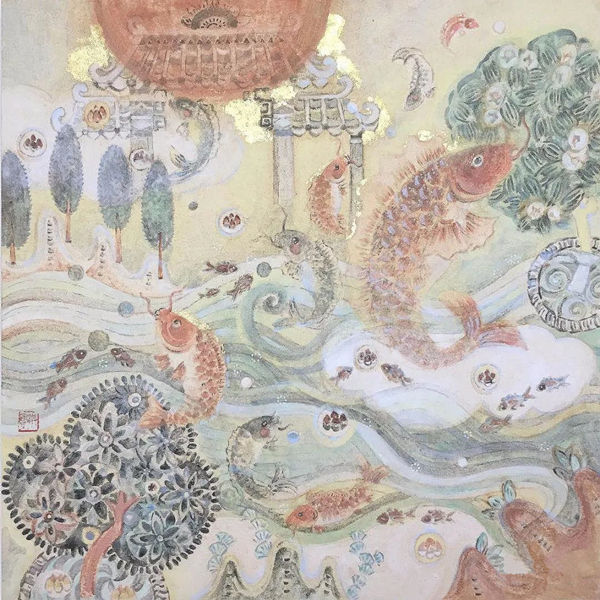
Jump, 50ⅹ50cm
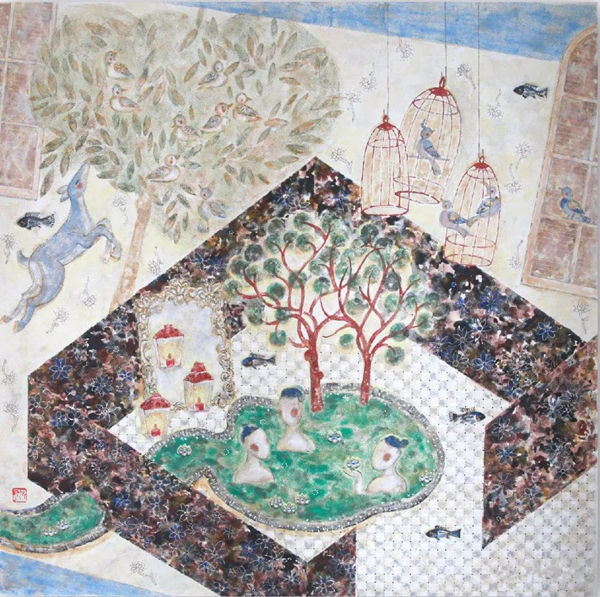
Day and Night are Forgotten Flowers, 68ⅹ69cm
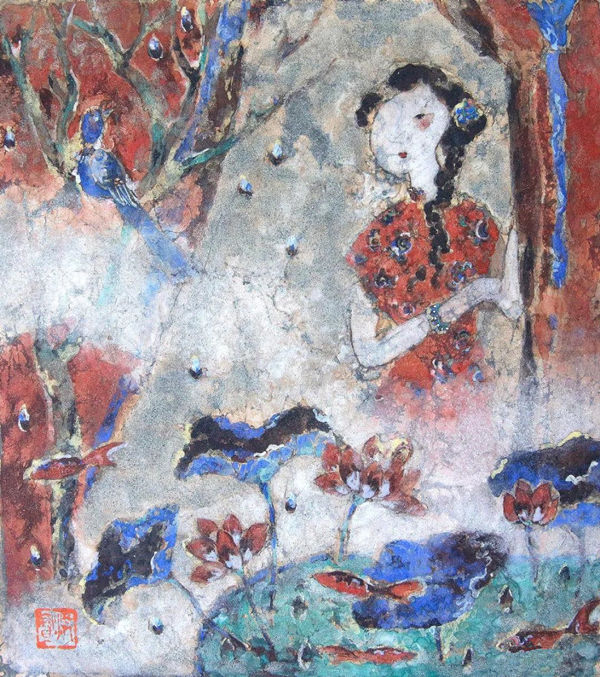
Wake Up in the Misty Morning, 24ⅹ27cm
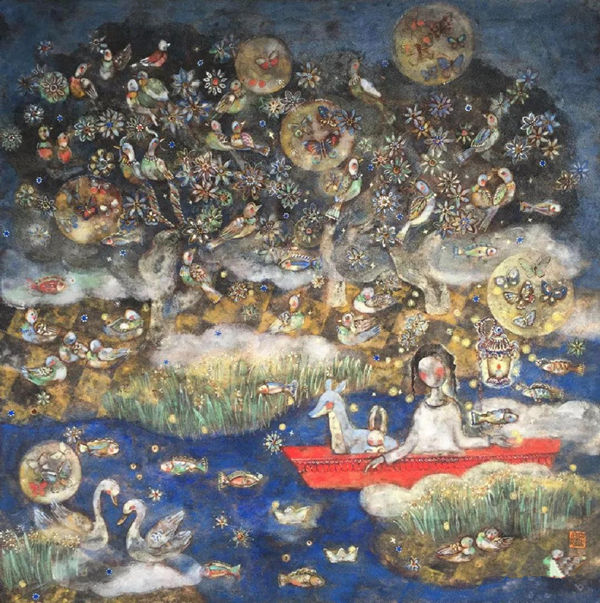
Light a Lamp and Dream of a Small Paper Boat, 66ⅹ66cm
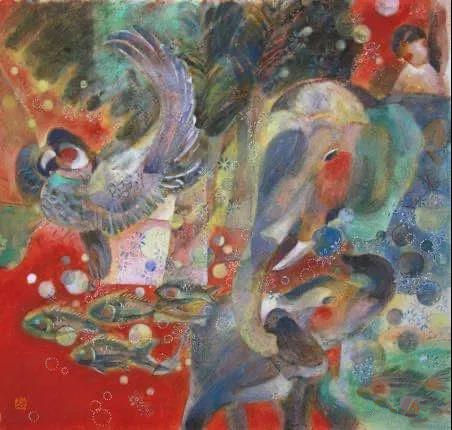
An Innocent World, 57ⅹ55cm
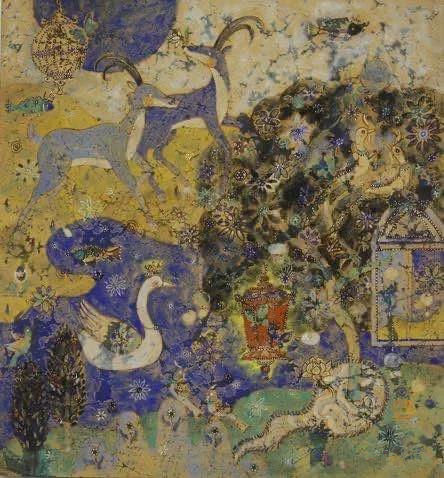
The Night Comes Quietly, 46ⅹ42cm
-
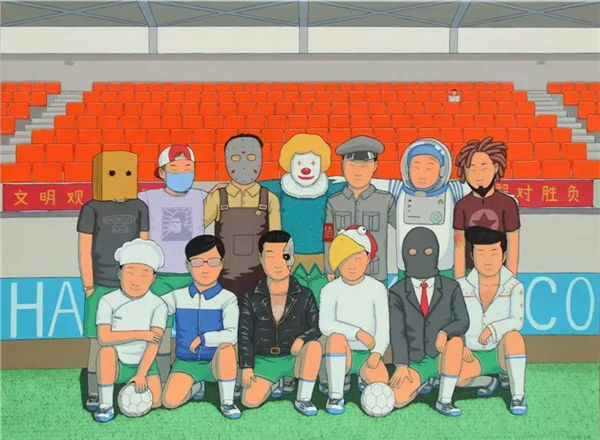
Cui Jun is a Chinese Asian Modern & Contemporary artist. He was born in Harbin, Heilongjiang Province in 1982 and graduated from Second Studio, Oil Painting Department of School of Fine Arts, Jilin College of The Arts in 2005. His work was featured in an exhibition at the Line Gallery. Cui Jun's first artwork to be offered at auction was untitled at Beijing Huachen Auctions in 2012.
My creation process is in fact a rivalry process with myself, which is full of unknown anxiety and the surprise of discovery from the initial concept to the final completion on the canvas. As a Virgo, I have my certain requirements on the image effect, so my painting process is relatively ritualized, flat painted strokes, meticulously outlined edge, abundant details hidden in the obscure corners, these need to consume a lot of time working at his desk to achieve the final production visage, this sense of accomplishment which is acquired after time-consuming works really makes personal satisfaction being met.
--Cui Jun

Behind Schedule, acrylic on canvas, 80×60cm, 2014
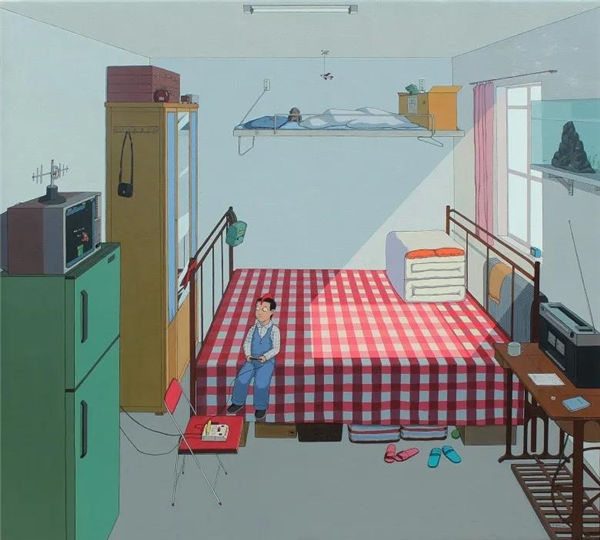
Childhood, acrylic on canvas, 90×100cm, 2015
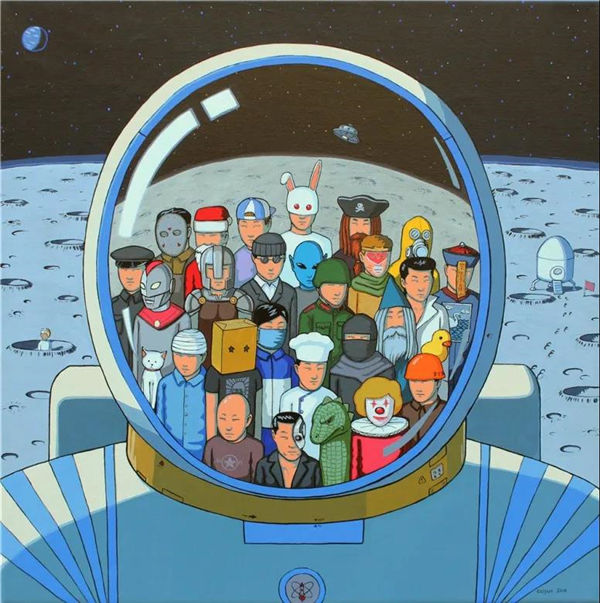
You are surrounded, don't make unnecessary resistance! acrylic on canvas, 40×40cm, 2013
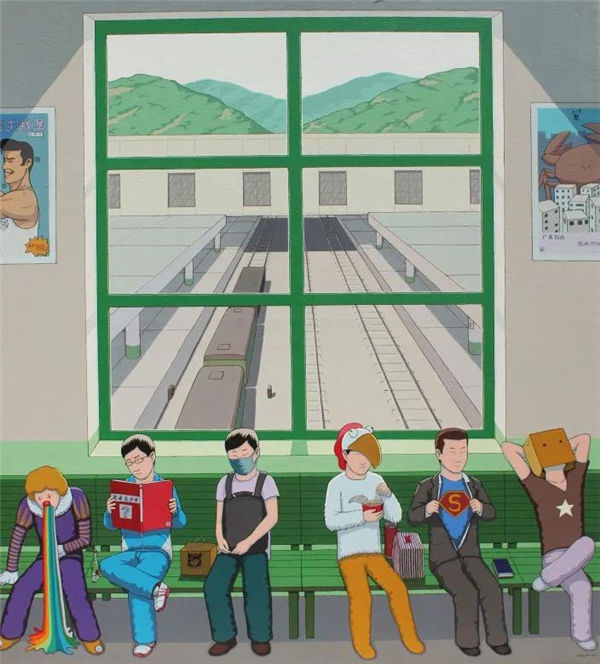
Station, acrylic on canvas, 90×100cm, 2014
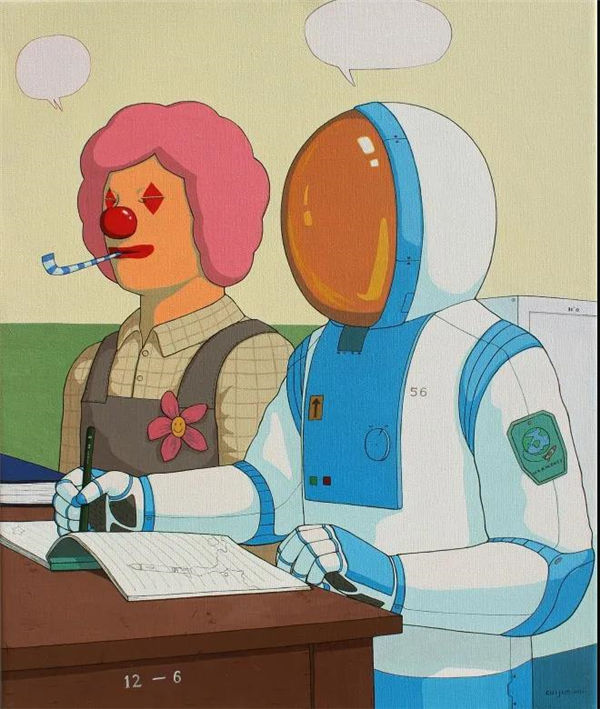
Good Good Study, Day Day Up, acrylic on canvas, 60×50cm, 2014
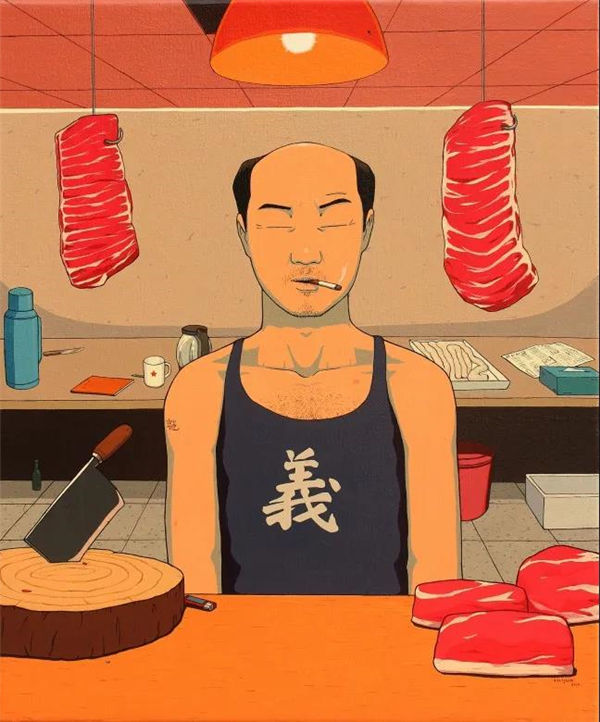
“Old” Fresh Meat, acrylic on canvas, 60×50cm, 2014
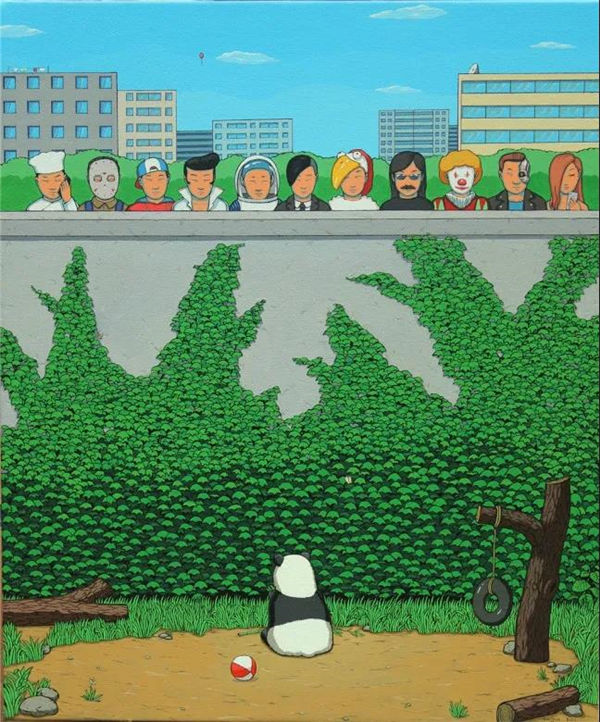
The Wall, acrylic on canvas, 50×60cm, 2013
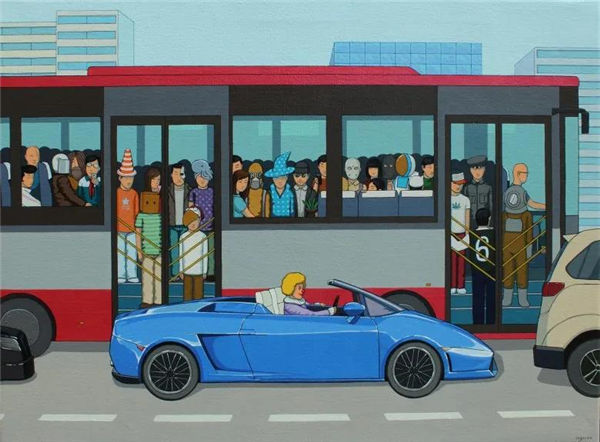
“Lambor” and “ghini”, acrylic on canvas, 60×80cm, 2014
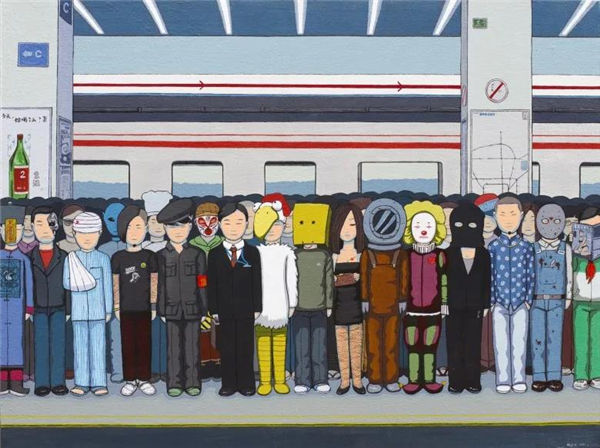
Subway Ⅱ, acrylic on canvas, 80×60cm, 2012
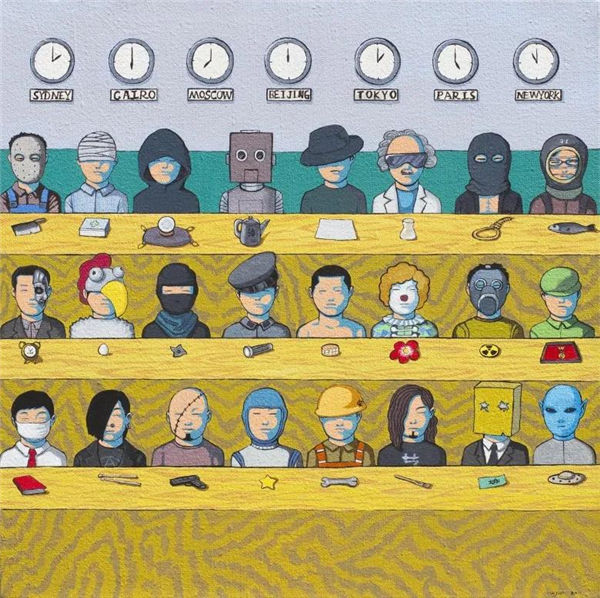
Untitled, acrylic on canvas, 50×50cm, 2012

The Road, acrylic on canvas, 50×60cm, 2013
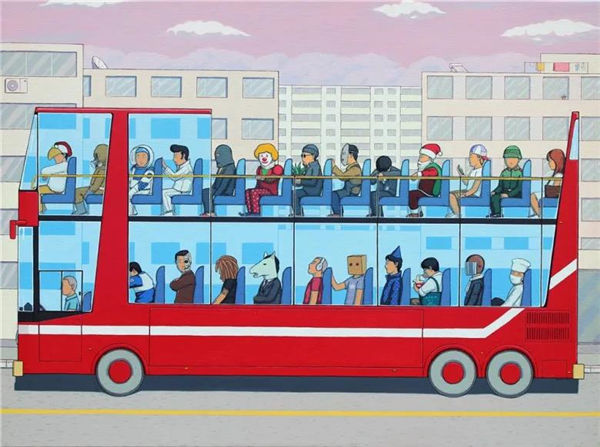
The Double-decker Bus, acrylic on canvas, 80×60cm, 2013
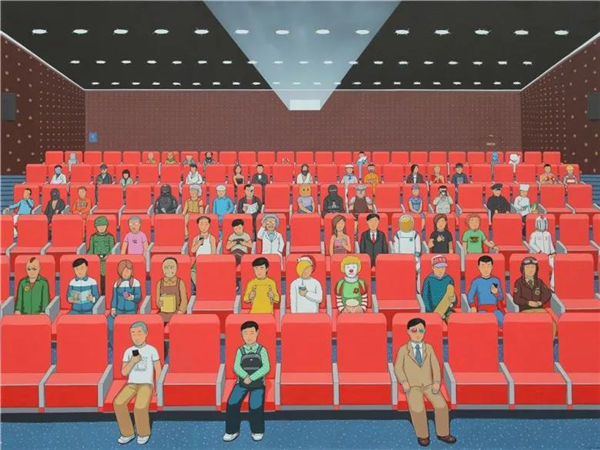
The Cinema, acrylic on canvas, 120×90cm, 2013
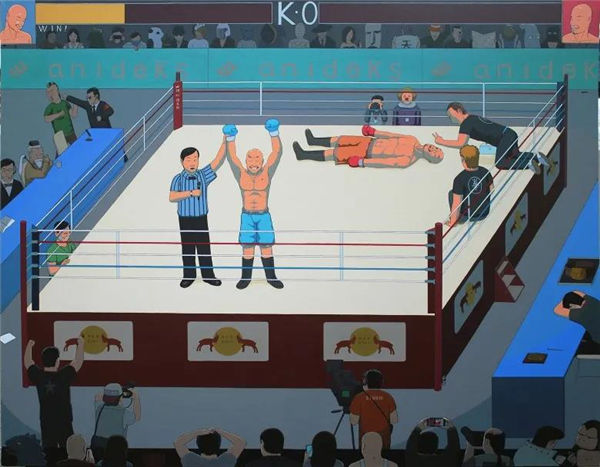
You're a Big Winner, acrylic on canvas, 120×150cm, 2015
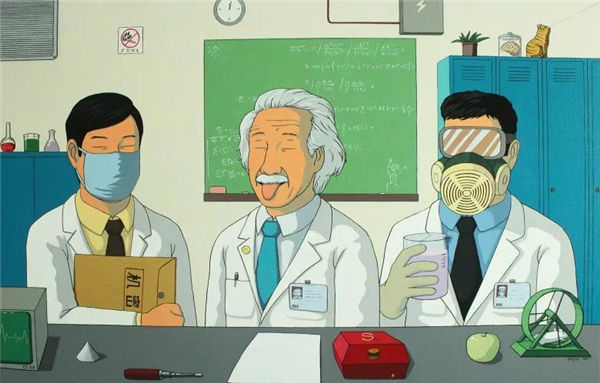
Lunch in the Lab, acrylic on canvas, 50×80cm, 2015
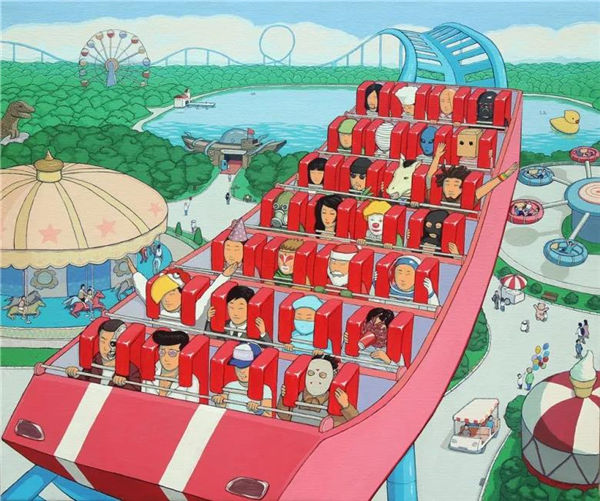
Roller Coaster, acrylic on canvas, 60×50cm, 2013
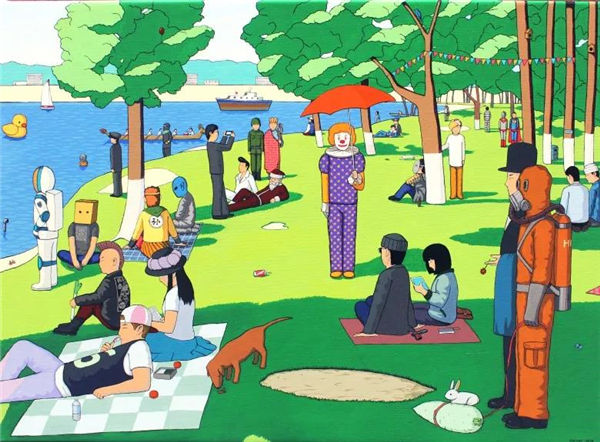
Sunday, acrylic on canvas, 80×60cm, 2014
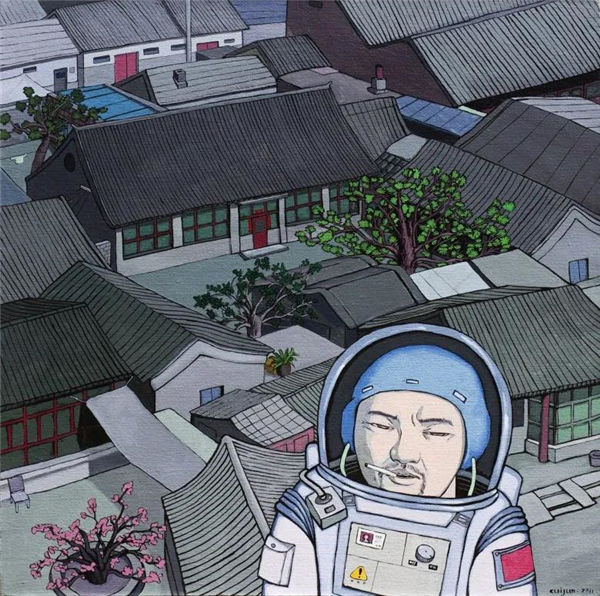
Untitled, acrylic on canvas, 60×60cm, 2012
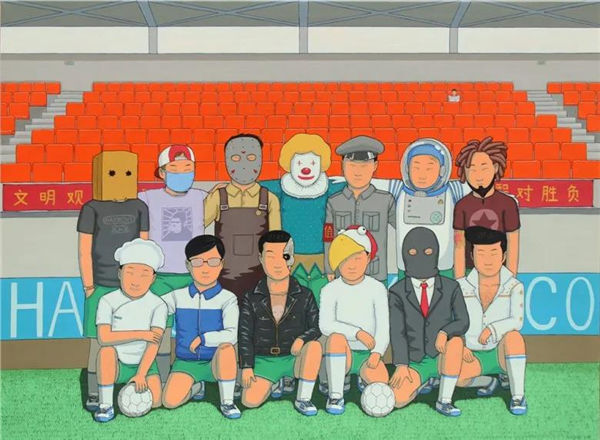
Take a Group Photo to Mark the Occasion, acrylic on canvas, 80×60cm, 2013
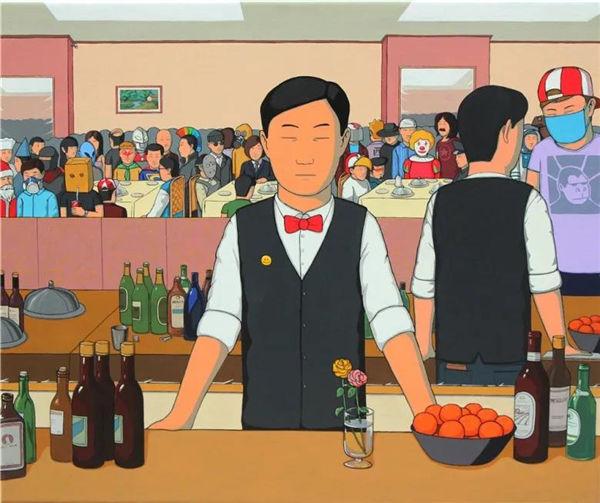
Can I Help you? acrylic on canvas, 50×60cm, 2013
-
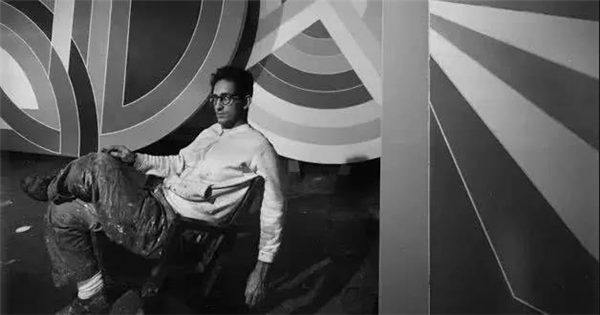
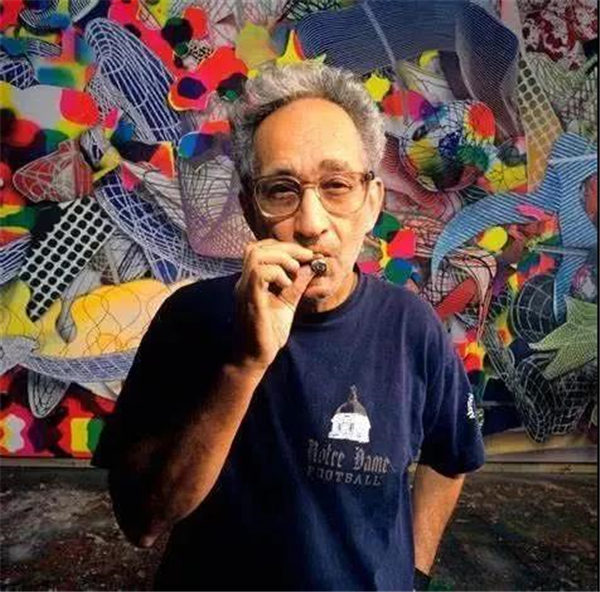
Frank Stella
Born in Massachusetts in 1936, Frank Stella entered the Phillips Academy in Andover to study art at the age of 14, and then went to Princeton University to study history after graduation. After setting up a personal studio in New York, his simple geometric paintings made him the leader of the minimalist abstract art movement in the 1960s and one of the first painters to use three-dimensional canvas. He was awarded the Julio Gonzalez Award (Lifetime Artistic Achievement Award) in 2009.
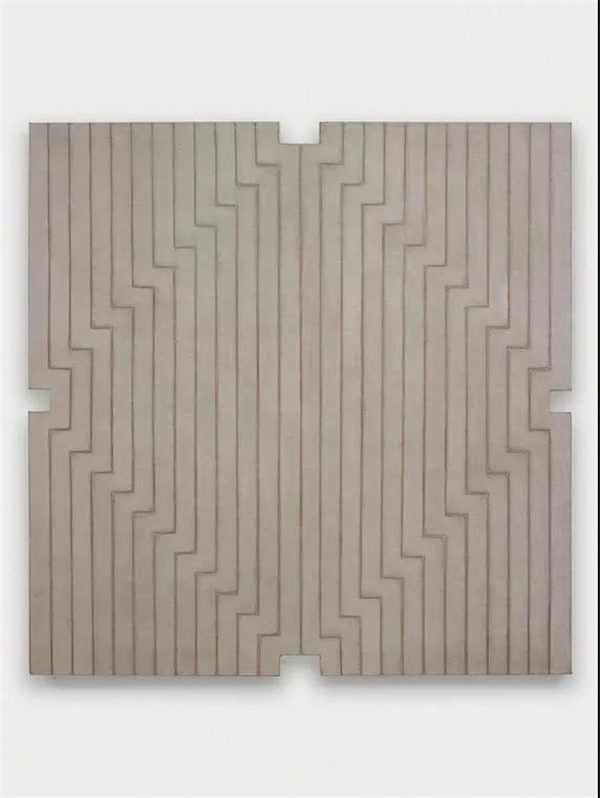
Averroes, 1960 Aluminum paint on canvas 116.4 × 227 cm
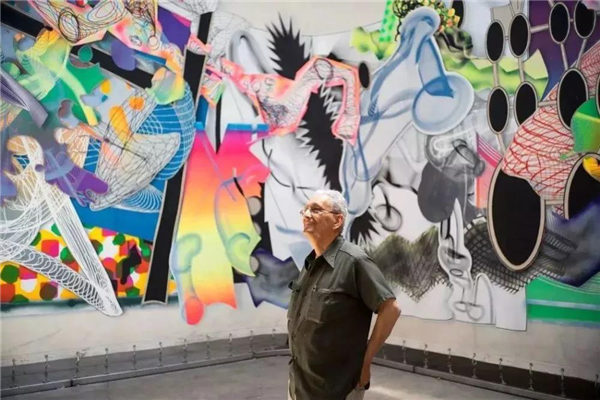
Frank Stella and his work《The Michael Kohlhaas Curtain》
In November 2017, the new exhibition "Experiment and Change" by Frank Stella, a representative of post-war abstract art, opened at the NSU Art Museum in Florida. The exhibition showed nearly 300 paintings and sculptures spanning 60 years of his career, "Many of these works have not been exhibited before and will not be exhibited again, because they are my collection - sorry, they are my wife's collection. "The artist told me.
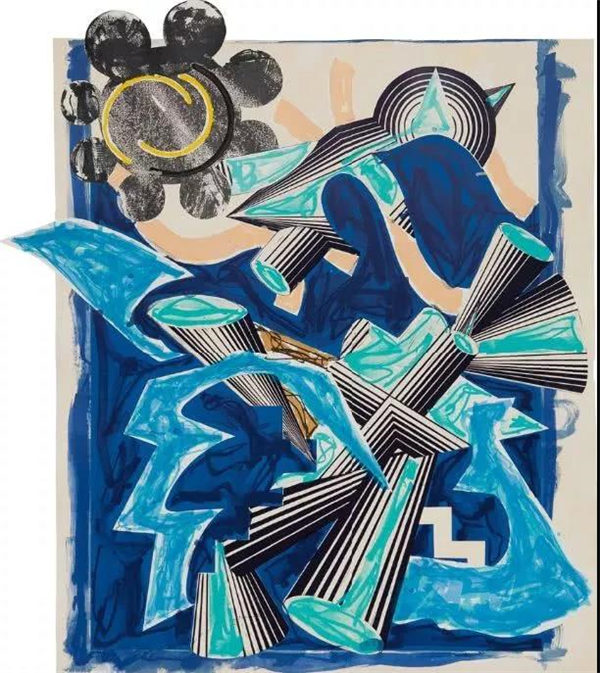
Had Gadya: Back Cover, from Illustrations After El Lissitzky\\\\'s Had Gadya, 1982-84
Frank Stella is 81 years old. His works can be found in the modern and contemporary collections of almost any major art museum in the United States. In the minimalism movement of the 1960s, Stella pioneered "Black Paintings", and then from three-dimensional canvas to the combination of collage and relief painting, from minimalism to maximalism... His exploration and practice in the past six decades is just a microcosm of art in the changing times.
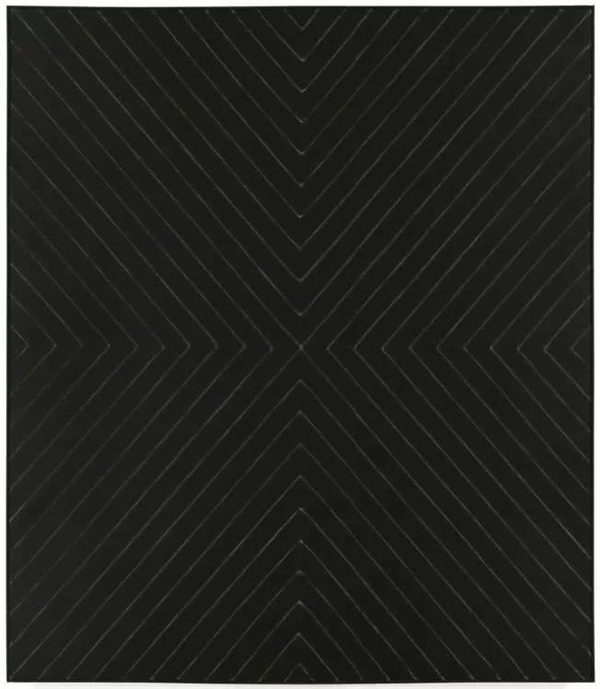
Zambezi, 1959 Enamel paint on canvas 230.5 × 200 cm
Stella became famous very early. In 1959, just one year after graduating from the Department of History of Princeton University, he was selected for the group exhibition "Sixteen American" at the Museum of Modern Art (MoMA) in New York with his work "The Marriage of Reason and Squalor II". This exhibition is regarded as one of the beginnings of the American minimalism movement in the 1960s. While the bold creation is controversial, it also gains the affirmation of many art critics: "there is no doubt that they are 'Innovating', and the old form can no longer carry their ideas."
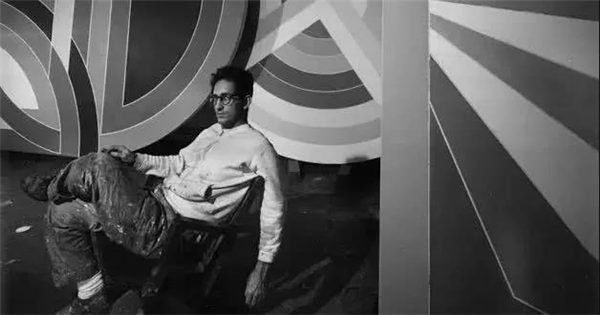
Young Frank Stella
Stella's paintings were included in the permanent collection of MoMA after the exhibition. His pioneering work was distinctive and powerful: on the large canvas with symmetrical composition, ordinary household painting brushes and enamel were used, and black with the width of brush was spread parallel on the background, leaving the space between the original color lines of the canvas. He rejected the expressiveness of brush strokes, but emphasized the recognition of canvas as an integrated structure of two-dimensional plane and three-dimensional objects. This technique is reminiscent of the way of factory work with the pure structure and abstract visual expression. A few years later, he uttered the famous saying in a radio interview, "what you see is what you see", which became the most famous footnotes of his own works and the whole minimalist movement. The "Benjamin Moore" series, which was created in 1961, was fully collected by Andy Warhol. This set of simple monochromatic square paintings directly inspired Warhol's Pop series.
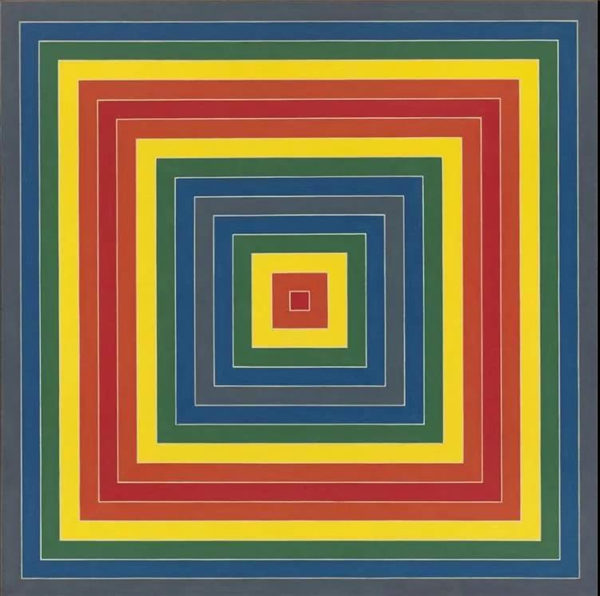
Gran Cairo, 1962 Alkyd on canvas 217.3 × 217.3 cm
Stella, who had a profound influence on the latecomers, also talked about the influence he received from the classical masters. He grew up with modernism and studied 20th-century painting at school, from Manet in the 1860s to his own fame in the 1960s. Stella said that "the past is real", but "what is real" is a problem for everyone, and there are many problems with the translation of the word "real" into art.
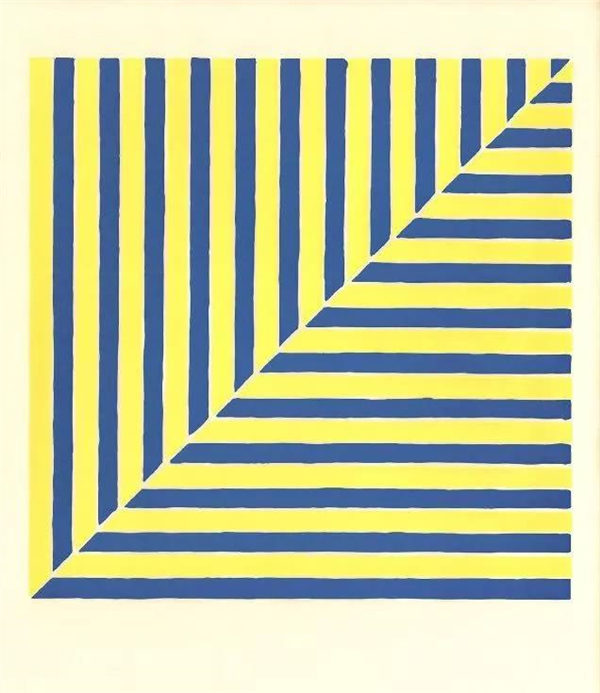
Untitled (Rabat) (From Ten Works by Ten Painters), 1964 61 × 50.8 cm
Stella, who became famous at the age of 23 and ushered in his first personal retrospective at the age of 34, has always practiced at the forefront of art. The series "Polish village", which started in 1971, has irregular geometry and bright colors. It refers to the Polish synagogue destroyed in Hitler's period. From this series, Stella experimented with computer-aided composition and Sketchpad cutting. Three years later, he used the "Brazilian" series to visually emphasize the trace of approaching to the hand. Blank space and brush strokes can be seen everywhere, but in fact, this is the opposite of the artist's personal work. It is the first time that he has completely used metal materials and outsourced it to a factory.
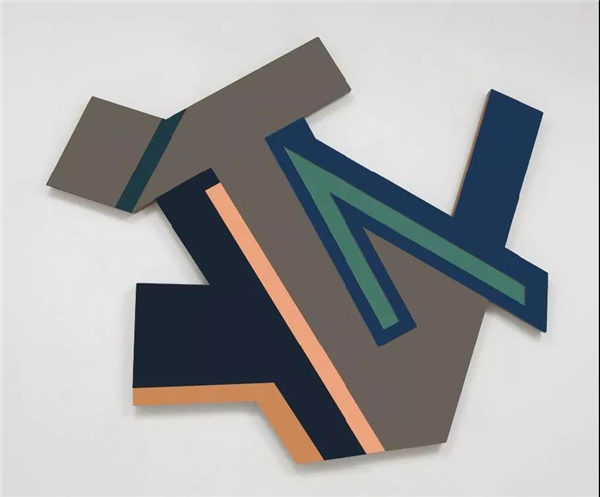
Jablonow, 1972 Mixed media on canvas 248.9 × 294.6 cm
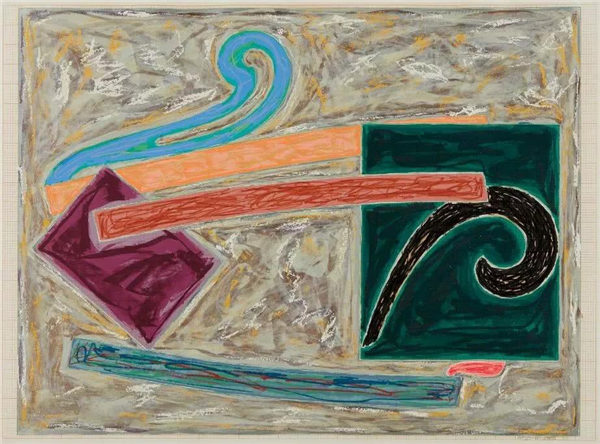
Inaccessible Island Rail, 1977
At the end of the 1970s, starting from "Exotic Bird", he no longer used the simple square or geometric abstraction of the early years. He felt the natural flexibility through bird observation and made extensive use of metal and multi-material relief painting forms to express rich curves, and gradually transited to "maximalism". By the early 1990s, Stella's canvases were extended to the facades of urban buildings, and his expressive visual style was magnified in frescoes, such as "Dusk" for the Pacific Bell Building in Los Angeles. At the same time, Stella began to use 3D drawing programs to create image renderings and thus turned more to sculpture.
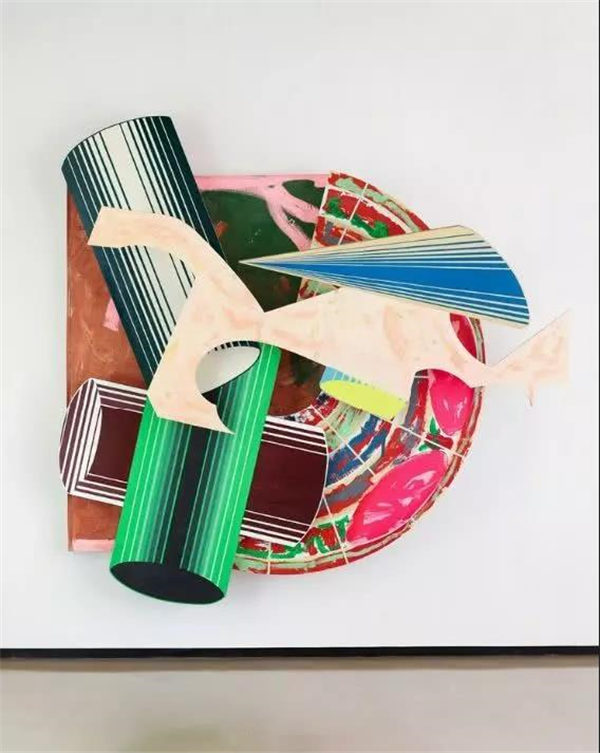
La Scienza della Fiacca
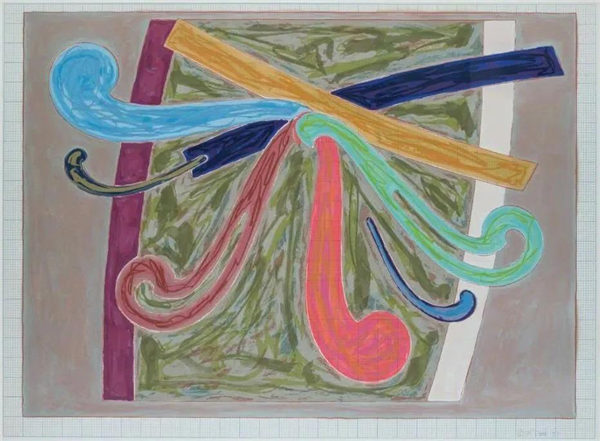
Puerto Rican Blue Pigeon (from Exotic Bird Series), 1977
Stella is not an art star in the general sense. He was called "the sculptor's painter" by the sculptor John Chamberlain, and was also dubbed "high-I.Q.art" by the New York Times. In his paintings and sculptures, he often refers to music, literature and philosophy, and injects intriguing connotations into abstract works. For example, the "Diderot" series in 1974 was named after an 18th-century French philosopher; the "Scarlatti" series in 2006, each piece of work was named after the 18th-century keyboard sonata by the Italian musician.
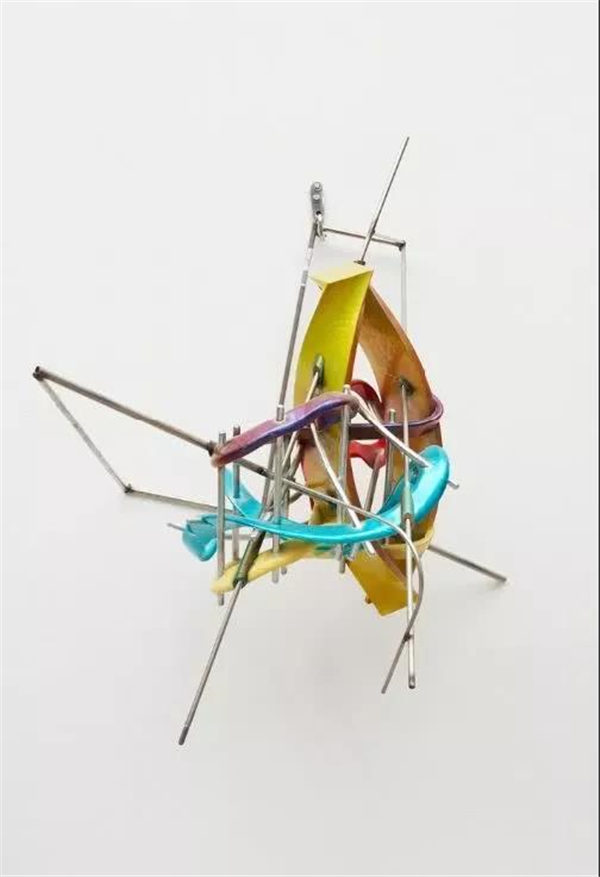
Bow Ties with Ribbons, 2016
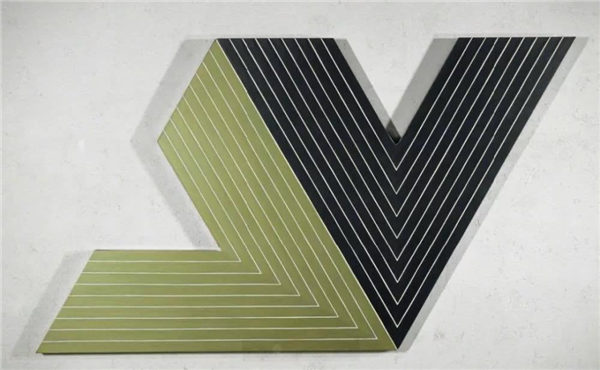
Ifafa II, 1964 Metallic powder and acrylic on canvas 197 × 331.5 × 7.5 cm
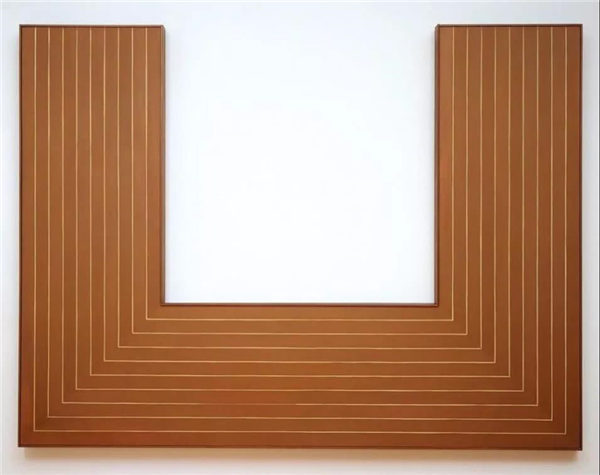
Lake City (Second Version)
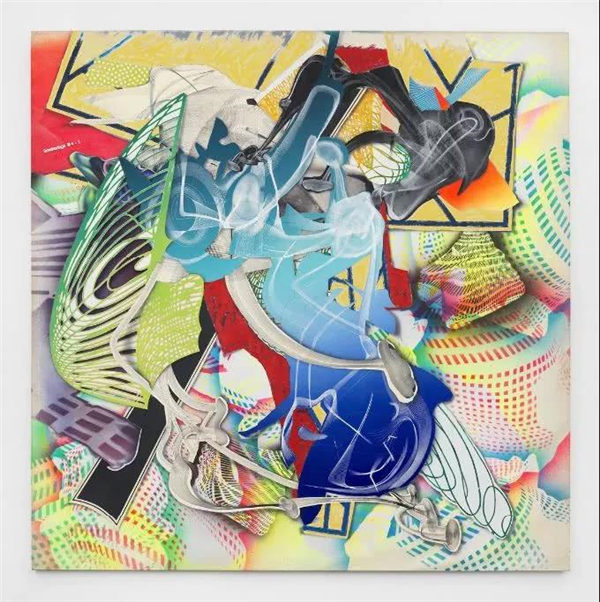
Cantahar, 1998 Acrylic on canvas
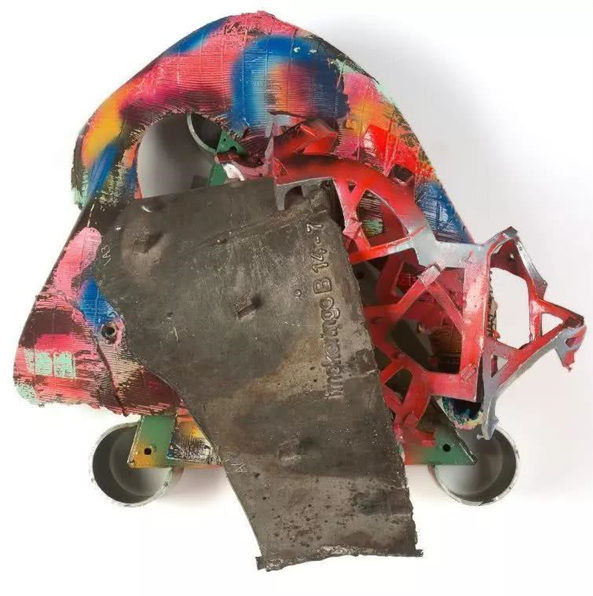
Anecdote from the Recent War, 1999
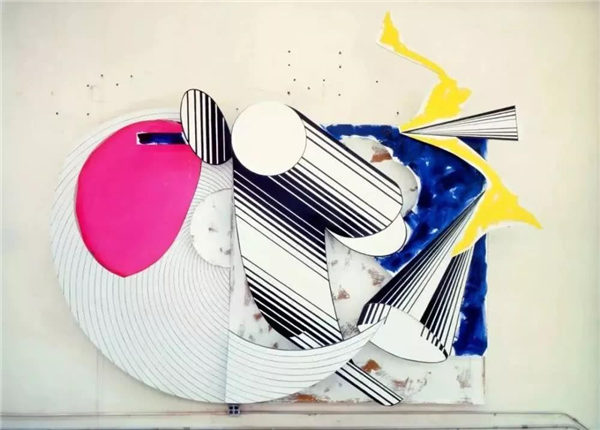
Diavolozoppo,#2,4x,1984
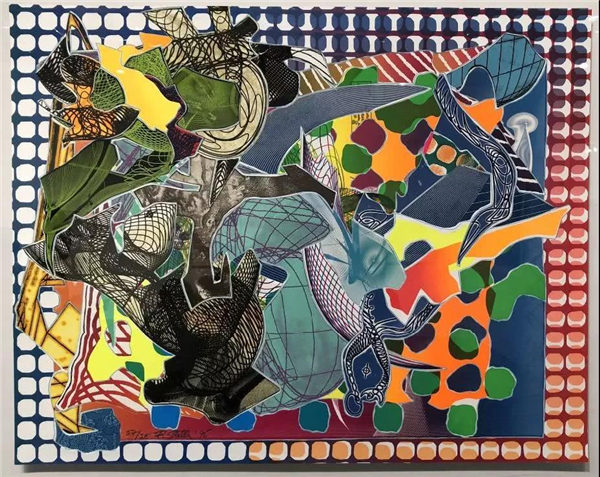
East Euralia, from Imaginary Places, 1995
-
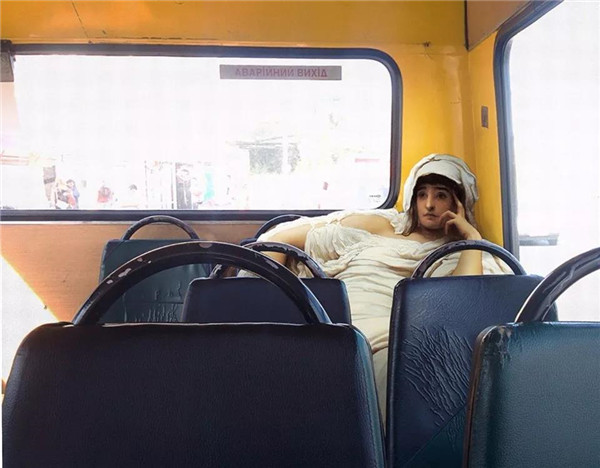
I remember talking to a friend once, and I asked: "If Da Vinci painted in modern times, what would he paint?"
He said:
"Maybe he would not paint classical paintings, but paint like Picasso.
With Leonardo’s fashion, he should not be left behind, and even create some advanced paintings that we cannot understand. "
This answer is very interesting. It inspired my reverie about time travel in painting. At the same time, it also started me thinking: Is there a big difference between classical aesthetics and modern ones? Is the classic and the modern really completely separated?
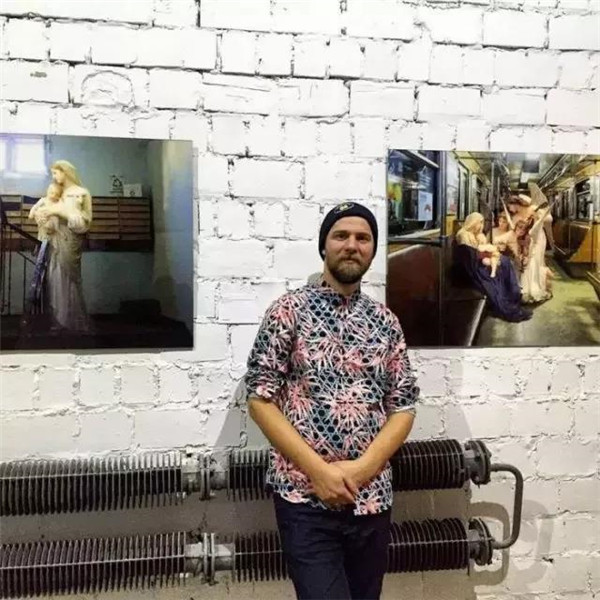
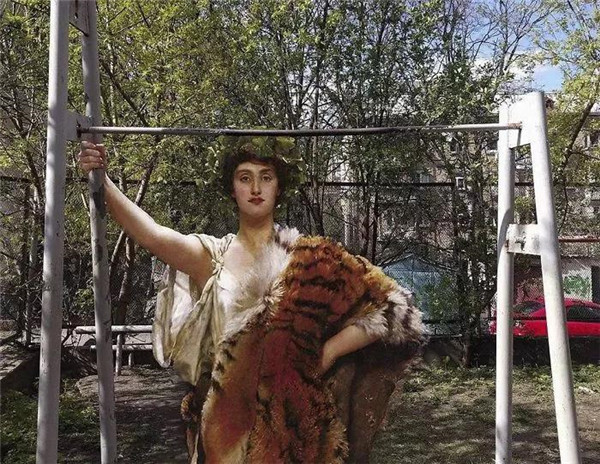
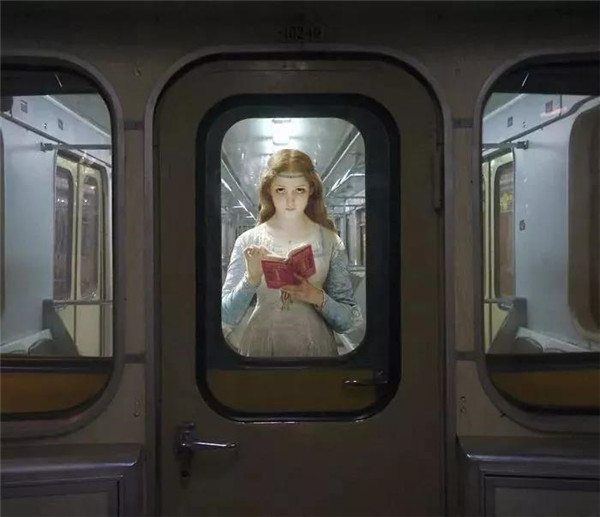
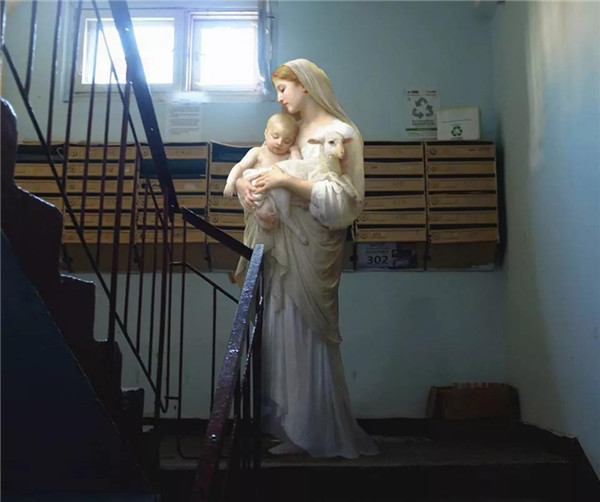
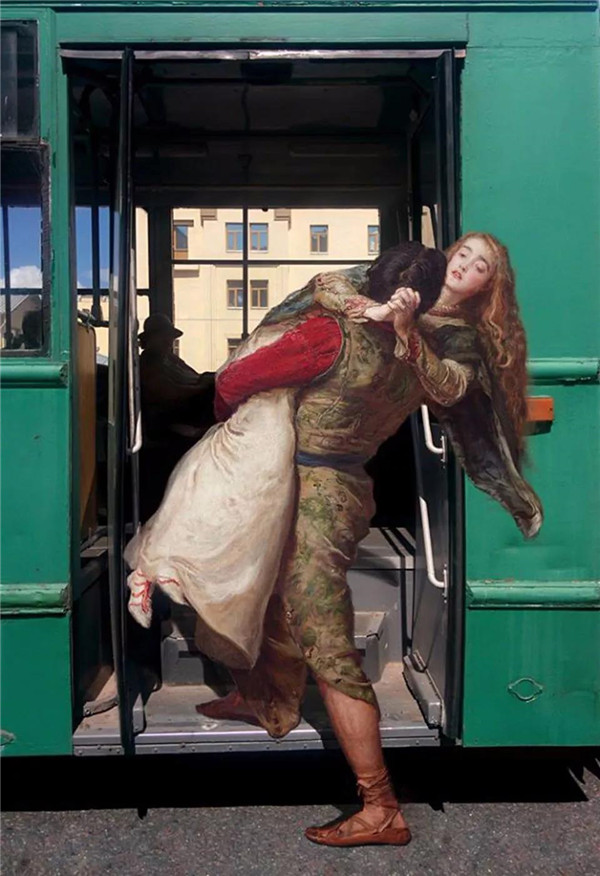
Regarding these issues, the works of Ukrainian artist Alexey Kondakov may help us think. His works mainly use advanced digital synthesis technology to move the characters in classical oil paintings into modern life scenes. Alexey interpreted his work like this: Put the gods and angels into familiar life scenes which makes people feel the kind of common humanity that has been passed down for thousands of years, and this is also the bond that we share common beliefs and connect with each other.
Now, let's put aside these esoteric questions first, and take a look at this kind of "time travel" picture because it is so interesting.
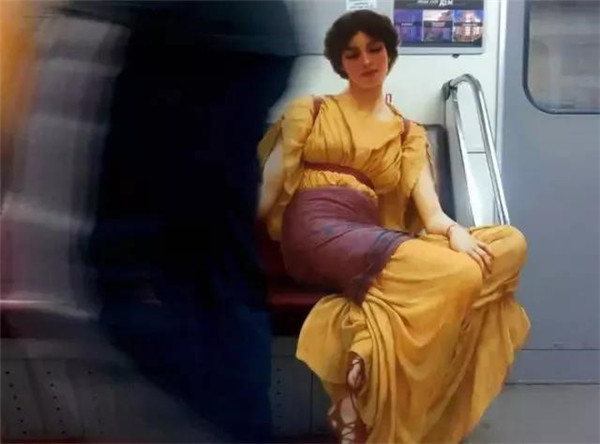
Understand the hard work of others, read the favors of others, know the warmth of others, and forgive other people's mistakes.
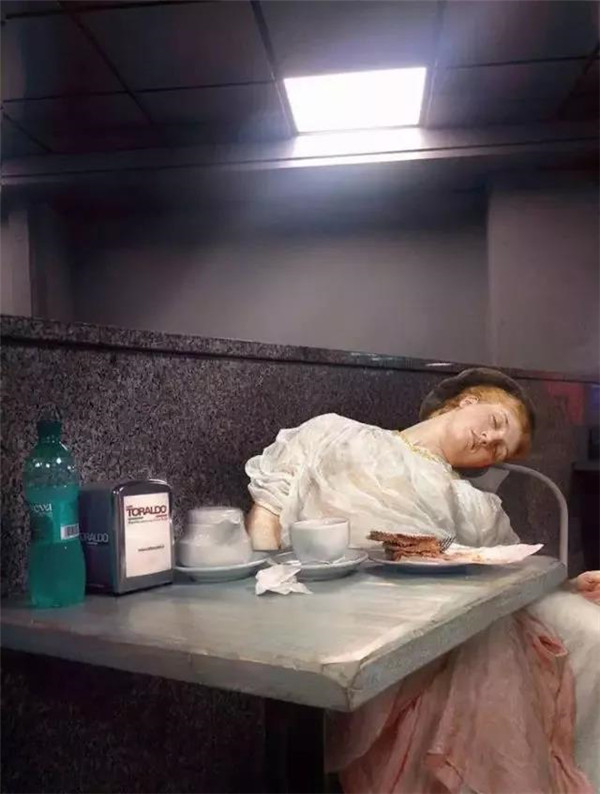
I don't want to expose my soul to those curious ordinary people.
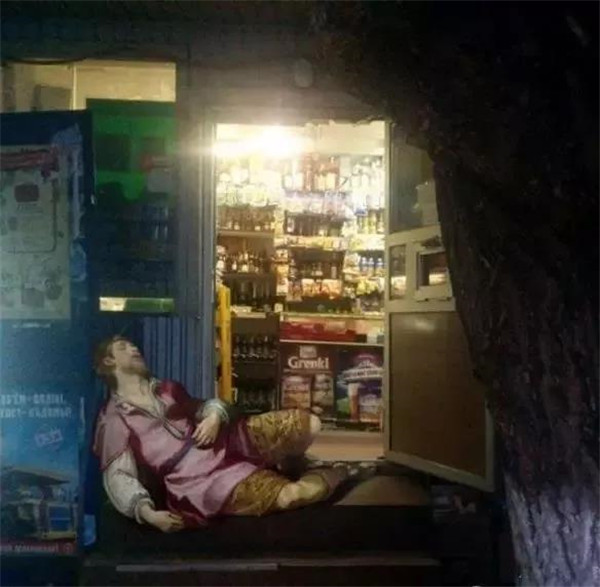
I don't want to expose my soul to those curious ordinary people.
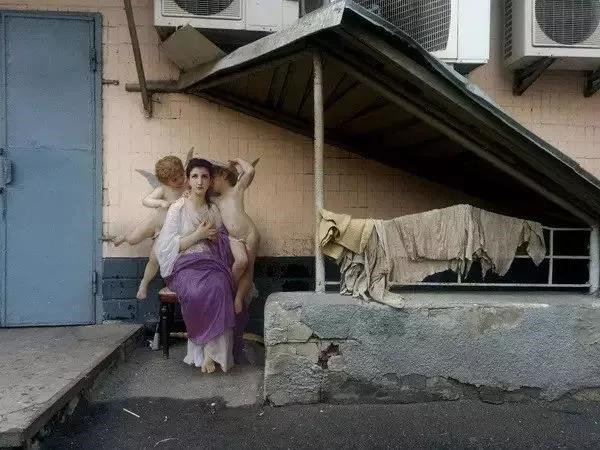
When I was young, I used to think that money was the most important thing in life, now that I am old, I know it is.
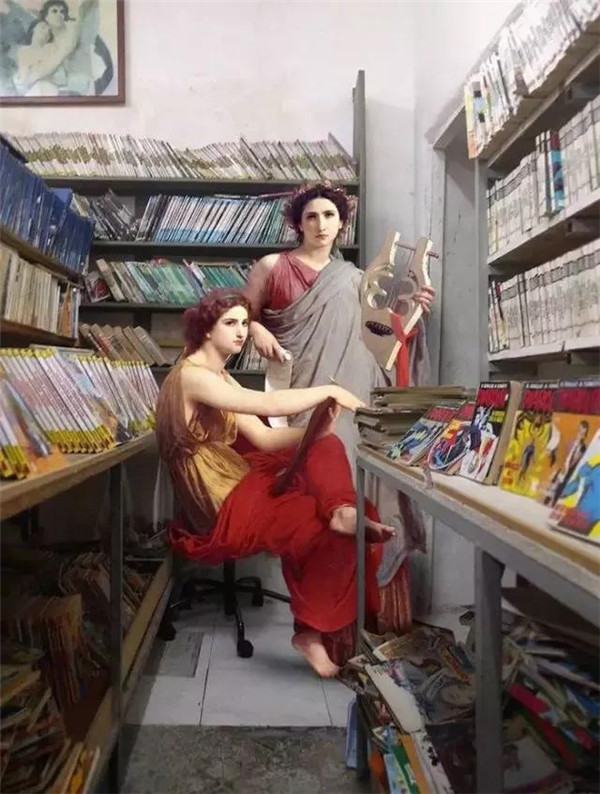
It is absurd to divide people into good and bad. People are either charming or boring.
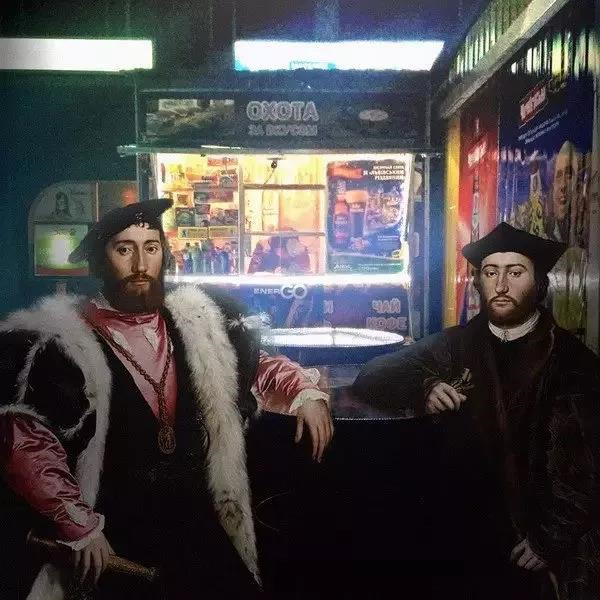
None of us can stand people who have the same problems as ourselves.
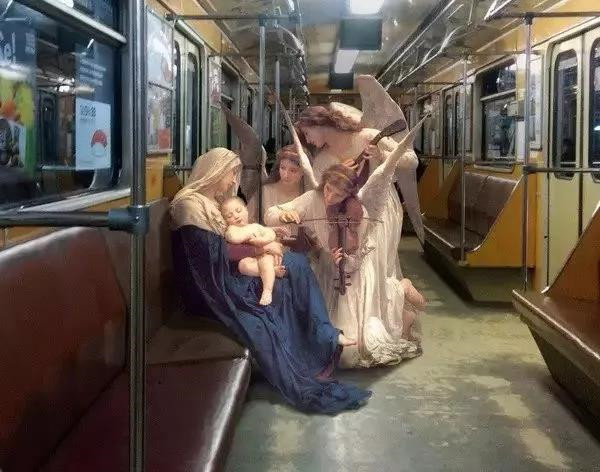
I like to talk to myself because it saves time and no one argues with me. (Um...Can you buskers on the subway be staying away? My kid is sleeping!)
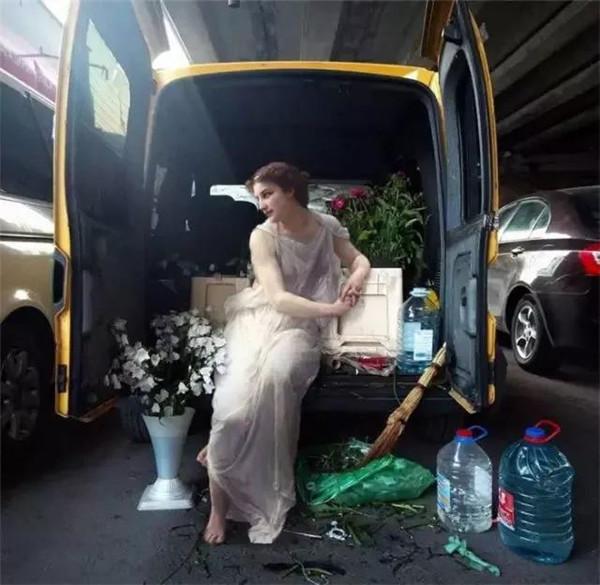
It is only shallow people who do not judge by appearances.
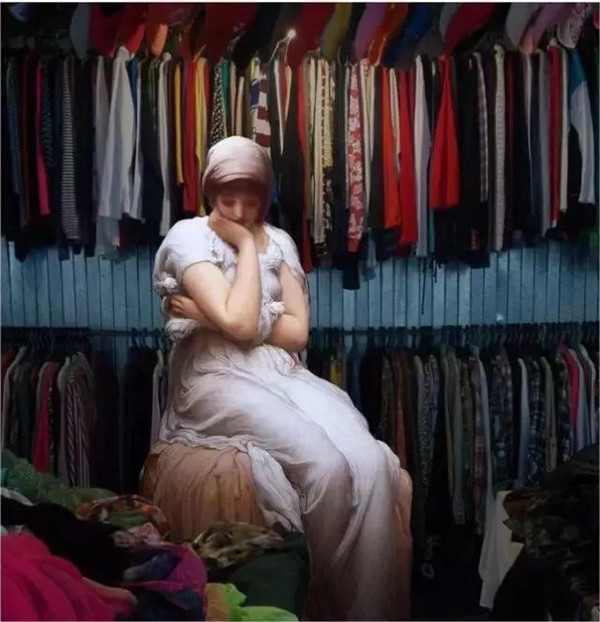
To love oneself is the beginning of a lifelong romance.
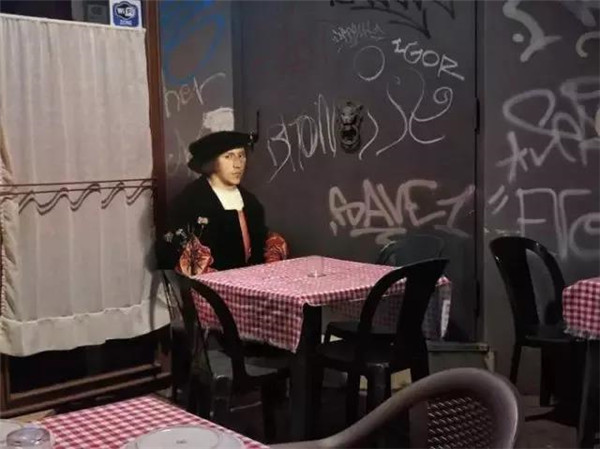
A man who does not think for himself does not think at all.
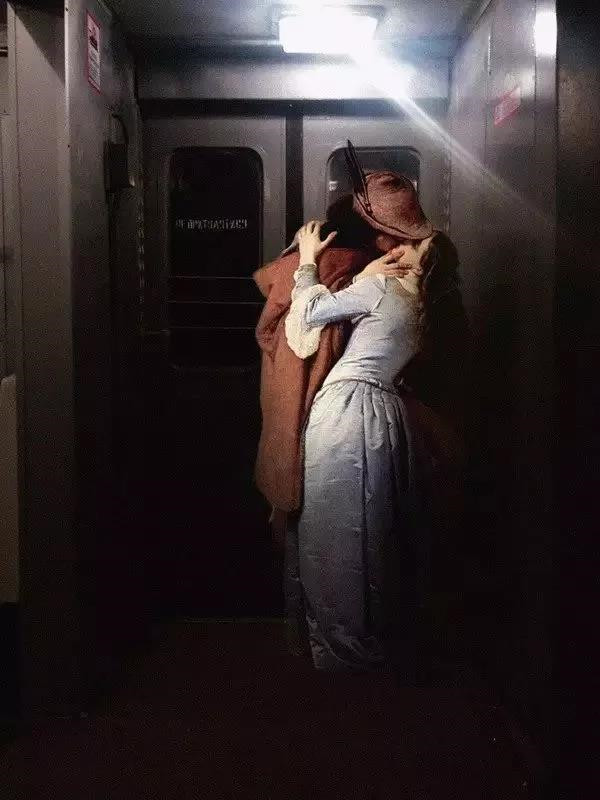
What is the chief cause of divorce? Marriage.
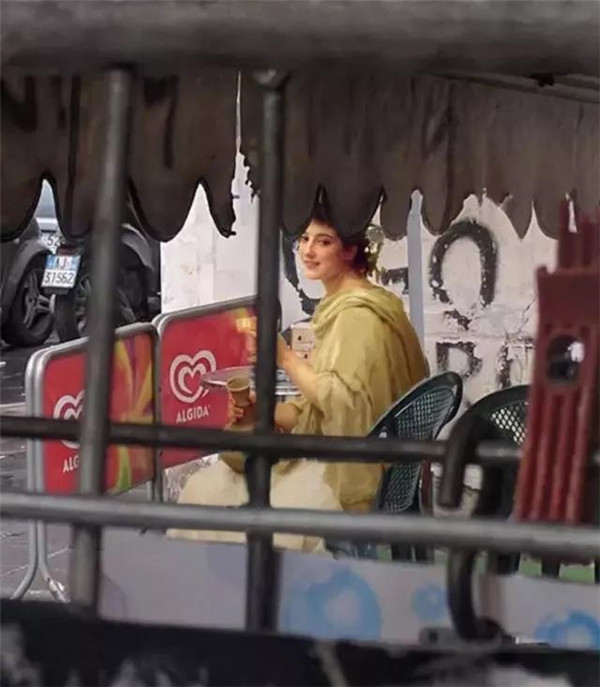
Beauty is the only thing that is not hurt by time.
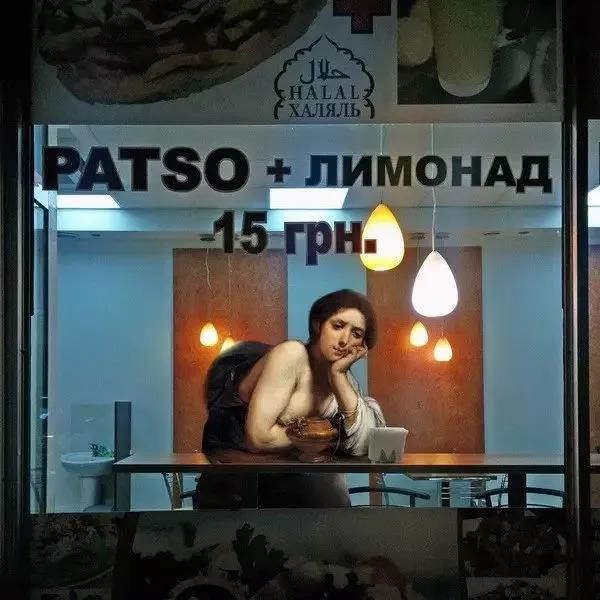
The heart was made to be broken.
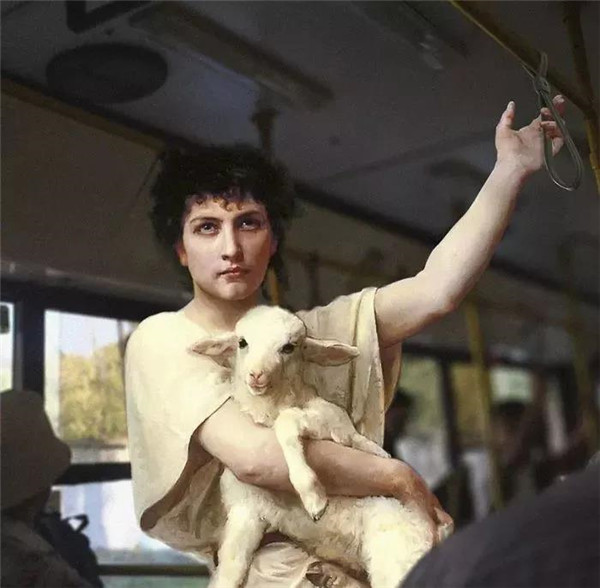
It is not selfish to live the life you want but to ask others to live the life you want is selfish.
Be yourself, because everyone else is taken.
One can always be kind to people one cares nothing about.
Every saint has a past and every sinner has a future.
A score of 59 on the test is sadder than a score of 0 on the test. The most painful thing in the world is not not having it, but almost being able to do it.
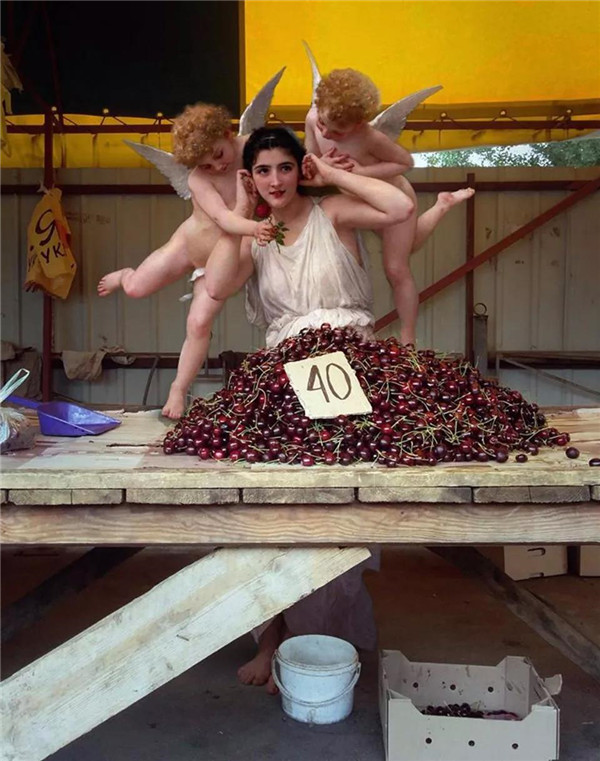
Botanists say that thorns are underdeveloped buds because they hardened. If they live in a favorable environment or are better nurtured, they will become lush branches. It turns out that all thorns, if they are well taken care of, should be tender leaves and flowers.
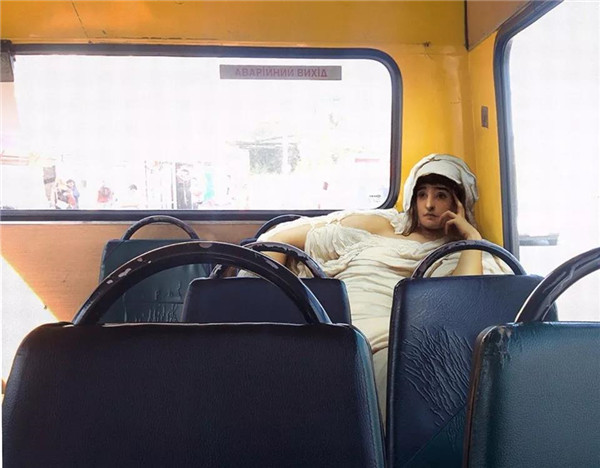
Time is a scoundrel, always ruins our expectations.
-
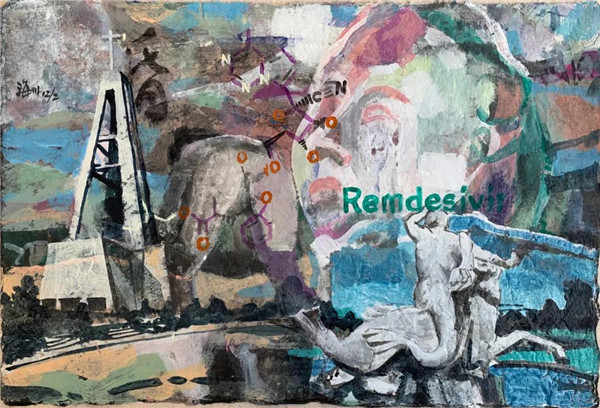
“…time wasn’t passing…it was turning in a circle…”
--Gabriel Garcia Marquez, Hundred Years of Solitude.
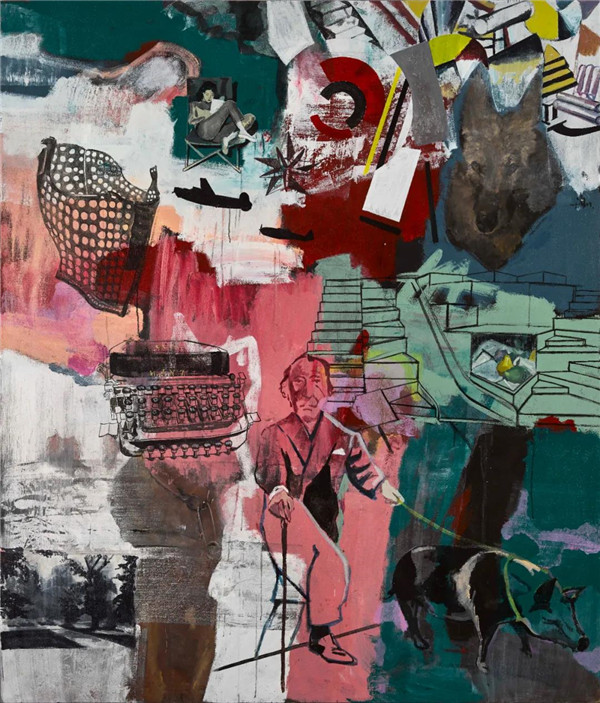
Wang Hichuan, Art Writing
Acrylic on canvas
180x170, 2020
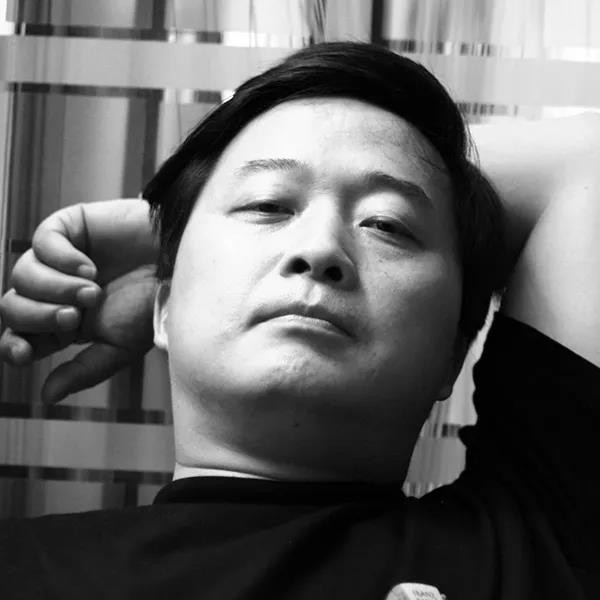
Wang Haichuan
Wang Haichuan was born in 1968 in Jilin Province, China, and currently lives and works between Beijing and Chongqing.
Wang Haichuan was another artist in this current group exhibition who immediately reflected on the new bewildering normal of 2020 in his artworks. The beginning of the quarantine meant the beginning of his diaries on Tibetan paper, with each artwork titled accordingly with the day of its creation.
In 1997 he graduated from the Sichuan Fine Arts Institute, with a major in visual arts. He used to work in the field of architecture and landscape for many years and is widely recognized as a visual artist. Wang Haichuan’s works destroy the superficial characters of private lives and harmonious society. He attempts to demolish the trace of reality and replace it with relics of time. His works were featured in solo, as well as group exhibitions and art fairs within China and abroad.
Wang Haichuan's quarantine diaries is a set of acrylic paintings on Tibetan paper. The basis of this paper is a root of a local poisonous plant, which is known to be insect-proof and long-lasting - this led to it being used to write religious scripts or contracts. His works and the use of this material display communication with his spiritual self, as well as landscapes, architecture, patterns or human figures. Wang painted quickly as if he were capturing a dream on this spiritual paper, which is often difficult or even sometimes impossible to grasp.
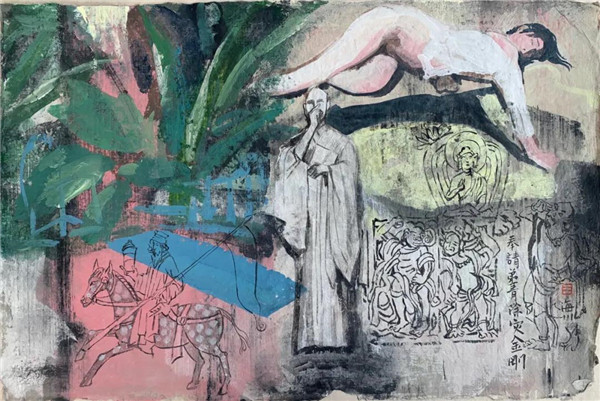
Wang Hichuan Feb.14
Acrylic on Tibetan paper
25.5x37.5cm, 2020
Characteristic of his work is a combination of eclectic imagery, floral decorative patterns, fragments of architecture, stretches of layered paint, and above all an obvious enjoyment of storytelling. His work created on February 3rd “Feb.3” tells of the news reports circulating through Chinese media on that day. The news talked about the new coronavirus originated from bats in the South China seafood market. Another announcement, that seemed to present a bigger danger at that moment, delivered the news about the locust outbreak in Africa that threatened to reach China. It went on elaborating on how successful management of the locust outbreak in China in the past was stopped with the help of geese and ducks - locusts’ natural enemies. In the painting, an old lady is ready to load her giant goose on the truck. On the stem over the truck sits a considerably oversized locust nibbling on the grass, right next to him is a bat just as significant in size. Further on the right is a Buddhist deity hovering over the whole scene. And who knows it might have just the power to eradicate those threats and bring peace of mind to humanity...
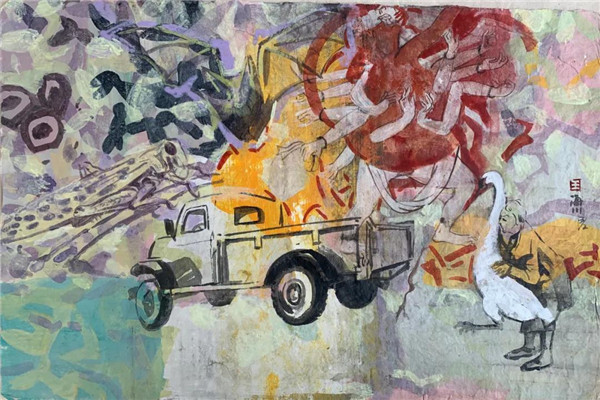
Wang Hichuan, Feb.3
Acrylic on Tibetan paper
25.5x37.5cm, 2020
Over the past several years, Wang Haichuan has made a number of drawings whose most distinct shared feature is the combination of various images constructed by a certain internal logic. Most of those images come from the Internet, a place infested with images and therefore the most convenient place for picking up images. Arguably, the mass production and transmission of images are reshaping our knowledge about the world and are swaying our judgments. Like ordering food from a menu, we have always made our judgments based on an image. Therefore, with Wang Haichuan, images are both his drawing objects and the components of his works, the reason of which is that there are a certain reason and context to whatever objects we choose.
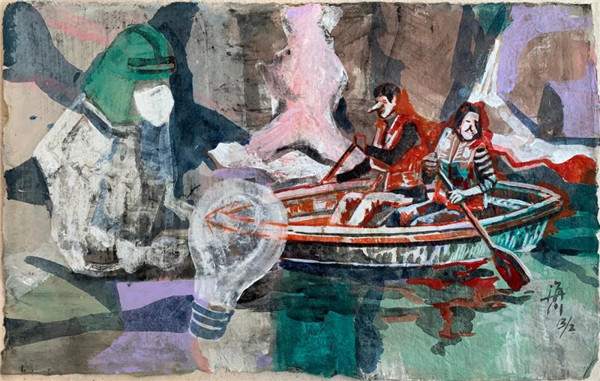
Wang Hichuan, Feb.13
Acrylic on Tibetan paper
25.5x37.5cm, 2020
For Wang Haichuan, the decision to pick particular ones out of a myriad of images is influenced by our outlooks, or more specifically, our political outlooks. It is this outlook that leads to the presence of many of the past or present political events or settings in his drawings. Through those drawings, or rather through the compilation of those images in his drawings, Wang Haichuan dug deep into the proper thinking or outlooks that contemporary generation ought to have towards the present society. In other words, what makes art modern lies in its capacity for prompting assessment and thinking on the living environment of mankind.
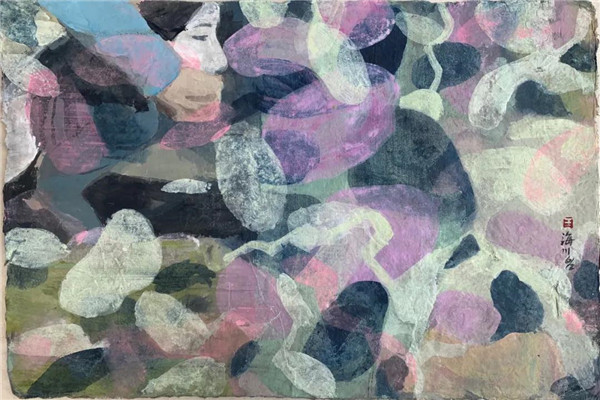
Wang Hichuan, Feb.6
Acrylic on Tibetan paper
25.5x37.5cm, 2020
With his adept mastery of drawing techniques and by taping into the structure of Japanese Ukiyoe, Chinese folk drawing and Persian miniature, Wang Haichuan was able to introduce to his Tibetan paper drawing a new style different from the common schematic style drawing, bringing rich fragmented stories to the audience.
“For me, images have their special significance in defining things. We are living in a time riddled with images and the images you chose will come to define your outlook on the world. Because of the sense of boredom that comes with schematization and the sense of “transparency” that the audience may feel, I try to steer clear of being rigid in my drawing. By combining various images, I was able to create many stories that cannot otherwise be told by words to communicate with the audience. In a sense, I have retained a touch of the reading characteristic of illustrated books, turning those drawings into my “modern Ukiyo-e” - Wang Haichuan
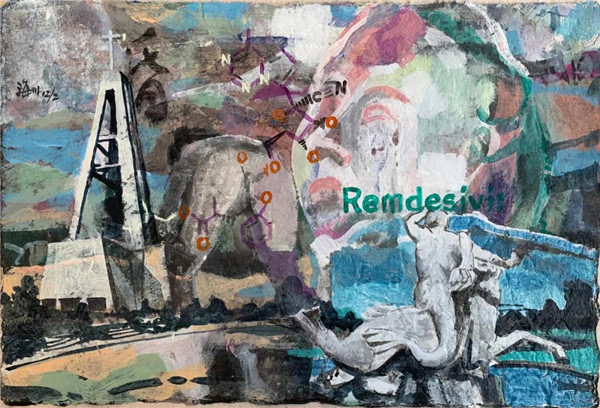
Wang Hichuan, Feb.12
Acrylic on Tibetan paper
25.5x37.5cm, 2020
-
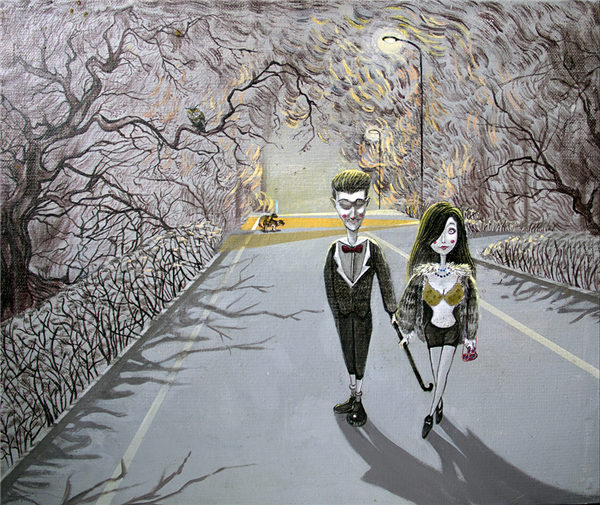
Cao Yebo is a young artist born in Zhangjiakou, Hebei Province in 1993. He graduated from Hebei Normal University with a master's degree in 2020. As an emerging artist, he already has some exhibition experience, such as The First Illustration Exhibition in China and The First College Students Art Fair in Shanghai.
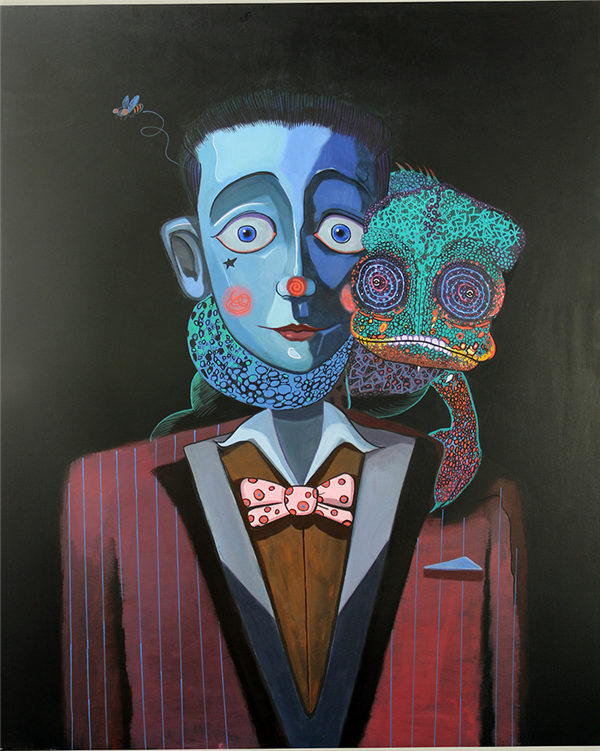
Chameleon By Cao Yebo
The clown was designed based on my own prototype. He has confused and ignorant eyes because he has too many doubts and puzzles to the world. The corners of his mouth are raised with a smile because he wants to be optimistic and brave to face reality. The clown's world is always divided into two, half sunshine, half shadow, half happiness, and half desolation. Isn't it true for each of us? Sadness or happiness may only be understood in your own heart. Perhaps happiness is just a dream, but sadness is reality. Life is like a drama but don't fool life. May we seek peace in the noisy and restless world, be sensible and nothing to fear.
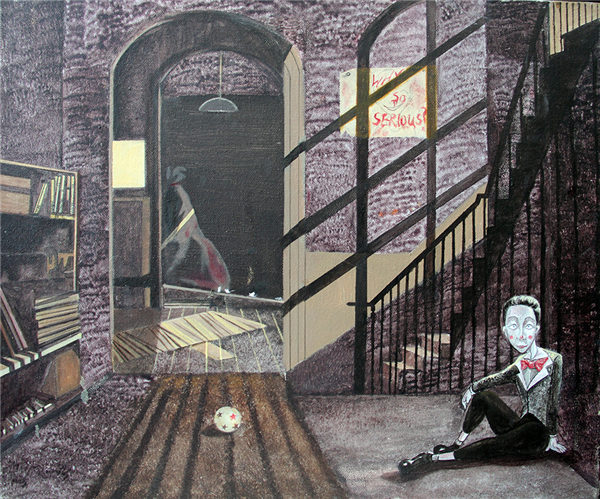
Empty Room By Cao Yebo
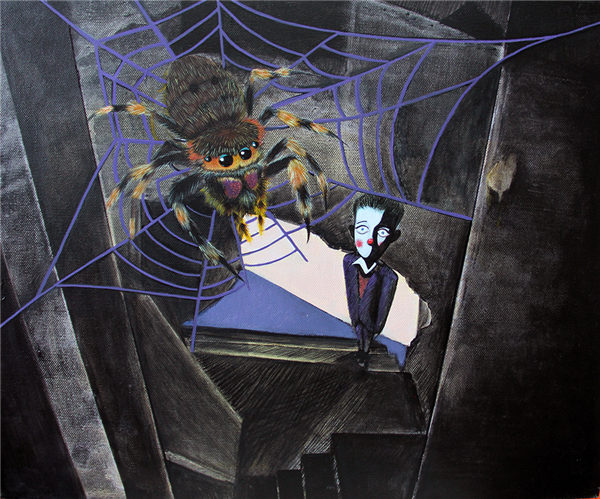
Tarantula By Cao Yebo
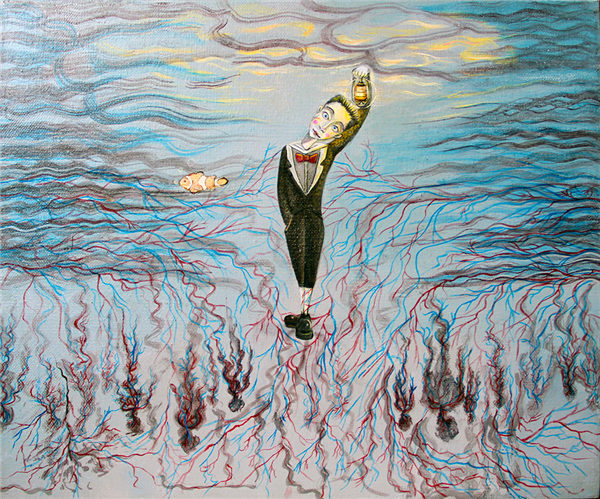
Light Of The Heart By Cao Yebo
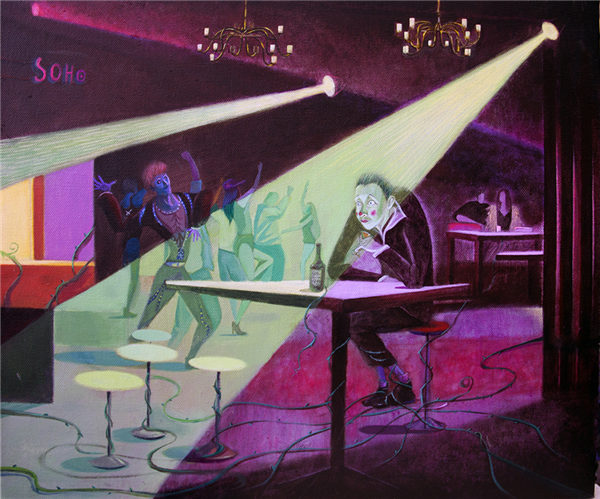
Hangover By Cao Yebo
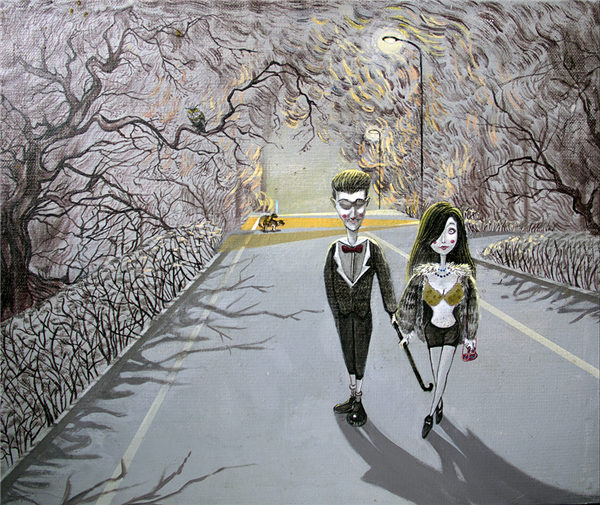
Silent Night By Cao Yebo
Human nature and emotion are the topics I have always been interested in. In real life, their falsehood and reality, purity and chaos have always troubled me and attracted me to explore the truth.
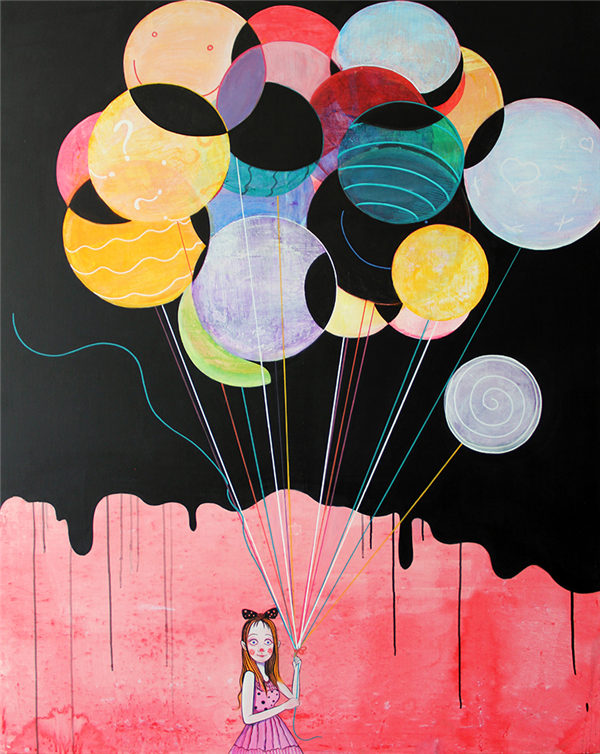
Darling, That's not Love By Cao Yebo
